Author: Mei Ling Tan

  • Ducati Posts Turnover Of 716 Million Euros In 2019

    Ducati Posts Turnover Of 716 Million Euros In 2019

    Ducati has closed 2019 on a positive note, consolidating the growth of the past few years for the Italian motorcycle manufacturer. In 2019, Ducati sold 53,183 motorcycles, compared to 53,004 motorcycles that were delivered to customers around the world. The result demonstrated that Ducati’s sales remained above 50,000 units for the fifth consecutive year, and confirmed positive signs of the market, which, in the above 500 cc segment, recorded a global growth of 1.4 percent. Among Ducati’s bestselling models across the world are the Ducati Panigale and the Ducati Multistrada.

    Ducati’s turnover, at the end of 2019, reached 716 million Euros (over Rs, 57,000 crore), a growth of 2.4 percent from 699 million Euros (over ₹ 56,000 crore) in 2018. Ducati’s operating profit of 2019 stood at 52 million Euros (Around ₹ 419 crore), up from 49 million Euros in 2018 (over ₹ 395 crore). The Borgo Panigale manufacturer of high-end motorcycles reached an operating margin of 7.2 percent against 7 percent in 2018.

    Turnover per bike figure stood at 13,500 Euros per motorcycle, which according to Ducati, represents the highest value in the history of the company, and indicates the evolutionary trend of the range of products offered towards the highest and premium part of the market.

    The Ducati Panigale remained the best-selling superbike in the world for the second consecutive year, with a market share of 25 percent, while with the addition of the 950 S and the renewed 1260 Enduro, the Multistrada family recorded the highest value of motorcycles sold since entering the market in 2003. Ducati now has 1,655 employees, with a sales network of 720 dealers and service points in over 90 countries. With the recent outbreak of the COVID-19, or coronavirus pandemic, Ducati has shut production at Borgo Panigale, but the company has announced that support for all customers will continue.

  • Malaysian retail expected to contract

    Malaysian retail expected to contract

    Retail Group Malaysia (RGM) predicts Malaysian retail sales will contract by 3.9 percent year-on-year in the first quarter of this year.

    The estimate is based on footfall having halved during the coronavirus outbreak, contradicting RGM’s expectation earlier this year that Malaysian retail sales could rise by 0.4 percent.

    “In the event the global coronavirus outbreak and domestic political turmoil take more than the next few months to resolve, it will further affect the retail consumption pattern in Malaysia drastically,” said Tan Hai Hsin, MD at RGM.

    He said it was unable to estimate the likely retail industry growth figure for this year while preparing the report because of the unpredictable changes of the coronavirus outbreak and the new ruling government policies.

    Although shopping traffic has dropped significantly in the country, some shopping malls have remained open to the public to provide essential goods and services.

    Aeon Mall’s tenants, including pharmacies, banks and POS Malaysia, will continue to operate, however, food & beverage tenants will only provide takeaway and delivery services. Aeon Retail’s outlets will also provide dedicated check-out lanes for senior citizens, the disabled and pregnant women to ensure that they can shop for their daily needs in “a safe and worry-free environment”, the company said in a statement.

    Meanwhile, 1 Utama Shopping Centre said on its social media that its essential service tenants such as supermarkets, pharmacies or convenience stores will remain open, and reassured consumers that there is no need to start panic shopping.

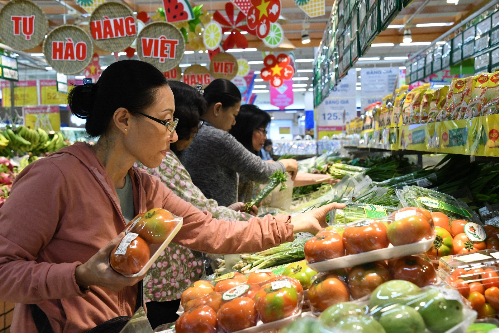
    In the final quarter of last year, Malaysia’s retail sales increased 3.8 percent year on year with the best growth in the pharmacy and personal care categories. The worst-performing sector was supermarkets and hypermarkets which witnessed a 2.8-per-cent full-year decline.

  • Tesla Suspends Production At U.S. Vehicle Factory Due To Coronavirus

    Tesla Suspends Production At U.S. Vehicle Factory Due To Coronavirus

    Tesla Inc said on Thursday it will suspend production at its San Francisco Bay Area vehicle factory on March 24, ending a standoff with California authorities concerned about the spread of the coronavirus.

    The company said its New York solar roof tile factory also will temporarily suspend production, while operations at its Nevada battery plant will continue.

    “Despite taking all known health precautions, continued operations in certain locations has caused challenges for our employees, their families and our suppliers,” the company said in a statement.

    Tesla’s shares were down 8% in after-hours trading following the announcement.

    The decision to suspend production at the Fremont, California, plant comes as Tesla ramps up production of its Model Y sport utility vehicle at the factory. Demand for the Model Y is expected to be higher than for all of Tesla’s other models combined, Chief Executive Elon Musk has said.

    The decision to suspend production comes as Tesla ramps up production of its Model Y sport utility vehicle at the factory

    Musk on Thursday tweeted that Tesla’s China operations were running “normally across hundreds of suppliers & all of Tesla Shanghai.” The $2 billion Shanghai factory, which started delivering Model 3 sedans in December, is key to Tesla’s growth strategy and the company plans to expand production capacity there.

    Elon Musk’s expected defense of a $2.2 billion deal in court was postponed on Friday from its expected Monday start, due to the coronavirus outbreak.

    A Shanghai-based Tesla representative told Reuters the Chinese factory’s production rate has exceeded pre-coronavirus levels and over 91% of workers have returned to work since March 6.

    Tesla plans to start building Model Y SUVs in Shanghai from 2021 and expand car parts manufacturing capacity, a government document seen by Reuters showed.

    Cui Dongshu, secretary-general at the China Passenger Car Association (CPCA) told Reuters Tesla sold around 3,900 vehicles in February, up from 2,620 vehicles in January.

    Tesla’s decision to suspend production at its San Francisco area plant came after several days of discussions with local officials and after the company met on Thursday with the city of Fremont.

    California’s governor on Thursday issued a statewide “stay at home” order to residents, telling them to leave their homes only when necessary during the coronavirus pandemic.

    The highly contagious respiratory illness has infected more than 10,700 in the United States.

    The automaker also said it believed it had enough liquidity to successfully navigate the extended period of uncertainty, with some $6.3 billion in cash at the end of the third quarter, ahead of a recent $2.3 billion capital raise.

    Tesla’s Fremont facility, which is the company’s sole U.S. auto factory, employs more than 10,000 workers

    The city and officials from the surrounding Alameda County did not immediately respond to a request for comment on Thursday.

    Alameda County is one of six counties covered by an order from regional officials to “shelter in place,” which limits activity, travel and business functions to only the most essential, and advises people to stay home except for the most crucial reasons.

    The county sheriff’s office said on Tuesday afternoon Tesla was not considered an essential business and cannot continue to operate its factory normally.

    Tesla said on Thursday it would continue basic operations at the Fremont factory in compliance with the order to support vehicle and energy services and charging infrastructure.

    Tesla’s sole U.S. auto factory employs more than 10,000 workers, with annualized production of slightly more than 415,000 units by the end of December 2019.

    In an email to employees on Thursday, Tesla said operations at the Fremont plant will transition to “minimum basic operations” beginning on March 24.

    Employees at the California and New York factories will be provided with paid leave during suspended operations, the email said.

    Tesla’s Giga factory in Nevada, which employs around 7,000 people, produces battery packs for its electric vehicles and stationary storage systems.

    Its Buffalo, New York, plant produces the company’s solar roof tiles as well as some Supercharger and energy storage components. It has more than 1,500 workers in Buffalo, the company said last month.

    U.S. automakers Ford Motor Co, General Motors Co and Fiat Chrysler Automobiles NV, on Wednesday said they were shuttering their U.S. plants, as well as factories in Canada and Mexico, to stop the spread of coronavirus.

  • Luk Fook sales plummet by half in first two months of 2020

    Luk Fook sales plummet by half in first two months of 2020

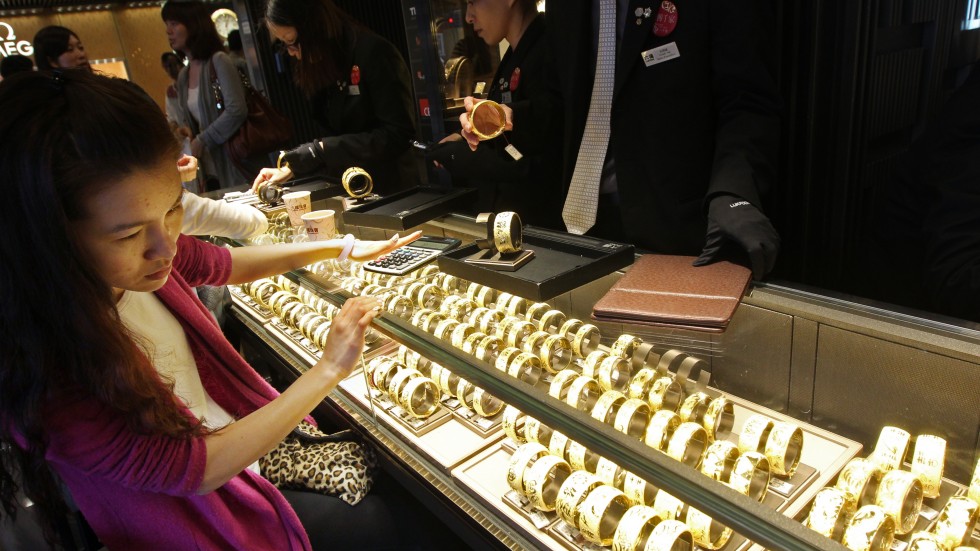
    Hong Kong jeweler Luk Fook says its sales halved during the first two months of this year as the coronavirus outbreak caused an extensive lockdown of mainland Chinese cities and visitors to Hong Kong and Macau fell sharply.

    While most mainland stores have reopened this month, customer footfall of the shops operating in Mainland China, Hong Kong and Macau was “still sparse” said chairman and CEO Wai Sheung Wong in a profit warning. “It is expected to take some time for the business to resume normal.

    “Therefore … there will be an acute drop in revenue for the period from January to March. It is therefore highly likely that certain losses will be incurred in the fourth quarter. It may lead to a substantial decline in the group’s revenue and profit for the financial year ending March 31.”

    With Macau stores closed for most of February, sales in the combined Hong Kong and Macau market decreased by more than 50 percent.

    “Economic activities in Mainland China were almost halted due to the outbreak,” said Wong. “In the first two months of this year, industry, consumption and investment all hit record low with the double-digit decline, crashing the macro-economy severely.”

    Group-wide, same-store sales of gold products and gem-set jewelry products in Luk Fook’s own stores were down by 45 percent and 54.9 percent, respectively. In Hong Kong and Macau overall sales were down by 52.8 percent, with gold products down by 47.3 percent and gem-set jewelry products by 58 percent.

    On the mainland, where shops were closed in February, same-store sales fell by 37.1 percent. Gold sales were down by 38.6 percent and gem-set jewelry sales by 31.8 percent.

    Retail sales through licensed shops and self-operated shops of the group in Mainland China fell by half.

    During the pandemic, the company has not replaced staff leaving of their own accord and introduced leave without pay to reduce staffing costs. It has also negotiated rent reductions with landlords.

    Expansion plan on track

    Despite the huge impact of the coronavirus on sales, Luk Fook remains committed to its expansion plan which Wong said “has not been seriously affected”.

    “It is estimated that the net shop additions for the current financial year would only be a bit less than the target of 300 shops. In addition, the group’s unaudited revenue and profit for the period for the nine months ended December 31 were about 60 percent and 55 percent respectively ahead of those for the year ended March 31, last year.”

    He said fourth-quarter operational data will be released in mid April.

  • Yum! Brands to take over The Habit Burger Grill chain

    Yum! Brands to take over The Habit Burger Grill chain

    Yum! Brands has bought California-based The Habit Burger Grill, adding its first fast-casual burger chain to its portfolio which already includes KFC, Pizza Hut and Taco Bell

    The company says it has bought all of The Habit Burger Grill’s issued and outstanding common shares in a deal worth US$375 million.

    “The Habit Burger Grill is a sweet spot within fast-casual because of its delicious California-inspired menu with premium ingredients at a QSR-like value, strong unit economics and tremendous untapped growth potential in the US and internationally,” said David Gibbs, CEO of Yum! Brands.

    As a subsidiary of Yum! Brands, The Habit Burger Grill will continue to be run as an independent brand, the company said in a statement.

    President and CEO of The Habit Burger Grill, Russell Bendel, said, being part of Yum! will take The Habit Burger Grill to the next level by leveraging Yum!’s global scale, resources, and franchising capabilities to strengthen and significantly grow our beloved brand for many years to come.”

    Founded in California in 1969, fast-casual restaurant concept The Habit Burger Grill operates about 300 restaurants across 13 states in the US.

  • Harley-Davidson Suspends US Production Over Coronavirus Crisis

    Harley-Davidson Suspends US Production Over Coronavirus Crisis

    “We recognize the unprecedented nature of this global crisis. In order to best support our employees and following the social distancing guidance issued by public health authorities, we are temporarily suspending the majority of production at our US manufacturing facilities,” said Jochen Zeitz, acting CEO and President, Harley-Davidson. “We will continue to monitor the situation and take necessary steps to prioritize employee health and safety.

    Non-critical employees at Harley-Davidson’s headquarters and Production Development Centre in Milwaukee have also been asked to work remotely till the end of March. The company is also working with dealers to assess individual impacts and is encouraging dealers to follow the public health guidelines in their communities for the safety of its consumers.

    Harley-Davidson has become the latest motorcycle manufacturer to shut down at least some production facilities. In Europe, KTM and Ducati have also extended shutdowns at the two motorcycle brands’ manufacturing facilities, over the coronavirus pandemic. For Harley-Davidson though, the decision to shut down production comes at an already difficult time. Harley-Davidson sales are down, more so, in the US domestic market, and in late February, Harley-Davidson announced the departure of the brand’s CEO, Matt Levatich, who spent more than two decades at Harley-Davidson.

  • Inditex closing down 800 outlets worldwide

    Inditex closing down 800 outlets worldwide

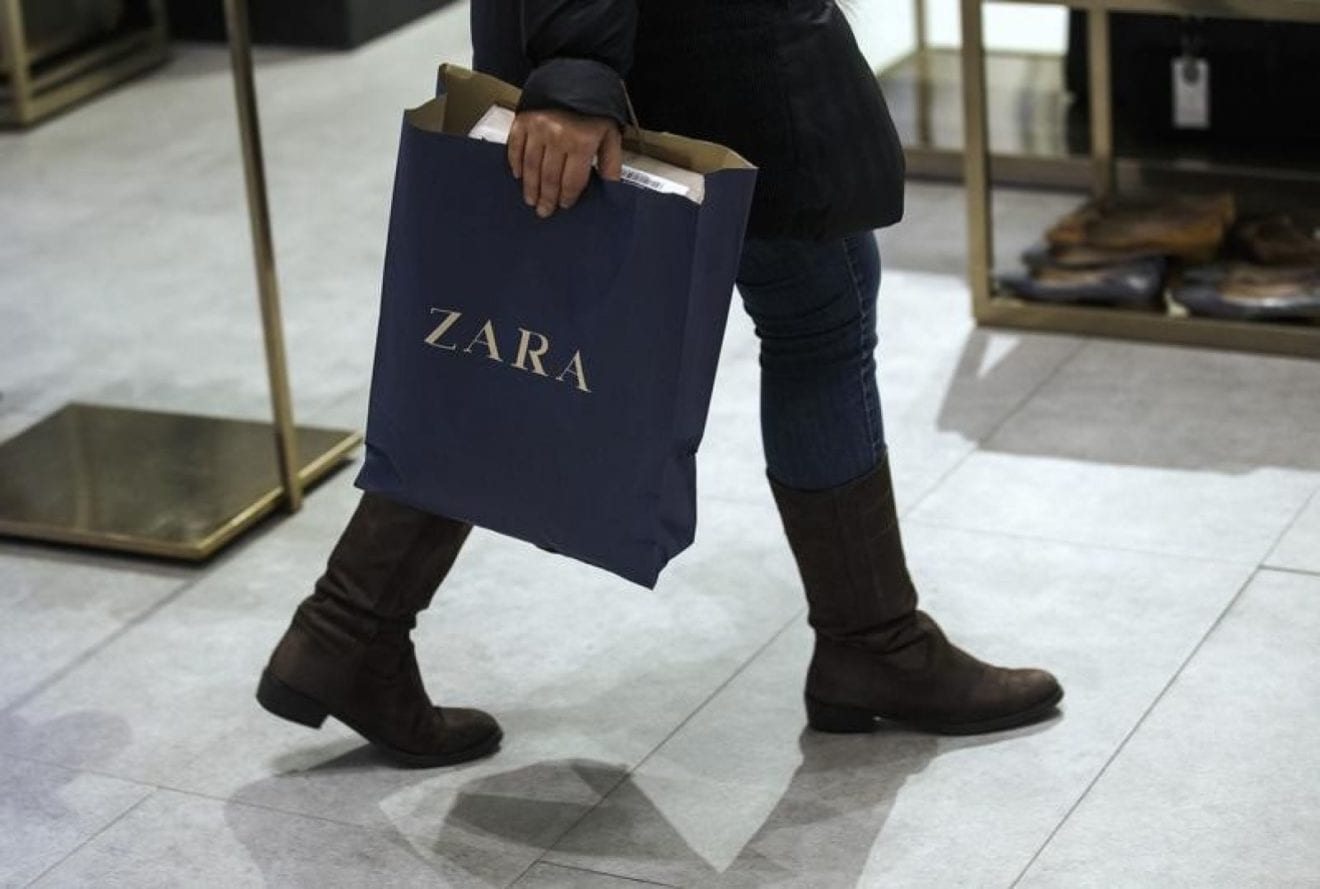
    Spanish apparel retailer Inditex has temporarily shuttered almost 3800 stores in 39 markets internationally in the midst of the coronavirus outbreak.

    All Inditex locations in its home territory are currently closed for business.

    Affected stores include Zara, Pull & Bear, Massimo Dutti and Bershka-branded outlets, sales at all of which have been strongly affected by the virus.

    Retail takings for the group dropped 24.1 percent in the first fortnight of March.

    While the firm stated it is too early to predict the ultimate impact of the outbreak on its business, Inditex expressed confidence in its business model to weather the crisis, even as European countries begin to enforce government-mandated lockdowns.

    The firm has set up remote working systems at its Spanish head office and closed gym and bus services.

  • Singapore Bank Shares Offer Value

    Singapore Bank Shares Offer Value

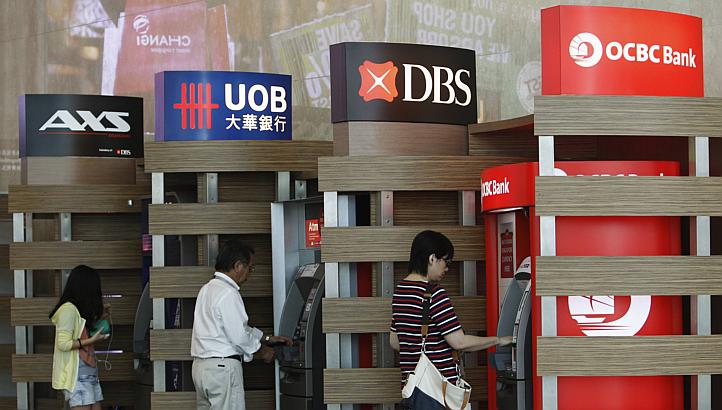
    Shares of Singapore banks offer good value now that they have fallen by 26 percent year-to-date. With better capital positions as compared to during the global financial crisis, they have the capacity to retain dividend payout.

    Even as the coronavirus outbreak drags Singapore into negative growth territories, Singapore banks are in better shape today as compared to the period during the global financial crisis (GFC). The higher capital ratios, high provisioning levels, and geographic diversity should serve to limit further falls in the share prices of the three local banks, said analysts.

    We expect a rapid rise in non-performing loans (NPLs) and credit charges may surpass levels seen during the 2017 O&M crisis. However, unlike past crises, these banks are starting with strong capital ratios, high provisioning levels, and wider geographic diversity. Unprecedented, coordinated fiscal and monetary stimulus efforts by governments focused on liquidity support should also provide downside support, in our view, wrote Thilan Wickramasinghe, an analyst with Maybank Kim-Eng on Wednesday.

    The three pressures on banks’ earnings include the COVID-19 pandemic, interest rate cuts, as well as the oil price war that continues. The coronavirus pandemic would affect small-medium enterprises most, followed by housing loans if employment levels fall. However, there are no indications of a rapid fall in asset qualities yet, wrote Tay Wee Kuang, an analyst with Philip Securities in a research note on Thursday.

    The oil price war reminiscent of the 2016 oil price meltdown will have a limited impact on asset quality because all three banks have taken steps to clean up their oil and gas loan books in prior periods by reducing exposures in the industry and accounting for necessary provisions. Banks’ exposure to the oil and gas sector has dwindled to below 2 percent of their loan books.

    Moreover, various fiscal and monetary stimulus rolled out by governments worldwide should provide cushions to the downside. For instance, Singapore has unveiled a fiscal boost to tackle the Covid-19 virus outbreak with an S$6.4 billion package targeted at epidemic containment, as well as support for industries that are directly impacted. Initiatives include Co-Funding schemes for affected sector SMEs, rebates on corporate and property tax, cash grants for retaining local employees and targeted assistance to defray business costs and other concessions for the aviation and maritime sector.

    The Malaysian government also unveiled its Covid-19 impact-targeting 20 billion ringgit Economic Stimulus Package late February, modeled after responses during the SARS crisis. These programs are primarily focused on ensuring liquidity flow to impacted SMEs and individuals, aimed at helping them weather uncertainty and keep their debt obligations current and staff employed. These should provide significant downside support in mitigating defaults and credit risks, in our view, wrote Wickramasinghe.

    The sector is now trading at 0.8 times forward price-to-book, or two standard deviations below mean. Despite aggressive cuts to earnings per share and target prices, the banks offer significant value, in our view. While valuations are about 30 percent above GFC troughs, we believe the sector is significantly different from then and so is its risk profile, wrote Wickramasinghe, who has upgraded OCBC on potential market share gains in the region.

    Meanwhile, the sector provides a highly visible dividend yield of 6.4 percent, 136 basis points higher than peers in Southeast Asia. The fact that the three banks’ Common equity tier 1 ratios are above 14 percent- comfortably above the regulated 10.5 percent set out in the Basel III accord – means that banks are unlikely to trim dividends, notes Tay.

    The last dividend cut undertaken by banks was during the GFC. However, the current situation is not comparable to the GFC, where the global financial system collapsed when the credit quality of the banks came under pressure, wrote Tay.

  • HSBC Announces Trade Finance Loan Partnership

    HSBC Announces Trade Finance Loan Partnership

    The bank will leverage big data to offer quick trade financing approvals to Hong Kong merchants on Alibaba’s e-commerce platform Tmall.

    HSBC is will use third-party data to approve trade finance loans under a partnership with Alibaba Group’s smart logistics platform Cainiao Network Technology, the bank announced in a statement on Thursday.

    The service is available to merchants using Alibaba’s e-commerce platform Tmall, which currently number some 1,800. It is also hoped that the simplified financing process will help retail and assisting businesses resume normal operations amid the Covid-19 outbreak, the partners said.

    As part of the scheme, merchants will not be required to provide collateral or financial documents and can get approvals for loans of up to $500,000 within seven days. The bank is also offering a discount of 1 percent off the annual interest rate until the end of June.

    By using real-time logistics information for credit assessment, the bank hopes to make loans more accessible and better match the needs of new economy enterprises. The bank said it will explore expanding this service to other e-commerce platforms.

    There is a clear need to match the rapid evolution of the market with new solutions, and we believe the new scheme will provide adequate support to online merchants, said Jeanny Ip, head of global trade and receivables finance, Hong Kong and Macau, HSBC.

  • Digital payments and E-commerce in India rise as consumers stay home

    Digital payments and E-commerce in India rise as consumers stay home

    Digital payments in India have risen by 10 percent over the last month, despite a 30-per-cent decline in online travel spending.

    According to payments platform Razorpay, as human interactions are reducing across the country, consumer payment habits are changing. “For the first time ever, online grocery shopping climbed the ladder with a growth of 9 percent, and government and utility bill payments grew by 30 percent, reflecting precautionary measures that customers are taking by staying indoors,” the company said in a statement.

    Advisories against overseas travel and the closure of borders by a growing number of nations have led to a significant reduction in travel from India.  Last year, according to Statista, the travel sector accounted for 40 percent of digital payments in India.

    Correspondingly, digital payments for hospitality services, which typically account for 10 percent of payments processed by Razorpay, fell by 12 percent over the last month.

    Consumers fearful of running out of essential supplies during the coronavirus crisis saw the grocery category move into the top three sectors on the platform, growing 9 percent.

    UPI (19.6 percent), NetBanking (11.5 percent), and Wallets (10.3 percent) became the three leading modes of payments during the pandemic.

    “From a macroeconomic perspective, we are seeing an increase in the demand for digital payments across a few sectors – grocery, e-commerce and utility bills have gone up, given the social isolation,” said Harshil Mathur, CEO, and co-founder at Razorpay.

    “On the flip, people are having to stay indoors and not having enough spending power, this can make the overall consumer spending go down creating a lasting (negative) impact.”

  • Xiaomi reopens its 1,800 stores across China

    Xiaomi reopens its 1,800 stores across China

    As Mainland China registered no new cases of coronavirus for the first day since the disease emerged late last year, Chinese tech retailer Xiaomi says it has reopened more than 1800 retail stores across the mainland.

    The company also says the majority of its component suppliers – about 80 percent – had resumed operations.

    In a telephone conference call yesterday, Xiaomi president Wang Xiang said the company was working with its suppliers and service providers both upstream and downstream to achieve a stable supply line of products during the coronavirus crisis.

    Many other retail groups are steadily reopening stores across China. Some, including Apple and Lego, have closed their entire global store networks until at least late this month, with the exception of China.

  • South Korean malls remain calm and patient

    South Korean malls remain calm and patient

    Panic buying is spreading like wildfire among a number of countries as fear of the coronavirus deepens.

    But large shopping malls in South Korea, however, are as peaceful as in the pre-coronavirus era.

    Experts argue that prior experiences in dealing with various epidemics, such as Severe Acute Respiratory Syndrome (Sars) in 2003 and Middle East Respiratory Syndrome (Mers) in 2015, has allowed retailers to maintain a stable supply of everyday necessities at shopping malls.

    Rapid technological advancement in online delivery and distribution systems thanks to the fierce competition among retailers has also helped maintain supply despite the surge in demand, some argue.

    “Despite the coronavirus outbreak, we are maintaining a delivery speed of half a day or one day at the latest. This is top class even on global standards,” said a source familiar with the e-commerce industry.

  • Muji parent Ryohin Keikaku caught million dollar tax dodge

    Muji parent Ryohin Keikaku caught million dollar tax dodge

    Muji store parent Ryohin Keikaku has been found to have dodged paying ¥7.5 billion (US$68.3 million) in tax by transferring taxable income to its operations in China, where it runs 256 outlets.

    The Japanese retailer has been ordered by the courts to pay the required taxes, which have accrued since 2017, as well as around ¥2.1 billion ($19.1 million) in penalties.

    In a statement, the firm said that although it holds a different view on the policy of double taxation, it has decided to pay the tax as assessed by the tax bureau.

    Ryohin Keikaku has appealed to the tax authority in Japan to deal with its Chinese counterparts to avoid double taxation in future.

  • Australia’s Hey Yogurt lifts off in Malaysia

    Australia’s Hey Yogurt lifts off in Malaysia

    Australian probiotic yogurt brand Hey Yogurt is planning to launch 100 outlets in Malaysia this year following its Nasdaq listing in February.

    The brand – which combines Australian yellow peaches with grain and yogurt and is marketed as a low-sugar, low-fat health food – has been operating in Singapore since January, where it has already achieved sales of more than 1000 cups per day.

    Hey Yogurt is already preparing its first stores in Kuala Lumpur, Malacca and Johor Bahru.

    The popularity of the drink during an economic downturn brought about by the coronavirus epidemic may be related to recent findings that the Lactobacillus bacteria found in yogurt has positive benefits for the immune system when blended with probiotics, according to a German study cited by the brand.

  • Pomelo is redefining O2O retailing in SE Asia

    Pomelo is redefining O2O retailing in SE Asia

    As technology increasingly merges online and offline channels, addressing pain points along the purchase journey, a new breed of retail startups is drawing funding from private equity investors. One of the leaders is Bangkok-headquartered Pomelo, co-founded by Korean-American David Jou.  Before Pomelo was born in 2013, Jou co-founded and served as MD of Lazada Thailand and he has acted as an angel investor in several small startups.

    Bangkok in 2013 was already a buzzing creative hub with designers, graphic artists and digitally savvy technology specialists aplenty, a thriving fashion industry and a destination where a growing number of international producers were heading to film movies and television commercials. So Jou sat down with his co-founders and thought: How do we put all of this together and turn it into a business?

    “Back then, the core pillars that are required to get the e-commerce market going were just starting to be put into place: logistics, high-speed internet, smartphones, and a social-media infrastructure. And one of the things that was completely devoid in the region was e-commerce,” he recalls.

    “That was really the inspiration for Pomelo. We said hey, let’s build a direct-to-consumer fashion brand. And we’re going to use digital, we’re going to use social media, we’re going to use technology to really take out the middleman and make the entire process more efficient. We felt like we really had to create a brand for the digital era. So we started working on the idea and launched to the public at the beginning of 2014.”

    In the five years since Pomelo has grown from a fledgling online-only fashion platform to an omnichannel retailer with a presence in five countries serving customers in more than 50.

    In September, the company closed another funding round, securing US$52 million. Investors to date include heavyweights like JD and Thai retail-and-mall conglomerate Central Group who chipped in back in 2017.

    Since then, Pomelo has expanded to Singapore, Hong Kong and Malaysia, grown its gross merchandise volume seven-fold, launched nine physical stores in Thailand and a flagship on Singapore’s Orchard Road. The brand has expanded its product offering even further, launching categories like Purpose, an eco-friendly collection and Beet cosmetics.

    While on the surface Pomelo appears to be a fashion retailer, its raison d’etre is very firmly in developing technology-driven business models. And so as Pomelo has grown in brand awareness it has earned a reputation in Asia for its relentless experimentation, for thinking outside the traditional norms of the rag trade.

    The company’s market-positioning statement is “Fashion born in Asia. On Trend. Online. On The Go”. With K-pop and K-fashion already booming at the time of its launch, Pomelo’s team took inspiration from what was trending on the streets of Seoul. Then they worked on search engine optimization, social media promotions and Facebook to build the brand – “and old-school methods like email”. Recruiting key opinion leaders for live streaming in different markets added further momentum.

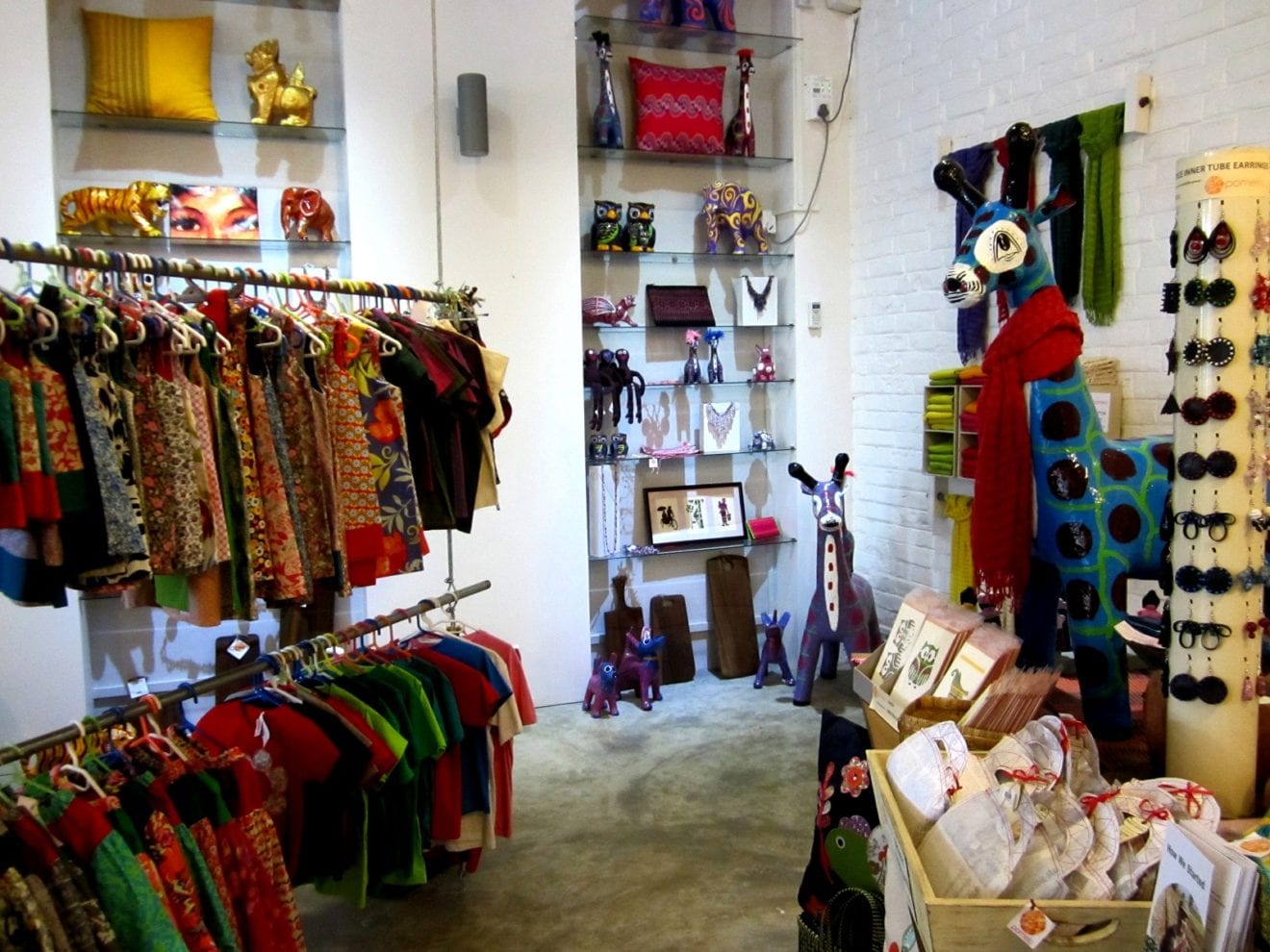
    Now, in January 2020, its newest initiative is ‘partner stores’. The company has been building a network of 100 retail outlets in Thailand where people who buy clothing online can have their orders delivered and try them on before taking them home. Or they can return them or order an exchange if the fit is not right, paying for only what they keep. It’s an ingenious solution to one of the most significant pain points in online fashion retailing for vendors: significantly lowering returns which can run as high as 70 percent in some Asian markets.

    Partner stores include cafes, salons, fitness studios, florists and even other clothing stores frequented by its core demographic: females aged 25 to 34.

    “Creating the best omnichannel retail experience means integrating our products with customer lifestyles, and the first 35 partner stores in Thailand allowed us to be where our customers live, work and play,” said Jou.

    The partner stores pay no sign-on fee – in fact, they earn a commission for everything collected from their locations. But they have to meet minimum guidelines, such as a customer-friendly environment and a fitting room. The company will start recruiting Singapore partner stores early this year.

    A world apart

    With a true online-offline approach to business, Pomelo is setting itself aside from traditional fashion brands. Jou believes a critical success factor is that the company approaches customers from the opposite direction to traditional retailers.

    “The brick-and-mortar guys have a product or a business model that they’re pushing and the customer kind of comes at the end of that value chain, whereas we are using customer feedback to really drive our future.”

    Its business model evolved from listening to customer feedback in the early days when it set out to be on-trend.

    “We were working with social media influencers to identify different groups of customers. Then we were designing collections specifically based on their preferences.”

    During that process, over and over again the Pomelo team kept getting the same feedback: ‘We love the brand. We love the style. The price is great. But I don’t feel comfortable buying fashion on the internet. If it doesn’t fit me, I don’t want to deal with the hassle of returns’.”

    The iteration before partner stores was Pomelo Pickup, where customers could try-before they bought at pop-up stores in Bangkok and Singapore, to their own schedule. The feedback was overwhelmingly positive, says Jou.

    This carefully charted course, evolving on listening to customers and solving their problems rather than just churning out high volumes of fast fashion, is clearly what is attracting investors.

    “This is a disruptive time for omnichannel in Asia and Pomelo is in a unique position because of its vertically integrated model and innovative technical abilities,” said Michael Aw, founding partner at Provident Growth Fund, one of the investors in the most recent funding round.

    “We are confident they will lead the way in fashion across Southeast Asia and beyond. Leveraging its direct-to-consumer fashion technology, Pomelo has proven itself a trailblazer in omnichannel fashion since its launch.”

    Jou says Pomelo’s omnichannel strategy is built upon its ability to provide a variety of retail options.

    “As a fashion brand with a technology DNA we place the customer experience at the forefront of everything we do.

    “Everywhere we look, we see opportunities for innovation to reinvent how things are done to create better products, better serve customers, and maximize omnichannel productivity and efficiency. Fashion is as relevant today as ever and we are excited to chart a unique path forward in an effort to reinvent what it means to be a fashion brand,” he concludes.