Author: Mei Ling Tan

  • UOB Malaysia Offers Moratorium For Loan Repayments Up To a Year

    UOB Malaysia Offers Moratorium For Loan Repayments Up To a Year

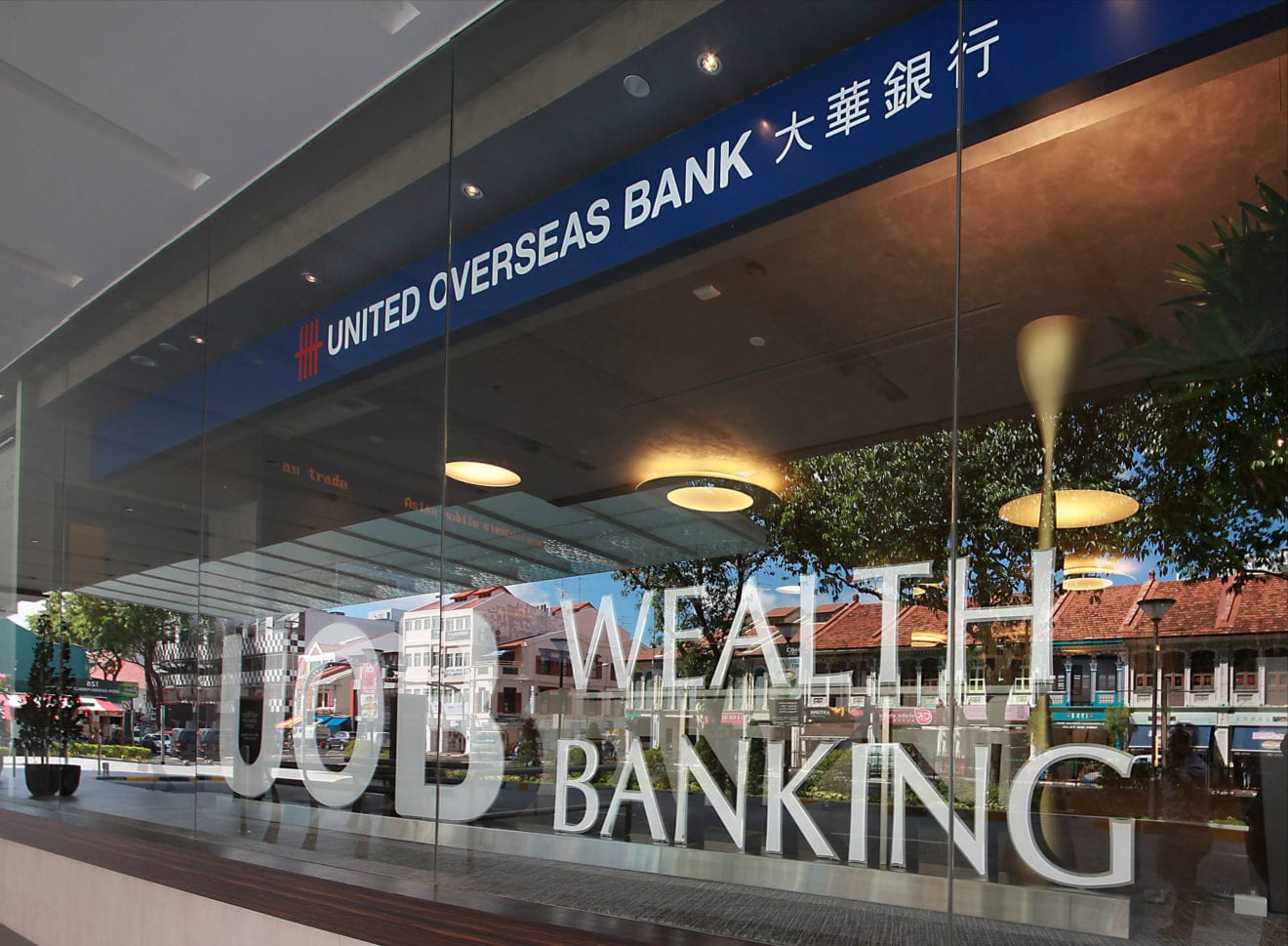
    UOB Malaysia on Friday announced immediate liquidity relief assistance for customers affected by COVID-19, as the government activated the army to enforce its restricted movement order.

    Two days after the Malaysian government enforced a Movement Control Order (MCO) to curb the spread of COVID-19, UOB Malaysia announced a slew of measures to help its corporate clients, especially small- and medium-sized enterprises (SMEs), and individual customers, to have more flexibility in their cash flow management and to ease their financial burden.

    We are committed to supporting and helping our customers who are impacted by COVID-19 and we will respond swiftly in helping them alleviate their financial burden, said Wong Kim Choong, Chief Executive Officer, UOB Malaysia said in a media statement.

    UOB Malaysia’s measures for its customers will be assessed and approved on a case-by-case basis. The bank will continue to evaluate its list of relief measures for both its conventional and Islamic banking customers to ensure it provides them with an adequate level of support to help them through this difficult time. Relief measures introduced by UOB Malaysia for both its conventional and Islamic banking customers include:

    • Moratorium on their loan repayments for up to one year;
    • Flexibility to request an extension of trade bills maturing between 18 and 31 March 2020 for clients with good track records. Clients can also choose to repay their trade repayments at the original maturity date;
    • Applications for the government-administered Special Relief Facility through UOB Malaysia; and
    • Review to grant additional facilities based on clients’ financing needs for those who need access to additional financing.

  • Link secures its first sustainability-linked loan

    Link secures its first sustainability-linked loan

    Hong Kong Reit Link Asset Management has signed an AU$212 million (US$123 million) five-year sustainability-linked loan with DBS Bank.

    The loan is deliberately structured to incentivize sustainable practices, incorporating a reduced pricing structure with interest cost savings, which Link will be eligible for if it maintains its listing on leading global sustainability indices and achieves certain sustainability milestones. It is also the first sustainability-linked loan by an Asian Reit to be linked to GRESB performance.

    “As we pursue our medium-term goals outlined in Vision 2025 and to create value for our stakeholders and the communities we serve,” said Link CEO George Hongchoy, “we are pleased to ensure the integration of sustainability best practices into our daily operations by introducing our very first sustainability-linked loan with our key relationship bank, DBS.”

    Both Link and DBS are signatories to the United Nations Global Compact, and are listed on the Dow Jones Sustainability Asia Pacific Index and FTSE4Good Index.

  • Malls in India seek government aid during shutdown

    Malls in India seek government aid during shutdown

    Malls in India affected by the coronavirus outbreak are seeking a bailout from the government to compensate for losses incurred during a mandatory shut down period through to March 31.

    The decision has affected both retailers and developers in the various states that have implemented the ban on trading during the affected period in a bid to slow the spread of the virus.

    “A shut down like this effectively means that there are all kinds of expenses to be borne by everybody; malls may not get rent and would not be able to service loans they have taken for creation of the mall, capital expenditure, etc,” said Retailers Association of India CEO Kumar Rajagopalan in a report. “It’s all going to be a big loss. The government needs to look into this and support these entities to save lakhs of jobs”.

    A representative body for malls in India is seeking a lending window, a moratorium on loan repayments or to allow banks to reschedule debt, as well as a potential waiver of property tax and electricity charges.

    Industry experts have expressed skepticism that footfalls will return to normal within the next few months no matter how brief the shutdown period may be, which is likely to impact rental negotiations for retailers, as well as the deferment of new mall openings.

    Observers of the situation have commented that any five-day halt to business will erase the month’s profits for retailers.

    “Mall operators stand to lose 20 to 25 percent of their annual revenue assuming that a rent-free period is given to retailers,” read an ICICI Securities report. “In our view, the most likely scenario is that mall operators and retailers may share the losses given that malls have now become a relationship-based business with the same retailer having presence across malls.”

  • Hyundai Motor India Suspends Operations At Its Chennai Plant

    Hyundai Motor India Suspends Operations At Its Chennai Plant

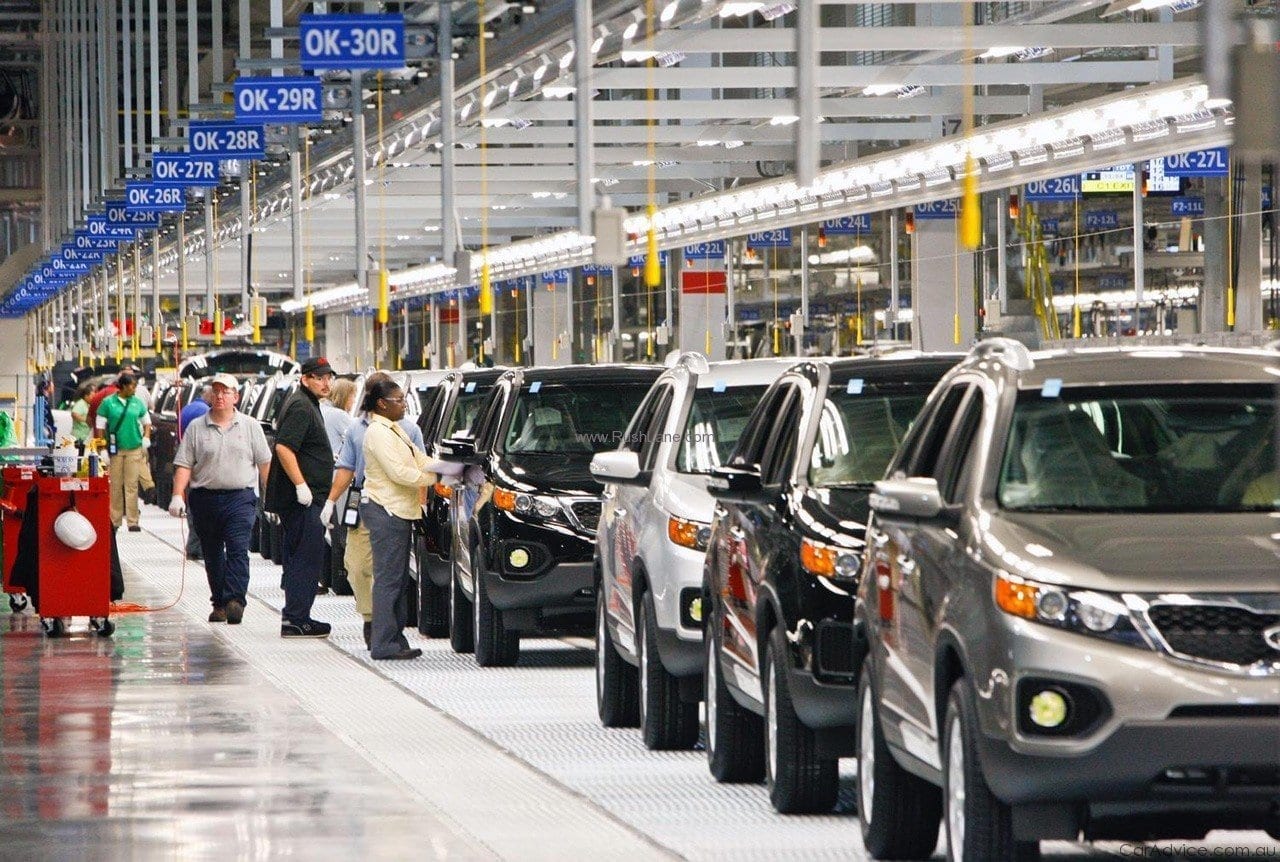
    The life-threatening Coronavirus pandemic has put the world on stand by and the story is no different in our country. Many automakers across the globe have already stopped production and even automakers in India are suspending operations as the number of Corona cases cross 350 in the country today. After Maruti Suzuki, Honda Cars India, Mahindra and Fiat Chrysler Automobiles (FCA), even Hyundai Motor India has announced shutting down its Chennai plant March 23 onwards till any further notice.

    The step comes after the lockdown announcement by the State government as a precautionary measure against the outbreak of COVID-19. In succession to the ‘Janta-Curfew’ implemented nationwide today, over 80 cities in the country including the national capital are going on a lockdown tomorrow 6:00 AM onwards. Even Tata Motors that had announced to excessively scale-down productions at its Pune plant March 23 onwards is likely to go on a complete shutdown. Tata Motors had earlier affirmed through a statement that the company will preferably stop operation March 24 onwards after observing the situation in the country.

    Hyundai has taken several initiatives for the welfare of its customers as well amidst the Coronavirus scare. The carmaker will be providing round the clock roadside assistance to its customers in case of any emergency. It will offer two months extended warranty to those customers who are not able to avail the standard or extended warranty and free services due to any health emergency or shutdown of dealerships and workshops during the lockdown. Hyundai has deployed 1000 doorstep bikes and cars to provide road assistance services to its customers.

  • SM, Jollibee roll out emergency packages for employees

    SM, Jollibee roll out emergency packages for employees

    As the community quarantine continues all over Luzon, Philippine conglomerate SM Group has committed to maintaining regular pay for all of its employees, without deductions from their vacation or sick leave entitlements.

    The company will also give a US$97.64 (Php5000) additional payment to security staff and janitors, who the company describes as front liners.

    Hans Sy, chairman of the executive committee of SM Prime said that in such trying times, “we are in uncharted territory”.

    “Let’s be one with each other, united in the spirit of service. Let’s be mindful of our front liners and help with their need to be alert so they can continue to do their best in working for the safety and health of our communities.”

    SM earlier said it would waive tenant rentals nationwide as well as support health workers fighting the spread of COVID-19 with $1.95 million (Php100 million) worth of protective equipment, testing kits and supplies.

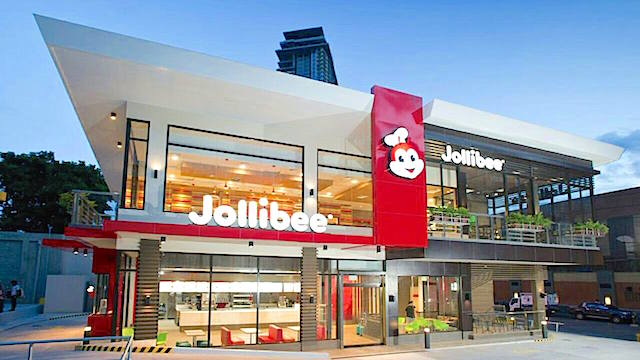
    Meanwhile, Jollibee Foods Corp has announced a $19.52 million (Php1 billion) emergency-response package for employees affected by the quarantine.

    “In these times, we know how people are worried about their safety and how to take care of their families. We want to help lessen their worries and we are setting up this fund to be able to help them through this difficult time,” said JFC founder and chairman Tony Tan Caktiong.

    The employee package will be given to Jollibee Group’s offices, stores, commissaries, and logistics centres, including the senior citizens and PWDs assigned to stores under the joint employment program with local government.

    The same assistance will be provided to partner employers in stores and other locations.

    Jollibee employees are scheduled to receive their 13th-month pay by April 30. This is in response to President Rodrigo Duterte’s appeal to employers to pay the 13th month early, due to the coronavirus crisis.

    In addition, affected employees may convert the leave credits in advance and can also file for personal leave as necessary until the situation normalizes.

    Jollibee Foods is providing $1.95 million (Php100 million) worth of food to healthcare workers and personnel manning checkpoints around quarantined areas.

  • Smartphone shipments suffer a record breaking decline

    Smartphone shipments suffer a record breaking decline

    Thanks to the coronavirus, February was the worst month in the history of the smartphone industry as global shipments plunged 38% year-over-year. Strategy Analytics says that this was the biggest year-over-year decline in the history of the worldwide smartphone market. The number of smartphones delivered globally last month plunged to 61.8 million units from 99.2 million handsets during the same month last year. On a sequential basis, the 61.8 million phones shipped in February represented a 39% drop from January’s total. The COVID-19 outbreak forced manufacturers in China to shut down assembly lines and retail stores in the world’s largest smartphone market.
    “February 2020 saw the biggest fall ever in the history of the worldwide smartphone market,” according to Neil Mawston, Executive Director at Strategy Analytics. He added that “Supply and demand of smartphones plunged in China, slumped across Asia, and slowed in the rest of the world. It is a period the smartphone industry will want to forget.”
    During February, Samsung led the way in global smartphone shipments and sales. During the month, the manufacturer unveiled the new Galaxy S20 line and released the foldable Galaxy Z Flip. Following Samsung in both shipments and sales were Apple, Xiaomi, Huawei, OPPO and Vivo. And the research firm expects the numbers for this month to show weakness as well. Yiwen Wu, Senior Analyst at Strategy Analytics, says, “Despite tentative signs of recovery in China, we expect global smartphone shipments overall to remain weak throughout March 2020. The coronavirus scare has spread to Europe, North America and elsewhere, and hundreds of millions of affluent consumers are in lockdown, unable or unwilling to shop for new devices. The smartphone industry will have to work harder than ever to lift sales in the coming weeks, such as online flash sales or generous discounts on bundling with hot products like smartwatches.”
    It’s ironic that just as assembly lines are ramping up in China and Apple has reopened all 42 Apple Stores in the country, it shuts down its stores throughout the rest of the world. It obviously is going to be sometime before we return to some semblance of normalcy. As a result, we can expect further weakness for the industry not only for the current month but perhaps throughout the spring and summer.
  • New Google Maps feature is designed for those who fear that they have been infected

    New Google Maps feature is designed for those who fear that they have been infected

    We often wonder whether Google has a room where it keeps several developers locked inside. Inside is a whiteboard and those locked inside cannot leave until a new feature is developed for Google Maps. The latest addition to the app is related to the current coronavirus pandemic. The Center for Disease Control (CDC) in the U.S. has recommended that anyone who feels that they are exhibiting symptoms of coronavirus call their doctor first before driving to the hospital. This might prevent users who aren’t ill from coming down with the dread disease. And it also could help to take some pressure off an already taxed hospital system.

    An update to Google Maps will now show a reminder when someone is using the app to search for a doctor or hospital. A rectangular box near the bottom of the screen has a heading that is printed in red to catch the attention of a Maps user. It says COVID-19 alert. Then, in black type, the message says “Call your doctor before visiting if you may have COVID-19. Source: CDC.”

    Google is also trying to pass along legitimate information to the public while blocking misinformation, speculation, and outright fraudulent reports from worried and scared people around the world. Go to the Google Search app and type in coronavirus and you’ll see four tabs: Overview, Symptoms, Prevention and Treatments. An overview will show you the latest news about the virus from reputable media organizations. Symptoms provide a rundown of COVID-19 symptoms from the World Health Organization (WHO) and also lists some top stories. Prevention mentions several tips that are supposed to keep users from contracting coronavirus, and Treatments explains that there currently are none for COVID-19.

    WhatsApp also is looking to inform users with information from a reliable source. Text “Hi” to +41 79 893 1892 on the app and you’ll receive some information about the coronavirus via text. Additionally, if you open your mobile browser and go to whatsapp.com/coronavirus, scroll down to the section with the heading “Choose reliable sources of information.” There you will find a link to the World Health Organization (WHO). If you have WhatsApp installed on your phone, clicking on the WHO link will open a chat platform. This might help users get a better grip on what really is happening on the front line. Keep in mind that the chat does not connect the user with an actual MD so the platform cannot be used for diagnostic purposes.

    The Director-General of the WHO, Dr. Tedros Adhanom Ghebreyesus, has nothing but praise for Facebook and its WhatsApp messaging app. The doctor says, “Digital technology gives us an unprecedented opportunity for vital health information to go viral and spread faster than the pandemic, helping us save lives and protect the vulnerable. We are proud to have partners like Facebook and WhatsApp, that are supporting us in reaching billions of people with important health information.”

    Facebook announced yesterday some other initiatives it is taking during this crisis. Number one on the list is to make sure that everyone has accurate information. That seems to be at the heart of everything that the company is doing when it comes to the coronavirus. Facebook is also removing posts with misinformation and harmful content including those that seek to exploit the crisis by touting fake cures or selling items in short supply for jacked-up prices. The social media company is supporting global health experts and relief efforts by making donations and giving reputable organizations free ads. And by promoting ways that people can connect via WhatsApp and making investments to small businesses, Facebook is supporting local governments, communities and businesses.

  • Venus Tears opens flagship store in Singapore

    Venus Tears opens flagship store in Singapore

    Singaporean and Japanese Bridal jewelry brand Venus Tears has opened a flagship store off Orchard Road.

    Located inside Wisma Atria shopping mall, Venus Tears features wedding bands and engagement rings which are designed and manufactured in Japan. The brand also offers customization of jewelry, ensuring the uniqueness of each item for its customers.

    “Our goal with this new bridal jewelry shop is to make access to our high-quality products even more convenient,” said a spokesperson.

    To mark the launch, Venus Tears flagship store introduced three new lines that are popular in Japan: Colany, Ankhore and Aimokume.

    Venus Tears originally started in Singapore and developed stores in Japan. It is now operating eight outlets in both countries.

  • Updated Siri will screen you for the coronavirus

    Updated Siri will screen you for the coronavirus

    Apple has updated Siri so that she can perform a quick- and dirty screening to see if you need to contact your doctor in the face of the coronavirus pandemic. The update seems to have been disseminated today as iPhone users started to notice this new feature on Saturday. To get started, all you have to do is say, “Hey Siri, do I have coronavirus?” While it is not a pleasant question to ask, it does tell Siri that you want her to screen you

    If you tell Siri that you want to be screened by her, she will then ask whether you have a dry cough, a fever or shortness of breath. You can answer “Yes,” “No,” or “Not Sure.” If you answer “No,” you will be then asked whether you have been in close contact with someone who tested positive for the disease. Once again, the three options are “Yes,” “No,” or “Not Sure.” Depending on your response, you might be told that you’re at lower risk to be infected but need to remain vigilant for symptoms such as a fever, dry cough, or shortness of breath.

    Siri will also remind you to wash your hands for 20 seconds (sing the Happy Birthday song to yourself two times), and avoid close contact with people outside your household. Siri also wants you to know that you might not feel sick but you could still be carrying COVID-19 and spreading it to others. If your answers give Siri a reason to feel alarmed, she will ask whether your symptoms are extreme or life-threatening. If you answer in the positive, Siri will be ready to call emergency services (911) for you. If you answer with a negative response, Siri will tell you to stay home, avoid contact with others, and contact a doctor if the symptoms get more severe. At the end of the screening, Siri offers a link to the website for the Center for Disease Control (CDC.gov).

    Earlier today, we told you about the new Google Maps feature that shows a reminder every time you search for a doctor or hospital using the app. A box appears near the bottom of the screen that reminds you to call your doctor before driving to the hospital if you think you have COVID-19. And if you go to Google Search and tap in coronavirus, special tabs appear that will keep you up to date on the latest news, information, and more from reputable organizations. All major social media companies are trying to prevent fake news from being spread all over their platforms. Phony cures can do plenty of damage, and misinformation can lead to fear and panic. And the last thing we need to do right now is panic.

    The Siri screening is available only in the U.S. and it isn’t known whether Apple has plans to expand it overseas. According to Apple, the answers that Siri gives out for the screening come from the U.S. Public Health Service (a division of the Department of Health and Human Services), as well as the Centers for Disease Control and Prevention (CDC).

    Ironically, the same government that has been investigating Big Tech for possible antitrust violations and for growing too big and unwieldy, is now relying on the same companies to help get the country through this crisis. It seems that while conditions in China are slowly improving, the rest of the world has yet to see a peak in the number of cases. This can be seen easily through Apple’s decision to reopen all 42 Apple Stores in China while closing its brick and mortar stores everywhere else.

  • Volkswagen Tests Ventilator Output As Carmakers Join Coronavirus Fight

    Volkswagen Tests Ventilator Output As Carmakers Join Coronavirus Fight

    German carmaker Volkswagen said on Friday it was joining other manufacturers around the world to explore using 3D printing to make hospital ventilators to combat the coronavirus.

    Governments are enlisting automakers including Ford, General Motors, Ferrari and Nissan to ramp up production of ventilators and other equipment they are short of to treat the fast-spreading disease.

    In a statement, Volkswagen said it had assembled a task force, was testing materials, and checking supply chains, to see how it can use 3D printing to help manufacture hospital ventilators and other life-saving equipment.

    Carmakers consider making ventilators at plants

    Automakers are thinking about making ventilators at their plants to help in the battle against the coronavirus. It’s an idea that at least one expert says comes with some complications.

    “Medical equipment is a new field for us. But as soon as we understand the requirements, and receive a blueprint, we can get started,” Volkswagen said, adding that prototype components had been printed and its Skoda arm was included in the project.

    A spokesman said the Wolfsburg-based, multi-brand company, which has more than 125 industrial 3D printers, was in close contact with governments and other authorities to assess needs.

    Volkswagen’s sports car brand Porsche also said on Friday it wanted to help in relief efforts. “We are collecting ideas about what we could do in terms of humanitarian help,” Chief Executive Oliver Blume said on a call to discuss earnings.

    US’ Electric Carmaker Tesla too has offered to make ventilators at its plants

    Munich-based carmaker BMW said it too was ready to help. “The production of components using 3D printing technology is a possibility,” it said.

    Sweden’s carmaker Volvo urged all governments to take the crisis equally seriously and limit movements.

    “I think for the economy, we need to do something drastic, rather then trying half-hearted measures that drag on forever,” Chief Executive Hakan Samuelsson said. “We are seeing the effect of this coronavirus is increasing every day.”

    The auto industry’s chances of recovery depended on coordinated action, Samuelsson told Reuters.

    “There is a big difference between countries. Some have curfews, with restaurants and schools closed. In other countries, there are less drastic measures. I just think we need to synchronize that more.”

  • Bankruptcies, store closures dent Li & Fung turnover

    Bankruptcies, store closures dent Li & Fung turnover

    Record store closures and bankruptcies in the retail industry dented turnover and profit for supply-chain solutions company Li & Fung.

    However the company said the results would have been worse had it not been for market-share gains by some of its key customers.

    The company released its results on Friday, along with notice of a takeover proposal which would see the company delisted.

    Core operating profit fell by 22.9 percent to US$228 million, which the company attributed to a 10.1-per-cent decline in turnover to US$11.4 billion. Besides store closures and bankruptcies, a trend of continued destocking by customers and a decision to exit “a number of higher-risk and non-strategic customers” also impacted sales. Net profit attributable to shareholders was US$17 million, representing a return to profitability.

    “While our financials were affected by strong headwinds in the retail sector and global markets, we achieved important gains in our goal of creating the Supply Chain of the Future in our recently completed three-year plan,” said Spencer Fung, Group CEO.

    “We are successfully transforming from a traditional, analog agent into a unique digital supply-chain service provider. We now have a leadership position in 3D digital product development and are delivering a suite of value-added services to our customers.”

    He said the group is continuing to manage the ongoing impact of the US-China trade war, increased complexity of global supply chains and, more recently, the coronavirus pandemic.

    “We are working around the clock with our customers and suppliers during this period of deep uncertainty. Our teams on the ground across the world are actively supporting customers, just as we did during the US-China trade war to help address the disruptions to their business.”

    Meanwhile, Li & Fung revealed a proposal has been lodged to privatize the company. Subject to shareholder approval, the Fung family, which already has a controlling interest in the group, will partner with Singapore-headquartered logistics warehouse operators and investor Golden Lincoln (GLP) to buy outstanding shares in the business. After the transaction is complete the Fung family will hold 60 percent of the shares and GLP 40 percent, with the company delisted from the Hong Kong stock exchange.

  • Menswear chain China Lilang flourishes from move into malls

    Menswear chain China Lilang flourishes from move into malls

    Menswear manufacturer and retailer China Lilang has reported a 15.5 percent increase in sales for last year to RMB3.658 billion, (US$515.78 million).

    The top line was boosted by store network expansion. The company opened an average of nearly three new stores each week last year, ending it with 2815 Lilanz-branded outlets nationwide. Many stores were relocated as well, to improve the brand’s exposure to consumers. Almost 28 percent of stores are now located in shopping centers.

    China Lilang said profit from operations rose by 11.1 percent to RMB980 million ($138 million) and net profit rose by 8.1 percent to RMB812 million ($114.5 million).

    Wang Dong Xing, chairman and executive director of China Lilang, said the abnormally high temperatures nationwide during the fourth quarter of the year – the traditional peak season for the retail sector – added more challenges to the apparel industry. As a result, the company provided rebates to distributors as an incentive to discount slow-moving stock through clearance sales.

    He said brand and product competitiveness, retail management and shop location have become increasingly important determinants of operating efficiency for the company.

    Looking ahead, Wang Dong Xing said the coronavirus outbreak has hit retail sales hard and the group will consequently reduce the production of Autumn 2020 products to help stores destock Spring inventories.

    Despite strong Lunar New Year sales in January, China Lilang is expecting a 40-per-cent decline in first-quarter sales with an adverse effect on full-year results.

    Chairman Wang Dong Xing concluded: “The epidemic will have some impact on the retail market in the first half of the year; but we expect its impact on our business to be temporary. In mid-March, about 70 percent of Lilanz stores resumed operations. As a well-established menswear enterprise, the group believes that China Lilang has distinctive advantages in both original designs and value-for-money of its products.”

  • Hong Kong recession sees locals sell off luxury goods

    Hong Kong recession sees locals sell off luxury goods

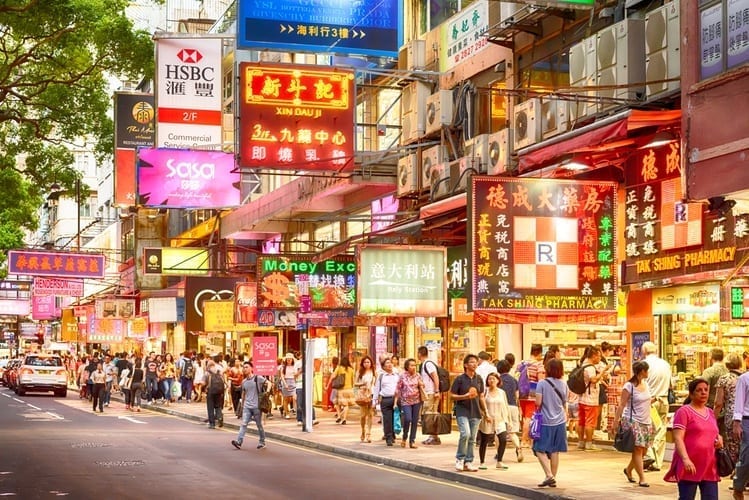
    The Hong Kong recession has proved a strong incentive for locals to sell off their luxury goods, according to a report by the Nikkei Asian Review.

    Several local citizens and businesses told the Japanese publication of an uptick in the private trade of luxury items, including those of a grounded flight attendant who traded her personal collection’s best-loved items to ensure sufficient cash reserves in case of losing her full-time job.

    Multinational diamond firm WP Diamonds reported a 70-per-cent increase in inquiries to sell diamonds, jewelry and luxury watches, including a doubling of inquiries to sell engagement rings. Secondhand luxury-bag trader Milan Station Holdings reported a 30-per-cent increase in bags sold to its stores during the past two months.

    “There seems to be a trend of people monetizing to make sure they are liquid in the event of a prolonged crisis,” said WP Diamonds CEO Andrew Brown told Nikkei Asian Review. “It is the perfect time for consumers to think about selling their pre-loved jewelry pieces that were left to gather dust in the dresser.”

    The increase in private sales occurs at a time when normal retail sales of jewelry, watches and valuables dropped 42 percent in January year on year. At the same time, gold trading in the city has increased at a time when global stocks are affected by the coronavirus outbreak.

    The Hong Kong recession commenced before the outbreak of coronavirus took hold, the economy battered by ongoing political protests during the second half of last year.

  • Smiggle parent Premier Investments feeling the impact of Covit-19

    Smiggle parent Premier Investments feeling the impact of Covit-19

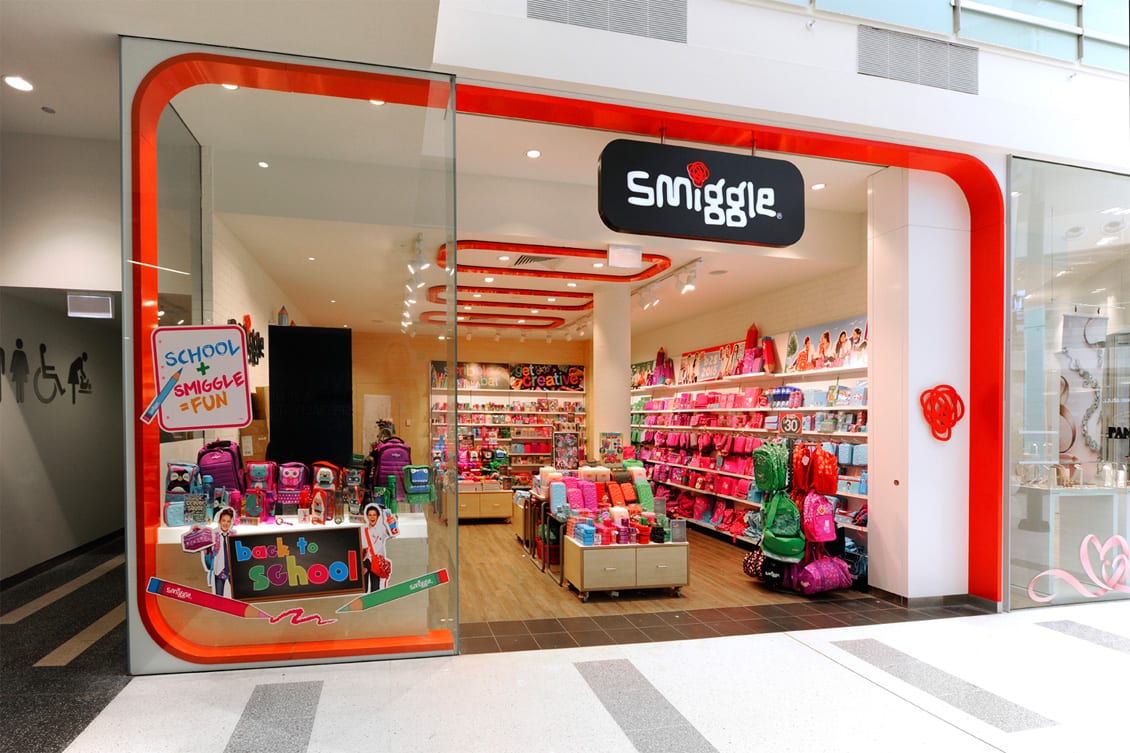
    Premier Investments has weathered a string of global crises, including Brexit, Hong Kong protests and Australia’s bushfires to post record sales and earnings in the first half of the financial year – but now it says the coronavirus pandemic is impacting trade across every brand in its portfolio.

    On Friday, the owner of major national and international retail brands, including Smiggle, Peter Alexander, Just Jeans, Portmans, Dotti, Jacqui E, Jay Jays and Breville, reported a 7.6-per-cent increase in first-half sales year on year, to $732.1 million (US$427.7 million), and a 10.7-per-cent increase in earnings before interest and tax, to $126.1 million ($73.7 million).

    But the strong performance may be cold comfort, as the coronavirus outbreak and strict self-isolation measures introduced to contain the spread in certain markets have already severely impacted Premier’s trade in the second half.

    Smiggle sales have been “severely disrupted” in Hong Kong, Singapore, and Malaysia, and “deteriorated significantly” in the UK and Ireland, the company said in a statement to the Australian Stock Exchange.

    Trade-in all brands in Australia and New Zealand have been impacted, and the company warned gross margin could be affected as it moves to clear inventory in each market.

    Premier Investments CEO Mark McInnes declined to provide specifics on changes in sales or foot traffic, saying on a media call that the company was not “in control of what’s happening on a daily basis” and “merely responding” to the crisis at hand.

    He described the current situation as “unprecedented” and unlike anything he has experienced, including the Global Financial Crisis in 2008 and recession in 1991.

    He also warned there could be widespread store closures if landlords do not start supporting their tenants by renegotiating rents.

    “Since the outbreak of COVID-19, we have closed two stores in Hong Kong, and we are prepared to close many more stores globally if landlords do not respond to the current crisis,” McInnes said.

    While he noted that Premier Investments could exit 70 percent of its leases in Australia and New Zealand with just 30 days’ notice, he said it wasn’t about “profiteering”, but rather “sharing the reality”.

    “Historical rents are just…all we’re pointing out to landlords is the reality of the situation,” he said.

  • Australian Banks Launch Small Biz Relief Package

    Australian Banks Launch Small Biz Relief Package

    In the midst of an ongoing outbreak, Australian lenders help lighten the load for affected small businesses which are estimated to house 5 million workers in the country.

    The relief package will apply to more than A$100 billion of existing small business loans and provides a 6-month deferral of loan payments for those affected by the coronavirus, according to the Australian Banking Association. This follows recent collaboration between banks, the Australian treasurer and government to identify support measures.

    This could put as much as $4.6 billion back into the pockets of small businesses as they battle through these difficult times,» said the association’s CEO Anna Bligh in a statement. This is a multi-billion-dollar lifeline for small businesses when they need it most, to help keep the doors open and keep people in jobs.

    In a relatively rare scenario, banks globally have an opportunity to play the role of financial rescuer after the last crisis when large parts of the industry benefited from taxpayer-backed bailouts. Outside of Australia, for example, Swiss financial giant Credit Suisse’s chief executive had suggested co-establishing a lending fund targeting small businesses in the country alongside fellow giant UBS.

    While this is first and foremost a health crisis, this pandemic has begun to have serious impacts across the economy, with small businesses beginning to feel the devastating effects, Bligh added. Australia’s banks have supported the country through difficult times in the past and continue to do so.