Category: Automotive

Retail News Asia is committed to providing both local and global retailers with the latest Auto and Car news throughout the Asian market. This on a daily base.

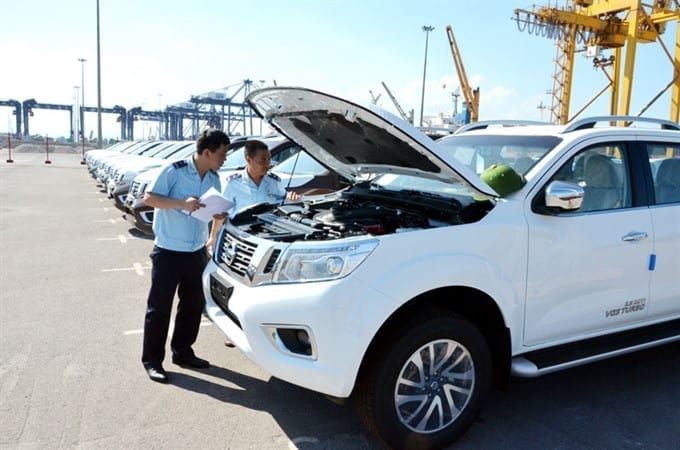
  • Thailand’s car production in 2024 drops to four-year low

    Thailand’s car production in 2024 dropped 20% from the previous year to a four-year low, owing to weaker domestic sales and exports, the Federation of Thai Industries (FTI) said.

    Car output dropped to 1.47 million units from 1.83 million in 2023. Production on a year-on-year basis contracted for the 17th successive month in December, falling 17.4% to 104,878 units, according to the FTI.

    Domestic sales fell 26.2% to the lowest level in 15 years, at 572,675 units, due to weaker demand as banks have tightened auto loan rules amid high household debt, said Surapong Paisitpattanapong, spokesperson for the FTI’s automotive industry club.

    Car exports last year fell 8.8% to 1 million units, due to geopolitical issues, competition from EVs and strict carbon emission measures in several countries, he added.

    This year, car production is projected at 1.5 million units, of which 1 million will be for export and the rest for the local market. The improvement will be supported by higher production of electric vehicles required under a state incentives scheme, and an expected rise in sales following government stimulus measures.

    Thailand is Southeast Asia’s biggest auto production center and an export base for some of the world’s top carmakers, including Toyota and Honda.

    Earlier this month, a luxury car importer reported that domestic sales of luxury cars in Thailand were estimated at 30,000 in 2024, down 25% from 40,000 the year before, as prospective buyers have been unable to avoid the impact of the sluggish economy.

  • Czech’s top automaker Skoda to complete Vietnam factory this quarter

    Czech’s top automaker Skoda to complete Vietnam factory this quarter

    Czech’s biggest automaker Skoda is set to complete its $500 million factory in northern Vietnam, its first in Southeast Asia, by the end of March.

    The company plans to launch two locally assembled models this year after the completion of the plant, which it develops with Thanh Cong – a local distributor of Hyundai cars, according to the Vietnam Government Portal.

    The plant, located in the northern province of Quang Ninh, has a capacity of 120,000 vehicles a year.

    Its chairman Klaus Zellmer told Prime Minister Pham Minh Chinh Sunday that the Vietnam factory is an important milestone in the company’s expansion strategy in Southeast Asia.

    The PM requested the company to accelerate its research and development of electric vehicles in the country and increase its localization rates as part of a technology transfer effort.

    He said that the Vietnamese government would offer incentives to investors who meet requirements related to technology transfer, increasing scientific and technological content, and helping Vietnamese businesses participate deeper the supply chain.

    Skoda chairman Klaus Zellmer affirmed the company’s commitment to long-term investment in Vietnam.

    He promised to pump up the current localization rate of 40%.

    He considers Vietnam a strategic gateway to access the rest of the Southeast Asian market. The country has potential to become a production and export hub for Skoda vehicles to other countries.

    He expressed hope that the Vietnamese government would continue to support and provide favorable policies for businesses.

    Skoda said earlier that it saw the region’s potential when it started exporting completely-built units to Vietnam in 2023.

    “We realized Skoda has a future in Vietnam and Asia,” chief marketing officer Vu Manh Cuong said previously in an interview.

    He added: “It takes time to show [cars] to the customer, for people to try the product, feel it out.”

  • Porsche Breaks Records in Switzerland

    Porsche Breaks Records in Switzerland

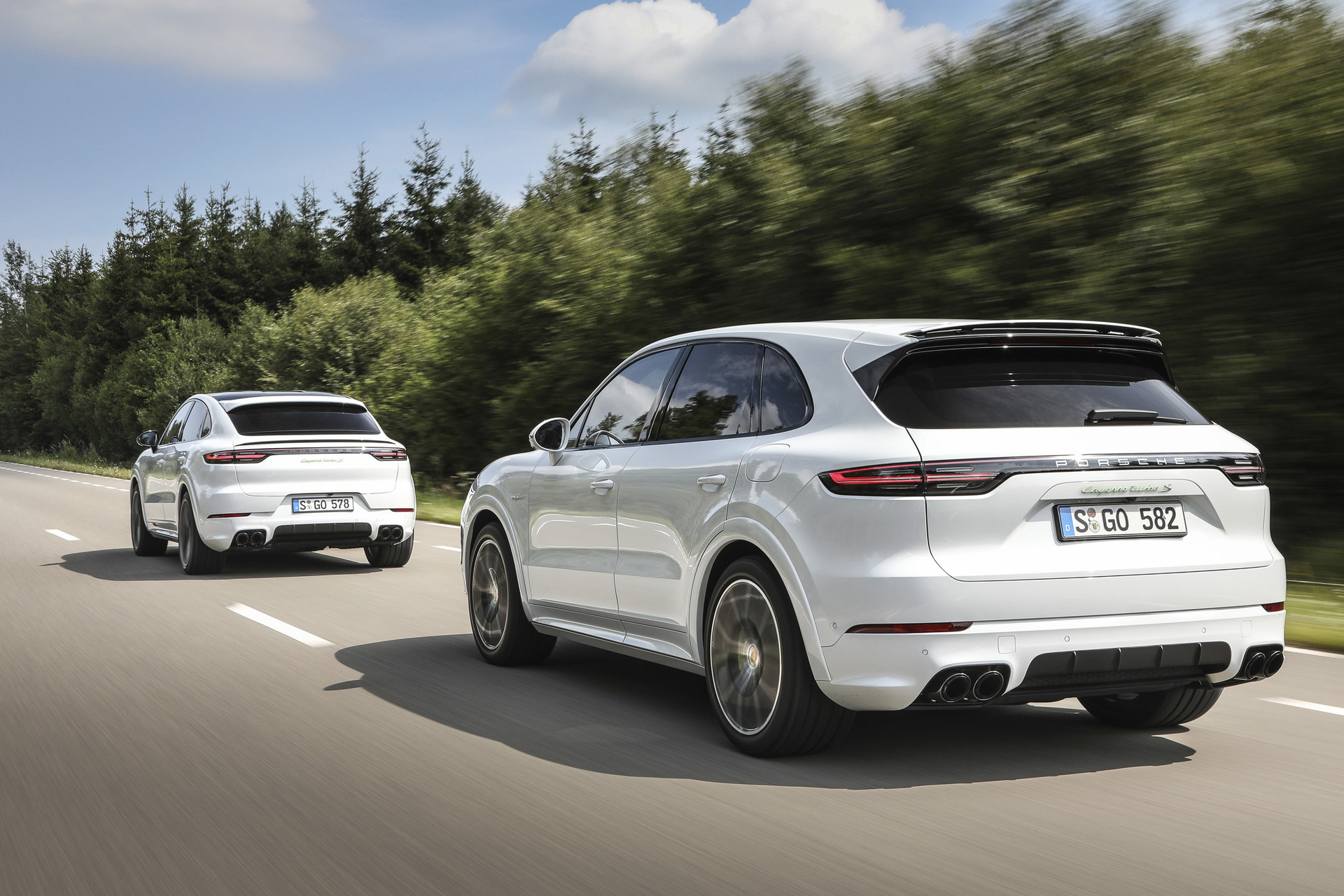
    Porsche set a new benchmark in Switzerland in 2024 with 5,042 new registrations, representing a 10.5 percent increase compared to the previous year. The brand also saw significant growth in electrified vehicles.

    Against the backdrop of an overall market decline in 2024, Porsche closed the year with a record performance in Switzerland and Liechtenstein, registering 5,042 vehicles—a 10.5 percent rise compared to 2023.

    Electrified vehicles (battery electric and plug-in hybrids) accounted for 31.2 percent of all Porsche registrations, also outpacing the market average of 28 percent. This translates to 1,574 vehicles—a 55.2 percent increase from the previous year.

    The all-electric Porsche Macan, introduced in 2024, set new standards for electric SUVs and contributed to a 36 percent growth in Porsche’s BEV segment.

    The Porsche Macan remained the best-selling model in Switzerland with 1,854 registrations, a 15.6 percent year-on-year increase. From September to December, 457 of these registrations were for the all-electric Macan.

    The iconic Porsche 911 saw 1,275 registrations in 2024, maintaining its status as a favorite among enthusiasts. Innovations such as the road-approved 911 GTS with its lightweight T-Hybrid system and the exclusive 911 GT3 RS Tribute to Jo Siffert enhanced the model’s appeal.

    Porsche continues to grow in a dynamic Swiss market,» said Holger Gerrmann, CEO of Porsche Schweiz AG. «With the youngest and most diverse product portfolio in our history, we are ideally positioned for the future, offering unmatched driving performance across various propulsion systems.

  • Chinese EV firm Skyworth begins selling cars in Singapore

    Chinese EV firm Skyworth begins selling cars in Singapore

    Chinese EV maker Skyworth Auto has started selling its cars in Singapore, opening its first showroom there on Tuesday.

    The 185-square-meter showroom features the first Skyworth model in the country, K, an SUV designed for family comfort with a travel range of nearly 490 kilometers per charge.

    The car is priced at around $135,000 and is believed to be a competitor to the Toyota Harrier hybrid, which costs around $183,000.

    In June, Skyworth Auto plans to launch an electric crossover in Singapore. It also wants to start selling an electric van in the last quarter of the year.

    The Nanjing-based company produced its first EV in 2017. It also produces buses through a subsidiary.

  • Thailand’s luxury auto sales drop 25% in 2024

    Thailand’s luxury auto sales drop 25% in 2024

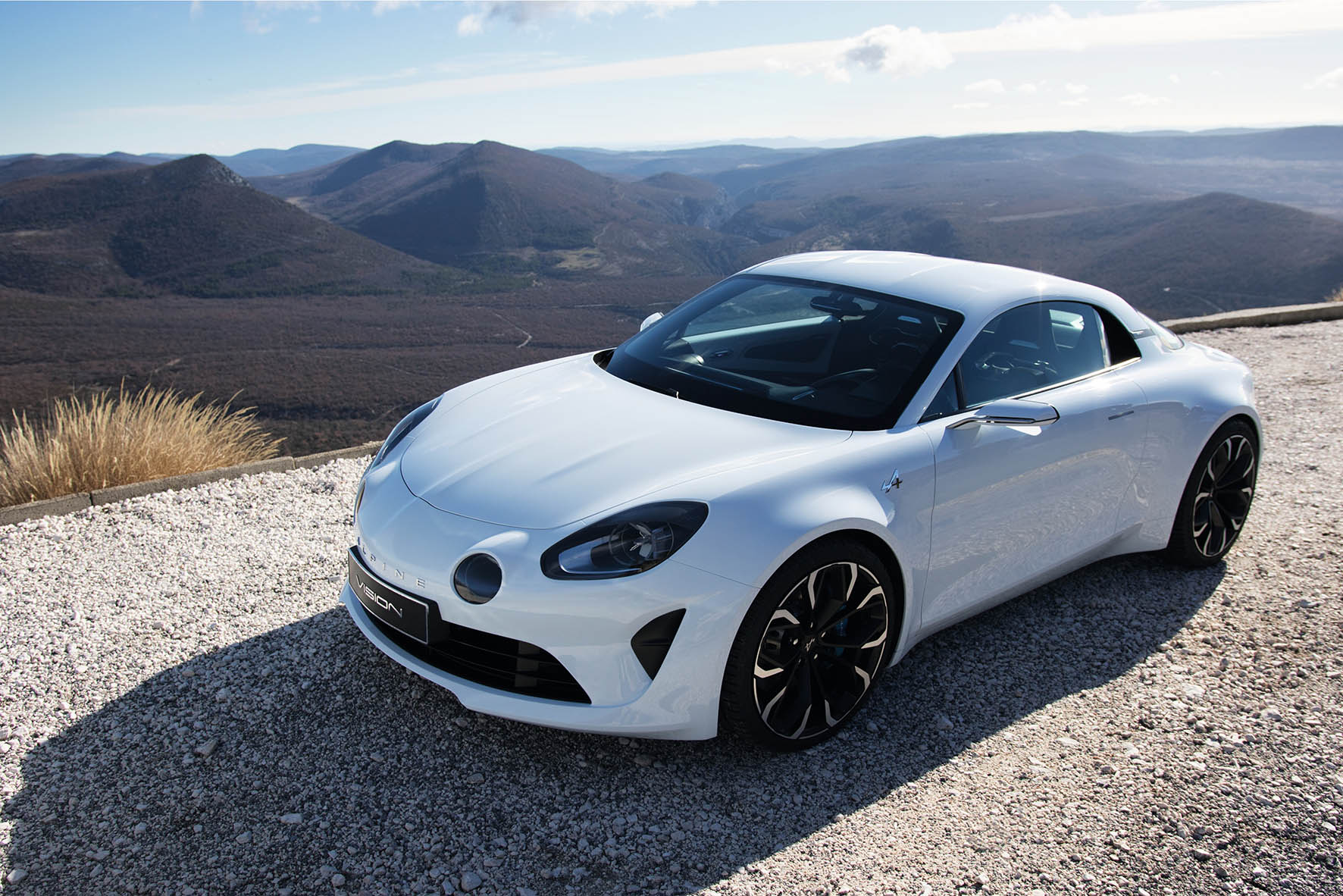
    Luxury auto sales in Thailand plunged 25% to 30,000 units last year as a struggling economy hurt buyers.

    The slow economic expansion rate (projected to be 2.4-2.7%) and banks’ tighter criteria for auto loans have resulted in a negative impact across the the automotive industry, said Teeraphong Rodloy, country manager of Wearnes Automotive Thailand.

    “Overall sales in the luxury car segment were affected by these economic circumstances,” he said.

    Wearnes Automotive Thailand, the importer of British sports car maker Lotus Cars, said that prospective buyers have been affected by the impact of the sluggish economy.
    The slowdown extended beyond luxury vehicles. Pickups was among the segments with steepest declines.

    In the first 10 months last year sales of pickups dropped 39.5% to 137,456 units, according to the Federation of Thai Industries.

    Sales hit the lowest in 23 years, said Ratthakarn Jutasen, managing director of Ford Thailand.

  • Indonesia offers 3% tax incentive to hybrid car makers

    Indonesia offers 3% tax incentive to hybrid car makers

    Indonesia will offer a sales tax incentive on Government-borne Luxury Goods (PPnBM DTP) of 3% for hybrid cars from next year.

    Minister of Industry (Menperin) Agus Gumiwang Kartasasmita said at a press conference on December 16 that the Indonesian government asks hybrid car makers to register their hybrid car models with the government to get the PPnBM incentive.

    To provide the sales tax incentive for hybrid motor vehicles, the cabinet estimates a budget requirement of IDR840 billion (US$52.5 million). Agus stated that under Regulation No. 36 of 2021 concerning low-carbon four-wheeled vehicles, the government mandates a local component value (TKDN) for hybrid car manufacturers participating in the programme.

    In addition to hybrid vehicles, the government offers several incentives, including a 10% reduction in value-added tax (VAT) on imported fully built battery-operated vehicles (including passenger and electric cars, and electric buses) with a local content (TKDN) rate of 40%, and 5% for electric buses with a TKDN rate of 20-40%.

    There is also a 15% sales tax on fully imported or completely knocked-down vehicles and a 0% import tax on fully built battery-operated vehicles. A 100% sales tax exemption applies to certain electric vehicles imported as fully built or completely knocked down. The total budget needed for these incentives is estimated at around IDR2.52 trillion ($157.4 million).

  • Vietnam needs $14B to develop EV charging stations

    Vietnam needs $14B to develop EV charging stations

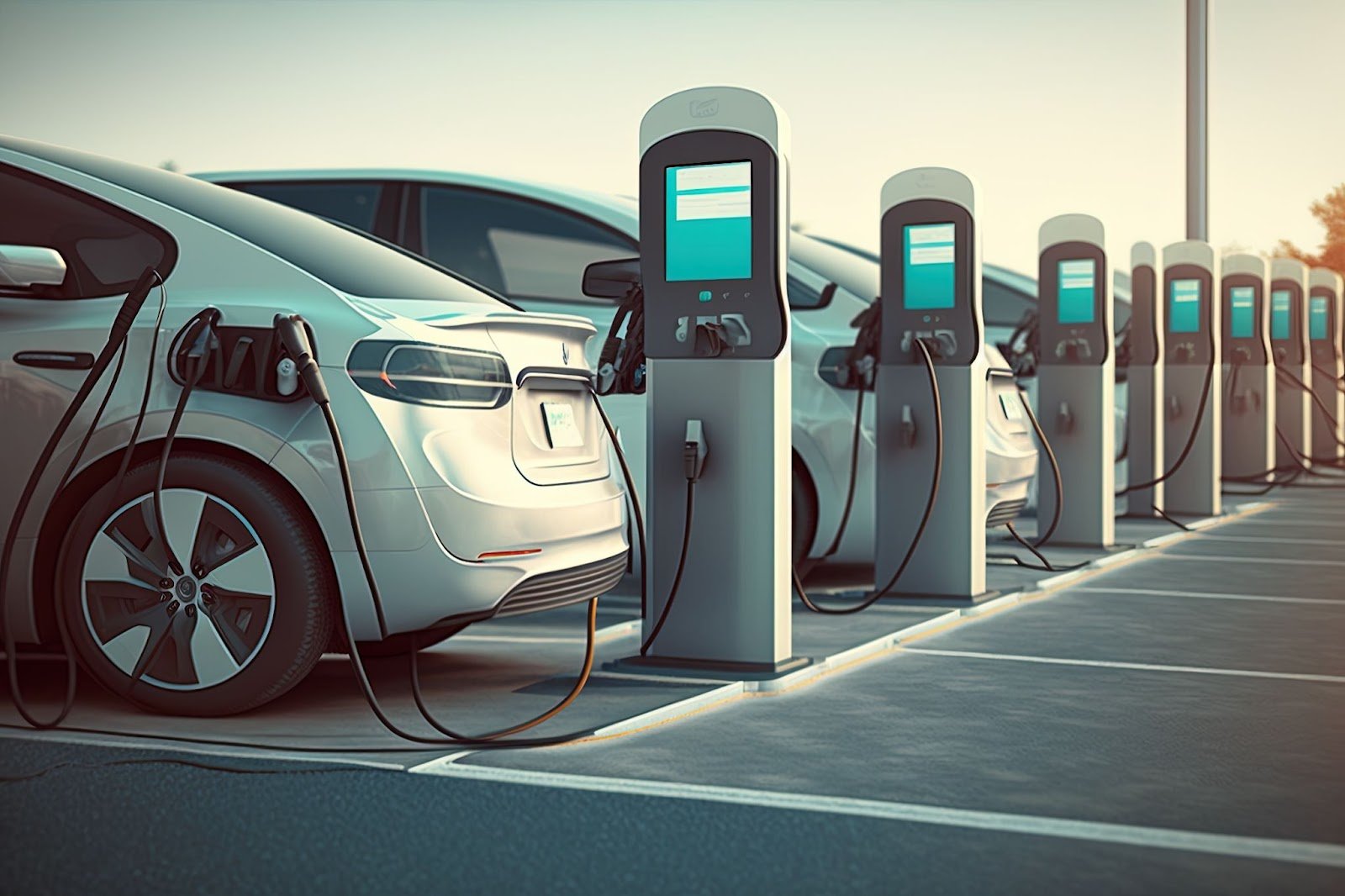
    Vietnam will need nearly US$14 billion to develop a network of charging stations to develop a green transport system, said insiders.

    This is expected to reduce greenhouse gas emissions, and create great tremendous opportunities for the electric vehicles (EV) market.The transition to EVs is a huge effort toward Vietnam’s net zero goal and environmental protection, and it will also boost the national economy, especially in reducing oil import costs and creating millions of jobs.

    According to a report from the World Bank, for EVs to become mainstream, especially among first-time car buyers, the charging station system plays a key role. It is estimated that Vietnam needs $2.2 billion by 2030 to build a network of public charging stations, and this figure will increase to $13.9 billion by 2040, and $32.6 billion by 2050 to meet most of the population’s EV demand.

    With the rapid development of EV technology and the trend towards green transportation, the demand for this type of vehicles is expected to increase strongly in the near future. It is predicted that more than 2.8 million EVs will be consumed from 2024 to 2035, and another 3 million in the 2036 – 2050 period if the development of the charging station network is accelerated.

    Major manufacturers such as VinFast have pioneered in this field, not only investing themselves but also implementing the franchise model that enables businesses and people to participate in developing the charging network. This model helps promote not only the use of EVs but also the sustainability of the EV industry in Vietnam.

    Public-private partnership models are also evaluated as a key for luring investment in charging stations. Electricity companies, fuel distributors, and specialized charging service providers can also contribute to the scheme.

    Insiders said to further promote the scheme, the Vietnamese Government needs to have favorable and clear policies that facilitate the engagement of the private sector. This can be achieved through financial and non-financial incentives and the formation of a clear roadmap for EV adoption with strict technical standards for charging infrastructure.

    International studies have shown that subsidies for developing charging infrastructure are 5-6 times more effective than subsidies for purchasing EVs. This demonstrates that if the Government focuses on building charging stations, Vietnam can accelerate the transition to EVs while reducing the dependence on fossil fuel energy sources.

    Assoc. Prof. Dr. Dam Hoang Phuc from Hanoi University of Science and Technology said a clear mechanism will attract investors, thereby driving the development of Vietnam’s charging station network.

    Meanwhile, Nguyen Thi Phuong Hien, Deputy Director of the Institute of Transport Strategy and Development, said strong policies on energy transition are now available, but there is still a shortage of support policies for charging infrastructure development. Given this, investing in charging stations is an essential step for the Government to effectively boost the transition to EVs and green transport.

  • Bridgestone Vietnam inaugurates 11th ‘Bridge of Knowledge’ in Cao Bang

    Bridgestone Vietnam inaugurates 11th ‘Bridge of Knowledge’ in Cao Bang

    Bridgestone Vietnam recently inaugurated the Noc Soa 2 Bridge in Cao Bang Province, providing safer school access for 40 children and restoring transportation infrastructure for 51 households impacted by Typhoon Yagi.

    The bridge, measuring 25 meters in length and over 3 meters in width, with a load capacity of 6 tons, addresses longstanding challenges in Noc Soa Hamlet. For years, nearly 330 residents relied on makeshift bridges for daily travel. These temporary structures were often swept away during the rainy season, isolating communities, disrupting transportation, and preventing children from attending school.

    Bridgestone Vietnam collaborated with E-X-PRO Advertising Co., Ltd., and local authorities to construct the bridge, prioritizing technical standards and resilience. Enhancements included reinforced embankments to prevent erosion and expanded bridge wings to reduce the impact of flooding.

    “I find this new bridge very beautiful and I’m very happy. With this bridge, I’m no longer afraid of falling on my way to school. During storms and floods, I won’t be scared when going to school anymore.” shared a student from Ca Thanh Commune.

    Dang Van Kinh, Deputy Chairman of the Commune People’s Committee of Ca Thanh Commune, expressed gratitude for the new bridge, noting that it fulfills a long-standing community need. He highlighted the bridge’s role in ensuring safer travel, particularly during the rainy season, and its potential to reduce transportation costs for farmers, thereby supporting local livelihoods.

    Naoki Inutsuka, General Director of Bridgestone Tire Sales Vietnam LLC, remarked on the timely completion of the Noc Soa 2 Bridge as part of the company’s “Bridges of Knowledge” project. He emphasized the bridge’s contributions to local economic recovery, agricultural development, and safer school access for children.

    “We hope this bridge will provide the community with improved opportunities and safety, reflecting our mission of ‘Serving society with superior quality,’” said Inutsuka.

    The “Bridge of Knowledge” initiative reflects Bridgestone’s commitment to fostering sustainable development and enhancing mobility in disadvantaged areas. The project aligns with the company’s E8 Commitment, which focuses on empowerment, access, and comfort for all.

    Bridgestone, a global leader in the tire and rubber industry, operates in Vietnam through Bridgestone Tire Sales Vietnam LLC and Bridgestone Tire Manufacturing Vietnam LLC. The company offers a diverse range of products and services, prioritizing safety, sustainability, and innovation to enhance mobility and quality of life.

  • Thailand loosen EV production regulations

    Thailand loosen EV production regulations

    Thailand’s Board of Investment (BoI) has announced that the government would extend deadlines for electric vehicle (EV) manufacturers to meet domestic production quotas, addressing weak local market demand.

    Under the current EV 3.0 incentive program, manufacturers must produce one locally assembled EV for every imported EV or a 1:1 ratio.

    Companies failing to meet this quota in 2024 will face a stricter 1.5:1 production-to-import ratio by 2025.

    The policy aims to encourage automakers to establish EV assembly plants in Thailand, which has attracted EV-related investments totaling 80 billion THB ($2.3 billion).

    To further support the struggling auto industry, the government will extend domestic EV production requirements to the end of 2027. This move comes as Thailand grapples with stagnant market conditions caused by slow economic growth and tight credit policies.

    The Federation of Thai Industries (FTI) recently revised its 2024 automobile production forecast down to 1.5 million units, the lowest since 2021, citing weak domestic demand.

    During January and October, total car sales in Thailand dropped 26.2% year-on-year to 476,350 units, with pickup truck sales plunging 43%.

    The decline is attributed to stricter auto loan regulations amid concerns over rising non-performing loans and Thailand’s high household debt.

  • Honda Vietnam recalls nearly 2,700 CR-V Hybrid

    Honda Vietnam recalls nearly 2,700 CR-V Hybrid

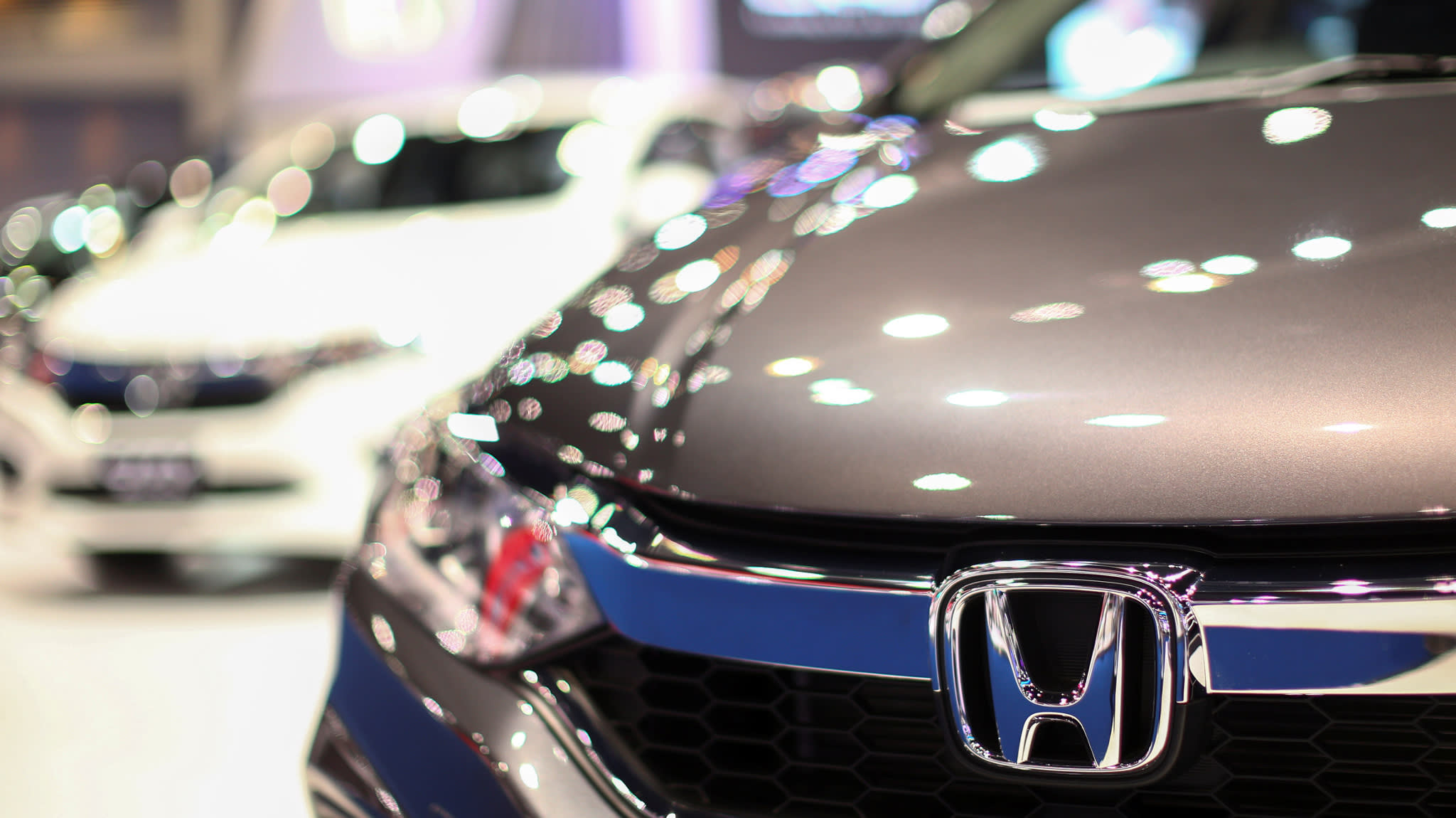
    Honda Vietnam announced that it will recall 2,695 CR-V e:HEV RS hybrid SUVs (CR-V Hybrid) from Nov. 25 to examine and replace defective high-pressure fuel pumps.

    The affected vehicles were manufactured in Thailand between August 24, 2023, and September 11, 2024. Honda Vietnam imported and distributed those vehicles in Vietnam.

    Honda Vietnam has urged car owners to bring their vehicles to authorised dealerships for inspection and repairs. The replacement process expected to take approximately 30 minutes per vehicle.

    Although there have been no recorded cases of safety issues due to high-pressure fuel pump defects occurring in the Vietnamese market, Honda Vietnam recommends that for the benefit and safety of customers and passengers, customers should quickly bring their vehicles to Honda Automobile Distributors for inspection. The cost of inspection or replacement of affected parts will be paid by Honda Vietnam.

    The Honda CR-V e:HEV RS is a popular hybrid SUV in Vietnam. It was first available in Vietnam on October 25, 2023 and sold at VND1.26 billion (US$49,557). In the first ten months of 2024, Honda Vietnam sold 1,359 CR-V Hybrid.

  • BYD’s luxury EV brand Denza launches in Singapore

    BYD’s luxury EV brand Denza launches in Singapore

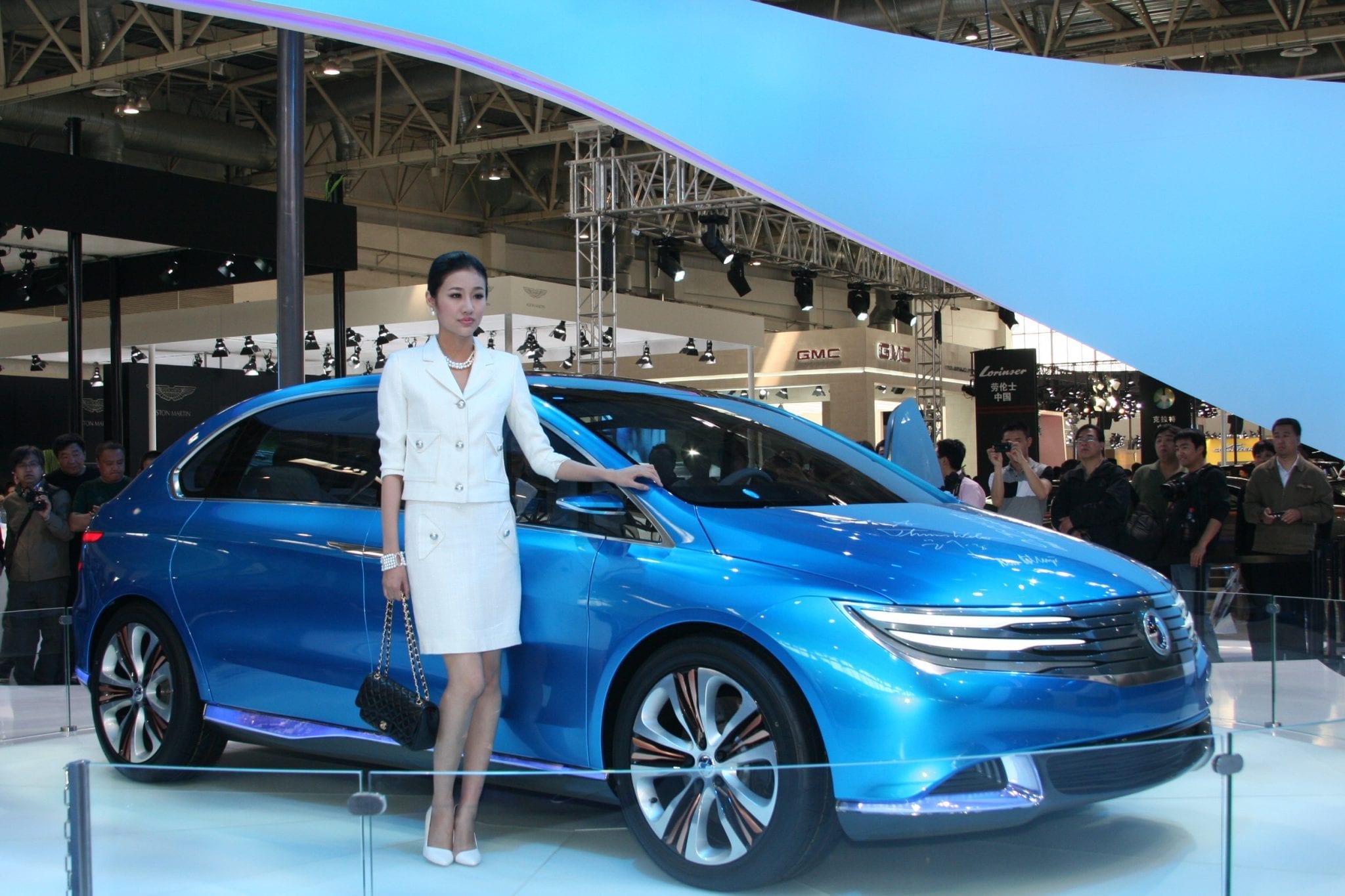
    Chinese auto giant BYD’s premium electric vehicle brand Denza has made its official debut in Singapore with two variants, both costing over US$200,000.

    According to Singapore-based car selling platform Motorist, the brand launched its first model in the city-state, the D9 large multi-purpose vehicle, on Thursday.

    It comes in two variants: the D9 Elite, which has a price tag of S$296,888 (US$227,500), and the D9 Grandeur priced at S$341,888 (US$262,000). Both prices include Certificate of Entitlement, a permit required to own and use a vehicle in Singapore.

    Some 300 orders have been placed for the D9, according to a BYD representative cited.

    Another Denza model, the Z9 GT sedan, is planned to debut in the city-state by mid-2025.

    BYD will directly distribute Denza vehicles and has named two existing partners, Vantage Automotive and Harmony Auto, as its dealers.

    The Singapore launch came as the brand is looking to expand to large markets in the Asia-Pacific region.

    Liu Xueliang, BYD’s Asia-Pacific sales general manager, said at the Thursday launch event that Denza will launch in Thailand later this year and in Australia, New Zealand, Indonesia and Malaysia in 2025.

    Apart from Denza, Singapore recently saw the launch of Zeekr, another luxury EV brand, in August and is expected to welcome EV maker Neta by the end of 2024. Both brands are from China.

    While more Chinese automakers are seeking to enter Singapore, BYD has been dominating the country’s car market, The Straits Times reported.

    In the first half of 2024, it registered 2,587 new vehicles, accounting for 13.9% of the market, and is the best-selling brand when considering only authorised dealer registrations.

  • BYD recalls 97,000 EVs over fire risk error

    BYD recalls 97,000 EVs over fire risk error

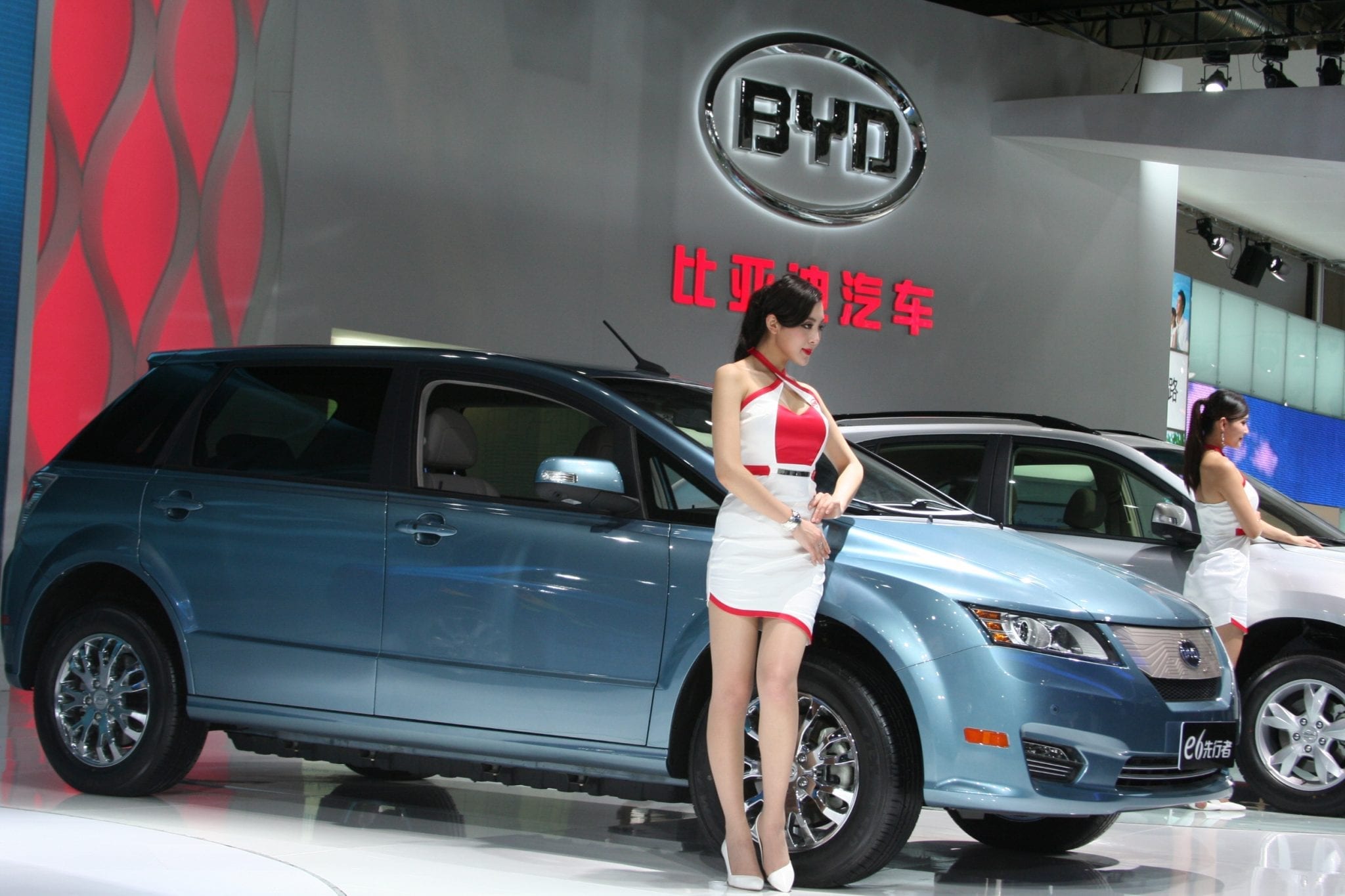
    China’s largest electric vehicle manufacturer BYD is recalling 97,000 units due to a technical error that poses fire risks.

    The Chinese automaker is recalling Dolphin and Yuan Plus EVs produced in China between November 2022 and December 2023 for containing a faulty steering control unit, according to a statement from the State Administration for Market Regulation as reported by Reuters.

    BYD dealers will address the issue at no cost to customers.

    According to the China Association of Automobile Manufacturers, the recalled models were its best-selling in 2023 and accounted for a quarter of the 3 million cars it sold.

    BYD, backed by American investor Warren Buffett, has been rapidly expanding overseas since last year, with distribution outlets set up in Southeast Asia, the Middle East and Africa.

  • Thailand approves budget for EV subsidy, offering buyers up to $3,000 per vehicle

    Thailand approves budget for EV subsidy, offering buyers up to $3,000 per vehicle

    The Thai cabinet has approved a budget allocation to fund a subsidy program’s second phase, which offers electric vehicle buyers up to 100,000 baht (US$3,070) per vehicle.

    Under the second phase of the subsidy program called EV 3.5, running from 2024 to 2027, EVs priced less than 2 million baht with batteries of 50 kWh or larger will receive a subsidy of 50,000-100,000 baht per vehicle, and those with smaller batteries will receive 20,000-50,000 baht per vehicle.

    Jirayu Huangsab, an advisor to the Prime Minister, said the budget allocation, amounting to 7.12 billion baht, will be used to subsidize buyers of electric vehicles and motorcycles who have already purchased their vehicles but not yet applied for the government EV subsidy under the EV promotion measures.

    Since the implementation of the EV promotion measures, subsidies have been disbursed for 55,000 EVs, totaling 6.87 billion baht. A budget of more than 5 billion baht is awaiting disbursement.

    In the previous first phase of the program, called EV 3.0, the Excise Department provided subsidies of up to 150,000 baht for EVs priced less than 2 million baht, and up to 18,000 baht for electric motorcycles priced less than 150,000 baht.

    The government provides these subsidies directly to car manufacturers. Once EV buyers register their vehicles, they can submit a request to the manufacturer to claim the subsidy.

    Based on these incentives, various manufacturers have invested to establish

  • Vietnam auto ownership triples in 13 years

    Vietnam auto ownership triples in 13 years

    Car ownership tripled in 13 years to 63 vehicles per 1,000 people last year, according to the Ministry of Industry and Trade.

    The number of registered automobiles reached 6.31 million by the end of last year, it said in a recent report.

    Last year 408,500 new vehicles were registered.

    The ministry expects annual sales to top one million by 2030 and five million by 2045.

    In 2022 record sales of 500,000 units propelled Vietnam into the list of the four largest auto markets in Southeast Asia along with Thailand, Indonesia and Malaysia.

    The ministry wants at least 80% of autos to be green by 2045 and the same ratio for domestic production.

    Now around 40% are imported as completely-built units, according to the Vietnam Automobile Manufacturers Association.

    The ministry wants supporting industries to manufacture key auto components such as transmissions, gearboxes, engines, and bodies.

    For now local firms are labor intensive and only capable of producing simple parts, it admitted.

    Thailand has 710 tier-one and 1,700 tier-two suppliers, while the comparable numbers for Vietnam are only 33 and 200.

    “To make good cars, we need quality materials for manufacturing as well as strong capabilities in robotics and quality control,” the ministry added.

  • Yamaha Motor president sustains injury from alleged knife attack by daughter

    Yamaha Motor president sustains injury from alleged knife attack by daughter

    Yoshihiro Hidaka, president of Japanese motorcycle manufacturer Yamaha Motor, suffered an arm injury after being allegedly slashed with a knife by his daughter, Hana Hidaka, at their home in Japan.

    The police arrested Hana on suspicion of attempting to murder her 61-year-old father, Yoshihiro, by attacking him with with a kitchen knife around 3 a.m. on Monday at their home in Iwata, Shizuoka Prefecture, according to The Japan Times.

    The police arrived at the scene in response to an emergency call from Hana, who claimed she had been beaten by her father, according to Kyodo News.

    They said she had made another call at 5:30 p.m. the previous day, prompting them to visit the house afterward.

    The police said that Yoshihiro sustained a minor injury to his left arm, as reported by Japanese news website TokyoReporter.

    Yamaha Motor said it would not comment on the case, citing its private nature and the ongoing investigation.

    Established in 1955, the Iwata-based firm manufactures a wide variety of motorized products, including motorcycles, personal watercraft and boats, according to the company’s website.