Category: Automotive

Retail News Asia is committed to providing both local and global retailers with the latest Auto and Car news throughout the Asian market. This on a daily base.

  • Maruti Suzuki Announces Service Camp For Fleet And Taxi Owners

    Maruti Suzuki Announces Service Camp For Fleet And Taxi Owners

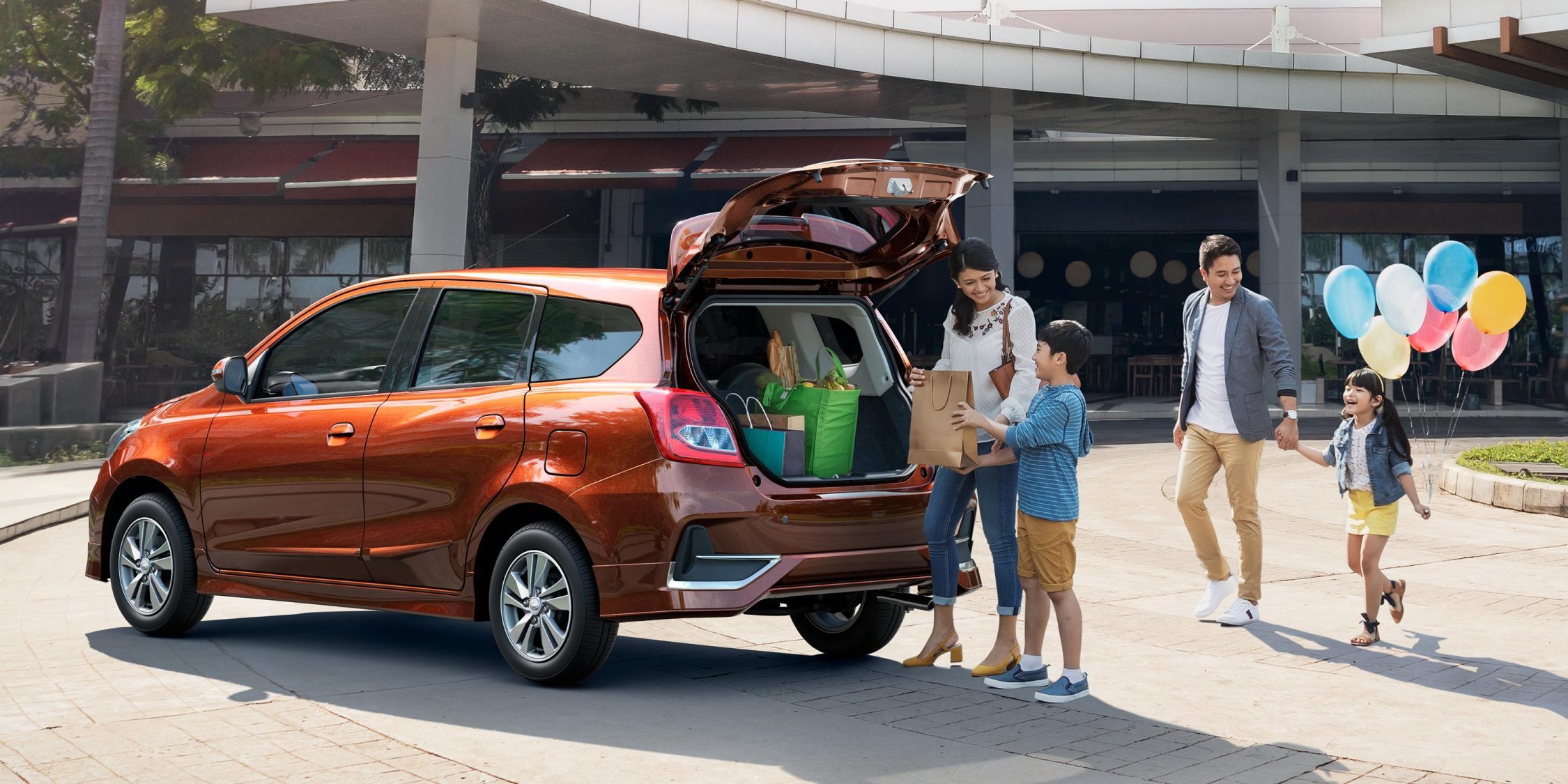
    Maruti Suzuki has announced a service camp for Fleet and Taxi owners. The camp has been kick-started across all dealer workshops. The company says that Taxi and Fleet operators have higher running and hence their vehicles demand more frequent attention. The campaign then is targeted towards their categorical requirements. The company has advised fleet and taxi owners to visit their nearest authorized service center to avail complimentary car health check and other exciting benefits.

    A complimentary detailed vehicle health check including AC, Brakes, Clutch, Suspension, Battery will be offered. Additionally, seeing the summer vacations coming up in the month of June and July, this campaign ensures that taxi owners are ready to serve the customers during this vacation period. The company had opened the camp last year too and it saw the participation of over 48,000 participants.

  • Volkswagen Plans To Produce Batteries In Germany

    Volkswagen Plans To Produce Batteries In Germany

    Volkswagen will invest almost 1 billion euros ($1.1 billion) in battery cell production at a facility in western Germany and is seeking to simplify the group by spinning off or selling units, the automaker said on Monday. Volkswagen said in a statement after a supervisory board meeting it would set up the battery facility in Lower Saxony under a partnership and would also begin talks on a planned new multibrand plant in Europe. The statement confirms a Reuters report earlier on Monday, on the eve of the company’s annual general meeting.

    Battery cells are a key battleground in the automotive industry as it shifts to electric mobility. Currently the industry chiefly sources its requirements from Asian manufacturers. Volkswagen also said it was looking into options for its MAN Energy Solutions business, which makes large diesel engines for ships and power generators, as well as transmissions maker Renk, including joint ventures, partnerships, a full or partial sale.

    Reuters reported earlier this month that Volkswagen had approached several companies to gauge their interest in buying MAN Energy Solutions, which is expected to achieve a valuation of about 3 billion euros in a potential sale. The moves are part of Volkswagen Chief Executive Herbert Diess’s efforts to slim down and simplify the group which has 12 brands, trucks, buses, motorbikes, cars and electric bicycles as part of its business.

    “Given the ever greater complexity of our industry and the related challenges, it is essential to focus on our core business,” Supervisory Board Chairman Hans Dieter Poetsch said. Volkswagen also said it would resume preparations for an initial public offering (IPO) of its trucks unit Traton, which it put on hold in March due to volatile market conditions.

  • Bosch Goes For Platinum-Light Fuel Cells

    Bosch Goes For Platinum-Light Fuel Cells

    Global automotive supplier Bosch expects platinum to play only a minor role in its new fuel cells, giving precious metal markets scant benefit even as the technology gains momentum for pollution-free transport. According to Reuters calculations, Bosch would only need a tenth of the platinum used in current fuel cell vehicles.

    Hopes of reviving demand and prices of platinum increasingly hinges on widespread uptake of fuel cells in vehicles, ships, and trains to make up for dwindling amounts used in each device, analysts say.

    The spot price of platinum has shed more than 40 percent in the last five years, burdened by persistent oversupply, before rebounding slightly in recent months.

    But hopes that fuel cells will boost long-term demand may be dampened after Germany’s Robert Bosch GmbH told Reuters that platinum was expected to play only a “minor role” in its plans to mass produce fuel cells.

    Privately-owned Bosch, which last month signed a deal with Powercell Sweden AB to mass-produce fuel cells, said its fuel cell design was not finalized, but it expects them to use only as much platinum as a diesel catalytic converter.

    A catalytic converter in a diesel passenger vehicle typically uses three to seven grams of platinum compared with around 30-60 grams currently needed for a fuel cell for the same vehicle, according to analysts.

    “There has been lots of optimization work concerning platinum in fuel cells,” Achim Moritz, product manager for mobile fuel cells at Bosch, told Reuters.”If you look at a diesel catalytic system, there is about the same amount of platinum content you need for a fuel cell,” he added.

    He declined to give specific estimated figures for the S3 fuel cell system it is developing with Powercell and expects to launch by 2022, citing commercial sensitivities.

    Bosch’s fuel cell deal with Powercell, announced last month, was another signal that the technology is poised to be rolled out more widely as governments toughen emissions regulations.

    China is leading the way, targeting 2 million fuel cell vehicles by 2030.

    Fuel cells generate electricity through a chemical reaction using hydrogen as a fuel and platinum as a catalyst but comprise only a fraction of the electric vehicle (EV) market even though they allow vehicles to travel much longer distances between charges than battery powered cars.

    For years, fuel cells were expected to boost platinum demand dramatically, but doubts have increased due to reports that scientists have found ways to cut the amount of platinum they contain.

    The best selling fuel cell vehicle, Toyota’s Mirai, is expected to cut platinum by two-thirds to around 10 grams per vehicle in its next version, down from 30 grams in the current model, according to David Hart, director of E4tech consultancy, based in Lausanne.

    “They (fuel cell makers) all have a pathway of using less platinum, which is fairly clear,” Hart said.

    Toyota Motor Corp declined to comment.

    Hyundai Motor Co has cut the amount of platinum needed for the fuel cell stack in the latest edition of its NEXO, released last year, to 56 grams from 78 grams previously, a company spokesman told Reuters.

    Hyundai plans to invest over 6 billion euros to make 700,000 fuel cell systems annually by 2030.

    Fuel cells give EVs longer ranges and recharging takes a matter of minutes, a fraction of what is needed for batteries.

    Hyundai’s NEXO has a range of 380 miles compared to 226 miles for the best-selling battery electric vehicle, Nissan’s Leaf.

    That is especially useful for heavy goods vehicles and buses, which are expected to be the primary market for fuel cells initially.

    “The heavy-duty truck side is the biggest initial opportunity for fuel cells because they are very hard to electrify with batteries,” said Marten Wikforss, a consultant for Sweden’s Powercell.

    Batteries would take up more space in a heavy goods truck and would take hours to recharge.

    Once costs come down, fuel cells may also appeal to car buyers who do not want to worry about frequent and time-consuming recharging.

    If fuel cells catch on in ships and trains as well as road vehicles, platinum demand may get a boost despite the lower loadings due to the sheer numbers, some analysts said.

    Global demand for platinum for all fuel cells from vehicles is forecast rise to 366,000 ounces by 2030 but to surge to 965,000 ounces when including other fuel cell and hydrogen uses, said Jonathan Butler, head of business development at Mitsubishi.

  • Ola Aims To Deploy 10,000 Electric Two And Three-Wheelers In India

    Ola Aims To Deploy 10,000 Electric Two And Three-Wheelers In India

    India’s Ride-hailing service provider Ola is reportedly betting big on two and three-wheelers for its electric mobility drive. In fact, the company is expected on deploying 10,000 electric vehicles (EVs), a mix of two and three-wheelers, in India by March 2020. A PTI report claims that, according to a senior company official, the company believes that mass scale adoption of four-wheeler electric vehicles will take some more time. It was a lesson that the company learned from Ola and Mahindra’s 2017 joint pilot project in Nagpur, for which the former had partnered with the leading SUV maker for a multi-modal electric mass mobility project. It showed Ola that right now “four-wheelers are not yet ready” for such usage in India on a large scale.

    Speaking to PTI, Ola Electric Mobility (OEM) co-founder Anand Shah said, “The biggest lesson (from Nagpur) was that, (electric) four-wheelers, are not yet ready. It is going to take a couple of years for the math on four-wheelers to work.” According to Ola, right now electric three-wheelers / e-Rickshaws are the largest population of EVs by natural adoption. Further, he said, “We think two-wheelers are also emerging very quickly, partially because of policy and also because of the rising interest in the commercial use of two-wheelers, whether that is in deliveries for our own food business or any of our competitors, e-commerce companies or scooter sharing.” In fact, Ola has already started pilots with a fleet of a hundred of three-wheelers in Gurugram. Considering Mahindra has the Treo e-Rickshaw in its fleet now we wouldn’t be surprised if Ola and Mahindra come together for a new project.

    The company expects to deploy the 10,000 electric vehicles by the end of March 2020 in whichever viable cities/states of the country that are willing to work with it. The possible candidate cities include – Delhi, Maharashtra, Kerala, Karnataka, Telangana, AP, and Gujarat. All that said, Ola, hasn’t given up on it, and is confident that electrification is viable in the long run. In fact, Ola is still actively working on electric four-wheelers as well Shah said, and further told PTI “We are testing electric cars. We have tried every electric car that exists in India today, but we think it’s going to take some time for rapid four-wheeler EV adoption at scale.”

    Talking about the learnings from the Nagpur project, Shah said that they noticed a need for more four-wheeler EVs models because when they started there was only one make of electric car available in the market. He also addressed the need for appropriate battery technology for the Indian conditions and usage along with a proper understanding of infrastructure utilization to strike a balance between usage of land, power and time of the day. He also talked about electricity cost being a very significant input while mentioning that now the government is beginning to address this.

    Talking about investments for electric mobility, Shah said, “We have raised Rs 400 crore from some of our early investors — Tiger Global Management, Matrix India. That money will be spent on meeting these milestones, on getting the technology right, getting the business model right and we will keep growing from there.”

  • Jaguar Land Rover Sales Decline Last Month

    Jaguar Land Rover Sales Decline Last Month

    UK-based auto giant Jaguar Land Rover (JLR) has posted a decline of 13.3 percent in sales for April 2019. The Tata Motors-owned automaker sold 39,185 units last month, a sharp decline in year-on-year volumes when compared to April 2018. The carmaker attributed to the weak demand for its vehicles largely due to the subdued market conditions in China. JLR, did, however, stated that sales of the new Jaguar I-Pace electric SUV and the new generation Range Rover Evoque continued to be encouraging during this period. Markets like the US and the UK also showed impressive growth last month.

    Felix Brautigam, Jaguar Land Rover Chief Commercial Officer, said, “Although this was a tough month for us due to continuing pressures in China, we are delighted to see good growth in the UK and the US. Once again we strongly outperformed the UK market and the US marked its best-ever April sales. This reflects the strength of our brands and continued demand for our unique and evolving product line-up. This month was a historic milestone for Jaguar, with the all-electric Jaguar I-PACE winning an extraordinary hat trick of awards – the 2019 World Car of the Year, World Car Design of the Year and World Green Car – which no car has ever done before.”

    He further added, “This is in addition to scooping the European Car of the Year and the China Green Car of the Year 2019 trophies, to name just a few of the accolades for the I-Pace. We continue to be encouraged by the market response to this incredible vehicle.”

    Retail sales increased in the UK by 12.1 percent, while in North America were raised by 9.6 percent. However, sales in China saw a dramatic drop of 45.7 percent. Sales in overseas markets also slowed down by 22.3 percent with retails in Europe down by 5.5 percent.  Jaguar retail sales in April 2019 stood at  11,462 units, a drop of 13.7 percent year-on-year, while Land Rover sold 27,723 units last month, a drop of 13.1 percent over the same period last year.

    Between January and April 2019, Jaguar Land Rover’s total retail sales stood at 198,101 units, down by 9.1 percent compared to the same period last year.

  • Ferrari Considering Netflix And esports Involvement

    Ferrari Considering Netflix And esports Involvement

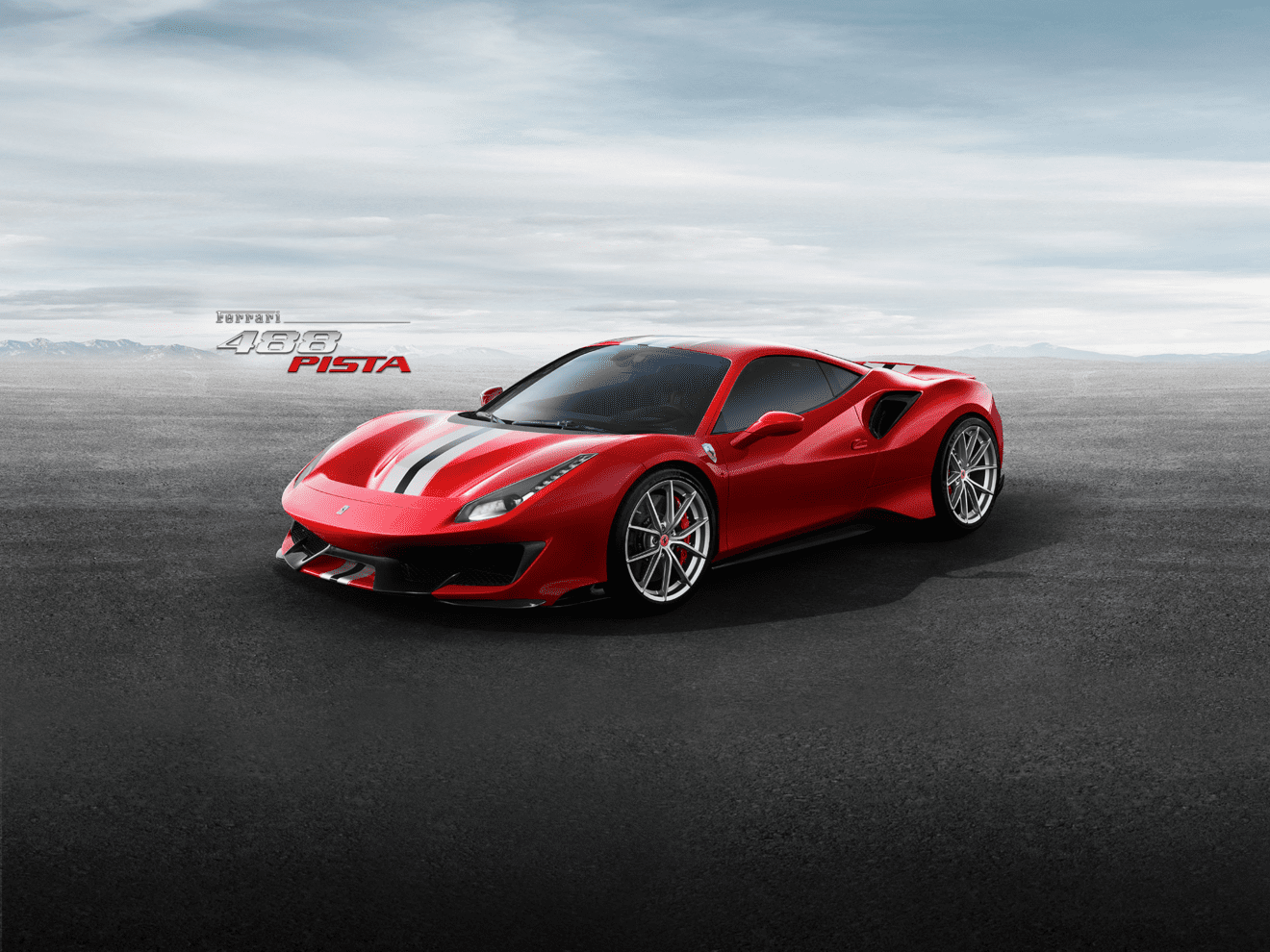
    Ferrari is considering engaging with Netflix on a second Formula One documentary as well as joining the rest of the 10 teams in the esports world championship, team boss Mattia Binotto said on Friday. Ferrari and champions Mercedes did not cooperate on the successful ‘Drive to Survive’ 10-part fly-on-the-wall series filmed by Netflix last season, arguing that they needed to focus on the title battle. When their cars or drivers did feature, it was from the official world feed television footage.”It’s certainly an interesting program. We were not participating last season as Ferrari,” Binotto told reporters at the Spanish Grand Prix, the fifth round of the 21 race championship.

    “We are considering it at the moment. We have not taken our final decision, so it’s something we will do in the next few weeks.”

    Formula One’s managing director Sean Bratches said this month that he expected a second series to go ahead, with filming already underway. Ferrari is the only ones without a presence in the official F1 esports championship, which is in its third season and involves the teams only later in the year. Mercedes won both titles last year, as in the real world.

    Binotto said Ferrari’s stance on that could change as well.

    “Esport is increasing in terms of interest and certainly as Ferrari, we are looking seriously into it,” he said.

    “We are not yet fully committed to the program but it’s something where the discussions are ongoing and we will very soon make our own decision.”

  • 2020 Skoda Superb Facelift Global Debut End of May

    2020 Skoda Superb Facelift Global Debut End of May

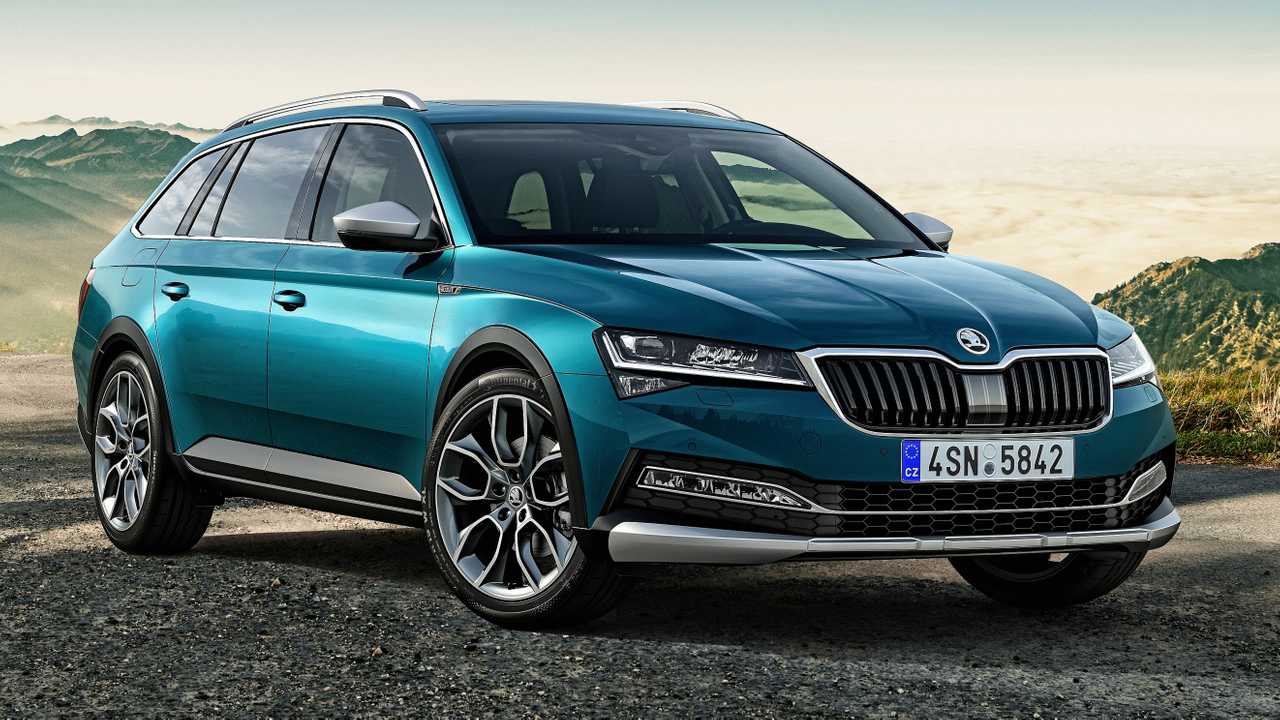
    The Superb is the flagship in Skoda’s portfolio and it is planning to present the 2020 facelifted model to the world on a special occasion. IIHF Ice Hockey World Championship is a grand affair for the Czech carmaker and it has signed up for the 27th time as its lead sponsor and will supply 50 fleet cars for the event. Skoda will also seize the opportunity to unveil the 2020 Superb Facelift on May 23, 2019, on the quarter-final match day.

    Pulling off a surprise, Skoda may also introduce the Superb Facelift with a new plug-in hybrid powertrain which was expected in the next-generation model. For the first time in history, Skoda will be offering a hybrid model and we are expecting it to borrow the powertrain from the Volkswagen Passat GTE. The same 1.4-liter, turbocharged TFSI petrol motor which powers the Audi A4 is expected to be coupled with an electric motor in the upcoming Skoda Superb. We have seen the same powertrain earlier at the 2016 Auto Expo in the Volkswagen Passat GTE plug-in-hybrid variant in which it develops 212 bhp and 400 Nm of peak torque. The 2020 Skoda Superb is likely to get it in the same state of tune.

    The car has already been spotted testing and design modifications on the new model will be rather subtle. The front bumper will get a wider air dam along with slightly muscular overhangs and the rear bumper will be revised as well. Moreover, new elements such as full-LED headlamps and new daytime running lights (DRLs) will also be on offer. Expect the rear to have the new widespread Skoda badging instead of the logo.

  • Skoda India Opens Its Largest Workshop Facility In Coimbatore

    Skoda India Opens Its Largest Workshop Facility In Coimbatore

    Skoda Auto today announced opening a new workshop facility in India in association with SGA Cars India, in Coimbatore, Tamil Nadu. The new facility is Skoda Auto’s largest workshop in the country and is spread across 49,585 sq. ft. of the premium service area, equipped with 50 bays, and a capacity to serve 20,000 vehicles per annum. The service workshop also has more than 40 dedicated aftersales personnel, and the company says that it has been built in line with Skoda’s new corporate identity and design.

    Skoda India feels that the new modern workshop facility will further strengthen its position in Tamil Nadu, and help the company achieve a strong foothold in the southern markets. Inaugurating the new state-of-the-art service facility, Zac Hollis, Director – Sales, Service and Marketing, Skoda India, said, “Skoda Auto India is set to strengthen its presence in the southern markets of our nation. The dimensions of the new facility are a reflection of the region’s potential for the brand. We are confident that our partnership with SGA Cars India will play an important role, in scaling up the brand, by offering our patrons a hassle-free ownership experience and utmost peace of mind.”

    Commenting on their partnership with Skoda, Arputharaj, Dealer Principal, SGA Cars India said, “We are delighted to partner with Skoda Auto India to introduce our newly designed workshop facility. The state-of-the-art service infrastructure and optimized business processes will enable us to deliver an unmatched service experience. The advancement of Skoda makes us more confident and committed to our valued customers.”

    Skoda India currently has a network of 64 sales and 62 service outlets across the country. However, as part of its ‘INDIA 2.0’ project, Skoda Auto plans double its dealer network across 50 new cities, over the next 3 years, to further increase the accessibility of the brand. As for some of its customer initiative programmes, the company recently also introduced ‘EasyBuy’, an assured introductory 57 percent buyback value programme for the Skoda Superb model range, at the end of the three-year contractual term. This is in addition to the company’s existing Skoda Shield Plus plan which offers motor insurance, 24×7 roadside assistance, and an extended warranty for all Skoda cars.

  • David Beckham Receives A 6 Month Driving Ban For Using Mobile Phone Behind The Wheel

    David Beckham Receives A 6 Month Driving Ban For Using Mobile Phone Behind The Wheel

    English footballer David Beckham has been handed a six-month driving ban for using his mobile when he was behind the wheel. The former England captain pleaded guilty to the charge after he was photographed by a member of the public holding a phone as he drove his Bentley in “slow moving” traffic in London on November 21, last year. Beckham was at Bromley Magistrates Court, south of London earlier this week, where he was given the six-month ban, fined 750 Pounds, and was ordered to pay 100 Pounds to prosecution costs and a 75 Pound surcharge fee within seven days.

    The 44-year-old already has six points on his license from his previous offenses for speeding and now gets six more. Beckham pleaded guilty to the charge and said there is no excuse for what happened. However, the former Manchester United player also said that he had “no recollection of the particular incident.”

    While the district court Judge Catherine Moore said she acknowledged the slow pace of the traffic, she did also say that there was “no excuse” under the law. Prosecutor Matthew Spratt said: “Instead of looking straight forward, paying attention to the road he appeared to be looking at his lap.” Beckham’s lawyer Gerrard Tyrrell further stated that the footballer found driving relaxing. He said, “He takes his children to school each day and picks them up when he can. To deprive him of that is something he will acknowledge.”

    The short but important ban on David Beckham reiterates why need to avoid using our phones behind the wheel. The incident should serve as an example to drivers across the globe that safety can’t be ignored even if it is in slow moving traffic.

  • Volvo Cars Could Cut Several Hundred Jobs

    Volvo Cars Could Cut Several Hundred Jobs

    Swedish carmaker Volvo, which is owned by China’s Geely, is cutting several hundred jobs, Swedish radio reported on Friday citing sources.The carmaker, whose number of employees has more than doubled over the past decade to about 43,000, confirmed it was reviewing staff and other costs to ensure its business had the “right skills”.

    “As a growing company, Volvo Cars is constantly reviewing its cost base. This becomes even more important in light of the headwinds the industry is facing and Volvo Cars are now increasing its focus on costs related to staffing and bought services,” the company said in an emailed statement.

    The jobs primarily affected were those of consultants and staff involved in factory production will not be affected, a Volvo spokesman said. He declined to specify the number of job cuts and savings expected from the layoffs. Volvo’s fortunes have come under renewed threat with the car sector facing one of its most challenging periods due to trade conflicts, hefty bills to develop electric and driverless cars, and an overall downturn in the industry.

    The company, which has put its listing plans on ice due to the tariff wars and auto stock downturn, has reported lower first-quarter profit and warned that margins will remain under pressure this year.

  • Maruti Suzuki Opens 300th Commercial Vehicle Outlet

    Maruti Suzuki Opens 300th Commercial Vehicle Outlet

    Maruti Suzuki India has inaugurated its 300th commercial vehicle showroom in India. The 300th outlet comes in less than three years, and with it Maruti Suzuki’s Commercial retail outlet network is now present in over 230 cities across the country. With the recent addition, the Company’s total sales network has crossed over 2,940 showrooms covering more than 1,860 towns and cities. Currently, the company sells only the Super Carry LCV in the country and it commands a 12 percent market share in India and it’s sold 23,000 units already ever since it was launched. It is offered in two colors Superior White and Superior Silver.

    The Super Carry LCV comes with a loading bay of 3.25 sq.mt and offers a payload capacity of 740 kg. The ground clearance stands at 175mm, while suspension duties are performed by MacPherson struts at the front and a rigid axle with leaf springs at the rear. The wheelbase measures 2110mm and at 4.3 meters, the turning radius similar to that of a hatchback. The LCV gets all the basic features including a light steering wheel, mobile charging socket, dual assist grip, multi-purpose storage spaces, lockable glovebox and bottle holders. An air-conditioner, however, is missing from the ensemble.

    The Super Carry is available with a diesel engine in the country and this 793cc twin-cylinder diesel engine that made its debut on the Celerio last year and comes paired to a 5-speed manual transmission. However, the diesel variant will be discontinued as it would not comply with the upcoming BS6 norms. The company will therefore only offer it with petrol and the CNG variant, which according to the company will be great for its consumers.

    Shashank Srivastava, Executive Director, Maruti Suzuki India said, “The Light Commercial Vehicle segment has been the largest volume contributor in the commercial vehicle industry in the country. Globally, Suzuki Motor Corporation has expertise in this segment and the Super Carry is part of that lineage. Super Carry for India has been developed specifically keeping in mind the unique requirements of the Indian mini truck customer. Starting the commercial segment with Super Carry, we have rapidly rolled out our network to keep pace with the growing demand and business opportunity for light commercial vehicles. With the growth in entrepreneurship and businesses, we see a continuous requirement of Light commercial vehicles for various business applications.”

  • Hero Pleasure Plus 110 Launched In India

    Hero Pleasure Plus 110 Launched In India

    Hero MotoCorp’s second launch for the day is the all-new Pleasure Plus scooter. The new Hero Pleasure 110 is priced at ₹ 47,300going up to ₹ 49,300  and gets comprehensive upgrades over the outgoing version with a revised design, new colors and more features on offer. It still remains one of the most affordable scooters on sale and will be attracting a number of first-time female buyers. Bookings for the new Pleasure commence from today across the two-wheeler maker’s dealerships pan India, while deliveries will begin by the end of this month.

    The all-new Hero Pleasure had been given a number of revisions for a smart looking appearance. The scooter looks fresh with the bright colors, while the front apron gets a bow-tie like silver plastic cladding that lends a cute face to the model. The headlamp design is completely new and is an angular-upright shaped unit that gets a retro-touch while looking all modern. The side panels have been reworked and get brushed silver highlights for added effect. The taillights are new and the instrument console has been revised as well with a new digital display. The scooter comes with a USB charging slot as well.

    The 2019 Hero Pleasure Plus draws power from the more powerful 110 cc single-cylinder air-cooled engine that is tuned for 8 bhp and 8.7 Nm of peak torque. The motor is paired with a CVT unit. The more powerful engine replaces the 102 cc mill that was seen on the predecessor and belt out nearly 7 bhp and 8.1 Nm of peak torque. The updated scooter continues to use spring loaded shocks at either end that help keeps costs low. Braking performance too comes from the 130 mm drum brakes at the front and rear with Integrated Braking System (IBS) offered as standard.

    The Hero Pleasure has always been an entry-level offering and comprehensively updated version will certainly help the scooter solidify its position in that space. The aggressive pricing will also help the model that competes against the likes of the Honda Activa-i and the TVS Scooty Zest. Bookings for the updated Pleasure scooter are now open.

  • McLaren GT Teased Ahead Of Its Debut On May 15

    McLaren GT Teased Ahead Of Its Debut On May 15

    We have seen the McLaren GT before in its prototype version and McLaren has finally teased the production spec model. The new McLaren is a Gran Tourer and the brand has decided to call it GT (without any suffix or prefix). As we are aware that McLarens are categorized into three segments- Sports, Super, and Ultimate Series, the upcoming GT will be positioned between the Sports and Super segment. In fact, McLaren has said that the GT will be slightly different having a mix of cross-country abilities and McLaren’s dynamic and agile characteristics. The McLaren GT also takes inspiration from the Speedtail.

    As customary as it could be, the new teaser gives just a slight idea of its design and aerodynamics, leaving us curious about the rest. However, it reveals the silhouette and rear of the car and the outline looks pretty much identical to the 720 S. The air ducts on the bulbous rear haunches are sizeable and the tail looks angular housing the integrated spoiler. However, it gets dual exhaust pipes and different LED lights.

    The McLaren GT will get a center mounted engine which is unlike other models. The engine in the question is the same 4.0-litre, twin-turbocharged, V8 engine which will be differently tuned and given it’s a GT, it’s not expected to have the outright performance of track-focused cars like the McLaren 600lt Spider or even the 720 S.The McLaren GT will make its first public appearance on May 15.

  • Indian Drivers Face The Heat As Uber Plans IPO

    Indian Drivers Face The Heat As Uber Plans IPO

    As Uber drivers planned a global strike on Wednesday ahead of the ride-hailing giant’s massive initial public offering (IPO), Uber drivers in India said they are facing the heat as cash incentives have considerably gone down while work hours have gone up. Drivers in cities like Los Angeles, New York City, London and Tokyo were to join the strike and log off from the apps on Wednesday.

    According to Santosh, an Uber driver in Delhi-NCR, the initial adrenaline rush is over and it has been difficult to run the family as income is low, incentives are down and stress levels are high owing to the pressure to pay monthly EMIs towards car and home loans.

    “When I joined Uber, things were just going fine. Now, with low cash incentives, I have to drive for long hours to make the ends meet,” Santosh told IANS.

    Dharam and Shamu, both Uber drivers, also echoed Santosh’s view.

    An email sent to Uber India for comment went unanswered.

    Uber launched its services in India in 2013 with its UberBLACK service and launched its premium UberX service in 2014.

    Uber currently operates in 31 cities in the country and aims to take its services to other, deeper parts of the country.

    The global ride-hailing platform in January announced the appointment of Indian Institute of Technology (IIT)-Kharagpur alumnus Pavan Vaish as the new Head of Central Operations.

    Uber filed its IPO process last month. It would be listed on the New York Stock Exchange (NYSE) under the symbol “UBER”.

    The company is seeking a market value just above $90 billion in its IPO, according to documents filed with regulators. The ride-hailing company has also announced a one-off bonus for drivers as it prepared to go public.

    As of December 31, 2018, it had 91 million, or 9.1 crores, monthly active platform users. There were 3.9 million, or 39 lakh, drivers on the platform by the end of 2018.

    Uber and Lyft drivers in cities, including Los Angeles, New York City, and London, were set to join the strike and log off from the apps (from 7 am to 9 am ET) on Wednesday.

    “Wall Street investors are telling Uber and Lyft to cut down on driver income, stop incentives and go faster to Driverless Cars,” Bhairavi Desai, Executive Director of the New York Taxi Workers Alliance, was quoted as saying by the CNET.

    “With the IPO, Uber’s corporate owners are set to make billions, all while drivers are left in poverty and go bankrupt,” she added.

    In a statement to CNET, an Uber representative said: “Drivers are at the heart of our service — we can’t succeed without them — and thousands of people come into work at Uber every day focused on how to make their experience better, on and off the road”.

  • Toyota, Panasonic To Set Up Firm To Connect Cars

    Toyota, Panasonic To Set Up Firm To Connect Cars

    Japan’s Toyota Motor and Panasonic Corp said they plan to establish a joint company to develop “connected” services to be used in homes and urban development. The tie-up deepens the partnership between the companies, which in January announced a joint venture to build electric-vehicle (EV) batteries, pooling the R&D and manufacturing strengths of one of the world’s largest automakers and battery makers to compete in the fast-growing EV market.

    In their latest venture, Toyota and Panasonic said they will set up a new company early next year to focus on technology that could be used to offer personalized services in the home. The pair plan to be 50-50 partners in the new firm and will increase cooperation at their respective housing operations in Japan.

    “We will put our respective strengths together to offer new value in everyday life,” Panasonic President Kazuhiro Tsuga said in a joint statement on Thursday.

    The move comes at a time when lower-emissions vehicles and ride-sharing services have opened up the auto industry to new competitors, leaving traditional car makers and their suppliers scrambling to find alternate revenue streams.

    Toyota has been developing connected cars that can share information on usage – data that could be leveraged for on-demand ride-sharing, insurance, and maintenance.

    The automaker has said it will tap into its partner network and its operations which range from building and selling cars, homes and companion robots to expand into new transportation and home energy services.

    “If we are able to use this network going forward not only to manufacture and sell vehicles but to also provide new services, our future possibilities will greatly expand,” President Akio Toyota told reporters on Wednesday.

    “In addition to cars, I think that having our own housing business and connected business will be a big advantage for us.”