Category: Automotive

Retail News Asia is committed to providing both local and global retailers with the latest Auto and Car news throughout the Asian market. This on a daily base.

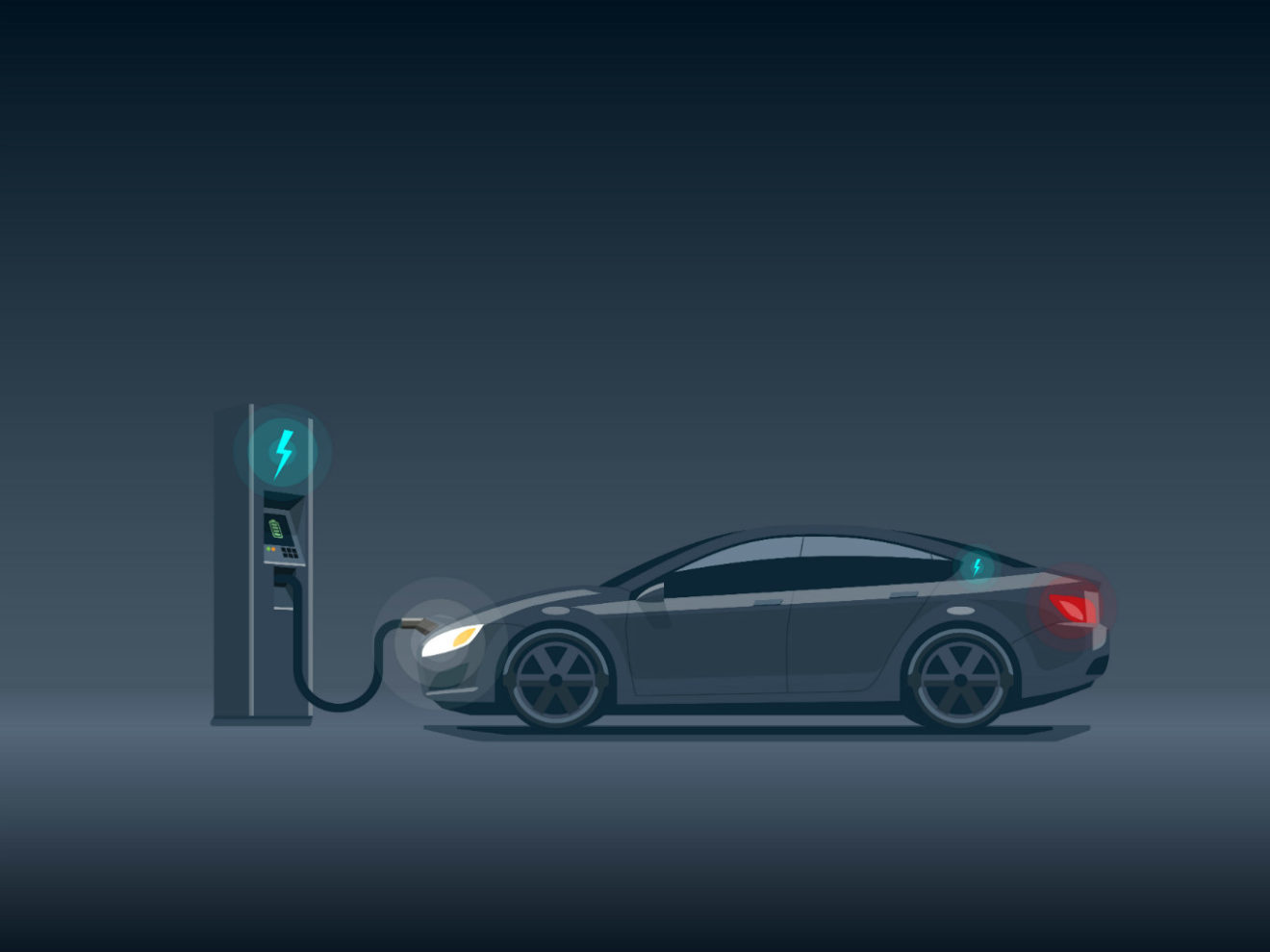
  • Niti Aayog Recommends Sale Of Only Electric Cars From 2030

    Niti Aayog Recommends Sale Of Only Electric Cars From 2030

    In another ambitious move, Niti Aayog has proposed that only electric vehicles should be sold in the country after 2030. Government’s think tank had earlier suggested banning all conventional three-wheelers and two-wheelers which are equipped with engines of up to 150 cc. According to Times Of India report, the committee has forward a cabinet note asking to assign roles to different ministries. Ministry of Road Transport And Highways (MoRTH) has been asked to work on a new framework to phase out the sale of diesel and petrol vehicles by 2030.

    That said, the proposal penned down by Niti Aayog is not only limited to vehicles and also talks about the infrastructure to push their sales. It suggests starting an e-Highway program with an overhead electricity network to facilitate operation for long distance trucks and busses. However, it has suggested piloting the project with selected National Highways which is likely to begin with the upcoming Delhi-Mumbai Expressway. Along with the electrification of national highways, Niti Aayaog has also proposed local manufacturing of 50 GWh batteries by 2030.

    In a bid to meet the target, Niti Aayog has also proposed extending financial incentives like cash subsidy on the basis of overall domestic value addition per kilowatt hour (KWh) which will be around Rs 8000 crore. If domestic manufacturing of batteries can be made possible, the maximum cash subsidy will go up to ₹ 2000 crore for up to 20 GWh per firm which will be for just one KWh for total value capture. The think tank is also planning to procure 10 lakh direct and indirect job opportunities if the proposal is implemented.

  • Porsche Macan Facelift Bookings Open In India

    Porsche Macan Facelift Bookings Open In India

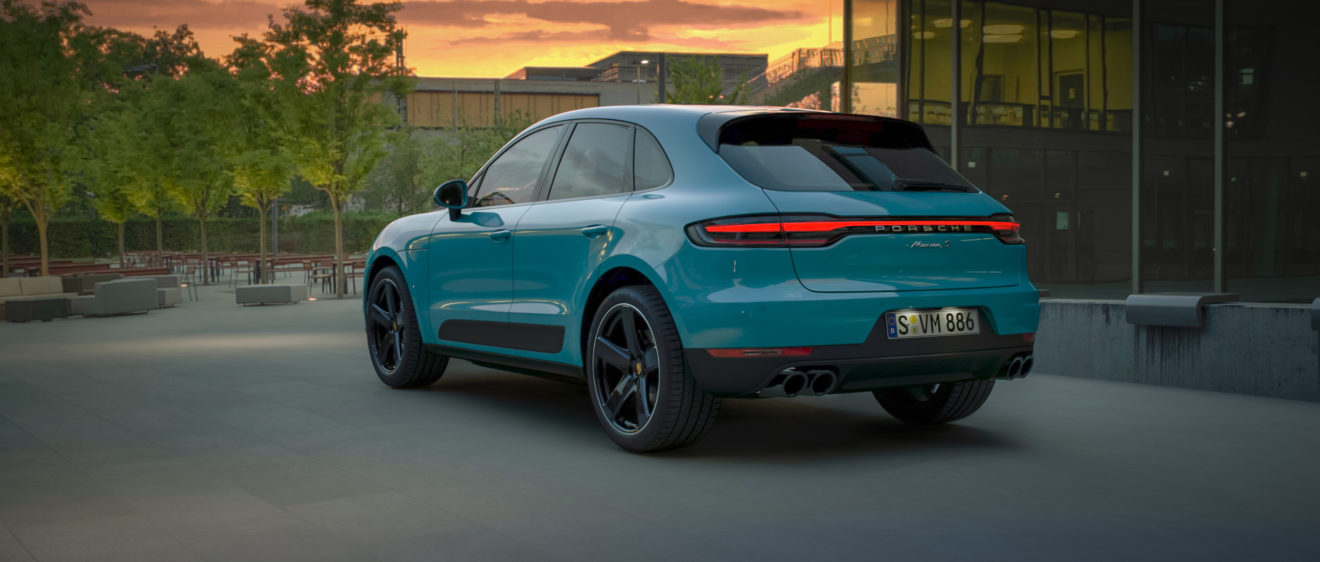
    Porsche India has opened bookings for the Macan facelift in India and it’s all set to be launched in the country in July this year. First launched in 2014, the SUV was long overdue for an update and it’s finally here. The 2018 Porsche Macan facelift comes with updated styling that has been inspired by the new-generation Cayenne, which is also set to go on sale in India later this year. In addition to cosmetic changes, the facelifted Macan also comes with a host new and updated features, which Porsche claims, offers enhanced comfort, connectivity and driving dynamics.

    Visually, the 2018 Macan retains the signature Porsche DNA and is equipped with a host of premium features, both on the outside as well as inside. The front section of the SUV has been redesigned, giving it wider facial features and LED headlights that come as standard, while the rear section is a bit sleeker now and features a three-dimensional LED tail light strip, also a standard fitment. However, if you want something even more high-tech, then the company also offers its ‘Porsche Dynamic Light System Plus’ (PDLS) with adaptive light distribution, as an optional extra. The SUV now also comes in four new exterior colour options – Miami Blue, Mamba Green Metallic, Dolomite Silver Metallic, and Crayon. It also comes with new 20- and 21-inch wheels with an array of customisation option.

    The cabin has also been updated, which now gets new interior packages with more with customisation option. The revised dashboard now features an 11-inch touchscreen display for the new Porsche Communication Management (PCM), the air vents have also been redesigned and also repositioned, and the SUV now also gets the GT sports steering wheel similar to the 911. The mode switch plus Sport Response Button have been integrated into the steering wheel, and are offered as part of the optional Sports Chrono Package. The Macan is equipped with a Connect Plus module, making every vehicle fully networked as standard, while the new Offroad Precision App can record and analyse off-road driving experiences in the model.

    The existing 3.0-litre engines in both petrol and diesel versions of the Macan will make its way on the car, possibly power boost across the entire range. The base model will be uprated to about 300 bhp, the Macan S is expected to offer up to 355 bhp, while the top-end Macan Turbo is likely to offers 434 bhp in the facelifted model.

  • Nvidia Boosts Self-Driving AI Business With Volvo Trucks Deal

    Nvidia Boosts Self-Driving AI Business With Volvo Trucks Deal

    Sweden’s AB Volvo is joining forces with Nvidia to develop artificial intelligence used in self-driving trucks, in a boost for the U.S. chipmaker that was ditched by Tesla last year. The agreement announced on Tuesday by Nvidia and Volvo, the world’s second-biggest truckmaker after Daimler, is a long-term partnership spanning several years. Work will begin immediately in Gothenburg, Sweden and Santa Clara, California. Volvo, which demonstrated its first autonomous truck last year, said the partnership would develop a flexible, scalable self-driving system, which is planned to be used first in pilot schemes before commercial deployment.

    “The resulting system is designed to safely handle fully autonomous driving on public roads and highways,” Volvo said in a statement. Nvidia, known for its powerful gaming graphics chips, has been aggressively expanding into the automotive sphere, where trucks – with their regular routes that are easier to automate than cars navigating traffic – may lead the way in self-driving.

    Potential demand is strong in the United States in particular, where a shortage of truck drivers has been pushing up freight costs. Together with Intel, Nvidia dominates the fast-growing AI chip market.Nvidia, which has previously announced technology partnerships with automakers including Volkswagen, Mercedez-Benz and Toyota, said it was thrilled to team up with Volvo.

    “The latest breakthroughs in AI and robotics bring a new level of intelligence and automation to address the transportation challenges we face,” said Nvidia Chief Executive Jensen Huang.

    Volvo said last week its self-driving truck, “Vera”, would begin transporting goods from a logistics center to a port terminal in Gothenburg in collaboration with logistics firm DFDS, in a first step toward operations on public roads here.Nvidia’s so-called Drive Constellation chips often power the machine learning used to refine self-driving car software algorithms inside data centers, and the company has also been working to build its Drive chips into cars. Automotive chips accounted for $641 million of Nvidia’s $11.7 billion in revenue in its most recent fiscal year.

  • Domino’s To Use Self-Driving Vehicle To Deliver Pizza

    Domino’s To Use Self-Driving Vehicle To Deliver Pizza

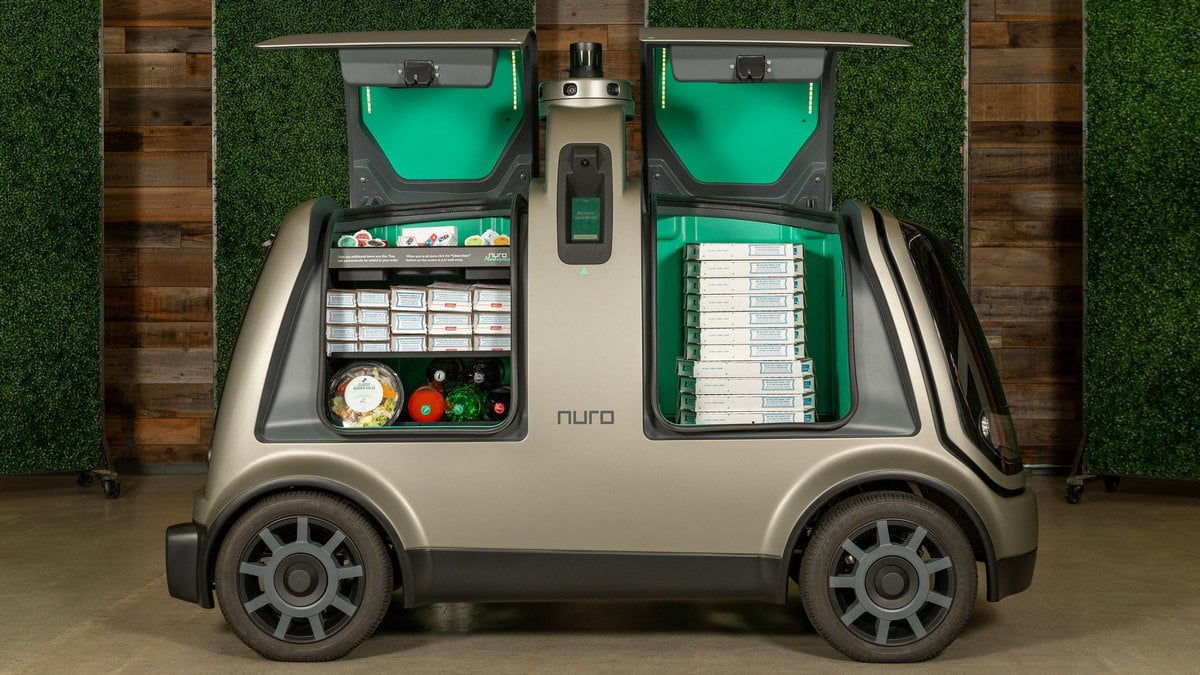
    Domino’s Pizza and Nuro, a robotics company have partnered to bring out an autonomous pizza delivery unmanned vehicle known as the R2. Dominos will use Nuro’s unmanned fleet to serve select Houston Domino’s customers who place orders online. This partnership will expand Nuro’s autonomous delivery operations, which have been running in the Houston metro area since March 2019.

    Select customers who order online from one of Domino’s participating stores will have the opportunity to use Nuro’s autonomous delivery. Once they have opted in, customers can track the vehicle via the Domino’s app and will be provided with a unique pin code to unlock the compartment to get their pizza.

    Kevin Vasconi, Domino’s executive vice president and chief information officer, said, “We are always looking for new ways to innovate and evolve the delivery experience for our customers. Nuro’s vehicles are specially designed to optimize the food delivery experience, which makes them a valuable partner in our autonomous vehicle journey. The opportunity to bring our customers the choice of unmanned delivery experience, and our operators an additional delivery solution during a busy store rush, is an important part of our autonomous vehicle testing.”

  • Yamaha Electric Scooter With Removable Batteries Unveiled

    Yamaha Electric Scooter With Removable Batteries Unveiled

    Yamaha has just revealed its new EC-05 electric scooter, and it features removable batteries for easy re-charging and to swap out the drained battery with a fully charged battery. The Yamaha EC-05 is the result of Yamaha’s partnership with Taiwanese electric motorcycle manufacturer Gogoro. Last year, the two brands formed a partnership with the goal of incorporating Gogoro’s electric powertrain into a Yamaha electric scooter, and that is what the Yamaha EC-05 seems to be. The EC-05’s design has been worked on by Yamaha, but the powertrain and technical workings are almost all developed by Gogoro.

    So far, the specifications of the Yamaha EC-05 have not been revealed, but Yamaha has released a teaser video of the new electric scooter. The EC-05 is expected to have a top speed of around 90 kmph, and will likely have a range of around 100 km with two Gogoro battery packs. Right now, the Yamaha EC-05 will only be available in Taiwan, since Gogoro already operates more than 1,000 battery exchange stations, so the charging and swapping infrastructure is already established. The EC-07 is likely to come with two swappable 2170 lithium-ion batteries, with one battery to be rented, which means it can be exchanged at recharging stations across the country, while the other remains in the scooter. The primary battery is also removable, to be charged at home, or elsewhere.

    The Yamaha EC-05 is expected to hit the Taiwanese market sometime in August 2019, but there’s no news at this stage if the electric scooter will be sold in international markets. Gogoro is reportedly exploring partnerships, indicating that the EC-07, and other electric scooters from the Taiwanese brand, will be introduced in other international markets, sooner than expected. It’s still early to say with any certainty though if India Yamaha has any plans of introducing any electric scooter in India.

  • Cheaper Sensors Could Speed More Self-Driving Cars To Market By 2022

    Cheaper Sensors Could Speed More Self-Driving Cars To Market By 2022

    The first heavily automated mass-market vehicles for consumers could go on sale as soon as 2022, if one or more vehicle manufacturers adopt a new sub-$500 lidar sensing package being developed by Silicon Valley startup Luminar.The tremendous cost of lidar – prices for individual sensors currently range from about $6,000 to more than $100,000 – is one of the big stumbling blocks to the wide rollout of self-driving vehicles, whether in commercial delivery and robo-taxi fleets such as those being developed by Ford Motor Co and General Motors Co, or in passenger vehicles aimed at consumers.

    Luminar has developed a low-cost lidar platform that bundles hardware and software and is being tested by several automakers, according to Austin Russell, Luminar chief executive officer and founder.

    The company’s new Iris system will be offered in two versions, one that will enable hands-free “freeway autonomy” and a less expensive version that will enable some automated functions, such as automatic emergency steering and braking. The first is designed to sell for under $1,000 at higher production volumes, while the second, which is intended to plug into manufacturers’ advanced driver assistance systems (ADAS), is expected to sell for under $500, Russell told Reuters.

    Manufacturers and suppliers are increasingly skeptical about the speed of adoption of fully automated self-driving systems, because of both their high cost and complexity. In the meantime, they have begun focusing on deploying more ADAS features, which share components, but cost much less and can generate much-needed revenue to help defray the cost of developing full self-driving systems.

    Lidar-driven ADAS “can be more easily monetized by the manufacturers (and) more easily implemented today” than fully automated systems, said Steve Lambright, vice president of marketing for lidar startup AEye, which is developing components for both types of systems.

    In the meantime, a long-predicted shakeout in the lidar sector has yet to materialize, judging from a recent flurry of investments and acquisitions, even though the industry has yet to embrace a single lidar technology.

    Israeli startup Innoviz, backed by suppliers Aptiv Plc and Magna International Inc , just closed a Series C round of funding and has raised a total of $252 million – more than any of its rivals – with new money from SoftBank Ventures Asia and several large Chinese investors.

    A new player, North Carolina-based Sense Photonics, this week closed a Series A round and has raised more than $43 million, with backing from corporate investors Samsung Ventures and Shell Ventures.

    Aurora, a Silicon Valley self-driving startup backed by e-commerce giant Amazon.com Inc and automaker Hyundai Motor Co , recently acquired Montana-based lidar startup Blackmore.
  • Ducati Hong Kong opens Kowloon store

    Ducati Hong Kong opens Kowloon store

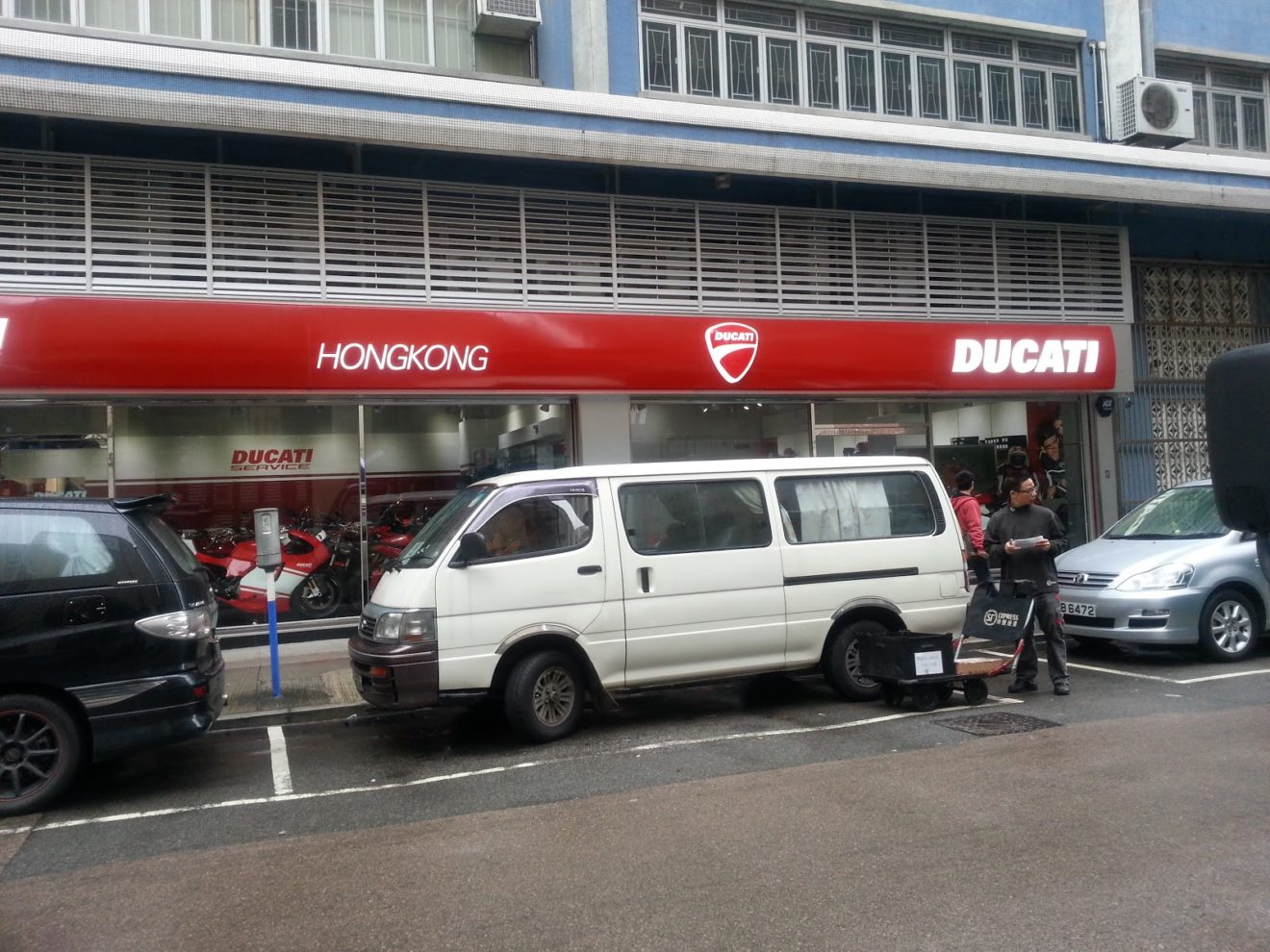
    Ducati Hong Kong has opened a new store in Kowloon.

    The store launch, focused solely on Borgo Panigale-built bikes, serves to expand Ducati’s presence in Hong Kong. The new showroom, opened by sole Ducati importer in the territory Ho Wun Cars, is designed to offer customers a full brand immersion experience.

    The entire Ducati range is represented in the venue, which includes a comprehensive section dedicated to apparel and accessories and a social area for the Ducati Owners Club Hong Kong.

    “Hong Kong is one of the most premium markets for Ducati in Asia,” said the brand’s marketing director for Asia Pacific Stefano Campaci. “The city itself is not only one of the world’s main economic hubs, making it an aspirational point of reference in terms of lifestyle, but it is also home to one of Ducati’s most sophisticated clientele in the world. Last year, for example, 50 per cent of Ducati motorcycles sold in Hong Kong were superbikes, many of which were sold to our numerous local collectors.

    “It is therefore fundamental for Ducati to be represented at the highest level, and this new showroom marks a step forward in this direction.”

  • Uber Unveils Next-Generation Volvo Self-Driving Car

    Uber Unveils Next-Generation Volvo Self-Driving Car

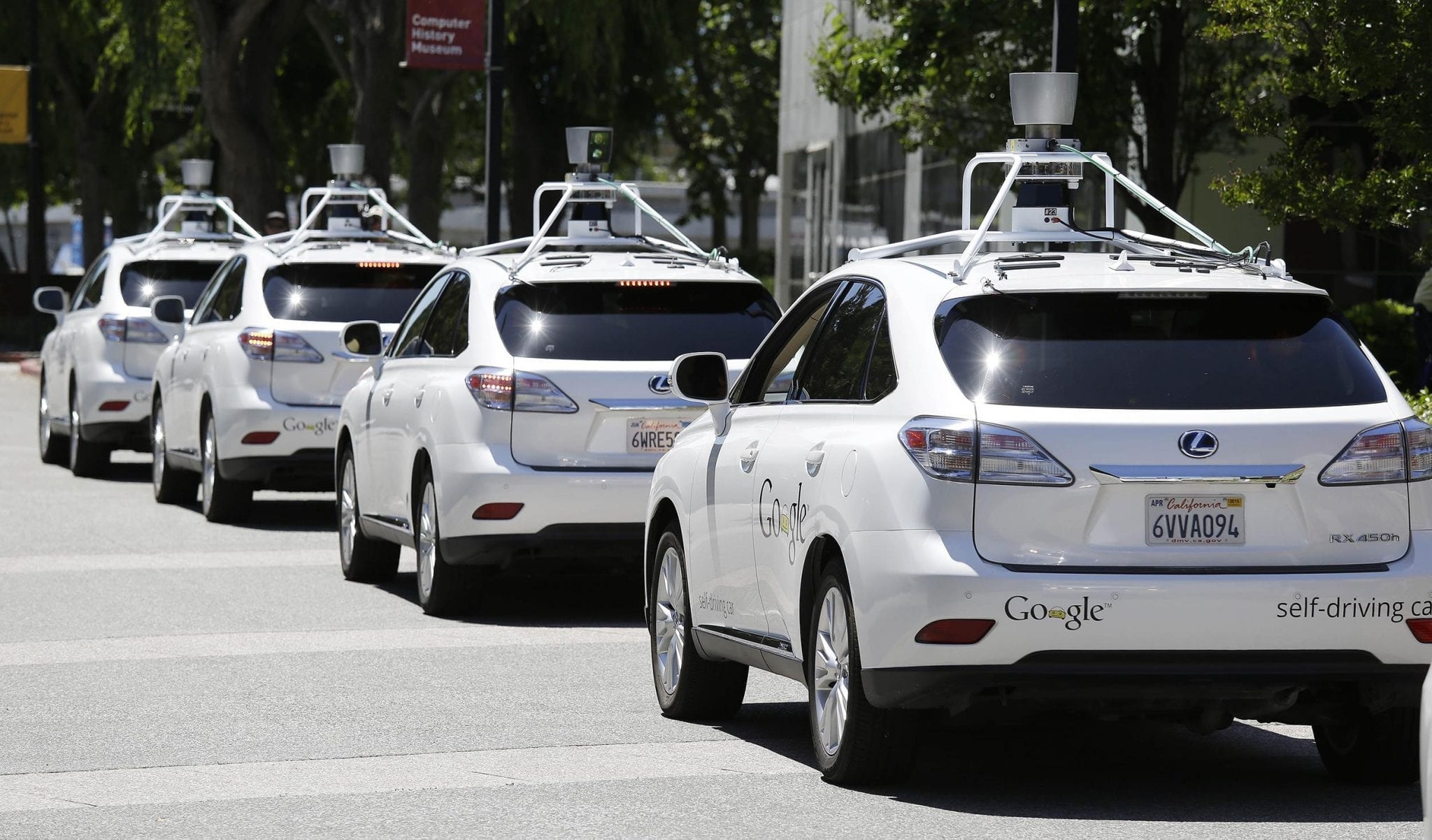
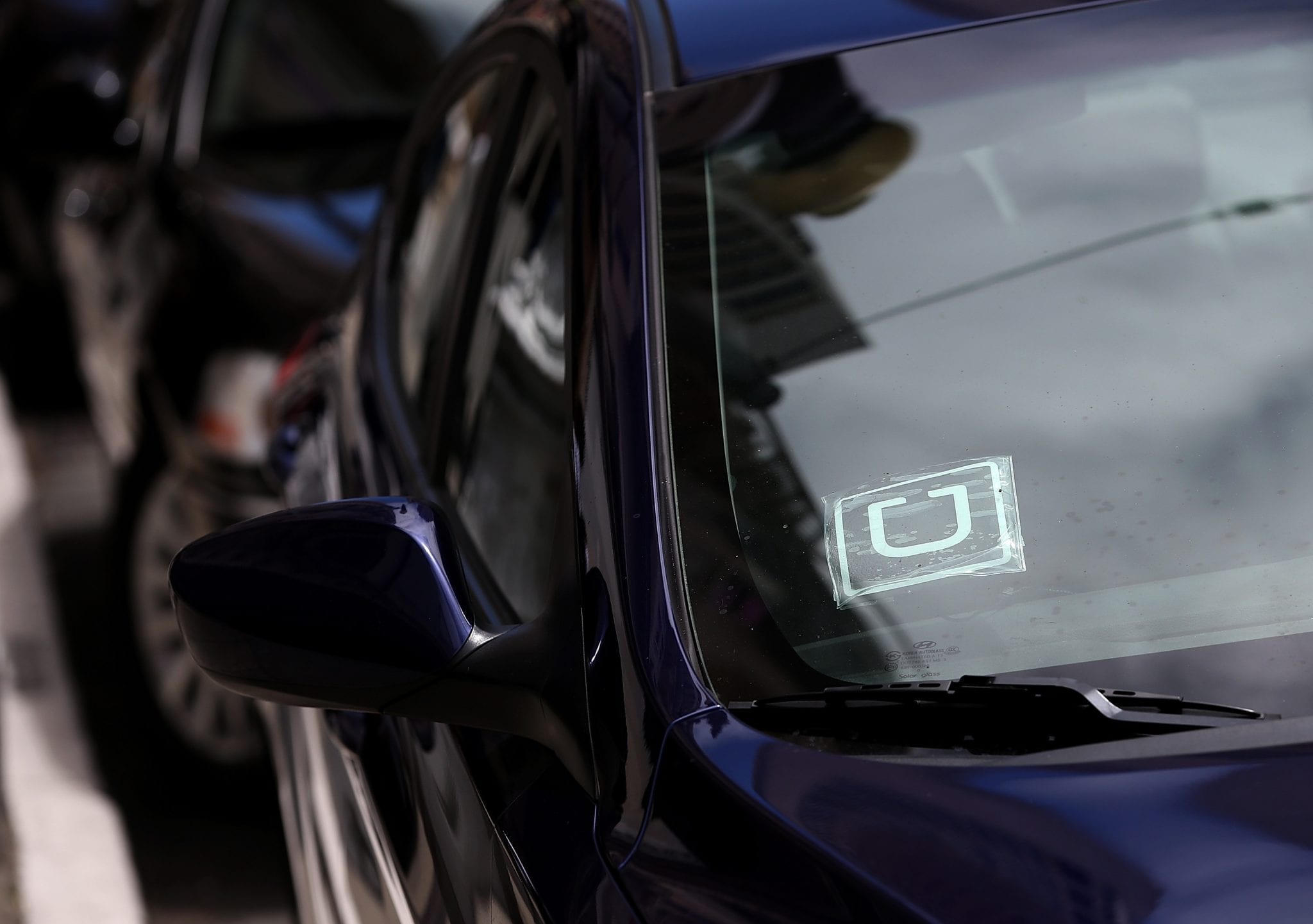
    Uber Technologies Inc unveiled its newest Volvo self-driving car in Washington on Wednesday as it works to eventually deploy vehicles without drivers under some limited conditions. Uber said the new production XC90 will be assembled by Volvo Cars in Sweden and have human controls like steering wheels and brake pedals, but also with factory-installed steering and braking systems designed for computer rather than human control.

    Uber Advanced Technologies Group chief scientist Raquel Urtasun showed off the company’s artificial intelligence technology that allows it to drive autonomously for long distances on highways without maps and “on the fly” to plot its course and navigate construction zones.”Our goal is get each one of you to where you want to go much better, much safer, cheaper,” Urtasun said.As the race to push out autonomous cars across the globe heats up, other companies are also working to deploy self-driving vehicles in limited areas.

    Ford Motor Co’s majority-owned autonomous vehicle unit, Argo AI, launched its new fleet of self-driving test vehicles – Ford Fusion Hybrid – in Detroit on Wednesday, expanding to five U.S cities.The No 2 U.S automaker also opened a research centre in Tel Aviv, joining a growing number of major automakers and suppliers setting up shop in Israel’s tech hub.General Motors Co in January 2018 sought permission from U.S regulators to deploy a ride-sharing fleet of driverless cars without steering wheels or other human controls before the end of 2019, but is still struggling to win regulatory approval

    Alphabet Inc’s Waymo unit is operating a robotaxi service in Arizona and said last month it is partnering with Lyft Inc to serve more riders.South Korea’s Hyundai Motor Co and Kia Motors Corp both said they would invest in the self-driving car software startup Aurora and speed up development of their respective autonomous vehicle technologies.Carmakers have struggled to maintain profit margins faced with the rising costs of making electric, connected and autonomous cars.

    As a result, they are setting up alliances and lining up outside investors to combat spiralling development costs.Previously, Uber had purchased about 250 Volvo XC90 SUVs and retrofitted them for self-driving use.The new vehicles – known by the internal code number 519G and under development for several years – are safer, more reliable and will replace the older vehicles in Uber’s fleet “soon,” according to Eric Meyhofer, the head of Uber’s Advanced Technologies Group.”This is about going to production,” Meyhofer said in an interview at an Uber conference in Washington on Tuesday.The new vehicle also has several backup systems for both steering and braking functions as well as backup battery power and new cybersecurity systems.

    Uber is not ready to deploy vehicles without human controls, Meyhofer said.”We’re still in a real hybrid state,” he said “We have to get there and we’re not going to get to thousands of cars in a city overnight. It’s going to be a slower introduction.”The new XC90 vehicles have an interior fish-eye camera to scan for lost items, Uber said.

    They also do not have sunroofs since the self-driving vehicles have large sensors on the roof and are equipped with auto-close doors to prevent an unsafe departure.Uber, which has taken delivery of about a dozen prototypes of the new vehicle, but has not yet deployed them on public roads, said the car’s “self-driving system will one day allow for safe, reliable autonomous ridesharing without the need” for a safety driver.Asked if Uber will deploy self-driving cars without safety drivers in limited areas in the next few years, Meyhofer said: “Yes – way before that.” But he added that Uber wants to be in “the good graces of public trust and regulatory trust” before making the business decision to deploy.In December, Uber resumed limited self-driving car testing on public roads in Pittsburgh, nine months after it suspended the program following a deadly accident in Arizona.In March 2018, authorities in Arizona suspended Uber’s ability to test its self-driving cars after one of its XC90 cars hit and killed a woman crossing the street at night in the Phoenix suburb of Tempe, then Uber’s largest testing hub.

    The crash was the first death attributed to a self-driving vehicle.In March 2019, prosecutors in Arizona said the company was not criminally liable in the crash and would not pursue charges.

    Uber has since ended testing in Arizona, but plans to eventually resume testing in Toronto and San Francisco, Meyhofer said.The death prompted significant safety concerns about the nascent self-driving car industry, which is racing to get vehicles into commercial use.Volvo Cars Chief Executive Hakan Samuelsson said in a statement that “by the middle of the next decade, we expect one-third of all cars we sell to be fully autonomous.”Volvo Cars, which is owned by China’s Geely Automobile Holdings Ltd, will use a similar autonomous base vehicle concept for the introduction of its first commercially available autonomous drive technology in the early 2020s.Volvo and Uber said in 2017 that the rideshare company planned to buy up to 24,000 self-driving cars from Volvo from 2019 to 2021 using the self-driving system developed by Uber’s Advanced Technologies Group.

    An Uber spokeswoman said Tuesday that the company plans “to work with Volvo on tens of thousands of vehicles in the future.”
  • Honda Joins Industry Concern Over Electric Vehicle Deadline

    Honda Joins Industry Concern Over Electric Vehicle Deadline

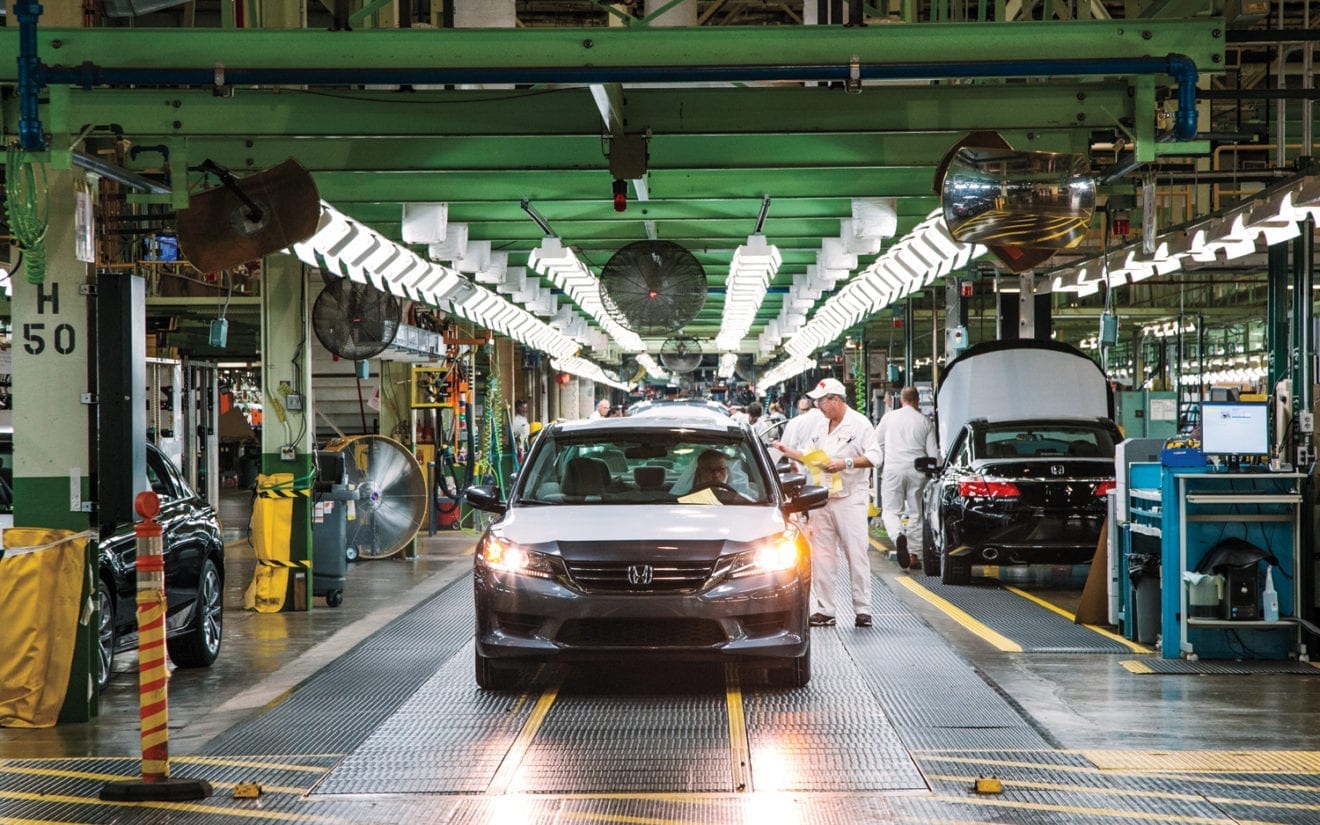
    Honda Motorcycle and Scooter India (HMSI) has now voiced concerns over the government’s draft proposal to ban all two-wheelers below 150 cc by 2025 and replace them with electric two-wheelers. HMSI has just introduced the company’s first two-wheeler which will meet the new Bharat Stage VI emission regulations which come into force from April 2020. India has decided to move straight to the more stringent BS-VI regulations from BS-IV regulations and the entire auto industry has invested in significant technology and machinery to make all vehicles BS-VI ready. Honda says a move to now start banning internal combustion engine two-wheelers below 150 cc by 2025 is not realistic and will prove to be disruptive, not just to two-wheeler manufacturers, but also to the small and medium enterprises in the component manufacturing industry.

    “As a voice of the industry, SIAM has already taken up with the government, and we continue to be in active talks to have a very realistic kind of roadmap because there is a big supply chain which is linked to the two-wheeler industry and the auto industry per se. At the same time, we’re just coming into BS-VI. There’s a lot of new investment which has gone into building up the capacity, changing the machinery, not only from the OEM’s point of view, but also from the component manufacturers’ point of view. So, this is something which becomes a concern for the entire supply chain, and together we’re taking this up with the government. We still hope that there will be some realistic roadmap which will see the light of day, because currently, as it is, accepting it, it looks very unrealistic,” Yadvinder Singh Guleria, Senior Vice President (Sales & Marketing), Honda Motorcycle and Scooter India said. Guleria was speaking on the sidelines of Honda’s unveiling of the new Honda Activa 125 which meets the BS-VI regulations.

    The government is reportedly working on a draft policy which calls for banning all three-wheelers with internal combustion engines by 2023, and to replace all two-wheelers below 150 cc with electric vehicles by 2025. As things stand today, two-wheelers constitute the bulk of the Indian auto industry, and moving to electric vehicles will require forward planning as well as the development of charging infrastructure, as well as a proper supply chain ecosystem. Various two-wheeler manufacturers have already voiced concerns against the government’s proposal to completely replace two-wheelers and three-wheelers by electric vehicles at such short notice, particularly at a time when the industry is under pressure and has already invested between ₹ 70,000-80,000 crore for the transition to meet BS-VI emission regulations.

  • Ford Launches Testing Of New Self-Driving Fleet In Detroit

    Ford Launches Testing Of New Self-Driving Fleet In Detroit

    Ford Motor Co’s majority-owned autonomous vehicle subsidiary, Argo AI, launched its new fleet of self-driving test vehicles – Ford Fusion Hybrid – in Detroit on Wednesday, expanding its presence to five U.S. cities. The new cars are equipped with upgraded sensors, including radars and cameras with higher resolution and range, the company said.

    The No. 2 U.S. automaker is in talks with German carmaker Volkswagen AG to develop self-driving vehicles as its autonomous vehicles unit competes for investment and engineering talent with peers as well as technology companies.

    General Motors’ majority-owned Cruise robotaxi business, Aurora, recently announced a partnership with Fiat Chrysler Automobiles, while Alphabet and Uber are also investing in their self-driving projects.

    Argo already operates vehicles in Pittsburgh, Palo Alto, Miami and Washington D.C.

  • Hyundai And Kia To Invest In Self-Driving Start-Up Aurora

    Hyundai And Kia To Invest In Self-Driving Start-Up Aurora

    Hyundai Motor Co said on Thursday it would invest in self-driving car software startup Aurora along with Kia Motors Corp to speed up development of autonomous vehicle technologies.

    “With the new investment, the companies have agreed to expand research to a wide range of models and to build an optimal platform for Hyundai and Kia’s autonomous vehicles,” Hyundai said

    Aurora said in a blog post that Hyundai and Kia’s investment is part of a series B financing round, which has now raised more than $600 million.

    Aurora, which just announced a partnership with Fiat Chrysler Automobiles, competes with Alphabet’s Waymo and General Motors’ majority-owned Cruise, among others.

  • Hyundai To Bring N Performance Brand To India

    Hyundai To Bring N Performance Brand To India

    In a bid to create excitement around its brand, Hyundai Motor is set to bring the N brand to India. N is the performance division of Hyundai worldwide, and works with Hyundai motorsport too. All N badged cars are the higher performance versions of the production models they use as their base. The plan for India is two-pronged though, given that India remains a price sensitive market – and also the limited demand for hard core performance cars. And so while some N cars will be brought in to create a flutter and build image, they may not be sold through the regular retail channel. Those cars will help build aspiration and instead Hyundai will eye volumes from what it calls the N-Line range of products. It is likely we shall see some N products at the 2020 Delhi Auto Expo, with an official announcement for the brand’s India launch as well.

    Hyundai has already carried out some customer clinics for the N and N-Line cars in India. While it is still early days, the initial feedback for the N-Line range is very positive. Sources within the company have exclusively told carandbike that there is a move to see how the N brand could be used to further penetrate the Indian market. The target would be younger buyers and hence the two-pronged approach to justify the investments needed to bring N to India.

    The N-Line feature stock cars with some minor tweaking to enhance performance, but much visual embellishment – like spoilers, side skirts, aggressive bumpers and of course the requisite stickers, and badges. These are more variants than standalone different models. A full fledged N car would also sport a proprietary N engine that’s specially developed for use only by the N range. N-Line cars feature the same engines as the regular model but with some extra power or torque on offer, as also the most powerful engine that model like has to offer.

    The first N production model was the Hyundai i30 N and now the range also includes the i30 Fastback N and the Veloster N. The latter has especially impressed with its performance credentials. The N-Line range includes the i30 N Line, i30 Fastback N Line, and Tucson N Line. There are unconfirmed plans afoot to also look at an N version of the i20 (likely with the next generation only) as well as adding N-Line variants for cars like the Kona, and Creta. It is these models that would hold interest for the Indian market.

    Maruti Suzuki has attempted to bring a performance range to India with its RS range – albeit halfheartedly. The Baleno RS simply sports the company’s 1.0 boosterjet engine – which is sold as the stock Baleno engine in most other markets. The car also does not have many obvious visual or styling cues to separate it. Volkswagen has also launched the Polo GTrange and subsequently the truly high performance GTI – but both have met with limited success. Hyundai N and N-line cars are offered in specific paint schemes and with more styling elements – which may be the advantage for them when they launch.

  • Car Sales Down By 20.55 Per Cent In May

    Car Sales Down By 20.55 Per Cent In May

    De-stocking is a common phenomenon in the auto market when the demand is not adequate. Also, the industry is on the verge of a big upgrade and automakers have also started to keep a check on inventories at the onset of Bharat Stage 6 (BS6) and BNVSAP (crash test norms) which will require them to introduce updated models which will adhere to all the upcoming regulations. Mahindra has already announced to shut down their production plant for up to 13 days and other carmakers as well are keeping a check on production.

    In May 2019, the passenger vehicle (PV) segment witnessed a decline of 20.55 per cent selling 239,347 units as against 301,238 units which were sold in the same month last year. However, retail sales which is the real reflector of market demand is down by just 1.46 per cent in the same month selling 270,048 units as compared to 274,037 units which were sold last year. The difference between the wholesale and retail figures itself speaks about the stock correction measures taken by the industry. Moreover, the production figures are down by 12.23 per cent as well which also substantiates the fact that carmakers are avoiding accumulation. The industry manufactured 315,168 units in May 2019 as against 359,078 units which were manufactured in the same month last year.

    Other than de-stocking, sales were also down due to general elections and low credit availability. Speaking on the industry outlook, SIAM has requested the government to reduce the GST on cars to 18 per cent which will help the industry to absorb the cost of BS6 transition. “Cars are set to become expensive post BS6. Hence, we have asked the government to bring down the GST rates which will help to keep a check on the prices to a certain extent,” said Vishnu Mathur, Director General, SIAM.

    SIAM is also requesting the government to reduce the corporate tax as government has withdrawn incentives on R&D. Lower corporate tax will also help the industry to use the saved money on development of new technologies. That said, the only thing that can work in favour of the industry at this point is the new launches which are expected to bring in some excitement among car buyers.

  • Jeep Compass Trailhawk Bookings Start In India

    Jeep Compass Trailhawk Bookings Start In India

    FCA India today announced that it has opened bookings for the Jeep Compass Trailhawk. Customers can now book the Trailhawk at a fully refundable ₹ 50,000 at any of the 82 FCA all-brand showrooms across 70 Indian towns and cities. The Trailhawk is the first Made-in-India Jeep to have earned the coveted Trail Rated badge, a global benchmark that is given to Jeep 4×4 SUVs which are developed to have much superior off-roading capabilities compared to regular 4×4 Jeep models

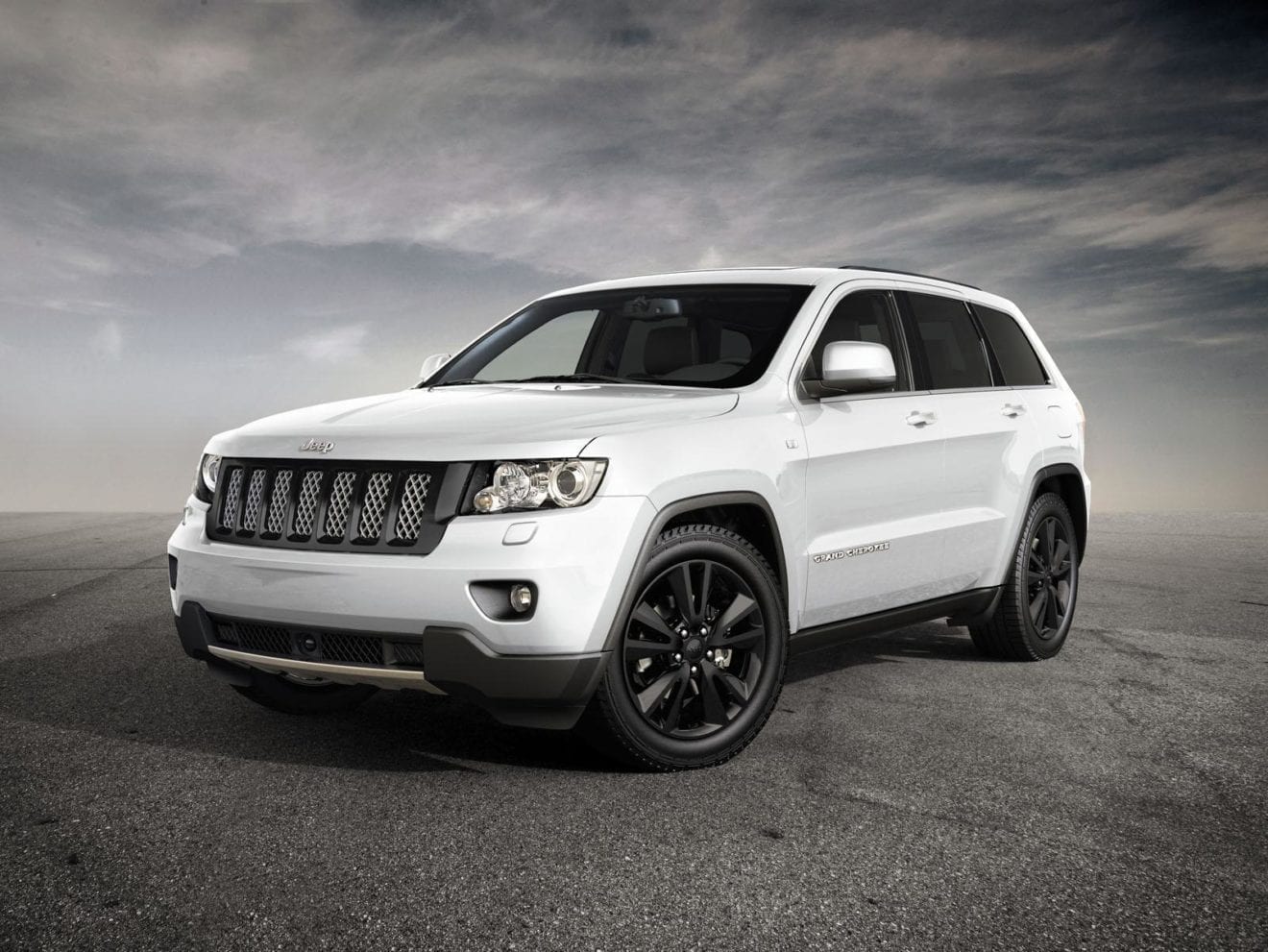
    The Trailhawk gets an anti-glare decal on the hood which ensures the sun does not hamper the driver’s visibility; the front bumpers are redesigned and are now devoid of the aerodynamic overhang. The air dam has been provided at the bottom of the front bumper for enhanced air intake. The Trailhawk also comes with the comfortable frequency damped suspension, albeit has ground clearance much higher than the regular Compass to aid extreme on- and off-road conditions. The Compass Trailhawk monograms on the front and rear are now matte, neutral grey and the 7-slots in the grille also gets matte, neutral grey frames. The Trailhawk is given a tow hook at the rear which makes it capable of pulling out a stuck vehicle

    Announcing bookings open, Kevin Flynn – President and Managing Director, FCA India said, “The Trailhawk is a product which is developed for customers looking for a hugely capable and exclusive SUV in the compact category. It is the first compact SUV to be offered the BS VI turbodiesel engine, nearly a year before the new emission norms come into effect and, it is the only compact SUV which comes with a 9-speed automatic transmission.”

    Under the hood, the Trailhawk gets a 2-litre turbodiesel engine is re-engineered with additional technology to make it fully compliant with the BS 6 norms which come into play on April 1, 2020. As the engine will be available in all Trailhawks nearly one year before the norms become effective, it uses urea technology that will ensure peace of mind for customers. This means that the BS VI engine is capable of running on BS IV diesel until BS VI diesel is widely available in the country.

  • Mahindra To Stop Production Of All Vehicles For Up To 13 Days Due To Low Demand

    Mahindra To Stop Production Of All Vehicles For Up To 13 Days Due To Low Demand

    Indian Auto Industry has been under turmoil since the start of 2019. In April, the Passenger Vehicle segment recorded the lowest sales in the last eight years witnessing a decline of 17.07 per cent. The drop in sales has continued in May as well and all major carmakers have again recorded de-growth. Mahindra also has been recording decline in sales and to the extent that the company had to shut down its production plants for up to 13 days, pertaining to the low demand.

    The Indian UV maker has issued a notification on the Bombay Stock Exchange (BSE) saying, “The Company at its Automotive Sector and Farm Equipment Sector, and Mahindra Vehicle Manufacturers Limited, a wholly owned subsidiary of the Company (‘MVML’), as part of aligning its production with sales requirements, would be observing ”No Production Days” ranging between 5 – 13 days in various plants of the Company and MVML during the first quarter of the Financial Year 2019-2020. The Management does not envisage any adverse impact on the availability of vehicles in the market due to the adequacy of vehicle stocks to serve the market requirements.”

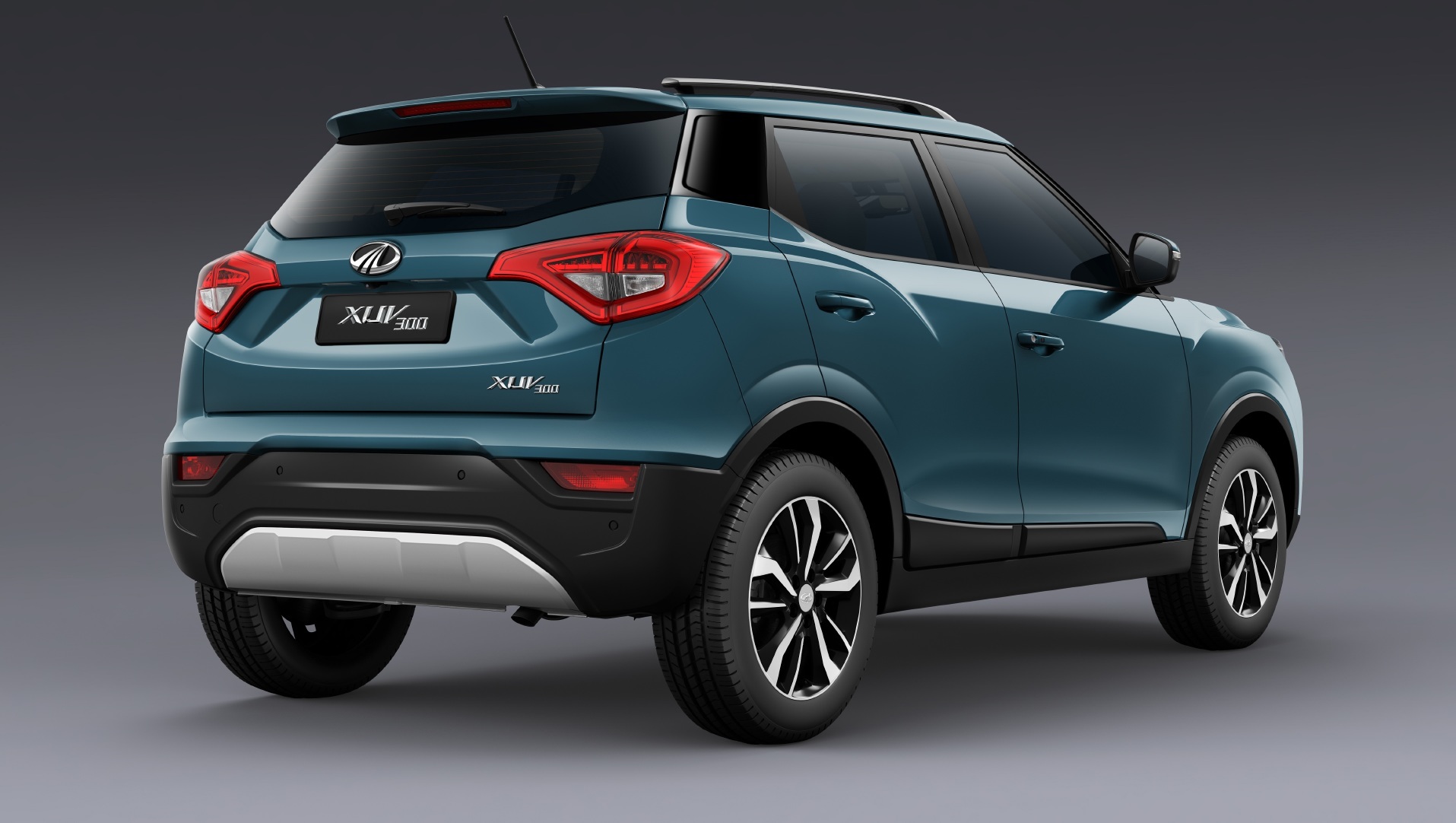
    Mahindra & Mahindra sold a total of 43,721 vehicles in April 2019 compared to 48,097 vehicles during April 2018 which is a decline of 9 per cent. In the Commercial Vehicles segment, the company sold 17,321 vehicles in April 2019, as against 18,963 vehicles in April 2018 which marked a drop in sales by 9 per cent. In the Medium and Heavy Commercial Vehicles segment, M&M sold 474 vehicles for the month. Exports for April 2019 stood at 2,118 vehicles. In May 2019, the carmaker’s total sales stood around 45,421 units as against 46,848 units during the same month last year, which is again a de-growth of 3 per cent. That said, new models like the XUV300 and Marazzo have been well received in the market and Mahindra is soon going to introduce an automatic variant of both models which is likely to give a fillip to the overall sales.