Category: Automotive

Retail News Asia is committed to providing both local and global retailers with the latest Auto and Car news throughout the Asian market. This on a daily base.

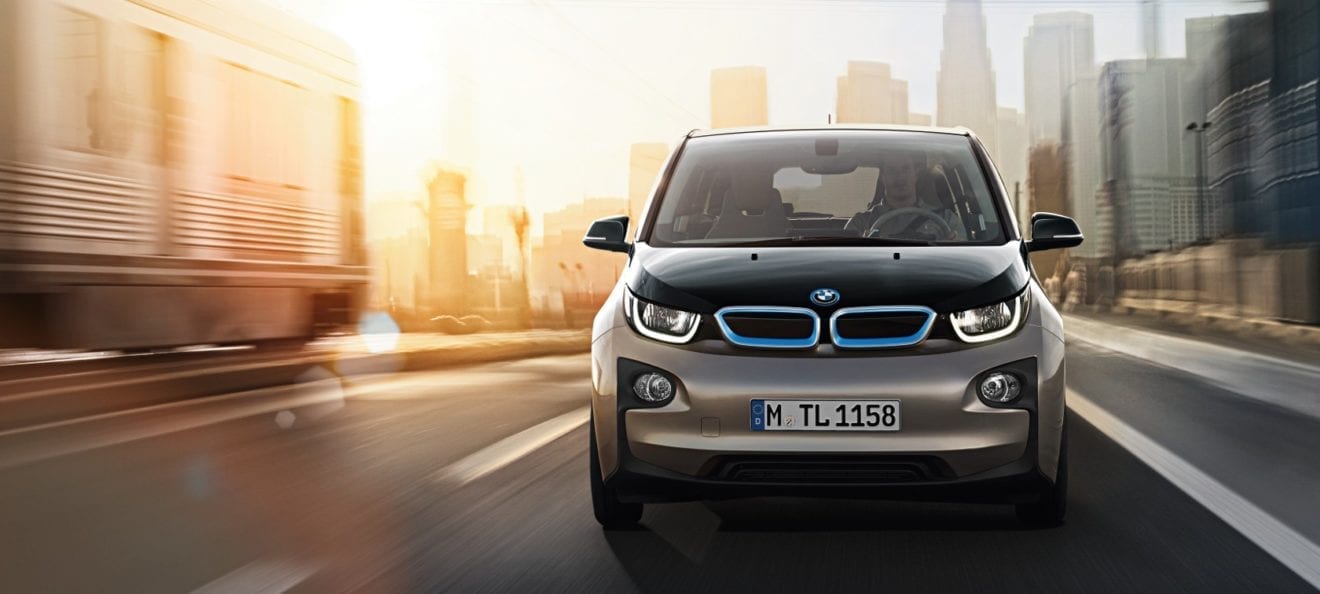
  • BMW To Buy Cobalt Directly from Australia

    BMW To Buy Cobalt Directly from Australia

    German carmaker BMW will buy cobalt, a key component for electric vehicle (EV) batteries, directly from mines in Australia and Morocco to ensure they are not produced by child labor, an executive said on Tuesday.The announcement came as the London Metal Exchange (LME) launched an initiative under which it could ban or delist brands that are not responsibly sourced by 2022 to help root out metal tainted by child labor or corruption.

    Andreas Wendt, BMW board member responsible for procurement, told a briefing in Paris that the new supply of cobalt would be used in the carmaker’s next generation of EVs in 2020.

    The world’s largest known reserves of cobalt are found in the Democratic Republic of Congo, where the raw ingredient is often mined by small, artisanal operations and supply chains are not strictly monitored.

    BMW said last year it was exploring ways to improve working conditions for mining cobalt in Congo through a pilot project.

  • Toyota Establishes Research Institute In China To Study Hydrogen

    Toyota Establishes Research Institute In China To Study Hydrogen

    Japan’s Toyota Motor said on Sunday it was setting up a research institute in Beijing in partnership with Tsinghua University to study car technology using hydrogen power and other green technologies that could ease environmental problems in China. The initiative, outlined by Toyota’s President and Chief Executive Akio Toyoda in a speech at Tsinghua University, is part of the Japanese carmaker’s efforts to share more technology with China as it seeks to expand its business in the country by beefing up manufacturing capacity and distribution channels, a source close to Toyota said.

    The Tsinghua-Toyota Joint Research Institute will conduct research into cars and new technology to solve environmental problems in China, including reducing traffic accidents, Toyota said in a statement.The institute will “cooperate in research not only related to cars for Chinese consumers, but also in research related to active utilization of hydrogen energy that can help solve China’s energy problems,” the company said.

    The move dovetails with Toyota’s announcement this month that it would offer carmakers and suppliers around the world free access to nearly 24,000 patents for electric vehicle technologies.

    Executive Vice President Shigeki Terashi told Reuters earlier this month that the automaker intended to become a tier 2 supplier of hybrid systems and that it had already received enquiries from more than 50 companies.

    Later on Monday, Toyota said that it had started to supply fuel cell vehicle parts to Chinese commercial vehicle maker Foton and SinoHytec, without giving financial details of the deal. The company said in a statement that it hopes to cooperate with more companies in China to promote fuel cell vehicle penetration in China.

  • Self-Driving Tesla Robotaxi Coming In 2020

    Self-Driving Tesla Robotaxi Coming In 2020

    Tesla CEO Elon Musk has said that the electric car maker is ready to fly autonomous robotaxis from 2020. Making a series of bold predictions during the Tesla Autonomy Day at the Palo Alto-based headquarters late on Monday, Musk said the company expects to get necessary approvals by 2020.

    “I feel very confident predicting that there will be autonomous robotaxis from Tesla next year — not in all jurisdictions because we won’t have regulatory approval everywhere,” reported Musk as saying.

    “In places where there aren’t enough people to share their cars, Tesla would provide a dedicated fleet of robotaxis,” the report added.

    Tesla Founder and CEO hoped that robotaxis would return home and automatically park and recharge.

    Tesla also unveiled a new Samsung-made microchip that, the company said, was being included in every new car.

    Musk said that by the middle of 2020, Tesla’s autonomous system will have improved to the point where drivers will not have to pay attention to the road.

    “We will have more than one million robotaxis on the road,” Musk said. “A year from now, we’ll have over a million cars with full self-driving, software… everything.”

    He said Tesla would soon develop cars that could last for at least one million miles with minimal maintenance.

    Taxi hailing company Uber is also planning the next generation of transportation – flying taxis.

    It has named Dallas and Los Angeles in the US as the first two cities for the commercial launch of its aerial taxi service by 2023 and has been on the lookout to select an international city as its third partner.

    Uber has shortlisted five countries — India, Japan, Australia, Brazil and France — and a city in one of them will become the first Uber Air City outside of the US.

  • Mercedes-AMG Cars Will Be Electrified From 2021

    Mercedes-AMG Cars Will Be Electrified From 2021

    Electric performance car is not an alien concept anymore. In fact, prominent carmakers like Automobili Pininfarina and Rimac are into the business of making only electric supercars. Electric Mobility is also believed to be the future of automobiles and this stands true even when we talk about performance cars. Mercedes is also thinking in this direction and has said that all its AMG cars will be electrified 2021 onwards.

    According to news reports, Tobias Moers, Head – Mercedes-AMG said that Mercedes-AMG models will be using an electrified V8 drivetrain in the future. The 4.0-litre V8 engine which powers a range of Mercedes-AMG cars will be coupled with a 48-volt electric motor which has been developed indigenously by the team. Initially, Mercedes was planning to use the new powertrain in the 63 engine only in the GLE and GLS SUVs. However, it will play a major role in the future as from 2021 all AMG cars will be launched with an electrified powertrain. Mercedes also believes that the share of electrified powertrains will be higher in the performance segments in 2025.

    We already know that AMG is also working on a high-performance hybrid system for its upcoming hypercar. The Mercedes-AMG One hypercar will use an electric motor driving its front wheels just like the AMG GT four-door concept. Moers also said that the setup will be offered in the 65 series AMG models and will replace the 6.0-litre V12 engine. However, the 2.0-litre, four-cylinder, turbocharged AMG engine won’t be converted into a hybrid system.

  • Aston Martin DBS 59 Pays Tribute To Its 1959 Le Mans Victory

    Aston Martin DBS 59 Pays Tribute To Its 1959 Le Mans Victory

    It was in 1959 that Aston Martin put up a spectacular show at Le Mans, which is one of the toughest endurance races in the world and managed a one-two finish that year. 60 years later, Aston Martin has designed a Special Edition DBS Superleggera to celebrate its 1959 Le Mans victory and will be calling it the DBS 59. The DBS 59 will be a limited edition model and Aston Martin will manufacture only 24 units which will represent each hour of the race.

    The Aston Martin DBS 59 has been developed by the Q division of the company that carefully studied the DBR 1 race car which took the victory. Boffins at the Q by Aston Martin division have tried to mimic the race cars’ Racing Green paint scheme. In a bid to make the limited edition model look modern and contemporary, they have added new elements to it like the gloss finish carbon fibre roof panel, bespoke front grille, new brake callipers, 21-inch forged Y spoke satin dual-tone wheels and bronze finish on the Superleggera badging on the hood.

    The cabin of the special edition DBS 59 is finished with the same weave design used in the DBR1 and the company has aesthetically used Bronze even on the inside. The paddle shifters are finished in Bronze along with the 59 edition logo on the seatbacks.  The entire cabin is finished Obsidian Black and Chestnut Tan Leather and the sun visor is embossed with the exact date on which the race took place.

    The new DBS 59 Special Edition model celebrates the 323 laps which the Aston Martin race cars completed in the 24 hours of Le Mans in 1959. Aston Martin chose the Superleggera to design the DBS 59 model since it’s the fastest car in its stable.

  • Huawei Launches ‘World’s First’ 5G Communications Hardware For Automotive Industry

    Huawei Launches ‘World’s First’ 5G Communications Hardware For Automotive Industry

    China’s Huawei Technologies launched on Monday what it said was the world’s first 5G communications hardware for the automotive industry, in a sign of its growing ambitions to become a key supplier to the sector for self-driving technology.

    Huawei said in a statement that the so-called MH5000 module is based on the Balong 5000 5G chip which it launched in January. “Based on this chip, Huawei has developed the world’s first 5G car module with high speed and high quality,” it said.

    It launched the module at the Shanghai Autoshow, which began last week and runs until Thursday.

    “As an important communication product for future intelligent car transportation, this 5G car module will promote the automotive industry to move towards the 5G era,” Huawei said.

    It said the module will aid its plans to start commercializing 5G network technology for the automotive sector in the second half of this year.

    Huawei has in recent years been testing technology for intelligent connected cars in Chinese cities such as Shanghai, Shenzhen and Wuxi and has signed cooperation deals with a swathe of car makers including FAW, Dongfeng and Changan.

    The company, which is also the world’s biggest telecoms equipment maker, is striving to lead the global race for next-generation 5G networks but has come under increasing scrutiny from Washington which alleges that its equipment could be used for espionage. Huawei has repeatedly denied the allegations.

  • New Automotive Technology That Will Come in Handy

    New Automotive Technology That Will Come in Handy

    Automotive giants are working around the clock in developing new technology that will make driving safer and more pleasant for the passengers. The technology is advancing every day at a very fast pace. It seems like every new model that comes up, has something new to offer to the user. This technology is very delicate and must be tested much more thoroughly than any other.

    Brands like Mercedes-Benz, Volkswagen, Toyota, Tesla, Volvo, BMW, and many others are spending millions of dollars on developing and advancing the technology and the features that will make your driving experience much better. In this article, we are going to dig deeper into some of the new high-tech features that will be available on some cars in 2019.

    Steering Avoidance

    At this day and age, many automotive makers are trying their hand at developing driverless vehicles. This technology is so advanced and complicated that we will eventually see fully automated vehicles in the near future. They will have to face tough decisions that for now can be made only by human making. However, automotive makers like Lexus or Volvo are putting steering avoidance systems in their vehicles. This feature will analyze the road ahead and swerve in order to miss the object. This new feature can be at much help to the driver by making faster decisions in order to avoid a collision.

    PreSafe Sound

    This feature that some of the automotive companies like Mercedes-Benz are installing to their vehicles will help you protect your ears in a collision. In other words, the vehicle will play a sound of a particular frequency into the cabin of the vehicle milliseconds before the accident occurs. This will enable your ear to prepare for the loud noise of the crash, which apparently can prevent long term ear damage.

    Road Scanning

    The ride on some vehicles cannot be compromised by the road. So with this road scanning technology, vehicles can see any imperfections on the road and adjust the suspension in order to cope with the bumps. Currently, Mercedes-Benz is putting this feature in their cars and other manufacturers are testing it. With this feature, you will have the perfect ride anytime, anywhere.

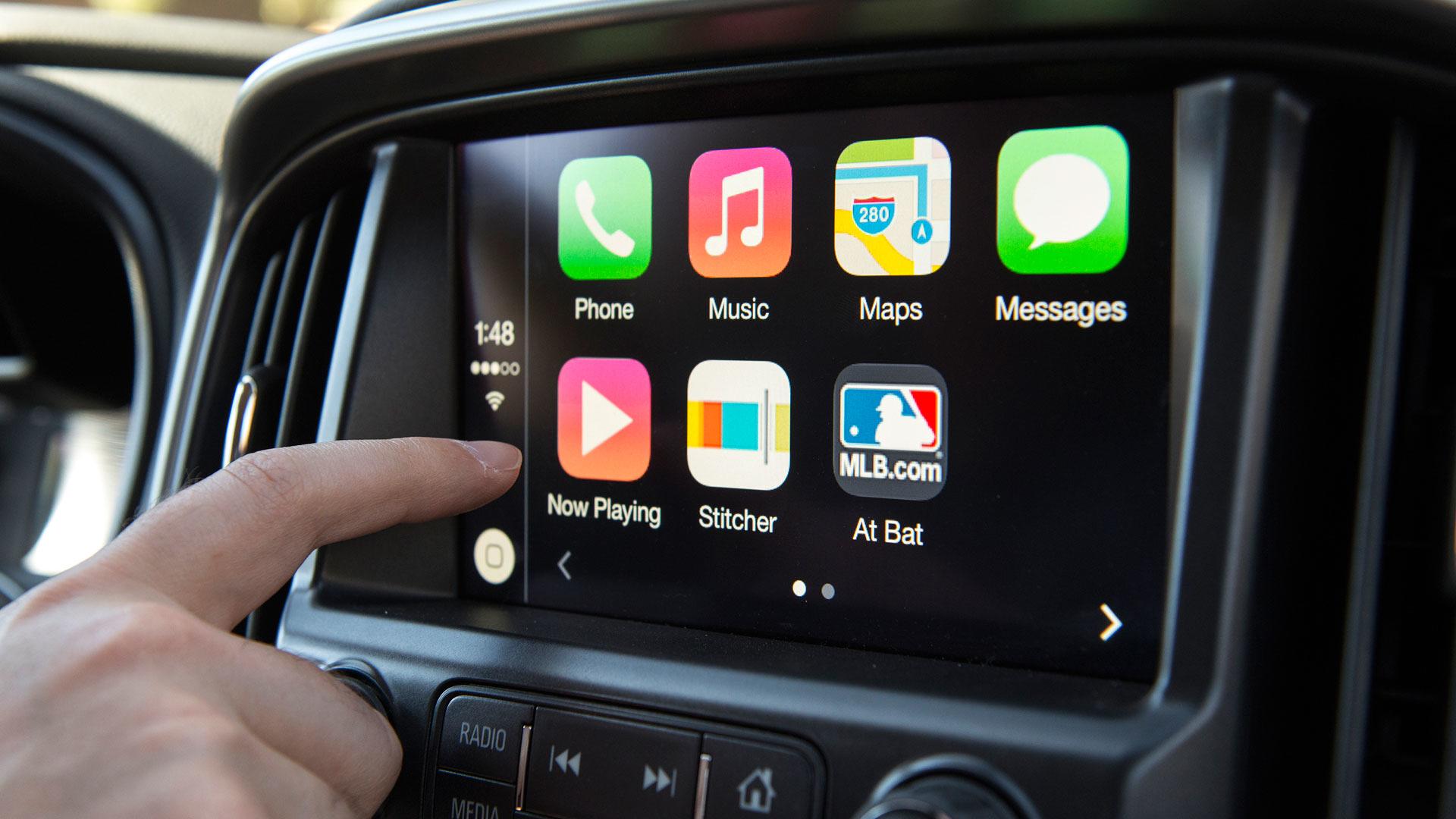
    Apple CarPlay and Android Auto

    Vehicle manufacturers are trying to make their products more user-friendly as well as easier to interact with other devices. With Apple CarPlay and Android Auto, you can turn your vehicle’s information screen into the operating system of your phone. Of course, this will provide you with endless opportunities like music, navigation, contacts, messaging and much more. You just need to connect your phone and vehicle and use all the features that your phone has. Although, currently some manufacturers like BMW are offering it wirelessly.

    Wireless Charging

    Many devices from Apple, Samsung, and Google are equipped with wireless charging, that is allowing the vehicle manufacturers to make the center console wireless charging dock. The idea is very simple, yet very effective. You can avoid the sticking out cables and always charge your phone while you drive.

    Semi-Autonomous Driving

    As we mentioned earlier, most of the automotive giants are forcing future with driverless vehicles. Unfortunately, today’s technology vehicles can only support semi-autonomous driving. Truth to be told these vehicles are more automated than autonomous. This will allow you to keep your vehicle between the lines without steering input, as well as automatically accelerate or decelerate. This process will allow the driver to focus on different things while the driving is automated. The future of this technology is still in development and so many factors are in question that is complicated to comprehend.

    Digital Dashboard

    This feature has been in the air for a while, but only for some premium models. Now it seems that every vehicle in the future will have digital gauges. This enables for better visibility as well as user-friendliness. The dashboard has become like a tablet screen that can show many different things rather than the old one.

    These are some of the trending technologies for this year and they are pretty cool. The vehicles are advancing every mount that is hard to keep up. It is important to mention that all this technology comes at a price and now, besides the horsepower of the vehicle, there will be much more extra features that the customer will have to pay for, as well as the maintenance becomes much more expensive than before. More technology means that there is more stuff to go wrong. However, we should use that technology for safer and more enjoyable means of transport.

  • Ford Mustang Continues To Be World’s Best-Selling Sports Coupe

    Ford Mustang Continues To Be World’s Best-Selling Sports Coupe

    The iconic Ford Mustang has gained the title of the best-selling Sports Coupe in the world for the fourth year in a row. Ford has sold 113,066 units of the Mustang in 2018 grabbing a market share of 15.4 per cent in the global sports car segment. Sales are partially attributed to the Bullitt limited edition which according to the folks at Ford, is one of the hot-selling models in the range. According to a report published by IHS Markit, the Mustang has also remained the best-seller in the Sports Coupe segment in the United States.

    Speaking about the success of the model, Jim Farley, President- Global Markets, Ford said, “We broke the mold when Ford launched the Mustang 55 years ago. Nothing says freedom, the wind in your hair and the joy of driving like Mustang; it’s an icon. The roar of its V8 on a spring day, there’s nothing better. No wonder it’s the most popular sports coupe in the world.”

    The Ford Mustang has been critically acclaimed as one of the best American muscle cars which also handle well. Ford sells the Mustang in 146 markets across the globe. Since 2015, Ford has sold more than 500,000 units of the sixth-generation Mustang. In the international markets, the Ford Mustang is sold with three engine options- a 2.3-litre Four-Cylinder Ecoboost engine, a 3.7-litre V6 motor and the range-topping 5.0-litre V8 engine. In India, only the top-spec Mustang is sold with the 5.0-litre V8 engine under its hood which develops 396 bhp at 6500 rpm and 515 Nm of peak torque at 4250 rpm.

  • Hyundai Venue Bookings Open At Dealership Level

    Hyundai Venue Bookings Open At Dealership Level

    Bookings for the upcoming Hyundai Venue have commenced at the dealership level in India. Several Hyundai dealers, especially in the Delhi & NCR region, are currently accepting unofficial bookings for the new Hyundai Venue subcompact SUV for a token of ₹ 25,000 to ₹ 50,000 depending on the showroom. One of the dealers we spoke to also said that officially Hyundai will start accepting online bookings first for the Venue. Considering the carmaker is unveiling the SUV today, it’s possible the company might start accepting bookings from today itself or later this week. The SUV is also making its global debut today at the New York Auto Show 2019.

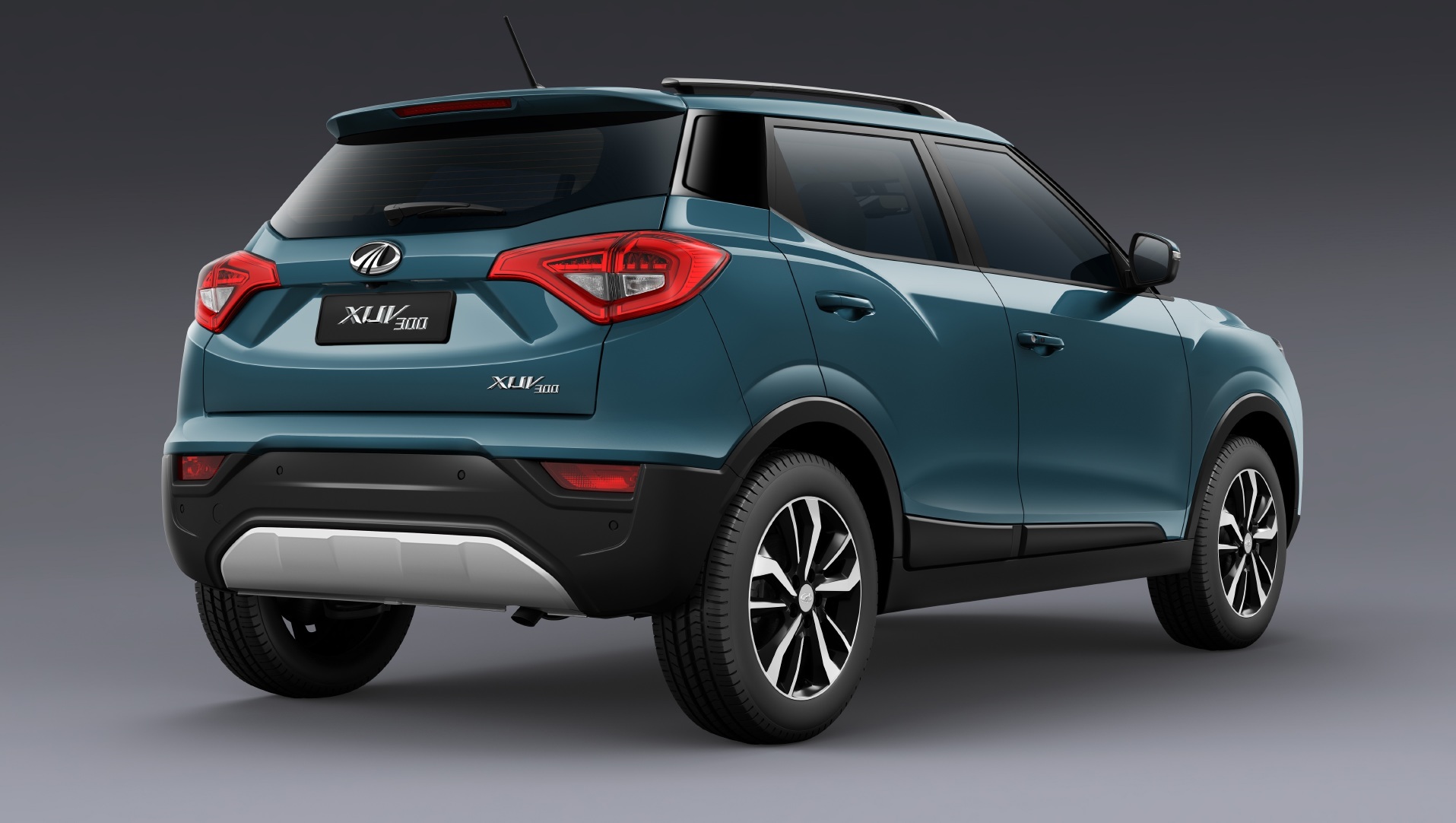
    The all-new Hyundai Venue is slated to be launched in India next month, on May 21, 2019. It will be the first sub-4 metre SUV from the South Korean carmaker, and upon launch, it will take on the likes of the Maruti Suzuki Vitara Brezza, Mahindra XUV300, Ford EcoSport and Tata Nexon . As for the pricing, we expect the upcoming Hyundai Venue to be priced in the range of ₹ 8 lakh to ₹ 11 lakh.

    While we are yet to officially see the SUV, the Hyundai Venue featured at Times Square which tells us that it will come with quite compact proportions, with some bold character lines. The SUV also appears to get dual tone exterior treatment with a contrast roof, which in this case was a shade of blue with a white roof. Up front, the SUV gets Hyundai’s cascading grille in chequered pattern with chrome highlights, a dual lamp setup with the LED daytime running lamps positioned above flanking the bonnet line and the main projector headlights positioned below with chrome surrounds.

    The Venue also comes with black claddings along the wheel arches and side skirts, along with a set of sporty-looking dual tone diamond cut alloy wheels. The Hyundai Venue will also get the Blue Link connectivity system featuring 10 India-only features with a total of 33 connectivity features including geo-fencing, speed alerts, SOS, panic notifications, destination sharing, and road-side assistance and so on.

    As for engine options, the Hyundai Venue will come with a 1.0-litre T-GDi Turbo petrol engine along with the 1.4-litre turbo diesel. The engines will come mated to a 6-speed manual and a 6-speed torque converter automatic transmission, while there will also be the 7-speed dual-clutch automatic available as an option.

  • Ford Mustang EcoBoost High Performance Package Unveiled

    Ford Mustang EcoBoost High Performance Package Unveiled

    Think Ford Mustang and the first thing that you associate the muscle car with is a massive 5.0-litre V8 motor. But even though Ford offers only the V8 in India, there exists a variant of the Mustang with four cylinders and this model is a slightly extreme version of the standard EcoBoost Mustang. Under the bonnet, the Mustang gets the same 2.3-litre turbocharged EcoBoost four-cylinder petrol engine as on the standard model but it now makes 330 bhp and 475 Nm, which is just 20 bhp more. There is a 6-speed manual or a 10-speed automatic transmission available as well. The 0-100 kmph sprint is done in less than 5 seconds and the car has a top speed of 250 kmph. The rear axle ratio is now shorter at 3:55, which is also one of the reasons for quicker acceleration.

    The Mustang 2.3-litre high performance package also gets a few more updates such as a variable sports exhaust system, limited slip rear differential, a bigger inter-cooler and updated steering and ABS. The other addition is the active exhaust with quad tips which offer a better aural experience than the regular model. Ford will also be offering an ‘EcoBoost Handling Package’ for the 2.3-Iitre EcoBoost Mustang which includes MagneRide adaptive suspension, semi-metallic brakes and wider 19-inch alloy wheels shod with 265 mm Pirelli P Zero Corza4 tyres and a 24 mm sway bar at the rear for better rigidity.

    As far as exterior design updates go the 2.3 EcoBoost Mustang gets a new front splitter, black grille, grey stripes on the bonnet, retro pony badges and a rear lip spoiler. The 2020 Ford Mustang 2.3-litre High Performance Package will make its debut at the New York Auto show.

  • Hyundai Venue Subcompact SUV Unveiled In India

    Hyundai Venue Subcompact SUV Unveiled In India

    Pulling the wraps off its highly anticipated offering, Hyundai Motor India has unveiled the all-new Venue subcompact SUV in the country. The India reveal of the new Hyundai Venue coincides with the global debut at the 2019 New York International Auto Show. The all-new offering marks the Korean car maker’s entry in the subcompact SUV space and will compete against the likes of the Maruti Suzuki Vitara Brezza, Ford EcoSport, Mahindra XUV300 among others.

    The Hyundai Venue is inspired heavily from the automaker’s bigger offerings in terms of design including the Santa Fe and the Palisade. The massive cascading grille takes prominence up front with the chrome mesh grille, while the split headlamps look in place and come with projector lens on the top variants. The SUV gets accentuated wheel arches that not only make the offering look wider but give it a rugged appearance as well, while the rear sports boxy LED taillights that look smart. The SUV also comes with projector fog lamps.

    In terms of dimensions, the new Venue measures 3995 mm in length, 1770 mm on width, and 1590 mm in height. The wheelbase measures at 2500 mm. Hyundai says the car is built using 69 per cent Advanced High Strength Steel (AHSS) and High Strength Steel (HSS), which have contributed to achieving dynamic stiffness and improved structural rigidity

    The Venue also gets a host of segment first features including wireless charging, air purifier, HD Display screen, eco-coating, Arkamys Sound, wheel air curtains and more. In fact, the SUV comes with Hyundai’s Blue Link connectivity tech that makes the Venue India’s first connected SUV and adds 33 new features, 10 of which are India specific. The company has tied up with service provider Vodafone-Idea for the new system and brings features like auto crash notification, panic notification, SOS/Emergency Assistance, stolen vehicle tracking with immobilisation (only on the 1.0-litre version) and more.

    There are features like remote engine start/stop, remote climate control, voice recognition, vehicle relationship management among other tech. The Hyundai Venue also comes with electric sunroof, cruise control, rear AC vents, cornering lamps and a cooled glovebox. The SUV also gets an 8-inch touchscreen infotainment system with Apple CarPlay and Android Auto compatibility. The cabin gets an all-black treatment for India, while the international spec could get a dual-tone finish, and there is brushed silver finish on the three-spoke steering wheel, gearshift knob, and the air-con vents. The instrument console is a dual-pod unit with a large MID unit in the centre.

    Power on the Hyundai Venue comes from three engine options including the new 1.0-litre turbocharged petrol motor that is tuned to produce 118 bhp and 172 Nm of peak torque. The motor is paired with an all-new 7-speed dual-clutch transmission in a first for Hyundai India, along with a manual gearbox. There’s also the 1.2-litre naturally aspirated petrol that churns out 82 bhp and 114 Nm of peak torque, and is offered with a 5-speed manual. Lastly, there is the 1.4-litre diesel as well with 89 bhp and 220 Nm of peak torque, and is offered with a 6-speed manual gearbox. Hyundai is yet to reveal the fuel efficiency figures of each of these engines, and expect the same to be announced at the time of the launch next month.

    In terms of safety, the Hyundai Venue gets six airbags, speed sensing door lock, ABS with ESC, VSP, Hill Assist Control, BAS, ISOFIX seats and more. The Venue enters in a highly contested segment and the model does look promising both in appearance and on the feature front to take on the established offerings in this space. In addition, the automaker is offering a segment first three years/unlimited kilometres warranty and three years roadside assistance.

    Hyundai will be launching the Venue on May 21, 2019, and select dealerships across the country have already started accepting bookings for the model for a token amount of ₹ 25,000. Deliveries can be expected towards the end of next month in the country.

  • 2020 Mercedes-Benz GLS Photos Leaked

    2020 Mercedes-Benz GLS Photos Leaked

    Official photographs of the new-generation Mercedes-Benz GLS SUV have been leaked ahead of its global debut at the 2019 New York Auto Show. The SUV will be manufactured at Mercedes’ plant in Alabama and will be launched in India sometime next year. As far as looks are concerned, the new GLS SUV sports a less aggressive design with fewer character lines. The front end still looks muscular with the creases on the bonnet and a new grille.

    The new GLS also comes with a set of new LED headlamps with integrated LED daytime running lamps. The bumper is also new and appears to come with large intakes on either end with an airdam and skid plate at the centre. What is also new is the fact that the new-gen SUV does not get the flared wheel arches from the outgoing model. While the silhouette remains more or less similar, the new-gen GLS gets cool looking slim LED tail-lamps, making for a classier look at the rear.

    From the sides, the SUV certainly looks bigger than ever with the additional claddings on the wheel arches, sportier alloy wheels and few other minor tweaks. Under the hood, the GLS is likely to get the same in-line six and V8 powertrains too which is seen in the S-Class including the GLS 600 which is likely to wear the ‘Maybach’ badge. Moreover, there will be also a 63 AMG version which will get a 4.0-litre, twin-turbo, V8 engine which is likely to belt out over 600 bhp.

    As far as interior is concerned, the overall design looks to be inspired by the GLE, with the same MBUX infotainment system, same steering wheel and the same design of the AC vents as well. We expect the GLS to be the true blue luxury barge as before and offer excellent comfort for third row passengers as well.

  • India To Be Lead Market For Third Generation Renault Duster

    India To Be Lead Market For Third Generation Renault Duster

    The second generation of the Renault Duster will not be coming to India. After months of speculation, we can now confirm this news. But its not curtains for the popular brand in the country. After all the Renault Duster has sold almost 200,000 units in India since it debuted in 2012. Sources close to the development at the company’s global headquarters in France have told carandbike that India is likely to be the lead market for the development of the third generation Duster.

    So far it is Eastern Europe that has played as the led market since the Duster is a Dacia product – Renault’s Romanian subsidiary. But given the regulatory changes and electrification that most European markets will switch to, the Duster’s next generation is likely to be more relevant to India and Latin America. Given India’s frugal cost base, and Renault’s investments in R&D in India, the 3rd generation Renault Duster will therefore be designed and engineered primarily in India.

    So in the meanwhile, Renault will be giving the current Duster another massive update and facelift. This will cover styling and equipment. After all the Duster remains a very powerful nameplate and popular car in India. It has won several accolades, including our 2013 Car of the Year award too. It takes on the likes of the Hyundai Creta and Mahindra Scorpio. It will now need the aforementioned updates even more urgently, since the segment will get even more competition with the Kia SP /Trazor and MG Hector also entering the space. Expect the facelift to launch before Diwali this year.

  • Toyota Sells Electric Vehicle Technology To Chinese Startup Singulato

    Toyota Sells Electric Vehicle Technology To Chinese Startup Singulato

    Toyota Motor Corp has agreed to sell electric car technology to Singulato, its first deal with a Chinese electric vehicle startup, allowing the fledgling firm to speed up development of a planned mini EV.

    In return, Toyota will have preferential rights to purchase green-car credits that Singulato will generate under China’s new quota system for all-electric and plug-in hybrid vehicles.

    It will also gain a bird’s-eye view into how Chinese EV startups operate and the strategies they pursue in a fast-changing marketplace, said Singulato Chief Executive Shen Haiyin and two sources at the Japanese automaker.

    “With electrification, autonomous driving and car-sharing shaking up the industry, old ways need to be re-examined,” one of the Toyota sources said, declining to be identified as he was not authorized to speak on the matter.

    “We have a century’s lead in automotive technology, but we also need to be humble enough to learn from newcomers.”

    Singulato will acquire a license to use the design of Toyota’s eQ – a battery electric microcar. The deal is due to be announced on Tuesday at the Shanghai auto show, where Singulato will unveil a concept car based on the eQ.

    Singulato plans to redesign the car, tailoring it to local tastes to come up with a model by early 2021 that is more affordable and offers a longer driving range.

    “This deal gives us a way to save on time and costs to develop a reliable car and focus on what we excel in,” Shen told Reuters.

    Financial terms are not expected to be disclosed. A Singulato source said the startup agreed to pay “several tens of millions of dollars” for eQ’s design.

    Toyota said it was taking various measures to accelerate its business in China, a key market, but it would not comment on specific steps.

    The agreement is a vote of confidence by Toyota in Singulato’s prospects, said Shen. Founded in 2014 and backed by Intel Corp and Japanese trading house Itochu Corp, Singulato is one of at least 50 Chinese EV startups seeking to survive in a competitive market.

    It plans to sell its first self-developed battery electric car called the iS6 this year, competing with models from rival startups like Nio and WM Motor as well as those from global automakers.

    Singulato’s version of the eQ will be a so-called connected car offering young buyers a host of entertainment, safety and navigation features. The car, which will be called the iC3, will also feature some self-driving technology.

    Toyota sold about 100 eQ cars in 2012 and then discontinued it due to concerns over the limits of EVs, including their high price tags, short driving range and long charge time. But Singulato believes technological advances, especially in batteries, have made the car much more marketable.

    Shen said the iC3 should be able to go as far as 250-300 km (160-190 miles) on a single full charge and will be priced around 100,000 yuan ($15,000). Singulato aims to sell 200,000 units over five years.

    According to the two Toyota sources, the deal is part of efforts to share more technology with China as the Japanese automaker seeks more growth in the world’s largest auto market by beefing up manufacturing capacity and distribution channels.

    The green-car credits will also come in handy.

    Keen to combat smog, jump-start its own auto industry and lower reliance on imported oil, China is aggressively pursuing the adoption of electric cars. Under a production quota system taking effect this year, automakers are required to produce and sell a certain number of new-energy vehicles in proportion to their overall sales volume.

    A carmaker that fails to achieve its quotas will have to acquire NEV points from an automaker with surplus credits or face penalties.

    Toyota has said that initially it won’t be able to meet its quotas without buying credits from others. It has also agreed to produce and help sell a car for GAC Motor, a joint venture partner, to generate credits.

    According to the Toyota sources, the deal with Singulato has already yielded intriguing glimpses into the thinking of Chinese EV startups and their non-traditional approach to engineering.

    One such example was Singulato’s idea to look at linking headlights with satellite, cellular network location data and the driver’s planned trip. That could help turn the headlights along the driver’s route for enhanced visibility and driving safety.

    It might not something Toyota would consider but as an idea, “it was eye-opening,” one of the sources said.

  • German Motor Authority Probes More Mercedes Emissions Software

    German Motor Authority Probes More Mercedes Emissions Software

    Germany’s motor vehicle authority KBA is investigating Daimler on suspicion that 60,000 Mercedes cars were fitted with software aimed at tricking emissions tests, the Bild am Sonntag newspaper reported on Sunday. A spokesman for Daimler, owner of Mercedes-Benz, said the carmaker was reviewing the facts and fully cooperating with the KBA. Bild am Sonntag said the KBA was looking into suspicious software in Mercedes-Benz GLK 220 CDI cars produced between 2012 and 2015, after tests showed they only meet emissions limits when a certain function is activated.

    Since rival Volkswagen admitted in 2015 to cheating U.S. emissions tests, the scandal has spread to other carmakers. Daimler has ordered the recall of 3 million vehicles to fix excess emissions coming from their diesel engines.

    Bild am Sonntag said the KBA found that the function it had discovered had been removed during software updates carried out by Daimler.

    The Daimler spokesman said the company had complied with a process agreed upon with the KBA and German Transport Ministry when updating software for the 3 million recalled vehicles.

    “The allegation that we wanted to hide something with the voluntary service measure is incorrect,” he said.

    This month European Union antitrust regulators charged BMW, Daimler and Volkswagen with colluding to block the rollout of emissions-cleaning technology.