Category: Automotive

Retail News Asia is committed to providing both local and global retailers with the latest Auto and Car news throughout the Asian market. This on a daily base.

  • Tata Harrier Updated With Apple CarPlay Compatibility

    Tata Harrier Updated With Apple CarPlay Compatibility

    It is likely that the first batch of Tata Harriers already sold will be able to get the connectivity system with a software update. There are no changes to the infotainment system on the SUV that continues to be offered with the 8.8-inch floating touchscreen display and has been developed by JBL. The infotainment system is offered on the XZ or higher trims.

    More recently, Tata announced that the Tiago and Tigor XZ+ variants now come with Apple CarPlay as well, having been updated with the larger 7-inch touchscreen infotainment system previously. Like the Harrier, the top variants of the Tiago and the Tigor were only offered with Android Auto on the XZ+ trim.

    Apart from the feature addition, expect no major changes on the Tata Harrier. The SUV is powered by the Fiat sourced 2.0-litre diesel motor tuned for 138 bhp and 350 Nm of peak torque. The motor is paired with a 6-speed manual transmission. A 7-speed version of the Harrier is due for launch later in the year and was revealed as the Tata Buzzard. The new offering could see an automatic transmission being introduced on the SUV.

  • Tata Motors Sales Drop By 20%

    Tata Motors Sales Drop By 20%

    These are trying time for the Indian auto industry that has been consistently witnessing drop in sales figures over the past months. April 2019 has seen a significant drop for most manufacturers with the latest being Tata Motors that saw a 20 per cent decline in volumes. The automaker sold 42,577 units last month, as against 53,511 units that were sold in April 2018. The company attributed to the drop in numbers to the weak consumer sentiment. The decline in sales is significant and the second highest reported yet, less than Toyota’s 23 per cent drop in sales, and higher than Maruti Suzuki, which reported a 19.6 per cent decline.

    Passenger Vehicle (PV) sales took a hit of 26 per cent in April this year as Tata Motors sold 12,694 units as opposed to 17,235 units sold during the same period last year. This, despite the company kick-starting the new calendar year with the launch of the Harrier SUV. Meanwhile, Commercial Vehicle (CV) sales in the domestic market dropped by 18 per cent, from 37,276 units in April 2018, to 29,883 units in April 2019. The manufacturer said that the on-going general elections also impacted demand generation in the market for both PV and CV sales.

    Sales for Medium and Heavy commercial vehicles (MHCV) stood at 9403 units last month, a drop of 33 per cent when compared to 14,028 units that were sold in April 2018, due to the revised axle norms. The Tipper segment showed growth as Tata sold 3428 units in April 2019, up by 1 per cent over last year, but sales were down overall with road and infrastructure projects slowing down in recent months.

    The I&LCV truck sales in April 2019 recorded a growth of 10 per cent at 3546 units as compared to 3,229 units sold in April 2018 and remained largely unaffected by the low market demand thanks to the growth of the e-commerce sector fuelling the sales. The SCV Cargo and Pickup segment witnessed a drop in sales at 13,996 units, down by 4 per cent over 14,620 units sold during the same period last year.

    In the commercial passenger carrier segment, Tata Motors sales stood at 2983 units in April this year, down by 33 per cent over the same month last year. The MCV bus segment has also seen a slowdown, while sales for school buses are expected to increase in the months to come on the school season begins. The automaker also announced that it is gearing up to supply vehicles that meet the safer AIS 153 regulations. Lastly, Tata’s Winger ambulances continue to see a strong demand of 2500 units, the new 15-seater Winger has seen good traction.

    Tata Motors exports saw a sharp decline in volumes at 53 per cent with 1402 units sold. Multiple factors like high stocks in Bangladesh because of the contraction in retails during the last quarter due of elections, security concerns in Sri Lanka and slump in Middle East have affected the overall industry volumes in these markets.

  • Hyundai Venue Pre-Launch Bookings Open

    Hyundai Venue Pre-Launch Bookings Open

    The all-new Hyundai Venue will be launched in India on May 21 and the Korean carmaker has finally started accepting bookings. Pre-launch bookings for the Venue start today for an amount of ₹ 21,000 online on the company’s website as well as dealerships across India. The Hyundai Venue will be offered in India in four variants and seven exterior colour options- Denim Blue, Lava Orange and Deep Forest along with three Dual Tone options.

    Hyundai will offer the Venue in India with two petrol and one diesel engine options. The latest of all is the 1.0-litre, three-cylinder Turbocharged engine which puts out 118 bhp and 172 Nm of peak torque and gets a seven-speed dual-clutch transmission as an option. It also gets the i20 sourced 1.2-litre, four-cylinder kappa engine which develops 82 bhp and 114 Nm of peak torque and is mated to a five-speed manual gearbox and a 1.4-litre, four-cylinder CRDi engine which churns out 89 bhp and 220 Nm of peak torque and is mated to a six-speed manual gearbox.

    The Venue will be India’s first connected car with 33 connected features out of which 10 will be India specific. It will come equipped with an electric sunroof, cruise control, rear AC vents, Projector headlamps, cornering lamps and a cooled glovebox. The long feature list is expected to add strength to the Venue and help it compete against the competition. In India, the Hyundai Venue will rival the likes of the Maruti Suzuki Vitara Brezza, Mahindra XUV300, Ford Ecosport and Tata Nexon.

  • Ford India Will Continue To Sell Diesel Cars

    Ford India Will Continue To Sell Diesel Cars

    Maruti Suzuki’s move to phase-out all diesel models within a year has certainly raised eyebrows. Tata Motors also in the past has said that it will only convert its 1.5-litre and above displacement diesel engines to BS6 and the low displacement diesel engines won’t make it beyond the timeline. There were several speculations about other carmakers as well. However, Ford India has stated that it will go ahead with diesel models in India and won’t pull the plug on any model. The American carmaker will be ready with BS6 powertrains well ahead of the April 1, 2020 deadline.

    Speaking with PTI, Vinay Rana, Executive Director, Ford India said, “We will continue to offer the power of choice to consumers and will not stop diesel models. Ford will also be fully ready with its range of BS-VI compliant diesel powertrains ahead of April 2020 implementation.” Raina believes that customers of Utility Vehicles traditionally prefer diesel engines. He added, “For instance, over 65 per cent of the consumers today buy EcoSport diesel variants compared to petrol. Despite government lifting subsidies on diesel over the years, we have seen the demand for diesel stay and expect the same to continue in 2020 and beyond.” However, he said that the company is expecting the prices of passenger vehicles in the industry to increase by up to 8 to 10 per cent.

    He also pointed out that Ford has launched its first CNG vehicle- the Aspire to support any possible shift from diesel and will continue to launch petrol versions of the models to complement diesel cars. “Ford – with the introduction of EcoSport in 2013 – was among the first to bring petrol engines into the consideration set of UV buyers. To complement the diesel technology, we will continue to deepen the portfolio of petrol engines and offer more BS-VI compliant petrol engines options to our consumers,” Raina added.

    Ford has also tied up with Mahindra to develop a new C-segment SUV for India and other developing markets. The new SUV will be developed on Mahindra’s platform and it will also supply the powertrain to Ford.

  • JK Tyre Launches Blaze Rydr For Premium Indian Motorcycles

    JK Tyre Launches Blaze Rydr For Premium Indian Motorcycles

    JK Tyre has announced the launch of the new ‘Blaze Rydr BR43′ tyre for premium motorcycles in India. These are new radial tubeless tyre and the company will be offering them in size 140/70-17 and will be targeted towards performance-oriented riders. The Blaze Rydr tyre comes with rigid shoulder design for better grip, cornering stability and a specialized tread pattern for better traction and smart water channelling. The company says that the tyre is best-suited for customers who are riding in the cities and highways.

    Vikram Malhotra, Marketing Director, JK Tyre & Industries said, “We develop products that enhance our customers’ driving and riding experience. We have entered the two-wheeler tyre segment recently and the response from the market has been very encouraging. The Blaze Rydr BR43 is another addition to fulfill the requirements of higher CC motorbike riders and we are confident that it will further improve the riding experience of customers. This further reinstates our commitment to meet the emerging needs of the market and introduce tyres that help to maintain pace with changing market requirements.”

    The new tyre comes with advanced cross over groove pattern for enhanced performance and is developed with superior tread rubber. Furthermore, the new Blaze Rydr tyres have been tested in rigorous condition to check for superior ride and handling, and it’s 100 per cent run-out tested against vibration and wobbling as well. The company says that the tyres were even tested on the race tracks by professional riders to determine speed, precision and consistency, and claims that they will allow the riders to experience a comfortable ride with total control.

    JK Tyres has also announced that the complete Blaze two-wheeler range of tyre range comes with a lifetime warranty against manufacturing and non-manufacturing defect under terms and conditions.

  • Tata Tiago & Tigor Updated With Apple CarPlay

    Tata Tiago & Tigor Updated With Apple CarPlay

    Tata Motors top-selling Tiago hatchback and its sibling Tigor have been updated with a touchscreen system on the range-topping XZ+ variants. The Tata Tiago XZ+ is priced from ₹ 5.71 lakh, while the Tata Tigor XZ+ has been priced at Rs 6.75 lakh (all prices, ex-showroom Delhi). As a result, the new system is not only better in terms of use but also gets the much awaited Apple CarPlay compatibility feature. The Tata Tiago XZ+ variant was launched last year with the new 7-inch touchscreen infotainment system but only offered Android Auto connectivity. The new compatibility option will allow iPhone users to connect their smartphone with the car that makes for distraction-free driving.

    Interestingly, existing owners of the Tiago and the Tata Tigor XZ+ variants can update their existing infotainment systems to access Apple CarPlay. Owners will have to head to a Tata Motors service centre to for a software update. In addition to the touchscreen system, the Tata  Tigor and the Tiago XZ+ variants come with new headlamp styling, and diamond cut alloy wheels.

    Apart from the feature additions, the Tata Tigor and the Tiago continue to use the same mechanicals. Power comes from the 1.2-litre three-cylinder Revotron petrol engine that belts out 83 bhp and 114 Nm of peak torque. The 1.05-litre three-cylinder Revotorq motor is tuned for 69 bhp and 140 Nm of peak torque. Both engines are paired with a 5-speed gearbox, while an AMT unit is optional.

    With the new system updated across the Tiago and Tigor family, only the performance-friendly JTP versions are yet to get the feature. The Tata Harrier too will get the update in a few weeks.The Tata Tiago is quite the seller and locks horns against a number of offerings including the Maruti Suzuki Wagon R, Hyundai Santro, and the likes, while the Tata Tigor takes on the Ford Aspire, Maruti Suzuki Dzire, Hyundai Xcent among other sub 4-metre sedans.

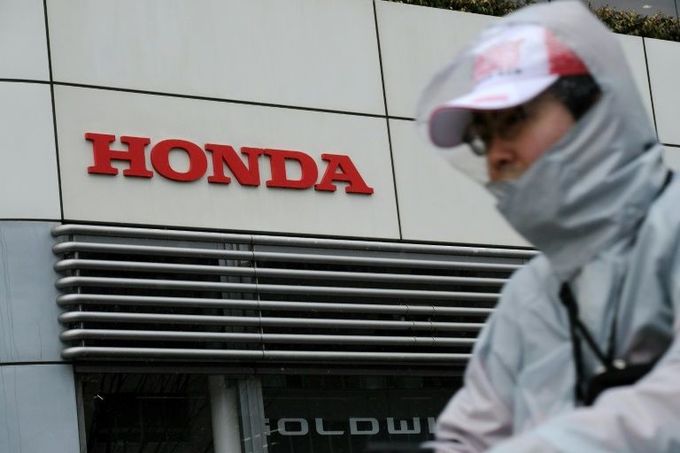
  • Honda Car India’s Sales Grow By 23% In April

    Honda Car India’s Sales Grow By 23% In April

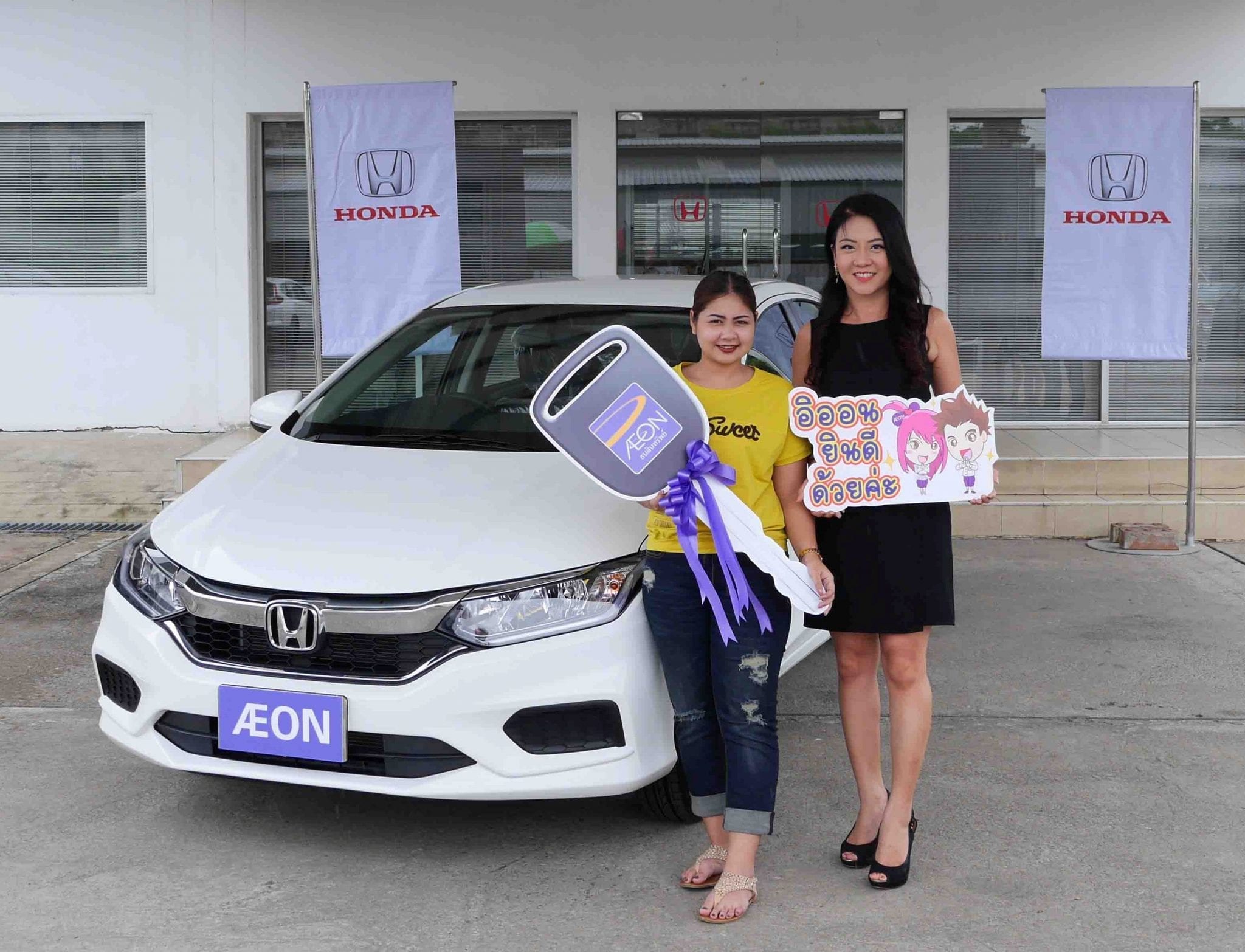
    Honda Cars India registered monthly domestic sales of 11,272 units in April 2019 as against 9,143 units in April 2018 registering a growth of 23 per cent. The company has seen a strong sales growth thanks to the new-gen Amaze as also the WR-V. The company even exported 220 units in April 2019.

    Rajesh Goel, Senior Vice President and Director, Sales and Marketing, Honda Cars India Ltd said, “HCIL’s April sales growth is primarily due to lower base effect, as there was no Amaze in corresponding month last year during model runout. The ongoing elections and overall subdued market sentiment continues to affect the sales momentum. Going forward, the industry is heading towards a tougher year impacting sales due to volatility in fuel prices, increase in car prices owing to new regulations and stricter inventory control for smooth switchover to BS6 regime by year end.”

    The company plans to bring more cars to India in 2019. In fact the company had already announced that there would be 6 new models in three years starting 2018. The company has already launched 3 new models in the country in the form of the new-gen Amaze, CR-V and even the Civic. We wait to see what more the company brings to the table.

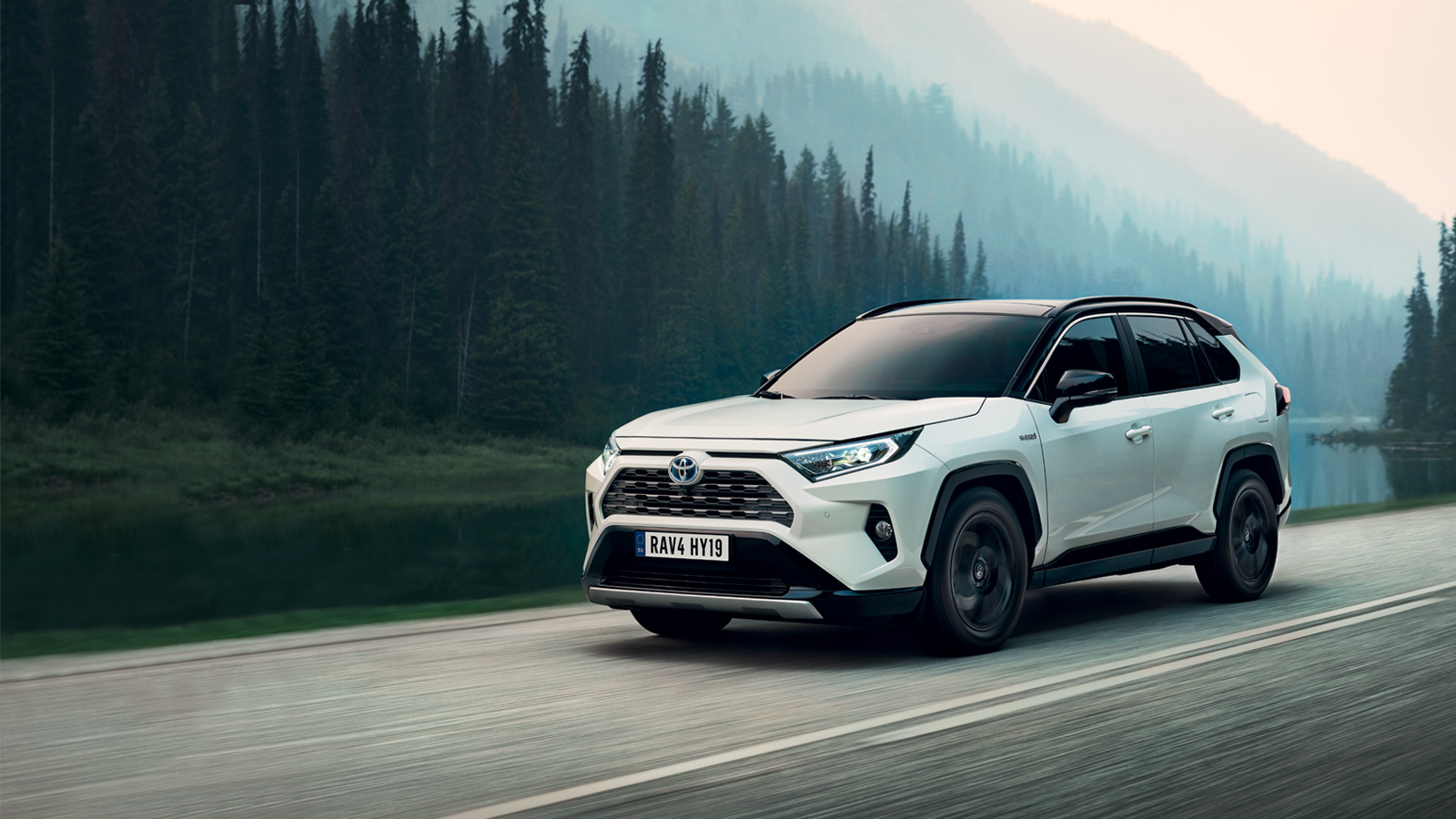
  • Toyota Domestic Sales Down By 22%

    Toyota Domestic Sales Down By 22%

    Toyota Kirloskar Motor sold a total of 10,112 units in the domestic market. The domestic sales saw a drop of 22 per cent which is a big drop compared to March 2019 which showed a growth of 7 per cent. The company exported 1301 units of the Etios series this month thus clocking a total of 11,413 units. Toyota Kirloskar Motor sold a total of 13037 units in the domestic market this month of April 2018. The company exported 834 units of the Etios series this month thus clocking a total of 13871 units.

    Toyota had even in March talked about the slow pace of the market and also the soaring prices of input costs and even the high insurance costs. Commenting on the sales performance, Mr. N. Raja, Deputy Managing Director, Toyota Kirloskar Motor said, “The industry is currently experiencing a slowdown due to uncertainty of upcoming general elections that looms over the market and this slow pace is expected to continue until the new government is formed. Consumer sentiments has currently dampened due to several factors like tight liquidity, high insurance, high costs.We hope the sales growth momentum to pick up in the upcoming months post election results are out.”

    Things are about to change though as the company is all set to launch the new Glanza Hatchback as also the rebadged version of the Vitara Brezza which will mark the company’s entry into the subcompact SUV segment. The company does say that the sales are likely to pick up post election results

  • Ford Puts Pre-Collision Assist Technology On Shopping Carts

    Ford Puts Pre-Collision Assist Technology On Shopping Carts

    When it comes to raising the blood pressure, for parents, the weekly shop is right up there with getting the kids to bed and meal times. And while toddler meltdowns and trips to the sweet aisle are trying, few moments can be more worrying than seeing your child career off at high speed on a supermarket trolley.

    But now Ford has come out with a solution to ease your stress and it’s used car technology in a shopping cart. Ford has used the Pre-Collision Assist technology which is seen in most of its cars on a trolley. The technology uses a forward-facing camera and radar to detect vehicles, pedestrians and cyclists in the road, and automatically applies the brakes if the driver does not respond to warnings.

    The self-braking trolley uses a sensor to achieve a similar outcome – to scan ahead for people and objects and automatically apply the brakes when a potential collision is detected. Just a prototype for the time being, the self-braking trolley is part of a series of Ford Interventions; applying automotive expertise to solve the day-to-day problems we all face.

    Anthony Ireson, director, Marketing Communications, Ford Europe said, “Pre-Collision Assist technology can help our customers avoid accidents or mitigate the effects of being involved in a collision. We thought that showing how similar thinking could be applied to a shopping trolley would be a great way to highlight what can be a really useful technology for drivers.”

  • Hyundai Introduces Smartphone Based EV Performance Control Technology

    Hyundai Introduces Smartphone Based EV Performance Control Technology

    Hyundai Motor Group has announced the development of ‘smartphone-electric vehicle pairing based performance adjustment technology,’ which allows users to customise primary functions through a smartphone app. The company says that it is in fact an industry first innovation. Drivers can use this technology to adjust seven performance features including the maximum torque output of the motor, ignition, acceleration and deceleration abilities, regenerative braking capacity, maximum speed limit, responsiveness, and energy use on climate control.

    As electric vehicles continually expand their market share, especially in rental or car-sharing industries, the new technology will allow drivers to use their custom settings in whichever electric vehicle they drive by downloading their profile from the server. The application provides optimised settings for a designated destination by analysing the remaining distance and electric energy requirement. It can also accommodate sportier driving by recommending tailored performance settings.

    The application provides optimised settings for a designated destination by analysing the remaining distance and electric energy requirement

    Beyond the driver’s seat, users can share their customisation settings online as well as try out other users’ custom settings. Customers can also apply recommended settings by Hyundai based on the condition of roads, from country roads to the city centre or mountain ranges. Hyundai Motor Group will utilise blockchain technology to prevent security issues while users upload and share their custom sittings on the server.

    In the process of uploading and sharing custom settings, the system encrypts major performance parameters in a blockchain network by creating new data blocks and stores them in the distributed data storage system to block unauthorised manipulation.

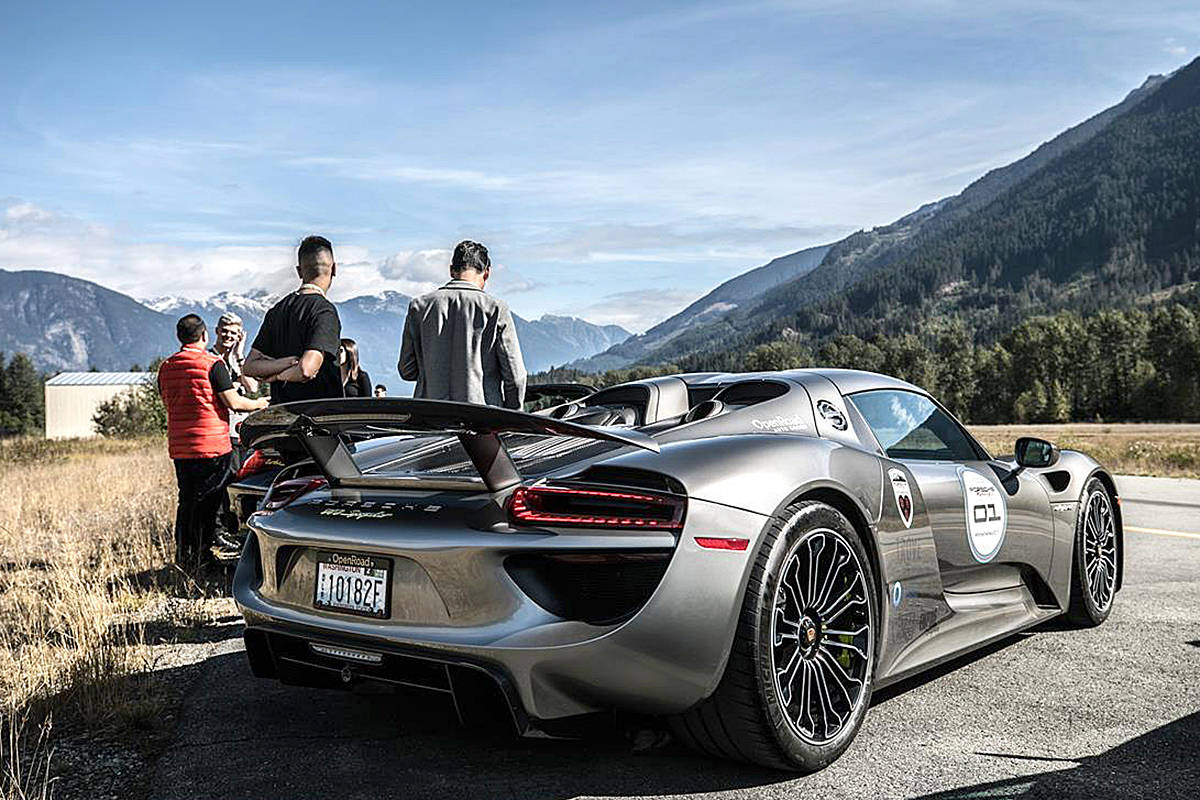
  • Porsche Celebrates 10 Years Of The Panamera

    Porsche Celebrates 10 Years Of The Panamera

    The Porsche Panamera celebrates 10 years today and it was in April 2009 that the company first presented this Gran Turismo to the world. While Porsche initially planned production of 20,000 units per year, the Panamera clearly exceeded those expectations. More than 2.35 lakh cars have been delivered to date worldwide and the demand is clearly increasing. Put it was a tough battle to get this car on the production line. Porsche engineers kept coming back to this idea.

    In the 1950s, they developed a comfortable four-seater based on the 356. The Type 530 had a lengthened wheelbase, larger doors and a raised roof at the rear. Others followed, including a four-door prototype based on the 911 and, in the 1980s, lengthened variants of the 928. Ferry Porsche used one of these as his private car. In 1988, Porsche made a new attempt with the Type 989: the four-door coupe offered space for two full seats in the rear. The drive power was provided by a V8 front engine. Design elements from the 989 were later incorporated into the 911 of the 993 generation. Like all similar concepts before it, however, the 989 remained a prototype. For economic reasons, development was discontinued at the start of 1992.

    Then in the early 2000’s, Porsche conducted market studies, analysed the competition and decided to develop a four-door hatchback saloon and that saw the emergence of the Panamera. The Panamera’s first official appearance was on April 19, 2009 in Shanghai. The first model, internally known as G1, set standards in its class thanks to the wide spread between sportiness and comfort. It was packed with innovations: for the first time, a luxury class production model was offered with a transmission and start-stop system. The top model Panamera Turbo also introduced air suspension with additional air volume on demand, as well as an adjustable, multi-dimensionally extendable rear spoiler. The Gran Turismo also set the course for all other Porsche model lines with its new display and operating concept.

    The model range grew rapidly and sustainably, culminating in an engine range covering power output from 250 to 550 horsepower with petrol, diesel and hybrid drives as well as rear-wheel and all-wheel drive. In the beginning, the naturally aspirated V6 and V8 engines were available with a six-speed manual transmission. Most customers opted for the seven-speed Porsche dual clutch transmission PDK. Diesel and hybrid drives were available in combination with an eight-stage automatic transmission.

    Of course, there was a second generation to be made that it made its world debut on June 28, 2016. The development involved multiple streams: in addition to the Gran Turismo with a standard and extended wheelbase, a third variant was developed on the same platform: the Sport Turismo. From 2017, its avant-garde design and body concept brought more versatility to the luxury vehicle class.

    Thanks to chassis systems like the three-chamber air suspension, rear-axle steering and the PDCC Sport electromechanical roll stabilisation system, the Panamera was as at home on the streets as it was on the track. This was underpinned by a lap time of 7:38 minutes on the Nurburgring-Nordschleife – set by Porsche works driver Lars Kern in a standard Panamera Turbo. The engine range was consistently optimised, while the power output values were increased: new engines were introduced across the range, and the transmission was now an eight-speed PDK. The power output spectrum started at 330 hp, today the top model is a 680 hp plug-in hybrid.

    Now, for Porsche, it’s all going to be about electric mobility solutions and of course, the Panamera too has already gone that way. It’s just the beginning for the decade old Panamera and wait to see what more comes from this very capable luxury saloon.

  • Maruti Suzuki Vitara Brezza To Be Manufactured At Toyota’s Plant

    Maruti Suzuki Vitara Brezza To Be Manufactured At Toyota’s Plant

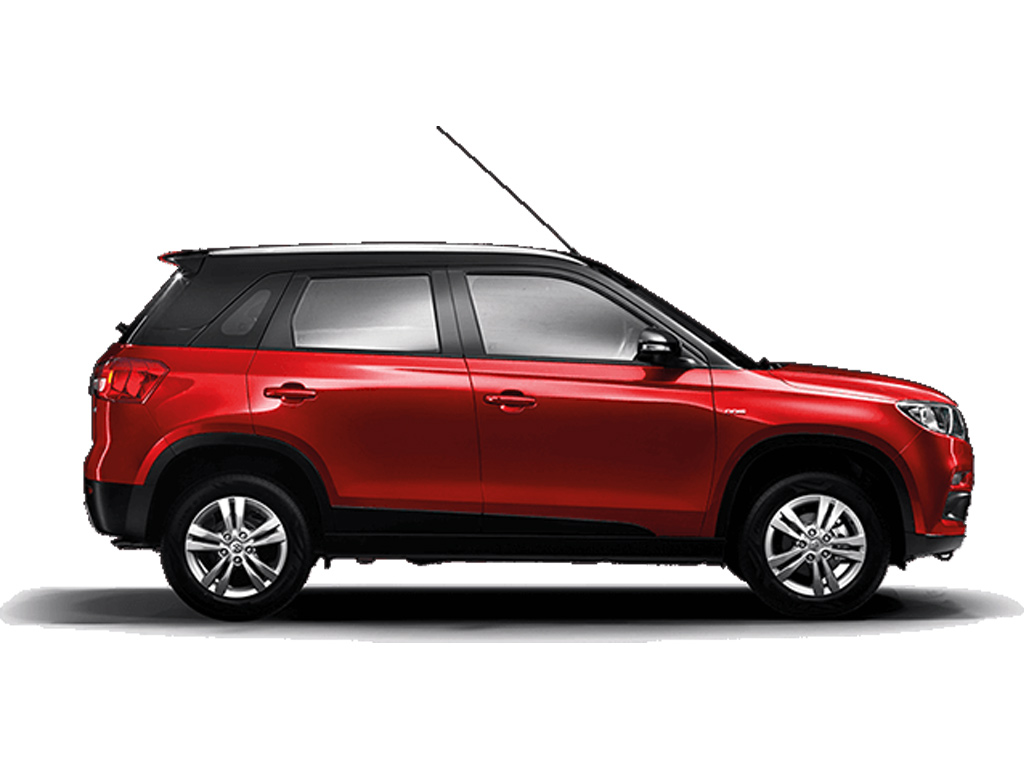
    It was in 2017 that Toyota and Suzuki showed interest in working together in several markets including India and two years down the line the alliance is about to bear fruit. Both companies have spelt out the areas of collaboration and it is known that Maruti Suzuki will share the Ciaz, Ertiga, Baleno and Vitara Brezza with Toyota for India and other developing markets. Maruti Suzuki has also shared that it will make use of the unutilised production capacity of Toyota’s Bengaluru plant to assemble the Vitara Brezza.

    Speaking with carandbike, R.C. Bhargava- Chairman, Maruti Suzuki India said, “Toyota has some spare capacity in their Bangalore plant. We will use that capacity to manufacture the Brezza. That saves us the investment which otherwise would have been required. We will utilise that capacity, so it’s a win-win for both of us. We get cars without making any investment and they get something to use their capacity. So we are all looking always to maximise the efficiency of the total system.”

    Toyota Kirloskar Motor’s total annual production capacity is 310,000 units. The first plant which started production in 1997 has a production capacity of 100,000 units and operates at full capacity to assemble the Innova Crysta and Fortuner. The second plant which started production in 2010 is used to manufacture Toyota’s sedan and the Etios Liva hatchback and has a production capacity of 210,000 units. Maruti Suzuki is likely to manufacture the VItara Brezza in this plant as more than half of its capacity is left unexploited.

    Maruti Suzuki has confirmed that it will phase out current diesel engines from its line-up by April 1, 2020. The company has also reaffirmed that the Vitara Brezza will soon be offered with the petrol engine and chances are that the company may introduce the in-house developed 1.5-litre DDiS 225 diesel engine if it sees substantial demand for diesel variants in the segment. Since Toyota badged Maruti Suzuki vehicles are expected only by late 2019 or early 2020, there is a possibility that Maruti will manufacture the Vitara Brezza with new engines at Toyota’s second plant in Bengaluru.

  • Honda BR-V Facelift Unveiled In Indonesia

    Honda BR-V Facelift Unveiled In Indonesia

    Honda has revealed the updated BR-V at the 2019 Indonesia International Motor Show. The BR-V has not been doing great in terms of sales in India. The company has been selling close to 500 cars on an average and a facelift might just help in lifting those sales figures. However, we don’t yet know if this facelift will make to India yet as there’s no confirmation from the company. The BR-V does look prettier than before and the revised front grille and even the new bumper add to the design of the car. It looks bolder and the chrome that’s spread around the fog lamps, and even the slat on the front grille, adds to the premiumness of the BR-V.

    There’s a trapezoidal air dam and a silver scuff plate too. From what we can see, the facelift of the BR-V gets projector headlamps with L-shaped daytime running lights. The company has also tweaked the rear bumper slightly, so the BR-V still has the muscles and the character lines make sure that the car still oozes that SUV-ness. The BR-V facelift also gets 16-inch dual tone alloy wheels.

    There aren’t many changes made to the cabin of the BR-V as it retains the all-black dashboard and the touchscreen infotainment system. While the car launched the Indonesia is a 1.5-litre petrol, the one available in India is a 1.5-litre diesel as also a 1.5-litre petrol. With the new regulations coming into the country, carmakers are making sure that the line-up it brings to the market will be sustainable as also will boost its sales in the market. We wait to see what the company retains for the Indian market

  • Toyota Glanza Spotted For The First Time

    Toyota Glanza Spotted For The First Time

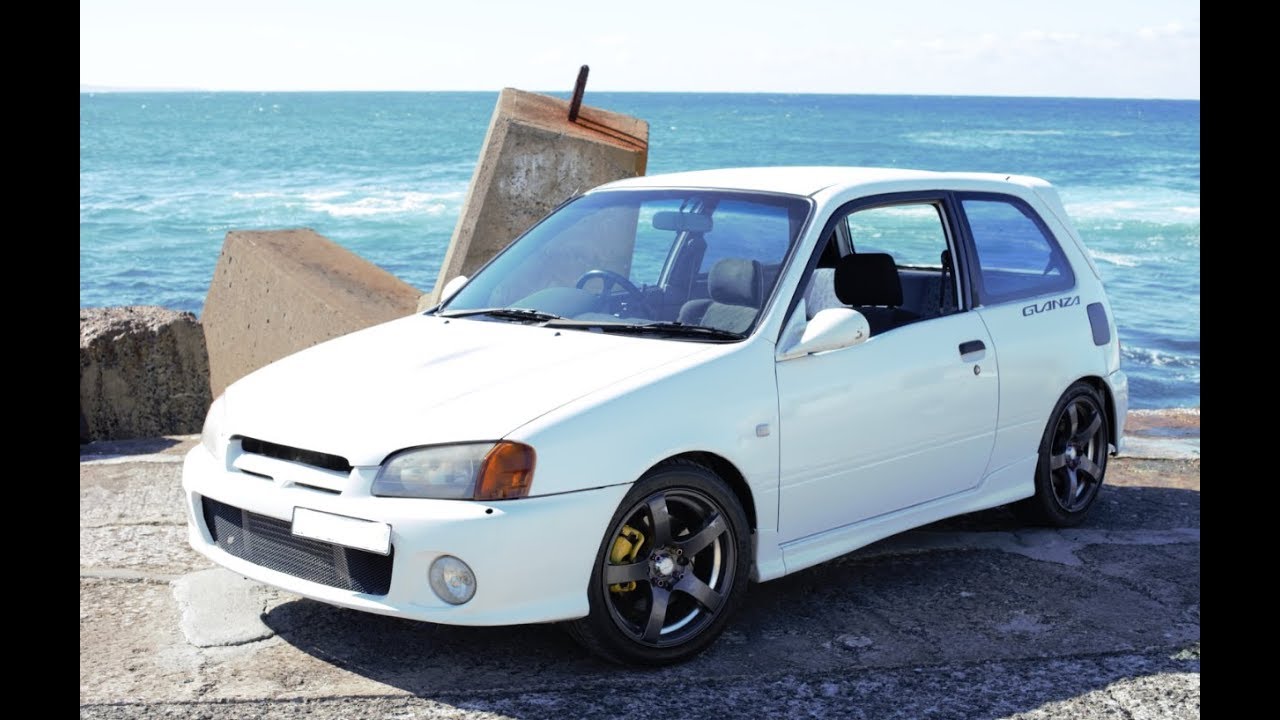
    Toyota is all set to bring in the Glanza hatchback to India. Essentially a Toyota-badged version of the Maruti Suzuki Baleno, the new Toyota Glanza is the first model to come out as part of the Toyota – Suzuki alliance which was announced in 2017. While a teaser has already been released, the Glanza has not been seen in the flesh in its entirety, well until now.

    The Glanza hatchback was spotted in a car park and yes, this is the first time you get to see what it really looks like, up front and the rear. Up front, you see it get a a new grille and slightly tweaked face, in order to differentiate it from the Baleno. So, we can see the two chrome slates which gets the Toyota badge right in the centre of the car. Much of the rest of the details on the car remain the same as on the Baleno. So the chrome strip, the headlamps, the fog lamps and even the lower air dam, remains identical to the Baleno.

    The similarity continues at the rear as there are no changes apart from the variant and brand badging. The Toyota Glanza will compete with the likes of the Maruti Suzuki Baleno, Hyundai i20, Honda Jazz. Considering that Maruti Suzuki has had great success with the Baleno and manages to sell close to 18,000 units a month on an average, it will be interesting to see how Toyota manages to boost its sales figures with this car.

    While the cabin of the car too is likely to remain unchanged, there will be a few tweaks made to make it feel more like a Toyota. As far as engine options go, the Toyota Glanza is expected to be launched in two petrol options, which will include Maruti Suzuki’s 1.2-litre, four-cylinder K12 petrol engine which powers the Baleno. The other one could be Toyota’s 1.2-litre four-cylinder petrol engine that is tuned to make 79 bhp and 104 Nm torque.

    The Toyota and Suzuki partnership extends not only to sharing vehicles but also technological development, vehicles production and market development. An MoU signed in November 2017 further expanded the partnership to consider a cooperative structure for introducing battery-powered electric vehicles.

  • Daimler Will Pull Smart Mini-Cars Out Of United States, Canada

    Daimler Will Pull Smart Mini-Cars Out Of United States, Canada

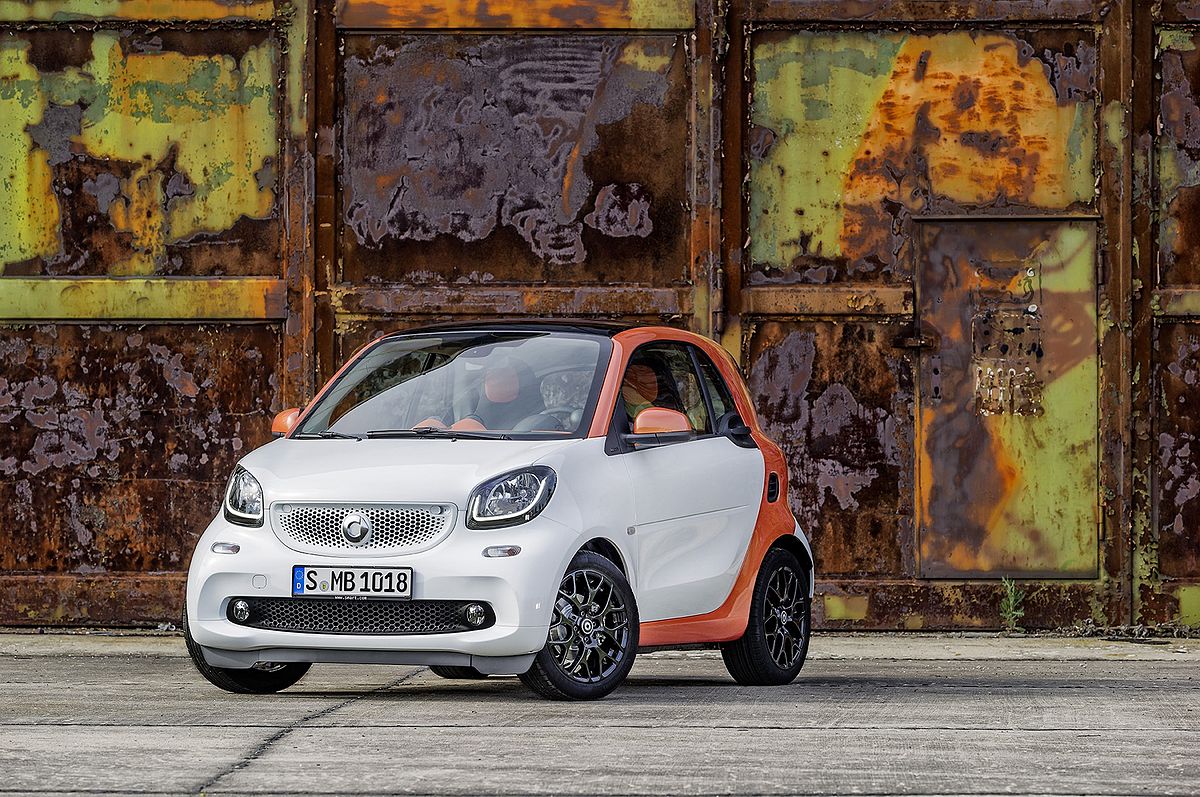
    The tiny, two-person Smart cars once pitched as the next big thing in urban mobility will be discontinued in the United States and Canada at the end of the current model year, German automaker Daimler AG said on Monday. Smart cars, with their unique styling and ability to fit in half a parking space, found an audience in densely populated U.S. and Canadian cities. But that audience was small and rapidly declining. Smart reported just 90 cars sold in the United States during March, down 18 percent from the year before.

    U.S. sales of a wide range of small cars have collapsed over the past several years as relatively cheap gasoline and a strong economy have encouraged consumers to buy larger trucks and sport utility vehicles.

    The Smart brand’s electric cars offered just 58 miles (93 km) of driving range. Competing models such as the “mid-range” Tesla Model 3, with an estimated range of 264 miles, offered more range and more room for passengers and cargo. The range figures are from the U.S. Environmental Protection Agency.

    Daimler’s Mercedes-Benz brand, in a statement, cited “a number of factors” for the decision to end Smart’s run in the United States and Canada, “including a declining micro-car market in the U.S. and Canada, combined with high homologation costs for a low volume model.” Homologation refers to the changes required to bring the European-designed Smart in line with U.S. regulations. Daimler ended sales of gasoline-fueled Smart cars in 2017.

    Mercedes plans to bring new, larger electric vehicles to the United States, starting with the launch of the EQC sport utility next year. Those vehicles will help Mercedes meet zero emission vehicle quotas in California and other states. Mercedes dealers will still offer parts and repairs for Smart cars, the company said.