Category: Automotive

Retail News Asia is committed to providing both local and global retailers with the latest Auto and Car news throughout the Asian market. This on a daily base.

  • Audi A3 Gets A Price Cut

    Audi A3 Gets A Price Cut

    Celebrating its fifth anniversary in India, the Audi A3 sedan has received a price cut of ₹ 5 lakh across different variants. Prices for the A3 now start at ₹ 28.99 lakh for the 35 TFSI Premium Plus petrol trim, making it an attractive proposition over rivals including the Mercedes-Benz CLA, Skoda Superb, Volkswagen Passat, Toyota Camry Hybrid and the likes. The A3 35 TDI Premium Plus diesel, on the other hand, is priced at ₹ 34.93 lakh (all prixes, ex-showroom). Barring the price cut, the sedan does not get any changes nor does it miss out on any features. The A3 line-up includes four variants – 35 TFSI Premium Plus, 35 TFSI Technology, 35 TDI Premium Plus and the 35 TDI Technology.

    With respect to the features, the Audi A3 comes loaded with a panoramic sunroof, Audi phone box with wireless charging, dual-zone climate control with rear AC vents, 7-inch touchscreen infotainment system, and LED puddle lights with the Audi logo. The automaker is also offering the S Line package on the A3 that brings the S line front and rear bumpers and side skirts, S line grille, rear diffuser, chrome exhaust pipes, illuminated door sill trim with S logo and S line badge on the front fenders.

    Power on the Audi A3 sedan comes from the 2.0-litre four-cylinder TDI diesel engine that churns out 141 bhp and 320 Nm of peak torque, while there’s also the 1.4-litre TFSI petrol motor that belts out 148 bhp and 250 Nm of peak torque. The diesel is paired with a 6-speed dual-clutch automatic, while the petrol engine gets a 7-sperd DCT unit. Power is sent to the front wheels on either models.

  • Tata Motors Posts 26 Per Cent Drop In Sales In May

    Tata Motors Posts 26 Per Cent Drop In Sales In May

    The Indian auto sector has been reporting a slump in new car sales over the past months and the month of May 2019 has been no different. Tata Motors announced its sales for the previous month and the company has registered a drop of 26 per cent in overall sales. The company sold a total of 40,155 units in May this year, as opposed to 54,290 units sold during the same month last year. The automaker’s year-to-date sales were also on a drop after back-to-back declining numbers, with 82,684 units sold between April-May 2019, a de-growth of 23 per cent as compared to 107,758 units sold during the same period in 2018.

    Mayank Pareek, President, Passenger Vehicles Business Unit, Tata Motors said, ” In view of higher vehicle stocks in network our strategy was to focus on retails. While the market sentiments continued to be muted, our exciting products and micro segmenting strategy helped in improving retails. In May 2019, our retail sales have shown a growth of 11% over May’18. Despite this challenging environment, our UV segment continues to grow at 13% on the back of a strong UV portfolio. We expect that post- election industry will start improving gradually. In the months to come, we are positive to bounce back with our robust product lineup and strive towards driving volumes and increasing our market share as part of our on-going turnaround journey.”

    With respect to passenger vehicle sales, Tata registered 10,900 units in May 2019, witnessing a hefty drop of 38 per cent over 17,489 units sold in May last year. That said, the automaker stated that retail sales recorded an 11 per cent growth last month, backed by new and updated products as well as micro-segmenting strategy. The UV segment sales too grew by 13 per cent in May 2019. Cumulative sales growth between April-May 2019 for passenger vehicles in the domestic market stood at 23,594 units, a decline of 32 per cent over 34,724 units sold during the same period last year.

    The commercial vehicle (CV) business also a 20 per cent drop in volumes with 29,329 units sold last month, as against 36,806 units sold in May 2018. Tata Motors attributed the declining sales to weak market sentiments due to depressed freight rates and underutilisation of trucks. The year-to-date CV sales in the domestic market also saw a decline of 19 per cent with 59,212 units, as compared to 73,082 units sold during the same months (April-May) in 2018.

    The M&HCV sales dropped by 38 per cent at 7,683 units in May this year, as compared to 12,424 units sold in May 2018. The revised axle load norms still pose a challenge for the heavy vehicle segment to grow, according to the manufacturer. Tipper sales too dropped by 22 per cent with 2539 units sold in May this year, as against 3261 units sold during the same month last year. The I&LCV truck sales in May 2019 declined by 2 per cent at 4043 units over 4106 units sold in May 2018. This segment has been relatively less affected by the revised axle load norms. E-commerce and discretionary consumption have been the two main drivers of I&LCV volume. Tata did say that new products in the 15-16 tonne segment and CNG products were well accepted in the makret and contribute over 10 per cent to the volumes.

    The SCV Cargo and Pickup segment witnessed a drop of 18 per cent with 12,695 units sold in May 2019, as compared to 15,558 units sold in May 2018. The slow consumption in rural areas was attributed as the main reason in the drop of volumes, which is likely to improve with a normal monsoon. The commercial passenger carrier segment sales stood at 4908 units in May this year and grew by 4 per cent. The Company is gearing up for the supply as per the new regulations, AIS 153, backed by strong demand for the Winger series.

    Girish Wagh, President, Commercial Vehicles Business Unit, Tata Motors said, “Tata Motors Commercial Vehicles (CV) Business sales in the domestic market in May registered a drop of 20% . The M&HCV sales has taken the maximum hit in the domestic market, declining by 38%, at 7,683 units, essentially due to higher capacity post increased axle load, not yet matched by commensurate freight growth. I&LCV truck sales were least affected, with a decline of 2% at 4,043 units as discretionary consumption has been witnessing a slowdown in recent months. The SCV Cargo and Pickup segment also lower by 18% as distress in the agriculture sector brought down rural consumption. The commercial passenger carrier segment sales was higher by 4% over last May. The school season has pushed up demand and is expected to be positive in the next month too. We are expecting an improvement in the economic conditions in the coming months and look forward to an improved buying sentiment.”

    Tata Motors reported a cumulative export of 1563 units in May 2019, witnessing a massive drop of 58 per cent over last year. The drop in retail sales in Bangladesh, Nepal and high stocks in the SAARC region, along with the slump in the Middle East, affected the automaker’s export volumes.

  • Datsun GO & GO+ Updated With Vehicle Dynamic Control

    Datsun GO & GO+ Updated With Vehicle Dynamic Control

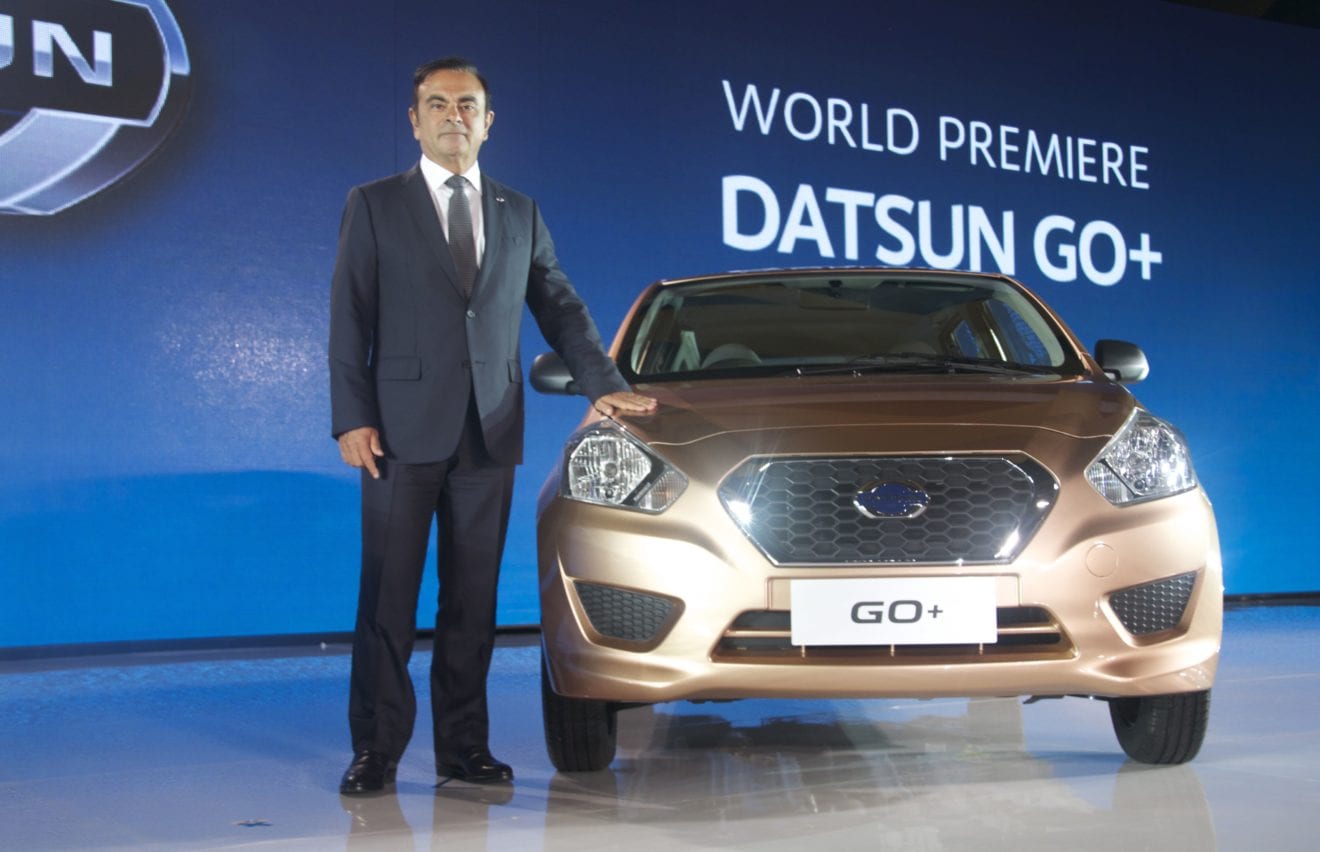
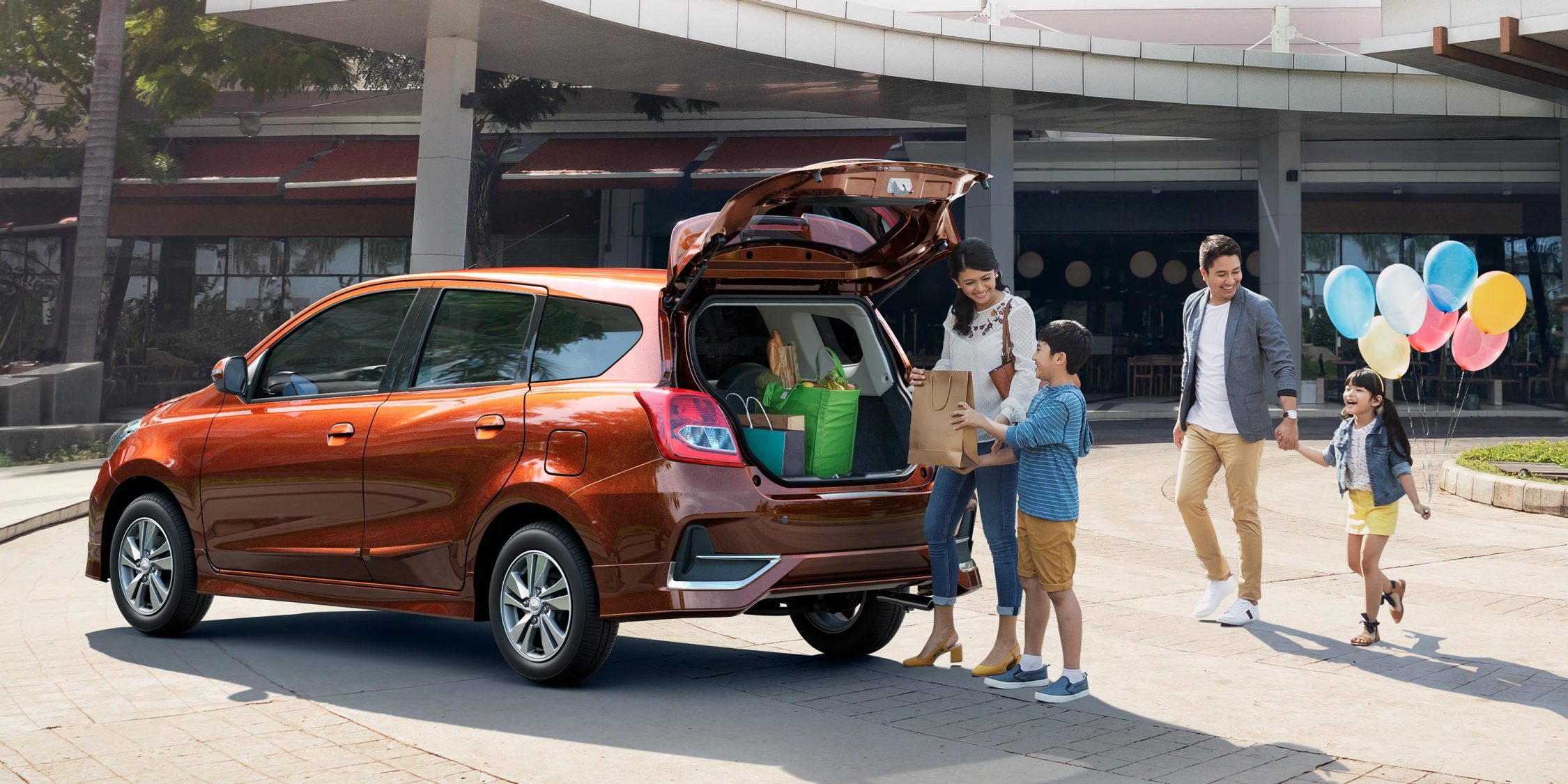
    Datsun India has updated GO and GO+ hatchbacks with Vehicle Dynamic Control (VDC) technology. The updated Datsun GO and the Datsun GO+ get enhanced safety systems thanks to the new tech on offer. The VDC system monitors wheel speed, steering wheel position, and lateral acceleration via onboard sensors to provide electronic stability control. The system also facilitates a safer driving experience by responding to the car’s oversteering and understeering inputs. The GO and GO+ now also comes with anti-lock braking system (ABS), electronic brake force distribution (EBD), brake assist (BA) and traction control system (TCS).

    Commenting on the updated versions, Hardeep Singh Brar, Director Sales and Commercial, Nissan India said, “Datsun is committed to transform customer experience with new and innovative products. Underscoring our focus on progressive mobility backed by safety, technology, style and convenience, the New Datsun GO and GO+ now comes with VDC so that the Datsun owner can drive with confidence.”

    In addition, the new Datsun GO will be available in a new ‘Vivid Blue’ colour option, while the cars now get the 7-inch touchscreen infotainment system as standard across all variants with smartphone connectivity via Apple CarPlay and Android Auto with voice recognition. The hatchbacks have also been updated with rear parking sensors and dual front airbags as standard, in a bid to comply with the upcoming safety regulations.

    The Datsun GO and GO+ received comprhensive facelifts last year bringing a premium touch, better features and attractive pricing to the models. Prices for the GO hatchback start at ₹ 3.32 lakh going up to ₹ 5.02 lakh, while the multi-seater GO+ is priced from ₹ 3.86 lakh for the base trim that goes up to ₹ 5.74 lakh (all prices, ex-showroom Delhi) for the range-topping version. The GO+ will soon face competition two back-to-back launches including the Renault Triber and Maruti Suzuki’s Wagon R-based sub 4-metre MPV, both of which are slated to launch this year.

  • Volvo Cars Partners With POC To Develop Safer Helmets For Cyclists

    Volvo Cars Partners With POC To Develop Safer Helmets For Cyclists

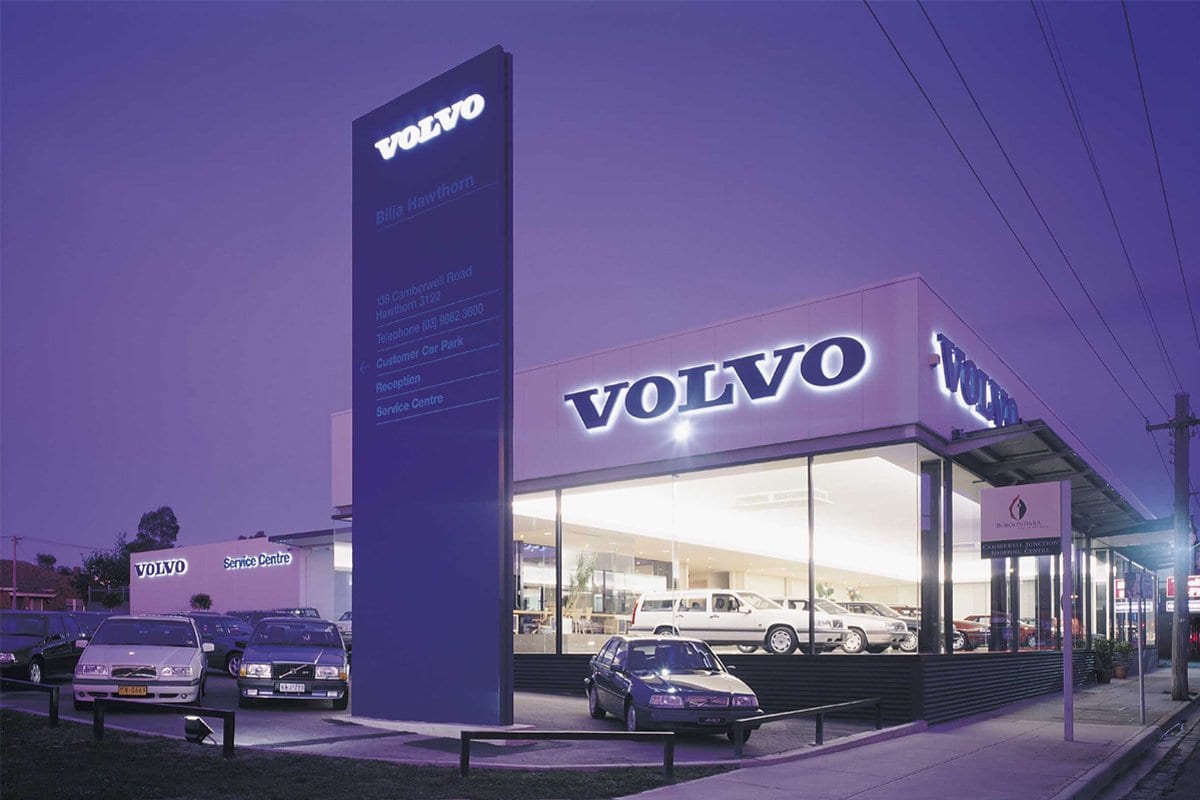
    Volvo Cars are one of the pioneers in the development of safer modern cars and the Swedish carmaker is now coming up with something innovative to take the safety quotient one step ahead. Volvo is partnering with POC for a series of world’s first crash test of bike helmets against cars in a bid to protect cyclists in case of a collision. Accidents between cars and cyclists often result in severe injuries and even death of the rider. Cyclist detection with full auto brake uses cameras and radars to detect cyclists, warn the driver of an imminent collision and apply the brakes as a precautionary measure.

    The Volvo-POC research project consists of a number of specially designed crash tests at the Volvo Cars safety research facilities in Gothenburg, Sweden and is part of a wider research project to understand the types of long-term injuries sustained by cyclists. Speaking about the new project, Malin Ekholm, head of the Volvo Cars Safety Centre said, “This project with POC is a good example of our pioneering spirit in safety. We often develop new testing methods for challenging traffic scenarios. Our aim is not only to meet legal requirements or pass rating tests. Instead, we go beyond ratings, using real traffic situations to develop technology that further improves safety.”

    Volvo Cars also use the auto brake system with help of cameras and radars to detect cyclists, warn the driver of an imminent collision and apply the brakes as a precautionary measure.

    The tests are based on existing regulatory test procedures for pedestrian head protection. During these tests, POC bike helmets are worn by crash dummy heads mounted on a testing rig, from where they are launched towards different areas of the hood of a static Volvo car, at different speeds and angles for various measurements. The learnings from the research project will help POC make its helmets safer and more protective in the event of a car-bike accident, while the tests will also provide valuable insights and learnings for Volvo Cars into these types of accidents for future development.

  • Hyundai Registers 5.6 Per Cent Sales Decline In May 2019

    Hyundai Registers 5.6 Per Cent Sales Decline In May 2019

    Affected by the slump in the Indian auto market, Hyundai Motor India’s domestic volumes witnessed a decline in May 2019 at 42,502 units, dropping by 5.6 per cent as against 45,008 units sold in May 2018. Exports, however, saw a major increase in volumes by 50.8 per cent with the company shipping 16,600 units last month, as against 11,008 units in May last year. Despite the poor domestic performance, the automaker’s overall volumes for the previous month still over the red line. Hyundai sold a cumulative (domestic+exports) 59,102 units last month, growing by 5.5 per cent over 56,016 units sold during the same period last year.

    The drop in domestic volumes isn’t too different from other manufacturers that have reported a steeper decline in sales for the last month. Both Maruti Suzuki and Tata Motors registered double-digit de-growth, while Mahindra sales dropped by just one per cent. Meanwhile, sales for Hyundai are expected to improve in the coming months, backed by the strong demand for the newly launched Venue subcompact SUV. With booking numbers at 20,000 and counting, the new offering is off to a good start and will help stabilise the Korean auto giant’s falling numbers.

    With the elections have come to a close and the new government in power, the buyer sentiment is also expected to see a favourable change towards the purchase of new vehicles. The auto industry is also looking forward to a normal monsoon this year to boost growth in rural areas. Hyundai also has a few new products lined up for a launch this fiscal that will include the Kona Electric SUV and the Tucson facelift. The automaker has also repositioned itself as the country’s first smart mobility solutions company, diversifying its presence in other vehicle categories.

  • Toyota To Build New Plant In Myanmar

    Toyota To Build New Plant In Myanmar

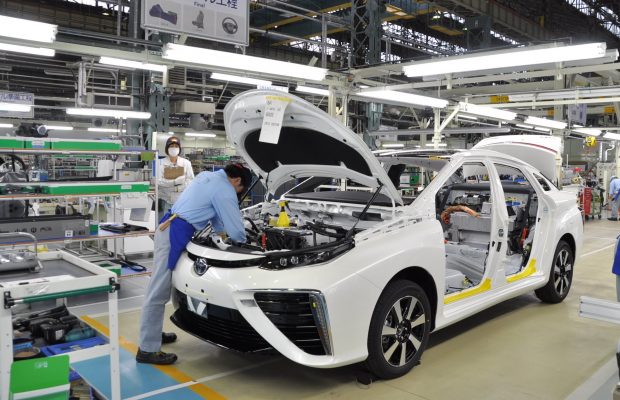
    Toyota Motor Corporation will be building its first vehicle production company in Myanmar where it will locally produce the Hilux from February 2021. The announcement comes after other carmakers like Suzuki, Nissan and Ford established factories in the country. The automotive market in Myanmar has soared in accordance with the growth of the economy.

    The demand for new vehicles has soared in recent years (2018 market: approx. 18,000 units) more than twice the size compared to the previous year. The government introduced auto import restrictions in 2017, and a fall in prices has seen the auto market grow, with many new vehicles built locally. Toyota currently sells the Hilux, Vios, Rush, and other vehicles in Myanmar by relying on imports.

    Toyota plans to construct the new plant in the Thilawa Special Economic Zone, situated in the southern suburbs of Yangon city. The company is expected to investment approximately $52.6 million. Toyota plans to hire 130 new employees, and intends to build 2,500 Hilux vehicles per year using the SKD (semi knock-down) method when operations begin in 2021. The brand is already popular in the country, though most of its cars on the road are second-hand models.

  • Volvo Cars and Varjo Launch Mixed Reality Application For Car Development

    Volvo Cars and Varjo Launch Mixed Reality Application For Car Development

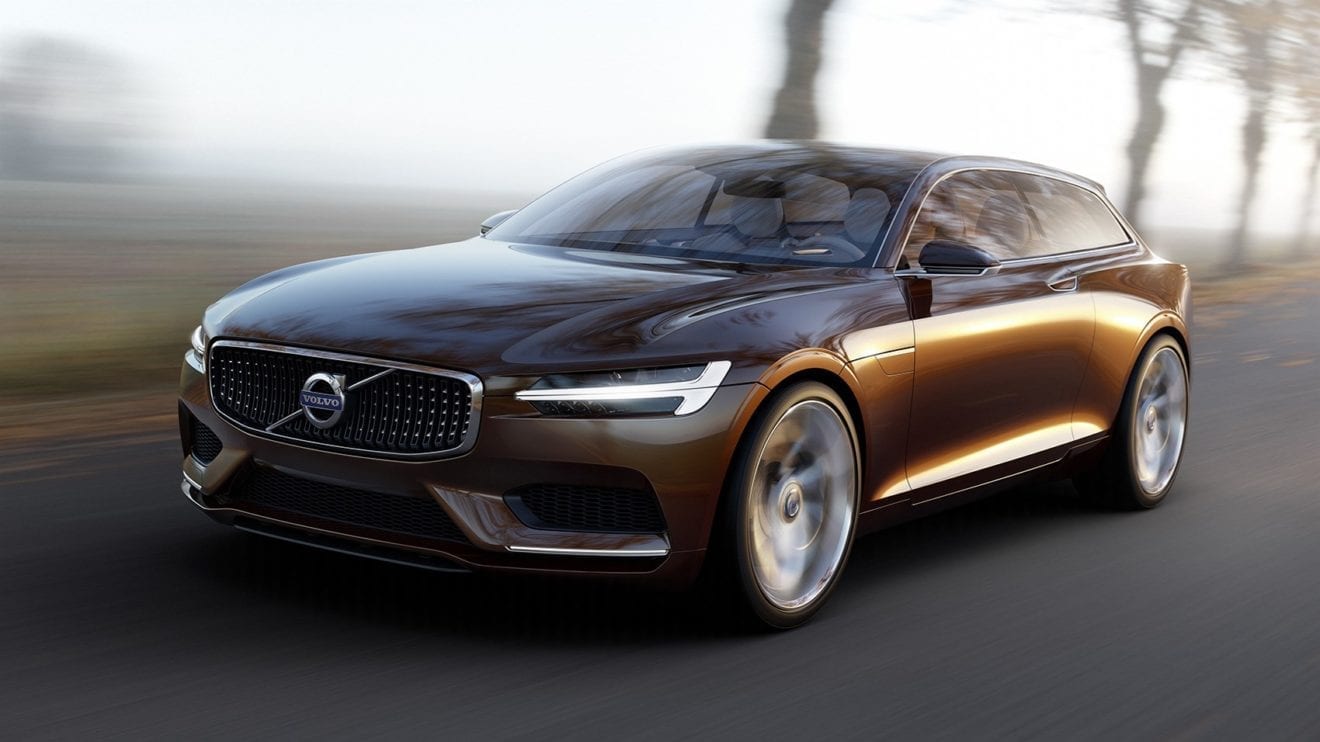
    Volvo Cars and Varjo, the maker of high-end augmented reality headsets, have created a world-first mixed reality approach to evaluating prototypes, designs and active safety technologies. The collaboration will be further strengthened by the Volvo Cars Tech Fund’s decision to invest in Varjo. With these new augmented reality headsets, it will be possible for the first time to drive a real car while wearing a mixed reality headset, adding virtual elements or complete features that seem real to both the driver and the car’s sensors, for development purposes.

    The Varjo XR-1 headset, provides photorealistic mixed or virtual reality at a high-definition resolution and the big claim is that it’s better than anything out there in the market currently. With the XR-1 Volvo Cars can radically reduce development timeframes by creating the new ability to evaluate features and designs almost immediately. Volvo Cars designers and engineers will be able to ‘drive’ future cars and evaluate all features in a simulation environment many years before they exist, enabling the company to develop the safest cars as also a refined user experience.

    Henrik Green, Chief Technology Officer, Volvo Cars, said, “With this mixed reality approach, we can start evaluating designs and technologies while they are literally still on the drawing board. Instead of the usual static way of evaluating new products and ideas, we can test concepts on the road immediately. This approach offers considerable potential cost savings by identifiying priorities and clearing bottlenecks much earlier in the design and development process.”

    With the XR-1 Volvo engineers will be able to develop and evaluate active safety solutions much easier. Safety experts are able to drive real cars while wearing the XR-1 headset at Volvo’s research facilities in Sweden, testing virtual active safety systems imposed via augmented reality on the real-life environment. Highly accurate eye-tracking technology embedded inside the XR-1 makes it easy to assess how drivers use a new functionality and whether they are distracted in any way. This technology-based approach to measuring distraction levels ensures that Volvo Cars can develop new features without causing additional distraction.

  • Uber, Indian Oil To Offer Fuel Discounts To Drivers

    Uber, Indian Oil To Offer Fuel Discounts To Drivers

    Ride-hailing giant Uber on Thursday announced it is partnering with state-run Indian Oil Corp Ltd (IOCL) to offer discounts to drivers on petrol, diesel and CNG at IOCL petrol pumps across India. Over 12,000 Uber driver partners have already registered for this programme.

    “This partnership is targeted at easing the cost of fuel and giving back to driver partners who use the Uber App to earn a livelihood,” Prabhjeet Singh, Head of Cities, Uber India and South Asia, said in a statement.

    Uber launched its services in India in 2013 with its UberBLACK service and launched its premium UberX service in 2014. Uber currently operates in 31 cities in the country and aims to take its services to other, wider parts of the country.

  • Tesla Promotes Lower Priced China-Made Model 3

    Tesla Promotes Lower Priced China-Made Model 3

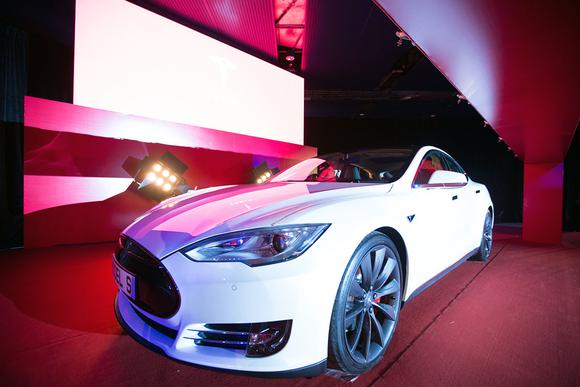
    U.S. electric vehicle (EV) maker Tesla Inc said on Friday it would price its China-made Model 3 vehicles from 328,000 yuan ($47,529), 13% cheaper than those it currently imports as it pushes sales in the fast-growing market.

    The carmaker has been building a factory in China since January where its initial output will be Model 3 cars. Pre-orders for the vehicles will also start on Friday, the company said on its website.

    The “standard range plus Model 3” is 49,000 yuan cheaper than China’s current cheapest version, also standard range plus, even though it remains unclear whether the carmaker will qualify for China’s subsidies for new energy vehicles.

    The starting prices for five different versions of China-made Model 3s range from 328,000 to 522,000 yuan. Customers can expect to receive the car in 6-10 months, the company said in a press release.

    It also said buyers will only need to put down a deposit of 20,000 yuan and that financing options on offer meant that monthly payment installments will start from 1,100 yuan.

    “The price drop is to make Tesla more accessible,” it said.

    The higher-end version of the Model 3 will still be imported from the United States.

    Investors are focused on whether the gross profit margin on the Model 3 will remain around 20% in China.

    Doubts about the Model 3’s production rate and sales performance have hit Tesla’s share price in recent months.

    Producing cars locally is likely to help Tesla minimize the impact of Sino-U.S. tit-for-tat import tariffs, which has forced the EV maker to adjust the prices of its U.S.-made cars in China.

    Keeping prices in check will also help Tesla fend off competition from a swathe of domestic EV startups such as Nio Inc, Weltmeister and XPeng Motors, as well as established carmakers including Volkswagen AG and General Motors Co.

    Tesla’s so-called Gigafactory is China’s first wholly foreign-owned car plant and is seen as a reflection of the country’s broader shift to open up its car market.

    Pictures of the Shanghai plant posted on Tesla’s social-media account showed the construction of its main section was nearly done. The company also held a recruitment event this week for car manufacturing and logistics workers.

    Tesla forecast its deliveries in 2019 would reach 360,000 to 400,000 vehicles and said it may produce as many as 500,000 vehicles if its China factory reaches volume production in the fourth quarter.

  • BMW 1 Series Breaks Cover

    BMW 1 Series Breaks Cover

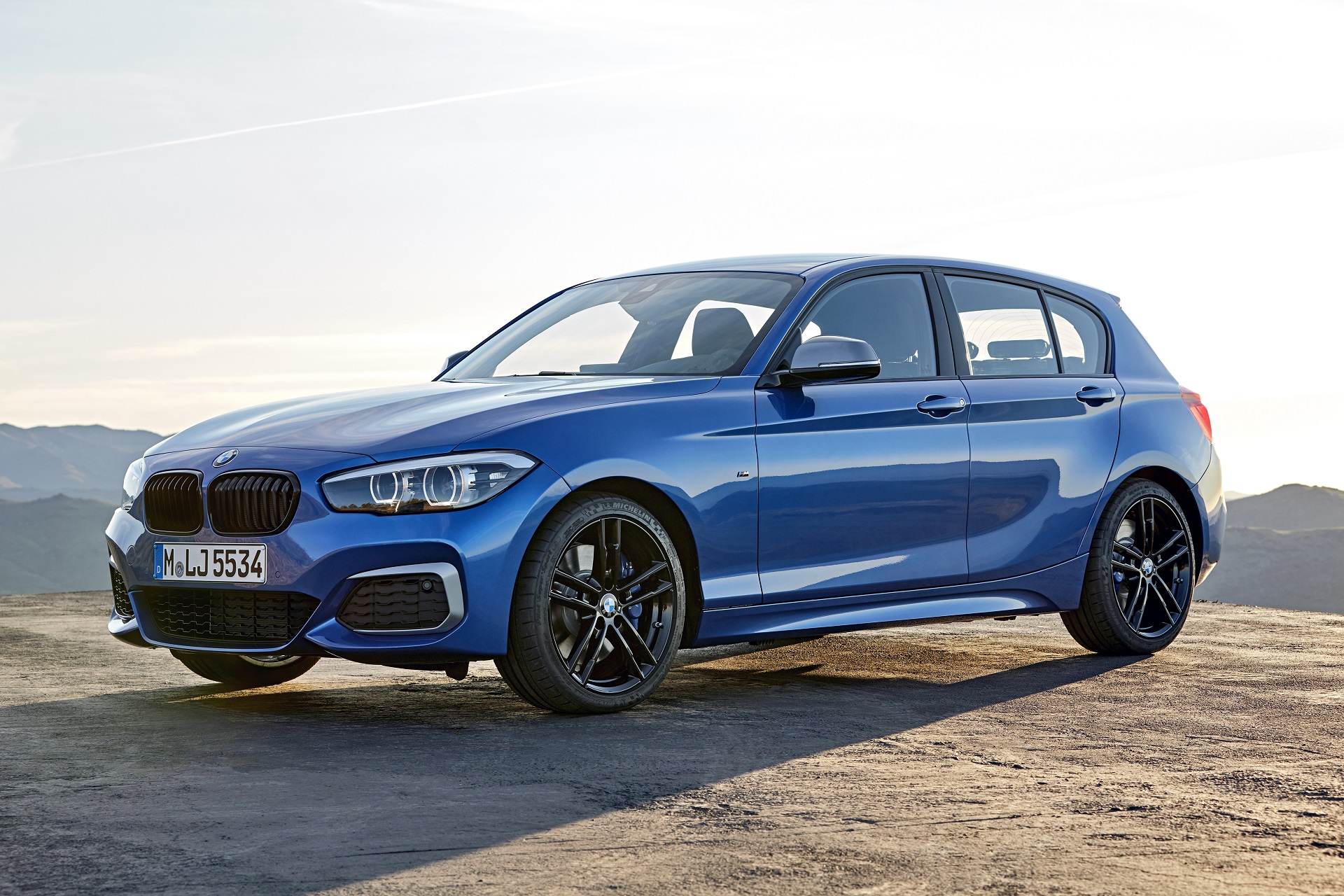
    The BMW 1 Series has been one of the most fun to drive hatchbacks over the previous generations and the automaker has now released the all-new generation of the model. The 2020 BMW 1 Series is quite literally all-new, having been built from the ground up and shares little details with its predecessor. The biggest change by far comes with the front-wheel-drive (FWD) set-up on the third generation that replaces the rear-wheel-drive architecture, which made it such a hoot to drive in the first place. The new 1 Series also comes with All-Wheel Drive (AWD) on the top trims. As a result, the new BMW 1 joins the automaker’s smaller set of FWD cars including the X1, 2 Series and the 1 Series sedan.

    The third generation BMW 1 Series is based on a completely new platform and the design language is also all-new and must we say more proportionate too over the older version. Most prominent are the larger kidney grilles up front that mimic the newer Beamer models, while the bonnet length is long yet in-line with the rest of the body. The headlamps are smartly designed bringing a fresh look and can be had with adaptive full-LEDs that are available as optional. At the sides, the flat beltline on the 1 Series is now slightly raked and the Hofmeister kink gets a subtle update. The rear sports a more athletic appearance with the sharply styled bumper, raked windscreen, and roof spoiler, while the massive wraparound LED taillights to look bold. A first on the new 1er will be the addition of a panoramic sunroof while wheel sizes will range between 16-inch and 19-inch depending on the variant you choose.

    With respect to dimensions, the 2020 1er is 5 mm shorter at 4319 mm (170 inches), whereas the width has increased by 34 mm at 1799 mm. The height is up by 13 mm to 1434 mm, with the wheelbase now shorter by 20 mm and sits at 2670 mm. Nevertheless, the FWD set-up has helped liberate more room in the cabin. You get 33 mm of additional knee room at the rear along with 19 mm of extra headroom and 13 mm of elbow room. The luxury hatchback can also take up more luggage than its predecessor with a cargo capacity of 380 liters, which can be expanded to 1200 liters with the rear seats folded. The automaker says the boot is also wider than before that makes it easy to load and unload luggage, while the tailgate is now electric.

    Inside, the 2020 BMW 1 Series replicates the familiar design language from the larger Beamer models. The car comes with an 8.8-inch touchscreen infotainment system with gesture control and Apple CarPlay compatibility. The instrument console is fully digital and gets a 10.25-inch screen that displays all the necessary information.

    Under the hood, the third generation BMW 1 Series will get two petrol and three diesel engines. The most powerful version will be the M135i xDrive with the 2.0-litre four-cylinder turbocharged motor tuned for 301 bhp and 450 Nm of peak torque. The range-topping model can sprint from 0-100 kmph in 4.8 seconds and has an electronically limited top speed of 250 kmph. An optional M performance package will further shave a tenth of a second on the hatchback. Other engines will range between three- and four-cylinder versions churning out as low as 115 bhp. All units will come paired with a 7-speed dual-clutch or 8-speed Steptronic automatic transmission. There’s a 6-speed manual available as well.

    The new 1 will also come with a host of electronic aids including Lane Departure Warning with active lane return, Active Cruise Control, Lane Change Warning system, rear collision warning and crossing traffic warning. The car also comes with Park Assist, while features like VDC (Variable Damper Control) and  ARB (actuator contiguous wheel slip limitation) technology, further improve the car’s handling capabilities. Customers can also opt for the BMW Digital Key and the BMW Intelligent Personal Assistant on the new 1 Series.

    The all-new BMW 1Series will make its debut in Munich from June 25 to 27 as part of the #NextGen event, while a public showcase has also been planned at Frankfurt in September this year. The previous version of the 1 Series was sold in India, but it’s unclear if the new one will actually make it here. Globally, the car will lock horns against the Mercedes-Benz A-Class, Audi A3 Sportback, Volkswagen Golf and the likes

  • Skoda Superb To Launch In India By Mid-2020

    Skoda Superb To Launch In India By Mid-2020

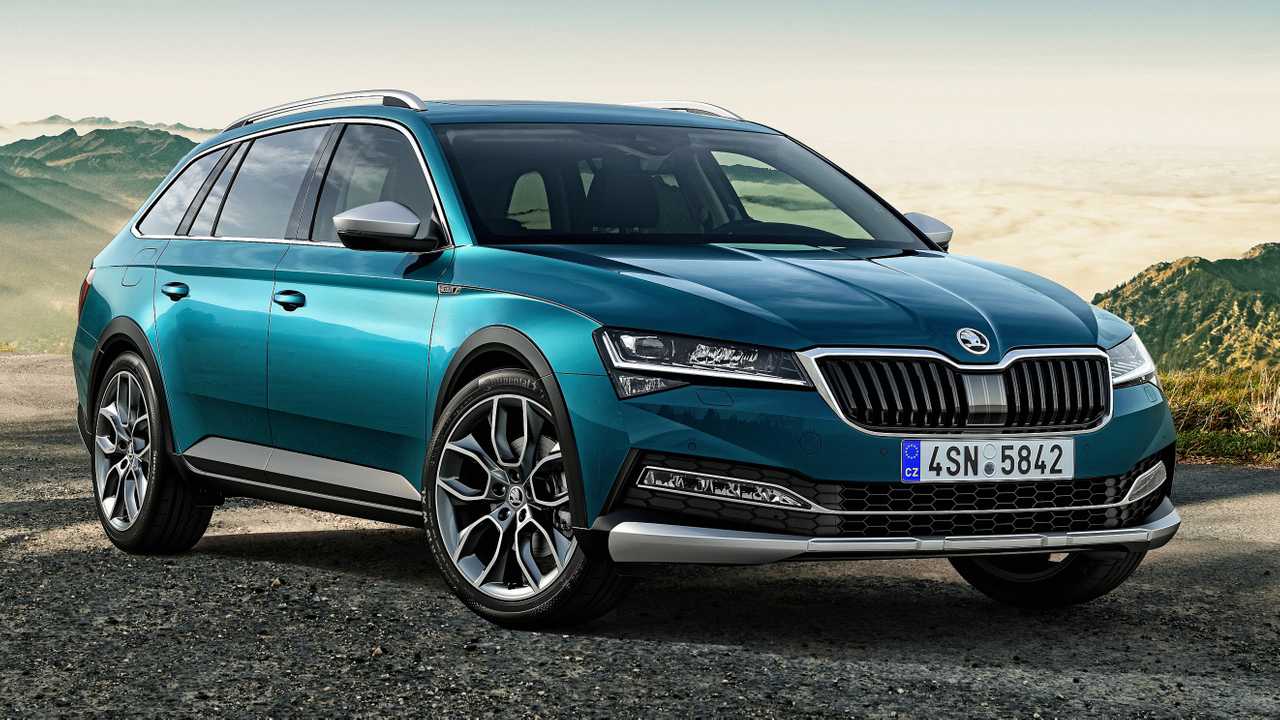
    It’s been just days since Skoda unveiled the 2020 Superb facelift and the company has confirmed that it will arrive in India by mid-2020. The 2020 Skoda Superb facelift is expected to launch in the second quarter of the next calendar year and the Czech carmaker is also evaluating the prospects of bringing in the plug-in hybrid variant for the Indian market. Yes! The Superb is also getting a plug-in-hybrid variant this time around.

    The plug-in-hybrid variant uses the 1.4-Litre TSI petrol engine which we have seen in the Audi A4 and it will be coupled with an electric motor to churn out 215 bhp in the amalgamation. The all-electric range is up to 55 km and up to 850 km can be covered when combined with the petrol engine. The hybrid powertrain uses a lithium-ion high-voltage battery which is positioned in the chassis floor in front of the rear axle. Skoda offers the Superb with a range of engine and transmission options to choose from. However, the other two options which are likely to be on sale in India are the 2.0-liter diesel and petrol engines. All the three powertrains are expected to be mated to the seven-speed DSG gearbox and will be BS6 complaint since they will launch after the emission norms will kick in.

    In terms of design, the 2020 Skoda Superb remains largely similar to the current model, save for the tweaked bumpers. The new bumpers have marginally added to its length, by 8 mm to 4,869 mm. However, its other dimensions remain unchanged. That said, the new Superb will be offered with some updated fitments. It gets sleek all-LED headlights along with daytime running lights and new position lights which now are stacked closer to the grille. It also gets 18-inch and 19-inch alloy wheels and the colors Crystal Black and Race Blue have been added to the range of customization options.

    On the inside, there are new chrome highlights on the instrument panel and door trims and the seat covers on the Ambition and Style variants are new as well. The Virtual Cockpit is optional and buyers can choose from three different infotainment systems, two of which also offer a navigation function. In the global market, the SmartLink technology comes as standard for all of the systems and enables access to smartphone apps via the infotainment system’s display. A SIM card provides Internet access, a Wi-Fi hotspot and access to the Skoda Connect mobile online services. The L&K version is fitted with a Canton sound system as standard.

  • Ferrari Hybrid Supercar Teased

    Ferrari Hybrid Supercar Teased

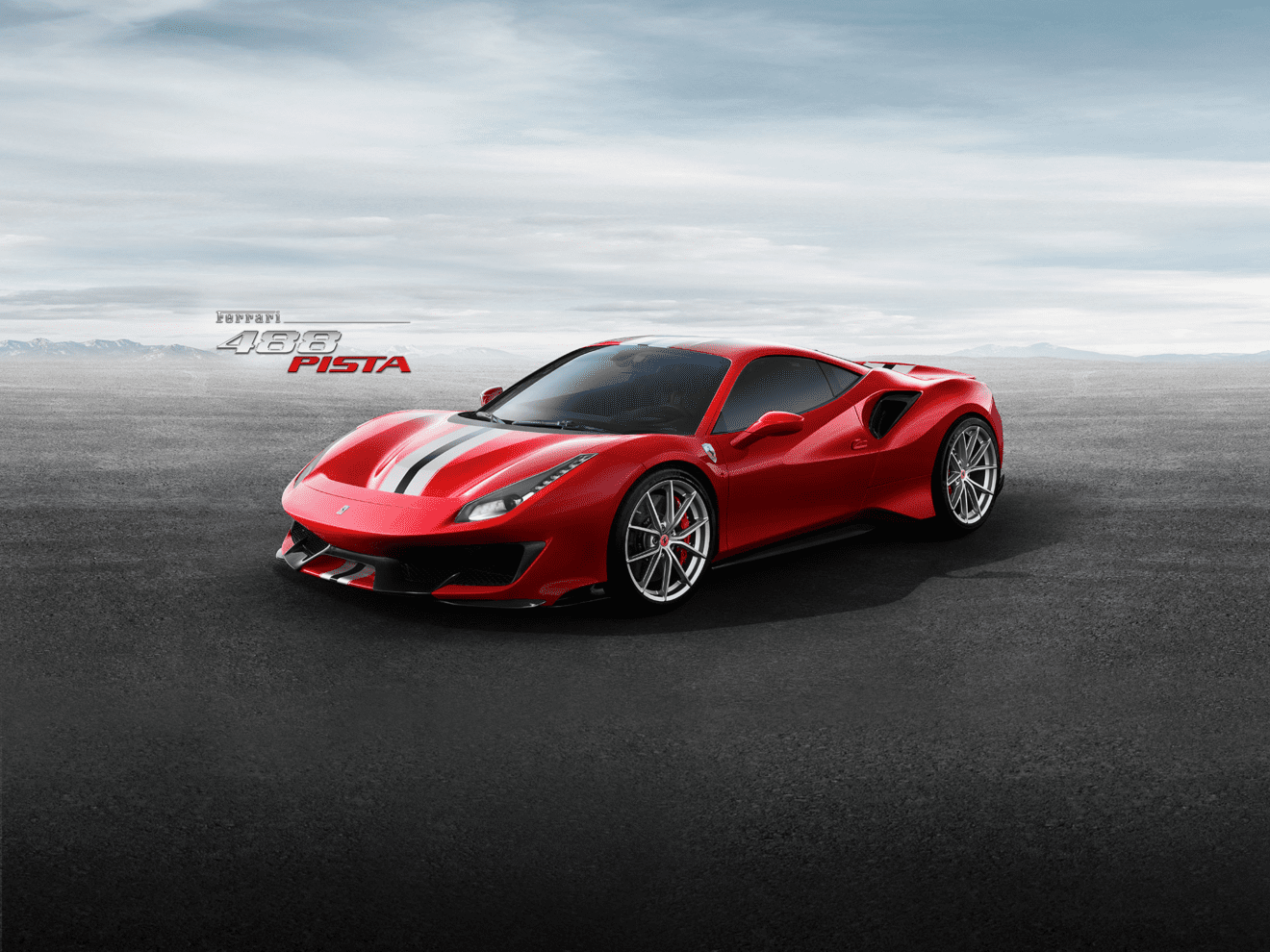
    Ferrari always gets our adrenaline pumping with its new models and this time it’s a new hybrid supercar. Just a day ahead of its unveil the Italian supercar maker took to Twitter to tease its upcoming model. Ferrari supercars have undergone significant powertrain upgrades in the last decade. The Ferrari 488 GTB was its first turbocharged model and this one will be the first hybrid supercar after the gorgeous La Ferrari hypercar and is expected to break cover on May 29.

    The silhouette of the car looks very similar to the track-focused Ferrari 488 Pista and F8 Tributo. However, in the teaser video it looks even more angular with a razor-sharp profile which makes it distinctive and different from other Ferraris. The angular headlamps look sleek and at the rear it gets the quad taillight setup. There is a massive diffuser underneath the dual-exhaust pipes, similar to what we have seen in the Tributo. Then there is also the integrated spoiler for drag efficiency.

    The new supercar is expected to launch with a 3.9-litre bi-turbo V8 motor which will be coupled with three electric motors. Two of them will be mounted on the front axle while the third one will be integrated into the gearbox to optimize the shifts. It will be offered with an all-wheel-drive setup and the powertrain in combination is expected to put out a whopping maximum output of 972 bhp which will help it clocking triple-digit speed in less than 2.0 seconds.

  • Nissan’s Position In Alliance Might Be Weakened

    Nissan’s Position In Alliance Might Be Weakened

    Nissan found out about Renault’s merger talks with Fiat Chrysler just days before they became public, four sources told Reuters, stoking fears at the Japanese carmaker that a deal could further weaken its position in a 20-year alliance with Renault. Nissan Motor Co Chief Executive Hiroto Saikawa likely first caught wind of the merger plan through his own chief operating officer, Yasuhiro Yamauchi, who also serves on Renault’s board, one of the sources said, speaking on condition of anonymity due to the sensitivity of the matter.

    Saikawa’s actual notification from Renault most likely came a day ahead of a report over the weekend that the French company was in tie-up talks with Italian-American rival Fiat Chrysler Automobiles (FCA), the source said.

    The plan, which would create the world’s third-largest automaker, raises difficult questions about how Nissan would fit into a radically changed alliance. Renault Chairman Jean-Dominique Senard arrived in Japan on Tuesday to discuss the proposed tie-up – and presumably to try to smooth over ties.

    But the deal poses an additional challenge for Saikawa, already grappling with poor financial performance and an uneasy relationship with Renault after Nissan led the ousting last year of long-standing alliance chairman Carlos Ghosn.

    “All this put Saikawa under massive pressure,” a second source said, referring to the fact that negotiations caught the CEO and senior management off guard.

    Renault, which owns a 43.4% stake in Nissan, had previously angled for a merger with Nissan, but Saikawa has long opposed a full integration. New vehicle and powertrain platforms developed by FCA-Renault could also pose a dilemma to Nissan, challenging its jealously guarded independence in some areas of engineering, research and development.

    Nissan could find itself forced to choose between technology developed elsewhere or going it alone – between scale without autonomy and autonomy without scale, a source close to the Renault board said.

    FCA has said a deal would embrace Nissan and another alliance member, Mitsubishi Motors, as “valued and respected partners”. “I have huge respect for Nissan and Mitsubishi, and their products and businesses,” FCA Chairman John Elkann told the Nikkei. Still, there is awareness of friction between Renault and Nissan, which is perhaps why the Japanese company was not involved in talks at an earlier stage.

    “The relationship between Renault and its Japanese partners is not as constructive as probably anybody wishes,” said a source familiar with the FCA-Renault talks. “The FCA view is that Nissan has a lot on its plate … So the time is not right to consider anything other than enhanced cooperation.”

    The French government, which owns shares in Renault, said on Tuesday it wanted Nissan to be on board with the deal. But there have long been tensions between Paris and Tokyo over the imbalance of power in the carmaking alliance, with Nissan holding only a 15% non-voting stake in Renault.

    The Japanese automaker’s clear advantage is in its technology, including vehicles that meet China’s tougher emissions regulations. Renault and FCA, therefore, would need Nissan to help them meet increasingly tough fuel economy, emissions and electric vehicle (EV) quotas around the world.

    An FCA-Renault tie-up would also raise questions about how to extract synergies in some markets where Nissan and FCA compete, such as in North American trucks and SUVs.

    The Japanese firm’s line-up of Nissan and Infiniti brand SUVs competes with FCA’s Jeep models such as the Cherokee. Nissan’s Titan pickup is also competitor, albeit a weak one, to FCA’s Ram pickup line.

    The fact Renault is prepared to consider creating such challenges may be a sign of its frustration with Nissan’s reluctance over a full merger. “It sends a strong signal that Renault does not necessarily have to tie its fate to Nissan,” said Chris Richter, senior research analyst at brokerage CLSA, about the proposed FCA-Renault tie-up.

    Saikawa told reporters on Tuesday that “strengthening the alliance and constructive discussions are forward-looking, and we are open to constructive discussions,” according to Japanese broadcasters. But unless Nissan can regain the initiative, it risks being marginalized even more. “If the Renault-Fiat merger happens and the status quo continues at Nissan-Renault, Nissan’s position and influence within the alliance will fall behind Fiat,” said Takeshi Miyao, managing director of consultancy Carnorama.

    Bernstein analyst Max Warburton said there were theoretically stronger synergies for Renault with FCA than with Nissan, and a better cultural fit too. “It may be inevitable that Renault eventually exits Nissan,” he said, adding the French company’s stake in its Japanese partner was currently worth about 11 billion euros – “plenty of capital to spend on EVs and new technology.”
  • Hyundai Venue Bookings Cross 20,000 Mark

    Hyundai Venue Bookings Cross 20,000 Mark

    Hyundai launched the Venue subcompact SUV in India last week and back then the company had said that it received 15,000 bookings for the car. A week later that number has gone up to more than 20,000. The customers certainly seem to have taken a liking to the subcompact SUV but we wait to see what the sales numbers say a month later. The Venue is Hyundai’s first subcompact SUV in the country and the reception it’s getting post the launch of the car is something that was expected.

    The subcompact SUV segment has been growing at a fast pace and there are already a number of players in the segment right from the Maruti Suzuki Vitara Brezza, to the Tata Nexon, Mahindra XUV300 and even the Ford EcoSport. The Venue then is late to the party but it brings a lot to the table. It, in fact, is India’s first connected car and yes gets a load of features.

    The Hyundai Venue traces its roots to the Carlino concept showcased at the Auto Expo in 2016. The production-spec version finds its design language inspired from the newer Hyundai models with the massive cascading grille up front, split headlamps with projector lens and squared LED DRLs, tall stance and stubby boot design. The Venue looks small yet butch and there is a resemblance to the Creta too at the sides. The sub-4-meter SUV comes with faux cladding on the bumpers and the sides for the brawny appeal, even as the SUV is urban in its appearance riding on 17-inch diamond cut alloy wheels. The Venue is offered in four variants, seven monotone colors and three dual-tone color options.

    The Hyundai Venue draws power from two petrol and one diesel engine options. The 1.0-liter, three-cylinder turbocharged petrol motor churns out 118 bhp and 172 Nm of peak torque and is mated to a dual-clutch transmission while a six-speed manual is also on offer. There’s also the 1.2-liter, four-cylinder naturally aspirated petrol mill belting out 82 bhp and 114 Nm of peak torque, which is paired with only a 5-speed manual transmission. Lastly, the 1.4-liter, four-cylinder, turbocharged diesel produces 89 bhp and 220 Nm of peak torque and is mated to a 6-speed manual gearbox. A diesel automatic is not on offer.

    With respect to features, the Hyundai Venue is loaded to the gills and gets a host of equipment including an electric sunroof, 8-inch touchscreen infotainment system with Apple CarPlay and Android Auto, automatic climate control with rear AC vents, Arkamys sound system, air purifier, wireless charging and wheel air curtains.

  • MV Agusta Superveloce Will Be Launched Globally In 2020

    MV Agusta Superveloce Will Be Launched Globally In 2020

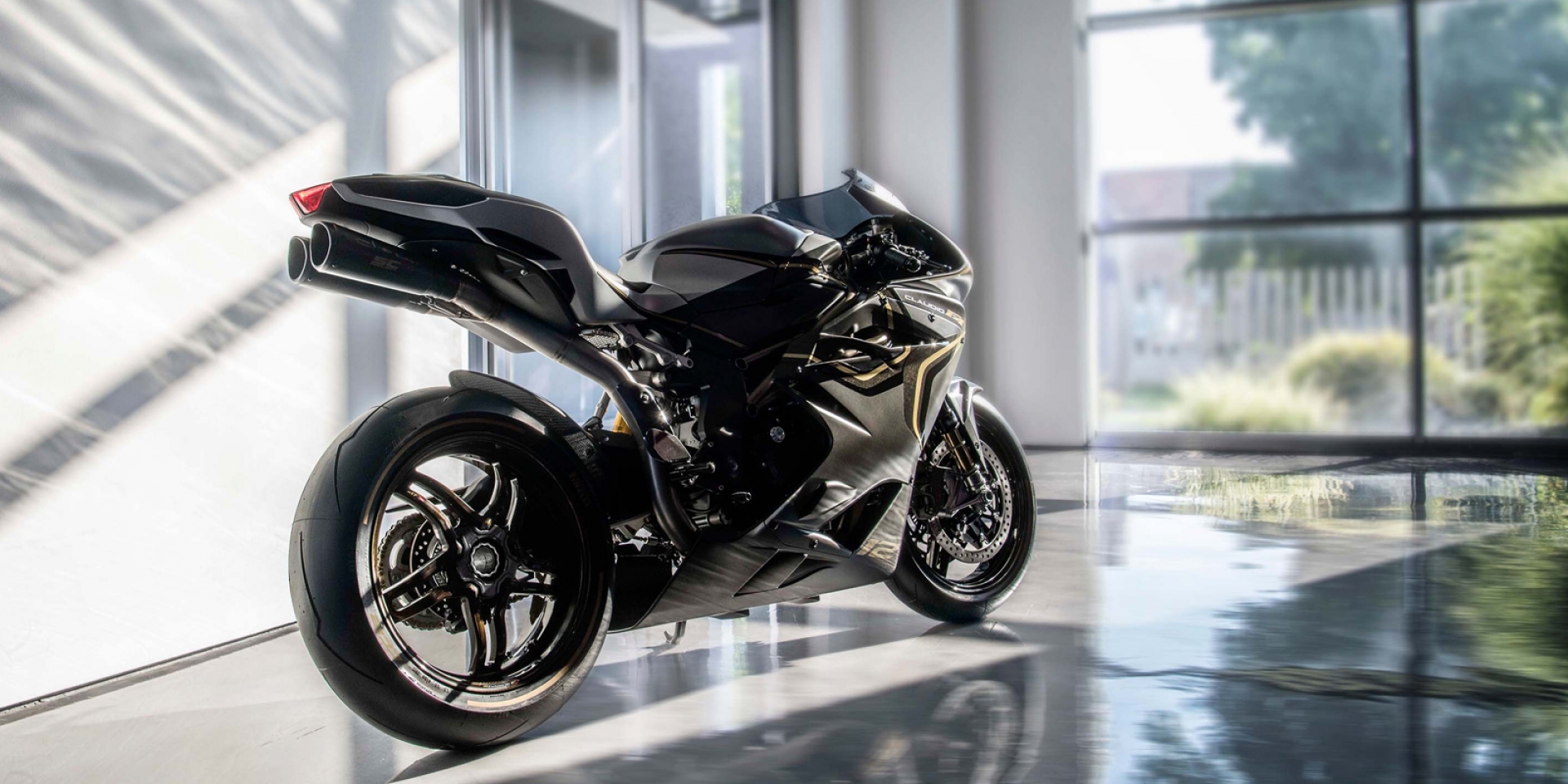
    Italian motorcycle manufacturer, MV Agusta, has announced that the very sexy Superveloce, which we saw at the 2018 EICMA Motorcycle show, will not only go into production but will also be launched internationally next year. The Superveloce is based on the F3 and is a tribute to the company’s glory years in the 1970s when they were big players in the Moto GP. The front end has been completely redesigned with new fairings and a retro circular headlamp. Moreover, the headlamp cover and the windscreen are tinted yellow, harking back to the ’70s. The concept model used a lot of carbon fiber and we believe that the final production model will have at least a few carbon fiber bits as well. There will be a full-color TFT screen on offer too. The lightweight and minimalistic tail fairing rest on a new sub-frame, which transforms the bike from a single seat to a dual seat version if need be.

    It will have the same 798 cc, 3-cylinder engine which will pump out close to 148 bhp and 88 Nm and will be paired to a 6-speed gearbox. However, folks at MV Agusta say that the engine will be completely re-mapped and will have a torquier mid-range with a lot more to play with at the top end. The bike will get a new airbox along with an asymmetrical 3-into-1-into-3 exhaust which means there will be two exhaust tips on the right and one on the left.

    This has been inspired the GP racing bikes of the 1970s. Expect these to pump up the power output as well. The company hasn’t released the exact specifications of the bike yet. We might see the production version of the Superveloce 800 at this year’s EICMA Motorcycle Show.