Category: Automotive

Retail News Asia is committed to providing both local and global retailers with the latest Auto and Car news throughout the Asian market. This on a daily base.

  • Harley-Davidson To Enter 250-500 cc Motorcycle Segment In 2020

    Harley-Davidson To Enter 250-500 cc Motorcycle Segment In 2020

    American motorcycle maker, Harley-Davidson has an expansive plan to enter newer segments in the years to come, one of which will be the entry-level 250-500 cc space that will arrive as early as next year. While the manufacturer has already shared plans of an adventure motorcycle, electric bike and other offerings, the latest development confirms that the company is also eyeing the entry-level premium motorcycle segment, which will give it a boost in emerging markets across the globe. The announcement comes Harley’s President & CEO – Matt Levatich, who confirmed the development as part of the “More Roads to Harley-Davidson” growth plan. The new small capacity motorcycles will cater to several high emerging growth markets including India.

    Speaking at the recently held earnings call, Matt Levatich said, “More Roads progress in Q1 included steps towards a partnership for a premium small displacement offering in Asia, to expand our reach in that region. We are just over a year away from launching our first model that will help provide access to millions of customers in emerging markets in the region.”

    It was a bold move when Harley-Davidson introduced the Street 750 and Street 500 globally as its most affordable offerings in 2013. The entry-level cruisers gave the manufacturer better presence in several emerging markets where the aspirational brand was now reachable. With the 250-500 cc segment, Harley will be taking on a number of players most important of which is Royal Enfield that currently rules this space in India.

    Globally too, the Chennai-based bike maker has been expanding its presence and has been vocal of its plans to lead the middleweight motorcycle segment. The new Interceptor 650 and the Continental GT 650 come close to the Harley Street range in pricing and displacement. In addition, there are also the offerings that will be spawned under the Triumph-Bajaj partnership which reportedly includes a small capacity Street Twin. BMW, KTM, Yamaha, and Honda are already present in this space.

    Smaller capacity offerings then certainly will be an exciting space in the years to come and offer a big room for Harley-Davidson to grow. The company’s smallest motorcycle globally is the Street 500, and the new 250-300 cc motorcycle could be a smaller Street badged bike. Expect to see Harley’s trademark V-Twin layout for the motor that will be Euro 5/BS6 compliant, with the motor high on torque. Expect it to look like the quintessential Harley in design, which is a big part of the sell for the buyer.

    Speaking of which, the smaller-capacity Harleys will be targeted at young buyers looking to establish a connection with the iconic brand, without spending too much money. It will also help the brand build volumes globally, which means standardized production for better economies of scale. More details on the new Harley will be available in the coming months and we do hope to hear something official at the Intermot or EICMA motorcycle shows later in the year.
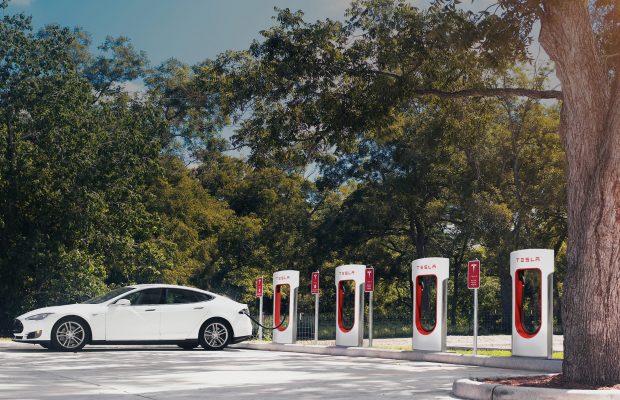
  • Tesla Reduces Prices On Model S and X Amid Stock Slump

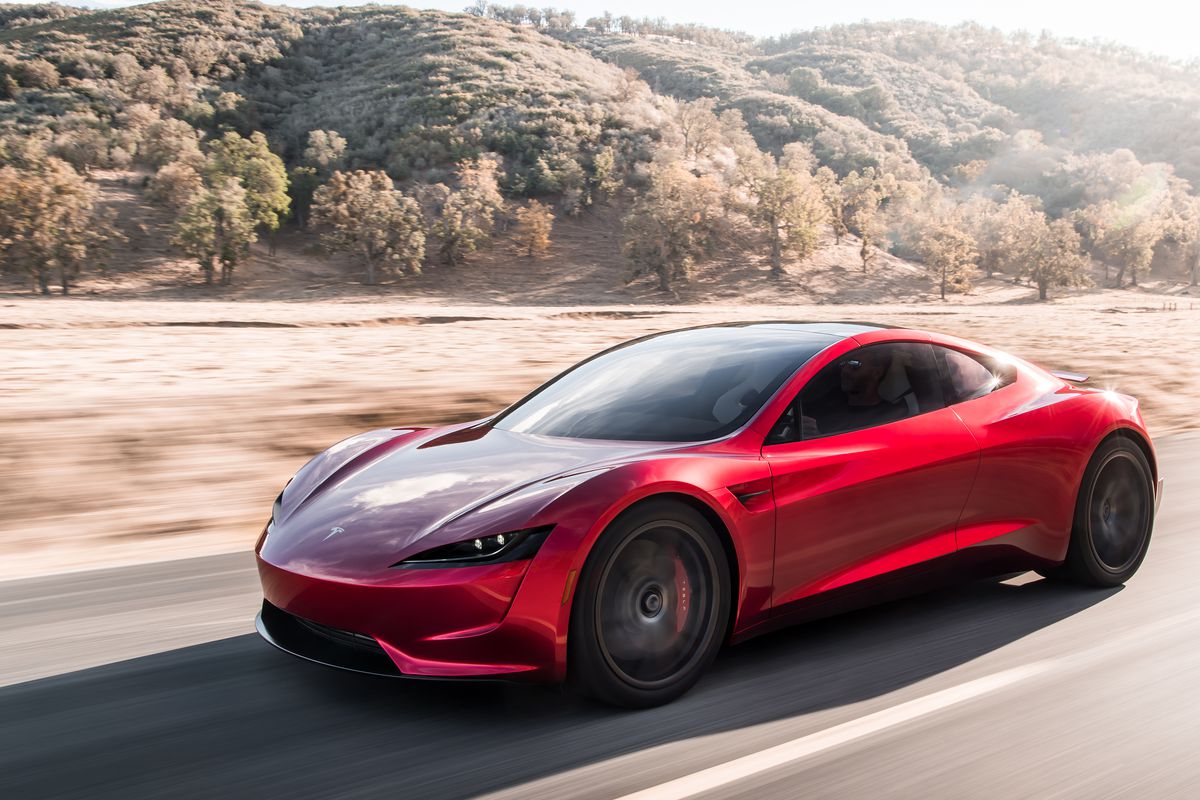
    Tesla Reduces Prices On Model S and X Amid Stock Slump

    Faced with a slumping stock price and questions about demand for its vehicles, Tesla has lowered the U.S. base prices of its two most expensive models. The company on Monday cut $3,000 from the price of the Model S sedan and $2,000 from the Model X SUV. Tesla said in a statement that it periodically adjusts prices and available options like other car companies. The decreases offset price increases from a month ago when Tesla offered longer battery range and added a new drive system and suspension. The statement didn’t say if slowing sales influenced the decision.

    The Model S now starts at $71,250 while the X starts at $71,950. Both prices don’t include federal and state tax credits.

    The moves come as Tesla’s stock is under pressure and has at times dropped below $200 per share. Several analysts have questioned whether the company can sell enough cars to cover its expenses without dipping into cash reserves.

    Shares traded Tuesday afternoon at $205.62, up slightly from Monday’s closing price. They are down more than 38 percent so far this year, cutting the company’s market value more than $20 billion to $36.5 billion. On Monday the shares hit their lowest point since late 2016.

    Tesla said in a statement that the reductions are about 2% to 3% on the S and X. The company last week raised the price of its top-selling Model 3 by $400, pushing the base price to $35,400. “By any reasonable standard, these small changes are not newsworthy,” the company said in a statement.

    On Monday Wedbush analyst Daniel Ives wrote in a client note that he has concerns about Tesla’s growth prospects and underlying demand for the Model 3 during the coming quarters.

    Ives called Tesla a “code red” situation. “We have continued concerns around Tesla’s ability to balance this ‘perfect storm’ of softer demand and profitability concerns, which will weigh on shares until Musk & Co. prove otherwise in terms of delivering solid results over the coming quarters,” Ives wrote, referring to CEO Elon Musk.

    Palo Alto, California-based Tesla said last month it lost $702.1 million in the first quarter, among its worst quarters in two years. Sales tumbled 31% in the period. Musk predicted another loss in the second quarter but said Tesla would be profitable again by the third quarter.

    In January, the automaker cut its prices by $2,000 per vehicle, acknowledging that the pending expiration of a $7,500 federal tax credit for its electric cars will hurt sales. The credit is gradually being phased out for Tesla by the end of the year.

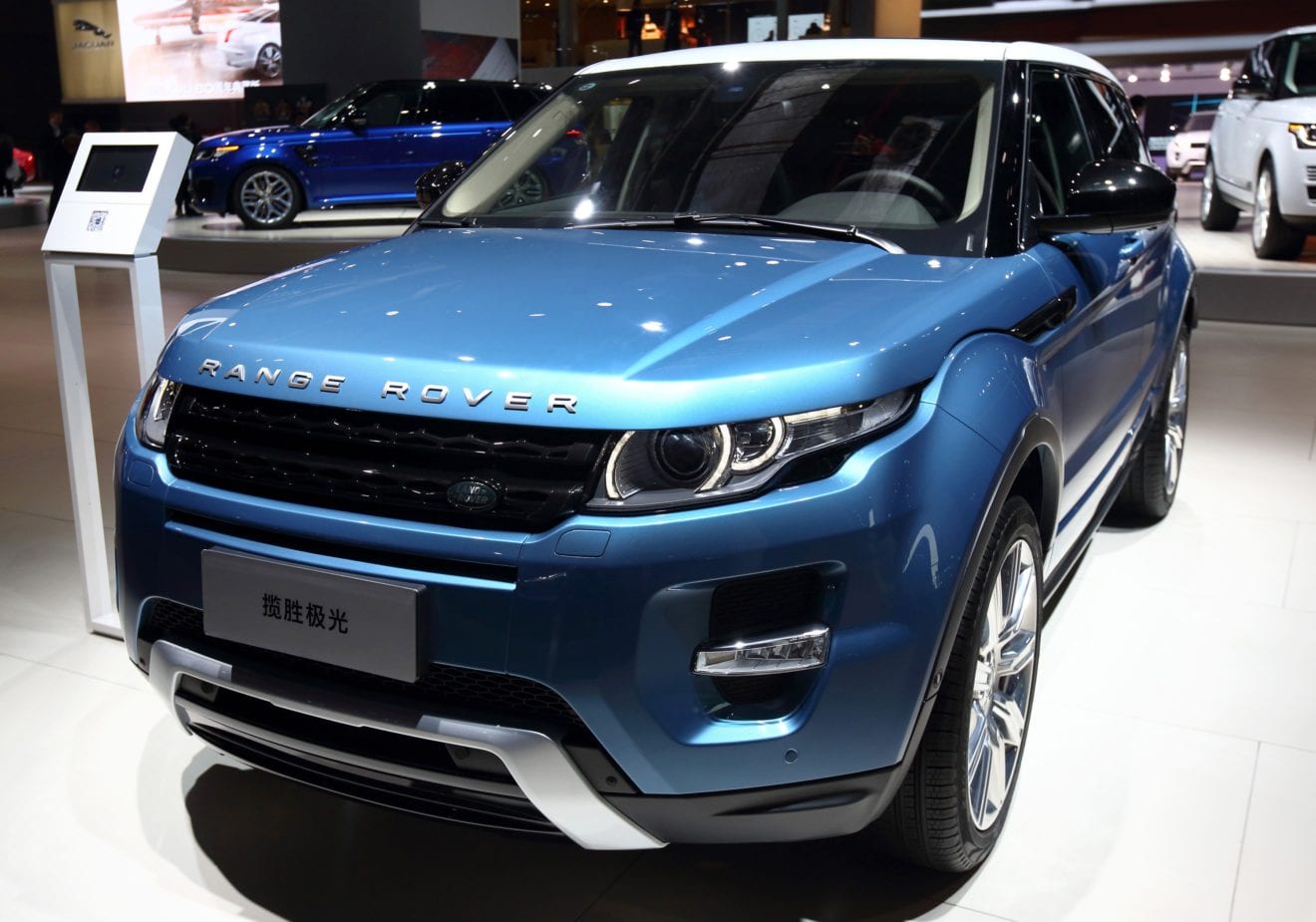
  • Land Rover Discovery 2020 Sport Details Out

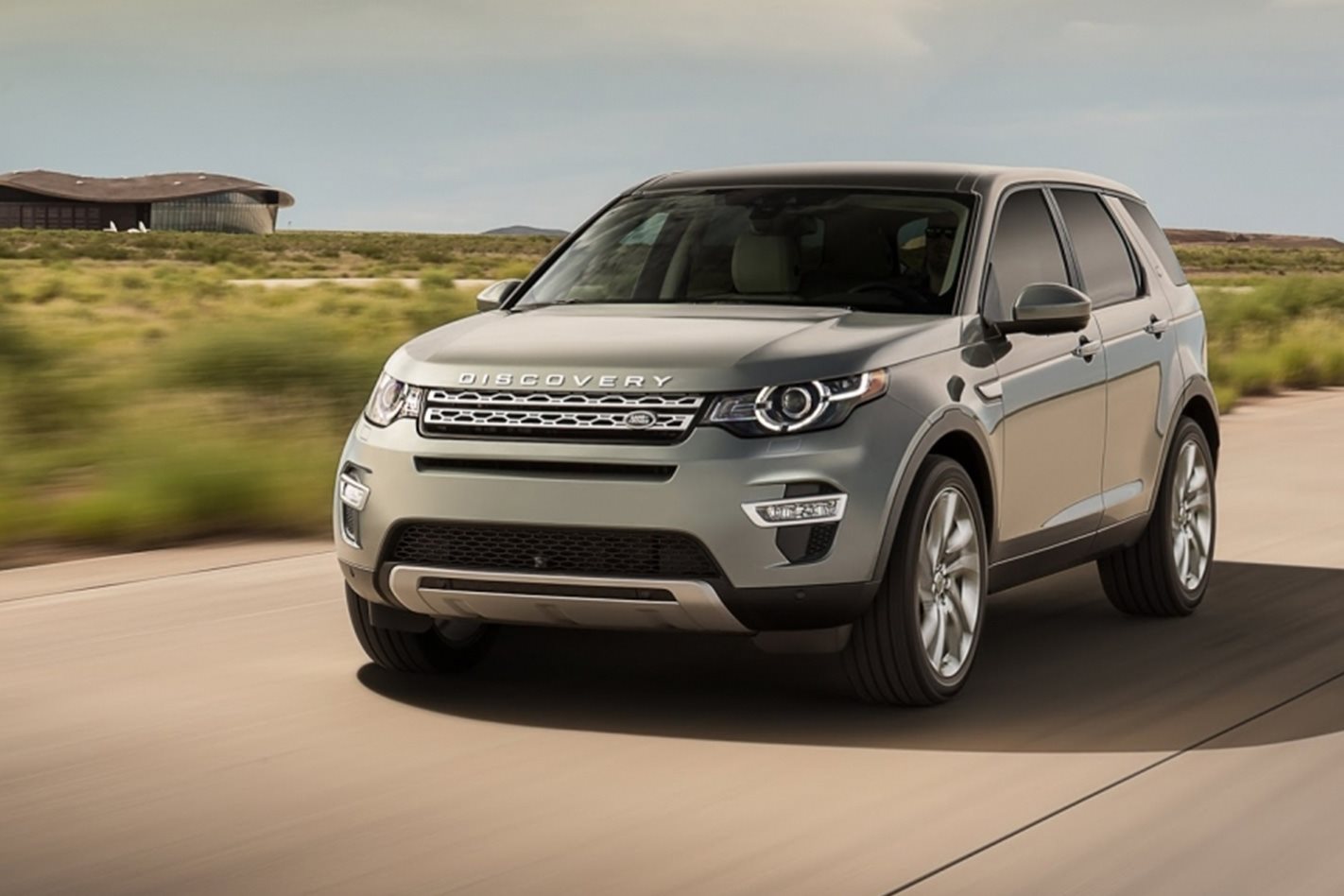
    Land Rover Discovery 2020 Sport Details Out

    Jaguar Land Rover has introduced the 2020 Discovery Sport compact premium SUV and it will be launched in the international markets later this year. According to the company, the new 2020 Discovery Sport strikes a balance between a bold evolution of the original design and the familiarity that comes with no-compromise capability. The trademark design, including the clamshell hood, rising beltline and tapered roof are still very much part of the SUV, but there is an evolution to the design and it certainly looks bolder than before. It gets new front and rear bumpers, grille design and LED lights, which makes it look both sporty and sophisticated.

    Built on the new Land Rover Premium Transverse Architecture (PTA), the 2020 Discovery Sport provides greater versatility and refinement with a new body that is 13 percent stiffer than its predecessor and, together with rigidly-mounted subframes, and the company says that it is now quieter thanks to reduced noise and vibration intrusion into the cabin.

    Inside, the spacious 5+2 interior has been transformed with a completely new infotainment interface and the latest connectivity, plus a more flexible seating arrangement with up to 24 combinations. A new powertrain lineup for 2020 now includes the electrified option of a 48-volt 296 horses developing mild-hybrid (MHEV) engine. The hybrid system uses an engine-mounted belt-integrated starter generator to harvest energy normally lost during deceleration and stores it in an under-floor battery. At speeds below 18 kmph, the engine is designed to shut off when the driver applies the brakes. When pulling away, the stored energy is redeployed to assist the engine under acceleration.

    Gerry McGovern, Land Rover Chief Design Officer said, “Building on the success of the original Discovery Sport, this beautifully proportioned vehicle has been refined, enhancing its characterful exterior which compliments the engaging nature of the interior space,”

    Customers can choose from 12 premium exterior paint colors and the option of a black contrast roof. All S, SE and HSE models feature silver atlas detailing on the grille, tailgate finisher, and badging scripts, while purposeful R-Dynamic vehicles feature Shadow Atlas exterior accents, contrast stitching on the steering wheel and branded treadplates inside.

    The 2020 Discovery Sport comes with the TouchPro  infotainment system as standard, while there’s wireless charging available up front

    The new center console and introduction of more premium materials throughout adds a bit of refinement. There’s a three-spoke multifunction steering wheel with capacitive switches, an easy-to-read instrument cluster and a 10-inch Touch Pro infotainment system, all of which are now standard.

    New seats across each of the three rows provide improved comfort and versatility, thanks to the second row 40:20:40 split fold and slide functionality, boosting the possible number of seat combinations to 246. Massage functionality is now also offered for the first time on Discovery Sport in the front row providing improved comfort.

    The 2020 Discovery Sport now gets new cup holders and repositioned storage spaces for third-row passengers, while USB and 12-volt charge points (in total, six and three, respectively) are located throughout the cabin. Front row occupants get to use wireless charging for compatible devices. There’s also a 4G Wi-Fi hotspot, an advanced and responsive Land Rover InControl Touch Pro infotainment, fitted standard, which is also available with Apple CarPlay and Android Auto.

    Alongside a new key fob design, owners can add a powered tailgate and the Land Rover Activity Key – all intended to streamline the customer experience. These are available with a series of accessory packs that offer added functionality to the vehicle practicality, connectivity, driver assistance and parking. All-new optional Pet Pack accessories are designed to improve the Discovery Sport experience for owners and pets, alike.

    A new smart rearview mirror, first debuted on the new Range Rover Evoque, called ‘ClearSight Rear View’ is also available on the Discovery Sport for the first time; transforming the rearview mirror into an HD video screen at the touch of a button to display a rear-facing camera feed onto the mirror ensuring the driver’s view remains unrestricted by passengers or large items in the back. The new system also provides a wider 50-degree field of vision using a camera positioned above the rear window and delivers clearer visibility in low light conditions. Another new technology called ‘ClearSight Ground View’ has also been introduced to help drivers navigate high city curbs or tackle rough terrain by projecting camera imagery that offers a virtual 180-degree view beneath the vehicle onto the central touchscreen. This is the realization of ‘Transparent Bonnet’ technology, first previewed by Land Rover in 2014.

    A suite of advanced driver assistance systems is offered across all models, including Adaptive Cruise Control with Steering Assist, which centers the vehicle in the lane based on road markings as well as maintains a following distance from the vehicle in front. Other available advanced driver assistance technologies include Lane Keep Assist, Autonomous Emergency Braking and Driver Condition Monitor.

    Of course, the company will launch the car in India but it won’t be this year. Land Rover will look at the second half of 2020 to bring this car into the Indian market.

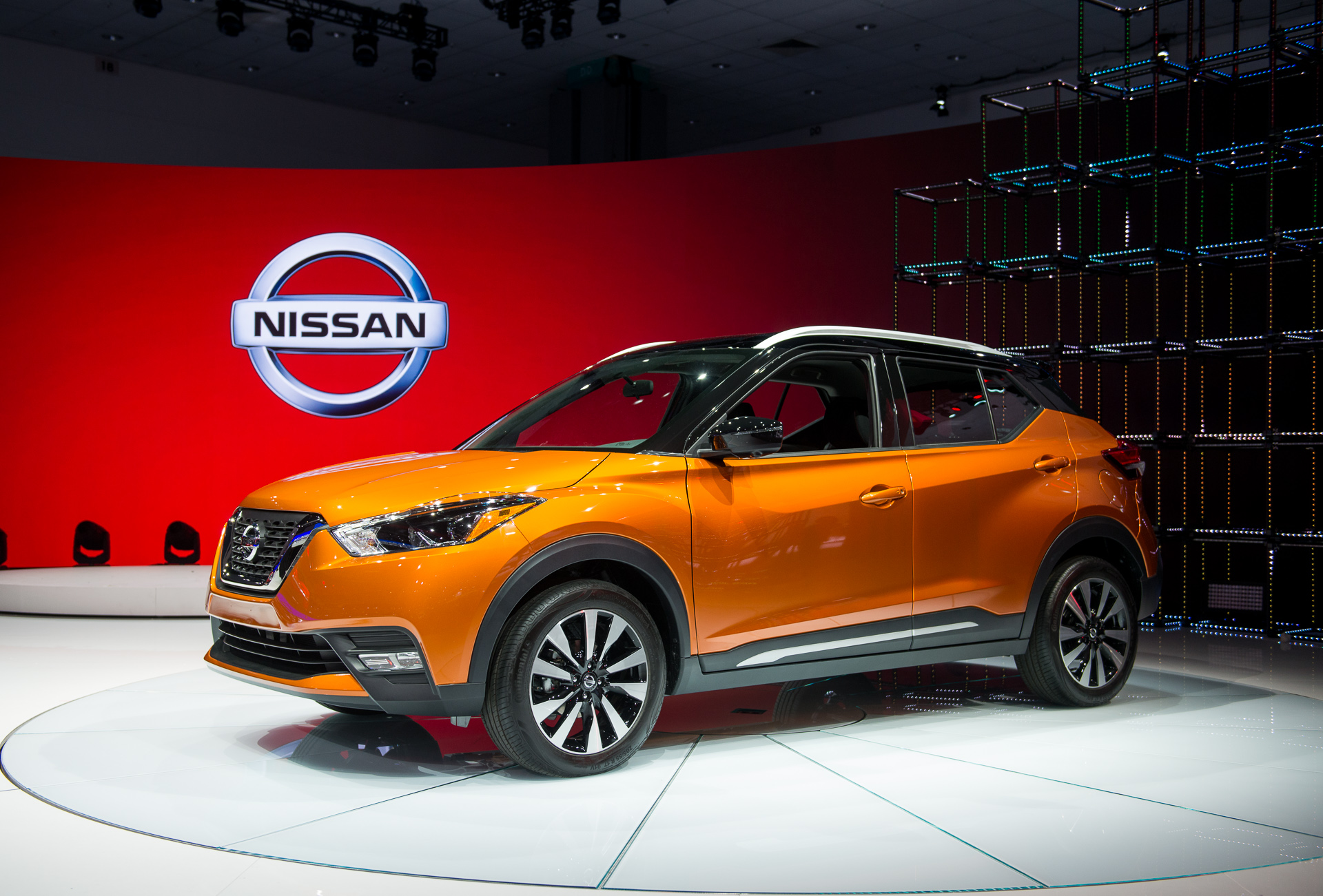
  • Nissan India Extends Service Support To Cyclone-Affected Customers In Odisha

    Nissan India Extends Service Support To Cyclone-Affected Customers In Odisha

    Cyclone Fani has been devastating for people in Odisha and several vehicles have gotten damaged as well. Carmakers are running special service program for their customers in Odisha. Nissan India has also stepped forward to extend support to its customers affected by cyclone Fani. The company has sent special emergency repair teams in Bhubaneshwar and Cuttack and additional trained manpower will be deployed from its dealerships to expedite repair turnaround time. Free towing service is also being offered to customers and repairs will be carried out under the guidance of Nissan technical experts.

    Speaking about the initiative, Atul Aggarwal, General Manager – After Sales, Nissan Motor India Pvt Ltd. said, “As a responsible corporate, we are taking required measures to ensure that our customers can safely travel in this critical time. With the support of our technical experts and dealers, we have ramped up our services to be there for our customers.”

    Nissan customers can call at the 24X7 Toll-free helpdesk number – 1800-209-3456 for any assistance related to their cyclone-affected Nissan and Datsun vehicles. Other carmakers like Maruti Suzuki, Hyundai, and Tata Motors among others have also taken special initiatives to provide easy service to cyclone-affected customers.

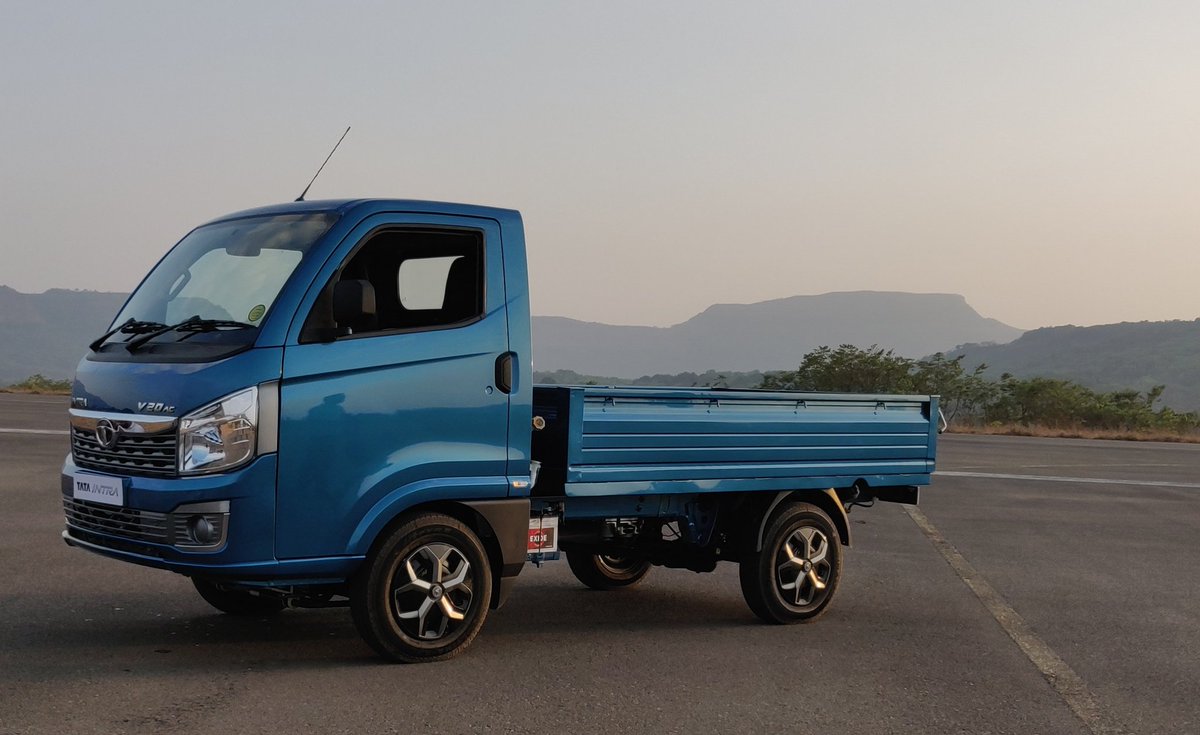
  • Tata Intra Compact Truck Launched

    Tata Intra Compact Truck Launched

    Tata Intra, the all-new small commercial vehicle (SCV) from Tata Motors today officially went on sale in India. The new compact trucks will be available in two variants – V10 and V20, priced at ₹ 5.35 lakh and  ₹ 5.85 lakh (ex-showroom India) respectively. The new Tata Intra compact truck is a premium offering and will be positioned in India above the company’s existing range of Ace mini trucks, which will also continue to be on sale. Compared to the Tata Ace, the new Intra SCV comes with a host of first-in-segment features to justify the premium price tag.

    Tata says that the new Intra is targeted towards customers who are looking for a commercial vehicle that can be both, a workhorse as well as a stylish and comfortable personal vehicle. Someone who is looking to upgrade from the Tata Ace. Thus, you’ll see that the new Tata Intra comes with a bunch of passenger car-like elements both outside as well as inside. The exterior bit includes – a large front grille with a chrome slat flanked by a set of nice-looking clear glass headlamps with halogen lights and integrated turn indicators. The Intra also gets a bold and busy-looking bumper with a wide central air dam and provision to install fog lamps. The new compact truck runs on a set of 14-inch steel wheels with the option of smart-looking dual tone wheel covers, which are truly good-looking and well-designed. The vehicle also gets large manually operable ORVMs and dual wipers, which in addition to these subtle character lines, add to the style quotient of the Intra.

    The Tata Intra also comes with a well-laid-out cabin, featuring a neat dashboard that comes with contrast bezels around the center console and air-con vents. Furthermore, because the gear lever is positioned on the dashboard, resulting in a flat walk-through-floor. Other features include a charging socket, lockable glovebox, a standard music system with Radio, AUX-IN and USB connectivity, and a fully digital instrument cluster, offering read-outs for speedometer, odometer, time, fuel gauge, and a segment-first gear shift indicator, or as Tata calls it Gear Shift Advisor (GSA).

    In terms of dimensions, the new Tata Intra is at par with the larger Tata Ace on offer, the Ace Mega XL, with a total length of 4316 mm, a width of 1639 mm and a height of 1918 mm. Having said that, the Intra does come with one of the largest loading bay areas in the segment, with a 2512 mm long load deck that is 1602 mm wide and comes with a standard depth of 463 mm. In fact, the Intra also comes with a segment-best payload capacity of 1100 kg, 100 kg more than what the Ace Mega XL offers. In fact, the vehicle also offers best-in-class gradeability of 45 percent for easily negotiating steep hilly roads & flyovers, compared to the Ace’s 30 percent gradeability. Furthermore, the Intra also gets semi-elliptical leaf spring suspension setup with 6 leaves at front and 7 leaves at the rear, offering heavy duty performance.

    The new Tata Intra V20 is powered by a brand new 1.4-litre Direct Injection (DI) diesel engine. The new 1396 cc engine is tuned to churn out 69 bhp at 4000 rpm and develop a peak torque of 140 Nm at 1800-3000 rpm. The engine comes mated to a 5-speed manual gearbox with cable shift mechanism. The Tata Intra V10 is powered by an 800 cc, two-cylinder motor which develops 39 bhp at 3750 rpm and 90 Nm at 1750 – 2500 rpm and is mated to a four-speed gearbox. In terms of rivals, the new Tata Intra has been designed to compete with both, the LCVs like the Piaggio Porter 1000 and Mahindra Supro, and the pickup trucks like the Mahindra Bolero Pickup.

  • Daimler Plans To Cut Administration Costs By 20%

    Daimler Plans To Cut Administration Costs By 20%

    Incoming Daimler boss Ola Kaellenius is working on a cost cut program to reach profit margin targets which are threatened by global trade woes and ramp up issues at factories, Handelsblatt reported, citing company sources.

    Kaellenius, who will take over from Dieter Zetsche after the company’s annual general meeting on May 22, has been working for months on a cost cut initiative, dubbed “Move”, which is expected to be ready in the summer, the paper said.

    Central administration costs are to be cut by about 20%, the paper said, adding billions of euros in efficiency potential would be targeted.

    Daimler declined to comment.

    Kaellenius said earlier this month that Daimler will cut development costs of new Mercedes-Benz cars by a significant amount by 2025 and will intensify alliances with rivals as a way to improve margins.

  • Range Rover Sport Petrol Launched

    Range Rover Sport Petrol Launched

    Jaguar Land Rover India has launched the 2019 Range Rover Sport with a new 2-litre petrol engine. The car is priced at ₹ 86.71 lakh (ex-showroom India). The Range Rover Sport petrol will be available in S, SE & HSE trims and the new petrol engine adds on to the diesel option available on the car. The Range Rover Sport is available with a 3-litre diesel but now there’s a 2-litre petrol engine with a twin-scroll turbocharger on offer which delivers 296 bhp and 400 Nm of peak torque. All that power helps the Range Rover Sport petrol to accelerate from 0 to 100 kmph in 7.1 seconds while top speed stands at jut over 200 kmph. The 2-litre engine replaces the 3.0-litre Supercharged V6 that used to make 335 bhp.

    The company had previously launched the 2019 Range Rover Sport only in the diesel avatar with prices starting from ₹ 99.48 lakh, going all the way up to ₹ 1.74 crore for the flagship variant.

    Exterior changes on the 2019 Range Rover include the new and sleeker looking grille that adds to the plush look of the SUV along with the Matrix LED headlamps with daytime running lights. The SUV also comes with sequential illuminating indicators now. The front bumper has been tweaked as well and sits lower as well, feeding more air to cool brakes. At the side, gill fans now have four slots and are finished in brushed silver, while there is the new Byron blue and Rossello Red paint options available as well. In addition to the new alloy wheel design, the new Range Rovers also get a tweaked rear bumper that houses twin-exhausts.

    The Range Rover Sport sits above the Velar in the company’s product portfolio and looks cotemporary and gets features like a sliding panoramic roof and powered tailgate. The 2019 model comes with enhanced features like a three-zone climate control, protect, control pro, park pack and cabin air ionisation.

    Rohit Suri, President & Managing Director, Jaguar Land Rover India Ltd. said, “The success of the Range Rover Sport has been integral in driving demand for the Land Rover portfolio in India. The Model Year 2019 2.0 l petrol derivative should further increase the aspirational value of the flagship model at an attractive and exciting price.”

    Inside, the the Range Rover Sport comes with a contemporary interior and advanced features such as the Touch Pro Duo infotainment system, 12.3-inch Interactive Driver Display and full colour Head-up Display

  • Ather Energy Begins Setting Up Fast Charging Infrastructure In Chennai

    Ather Energy Begins Setting Up Fast Charging Infrastructure In Chennai

    Ather Energy has started setting up the company’s fast charging network, Ather Grid in Chennai. In all, between 50-55 Ather Grid points will be set up in Chennai and running by the end of the year. The fast charging network can be used by all electric two-wheelers and four-wheelers and Ather is offering this facility free of charge till the end of 2019. Chennai has 7 active fast charging Ather Points installed and is the second city in India to have Ather’s charging network after Bengaluru.

    “Ather Grid has seen steady adoption in Bengaluru and we believe that accessible charging infrastructure is critical before launching our products in any market we enter. We have already signed up with multiple partners and will add 50 charging points by the end of the year. Chennai was a natural choice for our expansion as the auto hub of the country and as the birthplace of Ather in IIT Madras. We are working on setting-up the charging network and our experience centre – Ather Space – in time for the launch of the Ather 450 in the coming weeks,” said Ravneet Phokela, Chief Business Officer.

    With the installation of the charging network, Ather Energy officially makes its foray into Chennai. The city will also have its own experience centre – Ather Space – and pre-orders for the Ather electric scooters for Chennai will open in June. The charging network is supported by the Ather Grid app which allows all EV owners to locate and check the availability of the nearest charging stations in real time. Currently, the Ather Grid network spans across 31 charging points across 24 locations in Bengaluru and 7 locations in Chennai. The company plans to expand the network and set up charging points in 30 cities by 2023.

    Ather Energy was founded in 2013 by IIT Madras alumni Tarun Mehta and Swapnil Jain, and last year the company launched its two smart-connected electric scooters, the Ather 340 and the Ather 450. Ather Energy is backed by founders of Flipkart, Tiger Global and Hero MotoCorp. The company currently operates in Bengaluru and will be officially launching operations in Chennai in June 2019, followed by other major cities across the country.

  • Hyundai India Ties Up With ALD Automotive India

    Hyundai India Ties Up With ALD Automotive India

    Hyundai Motor India has announced a collaboration with ALD Automotive India to provide its cars on lease. Hyundai aims to make car owning experience more economical and is targeting to provide its cars on lease to salaried individuals, working professionals, small and medium enterprises, corporates and public sector. In the first phase, the Korean carmaker has started its operations in Delhi-NCR, Mumbai, Chennai, Hyderabad, and Bangalore.

    Speaking on the Hyundai’s lease offering S.J. Ha, Executive Director, Sales &Marketing, Hyundai Motor India said, “Indian automotive industry is at the cusp of transformation. As a smart mobility solutions provider, we at Hyundai understand the needs of our evolving customers and are committed to making ‘Shared Mobility’ accessible. The vehicle leasing business is rapidly picking pace in India and offers great prospects. We are extremely happy with our collaboration with ALD Automotive and together we will leverage our strengths to create Unique, Smart and Brilliant ownership experience for our customers.”

    Commenting on the same development, Suvajit Karmakar, Chief Executive Officer & Whole-time Director, ALD Automotive India said, “We are extremely proud and excited to announce this partnership with Hyundai. I am confident that this association will make us explore newer product and service offerings and take Car Leasing to the next level in the Indian car market. This will further reinforce our position as a leader and we look forward to a mutually beneficial relationship with Hyundai.”

    Hyundai will provide its entire product line-up on monthly lease rent. The benefits of leasing to the customers include no upfront cost, no financial risk, efficient tax management, easy upgrade and no maintenance and insurance hassles. The leased vehicle will be available for a minimum period of two years going up to five years depending on the city and model.

  • Honda Files Patents For Variable Riding Position

    Honda Files Patents For Variable Riding Position

    Honda has filed a series of patent applications in Japan for what seems to be a new technology offering two different riding positions on the same motorcycle. The patent images show a Honda CBR1000RR which can have two different riding positions – an aggressive and sporty riding position, as well as a more upright and relaxed riding position. The key elements in the technology are the ability to move the bars and the screen, which provides the ability to raise the handlebars from the normal clip-on height because they are attached to extended tubes that run parallel with the fork legs.

    According to the patent application, the position can be changed by the press of a button. Also movable is the windscreen, which is also a simple operation. The top section of the front fairing is attached to a scissor-style frame that easily allows the rider to move the screen upward and into a more vertical position, if needed, for a more touring friendly riding position from an aggressive, sporty riding position. What is clear from the patent drawings is that this is not a complex mechanism that will require a ground-up re-engineering of the bike.

    It’s still not clear whether Honda will actually introduce a future CBR1000RR Fireblade with this new innovative technology, or if there will be an altogether new model which will showcase this variable riding position. Either ways, expect some sort of concept bike which Honda is likely to display, either later this year, or at one of the motorcycle shows next year which will showcase this unique new feature.

  • Ducati First Quarter 2019 Sales Up Worldwide

    Ducati First Quarter 2019 Sales Up Worldwide

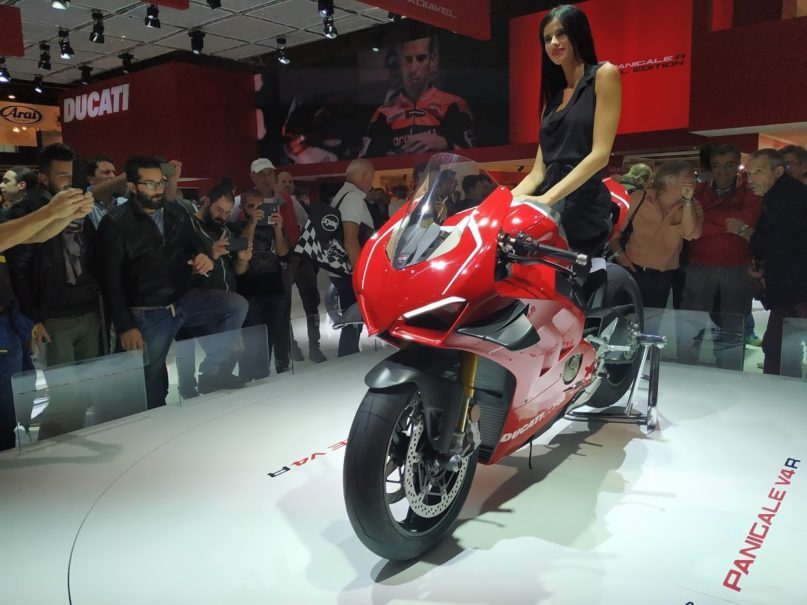
    Ducati has reported a five percent increase in sales worldwide in the first quarter of 2019. In all, Ducati delivered 12,541 motorcycles in the period from January to March 2019, compared to 11,949 motorcycles moved in the first quarter of 2018. And that’s not all; most segments from the Italian manufacturer showed growth in the first quarter, but the Hypermotard and Multistrada range showed the most growth, with sales increasing 18.6 percent. With 4,113 units sold in the first quarter, the Hypermotard and Multistrada are the company’s bestselling models.

    The Ducati Scrambler range continues to be a major revenue generator for the firm and already accounts for more than a quarter of Ducati’s overall sales. And in Q1 of 2019, sales of the Scrambler range shot up just short of 15 percent. Sales in the naked line-up, which includes the Monster and Diavel family, dipped slightly from 2018, by 1.13 percent. The Ducati Diavel 1260 has been introduced in 2019, but that hasn’t seemed to have enthused sales in the segment so far.

    Ducati’s superbike sales have dipped slightly, despite the introduction of the Panigale V4 line-up, and recorded a slip of 13.5 percent compared to the first quarter of 2018. In all, Ducati sold almost 600 more units in the first quarter of this year. With a naked V4 in the making, it remains to be seen how the upcoming new model will be received by the market. Based on the sales trend in the first quarter, it appears the neo-retro models in the Scrambler line-up will continue to be an important segment for Ducati, and could well display more volumes as the year progresses.

  • WBA identifies connected vehicle use cases

    WBA identifies connected vehicle use cases

    Connected vehicles are not just the technologies of the future – there are significant revenue generation opportunities available today, according to the Wireless Broadband Alliance (WBA).

    In a new whitepaper, the WBA identified a number of use cases for automobile manufacturers and service providers that are already being used to generate revenues.

    The use cases specifically take advantage of telematics services – which the majority of automobile makers already have built into new vehicles – combined with Wi-Fi connectivity.

    These use cases include applying predictive analytics to information already collected by telematics systems to preempt vehicle recalls, which is an issue that costs the vehicle industry more than $9 billion annually.

    Other examples include predictive maintenance through the use of diagnostic trouble codes uploaded over time, the ability to address software bugs and security vulnerabilities through over-the-air firmware upgrades, and applications including advanced driver assistance or public safety services.

    “The connected vehicle market will experience explosive growth over the next few years, and Wi-Fi plays a significant role in creating key monetization opportunities, while also enhancing and improving vehicle maintenance and driver safety for connected cars,” WBA GM Tiago Rodrigues said.

    “While much of the focus today is given to how 5G will impact connected cars, we want to reinforce the message that Wi-Fi is here now, and it is capable of supporting connected vehicle use cases today.”

    The whitepaper also explores the process of developing use cases for the connected cars of tomorrow combining both cellular and Wi-Fi for seamless connectivity.

    “We are eager to engage with others in the connected vehicle ecosystem to develop future opportunities for Wi-Fi and connected cars, particularly as we prepare for Wi-Fi 6 and the new opportunities it will support,” Rodrigues said.

  • BMW X5 2019 Launched In India

    BMW X5 2019 Launched In India

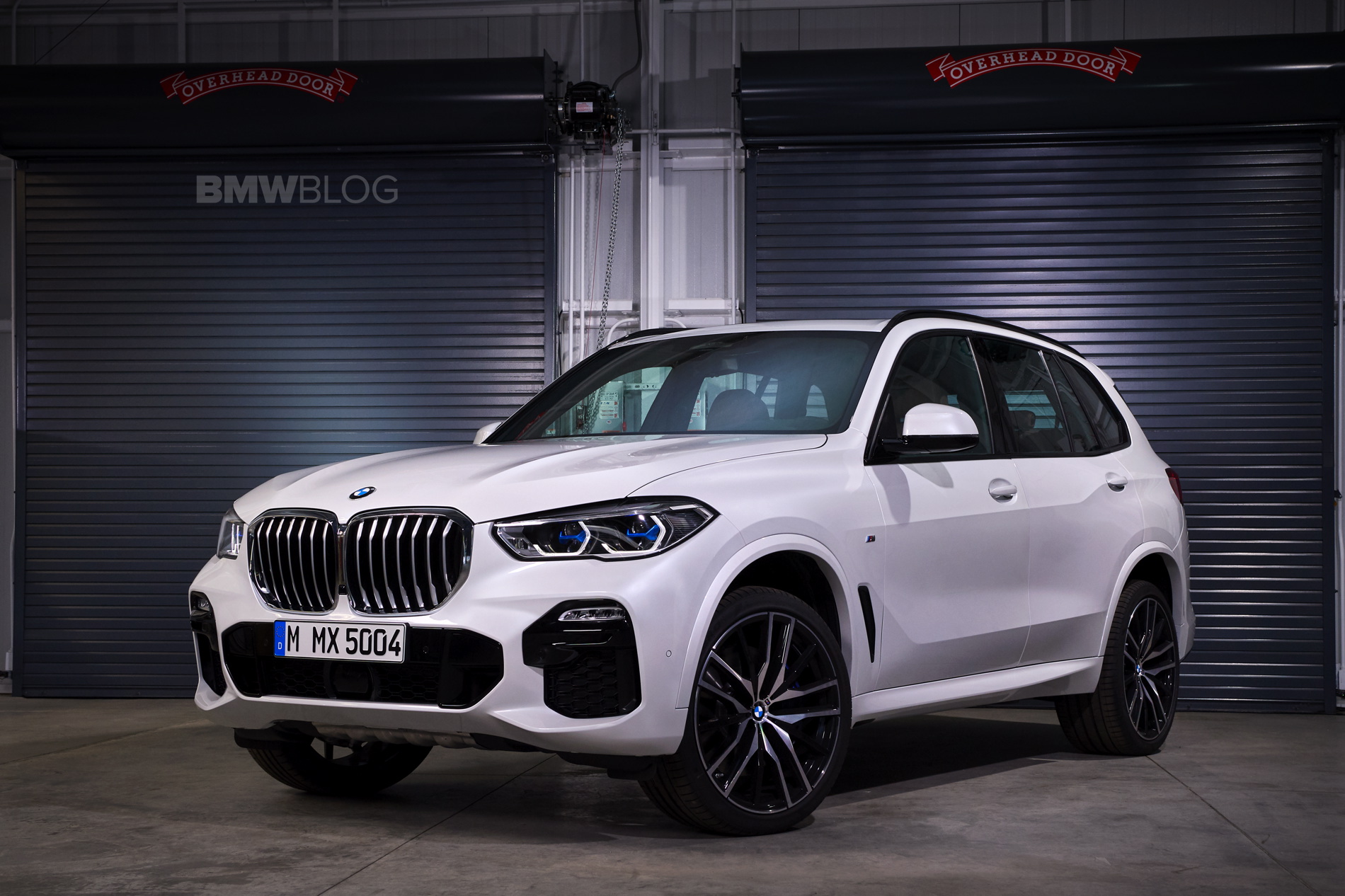
    BMW has launched the new generation of the X5 in India and prices for the SUV start at ₹ 72.90 lakh (ex-showroom India). The company has stated that it will launch 12 new models in the country in 2019 and the new-gen X5 is one among them. The all-new BMW X5 is available in two diesel models – BMW X5 xDrive30d Sport and BMW X5 xDrive30d xLine. The petrol variant BMW X5 xDrive 40i M Sport has also been launched at ₹ 82.40 lakh, however, it will go on sale later in 2019. The price for the new X5 tops out at ₹ 82.40 Lakh.

    Internally codenamed G05, the fourth generation BMW X5 is now based on the CLAR platform that also underpins the 5 Series, 7 Series and the X3 in the automaker’s line-up. The SUV is now larger and more feature-loaded than its predecessor while maintaining the sporty character of the older models. The BMW X5 has been a popular seller for BMW in India but the new gen model has become longer, taller and wider compared to its predecessor.

    It’s the largest X5 ever and this fourth-generation model is 35 mm longer, 32 mm wider and 11 mm taller than its predecessor. The space between the wheels too has increased and it now gains 42 mm on that front and it now stands at 2975 mm. Despite the new model getting bigger, the boot space remains the same at 645 litres that expands to 1,640 liters when the rear seat is folded.

    What’s also different is the way the X5 looks now. The fourth generation BMW X5 gets substantial upgrades on the design and feature front. The signature Kidney grille has grown larger and more imposing on the SUV, while the headlamps are all-LED with X-shaped inserts and get the new adaptive LED DRLs. The front bumper has been reworked and gets larger vents and LED fog lights. The new X5 looks more agile than ever but retains the same silhouette as the older model. The wide LED taillights with the 3D signature add to the distinctive look of the SUV, while the model now gets 21-inch wheels as an option.

    The cabin though is all familiar, in-line with other BMW models and gets the digital instrument console called the BMW Live Cockpit Professional display; along with a floating infotainment screen, updated iDrive along with Apple CarPlay and Android Auto compatibility. Like the other BMW models, you also get gesture and voice commands, as well as a customizable display. The cabin is covered in leather upholstery, while the feature list includes four-zone climate control, wireless charging, screens for rear seat passengers, a panoramic sunroof, welcome carpet light, ambient lighting, and a revised gear-selector lever.

    2019 BMW X5 Key Features

    • Live Cockpit Professional Display
    • Digital Instrument Console
    • Floating Infotainment Screen
    • Updated iDrive System
    • Gesture Control
    • Voice Command
    • Four Zone Climate Control
    • Wireless Charging
    • Rear Passenger Screen
    • Panoramic Sunroof
    • Ambiente Lighting
    The BMW X5 is powered by a 3.0-liter turbo diesel motor.

    Power will come from the 3.0-liter turbo diesel motor tuned for 261 bhp and 620 Nm of peak torque and the BMW X5 can clock triple-digit speeds in 6.5 seconds. The petrol will also be offered soon but for now, there’s just the diesel on offer. The new BMW X5 faces competition from the likes of the Mercedes-Benz GLE,n Volvo XC90, Range Rover Velar, Porsche Cayenne and the Audi Q7.

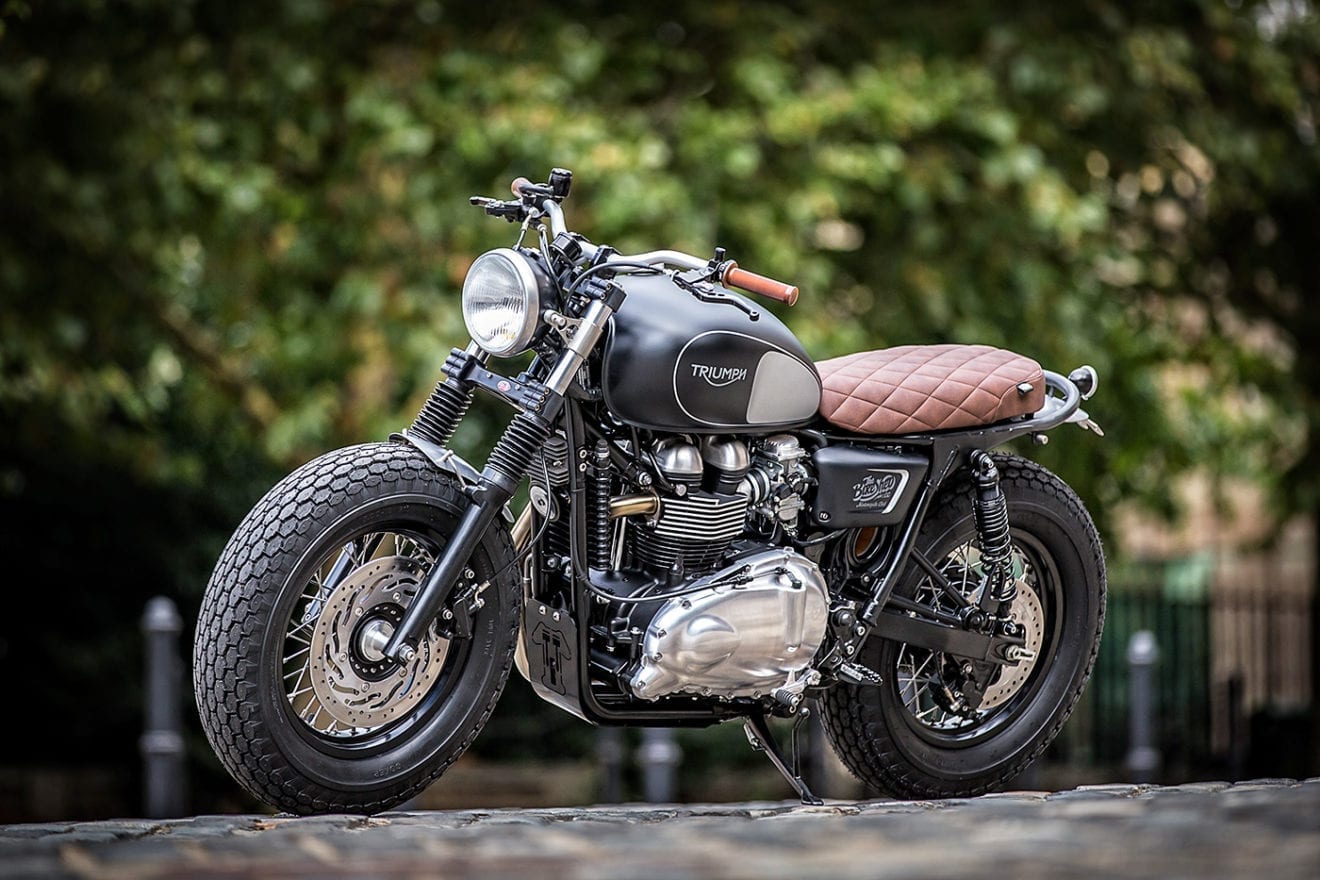
  • Triumph’s First Electric Motorcycle Will Be The TE-1 Project

    Triumph’s First Electric Motorcycle Will Be The TE-1 Project

    Triumph Motorcycles could well be the newest player among premium motorcycle brands to get on to the electric motorcycle game after Harley-Davidson’s LiveWire electric motorcycle project. The British motorcycle brand has announced a new project called the TE-1 which is a collaboration between Triumph, Williams Advanced Engineering, Integral Powertrain Ltd’s e-Drive Division, and WMG at the University of Warwick. Additionally, the group will receive funding from the UK Government’s Department for Business, Energy and Industrial Strategy (BEIS) and the Office for Low Emission Vehicles (OLEV). The actual model development is still some time away, but it is an important announcement nevertheless and will bring in exciting times in the electric motorcycle space in future.

    “This new collaboration represents an exciting opportunity for Triumph and its partners to be leaders in the technology that will enable the electrification of motorcycles, which is driven by customers striving to reduce their environmental impact, combined with the desire for more economical transportation, and changing legislation. Project Triumph TE-1 is one part of our electric motorcycle strategy, focused on delivering what riders want and expect from their Triumph, which is the perfect balance of handling, performance, and usability,” said Nick Bloor, Triumph CEO.

    Triumph Motorcycles will lead the TE-1 project, providing expertise in chassis development and overall motorcycle engineering. Williams Advanced Engineering will provide lightweight battery design and integration capability for the project, while Integral Powertrain’s e-Drive Division will lead the development of the in-house electric motor with a silicon carbide inverter. WMG at the University of Warwick will help provide commercialization as well as modeling and simulations that will be based on future market needs.

    “Our future product strategy is focused on delivering the most suitable engine platforms for the changing landscape of customer needs, and we see a Triumph electric powertrain as a significant requirement alongside our signature twin and triple cylinder engines,” said Steve Sargent, Triumph’s Chief Product Officer.

    The TE-1 project will eventually lead to new model development, but that is still a few years away. The first phase will focus on delivering powertrain solutions in two years’ time before any specific model development takes place. What is clear is that electric motorcycles certainly seem to be taking off in earnest, and it probably won’t be too long before you get to see an electric Triumph in production form.

  • Sigma, Tech Mahindra partner on connected car

    Sigma, Tech Mahindra partner on connected car

    Sigma Systems and Tech Mahindra have announced the launch of a connected car service subscription management platform for the automobile industry.

    The joint platform was selected and will be an integral part of a global automobile manufacturer’s connected car services program, paving the way for emerging on-board digital and IoT based applications.

    The companies said the service subscription management platform is a fully automated, cloud-based SaaS solution designed and delivered with scalable platform architecture and Open API’s.

    It consists of key Sigma portfolio products including Sigma Catalog and Sigma Order Management.

    The platform will drive consumers’ digital experience on new connectivity services while being mobile network operator agnostic and using eUICC SIM, the companies said.

    The platform will provide lifecycle management of connected car services and subscriptions manage roaming scenarios and control data consumption by driving policies and enhance end-user experience.