Category: Automotive

Retail News Asia is committed to providing both local and global retailers with the latest Auto and Car news throughout the Asian market. This on a daily base.

  • Limited edition Vespa sells for $29,000 in Vietnam

    Limited edition Vespa sells for $29,000 in Vietnam

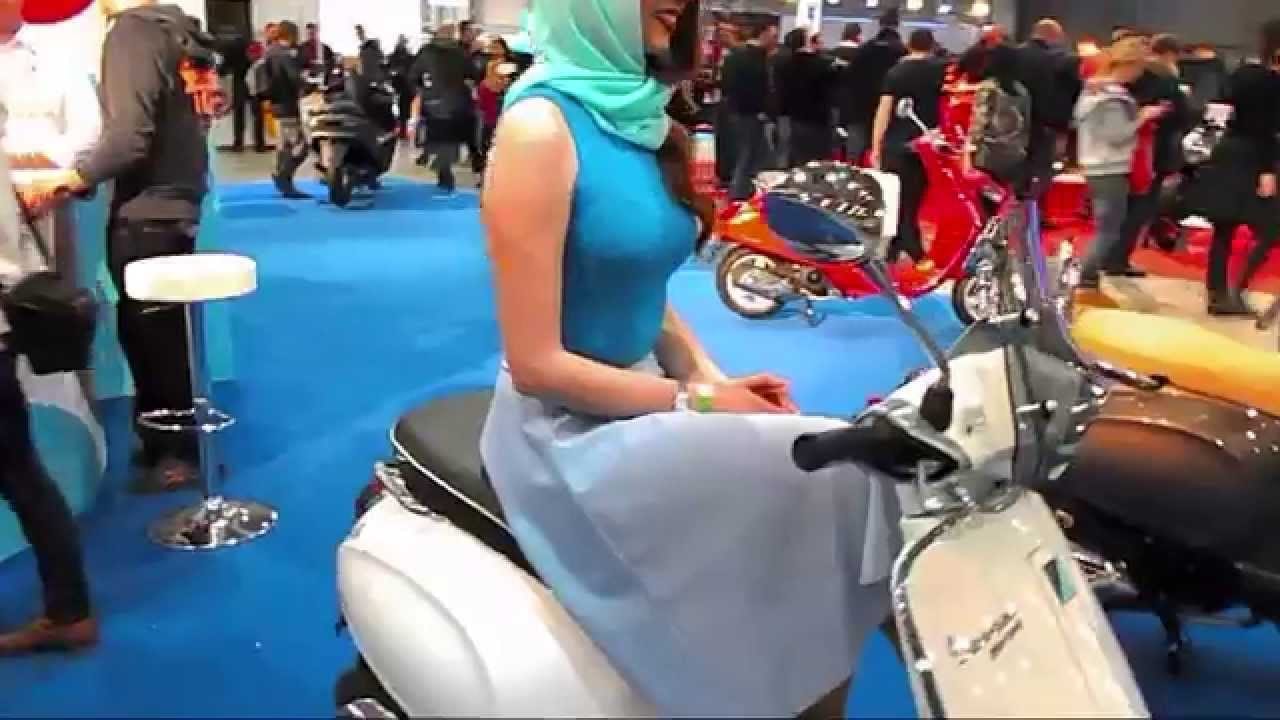
    Limited edition 10th-anniversary Vespa 946s are selling at private dealerships for over VND700 million ($28,848) in Vietnam.

    Aside from the 28 units that franchise dealers imported last week, private dealers have procured several more Vespa 946 10° Anniversaries from Italy.

    One Ho Chi Minh City showroom on Hung Vuong Street in District 5 has priced the scooter at over VND700 million, while another dealership in the Mekong Delta province of Soc Trang listed it for VND710 million. The Vespa 946 10° Anniversario sells for just VND425 million at franchise dealerships.

    Vespa manufacturer Piaggio produced the limited-edition model mainly to sell to wealthy collectors, according to one showroom owner.

    “Prices for the Vespa 946 can fluctuate depending on collectors’ interest levels. In terms of popularity, the model is not as sought-after as the 946 Dior.”

    In 2022, the Vespa Christian Dior sold for VND1.6 billion at private dealerships, while franchise dealers priced it at VND700 million.

    According to a manager at franchise dealership Motoplex in HCMC, the Dior version garnered much more attention due its exquisite decor made in collaboration with luxury fashion brand Dior.

    Meanwhile, the Vespa 946 10° Anniversaries was designed solely by Piaggio, so it mostly piques the interest of Vespa fans. Piaggio only produced 1,000 units of the limited-edition model.

  • 2024 Honda Dream arrives from Cambodia

    2024 Honda Dream arrives from Cambodia

    A motorbike dealer has just imported a batch of the latest model of the Honda Dream, an iconic vehicle that was all the craze a few decades ago.

    Previously the bike used to sell for VND100 million (US$3,970), while the new one is marked at $2,500 in Cambodia, from where they are imported.

    The Dream was a classic vehicle near and dear to many generations of Vietnamese, but was discontinued long ago in many countries, leaving Cambodia the sole manufacturer in Southeast Asia.

    The 2024 model retains its nostalgic long, sleek body with the name “Dream” etched right beneath its rear seat handle. However, the traditional square panels are replaced with more low-key rounded ones, a design choice that does not sit well with the majority of Vietnamese bike enthusiasts due to the striking similarity to SYM motorbikes.

    The Dream utilizes a combination of imported and locally produced parts.

    Honda and Yamaha are the two largest imported motorbike brands.

    Some dealers speculate that the new Dream, like the previous Wave 125i imported from Thailand, will fetch a hefty VND80 million, twice the price of similar models assembled locally.

    With a barely noticeable difference in horsepower, technology or design priced like a premium automatic or performance motorcycle, the 2024 Honda Dream will have a hard time attracting young customers who usually lean toward sleek and modern designs.

    It will likely only attract wealthy collectors nostalgic for the good old days.

  • Honda Vietnam’s automobile, motorbike sales drop in October

    Honda Vietnam’s automobile, motorbike sales drop in October

    Honda Vietnam has revealed that its retail sales of motorcycles and automobiles in October dropped by 7.5% and 15.9% respectively compared to previous month due to market difficulties.

    In the reviewed period, Honda Vietnam sold 180,881 motorbikes, with 18,452 exported and 2,148 automobiles of all kinds.

    In the fiscal year of 2024 (from April 2023 to March 2024), the company has posted sales of 1,171,108 motorbikes, marking a year-on-year decrease of 12.9%.

    It has sold 12,850 automobiles of all kinds in the fiscal year, a decline of 27.3% over the same period in fiscal year 2023.

    The Honda City sedan continued to be its best-seller with 751 units sold, followed by Honda CR-V and Honda BR-V with 477 units and 468 units, respectively.

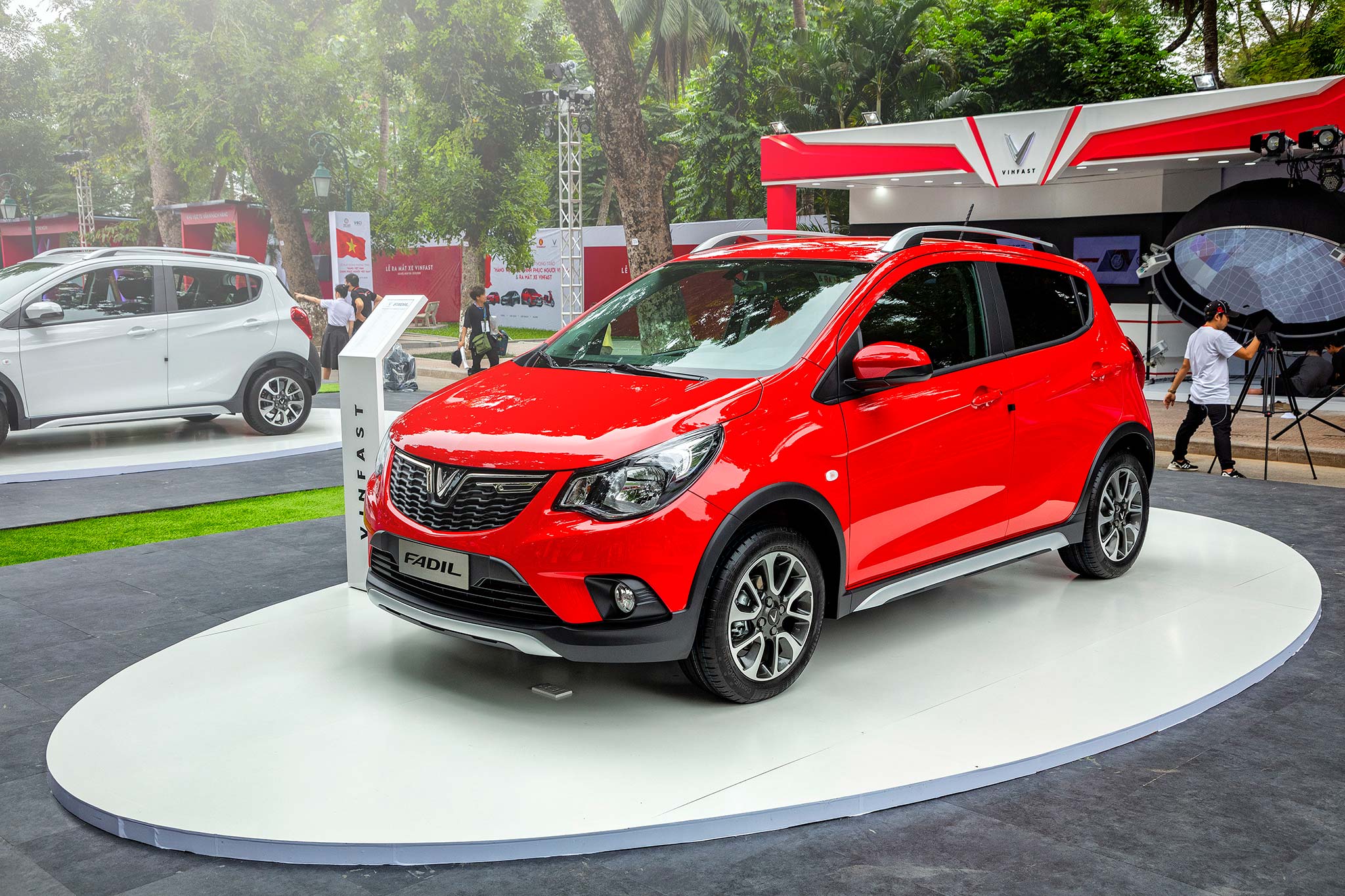
  • EV maker VinFast to invest $1.2B in Indonesia

    EV maker VinFast to invest $1.2B in Indonesia

    Vietnam’s first electric vehicle (EV) maker VinFast plans to build a plant with an investment capital of 18.6 trillion Rp (US$1.2 billion) in Indonesia, according to Presidential Chief of Staff of Indonesia Moeldoko.

    Moeldoko told a press on Nov. 6 that the construction will begin as soon as possible. He, however, did not reveal further details of the plan.

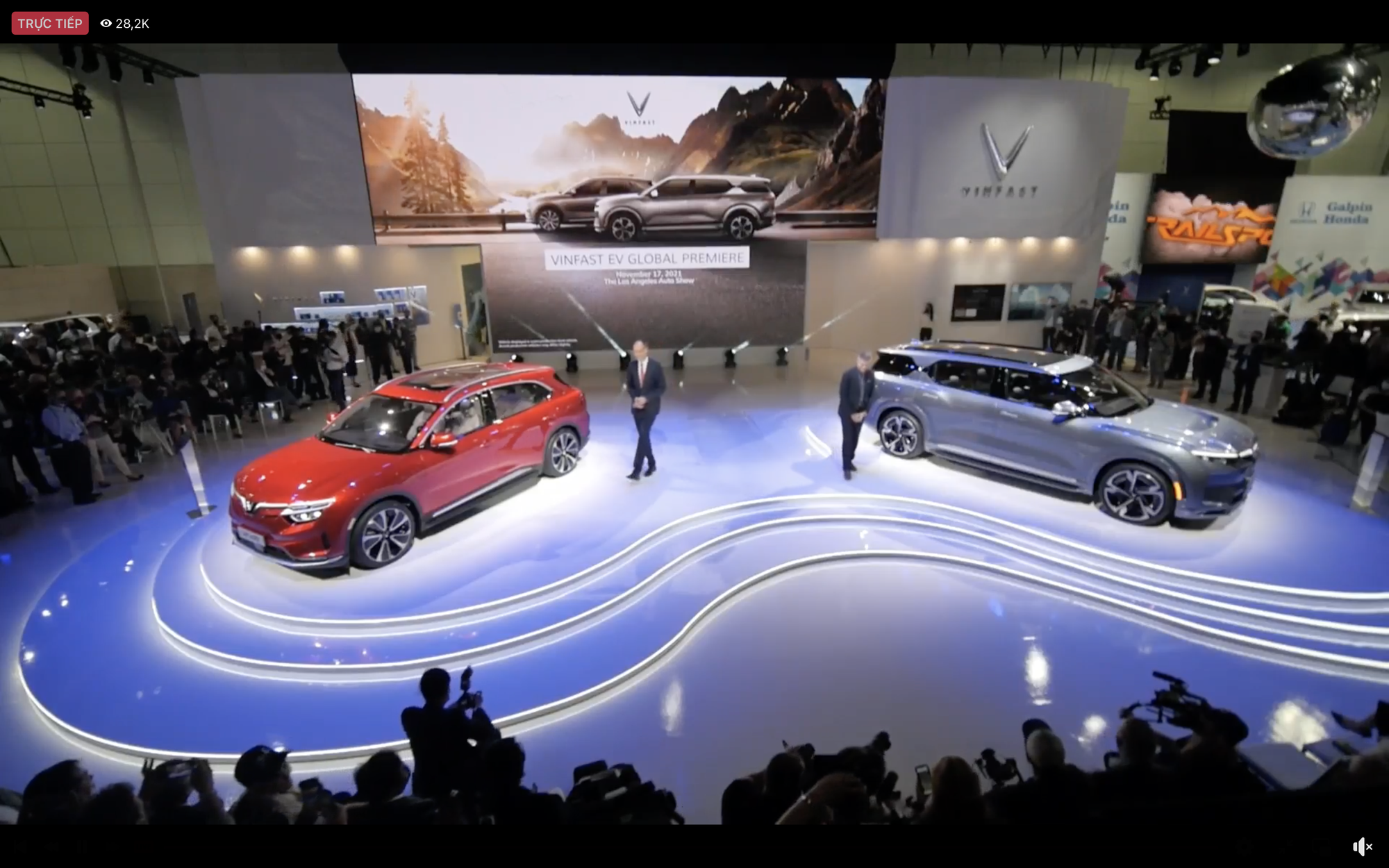
    Vinfast is one of the largest EV manufacturers in Southeast Asia, with its cars exported to Europe and America, the official said, adding its investment in Indonesia can help form an EV ecosystem in the country.

    Indonesia’s media reported that in early September, Vinfast leaders had a meeting with Indonesian Trade Minister Zulkifli Hasan who pledged to facilitate the automaker’s operation.

    Secretary General of the Association of Indonesia Automotive Industry (Gaikindo) Kukuh Kumara said in late October that Vinfast has discussed and expressed its willingness to join the association.

    The manufacturer is completing necessary procedures with the Indonesian government before officially entering the country’s auto market, he said.

  • Former bosses of Ford Vietnam, Be join transport firm Tasco

    Former bosses of Ford Vietnam, Be join transport firm Tasco

    Pham Van Dung, former CEO of Ford Vietnam, and Nguyen Thien Minh, co-founder of ride-hailing app Be, have taken up jobs at transport services provider Tasco.

    Dung has become chairman of SVC Holdings, a Tasco subsidiary and Vietnam’s biggest car distributor with a market share of 11.2%.

    Minh is the new chairman of Vietnam Electronic Toll Collection Company (VETC), another subsidiary, and Tasco’s Technology Council.

    Dung’s job description includes operations, developing strategic partners, research, initiating new projects, and expanding markets, including abroad.

    He has more than 20 years’ experience at global corporations such as GM-Daewoo, Ford and Inchcape, and has held a number of senior positions in the auto industry. From 2015 to 2022, he was CEO of Ford Vietnam, the first Vietnamese to be appointed to this position.

    Minh has more than 20 years of experience in building technology platforms at major firms and startups in the U.S., Europe and Singapore such as PayPal, Wells Fargo, BestBuy, OpenTV, DTT, and American Airlines.

  • Mercedes distributor profits down

    Mercedes distributor profits down

    Mercedes distributor Hang Xanh Motors Service Joint Stock Company saw net profits for the third quarter plummet by 87% year-on-year to VND8 billion (US$333,000).

    It attributed the fall to plunging sales and increasing costs.

    Administrative costs jumped 54% to VND29 billion, according to its audited financial statements.

    Its revenues fell by 44% to VND2.9 trillion, its lowest in the last seven years.

    For the first nine months of the year its net profit was 93% down at VND14.5 billion, the lowest in eight years.

    Prospective buyers are waiting for more positive signals from the economy before buying luxury cars, leading to lower sales and profits, according to the company.


  • Luxury car brands offer big discounts in October

    Luxury car brands offer big discounts in October

    Mercedes, BMW, Audi, and Volvo have been slashing their prices by hundreds of millions of dong (VND100 million = US$4,200) in October.

    Audi is offering discounts on its A4, A6, A8L, Q2, Q3, Q5, Q5 Sportback, Q7, A7 Sportback, and Q8 models of up to VND300 million.

    Mercedes is offering discounts of 6-10% on some locally assembled models such as the C-class and E-class, and 3% on imports like the GLB and GLS.

    The C-class, which has a price tag of VND1.599-2.099 billion, is getting discounts of 6%, equivalent to VND95-125 million.

    Mercedes is subsidizing registration, which costs 10% in HCMC and 12% in the north, by half for locally made vehicles. The registration fees are calculated based on car prices in each locality. The rates are 12% in Hanoi and northern Hai Phong City, and 10% in Ho Chi Minh City.

    Volvo also bears half the registration cost for all models except the V60 Cross Country line for which it pays the full fee.

    Truong Hai, a BMW distributor, is offering big discounts.

    The prices of the X5, Series 5, Series X3, and Series 3 have been cut by VND160 million, VND80 million, VND70 million, and VND50 million.

    Some luxury car distributors said demand is up in October, though still lower than a year ago.

    Analysts do not expect vehicle sales to reach last year’s figure of 500,000.

  • September auto sales hits 6-month high

    September auto sales hits 6-month high

    Vietnam’s auto sales in September hit their highest peak since March, totaling 25,375 units, demonstrating a slight increase in demand.

    But the figure for the period is still a 24% year-on-year drop, according to the Vietnam Automobile Manufacturers Association (VAMA).

    In the first nine months sales dropped 29% year-on-year to 209,929 units.

    Truong Hai Auto Corporation (Thaco) sold more cars here than any other firm, totaling 67,228 units in the period, down 34% year-on-year.

    Toyota followed with 38,490 units, down 40%.

    Ford bucked the trend with 71% growth to 26,484 units.

    Mitsubishi and Honda rounded out the top five.

    Industry insiders said that the rise in September sales came as a batch of new models were released in August and many dealers offered large promotions to boost demand.

    Customers also want to take advantage of a reduction in registration fee, which will only last until the end of the year.

  • VinFast revenues jump on EV sales to Vietnam affiliate

    VinFast revenues jump on EV sales to Vietnam affiliate

    Vietnamese electric car maker VinFast said on Thursday its third-quarter revenue more than doubled with the largest share of its sales going to an affiliate company owned by its founder.

    About 60% of VinFast’s deliveries, or more than 6,000 vehicles, went to Green SM (GSM), a Vietnam-based taxi operator and leasing provider 95% owned by VinFast’s founder, Pham Nhat Vuong, executives said on a call with analysts.

    VinFast had not provided that breakdown in its published earnings.

    For the past two quarters GSM has accounted for about two-thirds of VinFast’s sales.

    VinFast recorded US$343 in revenue for the three months ended Sept. 30, up 159% on the year. Its net loss widened 33.7% to US$623.

    The company aims to hit break even within two years and run its factory in Vietnam at full capacity by then. The factory in Haiphong has the capacity to produce 250,000 electric vehicles (EVs) per year but has been running far short of that.

    GSM launched Vietnam’s first pure EV taxi service earlier this year with a target of starting with 600 VinFast EVs. It also operates a ride service with VinFast electric scooters, executives said.

    It was not immediately clear how many of the 13,000 vehicles GSM has bought from VinFast over the past two quarters would go into its fleet or how many it would hold to lease to customers.

    VinFast Chief Executive Le Thi Thu Thuy said VinFast planned to expand its partnership with GSM to include Indonesia and India, where it is setting up smaller-scale factories that will assemble vehicles shipped in parts from Vietnam.

    “For VinFast, GSM is a very good partner,” she told analysts. “There have been an overwhelming number of questions over GSM.”

    Executives said VinFast expected to have its first U.S. franchise dealership open by the end of the year and was considering proposals from 27 dealers to sell its vehicles, including a second model, the VF 9, it expects to launch this year.

    VinFast, which was formed in 2017 and began making EVs in 2021, plans to set up kit assembly plants in both India and Indonesia to take advantage of EV incentives on offer in those markets, Thuy said.

    VinFast has entered the market at a time when EV prices are under pressure, led by cuts at market leader Tesla (TSLA.O)and a range of Chinese companies.

    VinFast, backed by Vingroup, Vietnam’s largest conglomerate, was listed on the Nasdaq in August after a merger with a blank-check company.

    Shares in VinFast were up 4.5% at US$8.4 each by 1410 GMT.

    The company, which ended the quarter with US$130 million in cash, said it expected to receive around US$1.2 billion in grants from its parent company, its founder Vuong, and two key shareholders in the next six months.

  • Thaco H1 profit falls as auto market remains listless

    Thaco H1 profit falls as auto market remains listless

    Automaker Thaco Group reported first half profits of VND1.076 trillion (US$45.6 million), or less than a quarter of last year’s figure, amid an auto market slump.

    Its profit margin of 2.1% was a fifth of the rate in the first half last year, the company said in a financial report it sent to the Hanoi Stock Exchange.

    The car market has been sluggish since the last quarter of 2022. Thaco Group recently slashed the prices of many models it manufactures and distributes by hundreds of millions of dong (VND100 million = $4,114) to stimulate demand.

    Thaco Group still has a sales target of over 120,000 vehicles for this year, including 96,000 passenger cars, 23,500 trucks and 1,500 buses and mini buses.

    According to statistics from the Vietnam Automobile Manufacturers Association, Thaco sold some 58,000 cars in the first eight months of this year, down 40% year-on-year and only 48.3% of its target.

  • Mercedes-Benz Unveils New MBUX-Based In-Car Payment Tech

    Mercedes-Benz Unveils New MBUX-Based In-Car Payment Tech

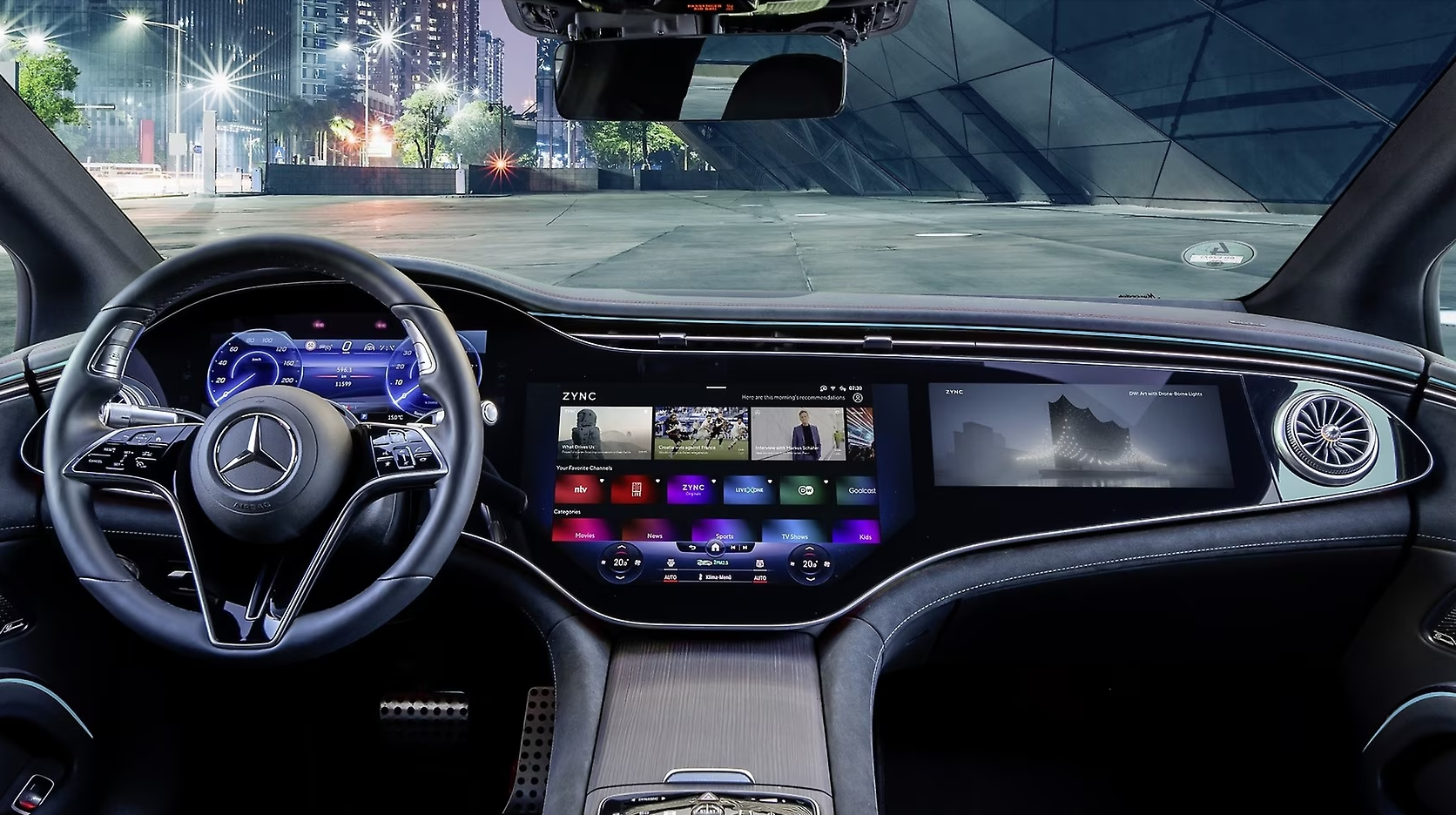
    Mercedes-Benz has introduced a new feature in Germany that allows customers to initiate digital payments via the MBUX system using fingerprint authentication. The company has tied up with Mastercard to offer the embedded payment service which for now will be useable across 3,600 service stations in the country. The tech uses a dedicated Mercedes Pay+ app to offer the service and uses the fingerprint sensor built into the MBUX system to authenticate payments.

    When a driver arrives at a connected service station and turns off the engine, the Mercedes me Fuel & Pay service will automatically activate on the MBUX infotainment system where the driver can then select the appropriate gas pump. Before refueling, the system calculates the maximum total amount based on the current fuel price and the tank’s current fuel level.

    Upon refueling, the driver can view the amount of fuel added and the invoice amount on the MBUX display. Payment is automatically processed, allowing the driver to leave the gas station without visiting the checkout area. The invoice is subsequently sent to the customer via email.

    “With Mercedes pay+, we are making everyday life easier for our customers. From now on, they can pay their fuel bill directly from their car using their fingerprint –, securely, and conveniently,” said Franz Reiner, Chairman of the Board of Mercedes-Benz Mobility AG.

    Customers with Mastercard and Visa credit or debit cards issued in Germany can utilise native in-car payments by registering their card in the Mercedes me user account and activating Mercedes pay+ via the MBUX infotainment system. The use of fingerprint payments from the car is expected to expand to other vehicle-related services and European markets in the near future.

  • Porsche Vietnam presents new Cayenne

    Porsche Vietnam presents new Cayenne

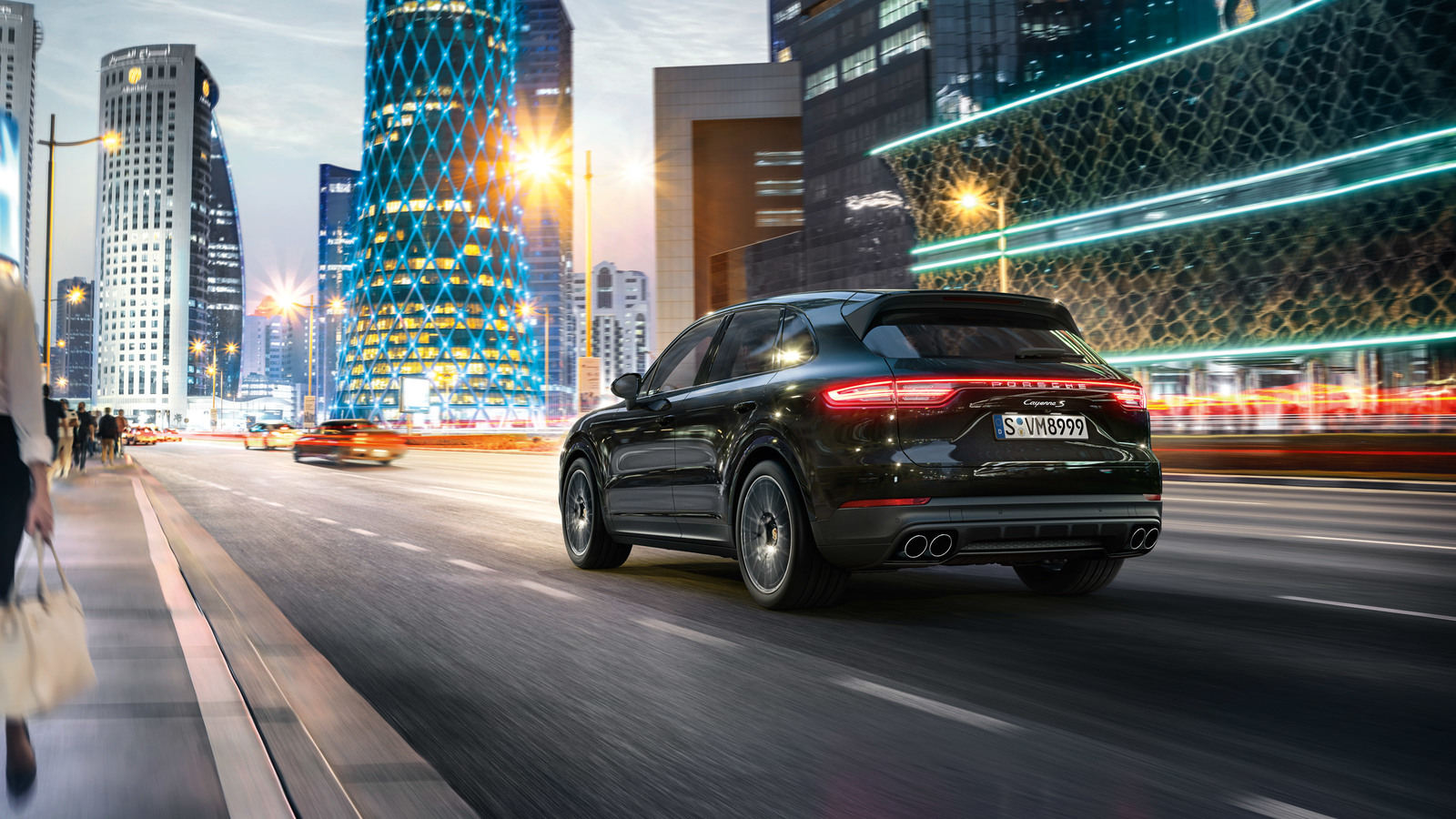
    The third generation of Porsche “Sports Car for Five” features comprehensive upgrades to the powertrain, chassis, design, and equipment, further enhancing driving performance and offering luxurious comfort.

    With the vision “Further Together”, Porsche Vietnam unveiled the all-new and thoroughly refined Cayenne. The third generation of the luxury SUV made its national debut at the Contemporary Space of Porsche Cayenne at Porsche Centre Saigon and Porsche Studio Hanoi, equipped with a highly digitalized display and control concept, new chassis technology, and innovative high-tech features.

    Ever since its world premiere in 2002, the Cayenne has been a game-changer. Combining the performance characteristics of a Porsche with luxury and utility, it is the definitive sports car in the SUV segment and a true pioneer.

    Since its establishment in 2007, Porsche Vietnam has been turning sports car dreams into reality. One-third of all Porsche vehicles delivered in Vietnam are Cayenne models, making it the best-selling Porsche here to date.

    “We are excited to introduce the new Cayenne in Vietnam with a tremendous product upgrade. The new Cayenne creates more opportunities for Vietnamese Porsche fans to experience their dream sports car than ever before,” said Andreas Klingler, general director of Porsche Vietnam.

    Key highlights of the new Cayenne include high-definition HD Matrix LED Headlights that provide road illumination tailored to every driving situation, an air quality system that filters pollutants from the air in the interior, and, for the first time in the Cayenne, front passengers have their own infotainment display—for streaming videos during the trip, for example.

    With its extensively upgraded design and more powerful engine range, the Cayenne emphasizes its claim to be the sportiest car in its segment.

    A highly significant model launch adds to Porsche Vietnam’s momentum. Since it was officially established in 2007, Porsche Vietnam has grown to become one of the most exciting markets for Porsche, both from a global and regional perspective.

    After marking its 15th anniversary in 2022, Porsche Vietnam carries a positive momentum forward into 2023, Porsche’s 75th anniversary year, with the launch of the new Cayenne. Porsche has maintained a steady position as Vietnam’s top luxury sports car brand.

    “We see an increasing number of Porsche cars on the roads of Vietnam. Our biggest achievement so far is building and spreading sports car fascination, nurturing a passion for the brand, and turning sports car dreams into reality. This reflects the aspirations that motivate us, and more notably, it underscores the passionate support from our valued customers and fans in Vietnam,” Klingler said.

    At Porsche, the brand interacts with sports car enthusiasts in engaging and innovative ways. Porsche’s already attractive product portfolio now receives a boost with the new Cayenne, with a comprehensive range of upgrades ready to take any family further together.

    The all-new Cayenne: Featuring Porsche Driver Experience

    Porsche has integrated a completely revised display and control concept into the new Cayenne.

    The new Porsche Driver Experience, first introduced in the Porsche Taycan, focuses on the driver’s axis and optimizes operation. Functions that the driver frequently uses are located directly on or immediately next to the steering wheel.

    For example, the lever located on the left behind the steering wheel now has additional functions for operating the driver assistance systems. The automatic transmission selector lever in the new Cayenne is now on the dashboard.

    This makes room on the new center console for storage compartments and a large air conditioning controller in an elegant black panel design.

    Large, easily accessible controls combined with mechanical air conditioning switches and a haptic volume controller ensure optimum operability and a refined look.

    A key feature of the new Porsche Driver Experience is the balance between digital and analog elements. For the first time, the redesigned cockpit of the Cayenne includes a fully digital 12.6-inch instrument cluster with a curved and free-standing design and variable display options. An optimized head-up display is also available.

    The standard 12.3-inch central Porsche Communication Management display integrates harmoniously into the new dashboard and provides access to all the relevant vehicle functions.

    Native apps such as Spotify® and Apple Music® are provided to optimize connectivity in the new Cayenne. A 10.9-inch display is now available for the first time on the passenger side.

    This enriches the front passenger’s driving experience by displaying performance data, providing separate access to the infotainment system controls, and, depending on the market, offering the option of streaming video content on the road. A special foil ensures that the driver cannot see this display.

    Refined design, innovative lighting technology

    The new Cayenne now has a particularly expressive appearance. A new front end combined with more strongly arched wings, a new bonnet, and technically appealing headlights emphasize the vehicle’s width.

    Three-dimensionally designed taillights, uncluttered surfaces beneath, and a new rear apron with an integrated number plate holder characterize the rear-end design of the new Cayenne.

    An expanded color palette with three new colors, lightweight sports packages saving up to 33 kilograms for the Cayenne Coupé, and a new extensive range of 20, 21, and 22-inch wheels make it possible to configure the new Cayenne individually and dynamically.

    Matrix LED headlights are now standard in the new Cayenne. HD matrix LED headlights are a new optional feature.

    With two high-definition modules and more than 32,000 pixels per headlamp, their innovative technology picks out other users and blocks out the light of the high beam for them with pixel accuracy so as not to dazzle them.

    The brightness of the modules can be regulated in more than 1,000 steps, depending on the driving situation. Customized light modes increase safety and comfort in different driving situations.

    Porsche has also introduced an air quality system in the new Cayenne.

    As standard, the vehicle uses predictive navigation data to detect approaching tunnel entrances and automatically activate air recirculation.

    Optionally, a sensor detects the level of fine dust particles in the air and passes them through the fine dust filter multiple times if necessary. Furthermore, an ionizer removes many germs and pollutants from the air, which is particularly beneficial for allergy sufferers.

    In addition, customers can use a comprehensive range of new and optimized assistance systems. These include the active speed limiter and the swerve assist, the cornering assist, and the improved Porsche InnoDrive as part of the adaptive cruise control.

    This means that the new Cayenne is even better at helping its driver in dangerous situations as well as in traffic jams on motorways and main roads.

    Increased range between ride comfort and performance

    Porsche now equips the Cayenne at the factory with a steel spring suspension, including Porsche Active Suspension Management.

    New shock absorbers with 2-valve technology and thus separate rebound and compression stages allow optimized performance in all driving situations.

    Comfort at slow speeds, handling during dynamic cornering, and pitch and roll support have been noticeably improved.

    The driving experience can be additionally enhanced with the new adaptive air suspension with 2-chamber, 2-valve technology. This improves the driving experience with a soft suspension characteristic, stabilizes the vehicle, and simplifies on-road and off-road handling compared to both the standard suspension and the predecessor model.

    At the same time, the adaptive air suspension improves driving precision and performance and reduces body movements in dynamic driving situations. The suspension also offers an even sharper differentiation between Normal, Sport, and Sport Plus driving modes.

    The all-rounder: More power and sportier

    In Vietnam, the new Cayenne debuts with three different versions.

    An extensive refinement of the four-liter V8 biturbo engine developed by Porsche replaces the previous V6 engine in the new Cayenne S.

    With a maximum output of 349 KW (474 PS) and a torque of 600 Nm, 25 kW (34 PS) and 50 Nm more than its predecessor, it accelerates both the SUV and the SUV Coupé to 100 km/h in 4.7 seconds.

    The top speed is 273 km/h. The entry into the world of the Cayenne comes with an optimized three-liter V6 turbo engine. It now generates 260 kW (353 PS) and 500 Nm, which is 10 kW (13 PS) and 50 Nm more than before.

    The Turbo GT, designed for maximum on-road performance, is still the top model in the Cayenne range in most Porsche markets.

    It is available exclusively as a coupé and benefits from all the optimizations and innovations of the model series. In addition, the output of the four-liter V8 biturbo engine of the Turbo GT has been increased by 14 kW (19 PS) to 485 kW (659 PS).

    The Cayenne Turbo GT accelerates from zero to 100 km/h in 3.3 seconds, with a top speed of 305 km/h. The all-new Cayenne models are available to order now from Porsche Vietnam.

    The price of all 5 versions of Cayenne is VND5.56-14.36 billion. All prices are estimated and include import tax, SCT, VAT, and local service packages.

    Porsche in Vietnam continues to grow with Porsche Centre Saigon in HCMC, Porsche Centre Hanoi, and Porsche Studio in Hanoi.
  • Honda To Pull The Plug On Car Sales In Russia In 2022

    Honda To Pull The Plug On Car Sales In Russia In 2022

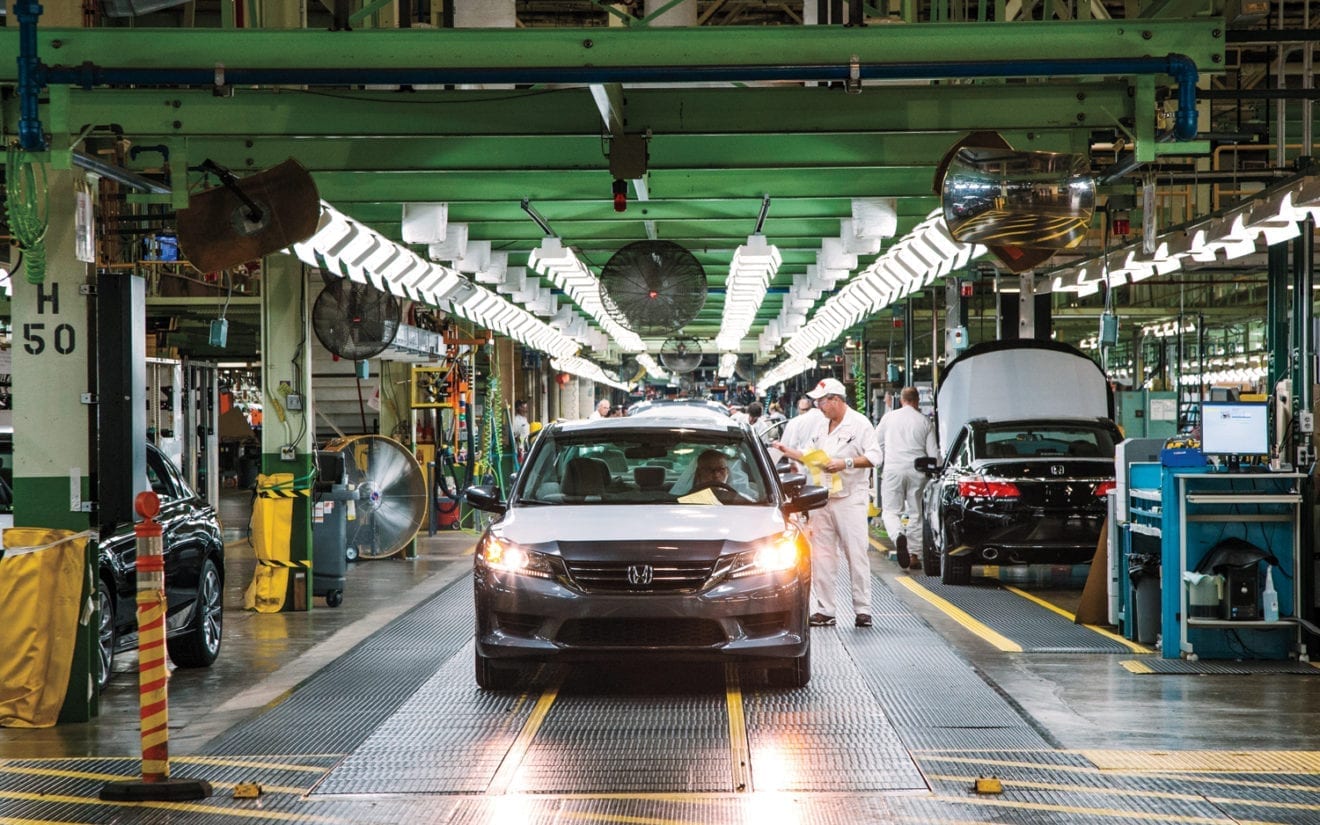
    Honda Motor Company has said that it won’t be supplying new cars to its authorized dealers in Russia in 2022 as the company is trying to restructure its operations. The Japanese automaker has confirmed that it would keep its presence in the Russian market with motorcycle and power equipment sales only. The news comes after a drastic drop of 50 percent in its sales operations last month in Russia.

    Even in India, Honda has shut down its Greater Noida plant and has shifted its entire production unit to the company’s other facility in Tapukara, Rajasthan. The carmaker has said that it has realigned its production operations “to maintain sustainability by leveraging production and supply chain efficiencies.” From this month, the manufacturing operations for vehicles and components will happen at the Tapukara plant for all domestic sales and exports. Until last month, the Greater Noida plant produced models like the Honda City sedan, CR-V SUV, and the Civic sedan. While the transition will see the production of the City move entirely to the Tapukara unit, at present, the company has also stopped the production of its flagship models, the Civic sedan and CR-V SUV.

    As far as the Russian market is concerned, Honda does not have any manufacturing unit in Russia, unlike its other Japanese counterparts like Toyota and Nissan. All Honda models are sold as CBUs in the Russian market, and the carmaker sold just 79 units last month. Its sales from January to November were down by 15 percent at 1,383 units, while over 1.3 million new cars were sold in Russia during that period.

  • Czech Skoda cars launched in Vietnam

    Czech Skoda cars launched in Vietnam

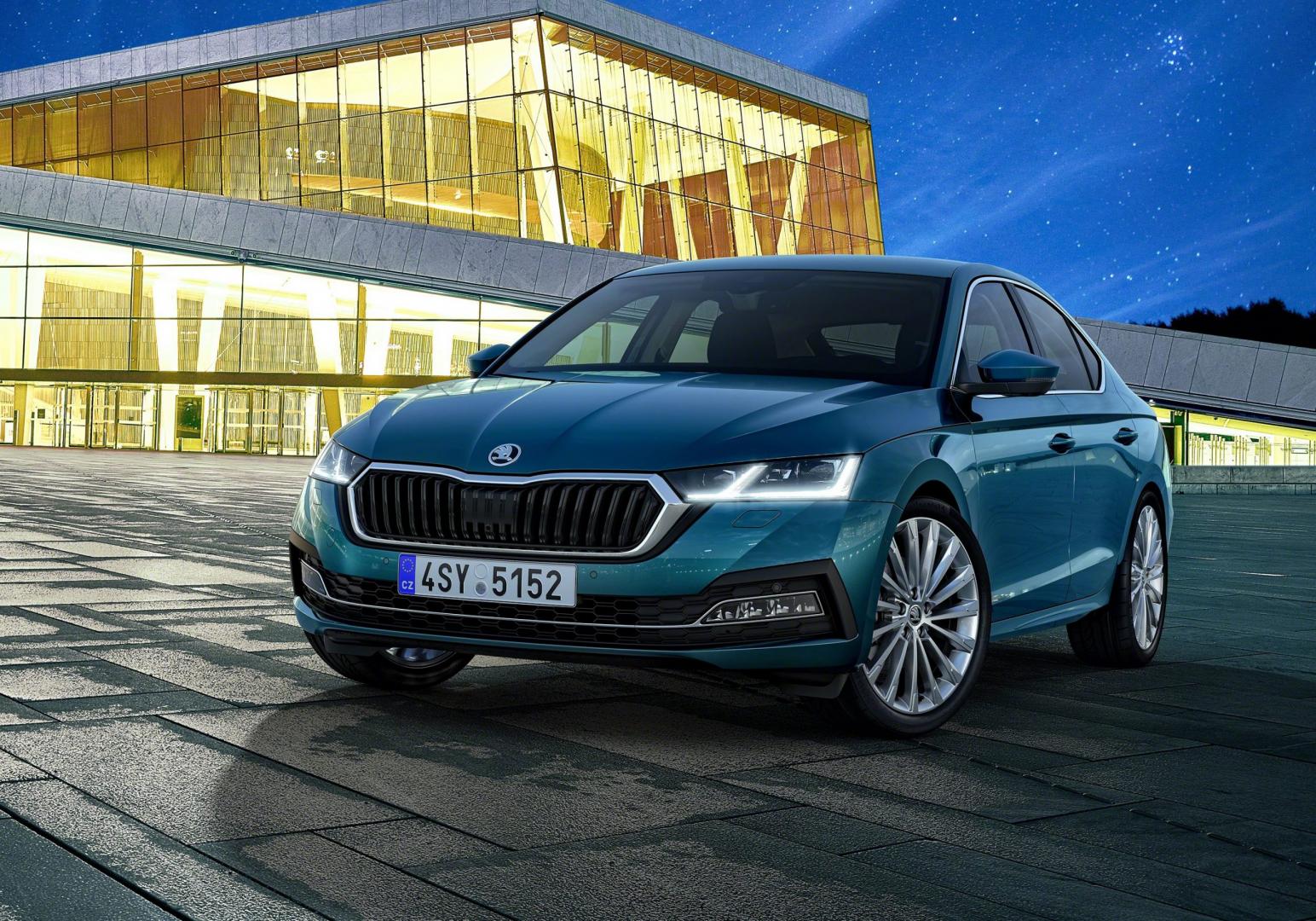
    Automobile distributor Thanh Cong launched two Skoda models with prices from VND1-1.4 billion (US$42,300-59,300) on Saturday.

    Before the Thanh Cong Viet Hung automobile plant in northern Quang NinhAutomobile distributor Thanh Cong launched two Skoda models with prices from VND1-1.4 billion (US$42,300-59,300) on Saturday.
    Before the Thanh Cong Viet Hung automobile plant in northern Quang Ninh Province comes into operation, Skoda cars will be imported from Europe.

    The imported models are the C-segment SUV branded Karoq priced at VND1-1.09 billion, and the D-segment SUV branded Kodiaq priced at VND1.19-1.41 billion.

    Then Thanh Cong will distribute C and D-segment sedans.

    After 2025, electric car models such as Enyaq iV and Vision 7S will be distributed in Vietnam.

    Covering an area of 36.5 hectares and boasting a capacity of some 120,000 vehicles per year, the Skoda automobile plant in Quang Ninh will assemble B-segment cars. This is the first Skoda factory in Southeast Asia.

    Skoda will also build a distribution system with four large dealers in four major cities first, and open 30 more dealers across Vietnam in the next five years.

    Currently, Thanh Cong distributes Hyundai, Nissan and Skoda cars. Province comes into operation, Skoda cars will be imported from Europe.

    The imported models are the C-segment SUV branded Karoq priced at VND1-1.09 billion, and the D-segment SUV branded Kodiaq priced at VND1.19-1.41 billion.

    Then Thanh Cong will distribute C and D-segment sedans.


  • Ford recalls over 3,200 Everest, Explorer cars for multiple problems

    Ford recalls over 3,200 Everest, Explorer cars for multiple problems

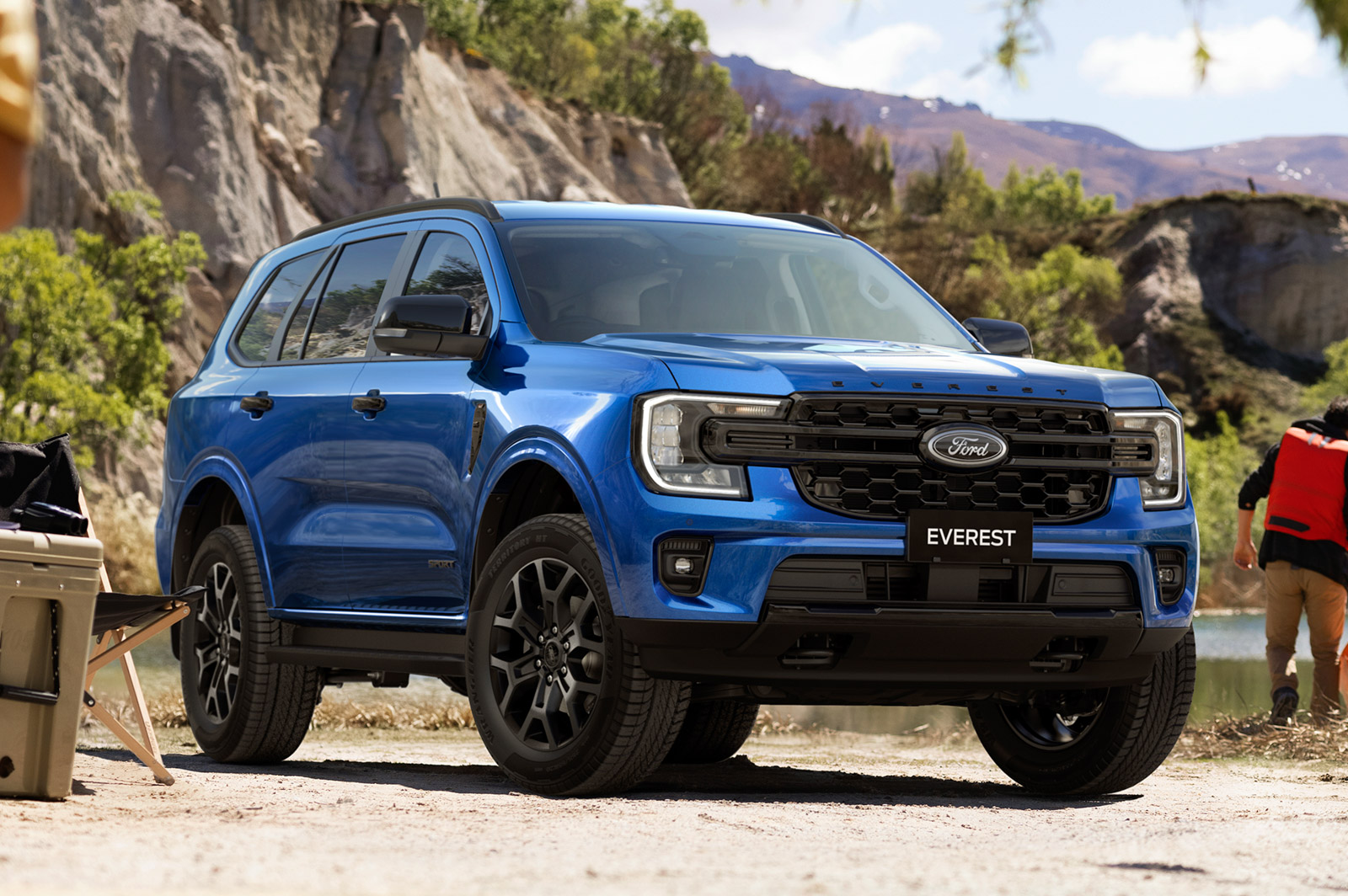
    Ford is recalling more than 3,200 Everest and Explorer SUVs to fix a battery fault, incorrectly installed exhaust filters, and faulty camera control software.

    In the case of the Everest, 1,256 cars manufactured between Nov. 24, 2021, and Feb. 3, 2023, have a low-battery charge fault, which could cause the transmission to engage “park” while moving at low speeds.

    Due to a software problem, if the battery level drops below a critical threshold, the transmission may shift into park when the vehicle is traveling at below six kilometers per hour.

    This may cause a sudden stop without the rear brake lamps illuminating, increasing the risk of an accident.

    Two cars manufactured between May 19, 2022, and June 28, 2023, are also being recalled because their diesel particulate filter has not been correctly fitted in the exhaust system to filter soot out of the exhaust gases to ensure that the vehicle complies with emission standards.

    The incorrectly fitted filter also leads to more frequent exhaust gas regeneration, resulting in reduced fuel efficiency and oil life, and non-compliance with emissions regulations.

    The Everest, Ford’s top-priced SUV, will see 1,967 recalled because of a failure in the 360-degree camera system, causing a loss of rear camera image while in reverse.

    A loss of video frames in the image processing module occurs during re-initialization or when the cameras enter sleep mode during the re-initialization process. This causes a blue image or a full blue or black screen.

    The Everest began to be recalled on Aug. 31 and the Explorer on Sept. 5.