Category: Automotive

Retail News Asia is committed to providing both local and global retailers with the latest Auto and Car news throughout the Asian market. This on a daily base.

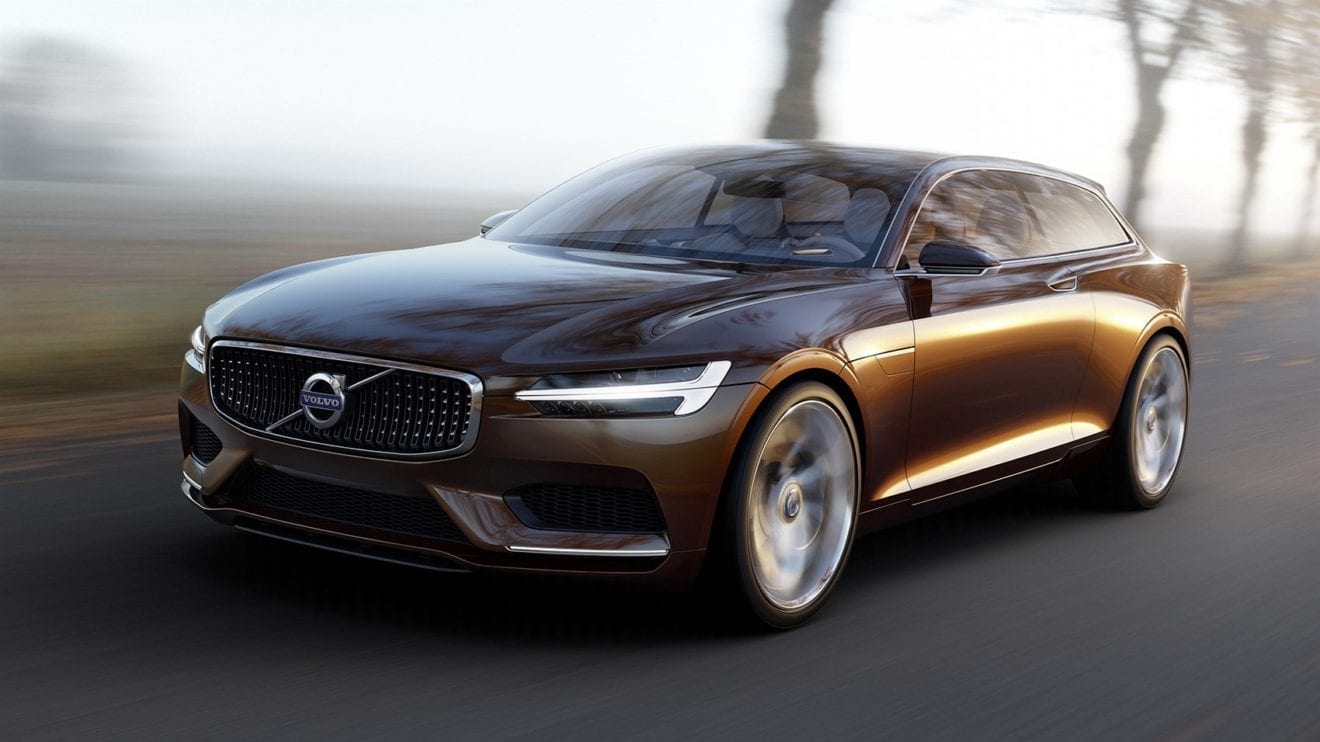
  • Volvo Cars India Records 33% Growth In First Half Of 2023

    Volvo Cars India Records 33% Growth In First Half Of 2023

    Volvo Cars India has reported a significant growth of 33 percent in its sales for the first half of 2023 in India. During the period from January to June, the company delivered 1,089 cars, a notable increase from the 818 units delivered in the same period last year.

    The driving force behind this impressive growth can be attributed to the XC60, one of Volvo’s most popular models, which experienced a substantial 35 percent surge in deliveries. This particular model contributed to a total of 376 cars being delivered during the first half of the year.

    Another notable highlight is the strong performance of the locally assembled all-electric XC40 Recharge, which garnered good demand. With a total of 289 units sold during this period, the XC40 Recharge accounted for 27 percent of the overall sales volume. This success further demonstrates the growing demand for electric vehicles in the Indian market.

    “The first half has been highly successful, with the XC40 Recharge representing 27 percent of the sales volume. The impressive 33 percent growth reaffirms the positive feedback from customers regarding our luxurious mobility options and their strong trust in the Volvo brand. The performance in the first half serves as a promising indicator, instilling confidence that the upcoming months will yield even better outcomes. With the upcoming launch of our Born Electric model C40 Recharge in August, we aim to surpass our best-ever year.” said Jyoti Malhotra, Managing Director, Volvo Car India.

    Volvo Car India recently unveiled its latest addition to the electric vehicle lineup, the C40 Recharge. This marks their second offering in the electric car segment, following the XC40 Recharge. The new EV will also be assembled locally at Volvo’s manufacturing plant located in Hoskote, near Bengaluru. Bookings for the C40 Recharge will start in August, with deliveries scheduled to commence in September 2023.
  • Auto sales plunge in Vietnam

    Auto sales plunge in Vietnam

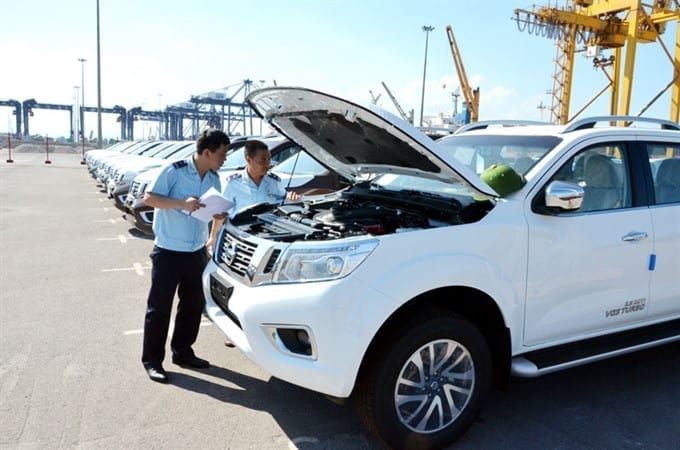
    Auto sales in Vietnam plunged by 37% to 137,300 units in the first six months as demand dropped amid economic challenges.

    Sales reached the monthly highest this year in March at over 30,000, but fell the following two months before recovering slightly last month at 23,800 units, according to the Vietnam Automobile Manufacturers Association, which does not incorporate data from TC Motor and VinFast.

    Most major brands saw a double-digit decline in sales in the first six months.

    Truong Hai Auto Corporation led sales at over 41,600 units, down 44% year-on-year.

    It was followed by Toyota with 26,600 units, down 38%.

    Ford came third at 17,400 units. It was the only brand in the top five sellers with a growth rate of 80%.

    Mitsubishi sold 12,800 units, and Honda nearly 9,500.

    The government in May deferred the special consumption tax payable by carmakers for June-September until November 20.

    It has also cut car registration fees in half starting from July 1 until the end of the year for locally-made or locally-assembled cars to boost sales.

  • Pirelli Launches P Zero Trofeo RS Tyres For Supercars, Hypercars

    Pirelli Launches P Zero Trofeo RS Tyres For Supercars, Hypercars

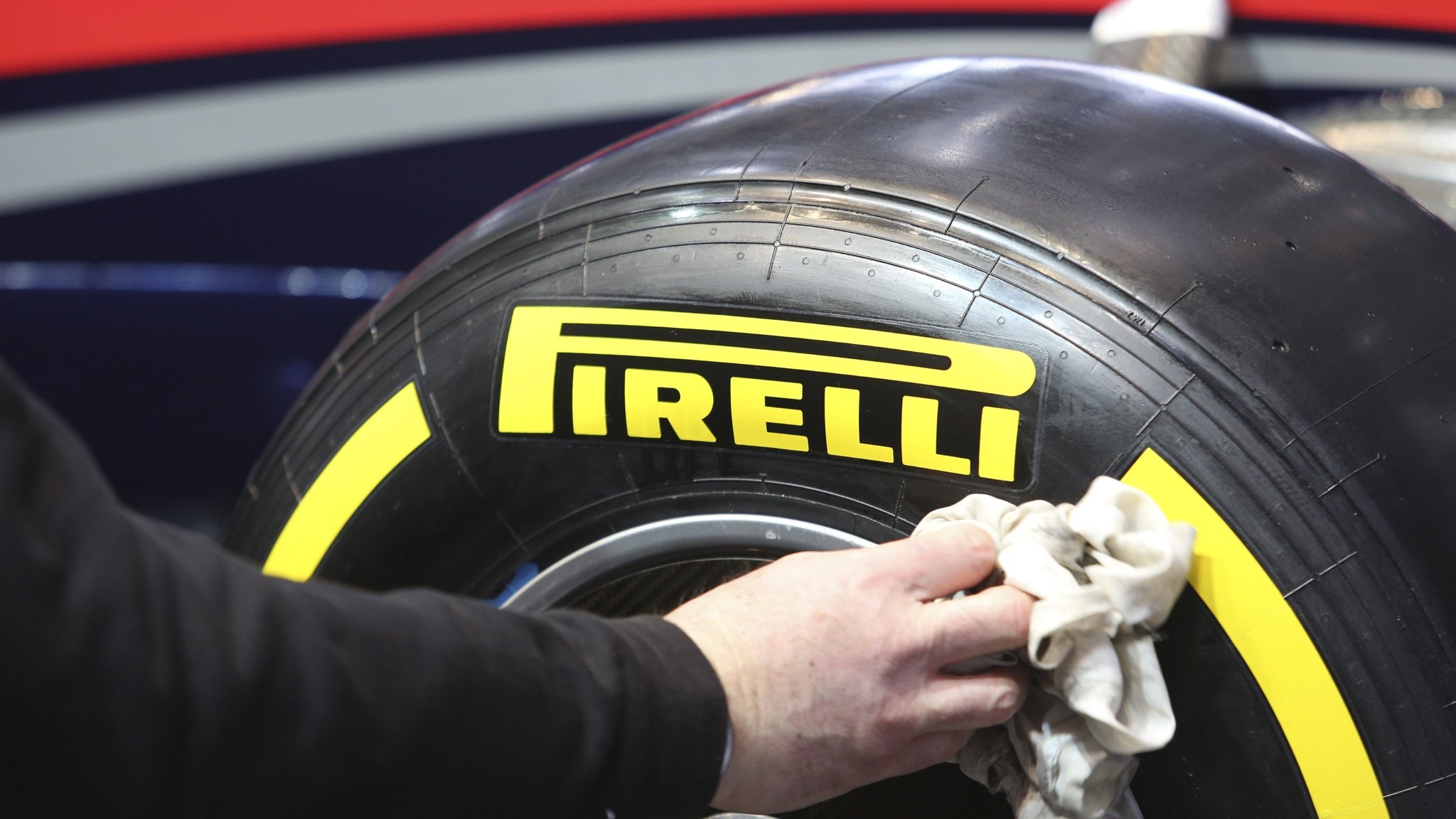
    Pirelli has expanded its range of P Zero tyre series with the new semi-slick Trofeo RS. Pirelli says that the tyres are the technical successor of the Trofeo R and unlike the latter are available to manufacturers for use as an OEM part. The Trofeo R were only offered as aftermarket alternatives. Pagani Automobili, the Italian hypercar manufacturer, has already chosen the P Zero Trofeo RS as the original equipment for their latest car, the Utopia.

    Pirelli says, the P Zero Trofeo RS delivers performance on dry surfaces and improved consistency over prolonged usage. The Trofeo RS maintains its performance for longer durations, providing both speed and safety throughout multiple track sessions. Furthermore, as a road-approved tire, Pirelli has prioritised safety even in wet conditions.

    The company says that the new Trofeo RS was developed using the company’s learning from its extensive involvement in motorsports. The tyre range also offers a degree of customisability with car manufacturers able to custom order tyres for their performance cars through an on-demand catalogue. This includes multi-compound tread which allows for personalised tire configurations by combining different tread compounds from the company’s catalogue. For the Pagani Utopia, a set of P Zero Trofeo RS tires was specifically engineered to enhance sporty driving performance compared to the original P Zero Corsa tires, without compromising the car’s balance or the driver’s experience.

    Another feature available is Virtual Geometry Development, enabling precise calibration of the tire’s response to the driver’s requirements through virtual modeling of countless footprint profiles and shapes. In the case of the Pagani Utopia, extensive 3D development was employed to optimise grip and control by fine-tuning the tire’s footprint.

    The new Pirelli P Zero Trofeo RS is already being used by car manufacturers as original equipment, and in the near future, it will become available in a wide range for the aftermarket segment. The Trofeo R range too will continue to be available for aftermarket fitment.

  • Mercedes-Benz Partners With Tesla To Integrate NACS Charging Ports Into Its Lineup

    Mercedes-Benz Partners With Tesla To Integrate NACS Charging Ports Into Its Lineup

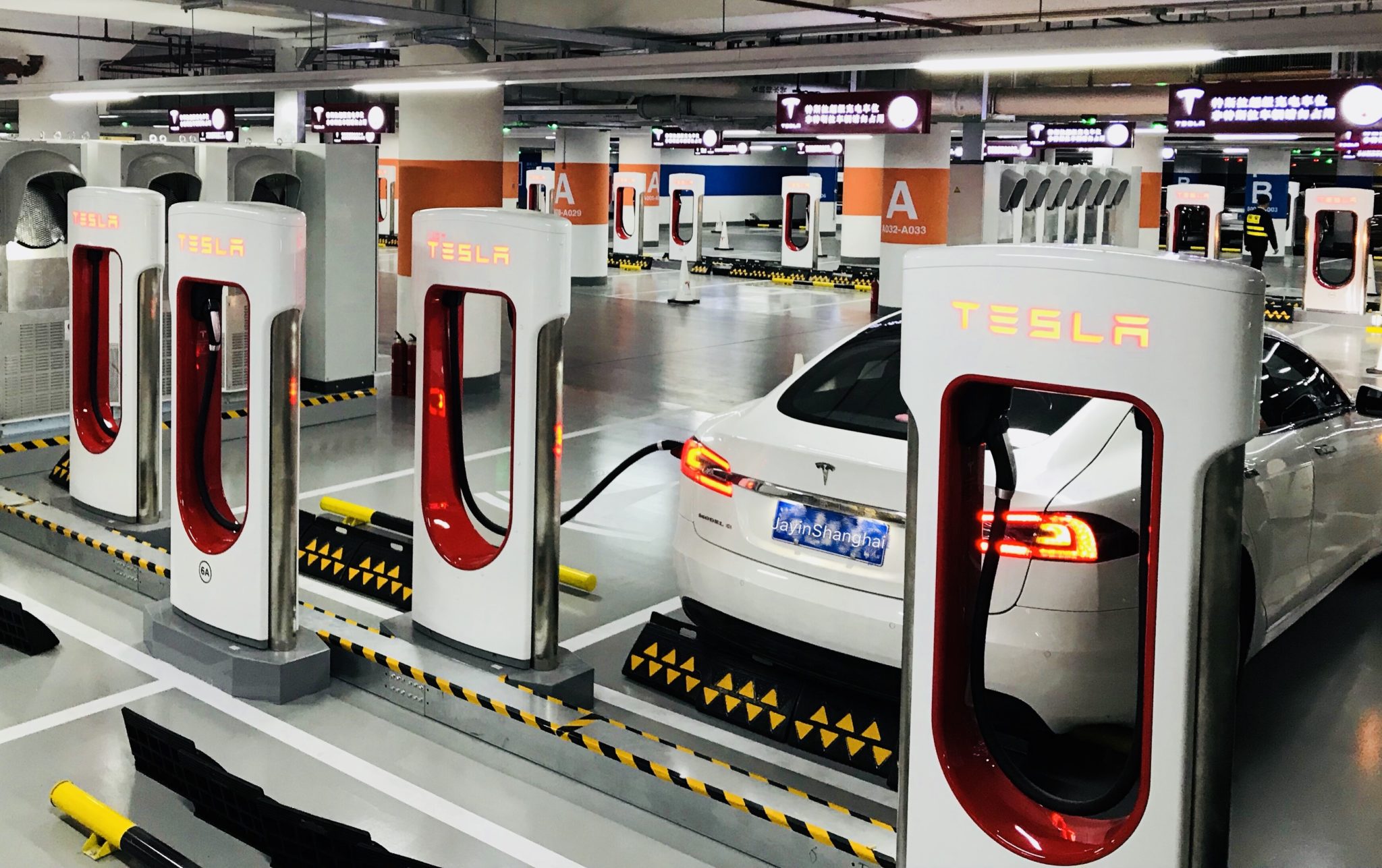
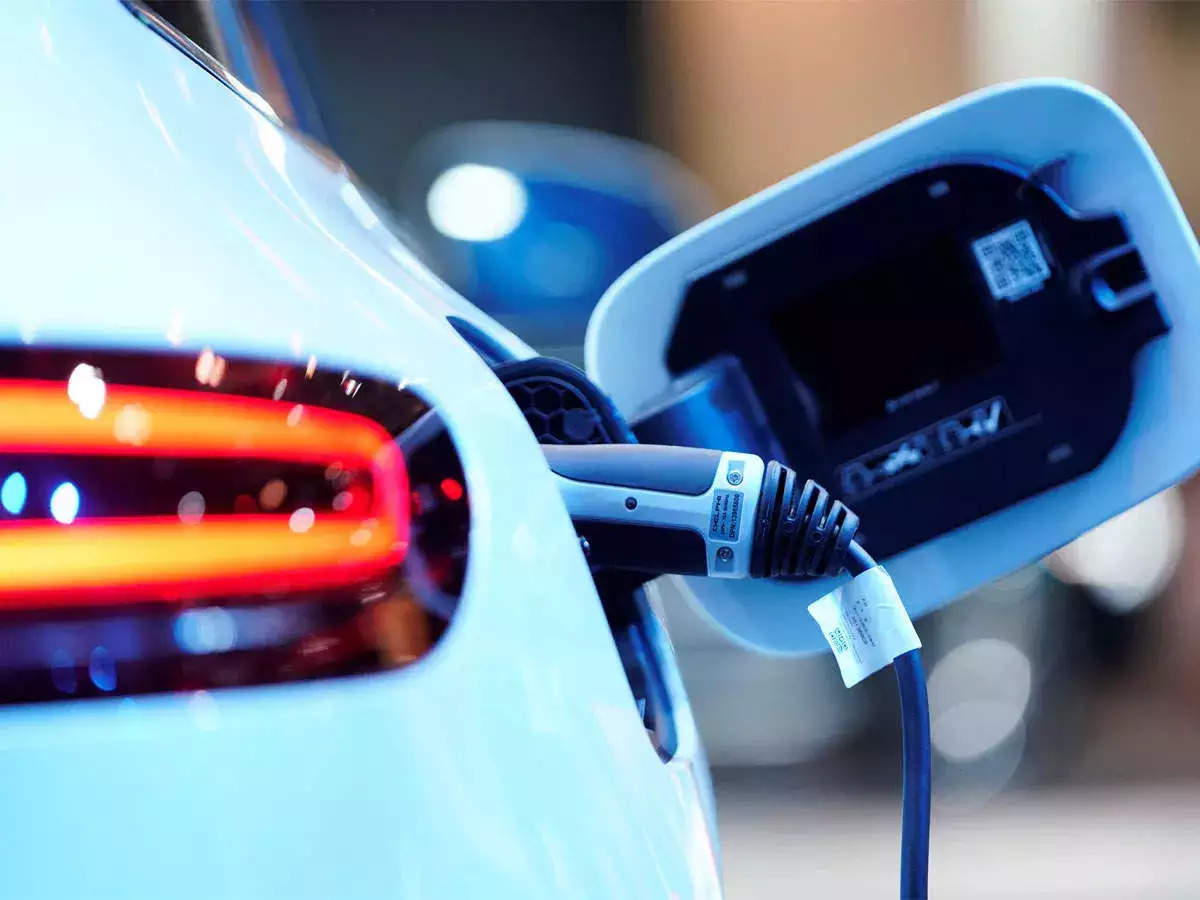
    Mercedes-Benz is the latest manufacturer to partner with Tesla to integrate NACS (North American Charging Standard) charging ports across its lineup of electric vehicles. This will provide electric vehicles from the brand with access to Tesla’s supercharger network. The German company will manufacture its vehicles in North America with NACS ports starting from 2025 onwards. The automaker also said that it will offer an adapter that enables cars with CCS configuration to charge on the NACS network from 2024 onwards.

    NACS is a connector system developed by Tesla. The manufacturer recently opened its use for all brands following which the likes of Ford, GM, Volvo, and Rivian partnered with the Elon Musk-led company to incorporate it into their own electric vehicles. Tesla’s supercharger network also has the advantage of being the largest one in North America and having a proven track record of reliability from glitches. Mercedes-Benz is the first German OEM to partner with the American brand.

    Mercedes Benz also plans to establish its own charging network of almost 400 Charging Hubs, including more than 2,500 high-power chargers in North America by the end of the decade. The first Mercedes-Benz charging hubs in North America will be opened by the end of 2023 and be equipped with both CCS1 and NACS plugs.

    Globally, the manufacturer plans to establish more than 2,000 Charging Hubs in countries like North America, Europe, China and other core markets by the end of the decade. This will include 10,000 charging ports that can be expanded depending on market need. The brand also stated that when open, these ports will be accessible to all EVs regardless of which brand.

  • Volvo Cars Registers 33% Growth in Global Sales

    Volvo Cars Registers 33% Growth in Global Sales

    Volvo Cars has announced a significant surge in sales for the month of June. The company reported selling a total of 66,379 cars worldwide, marking a 33% increase compared to the same period last year. A major contributor to this is the demand for Volvo’s fully electric vehicles, which experienced a fourfold increase in sales compared to June 2022. It’s worth noting that last year’s figures were adversely affected by supply chain constraints, leading to lower production. In June, Recharge models saw a staggering growth of 129%, accounting for an impressive 37% of all Volvo cars sold globally. Among the Recharge models, fully electric cars comprised 14% of the total sales.

    During the first half of this year, Volvo Cars achieved sales of 341,691 cars, representing a notable 17% increase compared to the corresponding period in 2022. A significant contributing factor to this success is the company’s Recharge line-up, consisting of chargeable models with either fully electric or plug-in hybrid powertrains.

    In Europe, Volvo Cars experienced a substantial sales surge of 70% in June, with 27,196 cars sold compared to the previous year. Recharge models accounted for 58% of overall sales in the region. Looking at the cumulative sales for the first half of the year, Volvo Cars witnessed a 23% increase in Europe, reaching a total of 146,943 cars sold.

    Meanwhile, in the United States, Volvo Cars achieved a remarkable 53% increase in sales in June, with a total of 12,933 cars sold compared to the previous year. Recharge models were the driving force behind this growth, with a notable increase of 79%. Consequently, Recharge models accounted for 29% of total sales in the US. During the first half of 2023, Volvo Cars achieved sales of 59,750 units in the US, representing an 18% increase compared to the same period last year.

    However, Volvo Cars faced a slight dip in sales in China, with 15,405 cars sold in June, representing a 7% decrease compared to the same month last year. Despite this decline, Recharge models still held a respectable 8% share of the total sales in the Chinese market.  In terms of individual models, the Volvo XC60 emerged as the top-selling vehicle in June, with a total of 21,053 cars sold. This represents an increase from the previous year when 18,275 units were sold.

    The XC40 followed closely behind, with sales reaching 18,170 cars, the XC90 also maintained a steady performance, with 9,895 cars sold. Volvo Cars’ sales growth, is particularly driven by the soaring demand for its fully electric vehicles.

  • Chinese company launches cheapest EV in Vietnam

    Chinese company launches cheapest EV in Vietnam

    Chinese manufacturer Wuling has introduced the cheapest electric vehicle models in Vietnam.

    The newly-launched mini electric vehicle models were launched Thursday for prices starting at VND239 million ($10,139).

    The Wuling Hongguang Mini EV, which is assembled in Vietnam’s northern province of Hung Yen, is one of the smallest electric vehicles in the country.

    The four-seater, designed for urban transportation, can drive for 120-170 kilometers per charge, depending on the battery that users purchase. It takes 6.5-9 hours to fully charge a battery.

    The car has a maximum designed speed of 100 kilometers per hour.

    The inexpensive vehicle has one seven-inch screen for the driver to monitor the car.

    Dealers are set to receive the cars starting this September.

  • Thaco to sell 10% stake in automobile subsidiary

    Thaco to sell 10% stake in automobile subsidiary

    Truong Hai Group (Thaco Group) is looking for investors to sell a 10% stake in automobile manufacturing and distributing subsidiary Thaco Auto.

    Nguyen Hung Minh, vice chairman of Thaco Group, said Wednesday that the sale of 10 percent of shares in Thaco Auto is meant to raise funds for production and business, investment in expanding the retail system and development of new products.

    Ho Chi Minh City Securities Corporation (HSC), Thaco’s financial advisor, is working on this plan.

    DMeanwhile, Thaco’s ESOP shares issued in 2018 will be converted to make it a public joint stock company. This company plans to list on the market within the next next years.

    According to Nguyen Hung Minh, all production activities of Thaco Auto currently take place at our industrial park in Chu Lai.

    Recently a number of domestic and foreign investors have been working with Thaco and HSC on buying the Thaco Auto shares.

    Negotiations are still ongoing and no decision has been made, but Minh said Thaco expects to complete the deal this year.

    The company, owned by billionaire Tran Ba Duong, is a diversified corporation with interests in automobiles, agriculture, mechanical engineering and supporting industries, construction investment, logistics, trade, and services.

    Thaco Auto manufactures, assembles, and distributes KIA, Mazda, Peugeot, and BMW cars and has nearly 400 showrooms across Vietnam.

    Mazda cars being manufactured at Thaco Auto’s factory in the Chu Lai Industrial Park, Quang Nam Province. Photo courtesy of Thaco Auto

    Thaco Auto has a production complex with seven factories in the Chu Lai Industrial Park (Quang Nam).

    This year it targets sales of over 120,000 vehicles, including 96,000 passenger cars, 23,500 trucks and 1,500 buses and minibuses.

    It expects consolidated revenues of over VND90 trillion, equivalent to nearly $USD3.8 billion, including VND5.2 billion from services.

    In 2022 the company sold 111,440 vehicles to retain the largest market share in the country at 38 percent.

  • Vietnam halves car registration fees to boost sales

    Vietnam halves car registration fees to boost sales

    Vietnam has cut car registration fees in half for locally-made or assembled cars as authorities hope against hope that the move will boost sales.

    The 6-month cut takes effect July 1 and the fees will return to normal starting Jan. 1, according to a government decree issued Wednesday.

    Registration fees are calculated based on car prices in each locality. The rates are 12% in Hanoi and Hai Phong, and 10% in HCMC.

    Vietnam issued the same 50% cut for six months in 2020 and 2022 to boost consumption. The move caused sales to double in both cases.

    The Ministry of Finance, however, said earlier that the cut might not be as effective this time since the economy is seeing a strong decline in industrial activity and exports amid high inflation and low GDP growth.

    In the first five months, 113,500 auto units were sold, a 36% plunge year-on-year, according to the Vietnam Automobile Manufacturers Association.

  • Auto parts market set to boom as vehicle population ages

    Auto parts market set to boom as vehicle population ages

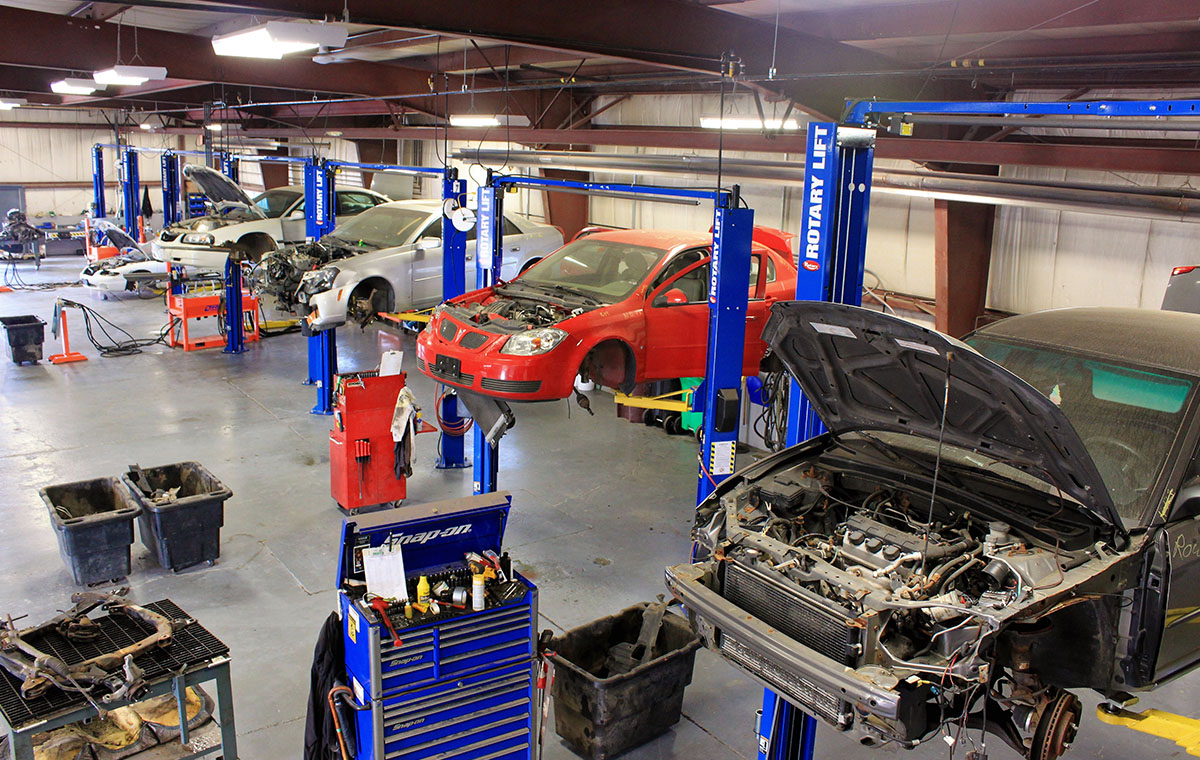
    The average age of automobiles in Vietnam is 5.7 years, or near a major maintenance milestone and requiring many replacement parts, according to experts.

    Passenger cars usually have a warranty period of three to five years, and need a major overhaul after six to seven years of running.

    With cars aged nearly 6 years, the demand for components and parts for maintenance, repair and replacement purposes will increase sharply in the near future.

    At an auto parts show in Ho Chi Minh City in late June, Teoh Chee How, head of the Asia Pacific aftermarket division at ZF Aftermarket, a German seller of components and systems for cars, said: “In the next five years the number of new cars on the road will increase by 10%.”

    “The average age of vehicles is near the time of overhaul,” How said. “That is why we consider Vietnam to be a very promising auto parts market and well worth investment.”

    According to research by ZF Aftermarket, the total number of passenger cars in circulation in Vietnam is 2.5 million, and their average age is 5.7 years, compared with 12.5 years in the U.S. and 12 years in Europe.

    Markus Wittig, head of business line passenger cars at ZF Aftermarket, said the biggest challenge facing the Vietnamese auto parts market is the lack of in-depth, methodical support and diagnostic tools for workers at independent repair centers.

    The country’s annual automobile production capacity is 755,000, with foreign-owned plants manufacturing for 35% of them, according to the Ministry of Industry and Trade.

    Imports of components for production and repair are worth around US$5 billion a year.

  • Honda Motor Recalls 1.2 Million US Vehicles For Rearview Camera Issue

    Honda Motor Recalls 1.2 Million US Vehicles For Rearview Camera Issue

    Honda Motor has initiated a recall of approximately 1.2 million vehicles in the United States after a potential problem was identified with the rearview camera image, as confirmed by the National Highway Traffic Safety Administration (NHTSA) on Friday.

    The recall affects specific models including the 2018-2023 Odyssey, 2019-2022 Pilot, and 2019-2023 Passport. The issue stems from a faulty communication coaxial cable connector, which may result in the absence of the rearview camera image on the display.

    To address this concern, Honda has previously extended the warranty for affected vehicles in 2021. The automaker revealed that it has received a significant number of warranty claims, totalling 273,870, associated with this matter from May 2017 to June of this year. Fortunately, there have been no reported injuries or fatalities connected to this recall.

    Authorized dealers will resolve the issue by installing an enhanced cable harness between the existing display audio and vehicle terminal connections. Additionally, a straightening cover will be placed over the vehicle cable connector to establish a proper connection with the audio display unit.

  • Tata Motors Expands EV Focus

    Tata Motors Expands EV Focus

    Tata Motors is placing a significant emphasis on the electric vehicle (EV) sector with a series of product launches in a bid to substantially increase its market share by 2030. According to the company’s recently published annual report for the fiscal year 2022-23 (April-March), Tata Motors anticipates that EVs will account for 25 percent of its product portfolio within five years and reach 50 percent by 2030.

    In the March quarter, Tata Motors achieved a major milestone by surpassing annual EV sales of 50,000 units, constituting 12 percent of its overall sales. Over the past three years, Tata Motors, as the leading player in India’s EV market, witnessed a remarkable surge in volumes, escalating from 1,300 units to over 50,000 units.

    The company foresees a considerable surge in EV demand as more options become available to consumers. During the fiscal year 2023-24, Tata Motors aims to focus on achieving substantial volume growth, making strategic investments, maintaining healthy underlying unit economics, and remaining competitive in the market. N Chandrasekaran, Chairman and Non-executive Director, expressed confidence in the company’s future prospects, asserting that Tata Motors is rebounding after several challenging years and remains committed to fulfilling its financial obligations while contributing to a greener future.

    Tata Motors presently boasts the widest range of EV offerings in India, encompassing hatchbacks, sedans, and sports utility vehicles (SUVs) catering to both premium and mass market segments. Moving forward, the automaker intends to capitalize on this strategic advantage by expanding its EV sales and after-sales network, as well as charging infrastructure throughout the country. By implementing these initiatives, Tata Motors aims to tap into the untapped potential and broaden its customer base.

    Jaguar Land Rover (JLR), Tata Motor’s subsidiary, is also making significant strides in the EV domain. The company has set its sights on transforming Jaguar into a fully electric luxury brand, and its strategic plan is progressing as intended. Adrian Mardell, the interim CEO, announced that the first new all-electric Jaguar vehicle will be unveiled in 2024, with customer deliveries commencing in 2025. Later this year, JLR plans to commence pre-orders for the inaugural pure electric Range Rover. Despite the challenging market conditions, JLR remains committed to delivering on its “Reimagine” strategy and is confident in the unwavering support and dedication of its skilled workforce.

  • China’s biggest automaker SAIC eyes sales of 100,000 units in Vietnam

    China’s biggest automaker SAIC eyes sales of 100,000 units in Vietnam

    China’s biggest auto brand SAIC Motor will build a factory in Vietnam next year and hopes to achieve sales of 100,000 units a year within five years.

    “With 100,000 cars sold a year, SAIC can be the third biggest auto company in Vietnam,” SAIC Vietnam director of business and marketing, Tran Nam Thang, said.

    SAIC Vietnam is a subsidiary of Chinese state-owned company Shanghai Automotive Industry Corporation.

    It also plans to start selling MG cars in Vietnam in July, taking it over from Malaysian distributor Tanchong.

    SAIC owns MG, originally a U.K. company.

    The goal of selling 100,000 cars a year is considered bold, given that Toyota, the biggest player in Vietnam, sold only 91,000 vehicles last year, followed by Hyundai with 81,000 units.

    Last year only around 4,300 MG cars were sold in Vietnam.

    Selling more than one brand will be a key strategy to achieve this goal.

    “The plan to build a factory in Vietnam will help reach the goal,” Thang said.

    “SAIC owns many brands and can develop its products quickly to meet a range of demands.”

    The company is considering locating the plant in the north and completing it by 2025. It will not just manufacture cars for the Vietnam market but also for other Southeast Asian countries.

    SAIC is the third Chinese company to announce plans to build a plant in Vietnam after BYD and Chery.

    The latter plans to sell its first cars in the country by the end of this year.

    SAIC sold 5.3 million cars last year and has been the biggest auto company in China for 17 years.

  • Halve car registration fees to boost sales

    Halve car registration fees to boost sales

    Prime Minister Pham Minh Chinh has asked the Ministry of Finance to halve registration fees for locally-made or assembled automobiles starting July 1.

    A draft decree on the issue should be submitted to the Government for approval before June 15, he said.

    The cut will be in effect until the end of this year to boost falling demand.

    The registration fees are calculated based on car prices in each locality. The rates are 12% in Hanoi and Hai Phong, and 10% in HCMC.

    The Vietnam Automobile Manufacturers Association (VAMA) said credit tightening and rising interest rates have diminished market liquidity, and automobile companies are struggling to cope with high inventories.

    In the first four months VAMA saw 92,801 cars sold, down 30% year-on-year.

    Experts have predicted that total vehicle sales this year will unlikely reach last year’s figure of half a million units.

  • Volvo’s Latest Apple CarPlay Update Brings Navigation, Call Details To Driver’s Display

    Volvo’s Latest Apple CarPlay Update Brings Navigation, Call Details To Driver’s Display

    Volvo Cars is rolling out an important update for Apple CarPlay users in its vehicles worldwide. The over-the-air software update enhances the infotainment system and brings significant improvements to the Apple CarPlay experience. A key enhancement is the integration of Apple Maps and other supported navigation apps directly into the driver display (instrument cluster). This integration allows drivers to access navigation information conveniently while keeping their eyes on the road, improving safety and convenience.

    The update also improves call management by displaying call information on the driver display. Drivers can answer, reject, and end calls using the steering wheel buttons. Additionally, the CarPlay tile in the centre display now provides media information, making it easier to control media playback functions like play, pause, and skip.information

    Speaking on the announcement, Alwin Bakkenes, Head of Software Engineering at Volvo, said, “The latest update on CarPlay features is an excellent example of how we continuously improve and add features and functions together with our technology partners, making our customers’ experience richer over time.”

    In addition to the CarPlay improvements, the update brings various changes to enhance the overall driving experience. Drivers can now switch between different driver support functions using the steering wheel buttons. There is also an option to choose whether the wing mirrors should fold when locking the car. Volvo also says that the update includes minor engine calibration optimizations and bug fixes as well.

    The over-the-air update will become available on Volvo cars with Google built-in.

  • Ample Introduces Modular Battery-Swapping Technology

    Ample Introduces Modular Battery-Swapping Technology

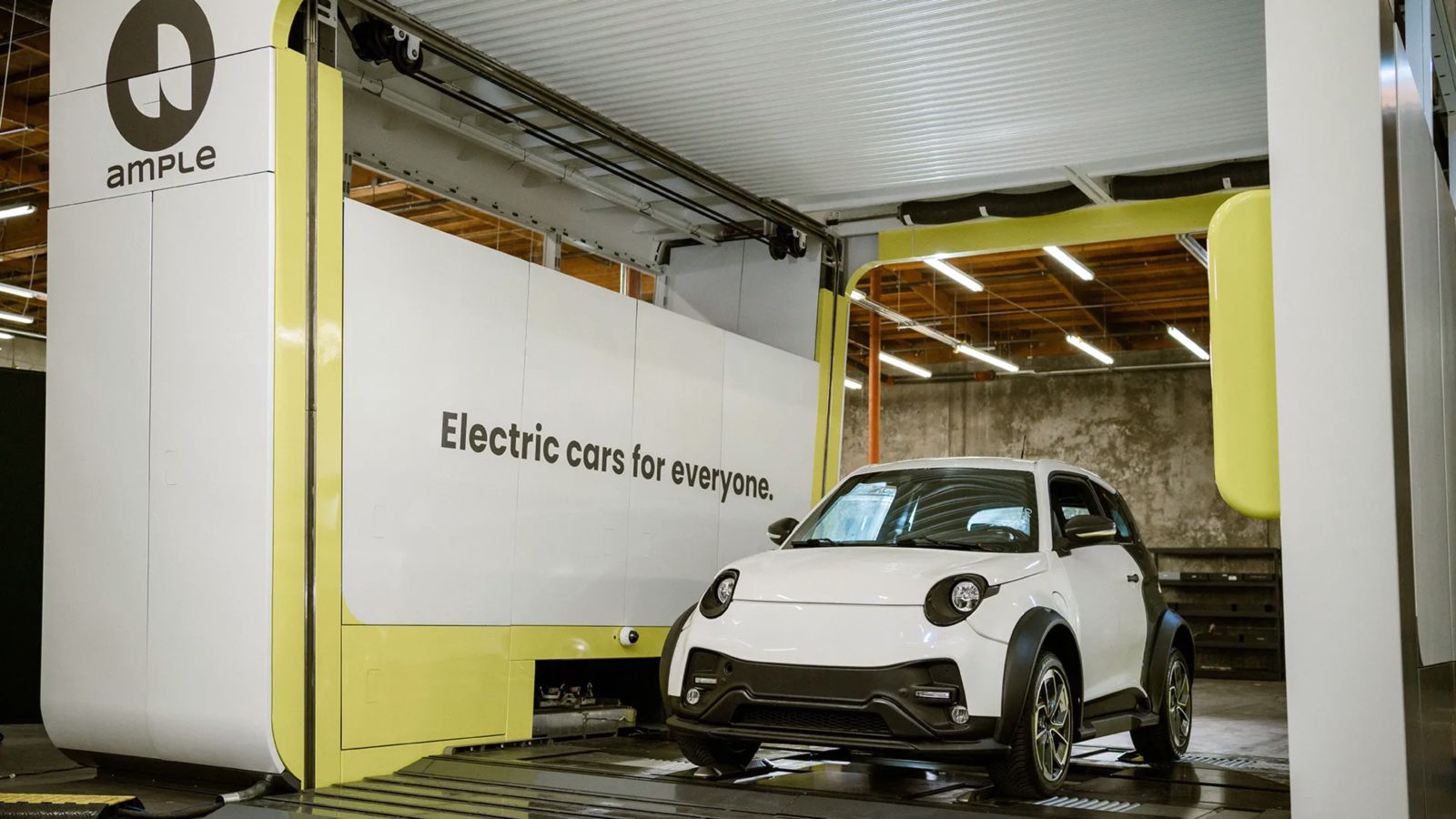
    Ample, electric vehicle (EV) charging solutions provider has introduced a technology known as modular battery swapping. This innovative approach aims to revolutionise the way EVs are charged by delivering a 100 per cent charge in under five minutes. Unlike traditional charging methods, which can be time-consuming, Ample’s battery-swapping system offers a fast and efficient alternative.

    The key advantage of Ample’s technology lies in its modular design. By swapping out depleted batteries with fully charged ones, EV owners can achieve a complete charge within minutes. This speed rivals the refuelling time of conventional internal combustion engine vehicles, addressing a significant concern for potential EV buyers.

    In addition to its efficiency, Ample’s battery-swapping system offers cost advantages. Compared to traditional fast-charging stations, the construction and installation of Ample stations are three to ten times cheaper. The lightweight and modular design eliminates the need for complex infrastructure, reducing overall costs.

    Another notable feature of Ample’s technology is its compatibility with any electric vehicle. Unlike other charging solutions that require car manufacturers to modify their designs, Ample’s modular, swappable battery architecture can be seamlessly integrated into existing EV models. This compatibility ensures that all EV owners can benefit from the rapid charging capabilities without limitations.

    Ample’s battery swapping stations are designed for rapid deployment and scalability. Their lightweight nature and minimal construction requirements allow for swift installation, making it possible to establish a city-wide network of stations within weeks. This rapid deployment ensures that EV charging infrastructure can keep pace with increasing demand and adapt to evolving needs.

    Ample claims that its battery technology is future-proof and adaptive. The battery modules can accommodate any make, model, or driving profile, catering to various EV applications such as commuting, ridesharing, and delivery services. The modular design also allows for future improvements in battery technology, ensuring that vehicles on the Ample platform benefit from the latest advancements.

    Ample’s battery-swapping stations employ advanced technologies like computer vision and secure wireless communication to facilitate a fully automated process. The station identifies the precise location of each battery module in the vehicle, allowing for seamless swapping. Once the discharged batteries are removed, they are charged and made ready for the next vehicle, ensuring a continuous and efficient charging cycle.