Category: Automotive

Retail News Asia is committed to providing both local and global retailers with the latest Auto and Car news throughout the Asian market. This on a daily base.

  • Vietnam’s VinFast recalls first batch of US-bound EVs over safety risk

    Vietnam’s VinFast recalls first batch of US-bound EVs over safety risk

    Vietnamese electric vehicle (EV) maker VinFast said it is recalling all of the first batch of vehicles it shipped to the United States last year following a safety warning issued by U.S. authorities.

    The move came after the U.S. National Highway Traffic Safety Administration (NHTSA) said 999 of VinFast’s VF 8 vehicles suffered a software error in the dashboard display that prevented critical safety information from being shown and “may increase the risk of a crash”.

    More than 700 of the 999 units are still in VinFast’s hands and have not been delivered to customers or fleet services, the NHTSA estimated.

    In a statement to Reuters, VinFast said it issued a voluntary safety recall of the VF 8 City Edition on which the dashboard screen goes blank while driving or stationary.

    “VinFast is not aware of any field reports of incidents. The company is issuing this recall out of an abundance of caution,” it said.

    The recall statement comes less than two weeks after VinFast announced it would list in the United States via a merger with special purpose acquisition company (SPAC) Black Spade Acquisition Co (BSAQ.N).

    The two companies estimated the new entity would have a potential equity value of $23 billion, assuming no Black Spade shareholders elect to cash out.

    In February, VinFast recalled 2,781 VF 8 cars sold domestically over an issue with the front brake of some models.

    VinFast, which was founded in 2017 and began selling EVs in California this year, has shipped two batches of VF 8 cars to the United States totalling 2,097 units. It is also planning to send its first vehicles to Europe in July.

    In documents filed with the NHTSA, VinFast said it first became aware of the dashboard issue on April 27 while reading customer comments and concerns. According to the safety agency, the problem has been documented 18 times.

    The NHTSA said VinFast will introduce a software update that should fix the issue. The software fix is scheduled to go live on May 25 with notification letters being sent out to owners by May 29.

    Last month, VinFast said it had received a fresh round of funding pledges worth $2.5 billion from parent Vingroup JSC, Vietnam’s biggest conglomerate, and founder Pham Nhat Vuong, Vietnam’s first billionaire and richest man.
  • Bentley recalls two Continental models due to fire risk

    Bentley recalls two Continental models due to fire risk

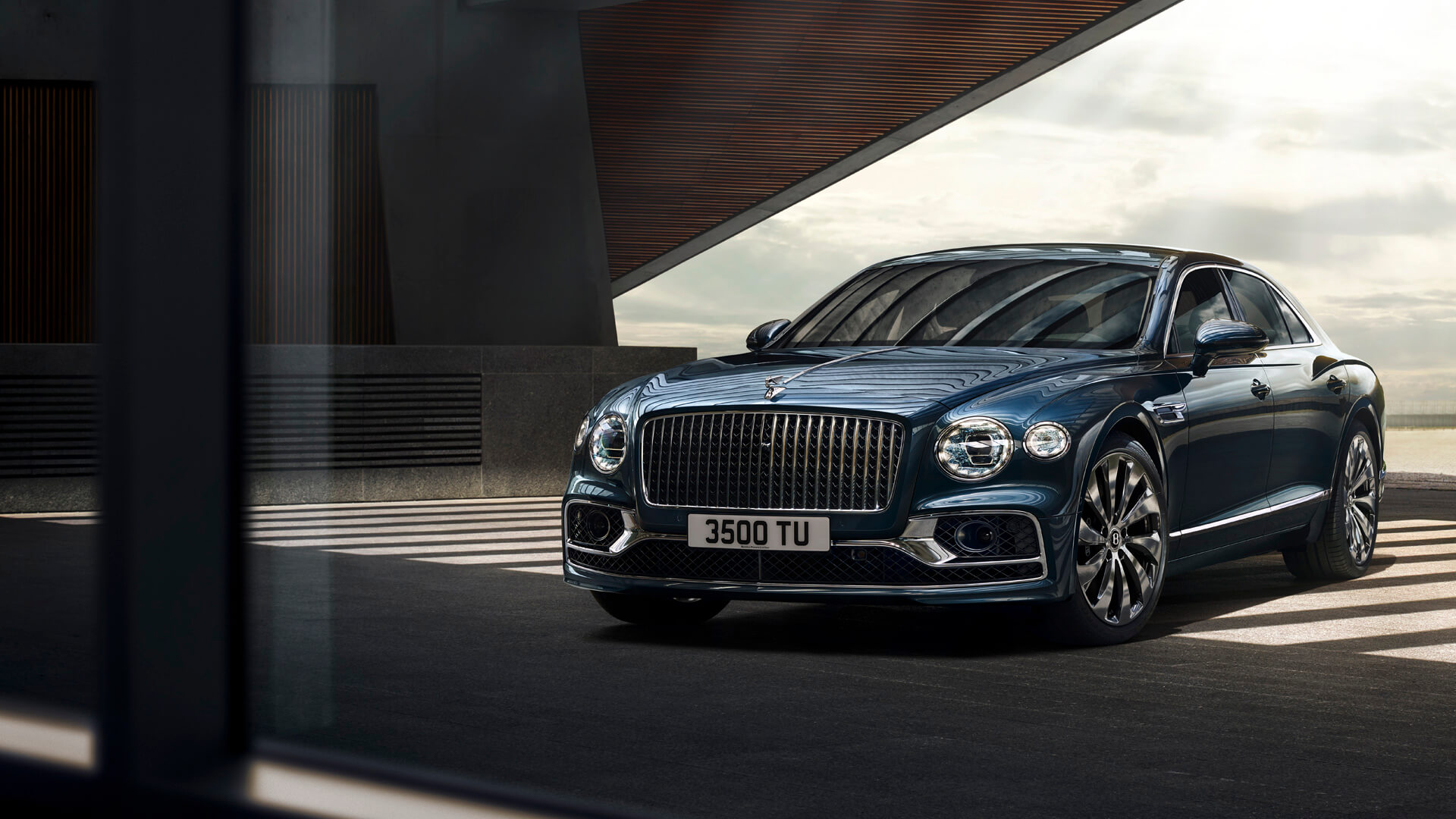
    Luxury carmaker Bentley is recalling its Continental GT First Edition W12 and W12 cars in Vietnam to fix a faulty water pump that poses a threat of fire.

    Due to a design defect, the water pump could create a vacuum within the electrical area of the pump and cause liquid from the coolant system to permeate the housing of the water pump and damage the electrical circuitry which could cause a fire, it said.

    The recalled vehicles were manufactured in 2018 and imported from the U.K.

    Dealers of distributor CT Wearnes Vietnam are handling the recall, and it will take some 50 minutes to replace the faulty water pump.

    A spokesperson for the British carmaker in Vietnam said if the engine management light lights up or smoke is detected, people should immediately stop the vehicle wherever it is safe to do so, turn off the ignition, evacuate the vehicle, and contact the nearest retailer immediately.

    Bentley has an authorized dealer each in Hanoi and Ho Chi Minh City.

    The Continental GT is a two-door sedan with a price-tag of at least VND18 billion (US$762,700) in Vietnam.

  • Tesla Cancels Production of Right-Hand Drive Model S and Model X

    Tesla Cancels Production of Right-Hand Drive Model S and Model X

    Tesla has recently announced that it is cancelling the production of right-hand drive Model S and Model X vehicles, citing low demand in certain regions. This move surprises many customers who have been waiting for their orders to be fulfilled.

    According to the company, customers who have already placed orders for the right-hand drive Model S and Model X will be offered refunds or the option to switch to a left-hand drive version. Tesla has also stated that it will continue to support existing right-hand drive vehicles with parts and service.

    This decision by Tesla is likely because most countries drive on the right-hand side of the road, making left-hand drive vehicles more popular. Additionally, the Model S and Model X are older models in Tesla’s lineup, and the company may be looking to shift its focus to newer vehicles.

    Tesla has informed reservation holders that they will not offer right-hand-drive Model S and Model X vehicles for the foreseeable future. Customers can opt to purchase a left-hand drive model, receive a credit towards a Model 3 or Model Y, or cancel the reservation and receive a full refund. Those who choose to change their reservation for a Model 3 or Model Y will receive a credit of up to $2,175 in Ireland and up to $2,000 in Australia.

    The demand for Tesla’s Model S and X has decreased significantly due to their outdated models compared to newer models from startups and established OEMs. In 2022, Tesla built 71,777 of these models but only sold 66,705, and in Q1 2023, they built 19,437 but almost half remain unsold.

    Despite this setback, Tesla has been making strides in the electric vehicle market. Its latest vehicle, the Model Y, has been well-received, and the company is working on developing new technologies such as autonomous driving and advanced battery system

  • Vietnam-dominant Mercedes challenged by cheaper BMWs

    Vietnam-dominant Mercedes challenged by cheaper BMWs

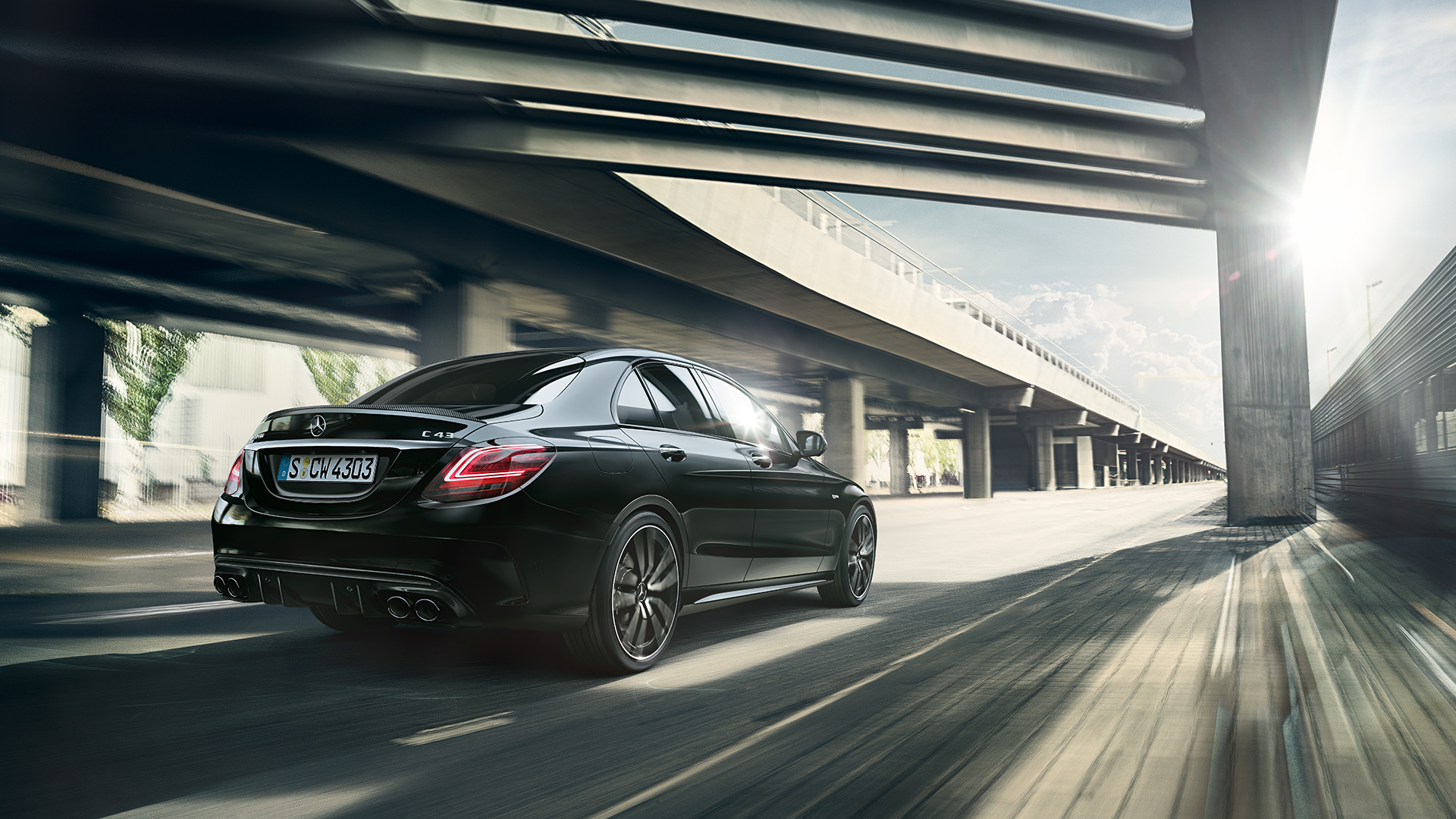
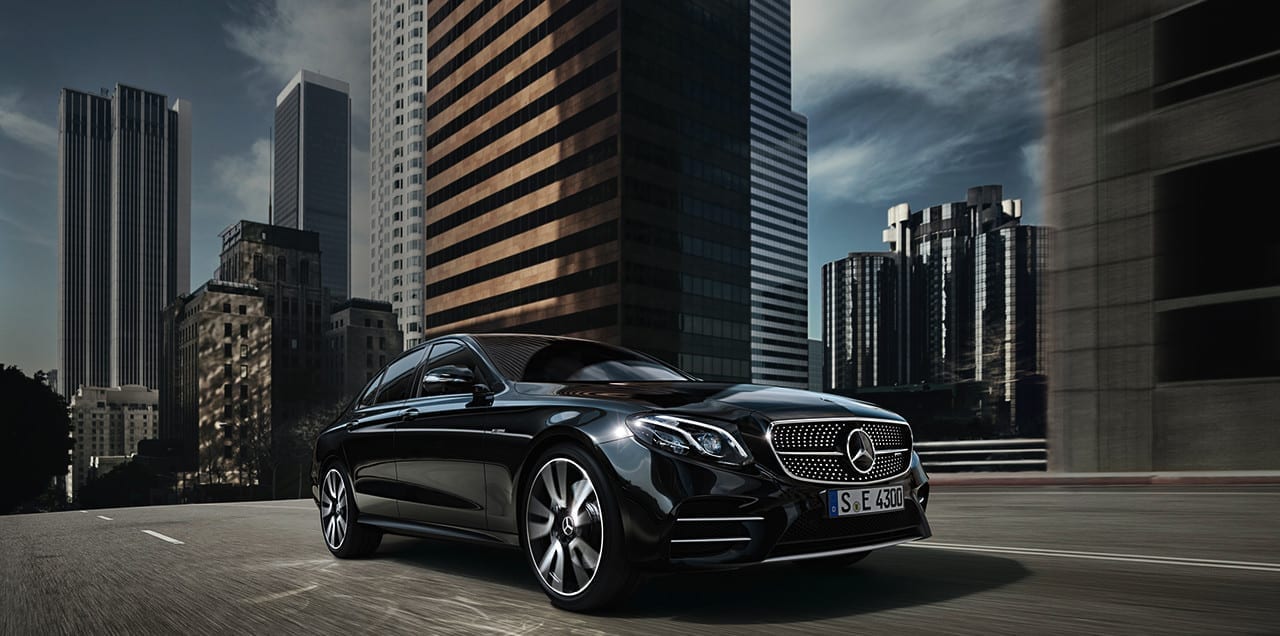
    Mercedes has been dominating Vietnam’s luxury car market in recent years, but that could start to change this year as BMW lowers prices.

    “We have always considered BMW a major competitor in most markets globally, but things are different in Vietnam,” said CEO Brad Kelly on the sidelines of the launch of the new Mercedes GLC models in Ho Chi Minh City recently.

    He added that in Vietnam, BWM does not yet seem to threaten Mercedes in terms of sales.

    Between 2019 and 2022, Mercedes secured and average of around 60% of Vietnam’s total luxury car market share, and the German brand last year sold over 7,900 units alone.

    Its competitor from the same country, BMW, only secured fourth place last year – behind Lexus and Volvo – with the sale of 973 units.

    However, Thaco, the Vietnamese company that distributes BMW cars, has been assembling several BMW models, such as the 3 Series, the 5 Series, and the X3 and X5.

    This implies that BMW wants to reduce its retail prices in Vietnam as assembling the vehicles locally will bring down costs.

    The strategy seems to have succeeded as the BMW X3s assembled last year are now selling from VND1.8 billion ($76,700), compared to the new Mercedes GLC price tag of VND2.3 billion.

    Thus, the cheapest luxury car in Vietnam now belongs to BMW, not Mercedes.

    The rising competition with BMW therefore will benefit Vietnamese customers and the local auto industry, and it will motivate Mercedes to come up with more new ideas, Kelly said.

  • Hai Phong port customs look for owner of Rolls-Royce unclaimed for one year

    Hai Phong port customs look for owner of Rolls-Royce unclaimed for one year

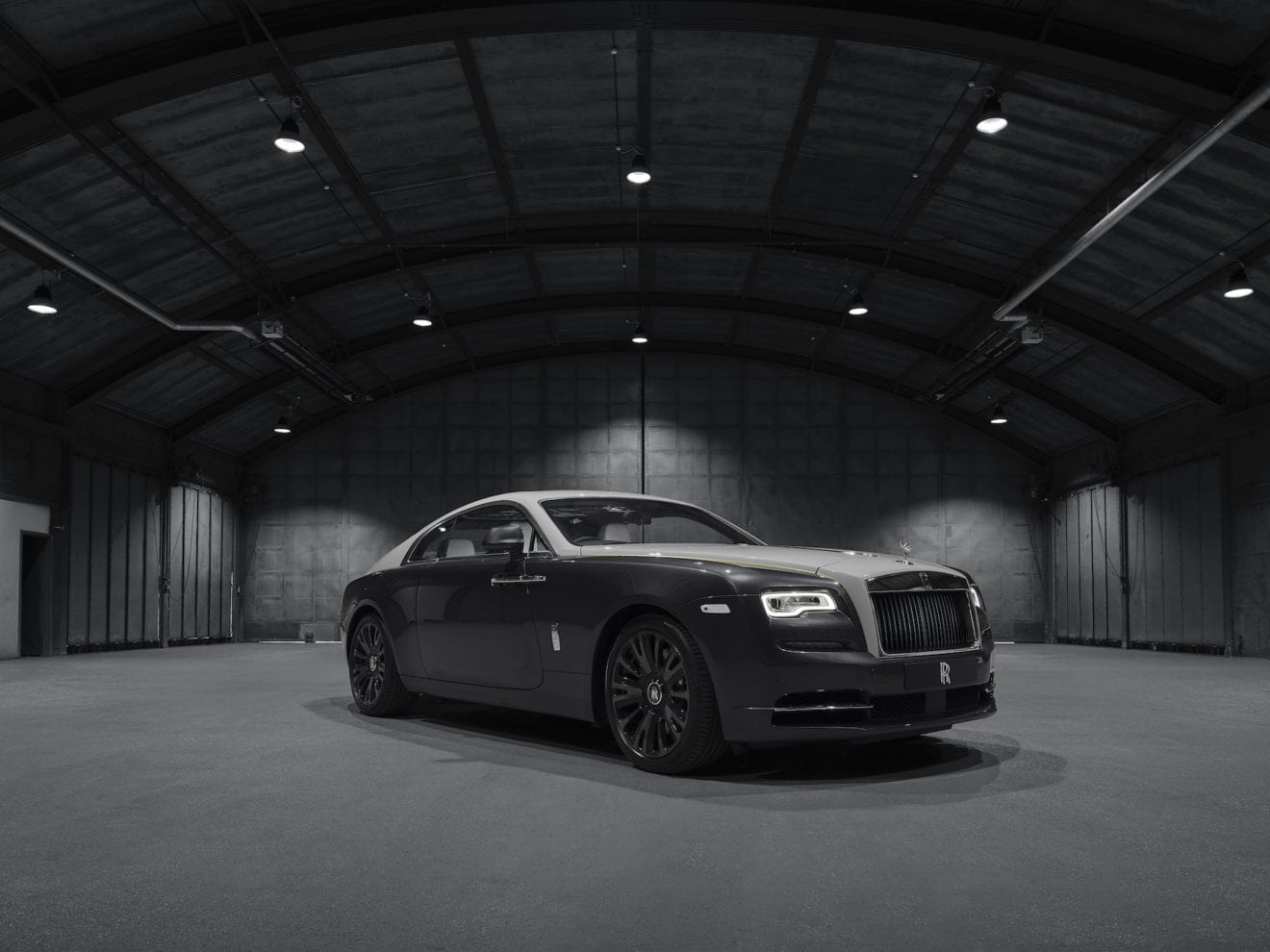
    Customs authorities in Hai Phong City’s Dinh Vu Port are looking for the owner of a Rolls-Royce car that has remained unclaimed since being imported in July last year.

    According to the port customs sub-department, after no individuals or organizations came to collect the vehicle, last December it had posted the first notice to find the owner.

    The exporter is Germany’s Hollman International Company, and the recipient is a company with address in the Trung Van urban area in Hanoi.

    Mediterranean Shipping Company had transported it.

    The automobile is at the port’s Tan Cang International Container Terminal.

    A Rolls-Royce Cullinan currently costs over VND40 billion ($1.7 million).

    Past cases of abandoned luxury cars have existed in Hai Phong and Da Nang ports.

    In 2020 Hai Phong customs auctioned a Ferrari after a public notice failed to find its owner for over 90 days.

  • Vietnam auto sales decline drags it down to 5th place in Southeast Asia

    Vietnam auto sales decline drags it down to 5th place in Southeast Asia

    A slump in auto sales last quarter pushed Vietnam from fourth to fifth place in Southeast Asia.

    Vietnam has for years been the fourth largest auto market in the region after Indonesia, Thailand and Malaysia, but suffered a 25% drop in sales in the first three months this year.

    Only 86,817 units were sold, according to data from the Vietnam Automobile Manufacturers Association, VinFast and Hyundai Thanh Cong.

    Due to the global recession, inflation and gloomy real estate and securities markets, people are more hesitant to buy big-ticket items like cars, and promotions and discounts by manufacturers and dealers have failed to persuade them.

    Vietnam and Myanmar saw the biggest declines in Q1, according to the ASEAN Automotive Federation. Myanmar suffered a steep drop of 84.8% year-on-year from 3,411 vehicles in Q1 2022 to 519 this year.

    The Thai market also declined by a more modest 6.1%, with sales being 210,000 units.

    According to automotive magazine Just Auto, the Thai automobile industry has seen slow growth since April last year because of rising bank interest rates and other factors such as floods and component shortages.

    But Indonesia and Malaysia have witnessed steady growth.

    In Indonesia, quarterly sales grew at 7% to 280,000 units, which kept it the top market in the region.

    Malaysia remained in third place with 190,000 units, a 20.4% increase.

    The Philippines took over fourth place with a 30.1% increase to 97,000 cars.

    The Singapore market also declined, with sales falling by 4.3% to 10,000.

    Thailand and Indonesia exchange places in auto production, while Malaysia remains in third place.

  • Mercedes distributor sees plummeting profit

    Mercedes distributor sees plummeting profit

    Mercedes distributor Haxaco reported a 92% year-on-year fall in pre-tax profits in the first quarter to VND5.6 billion ($238,750).

    Amid an industry-wide decline in sales, Haxaco’s revenues plummeted by 40% to VND992 billion.

    High-interest rates and the difficult economic situation caused sales of the luxury brand to drop, the company said in a statement.

    Its chairman, Do Tien Dung, said last week that in some months during the first quarter only a few cars were sold, and most of the income came from services.

    The company expects the difficult situation to persist until the end of the year.

    Yet it targets profits of VND310 billion for the year, the same as the record sum achieved last year, with Dung saying he does not want his employees to give up because the market situation is difficult.

  • Five motorbikes sold in Vietnam every minute

    Five motorbikes sold in Vietnam every minute

    Over 634,000 motorbikes were sold in Vietnam in the first three months, translating to almost five units every minute.

    The figure dropped by nearly 16% year-on-year, according to the Vietnam Association of Motorcycle Manufacturers, which comprises Honda, Yamaha, Piaggio, Suzuki and SYM.

    The motorbike sales figure was 7.3 times that of cars, showing that two-wheelers remain Vietnam’s dominant means of transport.

    In ASEAN, Vietnam ranks second only to Indonesia in motorbike sales with Honda accounting for roughly 80% of the market share.

    Earlier this month Honda hiked the prices of most motorbikes following an increase in costs with the biggest increase being of VND2 million ($85).

  • BMW Introduces Digital Key Plus For Android Smartphones

    BMW Introduces Digital Key Plus For Android Smartphones

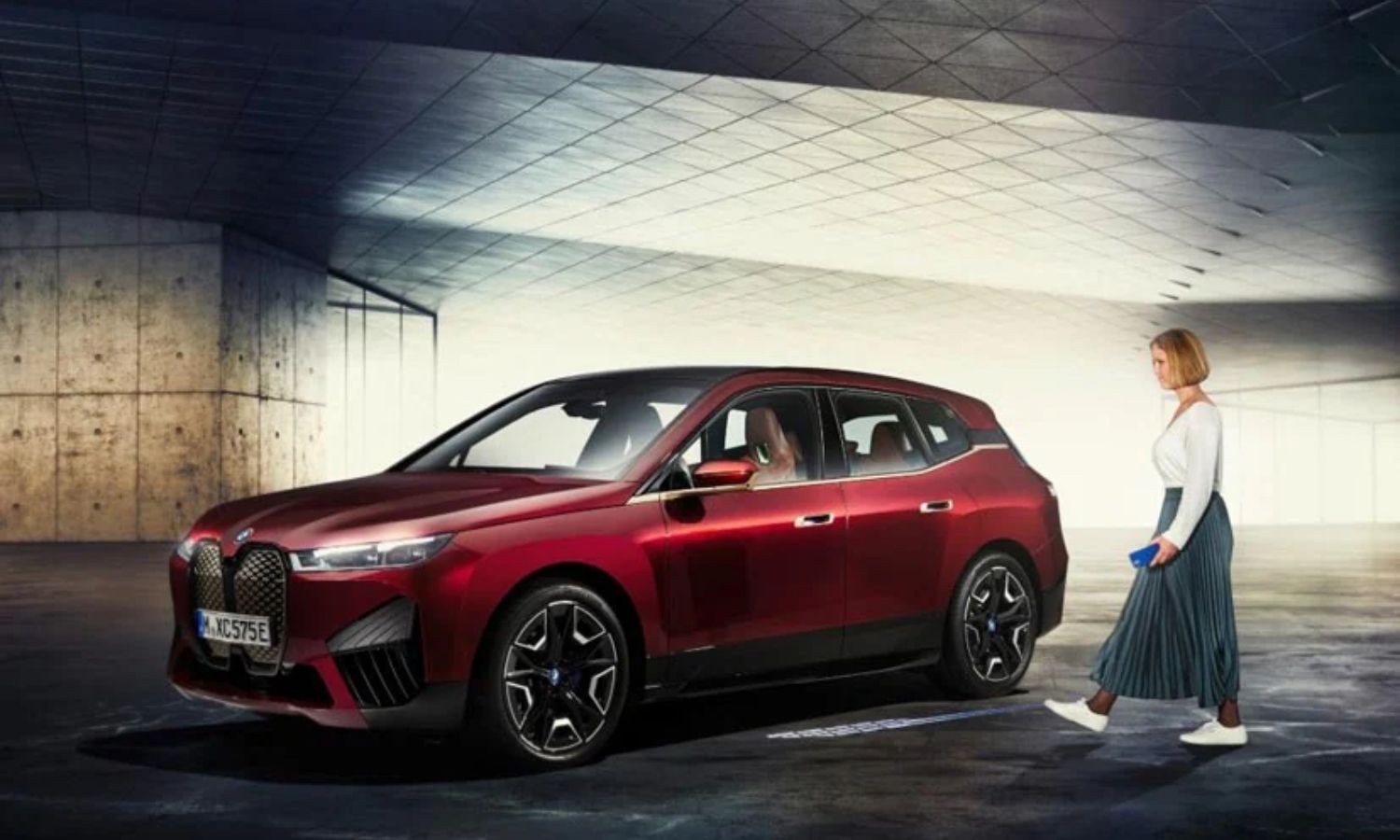
    BMW introduced the smartphone as a digital vehicle key in 2018 and since then the company has been pressing ahead with the development and popularisation of its BMW Digital Key feature. The feature was made available to iPhone users in January 2021, and BMW has now added the same feature to Samsung & Google Android phones as well. The BMW Digital Key Plus is a convenient and secure way to unlock and start your car without taking your smartphone out of your bag or pocket, similar to a physical key that supports keyless entry & start.

    The new, additional features enabled by the BMW Digital Key Plus are based on Ultra-Wideband technology. This short-range, high-bandwidth digital radio technology is characterised by an exceptionally precise localization with the greatest possible security. UWB’s precision also ensures that relay attacks, where the radio signal is jammed or intercepted, are not possible.

    With the Car Connectivity Consortium (CCC), BMW has been working closely with Google as well as Apple to develop the corresponding specification with partners and established it as a global standard for the automotive industry. This has also enabled secure, cross-platform sharing of Digital Key between iPhone and compatible Android devices via email, SMS or any other messaging service. Until now, the feature was restricted to only iPhone & Apple watch users, but it will now be added to Select Samsung & Google devices – running Android 13.1 or later – which include Samsung Galaxy S23+, S23 Ultra, S22+, S22 Ultra, S21+, S21 Ultra, Z Fold4, Z Fold3, Note20 Ultra, and Google Pixel 7 Pro & Pixel 6 Pro.

  • Mercedes soars above competitors in Vietnam

    Mercedes soars above competitors in Vietnam

    Mercedes has dominated Vietnam’s luxury car market for the last four years as Lexus, Volvo and other trailing brands tussle behind.

    Auto registration data showed that between 2019 and 2022, Mercedes secured and average of around 60% of Vietnam’s total luxury car market share.

    The German brand sold 7,925 cars in the Southeast Asian nation last year, up 35% from 2021.

    The figure was five times that of the second-place brand, Lexus.

    In the last four years Mercedes sold on average nearly 6,400 cars in the Vietnam, higher than the combined figure of its six next major competitors.

    Before 2022, Mercedes was the only auto brand with an assembling factory in Vietnam. This gave it a price advantage over its competitors, who bear the burden of heavy import taxes.

    Mercedes also has a diverse array of models available in Vietnam, up to 20 at any given time, giving customers a wider variety of purchase options than their competitors.

    Mercedes GLC SUV has been the brand’s best-selling model in Vietnam over the last four years, accounting for around half of its total sales.

    Lexus trails far behind Mercedes as Vietnam’s number-two most popular foreign car, but number-three competitor Volvo from Sweden is hot the Japanese manufacturer’s tails.

    Lexus sold 1,568 units last year, only marginally higher than Volvo with 1,508 units.

    No brand saw Vietnamese sales grow as fast as Volvo in the 2019-2022 period.The Scandinavian brand has seen sales surge 200% in the last four years, pushing Germanic BWM into fourth place in 2022.

    In recent years Volvo has begun to sell more cars made in Malaysia than in Sweden, making its prices more affordable in Vietnam, even though the brand was the last luxury automaker to enter Vietnam in 2016.

    Porsche was Vietnam’s fifth most popular luxury car brand last year with 759 units, nearly double the number it achieved in 2021.

    A Porsche manager said that many of its customers are young and successful businesspeople who want to “reward” themselves with a Porsche car even though they possess only a limited knowledge of luxury automobiles.

    Audi was in sixth place in Vietnam last year with 394 cars sold. Its dealership network in Vietnam remains modest compared to its competitors.

  • Toyota dominates compact CUV segment in Q1

    Toyota dominates compact CUV segment in Q1

    Toyota’s Raize and Corolla Cross now account for 40% of the compact CUV segment, with the rest divided between Kia, Mazda, Honda, and Hyundai.

    In the last two years the competition in the urban compact CUV segment has been hot, persuading car companies to bring in new products.

    The race in this segment is mainly between Toyota, Hyundai and Kia.

    The compact CUVs have significantly contributed to Toyota’s top position in terms of revenues.

    So far this year Toyota has sold a combined 5,100 Corolla Cross and Raize cars. Both models are imported. The former in particular is a global product with all kinds of bells and whistles and new technologies.

    Like the Mitsubishi Xpander in 2019, the Corolla Cross has become a phenomenon in the Vietnamese car market, zooming to the top of its segment within just half a year after entering the market in May 2020, and remaining there.

    Kia has two models in this segment, Sonet and Seltos. The Sonet has sold 2,006 units this year, representing 22% year-on-year growth, while the Seltos sold 1,481, down 63%. Together they hold a 27% market share.

    The Seltos’ decline was mainly because of the Creta, of which Hyundai sold 2,647 in Q1.

    Kia and Hyundai are sister companies, with the latter owning a one-third stake in Kia.

    Mazda CX-3, Honda HR-V, Nissan Kicks, Volkswagen T-Cross, MG ZS, and Peugeot 2008 account for the rest of the segment. While the first two sold fewer than 1,000 cars in Q1, the rest did not publish sales figures.

  • Customer locks horns with Porsche over damage

    Customer locks horns with Porsche over damage

    The owner of a Macan SUV claims that Porsche employees broke his VND600 million ($25,500) gearbox during maintenance, but the automaker denies the accusation.

    In early December, Ho Chi Minh City resident Pham Anh Tan in Ho Chi Minh City brought his 2016 Macan to Porsche Sai Gon for a front bumper replacement after the car collided with a motorbike.

    He retrieved the car nine days later and drove it back to his home, 15 kilometers away, without any problem.

    Tan left the car unused for about a week. When he started using it, the screen showed several issues, including lack of oil, “engine fail,” and “gearbox fail.”

    He could start the car but could not shift gears to start driving. Porsche technicians advised him to put a liter of oil into the engine, but still the car could not drive.

    As it was Christmas and Porsche maintenance service was on holiday, Tan brought his car to a third-party garage, where the technicians said the gearbox oil was leaking and advised him to bring it to Porsche.

    By the end of December, Tan brought the car to Porsche, and he was told that the leakage in the oil had damaged the valve body, and the whole gearbox needed to be replaced at the cost of VND600 million.

    Tan said that the car never had this issue before the front bumper was fixed and therefore he suspected that the problem arose from the reparation process at Porsche.

    He demanded to see the CCTV footage of the Porsche workshop, but was only shown some parts of the process as Porsche said that some footage could not be revealed as it contained business secrets.

    In the footage, Tan saw that his car was connected to a tool to assess issues and some Porsche employees drove the car around for testing. “My car only needed a bumper replacement, why were those processes necessary?” Tan said.

    He also said that when he received the car back Porsche employees did not provide any documents to confirm the vehicle was free of issues.

    A representative of the German automaker, however, said that Porsche maintenance policy requires every vehicle to go through the same process to ensure all functions of the car operate normally.

    When Tan took the car back to Porsche a second time, technicians found that the incorrect type of oil was put in the gearbox and glue was used in the reparation even though it is not needed according to Porsche standards.

    The damage to the gearbox, therefore, does not fall under the responsibility of Porsche, the representative said.
    Porsche, however, admitted to being wrong in the process of receiving and handing over the car to Tan without any paperwork.

    The automaker therefore proposed a 40% discount on the gearbox replacement, which means Tan would need to pay VND360 million for the new part.

    But Tan refused the offer and demanded that his car be returned in the Porsche workshop after three months. At the end of last month Tan came to Porsche to get the car and was asked to sign a statement saying the vehicle had no issues before employees released the car.

    Tan refused to sign.

    The statement said Porsche employees dismantled the valve body to check for issues without first seeking his approval.

    The service consultant working with Tan quit two days after Tan visited Porsche demanding his vehicle back. The employee informed him Tan the resignation via text message.

    Porsche said that the employee had been transferred to a new position but would continue to help Tan concerning everything relating to the broken Macan.

    The two parties have yet to come to an agreement.


  • VinFast to export 1,800 VF 8 electric cars to US, Canada

    VinFast to export 1,800 VF 8 electric cars to US, Canada

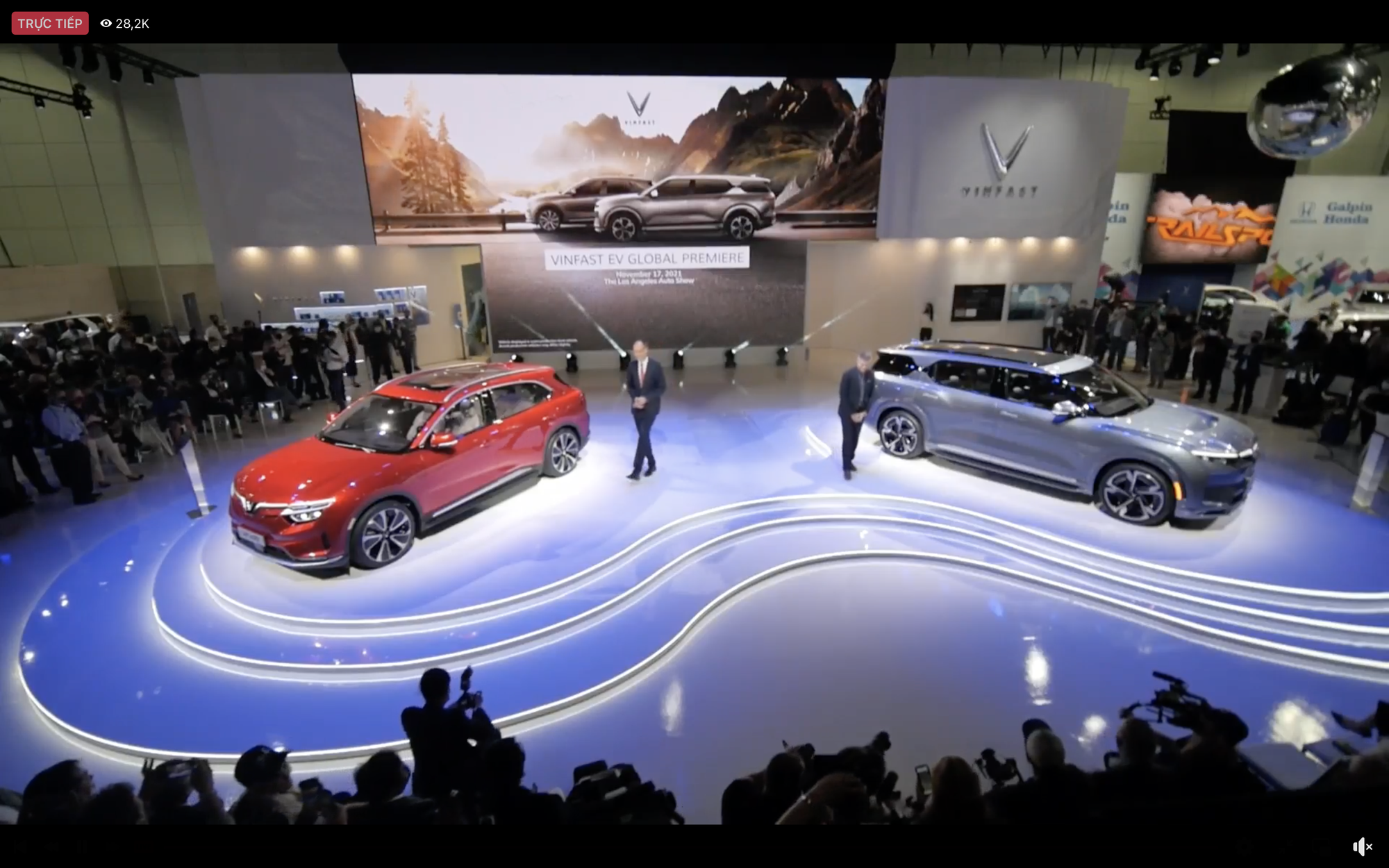
    VinFast, a member of Vietnamese private conglomerate Vingroup on April 15 announced that it would export 1,800 VF 8 electric cars to the U.S. and Canada.

    The cars is expected to depart in the next few days, announced VinFast. As planned, the cars will be sold in the U.S. in May and in Canada in June.

    Previously, on November 25, 2022, VinFast exported the first batch of smart electric cars, including 999 units of VF 8 City Edition, to the international market. This was the first batch of cars exported to the international market among 65,000 orders for VinFast VF 8 and VF 9 electric cars globally.

    On March 2, 2023, VinFast handed over the first 45 VF 8 City Edition cars to U.S. customers at 9 VinFast stores.

    According to VinFast, in the first three months of 2023, it handed over a total of 865 VF 8 units to customers in Vietnam.

    VinFast’s VF 8 is also a model that GSM (Green – Smart – Mobility) Joint Stock Company uses for Xanh SM taxi service which was launched in Hanoi on April 14.

    The taxi service using electric cars is expected to be available in Ho Chi Minh City this month and in at least five provinces and cities by the end of this year.

  • Hyundai automobile sales in Vietnam increased by 5.5% in March

    Hyundai automobile sales in Vietnam increased by 5.5% in March

    Thanh Cong Group (TC Group) on April 11 announced its sales results for March with over 5,770 Hyundai automobiles sold in Vietnam last month, up 5.5% over February.

    Hyundai Accent continues to be the best-seller model in March with 1,355 units delivered to customers, followed by Hyundai Creta with 1,035 units – equal to the level a month earlier, and Hyundai Grand i10 with 664 units.

    Over 640 Hyundai Stargazer were sold last month, 2.5 times higher than February’s. The TC Group recorded sales of 514 Hyundai Santa Fe units, equivalent to the previous month Hyundai Tucson of 307, up 54.2% compared to February.

    Hyundai commercial models achieved sales of 1,016 vehicles in March, an increase of 42.1% compared to February 2023.

    In the first quarter of 2023, Hyundai-branded models achieved sales of 14,736 units, down 21.1% compared to the same period last year.

    TC Group expects higher sales in the second quarter of this year, explaining that the demand will increase thanks to the peak tourism season with greater travel demand.

  • Imported cars flood local market despite of poor purchasing power

    Imported cars flood local market despite of poor purchasing power

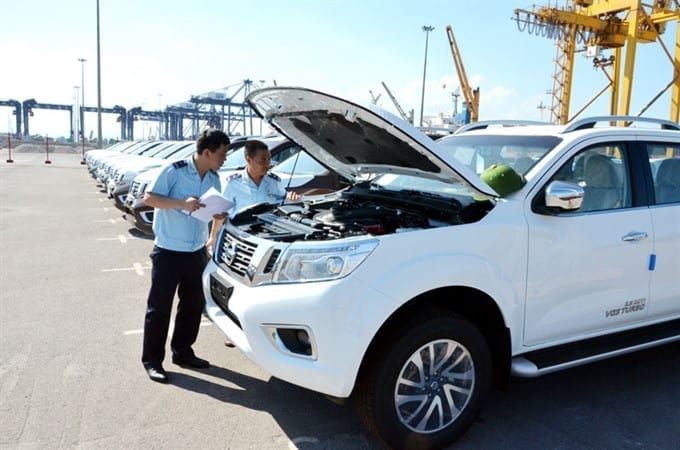
    Vietnamese firms spent over $903 million in the first quarter importing 41,780 completely-built-up (CBU) cars, according to a report by the General Statistics Office (GSO).

    The cumulative import turnover of CBU cars in Q1 2023 increased by 76% in volume and 60.8% in value compared to the same period last year.

    In March, 15,000 cars worth $332 million were imported into Vietnam, representing a year-on-year increase of 48.8% in volume and 48.5% in value.

    Despite the increasing number of imported cars, the Vietnam Automobile Manufacturers’ Association (VAMA) said that sales for the whole market in the first two months reached just over 17,300 units, due to poor purchasing power.

    Local auto experts said this was an unusual and ominous signal as pressure from automobile inventory remains high.

    An uncompleted statistic shows that Vietnam’s inventory of cars reached 38,000 units. Facing the gloomy prospect of the market, VAMA has recently proposed that the Government halve the registration fee for locally-assembled or manufactured cars during the first half of the year to boost market demand.

    In a letter sent to the Prime Minister, both the Vietnam Automobile Manufacturers Association (VAMA) and the Vietnam Association of Mechanical Industry (VAMI) also jointly asked for an extension of the deadline to pay excise tax.

    The Vehicles Importers Vietnam Association (VIVA) has raised its voice to ask for fair treatment after hearing that the Government asked the Ministry of Finance and other relevant ministries to devise a 50% cut on auto registration fees for locally assembled or manufactured cars.