Category: Automotive

Retail News Asia is committed to providing both local and global retailers with the latest Auto and Car news throughout the Asian market. This on a daily base.

  • Honda raises motorbike prices across the board

    Honda raises motorbike prices across the board

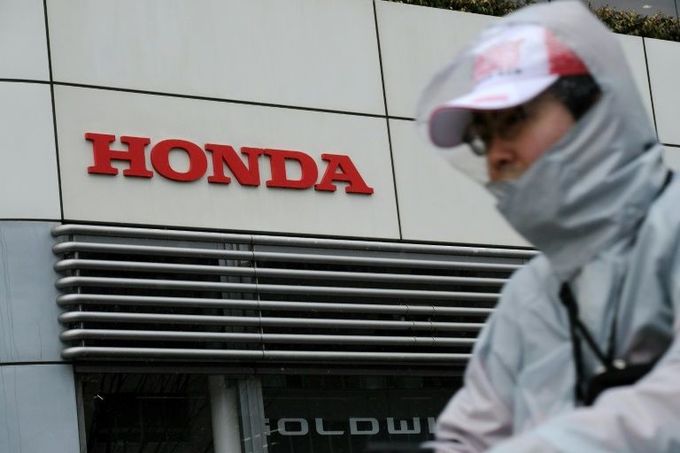
    Honda Vietnam has hiked the prices of most motorbikes following an increase in costs, the biggest hike being of VND2 million ($85).

    The price of the Vision 110cc, its best-selling automatic model, has risen by 1.37% to VND37.09 million.

    The Air Blade 125cc, a powerful city motorbike favored by men drivers, is up 1.62% to VND43.99 million.

    The LEAD, a vehicle known for its large storage space, has seen its price go up by 1.16% to VND43.59 million.

    The SH350i, Honda’s most expensive city motorbike, is up 1.32% to VND152.49 million.

    With global economic trends affecting the parts market, costs have increased, Honda said.

    Last year Vietnam’s biggest motorbike seller saw sales grow by 20.9% to 2.4 million units, accounting for 80.7% of the market.

  • VinFast rolls out long-awaited electric SUVs, eyes overseas deliveries

    VinFast rolls out long-awaited electric SUVs, eyes overseas deliveries

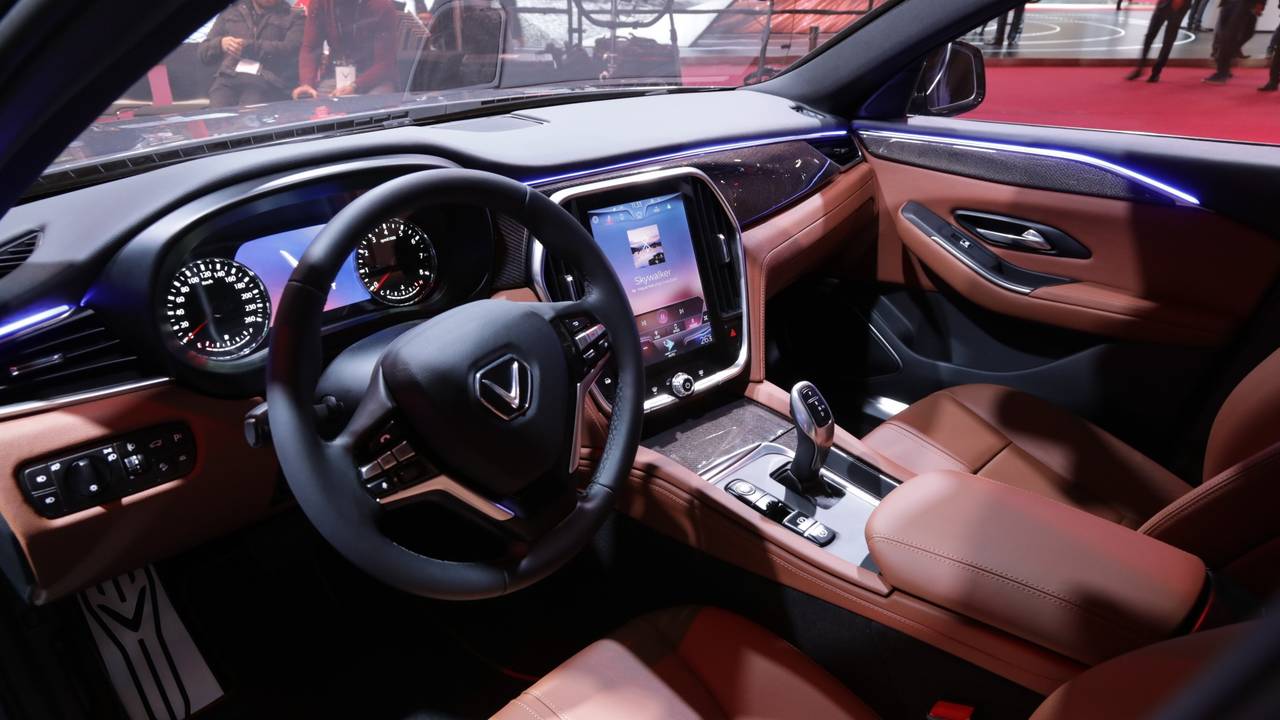
    Vietnamese carmaker VinFast said on Thursday it will begin delivering its new electric sport utility vehicles (SUVs) to local customers this week and targets overseas deliveries in the coming months.

    VinFast, which began operations in 2019, is gearing up to expand in the United States, where it hopes to compete with legacy automakers with its two electric SUV models.

    “After Vietnam, VinFast expects to export the first batch of VF9 to international markets in the coming months,” VinFast said in a statement, without providing a specific timeline for deliveries of the new model.

    The VF9 model was initially scheduled to debut at the beginning of this year.

    The company currently sells the VF8 model of SUV. It started shipping those last year and delivering them to customers this month. The company has said it would ship the second batch to the U.S. in the second quarter of 2023.

    VinFast, backed by Vietnam’s biggest of conglomerate Vingroup JSC, is the country’s sole EV maker.

    As of December last year, VinFast said it secured 55,000 orders globally, of which 12,000 were from the U.S. market.

  • Importers propose halving car registration fees

    Importers propose halving car registration fees

    All 12 members of the Vehicles Importers Vietnam Association (VIVA) have asked the Government to reduce the registration fee on imported cars by 50% to spur demand.

    VIVA proposed in the context of a sharp drop in sales and gloomy market forecasts.

    According to the association, car importers need help to cope with high inventories due to the sudden decrease in demand.

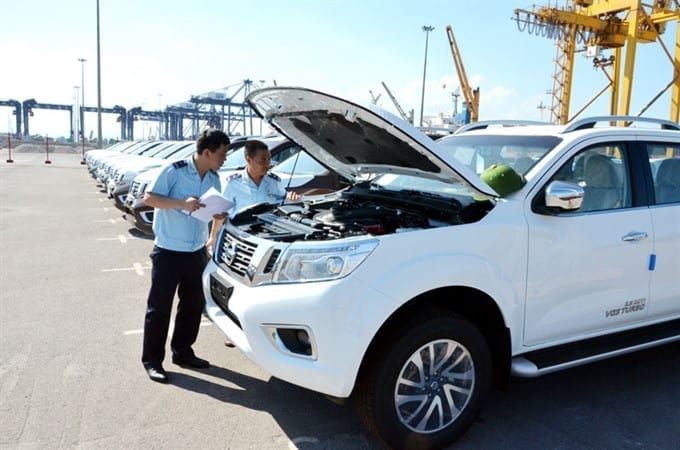
    In the first month of this year, the number of cars imported to Vietnam tripled over the same period last year to more than 12,800 vehicles. The number of imported cars also tripled in the last three months of last year.

    Earlier, the Prime Minister ordered the Ministry of Finance and the Ministry of Industry and Trade to consider lowering registration fees for domestically assembled cars.

    The Vietnam Automobile Manufacturers Association (VAMA) said tightening credit and rising interest rates have diminished market liquidity, and automobile companies are struggling to cope with high inventories.

    According to VAMA, its members reported a decline in sales four months in a row starting last October. Only 17,314 vehicles were sold in January, down 51% from December.

    During the Covid pandemic, Vietnam halved registration fees on domestically assembled vehicles, not on imported ones, twice, first in mid-2020 and then again in late-2021. Each reduction period lasted six months.

    In the first half of 2020, over 102,900 domestically assembled vehicles were registered. The figure then doubled in the second half of the year.

  • 40% of car buyers in Vietnam depend on loans

    40% of car buyers in Vietnam depend on loans

    Only 30-40% of Vietnamese car buyers resort to bank loans compared to some 80% in developed countries.

    The rates vary by geographical region, with automobile firms saying more customers in the south borrow than in the north.

    Vinh Nam, sales manager of Vietnam Star, a Mercedes dealer in Binh Duong Province, said generally southerners are bigger spenders than people elsewhere.

    A large number of buyers in the south are businesspeople or buy vehicles for businesses, and so their purchase decision is faster.

    According to salespeople, the ease of borrowing and paying interest to buy a car is the main factor affecting the purchase decision.

    Car loan interest rates are volatile and currently start at around 8.5%.

    Banks lend 70-80%, even 100%, of the car’s value, but many borrowers cannot repay in time, and this is one reason why many people are hesitant about borrowing, according to banking and car sales executives.

    Analysts expect borrowing to decrease this year because of credit tightening and high-interest rates.

    To stimulate demand, automobile firms are offering discounts and promotions, and even subsidizing interest.

    Last month Volkswagen unveiled a promotion program offering 0% interest for the first six months.

    “Sales are very slow, so we have to adjust,” Thao Van, head of marketing at Volkswagen Vietnam, said.

    Analysts do not expect sales this year to reach last year’s half a million units.

    The Vietnam Automobile Manufacturers Association said its members reported a decline in sales for four months in a row starting last October. Only 17,314 vehicles were sold in January, down 51% from December.

  • Honda Vietnam’s motorcycle, automobile sales continue to drop in February

    Honda Vietnam’s motorcycle, automobile sales continue to drop in February

    Honda Vietnam has reported its fall in motorcycle and automobile sales at 36.8% and 7.3% respectively in February.

    That is the second month in a row the company recorded sale falls after seeing a growth of nearly 19% for motorcycles and 62% for the automobile last December.

    In February, it sold 140,669 motorcycles, down 36.8% compared to the previous month. Specifically, the sale of Wave Alpha – its best-seller semi-automatic model, decreased by 42.6% compared to that in January.

    Similarly, Vision – its best-seller scooter model – also saw a sales decrease of 34.9%, and Winner X clutch 27% compared to the previous month.

    Previously, the Vietnam Association of Motorcycle Manufacturers (VAMM) forecasted that the Vietnamese motorcycle market had entered a period of saturation and was shifting from manual transmission motorbikes to automatic ones. Currently, the automatic transmission motorbike lines account for more than 45% of the market share and will be a strongly growing segment soon when Vietnam’s per capita income increases.

    In February, Honda Vietnam also exported 23,917 motorcycles.

    Meanwhile, the Japanese manufacturer last month sold 1,385 automobiles, down 7.3% from the previous month. Honda City and Honda CR-V continued to be the two best-selling models of Honda Vietnam with 1,235 vehicles, accounting for 89.2% of its total car sales in February.

  • Harley-Davidson Launches X350 In The Chinese Market

    Harley-Davidson Launches X350 In The Chinese Market

    Harley-Davidson has officially taken the wraps off its highly awaited 353 cc motorcycle for the Chinese market, the X350. The bike has been developed in collaboration with Chinese two-wheeler manufacturer QJMotor.

    The body style of the X350 closely resembles that of a roadster. The round LED headlamps and the sleek, sporty styling make the bike looks very fashionable. Harley-Davidson states that the bike was designed taking inspiration from its 1970 XR Flat Tracker. In order to improve ergonomics, Harley has given the front of the seat and the rear side of the fuel tank a flat shape that they believe will give the rider more grip while braking and turning. The bike gets a combined digital and analog instrument cluster in which the speed is displayed on the analog side while the digital meter shows the time and total distance travelled.

    The bike is powered by a liquid-cooled, in-line twin, 353cc engine that churns out 36 bhp and 31 Nm of torque. The engine is mated to a 6-speed transmission and has a compression ratio of 11.9:1. The claimed mileage figures of the powertrain come to 20.2 kmph. The bike’s suspension setup includes 41 mm inverted rebound adjustable front forks and a preload adjustable shock absorber at the rear. In the brakes department, it gets floating front disc brakes and fixed rear ones. The bike gets 17 inch rims that are shod with Pirelli Angel ST tyres.

    The X350 currently comes with a price tag of 33,388 Yuan (approximately Rs. 3.93 lakh) in the Chinese markets. There is currently no information about if/when the bike will make it to India. However, considering its stylish look and high-revving engine, there is a chance that the bike will do well here. But only time will tell if Harley-Davidson decides to bring it here or not.

  • Vietnam to lower car registration fee to boost sales

    Vietnam to lower car registration fee to boost sales

    The Government has asked the finance and industry ministries to consider reducing car registration fee and extend the payment schedule for special consumption taxes on domestically assembled vehicles.

    The ministries will submit a report on the two newly proposed policies to the Prime Minister before March 20.

    The request was made as automakers are warning of a slump in the automobile market this year due to low demand and high-interest rates.

    Insiders have said the local automobile prospects this year might be as gloomy as the Covid period.

    Experts have predicted that total vehicle sales this year will unlikely reach last year’s figure of half a million units.

    Industry associations and localities have recently been asking the Government to extend the payment schedule for special consumption taxes, and to halve registration fees on domestically assembled vehicles to stimulate demand.

    The Vietnam Automobile Manufacturers Association (VAMA) said credit tightening and rising interest rates have diminished market liquidity, and automobile companies are struggling to cope with high inventories.

    VAMA said its members reported a decline in sales four months in a row starting last October. Only 17,314 vehicles were sold in January, down 51% from December.

    The Vietnam Association of Mechanical Industries has reported that the drop in vehicle consumption has led to a decrease in production orders for supporting industries like mechanics, tools and parts.

    During the Covid pandemic, Vietnam halved registration fees on domestically assembled vehicles twice, first in mid-2020 and then again in late-2021. Each reduction period lasted six months.

    In the first half of 2020, over 102,900 domestically assembled vehicle.

  • Mercedes recalls 492 faulty cars in Vietnam

    Mercedes recalls 492 faulty cars in Vietnam

    Mercedes Vietnam announced it would recall 492 ML and GLE cars sold in Vietnam beginning March 15 to fix inconsistent design features and repair errors in the spare wheel compartment.

    The affected SUVs were manufactured and imported between February 2012 and October 2019.

    German luxury vehicle company Mercedes recalls ML and GLE SUVs in many countries, including Vietnam, because of concerns that water could collect in the spare tire wheel compartment, leading to a possible fuel pump malfunction and subsequent engine stalls without prior warning.

    This increases the risk of accidents and injuries for other road users.

    To fix the problems, Mercedes Vietnam dealerships will inspect the vehicles for any damage, install a water drain plug in the spare tire well, and replace the fuel pump if necessary.

    The company reported that such repairs should only take about 30 minutes per automobile.

    Mercedes GLE is a mid-size luxury SUV, first launched in 1997. Cars sold in Vietnam are imports that compete with rivals like the BMW X5, Lexus RX and Audi Q7.

    In Vietnam, GLEs is currently priced at VND4.509-5.679 billion (US$191,000-240,600).

  • Honda Motorcycles And Scooters India Twitter Page Hacked

    Honda Motorcycles And Scooters India Twitter Page Hacked

    The official Twitter account of Honda Motorcycles and Scooter India was hacked over the weekend. The company today put out a statement on social media asking people to stop any interactions with its Twitter handle until further notice and disregard any posts or communications on the page since Sunday, March 5. The company also said it contacted Twitter to re-establish control of its account.

    A look at the official Twitter handle of HMSI shows that the page has since lost the blue tick that identified it as the official handle as well as dropped the profile image. The link to the official website has since been rand another while the latest retweeted story is to a third-party NFT page. Similarly, the section under likes are filled with tweets of third-party art creator pages.

    Honda has said it is looking to re-establish its control over its Twitter account as soon as possible.

    The company has recently been teasing a new motorcycle for the Indian market. The new model is expected to sit in the 100cc commuter segment and be called the Shine. The model is set to be launched in India on March 15.

  • Renault, Geely Ink Pact With Aramco For Engine Venture

    Renault, Geely Ink Pact With Aramco For Engine Venture

    Oil giant Saudi Aramco has agreed to take a minority stake in a new powertrain engine company that French car maker Renault SA and China’s Geely Automobile Holdings Ltd plan to set up jointly, they said on Thursday.

    Reuters reported in January that Aramco has been involved in advanced discussions to take up to 20% stake in a previously announced but still-unnamed Geely-Renault powertrain company that would develop and supply internal combustion engines (ICE) and hybrid technologies.

    They said on Thursday Geely and Renault are expected to retain equal equity stakes in the new independent entity, but did not disclose how much each would own and how much Aramco would invest.

    The new joint venture is aimed at developing more-efficient gasoline engines and hybrid systems at a time when the focus of much of the automobile industry has been on the capital-intensive transition to purely electric vehicles.

    “This partnership with Aramco will… give it a head start in the race towards ultra-low-emissions ICE powertrain technology,” Renault CEO Luca de Meo said in the statement.

    By carving out its internal combustion engine business, Renault plans to focus on electric cars, part of the French automaker’s broad restructuring that also involves overhauling its decades-old alliance with Nissan Motor Co.

    “Aramco’s entry brings to the table unique know-how that will help develop breakthrough innovations in the fields of synthetic fuels and hydrogen,” De Meo said.

    The deal would make Aramco the first major oil producer to invest in the car business, as the rise of electric cars threatens to cut demand for conventional fuels.

    Last year, Aramco announced a partnership with Hyundai Motor Co to study advanced fuels that could be used in hybrid engines to reduce CO2 emissions.

    For Geely, the deal with Renault extends its pattern of building partnerships to expand beyond China. Geely previously announced a hybrid gasoline engine development deal with Mercedes-Benz and holds a stake in the German automaker.

    The new company would have an annual production capacity of more than 5 million in

  • Tesla Recalls 3,470 Model Y Vehicles Over Loose Bolts

    Tesla Recalls 3,470 Model Y Vehicles Over Loose Bolts

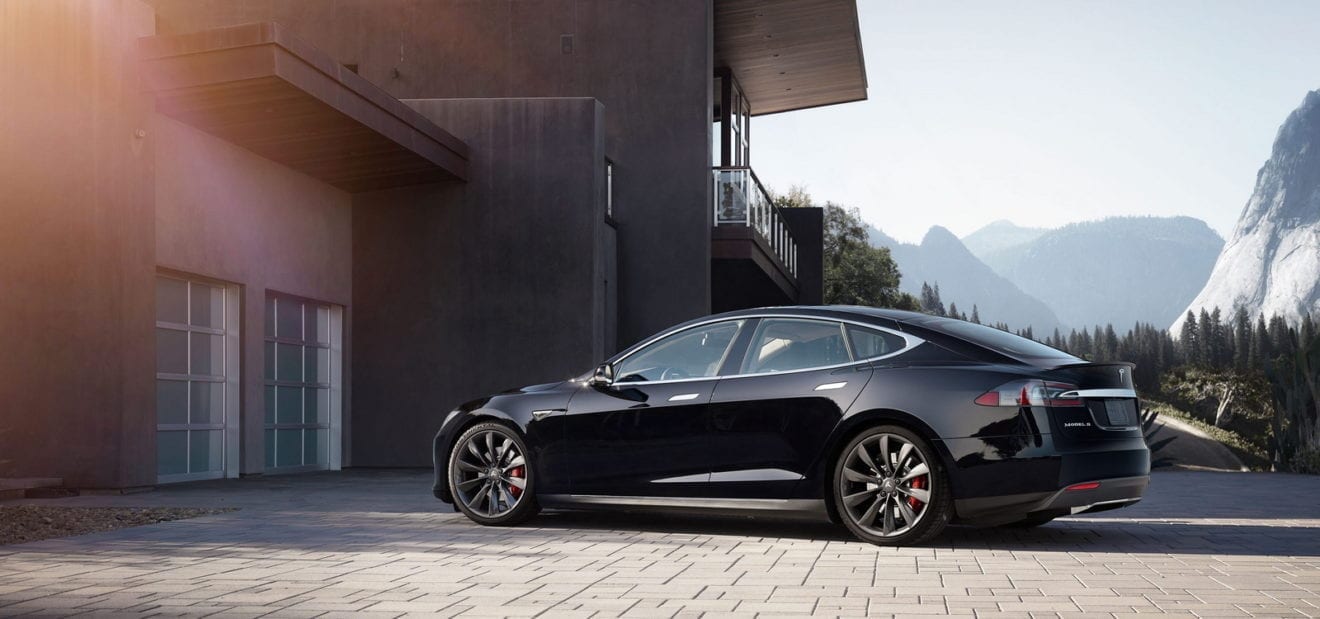
    Tesla said it recalls 3,470 2022 through 2023 Model Y vehicles in the United States because bolts securing the second-row seatback frames may not have been securely tightened, according to a public filing.

    The National Highway Traffic Safety Administration (NHTSA) said a loose seat frame bolt may reduce seat belt system performance, increasing injury risks during a crash.

    Tesla told NHTSA it has identified five warranty claims since December that may be related to these conditions. Tesla said it was not aware of any injuries or deaths that may be related to the recall issue.

    Tesla will inspect bolts securing second-row driver-side and passenger-side seat back frames to the lower seat frames and if needed tighten them to specifications.

    In December, the automaker said that a Tesla supplier implemented improved process controls along with improved training and supervision to ensure bolts are torqued to specifications.

  • Tata Motors Launches Its First Registered Vehicle Scrapping Facility

    Tata Motors Launches Its First Registered Vehicle Scrapping Facility

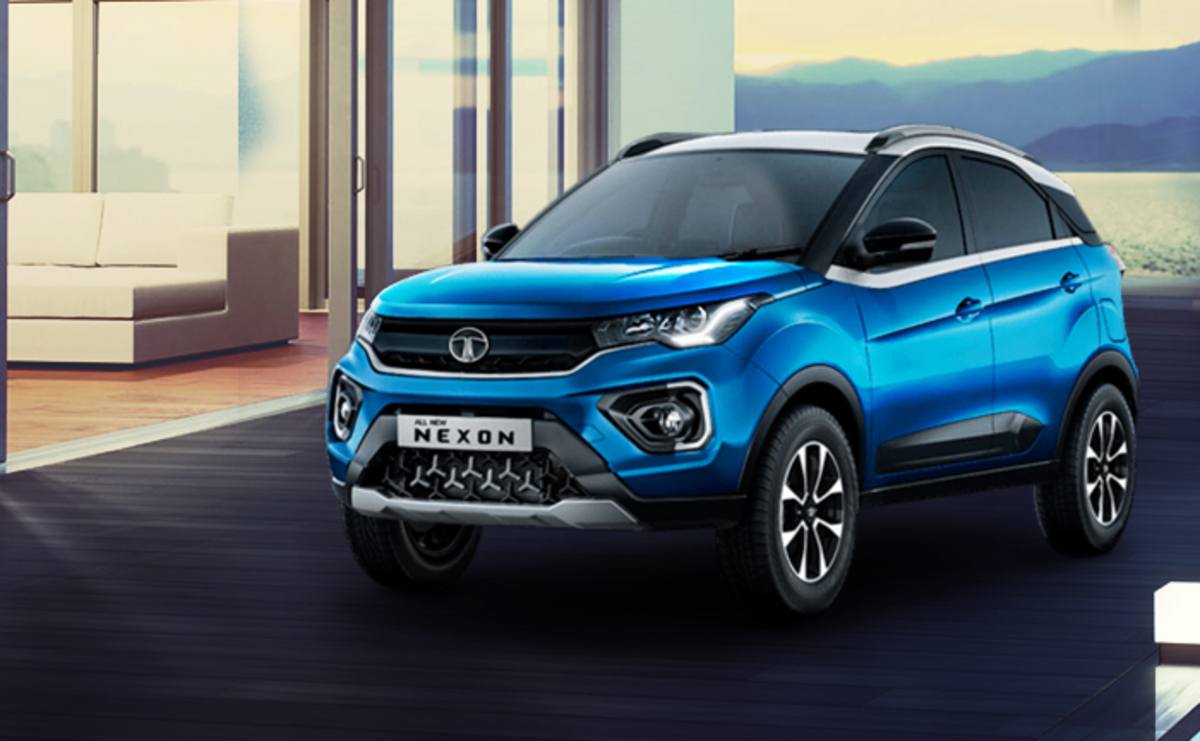
    Tata Motors launched its first Registered Vehicle Scrapping Facility (RVSF) in Jaipur, Rajasthan today. The facility is called Re.Wi.Re which stands for Recycle with Respect and has a capacity of 15,000 vehicles per annum. The company also claims that the facility uses eco-friendly methods to dispose of the vehicles, which will go through a strict documentation process before being dismantled. It is developed and operated by Tata Motors’ partner Ganganagar Vaahan Udyog Pvt. Ltd. to scrap end-of-life passenger and commercial vehicles of all brands. The facility was inaugurated by Hon’ble Union Minister of Road Transport and Highways, Shri Nitin Gadkari.

    Speaking at the inauguration ceremony, Hon’ble Union Minister of Road Transport and Highways, Government of India, Shri Nitin Gadkari said “The National Vehicle Scrappage Policy was introduced with the aim to promote circular economy by creating an ecosystem for phasing out unfit and polluting vehicles and to achieve a lower carbon footprint in the country by replacing them with greener and more fuel-efficient vehicles. I congratulate Tata Motors for setting-up this quality facility that is at par with global standards. We are working towards positioning India as a vehicle scrapping hub for the entire South Asian region and need more such state-of-the-art scrapping and recycling units in India.”

    Mr. Girish Wagh, Executive Director, Tata Motors, said, “The inauguration of this RVSF (Registered Vehicle Scrapping Facility) heralds a new beginning in responsible scrapping of end-of-life vehicles. With globally benchmarked and optimised recycling processes, we intend to yield maximum value from the scrap for future use and minimise waste for the overall betterment. We appreciate the visionary efforts of Shri Gadkari ji in enabling the National Vehicle Scrappage Policy and look forward to setting-up Re.Wi.Re facilities across the country in collaboration with our partners. These decentralised facilities will benefit the customers, share the economic value generated, create employment while addressing the need of scrapping vehicles in every part of the country in an eco-friendly manner.”

  • Skoda cars to be sold in Vietnam from May

    Skoda cars to be sold in Vietnam from May

    Skoda cars are expected to be imported from the Czech Republic and sold from May before being assembled there, according to Skoda Vietnam sources.

    In the C-segment, CUV Karoq, one of the company’s bestselling models, will compete with the Hyundai Tucson, Kia Sportage, Mazda CX-5, Honda CR-V, and others.

    In the D-segment, the SUV Kodiaq will go up against the Kia Sorento, Hyundai Santa Fe, Mazda CX-8, and Toyota Fortuner.

    In late February Skoda and its Vietnamese partner TC Motor, a distributor and assembler of South Korean Hyundai vehicles, began building a plant in the northern province of Quang Ninh.

    Vietnam is the first Southeast Asian country in which Skoda will put up a factory and plans to export vehicles to other countries in the region.

    Skoda makes 11 models, with the Octavia being its bestseller. Various models, including B-segment sedan Slavia are expected to be sold in the country from late 2024.

    Last year the company sold 731,300 vehicles in some 100 markets worldwide, with Germany, the Czech Republic, India, the UK, and Poland being the biggest.

  • Vietnam’s largest automobile distributor braces for tumble in profits

    Vietnam’s largest automobile distributor braces for tumble in profits

    Saigon General Service Corporation, the country’s largest auto distributor, expects profits to decline by VND150 billion (US$6.33 million) in 2023 amid forecasts of a turbulent year.

    In its annual report released recently, Savico said the auto market faces challenges as high car loan interest rates and lack of credit since the fourth quarter of 2022meant businesses and individual consumers called off or delayed purchase plans.

    Since September, demand has fallen to 60-70% of normal, leading to oversupply and high inventory costs.

    “The market will need three to six months to rebalance. The securities and real estate markets are now in difficulty, and people do not have as much motivation for buying cars as before.”

    Competition would be more intense than ever, and so Savico only expects profit before tax of be VND538 billion, down more than VND150 billion from last year, when it reported record earnings of VND688 billion ($29.3 million) after a 2.7-fold rise from 2021.It was higher than the combined figures of the previous two years.

    But it also expects revenues to grow by at least 20%.

    Savico, the distributor of Toyota, Honda, Ford, Mitsubishi, and Volvo cars, plans to expand its distribution network and sell new brands.

    Last year the industry enjoyed record profits as demand recovered after a two-year slump due to Covid-19.

  • Nissan to start robotaxi tests in China’s Suzhou in March

    Nissan to start robotaxi tests in China’s Suzhou in March

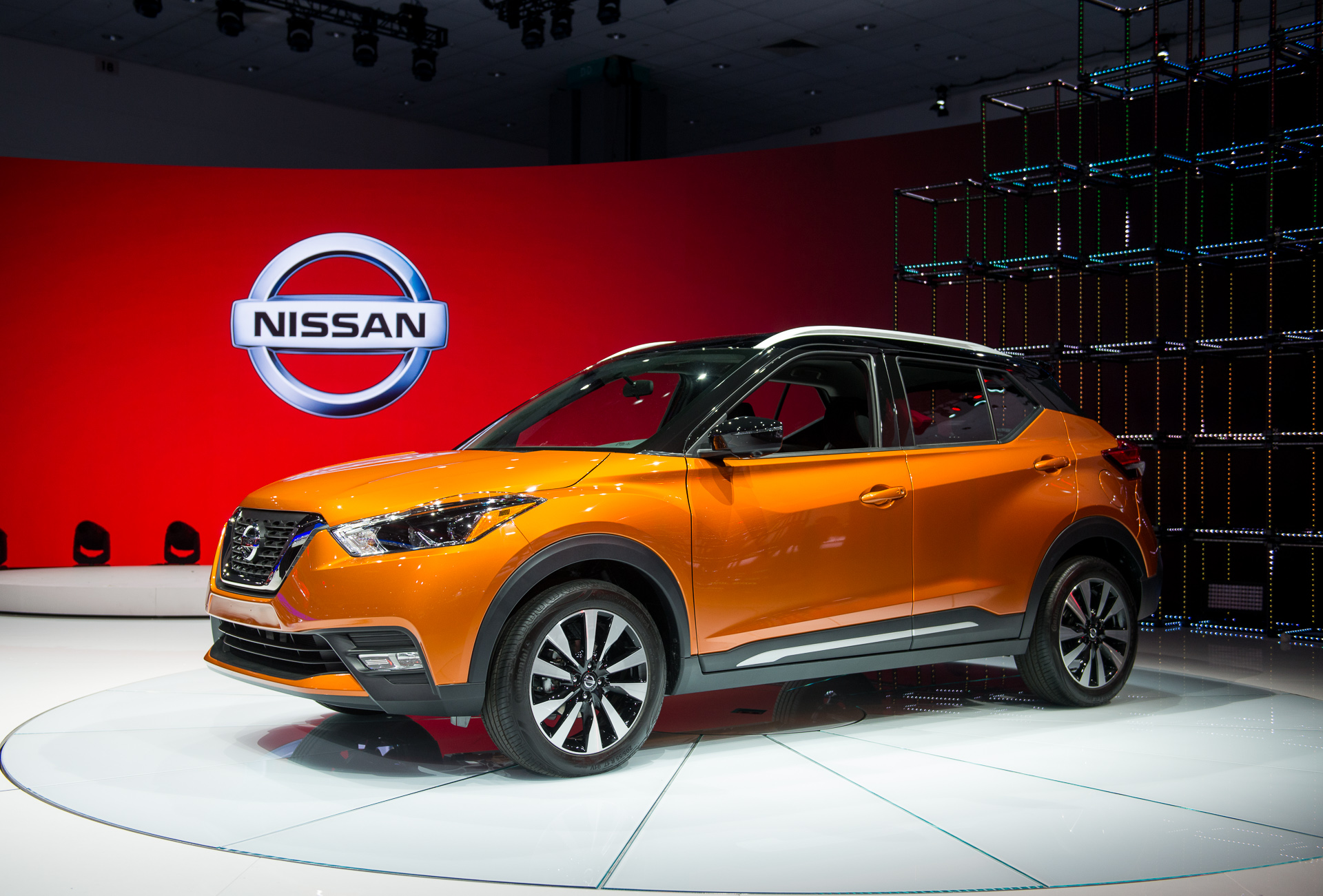
    Nissan (China) Investment Co., Ltd. (NCIC) today announced the establishment of Nissan Mobility Service Co., Ltd., a dedicated mobility service company, as part of its efforts to continue transforming its business in China. The announcement was made at the 5th China International Import Export (CIIE) show which opened on Nov. 5th here.

    The new company, headquartered in Suzhou, will be committed to investing in mobility services and deploying robotaxi services. By working with the Suzhou High-Speed Rail New Town, it will support intelligent transport initiatives in the country.

    “Introducing future technology, mobility solutions and products that enrich the lives of customers in China are an important part of Nissan’s long-term strategy in China,” said Shohei Yamazaki, Nissan Motor Co., Ltd. senior vice president and NCIC chairman. “The new company represents another milestone of Nissan’s nearly 50 years of development in China and a new commitment to the market.”

    “Leveraging our mobility services experience and expertise from the Japan market, we are transforming our business in China by tapping into the future mobility service sector,” said Hideki Kimata, president of NCIC. “Through the new company, we are aiming to provide all-new riding experiences with easier, more convenient mobility services for more consumers in China.”

    Nissan has a strong foundation in electrification for mobility services, a cornerstone of the company’s long-term strategy in China. Nissan is among the first international OEMs to establish a dedicated robotaxi company in China.

    “Suzhou High-speed Railway/Xiangcheng District was chosen for Nissan Mobility Service due to its strong support for business development, availability of collaborative opportunities, and its proximity to our existing Alliance joint innovation hub in Shanghai,” said Kimata.

    Zhiyao Liang, a senior official from Xiangcheng District, Suzhou City said: ”As one of the first global automakers that entered the Chinese market, Nissan has witnessed and participated in the growth and development of China’s auto industry. It has continuously introduced advanced technologies and products to actively contribute to market development since 1973. As an industry-leading company in the field of electrification, autonomous driving, connectivity and shared mobility services with rich technological expertise and powerful corporate presence, Nissan once again showcases exciting new products that will shape new trends for the industry.”

    WeRide, a leading, global autonomous and mobility service company that develops Level 4 autonomous driving technologies and that has a successful mobility service history in Guangzhou, will provide technology support to the Suzhou project.

    Li Zhang, COO of WeRide said: “WeRide will extensively participate and fully support the R&D, test and operation of Nissan Mobility Service’s robotaxi fleet, particularly in autonomous driving technologies. WeRide always puts safety as our top priority, and will work with Nissan to provide safer, more efficient and comfortable autonomous driving mobility experiences to Suzhou residents and improve quality of life with innovative technologies.”

    The 5th CIIE will be convened from November 5 to 10 at the National Convention & Exhibition Center, Shanghai, with Nissan’s booth at Hall 2.1. Nissan will fully demonstrate its latest achievements and practices in sustainability and showcase its innovation aimed to deliver diversified mobility solutions for customers in China seeking sustainable transportation options.