Category: Automotive

Retail News Asia is committed to providing both local and global retailers with the latest Auto and Car news throughout the Asian market. This on a daily base.

  • Auto Lobby Urges Spain To Speed Up Vehicle Electrification As Sales Lag

    Auto Lobby Urges Spain To Speed Up Vehicle Electrification As Sales Lag

    Spain’s auto industry needs an overhaul to catch up with European peers and speed up its electrification process as automakers struggle to recover from a pandemic-induced slump, the country’s biggest manufacturers’ lobby said on Tuesday.

    As elsewhere in Europe, Spanish car production has been hampered in the past few years by semiconductor shortages, temporary factory closures and supply chain bottlenecks after the 2020 global outbreak of the COVID-19 disease.

    “We cannot waste any more time,” Wayne Griffiths, the head of the lobbying group ANFAC and chief executive of Volkswagen’s Spanish unit SEAT, said while presenting the group’s roadmap until 2025.

    “We can’t afford to let 2023 go by without taking ambitious decisions,” he added. “Cosmetic measures are no longer enough.”

    Among the challenges the country’s industry faces are weaker-than-expected electric vehicle (EV) sales, an ageing car fleet – which is stymieing emission reduction and safety goals – and a still-lacking charging infrastructure for EVs, Griffiths said.

    In 2022, about 78,000 plug-in hybrid (PHEV) and battery electric vehicles (BEV) were sold in Spain, far below the 120,000 required to meet current emission goals. Electric vehicles account for 9.2% of total auto sales, while the European Union average is over 20%.

    “Europe is splitting in two, and Spain is falling further and further behind leading countries” such as Germany or Portugal, Griffiths said.

    Some measures proposed by ANFAC to boost the sector include revamping subsidies for EV buyers so they are directly applied to the purchase price; streamlining relevant sales, income and corporate taxes; and setting binding targets for the deployment of high-power public EV charging infrastructure.

    Griffiths said the industry ultimately needed to encourage consumers to make the leap to EVs, though he was aware that their generally high prices had put off some potential buyers.

    “I think there will be a step-by-step democratisation of electromobility. In 2024 and 2025, new models will come out at more affordable prices.”
  • Tesla’s Price Cuts Promise More Pain For Money-Losing U.S. EV Startups

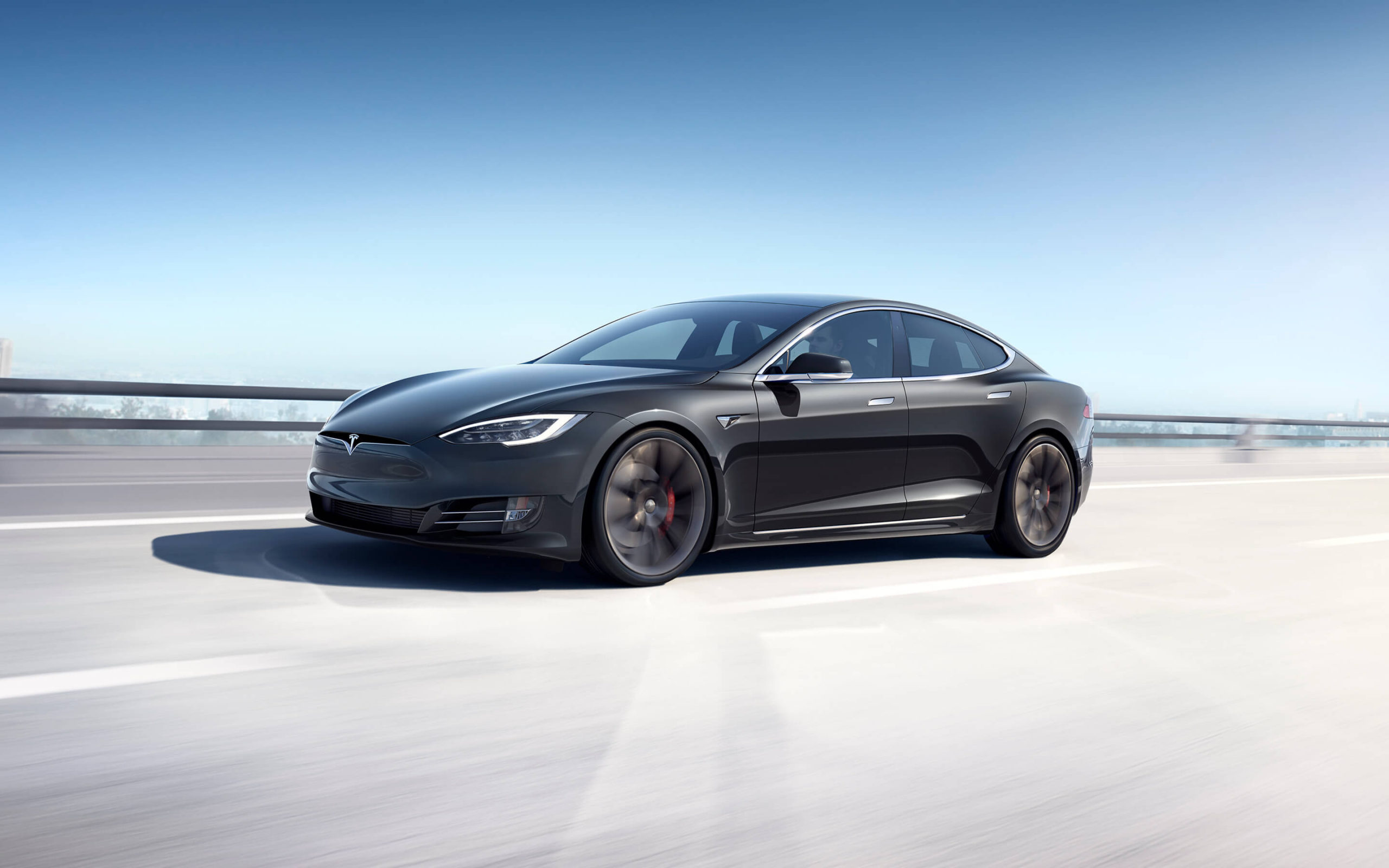
    Tesla’s Price Cuts Promise More Pain For Money-Losing U.S. EV Startups

    A price war in electric vehicles started by market leader Tesla Inc has made it much more difficult for money-losing U.S. startups like Rivian Automotive Inc and Lucid Group Inc to grab share in an industry competing for shrinking consumer wallets.

    Tesla’s move last week to slash prices globally on its EVs by as much as 20% could draw new buyers to electric cars in the industry, but also will force other automakers to respond with lower prices or risk getting left behind, analysts and investors said.

    Some startups may not be able to afford lower prices as they struggle with staggering raw material and production costs combined with far lower output than the Elon Musk-led Tesla, which delivered more than 1.3 million vehicles last year.

    Tesla’s move will “strengthen their … competitive advantage over other automakers,” CFRA Research analyst Garrett Nelson said.

    The struggles of most startups are a far cry from their initial public offerings over the past few years, when investors believed these companies would take over the EV market and echo the heady valuation Tesla has sported in the past.

    ‘GAME OF THRONES’ FOR EV STARTUPS

    Both Rivian and Lucid have yet to turn a profit. Together they delivered more than 24,000 cars last year, with Rivian spending more money on making each car than the selling price of that vehicle.

    The company’s cost of goods sold was about 2.7 times its revenue in the last reported quarter, while Lucid’s cost of revenue was about 2.5 times its sales.

    Still, Rivian had $13.8 billion in cash at the end of the third quarter – the most among the U.S. EV startups. Lucid had the second-highest cash reserves with $1.26 billion, and it raised another $1.52 billion in the fourth quarter.

    That gives the companies a sizeable production runway at a time peers Faraday Future and British EV startup Arrival have been seeking funding and have warned they might not be able to sustain operations through 2023.

    “It’s a ‘Game of Thrones’ battle for EV startups and they face some dire options over the next 12 to 18 months if they do not succeed in their financial targets,” said Wedbush Securities analyst Daniel Ives. “We would expect some … losers that face the prospect of consolidation or possibly worse on the horizon.”

    A clearer picture of their balance sheets is expected when these companies report fourth-quarter earnings.

    Rivian declined to comment, while Lucid did not respond to a request for comment.

    Lucid aims to target the luxury and sport-luxury sedan segment of the EV market, with its cars starting at over $87,000, which is $8,000 less than the base version of Tesla’s Model S sedan after the January discounts.

    Lucid, headed by former Tesla executive Peter Rawlinson, has not announced plans for a mass-market car to rival Tesla’s Model 3 and Model Y, which start at about $44,000 and $53,000, respectively.

    Rivian sells its R1T pickup truck at a starting price of $73,000 while its R1S SUV starts at $78,000.

    The company, whose largest shareholder is Amazon.com Inc, does not plan on selling cheaper cars that it will build on a next-generation R2 platform before 2026. The platform will support higher volumes and be less expensive than the vehicles built on the R1 platform, Rivian says.

    Tesla’s price cuts come just months after contract manufacturer Magna Steyr began production of Fisker’s Ocean SUV, which starts at $37,499 and makes it more vulnerable, analysts said.

    Fisker declined to comment.

    Lordstown Motors, which in May sold a significant chunk of its assets to contract manufacturer Foxconn to raise funds, said its Endurance pickup targets the commercial fleet market only.

  • Vinasun’s 2022 profit almost seven times higher than target

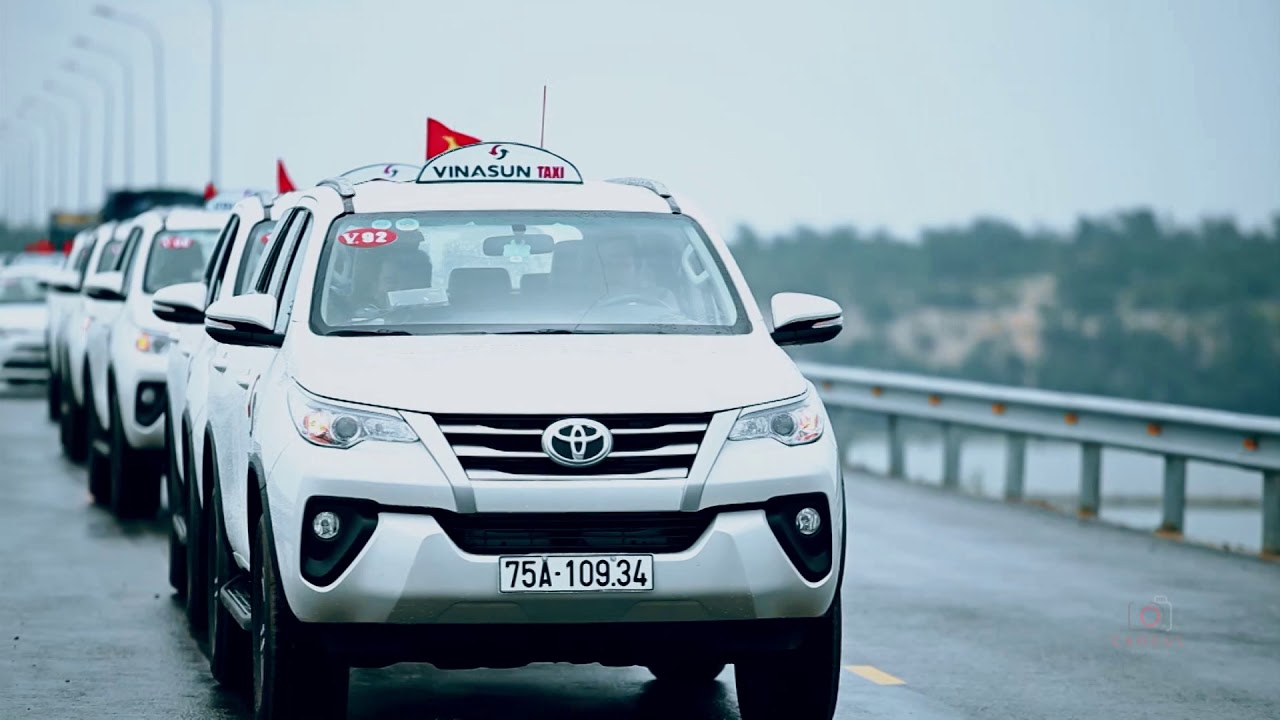
    Vinasun’s 2022 profit almost seven times higher than target

    Vietnam’s leading taxi firm Vinasun posted VND185 billion (US$7.89 million) after-tax profit last year, which is 6.8 times higher than targeted.

    The taxi operator recorded profits in all four quarters of 2022 after suffering losses in 2020 and 2021 due to the Covid-19 pandemic.

    With efforts to recover the market in HCMC and the nearby Binh Duong and Dong Nai Provinces, and look for partnership opportunities in transport, technology and consumption sectors, the company earned revenues worth VND1.089 trillion last year, which is twice the figure of 2021.

    By the end of last year, Vinasun’s total assets were worth VND1.836 trillion, up nearly 20% from the beginning of the year.

    At the closing the session on January 19 before the Lunar New Year break, Vinasun (VNS)’s stock value increased by nearly 6.8%, to VND18,150 per share.

  • Tesla Uses Its Profits As A Weapon In An EV Price War

    Tesla Uses Its Profits As A Weapon In An EV Price War

    Tesla earns more money for every vehicle it sells than any of its global rivals. Now, Chief Executive Elon Musk is using that superior profitability as a weapon in the EV price war he started.

    Tesla, once one of the auto industry’s biggest money losers, has over the past year built a commanding lead over most major rivals in profit per vehicle, a Reuters analysis of industry data shows.

    Tesla earned $15,653 in gross profit per vehicle in the third quarter of 2022 – more than twice as much as Volkswagen AG, four times the comparable figure at Toyota Motor Corp and five times more than Ford Motor Co, according to a Reuters analysis.

    For most of this year, Tesla joined rivals in aggressively raising prices on its most popular vehicles, such as the Model Y SUV. Shortages of semiconductors and other materials kept auto industry production down, allowing companies across the industry to focus on higher-margin models and book strong profits, even as sales volumes fell.

    Tesla’s decision to reverse course and spend its production-cost advantage on price cuts now challenges the profit-over-volume strategies established automakers such as GM have pursued since the 2008 financial crisis, and doubled down on during the pandemic.

    To control production costs, Tesla has invested heavily in new manufacturing technology – such as the use of large castings to replace small metal parts. Tesla brought battery manufacturing and other parts of its supply chain in-house, and standardized vehicle designs to improve economies of scale.

    Using production-cost advantages to fund price cuts has a long history in the auto industry.

    Henry Ford slashed prices on his Model T in the early 20th Century as his innovative mass-production system revved up. During the 1980s and 1990s, Toyota used the cost lead provided by its lean production system to offer features at prices Detroit automakers struggled to match. Now, Toyota is rebooting its strategy under pressure from Tesla.

    Growth in electric vehicle demand outpaced the overall market in the United States and globally during 2022. That emboldened automakers to push EV prices higher. Ford hiked prices for its electric F-150 pickup by 40% during 2022.

    But analysts are warning the global EV market could soon have more production capacity than demand.

    By 2026, North American EV demand will hit a level of about 2.8 million vehicles a year, said industry forecaster Warren Browne. But North American EV factories will be capable of assembling more than 4.5 million vehicles, putting overall capacity utilization at just under 60%, he said.

    In China, the end of central government subsidies is accelerating a market share war among rivals in the world’s largest EV market.

    “Tesla has taken the nuclear option to bully the weaker, thin margin players off the table” in China, said Bill Russo of Automobility, an industry consultancy in Shanghai. “Big pie, fewer slices, more to eat for those that remain.”

    Startups such as China’s Xpeng Inc had benefited from Tesla’s price hikes. Now, Xpeng is cutting prices in China – but with less financial leeway than Tesla. Xpeng reported gross profit of $4,565 in the third quarter, and a net loss of $11,735 a vehicle, according to company data analyzed by Reuters.

    “We hope more people can access smart vehicles after we make our cars increasingly affordable,” Xpeng said in a statement.

    Vietnamese EV startup Vinfast said Thursday it will use price promotions to fight back against Tesla.

    Chinese EV market leader BYD Co Ltd announced price increases effective Jan. 1 after Beijing phased out EV subsidies. So far, BYD has not responded to Tesla’s latest price cuts in China. However, BYD’s gross margins of $5,456 per vehicle give it more headroom in a price war than VW, Toyota or GM.

  • Indonesia surpasses Thailand as Vietnam’s largest car exporter

    Indonesia surpasses Thailand as Vietnam’s largest car exporter

    Indonesia surpassed Thailand as Vietnam’s largest car exporter in 2022, with 72,671 cars exported.

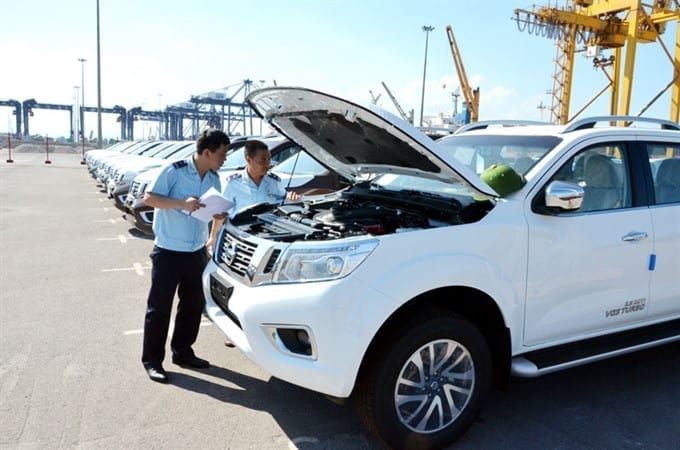
    According to statistics released by Vietnam Customs, Vietnam imported 173,467 cars in 2022, an 8.5% increase from 2021.

    Indonesia, Thailand and China were the biggest car exporters to Vietnam, but Indonesia surpassed Thailand to be the country that exported the most cars to Vietnam, with 72,671 cars exported in total, a 64.2% increase from 2021, and worth $10.5 billion.

    Thailand exported 72,032 cars worth $1.42 billion to Vietnam in 2022, a 10.9% decrease in number from 2021. The number of cars imported from Indonesia and Thailand amounted to 144,703 cars, accounting for 83% of all imported cars. China stood in third place, exporting 17,240 cars to Vietnam in 2022.

    For the first time in decades, the number of cars sold in Vietnam in 2022 reached 508,547 cars, according to statistics from the Vietnam Automobile Manufacturers’ Association and TC Motor.

  • Harley-Davidson Will Eventually Become Fully Electric

    Harley-Davidson Will Eventually Become Fully Electric

    According to CEO Jochen Zeitz, Harley-Davidson is transitioning to become an all-electric brand, although the process will likely take decadesis transitioning to become an all-electric brand, although the process will likely take decades, according to CEO Jochen Zeitz. According to Zeitz, iconic American brand Harley-Davidson, known mainly for its big engine, heavyweight cruiser motorcycles, is currently undergoing a long-term transition which will result in the brand transforming into an electric brand. That would mean that Harley-Davidson’s big v-twin engines will become history, at least sometime in the future, and it would take a few decades at least for Harley to become all-electric.

    In an interview, H-D CEO Jochen Zeitz outlined the brand’s growth, saying that electrification is the next logical step in the evolution of one of the oldest motorcycle brands in the world that was established 120 years ago. Harley-Davidson introduced its first electric motorcycle in 2018, called the LiveWire ONE. The LiveWire b-brand has since been expanded to include electric bikes from Harley-Davidson, and the upcoming S2 Del Mar will also be an electric bike under the LiveWire vertical.

    “At some point in time, Harley-Davidson will be all-electric. But that’s a long-term transition that needs to happen. It’s not something you do overnight,” Zeitz was quoted as saying in the interview.

    Electrification of the auto industry is currently in the nascent stage, more so for established two-wheeler brands. While several auto companies, including Volvo, Volkswagen, Audi and Mercedes, have stated much shorter timelines to go fully electric, it is a matter of time when motorcycle brands will also likely take similar steps. Whether future powertrains for motorcycles will be full-electric, hybrid or use other forms of alternate fuels and energy is still an evolving process.

    The establishment of LiveWire is the first small step in this long-term transition of Harley-Davidson, a brand whose big displacement v-twin engines will be consigned to history in the coming decades.

  • Audi Delivers Over 1,00,000 EVs Globally in 2022

    Audi Delivers Over 1,00,000 EVs Globally in 2022

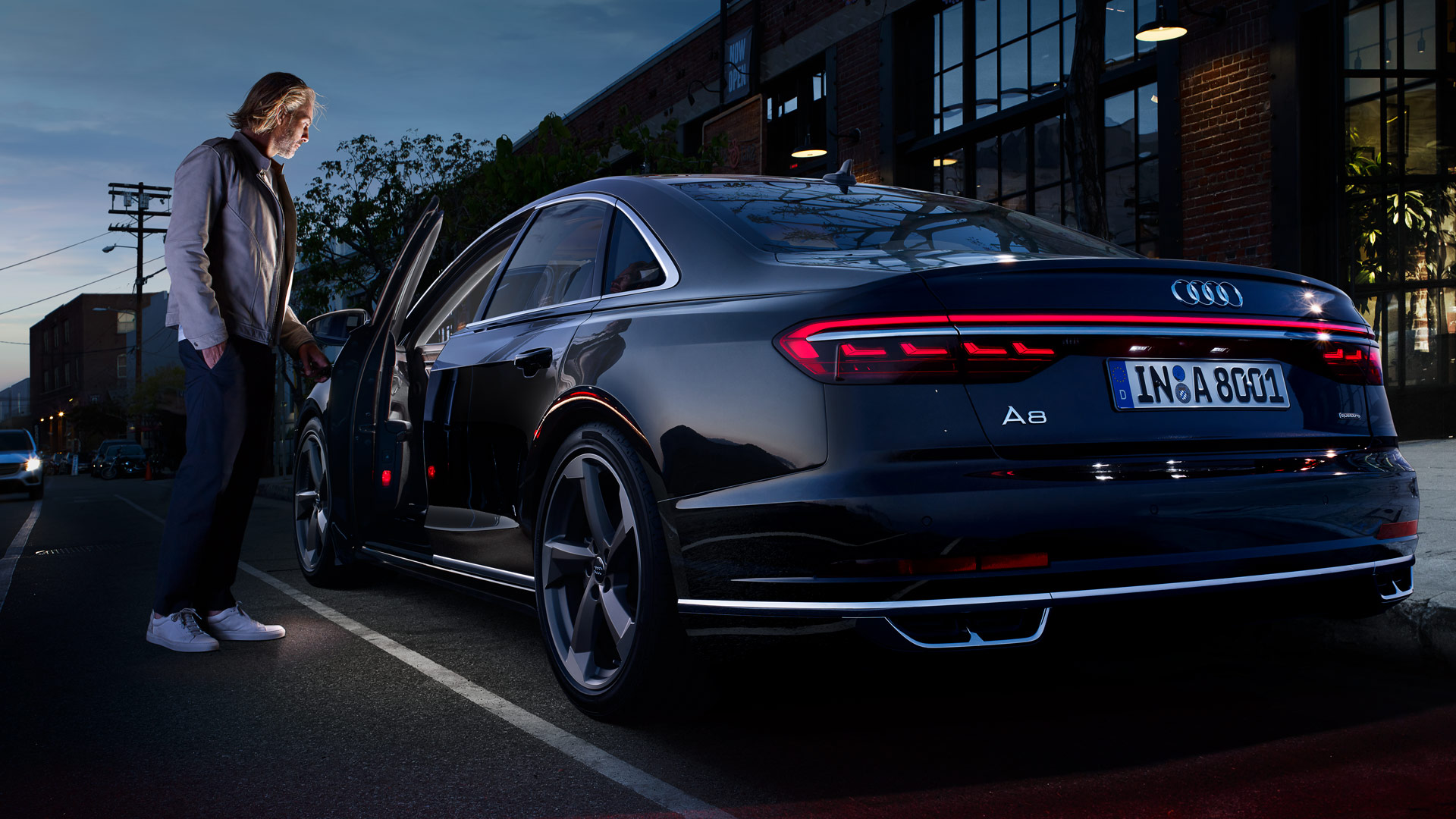
    Audi saw a significant growth in the sale of EVs in the year 2022 globally, as the German manufacturer registered a sales figure of over 1 lakh EVs in the year. To be precise, the Volkswagen Group-owned brand delivered 1,18,196 electric vehicles globally in the year, which marked an increase of 44.3 percent over CY2021.

    “Even though we’re still facing global economic challenges, we’re looking toward the future with confidence,” said Hildegard Wortmann, Member of the Board of Management of AUDI AG for Marketing and Sales. “That’s because we’re going into 2023, during which we will accelerate the transformation together with an attractive portfolio, many orders and a highly motivated team.”

    Audi saw high demand for all-electric models, including the Audi Q4 e-tron, Audi e-tron GT quattro, and Audi e-tron – which will soon be replaced by Audi Q8 e-tron. Not just globally, but Audi also saw a decent growth in EV sales in India, with the figure going up 27.1 per cent in the year 2022.

  • Hyundai conquers Vietnam’s city car market

    Hyundai conquers Vietnam’s city car market

    South Korea’s Hyundai dominated Vietnam’s small urban car market last year after Vietnamese and Japanese manufacturers stopped selling A-segment models.

    The European Commission defines the A-segment as city cars, the smallest category of passenger cars.

    Last year in Vietnam, Hyundai sold 10,752 units of its i10 model, while local Vietnamese manufacturer VinFast sold 10,661 Fadils, its most popular model.

    The Fadil was Vietnam’s best-selling car in 2021. And it was 2022’s best-selling car through the first half of the year as well, before VinFast took it off the market in mid-July as part of the company’s transition towards manufacturing only electric vehicles. VinFast no longer makes fossil-fuel cars.

    The 2022 car market in Vietnam also saw Kia sell 3,979 of its Morning models, while 1,953 Honda Brios and 488 Toyota Wigos were also sold in the country.

    The two Japanese models on the list, Brio and Wigo, were also taken off the market in the second half of last year because their engines did not meet the Euro 5 emission standards required by the Vietnamese government.

    Brio had been on the Vietnamese market for more than 3 years, but the model hadn’t changed since a facelift in 2020. It is scheduled to go on sale in Vietnam again later this year.

    VinFast plans to replace the Fadil with a small electric CUV model called the VF 5. It will cost VND458 million ($19,407), excluding the battery, and deliveries will begin in April.

    Imported Japanese models such as Wigo and Brio have a brand advantage, but their prices are higher than South Korean models assembled in Vietnam.

    In the A-segment, customers are often interested in low initial investment costs and various new version options. Both the Hyundai i10 and Kia Morning meet both of those expectations.

  • Auto imports zoom to new high

    Auto imports zoom to new high

    Auto imports rose by 8.4% last year to a record 173,467 units, which cost US$3.84 billion according to Vietnam Customs.

    The previous highest number was over 160,000 in 2021.

    Indonesia and Thailand were the biggest sources of the imports last year, accounting for 41.9% and 41.5%.

    China was third with 10%.

    The government has issued a decree encouraging auto imports from ASEAN countries to comply with the ASEAN Trade in Goods Agreement.

    From 2022 to 2027 vehicles produced within ASEAN with over 40% locally sourced components are exempt from import tax.

  • Google unveils new Android Auto features

    Google unveils new Android Auto features

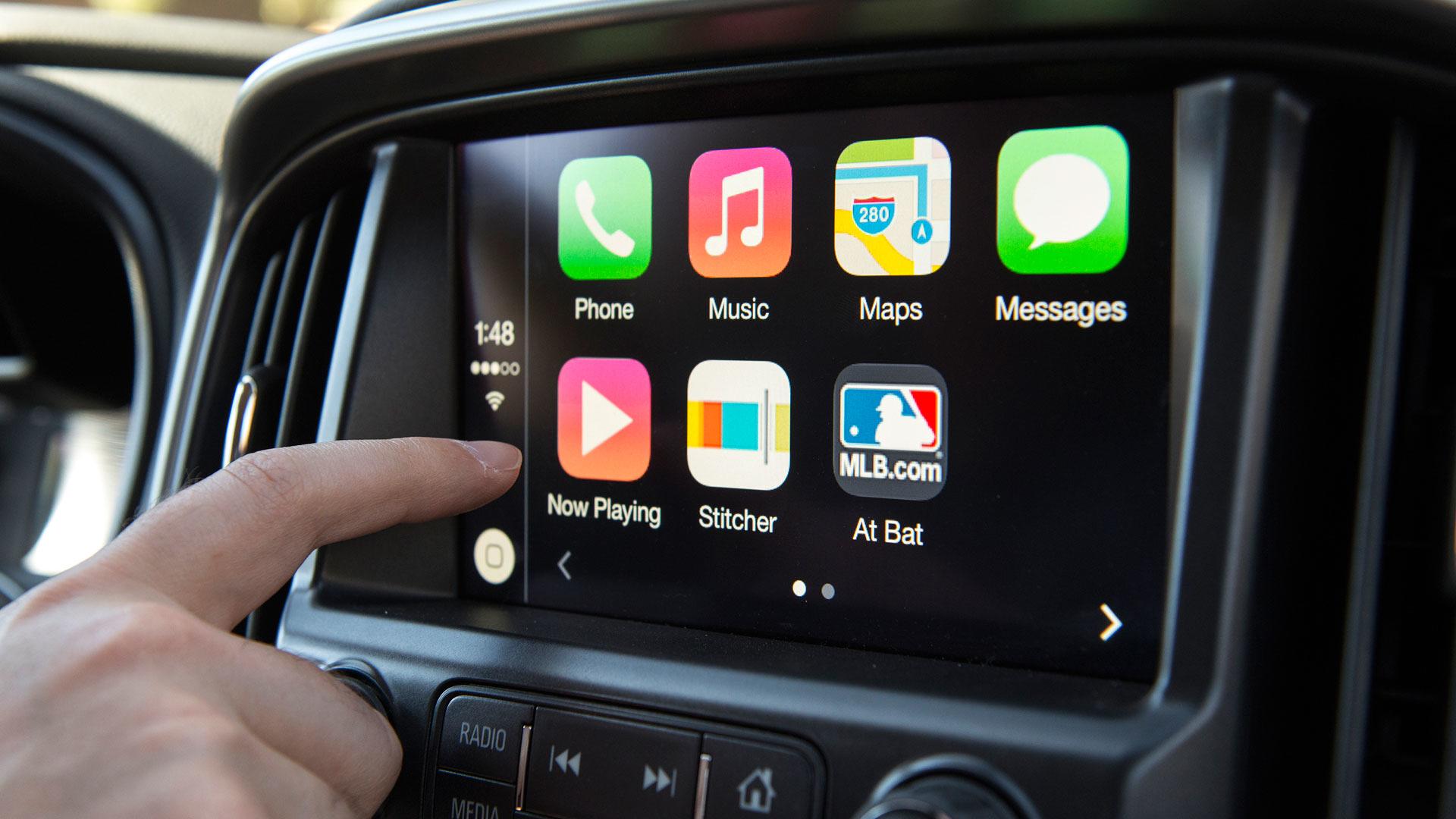
    Google’s booth at CES officially opened today and highlighted some of the progress that has been made to make the Android ecosystem more helpful across multiple devices. Some of the apps and features that have driven this include the media player, seamless switching between Android and ChromeOS and a brand new Android Auto.

    At CES, Google is showing how its technology already helps devices work better together and how we as users can enjoy entertainment in new ways, like by expanding its work with Spotify so we can listen without interruptions.

    With Android 13, Google added a new media player to your Android phone’s lock screen and notification area, letting you quickly choose which Bluetooth or Chromecast-enabled devices to play your content on. This year, Google is working closely with Spotify to make it easy for users to switch between any Spotify Connect device and the media player on Android.

    Google is also making it possible for you to take your audio content with you as you go about your day. This will be accomplished via notifications on your devices, allowing you to tap to start listening to a podcast in the car, continue on your phone and headphones, and finish on your TV at home. As you move around, your phone or other devices will send you media notifications asking if you want to move the audio to a nearby device.

    Google is working with Spotify to use these notifications to help users enjoy the content they’re streaming on their best device. This notification experience will also be available on YouTube Music.

    Designed to be adaptable, open, and compatible with one another, Android and Chrome OS were made to function hand in hand. This trend continues with Android’s three-layer technology stack that understands your proximity to another device and context in how you use it, bringing you a new level of convenience and ease-of-use.

    To bridge these devices together, Google has integrated tools like Fast Pair, Nearby Share, Phone Hub, and Chromecast to make switching between devices faster and less cumbersome. Google has also expanded on Android’s rich heritage of customization and AI to bring a range of individualized features, such as seamless audio switching to cross-device copy and paste.

    These and other features be found on the latest Chromebooks, such as the ASUS Chromebook Vibe CX34 Flip and the HP Dragonfly Pro Chromebook, both of which were revealed at CES.
  • Indonesia To Offer $5,000 Subsidy On Electric Car Sales

    Indonesia To Offer $5,000 Subsidy On Electric Car Sales

    Indonesia’s government plans to offer a subsidy of more than $5,000 on every sale of an electric car, a minister said on Wednesday.

    It will also offer incentives to encourage purchases of electric motorbikes as well as hybrid cars, Industry Minister Agus Gumiwang Kartasasmita said, as part of plans to reduce carbon emissions in Southeast Asia’s largest economy.

    The incentives will offered to buyers of EVs produced by firms with factories in Indonesia, he said in a video statement.

    A subsidy of around 80 million rupiah ($5,131) will be offered on every sale of an electric car, 40 million rupiah on hybrid cars and 8 million rupiah on fully electric motorbikes, the minister said.

    The government will also cover 5 million rupiah of the cost to convert a combustion engine motorbike into an electric one, he added.

    He did not provide a timeline for when the scheme will be implemented nor the total budget it will require.

    Senior Minister Luhut Pandjaitan said previously that the program may start next year.

    Indonesia has a target of at least 1.2 million electric bikes and 35,000 electric vehicles in use by 2024.

  • Tesla Driver In Multi-Car Crash Told Police Self-Driving Software Malfunctioned

    Tesla Driver In Multi-Car Crash Told Police Self-Driving Software Malfunctioned

    The driver of a 2021 Tesla Model S involved in an eight-vehicle crash last month on San Francisco’s Bay Bridge told police he was in Full-Self Driving (FSD) mode which had malfunctioned, according to a police report made public Wednesday.

    The Thanksgiving Day crash on Interstate-80 near Treasure Island resulted in two juveniles being transported to a local hospital to treat minor injuries, leading to lengthy delays on the bridge.

    Chief Executive Elon Musk has touted Tesla “Full Self-Driving” software as a potential cash cow for the world’s biggest electric carmaker. But Tesla’s advanced driver assistance systems – and Musk’s claims about them – face growing legal, regulatory and public scrutiny.

    Tesla sells the $15,000 FSD software as an ad-on, enabling its vehicles to change lanes and park autonomously. That complements its standard “Autopilot” feature, which enables cars to steer, accelerate and brake within their lanes without driver intervention.

    The Tesla driver told police the FSD malfunctioned. Still, police were unable to determine if the software was in operation or if his statement was accurate, according to the report, which was made public after a Reuters request.

    The police report said the vehicle made an unsafe lane change and was slowing to a stop, which led to another vehicle hitting the Tesla and a chain reaction of additional crashes.

    The police report said if FSD malfunctioned, the driver should have manually taken control of the vehicle.

    Tesla did not respond to a request for comment.

    The National Highway Traffic Safety Administration (NHTSA), investigating the automaker’s advanced driver assistance systems, did not comment.

    Tesla’s says “Full Self-Driving” gives access to more advanced driver assistance features but emphasizes “all Tesla vehicles require active driver supervision and are not autonomous.”

    National Transportation Safety Board chair Jennifer Homendy has questioned Tesla’s marketing the feature as “full self-driving,” when it is incapable of that and said Tesla must do more to ensure people do not misuse the feature.

  • Tesla Falls On Growing Angst Over Musk’s Focus On Twitter

    Tesla Falls On Growing Angst Over Musk’s Focus On Twitter

    Shares of Tesla Inc fell nearly 6% on Tuesday after a string of brokerages cut their price targets on the electric-vehicle maker’s stock, citing the risk from Elon Musk’s Twitter distraction.

    Tesla’s shares hit a more than two-year low of $140.86.

    Analysts say investors are worried that Musk may need to sell shares further to fund Twitter and sentiment around the acquisition of the social media firm could hurt the EV maker’s brand.

    Evercore ISI, which slashed its price target on the company’s shares to $200 from $300 said investors fear damage to the Tesla brand.

    Daiwa Capital Markets also cut its price target to $177 from $240, citing a “higher risk profile from the Twitter distraction”.

    Tesla shares, which have lost nearly 60% of their value so far this year, closed down 0.2% on Monday as Twitter users voted decisively in a poll for Musk to step down as chief executive of the social media platform.

    Analysts at Oppenheimer downgraded Tesla’s shares on Monday.

    The price target cuts come ahead of Tesla’s quarterly deliveries report expected in early January amid weakening demand in China.

    Daiwa lowered the company’s delivery estimate by 5% for 2023 and forecast an 8% reduction in revenue per unit year-over-year.

    Musk has said Tesla targets 50% growth in delivery volumes annually, however, the electric-vehicle maker said it will miss the target this year due to logistics issues.

    China’s passenger vehicle sales fell for the first time in six months in November and are expected to stay flat next year, China Passenger Car Association said.

  • Domestic car market sees sluggish sales in year-end sale season

    Domestic car market sees sluggish sales in year-end sale season

    While normally a positive time for car sales, this year the domestic automobile market is seeing gloomy days as Tet (Lunar New Year holiday) approaches.

    Sale manager of a Hyundai showroom Van Nam said since the end of the second quarter this year, car loans from commercial banks have had an interest rate of 13-15.5% a year, while car loans during the Covid-19 pandemic were between 9.5-9.9% a year.

    Car loans offered by foreign banks in Vietnam are between 10-11% per year, however, lending procedures are very strict, and borrowers must have high incomes and their salary must be paid via banks.

    His showroom’s car sales have decreased by about 40% from the beginning of this year, Vietnam News Agency quoted Nam as saying. His showroom set a target of selling 200 units in December, but it has been hard to achieve it.

    Dinh Hung, a car trader, said used car sales have been gloomier. Since he started trading used cars, this has been the bleakest time. Hung attributed his slow sales to higher interest rates and tightening credit. He complained that he had to borrow money from banks for his business, and it was very difficult to pay off his loans as his used cars have gone unsold.

    Sharing the same view, car dealer Nguyen Quyet said in the first months of this year, the used car market was boisterous and many used vehicles were even sold at higher prices than new cars due to global supply shortages. Contrary to early months, the year-end used car market is quite gloomy.

    The sluggish sales are attributed to a tightening credit market and higher interest rates.

    Tran Duc Hung, a Hanoi resident who is planning to purchase a vehicle, found himself wondering whether he should opt for a new car or not. Hung said that if he bought a new car, he would have to borrow about VND400 million ($16,670) from a commercial bank for a term of five years.

    With this loan, his car would end up costing an additional VND130 million due to bank interest.

    Nguyen Van Thang, an owner of a car dealership on Le Van Luong street, said most banks do not give priority to car loans while interest rates are quite high. This factor greatly affected the car market in general and used cars in particular, especially luxury and expensive ones. Car traders had to reduce prices in early December to lure customers.

    Nguyen Van Nam, sale manager of a Hyundai showroom in Hanoi, said that in December, he lowered prices by between VND15-30 million ($625-1,250) of popular Hyundai models such as Accent, Grand i10, and Elantra.

    Le Thai Son, a car salesman at a Honda showroom in Cau Giay District, said the prices of many Honda models were reduced, for instance, the Honda CR-V at this time would get an attractive discount of between VND70-90 million.

    Toyota Vietnam has offered a promotion campaign for models such as Veloz, Vios, or the 7-seat MPV segment with discounts of VND30-40 million. Meanwhile, many dealers have launched promotions by offering free registration or direct discounts on price.

    November auto sales posted a decline from October after four consecutive months of growth, but sales for the year so far have still achieved double-digit growth.

    According to the Vietnam Automobile Manufacturers Association (VAMA) report issued on December 13, automobile sales including imports were down 5.9% year-on-year to 36,371 units in November. CKD volume reached 18,813 units and CBU volume was 17,558 units.

    Total sales in the first 11 months this year rose 43% year-on-year to 369,334 units. Of that total, sales of CKD vehicles reached 208,822 and those of CBU imported vehicles reached 160,512 units.

  • Lexus Sets Up Its Brand Experience Centre In Coimbatore

    Lexus Sets Up Its Brand Experience Centre In Coimbatore

    Lexus India opened its one-of-a-kind, Meraki-inspired brand experience centre in Coimbatore. The company says the design of the new experience centre takes inspiration from the city’s trade legacy, which is an amalgamation of its textile industry and a long-lived passion for motorsport combined with the Japanese spirit of precision, perfection, and subtle luxury. The new experience centre features several design elements inspired by Lexus cars such as the distinctive spindle design among others.

    Naveen Soni, President – Lexus India said, “We have always believed in establishing stronger ties with our guests, and we are delighted to announce the inauguration of our new brand space in Coimbatore, just a few months after the introduction of our brand space in Gurugram. With the opening of numerous facilities across the country, this innovative concept gets us one step closer to welcoming many more of our guests on a journey of luxury, uniqueness, and amazing experiences with Lexus.”

    The pièce-de-résistance is the mural in the Zen court that represents a deconstructed portrayal of the famous bull race tradition of southern India with specially designed carts, drawing parallels to the Lexus engine that is energy efficient and has a low carbon footprint while enhancing the rider’s excitement and experience. In line with the brand’s ethos of creating a better tomorrow through sustainable design, the use of “soot” powdered in the cast in-situ concrete floor and the Zen court wall add to energy efficient, sustainable, and eco-friendly structure. This also contributes to reduced carbon footprint in a small way.

    The Lexus Meraki – Coimbatore joins the current network of Lexus Brand Spaces in Gurugram and the Lexus Guest Experience Centres in New Delhi, Mumbai, Bangalore, Chandigarh, Hyderabad, Chennai, and an upcoming one in Kochi, along with the Lexus virtual guest experience centre that will soon be hosted on the Lexus India website bringing the Lexus brand and its offering closer to the discerning luxury consumer located across India. With the opening of the Lexus Meraki in Coimbatore, Lexus India establishes its footprint in 13 cities with 15 guest touchpoints across India.