Category: Automotive

Retail News Asia is committed to providing both local and global retailers with the latest Auto and Car news throughout the Asian market. This on a daily base.

  • November auto sales dip after four months of growth

    November auto sales dip after four months of growth

    November auto sales posted a decline from October after four consecutive months of growth, but sales for the year so far still achieved double-digit growth.

    It was reported that 36,371 units were sold among members of the Vietnam Automobile Manufacturers Association (VAMA) last month, down 0.51% from the previous month.

    In the first 11 months, sales climbed 43% year-on-year to 369,334 units.

    Truong Hai Auto Corporation (Thaco) led with 123,140 units sold, up 38% year-on-year.

    The company was followed by Toyota, with 81,491 units, and Mitsubishi, 36,805 units.

    Honda and Ford rounded off the top five.

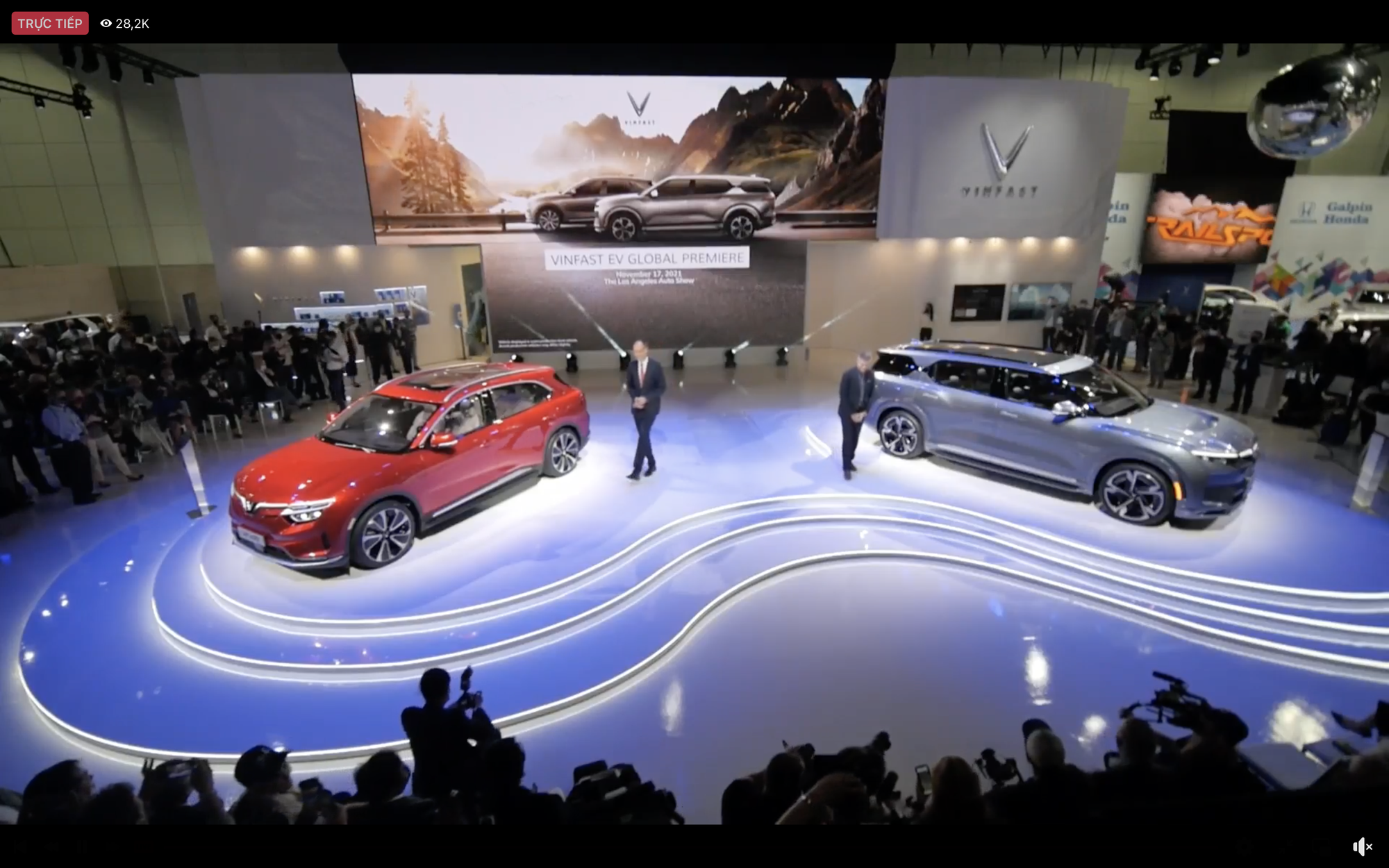
    Last month automaker VinFast shipped its first batch of 999 electric cars to the U.S.

    The company expects to sell 750,000 electric vehicles annually by 2026.

  • Tesla Launches EVs In Thailand Amid Competition From Cheaper Brands

    Tesla Inc launched two electric vehicle (EV) models in Thailand on Wednesday, marking its first foray into the regional autos hub that has long been dominated by Japanese manufacturers.

    The launch of two EVs with prices ranging between 1.7 million baht to 2.5 million baht (($48,447 to $71,205) comes as Thailand makes a push for EV adoption and production by offering tax cuts and subsidies.

    The U.S. automaker plans to start selling its EVs in Southeast Asia’s second-biggest economy via online channels, with deliveries set to start early next year. But it faces stiff competition from Chinese brands like BYD and Great Wall Motors, which have set up showrooms and distribution partners in recent years to reach customers and offer EVs with prices starting at 800,000 baht.

    Tesla did not provide details on sales targets.

    Thailand is Asia’s fourth-largest auto assembly and export hub for companies like Toyota Motor Corp and Honda Motor Co Ltd. It produces about 1.5 million to 2 million vehicles annually, of which about half are exported.

    Fuel-based vehicles, especially made by Japanese brands, still dominate the market and uptake of EVs has gradually gained momentum, with about 7,000 new battery EVs registered in the first ten months of 2022, according to the Thailand Automotive Institute, up from 2,000 last year.

    Customers who showed up to Tesla’s launch in a luxury mall in central Bangkok said they were interested in the new cars being offered.

    “I’m excited. The price differences aren’t significant (from other EV brands),” said office worker Thitipun Paisirikul, 36, adding he expected the re-sale value of the car would be high.

    The government wants at least 30% of vehicles produced in the country to be electric by 2030.

    State-owned energy firm PTT Group this year announced a $1 billion joint venture with Taiwan’s Foxconn to produce EVs in Thailand.

  • Hyundai, SK To Build New Battery Plant In Georgia

    Hyundai, SK To Build New Battery Plant In Georgia

    Hyundai Motor Group and SK On said Thursday they will build a new battery manufacturing plant in the U.S. state of Georgia to supply the Korean automaker’s U.S. assembly plants.

    Hyundai Motor Group and SK On, the lithium-ion battery subsidiary branch of SK Innovation, recently signed a memorandum of understanding (MOU) for a new EV battery manufacturing facility with details of the partnership still in development, the companies said.

    The companies aim to begin operations in 2025 and said “stakeholders estimate it will create more than 3,500 new jobs through approximately $4-5 billion of investment” in Georgia’s Bartow County. Hyundai separately broke ground in October on a $5.54 billion electric vehicle (EV) and battery plant in Georgia’s Bryan County.

    SK Innovation opened a $2.6-billion battery plant in Commerce, Georgia, in January that is producing batteries for the Ford F-150 EV.

    Hyundai and SK did not immediately say how much they plan to invest in the battery plant. Automakers and battery companies are building battery assembly plants across the United States as the industry shifts to electric vehicles.

    Hyundai, Kia and the South Korean government are heavily lobbying the Biden administration to ease new rules that in August immediately made all EVs assembled outside North America ineligible for $7,500 tax credits — including the Korean automakers’ EVs.

    The South Korean government on Tuesday urged Treasury “interpret ‘commercial clean vehicles’ broadly” to include rental cars, leased vehicles and vehicles purchased for use in Uber or Lyft rideshare fleets.

    Georgia Governor Brian Kemp told Reuters in October the EV tax credit rules should be changed to ensure Hyundai and Kia vehicles can qualify for the credit as it works to complete its EV assembly plant in the state.

    Kemp criticized the $430 billion climate bill approved in August that rewrote the tax credit rules.

    “It was targeted to help a lot of union-based suppliers that are in the United States,” Kemp said.

  • Volvo Cars India To Expand Benguluru-Based Digital Technology Hub

    Volvo Cars India To Expand Benguluru-Based Digital Technology Hub

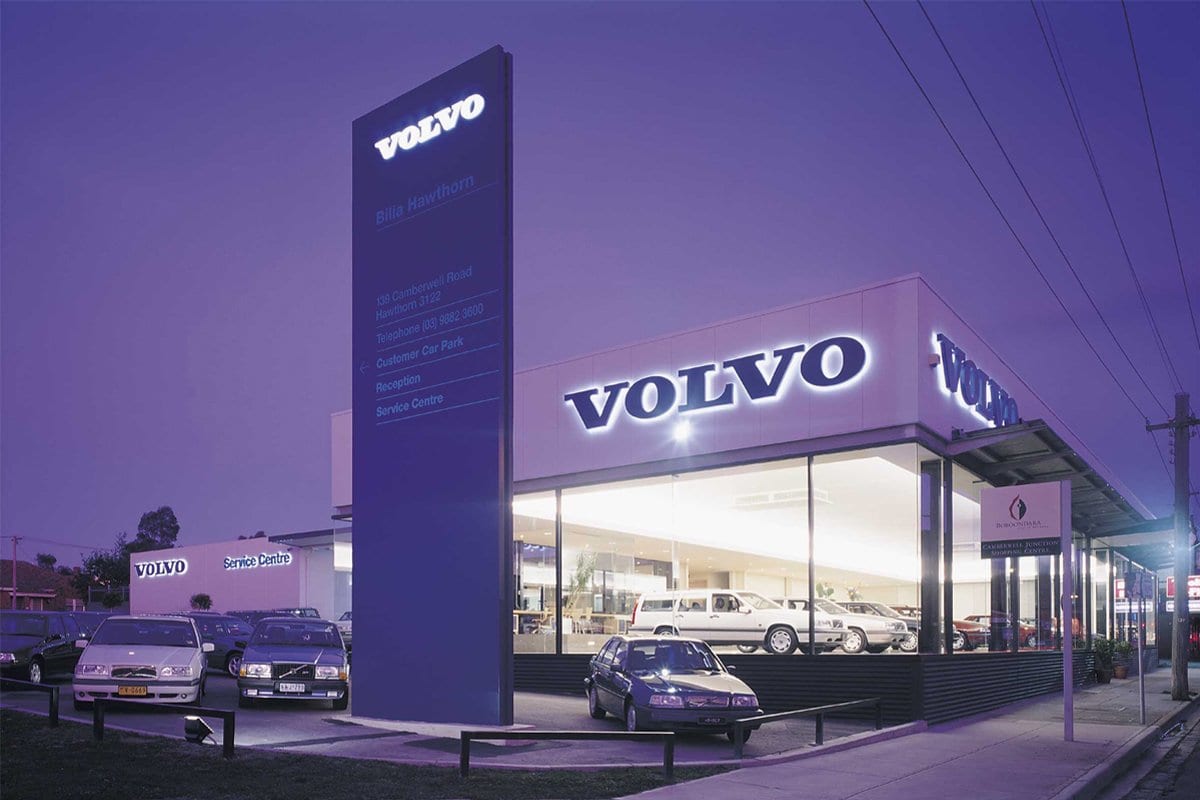
    Volvo Cars India is set to expand its Bengaluru-based Digital Technology Hub in the coming months. The company’s India Tech Hub recently moved to a larger office space in Bengaluru. The company plans to hire new employees from the India IT sector to employ 240 people by the end of 2023.

    “Volvo recognizes the vast pool of talent in the country and our Digital Technology Hub leverages the best available, we expect this to be 240 strong in a year’s time. While this hub strengthens our presence in India with the opening of new office space in Bengaluru, it will also contribute to the ever-growing digital needs of Volvo globally more so as Volvo readies itself to showcase and launch cars of the future that have digital technology as their integral part” said Jonas Olsson, Head, Digital Technology Hub.

    Volvo says the Digital Technology Hub is an integrated part of its global delivery setup and aims to leverage the Indian IT industry talent to meet the growing digital needs of the company.

    “The Digital Hub is designed to promote a flexible style of working while encouraging collaboration & innovation.  It can host up to 500 colleagues working in a hybrid work model,” Volvo says.

    The Bengaluru hub will boost the company’s capabilities in software engineering, data science and analytics, product management and user experience. Volvo says that future models from the company will also benefit from the developments from the hub.

  • Apollo Tyres Inaugurates New Advanced Tyre Testing Facility In Chennai

    Apollo Tyres Inaugurates New Advanced Tyre Testing Facility In Chennai

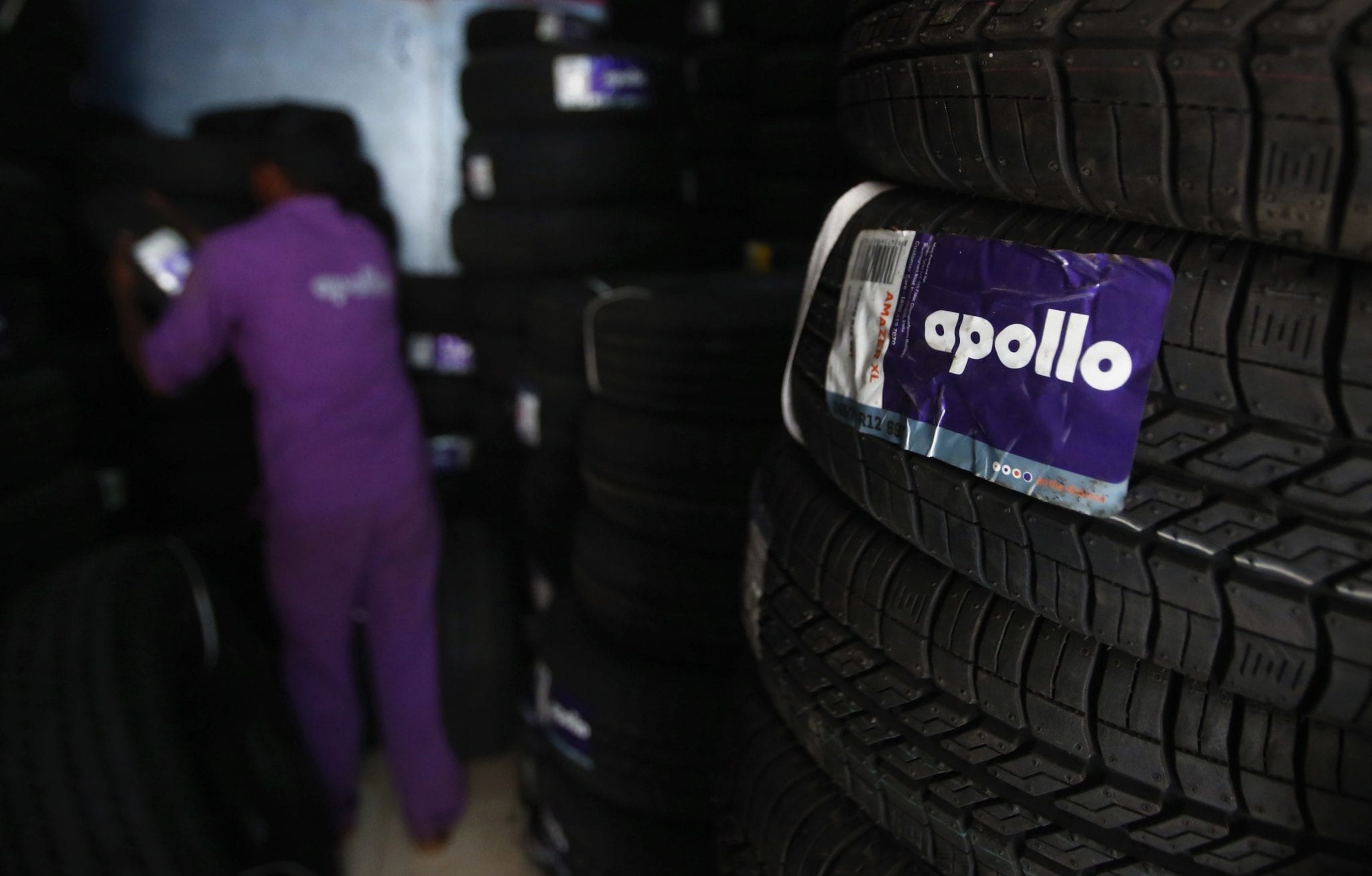
    Apollo Tyres on Wednesday inaugurated a new Advanced Tyre Testing Facility at its Global Research and Development Centre outside Chennai. The new facility, the company says, will enable it to hasten the research and development process for tyres for passenger vehicles and two-wheelers.

    At the inauguration, Daniele Lorenzetti, CTO, Apollo Tyres said, “We strongly focus on continuous improvement in efficiency and effectiveness of product development and this new facility will further augment our testing capabilities for future vehicle models. We will be able to fine-tune the performance of our products by simulating closely the real-world conditions using this facility.”

    The company said that the new facility houses a new custom-designed Flat-Trac machine as well as an Anechoic chamber. The Flat-Trac machine will allow the company to test the dynamic behavior in a simulated environment with the machine testing and recording various parameters of the performance of the tyre. The company says that the new machine is capable of replicating maneuvers such as high slip angles seen during emergency maneuvers, high torque ramp-up and even varying degrees of lean (a measure of testing two-wheeler tyres).

    The Anechoic chamber, meanwhile, will be used to test the NVH properties of the company’s tyre ranges over varying simulated terrains allowing for its fine-tuning.

    Apollo Tyres says that the main beneficiaries of the new technology will be models developed for high-end passenger vehicles, electric vehicles and premium motorcycles.

    The company also said that the inauguration of the new testing centre was in line with the brand’s mid-term goals of deploying greater use of technology in the research and development process. The company has also set targets to improve sustainability in the use of raw materials in its tyre development and manufacturing processes.

  • Vietnam’s EV maker Vinfast files for US IPO to fuel global expansio

    Vietnam’s EV maker Vinfast files for US IPO to fuel global expansio

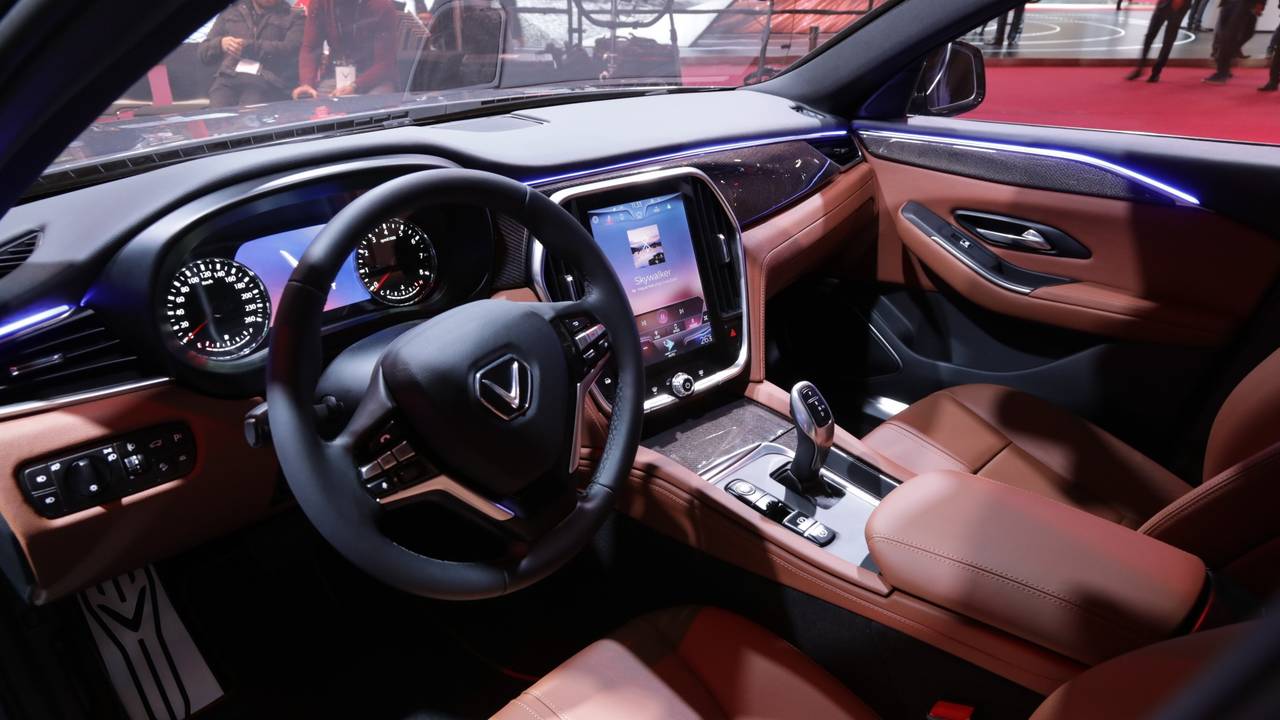
    Vietnam’s electric-vehicle maker VinFast said on Tuesday it has filed for an initial public offering (IPO) in the United States to list on the Nasdaq under ticker symbol “VFS” to fund its expansion with a planned plant in North Carolina.

    VinFast, which began operations in 2019, is gearing up to expand in the U.S. market, where it hopes to compete with legacy automakers and startups with its two all-electric SUVs, the VF8 and VF9, including battery leasing to reduce the purchase price.

    For the IPO, the company said it will convert to a Singapore public limited company and will be known as VinFast Auto Ltd, while the number of shares to be offered and the price range for the proposed offering have not yet been determined.

    Tuesday’s filing follows VinFast’s confidential submission to the U.S. Securities and Exchange Commission (SEC) in April, a month after it said it would build a production plant in North Carolina with an initial projected capacity of 150,000 EVs a year.

    A unit of Vietnam’s biggest conglomerate Vingroup, VinFast first flagged its U.S. IPO in April last year, eyeing to raise $2 billion with valuation of about $60 billion.

    The market valuation for EV startups has drastically cooled for the past year after some companies with sky-high valuation face scrutiny, together with the current gloomy global economy.

    “Valuation or the size of our IPO will be subject, in part, to market conditions,” VinFast Chief Executive Le Thi Thu Thuy said in a separate statement released on Wednesday.

    “VinFast will continue to monitor opportunities for future fundraises, as the market becomes more familiar with the VinFast brand and story,” she said.

    The company had said IPO was just one of the options to raise fund. In July it tapped banks to raise at least $4 billion to fuel its aggressive expansion.

    No time frame was specified for the offering on Tuesday although the company had said it aimed for an IPO in the fourth quarter of this year.

    But in May, its parent company Vingroup warned the IPO may be delayed to 2023 due to market uncertainty.

    “VinFast intends to conduct an IPO after the SEC declares the registration statement effective, market conditions permitting,” Thuy said on Wednesday, noting the company’s primary objective was to successfully list VinFast on a U.S. stock exchange.

    The EV maker in late November shipped its first batch of 999 vehicles to the United States, capping a five-year bid to develop an auto production hub in Vietnam for markets in North America and Europe.

    VinFast has said it has almost 65,000 orders globally in total and expects to sell 750,000 EVs annually by 2026.

  • Uber, Aurora To Expand Self-Driving Truck Ops In Texas To Meet Holiday Rush

    Uber, Aurora To Expand Self-Driving Truck Ops In Texas To Meet Holiday Rush

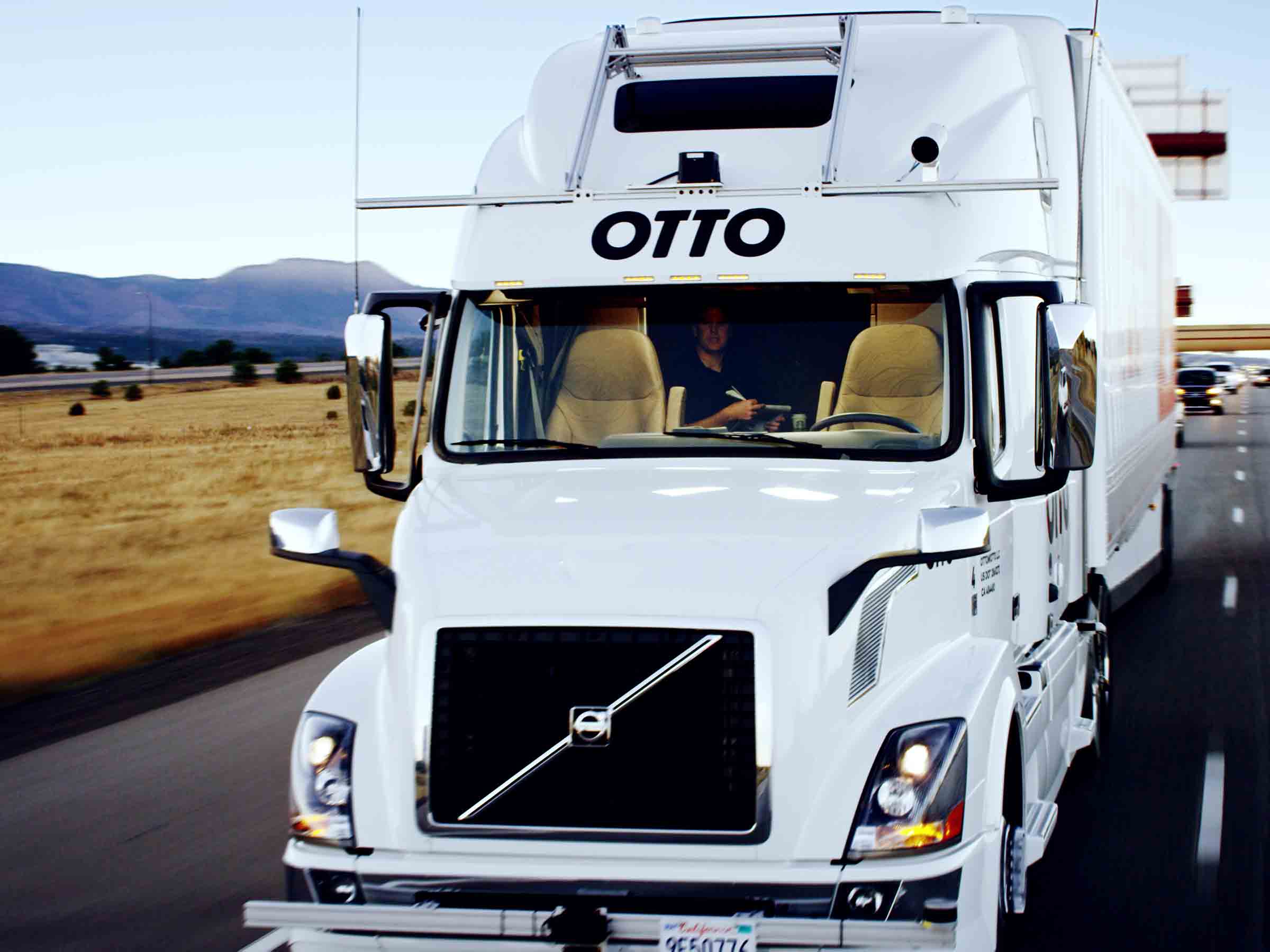
    Uber Technologies Inc and self-driving technology company Aurora Innovation Inc will expand their driverless pilot program in Texas to meet increased delivery demand during the holidays.

    The program will be expanded to the recently launched 600-mile commercial lane between Fort Worth and El Paso in Texas to support customers of the logistics business Uber Freight as it ships goods this holiday season, Aurora said on Friday.

    Uber Freight is a platform that connects shippers who need goods moved with available truck drivers.

    The companies launched their pilot program a year ago to transport goods autonomously between Dallas and Houston.

    “We’re crafting Aurora Horizon to help carriers of all sizes alleviate some of the supply-chain pressures that typically accompany (holiday season),” Aurora co-founder Sterling Anderson said. Aurora Horizon is a truck-specific self-driving product.

    Autonomous goods hauling has been seen as the future of logistics as it could increase truck utilization and boost transportation frequency between terminals.

    Human truck drivers cannot drive more than 11 hours daily in the United States.

    Aurora Innovation, which also counts FedEx Corp and Toyota Motor

  • Vietnam auto production ranks 4th in Southeast Asia

    Vietnam auto production ranks 4th in Southeast Asia

    Vietnam ranks fourth in Southeast Asia in auto production in the first 10 months at 362,000 units, up 16.4% year-on-year, according to the General Statistics Office.

    Thailand leads the region with nearly 1.6 million units made in the period, followed by Indonesia, 1.2 million, and Malaysia, 567,700, according to the ASEAN Automotive Federation.

    Many auto factories have recently been established in Vietnam, including Toyota, Honda, Ford, Kia, and Hyundai. Vietnam company VinFast has also been expanding with a focus on the global electric vehicle market.

    Some brands such as Skoda (Czech) and Chery (China) are planning to assemble cars in Vietnam through domestic partners in the next 1-2 years.

    Vietnam also imports cars from the regional leaders Thailand and Indonesia.

    Vietnam also ranked first in year-on-year auto sales growth in the first 10 months at 52.2%, followed by Malaysia at 50.7%.

    The country saw 322,963 units sold, against the leader Indonesia’s 851,413.

  • Tata Motors Take A Dig At Mahindra As Nexon EV Crosses 35,000 Unit Sales

    Tata Motors Take A Dig At Mahindra As Nexon EV Crosses 35,000 Unit Sales

    Tata Motors recently announced that its popular Nexon EV has crossed the 35,000 unit sales mark. Tata Motors posted the achievement on its social media channels, while also taking a dig at the upcoming Mahindra XUV400. Tata Motors posted an image that read 35,000 is greater than OO, where the OO was written in the same font that Mahindra uses for the XUV400.

    The soon-to-be-launched Mahindra XUV400 one-ups the Nexon EV in almost all the fields, except on the feature front. Its longer, and has better specs than the Nexon EV, but it is not as feature packed as the Nexon EV.

    The Nexon EV has been the bestseller EV in India for a while, Mahindra aims to dethrone the SUV once the XUV400 is launched early next year.

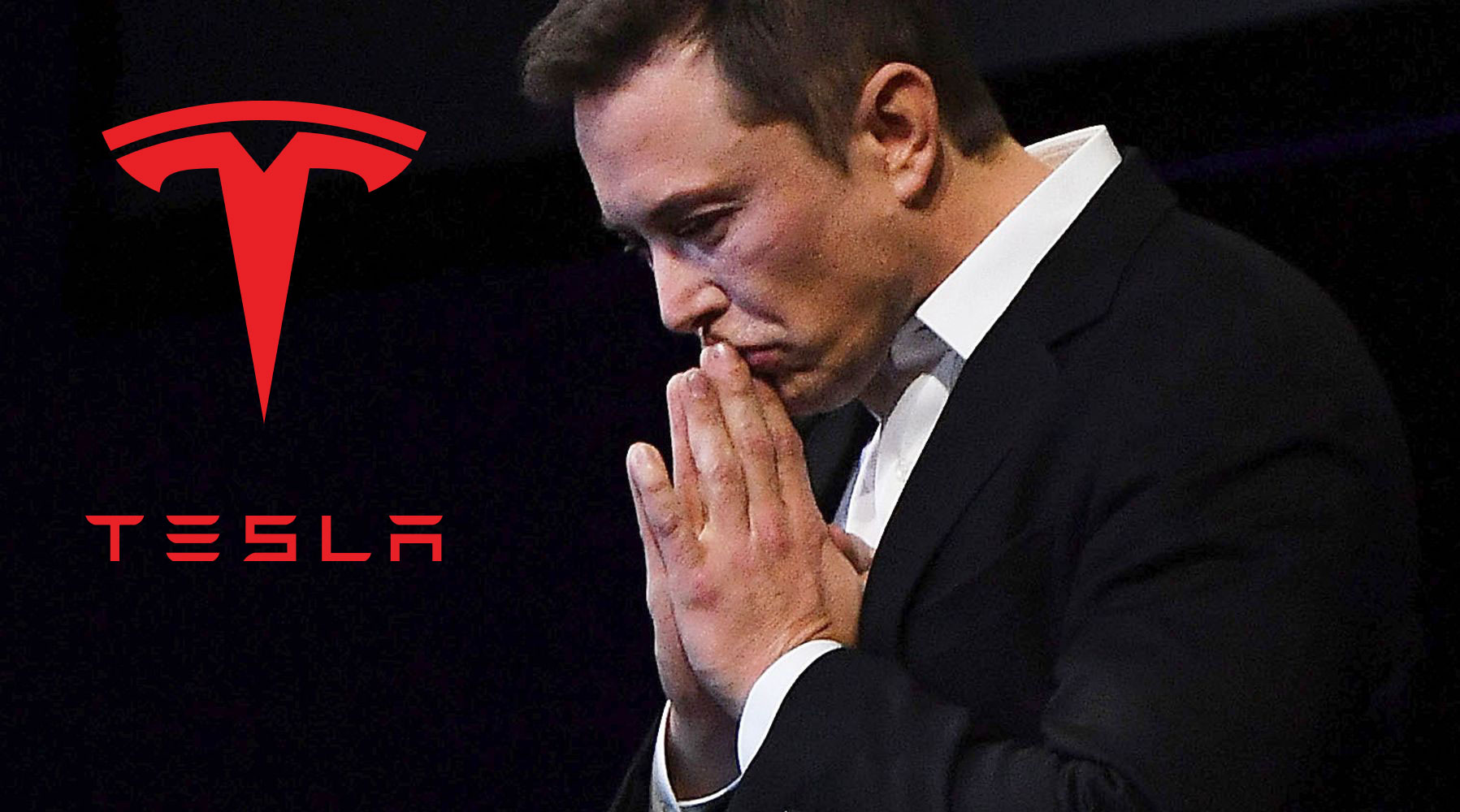
  • Tesla readies revamped Model 3 with project ‘Highland’

    Tesla readies revamped Model 3 with project ‘Highland’

    According to four people with knowledge of the effort, Tesla is developing a revamped version of Model 3, as the top EV maker aims to cut production costs and boost the appeal of the five-year-old electric sedan.

    One focus of the redesign codenamed “Highland” is to reduce the number of components and complexity in the interior of the Model 3 while focusing on features that Tesla buyers value, including the display, according to the people, who asked not to be named because the revamp has not been announced.

    The previously unreported redesign comes as the electric sedan faces increased competition from models from the likes of China’s BYD, Hyundai, and coming releases from other major automakers.

    The revamp of the battery-powered sedan, which could also include some changes to the Model 3’s exterior and powertrain performance, will go into production at Tesla’s factory in Shanghai and the company’s Fremont, California plant, two of the people said. They said that Tesla’s Shanghai Gigafactory will put the redesigned Model 3 into production in the third quarter of 2023.

    It was unclear when production would start at the Fremont plant or how much a cost savings Tesla would achieve from the redesign as it works with suppliers.

    The effort spotlights an approach to vehicle development pioneered by Tesla and now being copied by other automakers, including Toyota Motor, that removes complexity – and cost – in production.

    It is also an example of a key project at Tesla that has rolled ahead even as Chief Executive Elon Musk has focused on his troubled acquisition of Twitter in recent months, an area of concern for Tesla investors.

    The redesign for the Model 3 builds on the revamp of the Model S — Tesla’s premium EV sedan — that was released last year. That redesign added an airplane-style yoke in place of a traditional steering wheel and removed buttons and traditional air vents as part of a minimalist interior where the centerpiece is a 17-inch electronic display.

    The Model 3, Tesla’s cheapest EV starting at just under $47,000 in the United States, had been the automaker’s best-seller but is being overtaken by the Model Y crossover. With only four models in production, styling changes to any part of Tesla’s lineup carry an outsized importance compared to established automakers.

    Ed Kim, president of AutoPacific Group, which tracks market trends and production, said the current Model 3 has already been updated from the version that first went on sale in 2017 because of the way Tesla updates battery performance, information and entertainment options through software, even if it still looks the same.

    “Having said that, consumers still tend to equate visual changes with newness,” he said. “Tesla knows visually tangible changes are in order.”

    “The upcoming changes that potential customers can see and feel will be very important in ensuring that EV customers still have Tesla at the top of their minds as truly excellent alternatives to Tesla are starting to flood the market,” he said.

    Musk has pushed a simplified approach to design and production at Tesla that the Highland project extends, said the people with knowledge of the development.

    Tesla has pioneered the use of massive casting machines known as Giga Press and built by IDRA Group in Italy to make single, larger pieces of a vehicle in assembly, reducing cost and speeding production. It has also designed a structural battery pack that does away with more expensive modules.

    Musk has said Tesla is looking to drive costs down through simplification and working on a small-car platform that would be half the cost of the Model 3.

    “Over and over, we found parts that are not needed. They were put in there just in case or by mistake. We eliminated so many parts from a car that did nothing,” Musk said in an interview at a Baron Funds conference earlier in the month.

    The approach is part of what has made Tesla the most profitable electric vehicle maker while many rivals are still running at a loss. In the third quarter, Tesla made a profit of just over $9,500 for every car sold, compared to roughly $1,300 for Toyota, according to disclosures by both companies.

    The revamp of the Model 3 comes at a time when sales in China, its second-largest market after the United States, are under pressure. Sales for the Model 3 in China fell 9% in the first ten months from a year earlier, while BYD’s Qin and Han electric sedans outsold the Model 3, according to China Passenger Car Association.

    To boost sales, Tesla cut prices for Model 3 and Model Y in China by as much as 9% in October and offered an additional rebate for buyers who took immediate delivery.

    Sam Fiorani, who tracks Tesla and industry-wide production at Auto Forecast Solutions, said the upcoming changes to the Model 3, which he understood were coming, showed the power of Tesla’s approach in taking out complexity.

    “They are always looking for ways to make EVs profitable, and more profitable,” he said.
  • Volkswagen Converts Its Aurangabad Facility To Run On 100% Green Energy

    Volkswagen Converts Its Aurangabad Facility To Run On 100% Green Energy

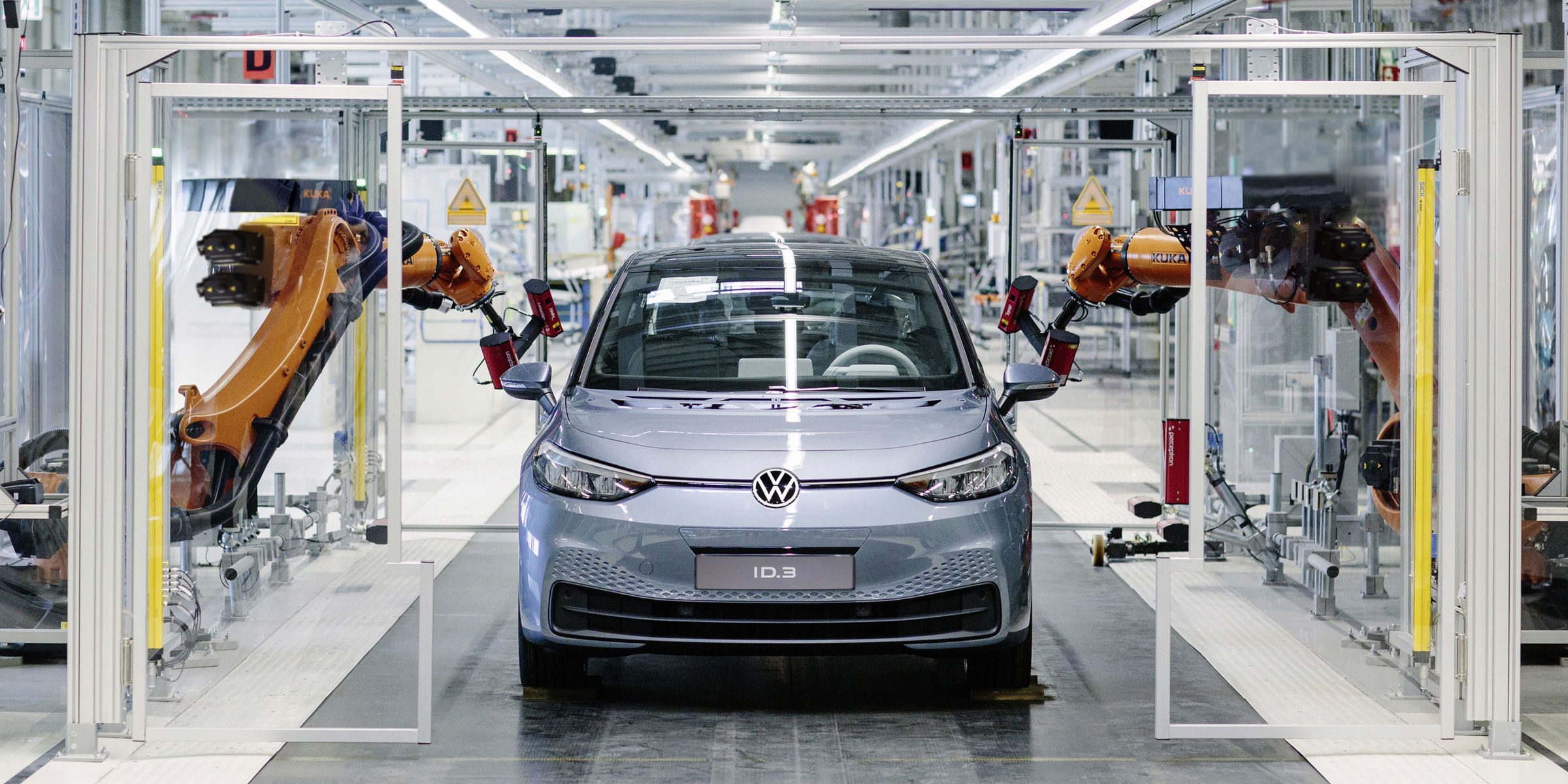
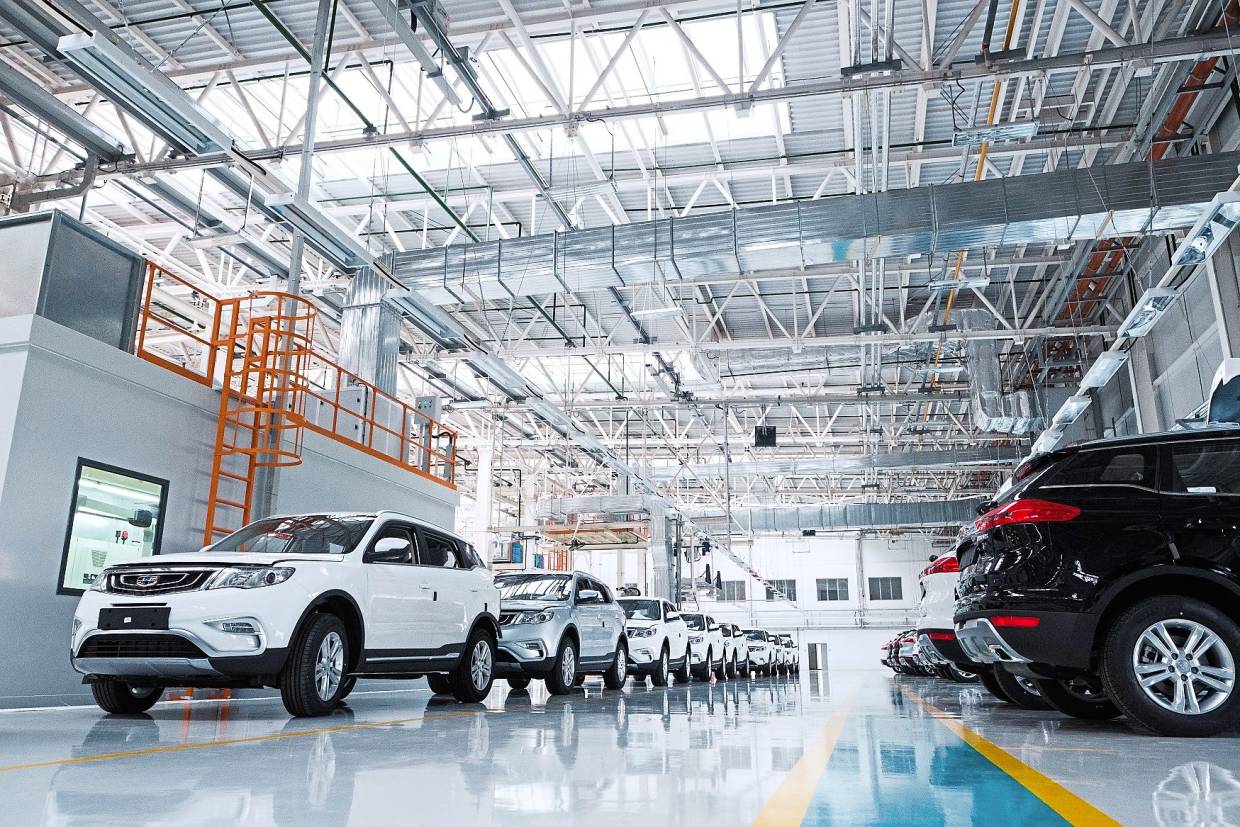
    Volkswagen Group has announced that its Aurangabad facility has transitioned to 100 percent green energy. The group had initially targeted reaching the goal by 2025, but it has done so ahead of its target. The facility received its Green Energy Certificate from Maharashtra State Electricity Distribution Company Limited (MSEDCL).

    Piyush Arora, Managing Director and CEO, Skoda Auto Volkswagen India Private Limited, said, “In the Volkswagen Group, ‘goTOzero’ is not only a roadmap for effective climate protection, it is also an integral strategic initiative towards sustainable mobility. We take a holistic approach to decarbonization – from production through service life to recycling.”

    “By replacing the external energy supply with renewable energy from MSEDCL,  SAVWIPL’s Aurangabad Plant has become the first automotive facility in Aurangabad Plant has become the first automotive facility in Aurangabad to be certified as a Green Energy Plant by MSEDCL,” the company said in a statement.

    With the move to green energy, VW’s Aurangabad plant will now achieve a 48 percent reduction in CO2 emissions per year. The VW group targets to become a carbon-neutral company by 2050.

  • Musk hints that a Tesla phone could be made to punish Apple and Google

    Musk hints that a Tesla phone could be made to punish Apple and Google

    You might wonder how Elon Musk got where he is today based on his uneven performance as Twitter’s new owner. His confusing and illogical changes to the verification checkmarks and his inability to make a decision and stick to it without changing his mind a few times does not inspire confidence in the guy as someone who can run a company like Twitter.
    And when former T-Mobile president and CEO John Legere said that he would be interested in working his magic on Twitter (albeit at a superstar executive salary of course), Musk flat-out rejected him without even hearing him out. Considering what Legere did for T-Mobile, taking it from its position as last among the four major wireless providers to second, the guy should get at least a personal meeting. After all, he does have a stunning track record and helped T-Mobile become the most innovative company in the industry.
    The latest news involving Musk and Twitter is that the multi-billionaire has posted a tweet in which he says that should Apple and Google bounce Twitter from their respective app storefronts, Musk will make what he calls an “alternative phone.”
    Let’s run through the whole thing. A conservative commentator Liz Wheeler tweeted, “If Apple & Google boot Twitter from their app stores, @elonmusk should produce his own smartphone. Half the country would happily ditch the biased, snooping iPhone & Android. The man builds rockets to Mars, a silly little smartphone should be easy, right?” Elon responded by writing, “I certainly hope it does not come to that, but, yes, if there is no other choice, I will make an alternative phone.”

    This reminds us of another billionaire who thought that building a competitive smartphone might be right up his alley. Jeff Bezos and Amazon released the Fire Phone in June 2014. To put it mildly, this phone was a flop, as reportedly only 26,000 units were sold.

    But we digress. Right now there are no signs that Apple or Google is considering the removal of Twitter from the App Store and Google Play Store, respectively. But you never know when something Musk does will go afoul of App Store and Play Store rules. If Google were to banish Twitter from the Android app storefront, Twitter could always end up in a third-party app store like Amazon’s where Android users could sideload it.
    Sideloading an app on Android means downloading it from an app store other than the Play Store. Losing the App Store wouldn’t even be a blow even if sideloading is not an option on iOS. That’s because without an Android or iOS app, Twitter still would be accessible through the mobile browser on iPhone and Android handsets; in other words, the lack of a native iOS and/or Android app would not spell the end for Twitter.

    We’d imagine that if a Tesla phone is developed, Musk would create a mobile/wireless business unit for Tesla. But Elon is going to have to be careful how he approaches such a project. Keep in mind that his holdings in Tesla stock have cratered by 54% so far this year. Tesla stockholders might not take too kindly to Elon using Tesla’s cash and name to prop up Twitter which is one of Musk’s personal holdings.

    Again, this is all conjecture at this point, especially since Twitter remains a listing in good standing in the App Store and the Play Store. Unless development plans for an alternative phone have already started, the process of building a new smartphone using a brand-new platform will take several years. So hopefully Mr. Musk doesn’t expect to snap his fingers and see a new phone instantly become an iOS and Android competitor.
  • Mercedes recalls nearly 1,000 vehicles over fire risk

    Mercedes recalls nearly 1,000 vehicles over fire risk

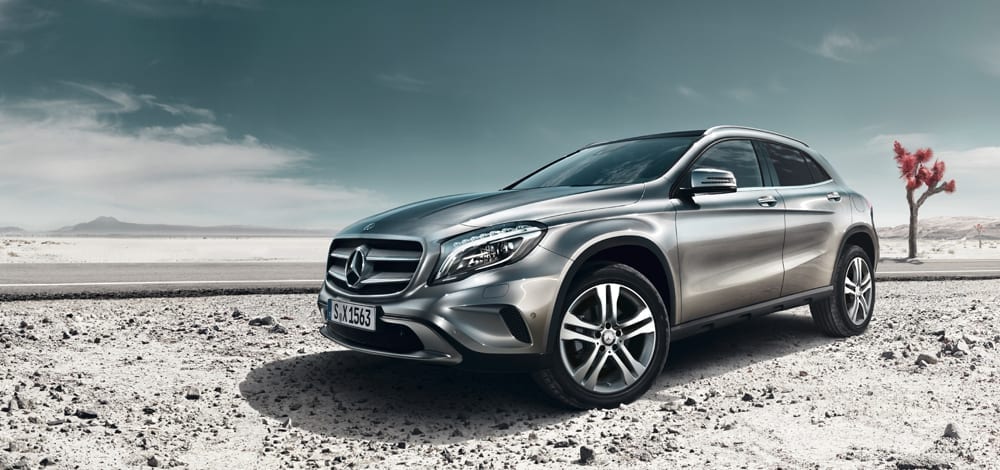
    Mercedes is recalling 966 cars in Vietnam due to fire risks related to electrical short circuits in the trunk control modules and faulty trim bars on rear doors.

    The recall covers three models – C300, GLE, and GLS imported via official channels in Vietnam. Of these, 126 recalled Mercedes C300 cars were made between May 2021 and May 2022.

    The remaining 840 units – GLE 450 4Matic, GLS 450 4Matic, GLS Maybach 480 4Matic, and GLS Maybach 600 4Matic – were made between July 2019 and January 2022.

    With the C300 model (W206 generation), there is a risk of rainwater ingress at the rear trunk. Moisture can thus seep into the signal acquisition and actuation module (SAM module) inside the trunk, the carmaker said.

    In this case, short circuits may occur in the control modules and fire risks cannot be eliminated entirely. In addition, short-circuiting can lead to various other problems, such as taillight damage. The company has recalled vehicles to fit a waterproof cover over the module that receives the signal and activates it to prevent problems.

    The GLE and GLS models are being recalled to repair the trim bar in the triangular window (rear door) because they may not meet specifications due to deviations in the assembly process. As a result, the decorative bars may detach from the vehicle while in motion, potentially causing accidents or injuries to other road users.

    The above models are being recalled at Mercedes Vietnam’s authorized dealers system nationwide, and repairs are done free of charge. Fixing the error on the C300 takes about 60 minutes, and procedures for the remaining lines about half that time. The recall program will run from November 10, 2022 to December 31, 2027.

    Mercedes Vietnam has said that it will also provide free error correction support for C300, GLE, and GLS models not imported via official channels that are on the global recall list of Mercedes AG.

  • VinFast ships first electric vehicles to US

    VinFast ships first electric vehicles to US

    VinFast had shipped its first batch of 999 cars to the U.S., capping a five-year bid to develop an auto production hub in Vietnam for markets in North America and Europe.

    The company said that the first cars are expected to be handed over to customers by the end of December.

    VinFast Chief Executive Le Thi Thu Thuy said some of the VF 8 electric SUVs being shipped on Friday would be sent to U.S. car subscription service Autonomy but the majority would go to retail buyers who have ordered the car.

    Thuy said VinFast expected to be able to ship a second batch of cars to the United States, its first export market, around January.

    VinFast is in the process of building an electric vehicle plant in North Carolina that is awaiting final regulatory approval from local officials.

    Thuy said the company expected to start production at the North Carolina factory from July 2024 and that electric vehicles built there would qualify for incentives under the terms of the Inflation Reduction Act signed by U.S. President Joe Biden.

    The Inflation Reduction Act, as currently written, requires automakers to have 50% of critical minerals used in EV batteries come from North America or U.S. allies by 2024, rising to 80% by the end of 2026.

    Major automakers have said those targets are unrealistic and it was not immediately clear how VinFast would meet the sourcing requirements.

    “The IRA came as a surprise to all of us but it doesn’t really impact our strategy in the U.S.,” Thuy told Reuters. “As soon as we start manufacturing cars in the U.S., our customers will be eligible (for) the tax incentive.”

    VinFast said last week that Autonomy had ordered 2,500 electric vehicles, its largest corporate order to date. VinFast has said it has almost 65,000 orders globally in total and expects to sell 750,000 EVs annually by 2026.

    The North Carolina factory project is running months behind schedule, based on the company’s initial targets, and the first shipment of EVs built by VinFast was short of the initial goal to deliver as many as 5,000 cars built at its factory in Haiphong by December.

    VinFast officials said the number 999 for the vehicles shipped in the first batch had been chosen because it is considered a lucky number in Vietnam.

    “There is no luckier number than 999,” Thuy said. The Panamanian-chartered transport ship used to send the first shipment of VinFast EVs had the capacity to carry up to 2,000 vehicles, officials said.

    Shares in VinFast’s listed parent company, Vingroup, which also has property and resort development businesses, were up 5.41% on Friday morning.

  • Mercedes recalls nearly 1,000 vehicles in Vietnam over fire risk

    Mercedes recalls nearly 1,000 vehicles in Vietnam over fire risk

    Mercedes is recalling 966 cars in Vietnam due to fire risks related to electrical short circuits in the trunk control modules and faulty trim bars on rear doors.

    The recall covers three models – C300, GLE and GLS imported via official channels in Vietnam. Of these, 126 recalled Mercedes C300 cars were made between May 2021 and May 2022.

    The remaining 840 units – GLE 450 4Matic, GLS 450 4Matic, GLS Maybach 480 4Matic and GLS Maybach 600 4Matic – were made between July 2019 and January 2022.

    With the C300 model (W206 generation), there is a risk of rain water ingress at the rear trunk. Moisture can thus seep into the signal acquisition and actuation module (SAM module) inside the trunk, the carmaker said.

    In this case, short circuits may occur in the control modules and fire risks cannot be completely eliminated. In addition, short circuiting can lead to various other problems, for instance, damage to the taillights. The company has recalled vehicles to fit a waterproof cover over the module that receives the signal and activates it to prevent problems.

    The GLE and GLS models are being recalled to repair the trim bar in the triangular window (rear door) because they may not meet specifications due to deviations in the assembly process. As a result, the decorative bars may detach from the vehicle while it is in motion, potentially causing accidents or injuries to other road users.

    The recall of the above models is being carried out at Mercedes Vietnam’s authorized dealers system nationwide and repairs are done free of charge. Fixing the error on the C300 takes about 60 minutes and procedures for the remaining lines about half that time. The recall program will run from November 10, 2022 to December 31, 2027.

    Mercedes Vietnam has said that it will also provide free error correction support for C300, GLE and GLS models not imported via official channels that are on the global recall list of Mercedes AG.