Category: Automotive

Retail News Asia is committed to providing both local and global retailers with the latest Auto and Car news throughout the Asian market. This on a daily base.

  • Ford’s Retail Sales in China Increase 4% in May

    Ford’s Retail Sales in China Increase 4% in May

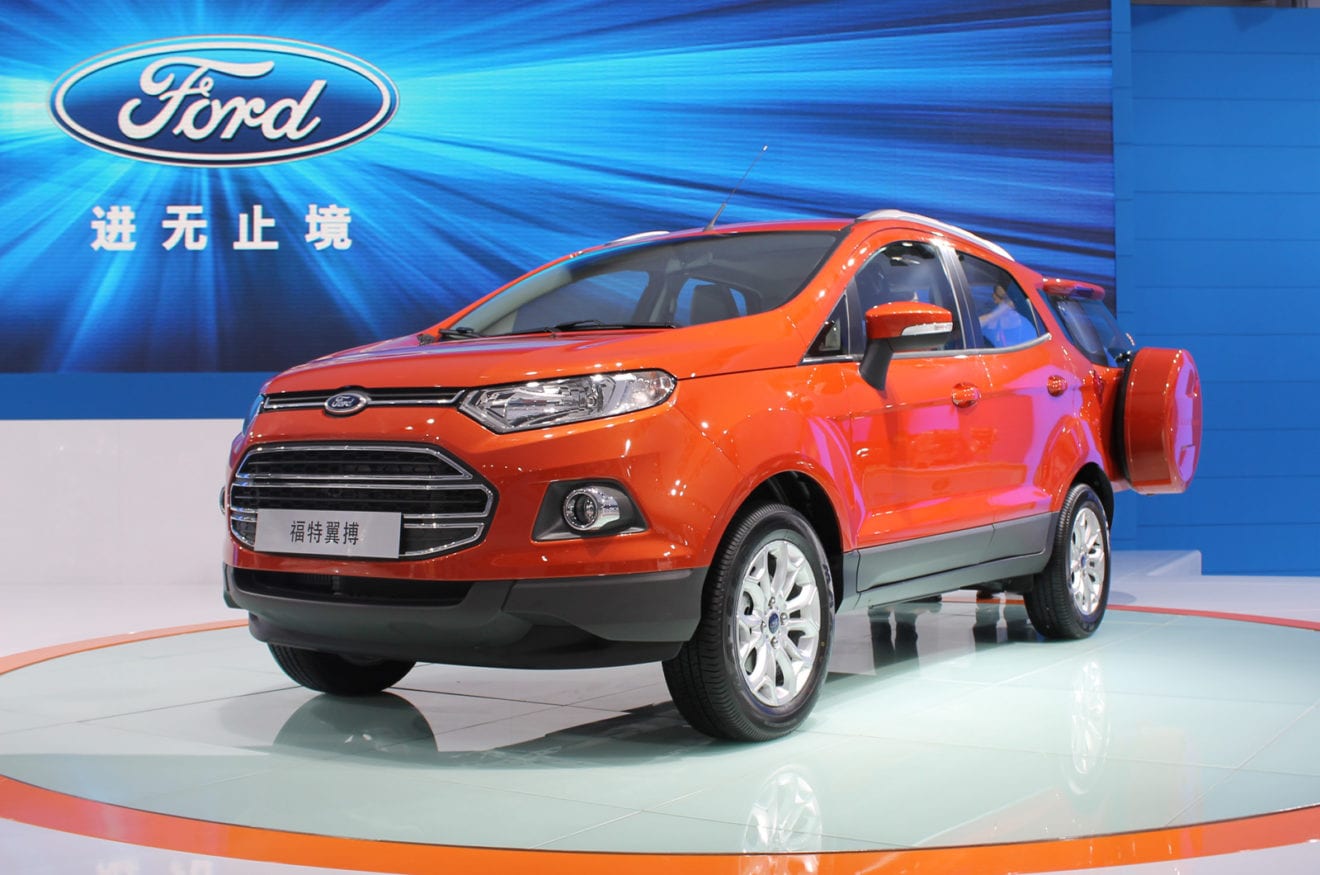
    Ford Motor Co. F sold 91,013 vehicles in China in May 2015. This reflects a 4% year-over-year increase from 87,887 units sold in May 2014. Sales of Ford in the world’s largest automobile market totaled 459,982 units in the first five months of 2015, up 1% from 456,594 vehicles sold in the same period of 2014. It is worth noting that Ford has started reporting only retail sales from May as opposed to wholesale figures reported earlier.

    Meanwhile, Ford’s passenger car joint venture, Changan Ford Automobile (“CAF”) witnessed a 3% year-over-year rise in vehicle sales to 67,357 units in May 2015. Sales of CAF inched up 1% to 332,999 vehicles in the first five months of 2015.

    Further, Ford’s commercial vehicle investment in China, Jiangling Motors Corporation (“JMC”), sold 20,910 vehicles in May. Sales improved 7% from 19,569 vehicles sold in May 2014. Moreover, JMC’s sales in the first five months of 2015 grew 4% year over year to 114,638 vehicles.

    In order to support the demand in China, Ford inaugurated an assembly plant – Changan Ford Hangzhou Plant – in Hangzhou in March. Changan Ford Hangzhou, Ford’s sixth assembly plant in China, required an investment of $760 million. It has a production capacity of 250,000 vehicles.

    Ford currently carries a Zacks Rank #3 (Hold). Better-ranked automobile stocks include The Goodyear Tire & Rubber Company GT , PACCAR Inc. PCAR and U.S. Auto Parts Network, Inc. PRTS , all carrying a Zacks Rank #2 (Buy).


  • Honda Thailand to Unveil New-Gen CUV Prototype

    Honda Thailand to Unveil New-Gen CUV Prototype

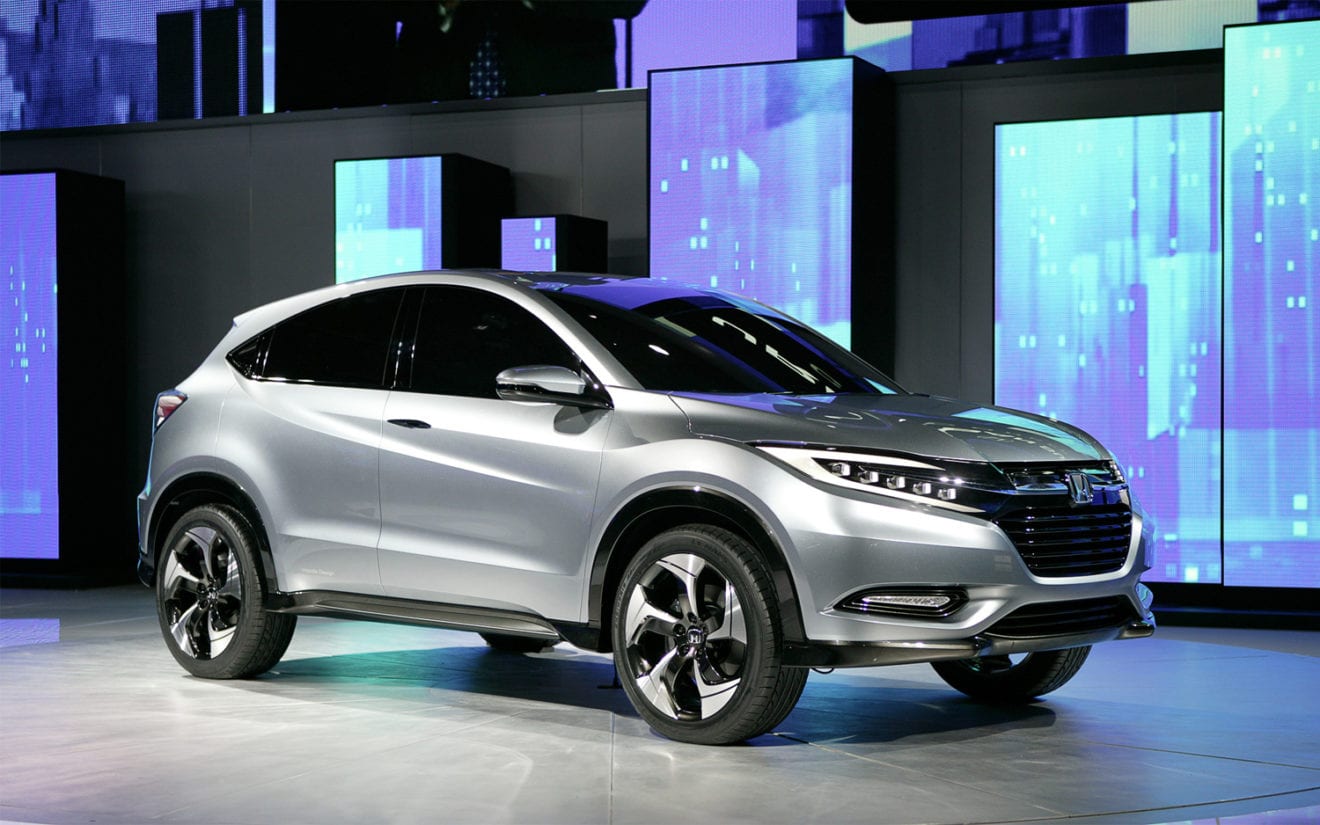
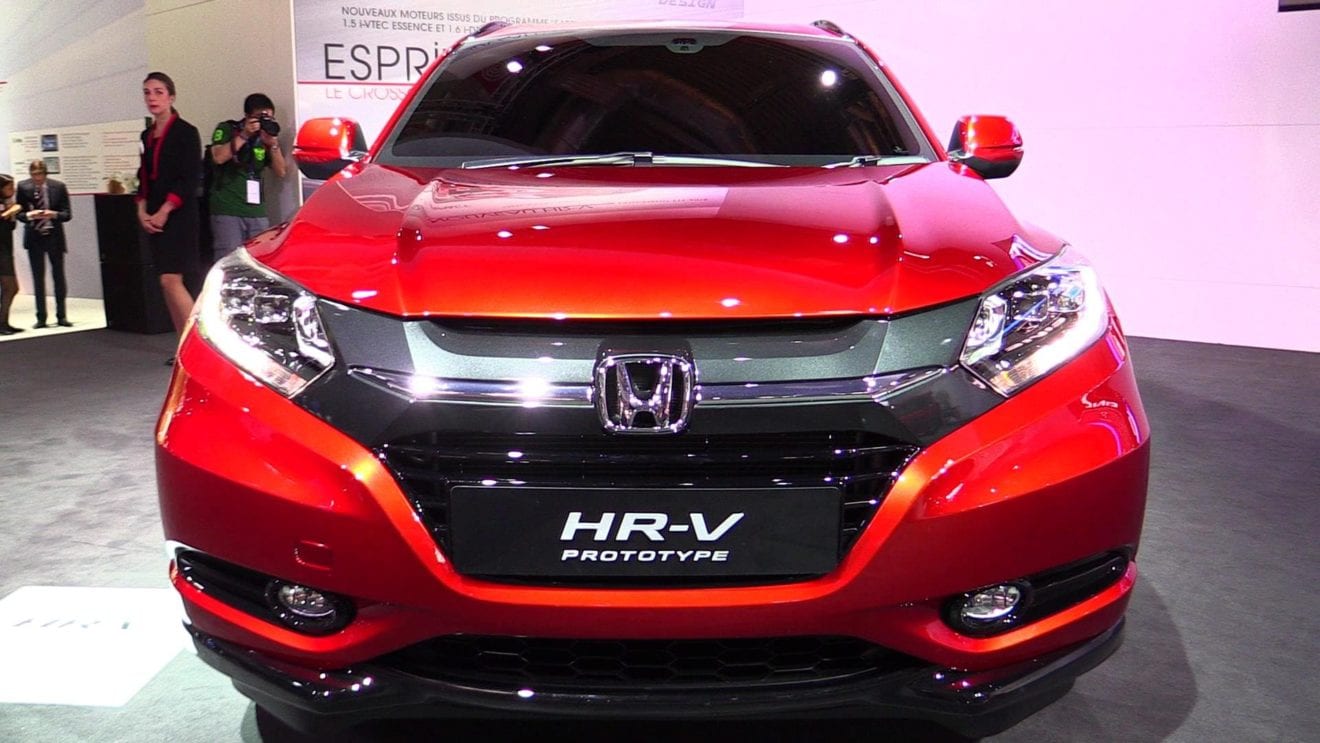
    Honda Thailand’s BR-V prototype, a new-generation CUV, will make its world premiere at the upcoming Gaikindo Indonesian International Auto Show.

    The BR-V (Bold Runabout Vehicle), on display at the Aug. 20-30 event in Tangerang, Indonesia, features a solid exterior design with high ground clearance, large alloy wheels and sleek roof rails. It seats seven in a 3-row configuration.

    The BR-V is powered by a 1.5L gasoline engine with two advanced transmissions available.

    Honda R&D Asia Pacific in Thailand developed the new vehicle for the Asian market.

  • Honda BR-V bookings to open at Indonesia Motor Show

    Honda BR-V bookings to open at Indonesia Motor Show

    Honda, the Japanese automaker, yesterday released the design sketches of the much-awaited compact SUV. Based on the Brio platform, the prototype of the crossover will be premiered at the 2015 Indonesian International Auto Show in August. If reports are to be believed, Indonesia will be the first market to see the launch of this much-awaited BR-V crossover.

    Honda BR-V (Brio SUV) bookings to open at Indonesia Motor Show
    Bookings for the crossover will open at the 2015 Indonesia Motor Show itself. For the Indian market, the Brio SUV is expected to make its debut at the 2016 Delhi Motor Show while the launch could take place by the mid-2016. The BR-V crossover is developed by Honda R&D Asia Pacific Co., Ltd. (HRAP) in Thailand, and it will target Asian markets.

    The Honda BR-V crossover will be a seven-seater car, and is expected to get better quality interiors. The vehicle features a rugged design with high ground clearance, single slat chrome grille, LED daytime running headlamps and large alloy wheels.

    Under the hood is a 1.5-litre i-VTEC petrol engine that is good for 117bhp of power. This engine will be paired to a five-speed manual or a CVT gearbox. India-spec model will also get a diesel engine option, 1.5-litre i-DTEC motor paired to a six-speed manual gearbox.

  • Vietnam’s new luxury tax proposal may raise car prices by 30 pct

    Vietnam’s new luxury tax proposal may raise car prices by 30 pct

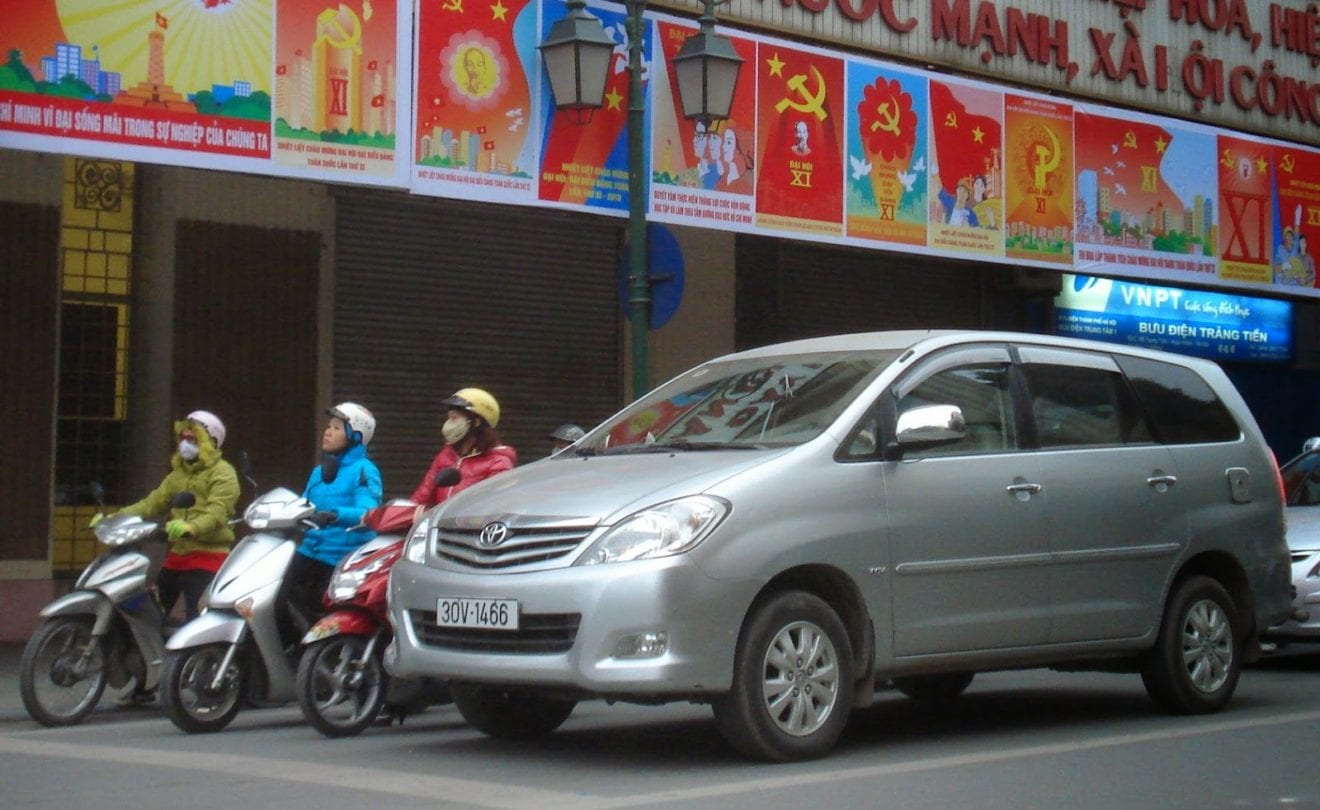
    Automobile manufacturers and importers in Vietnam have protested a new proposal from the Ministry of Finance which seeks to change how luxury tax on cars is calculated.
    Under the ministry’s plan, the special consumption tax on all vehicles with fewer than 24 seats will be based on their retail prices, with rates ranging from 15 to 60 percent. The proposal, set to take effect on January 1 next year, is aimed to create a level playing field for importers and producers since their cars will be treated the same, the ministry said.
    Currently, the luxury tax on imported cars is calculated on the Cost, Insurance Freight (CIF) price rather than the final retail price, a policy that manufacturers said could give importers an unfair advantage. They said local products could not compete with imported cars since local cars are taxed based on retail prices, which include a number of additional costs.
    Many automobile importers, after learning about the new proposal, said they are asking the government to keep the current policy unchanged so that the market and business environment is not disrupted. If sales go down, tax revenues will also fall, they said.
    It is “reasonable” and “accurate” to tax imported cars on their CIF prices because the prices already carry the taxes that foreign manufacturers have paid before shipping the cars to Vietnam, news website VnEconomy quoted VIVA, the association of car importers in Vietnam, as saying.
    Consumption
    Strangely, even local carmakers are not happy with the proposal. The new policy, with tax rates as high as 60 percent, it is not exactly what they want, which is to lower the luxury tax to spur consumption. The Vietnam Automobile Manufacturers’ Association has been urging the government to calculate the tax on delivery cost, before sale and post-sale costs are added. The Ministry of Finance, however, is leaning towards collecting more taxes from importers.
    Representatives of many importers and manufacturers in Ho Chi Minh City said the new tax scheme, if applied, will increase car prices by 20-30 percent. This will have an adverse impact on the market, they said “When taxes go up, we are forced to hike prices. In the end, no one other than consumers will be hurt,” a representative of a distributor who wished to stay unnamed said.
    Nguyen Minh Dong, an industry expert, also said increases in taxes will not help boost the economy, but may hamper its growth.
    In fact, “the biggest problem” with Vietnam’s auto industry is that here a car is subject to a wide range of taxes and fees, making it “extremely expensive” for the majority of consumers, he said.
    Looming threat
    The Japan Business Association in Vietnam has recently warned that if local policies for the auto industry continue to be ineffective, the industry will hardly survive when cars brought from other Southeast Asian countries are free of import duties in 2018 under a regional agreement. Increased imports will create trade deficit and in the end, hinder economic growth, VnEconomy quoted the association as saying at a recent meeting.
    Vietnam’s carmakers posted sales of 157,810 units last year, compared to 1.3 million in Indonesia, nearly 900,000 in Thailand, and 700,000 in Malaysia. Imports have been increasing considerably as the government has reduced import duties gradually in accordance with trade pacts that Vietnam have signed with other countries.
    Vietnam imported 72,000 complete-built-unit cars last year, twice the number of 2013, the association quoted official statistics as saying. A total of 45,000 cars, worth over $1.2 billion, were brought into the country in the first five months of this year.
  • Hyundai Grand i10X launched

    Hyundai Grand i10X launched

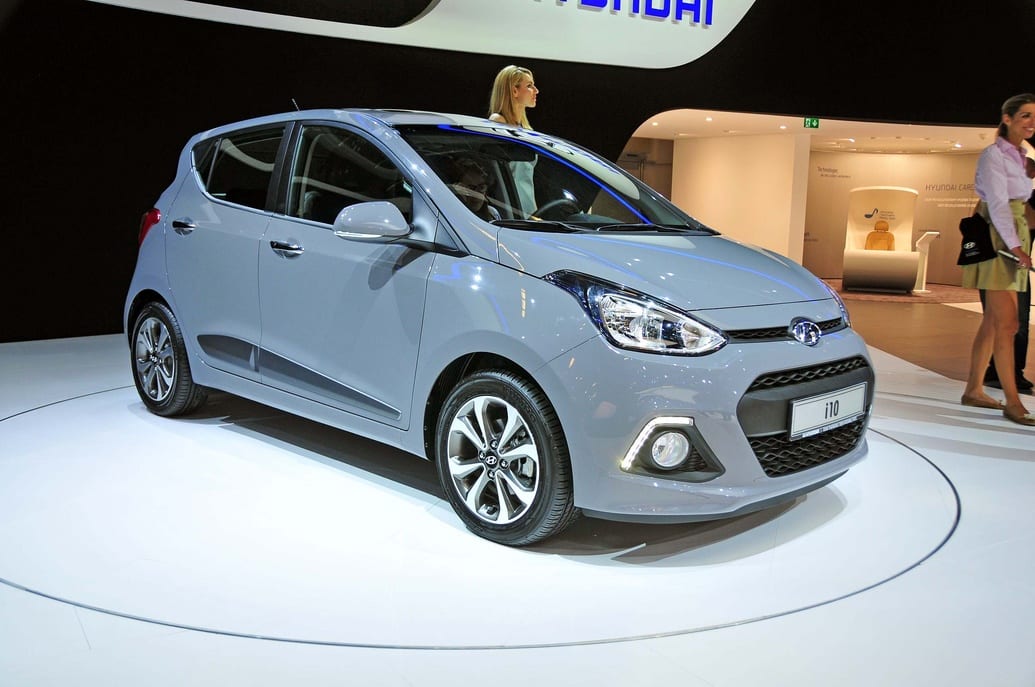
    The population of pseudo SUVs has risen over the past few years. While Fiat, Volkswagen and Toyota have reworked hatchbacks of their own, Hyundai played their cards right by launching the i20 Active around the time waiting periods for the Elite i20 started rising. Now, Hyundai has just launched the Hyundai Grand i10X in Indonesia, in order to capitalize on what seems to be a global trend.

    The car gets black plastic cladding around the wheel arches, side skirts and bumpers, day time running LEDs along the fog lamp housing, a faux skid plate, new alloy wheels, and black sash tape on the C pillar among other alterations. Mechanically, the car gets no changes.

    Hyundai India has not stated any plans to launch this model. The South Korean automaker already sells around 8,500 units of the Grand i10 in India every month. While a new product launch could be considered at a later stage, features such as the LED DRLs may be tempting for some Indian buyers.

  • Zero Motorcyle Hits Indonesian Roads

    Zero Motorcyle Hits Indonesian Roads

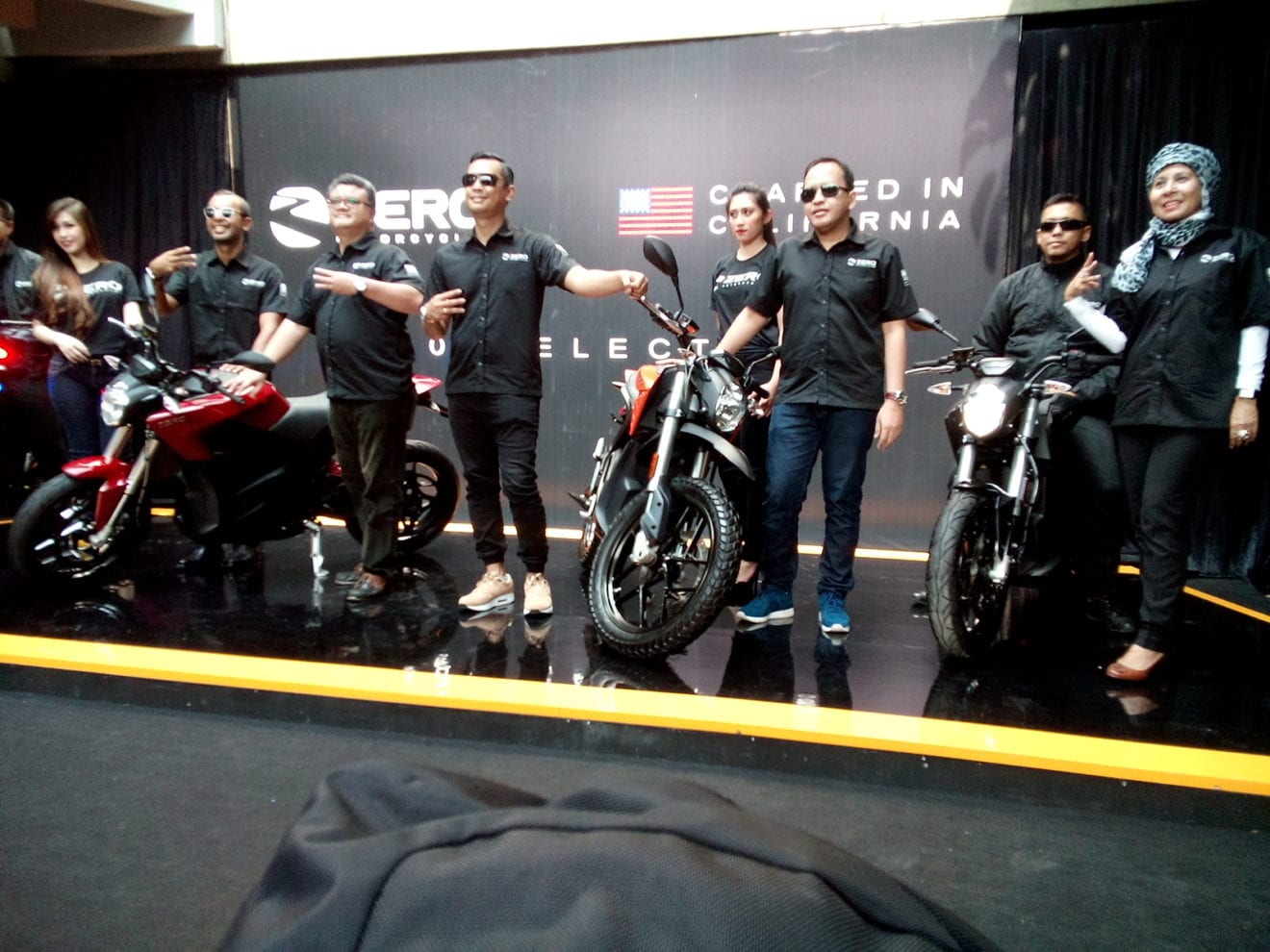
    Zero Motorcycle , a US electric motorcycle manufacturer, introduced its zero emission two wheeler to Indonesia on Friday.

    Garansindo Technologies, the authorized distributor for the manufacturer in Indonesia, will be selling four Zero models, including road bikes Zero S and Zero SR, and dirt bikes Zero FX and Zero DS, according to Dhani M. Yahya, Garansindo’s managing director.

    The bikes will start selling between Rp 180 million and Rp 309 million, excluding taxes and fees for registration papers.

    The motorcycles will enter Southeast Asia largest motorcycle market at the premium price range, which accounts for only a tiny fraction of Indonesia’s 8 million annual bike sales.

    “Now the market is still very small, not only in Indonesia, but also in the world. Still, this market will grow,” Dhani said.

    “There is alternatives to deal with dwindling fossil fuels, one of them is with electric motorcycles.

    “Zero Motorcycles became pioneers to offer this alternative energy.”

    Garansindo opened its Zero showroom in Kemang, South Jakarta on Friday. It plans to open another shop in Bali by the end of this year, said Rieva Muchsin, the company’s president director.

    Garansindo,which is also the distributor of Jeep, Dodge and Chrysler cars, imports directly from the Zero factory in California.

    Garansindo Inter said in December that it planned to assemble and sell the Vmoto, an electric bike from Australia, in the second half of next year in order to cater the mass market.

  • Jaguar Land Rover profits down on slowing demand in China

    Jaguar Land Rover profits down on slowing demand in China

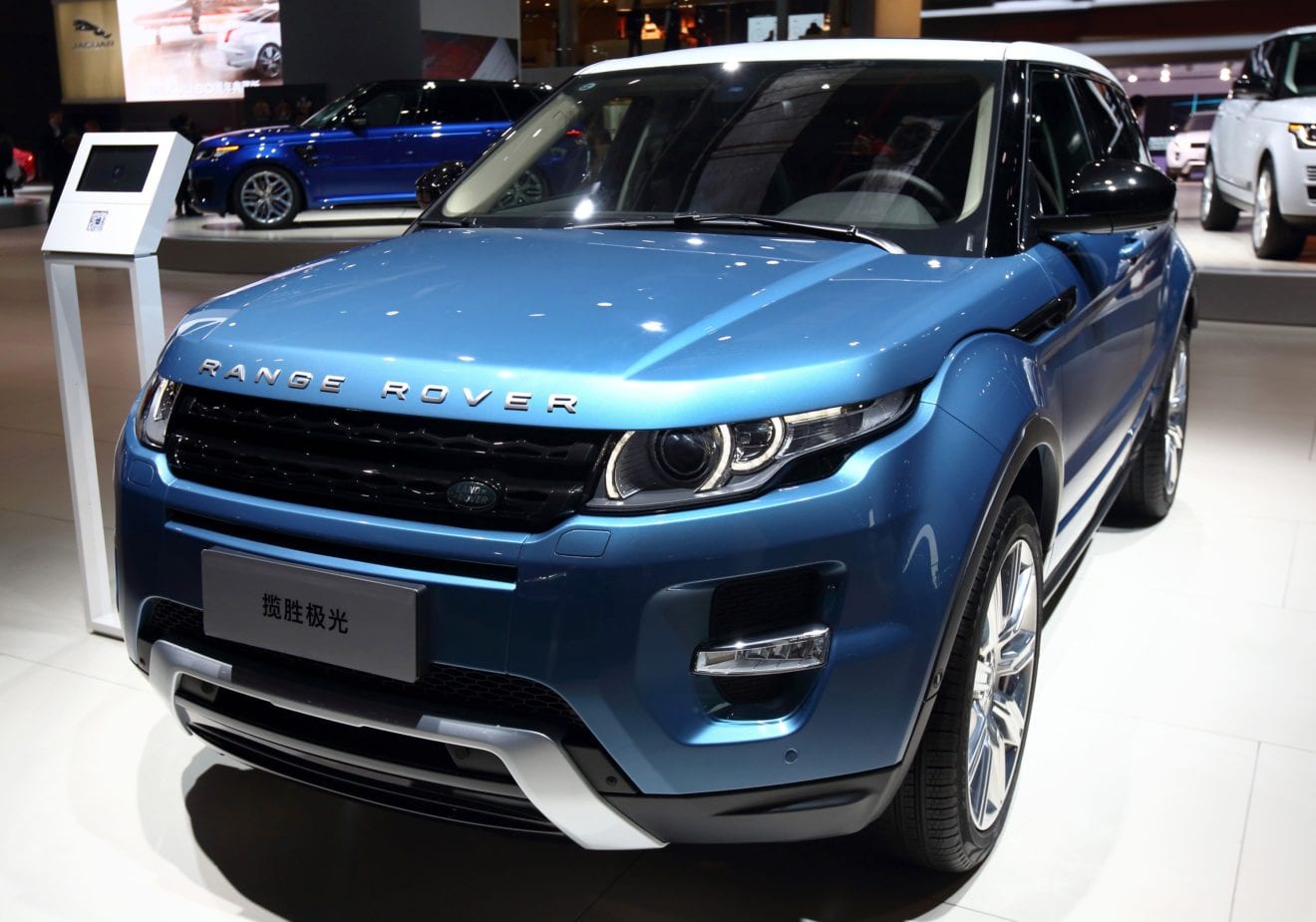
    Jaguar Land Rover became the latest casualty of a slowdown in Chinese auto demand, reporting its steepest drop in quarterly profit in two years after retail deliveries slumped in the world’s largest vehicle market.

    Profit fell 33 percent to 302 million pounds (US$465-million) in the three months ended March, the biggest decline since the quarter ended March 2013. That contributed to a worse-than-estimated drop in earnings at its parent, India’s Tata Motors, which also faced a prolonged slump in demand for commercial vehicles in its home market. Shares of Tata Motors declined.

    The result underscores the reliance of global automakers on China to drive profit growth and the extent of the slowdown in luxury demand after the government’s campaign to stamp out graft and extravagance. Jaguar Land Rover said the introduction of new models, and conditions in China and Russia, may lead to lower margins this year.

    “We see a certain slowdown in the market and we read that many competitors are going to reduce prices,” Ralf Speth, chief executive of Jaguar Land Rover, said on a call with investors. “I can assure you that we will not be the very first ones to reduce prices because we’re convinced we bring color to the Chinese market.”

    Jaguar Land Rover’s retail sales volume declined in the quarter, with deliveries in China falling 20 per cent. The company is seeing a changing Chinese market with more pricing pressure in more segments than in the past, Jaguar Land Rover chief financial officer Kenneth Gregor said on a separate call.

    China’s slowing economy has prompted BMW to cut production and prices in the country. Intense competition is putting pressure on prices, and the automaker doesn’t expect this trend to be reversed in the short term, Friedrich Eichiner, chief financial officer of BMW, said on May 6.

    General Motors cut its prices in China after reporting a decline in deliveries there last month, joining Volkswagen in stepping up discounts. Foreign automakers have also come under increasing pressure from local brands that are gaining market share by offering cheaper sport-utility vehicles.

    Besides discounts, foreign automakers are offering incentives such as subsidized insurance, zero down payment, interest-free financing and higher trade-in prices, according to Sanford C. Bernstein.

    Passenger-vehicle sales rose at the slowest pace in five months in April, with most of the expansion coming from local brands. Vehicle sales in China this year may rise by less than the 7 per cent projected in January, the China Association of Automobile Manufacturers said last month.

    Jaguar has said it plans to unveil 12 new products, including upgrades and variants, this year. A new version of its XF sedan will be introduced in 2015 and the F- PACE crossover in 2016, Speth said yesterday.

    “Jaguar Land Rover is more dependent on China than any other original equipment manufacturer, thanks to extraordinarily high pricing,” Max Warburton, an analyst at Sanford C. Bernstein in Singapore who rates the Tata Motors stock the equivalent of a hold, wrote in a note to clients today. “Slowing premium growth, deteriorating pricing, and falling dealer profitability in China are all issues.”

  • Thailand To Tackle Tax Avoidance On Imported Cars

    Thailand To Tackle Tax Avoidance On Imported Cars

    Thailand’s Government has confirmed that it is planning to change the way excise tax is calculated on imported vehicles as part of a wider plan to modernize Thailand’s excise tax system and increase tax revenues.

    Somchai Poolsawasdi, Director General of the Excise Department, said recently that the upcoming changes are designed to stop importers from using understated cost, insurance, and freight (CIF) valuations to reduce excise tax payable.

    Under the proposed new excise tax system, excise tax rates would be cut, but the tax would be based on the retail price of the vehicle, rather that its CIF valuation.

    Plans to change the basis of excise taxes to retail prices, instead of ex-factory prices, were announced by the Excise Department last year as an addition to the military-led Government’s tax reform plans. The new excise tax calculation methodology is intended to improve transparency (as ex-factory prices could be understated by manufacturers), and bring Thailand’s excise taxes in line with global standards. The Government says that the amendment would have no effect on consumers, but will increase excise tax revenues by around THB6bn (USD178m) annually.

    The new excise tax bill was approved by the Cabinet last month but must be endorsed by the Legislative Assembly before it can become law.

  • Datsun Hits Record High in RI in First Year

    Datsun Hits Record High in RI in First Year

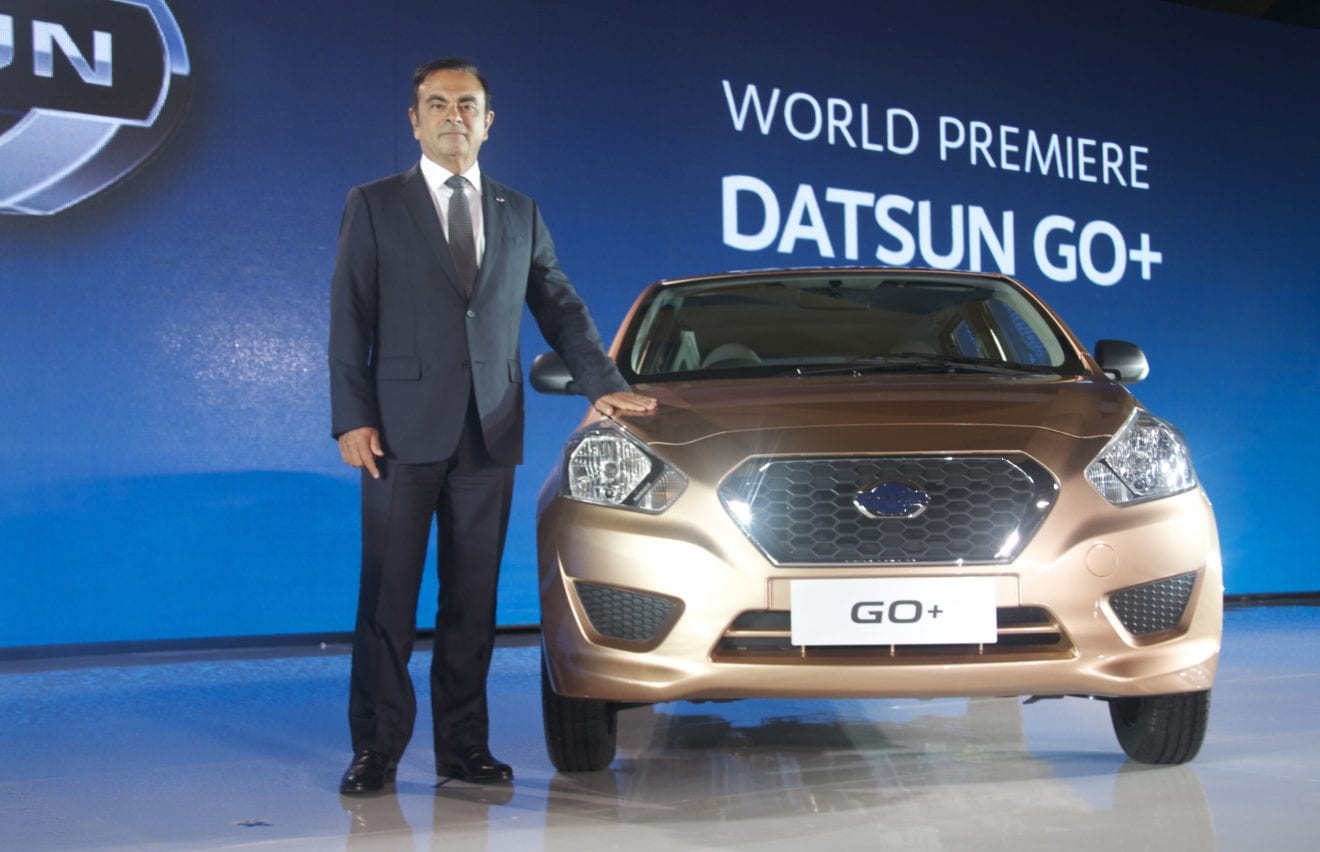
    Japanese carmaker Datsun, which has just returned to Indonesia after its last appearance in the 80s, has recorded a staggering sales figure in the country through the sales of their low-cost green cars the Go Plus Panca and the Go Panca models. Datsun sold nearly 30,000 units of both models since 2014.

    “It has become a record high among the three major markets of Datsun International, which are South Africa, India and Russia,” Datsun Indonesia head Indriani Hadiwidjaya said in Jakarta on Wednesday, May 13, 2015. Datsun recorded a monthly sales figure of 2,600 units in Indonesia, while sales in India only saw 1,000 cars per month.

    From the 23,000 Datsun cars sold last year and about 7,000 cars in the first four months this year, 70% came from the Go Plus Panca, while the rest from the Go Panca (hatchback type). Indriani said the figure proved that 5+2 passenger MPV cars are still favored by Indonesian consumers.

    She added Datsun was looking forward to boosting its sales ahead of the Idul Fitri period from June-July. Nissan Motor Indonesia, Datsun’s holding company, through its CEO Stephanus Ardianto said the company was gearing up to launch the Datsun Go Plus Panca and the latest version of the Go Panca to draw on the momentum.  “The Idul Fitri season usually becomes the highest sales point because many consumers purchase new cars,” said Indriani.

    Datsun will also release another product in Indonesia this year but balks at revealing the type and release date.

    Indriani said Datsun was still focusing in expanding its market for its two products to cities outside of Java. “Currently, our biggest market is still Jakarta,” Indriani said.  “We will focus our MPV market on other cities and consumers apparently are still interested in cars with manual transmissions.” 

  • Jaguar Land Rover Opens Showroom in Jakarta

    Jaguar Land Rover Opens Showroom in Jakarta

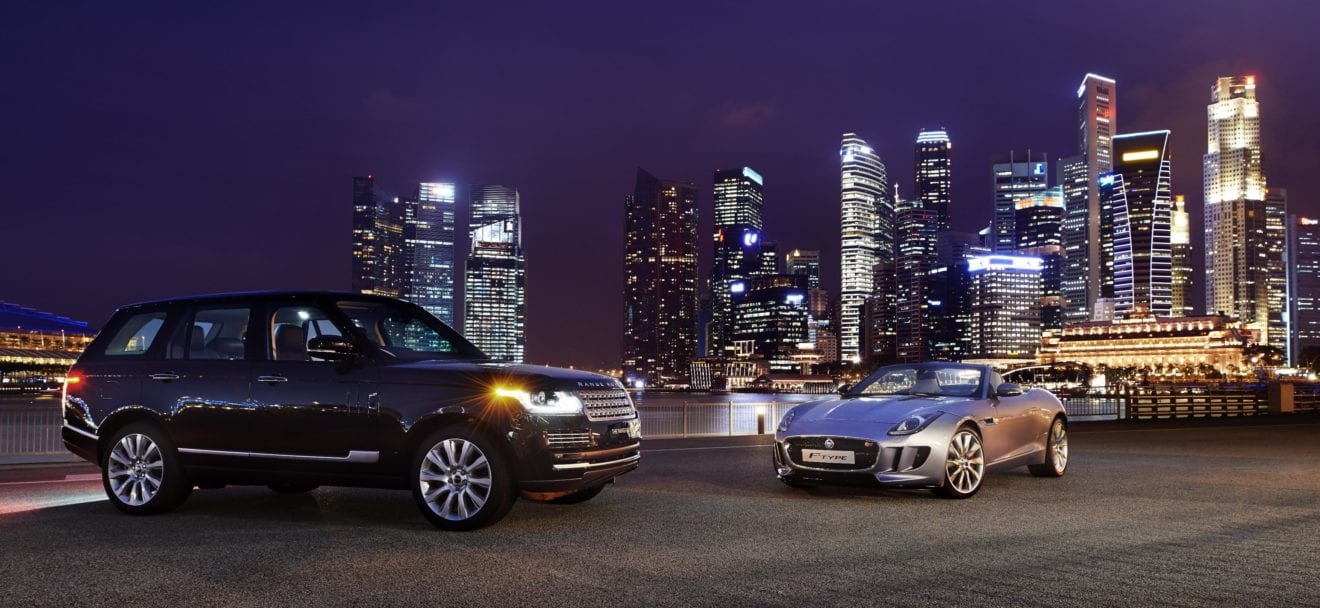
    British automotive firm Jaguar Land Rover formally opened its showroom in Arteri Pondok Indah to offer its buyer with one-stop answer showroom.

    The six-story showroom, which the carmaker claims to be its largest in Southeast Asia, is constructed on a four,500-square meter website, offering automotive unit gross sales, service and spare elements.

    Twelve educated and authorized inner mechanics will work on the showroom.

    “We consider that the Jaguar Land Rover South Jakarta showroom is ready to meet the purchasers’ wants of Jaguar Land Rover merchandise,” stated Darwin Maspolim, who’s vice chairman of Grandauto Dinamika — Jaguar Land Rover’s sole approved distributor — on Wednesday.

  • Tesla Posts Wider Loss, Highlights Energy Storage Demand

    Tesla Posts Wider Loss, Highlights Energy Storage Demand

    Tesla Motors reported a wider first-quarter net loss on Wednesday, but outperformed expectations and stuck to key milestones for the year ahead, despite pressure on margins.

    Chief executive officer Elon Musk said during a conference call that demand for the company’s new line of stationary energy storage systems, unveiled last week, is “off the hook.”

    Over time, it was possible stationary storage could be a bigger business for Tesla than selling cars, he added.

    Tesla said in a letter to shareholders on Wednesday that “total addressable market size for Tesla Energy products is enormous and much easier to scale globally than vehicle sales.”

    Musk said last week that the stationary battery storage systems could be “materially profitable” sometime next year.

    The shares of the Silicon Valley electric car maker rose about 2 percent after hours from their close of $230.43.

    The challenges confronting Tesla’s auto business were illustrated by the company’s continued cash burn and signs of pressure on profit margins.

    Tesla’s cash reserves fell to $1.5 billion as of March 31 from $1.9 billion at the end of 2014. The company said it plans a total of $1.5 billion in capital spending this year, much of it to buy production tools for the Model X, complete its large battery “gigafactory” in Nevada, and for other facilities.

    Musk said Tesla’s cash flow should turn positive later in the year.

    “It’s extremely likely cash flow is really good” by the end of the fourth quarter, he said.

    Chief financial officer Deepak Ahuja said Tesla is looking at establishing asset backed lines of credit to “assure we have a strong balance sheet.”

    Tesla reported an adjusted net loss of 36 cents a share in the latest quarter, excluding certain expenses, compared with a profit of 14 cents a share on the same basis a year ago. Analysts had expected a loss of 50 cents a share on that adjusted basis.

    Tesla had a net loss in the first quarter of $154.2 million, or $1.22 a share, on revenues of $939.9 million. A year ago, Tesla reported a net loss of $49.8 million, on revenues of $620.5 million.

    However, the automaker warned that a “less rich product mix” could push down average selling prices for the Model S sedan, which now starts at $76,200.

    Tesla delivered 10,045 Model S sedans in the first quarter, a 55 percent increase from the year before. The company forecast deliveries of 10,000 to 11,000 vehicles in the second quarter.

    Tesla could face more competition in the future as established automakers field new electric vehicles with longer driving ranges. There is also the potential other well capitalized Silicon Valley companies such as Apple Inc or Google Inc will move into the market.

    Asked about that, Musk said: “I certainly hope Apple gets into the car business. That would be great.”

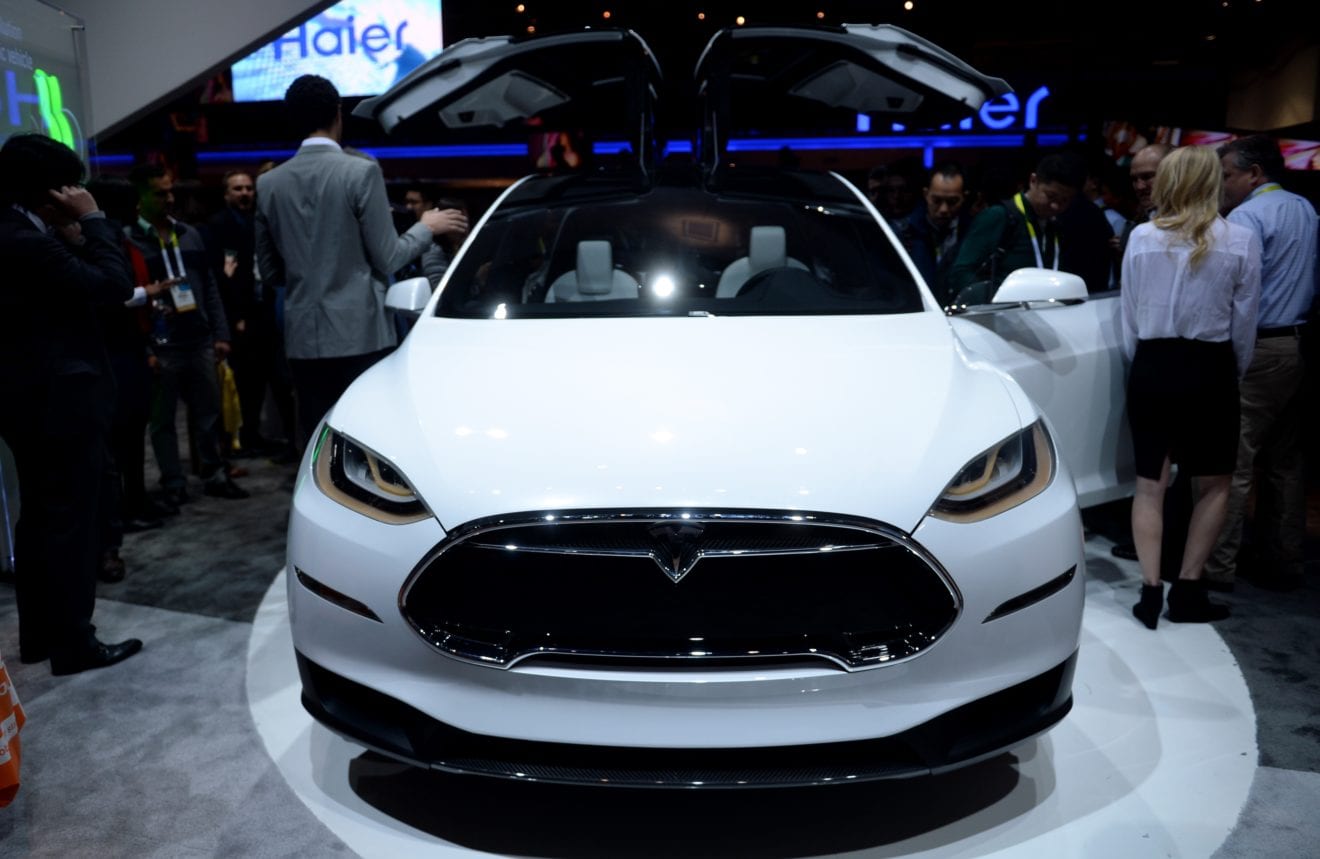
    Tesla said it will start delivering its Model X sport utility vehicle late in the third quarter, still within the window the company promised earlier this year. The Model X is critical to Tesla’s goal of delivering 55,000 vehicles this year.

  • Warren Buffett buys German retailer

    Warren Buffett buys German retailer

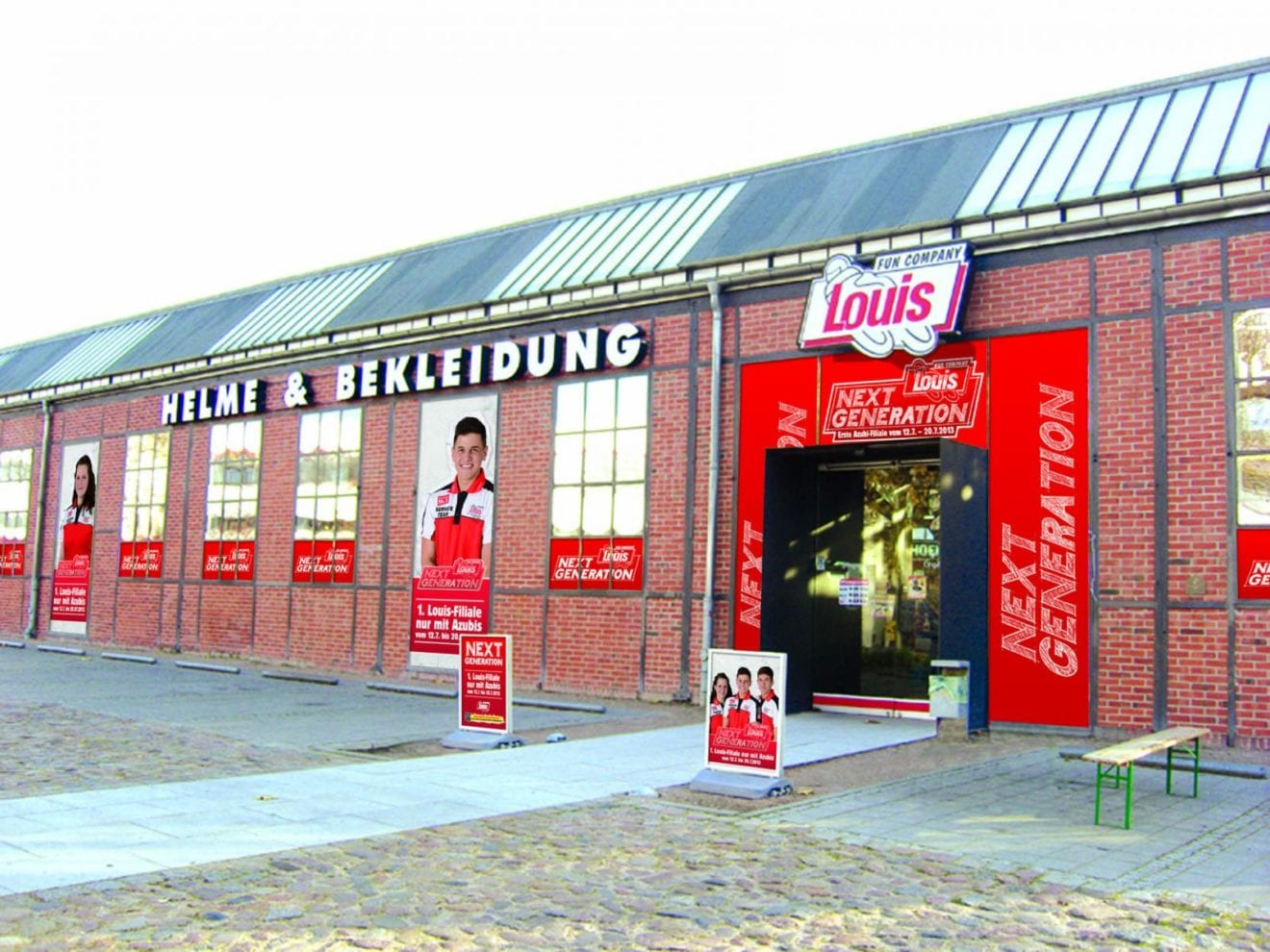
    US serial investor Warren Buffett has bought niche German motorcycle and accessories retailer Detlev Louis Motorradvertriebs.

    Buffett’s Berkshire Hathaway will pay €400 million for the Hamburg-based retailer which trades under the Louis brand. It employs 1500 staff in Germany and Austria and has annual sales of about €270 million from more than 70 stores, a catalogue business and online.

    The vendor is Ute Louis, the widow of the company’s founder Detlev Louis.

    Buffett, 84, is believed to have a passion for motorcycles – in 2009 he bought US$300 million of debt to rescue Harley-Davidson, but he is renowned for his keen investment eye and would not be acquiring the German business for sentimental value.

    To date, the billionaire’s focus has largely been on US businesses, but he is increasingly eying European opportunities.

  • Why GM hired 8,000 programmers

    Why GM hired 8,000 programmers

    Car Maker brought much of its technology in-house to make custom software; selling trucks online

  • Bang & Olufsen spreads out

    Bang & Olufsen spreads out

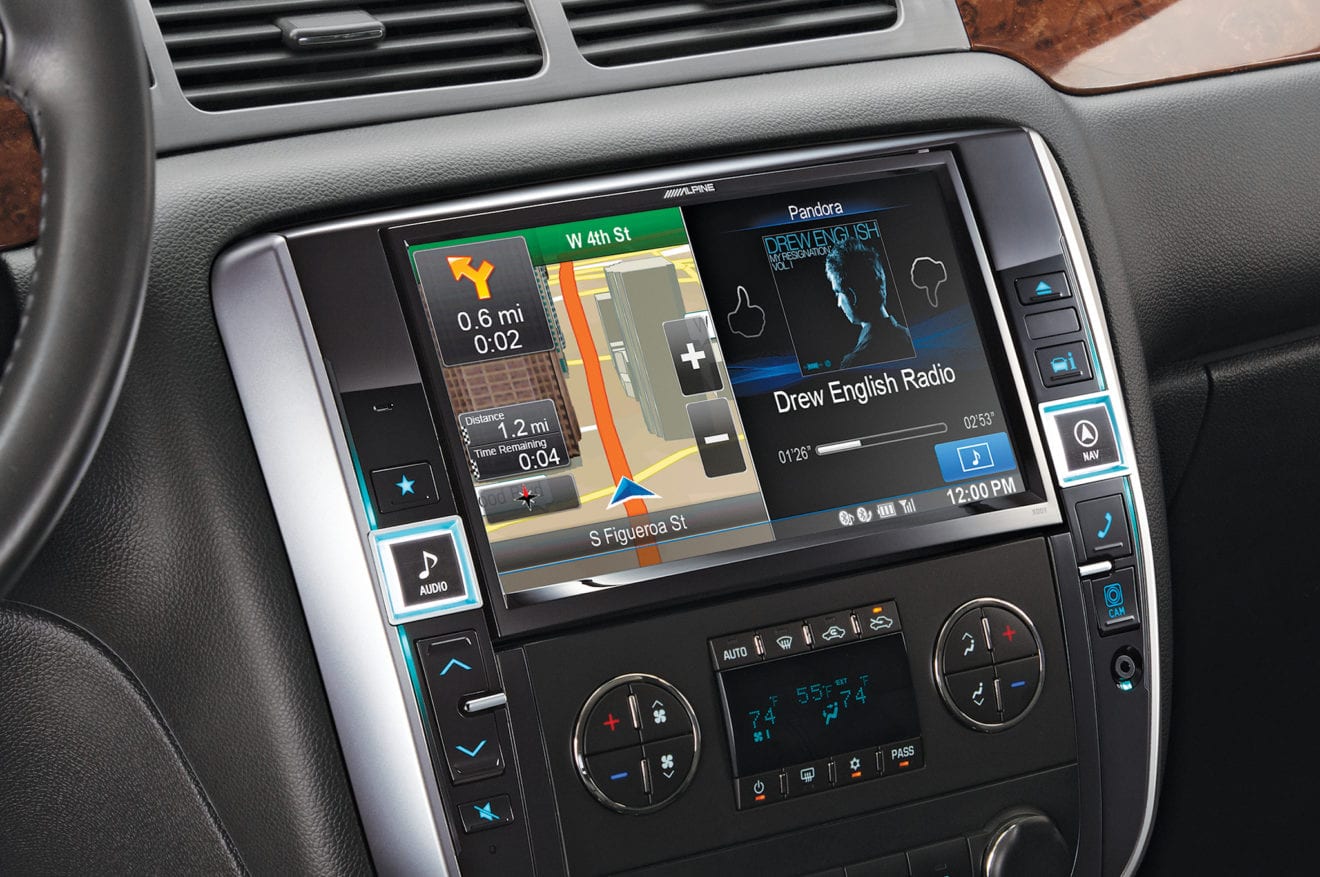
    One of the luxury brands in home and car sound systems, Bang & Olufsen (B&O), has readied its retail foray. Till now, operating mostly in the rarefied world of custom-made audio systems installed in the homes of celebrities and business barons, or pre-installed in luxury marques such as Audi, B&O is finally launching stand-alone stores that will not only afford an experience of its products but also, perhaps, whet the aspirations of those dropping by.

  • Luxury carmakers clock best-ever India sales in 2014

    Luxury carmakers clock best-ever India sales in 2014

    Riding on high demand that outstripped supply, luxury car manufacturers Audi and Mercedes-Benz have ended 2014 with best-ever sales in their history in India. German carmaker Audi sold 10,851 units in 2014, compared with 10,000 in 2013, it said in a statement. Audi India sold 3,044 units in the October-December quarter, posting a 17 per cent growth over the year-ago period when it sold 2,611 units.