Category: Automotive

Retail News Asia is committed to providing both local and global retailers with the latest Auto and Car news throughout the Asian market. This on a daily base.

  • Yoma to distribute Mitsubishi cars in Myanmar

    Yoma to distribute Mitsubishi cars in Myanmar

    Mainboard-listed Yoma Strategic Holdings announced on Wednesday a 50:50 joint venture with Mitsubishi Corp to distribute the Japanese cars in Myanmar.

    The joint venture company, MM Cars Myanmar Ltd, will be responsible for the distribution (wholesale), retail sales, after-sales services, and maintenance services of Mitsubishi cars and spare parts. It will also take over the running of two Mitsubishi Motors After-Sales Service Centres set up in 2013 and currently being operated by Yoma.

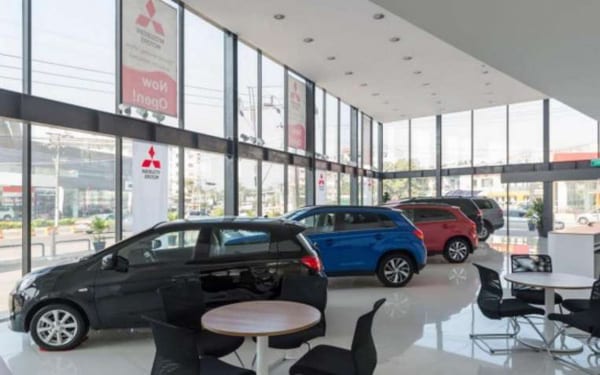
    The joint venture will also operate the first Mitsubishi Motors showroom in Yangon, which opened on Tuesday. Said Mr Melvyn Pun, Yoma Strategic CEO: “The joint venture with Mitsubishi Corporation formalizes our collaboration in developing the Mitsubishi Motor business in Myanmar over the past year.” “Our automotive segment is experiencing strong growth, and we are confident that the Mitsubishi Motors business will contribute meaningfully in the medium term.”

    Yoma said that since the Myanmar government announced a relaxation of vehicle import regulations in 2011 as a part of its “democratisation” policy, the number of used vehicles from Japan has seen a notable increase, making Myanmar the number one destination for used vehicles from Japan in 2014. Import regulations for new vehicles have also been gradually eased since 2012 with the Myanmar government announcing the approval of new vehicle imports and sales by joint ventures established between Myanmar and foreign companies, the company said.

    These developments are expected to generate further growth in the Myanmar vehicle market, it said. Yoma Strategic already has several partnerships with Mitsubishi Corporation, including an elevator related business, a tyre business and the operation of the Mandalay International Airport.

  • Mercedes-Benz to invest RM200m in retail network

    Mercedes-Benz to invest RM200m in retail network

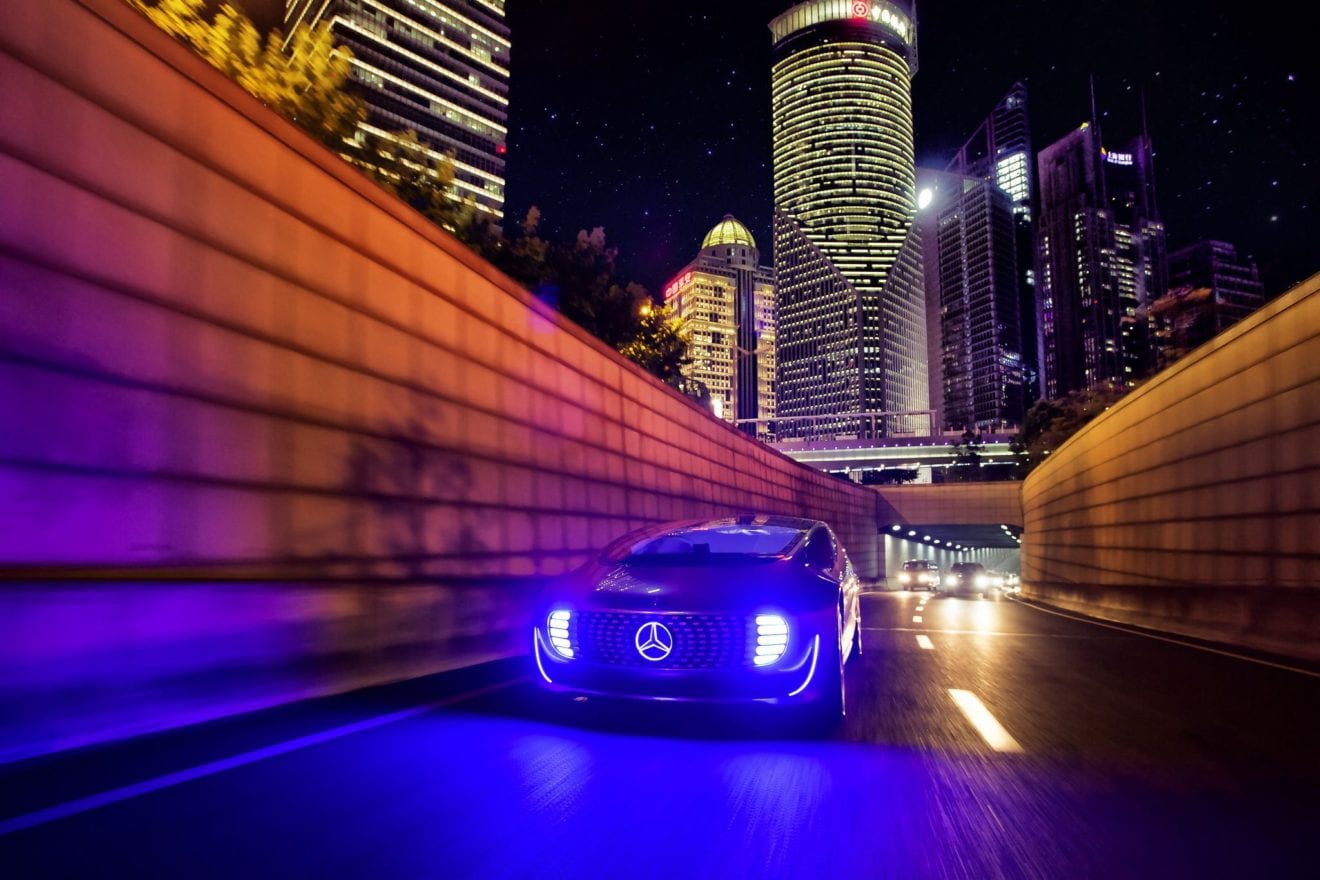
    Mercedes-Benz Malaysia will be looking to invest a further RM200 million until end-2016 to enhance its retail network to deepen the group’s presence nationwide, as Malaysia currently represents the biggest market for Mercedes-Benz passenger cars in Southeast Asia, according to the company.

    The German automaker has invested over RM250 million here since 2012, and has been reaping the benefits of its investment as market development for its brand has grown significantly. Its annual passenger car sales grew from 5,809 units in 2012 to 6,932 units in 2014 — a record annual number for the company.

    As at early October this year, its passenger vehicle sales hit about 8,200 units, exceeding the total volume for 2014, and setting 2015 up as another record-breaking year in terms of sales.

    Its year-to-early-October sales were 70% higher over the same period last year, president and chief executive officer Dr Claus Weidner told The Edge Financial Daily in an interview recently.

    However, he was cautiously optimistic about going into 2016, given the rising cost of living and continued weakening of the ringgit against the US dollar.

    “To repeat that sort of growth … we can’t do it every year. Nevertheless, we are confident we can keep up with the expected high level of sales in 2016, and will look into the macroeconomic situation and plan accordingly,” Weidner said.

    He declined to disclose if the group will raise prices of its cars next year, saying that it is too early to tell if the group should.

    “We have several financial instruments in place, together with our group from Daimler. But at the current stage, I cannot say which way we will take,” Weidner explained.

    He added that the group’s investment in local production since 2012 will help counterbalance the carmaker’s exposure to foreign exchange to a certain extent.

    Together with its authorised dealer, Hap Seng Star Sdn Bhd, Mercedes-Benz Malaysia recently launched the seventh Autohaus, or Mercedes-Benz showroom, in Kota Kinabalu, Sabah.

    Known as Hap Seng Star Kota Kinabalu Autohaus, the showroom saw Hap Seng putting in an investment of RM2 million. The sum is part of the RM30 million that the dealer has put aside for its long-term expansion in East Malaysia, which includes an Autohaus in Miri, Sarawak, that opened in May, and a new one in Kuching, Sarawak, slated for launch by end-2016.

    Weidner: We are confident we can keep up with the expected high level of sales in 2016, and will look into the macroeconomic situation and plan accordingly.

    Hap Seng’s latest venture in East Malaysia will help grow Mercedes-Benz Malaysia’s customer base in the premium automotive segment. Mercedes-Benz Malaysia believes that a focused partner in the auto industry is what will help drive growth.

    “In this situation, we have good progress in terms of putting in good landmarks and strategic points for the main market in East Malaysia. We want to provide the same standard of service as we do in Peninsular [Malaysia] to our customers here.

    “Hence, having partners who are very focused on the automotive business and show their professionalism is crucial for us to expand because it is a really detailed set-up and we have to establish quite a lot of processes,” Weidner explained.

    He added that Mercedes-Benz Malaysia had been investing in its processes and talent, in addition to the hardware aspects of the business.

    “Our customers are very demanding, and this is one of the challenges that we face, and we train our front-liners to be able to cater to these customers and continuously improve our processes. Training and upgrading — these are where we invest in heavily,” Weidner said.

    Mercedes-Benz Malaysia and Hap Seng began their collaboration some 46 years ago in Sabah, where they started their commercial vehicle operations in East Malaysia.

  • Several German companies interested to invest in automotive component industry

    Several German companies interested to invest in automotive component industry

    Several German companies have expressed interest to invest in automotive component manufacturing industry using aluminum as its raw materials, state enterprises minister Rini Soemarno said.

    “One of the companies is Rheinmetall Land System. We will discuss it further with them when I visit Germany later,” she said when asked for her confirmation about the news here on Sunday.

    She said Rheinmetall Land is currently building cooperation with PT Pindad to produce defense and security equipment.

    PT Pindad is cooperating with Rheinmetall Land System in overhauling, upgrading, servicing, maintenance and modification of a number of military combat vehicles.

    The cooperation covers several products such as MBT Leopard 2 RI, Leopard 2 A4, AIFV Marder aA3 RI, Gunnery/Driving Simulator and others.

    “But the big business that the company carries out also includes car components and many of them are exported across the world,” she said.

    She said she would follow up Rheinmetalls plan to invest in Indonesia especially in aluminum car components.

    “If they do decide to invest supply chain from upstream to downstream will be done by Indonesia,” she added.

  • Autos drive solid China retail sales report

    Autos drive solid China retail sales report

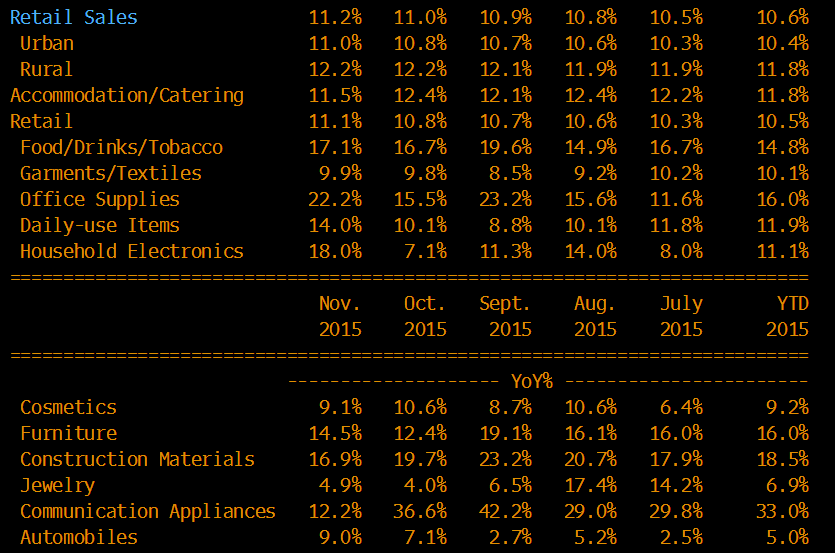
    Retail sales rise 11.2% y/y in November vs 11.1% expected

    Chinese retail sales were slightly stronger than estimates as auto sales picked up. Vehicle sales climbed 9% y/y in November compared to 7.1% in October.

    A strong automotive sector also boosted industrial production.

    The strength in auto sales and manufacturing was likely due to a sales cut tax in September for small and medium-sized cars.

  • Stimulus Does the Trick as Detroit Autos Surge in China

    Stimulus Does the Trick as Detroit Autos Surge in China

    Investors understand that General Motors generates the majority of its profit right here in the United States. However, GM sells more cars in China than in any other market, and it was worrisome for investors when new-vehicle sales slowed in China over the summer. Sales slowed to the point that it forced China’s government to dish out an incentive program that cut the purchase tax in half for consumers.

    How has that incentive program turned out? Looking at GM’s sales figures coming out of China for November, the program is working like a charm.

    By the numbers
    General Motors’ retail sales moved 14% higher to 346,671 units in November. If you’re keeping track, that’s good enough to pencil last month in as the automaker’s best November sales in China ever.

    “The market has been improving in the past two months,” said GM Executive Vice President and GM China President Matt Tsien, in a press release. “We are well positioned to achieve a strong finish to the year backed by newly launched models, including the Chevrolet LOVA RV, Buick Verano Hatchback and Buick Verano GS.”

    The vehicles responsible for driving General Motors’ sales in China higher last month weren’t a surprise. GM’s SUV sales soared 231% on an annual basis, powered by the Buick Envision and Baojun 560. Furthermore, the SUV segment accounted for 19% of GM’s sales in China last month, which was much higher than the 6.5% the segment represented a year ago.

    Looking at GM’s brands in China, Buick remains the automaker’s bright spot. Buick recorded its best-ever monthly sales in November as it exceeded 100,000 units for the second consecutive month. More specifically, Buick sales soared 45% year over year to nearly 108,000 units.

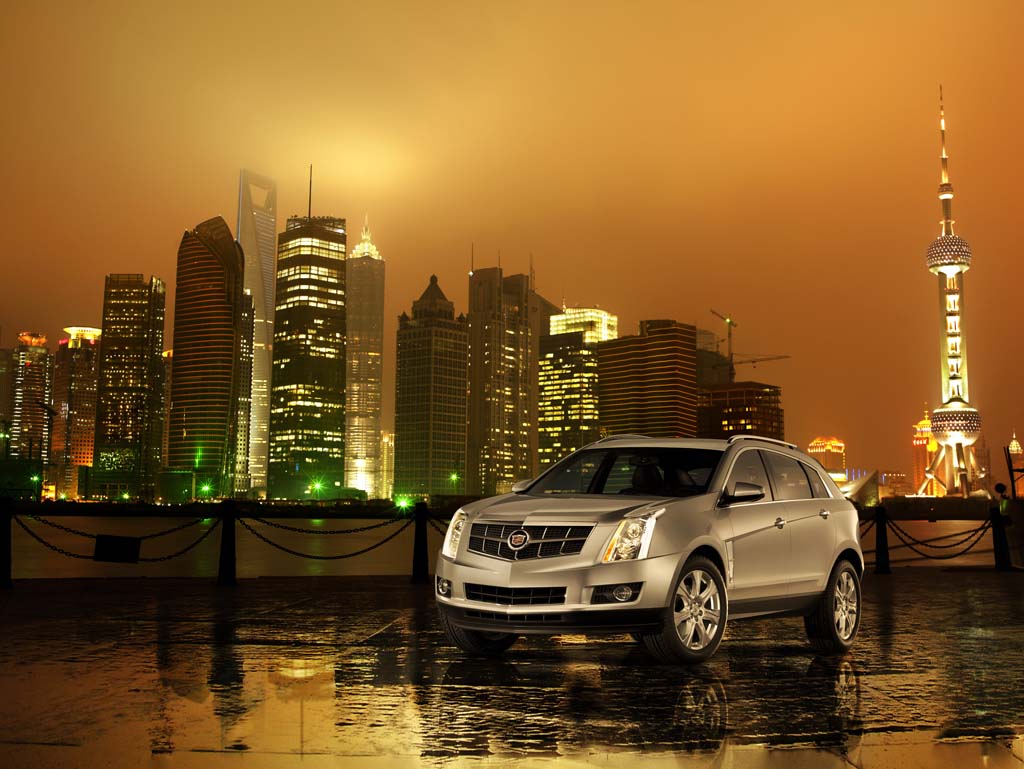
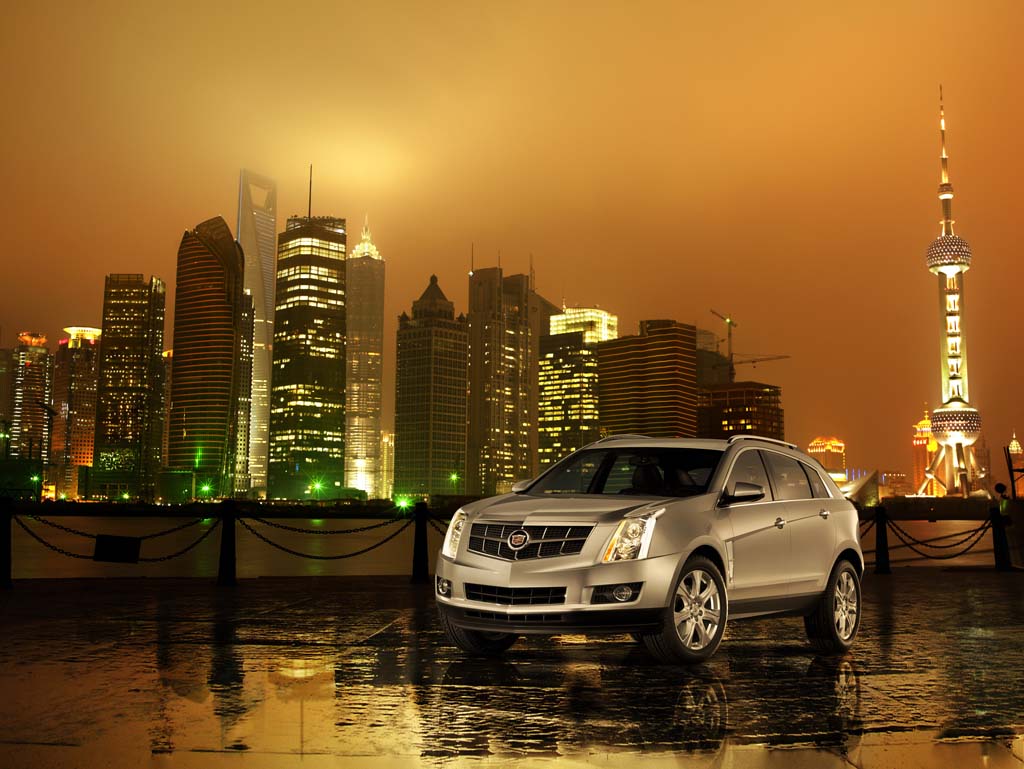
    GM’s luxury Cadillac lineup also posted healthy year-over-year sales gains of 57%, but with a far lower unit total of just under 8,000 units. Baojun sales jumped 100% on an annual basis to more than 58,000 units, and Chevrolet sales took an 11% dip year over year to 51,192 units in November.

    Through the first 11 months of 2015, retail sales from GM and its joint ventures increased 4.1% compared to the same time frame last year, to a total of 3.16 million units.

    GM isn’t the only success story
    While crosstown rival Ford Motor Company (NYSE: F) trails GM in vehicle sales by a long shot in China, it’s still making progress in a market it was late to enter. Ford’s sales totaled 106,283 during November, which was a 9% increase over last year’s November. Better yet, Ford’s sales in China are quickly approaching the 1 million mark for the year, totaling 990,356 sales through November.

    Ford’s gains were led by its Mondeo (Fusion), which posted a sales increase of 13% to 12,431 units compared to last year, as well as its Kuga (Escape) and Edge, which both sold more than 10,000 units last month in China.

    Here today, gone tomorrow?
    The major question facing investors in the automakers that operate in China is: Are these sales gains here to stay? It’s clear that after a slow summer of new-vehicle sales in China, the government’s stimulus program, which cuts the purchase tax from 10% to 5%, is definitely igniting sales. The good news is that this stimulus is slated to continue for the entirety of 2016.

    This is a development worth watching, because if sales remain accelerated, rather than only a temporary boost, it’ll be very positive news for investors of General Motors and other automakers hoping to fuel top- and bottom-line growth from its operations in China.

    The next billion-dollar iSecret
    The world’s biggest tech company forgot to show you something at its recent event, but a few Wall Street analysts and the Fool didn’t miss a beat: There’s a small company that’s powering their brand-new gadgets and the coming revolution in technology. And we think its stock price has nearly unlimited room to run for early, in-the-know investors!

  • Royal Enfield to enter the Thailand motorcycle market

    Royal Enfield to enter the Thailand motorcycle market

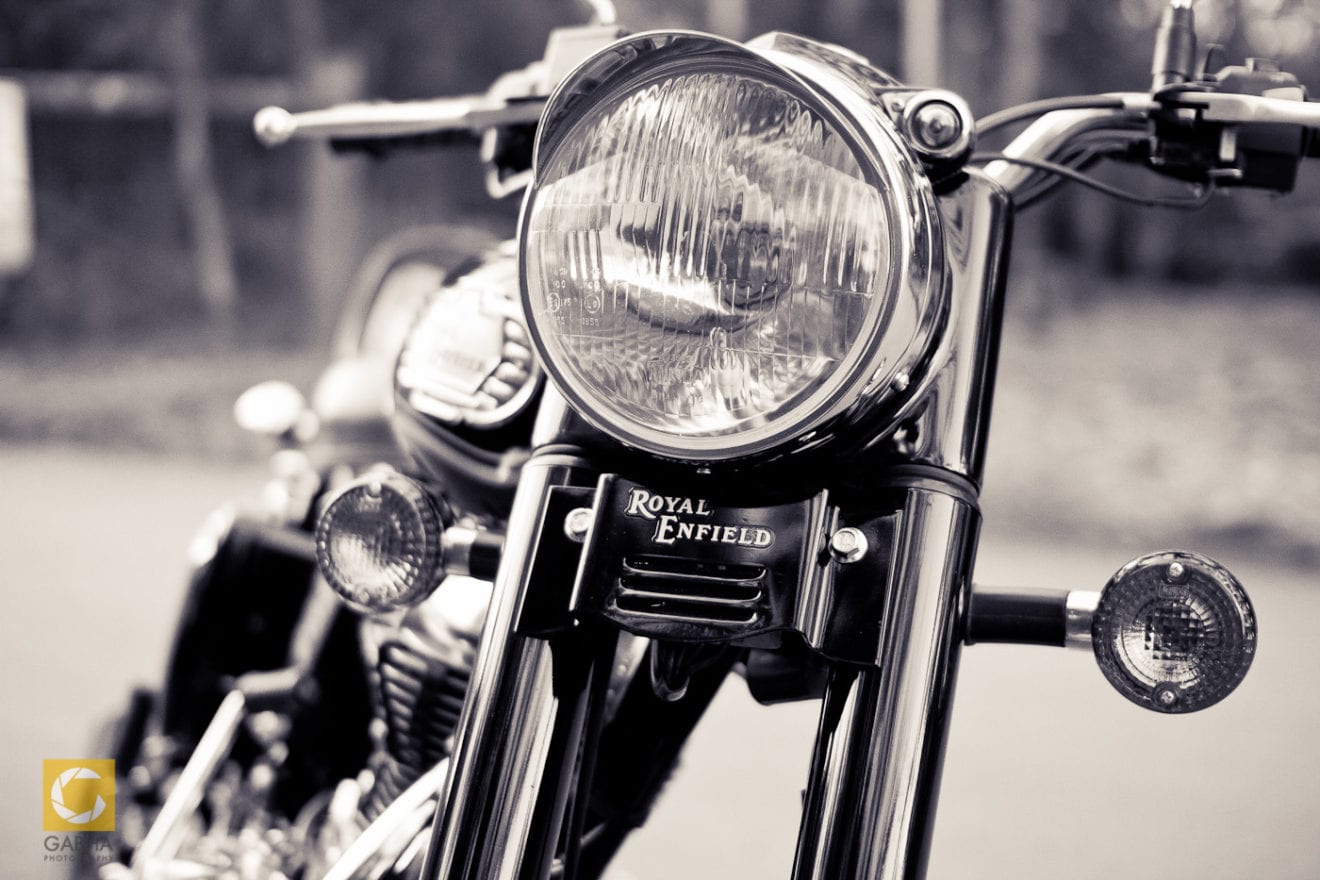
    Royal Enfield, when not posting stupendous growth figures in the Indian two-wheeler market, continues to rapidly add to its small but expanding export presence. The Chennai based brand presented its products at the Bangkok Motorcycle Show and announced plans to aggressively enter the Thai market in mid-size motorcycles. Royal Enfield defines the mid-size motorcycle as bikes between 250 and 750cc in displacement. Royal Enfield showed off its entire range at the Thailand International Motor Expo in Bangkok including the Bullet 500, Classic 500, Classic Chrome and the Continental GT. Royal Enfield also showed off its new range of gear and accessories for the Thai market.

    Royal Enfield Continental GT Black

    Arun Gopal, head of international business for Royal Enfield said, “We have pioneered and grown the mid-size motorcycle category in India. With over 50 per cent year-on-year growth in the last five years, our ambition today is to lead and grow the underserved middle weight segment globally and this growth will largely come from markets like India such as Latin America and South East Asia, given their size and comparable commuting trends. Thailand with its already established leisure motorcycling culture and presence of several riding communities and enthusiasts, blends perfectly with Royal Enfield motorcycles that has exploration and adventure at its core. Thailand is among the largest two-wheeler markets in the world and a very important one for Royal Enfield. With highly evolved consumers, Thailand is the most evolved country in South East Asia for leisure motorcycling. With a large commuter base, this market has enormous potential to upgrade to the next level of motorcycles, if there are enough attractive product choices. With our modern classic bikes, Royal Enfield is well poised to fill this gap and catalyze the shift to mid-size motorcycles in Thailand.”

    General Auto Supply Co. Ltd (GA) will be their dealer in Thailand and it will start retail operations in Thonglor, Bangkok shortly. GA will also work on expanding the aftermarket abilities of the brand in the Thai market.

    Royal Enfield has been exporting motorcycles for a long time but the push to expand both volumes and markets is a recent move. The company exported roughly 2 per cent of its production last year but that is set to change as the company goes towards its goal of becoming the world’s largest mid-size motorcycle maker.

  • China November Auto Sales Surge 18% as Tax Cut Bolsters Demand

    China November Auto Sales Surge 18% as Tax Cut Bolsters Demand

    An unseasonably cold November and heavy smog prompted Chinese consumers to step up their vehicle purchases, driving automobile sales to their biggest gain in nine months and underlining the challenge the government faces in controlling air pollution.

    SUVs continued to be the most popular choice last month, followed by minivans, while sedan sales fell, according to the China Passenger Car Association. Total retail sales of passenger vehicles rose 18 percent last month to 2.02 million, the fastest increase since February.

    “Adverse weather conditions played a role in November’s strong sales showing,” according to the association in a presentation accompanying the sales statistics. “The unusual cold was followed by off-the-charts smog levels. Those with children are more inclined to buy cars, given the perception that the air inside a vehicle is cleaner.”

    A correlation between auto sales and smog levels adds to the challenge that China faces in cleaning up its dirty air. A surge in car ownership in the past decade has been cited, together with coal-fired power plants, as leading contributors to air pollution, prompting the government to impose vehicle registration quotas in major cities and promote emission-free electric vehicles. Even so, the government slashed a purchase tax in October to protect economic growth after auto demand slowed in the first nine months.

    “It is ironic that the smog is making people more interested to buy cars,” said Jochen Siebert, Shanghai-based managing director at JSC Automotive Consulting. “It’s funny but it’s logic that we probably won’t understand.”

    Air Pollution

    Thick smog covered Beijing and much of north China last month in what the official Xinhua News Agency labeled the worst period of air pollution this year, with levels of the most harmful PM2.5 particulates registering beyond what is considered hazardous to human health.

    The smog has yet to abate. Beijing raised a red alert to warn of the dangers associated with extreme pollution levels Monday, the first time the alarm has been raised to its highest level since introduction of an emergency air-pollution response system in 2013. The warning prompted the city government to order schools and some factories to shut and about half of the cars off the roads.

    Still, some analysts see the tax cut and discounts by automakers as the primary driver for November’s surge in sales. The government in October cut a 10 percent purchase tax by half for vehicles with engines with displacements that are 1.6 liters or smaller.

    “I don’t believe pollution is a factor, as there was pollution in previous years,” said Yale Zhang, Shanghai-based managing director at Autoforesight Shanghai Co. “It’s the purchase tax cuts that made sales go up so much.”

    Great Wall Motor Co., the country’s largest SUV maker, is benefiting from the resurgent demand. Sales of its sport utility vehicles, many of which qualify for the tax cut, surged 25 percent in November from a year earlier.

  • BMW 2 Series saloon unveiled at Auto Guangzhou 2015

    BMW 2 Series saloon unveiled at Auto Guangzhou 2015

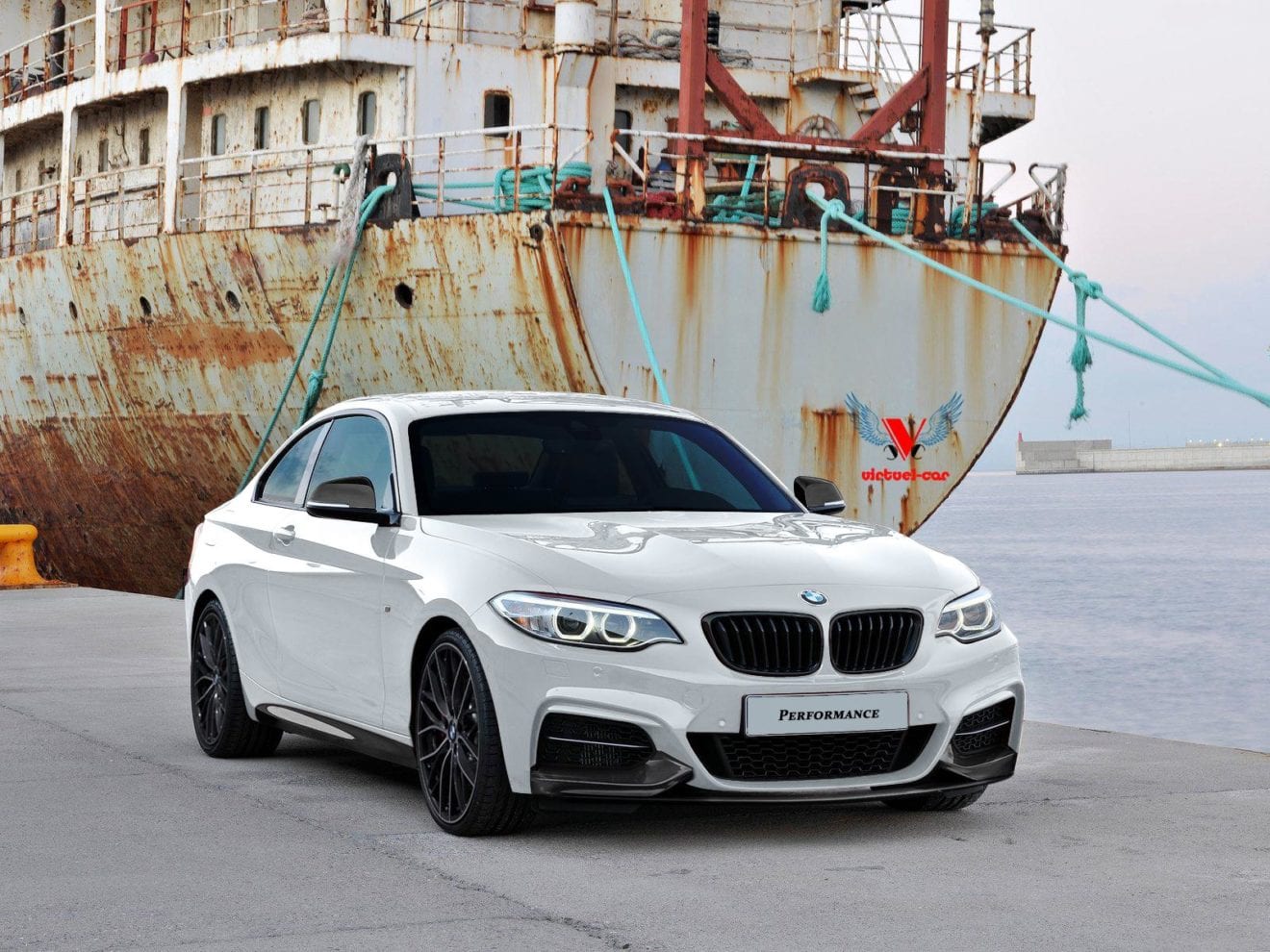
    What will become the new BMW 2 Series saloon was unveiled recently at Auto Guangzhou 2015, one of the largest international motor shows in China

    The car, which will take on such as the Audi A3 saloon and the Mercedes CLA, was unveiled as the BMW Concept Compact Sedan and, according to BMW design chief Adrian van Hooydonk, reveals the potential the company sees in a compact sedan.

    “It not only gives the driver and passengers generous amounts of space within a compact area but does so while providing the sporting ability you’d expect from BMW and an elegance otherwise only available in large BMW sedans,” said Mr van Hooydunk. “The quality and intrinsic value of the BMW Concept Compact Sedan are clear signals of our premium intentions for the car.”

    BMW says the compact and agile exterior of the new car creates a familiar sedan silhouette based around a striking three-box design. Hallmark BMW proportions imbue the car with a dynamic allure unrivalled in its segment. Its sweeping bonnet and long wheelbase stretch the car visually, while the slightly set-back greenhouse further underlines its sporting nature.

    The interior of the new car and its BMW family ties are immediately evident. Elongated horizontal lines and surfaces creating a generous feeling of space provide a counterpoint to the cabin’s driver focus and sporty styling.

    We will have more in due course.

    Online shopping

    Speaking of BMW, the company’s UK arm has rolled out a system where buyers can now carry out the whole process of buying a car online. Previously, some steps could only be completed at a dealership.

    Customers can specify a car, arrange a test drive if necessary, agree financing options and payment method, and get a trade-in value for their own car before finalising the delivery date.

    Help is available from a ‘BMW Genius’ or a sales executive at the retailer via live chat or email, if needed.

    Sales and marketing chief Ian Robertson said: “We are the first car manufacturer to offer a digital sales solution for the entire product range and the full end-to-end buying or leasing process online.

    “Now, the customer can do it all from the comfort of their home. The integration of the BMW Genius via live chat and retailer messaging functions where the customer is able to get personalised support in real time, makes this system unique and a new benchmark for the automotive industry.”

    Before being rolled out nationally, BMW Retail Online was trialled with nine UK retailers and proved such a success 95% of BMW UK retailers have decided to offer this service to their customers.

    Nigel Hurley, Sytner Group BMW divisional managing director, whose retail outlet took part in the trial, said: “This is great news for retailers. It forms part of our ever more customer-centric focus and makes life easier for the customer. We see this becoming an increasingly important channel in the future.”

    Watch this space for further developments on the online sales developments.

  • 2016 Toyota Innova launched at Guangzhou Auto Show

    2016 Toyota Innova launched at Guangzhou Auto Show

    Toyota Indonesia have launched the second generation Toyota Innova at the ongoing Guangzhou Auto Show in Indonesia for IDR 282 million. The new generation Toyota Innova is the third car from Toyota this year, after Toyota Hilux and the all new Toyota Fortuner.

    Moreover, the new generation Toyota Innova completes the company’s Innovative International Multipurpose Vehicles (IIMV) model changeovers.

    Toyota will launch the upcoming MPV in India next year and will be unveiled in the country at the 2016 Auto Expo in New Delhi.

    The Indonesia Toyota Innova is available in three trim levels- G, V and Q.

    Engine:

    The new-generation Toyota Innova 2016 is built on Toyota New Global Architecture (TNGA) platform.

    The new Toyota Innova will come with a 2.4L diesel engine producing maximum power output of 147bhp and maximum torque of 360Nm, mated to a five-speed manual transmission and a six-speed automatic transmission.

    Dimensions:

    The 2016 Toyota Innova will come with a wheelbase of 2800mm, and will be 4745mm in length, 1820mm in width and 1800mm in height.

    Design:

    The new Toyota Innova will come with a completely new design making it more appealing to the customers than the previous models.

    Toyota Innova

    The rear end of the 2016 Toyota Innova will get inverted L-shaped tail lamps with LED lights.

    The front portion of the new car will consist of projector headlights with integrated LED DRLs and will come with a large front hexagonal grille. The rear end of the 2016 Toyota Innova will get inverted L-shaped tail lamps with LED lights.

    Toyota Innova

    The front portion of the new car will consist of projector headlights with integrated LED DRLs and will come with a large front hexagonal grille.

    Moreover, the new Toyota Innova will consist of 17-inch alloy wheels.

    Features:

    The India bound Toyota Innova will come with  a cabin which is well-equipped with an 8-inch touchscreen infotainment system with voice control and Bluetooth connectivity, a multi-function steering wheel, a Smart Entry Key, and dual-zone climate control function.

    Toyota Innova

    The new Toyota Innova will come with a multi-function steering wheel, a Smart Entry Key, and dual-zone climate control function.

    Moreover, the new Toyota Innova 2016 also comes with Anti-lock Braking System (ABS), Electronic Brakeforce Distribution (EBD), with the top variant gets 7 airbags and Hill Start Assist.

    Toyota Innova

    The India bound Toyota Innova will come with a cabin which is well-equipped with an 8-inch touchscreen infotainment system with voice control and Bluetooth connectivity.

    Competition:

    The 2016 Toyota Innova will rival the Renault Lodgy and Maruti Suzuki Ertiga in India.

    Price:

    We estimate the 2016 Toyota Innova to come with a price tag of Rs 13 lakh- Rs 20 lakh (ex showroom Delhi).


  • Nissan begins X-Trail Hybrid SUV production in Thailand

    Nissan begins X-Trail Hybrid SUV production in Thailand

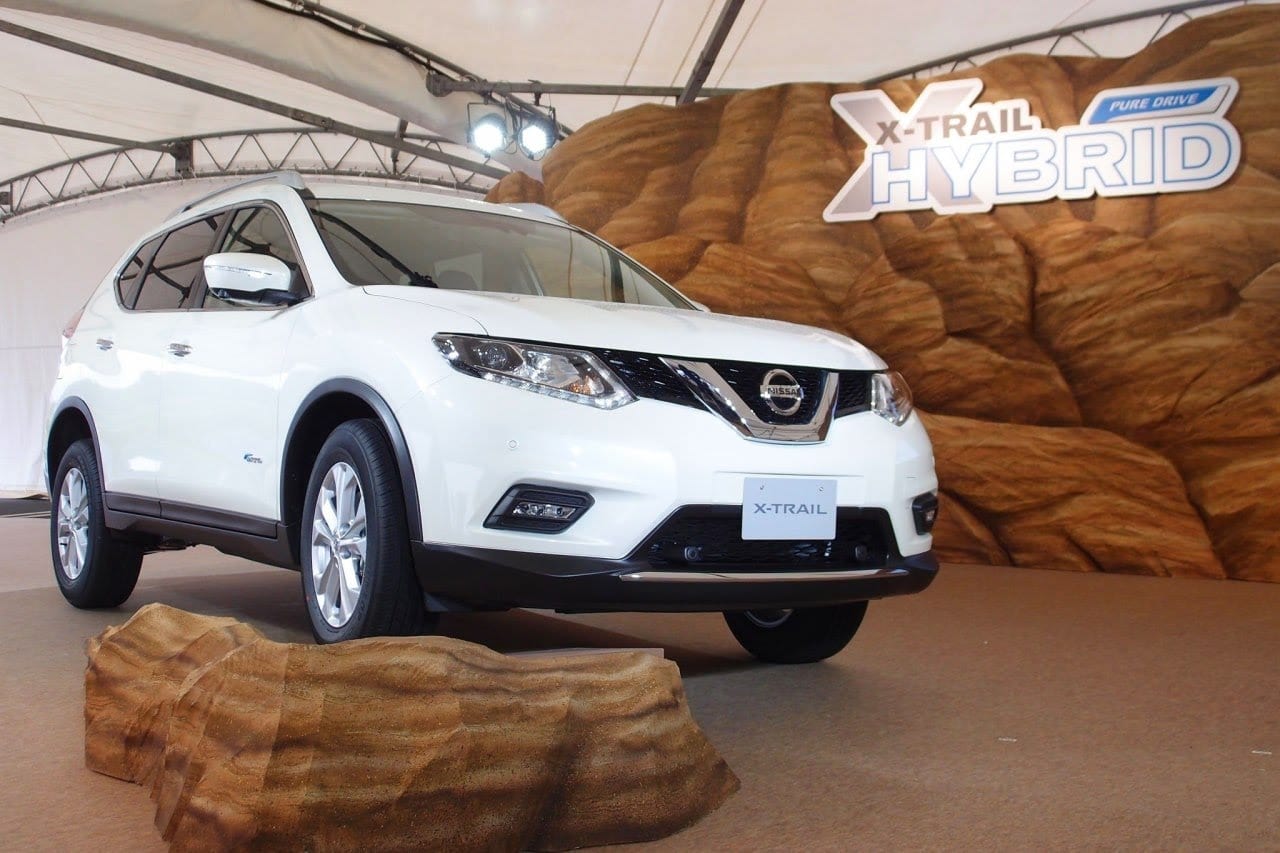
    Nissan Motor has started manufacturing and selling its X-Trail Hybrid in Thailand, hoping to tap demand among the country’s well-heeled customers.

    The Japanese automaker began churning out the sport utility vehicle in October at a factory in the central province of Samut Prakarn, expecting to deliver the first locally produced batch this month.

    Nissan aims to sell 5,000 units in Thailand in 2016. With retail prices starting at 1.24 million baht ($35,000), the company plans to tout its relative affordability. Nissan expects the model to account for 60% of X-Trail series sales in Thailand, where luxury vehicles continue to draw solid demand despite slumping new-auto sales.

    The company is producing the hybrid overseas for the first time, as it previously was shipped from Japan. Nissan hopes Thailand will serve as a hub to export the vehicle to Southeast Asia.

    Toyota Motor and Honda Motor also produce and sell hybrids locally: the Camry and the Accord, respectively.

  • Launched: 118i Sport by BMW Malaysia

    Launched: 118i Sport by BMW Malaysia

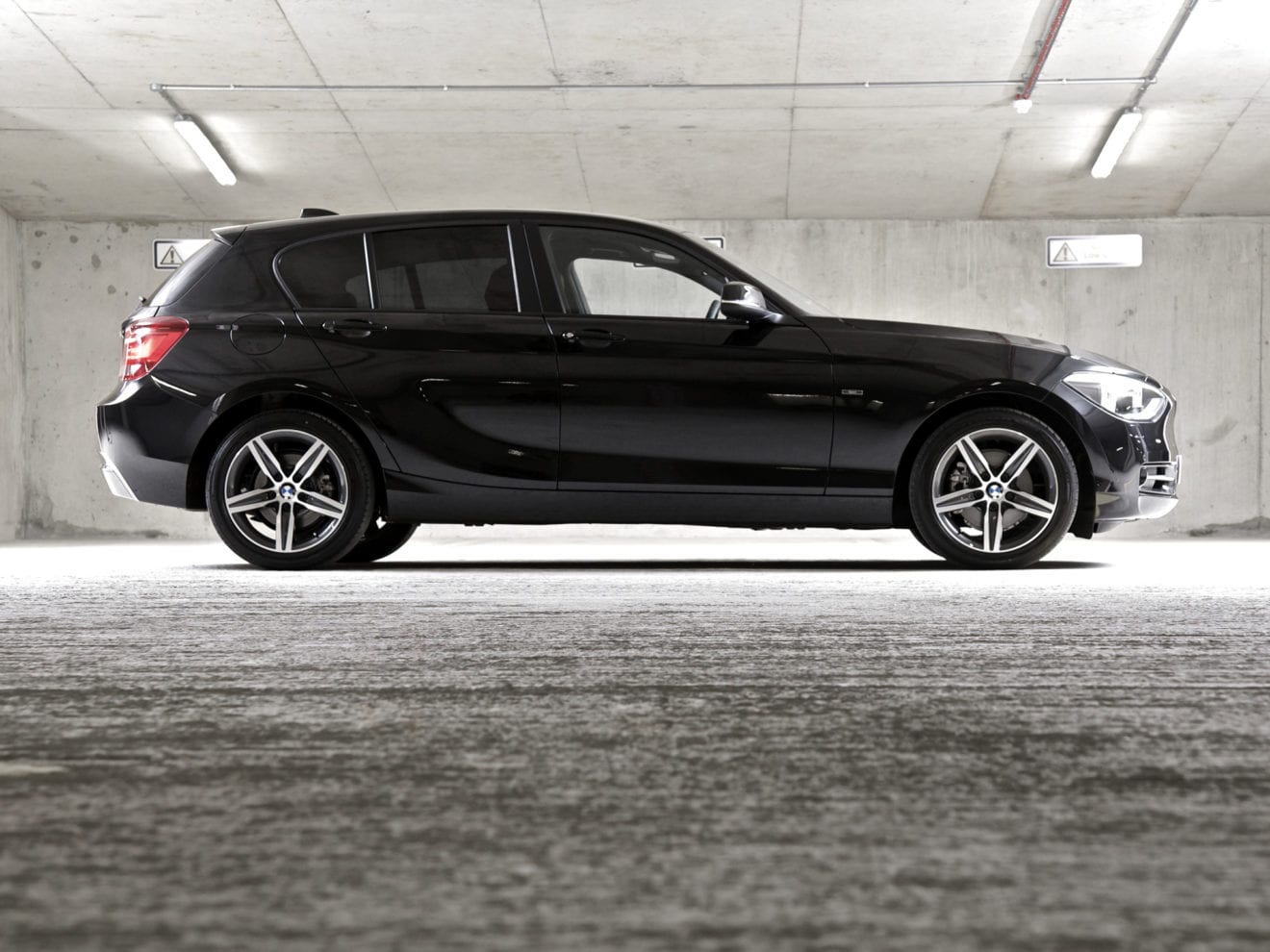
    BMW Group Malaysia has introduced the new BMW 118i Sport. Its estimated retail price (on the road, without insurance with BMW Malaysia’s latest 5-year Unlimited Mileage Warranty and Free Scheduled Service Program) is RM188,800.

    Introducing the latest product offering from BMW Group Malaysia, the group’s managing director and CEO, Alan Harris, said: “The new BMW 1 Series still remains the only rear-wheel drive car in its segment, making the car the most sportier and dynamic option in its class.”

    Harris added that the new 118i Sport now also introduces the segment to a new generation engine with the latest BMW EfficientDynamics technology, the latest driver assistance systems and mobility services courtesy of BMW ConnectedDrive as well as a host of safety features, making the premium segment hatchback also one of the safest in its class.

    Exterior Design

    The proportions, lines and surface design of the new 1 Series bear all the classical hallmarks of a BMW with its set-back passenger compartment, long bonnet and short overhangs, in particular, give the new premium hatchback a uniquely sporting presence. The new car features subtle but key differences to refine yet further the overall package.

    At the front, a new lower apron with larger air intakes and a horizontal bar combines with the reshaped BMW kidney grilles and front ornamental grille in chrome surround with its exclusively designed kidney bars in high gloss black to provide the sight that the new 118i Sport was designed with dynamism and sportiness in mind. Full LED headlamps with low and main beam have also been added to the new variant of the 1 Series.

    At the rear, new tail lamps with the now familiar BMW ‘L’ shape design adopt striking LED technology. Further to this, a single round exhaust tailpipe in chrome matt finish and the rear bumper with specific design elements in black-high further accentuates the sporty expression of the new 118i Sport.

    In terms of wheel options, the new 118i Sport offers 17’’ light alloy wheels Star Spoke 379 71/2 J with 17’’ tyres 225/ 45 R17.

    Interior Design

    The driver-focused cockpit of the new 1 Series is an even more welcoming, sporty, comfortable place to sit, thanks to enhancements to the design and the use of Sensatec Leather for its upholstery. The instrument cluster with red highlight and chrono scaling as well as interior trim finishers in Black High-Gloss with highlight trim finishers in Coral Red Matt further adds the sporty feel inside the car. Further driving this sporty expression inside the car are the sports leather multifunction steering wheel and the sports seats for both the driver and front passenger.

    The BMW Radio Professional and iDrive operating system continues to be standard across the entire range so the all new 1 Series model also features the segment leading freestanding, 6.5-inch Control Display, the controller wheel mounted on the centre console and the direct menu control and favourites buttons.

    The controls arranged below the Control Display have also benefited from detailed refinements. Both the air vents and the controls for the radio and the automatic air conditioning now feature high-quality chrome surrounds. The radio and automatic air conditioning keypads, meanwhile, are set against high-gloss black panelling.

    Engines: An Award Winning Member of the Family

    The new 118i Sport sees the introduction of the new Engine of the Year 2015 award winning 3-cylinder petrol engine to the premium compact segment. The innovative BMW TwinPower Turbo 1.5-litre 3-cylinder petrol engine, which is the same power plant in the all-new BMW i8, delivers a maximum output of 136 hp, torque of 220 Nm and accelerates from 0 to 100 km/h in 8.7 seconds. The combined fuel consumption of the new 118i stands at 5.1 litres per 100 km with C02 emissions of 119 g/km.

    Adding to the dynamism of the its engine capabilities, the new 118i Sport also features the segment leading 8-Speed Steptronic automatic transmission and Driving Experience Control modes with the efficient ECO PRO mode, another class leading feature which makes the 118i Sport stand out from the rest in the premium compact segment.

    As a car built with a sporty expression, the new BMW 118i Sport is also not short in terms of safety features. The compact premium sports hatchback offers complete air bags for front and rear passengers, side air bags for driver and front passengers which are integrated into the front seat backrest and head airbags at the front and rear with curtain head protection and splinter protection capabilities. Doubling up on the safety measures are child seat ISOFIX attachments for the rear seats and a central locking system with electronic immobiliser and crash sensor.

    BMW ConnectedDrive: Connecting the Driver to the Car to the Outside World

    A leading feature amongst its peers in the industry, the new 118i Sport offers Intelligent Emergency Call, Teleservices and Remote Services functionalities.

    A SIM card built into the vehicle enables customers to enjoy optimum connectivity and access to the unrivalled range of services from BMW ConnectedDrive without the need for a smartphone.

    Intelligent Emergency Call, a standard feature in the new 118i Sport, ensures maximum safety on the road. If the airbags are triggered in an accident, this system uses the built-in SIM card to automatically transmit the severity of the accident, the potential risk of injury to the occupants and the vehicle’s location to the BMW Call Centre.

    This information is then used to arrange the best possible emergency response while the Call Centre stays in contact with the occupants if desired. The manual emergency call function also allows rapid help to be summoned for other road users in emergency situations at a touch of an SOS Button.

    Remote Services, on the other hand, transforms the owner’s smartphone into an intelligent and convenient remote control for the vehicle – via the MY Remote app (BMW iRemote app) or the BMW Call Centre. Users can use their smartphone to lock and unlock their car or find it immediately by flashing the headlights or sounding the horn.

    The new 118i Sport is available in colour options of Black Sapphire, Mineral Grey, Crimson Red, Midnight Blue and Alpine White and the new compact premium sport hatchback will be available at all authorised BMW dealerships across the country from next Wednesday, Nov 25.
  • GM China sales up 15% in October

    GM China sales up 15% in October

    The automaker said its sales were up 15 percent year-over-year in October and Buick sales jumped 42 percent from a year ago. Monthly sales for the brand hit more than 100,000 for the first time.

    “GM is well-positioned to capture the growth opportunities in the SUV, MPV (multi-purpose vehicles) and luxury segments, and our new products are gaining market share,” GM China President Matt Tsien said in a statement. “The recently announced government incentive for vehicle purchases helped boost buying sentiment starting in October.”

    Cadillac sold an October record 5,757 luxury vehicles, up 23 percent year-over-year, while Baojun brand sales soared 113 percent to 51,589 vehicles, also a record for October. Chevrolet sales fell 8.4 percent to 51,173 vehicles, which GM blamed mostly on vehicle model changeover. Wuling brand sales also decreased 6.8 percent to 116,786 vehicles because of a decline in the mini-commercial vehicle market, GM said.

    Through October, GM says its retail sales in China are up 2.9 percent year-over-year to a record nearly 2.82 million vehicles.


  • Mazda CX-3 goes on sale in Thailand

    Mazda CX-3 goes on sale in Thailand

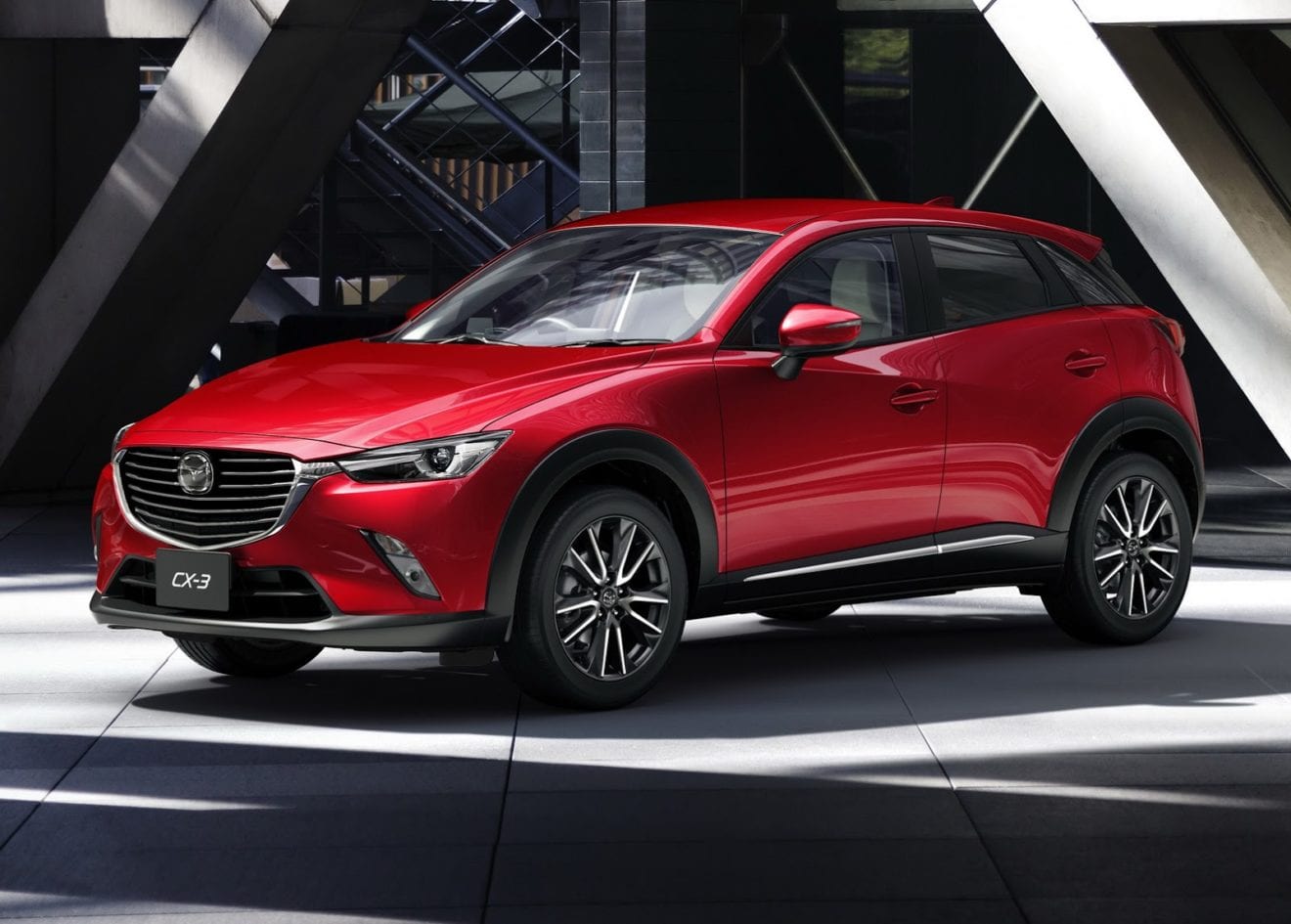
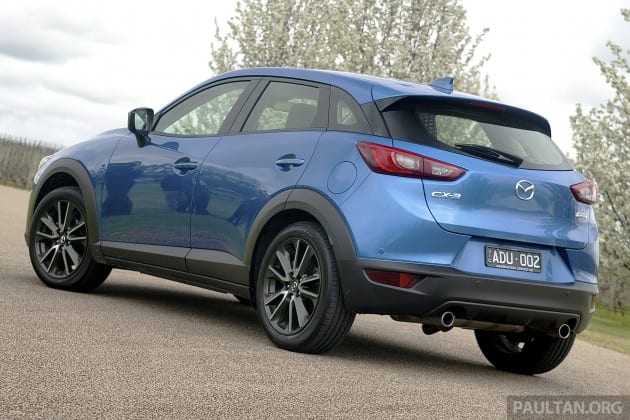
    The Mazda CX-3 has been launched in Thailand with prices kicking off at 835,000 baht – or at RM102k, give or take, with the current exchange rate. Taking into account our previous story, where the Malaysian-spec CX-3 is expected to retail from RM130k, that is still a considerable difference.

    Thai customers will be presented with a choice of five trims in total with two engine options – a 2.0 litre SkyActiv-G four-cylinder petrol engine and a turbocharged 1.5 litre SkyActiv-D four-cylinder diesel mill. The former puts out a total of 156 PS at 6,000 rpm and 204 Nm of torque at 2,800 rpm while the diesel unit manages 105 PS at 4,000 rpm and 270 Nm of torque from 1,600 to 2,500 rpm.

    A six-speed automatic transmission is the only gearbox choice offered on the Thai-spec Mazda CX-3 – an engine/gearbox combination that’s slated to be introduced for the Malaysian market, as well. As mentioned earlier, five trims are available – the base 2.0 E is priced at 835k baht while the 2.0 C and 2.0 S retail for 910k and 975k baht, respectively. The top petrol trim, the 2.0 SP, goes for 1.045 million baht.

    Mazda CX-3 4

    Sitting at the very top of the entire range is the aforementioned diesel model. Dubbed the 1.5 XDL, it goes for 1.155 million baht. As for standard equipment, the 2.0 E and C models are equipped with 16-inch wheels wrapped in 215/60 tyres while the rest of the range get 18-inch wheels shod with 215/50 rubber.

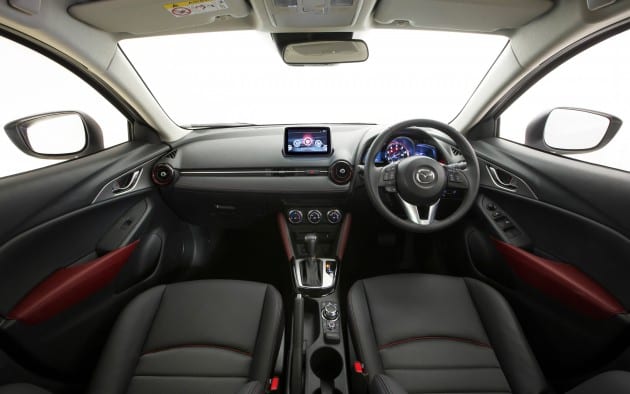
    The base 2.0 E and C are also equipped with halogen headlights while the 2.0 S, SP and 1.5 XDL get LED units with daytime running lights (DRLs). As for the interior kit, all models feature push-start button but the base 2.0 E misses out on the keyless entry system. Elsewhere, all models are also equipped with the seven-inch touchscreen and Commander Control interface save for the entry-level variant.

    Mazda CX-3 sTouring Oz 16

    Safety wise, the Thai-spec models appear well-equipped with DSC, EBD, traction control, Hill Launch Assist and an Emergency Signal System. The flagship diesel model one-ups the rest by adding on Advanced Blind Spot Monitoring, a Lane Departure Warning System, Rear Cross Traffic Alert and Smart City Brake Support.

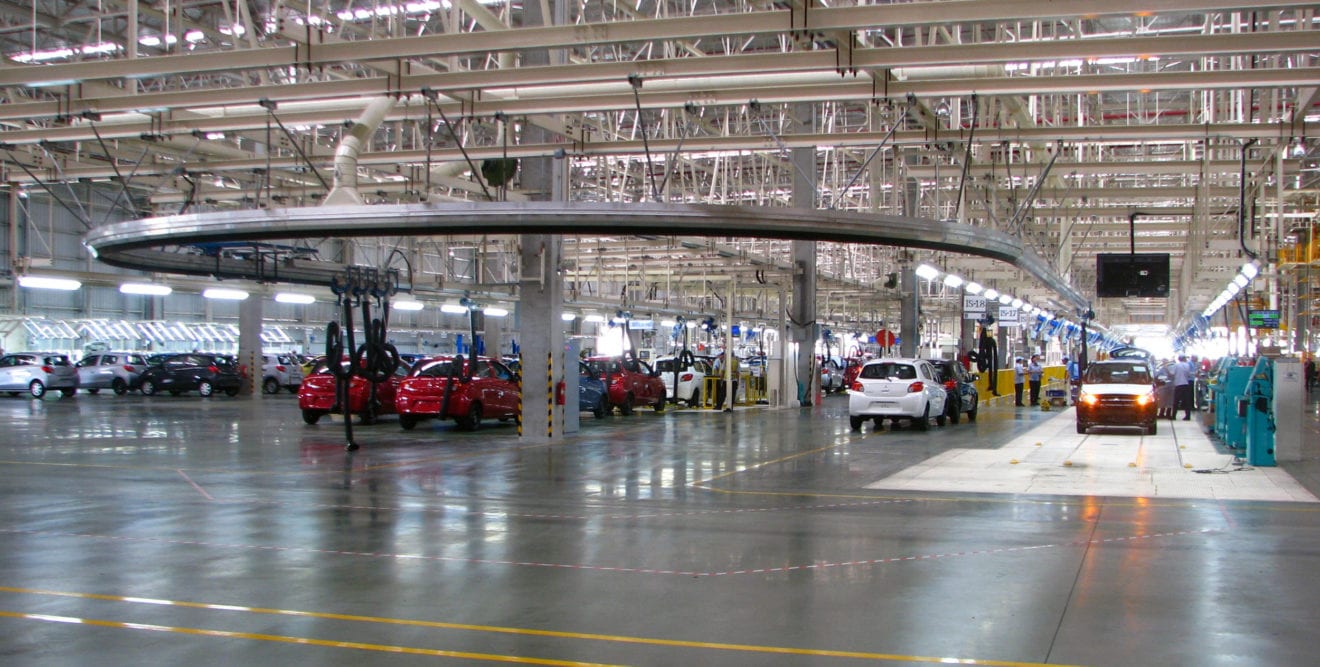
    Also, the Mazda CX-3 is now assembled at the AutoAlliance (AAT) Plant in Rayong, Thailand – making said country the first nation to assemble the CX-3 outside of Japan. So while we wait for the local launch to take place, why not check out our review of Mazda’s HR-V rival here.

  • Mazda to cap prices once tax takes effect

    Mazda to cap prices once tax takes effect

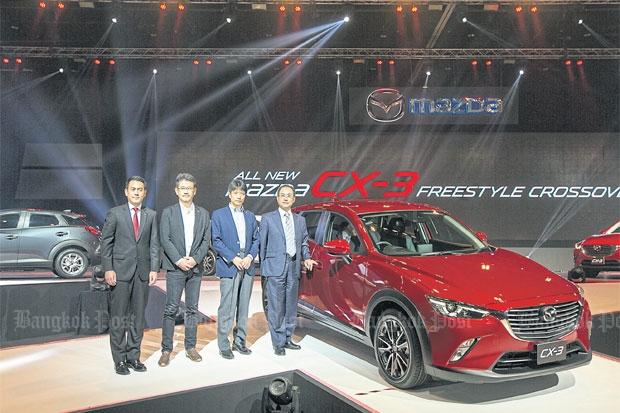
    The Mazda CX-3 SkyActiv sport-utility vehicle was launched yesterday for the domestic market. Mazda began making the CX-3 last month at AutoAlliance (Thailand), a joint venture with Ford Motor Co.

    Mazda Sales (Thailand) has vowed to cap retail prices for large passenger cars and pickup trucks that are subject to a new excise tax next year.

    President Hidesuke Takesue said the Japanese car maker would opt to control production costs and manage volume carefully , as the excise tax rates would be based on ex-factory prices, not retail.

    Mazda is also committed to subsidising the difference in amounts incurred by the excise tax.

    From 2016 on, vehicles sold in Thailand will be subject to a new excise tax based on carbon dioxide emissions, E85-gasohol compatibility and fuel efficiency rather than just engine size as before.

    The excise tax on eco-cars with CO2 emissions below 100 grammes per kilometre will be cut to 12-14% from 17%, but the 10% rate for hybrid vehicles will remain.

    The company estimates prices for its Mazda3, CX-5 sport-utility vehicle (SUV) and BT-50 Pro pickup truck will increase by 3-5% early next year once the new tax regime takes effect.

    “There are many factors in setting car prices, based not only on excise tax but also an import duty for some auto parts, local tax and value-added tax, so the company will take all factors into account before announcing retail prices,” Mr Takesue said.

    For the Mazda2 eco-car, the retail price will drop by roughly 20,000 baht next year with the new excise tax.

    Mazda posted sales of 29,641 vehicles in the January-October period, up 2.2% year-on-year.

    The company also gained a higher market share during the period, to 4.8% from 3.89%.

    Mazda2 eco-cars had a 49.6% share of total sales for the period, followed by the BT-50 (21.4%), the Mazda3 (19.6%), the CX-5 (9.3%) and other models.

    Mr Takesue expects sales to grow by 10.7% this year to 38,000 vehicles after falling 35.1% in 2014 to 34,326.

    In related news, the company yesterday introduced the CX-3 SkyActiv, which it started making last month at AutoAlliance (Thailand), a joint venture with Ford Motor Co.

    The Hiroshima-based parent firm has invested 800 million baht in production of the model to serve the local market and exports.

    The Mazda CX-3 is available in both 1.5-litre SkyActiv-D (diesel) and two-litre SkyActiv-G (petrol) engines, with prices ranging from 835,000 to 1.155 million baht (to remain unchanged next year).

    The Mazda CX-3 is the fourth model on the SkyActiv platform in the Thai market after the CX-5 SUV, the Mazda3 and the Mazda2.

  • Japan interested in auto component factory in Indonesia

    Japan interested in auto component factory in Indonesia

    A company in Japans Okayama Prefecture is interested in the automotive component business in Indonesia, Okaya Prefecture Governor Ryuta Ibaragi said.

    During his visit to the Indonesian Capital Investment Coordinating Board (BKPM) here on Friday, Governor Ibaragi said the automotive component company, which has supplied components for Mitsubishi cars, was interested in developing an auto component factory in Indonesia.

    “There are 422 companies from Okoyama Prefecture that have made investments outside Japan. In Indonesia, we have a number of large companies which made investments,” he said, in a written statement made available in Jakarta on Saturday.

    Meanwhile, Okayama Prefecture’s governor said there is considerable interest among Japanese businessmen to conduct business in Indonesia. However, there are a number of concerns about the investment climate in Indonesia from investors from the Prefecture Okoyama, he said, including the problem of the country’s unpredictable wage system.

    Ibaragi said that during his visit in Indonesia he found Indonesians to be quite open to Japanese companies.

    “Regarding the MRT project, we thank the Indonesian government for its trust in a Japanese company. Of course, we will not ignore it and will maintain that trust,” he said.

    BKPM Chief Franky Sibarani said Japanese companies were given priorities regarding assistance from investment facilities.

    Japanese investment is the main component of the economic growth driver in Indonesia, he said.

    “We are ready to assist investment from Japan. The Marketing Office for the Japan area and the BKPM representative office in Tokyo could be used by investors and companies in Okoyama to plan business activities in Indonesia,” he said.

    He noted that his office was planning to conduct an investment promotion in Yokoyama early next year to win over interest by Japanese investors.

    “One of the major investors is Sumitomo. We will invite a number of companies which have made investments in Indonesia to share their successful experiences with their colleagues in Japan,” Sibarani said.

    In the first half of this year, Japan was ranked third in foreign investments, amounting to US$1.6 billion after Malaysia (US$2.6 billion) and Singapore (US$2.3 billion).

    Coming next were South Korea (US$0.8 billion) and the United States (US$0.6 billion).