Category: Automotive

Retail News Asia is committed to providing both local and global retailers with the latest Auto and Car news throughout the Asian market. This on a daily base.

  • Tesla’s new Model X will cost you an arm and a leg in China

    Tesla’s new Model X will cost you an arm and a leg in China

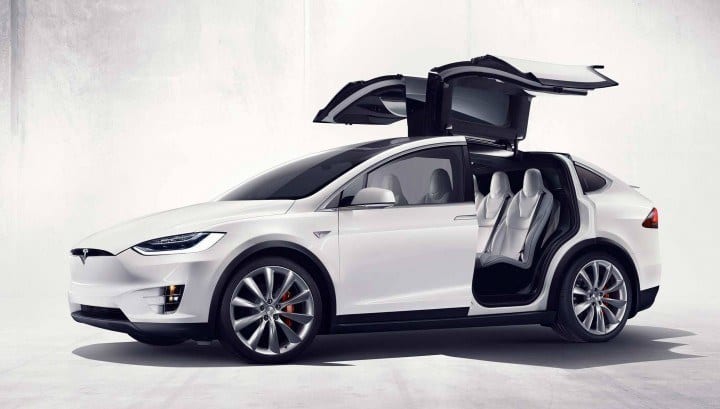
    Fans of affordable electric vehicles, avert your eyes. Tesla has announced its mainland China pricing for high-end models of its upcoming SUV, the Model X, and the numbers are not pretty. The 90D model, which will cost around US$100,000 in most other markets, will run Chinese consumers a whopping US$146,000. Chinese Tesla fans who want the fancy P90D Signature Red limited edition model can expect to pay almost US$225,000 (the Signature P90D reportedly costs US$132,000 in the US).

    This news shouldn’t come as a huge surprise. Prices for other Tesla models in China, like the Model S 70D it announced last year, feature similar markups.

    It’s not clear exactly who Tesla fans should blame for the consistently high prices. China does charge high import duties on luxury cars, reportedly around 25 percent. But Chinese state media has accused foreign automakers of price-gouging in China, and a 25 percent tariff doesn’t explain how the P90D Signature model seems to double in price somewhere between Tesla’s US home and Beijing.

    On the other hand, Tesla claims that it charges the same prices for all of its cars after accounting for transportation costs and import duties. And Tesla’s prices are pretty reasonable compared to other imported luxury cars. Tesla’s China markup for the Model X 90D is 53.7 percent. That’s nothing compared to the whopping 188.4 percent markup Chinese consumers pay to buy the BMW M5, for example, which costs under US$100,000 in the US and nearly US$300,000 in China. The China markup on a luxury SUV, the Porsche Cayenne Turbo, is even worse (194 percent).

    Even with the high costs, the Model X could do well in China. A fan tally (which almost certainly doesn’t account for all reservations) suggests the company has over 2,600 Model X units reserved in China already. Moreover, the car features an air-filtering biodefense system that could be a boon to urban Chinese drivers who want to ensure they’re not breathing in Beijing’s toxic haze.

    Lower costs coming?

    It will be interesting to see how Tesla prices its lower-cost Model 3 when that hits the market next year (or later). Currently, its offerings are all luxury-tier, and although the China prices are inflated, China’s luxury car consumers can generally afford to pay them. China has more than a million millionaires, after all. But the Model 3 is intended to be accessible to the middle class, at least in Western markets. Will Tesla price it aggressively to go after that market in China too, or will it become a low-end luxury offering thanks to China price inflation?
  • USW Seeks Tariffs on Bus and Truck Tires From China

    USW Seeks Tariffs on Bus and Truck Tires From China

    The United Steelworkers (USW) union has filed yet another petition asking the U.S. Government to impose anti-dumping and countervailing duties on tires manufactured in China. This time, the union is targeting truck and bus tires.

    The petition was filed Jan. 29, 2016.

    In it, the USW cites import data from the International Trade Commission (ITC), which points to an increase of more than 650,000 tires imported in the first nine months of 2015 compared to the same period in 2014.

    Jan.-Sept. 2014 Jan.-Sept. 2015
    Customs value $787,313,598 $817,636,180
    Number of tires 6,048,859 6,701,201

    The USW has filed a petition seeking tariffs on truck and bus tires imported into the U.S. from China. It’s the second tariff request this month affecting the commercial tire business.

    The USW has filed a petition seeking tariffs on truck and bus tires imported into the U.S. from China. It's the second tariff request this month affecting the commercial tire business.

    As the petition notes, “the volume of subject imports from China is significant by any measure.

    “From 2012 to 2014, the U.S. imported from 6.3 million to 8.4 million truck and bus tires a year from China, valued at close to over a billion dollars each year. China exported more tires to the U.S. than all other countries combined throughout the period.”

    In the latest Modern Tire Dealer Facts Issue, published in January 2016, MTD estimated U.S. truck tire imports from China for 2015 at 9.4 million, up 14.6% from the previous year.

    The petition covers all truck and bus tires with a “TR,” “MH” or “HC” suffix, as well as all tires listed in the “Truck-Bus” section of the Tire and Rim Association Year Book. Like the petition seeking tariffs on OTR tires from China, Sri Lanka and India, the truck and bus petition includes tires whether or not they’re mounted on wheels. The only truck or bus tires excluded from the petition are recycled and retreaded tires, and non-pneumatic tires, such as solid rubber tires.

    The USW is asking the ITC to gather and compare prices on four sizes of tires:

    11R22.5 (14 or 16 plies, load range G or H, any speed rating)

    11R24.5 (14 or 16 plies, load range G or H, any speed rating)

    295/75R22.5 (14 plies, load range G, any speed rating)

    285/75R24.5 (14 plies, load range G, any speed rating)

    In its petition, the USW says it represents workers at truck and bus tire production facilities in the U.S. Those plants are operated by Bridgestone Americas Inc. and Goodyear Tire & Rubber Co. Additional truck and bus tires are produced by non-union workforces for Continental Tire the Americas in Mount Vernon, Ill., General/Yokohama in Mount Vernon, Ill., and Michelin North America Inc. in Spartanburg, S.C.

  • Indonesia’s Best Honored at the 2016 Frost & Sullivan Indonesia Automotive Awards

    Indonesia’s Best Honored at the 2016 Frost & Sullivan Indonesia Automotive Awards

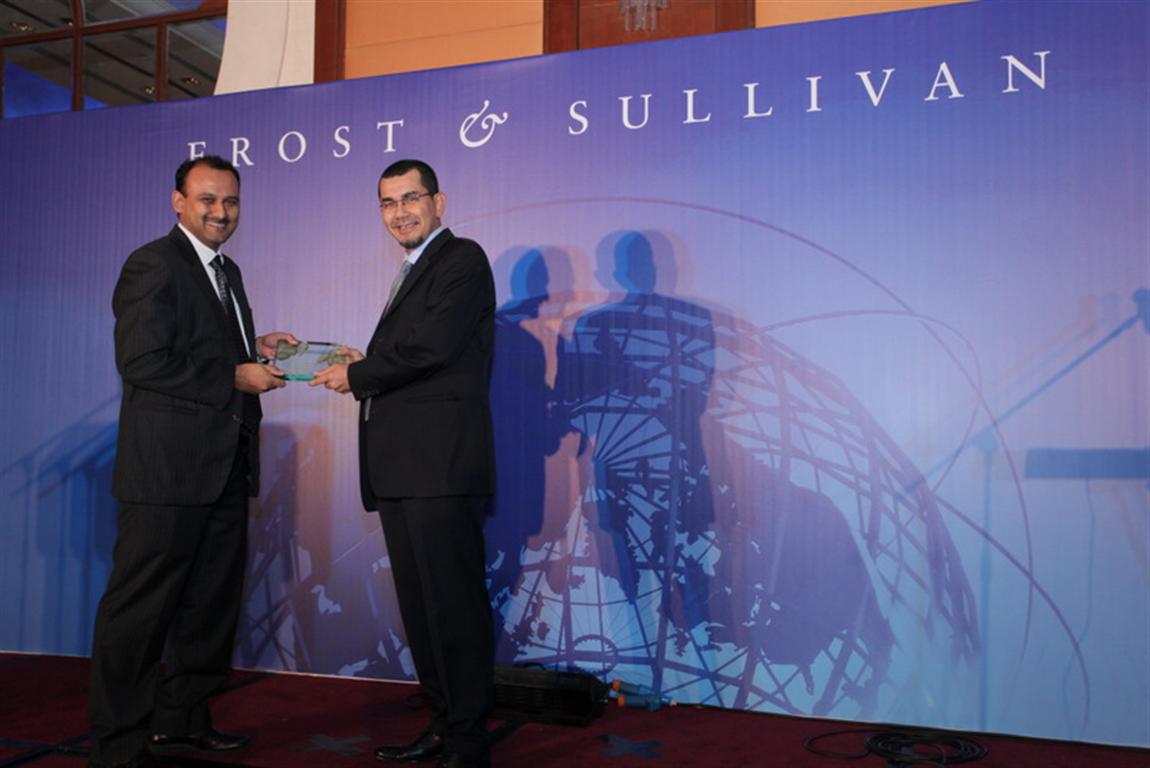
    Frost & Sullivan today honored Indonesia’s best Automotive companies at the 2016 Frost & Sullivan Indonesia Automotive Awards, held in Jakarta.

    Now in its 9th year, the Indonesia Awards program has identified many outstanding companies in Indonesia across various industries.The Indonesia Excellence Awards are a timely and fitting acknowledgement of the progress within best practices in these industry segments and the companies that have demonstrated growth leadership. Award recipients are those with the diligence, perseverance, innovation and dedication required to develop a successful business plan and excel in the increasingly competitive global marketplace.

    Spike Choo, Country Director, Frost & Sullivan Indonesia said that the Indonesia Excellence Awards, in its nine year running now, have identified and honored best-in-class companies that have demonstrated excellence in their respective industries.

    Spike Choo said that he hopes the awards will serve as an inspiration and a source of encouragement for Indonesian companies to continue striving hard to grow and expand their business.

    “We are extremely proud and happy to host the 9th annual Indonesia Excellence Awards to celebrate best practices in Indonesian companies. I am confident that the Award recipients will put Indonesian companies on the global map of Excellence,” said Vivek Vaidya, Vice President of Automotive & Transportation, Frost & Sullivan Asia Pacific.

    The recipients of the 2016 Frost & Sullivan Indonesia Automotive Awards were identified based on an in-depth research conducted by Frost & Sullivan’s analysts. The short-listed companies were evaluated on a variety of actual market performance indicators which include revenue growth; market share and growth in market share; leadership in product innovation; marketing strategy and business development strategy.

    Frost & Sullivan congratulates all the outstanding recipients of the 2016 Frost & Sullivan Indonesia Automotive Awards

  • Wuling to Build Factory in Indonesia

    Wuling to Build Factory in Indonesia

    Chinese-bases automotive company PT SAIC General Motor Wuling (SGMW) is preparing investment of US$700 million or around RP9.7 trillion to open up business in Indonesia.

    PT SGMW Motor Indonesia President Feiyun said the company is building its first factory in Indonesia. The factory is located in Greenland International Industrial Center, Cikarang, West Java, and is built on land of 600,000 square meters.

    “Besides factory, the company will also build supplier park,” said Xu Feiyun on Thursday, January 28, 2016.

    The factory is scheduled to begin the operation in 2017 and will become production basis to expand the company’s business to ASEAN countries. The first product that will be launched is multi-purposes vehicle (MPV). “We are optimistic that the people of Indonesian can accept our products,” said Feiyun.

    The factory is also planned to produce 150,000 vehicles per year so that Indonesia will become the main export basis of Wuling vehicles in Southeast Asia. Through this project, SGMW is expected to create 3,000 job fields.

    PT SGMW Motor Indonesia is a part of global expansion of SAIC, General Motors and Wuling Automobile in China. “We will utilize capital, technology and system from stakeholders, SAIC, General Motors and Wuling to give the best services,” said Xu Feiyun.

  • Toyota’s Daihatsu Buyout May Widen Global Lead Over Volkswagen

    Toyota’s Daihatsu Buyout May Widen Global Lead Over Volkswagen

    Toyota Motor Corp. is staying on the offensive after besting Volkswagen AG for bragging rights as the world’s biggest automaker. Now, it’s weighing a deal that might widen its lead, especially in Southeast Asia.

    In buying the rest of its 51 percent-owned Daihatsu Motor Co. unit, a move Toyota confirmed Wednesday that it’s considering, the automaker would gain full control of a company that’s a sales leader for Japanese minicars and compact vehicles in Indonesia and Malaysia. Daihatsu said it’s cooperating with Toyota in buyout discussions and its shares surged by the most since 1999.

    Toyota continues to bound from strength to strength and has grabbed the industry’s sales crown for the fourth straight year. It was also the only automaker to sell more than 10 million vehicles, with Volkswagen falling back amid the diesel-emissions scandal that has tainted its image with consumers and regulators. The potential Daihatsu purchase points to another acquisition option at Toyota’s disposal: It has an almost identical stake in truck maker Hino Motors Ltd.

    “Daihatsu needed support,” Koji Endo, an analyst at Advanced Research Japan, said by phone. “It could not make business in China, the Indonesian market is not doing as well as expected, especially for the last two years, and their domestic minicar business is in harsh competition with Suzuki.”

    Shares of Daihatsu climbed 16 percent, their biggest gain since November 1999, at the close Wednesday in Tokyo. Toyota rose 3.8 percent after confirming it was considering a deal, which was first reported by the Nikkei newspaper.

    At Daihatsu’s current market value, the portion of the company Toyota doesn’t already own is worth about 360.8 billion yen ($3 billion). The deal would give Toyota full say over a company that competes with Suzuki Motor Corp. in Japan’s minicar segment, which has expanded even as the overall domestic auto market has shrunk.

    The Nikkei reported separately Wednesday that Toyota had begun talks with Suzuki to form an alliance and better compete in emerging markets including India, without citing a source. Toyota and Suzuki denied the Nikkei report in filings with the Tokyo exchange.

    Although Daihatsu is a force in Japan’s minicar segment and in Indonesia and Malaysia, the company struggled last year. Sales in its domestic market fell 14 percent, the result of a price war with Suzuki for sales leadership in the fiscal year ended in March 2015.

    Daihatsu sales have been slumping in Indonesia, with deliveries dropping 10 percent through the first half of its fiscal year. Owning all of the carmaker could help Toyota to better navigate these challenges, said Matt Stover, a Boston-based analyst at Susquehanna International Group.

    ‘More Latitude’

    “There are certain things that you can’t get at when it’s an independent company versus when it’s something that you totally own,” Stover said by phone. “There are some duplicate expenses you can get rid of and you have a lot more latitude to pursue your strategy.”

    Global sales for Toyota, including Hino and Daihatsu, slipped 0.8 percent to 10.15 million vehicles last year, the company said Wednesday in a statement. Volkswagen earlier this month reported a 2 percent drop to 9.9 million, while General Motors Co.’s deliveries rose 0.2 percent to 9.8 million.

    “Toyota’s hegemony will probably not be challenged for the next few years after the big setback for VW,” said Zhou Jincheng, a Nagoya-based analyst at researcher Fourin Inc. “The gap will only get wider and wider because VW will take time to adjust its strategies for markets such as the U.S. and Europe.”

    Toyota first tied up with Daihatsu in 1967 and has owned its majority stake since 1998. Daihatsu started making Toyota-branded minicars in 2011 and also builds vehicles for its parent in Indonesia. The company was the top-selling automaker in Malaysia for nine straight years through 2014.

    Daihatsu traces its beginnings to March 1907, when two academics and a group of businessmen set up a company in Osaka, Japan’s second-largest city, to produce internal combustion engines. The company changed its name to Daihatsu Motor in December 1951.

  • Toyota Thailand industry auto sales seen down 10 pct in 2016

    Toyota Thailand industry auto sales seen down 10 pct in 2016

    Thailand’s total domestic car sales are expected at 720,000 in 2016, down 10 percent from 2015, Toyota Motor Corp’s Thai unit said on Thursday.

    Toyota, which commands about a third of the Thai market, sees a 9.8 percent fall from 2015 in its annual automotive sales in the Southeast Asian nation to 240,000 in 2016, it said at a news conference.

    Kyoichi Tanada, president of the Toyota Thai unit, said the reason for the fall in both domestic car sales and Toyota’s own car sales were a weak global economy and a new Thai excise tax which would increase the retail prices of vehicles in 2016.


  • Ford to exit Japan, Indonesia on poor sales outlook

    Ford to exit Japan, Indonesia on poor sales outlook

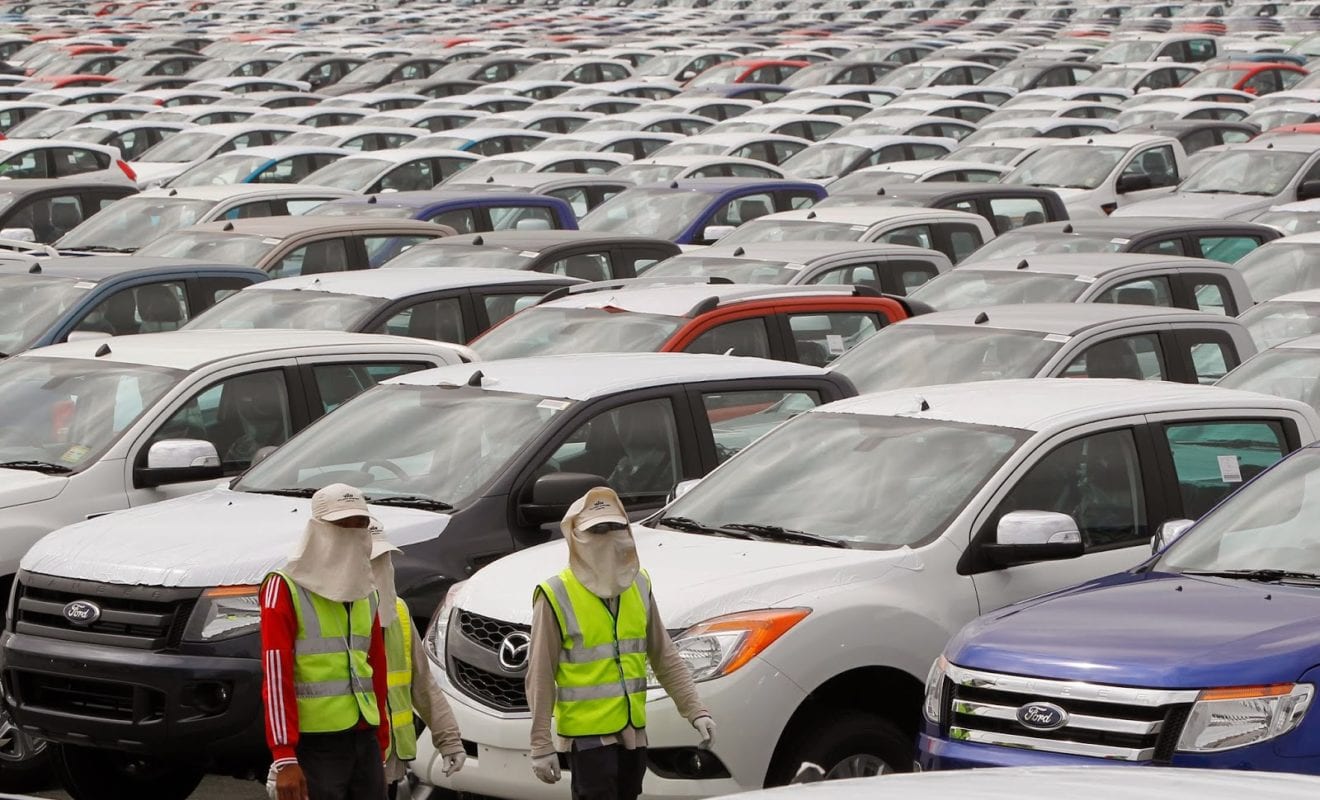
    Ford Motor will close down all operations by the end of this year in Japan and Indonesia, where the United States carmaker says it has no path to boost sales or earn profits.

    The step is being taken “after pursuing every possible option”, Ms Karen Hampton, Ford’s Asia-Pacific spokesman, said in an e-mailed statement. The company will provide ongoing support to customers for service, spare parts and warranties, she said.

    “It has become clear that there is no path to sustained profitability, nor will there be an acceptable return over time from our investments in Japan or Indonesia,” Ms Hampton said. Ford is committed to restructuring parts of its business that “have no reasonable path to achieve sales growth”, she said.

    The exits by Ford are the latest examples of a carmaker losing patience in struggling car markets in parts of Asia that are dominated by Japanese manufacturers.

    General Motors last year closed down its factory in Indonesia, the largest car market in South-east Asia. For 16 straight months, four- wheeler sales on the archipelago have shrunk. If the decline continues, the country will soon lose the distinction of being a one-million-cars-a-year market.

    NO PATH TO GROWTH

    It has become clear that there is no path to sustained profitability, nor will there be an acceptable return over time from our investments in Japan or Indonesia.”

    MS KAREN HAMPTON, Ford’s Asia-Pacific spokesman

    Industrywide sales in both Indonesia and Japan slumped in each of the last two years.

    While Indonesia is the largest economy in South-east Asia, Toyota Motor and its affiliate Daihatsu Motor dominate by accounting for about half of all vehicles sold, according to LMC Automotive. Including Honda Motor and Suzuki Motor, the companies have market share of about 80 per cent.

    Japan’s more developed car market peaked in 1996 with almost 7.3 million vehicles sold and has declined during much of the last two decades. Carmakers sold about five million vehicles in Japan last year, and foreign brands had less than 6 per cent market share.

    Ford is not alone in struggling in Indonesia or Japan. Hyundai Motor and Kia Motors combined to sell fewer vehicles than Ford in Indonesia last year. Each of GM’s brands also trailed Ford by registrations in Japan last year.

  • Auto market flooded with imports from Thailand, Indonesia

    Auto market flooded with imports from Thailand, Indonesia

    A report of the General Statistics Office (GSO) showed a high car import growth rate in the last year. Vietnam imported $6 billion worth of cars in 2015, an increase of 59 percent in comparison with 2014.

    These include 125,000 CBU cars (complete built unit) worth $3 billion, an increase of 77 percent in quantity and 88 percent in value in comparison with the year before.

    Of the imports, transport vehicles were worth $1.2 billion, less-than-9-seater cars $507 million and large-size cars $34 million.

    Analysts noted that of the 10 largest markets from which Vietnam imports cars, including China, Japan, South Korea, Germany, the UK, France and India, imports from Thailand and Indonesia have seen sharp increase in the last months of the year.

    According to the General Department of Customs (GDC), in the first 11 months of 2015, Vietnam imported 23,516 CBU cars from Thailand, worth $406.1 million. The figures were much higher than 14,416 cars and $243 million in the same period of the year before.Both of them are ASEAN members.

    The car imports from Indonesia were lower than from Thailand, but have also seen a high growth rate. In 2014, Vietnam imported 1,686 cars from the market with the value of $16.9 million. Meanwhile, in 2015, the figure rose to 3.277 and $32.6 million.

    Analysts pointed out that Vietnam also imports vehicles in a large quantity from China, but the imports from the market are mostly trucks and specialized vehicles, while the imports from Thailand and Indonesia are mostly those with less than nine seaters.

    Vietnam not only imports CBU cars from Thailand and Indonesia, but car components as well, $542 million and $105 million, respectively, in 2015, which were even higher than the CBU import turnover.

    Analysts commented that large imports from two ASEAN countries are predictable, especially since the car price decreased by 40-42 percent recently.

    They believe that the imports from ASEAN would dominate the domestic market thanks to their more reasonable prices, compared with imports from developed countries and domestically made products.

    According to the Strategy Research Institute, the car price in Vietnam is much higher than Indonesia because taxes and fees make up 40-50 percent of the cars’ value.

    Toyota Camry in Vietnam, for example, is priced at $50,000, while it is just $40,000 in Indonesia. Similarly, the price of Honda CR-V is $45,000 in Vietnam and $29,000 in Indonesia.

    The Ministry of Finance estimated that from 2019 when the import tariff and luxury tax are cut, cars with cylinder capacity of less than 1,000 cm3 would see prices drop by 42 percent.

    Car owners complain about regulations on equipping their cars with fire extinguisher

    • Renault eyes Vietnam expansion
    • Vietnam buys many Chinese goods, from onions to cars
  • BMW Thailand bully for big-bike boom

    BMW Thailand bully for big-bike boom

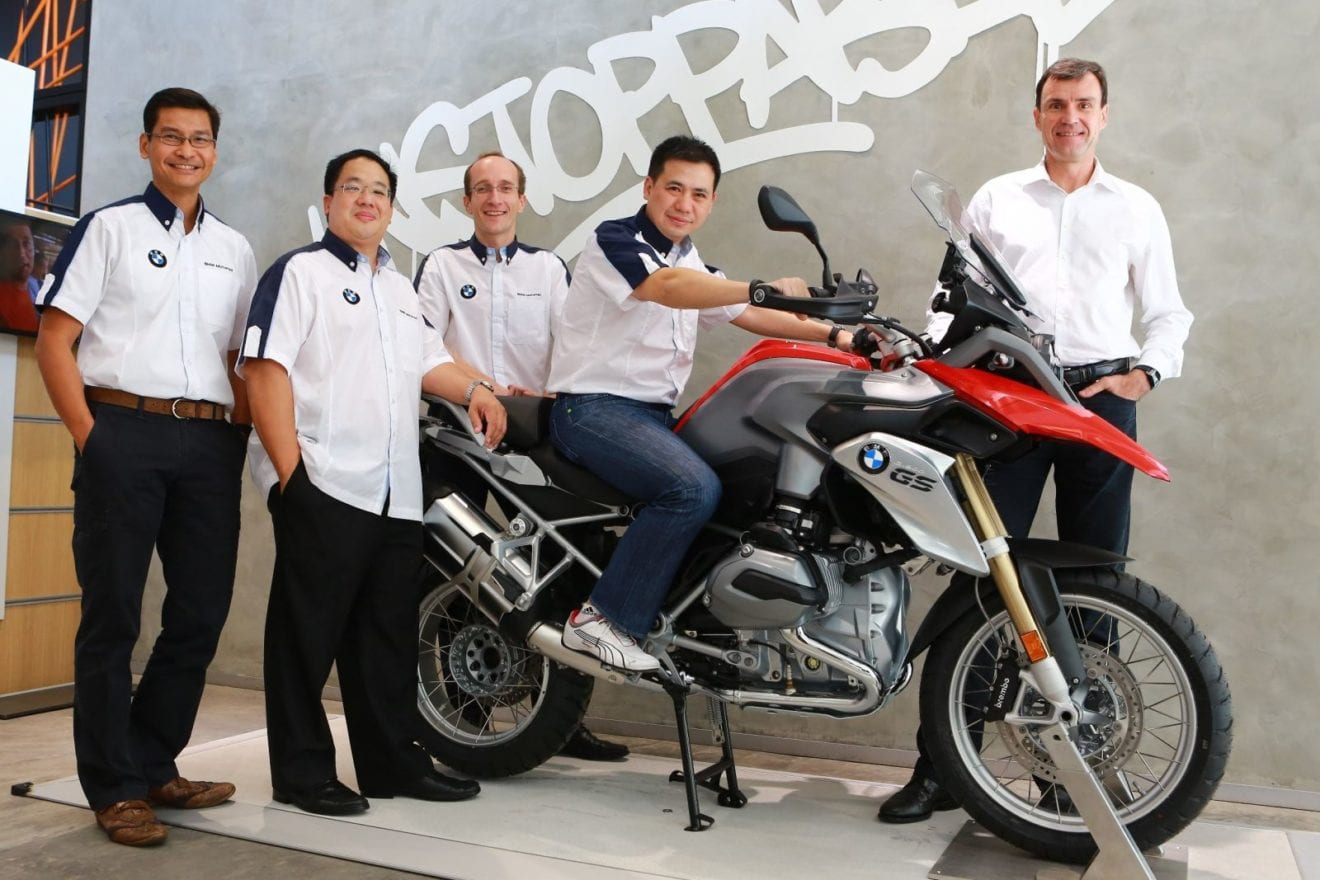
    German luxury car maker BMW Group Thailand is bullish about the prospects of the big-bike market, expecting double-digit growth this year.

    Markus Glaeser, head of BMW Motorrad Thailand, said the market had developed over several years, with many brands and manufacturers making the Thai big-bike market more interesting.

    “As most Thai bikers want to own a second motorcycle, the market will remain very attractive and continue growing going forward,” he said.

    Some 18,000 motorcycles above 500cc were sold here last year, up by 20% from 2014, bucking the bearish overall market, where sales fell by 3.67% to 1.64 million units.

    BMW Motorrad Thailand sold a record 1,280 motorcycles last year, up by 83%, in the top three for sales worldwide last year along with China and Malaysia.

    The group is keen on the local big-bike market because it localised its assembly production at Rayong’s Amata City Industrial Estate in 2014, making BMW Motorrad’s retail prices 30-40% cheaper than imported models.

    Last year, the company spent 1.1 billion baht to double annual production of BMW and Mini models to 20,000 cars and raise production of BMW motorcycles to 10,000 a year from 1,000. New production is due to start this year.

    The Rayong facility makes eight models for BMW and one for Mini, while the eight for BMW Motorrad are the F700GS, F800R, F800GS, F800GT, S1000R, S1000RR, R1200GS and R1200GS Adventure. This is the only site in BMW’s global network with full operations for all three brands.

    Mr Glaeser said BMW Motorrad produced 2,700 motorcycles at its Rayong factory last year, with 1,000 shipped to China and Malaysia. The group is studying the feasibility of exporting more motorcycles to Asian markets this year, as these markets are growing quickly.

    In Thailand the company will introduce the mid-sized G310R motorcycle in the first quarter but has not said whether it would be built locally or imported from India. Mr Glaeser said the mid-sized market was very attractive, with 20,000 sales last year for 250-500cc engines.

  • Thailand industry auto sales seen down 10pc in 2016

    Thailand industry auto sales seen down 10pc in 2016

    Thailand’s total domestic car sales are expected at 720,000 in 2016, down 10 percent from 2015, Toyota Motor Corp’s Thai unit said on Thursday.

    Toyota, which commands about a third of the Thai market, sees a 9.8 percent fall from 2015 in its annual automotive sales in the Southeast Asian nation to 240,000 in 2016, it said at a news conference.

    Kyoichi Tanada, president of the Toyota Thai unit, said the reason for the fall in both domestic car sales and Toyota’s own car sales were a weak global economy and a new Thai excise tax which would increase the retail prices of vehicles in 2016.

  • Ford Philippines delivers record sales in 2015

    Ford Philippines delivers record sales in 2015

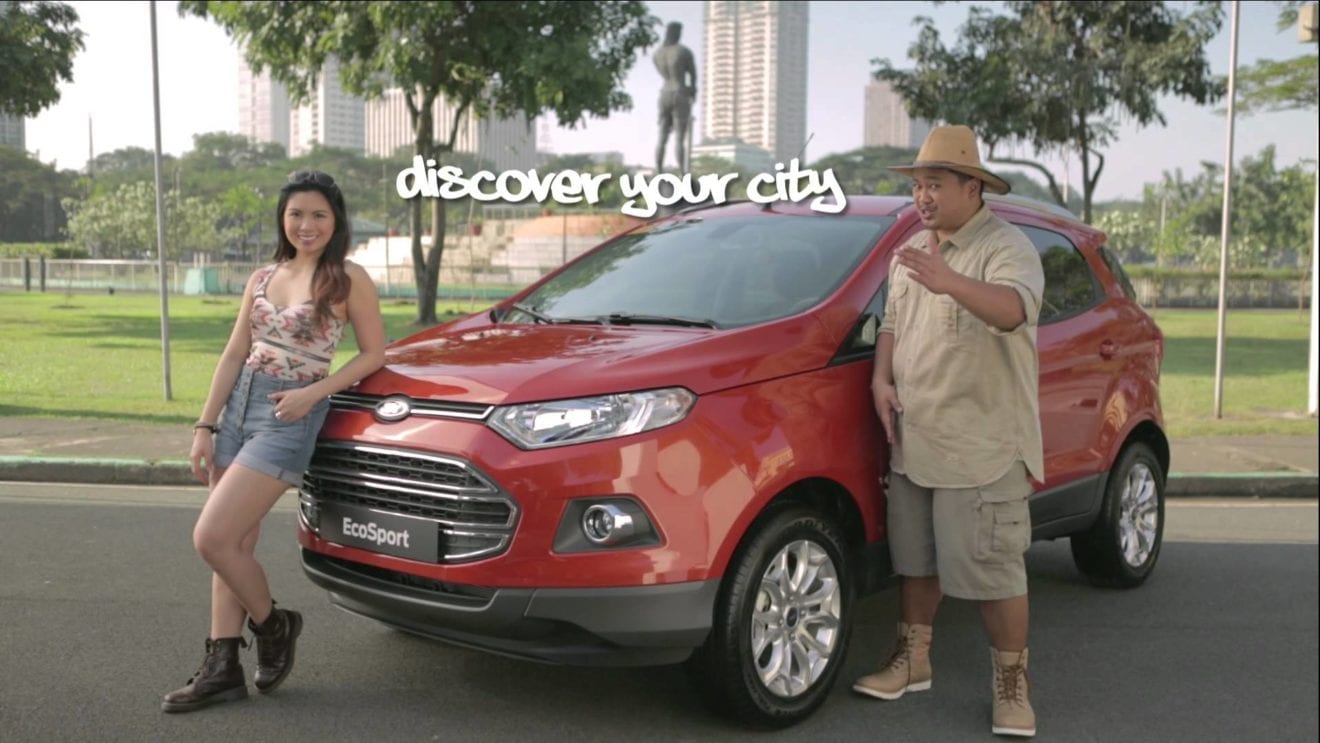
    Ford Philippines sales last year jumped a record 25 percent to 25,372 units, firmly establishing Ford as the number three-selling automotive brand in the country.

    EcoSport, Everest and Ranger each deliver record full-year sales in the Philippines.

    Record December sales soar 48 percent to 2,824 units, capping record quarterly performance with jumping 50 percent to 8,691 units.

    The record sales year and continuing momentum helped Ford jump one spot to become the number three-selling automotive brand in the Philippines in 2015.

    “It’s been a breakthrough year for Ford in the Philippines. We launched more global Ford vehicles that showcased the very best of Ford, and expanded our retail presence across the country to make the Ford brand closer to our customers through a strong dealer network,” said Lance Mosley, managing director, Ford Philippines. “We’re truly proud of how the Ford brand is being embraced by our Filipino customers.”

    The EcoSport compact urban SUV’s continuing impressive run made it Ford’s best-selling nameplate in the Philippines in 2015. December retail sales of EcoSport rose 49 percent to 799 units, helping drive full-year sales up 67 percent to 8,702 units – the highest full-year total for a single Ford nameplate.

    The highly capable and versatile Ranger finished 2015 as the second best-selling pickup truck in the Philippines with total retail sales that increased six percent year-over-year to 8,445 units.

    “We launched the new Ranger here in August, and it really helped to build on an already strong reputation as the most capable, powerful and smartest pickup in the market,” explained Mosley.

  • Singapore retail sales up 4.7% year-on-year, boosted by car sales

    Singapore retail sales up 4.7% year-on-year, boosted by car sales

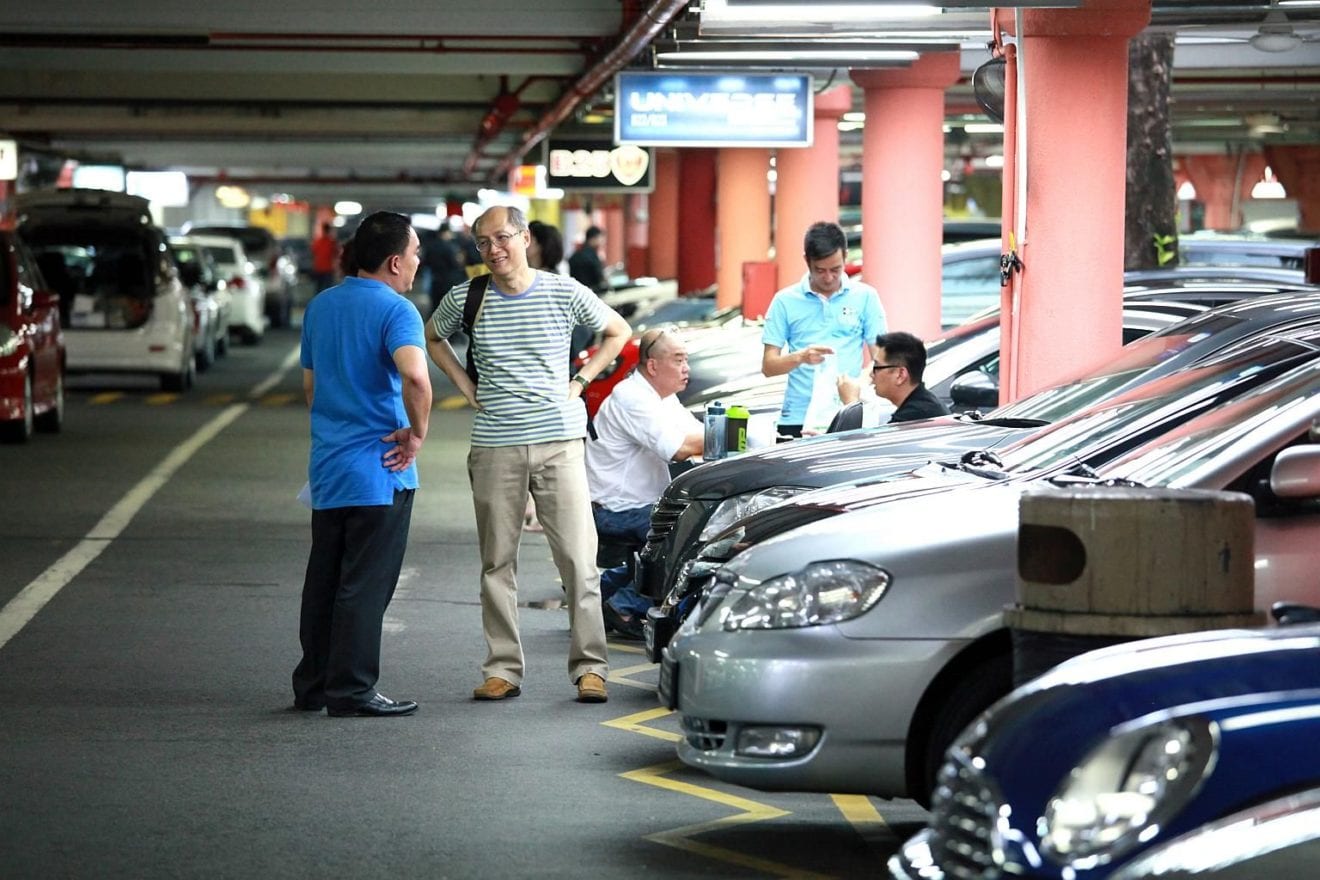
    ONCE more, a massive double-digit surge in motor vehicle sales pulled up Singapore’s retail sales in November. In year-on-year terms, retail sales grew 4.7 per cent, according to data released by the Department of Statistics on Friday.

    Excluding the significant 59.7 per cent jump in car sales, retail sales would have actually fallen 2 per cent.

    The total retail sales value in November 2015 was estimated at S$3.5 billion, higher than the S$3.3 billion in November 2014.

    Apart from car sales, only two other segments – department stores and medical goods and toiletries – experienced growth. The former rose 1.3 per cent year-on-year in November, and the latter, 9.6 per cent.

    All other segments reported a slippage in retail sales, with the worst-performing category being petrol service stations, with a 15.8 per cent drop. Food and beverages followed, with a 11.4 per cent decrease.

    On a seasonally-adjusted basis, retail sales increased 1.4 per cent in November over the previous month.

    Excluding motor vehicles, however – sales of these fell 0.6 per cent month-on-month – retail sales would have increased a larger 1.9 per cent from October.

  • GM posts sales high of 3.61M vehicles in China in 2015

    GM posts sales high of 3.61M vehicles in China in 2015

    The carmaker said Wednesday that China remains the company’s largest sales market, as retail sales rose 5.2 percent from the previous high set in 2014. December 2015 sales also set an all-time monthly high at 445,227 vehicles, up 14 percent year-over-year. Industry sales improved later in the year after the stock market in China fell around mid year. The government in China in the fall also cut a tax and instituted incentives to help bolster demand for vehicles and aid sales.

    “We expect to have increased our market share in 2015 through great products and our team’s relentless effort,” GM China President Matt Tsien said in a statement. “We anticipate continued growth in 2016, as we plan to introduce 13 new and refreshed models starting with Cadillac’s all-new CT6 sedan later this month.”

    GM said SUV sales last year jumped 144 percent as SUVs accounted for 13 percent of the company’s sales in 2015 in China, up from 5.6 percent in 2014. Multi-purpose vehicle sales also increased 12 percent from 2014.

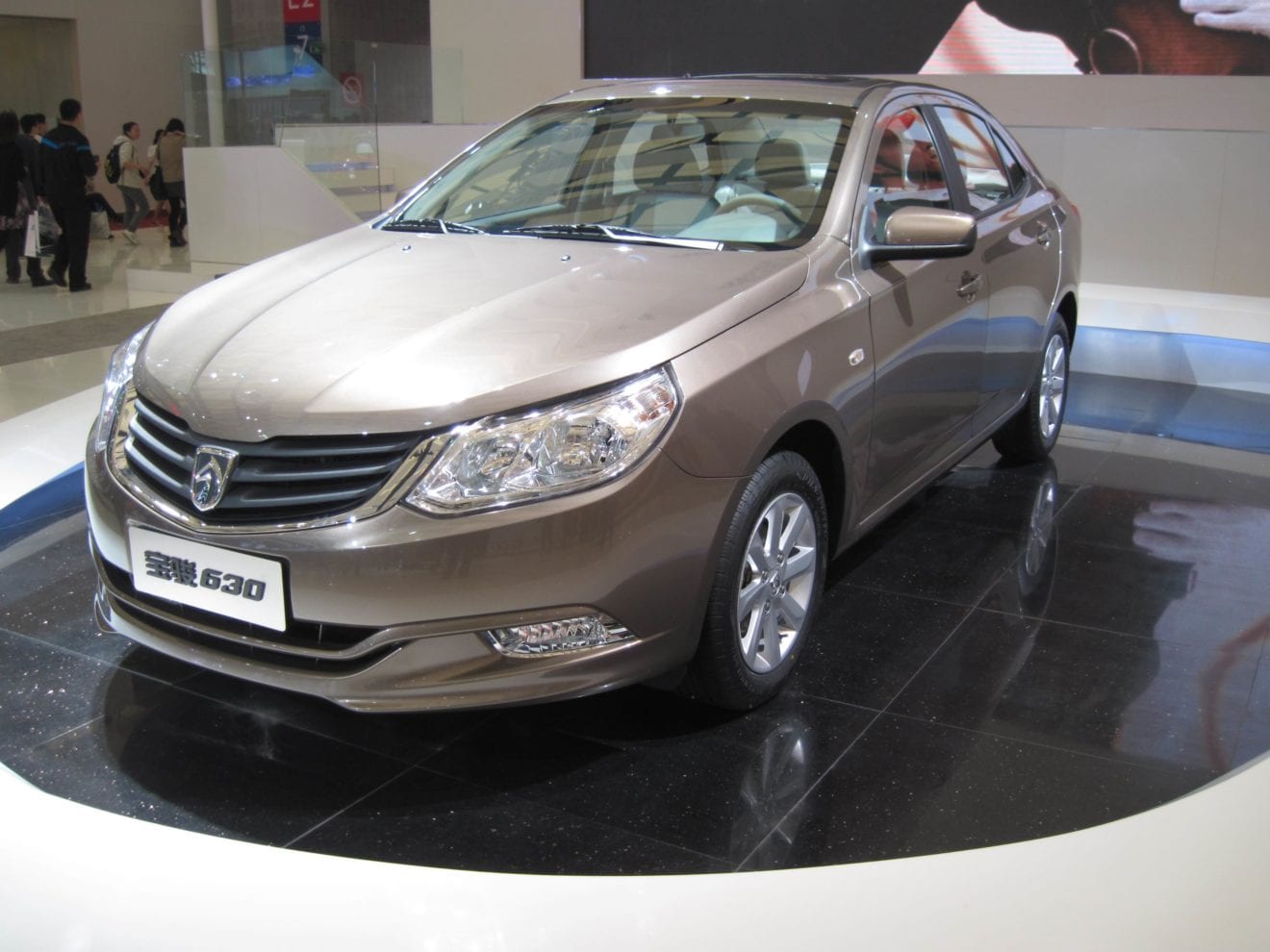
    Sales for the Cadillac luxury brand rose 17 percent from 2014 to 79,779 vehicles in 2015. Buick retail sales increased 12 percent to a record 989,167 vehicles. GM said sales were led by the Excelle GT, which sold 258,834 vehicles, followed by the Envision SUV, which had sales of 147,093. And Baojun sales surged 173 percent to a record 463,532 last year.

    Sales for Chevrolet fell 9.7 percent to 612,024 vehicles, which GM blamed mostly on vehicle model changeovers. The automaker said it expects sales in 2016 to improve with the new models such as the Malibu XL and Cruze XL. Wuling brand sales also slipped 7.5 percent to nearly 1.47 million vehicles.

    GM and its joint ventures last year added 12 new or refreshed vehicles.


  • Mercedes-Benz Malaysia hits highest ever record sales for 2015

    Mercedes-Benz Malaysia hits highest ever record sales for 2015

    The Mercedes-Benz brand recorded an all-time high of 10,845 units sold for 2015, which also represents a year-on-year growth of a massive 56 per cent growth over 2014 sales units of 6,932.

    Locally-assembled models, namely the C Class, E Class and the S Class made up the bulk of the total sales, accounting for 7,989 units, while the remaining 2,856 were made up of imported units. Of the imported (CBU) units, 2,811 units were made up of the A Class, CLA and the GLA models, which helped to pump up the total to make Mercedes-Benz the leading Premium brand in Malaysia. The latter three models represent Mercedes-Benz Malaysia’s (MBM) very successful foray into the compact size passenger car segment.

    Locally assembled Mercedes-Benz models accounted for 74 per cent of total sales for 2015. — Picture by YS Khong

    Locally assembled Mercedes-Benz models accounted for 74 per cent of total sales for 2015. — Picture by YS KhongThe highest volume, surprisingly, came from the E-Class, which maintains its tradition for being the most popular “Towkay” (meaning ‘boss’ in the Chinese Hokkien dialect) sedan, with 3,383 units sold. Following closely behind was the C Class, also a highly desired aspiration of newly-successful businessmen and corporate executives, which accounted for 2,697 units sold. The highest growth segment was in the flagship model, the S400L hybrid, which grew 201 percent in 2015 compared to the same period in 2014, accounting for 1,909 units.

    The timely introduction of the new compact vehicles series, which includes the A Class, CLA, and GLA models, and these models, together with MBM’s EEV strategy that actually saw a reduction in retail prices across certain key models, helped Mercedes-Benz Malaysia to achieve its record-breaking sales numbers. With a recent announcement that it will continue to pass on the benefits derived from certain tax exemptions back to its customers, MBM looks forward to continued leadership for 2016.

  • Bridgestone pulls out of bidding war for Pep Boys

    Bridgestone pulls out of bidding war for Pep Boys

    Japanese tire maker Bridgestone Corp said it would not counter Carl Icahn’s raised offer to buy Pep Boys – Manny Moe & Jack, ending a bidding war for the U.S. auto parts retailer.

    Icahn sweetened his offer for Pep Boys for the second time to $18.50 per share on Monday, after Bridgestone raised its bid by $1.50 to $17 per share on Dec. 24.

    Pep Boys said on Monday Icahn’s latest offer was superior to the deal it accepted from Bridgestone, and moved to terminate its agreement with the Japanese company.

    Icahn, whose latest bid values Pep Boys at about $1 billion, had reported a 12.12 percent stake in Pep Boys earlier in December and said the company’s retail automotive parts business would be a perfect fit for Auto Plus, a competitor he owns.

    The auto parts retailer has been on the block since June, when it said it was considering selling itself as part of a strategic review.

    Bridgestone had said on Oct 26 that it would buy Pep Boys to boost its retail network by more than a third in the United States.