Category: Automotive

Retail News Asia is committed to providing both local and global retailers with the latest Auto and Car news throughout the Asian market. This on a daily base.

  • Ford Philippines hits all-time high retail sales in September

    Ford Philippines hits all-time high retail sales in September

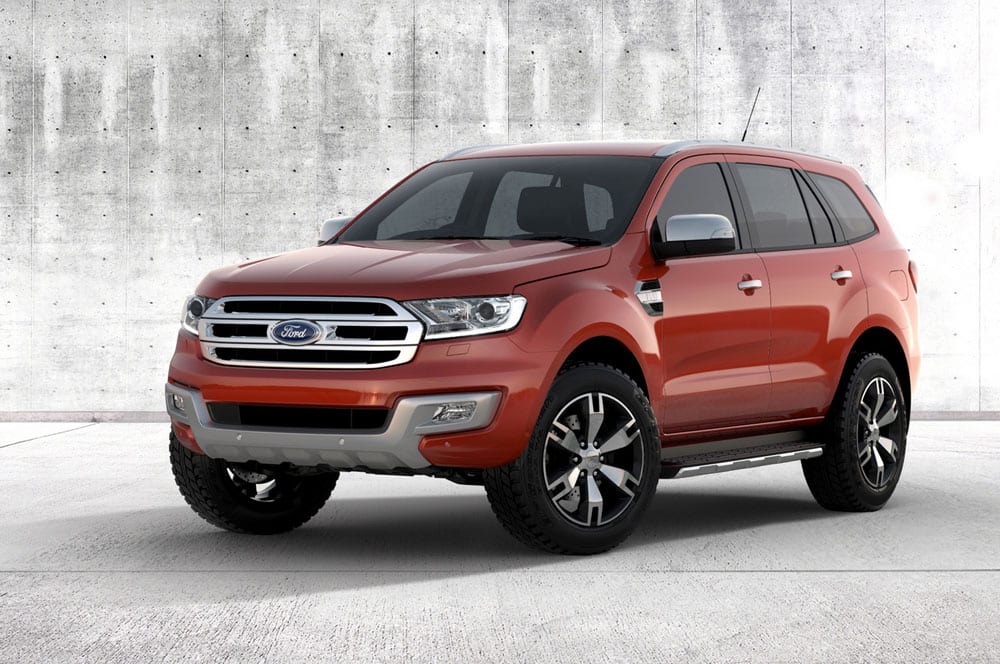
    In a statement, Ford said its retail sales in the country rose 53 percent to 3,065 units in September, driven by the continued demand for the all-new Everest, new Ranger, EcoSport and Fiesta.

    The all-new Everest led the lineup in September, achieving an all-time monthly record total for any Ford nameplate in the Philippines with retail sales of 1,341 units.

  • Mercedes-Benz Shakes Off ‘Dad’s Car’ Image in Indonesia

    Mercedes-Benz Shakes Off ‘Dad’s Car’ Image in Indonesia

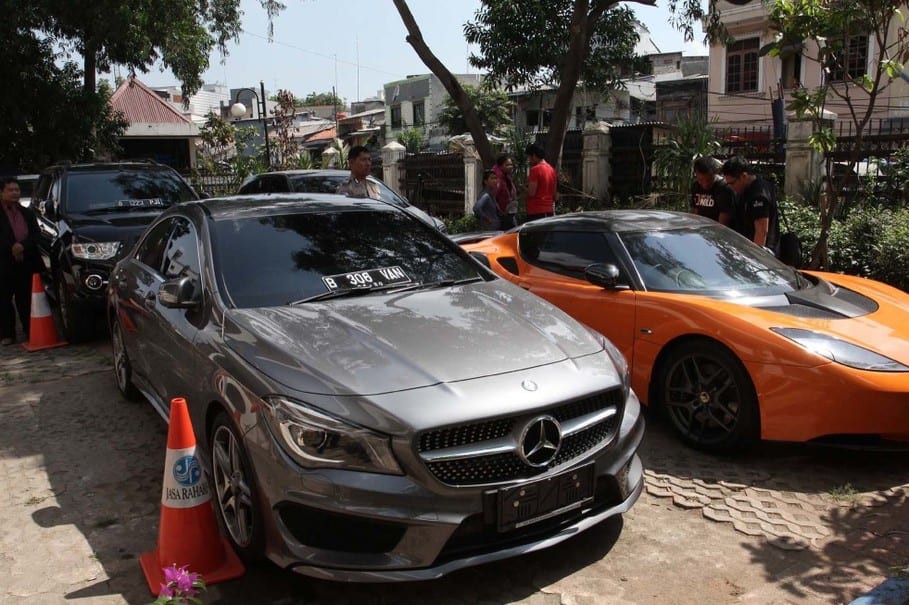
    German automaker Mercedes-Benz is focusing on young Indonesians as part of its strategy to boost sales in the country, shaking off the “dad’s car” image along the way.

    “We’re opening up new segments that are characterized by younger buyers, people who may not have considered Mercedes-Benz previously,” Roelof Lamberts, Mercedes-Benz Indonesia’s sales and marketing director, said on Thursday.

    The company has rolled out six new models so far this year including the latest B-Class and CLA-class, catering to young entrepreneurs’ demand for more sporty and compact premium cars.

    “We are shifting generations,” said Ananta Wisesa, a Mercedes-Benz spokesman, “So, [Mercedes-Benz] will lose its dad’s car image.”

    Cars introduced this year, including the A-Class and GLA-Class, are sold for less than Rp 1 billion ($71,000), and “have seen very positive demand,” said Lamberts. The introduction of these models has helped the company buck the trend of a shrinking auto market in Indonesia amid slowing economic expansion.

    The German company sold 1,800 cars during the first seven months this year, a 20 percent increase from the 1,500 cars it sold in the same period last year.

    In contrast, total car sales in Indonesia shrunk 21 percent to 581,106 units during the period, according to the Indonesian Automotive Manufacturers Association, or Gaikindo.

    Mercedes-Benz now controls 49 percent of the premium car market, up from 38 percent in the same period last year.

    “Our strategy basically is in line with the overall Mercedes-Benz strategy, and that is to become number one in the premium segment,” Lamberts said. “In Indonesia, we’re number one. Our objective is to defend that position.”

  • Michelin to Open Rubber Plant in Indonesia

    Michelin to Open Rubber Plant in Indonesia

    Michelin will work with Barito Pacific and invest up to US$400 million (Rp5.1 trillion). The plant’s construction is scheduled to start in 2016, with the goal to have it begin operations by 2019.

    Both Michelin and Barito Pacific had also expressed their desire to develop rubber plantations in Jambi and West Kalimantan.

    Michelin plans to establish a joint venture with Barito Pacific’s subsidiary, PT Chandra Asri Petrochemical Tbk.

    Michelin’s plan is expected to help increase the absorption rate of rubber by Indonesian industries.

    Right now, about 20 percent of the national rubber production is consumed by the tire industry; far below Malaysia, China and India’s; each absorbing more than 40 percent of their production.

  • Car sales drive Singapore’s retail sales up by 6.1%

    Car sales drive Singapore’s retail sales up by 6.1%

    Ironically, petrol service station sales dropped the most.

    Motor vehicle sales almost single-handedly towed Singapore’s retail sales as it grew by 5% compared to last month. Excluding motor sales, retail sales would only grow by a measly 1.3% from last year.

    According to data from the Department of Statistics, car sales almost doubled (43.9%) since last year, illustrating the gravity of the pull.

    Meanwhile, total retail sales value is at an estimated $3.5b, higher than $3.3b from August 2014.

    The massive scale of motor sales growth picked up the slack for ailing sectors such as the petrol service station sales, optical goods and books, and food and beverages, whose retail sales fell by 20%, 11.8%, and 6.4% yoy respectively.

    Medical goods and services trailed car sales in growth, elevating by 10.9%, while watches and jewellery followed with an 8.7% growth.

  • Thai auto-part firms seek tie-ups in Malaysia

    Thai auto-part firms seek tie-ups in Malaysia

    KAutomotive components makers in Thailand, home to largest car and trucks manufacturing hub in Asean, are reaching out to their counterparts in Malaysia for potential tie-ups.

    “Future collaborations will bring about many benefits to both countries as we will be able to share our technology and boost efficiency to achieve higher volumes and derive better values in our products,” Thai Subcontracting Promotion Association president Somkiat Chupukcharoen said.

    He was speaking to reporters at a briefing on METALEX 2015, Asean’s largest metal working exhibition for updates on technology, networking and sourcing opportunities.

    The exhibition, which will be held in Bangkok on Nov 18-21, will cater to some 70,000 manufacturers, featuring live demonstrations by over 2,700 brands from 50 countries including nine international pavilions and the largest gathering of Japanese brands and technology in Asean.

    “The Thai government is keen to promote trade and services between Thailand and Malaysia to include product sourcing, fairs and establishing networks to expand business opportunities,” ambassador of Thailand to Malaysia Damrong Kraikruan said.

    Currently, there are 2,400 auto parts makers in Thailand and 300 in Malaysia.

    Manufacturers in Malaysia are known for passenger cars, Thailand for pick-up trucks and Indonesia, for multi-purpose vehicles.

    Delloyd Ventures Bhd executive director Datuk Noor Azmi Jaafar said Malaysian-made automotive parts were of high standards and quality.

    “Safety standards have to comply with the countries that the products are being exported to, so there is no compliance issue on the matter,” he said.

    With car production figures in the country already reaching its saturation point, Noor Azmi said the next step for local manufacturers was to expand into other markets in the region.

    “When we have this within Asean, the car could be produced in Thailand or Indonesia or other Asean countries and then imported to Malaysia. This is the most pressing issue for us now,” he said.

    Chupukcharoen said Thailand had a similar growth curve building up its vehicle production capacity to 2.46 million units today, with a strong push for eco cars, big bikes, trucks and busses with GPS fleet control.

    “Thailand has a good access to automotive parts market in Asean because of its long-term relationship with leading vehicle brands in Asean,” he said.

    Meanwhile, Noor Azmi said Delloyd had set up two factories in Thailand and three in Indonesia with its local counterparts.

    He said manufacturers like Delloyd, who sourced the majority of raw materials locally or regionally, were not affected by the weakening ringgit.

    “Most of our procurement is from Malaysia and Thailand, and some from Japan and South Korea. The majority of it are from Asean, so we are not affected,” Noor Azmi said. “But those who procure from outside the Asean region are heavily affected.”

  • Indonesia Motorbike Export Soars; Could Overtake Thailand

    Indonesia Motorbike Export Soars; Could Overtake Thailand

    Indonesia is seeing a surge in motorcycle exports. From January to August 2015, the export volume reached 123,790 units, soaring from only 9,000 units in the same period last year.

    Meanwhile in 2013, the export volume of motorcycle reached 27,135 units, the Indonesian Motorcycle Industry Association (AISI) said.

    This year’s export volume as per August accounts for 2.85 percent of the total sales, which amounted to of 4.34 million units.

    AISI Chairman Gunadi Sindhuwinata said ahead that if the national motorcycle industry can keep up with the growth rat—with each brand maintaining their export commitment, Indonesia could overtake Thailand’s achievement. Thailand currently has a balanced market between exports and domestic sales at 50:50.

    “In the future, Indonesia could overtake Thailand’s exports [ratio] that has reached 50:50,” he told on Sunday, September 9.

  • GM China sets year to date retail sales record

    GM China sets year to date retail sales record

    General Motors and its joint ventures booked record retail sales of 2,197,192 vehicles in China during the first eight months of the year, which was up 2.3% year on year. The increase, the automaker said, was driven by successful new product launches and an improved mix of SUVs and MPVs.

    In August, domestic sales by GM and its joint ventures declined 4.8% to 248,815 vehicles, owing to softness in the overall vehicle market.

    GM China president Matt Tsien said: “Recently launched models such as the Buick Excelle GT and Cadillac ATS-L have been well received by consumers and produced solid sales growth.”

    Increased demand for several SUV and MPV models helped offset the market slowdown in August. The Buick Envision and Baojun 560 led the sales growth during the month, rising 161.7%, while sales of the Baojun 730 MPV more than doubled.

    Buick enjoyed its best sales ever in China in the first eight months of the year. Sales rose 5.4% year on year to 581,544 units, led by the Excelle GT and Envision. In August alone, Excelle GT volume jumped 77.6%.

    Cadillac also set a record in the first eight months of the year with sales rising 12% year on year to 49,186 units. Sales of the ATS and ATS-L reached a new high for the period.

    Chevrolet sales declined 7.4% to 391,677 units year over year between January and August. However, sales of the Trax urban SUV surged 146.2% to a record for the eight-month period.

    Baojun sales jumped 282.5% to 223,367 units, an all-time high from January to August. The Baojun 560 SUV exceeded expectations in its first six weeks on the market.

    Wuling sales declined 8.1% to 948,643 units in the January-August timeframe due to continued contraction of the mini-commercial vehicle market.

  • Pertamina, Lamborghini`s joint research unveils new lubricant

    Pertamina, Lamborghini`s joint research unveils new lubricant

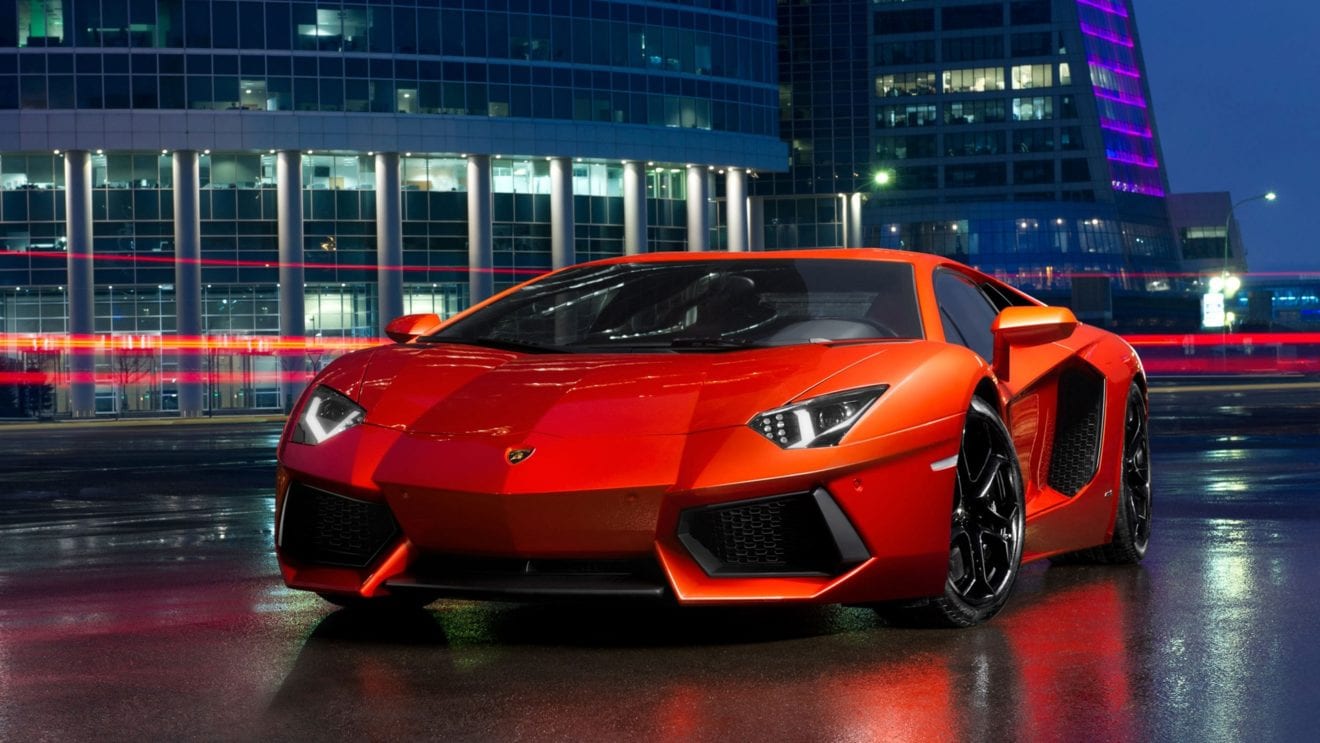
    The Indonesian state-owned oil and gas enterprise, Pertamina Lubricants, has collaborated with the Lamborghini automotive company to conduct research on lubricants for and high-tech and superfast vehicles.

    “Pertamina Lubricants is committed to continuing innovation in developing its products to meet the needs of the automotive industry in Indonesia and the world. This is supported by research and development facilities, as well as production facilities owned by Pertamina,” the President Director of Pertamina Lubricants, Gigih W.H. Irianto said on Tuesday.

    Pertamina has been conducting joint research with Lamborghini for special lubricant products. The research has produced lubricants, such as Fastron Platinum SAE OW-40 for upscale cars, and Fastron Platinum Racing SAE 10W-60 for sports cars.

    The lubricant testing was carried out in Italy. The Fastron Racing Platinum lubricant has been tested and has obtained specific approval from Lamborghini.

    Irianto added that the reliability of Pertamina lubricants, which have received recognition from Lamborghini, was proven by the election of Pertamina as a technical partner of Automobili Lamborghini for motorsport named the Lamborghini Super Trofeo and the Lamborghini GT3.

    “Pertamina Fastron is trusted and has been named as the official lubricant in every super Trofeo race and is fully supported by the Lamborghini GT3 team, which competes in world championships. This cooperation will continue for the 2015 to 2019 period,” he said.

    Pertamina Fastron has also been adopted as the official lubricant at 129 Lamborghini dealerships worldwide.

    “This flagship product has strengthened Pertamina lubricants existence in the international super car arena,” Irianto remarked.

    Pertamina Lubricants created the Fastron lubricant with nanotechnology. It is a high-quality synthetic lubricant that protects the engine, while providing reliability and optimal speed.

    The state-owned enterprise has also launched three other new lubricant variants, namely Fastron Gold 5W-40 and Fastron Gold 0W-20, for modern and advanced engine technology vehicles. Another variant is Fastron Techno 10W-30, which has been designed for daily use and fuel efficiency.

  • Honda BR-V prototype debuts at Gaikindo in Indonesia

    Honda BR-V prototype debuts at Gaikindo in Indonesia

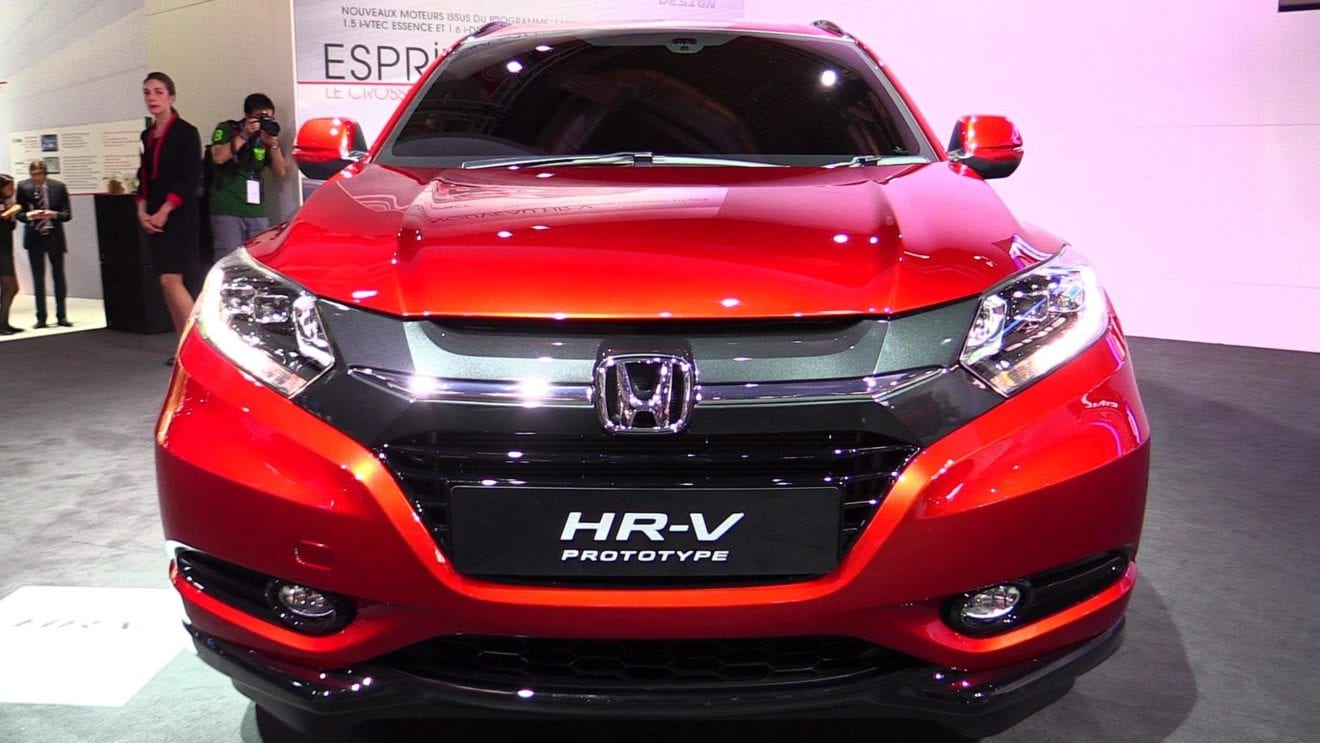
    Japanese automotive major Honda has unveiled its Honda BR-V Prototype, powered by a 1.5 liter i-VTEC engine with 6-speed manual transmission or a continuously variable transmission (CVT), at GAIKINDO Indonesia International Auto Show (GIIAS) 2015.

    honda

    Stated to blend the appearance of an SUV with the spacious cabin of an MPV, the new vehicle will first hit the stores in Indonesia next year at a price range between $16,432 and $18,932.

    Production of the vehicle will begin at the firm’s facility at Karawang, Indonesia, in January.

    Honda Motor regional operation (Asia and Oceania) COO Noriaki Abe said: “Honda started business in Indonesia in 1971, and the importance of this country for Honda’s auto business has been increasing year by year.

    “With the all-new 7-seat BR-V and the rest of the Honda line-up, we will continue to offer exciting products and the joy of driving to our customers in Indonesia.”

    With the exterior sporting high ground clearance, big roof rails for all grades, LED connected tail light design in C-character and new 16-inch aluminum wheels, the interior flaunts a spacious and comfortable cabin with additional knee room and head room.

    PT Honda Prospect Motor president director Tomoki Uchida said: “Honda BR-V was developed to fulfill the needs of Indonesian customers. We believe Honda BR-V will be greatly received by customers in Indonesia and become the main attraction in this year’s motor show.”

  • Royal Enfield enters Indonesian market

    Royal Enfield enters Indonesian market

    Royal Enfield has entered Indonesian market targeting mid-size motorcycle segment and an exclusive store in Jakarta, the company said Monday, adding that the move into the world’s third largest two-wheeler is part of its growth strategy and international thrust to expand its presence in the mid-sized motorcycle segment (250-750cc).

    The company announced the foray at GAIKINDO Indonesia International Auto Show 2015. The two-wheeler major displayed its range of motorcycles at the show including the Bullet 500cc, the retro-street models – Classic 500cc and Classic Chrome and the Continental GT (535cc) cafe racer.

    Abhijit Singh Brar, head of marketing for Royal Enfield, said the company will commence retail operations soon from its exclusive dealership in Jakarta that is being set up in partnership with PT Distributor Motor Indonesia. In addition to the store, they will also build service and aftermarket capability for Royal Enfield in Jakarta.

    Backed by a growth of over 50% year on year in the past five years, the company is aiming to lead and grow the middle-weight segment, which is underserved globally. The move to enter Indonesia is part of the company’s larger growth strategy which includes a thrust on expanding its international presence.

    The company believes this growth will largely come from markets like India such as Latin America – it entered the Colombian market last year – and South East Asia, given their size and comparable commuting trends.
    Indonesia is a strategic market for Royal Enfield. With its large commuter based, this market has enormous potential to upgrade to the next level of motorcycles, should there be optimal product choice.

    “We will build our presence from Jakarta and depending on the response, we will expand our footprint to the other key cities in Indonesia,” said Arun Gopal, head for international business at Royal Enfield.
    In 2014, Royal Enfield sold more than three lakh motorcycles globally. In 2015, the company aims to produce 4.50 lakh motorcycles to supports its growth strategy globally.

  • Yokohama at new Indonesia auto show

    Yokohama at new Indonesia auto show

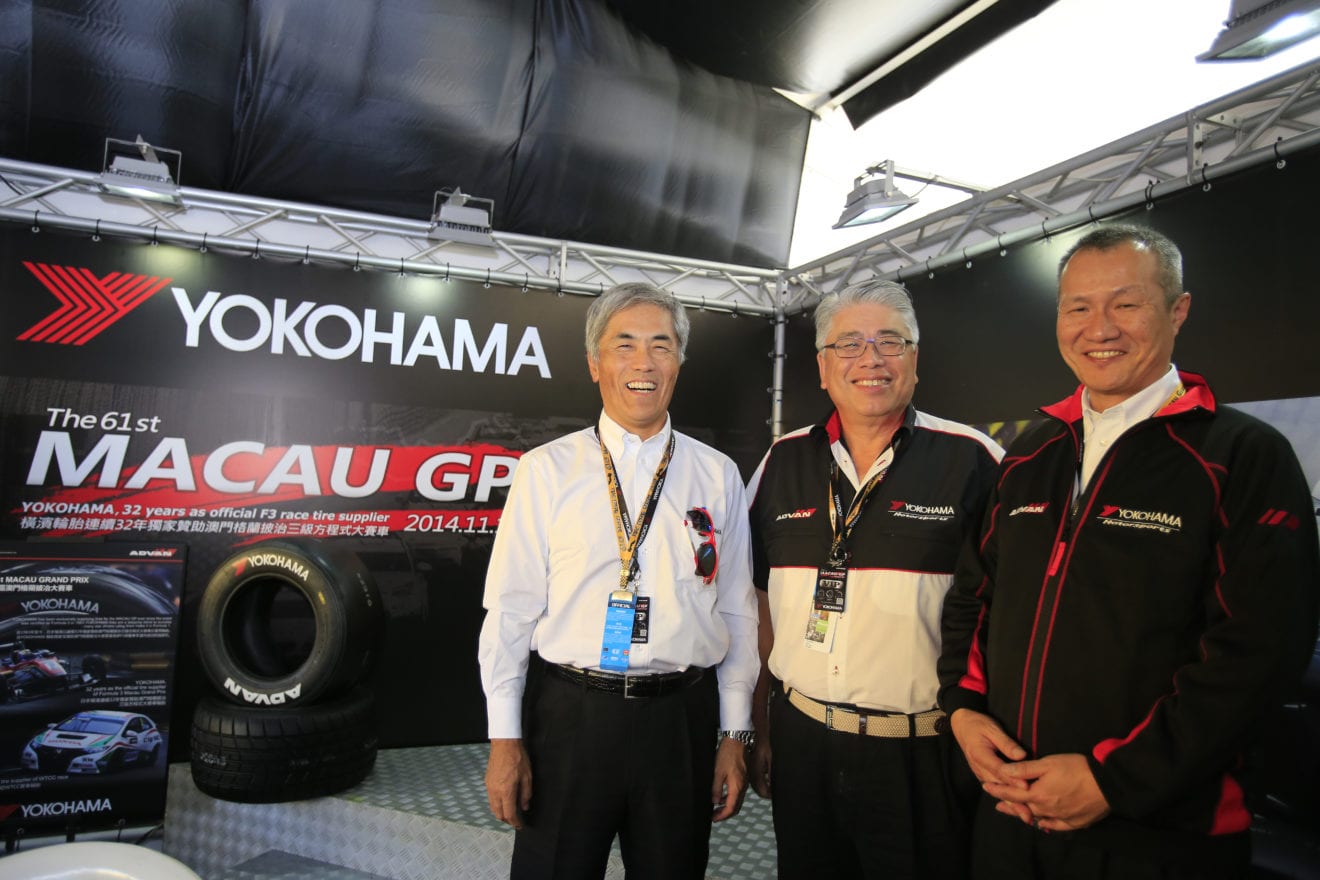
    Yokohama Rubber Co. Ltd. is gearing up to participate in the new Gaikindo Indonesia International Auto Show 2015.

    The event is scheduled for Aug. 20‒30 in South Tangerang, in Indonesia’s BSD City. Yokohama said it will be represented at the show by its Indonesian sales agent, PT Yhi Indonesia, which twice previously represented the tire maker at the separate Indonesia International Motor Show. Gaikindo is the Association of Indonesia Automotive Industries, and this is its first auto show, according to Yokohama.

    In keeping with the theme of “Delivering the Future,” Yokohama said its booth will feature displays that “appeal to the high driving and environmental performance” provided by its tires’ latest technologies.xa

    Considering the huge demand for eco cars and SUVs in Indonesia, the tire maker said it will display its fuel-efficient BluEarth tires suitable for use with eco cars and the company’s Geolandar line of SUV tires, as well as its flagship Advan brand.

    In addition, the booth will include a panel of Chelsea FC soccer players promoting the tire maker’s partnership, announced earlier this month, with England’s Premier League football club.

  • Honda Click 125i scooter imported into India for R&D purpose

    Honda Click 125i scooter imported into India for R&D purpose

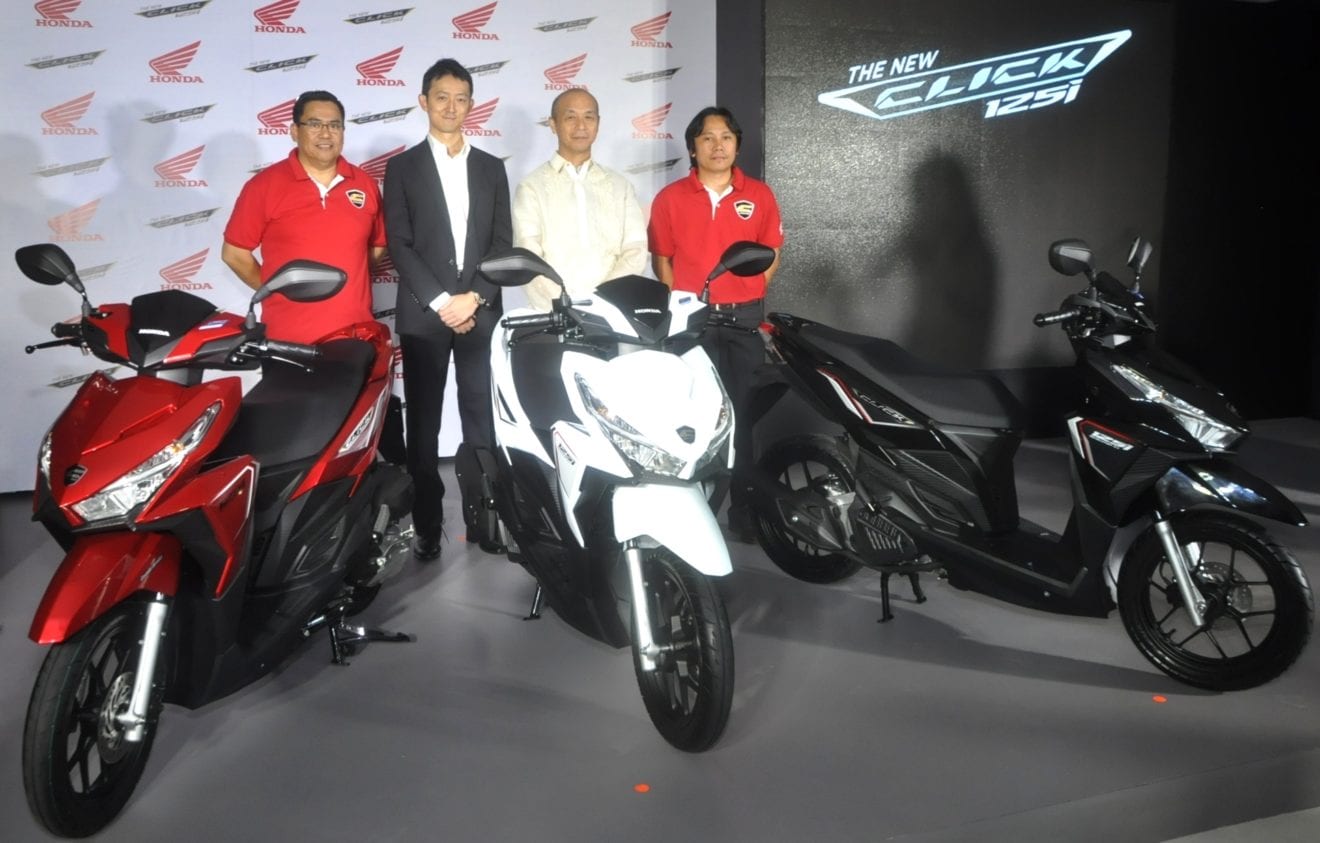
    Seeing the growing two-wheeler market, two-wheeler manufacturers are launching their new products to increase market shares. Last month, Honda’s Activa range of scooters has put the Japanese manufacturer at number one position in scooter sales. It seems that Honda wants to further enhance its sales in the scooter segment. The company has just imported the Click 125i scooter into India for research and development purposes and might even think about launching it in the future.

    Honda Click 125i scooter imported into India for R&D purpose
    Dubbed as the ‘future of scooters’, the Click 125i is a sleek and sharp looking scooter that was mainly developed for countries like Thailand and Indonesia. The Click 125i is powered by 125cc PGM-FI built-in Liquid cooled engine that gives 11.4 PS of maximum power and 11.16 Nm torque.

    It also has ‘The Idling Stop System’ (ISS) technology that helps the company to achieve high fuel efficiency. This system removes wasteful fuel consumption by automatically switching the engine off after 3 seconds in traffic lights and other short stops; and when you have to move all you have to do is just twist the throttle. The Click 125i is claimed to return an excellent fuel efficiency of 64.3 km/liter that is the highest number in 125cc segment scooter.

    To further provide the benefit of Honda Smart Technology, the Click 125i is also equipped with is Combi-Brake System (CBS) which balances braking at rear wheels and front wheel evenly. Though the scooter has been imported for R&D purpose, the possibility of Honda launching Click125i in India cannot be ignored.

  • Mitsubishi Shifts Focus to Smaller, Emerging Economies

    Mitsubishi Shifts Focus to Smaller, Emerging Economies

    With its decision to end auto production in the U.S., where Detroit’s Big Three and global giants dominate, Mitsubishi Motors Corp. has become the latest second-tier car maker to shift its focus away from crowded, mature markets to smaller emerging economies where there is less competition and more chance to grow.

    Japan’s sixth-biggest car maker—which produces about 1.1 million cars a year—said last week that it is ending production at its only U.S. plant, in Normal, Ill. At the same time, Mitsubishi Motors is ramping up its operations in Southeast Asia, building a plant in Indonesia and starting production this year at a factory in the Philippines that the company acquired from Ford Motor Co.
    Other small auto makers have taken a similar approach, including Suzuki Motor Corp., which largely withdrew from the U.S. market in 2012 to concentrate on places such as India, where it is the market leader, and Daihatsu Motor Co., which abandoned the U.S. two decades ago to focus on markets such as Indonesia.

    “We have a long history in Thailand, Indonesia and the Philippines, a larger market share compared to other regions, and a strong brand image, which are very big advantages,” Mitsubishi Motors Chief Executive Osamu Masuko said in an interview earlier this year.

    The expanding population and growth potential in the region are also attractive, he said. In addition to fast-growing markets such as Indonesia, he cited future prospects in countries such as Myanmar, Cambodia and Laos, which until now have barely featured in auto makers’ global strategies.

    Mitsubishi Motors will continue selling cars in the U.S. by importing vehicles from Thailand and Japan, a move analysts say will likely boost profitability because a weakening yen is letting Japanese auto makers make vehicles more cheaply at home than in the U.S.

    The U.S. factory, however, last year produced fewer than one-third of the 222,000 vehicles it made at its peak in 2000, because of slow sales in the U.S. as well as dwindling exports to Russia. Mitsubishi Motors said Monday that it would work with the United Auto Workers union, which represents employees at the Illinois plant, to try to find a buyer.

    “The reality is that the scale of the [U.S.] plant is very small compared with manufacturing plants of other companies,” Mitsubishi Motors’ president and chief operating officer, Tetsuro Aikawa, said during a news conference Monday. “It was becoming clear that the plant didn’t have an economic rationale.”

    Mitsubishi Motors’ shift highlights the economic realities for smaller car makers, some of which are choosing to concentrate their limited financial resources on emerging markets to tap demand for new cars. That focus lets the car makers design and build models better suited to consumers in their selected markets. Mitsubishi, for example, is developing a new compact multipurpose vehicle for Indonesia, where such cars, with high capacity and low operating costs, are popular.

    Emerging markets also tend to have fewer competitors than mature ones. Although Japanese car makers, led by Toyota Motor Corp., have been operating in Southeast Asia for decades and dominate the market, U.S. and German auto makers have struggled. In Indonesia, Japanese auto makers together hold about 90% of the market share. This year, General Motors Co. shut its assembly plant in Indonesia. It is now shifting strategy to team with a Chinese joint-venture partner, SAIC Motor Corp., to manufacture and sell low-cost minivans in Southeast Asia’s most populous nation.

    In recent years, Mitsubishi Motors has been increasingly oriented toward Southeast Asia, which now accounts for roughly 20% of the auto maker’s annual global sales. Thailand, where Mitsubishi has three factories, has become an export hub for the company.

    Shares in Mitsubishi Motors rose 5.5% on Monday, as analysts said the company could reap savings by ending U.S. production. Mitsubishi currently manufactures the Outlander Sport at the U.S. plant, but it plans to shift output of that model to a plant in Japan.

    Masataka Kunugimoto, an analyst at Nomura Securities, estimates that costs to make the Outlander Sport in Japan would likely be at least ¥200,000 ($1,615) lower per vehicle than in the U.S., because of a weaker yen.

    Some analysts say that if the yen strengthens, Mitsubishi Motors might pull out of the U.S. altogether.

    “If current foreign-exchange levels continue, it can continue exporting” from Japan to the U.S., said Koji Endo, an automotive analyst at Advanced Research Japan. “But in the case that the yen strengthens again in the future, there’s a possibility that it won’t be able to export.”
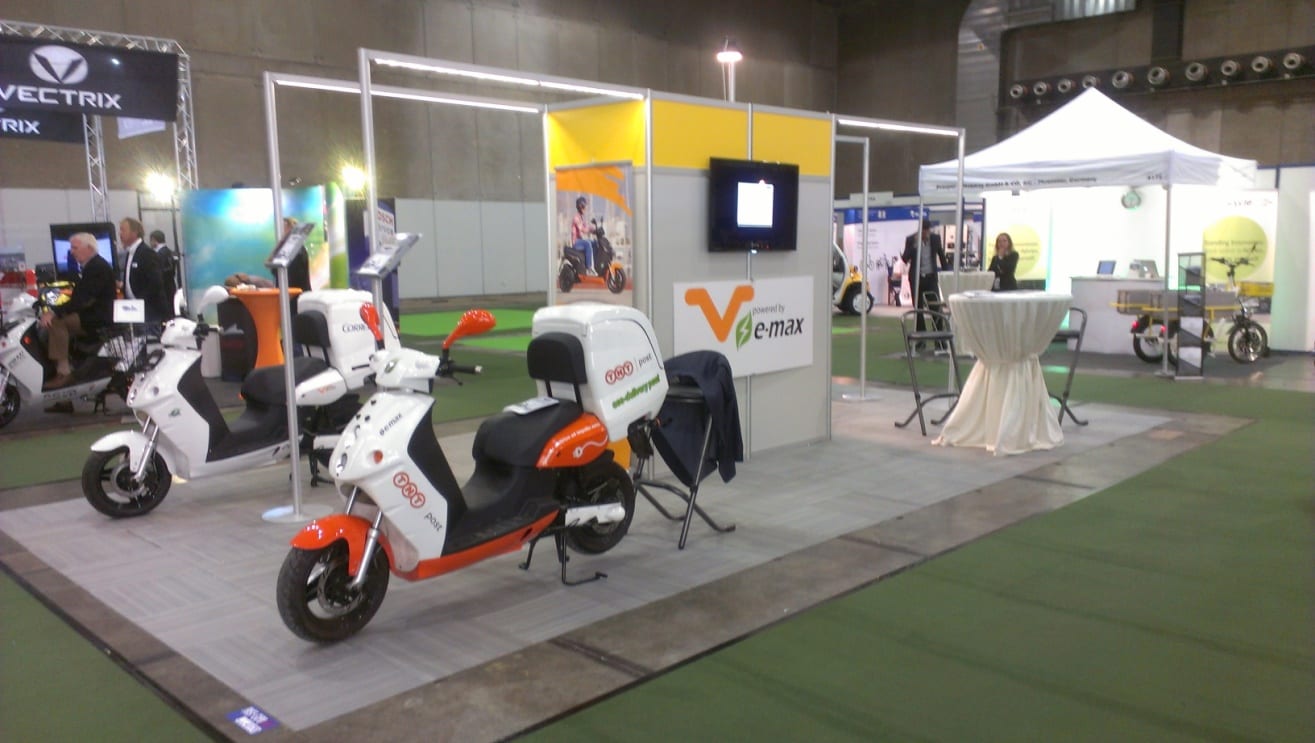
  • Vmoto stock up on Vietnam deal

    Vmoto stock up on Vietnam deal

    Shares in Perth-based Vmoto have closed higher after the company announced it has inked a distribution deal for its electric scooters in Vietnam.

    Vmoto said it has signed an exclusive distribution agreement with green vehicle supplier Euro Ebike Company.

    The initial contract is for a minimum of 1,200 units to be ordered by August 2015.

    Vietnam has the fourth-largest motorcycle market in the world, behind China, India and Indonesia.

    About 37 million motorcycles are registered in the country, compared to about 2 million cars.

    Vmoto is hopeful electric scooters will become more more popular and acceptable to Vietnamese consumers.

    The company has recently made similar inroads into China and Indonesia as it looks to capitalise on growing interest in scooters in those markets.

    Vmoto meanwhile announced it is developing a new, super-light scooter which it says could be easily stored at home or the workplace.

    The Vmoto 1 scooter will weigh about 48 kilograms, can be folded in 30 seconds and is able to be connected to an Apple iPhone.

    Vmoto managing director Charles Chen said he was confident the new model would generate significant interest in the Chinese market.

    The company’s shares closed the day’s trade 13 per cent higher at 5.2 cents.

  • Bridgestone to establish auto parts JV in Indonesia

    Bridgestone to establish auto parts JV in Indonesia

    Bridgestone Corp. plans to establish a joint venture company to produce anti-vibration rubber products for automotive vehicles in Indonesia.

    The agreement was concluded on July 2 with PT Astra Otoparts Tbk, which manufactures and sells automotive parts in Indonesia.

    The JV is to build a manufacturing plant of anti-vibration rubber products, which is set to start operations in January 2016, according to a Bridgestone statement. The total amount of the investment by Bridgestone and Astra Otoparts will be $13 million.

    Bridgestone has seven facilities in five countries to manufacture automotive anti-vibration components. To achieve further global expansion, the firm said it needed a manufacturing base in Indonesia, a major car making state in the ASEAN region.