Category: Automotive

Retail News Asia is committed to providing both local and global retailers with the latest Auto and Car news throughout the Asian market. This on a daily base.

  • Honda eyes efficiency with new assembly line format in Thailand

    Honda eyes efficiency with new assembly line format in Thailand

    Honda Motor has installed a new type of production line that is about 10% more efficient at an automobile plant in Thailand, the company said Thursday.

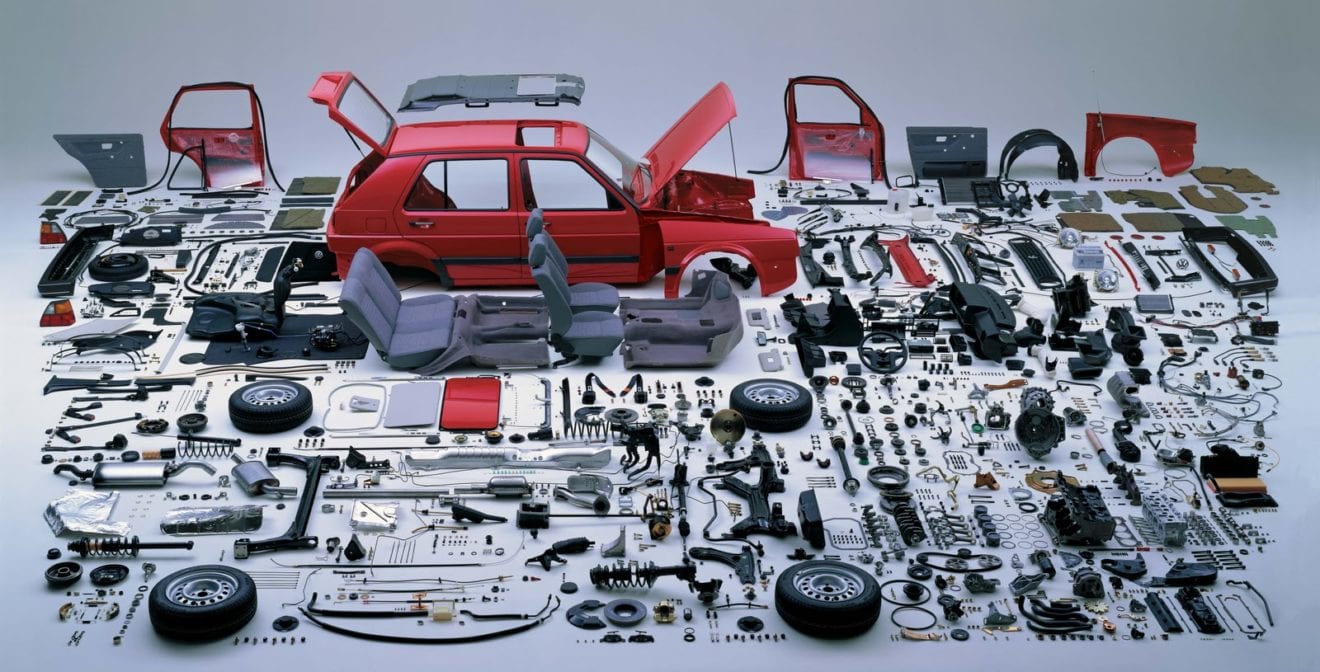
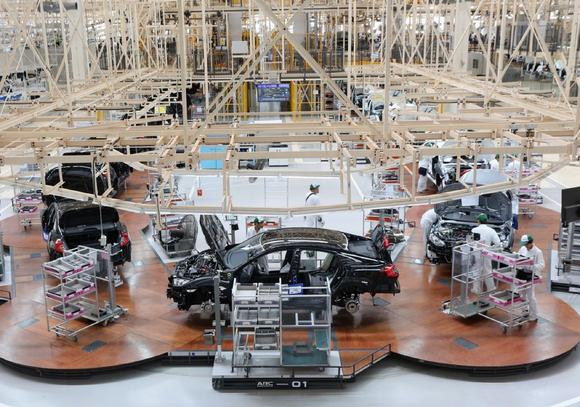
    Until now, each worker was typically responsible for adding one type of part to a vehicle, and had to walk between the conveyor and the parts shelf whenever work on one vehicle was completed. With the new system, four workers ride a unit that moves on a conveyor, with boxes of parts at the ready, allowing them to continuously install multiple parts. This reduces walking to get parts.

    Known as an ARC line, the new format was introduced at a plant in the eastern Thai province of Prachinburi that began turning out finished autos in March and makes some 60,000 Civic sedans annually. It is being applied to about 20% of total assembly procedures, including the attaching of wiring and interior parts after the body has been painted.
    Layout changes for conventional production lines required considerable time and investment, whereas with the new method the conveyor that moves the line can be flexibly lengthened or shortened as needed. Production is easily raised or lowered by adjusting the number of units, and a smaller investment is required when adding vehicle models or changing production volumes.
    After monitoring performance under the new approach, Honda will consider expanding its use.
  • GM Korea Posts Worst-ever Net Loss of 986.8 Billion Won in 2015

    GM Korea Posts Worst-ever Net Loss of 986.8 Billion Won in 2015

    According to industry sources on April 10, GM Korea reported 594.4 billion won (US$515.30 million) in operating losses and 986.8 billion won (US$855.48 million) in net losses last year. It is the worst-ever performance since its establishment in 2002.

    Industry watchers think that it is largely due to 186.9 billion won (US$162.03 million) of the equity method loss caused by its decision to shut its local factory following the withdrawal of the Chevrolet brand from Russia. GM Korea halted sales of the Chevrolet products in Russia last year.

    Last year’s poor performance is also attributed to the fact that the automaker had sold its mid-size sedan Cruze with a 1.8-liter engine for exaggerated fuel economy claims in the domestic market for five years. As GM Korea decided to pay Cruze owners up to 430,000 won (US$373) per person to cover the difference between the stated fuel economy and the actual one, the total amount of compensation reached as high as 37 billion won (US$32.08 million) last year.

    Moreover, higher labor costs despite the decrease in car sales also added to its worst-ever performance. The automaker shipped a total of 621,872 units at home and abroad last year, down 1.4 percent from the previous year. However, its labor union has strongly protested the company’s decision to continue importing all units of its full-size sedan Impala from the United States for sales in Korea despite strong sales at home.

    GM Korea is looking for various ways to improve its financial state. The automaker has decided to organize a special task force team with staffs across the company, including labor union and management, in a bid to prepare measures to revitalize sales in the local market. Starting in January, it has introduced a direct sales system that guides individual dealerships to sign direct contracts with the automaker unlike in the past when they were in touch with regional dealers. This change has simplified the overall retail structure of GM Korea and is expected to cut tens of billions of won of annual costs.

  • Ford Malaysia notches up 650 units in sales in March

    Ford Malaysia notches up 650 units in sales in March

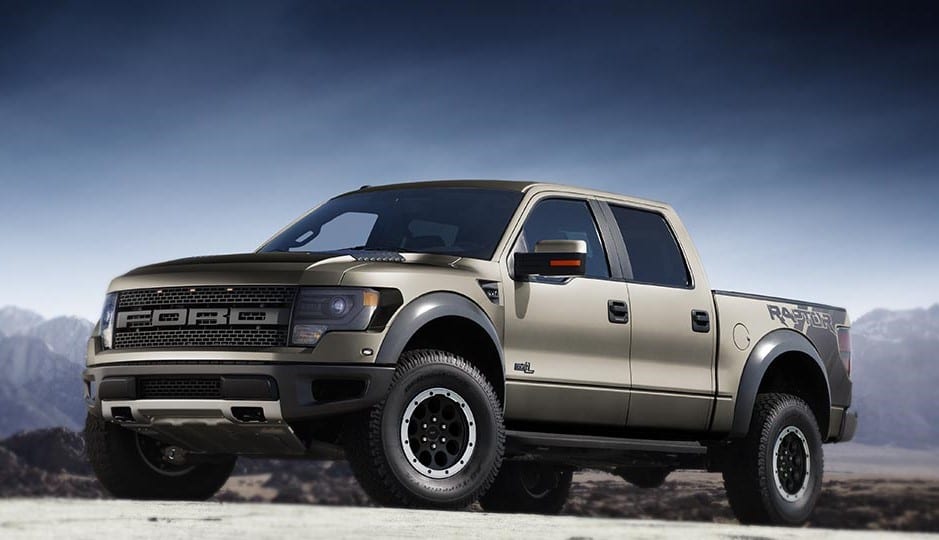
    Ford Malaysia has announced its retail sales figures in the country for the month of March 2016, which grew 24% from the previous month to 650 units. In February, the company managed to shift 524 units.

    The sales performance was largely contributed to by the Ranger. While 432 units of the pick-up truck were sold in February, the month of March saw a 19% increase to 513 units. Even discounting the Ranger, Ford’s sales of the rest of the line-up rose from 92 units in February to 137.

    Ford Focus 1.5L EcoBoost quick drive 3

    “As the most capable, most powerful and smartest truck in the market today, the Ranger stays true to ourBuilt Ford Tough heritage, and we’re pleased that demand continues to grow across both Peninsula and East Malaysia,” said David Westerman, managing director, Malaysia and Asia Pacific Emerging Markets, Ford Motor Company.

    As for the remaining units sold in March, they are represented by the other models in the line-up, including the recently-introduced Focus facelift with its 1.5 litre EcoBoost engine. We already had a go in the C-segment model, where we praised the car’s revised dynamics and easy-to-use assisted parking features.

  • Government to boost export of automotive components to Eurasia

    Government to boost export of automotive components to Eurasia

    The Indonesian Ministry of Trade is working to boost the export of products such as automotives, components and accessories to markets in Europe and Asia (Eurasia) in a bid to strengthen non-oil exports.

    “Through the largest exhibition of products of components, automotives and accessories, Indonesia is determined to penetrate Eurasia. This is a big opportunity for us,” Director General of the National Export Development of the Trade Ministry, Nus Nuzulia Ishak, stated here on Tuesday.

    Ishak said his side is targeting the European and Asian markets, especially Turkey, by bringing seven companies through Automechanika Istanbul 2016 event, scheduled for April 7 to 10 in Tuyap Convention and Congress Center, Istanbul, Turkey.
    The Ministry of Trade expressed the hope that the exhibition will enable big time purchase of various products, especially vehicle batteries, oil filters and vehicle tires.

  • Online store sells out million-yuan Maseratis

    Online store sells out million-yuan Maseratis

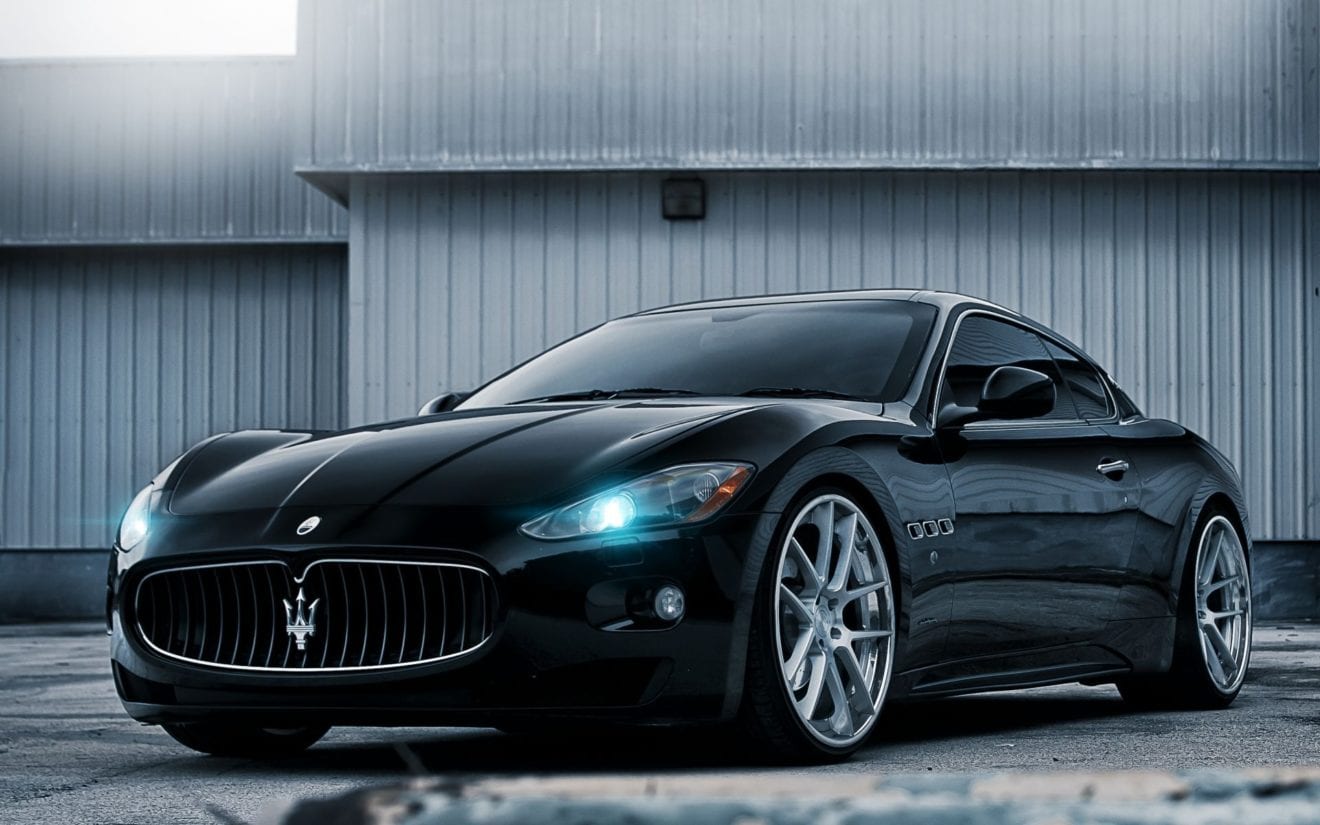
    Italian car-maker Maserati launched its flagship store on Tmall, Alibaba’s online shopping site and the first 100 Maserati SUV Levantes, priced at 999,800 yuan (€137,600), sold out 18 seconds after being put up for advance sale at exactly 3 pm yesterday in China.

    Ultra-luxury cars are suffering from China’s slowest economic growth in a quarter of a century, as well as a government crackdown on ostentatious displays of wealth, but online retailing may provide a window of opportunity for high-end autos.

    The car is Maserati’s first SUV and is due to officially launch in China in July, and Maserati will add 500 cars to the online offering for advance purchase to meet demand.

    Tmall is one of the most popular online shopping sites in China, where buying online is booming. China has 667 million internet users, and it is the world’s largest e-commerce market. Online retail sales in mainland China were worth 3.877 trillion yuan (€530 billion) last year, up by one third on the previous year.

    Slow growth and a general austerity campaign has hit the super-cars, although it did rebound slightly in late 2015 on the back of government tax breaks. The number of imported cars in 2015 dropped 25 per cent year-on-year last year, according to data from China Automobile Trading.

    BMW-owned brand Rolls-Royce saw a decline of 54 per cent in sales last year year-on-year, while Volkswagen-owned Bentley saw its China sales fall 36 per cent last year.

    Maserati’s fellow Italian luxury brand Ferrari said in October that sales in the first three quarters of last year were down 24 per cent to 157 cars.

    Bucking the trend is Porsche, which saw its 2015 China sales rise 24 per cent to 58,000 cars.

    “Compared with mass-market brands, the ultra-luxury car segment has been hit harder by the economic slowdown,” Beijing-based independent industry analyst Zhang Zhiyong told the Global Times newspaper.

    Zhang believes that ultra-luxury cars face limited growth potential in China in the next few years.

    “Entrepreneurs, who are the main consumers of ultra-luxury cars, are more vulnerable to changes in the macro-economy,” he said.

    Gao Mengxiong, sales director of Maserati China, said Maserati’s customers were relatively young. The average age of Quattroporte drivers was 38 years old, while the average age of Ghibli drivers was 32 years of age. The company has already introduced an English-language slogan here – “Levante The Maserati of SUVs”.

    Maserati’s global sales are currently running at around 32,000, below forecasts of 50,000, but CEO Harald Wester said he expects to add around 30,000 cars to sales next year, with China expected to drive strong growth.

  • Volvo cars plans showroom in Yangon

    Volvo cars plans showroom in Yangon

    Volvo Car Group has appointed RedPlus Auto Co ltd as importer and distributor of Volvo’s cars in Myanmar. RedPlus Auto is a joint venture between UMG Co Ltd – a local company involved in sectors of real estate property, IT and entertainment – and Wai Family Gems Co Ltd.

    RedPlus will be responsible for importing, distribution, sales, marketing, PR and after sales services for Volvo cars in the country.

    “Our new products, the XC90 and S90, which have just been launched, add a distinct modern luxury experience to our brand offer that will be very well appreciated in Myanmar,” said Jari Kohonen, vice president of Volvo Cars, Asia Pacific.

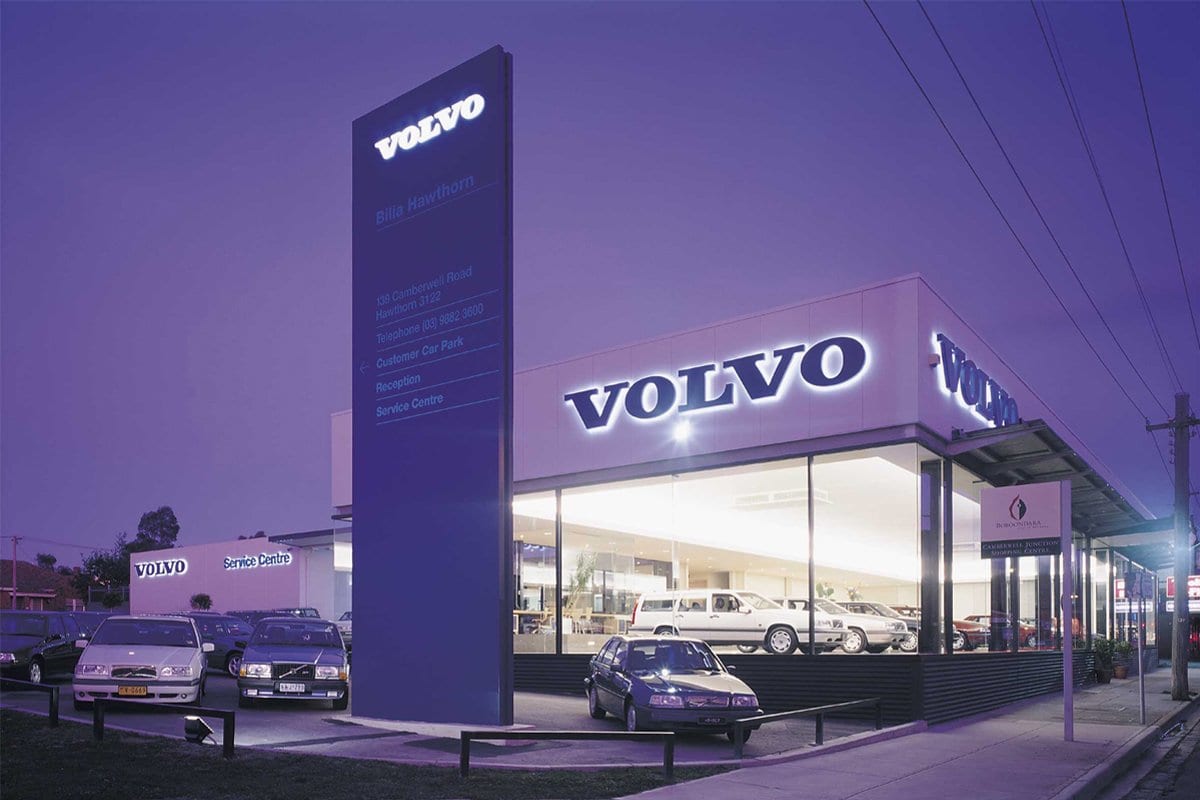
    The development of Volvo Center, a new one-stop facility is planned to complete by September 2016 covering about 22,000 square feet in Yangon with an investment of $1.8 million.

    “We are thrilled to have the opportunity to represent the Volvo brand in Myanmar and are certain that our depth of experience combined with the passion for this brand will stand us in good stead in this partnership,” said Daw Mar Lar Win, managing director of RedPlus Auto Co Ltd.

    The Volvo Centre will be equipped with a five car showroom, a fitting lounge, customer longue and be built to the Volvo Car group’s new retail guidelines.

  • Hyundai restyles 2017 Elantra to look like a luxury vehicle

    Hyundai restyles 2017 Elantra to look like a luxury vehicle

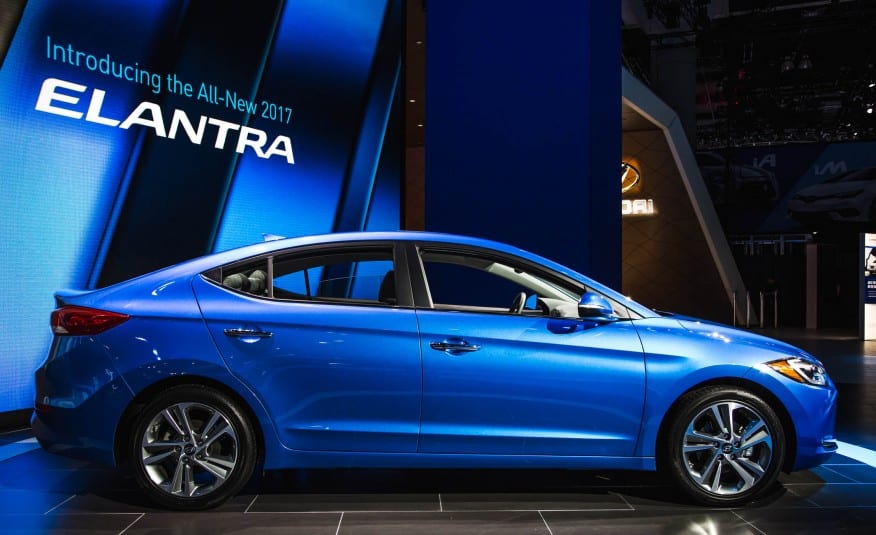
    Hyundai’s top-selling car in the United States, the Elantra, has been nicely restyled and upgraded to the point that its 2017 model could pass for a higher-priced luxury car.

    The new Elantra, which is already at dealerships, has a surprisingly refined ride and can be stocked with features like heated rear seats, driver-seat memory settings, automatic emergency braking with pedestrian detection and headlights that swivel to the side to illuminate roads during turns. The 2017 Elantra even has a hands-free trunk that opens on its own when a driver, perhaps laden with grocery bags, has the car’s proximity key fob in his or her pocket or purse and stands within 3 feet of the back of the vehicle for at least 3 seconds.

    It also comes with something that no luxury car has: Hyundai’s 10 years/100,000-mile warranty of coverage on the car’s powertrain and five years/unlimited miles of free roadside assistance.

    Starting manufacturer’s suggested retail price, including destination charge, is $17,985 for the base 2017 Elantra SE with six-speed manual and $18,985 with six-speed automatic — some $100 less than the starting retail prices for the base 2016 Elantras. The top 2017 Elantra — the Limited— has a starting retail price of $23,185, and prices can approach $28,000 when all luxury features are added.

    The Elantras have a new 147-horsepower, four-cylinder engine that generates 132 foot-pounds of torque at 4,500 rpm. It’s also lighter than its predecssors, even a loaded Elantra Limited weighs less than 3,000 pounds, according to Hyundai. As a result, the Elantra Limited test vehicle performed capably.

    The test vehicle impressed with its virtually vibration-free ride. The driver didn’t detect powertrain vibrations or any roughness, even when resting a hand on the Elantra’s gearshift lever when the car was idling. When the Elantra accelerated, some engine noise could be heard, but it was strong, not a buzzing sound.

    The restyled Elantra maximizes aerodynamics, which eliminate drag and help fuel economy. The test vehicle averaged nearly 29 miles per gallon in mostly city driving that was done primarily in Normal, not Eco, mode; with 14-gallon fuel tank, it could travel a noteworthy 400 miles in mostly city driving.

    The U.S. government rates the 2017 Elantra Limited at 28 mpg in the city and 37 mpg on highways for a combined 32-mpg average that makes the Elantra second best among gasoline-powered, non-hybrid sedans of its size.

    Inside, the Elantra is comfortable, particularly for front-seat passengers, who have up to 42.2 inches of legroom and nearly 39 inches of headroom. Back-seat passengers have 35.7 inches of legroom and 37.3 inches of headroom, which allows two adults to travel well. A nice touch is the pull-down rear-seat armrest with cupholders, which doesn’t flop loosely or rest at a downward angle.

    Rear seatbacks split 60/40 and fold down so that the Elantra’s 14.4-cubic-foot trunk can accommodate long items.

    Fit and finish of the Alabama-built Elantra tester was excellent, and the tactile feel of the car’s buttons and knobs was akin to a luxury car’s.

    However, the base Elantra SE doesn’t include a standard rearview camera nor does it have the hood-insulator material that comes on the Limited, meaning its interior isn’t as quiet as the Limited.

    A second Elantra engine — a turbo with 158 foot-pounds of torque — is due this spring, when the 2017 Elantra Eco debuts.

  • Hyundai Ioniq Recalled in South Korea over Rolling Backwards Problem

    Hyundai Ioniq Recalled in South Korea over Rolling Backwards Problem

    The South Korean manufacturer launched the Ioniq in its home market two months or so ago, yet Hyundai had to recall the electric drive hatchback after a video was published on YouTube. That particular video can be found at the end of this story. Just skip to the 4-minute, 4-second mark and observe what happens.

    Let’s put into words what occurred there. The driver took the Ioniq on an uphill parking exit. He brings the car to a stop while still on the exit ramp. After that, the driver takes his foot off the brake pedal, expecting the hill start assist system to keep things under control. But it doesn’t. He then pumps the throttle pedal repeatedly, only to find out that the Hyundai Ioniq doesn’t do a hill start.

    After the car had started rolling backwards, a firm press of the brake put an end to this dangerous incident. The South Korean motoring media took notice of the incident and Hyundai paid attention, prompting an internal investigation. And as expected, the company decided to recall all Ioniq vehicles made until March 14 for a software update. The Ioniq Hybrid, Plug-in, and Electric made after March 14 have been given the updated software, so they’re not included in this campaign.

    Slated to debut in the United States of America later this week at the New York Auto Show, the Hyundai Ioniq arrives just in time for the 2017 model year. The Ioniq Hybrid will be the first model to hit dealerships nationwide, followed by the Ioniq Electric and the Ioniq Plug-in variants by the end of the calendar year.

    Pricing information for the U.S. market isn’t available at the time of writing, yet don’t expect Hyundai to sell the Ioniq Hybrid for more money than Toyota is selling the fourth-generation Prius. More specifically, the 2017 Hyundai Ioniq Hybrid could hold a suggested retail price of under $25,000 sans destination.

  • Suzuki spreading its wings in Bulacan

    Suzuki spreading its wings in Bulacan

    Suzuki Philippines, the only integrated automobile and motorcycle company in the country, recorded one of the biggest sales growths in the industry last year with its massive 52% year-on-year growth and 10,000 retail sales, and aims to repeat this 2015 performance by carrying out successive dealership openings in 2016.

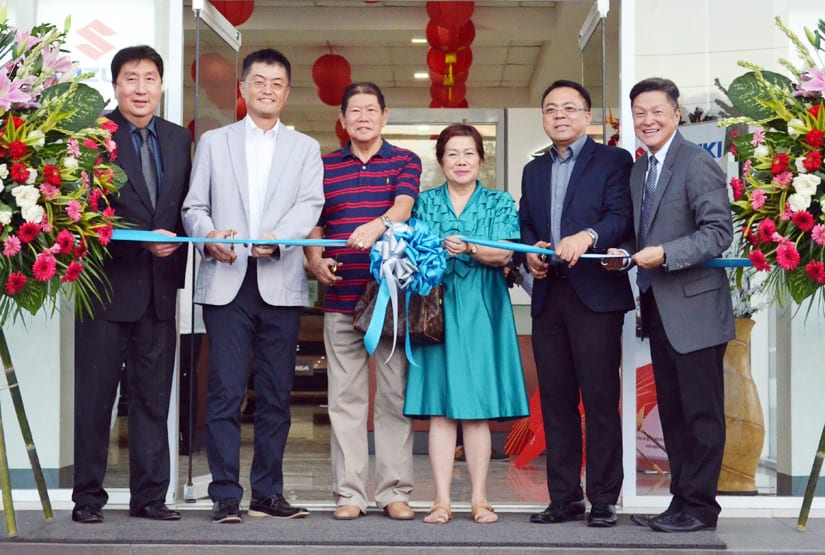
    Last February 24, the pioneer manufacturer of compact cars and one of the top automotivebrands in the Philippines inaugurated one 3S dealership and two satellite branches—the SuzukiAuto Pulilan, the Suzuki Auto Malolos satellite, and the Suzuki Auto Quezon Avenue.

    This was the second set of auto shop launches in February, and the ribbon cutting ceremonies were ledby Suzuki Philippines Managing Director and Treasurer Mojica, General Manager forAutomobiles Shuzo Hoshikura, Mt. Sinai Motors Corporation, and ETNA Motors Inc.Development in Pulilan and Malolos, BulacanPulilan City currently experiences robust commercialization and industrialization, with a growingnumber of manufacturing companies establishing their presence here. Recognizing itsdevelopment potential, SPH brings a 3S outlet in the area to offer existing and new customersthe same high-quality vehicles, repairs and parts which Suzuki patrons enjoy all over the country. Suzuki Auto Pulilan, owned and managed by Mt. Sinai Motors Corporation, startedsales operations in June 2015.

    It is strategically located along Doña Remedios TrinidadHighway and is the first dealership in Bulacan that offers sales, spare parts and services.Bulaceños can now equally have easy access to Suzuki products via the Malolos branch. Alsooperated by Mt. Sinai Motors, Suzuki Auto Malolos serves as the satellite branch of Suzuki AutoPulilan. It started selling in November 2013 and established its satellite showroom in October2015.

    The satellite branch can be visited at Central Point Plaza, McArthur Highway, Bgy. Dakila,Malolos City, Bulacan.Branching out in Quezon Avenue Serving as the second satellite shop of Suzuki Auto Commonwealth, Suzuki Auto QuezonAvenue likewise held its official launching last February. To increase the market coverage of the brand, SPH and ETNA Motors Inc.–owner and manager of the Commonwealthdealership– again collaborated to cater to the automotive needs of motorists with the easy-to-access location at Quezon Ave. cor. Cordillera St., Sta. Mesa Heights, Quezon City. The back-to-back dealership inaugurations are part of the Japanese car maker’s game plan toonce again achieve high sales volume this year, as well as to expand and increase thecompany’s reach to its clients nationwide. SPH strives to make this a great and historic yearstarting off with the sequent dealership expansions and introduction of its first sedan, the all-newCiaz.SPH General Manager for Automobile, Shuzo Hoshikura remarked, “Our dedication andcommitment to reaching out to a wider Suzuki market is no more evident than with theinauguration of these three new networks.

    I am confident that these three newly-inauguratedoutlets will perform excellently and help us achieve greater sales figures this year.” Hoshikura added, “We at Suzuki Philippines are taking every possible opportunity to sharethe Suzuki Way of Life through the continuous expansion of the Suzuki Automobile DealerNetwork nationwide. We are determined to make more customers experience the difference,and make a positive mark in the industry.”

  • Indonesia can become ASEAN`s automotive production hub

    Indonesia can become ASEAN`s automotive production hub

    Indonesia has the opportunity to become an automotive production hub for the ASEAN and gradually replace Thailand as a car production base, according to the Ipsos Business Consulting Firm.

    “This is evident from the output trend of vehicle production, policies, and infrastructure, which continue to undergo improvements followed by increasing production capacity, domestic consumption, and export volumes,” Marcus Scherer, head of the Global Automotive Sector of Ipsos Business Consulting, stated here on Wednesday.

    Marcus hoped that the policy makers and stakeholders as well as automotive producers would consider this aspect as it will have a major impact on the supplies of automotive spare parts in the future.

    So far, Thailand has been the largest automotive producer in Southeast Asia, with an annual production of some two million cars as compared to Indonesia, which produced only some 1.1 million units in 2015.

    Indonesia has not yet been able to be at par with Thailand in developing its export market. It exported only some 23 percent of its domestic production in 2015, while Thailand was able to export some 55 percent of its domestic production.

    In 2015, the production gap between the two countries was some 810 thousand units, but in 2020, the gap is expected to narrow to 464 thousand units only.

    In order to take over Thailands position as the number one car production center in the ASEAN, Indonesia should be able to overcome the production gap through various combinations of solutions, Marcus stressed.

    The solutions should encompass increasing the production capacity of factories. In 2015, Indonesia had a production capacity of two million units of which only some 62 percent was utilized. Therefore, Indonesia should increase its follow-up investment to nearly US$2.6 billion for constructing new factories or for increasing the production capacity of the existing factories based on the assumption that utilization would remain unchanged.

    The latest Ipsos report highlighted the fact that although the export performance this time had not been significant, yet Indonesia had high domestic growth potential. This could encourage investors to harbor expectations for solid sales growth once they are able to gain access to the right markets.

    Douglas Cassidy, the Ipsos Business Consulting Indonesia director, stated that the global automotive players who had not yet had significant production bases in Indonesia would question whether they have been placed in the correct position to obtain a market share in the ASEAN whose total population reaches 600 million.

    Moreover, these players would also question whether they could maintain the market segment they already owned as other companies will surely also expand their operations in Indonesia and Asia, in general.

    Chukiat Wongtaveerat, a senior consultant manager at Ipsos Bangkok, concurred with the analysis of Cassidy on the current market situation but opined that Thailand was still able to safeguard its automotive industries.

    Wongtaveerat noted that several leading automotive producers had announced strategic steps to pull out of the Indonesian market, particularly Ford Motor Company and General Motors.

    He remarked that other leading players such as Volkswagen, Hyundai, and Mazda were not yet able to communicate their clear strategies to safeguard their strong and profitable market shares in the two countries, particularly in Indonesia, which needed consistent regulations and sustainable and supporting automotive infrastructure development in the face of the current downward sales trend.

    He pointed out that the business climate in Indonesia had not yet yielded significant benefits to the automotive industries. Based on the World Banks ease of doing business index, Indonesia is ranked 109 among 198 countries, while Thailand comes 49th on the list.

    However, the Indonesian government has set a target to rise in the ranking to reach the 40th position in 2018. Such an improvement, if it has to be achieved, clearly needs constant focus of the policy makers.

    Scherer noted that the current conditions in Indonesia were showing a positive trend, such as the easing of regulations on foreign ownership through its revised negative investment list and simplified licensing procedures.
  • Ford to Shutter Operations in Japan, Indonesia

    Ford to Shutter Operations in Japan, Indonesia

    After pursuing “every possible option,” global auto giant Ford Motor Co. has said decided to close down all operations in Japan and Indonesia by the end of this year.

    “It has become clear that there is no path to sustained profitability, nor will there be an acceptable return over time from our investments in Japan or Indonesia,” said Karen Hampton, Ford’s Asia Pacific spokeswoman, in a statement.

    The company, she said, is committed to restructuring parts of its business that “have no reasonable path to achieve sales growth,” adding that Ford will provide ongoing support in both countries to customers for service, spare parts, and warranties.

    Industry-wide sales, even among domestic auto makers, in both Indonesia and Japan slumped in each of the last two years. Domestic automakers sold about five million vehicles in Japan last year with foreign brands holding less than six percent market share there.

    Ford's operations in Indonesia involved shipments of export cargo and import cargo in international trade.

    “In Indonesia, it was difficult for Ford to compete without local manufacturing and vehicles to sell in key market segments,” Ford spokesman Neal McCarthy told the Associated Press.

    The company, he said, has restructured its business there, but still has less than one percent of the market with “no reasonable path to sustained profitability,”

    The Ford retreat follows in the wake of rival GM’s closure last year of its manufacturing plant in Indonesia, the largest auto market in Southeast Asia.

    The GM plant was originally opened in 1995, but closed between 2005 and 2013, when it reopened with a $150 million investment.

  • Toyota starts production of new engine at its Indonesia plant

    Toyota starts production of new engine at its Indonesia plant

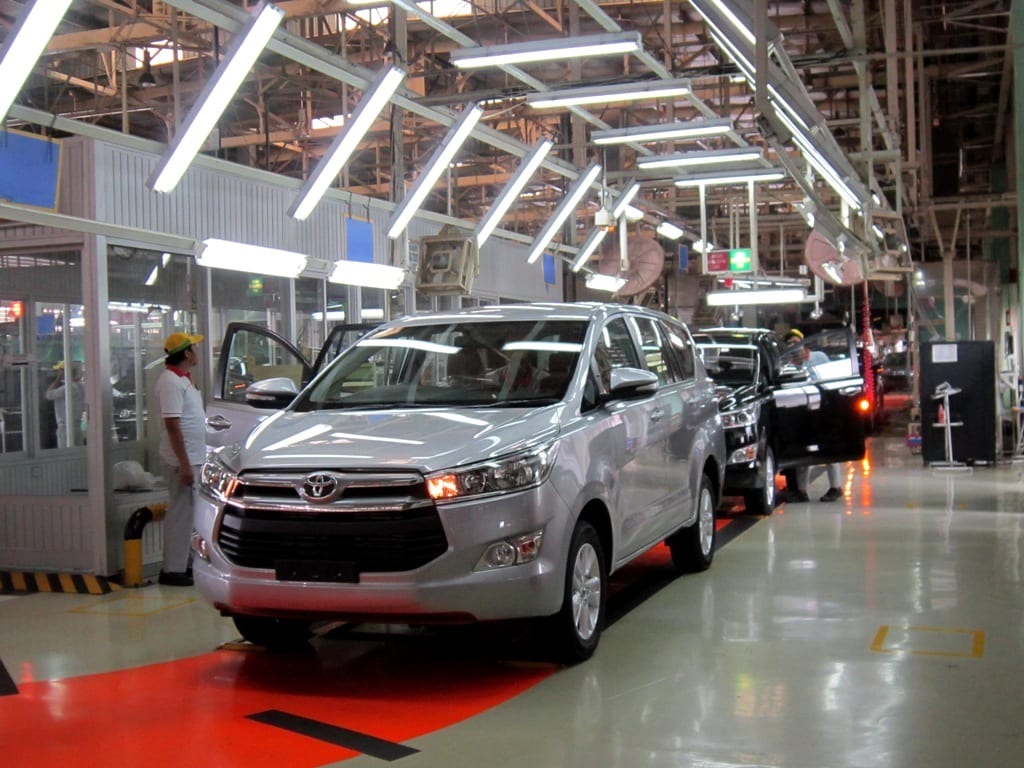
    Toyota Motor Manufacturing Indonesia has commenced production of engines at Karawang plant in West Java.

    Karawang plant has been built at a cost 2.3 trillion Indonesian Rupiah ($172m).

    The plant is expected to produce at least 216,000 engines per year by employing about 400 employees.

    The plant will produce 1.3 and 1.5 liter Toyota NR engines, which the company claims to be fuel efficient.

    According to the company, some of these engines are for export.

    Toyota already has four more plants in Indonesia, with two plants in Sunter and two more plants in Karawang. This is the third plant in Karawang.

    Speaking at the plant’s opening ceremony, Toyota’s senior managing officer Koei Saga said: “Toyota sees TMMIN as one of our core hubs for the production and supply of both vehicles and engines.”

    “Through our operations here, we hope to maintain and strengthen our position as part of the local community here in Indonesia.”

    The Japanese car manufacturer said that it wants to achieve a sustainable growth which is a significant shift from its previous strategy of high-volume production.

    It says that it wants to build plants which are safer and more environmentally friendly where innovative production techniques could be introduced.

    At this plant, Toyota is introducing two major production technologies including on-site melting, which it is deploying for the first time outside Japan.

    The company is introducing a smaller furnace which reduces the risks associated with transporting the molten alloy and improves safety.

    By using smaller furnaces, Toyota has also been able to keep the cost at minimum.

    Toyota is also introducing inorganic sand cores which will be placed inside casting molds to create cavities for final cast components.

    Earlier organic materials were being used which produce tar particles and strong odors. To remove these impurities, large dust collectors and deodorizers are required.

    By introducing inorganic materials, Toyota hopes to reduce the use of these dust collectors and deodorizers.

  • Royal Enfield opens retail store in Bangkok

    Royal Enfield opens retail store in Bangkok

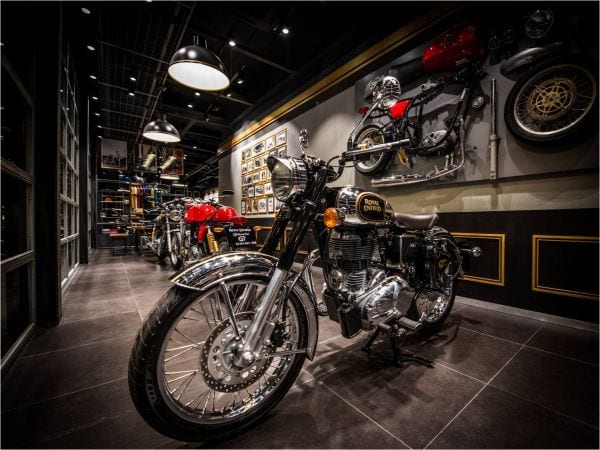
    Royal Enfield launched its retail operations in Thailand with an exclusive store in Thonglor, Bangkok, Wednesday, Feb.24. Royal Enfield’s first retail store in Thailand has been set up in partnership with General Auto Supply Co. Ltd.

    The 3,685 square feet retail outlet located at 842 SoiSukhumvit 55 (Thonglor), Sukhumvit Road, KlongtanNua, Wattana, Bangkok, is a full-service dealership and will provide aftermarket service to the buyers. The new store will sell the Bullet, world’s oldest motorcycle in continuous production since 1932, for Thailand Baht 179800 for 500cc, which is approximately Rs 3.45 lakh. The range of motorcycles includes the Classic 500, Classic Chrome and the Continental GT 535cc cafe racer.

    “Royal Enfield is today one of the most profitable automotive brands in the world and we believe that our future growth will come from our international markets such as Thailand where motorcycles are a popular medium of commuting. Our phenomenal success in India gives us the confidence to thrive in similar markets like Thailand and Indonesia, which will play an instrumental role in fuelling our growth in Asia,” Arun Gopal, international business head, Royal Enfield, said in a statement.

    Royal Enfield announced its entry into Thailand, the fifth largest two wheeler market in the world in December 2015, at the Thailand International Motor Expo.

    With a target to become a global leader in mid-sized motorcycle segment, Royal Enfield has been expanding its global footprints across UK, Europe, Latin America, Middle-East and now in South East Asia. In 2015, the company sold over 4.5 lakh motorcycles across the globe and also announced its plan to produce upto 9 lakh motorcycles by end of 2018, from two of its existing manufacturing facilities and a third upcoming facility near Chennai.

  • No price fixing among petrol retailers in Singapore, says competition watchdog

    No price fixing among petrol retailers in Singapore, says competition watchdog

    Local prices mirror global trends.

    There is no evidence to suggest that petrol companies conspire to control oil prices in Singapore, according to a study by the Competition Commission of Singapore (CCS).

    The study showed that local oil retailers base their prices on the Mean of Platts Singapore (MOPS) price, which refers to the cost at which petrol companies purchase the refined wholesale petrol from the refineries.

    The CCS said that listed retail petrol prices was observed to move in tandem with the price of MOPS over a six-year period between 1 January 2010 and 31 January 2016, although the pass-through was neither complete nor immediate.

    The MOPS price also made up less than a third of listed retail petrol prices. Other components of retail prices include operating costs, taxes and duties, land costs, discounts and rebates. The cost of these non-fuel components have generally increased in the past few years, the report noted.

    For the period of June 2014 to January 2016, crude oil price fell by an average of 59 SGD cents, or 67%. Consequently, MOPS price fell by 52 SGD cents or 53%, and the listed price of Octane 95 fell by 35 SGD cents or 15%.

    Including discounts, rebates and levy increase in February 2015, the effective price that consumers paid for Octane 95 was found to have fallen by 45 SGD cents, or -24%.
    This indicates a “relatively high level of pass-through” of the fall in MOPS price to consumers over this period. the report noted.

    “The operating income margin of the petrol companies has also increased, but the increase is smaller relative to the increase in the non-fuel components. There is no evidence to suggest collusion in petrol pricing, even though petrol companies monitor and react to each other’s published prices,” the CCS said.


  • Facelifted Mazda CX-5 launched in Thailand

    Facelifted Mazda CX-5 launched in Thailand

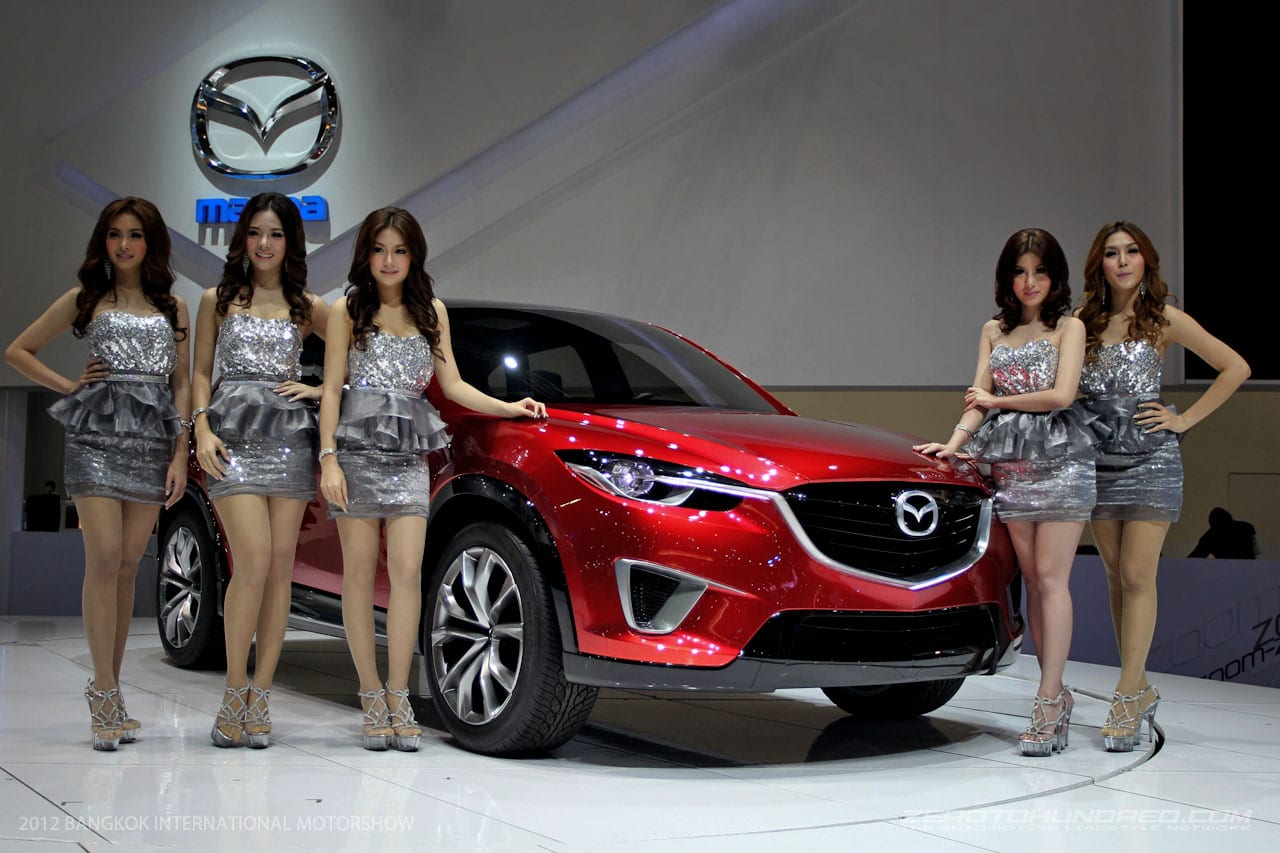
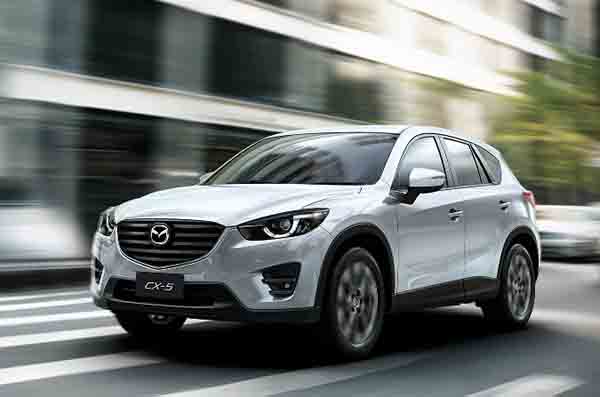
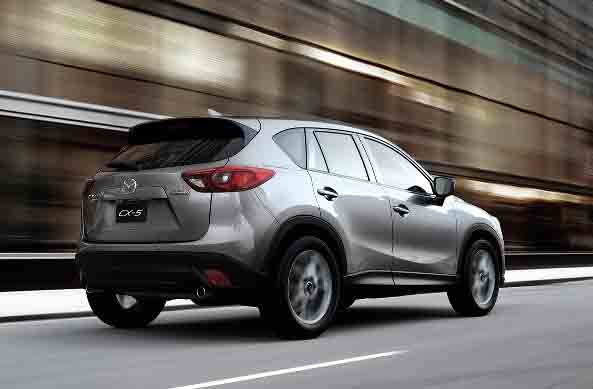
    Mazda Sales (Thailand) has launched the facelifted CX-5 with tweaked looks, new safety and convenience features, more economical drivetrains and slightly lower retail prices.

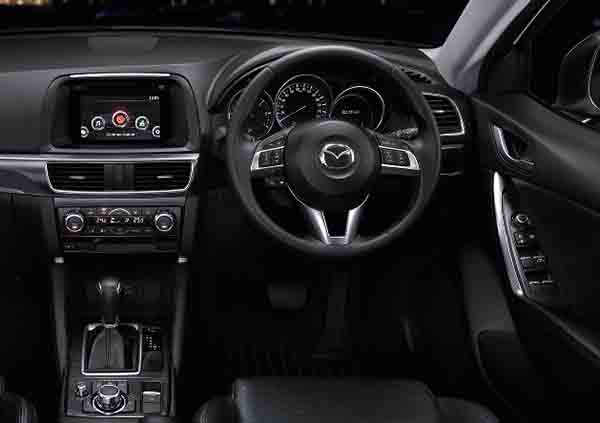
    Exterior changes include new front grille design and LED daytime running lights with adaptive function up front. Inside, there’s the brand’s latest infotainment called MZD Connect. There’s also a new drive mode selector to alter the vehicle’s driving characteristics.

    Safety features from Mazda’s i-Active Sense package include lane departure warning, automatic braking at low speeds, blind spot monitoring and rear traffic alert.

    The engine lineup has been streamlined to just two variants. The 2.2-litre diesel now comes with front-wheel-drive-only format that’s capable of yielding 17.5kpl on the average.

    The 2.0-litre petrol can now take E85 gasohol – just like in the Mazda 3 and CX-3 – and can return 14.5kpl. The 2.5-litre variant, meanwhile, has been dropped from the CX-5 lineup.

    Under new excise tax rules based on CO2 emissions, the diesel now has a lower price range of 1.53-1.69 million baht, whereas the petrol costs between 1.22-1.33 million baht.