Category: Automotive

Retail News Asia is committed to providing both local and global retailers with the latest Auto and Car news throughout the Asian market. This on a daily base.

  • Alibaba launches internet-enabled smart car

    Alibaba launches internet-enabled smart car

    Alibaba Group has announced the launch of OS’Car, the first mass-produced internet car powered by the company’s YunOS smart car operating system.

    The company has developed OS’Car RX5 in collaboration with SAIC Motor Corp. The new car will be supported by a cloud-based platform that enables data streaming, modeling and reporting to augment the driving experience.

    YunOS provides drivers will features such as an intelligent map with accurate location tracking without Wi-Fi or GPS, as well as integrated screens including an intelligent rear-view mirror for safer driving.

    The vehicle supports voice commands – in fact audio is the primary mode for controlling the system. It can automatically recognize the driver through connected smartphones or smart watches and provide personalized services such as greetings or preferred music.

    “What we are creating is not ‘internet in the car’, but a ‘car on the internet’. This is a significant milestone in the automobile industry. Smart operating systems become the second engine of cars, while data is the new fuel,” Alibaba Group chairman Dr Wang Jian said.

    “Going forward, cars will become an important platform for internet services and smart hardware innovation. We will be embracing a world where everything is closely connected.”

    YunOS has been designed as an open platform to support third party hardware and services.

  • 2016 Porsche Macan retail prices confirmed, from RM415,000

    2016 Porsche Macan retail prices confirmed, from RM415,000

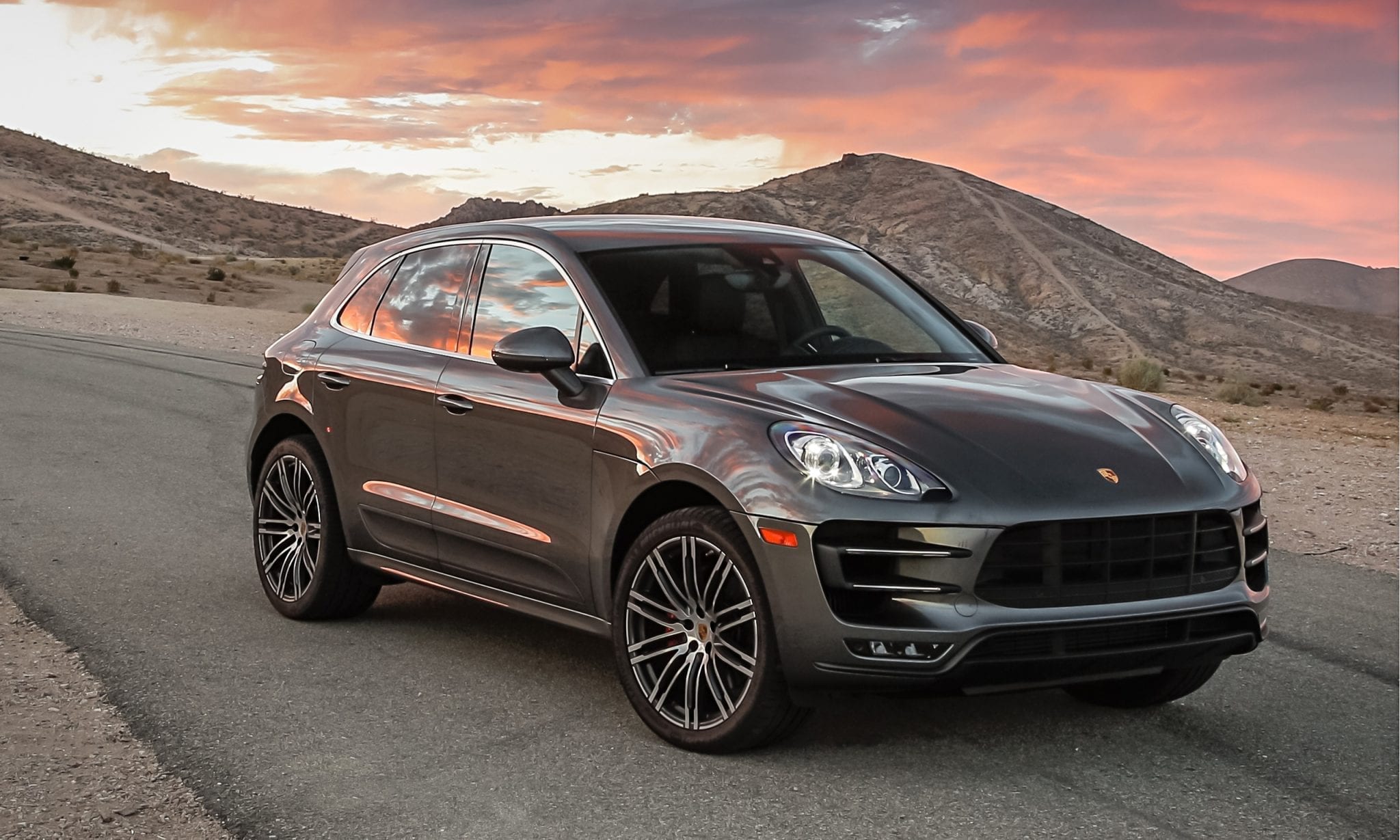
    Sime Darby Auto Performance (SDAP), authorised importer of Porsche vehicles in Malaysia, has finally confirmed prices for the entry-level Porsche Macan. Starting at RM415,000, the confirmed base prices are some RM20,000 lower than was previously indicated during the launch, at RM435,000.

    The updated Macan features minor styling enhancements, added standard infotainment equipment such as the Porsche Communication Management system (PCM) and a power hike of some 15bhp, now totalling 252bhp between 5,000rpm and 6800rpm, while a 20Nm increment of torque now totals 370Nm, enjoyed between 1,600rpm to 4,500rpm.

    The optional list of equipment is exhaustive, as with any Porsche – including Porsche Dynamic Light System Plus (PDLS Plus) which continuously adjusts the headlight level and the Sport Chrono Package which cuts down 0.2 seconds on the 0-100km/h sprint to just 6.5 seconds.


  • Ford’s exit from Indonesia upsets its dealers

    Ford’s exit from Indonesia upsets its dealers

    Ford’s dealers in Indonesia are now seeking to recoup their losses after the automaker said earlier this year it would close all operations in the country.

    Ford has been struggling to gain market share and to make some reasonable profits in Indonesia since its entrance in the market in 2002. Recent years have been especially challenging, as the country’s new car market started to be affected by the overall economic slowdown. At the beginning of the year, the Detroit-based automaker said it decided to exit from all segments of business, including closing dealerships and stopping sales and imports of Ford and Lincoln vehicles. The company made a similar decision for Japan as well.

    Reuters reports that dealers are now looking to get around 75 million dollars in compensation, looking to take their demands to court if they are not reaching an agreement with the automaker. They are claiming they made considerable investment in their businesses to support an expansion plan that Ford announced in 2011, but which never came. When it announced the shutdown back in January, Ford said it would start talks with its dealers to implement its exit plan later in the year.

    The automaker has a staff of 35 and sells its cars through 44 franchised dealerships in Indonesia, while last year it delivered around 6,000 vehicles, taking a 0.6 percent share of the total new car market. General Motors also decided to close its production operations at a local plant in Indonesia in 2015, ceasing output of locally manufactured GM-branded autos, forced by the intense competition from the Japanese brands, such as Toyota and Honda.

  • Astra doubts car sales would increase

    Astra doubts car sales would increase

    The country’s largest car manufacturer, PT Astra Internasional, expresses doubt that sales of automotive products would increase in 2016.

    Car and motorcycle sales would not increase under the economic slowdown, Astra’s investor relation officer, Ira Ardianti, said here on Monday night.

    Sales of both two and four wheeled motor vehicles have been flat in the past five months, she cited. The people’s purchasing power is still weak and have no fund to spare for luxury, she said.

    Sales of motorcycles dropped in the regions mainly because of the commodity price fall such as palm oil and rubber prices, Ardianti said.

    In the first quarter of 2016, Astra’s car sales dropped to 127,000 units from 137,000 units in the same period last year. In April and May, Astra’s sales of cars totaled 31,000 units and 33,000 units respectively.

    Its sales of motorcycles also shrank to 1.1 million units in the first quarter of 2016. In April and May sales were recorded at 348,000 units and 338,000 units respectively.

    “We could not make prediction , but hopefully the economy would improve and the people’s purchasing power would be stronger,” she said.

    The Indonesian Automotive Industry Association (Gaikindo), however, said car sales in Indonesia (from factories to dealers) surged 11 percent to 87,919 units in May 2016, the second straight month of rising car sales year-on-year.

    Gaikindo chairman Jongkie Sugiarto attributed the increase mainly to delivery of new models ahead of Idul Fitri holiday.

    In April car sales in Indonesia grew 4.6 percent to 84,703 units from 81,000 units in the same month last year.

    This is encouraging after being on the decline for 16 straight months previously.

    Stakeholders in the automotive industry hope that this is the start of a rebound, in line with accelerating economic growth.

    In the first quarter of 2016 Indonesias economic growth accelerated to a growth pace of 4.92 percent yoy), higher than the 4.73 percent GDP growth pace in the same quarter last year.

  • Retail sales surge in Singapore as demand for vehicles grows

    Retail sales surge in Singapore as demand for vehicles grows

    Singapore’s retail sales for the month of April surged 3.8 percent, taking cues from a boost in vehicle sales for the same period. However, the figures missed market expectations of a 6.1 percent rise in April.

    Singapore’s total retail sales rose 3.8 percent in April from a year earlier, helped by higher sales of motor vehicles, data released by the Department of Statistics showed Wednesday.

    The increase in retail sales moderated from a revised 5.2 percent year-on-year rise seen in March. On a month-on-month and seasonally adjusted basis, total retail sales rose 1.1 percent in April, an improvement from a revised 1.3 percent decline in March.

    Meanwhile, sales of motor vehicles jumped 43 percent on a year-on-year basis. Total retail sales value in April this year was estimated at SGD3.5 billion, higher than the SGD3.3 billion in April 2015. Motor vehicle sales experienced the largest increase, while mini-marts and convenience stores saw sales grow 3.9 per cent in April, year on year.

    Telecommunications apparatus and computers witnessed the sharpest decline, with sales falling 17.1 percent year on year. During the same period, sales of watches and jewellery also fell, declining by 11.3 percent. However, excluding motor vehicles, retail sales grew by a meager 0.1 percent compared to that in March 2016.

    However, sales of food and beverage services fell 1.7 percent from the previous year. The total sales value of food and beverage services in April was estimated at SGD658 million, higher than the SGD647 million the previous year.


  • Tesla Motors introduces two less costly Model S versions

    Tesla Motors introduces two less costly Model S versions

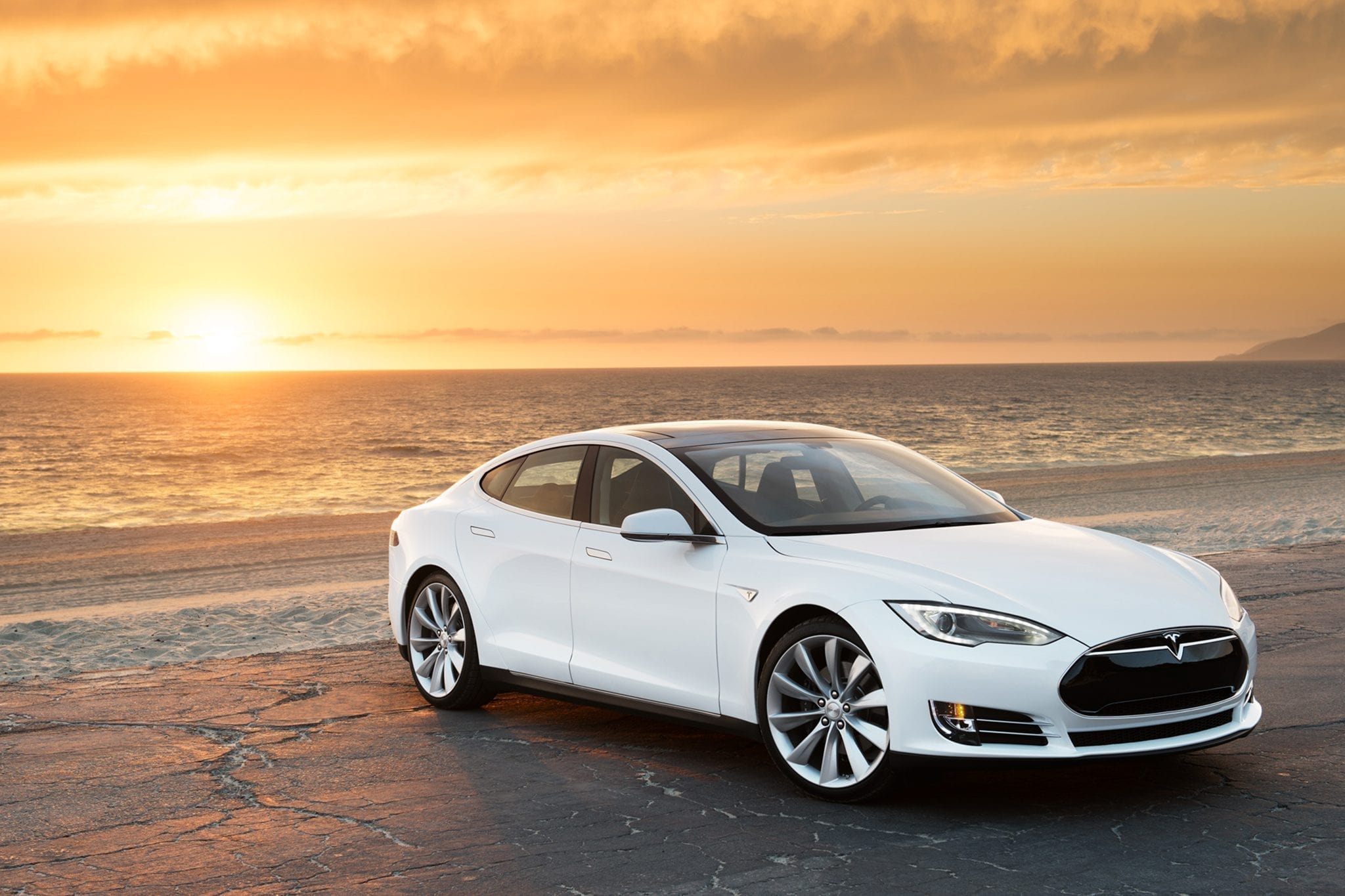
    Electric carmaker Tesla Motors Inc said on Thursday it would offer two slightly lower-priced versions of its electric Model S sedan, starting at $66,000 in the U.S. market.

    The current Model S starts around $76,000 and is often delivered to customers at a price of about $100,000.

    Prices are before tax incentives are applied.

    The new versions, the rear-wheel drive Model S 60 and the all-wheel drive Model S 60D, will have slightly less range than the Model S already sold. The Model S 60D starts at $71,000 in the U.S. market.

    The newer models will have a range of more than 200 miles, Tesla said in a statement.

    The Model S 60 and Model S 60D will be sold with a battery pack with a capacity of 75 kilowatt-hours, but will be limited to a capacity of 60 kWh. Tesla said owners will have the option to get a software upgrade to allow the car to have a capacity of 75 kWh and the longer range it provides.

    Analyst Joseph Spak of RBC Capital said the upgrade option will cost $8,500 at purchase or $9,000 after purchase.

    A 60 kWh battery has an estimated range of 218 miles for the rear-wheel drive Model S 60 and 210 miles for the Model S 60D, Tesla’a website shows.

    The upgrade to the 75 kWh battery pack will add about 40 miles of range to each model.

    Tesla in 2012 offered a 60 kWh Model S version priced starting about $70,000 but it was discontinued last year. Tesla says the two newer Model S versions offer more capabilities than the discontinued one.

    Tesla has said it will produce between 80,000 and 90,000 electric cars in 2016 and that it can make 500,000 by 2018. Most of those are expected to be Model S cars. In the first quarter, Tesla produced 14,820 vehicles, of which 12,851 were Model S and 2,659 were Model X sports utility vehicle.

    Tesla plans a new car, the Model 3, which is to be a more affordable sedan, starting around $35,000, to go to market in late 2017.

  • Daimler to unveil long-distance electric car in October

    Daimler to unveil long-distance electric car in October

    Germany’s Daimler will lift the curtain on its much-anticipated long-distance electric car at the Paris Motor Show in October, as the automaker gears up to compete with Tesla Motors Inc’s Model X sport-utility vehicle (SUV).

    The company will display a prototype of an electric-powered Mercedes car with a 500-kilometre (310 miles) range, Chief Development Officer Thomas Weber said this week in Stuttgart at an event for journalists.

    “The structure is ready, the teams are working and the initial results from road tests are coming in quick succession,” he said.

    Weber did not specify how soon the car would hit the road but said it would be sometime this decade.

    Daimler and European rivals are stepping up investments in electric vehicles in order to meet new EU pollution targets and catch up with U.S. battery-car specialist Tesla. The German government has also announced subsidies for buyers of electric and other less polluting cars.

    German competitor Volkswagen’s subsidiaries Audi and Porsche have already unveiled long-distance electric prototypes, while BMW is working on one.

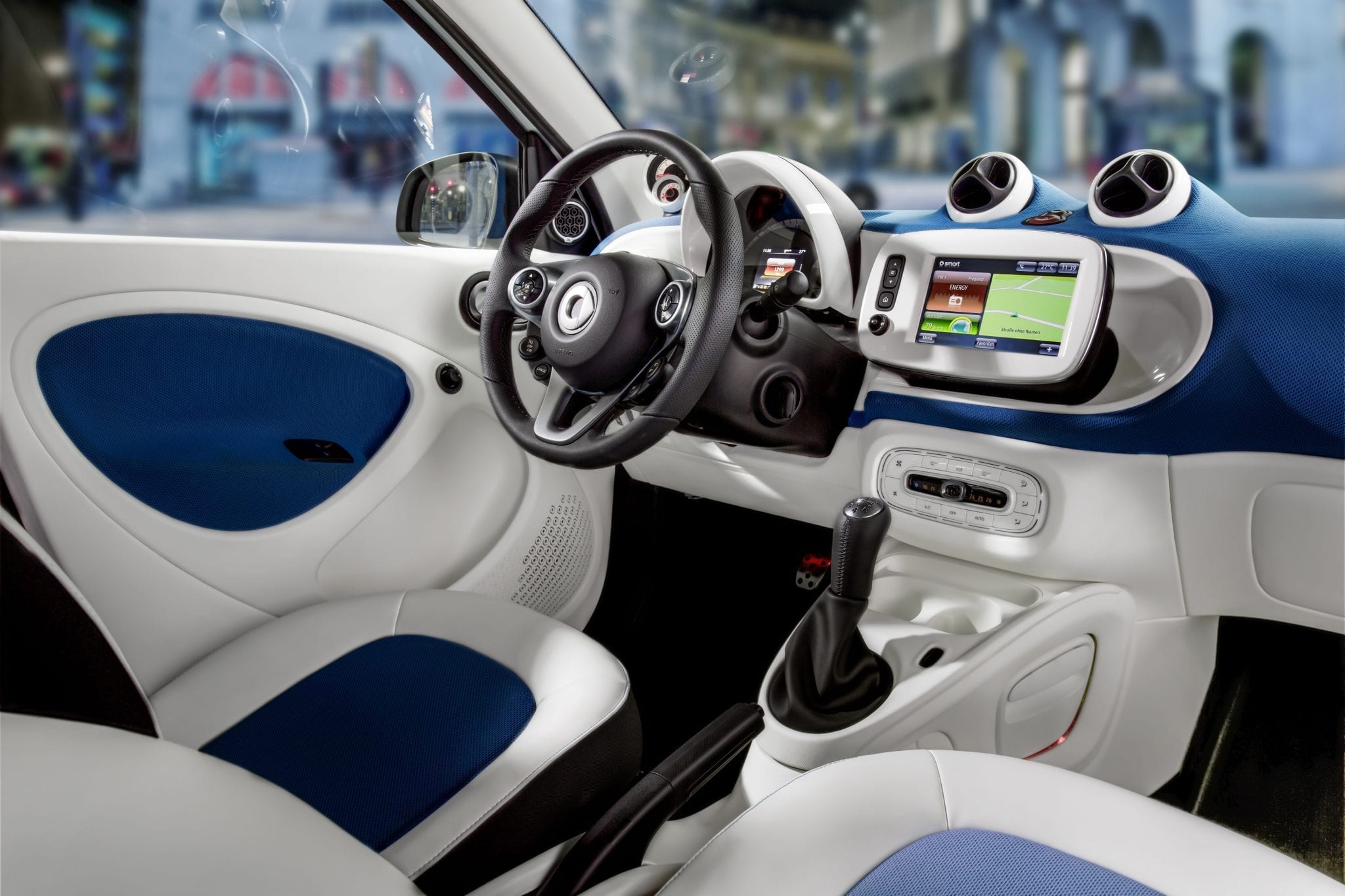
    Weber also said Daimler would launch its fourth-generation electric Smart car at the end of the year in both two and four-seater variants.

    Daimler currently offers two fully electric cars under its Smart and B-class models and a host of plug-in hybrids, powered by a combined battery and combustion engine. Further hybrid models are in the pipeline.

    The company is aiming to sell more than 100,000 electric cars a year by the end of the decade, Weber said. He declined to provide the sales figure for 2015.

    Daimler has also been working on fuel cell powered cars, which run on electricity generated by hydrogen. It initially planned to launch such a vehicle in 2014 but had to postpone, blaming pricing issues.

    The fuel cell operated SUV GLC, likely to compete with Toyota’s Mirai, is now expected to enter production next year.

  • BMW revamps “i” electric car division to focus on self-driving tech

    BMW revamps “i” electric car division to focus on self-driving tech

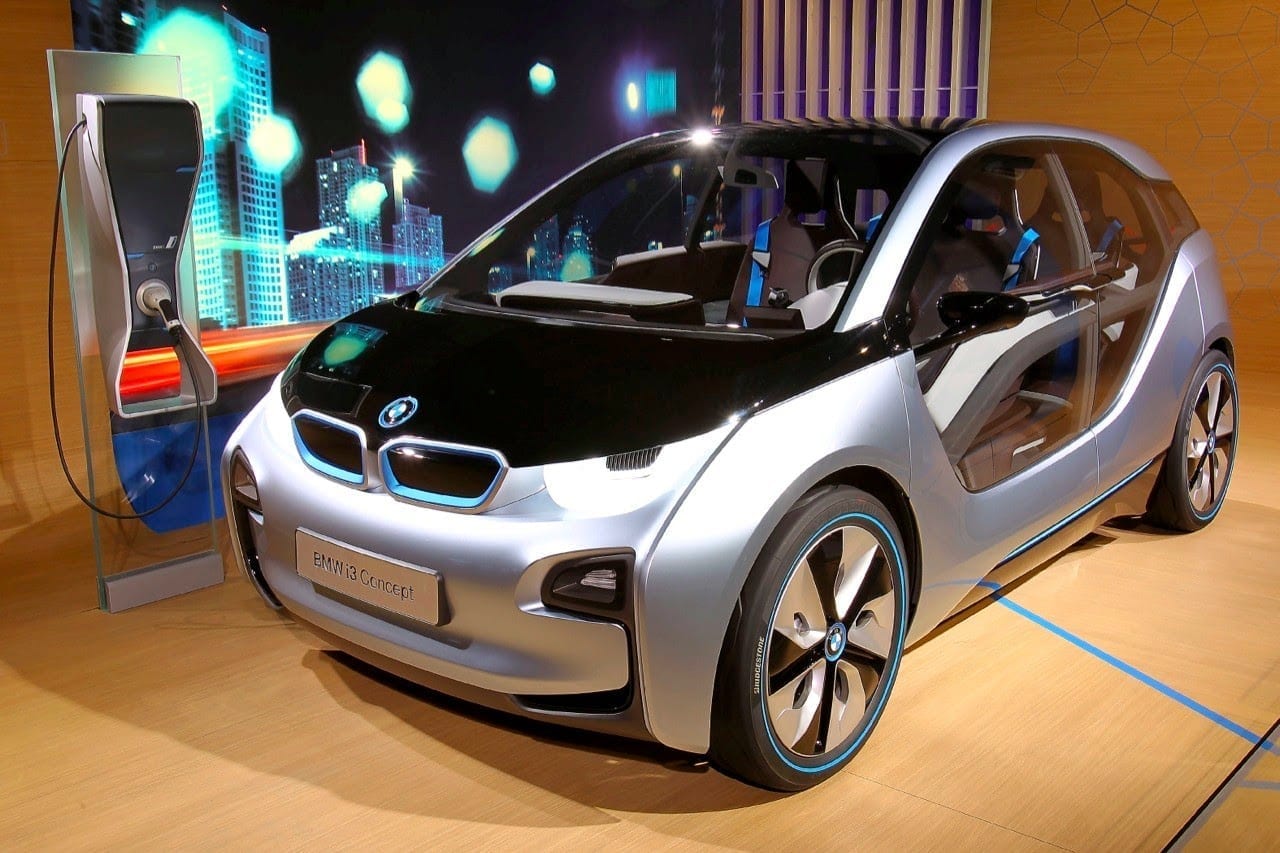
    BMW has transformed its “i” division into a development center for self-driving cars, a board member told Reuters, a major strategic shift for the unit previously focused on making a family of lightweight electric vehicles.

    While Tesla’s (TSLA.O) Model 3 will hit showrooms in 2017, and as rivals Porsche and Audi are working on all-electric cars for release by 2019, the German carmaker appears to have put such cars on the back burner. Its next fully-electric car is not due until 2021.

    The company has changed tack after its only fully battery-powered car, the i3, failed to gain traction with the public, with only 25,000 sales last year. By contrast, Tesla has already received more than 370,000 orders for its Model 3.

    Now, rather than seeking to match the likes of Tesla and Porsche with a new zero-emissions sports limousine for release within the next two years, its main focus will be on developing an electric car with the next generation of technology: autonomous driving.

    In an interview at the company’s headquarters in Munich, BMW board member Klaus Froehlich, who is in charge of development, said he had relaunched the i division in April as a unit devoted to producing cars that drive themselves.

    “It is now in ramp-up stage. We call it Project i Next.”

    The revamp also follows at least four high-profile staff defections from the division this year. Dirk Abendroth, manager of BMW’s “i” powertrain group, Henrik Wenders, vice president product management BMW “i”, and Carsten Breitfeld, vice president engineering, head of the i8 vehicle program, were poached by a Chinese electric vehicle startup.

    As part of its autonomous driving push, BMW is hiring experts in machine learning and artificial intelligence. It is also integrating the functions of existing computer driven assistance systems like cruise control, emergency braking, lane-keeping support and automatic parking.

    RIDE-HAILING

    With a fully autonomous vehicle, BMW could launch a ride-hailing business without having to pay drivers, Froehlich said, giving carmakers a competitive edge over new ride-hailing companies like Uber [UBER.UL] and Lyft which are eroding car sales by making part-time use as convenient as ownership.

    Earlier this month Toyota Motor Corp (7203.T) said it would invest in Uber, and Volkswagen (VOWG_p.DE) announced a $300 million investment in Gett, a smaller ride-sharing company.

    BMW too may partner with a ride-hailing firm, particularly in markets like China, but the Bavarian carmaker’s strategy on potential partnerships with companies in this space is still being worked on, Froehlich said.

    Sales of highly autonomous vehicles – ones where permanent active input from the driver is not required – are not expected to gain traction until 2020, but could then rise to around 9 million a year by 2025, according to analysts at Exane BNP Paribas.

    China, the world’s largest car market, is likely to be the market where autonomous cars will first emerge on a large scale, Froehlich said.

    “China is extremely fast implementing technology. Last year more electric cars were sold in China than in all the other global markets combined,” he added.

    BMW is also considering expanding in the area of reserving parking spaces and electric car charging stations over mobile phones, a market which is still fragmented within countries. The carmaker has already invested in ParkNow and Parkmobile, two digital parking and payment services.

    “We want to actively participate in a consolidation process,” Froehlich said.

  • Michelin plans 20% increase in tyre sales by 2020

    Michelin plans 20% increase in tyre sales by 2020

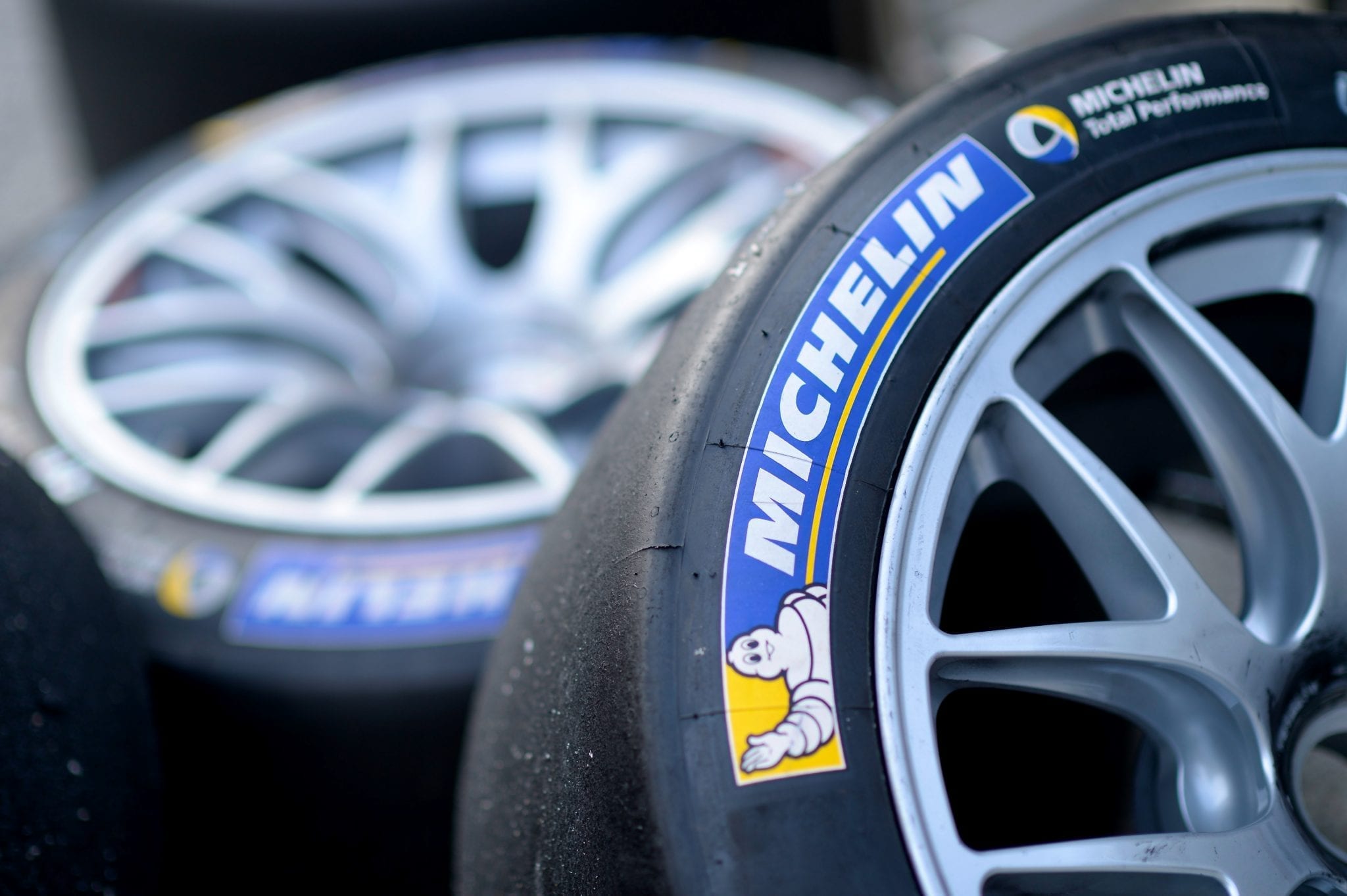
    Michelin said ahead of an investor day on Monday that it aims to increase tyre sales by 20 percent by 2020, pledging to outpace the growth of the market.

    The group also said it aimed to double services and solutions revenue to 2 billion euros ($2.27 billion) over the same time period.

  • TomTom wins deal to provide Volvo Cars with maps, data

    TomTom wins deal to provide Volvo Cars with maps, data

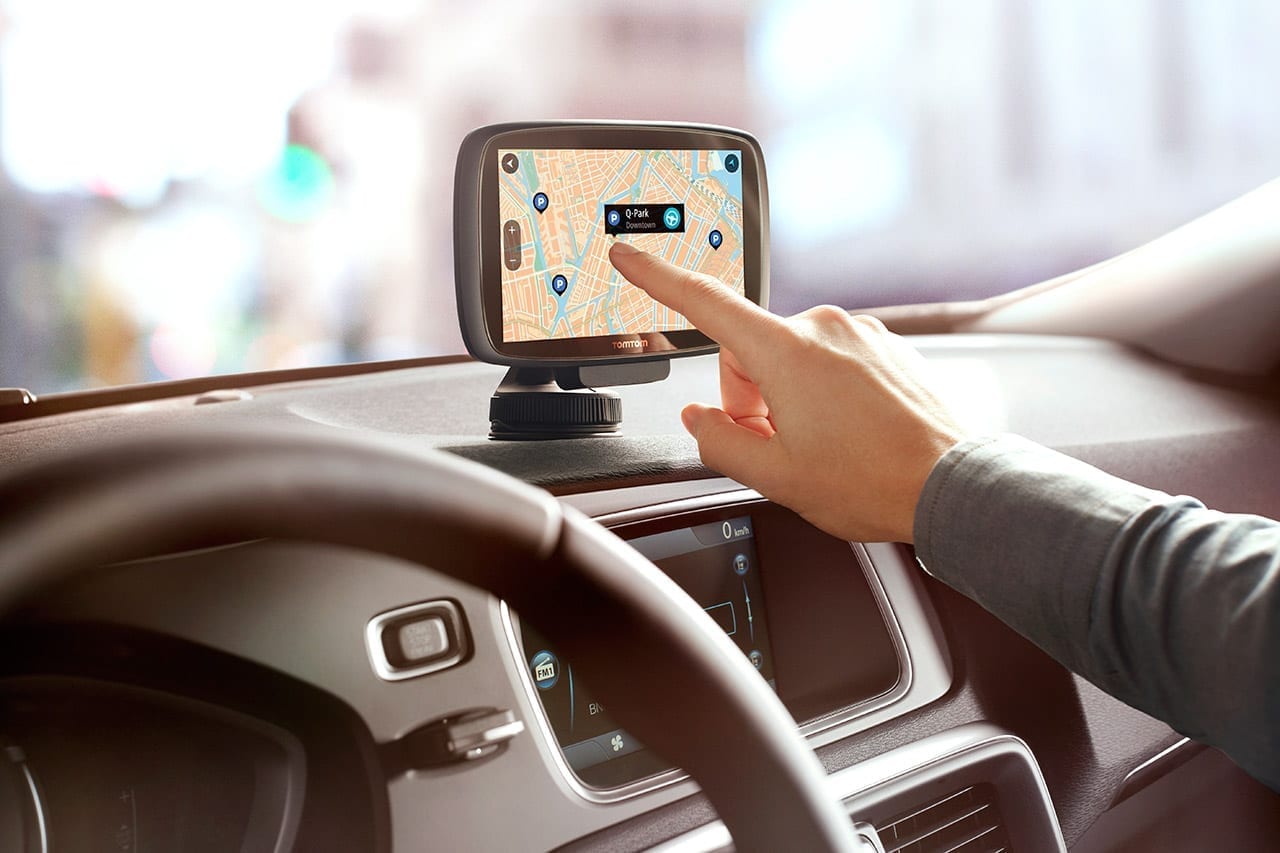
    TomTom, the Dutch navigation company, said on Wednesday it had won a contract to provide Volvo Cars with real-time maps and traffic data for its vehicles.

    Terms were not disclosed, but the contract is a major win for TomTom, which competes with Google Maps and HERE, the former Nokia unit now owned by Audi, BMW and Daimler.

    TomTom, once known mostly for dashboard-mounted GPS systems, has won a string of contracts for its mapping technology, which it believes will play an important role as car driving becomes increasingly automated.

    Other TomTom customers include Volkswagen, Uber and Apple.

    TomTom’s shares are down more than 30 percent so far this year, declining sharply during the January market sell-off and again in February after issuing a forecast for 5 percent sales growth in 2016 that fell short of market expectations.

  • Ford expands recall of vehicles with defective Takata airbags

    Ford expands recall of vehicles with defective Takata airbags

    Ford Motor said it would recall about 1.9 million vehicles fitted with defective airbag inflators made by Japan’s Takata, in North America.

    Ford said on Wednesday that the affected vehicles include 2007-2010 Edge, 2006-2011 Fusion, 2005-2011 Mustang, 2007-2011 Ranger, 2007-2010 Lincoln MKX and 2006-2011 Lincoln MKZ, Zephyr and Mercury Milan.

  • McLaren leads new British entrants to PH

    McLaren leads new British entrants to PH


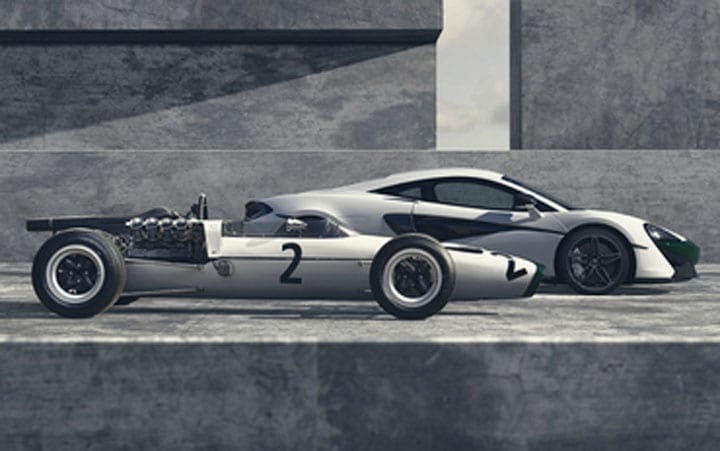
    McLaren sportscar (Photo: McLaren)

    McLaren sportscar (Photo: McLaren)

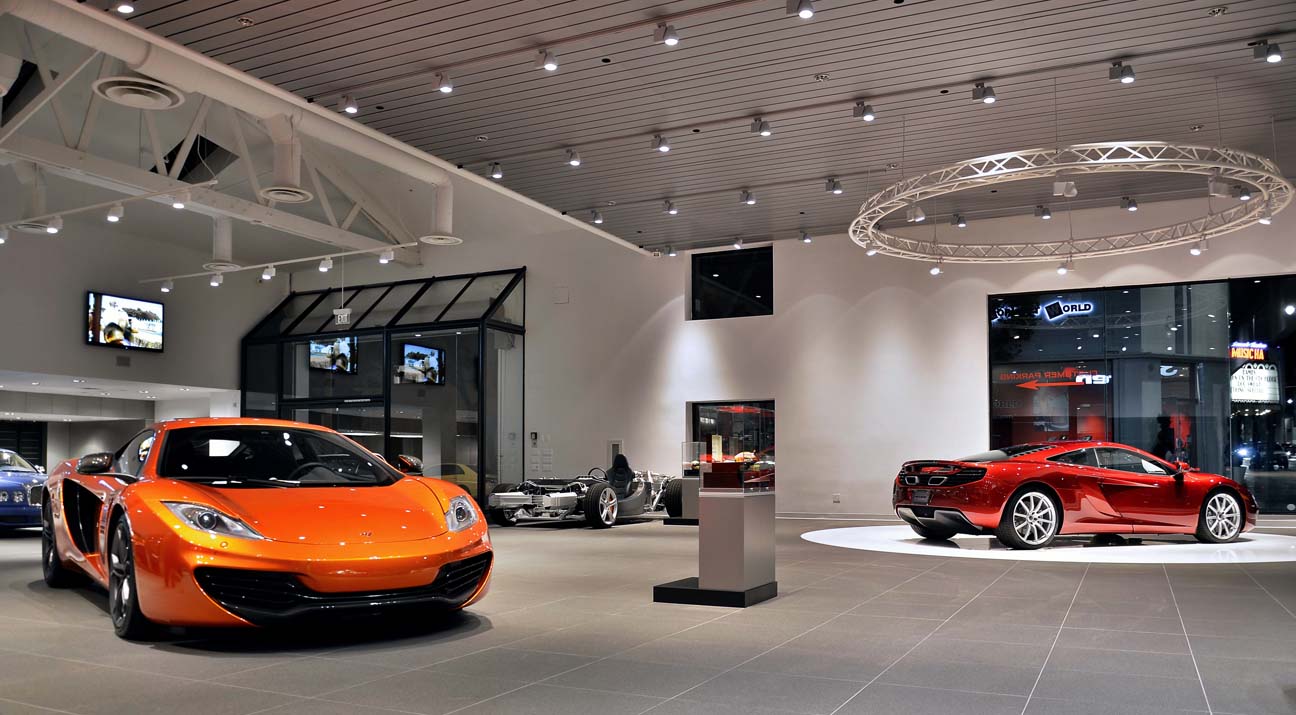
    McLaren, a British manufacturer of luxury, super high-end sports cars, is set to enter the Philippine market, completing the presence of all British car brands in the country while a huge British manufacturer will announce its huge entry into the Philippines next month.

    British Ambassador Asif Ahmad told reporters that McLaren officials came here recently to talk to 3 local car distributors, who could be potential exclusive distributor of the motor racing vehicles.

    According to Asif, he wrote to McLaren telling them they are the only UK car brand missing in the Philippines.

    “All the top brands including Bentley, Jaguar, Rolls-Royce are all here except you. So they come here and talk to potential distributors for exclusive distributorship deals,” he said.

    He hopes McLaren, which produces high end cars but more down to earth cars, would be able to set up local distributorship within the year.

    Asif believes there is a market for McLaren in the Philippines because Filipinos are not just buying one type of brand. Car sales in the country has been expanding robustly. In the first quarter this year, car sales went up — percent to —- units compared to the same period last year.

    McLaren, which leverages its successes in the Formula 1 and technology that promotes car racing, will all be imported from UK.

    McLaren’s retail network has also expanded bringing the total number of McLaren retailers to 71 across more than 30 countries. Growth was recorded across all four of the McLaren regional business units with Asia-Pacific seeing the biggest change with 11 new retail locations opening across the region, resulting in an 80 per cent rise in sales in 2014.

    North America remains the largest market for McLaren accounting for more than 30 per cent of sales, while Europe and the Middle East grew year-on-year by 10 percent and nine per cent respectively.

    Aside from McLaren, Asif also mentioned that a major high-tech British manufacturer will announce its huge investment in the Philippines in the first week of July, next month.

    The company, which Asif refused to identify, will bring in huge investment to establish a manufacturing operation in Batangas, which will be its second overseas manufacturing site. It is engaged in high-tech domestic electrical equipment and leading edge appliances like washing machines and dryers. Its brand is already being sold locally.

    Under the plan, the company will operate in the country in three ways. It will put up its own head office, establish a very high-tech manufacturing unit, and a third party contract  local contract manufacturer.

    “Combine all those together, it’s a hybrid. Three operations in one project,” he said.

    The company, which has chosen the Philippines over Mexico, has already talked with Lilia De Lima, director general of the Philippine Economic Zone Authority.

    “This is a huge boost for the Philippine jobs,” he said adding that its one plant in Asia has created 30,000 jobs.

    “They have chosen the Philippines because of the talented pool of people. In Batangas, they don’t have problem in power supply and they have local port if they want to avoid sending things in Manila,” he said. One thing, he said, the company also cited the Philippines strong protection for intellectual property rights.

    He cited the improving buying power of Filipinos to be able to afford top-end products and brands.

    In addition, Asif expects more British engineering firms to participate in the huge infrastructure projects of the government.

    The British Chamber is also lobbying for the government to open up the education sector to allow British universities to open schools in the country.
  • Apollo Tyres expands operations to Malaysia, targets big share of the replacement tyre market

    Apollo Tyres expands operations to Malaysia, targets big share of the replacement tyre market

    After making its presence felt in Thailand and Indonesia, Apollo Tyres announced the setting-up of its office in the third largest automotive market in the ASEAN region, Malaysia. Satish Sharma, President, Asia Pacific, Middle East & Africa (APMEA region), Apollo Tyres Ltd inaugurated the company’s Malaysian office in the presence of select Business Partners and company officials.

    Apollo-Tyres-inaugurates-Malaysia-office-1

    Subsequent to setting-up its sales and distribution hub in Bangkok for the ASEAN region, Apollo Tyres has been increasingly focusing on expanding its footprint in South East Asia. The company is targeting a bigger share of the pie in the Malaysian replacement tyre market, which has an annual capacity of 580,000 truck-bus radials and 9.5 million passenger car tyres.


    Malaysia has above 90% radialisation levels in the commercial vehicle segment. Apollo Tyres, with its Apollo Endurace range of truck-bus radials, has already received high acceptance from Malaysian customers. The tyre maker is keen to further establish the Apollo brand at the top tier of the truck-bus radials market. Similarly, Apollo’s passenger car tyres portfolio is capable of servicing nearly 90% of the Malaysian car tyre market, which is currently, one of the largest in the ASEAN region.Apollo Tyres inaugurates Malaysia office (2)

    Satish Sharma, President, Asia Pacific, Middle East & Africa, Apollo Tyres said that over the past two-three years, Apollo Tyres has been making steady inroads into the Malaysian market as this is a pivotal market for the company’s growth in the region. The product range fits well with the Malaysian consumer requirements and with the support of its key distribution and retail partners in Malaysia, Apollo Tyres has been able to penetrate most of the key replacement tyre market segments.

  • Toyota resumes production in all Japan plants after quakes

    Toyota resumes production in all Japan plants after quakes

    Japanese carmaker Toyota Motors on Friday resumed production at all assembly lines in the country after operations were halted at most facilities due to powerful quakes that struck the nation in April.

    A company spokesperson told EFE news that the last five production lines that had remained closed due to the quakes were back online.

    The carmaker was forced to halt production in 26 of its 30 plants in Japan due to shortages of components manufactured by suppliers near the Kumamoto and Oita prefectures, which were the worst affected in the quakes.

    The temporary halt in operations in those assembly lines had affected the production of around 80,000 units, according to Japanese daily Nikkei.

    Transport and communications in several parts of Kumamoto and Oita are still experiencing disruption after the tremors, the worst since the March 2011 earthquake that caused a devastating tsunami.

    The recent quakes have also led to the temporary closure of factories owned by Japanese and foreign firms.

    Automotive manufacturers Mitsubishi and Honda Motors, and electronics giant Sony, also halted production at their Japan factories.

    The first 6.5-magnitude earthquake hit the area on April 14, followed on April 16 by a powerful 7.3-magnitude earthquake that caused building collapses and landslides.

  • Tesla calls out to build a million all-electric cars a year by 2020

    Tesla calls out to build a million all-electric cars a year by 2020

    Technology entrepreneur Elon Musk gave a public shout-out to the sharpest minds in manufacturing this week, calling on them to come help Tesla Motors Inc build a million all-electric cars a year by 2020.

    Musk says he is “hell-bent” on making the Silicon Valley automotive upstart a manufacturing powerhouse, but his vision relies on finding veteran auto engineers to ramp up volume ten-fold in four years – a challenge even for established carmakers.

    Tesla on Wednesday said it would build 500,000 cars in 2018, two years ahead of schedule, and close to 1 million by 2020. The same day Tesla said its vice presidents in charge of production and manufacturing were leaving.

    “You’re looking at a company with significant levels of management turnover at the highest ends, people without experience in the planning, design or build of vehicles, and you expect to crank it up at those kinds of volumes?” asked Michigan-based auto manufacturing consultant Michael Tracy.

    Putting aside the issue of capital requirements, auto experts point to a shortage of manufacturing engineers, whose ranks were thinning out even before the U.S. auto crisis hit in 2008.

    “It’s a constant issue we have in this country,” said Garth Motschenbacher, director of employer relations at Michigan State University’s College of Engineering.

    “For the longest time manufacturing was seen as the dirty end of engineering,” he said.

    At the same time, Alphabet’s Google and Apple are working on car programs and courting the same potential employees. So are established auto names like Ford Motor Co, General Motors Co and Toyota Motor Corp .

    A 2015 Deloitte report found it takes three months to hire skilled engineers, and the shortage is crimping manufacturers.

    Robust early reservations for the upcoming Model 3 mass-market car may have assured Musk of demand, but now comes the execution, said automotive recruiter Stephen Parkford.

    “It’s like reservations for a restaurant that’s not open yet. You got the menu, but you don’t have a chef!” he said.

    Hiring a highly proven production engineer from a traditional carmaker who arrived with his entire team could speed the process, Parkford said.

    But while young engineers will jump at the chance to work for Tesla, the “by-the-numbers, disciplined manufacturing guys” with 15-20 years experience will be harder to nab, said Cuneyt Oge, president of the Society of Automotive Engineers. One key obstacle is the high price of living in Silicon Valley.

    Musk needs a visionary auto industry veteran, Oge said. “But anyone with that kind of experience is going to say, ‘Hey, Elon, you can’t do this in two years.’”

    Tesla is known for pushing the envelope on design and technology but has stumbled in manufacturing, with prior launches marked by delays and quality issues.

    Traditional automakers have more human and financial resources than cash-burning Tesla: Tracy pointed to Nissan Motor Co Ltd’s ability in 2004 to bring in 200 engineers from Japan to help fix quality issues at its recently opened assembly plant in Canton, Mississippi.

    “Greybeards” are crucial to build and run factory systems, said Oge. “You can’t just defy the laws of business physics which require you to go down a learning curve collectively to build that systems know-how,” he said.

    While Tesla employees may cite Musk’s tirelessness and attention to detail, even bedding down inside his Fremont, California factory, others like consultant Tracy see a worrying sign.

    “If Elon is sleeping in a sleeping bag in a conference room off of the final assembly line, then there’s an awful lot happening in that factory that’s wrong,” Tracy said.