Category: Automotive

Retail News Asia is committed to providing both local and global retailers with the latest Auto and Car news throughout the Asian market. This on a daily base.

  • Toyota to Continue to Invest Big in Indonesia

    Toyota to Continue to Invest Big in Indonesia

    Toyota will continue its major investment plan in Indonesia, particularly in manufacturing, up to Rp20 trillion by 2020.

    PT Toyota Motors Manufacturing Indonesia (TMMIN) deputy president director Warih Andang Tjahjono in Tokyo, Japan, said Sunday, August 28, 2016, that Toyota has made Rp10 trillion investment of its planned investment in Indonesia, as promised by Toyota Motor Corp (TMC) president director Akio Toyota.

    “Major projects have been realized, the third plant has been completed,” he said.

    Since 2013, he went on, Toyota’s production capacity in Indonesia continues to increase, from 110,000 units to currently 25,000 units per day.

    According to Warih, the total TMC investment in the past few years have reached roughly Rp10 trillion, in which the biggest investment had been made to develop the production capacity of Kijang Innova and Fortuner at approximately Rp5 trillion, followed by the production of Sienta at around Rp2.5 trillion, and NR engine production with an investment value of roughly Rp2.3 trillion.

    “Investment will continue, although it would not be as big as the current investment,” Warih said.

  • Tata Motors launches two new commercial vehicles in Indonesia

    Tata Motors launches two new commercial vehicles in Indonesia

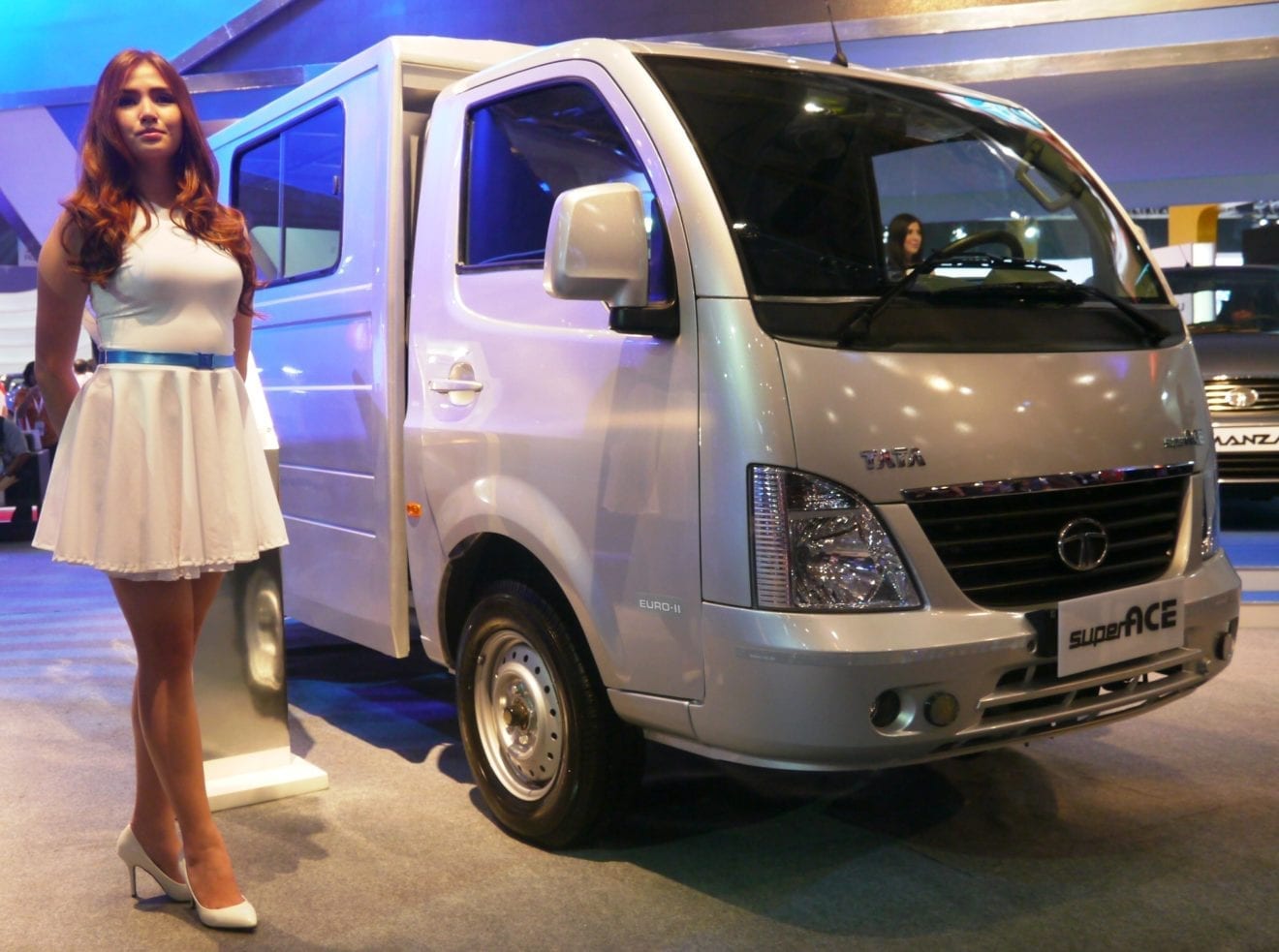
    Tata Motors today said its Indonesia unit has launched two new generation commercial vehicles in that country. PT Tata Motors Distribusi Indonesia (TMDI), a unit of Tata Motors, has launched the Tata Ultra 1012 light truck and the Tata Xenon XT D-Cab 4×4 pick-up, at the 24th Gaikindo Indonesia International Auto Show (GIIAS) 2016. Developed, keeping the Indonesian customer in mind, both vehicles have gone through rigorous trials of more than 25,000 kms, over different terrains and various operating conditions, Tata Motors said in a statement.

    “Both vehicles have been designed for the modern commercial vehicle customer with superior performance, world-class cabins, high load carrying capacity and flexible body-load configurations,” Ravi Pisharody, Tata Motors Executive Director, Commercial Vehicles, said. Tata Motors is also committed to bring the latest global technologies to the commercial vehicles market in the country, he added. Tata Motors is India’s largest automobile… Tata Motors today said its Indonesia unit has launched two new generation commercial vehicles in that country.

    PT Tata Motors Distribusi Indonesia (TMDI), a unit of Tata Motors, has launched the Tata Ultra 1012 light truck and the Tata Xenon XT D-Cab 4×4 pick-up, at the 24th Gaikindo Indonesia International Auto Show (GIIAS) 2016.

    Developed, keeping the Indonesian customer in mind, both vehicles have gone through rigorous trials of more than 25,000 kms, over different terrains and various operating conditions, Tata Motors said in a statement.

    “Both vehicles have been designed for the modern commercial vehicle customer with superior performance, world-class cabins, high load carrying capacity and flexible body-load configurations,” Ravi Pisharody, Tata Motors Executive Director, Commercial Vehicles, said.

    Tata Motors is also committed to bring the latest global technologies to the commercial vehicles market in the country, he added.

    Tata Motors is India’s largest automobile company, with consolidated revenues of Rs 2,75,561 crore in 2015-16. Through subsidiaries and associate companies, Tata Motors has operations in the UK, South Korea, Thailand, South Africa and Indonesia.

  • VW, suppliers struggle to resolve dispute in marathon talks

    VW, suppliers struggle to resolve dispute in marathon talks

    Volkswagen and two of its auto parts suppliers were pushing to resolve a contract dispute early on Tuesday, spokespeople said, but had no progress to report despite 17 hours of talks as the conflict threatens to cost the carmaker thousands of vehicles in lost output this week.

    Top-level negotiations between VW and the two Prevent DEV group suppliers that began at about 1100 GMT (0700 ET) on Monday and continued through the night failed to yield a breakthrough, spokespeople for VW and the suppliers said. But the two sides are continuing to seek a solution, they said, without elaborating.

    The dispute affected about 28,000 workers at six of VW’s 10 German factories on Monday when the automaker halted production of the top-selling Golf and Passat models, as well as assembly of engines, gearboxes and emissions systems, due to the Wolfsburg-based suppliers’ refusal to deliver products like seat covers and gearbox parts.

    VW’s supplier conflict poses a threat to the company’s profitability as it seeks to recover following its diesel emissions test cheating scandal.

    Analysts at UBS estimate that a one-week production halt at VW’s Wolfsburg headquarters would result in about 100 million euros ($113 million) in lost gross profit, and could have knock-on effects on other suppliers.

    CarTrim, which makes seats, and ES Automobilguss, which produces cast iron parts needed to make gearboxes, are seeking compensation after saying they faced lost revenue running into tens of millions of euros after VW canceled a contract.

    Europe’s largest automaker has been trying to force the two companies to resume deliveries, suggesting they could face fines or even seizure of missing parts.

    Lower Saxony Economy Minister Olaf Lies, a member of VW’s supervisory board, has said the dispute is hitting VW “at the worst possible time”. Whether VW management should face questions for over-reliance on single suppliers needs to be clarified, he added.

    Some industry analysts were also critical of VW.

    “A global player has based its entire production chain on a mid-sized company,” said Ferdinand Dudenhoeffer, head of the Center of Automotive Research at the University of Duisburg-Essen. “That is not only amateurish but also extremely naive.”

    Faced with billions of euros of costs from its emissions scandal, VW has indicated it would seek price cuts from its suppliers.

    While the disruption may keep workers at home, there could be a silver lining for VW in limiting Golf output. The automaker had already canceled Golf production shifts on October 4-7 and December 19-22 due to falling demand.

    VW said the stoppages were part of regular production adjustments.

    “Given the slowdown of VW sales (excluding China), the brand certainly needs to slightly trim production levels,” said London-based Evercore ISI analyst Arndt Ellinghorst.

  • Electric car charging station companies issue warning over VW settlement

    Electric car charging station companies issue warning over VW settlement

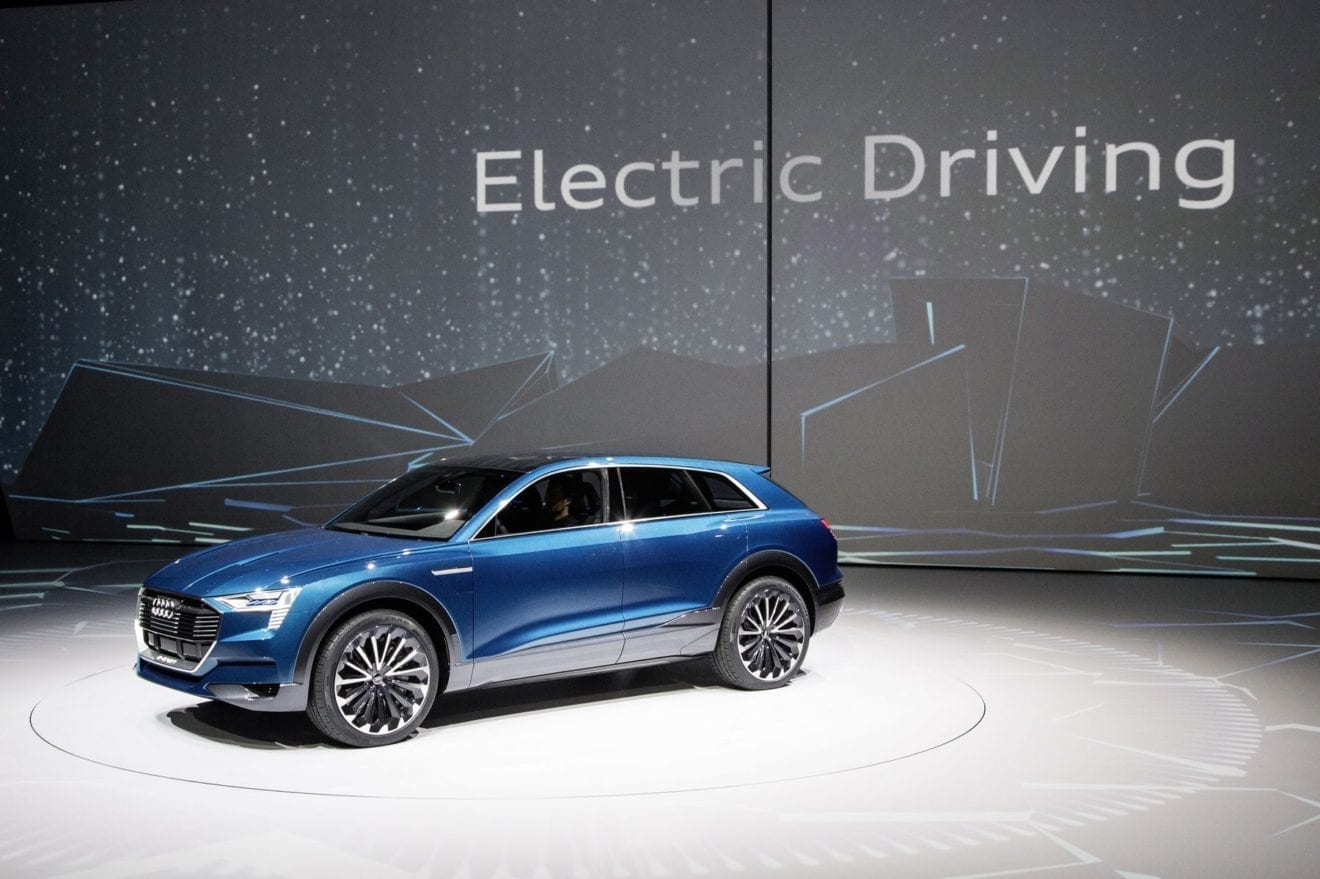
    Electric vehicle charging companies are calling for independent oversight of the $2 billion Volkswagen AG is required to invest in clean car infrastructure, saying VW should not have the power to shape the nascent electric car charging space.

    The German automaker agreed to invest the money, which includes $1.2 billion nationally and $800 million in California, as part of its penalties for equipping hundreds of thousands of its diesel vehicles sold in the United States with software designed to cheat tailpipe emissions tests.

    While charging station companies called the money a potential “game changer,” they worry that if it is misspent, it could hurt competition.

    “The agreement shouldn’t pick winners and losers, especially given that this emerging market transition will in no small part define 21st century transportation,” twenty eight companies, including ChargePoint, EV Connect and Electric Vehicle Charging Association, said in a letter to the U.S. Justice Department on Friday.

    The letter, seen by Reuters on Tuesday, said an independent administrator is key to ensuring that the program treats all industry participants, regardless of business model and technology, fairly.

    VW did not immediately respond to a request for comment.

    “The program should be structured to benefit drivers in California and across the nation, not enable the settling defendants to enter or influence the markets for (zero emission vehicle) charging and fueling equipment and services,” the letter said.

    It said regulators should earmark some of the funds for a rebate program to incentivize employers, apartment owners, workplaces and other facility managers who want to install EV charging stations.

    A shortage of charging stations at workplaces and multi-unit apartment dwellings is seen as a key hurdle to the widespread adoption of electric vehicles.

    VW’s plan for spending the $2 billion, which has yet to be released, will be overseen by the California Air Resources Board and the U.S. Environmental Protection Agency.

  • Honda hoping for 20% industrywide sales jump on Indonesian tax amnesty

    Honda hoping for 20% industrywide sales jump on Indonesian tax amnesty

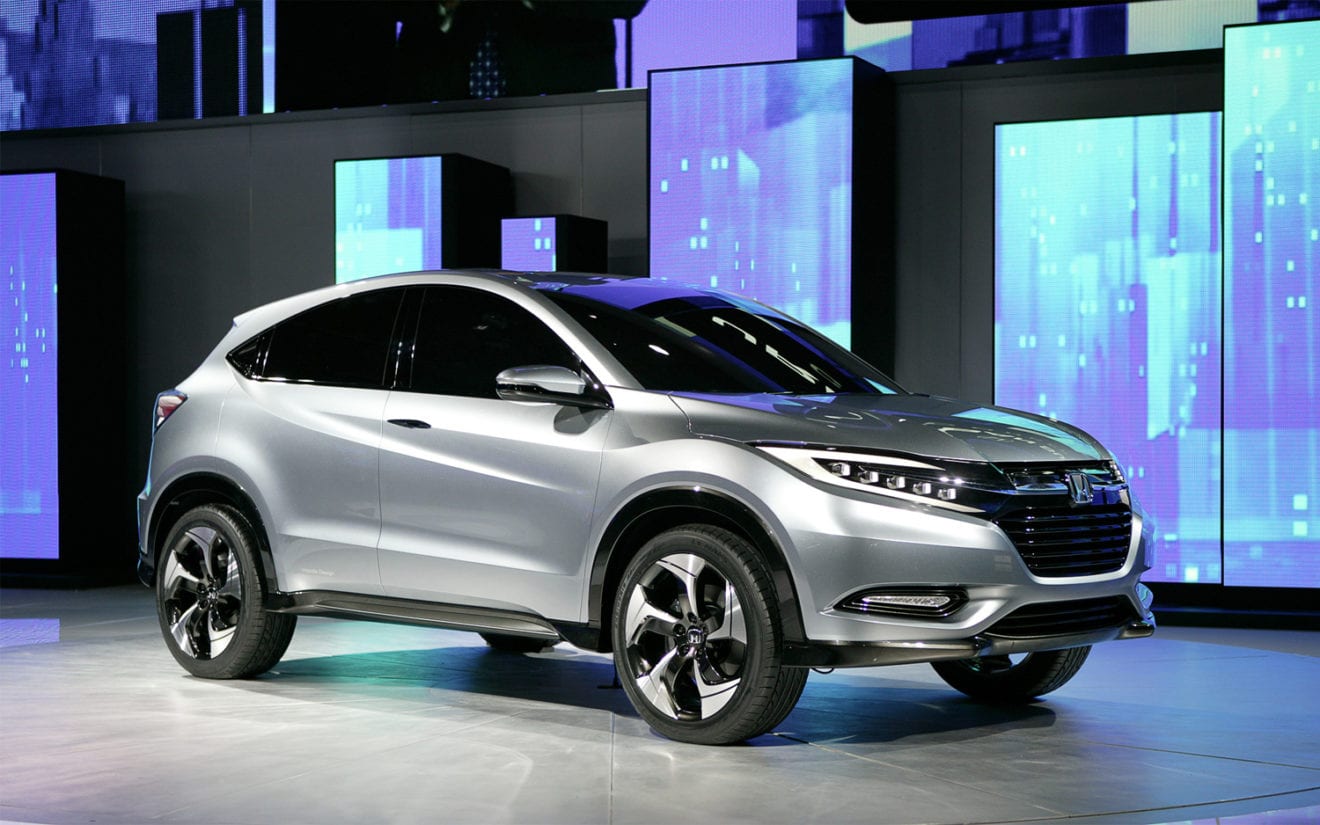
    Indonesia’s tax amnesty could boost industrywide car sales by a fifth as people spend their newly declared wealth on big-ticket items, according to the local unit of Honda Motor Co.

    “The car ownership ratio in Indonesia is relatively low and there’s enough room for producers to sell more,” Jonfis Fandy, head of sales and marketing at PT Honda Prospect Motor, said in an interview Friday at the Gaikindo Indonesia International Motor Show.

    “If the tax amnesty program proves to be a success, we could see an increase of as much as 20 percent next year,” he said as people crowded around the latest models at the annual expo in Jakarta.

    Indonesia’s central bank estimates the reprieve, which runs through March 2017, could lure as much as 560 trillion rupiah ($43 billion) of undeclared income back to the country from overseas.

    If the amnesty lives up to those projections, it will lift economic growth and enable the government to continue with an ambitious infrastructure program.

    With a population of 256 million, Indonesia is Honda’s third-biggest overseas market after the U.S. and China.

    Honda, which is No. 2 in the Indonesian car market behind Toyota Motor Corp., posted 35 percent sales growth in the first half, official data show, compared with 1.2 percent expansion for the industry as a whole.

    Some of Honda’s fastest expansion is occurring in outlying areas of the archipelago, such as Sulawesi in eastern Indonesia, Fandy said. If the 20 percent growth estimate comes to pass in 2017, that would be the sharpest growth since 2012.

    Total car sales will rise to 1.05 million units in 2016 from 1.01 million last year, Yohannes Nangoi, chairman of Indonesia’s automotive industry association, known as Gaikindo, told reporters on Aug. 11.

    PT Astra International, which manufactures and distributes Toyota cars in Indonesia, recorded a 4.1 percent expansion in sales in the first half, Gaikindo figures show. Toyota controls 33 percent of the market, with Honda at 21 percent.

    “The comeback of the Indonesian market is extremely good for Japanese automakers” struggling with a shrinking home market, said Koji Endo, a Tokyo-based analyst at SBI Securities Co. “Honda may benefit the most as it has a big share in the motorcycle market there and people tend to step up to vehicles of the same brand.”

    Southeast Asia’s largest economy beat estimates to expand 5.18 percent in the second quarter from 4.92 percent in the previous three months. Bank Indonesia is forecasting full-year growth of 5.4 percent, including an estimated 0.3 percentage point increase from the amnesty.

    While the tax reprieve could boost automotive sales, it’s too early to tell how successful it will be and if Honda’s projection is achievable, said Isnaputra Iskandar, an analyst at PT Maybank Kim Eng Securities in Jakarta. Iskandar raised Astra International to a buy this month, citing the improving economy and a recent rule reducing the minimum level for hire-purchase deposits for vehicle purchases. Honda’s Indonesian unit isn’t listed.

    Honda sold 109,662 cars in Indonesia in the first half and is targeting 180,000 for the full year, said Fandy, who oversaw an almost quadrupling of sales in the 10 years through 2015. The company has the capacity to produce 200,000 cars a year at its manufacturing plant in Karawang, east of Jakarta, and has the flexibility to increase that to 240,000, he said.

    “Indonesia is among the few countries in the world with a bright future for the automotive industry,” Fandy said.

  • Tesla opens website for online reservations in Korea

    Tesla opens website for online reservations in Korea

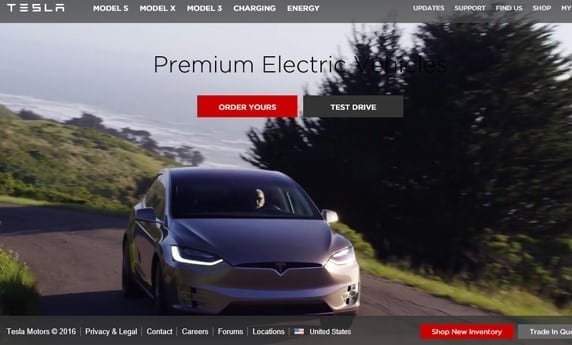
    Tesla Motors has begun taking online reservations in Korea for its electric cars, Model S, Model X, and Model 3, the company said Friday.

    With a deposit of 2 million won ($1,800) for the Model S, 5 million won for Model X and 1 million won for model 3, customers can make a reservation, it said in the first statement released for Korean press.

    “Korean customers have already shown a great interest in Tesla through reservations for Model 3,” it said. The model 3 is a Tesla electric vehicle that will be available starting at $35,000 in 2017.

    Test drives of the Model S in Korea will be available at its retail stores and events at the end of this year, the US carmaker said, without naming the location of stores. The model X will be showcased at the beginning of 2017, it added.

  • Newcomers try to tap into Indonesia’s niche motorcycle market

    Newcomers try to tap into Indonesia’s niche motorcycle market

    New players in the premium motorcycle business are optimistic that they can tap into the Indonesia market despite the sluggish sales the country has been experiencing.

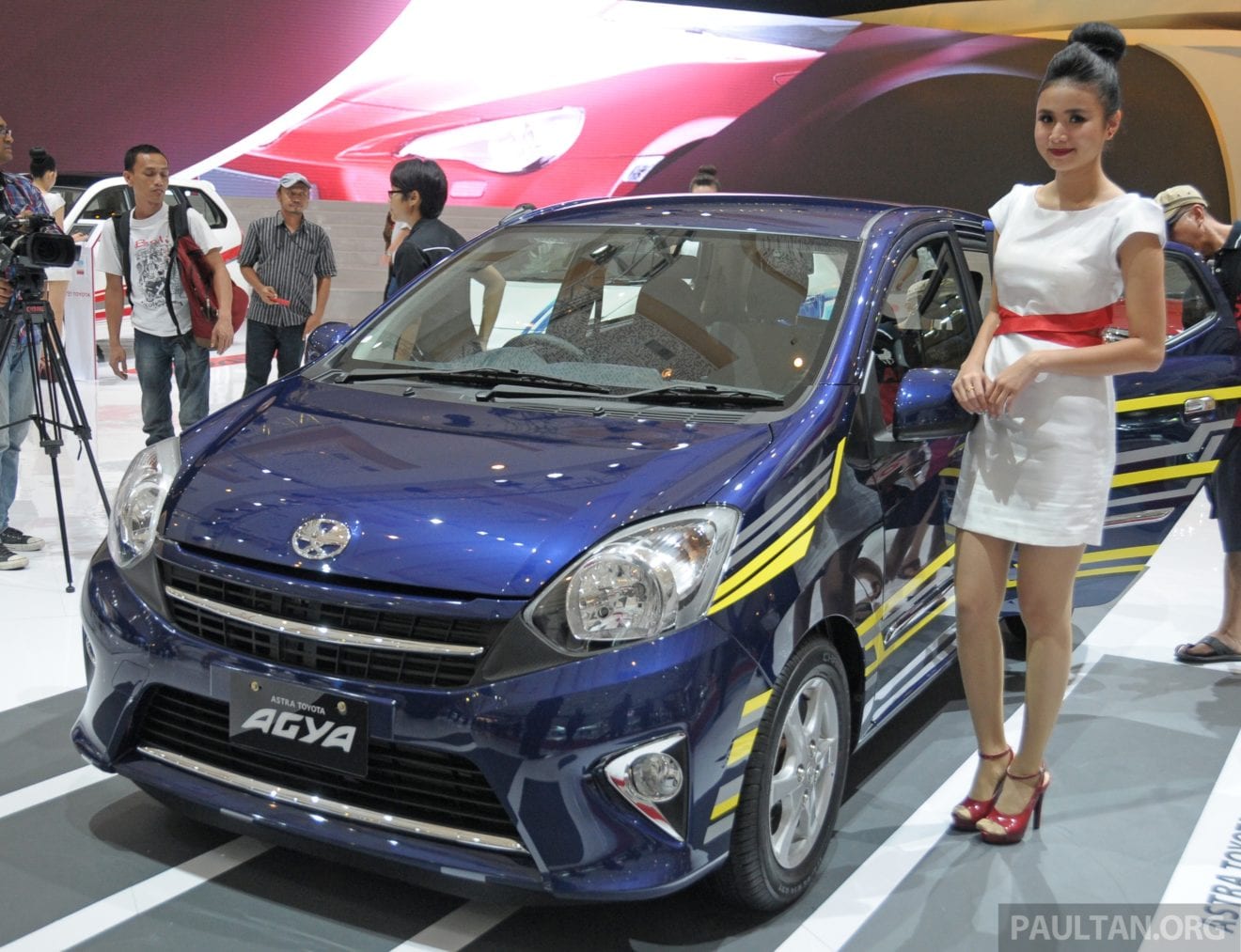
    Garansindo Euro Sports, the sole distributor of Italian luxury motorcycle maker Ducati and French Peugeot Scooters, lined up several new models at the Gaikindo Indonesia International Auto Show (GIIAS) in Serpong, Banten, in an attempt to entice people in the middle- and upper-income brackets.

    Garansindo became Ducati’s sole distributor in the country in January, taking over from PT Supermoto Indonesia, while Peugeot Scooters made its Indonesian debut in 2015.

    “People tend to buy new vehicles in August, plus economic conditions seem better now,” Garansindo managing director Dhani Yahya told The Jakarta Post on Monday.

    Indonesia’s economy rose to 5.18 percent on an annual basis in June from a yearly rate of 4.91 percent in March, fueling optimism that recovery is under way. However, the country’s motorcycle sales dropped 27.6 percent year-on-year in July, with 305,153 units sold, a more than 40 percent slump from the previous month.

    Astra Honda Motor (AHM), the country’s leading motorcycle manufacturer, said, however, that the domestic market for premium bikes was still promising and expected its marketing of its big bike model BR250RR to strengthen its grip in that segment.

    At the country’s biggest auto expo, Ducati rolled out four new motorcycles in the 959 Panigale, Hyperstrada, Hypermotard 939 and Xdiavel S models, priced at Rp 658 million (US$50,008), Rp 570 million, Rp 515 million and Rp 988 million, respectively.

    Apart from the new models, Dhani said that it was banking on the Ducati Scrambler Sixty2, which made its Indonesian debut in April, to meet demand for entry-level premium motorcycles.

    The Scrambler Sixty2, named after the year when Ducati first produced its Scrambler model, is equipped with a 400 cc air-cooled engine and is priced at Rp 219 million, discounted to Rp 199 million for GIIAS visitors.

    “We see the price as affordable for middle-income people between 30 and 40 years old, such as managers and entrepreneurs wanting to upgrade their style,” Dhani said.

    In May, Garansindo opened up its flagship store in the elite Kemang, South Jakarta, said to be Ducati’s largest dealership after its outlet in New Delhi, India.

    The 3,000 square-meter flagship store is also equipped with Ducati’s one-stop service, spare parts provider and certified used-bike-reseller in the country.

    Garansindo also relies on the Peugeot Django 150 model to tap into Indonesia’s growing premium scooter market. At the expo, Garansindo showcased three kinds of Django 150: the Django Sport, Django Evasion and Django Allure, priced at Rp 40 million, Rp 41 million and Rp 43 million, respectively.

    Indian motorcycle manufacturer Royal Enfield, which entered Indonesia in January, used the GIIAS opening last week to introduce its new Himalayan motorcycle. The brand currently has four types of motorcycle sold in Indonesia — Bullet, Classic, Rumbler and Continental GT — with prices ranging from Rp 64 million to Rp 172 million.

    “We are currently focusing more on introducing the brand and encouraging people to try and feel the riding experience using our products,” said Distributor Motor Indonesia managing director Ade Sulistioputra, whose company is the sole distributor of Royal Enfield in the country.

    Meanwhile, Russian heavy sidecar motorcycle manufacturer IMZ-Ural, which made its Indonesian debut at the expo, is upbeat that it can expand its market in Indonesia after achieving overseas success in several regions such as the US, Australia, Europe and South America.

    Ural Indonesia CEO Michael Sofyan said the company targeted premium motorcycle buyers in the country as its segment, hoping that Ural’s unique design, which was initially tailored for Russian military officers, would lure them into purchasing its products.

    “We are trying to reach big bike communities first,” Michael told the Post.

    Fifty-nine-year old Affandi Permana, a visitor at Ural’s booth at the expo, said that he was very eager to purchase the maker’s military-styled Gear-Up model, which is priced at Rp 405 million. “The Gear-Up model represents masculinity,” Affandi said.
  • Nissan starts new Infiniti Q60 sports coupe production

    Nissan starts new Infiniti Q60 sports coupe production

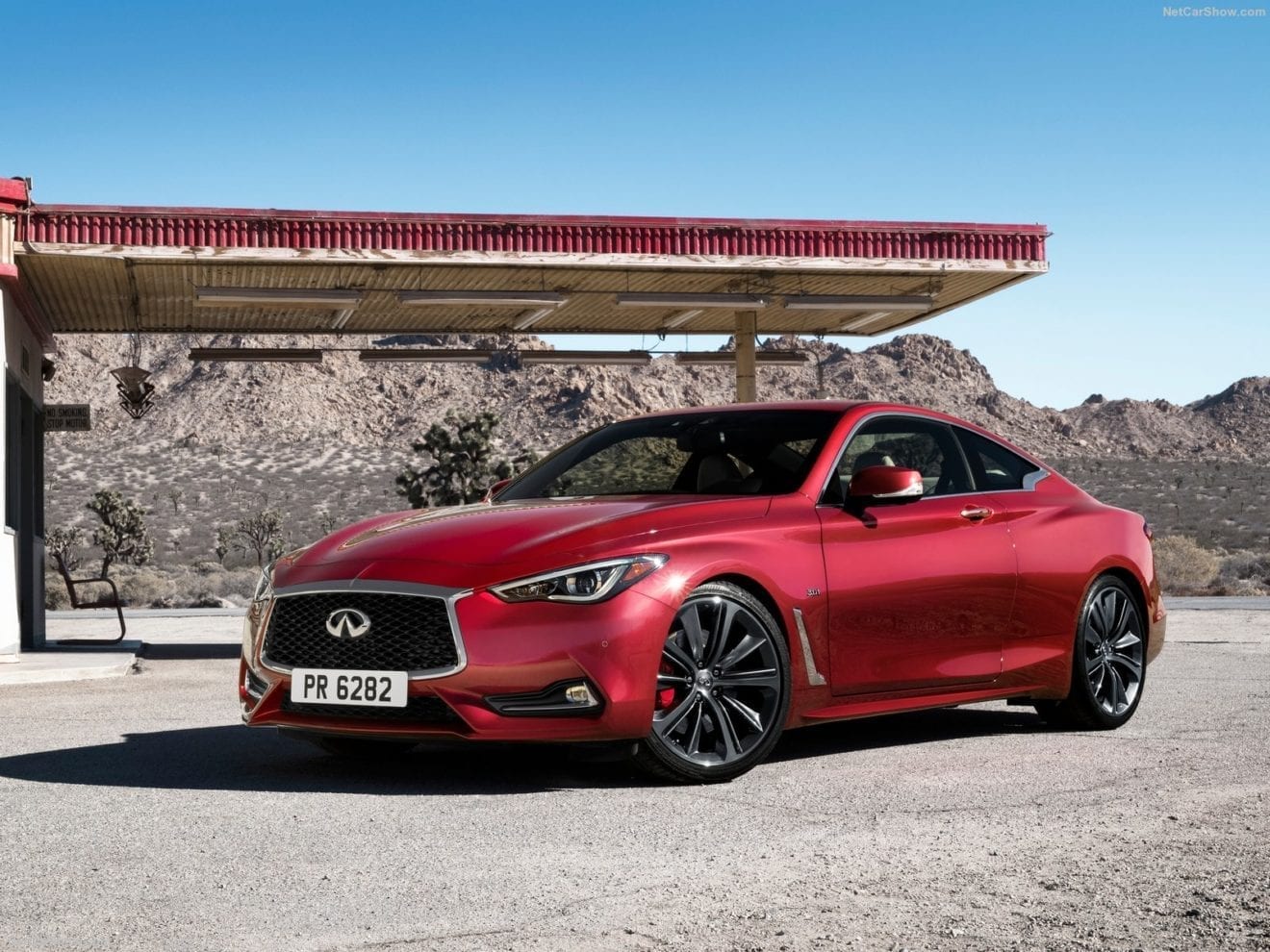
    Japanese automobile manufacturer Nissan Motor Company has started production of the all-new Infiniti Q60 sports coupe at the company’s manufacturing facility in Tochigi, Japan.

    The Tochigi plant has been producing Infiniti vehicles since the brand was launched in 1989. To meet the requirements of the new model, a series of upgrades have been made to the production line, and innovative manufacturing processes have been introduced.

    To enhance quality control, a new lighting system for the inspection process and a camera and video system on the assembly line have been introduced. In a world’s first application, the trunk lid feature for Q60 is a hybrid combination of a resin skin on a steel frame.

    One major enhancement to the Tochigi facility is a new dedicated paint booth, which has been installed solely to allow production of Q60’s new “Dynamic Sandstone Red” paint finish. The glossy, deep red finish requires a new painting set-up, using a combination of machinery and manual processes developed by Infiniti’s most senior coating experts.

    Tochigi’s 216 highly-skilled Takumi (master craftsmen) were picked from the plant’s 4,500-strong workforce to work on the Infiniti production line. Takumi work across every section of the Q60’s production line, including stamping, body shop, paint, assembly and quality assurance.

    From the Takumi employed to work on Infiniti production, a further 6 Meister Takumi are selected – those with the highest understanding of premium car production and the desires and expectations of Infiniti’s customers.

  • VW’s Audi posts 2.3 percent rise in July sales

    VW’s Audi posts 2.3 percent rise in July sales

    Audi sold 2.3 percent more cars in July on growing demand for the redesigned top-selling A4 saloon, though kept trailing behind German luxury rivals BMW (BMWG.DE) and Mercedes-Benz (DAIGn.DE).

    Audi’s global sales increased to 149,400 cars and sport-utility vehicles from 146,073 a year earlier, the Ingolstadt-based carmaker said on Thursday, with its year-to-date deliveries up 5.2 percent to 1.10 million cars.

    Daimler’s Mercedes-Benz last week posted a 9.4 percent increase in sales to 163,770 cars, its best-ever July result, compared with a 4 percent gain at BMW’s core brand to 153,392.

    After seven months, Mercedes-Benz is on course to become the world’s biggest luxury carmaker by sales, replacing BMW which has kept the lead since 2005.

  • Nissan seeks to boost South Korean output on post-Brexit yen surge

    Nissan seeks to boost South Korean output on post-Brexit yen surge

    Nissan Motor wants to increase the output of its Rogue model at Renault’s factory in South Korea this year, as a stronger yen makes exports from Japan less competitive, a Renault executive told Reuters.

    The yen has jumped 20 percent against the dollar this year in the wake of Britain’s decision to leave the European Union, pressuring Japanese exporters. The South Korean won rose 7.4 percent against the dollar this year.

    “We have got a request to boost Rogue production by 8,000 vehicles this year,” Renault Samsung Motor Chief Executive Officer Park Dong-hoon told Reuters, adding that the company was reviewing whether it would be able to meet the additional demand.

    He added that Nissan Motor previously targeted output of 125,000 Rogue vehicles in South Korea this year.

    Rogue is Nissan Motor’s top-selling sport utility vehicle in the United States, with sales jumping 14 percent to 182,181 from January to July this year from a year earlier.

    Nissan Motor currently produces Rogues in South Korea, Japan and the United States.

  • Ford plans self-driving car for ride share fleets in 2021

    Ford plans self-driving car for ride share fleets in 2021

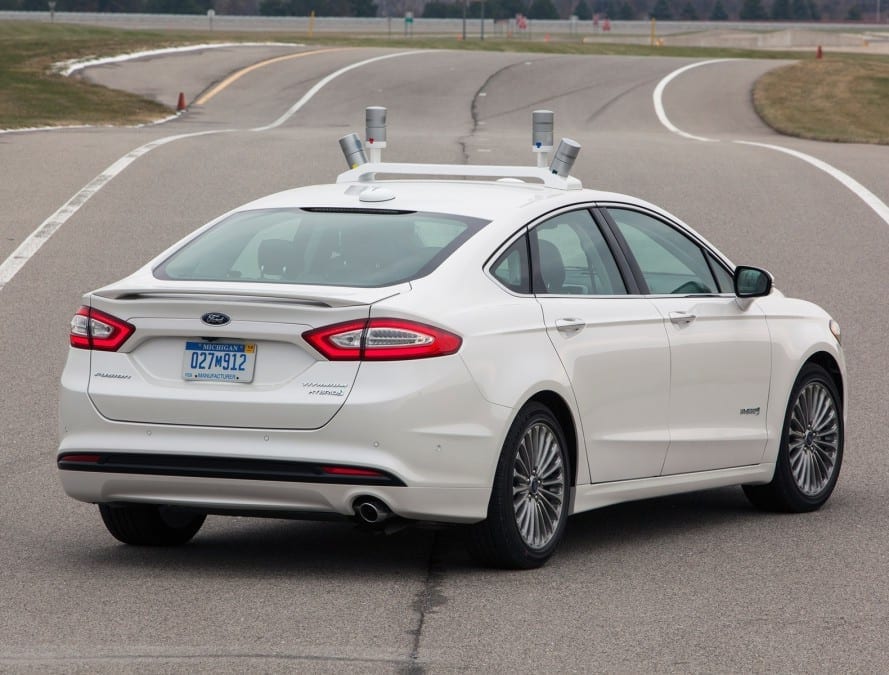
    Ford Motor Co plans to offer a fully automated driverless vehicle for commercial ride-sharing in 2021, the automaker announced Tuesday, expanding its efforts in driverless cars and ride sharing – two areas where rivals have already made inroads.

    To help speed development of self-driving cars, Chief Executive Mark Fields said Ford is hiking investments in Silicon Valley technology firms, tripling its investment in semi-autonomous systems, and more than doubling the size of its Palo Alto research team while expanding its campus in Silicon Valley.

    “We’re not in a race to be first,” Fields said at the company’s Palo Alto research and development lab, adding he was not concerned that rival General Motors had made a high-stakes play in ride services with its $500 million investment in Lyft in January.

    Ford does not yet know whether it will partner with Uber, Lyft or others, with Fields saying “all options are open and on the table.” He said Ford may choose not to partner, and roll out such services on its own.

    Ford’s announcement leaves many crucial strategy details still undecided. Yet Ken Washington, Ford’s vice president of research, said it was important to signal that Ford intends to win in this space, even with key elements still unknown.

    “We’re saying to partners, we are the winning partner. It’s not a hollow promise, it’s a real intent,” Washington said.

    Ford Chief Technical Officer Raj Nair said the company likely will not offer a similar driverless car without steering wheel or pedals to consumers until 2025 or later. Launching a self-driving car first for ride-sharing is a better way to reach the mass market and make the cars more affordable, he said.

    In a philosophy shared by Alphabet’s Google, Ford does not intend to develop incremental autonomous systems that would occasionally require drivers to take the wheel, instead committing to a full self-driving car.

    “We abandoned the stepping-stone approach,” Fields said, saying there are too many risks involved in the safe “hand-over” of driving responsibility between car and driver.

    The death of a Tesla driver in May who was using the company’s “Autopilot” system but had his hands off the wheel has underscored the confusion over drivers’ responsibilities in a semi-autonomous car.

    Ford also said it had, along with Baidu Inc – China’s largest internet company – jointly invested $150 million in Velodyne, which makes laser-based sensors that are a major building block in self-driving cars. Nair said Ford’s investment was $75 million.

    Earlier this year, Ford invested in Silicon Valley firm, Civil Maps, for advanced mapping for self-driving vehicles.

    Ford rivals, including General Motors and Uber Technologies, are also developing self-driving vehicles for use in ride services.

    Ford said it expects to deploy 30 self-driving Fusion Hybrid prototypes this year, and 90 next year.

    Nair said Ford, with its investments and its acquisition of SAIPS, an Israeli machine learning startup, now have the tools in place to develop a fully driverless vehicle, but said “there’s still a lot of engineering development” between now and 2021.

  • Ferrari to recall 621 vehicles in China due to defective airbags

    Ferrari to recall 621 vehicles in China due to defective airbags

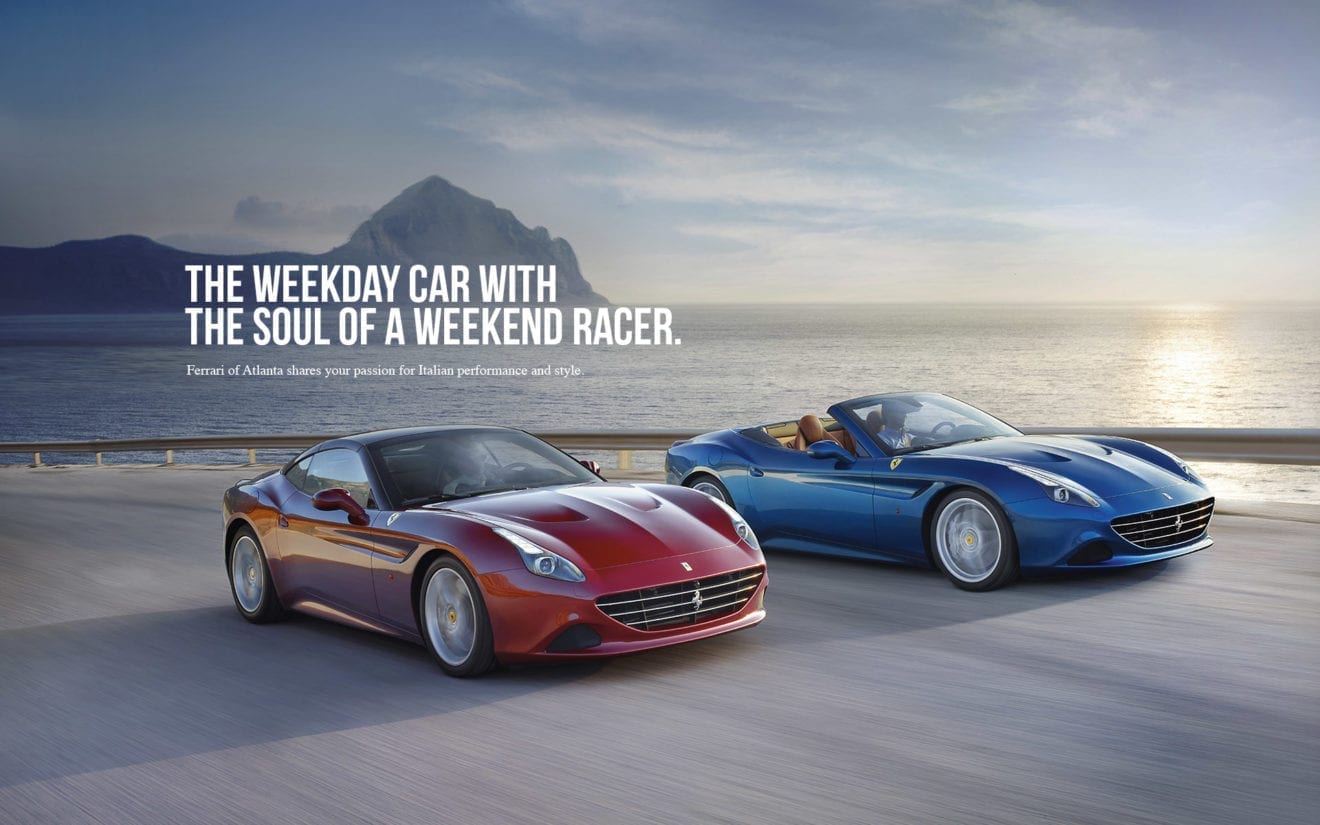
    Italian luxury car maker Ferrari will recall 621 imported vehicles in China due to defective airbags, the country’s top quality watchdog said.

    The recall, set to begin on September 15, affects Italia- series cars made between March 1, 2010 and September 30, 2011, and California-series vehicles manufactured between April 1, 2009 and June 30, 2011, according to the website of the General Administration of Quality Supervision, Inspection and Quarantine.

    When the airbags of the affected vehicles inflate, the gas generators inside may become damaged and cause flying debris, posing safety risks to passengers, said the statement.

    Ferrari has promised to check all affected vehicles and replace the defective parts free of charge, the official Xinhua news agency reported. China is one of the biggest markets for Ferrari.

  • BMW worldwide sales increases by 4 percent in July

    BMW worldwide sales increases by 4 percent in July

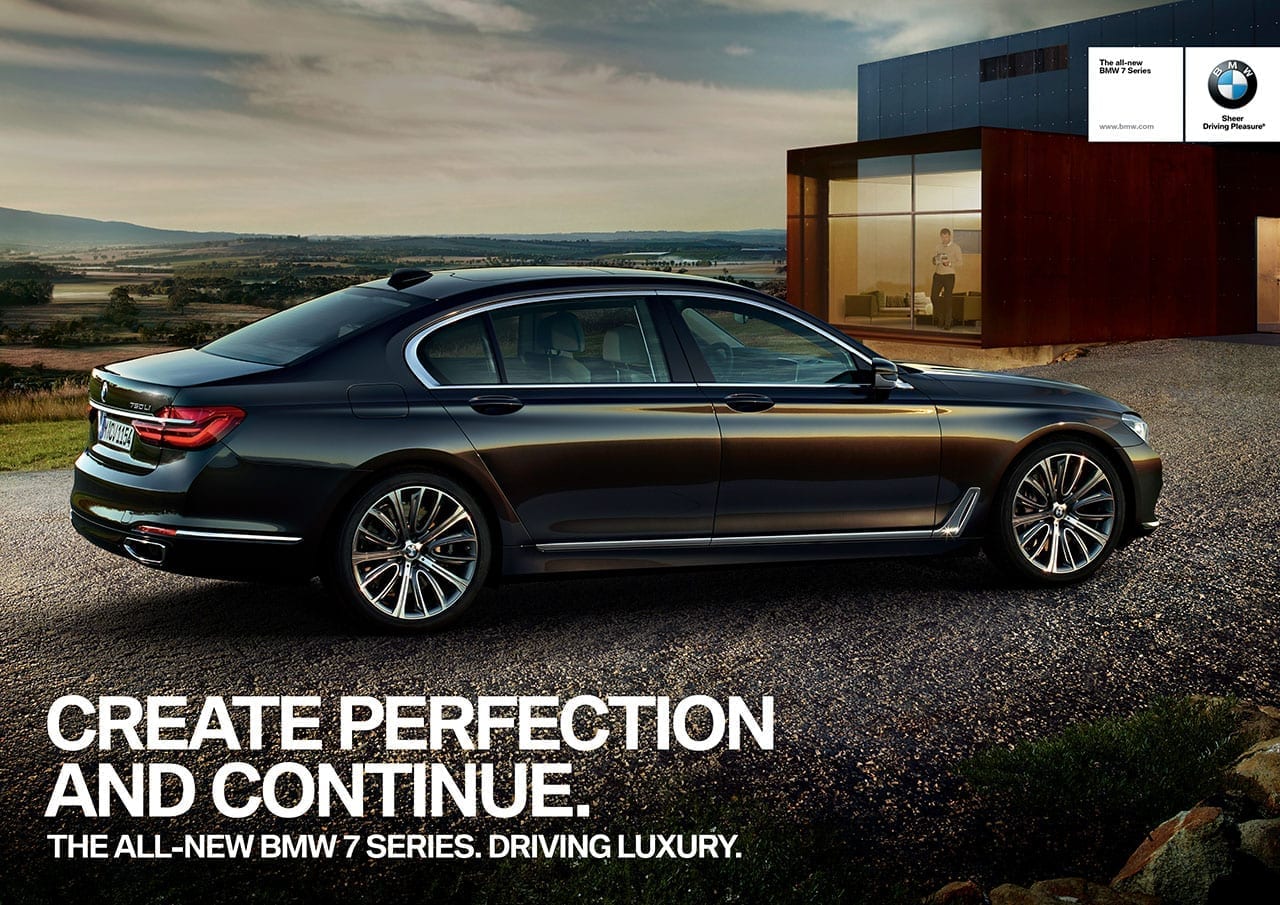
    German car manufacturer, BMW Group has announced its sales number for the month of July. The automaker in total sold 180,080 vehicles around the world with an increase of 4.0% when compared to same month last year. After a sluggish first half of the years, the automaker reported a solid start to the third quarter with year-to-date sales climbing 5.5% with 1,343,217 vehicles delivered worldwide.

    “The BMW Group continues to deliver sustainable, profitable sales growth month after month,” said Dr Ian Robertson, Member of the BMW AG Board of Management with responsibility for Sales and Marketing BMW. “While we see growth across our range, the fact that the planned production for our electrified 7 Series, 3 Series and 2 Series Active Tourer models is already sold out this year demonstrates our strategy of rolling out electrification on all models is the right one. We will, of course, now respond to this high customer demand,” he added.

    In a press statement, the company stated that BMW brand sold 153,392 units, an increase of 4.0% in the July. This brings year-to-date sales for the brand to 1,139,947 units, an increase of 5.6% compared with the first seven months of last year.

    On other hand, MINI achieved record sales of 26,439 units in July with a rise of 4.0%. A total of 201,337 MINIs were sold in the first seven months of the year, an increase of 5.2% and the first time the brand has sold over 200,000 vehicles by this point in the year. According to the company, the biggest growth drivers for Mini as a brand are the Convertible and the Clubman.

    In Europe, combined monthly sales of BMW and MINI totalled 79,815 in July, up 5.6% compared with the same month last year. Year-to-date sales in Europe are up 10.5% with a total of 622,664 vehicles delivered. Almost all markets in the region have contributed to this strong growth with the three biggest markets, Germany (182,390 / +7.8%), the UK (136,914 / +9.6%) and France (49,755/ +13.0%) playing a significant role.

    Sales of BMW and MINI vehicles in Asia also saw strong growth last month with a total of 56,819 vehicles delivered to customers in July (+7.9%). In the first seven months of the year, a total of 417,730 BMW and MINI vehicles were sold in Asia, an increase of 7.4% compared with the same period last year. The region’s biggest market, Mainland China, achieved an 8.5% increase compared with the first seven months of last year, with a total of 287,753 vehicles sold. Year-to-date sales in Japan (41,750 / +8.2%) and South Korea (34,569 / +9.9%) also show strong growth.

    Sales of BMW and MINI in the Americas decreased 3.9% in July compared with the same month last year, with a total of 38,097 vehicles delivered to customers in the region. Year-to-date sales of BMW and MINI vehicles in the region total 260,621, which is down 7.4% compared with the same period last year. While sales in Canada (25,524 / +7.3%) and Mexico (18,308 / +9.1%) are up, the increasingly competitive market in the USA has seen year-to-date deliveries decrease 9.5% with a total of 209,131 BMW and MINIs delivered to customers.

    This year continues to be the best ever for BMW Motorrad, with year-to-date sales up 2.1% compared with the same period last year: 94,546 motorcycles and maxi-scooters were delivered to customers in the first seven months of the year. Monthly sales for July achieved almost the same extremely high level as last year with 13,792 units sold, a slight decrease of 2.7%.

  • Goodyear Indonesia eyes SUV market with new tire

    Goodyear Indonesia eyes SUV market with new tire

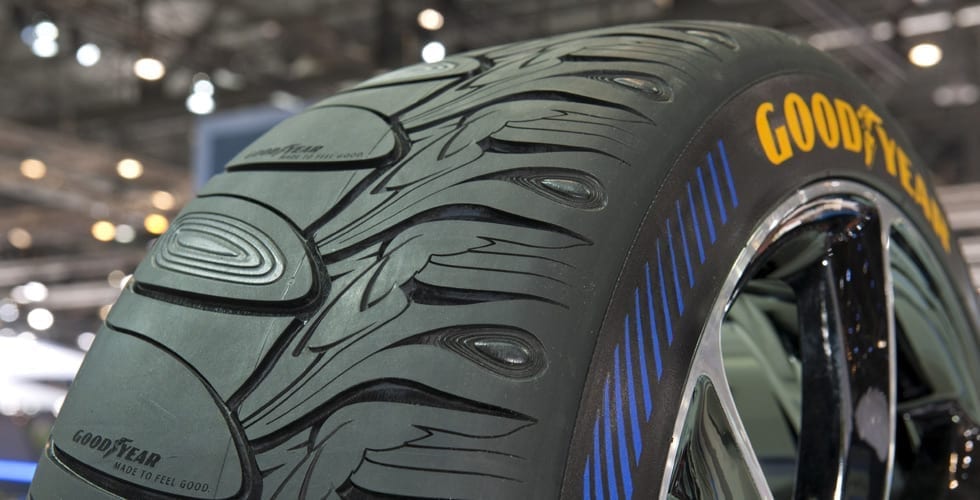
    Publicly listed tire maker Goodyear Indonesia (GDYR) is eyeing a bigger share of the country’s growing sports utility vehicle (SUV) market by introducing a new midsize SUV tire.

    The new product, called Wrangler TripleMax, will be launched in November. It is expected to double the size of the company’s SUV market to around 10 percent in 2017, up from the current 5 to 6 percent.

    “The SUV has become a sexy market for us as it has seen a constant growth within the Asia-Pacific region in recent years, including in Indonesia,” Arfianti Puspitarini, Goodyear Indonesia’s consumer product and trade marketing manager, said during the Gaikindo Indonesia International Auto Show (GIIAS) in Tangerang, Banten, last week.

    Puspitarini even said that SUV cars “were like a second living room”, especially for people living in big cities like Jakarta.

    Sales of SUV cars, such as Daihatsu Terios, Mitsubishi Pajero Sports and Toyota Fortuner, increased 15.28 percent year-on-year to 131,966 units throughout 2015.

    Their share accounted for 13 percent of overall car sales of around 1.01 million units last year, according to the Association of Indonesian Automotive Manufacturers (Gaikindo). Entering 2016, the SUV segment made up 22.1 percent of total car sales of 267,228 units in the first quarter.

    Goodyear claims that the Wrangler TripleMax, which was also launched in Thailand and the Philippines last month, would optimize a car’s braking system, with a two-meter shorter braking distance compared to competitors in the midsize SUV segment.

    Goodyear Indonesia sales and marketing director Yedi Yunadi Sondy said the new product would fill in the market of the company’s previous product, the Wrangler HP All Weather, which was sold for between Rp 700,000 (US$53.35) to Rp 1.5 million each.

    It sells premium SUV tires as well, with price tags ranging from Rp 1.2 million to Rp 2.2 million each, that cater to high-end vehicles, such as Nissan Terrano or Mazda CX7.

    The company’s first-quarter financial report showed that it booked $40.6 million in revenues, 2.9 percent lower than the first quarter of 2015. More than half of the revenues came from domestic sales, which surged 8.3 percent year-on-year.

    The report also showed that it managed to cut various business costs that led to $629,344 in net profits in the January to March period, overturning the $205,864 of net losses that it posted in the same period last year.

    During a May interview in Jakarta, Goodyear Indonesia corporate secretary Wicaksono Soebroto said the company had decided not to expand to other export markets this year.

    On the contrary, it plans to strengthen its domestic market following a slight recovery in the country’s economy and the government’s goal to boost infrastructure projects nationwide.

    “Those infrastructure projects certainly need lots of trucks [to transport building materials]. We can also provide more tires for them,” said Goodyear Indonesia managing director Allan Loi.

    Its overseas markets currently consist of those in Southeast Asia, Oceania and in other countries. It suffered from a 78.39 percent plunge in annual sales in Oceania last year, mainly because of an 80.13 percent decline in Australia.

    At present, Goodyear has 89 outlets in 27 provinces across the country, with 26 outlets located in the Greater Jakarta area.

  • China July vehicle sales rose 23 pct y/y – China Passenger Car Association

    China July vehicle sales rose 23 pct y/y – China Passenger Car Association

    Passenger vehicle sales in China to retail customers rose 23 percent in July from a year earlier, the China Passenger Car Association (CPCA) said on Tuesday.

    Auto retail sales totaled 1.6 million vehicles, CPCA said in a statement on its website. For January-July, passenger car sales rose 11 percent versus the same period in 2015, it said.

    The China Association of Automobile Manufacturers, whose statistics are generally viewed as the benchmark for the industry, is due to report wholesale data for July on Friday.