Category: Automotive

Retail News Asia is committed to providing both local and global retailers with the latest Auto and Car news throughout the Asian market. This on a daily base.

  • South Korea bans sales of some Nissan, BMW and Porsche models

    South Korea bans sales of some Nissan, BMW and Porsche models

    South Korea has banned the sale of 10 models of Nissan, BMW and Porsche vehicles after the carmakers were found to have fabricated certification documents, in the latest fallout from the Volkswagen emissions scandal.

    The government announced in August that it would ban all 10 models after conducting an investigation into whether foreign carmakers besides Volkswagen AG falsified documents on emissions and noise-level tests.

    Nine of the models have been banned since last month and Nissan’s Qashqai diesel sport utility vehicle has been banned since June, the environment ministry said on Monday.

    It said it has also fined the carmakers’ local units a combined 7.17 billion won ($5.9 million) for the affected 4,523 vehicles already sold in South Korea.

    Spokespersons at the South Korean units of Nissan Motor Co Ltd and BMW AG acknowledged the findings in the government investigation, saying they would try to achieve certification for those affected models again. A spokesperson at Porsche AG, which is owned by Volkswagen, was not immediately available for comment.

    South Korea has been tough with Volkswagen, filing complaints against local executives, suspending sales of most of its models and imposing fines for alleged forging of documents on emissions or noise-level tests.

    In the latest move, South Korea said last month that it will file criminal complaints against five former and current executives at Volkswagen AG’s South Korean unit and fine the company a record 37.3 billion won for false advertising on vehicle emissions.

    South Korea’s sales of imported cars fell 7 percent in the first 11 months of last year, heading for their first annual sales decline since 2009.
  • South Korea Changes Rules On EV Cars

    South Korea Changes Rules On EV Cars

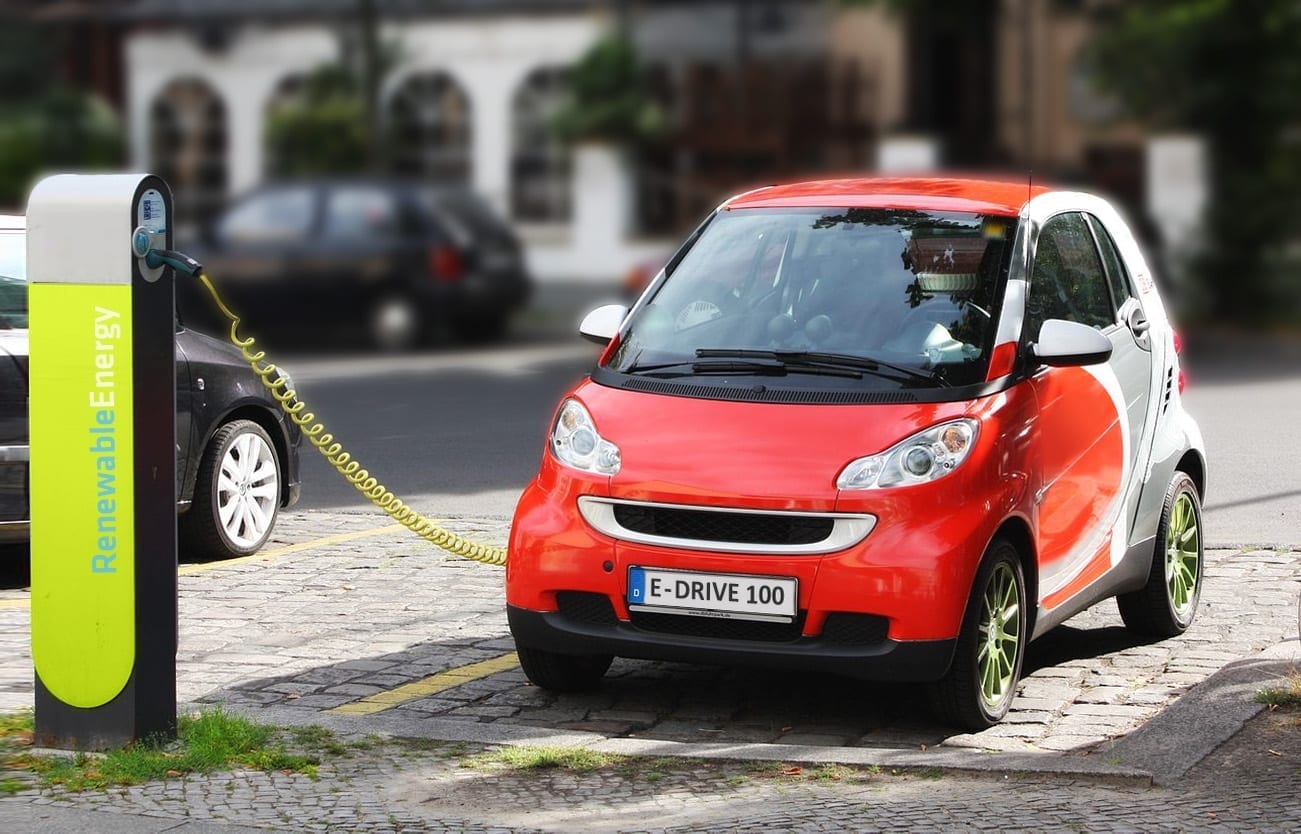
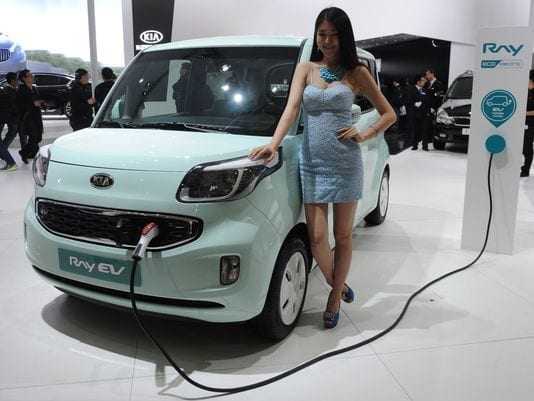
    EV or electronic vehicle is slowly rising to the competition in the automobile industry. South Korea already made changes to their rules to those who are interested in EVs.

    The South Korean government will change one of their rules when it comes to EVs. South Korea is known for having a market for premium cars. They’re even part of Tesla Motors’ reservation of the company’s upcoming vehicle model, the Model 3. According to Tesla’s website, the Model 3 is an affordable premium sedan. Model 3 is designed to achieve that highest rating when it comes to safety measures.

    South Korea will be removing subsidies when it comes to EVs with high-capacity batteries. This move could change the EV market in the country since this will allow other longer-ranged models to be available in the market. By removing the subsidies for the EV market, more and more models of the EV will be available at an affordable rate.

    This will also prove to be good for Tesla. The motors company will conduct their first Tesla showroom in South Korea this year. The exact date for the facility is to be revealed sometime soon. With the South Korean government changing their rules for subsidies when it comes to high-battery powered EVs, more and more models from Tesla will be available for the Korean market this year. Aside from Tesla, BYD, the world’s largest EV maker is also planning to enter the Korean market of EVs. BYD encountered a problem because their latest model doesn’t qualify for the subsidy, thus resulting in the delay of the company to join the market, according to Reuters.

    Currently, there are about four thousand electric vehicles roaming the streets of South Korea. Once the government implements this change, there might be a triple amount of EV cars in the country.

  • Hyundai, Kia aim to grow 2017 sales to 8.25 million vehicles globally

    Hyundai, Kia aim to grow 2017 sales to 8.25 million vehicles globally

    Hyundai Motor and affiliate Kia Motors said on Monday they aim to increase their combined sales to 8.25 million vehicles globally in 2017, despite rising competition.The 2017 target is slightly higher than their 2016 goal of 8.13 million vehicles. The South Korean automakers’ final sales figures for 2016 are due out later on Monday, with analysts expecting a miss due to weak demand in emerging markets.

    “The 2017 goal is slightly higher than my projection,” said Ko Tae-bong, an auto analyst at Hi Investment & Securities, adding that the performance of new models would be the key to success after some disappointments in recent years.

    With emerging markets such as Russia stabilizing, and with Hyundai and Kia Motors gearing up to boost vehicle supply to the United States and China, sales could get a lift this year.

    But Hyundai Motor and Kia Motors – which together rank fifth in global sales – plan to add capacity in China and Mexico this year, just as those markets and the United States are seen slowing, likely pressuring margins.

    “With the global economy continuing its low growth, trade protectionism spreading and competition intensifying in the automobile industry, uncertainty is growing more than ever,” Hyundai Motor Group Chairman Chung Mong-koo said in his New Year message to employees.

    Hyundai Motor likely clocked its fourth straight annual profit decline last year, hurt by its higher exposure to weak emerging markets, and a product line-up that features more sedans than sport utility vehicles, just as SUVs have become more popular across many global markets.

    Hyundai Motor is targeting 2017 global sales of 5.08 million vehicles, while Kia Motors set its goal at 3.17 million vehicles.
    Kia Motors Vice Chairman Hank Lee told employees on Monday that the automaker hoped to revive growth this year, after falling short of its 2016 sales target.

    Hyundai Motor shares were flat in a wider market .KS11 that was down 0.4 percent in early morning trade, while Kia Motors shares were down 0.3 percent

    Hyundai Motor shares fell for a third straight year in 2016, down 2 percent versus the wider market’s 3 percent gain. Kia Motors shares slumped 25 percent last year, making them the worst-performing stock among major car makers in the world.

  • Lamborghini to launch its first plug-in hybrid SUV

    Lamborghini to launch its first plug-in hybrid SUV

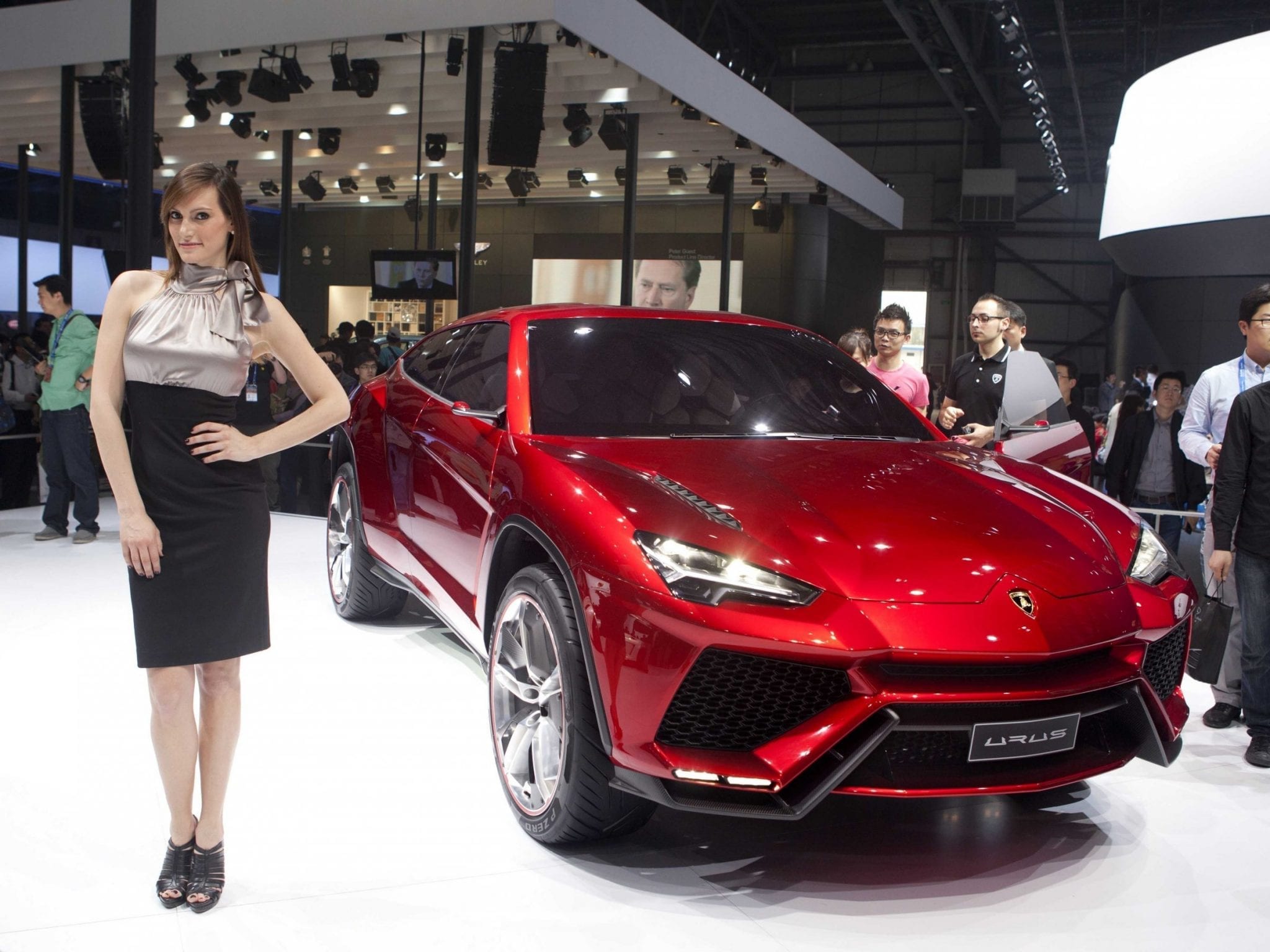
    Italy based luxury sports car manufacturer Lamborghini is all set to launch its Urus SUV range, informed the company in an interview to a popular media publication. The company also confirmed that Urus will also feature the brand’s first plug-in hybrid, and that it will be the brand’s first and only SUV to get a plug-in hybrid system.

    Lamborghini Urus shares its platform with its cousins Audi Q7 and Bentley Bentayga and will also feature 48V-powered active anti-roll suspension. This is also the company’s first SUV since the LM002 which was on sale from 1986 to 1993.

    Lamborghini R&D chief Maurizio Reggiani has assured that there won’t be any compromise when it comes to the power of the car and all other variants of its SUV will get naturally aspirated engines.

    He added “A supersports car is completely different; you need the responsiveness of the engine, to feel the spark of every cylinder. We will keep normally aspirated engines for our other models. They are still the best choice.”

    The company also sees a strong distinction between its front-wheel-drive models and the increasing number of Rear-Wheel-drive variants in its portfolio. Lamborghini will continue to offer both the driveline systems as Reggaini explains that “a modern electronic chassis control system like that of the Huracan LP580-2 is no substitute for the ability of four-wheel drive to transfer power to the road.”

  • China’s Jiangling Motors unit awarded electric car licence

    China’s Jiangling Motors unit awarded electric car licence

    China has awarded its seventh electric vehicle production license to a unit of Jiangling Motors, according to a posting by China’s state planner, as the country accelerates approvals for green car projects.

    Jiangxi Jiangling Group New Energy Vehicle has permission to proceed with a project to make 50,000 pure electric cars, according to a notice dated Monday in a database administered by the National Development and Reform Commission (NDRC).

    The notice did not give further details. Government records separately show that Jiangling Motors is a shareholder.

    China’s government has employed a raft of policies that spurred a boom in electric and plug-in hybrid cars since 2015. It aims to cut air pollution that frequently blankets urban areas and to push its car industry to leap-frog ahead of global automakers with long experience making internal combustion engine cars.

    The country is accelerating approvals for electric vehicle-only projects under a special programme, having approved a license for Chinese auto parts supplier Wanxiang Group earlier this month, while officials say they will restrict new factories making traditional petrol cars.

  • High-engine motorbikes stir domestic market

    High-engine motorbikes stir domestic market

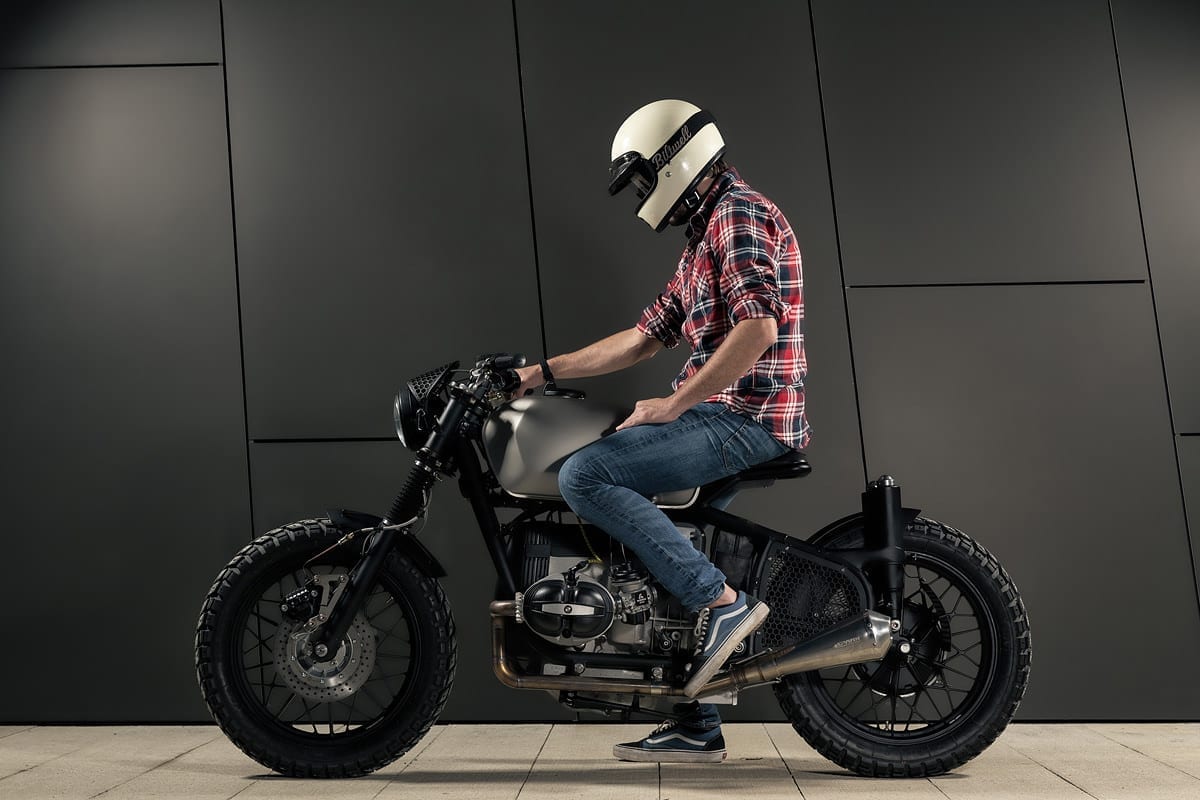
    The recent launch of motorbike models with high-engine displacement has attracted the Vietnamese and stirred the domestic market, even though import prices are 2-3 times higher than world prices.

    The leader in this segment is Honda Việt Nam, with the SH 300i imported from Italy. With a price of VNĐ248 million (US$10,880), nearly the price of a small sedan, the motorbike has seen good sales in urban areas, with an expected volume of 400 units next year.

    Kymco, a brand name of Taiwan, introduced the People GT300i model in Hà Nội in July. This motorbike is seen as a direct competitor to the Honda SH300i. However, a Kymco representative said the introduction is just to get an idea of the Vietnamese market before preparing future plans.

    Meanwhile, Yamaha Việt Nam is planning to roll out model X-MAX 300 in the country this year, which is also expected to be a rival of the SH300i.

    Piaggio, early this year launched two models with high engine displacement — Aprilia and Moto Guzzi — in the domestic market, to mark its 95th anniversary. In addition, the firm has two other models — Beverly 300 i.e and Vespa GTS 300.

    A French company, Peugeot recently entered the Vietnamese market with models Geopolis 300 and Satelis 300 and appears intent to compete with its rivals for marketshare.

    Insiders said with the country’s increasing economic development and transference of customers’ consumption demand, high-engine displacement motorbikes and motor scooters would witness a lot of opportunities for development by 2020.

    Five years ago, it was rare to see a high-engine displace motorbike on the streets. But today, the image is common.

    The market opened its doors to the vehicle when the transport ministry removed its regulation which restricted the number of candidates allowed to drive with an A2 licence — the requirement for motorbikes above 175cc in force since March 1, 2014.

    This new adjustment, Honda Việt Nam General Director Minoru Kato told it was like “good medicine to stimulate the growth of the high-engine displacement motorbikes market in Việt Nam.

    However, the selling price remains high due to taxes and fees. Currently, the price of the bike factors in an import tax of between 65 per cent and 75 per cent, the special consumption tax of 20 per cent and value-added tax of 10 per cent. Besides this, other fees such as transport, storage and registration fees are also included. On an average, an imported car will have a price that is two or three times higher than the price in the world market.

    According to commitments of tax cuts and reduction from trade agreements that Việt Nam has signed, the import tax of high-engine displacement vehicles from ASEAN, Japan, European Union and the United States will be reduced systematically and abolished within the next eight years, which would lower prices in the future.

    Insiders said local motorbike makers had the tendency of producing high-engine motorbike scooters in Việt Nam, not only to meet demand, but also for export. However, there were concerns that when major cities did not yet have effective measures in place to reduce traffic jams, the increase of high-engine displacement models on the roads would worsen the situation.

  • Toyota recalls 18,757 Lexus cars

    Toyota recalls 18,757 Lexus cars

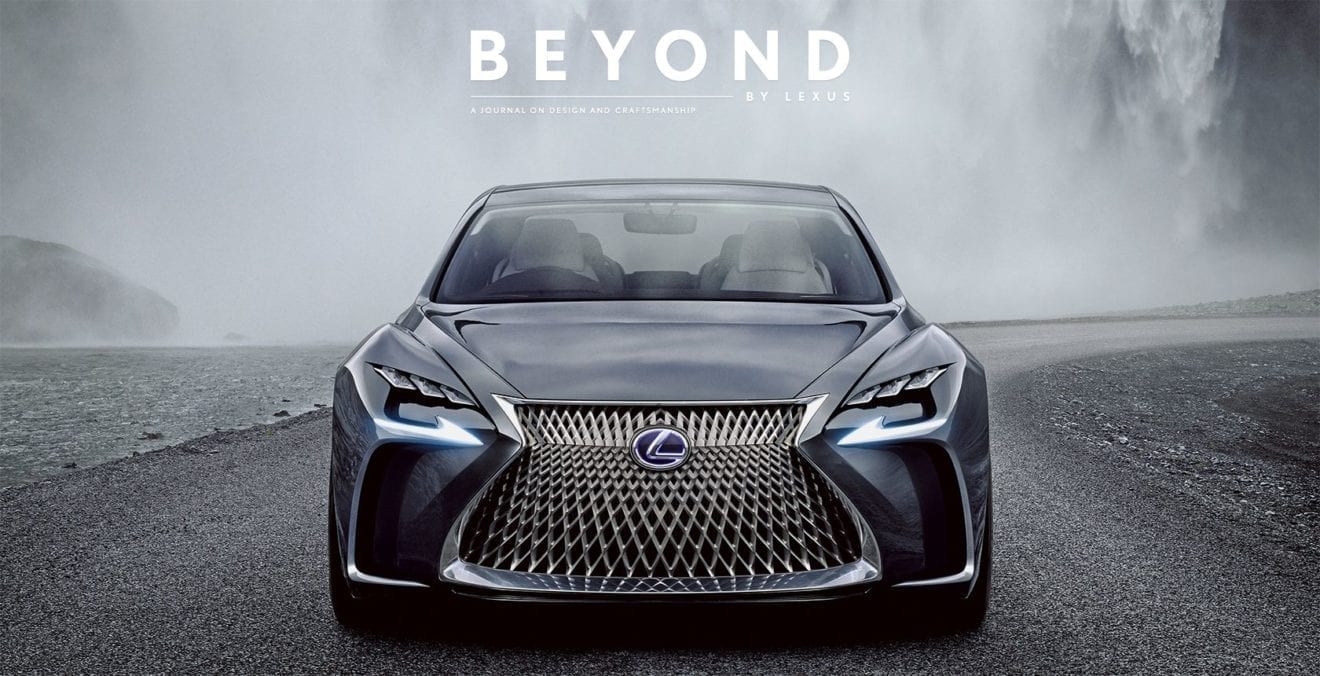
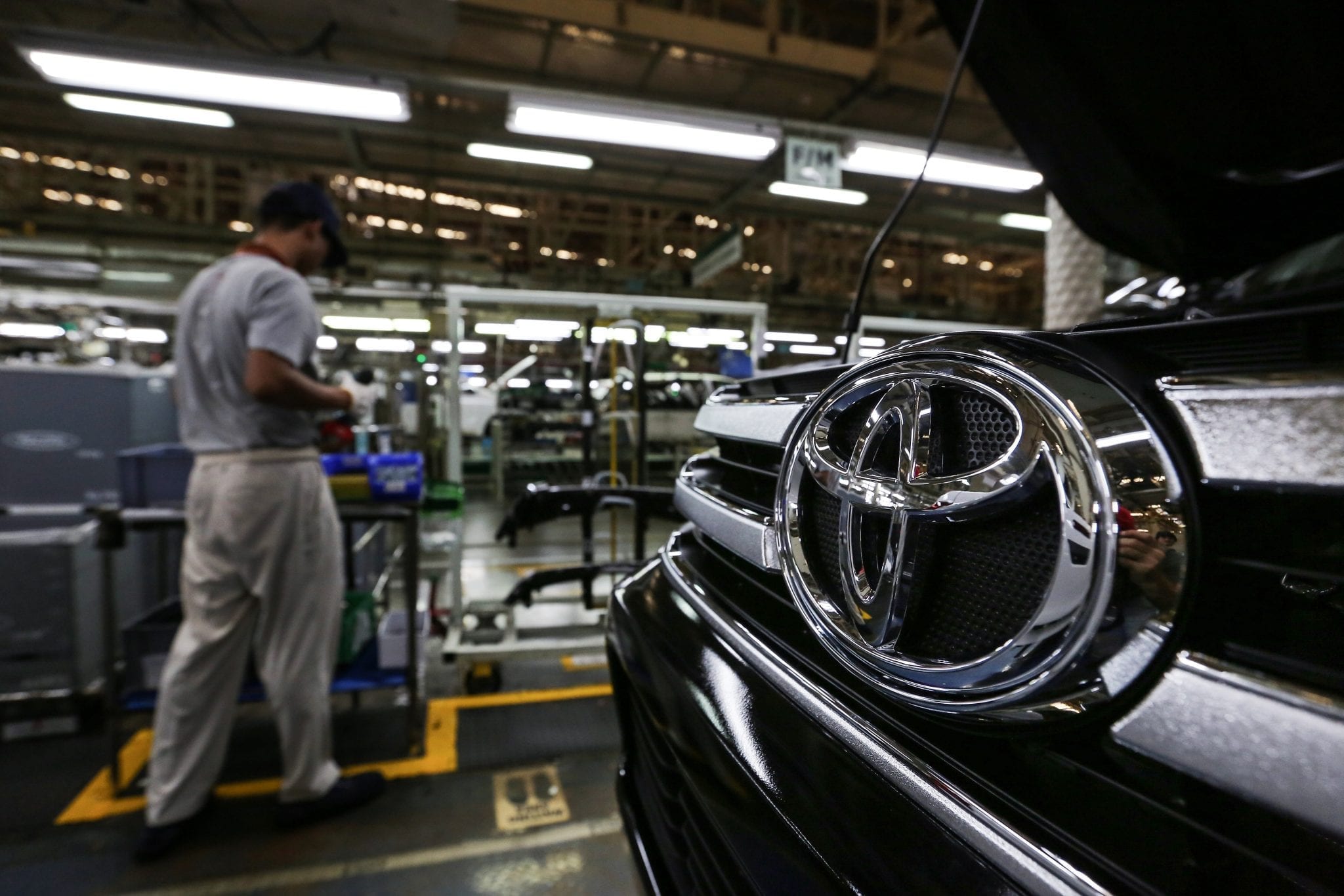
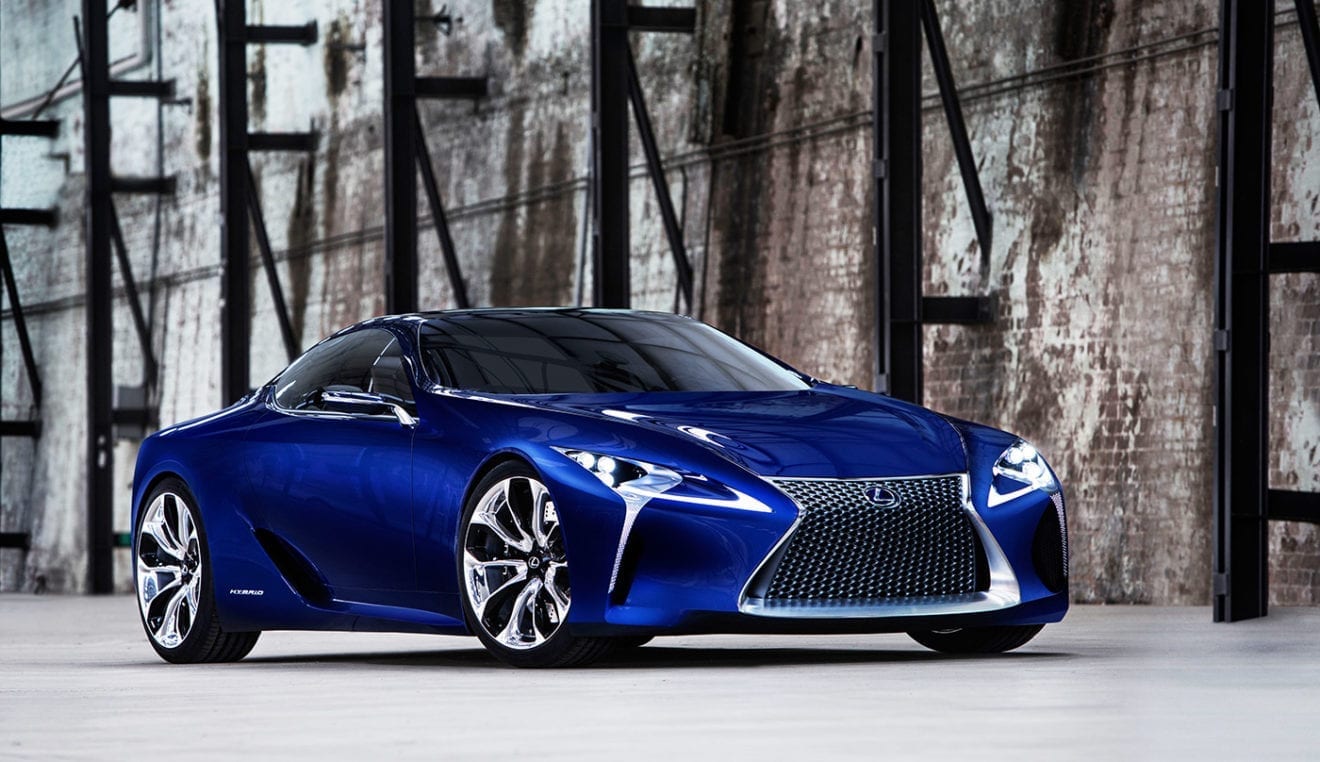
    Russian standards agency Rosstandart said on Monday it had been informed about a voluntary recall by Toyota of 18,757 Lexus NX 200, NX 200t and NX 300h cars which had a fault in their braking systems.

    The recall affected cars sold after Sept. 11 2014, the agency said in a statement.

  • Lifan Industry to set up new energy car unit

    Lifan Industry to set up new energy car unit

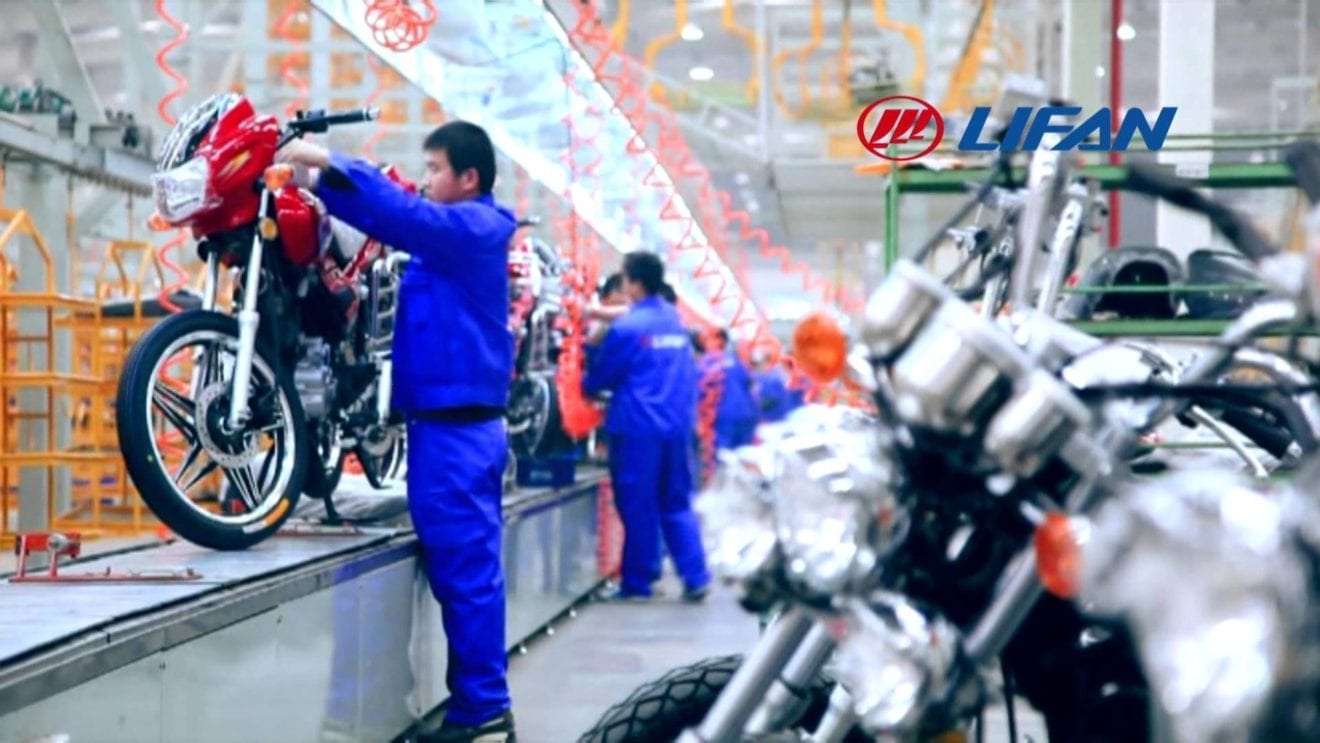
    Lifan Industry Group Co Ltd Says it plans to set up new energy car unit with registered capital at 1.0 billion yuan ($143.93 million).

  • BMW to recall over 1.93 lakh vehicles in China over defective airbags

    BMW to recall over 1.93 lakh vehicles in China over defective airbags

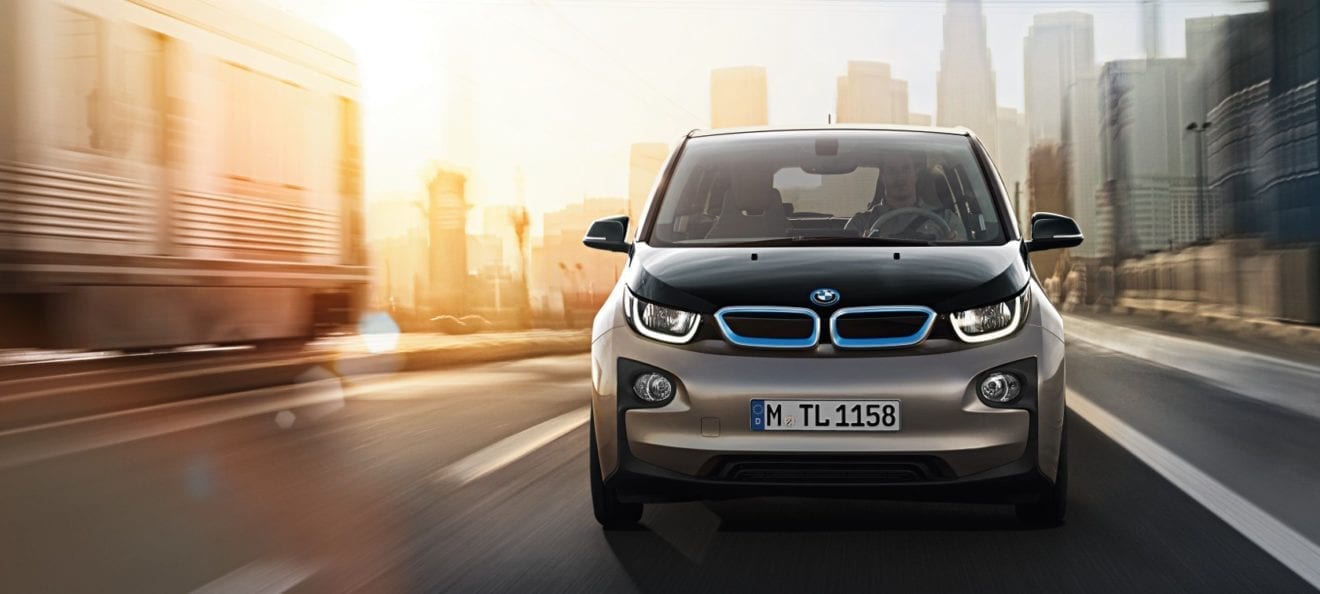
    German automaker BMW will recall 1,93,611 cars in China over a defect in their airbags, a quality watchdog here said today.

    About 1,68,861 imported cars manufactured between December 9, 2005 and December 23, 2011 as well as 24,750 sedans made between July 12, 2005 and December 31, 2011 will be recalled from August 1, 2017, the General Administration of Quality Supervision, Inspection and Quarantine said.

    When the driver and front passenger airbags of the affected vehicles inflate, the gas generators inside may become damaged and cause flying debris, posing safety risks to passengers, the statement said.

    BMW has promised to replace the defective parts free of charge, state run Xinhua news agency reported.

  • China Slaps GM With $29 Million Fine

    China Slaps GM With $29 Million Fine

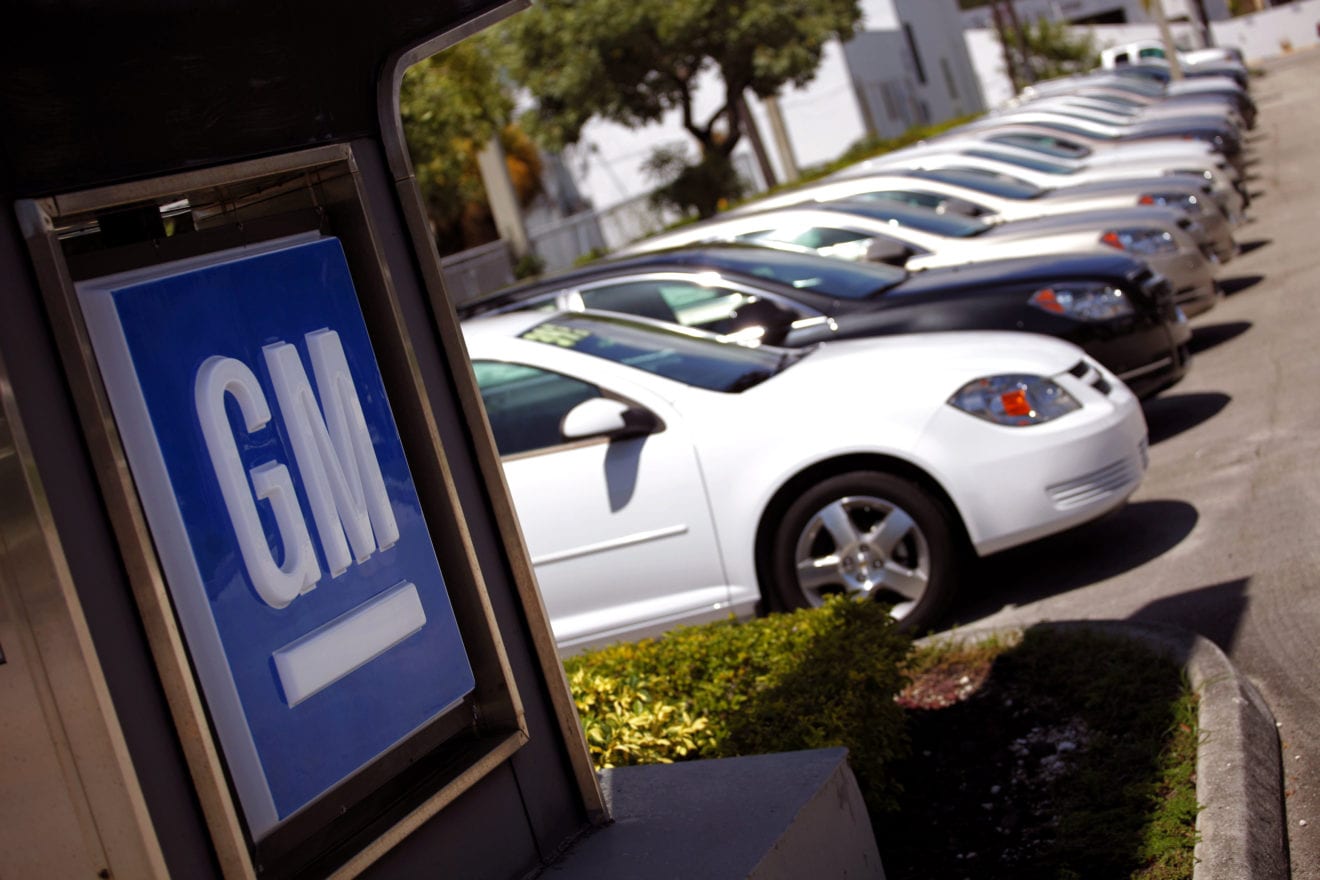
    China slapped a $29 million fine on General Motors for antitrust violations, a sign of the growing tensions between the U.S. and the Asian nation.

    The largest U.S. automaker is accused of setting minimum prices on some models in its SAIC General Motors joint venture. The Shanghai Municipal Development & Reform Commission, which imposed the 201 million yuan fine, alleged in a statement that GM punished dealers who sold cars for less than the prices set by the Detroit-based automaker. This is the first time China has fined GM, the second-largest foreign carmaker in China by sales.

    China-U.S. relations have become strained after President-elect Donald Trump proposed tariffs on Chinese goods, questioned the One-China policy regarding Taiwan and accused the Asian nation of stealing an American naval drone in international waters in the South China Sea. A Communist Party newspaper in November said a “tit for tat” retaliation could follow proposals by Trump for tariffs on the world’s largest trading nation, which had $627 billion in U.S. trade in 2015.

    “GM fully respects local laws and regulations wherever we operate,” Irene Shen, a company spokeswoman, said in a text message referring to the penalty. “We will provide full support to our joint venture in China to ensure that all responsive and appropriate actions are taken with respect to this matter.”

    Shares of SAIC Motor Corp. fell 1.2 percent to 23.17 yuan in Shanghai, before the penalty was announced. They have declined 3.3 percent since Dec. 14 when reported that GM’s joint venture in China was being investigated for possible antitrust violations. In trading in New York, GM shares fell 0.2 percent to $35.61 at 10:50 a.m.

    Last year, China fined Daimler AG’s Mercedes-Benz unit $56 million for monopolistic pricing practices. In 2014, the government penalized Volkswagen AG and Fiat Chrysler Automobiles NV for similar practices as well as a dozen parts makers. The auto component suppliers were fined $200 million collectively.

    Since 2011, the National Development and Reform Commission, China’s main economic planner, has pressured carmakers to cut prices as part of an investigation into the auto industry. The NDRC said the probe was meant to ensure market order and protect consumers.

    Chinese media have reported that penalties on American companies may be coming. The China Daily reported earlier this month that the government would soon penalize a U.S. automaker for price fixing, citing an interview with Zhang Handong, director of the NDRC’s price supervision bureau. The Global Times wrote in an editorial that orders for Boeing Co. planes could be replaced with models from Airbus Group SE, and that Apple Inc.‘s iPhone sales may suffer a setback.

    GM’s retail sales in China rose 8.5 percent this year through November to 3.44 million vehicles, trailing only Volkswagen among foreign automakers. Its German rival boosted deliveries 12 percent to 3.59 million units.


  • Honda, Alphabet’s Waymo in talks over self-driving technology

    Honda, Alphabet’s Waymo in talks over self-driving technology

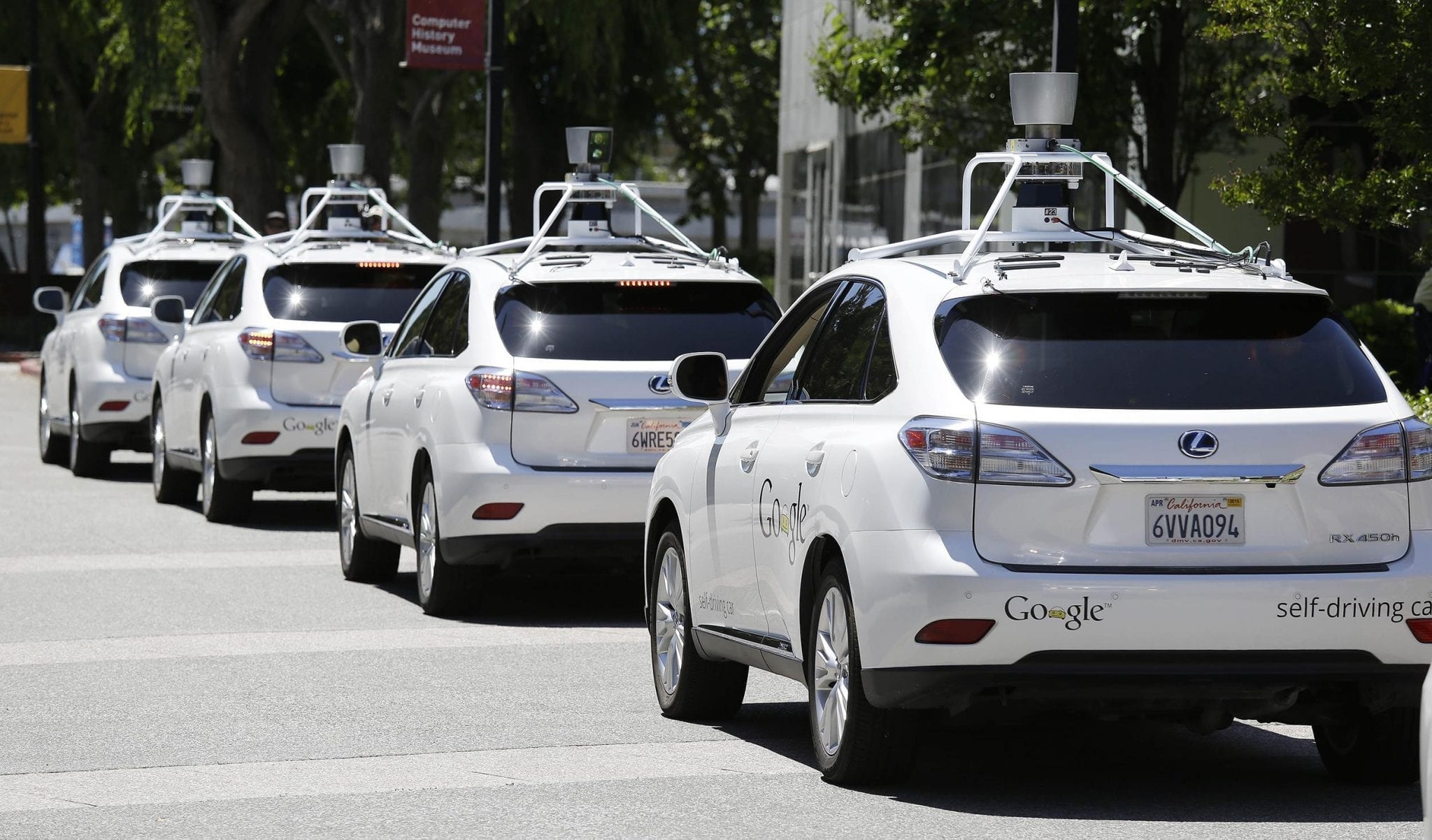
    Honda Motor Co said on Wednesday it had entered into formal talks with Alphabet Inc’s new self-driving division Waymo to add self-driving technology to its vehicles, marking the second potential customer for the automation software.

    The move comes just one week after Google spun off its self-driving unit into its own company named “Waymo” with a mandate to strike partnerships with automakers and others and commercialize the research it has been developing for over seven years.

    The potential deal illustrates how automakers faced with the high costs of developing the new technology in-house are separating into those betting on developing it alone, such as Ford Motor Co and General Motors Co, and those turning to partnerships with suppliers to spread the costs.

    Honda’s announcement marks Google’s second potential tie-up with an automaker over its self-driving technology. The first came in May, when the technology giant signed a deal with Fiat Chrysler Automobiles NV to incorporate the tech into the carmaker’s minivans.

    Unlike cash-strapped Fiat Chrysler, however, Honda has already committed its own resources to autonomous driving, and it said on Tuesday those efforts would continue.

    While Honda has been less vocal about its plans for self-driving cars than larger rivals like Toyota Motor Corp, the Japanese automaker showed off a self-driving prototype in June it has been testing in Northern California. The carmaker foresees full autonomy on highways by 2020.

    “In addition to these on-going (in-house) efforts, this technical collaboration with Waymo could allow Honda R&D to explore a different technological approach to bring fully self-driving technology to market,” Honda said in a statement.

    Honda said, as part of the collaboration talks, it could provide Waymo with vehicles modified to accommodate Waymo software, such as Fiat Chrysler has done with its Chrysler Pacifica minivans.

    Were a deal to be signed, Honda said its engineers in Silicon Valley and Tochigi, Japan would work closely with Waymo engineers.

    A Waymo representative said the company was “looking forward to exploring opportunities to collaborate with Honda to advance fully self-driving technology and make our roads safer.”

  • China’s Wanxiang gets approval to produce Karma electric cars

    China’s Wanxiang gets approval to produce Karma electric cars

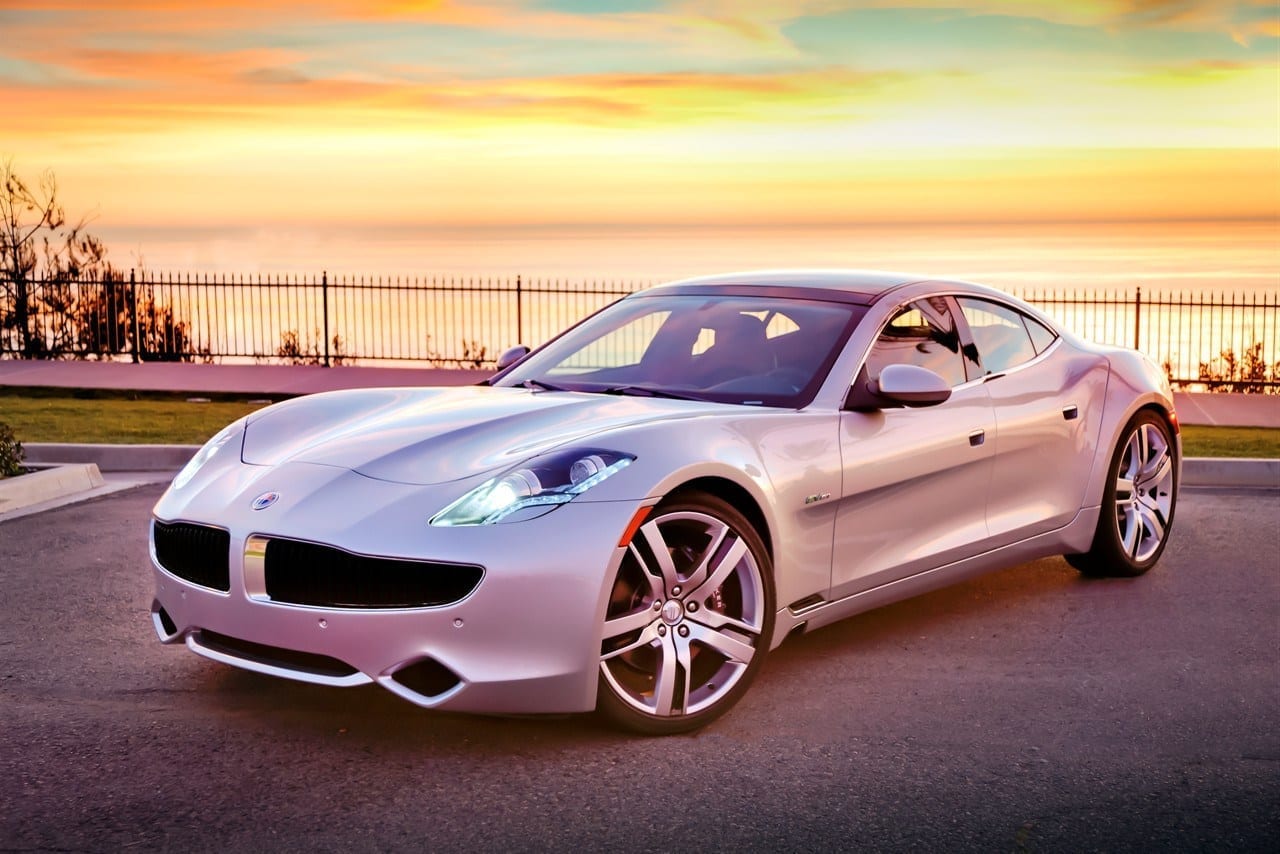
    Wanxiang Group, a major Chinese auto parts supplier which almost three years ago bought the assets of defunct California-based plug-in hybrid carmaker Fisker Automotive, has received approval from local regulators to produce electric vehicles in China.

    According to a notice on Friday on the website of the National Development and Reform Commission (NDRC), China’s top economic and industrial planner, Wanxiang has the green light to build a factory with capacity to produce 50,000 electric cars a year.

    The move means the former Fisker Automotive, which was founded in part with a U.S. government loan and ceased production of its $100,000 plug-in electric hybrid sports cars in 2012 after a series of technical glitches and cost overruns, continues to survive under Chinese ownership after Wanxiang gave it a second life.

    Wanxiang later changed Fisker’s name to Karma Automotive.

    Wanxiang, a Hangzhou-based company which in 2012 also acquired U.S. lithium-ion battery maker A123, became the sixth company to be allowed to produce new-energy vehicles in China.

    More companies are currently being encouraged to enter the automotive industry in China but only if they are willing to produce so-called new-energy cars, mostly all-electric battery cars and heavily electrified plug-in hybrids.

    China has been making a push for electrically-propelled cars by offering incentives to buyers, forcing global automakers to share their technology, and opening its market to tech firms and others to produce electric vehicles.

    Beijing wants such vehicles to serve the mass market, and hopes the technology will help its auto industry close a competitive gap with global rivals which have a century’s head-start in traditional combustion engines.

    Aside from Wanxiang, NDRC has approved five companies to produce new-energy vehicles, including Ch-Auto’s Qiantu Motor, and Changjiang Auto. More companies such as WM Motor, Future Mobility, Singulato Motors are seeking approval.

  • Indonesia, Michelin Cooperate in Tire Exports

    Indonesia, Michelin Cooperate in Tire Exports

    The Indonesian government has joined hands with French tire company Michelin to open market access to Europe and the United States. The plan was proposed in a meeting between Industry Minister Airlangga Hartarto and Vice President Public Affairs of Michelin East-Asia and Oceania Segsarn Trai-Ukos in Jakarta last week.

    According to Airlangga, the government and Michelin will also cooperate in aircraft tire retreading. “Michelin has developed tire retreading in Thailand,” he said yesterday.

    He said that Michelin technology can help develop aircraft tire retreading in Indonesia and reduce negative perception of retreaded tires. High-tech retreaded tires can help lower airline costs and boost growth of air transport industry.

    Indonesia and Michelin will also collaborate in utilizing used tires. According to Airlangga, Michelin is expected to process used tires into raw material for asphalt. He pointed to the example of 80 million units of two-wheeled vehicles with 160 million tires. “With an average lifespan of 1.5 to 2 years, abundant supply of used tires will be available to be utilized.”

    The Minister also discussed business opportunities with French Ambassador to Indonesia Jean-Charles Berthonnet. Airlangga said that France can become Indonesia’s export gateway to the non-traditional European market.

    He sees France as an important trade partner. In 2015, Indonesia’s import value from France hit US$1.3 billion for aircraft components, vehicles, machinery, milk, and pharmaceutical. Whereas, Indonesia’s export to France worth US$972 million, which include footwear, rubber, furniture, clothing, and coffee.

  • Toyota Indonesia to see exports down by 5 percent this year

    Toyota Indonesia to see exports down by 5 percent this year

    Car manufacturer PT Toyota Motor Manufacturing Indonesia (TMMIN) expects to see its exports fall by 5 percent this year mainly due to low demand in the Middle East.

    TMMIN vice president director Warih Andang Tjahjono said, a protracted security crisis in the Middle East and global oil price decline had impacted car demand in the region. Thus, the company will see its car exports down to 165,000 units this year from 176,000 units last year.

    Car exports to Saudi Arabia, which makes up 50 percent of the company’s exports to the Middle East, saw a 30 percent decline this year, the biggest in the region. The Middle East and Asia are the biggest markets for Toyota cars, contributing more than 50 percent to the company’s exports, Warih said.

    While demand in the export market declined, domestic demand for Toyota cars has grown above the industry’s average.
    As of November, Toyota car sales had risen by 19 percent year-on-year compared to the corresponding period last year, Toyota Astra Motor vice president director Henry Tanoto said.
    “We predict our domestic car sales will reach between 375,000 and 380,000 units by year-end,” he said

  • Toyota recalls 66,830 imported Lexus cars in China

    Toyota recalls 66,830 imported Lexus cars in China

    The Chinese unit of Toyota Motor Corp will recall 66,830 imported Lexus brand vehicles in the country over potential safety issues, China’s quality watchdog said on Friday.

    Some Lexus models, made between June 2014 and December 2016, have problems with their braking software, China’s General Administration of Quality Supervision, Inspection and Quarantine said on its website.

    In October, Toyota issued a recall for about 5.8 million cars in Japan, Europe and China over potentially faulty airbag inflators made by Takata Corp. In June

    The notice urged consumers to immediately contact dealers for inspection and said current stock vehicles will be sold in the absence of defects.