Category: Automotive

Retail News Asia is committed to providing both local and global retailers with the latest Auto and Car news throughout the Asian market. This on a daily base.

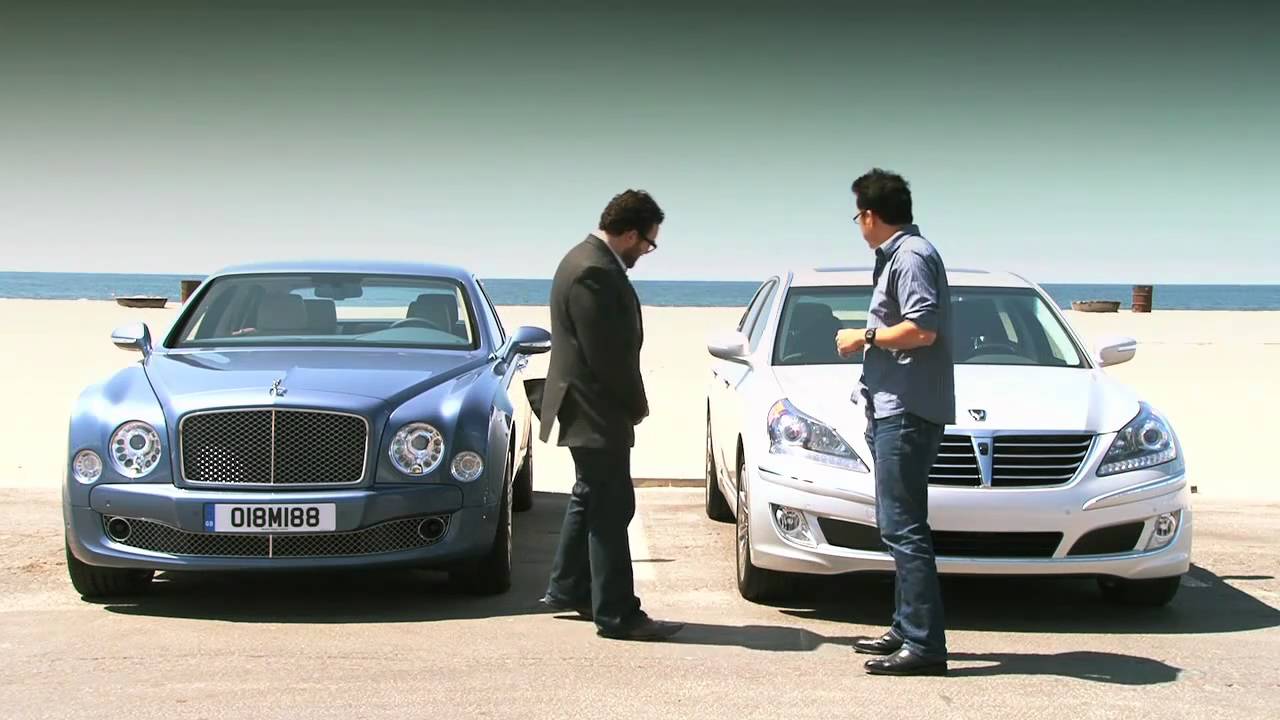
  • Hyundai raids Bentley to turbo-charge Genesis luxury drive

    Hyundai raids Bentley to turbo-charge Genesis luxury drive

    After poaching Bentley’s design chief last year, Hyundai Motor said on Monday that it has also secured the services of the luxury marquee’s exterior designer.

    Hyundai issued a statement saying Sangyup Lee will start work next month as its head of design, after Reuters reported the hiring of the Korean designer by the South Korean auto giant.

    Lee is being brought in to work with Luc Donckerwolke, a Peruvian-born Belgian, to lead Hyundai’s development of its Genesis premium car brand – a project driven by Chung Euisun, heir-apparent to the Hyundai Group.

    “Lee will help…enhance the design competitiveness of both the Hyundai and Genesis brands with his abundant experience in designing high-end luxury vehicles,” Hyundai said in its statement.

    “His challenging and innovative design languages fit well with the DNA of Hyundai Motor.”

    Hyundai Motor, which sells some 8 million cars a year, sees limited growth unless it breaks into new markets, a person close to the automaker told Reuters. For the South Korean firm, that means premium cars and maybe pick-up trucks and parts of Southeast Asia.

    Lee said he has joined Hyundai Motor as a vice president in charge of Hyundai and Genesis design, reporting to Donckerwolke, who will head up Hyundai’s new Prestige Design Division, as well as being global head of Hyundai design – a reporting arrangement that Hyundai also confirmed on Monday.

    Bentley spokesman Andrew Roberts confirmed Lee “has resigned from Bentley to take a position at another brand.”

    Lee, 46, ran Bentley’s exterior design since 2012 having previously worked at Volkswagen group’s design center in California, and General Motors. He played a lead role in designing the Chevrolet Corvette, Stingray and Camaro – which featured in the “Transformers” movies – and Bentley’s Bentayga SUV.

    “CLEAN SHEET”

    Lee told Reuters the ex-Bentley design duo aim to make Genesis a recognized global premium brand as new disruptive technologies such as autonomous, connected cars and alternative propulsion systems alter the auto design landscape.

    “Because of these technologies, the car industry is about to hit a crossroads. The future is truly open,” he said. “It’s difficult to say if all the prestigious brands today will still be around in 10-20 years.”

    Lee, who says he was first approached by Hyundai two years ago, said he and Donckerwolke plan to design Genesis cars from a “clean sheet of paper”.

    “For decades, luxury brands such as Bentley, Aston Martin and Maserati have been about possession,” he said. “In the future, as disruptive technologies kick in, luxury is going to be about experience. People are going to look for a special experience rather than something special to own.”

    GLOBAL LEGACY

    As “mobility on demand” – the once futuristic concept of calling up a robot-car by smartphone – takes hold, Hyundai predicts many households in the United States, its biggest market, will no longer own two, or three cars, but spend more on one car, said the person close to the company.

    “That means upscale cars,” he said, adding “profitability-wise, the luxury segment is much better, too.”

    That fits with Chung’s aspiration to not just drive the Genesis brand but elevate the Hyundai name to an elite global corporate league alongside the likes of BMW, Boeing and Apple.

    “That’s his legacy. ES (Euisun) wants to make Hyundai a truly globally recognized and respected company,” the person said.

    Chung was involved with hiring both Donckerwolke and Lee, as well as Manfred Fitzgerald, former brand and design director at Lamborghini who was named earlier this year as head of Genesis, said another person with knowledge of the matter.
  • South Korea says Nissan manipulated emissions, plans fine and recall

    South Korea says Nissan manipulated emissions, plans fine and recall

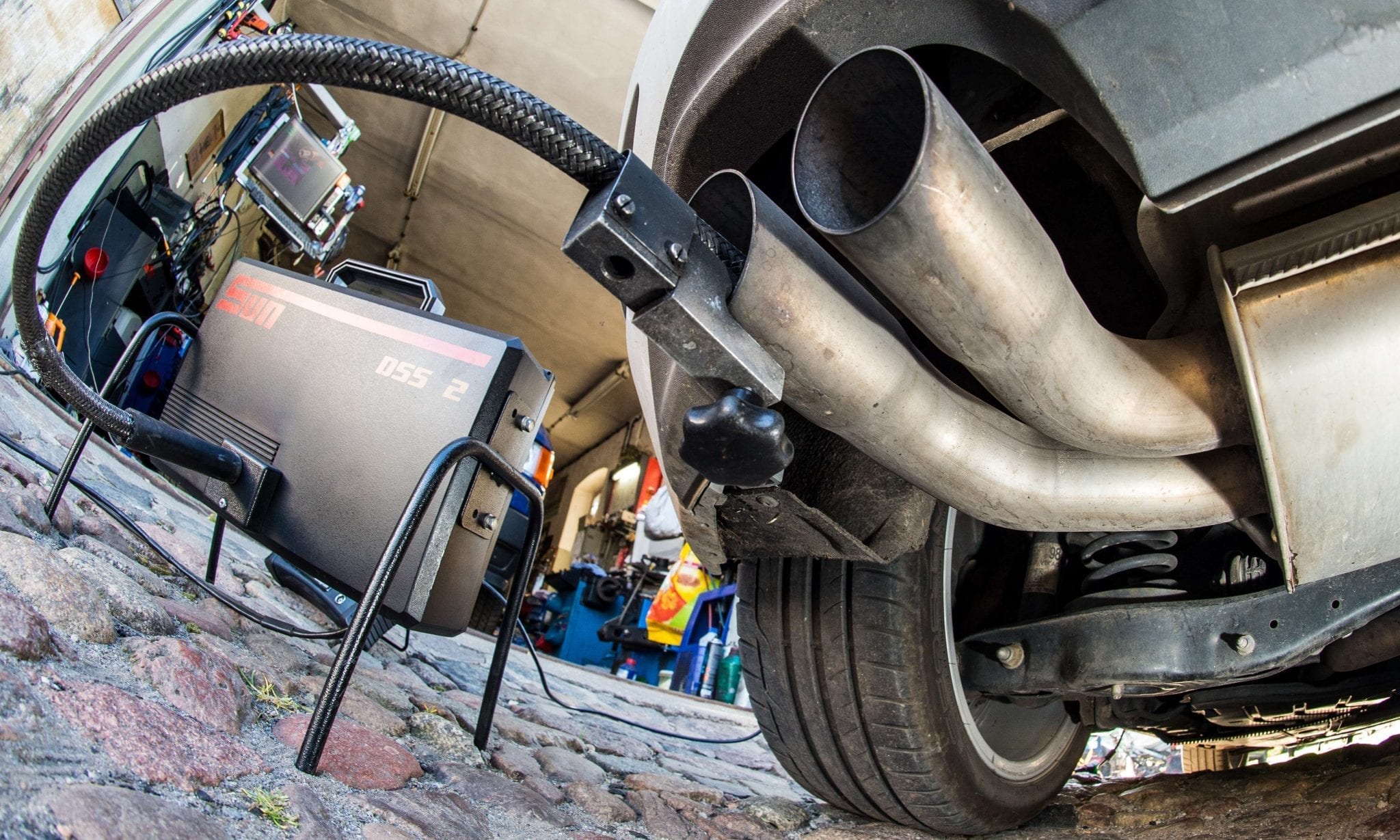
    outh Korea said that Nissan Motor had manipulated emissions on a diesel sport utility vehicle and that it planned to fine the automaker as well as sue the head of its Korean operations.

    The government said the Japanese automaker had used a so-called defeat device that helps a vehicle’s emissions management system turn off during regular driving conditions.

    Nissan denied any wrongdoing.

    “Nissan Motor has never illegally manipulated any vehicles we have produced so far and used defeat devices in those cars,” the automaker’s Korea unit said in a statement.

    The South Korean environment ministry said it planned to fine Nissan 330 million won ($279,920) for manipulating emissions on its Qashqai SUV. It will also order a recall of the 814 Qashqai vehicles sold in the country so far.

    South Korea conducted tests on 20 diesel vehicles, after finding in November that Germany’s Volkswagen AG had falsified emissions tests.

  • Singapore probes Hyundai cars for sudden acceleration

    Singapore probes Hyundai cars for sudden acceleration

    Singapore’s Land Transport Authority said Tuesday it is investigating Hyundai vehicles following reports of accidents involving sudden acceleration while reversing.

    In a statement, the authority said it was looking into cases of Hyundai vehicles having “unintended acceleration in reverse gear.”

    “It is premature to draw any conclusions at this point in time,” it said.

    The statement gave no further details, but the local newspaper Straits Times cited recent incidents involving taxis from operator ComfortDelGro, which leases Hyundai Sonata cars, among other models. It is Singapore’s largest taxi operator with a fleet of 17,000 cabs.

    Hyundai Motor said it is looking into the matter.

    South Korean consumers have lodged complaints about accidents that they believed were caused by sudden unintended accelerations. But past government probes have found no evidence that this was linked to faulty vehicles.

    At a public demonstration in 2013, the government tried to reproduce conditions that were believed to cause cars to suddenly accelerate without intention but those attempts failed.

    The ministry concluded that it was “reasonable” to see the sudden unintended acceleration phenomenon does not exist.

  • Volkswagen awaits approval for its dieselgate fix in India

    Volkswagen awaits approval for its dieselgate fix in India

    Volkswagen, the European automotive major hit by the dieselgate scandal, said the company has found a fix for its EA 189 diesel engines in India and has sent it for approvals of the local authorities.

    Once it gets the clearance, the solution would be applied on 3.23 lakh vehicles that have been sold in the country with the EA 189 family of engines. The company said it has also found a software solution for the local Vento manual diesel model, production of which is currently stopped due to inconsistent emission of carbon monoxide. People in the know said Volkswagen could start recalling vehicles by the end of June or July to fix the problem. It is aiming to complete the process within six to eight months.

    “We are awaiting approval (for the fix) and will begin the recall process in the coming months and are hopeful that fixes on all vehicles will be concluded by the end of the year,” Volkswagen India managing director Andreas Lauermann told ETon the sidelines of an event to roll out the Ameo sedan from its factory.

    He said the company’s focus is currently entirely on the Ameo as VW seeks to make a strong comeback in the Indian market. The company’s image had taken a major hit globally following revelations that it had cheated on emission test results. Its sales were hit in India and elsewhere, even as it announced a massive programme to fix the problem.

    The recall process for vehicles fitted with the EA 189 diesel engines, which was to begin at the start of 2016, is yet to get underway. These EA 189 engines are of different displacements 1.2-litre, 1.5-litre, 1.6-litre and 2.0-litre TDI. The 1.2-litre and 2-litre engines need software updates in India, while the 1.5-litre and 1.6-litre engines will get both software and a hardware fix.

    Volkswagen India, which posted strong sales in the first nine months of 2015 with double-digit growth, got hit because of the controversy, with domestic volume declining 2.4% to 43,152 units in 2015. Thanks to the strong export offtake and incremental Ameo output, Volkswagen India is planning to grow its output 15% in 2016 to about 1.42 lakh units. Developed with an investment of Rs 720 crore, the Ameo sedan is a made-for-India product in the VW world.

    Ameo will be positioned in the subcompact sedan market, which sees sales of 25,000 to 30,000 units a month. It will take on the likes of Maruti Suzuki Dzire and Honda Amaze. The company aims to produce about 150 Ameos a day. With the Vento and Polo monthly volumes taking a hit, VW is now betting on Ameo to bring in decent incremental volumes.

  • Nissan plans to establish 300 dealerships in India by March 2017

    Nissan plans to establish 300 dealerships in India by March 2017

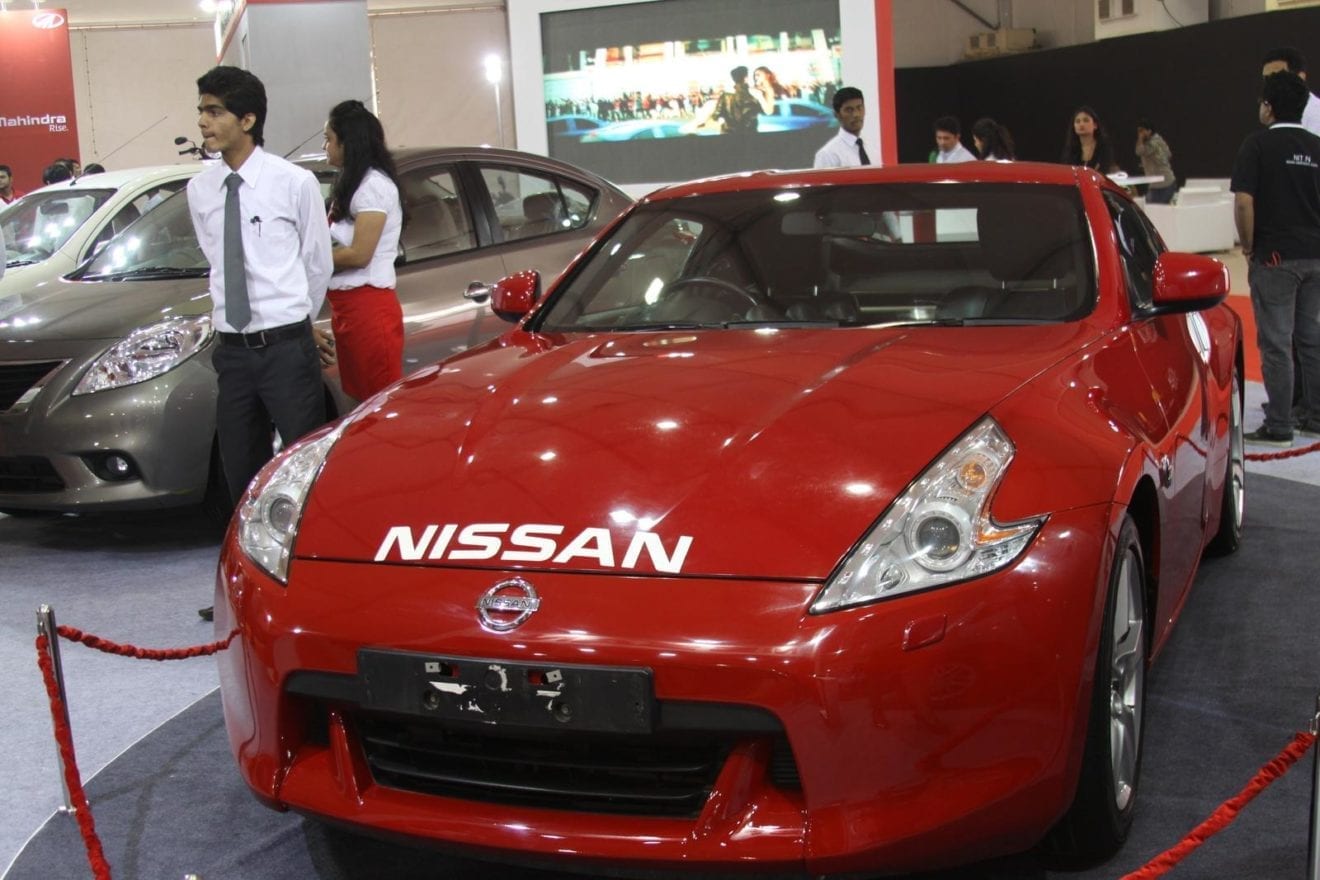
    Japanese car maker Nissan is gearing up to launch “Datsun redi-Go” in the entry level segment and was on course to establish 300 dealerships in the country.

    “We are gearing up to launch Datsun redi-Go, which will compete in the entry level car segment of the Indian market. With redi-Go, Datsun is pioneering a new segment – Urban Cross, combining the best of a hatchback and a cross over”, President of Nissan India Operations, Guillaume Sicard said.

    “As we expand our dealership footprint we are on course to meet our target of establishing 300 dealerships by end of March 2017 across the country,” he said here today.

    At present the company has 218 dealers across 165 cities, Sicard said, adding with new dealerships the company would cover 90 per cent of customers and “enable them with easy and immediate access to committed sales and after sales services”.

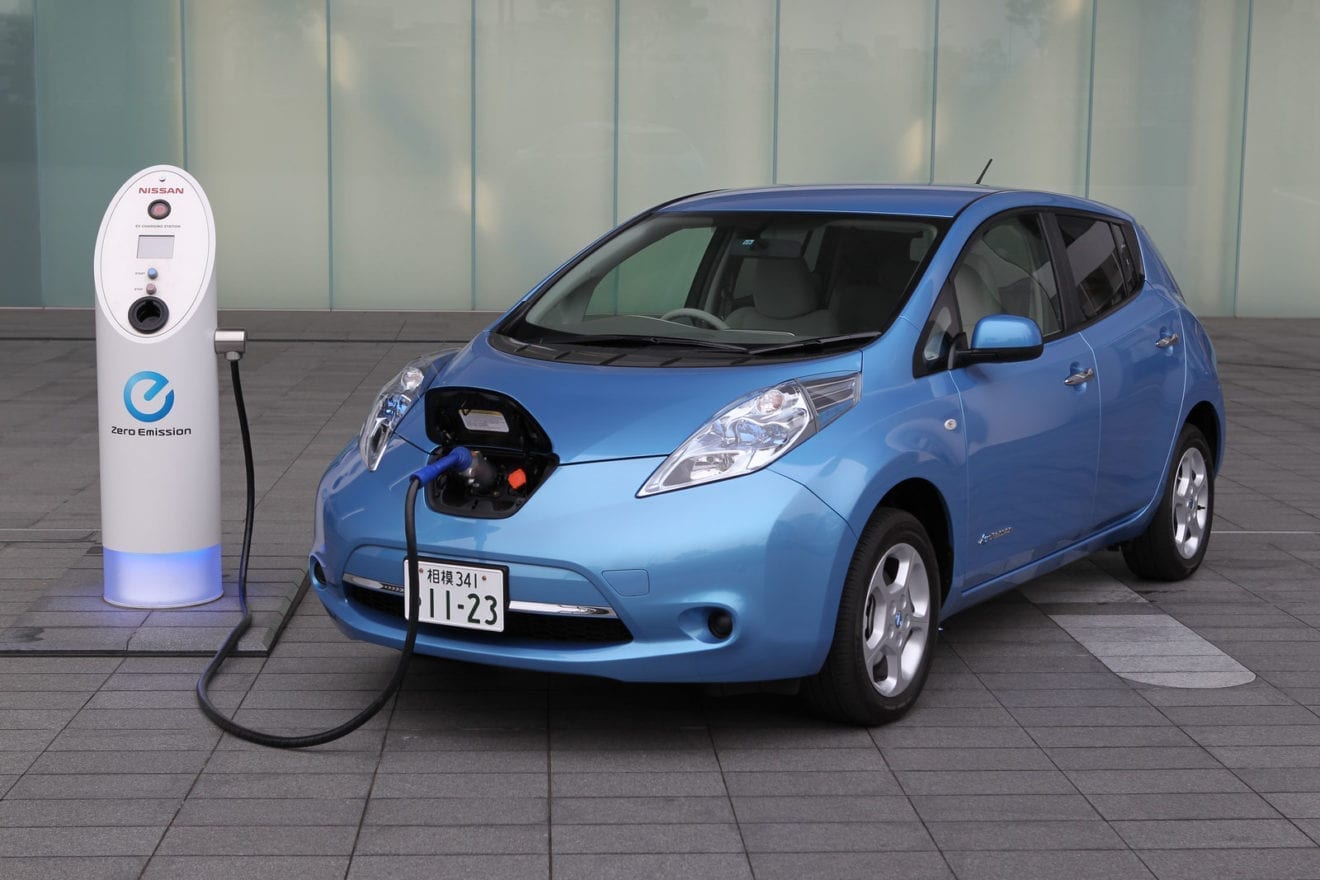
  • Apple explores charging stations for electric vehicles

    Apple explores charging stations for electric vehicles

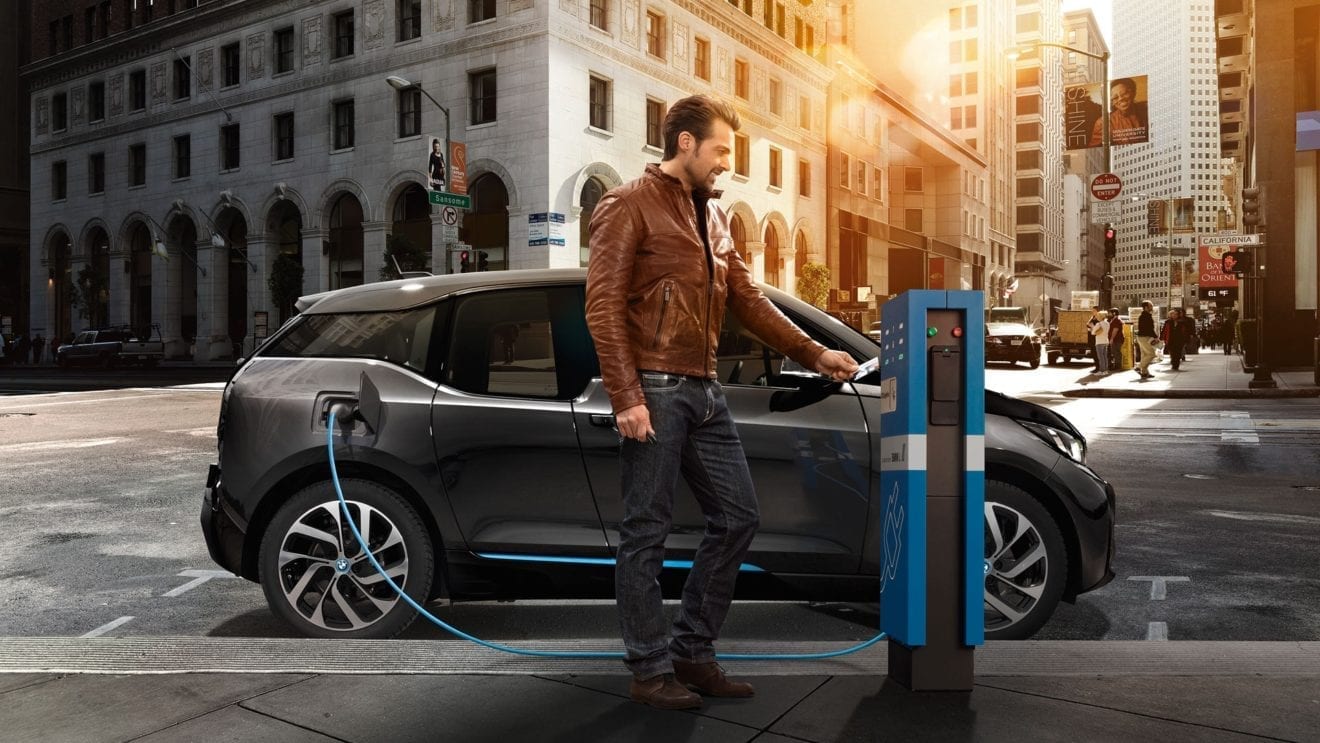
    Apple is investigating how to charge electric cars, talking to charging station companies and hiring engineers with expertise in the area, according to people familiar with the matter and a review of LinkedIn profiles.

    For more than a year, Silicon Valley has been buzzing about Apple’s plan to build an electric car. Now the company appears to be laying the groundwork for the infrastructure and related software crucial to powering such a product.
    The moves show Apple responding to a key shortcoming of electric vehicles: “filling up” the batteries. A shortage of public charging stations, and the hours wasted in charging a car, could be an opportunity for Apple, whose simple designs have transformed consumer electronics.

    Apple, which has never publicly acknowledged a car project, declined to comment for this story. Neither the LinkedIn profiles nor sources said specifically that Apple was building charging stations for electric cars.
    But automotive sources last year told Reuters that Apple was studying a self-driving electric vehicle (EV), as the Silicon Valley icon looks for new sources of revenue amid a maturing market for its iPhone.

    Apple is now asking charging station companies about their underlying technology, one person with knowledge of the matter said. The talks, which have not been reported, do not concern charging for electric cars of Apple employees, a service the company already provides. They indicate that Apple is focused on a car, the person added.

    Charging firms are treading carefully, the person added, wary of sharing too much with a company they view as a potential rival.
    It is unclear whether Apple would want its own proprietary technology, such as Tesla Motors’ Supercharger network, or would design a system compatible with offerings from other market players.

    Several charging station suppliers contacted by Reuters declined to comment about any dealings with Apple, which typically requires potential partners to sign non-disclosure agreements.

    Arun Banskota, president of NRG Energy electric vehicle charging business, EVgo, did not respond directly to questions about Apple, but said repeatedly that his company was “in discussions with every manufacturer of today and every potential manufacturer of tomorrow.”

    Apple has hired at least four electric vehicle charging specialists, including former BMW employee Rónán Ó Braonáin, who worked on integrating charging infrastructure into home energy systems as well as communication between EVs, BMW and utilities, according to a LinkedIn review.

    As recently as January Apple hired Nan Liu, an engineer who researched a form of wireless charging for electric vehicles, for instance. Quartz earlier this month reported that Apple had hired former Google charging expert Kurt Adelberger.
    Electric vehicle charging stations are manufactured, installed and operated under varying business models. Players in the space include Car Charging Group and privately held ChargePoint, SemaConnect and ClipperCreek, infrastructure companies such as Black & Veatch and AECOM as well as General Electric, Siemens and Delta Electronics.
    The three largest utilities in California also have plans to install charging stations.

    CHARGER SHORTFALL

    The electric car industry has faced a chicken-and-egg paradox with the installation of charging stations. Property owners have been reluctant to install the stations before EVs hit the road en masse, and drivers are wary of buying EVs until charging stations are widely available.

    Apple’s home state of California by 2020 will need about 13 to 25 times the roughly 8,000 work and public chargers it currently has, to support a projected 1 million zero-emission vehicles on the road, according to an estimate by the National Renewable Energy Laboratory.

    Tesla recently goosed electric vehicle demand, unveiling its more affordable Model 3 sedan, generating hundreds of thousands of reservations from potential buyers and leading many experts to calculate the number of EVs will soon outstrip the charging station supply.

    Tesla has led the way with a proprietary network for customers, who also can use public chargers. Tesla’s more than 600 “Supercharger” stations juice up a car in about 30 minutes, more than twice as fast as the standard “fast charger,” called Level 2.
    One global engineering and construction firm already has reached out to Apple to offer its services, a person at the firm said.
    “It would be natural to assume if Apple is going to have a full battery electric vehicle that creates a seamless consumer experience the way Apple does, the charging infrastructure and its availability would be of paramount importance,” the source said.

  • Porsche launches digital business division for premium segment

    Porsche launches digital business division for premium segment

    Porsche AG, the sportscar unit of Volkswagen, launched Porsche Digital GmbH, a division dedicated to developing digital services for the premium segment.

    Porsche Digital GmbH will become a competence centre and an incubator to help find ideas which can be turned into businesses and services, the company said on Friday.

    The division will be based in Ludwigsburg near Stuttgart, and have offices in Berlin, Silicon Valley and China.

    It will be headed by Thilo Koslowski, a former digital mobility analyst at consulting firm Gartner.

  • Mercedes puts up fight in China

    Mercedes puts up fight in China


    BMW and Mercedes — China’s No. 2 and No. 3 luxury brands — were virtually dead-even in that market last month, selling roughly 35,000 vehicles apiece.

    But Mercedes sales jumped 32 percent year on year, while BMW deliveries fell more than 7 percent. Audi, China’s top-selling luxury brand, boosted sales 9 percent to 49,576 vehicles.

    Mercedes has been on a tear in China since 2013, when it shook up management and consolidated its two warring distribution channels.

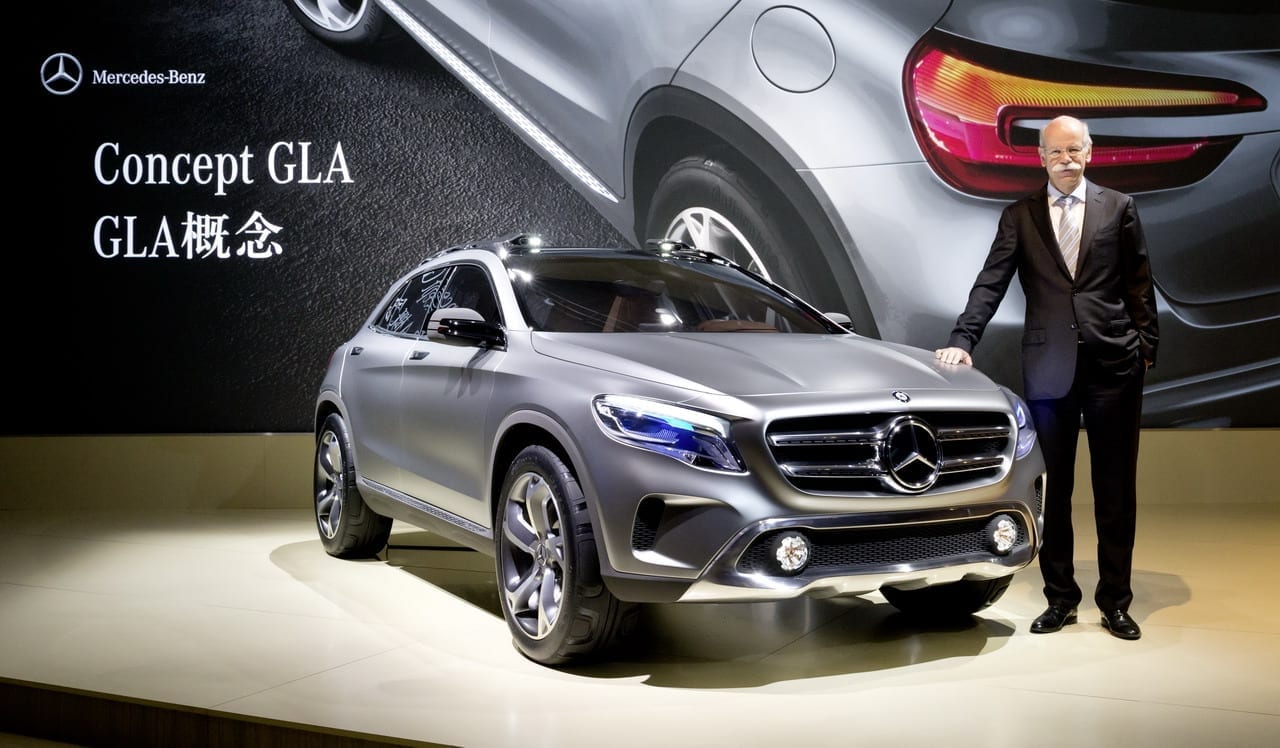
    BMW is feeling the heat. In April, the company replaced its China sales chief, and now it’s hustling to introduce new models. BMW is introducing a long-wheelbase X1 in China to compete with the Audi Q3 and Mercedes GLA.

    Those three models are battling for share in China’s red-hot market for compact crossovers.

    For the first four months, Audi remained on top, with sales of 189,611 vehicles, while BMW delivered 162,221 units. Mercedes is still No. 3, with sales of 142,266, but it is steadily closing the gap.

    We suspect BMW realizes that objects in its rearview mirror are closer than they appear.

  • Volkswagen considers setting up its own battery factory

    Volkswagen considers setting up its own battery factory

    Volkswagen is considering building a multi-billion-euro battery factory as part of a major expansion of its electric-car portfolio, company sources told the Handelsblatt, a leading German daily.

    The factory will allow Volkswagen to operate independently of Asian firms like Panasonic, LG and Samsung that have dominated the battery market to date, the newspaper added.

    The company’s executive board looks to be in favour of approving the plan, which is also supported in principle by the works council and the state of Lower Saxony, its major shareholder, before the firm’s annual meeting on June 22.
    The company hopes that focusing on battery technology and electric cars can help it make a fresh start and improve its negative image after the “Dieselgate” scandal, the paper said.

  • BMW cafe says Hello to Korea

    BMW cafe says Hello to Korea

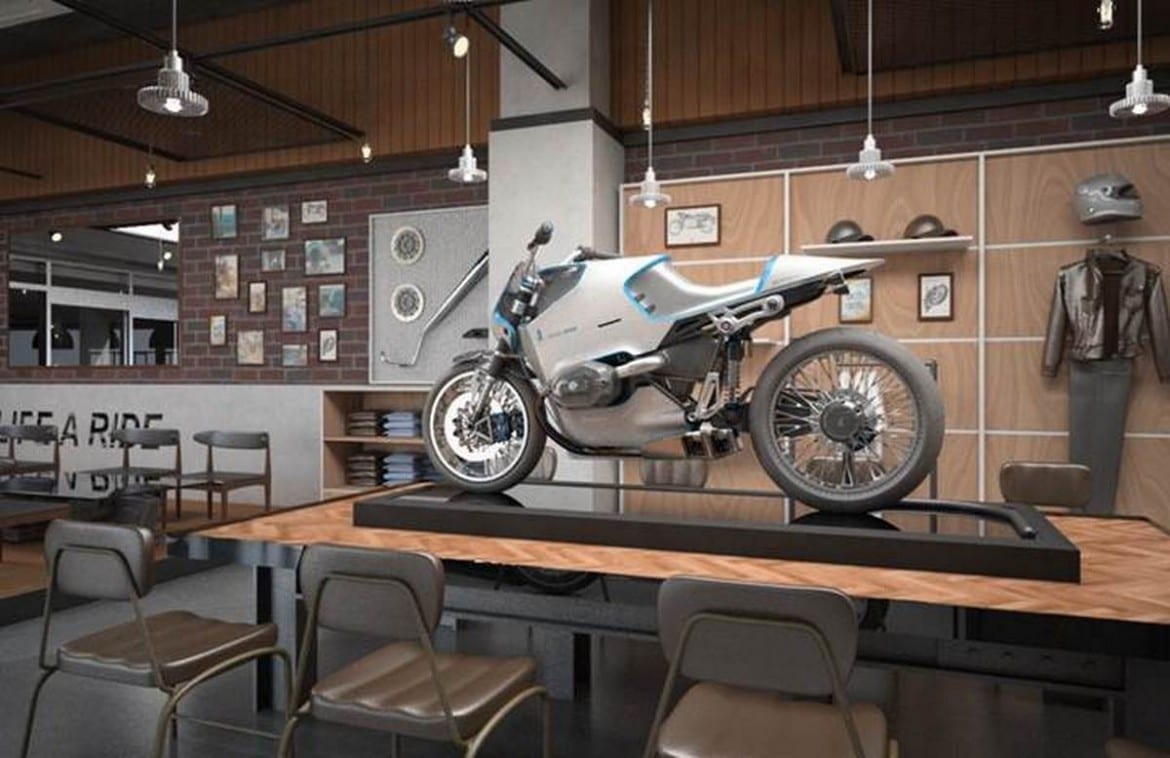
    A BMW cafe in Korea has opened inside a Lotte department store in Incheon.

    Lotte Department Store’s Premium Outlet allows visitors to enjoy the BMW motorcycles and related accessories such as clothing and helmets. The cafe open today, May 27.

    Free consultations about motorbikes and other products are also offered to customers.

    BMW Cafe Korea 1


    “We tried to make a store that targets men who are interested in motorcycles,” said a Lotte spokesman.

    “We’ll try to expand our shopping spaces that cater to male customers.”

    The number of Korean motorcycle fans has increased in recent years, doubling the number of imported high-capacity motorbikes from 10,300 in 2012 to 20,800 in 2015.

  • Ducati eyes gold in Indonesia’s big bike market

    Ducati eyes gold in Indonesia’s big bike market

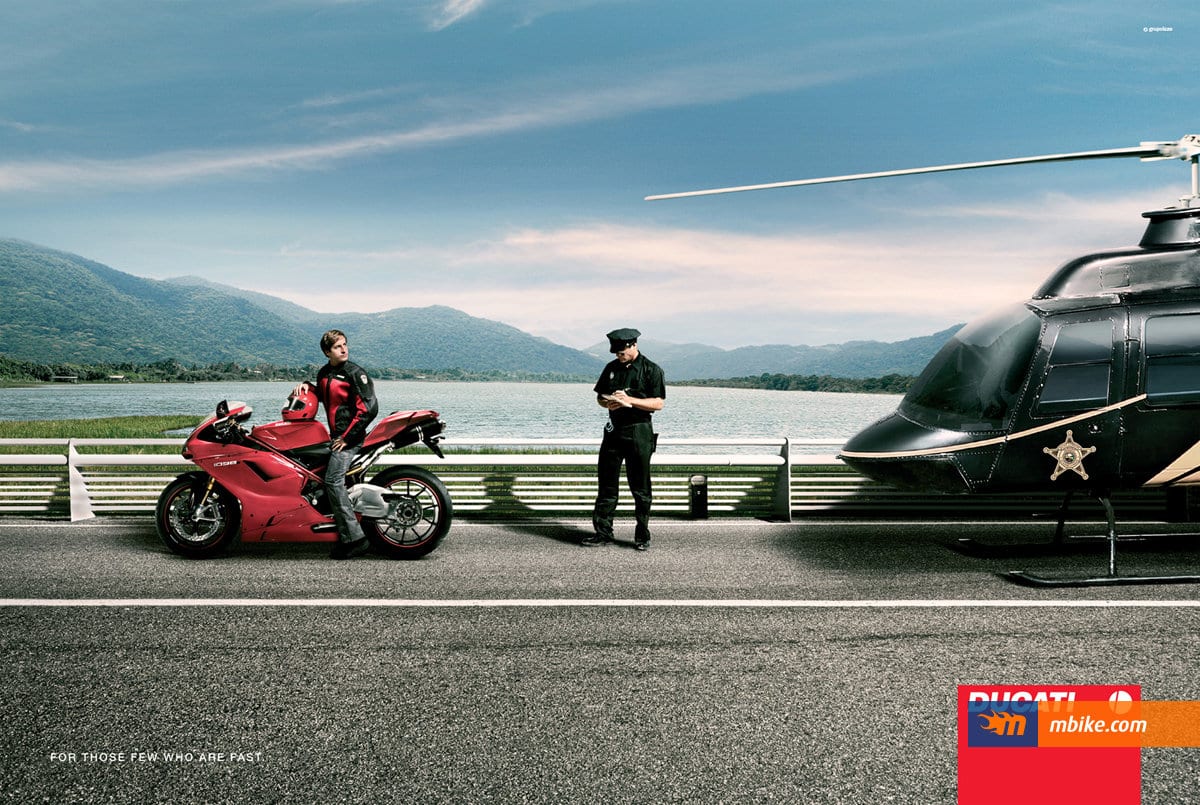
    With the opening of its flagship store in Jakarta, Italian-based luxurious motorcycle manufacturer Ducati expects it will be able to tap into Indonesia’s growing big motorcycle market.

    The store, located in an elite area of Kemang, South Jakarta, opened up for the public on Monday and will serve as Ducati’s complete dealership, one-stop service, spare parts provider and certified used-bike re-seller in Indonesia.

    Garansindo Euro Sports, the new sole distributor of the Italian motorcycles, has allocated at least Rp 80 billion ( US$6 million ) in investment to finance the store and other sales supporting facilities including after-sale services.

    The store has started selling Ducati’s products such as the Monster 795, the Hypermotard, Multistrada, as well as Scrambler Ducati bikes like the Icon, Classic and Urban Enduro.

    The motorcycles carry an off-the-road price tag of between Rp 199 million and Rp 899 million. The Ducati Monster 1100, for example, sells for Rp 345 million, excluding taxes and other levies.

    Garansindo’s managing director Dhani Yahya said the 3,000 square-meter store was Ducati’s largest dealership in the world after the company’s distribution outlet in New Delhi, India.

    “This ambitious investment is expected to expand our market, which was previously considered inaccessible for our potential buyers and customers,” he said on Monday.

    Ducati’s service workshop is part of the flagship store and is able to handle up to 16 bikes per day. The workshop provides original Ducati spare parts imported directly from its plant in Thailand.

    Despite the country’s weak motorcycle sales, which continue to face pressures due to the country’s economic slowdown, Ducati is optimistic about the Indonesian market, given the country’s growing middle class.

    Dhani said that the market response toward Ducati motorbikes was positive so far as seen from the 2016 Indonesian International Motorshow, held in Jakarta last month. During the two-week exhibition, Garansindo managed to sell 52 Ducati motorbikes, a number Dhani said was a sizable one for premium bike sales.

    “The high number of purchased bikes last month proved that we can still generate large enthusiasm in this country,” he said.

    The opening of the flagship store is Garansindo’s first Ducati dealership after the distributor took over from PT Supermoto Indonesia last January. Dulcati’s sales declined last year and its old dealerships in Jakarta stopped operating after Supermoto Indonesia failed to maintain the business.

    To reverse Ducati’s mediocre sales history in Indonesia, Garansindo plans to open at least 12 branches across the archipelago by 2019.

    “Of course at present we will focus on developing this Kemang flagship store, but by 2019 we expect to add 12 more dealerships in places like Jakarta, Surabaya, Bandung and Bali,” Garansindo president director Mohammed El Abdullah said.

    One of Ducati’s customers, Firman Saladdin, said he expected better aftersales services after the dealership opening.

    “As a loyal customer, I want Ducati to improve its services and add more exclusive spare parts,” the Jakarta-based business consultant said.

  • Astra car sales down 2.7 percent to 208,804 units in Q1

    Astra car sales down 2.7 percent to 208,804 units in Q1

    The countrys largest automotive company PT Astra International recorded a 2.7 percent decline year-on-year in car sales to 208,804 units in the first four months of the year.

    Based on data at the Indonesian Association of Motor Vehicle Industries (Gaikindo), Low Cost Green Cars (LCGC) contributed 34,209 units to the total sales by Astra Group.

    The sales in the first four month, however, was on the rise from 47,159 units in January to 49,933 units in February, to 54,508 units in March and to 57,204 units in April.

    The Astra group produces and sells Toyota, Daihatsu, Isuzu, Peugeot cars and UD Trucks. Sales have continued to be dominated by Toyota with sales reaching 111,710 units in the January-April period.

    Peugeot sales were the lowest in number reaching only 14 units. Sales of Daihatsu cars totaled 56,854 units, Isuzu 5,490 units, and UD Trucks 527 units.

    Sales of motorcycles produced by PT Astra Honda Motor (AHM) reached 1,439,241 units, down 13.5 percent from 1,664,395 units in the same period last year.

    Sales of non Astra cars in the first four months of the year totaled 177,316 units down 1.67 percent from 180,340 units in the same period last year.

    Sales of non Astra motorcycles totaled 543,263 units.

  • Do recent acquisitions signal investor confidence?

    Do recent acquisitions signal investor confidence?

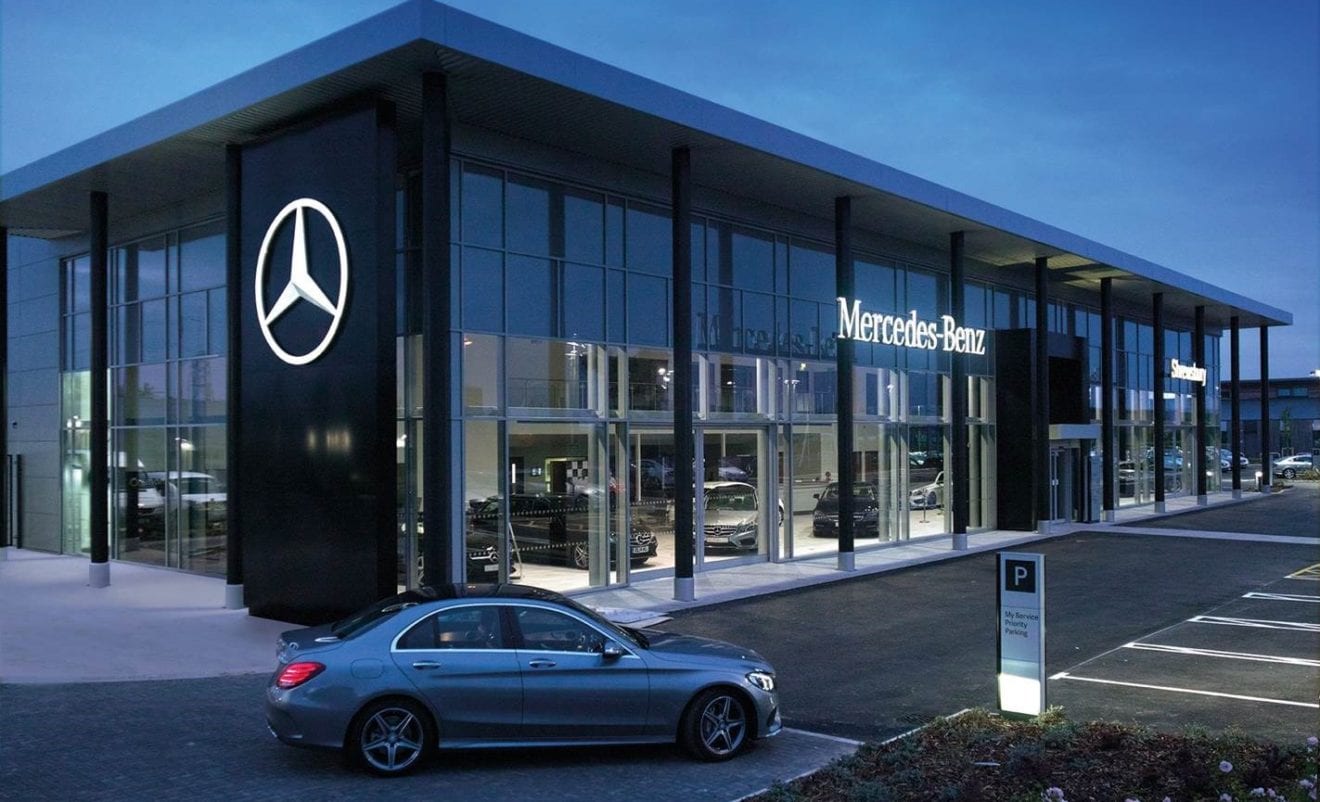
    News of Mercedes-Benz Retail selling its Manchester and Birmingham businesses to Hong-Kong auto retailer Lei Shing Hong could be seen as proof that the UK auto retail sector is worth investing in. This comes despite the underperforming share prices of some PLCs in the market, financial jitters surrounding the forthcoming EU vote and the general state of the domestic economy.

    And while the Mercedes deal was something of a surprise, the acquisition wasn’t an isolated one. With Wessex Garages also being snapped up by a Far East business recently – this time Japanese auto group VT Holdings – clearly there’s value in investing in UK PLC.

    However, the money is from the Far East, not the EU or homegrown. It begs the question: do these investors know something we don’t? With industry in general in flux thanks in the part to issues over the forthcoming EU referendum, stagnant interest rates, a downturn in construction activities and consumer confidence, uncertainty has become the new normal. Granted, some of this depressed mood could be short term but no one knows for sure.

    Still, it could be that these canny investors have decided to look past June 23 and set their sights on the long term. With projections of another strong year in terms of new car registrations and positive light commercial sales, these deals could be the start of a long and prosperous adventure.

  • Tesla Opens 17th Experience Store In China

    Tesla Opens 17th Experience Store In China

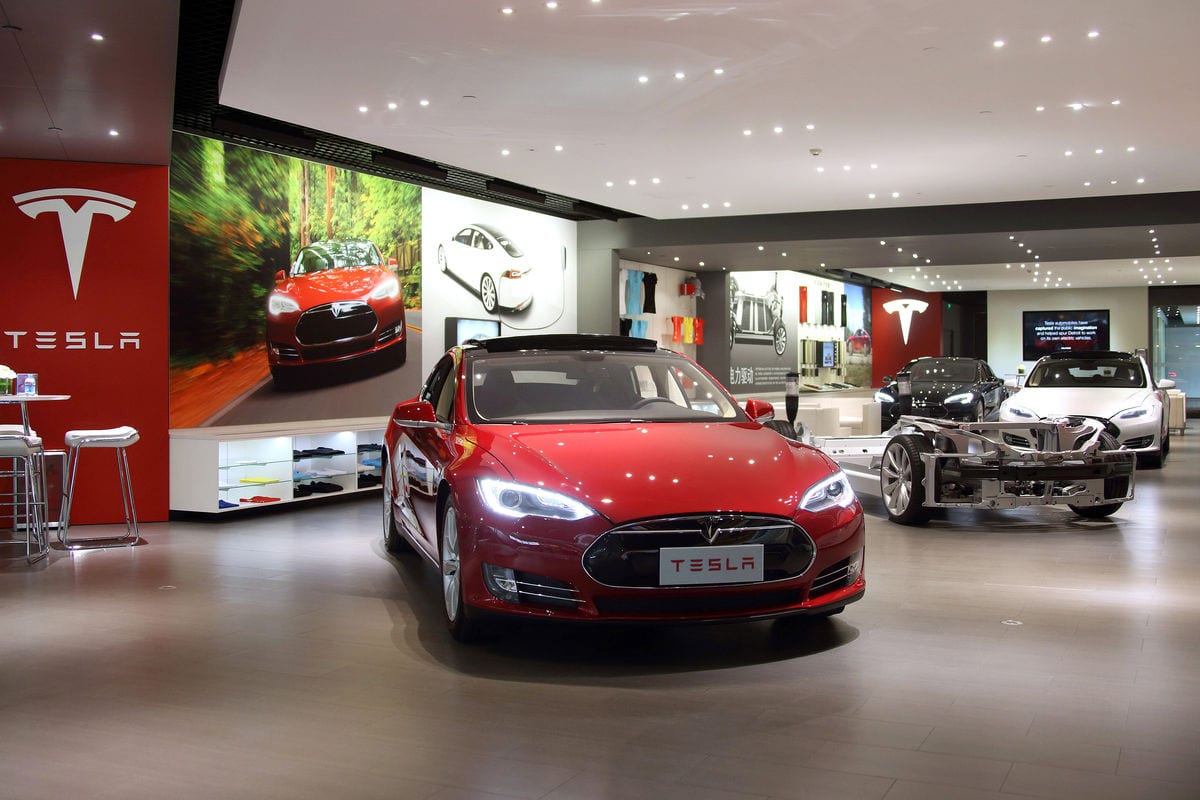
    U.S.-based electric car maker Tesla has opened a new experience center, which is the company’s largest experience center in North China and its fifth owned sales site in Beijing.

    Tesla will reportedly build ten new stores in China in 2016. At the same time, the company will stick to a direct sales model, which is the core model of Tesla. At present, Tesla’s new cars need to be booked via its official website and the cars will be delivered to physical stores.

    So far, Tesla has opened 17 experience centers in China, covering North China, East China, and South China. Those experience centers are mainly located in first-tier cities, including Beijing, Shanghai, Guangzhou, and Shenzhen, and some are in Hangzhou, Chengdu, and Xi’an.

    Zhu Xiaotong, head of Tesla China, said that the company will continue to develop within the market of first-tier cities in the future. On one hand, the potential of those super cities has not been fully explored and they can still digest Tesla’s capacity; on the other hand, it is complicated to expand into a new city. Therefore, Tesla will seek stable development based on existing sites.

    During the opening ceremony of this new store, Tesla’s new Model S also made its debut in China.

  • BMW expects China sales to rise by single digit percentage

    BMW expects China sales to rise by single digit percentage

    BMW expects its car sales in China to rise by a mid-single-digit percentage this year, in line with the overall growth of the world’s biggest passenger car market, board member Ian Robertson said on Monday.

    Last year, BMW sold 460,000 cars in China, marking a 1.7 percent rise, said Robertson, who is responsible for marketing and sales.

    Growth is expected to accelerate once the long wheelbase BMW X1 is launched, helping BMW to increase the number of locally manufactured vehicles to six, Robertson said.

    BMW expects its sales in the United States and across the globe to rise by a single digit percentage this year, Robertson said.