Category: Automotive

Retail News Asia is committed to providing both local and global retailers with the latest Auto and Car news throughout the Asian market. This on a daily base.

  • Audi India Introduces Ready To Drive Service Campaign With Special Offers

    Audi India Introduces Ready To Drive Service Campaign With Special Offers

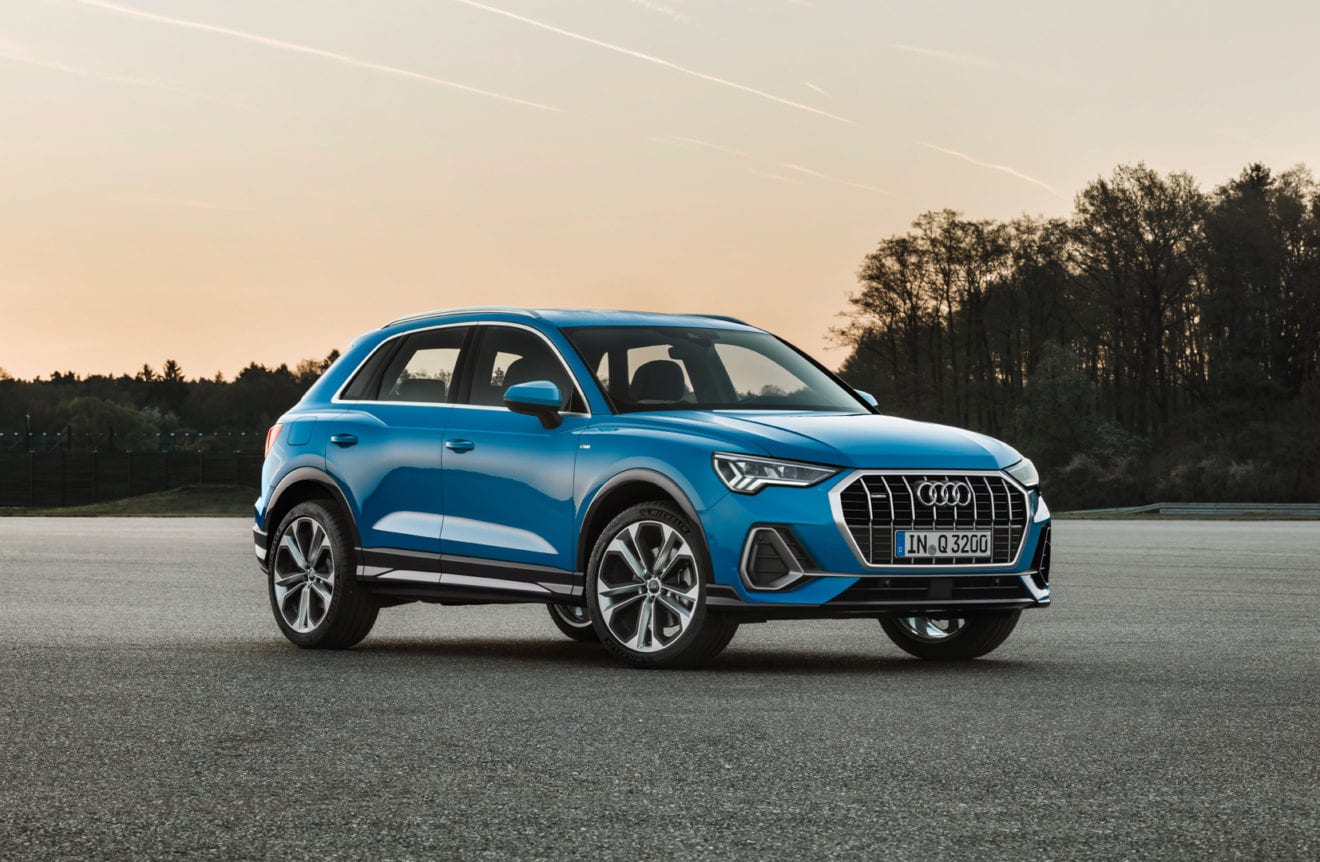
    Audi India has rolled out its new Ready To Drive service campaign that brings a host of offers and benefits for its customers. Under the Ready To Drive campaign, customers can avail a 20 percent discount on brake pads, discs, and sensors, as well as a 10 percent discount on Audi genuine accessories, Audi Collection and merchandise for all models. The discount also extends to purchases made on the company’s virtual store. Customers can also avail savings up to 50 percent on myAudi Connect dongle on select vehicles in the range.

    Customers can save up to 20 percent on purchasing an extended warranty under the service campaign.

    Furthermore, Audi is offering savings up to 20 percent on availing extended warranty and service plans as well as the Comprehensive Service Value Package. For cars older than five years at the start of the campaign, customers will be eligible for a complimentary lube service. Customers will need to get in touch with their nearest authorized workshop to avail of the benefits of the campaign. The service campaign begins from August 17 and will continue until September 30, 2020.

    Commenting on the announcement, Balbir Singh Dhillon, Head of Audi India said, “At Audi, the customer is at the heart of everything we do. In line with our overall business strategy, we are happy to announce a service-specific campaign that brings savings and a host of offers that will ease a return to normalcy in the post lockdown period. All our workshops are fully sanitized and are constantly monitored to ensure that maximum hygiene is maintained at all times. We have seen increased aftersales activity over the last few weeks and we look forward to welcoming back our customers to our service centers. It is our endeavor to ensure that all Audis are running at their best, always.”

    The new campaign comes as life across the country goes back to normalcy in a phased manner with vehicles spending more time on the road instead of the garage. The service packages will also help those customers that have had their vehicles parked for a long time since the start of the lockdown.

    Audi India has been on a product offensive since October last year and has introduced four new models so far including the new-generation A6 and A8 L, Q8 SUV, and the RS7 Sportback. The automaker is gearing up to introduce the RS Q8 by the end of this month or in early September. The automaker also commenced online sales and service of its vehicles in May this year in the wake of the lockdown. More recently, the company announced the ‘One App’ that caters to the needs of new and existing customers.
  • Toyota, Mazda Joint Venture Alabama Plant Will Now Cost $2.3 Billion

    Toyota, Mazda Joint Venture Alabama Plant Will Now Cost $2.3 Billion

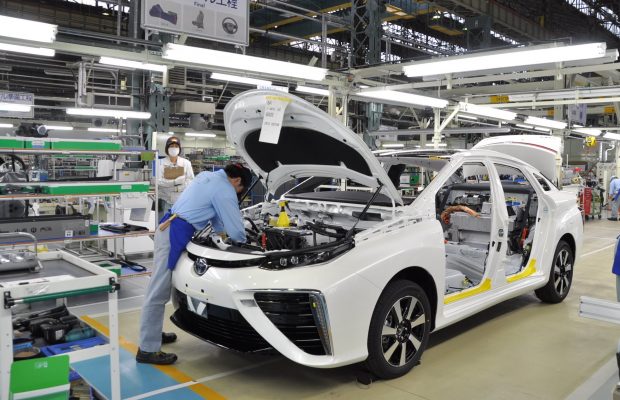
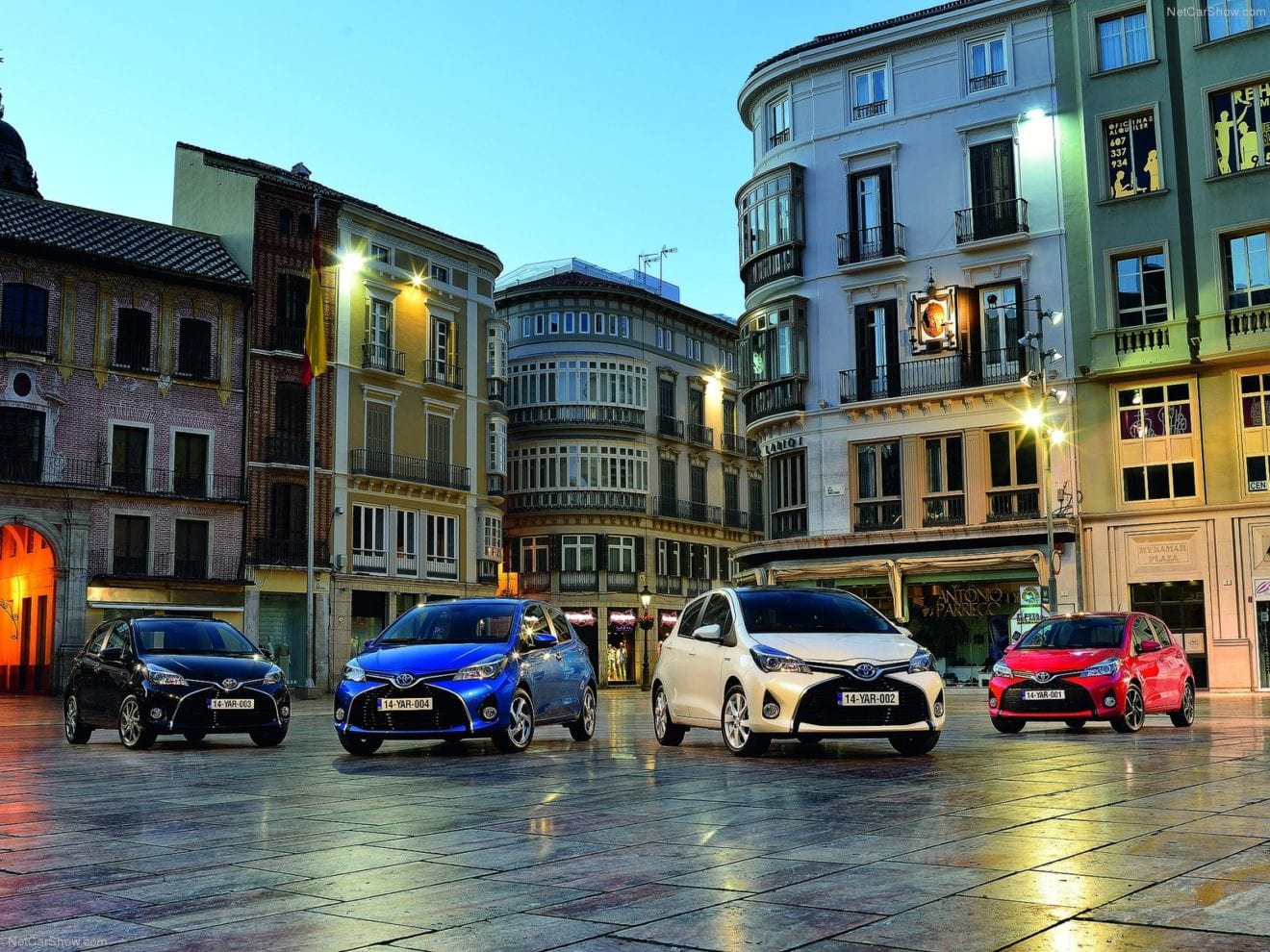
    Toyota Motor and Mazda Motor Corp said on Thursday they will invest $2.3 billion (1.76 billion pounds) in a new joint venture factory in Alabama, $830 million more than announced in their original plan in 2018. Production is expected to start next year building up to 150,000 future Mazda crossover vehicles and 150,000 Toyota sport utility vehicles annually. The Japanese automakers are expected to receive $97 million in additional tax incentives for the added investment, a person briefed on the matter said.

    The automakers have faced challenges as they continued construction work during the coronavirus pandemic on the plant, which will now cost about 50% more than first estimated. The companies said the higher investment “accommodates production line enhancements made to improve manufacturing processes.”

    The plant continues to target up to 4,000 new jobs and has hired approximately 600 employees to date. “Mazda and Toyota’s increased commitment to the development of this manufacturing plant reiterates their belief in the future of manufacturing in America and the potential for the state of Alabama to be an economic leader in the wake of unprecedented economic change,” Alabama Governor Kay Ivey said in a statement. The companies said the plant’s roofing, siding, floor slabs, ductwork, fire protection, and electrical work is 75% to 100% complete.

    State and local governments in Alabama previously provided more than $700 million in tax incentives. In September, President Donald Trump and Japanese Prime Minister Shinzo Abe signed a limited trade deal that cuts tariffs on U.S. farm goods, Japanese machine tools and other products but delayed the question of auto imports for future talks. Trump threatened hikes but did not raise current auto tariffs of 2.5% on passenger vehicles and 25% on pickup trucks.

    Japan exported 1.7 million vehicles last year to the United States, making up about 10% of U.S. vehicle sales.

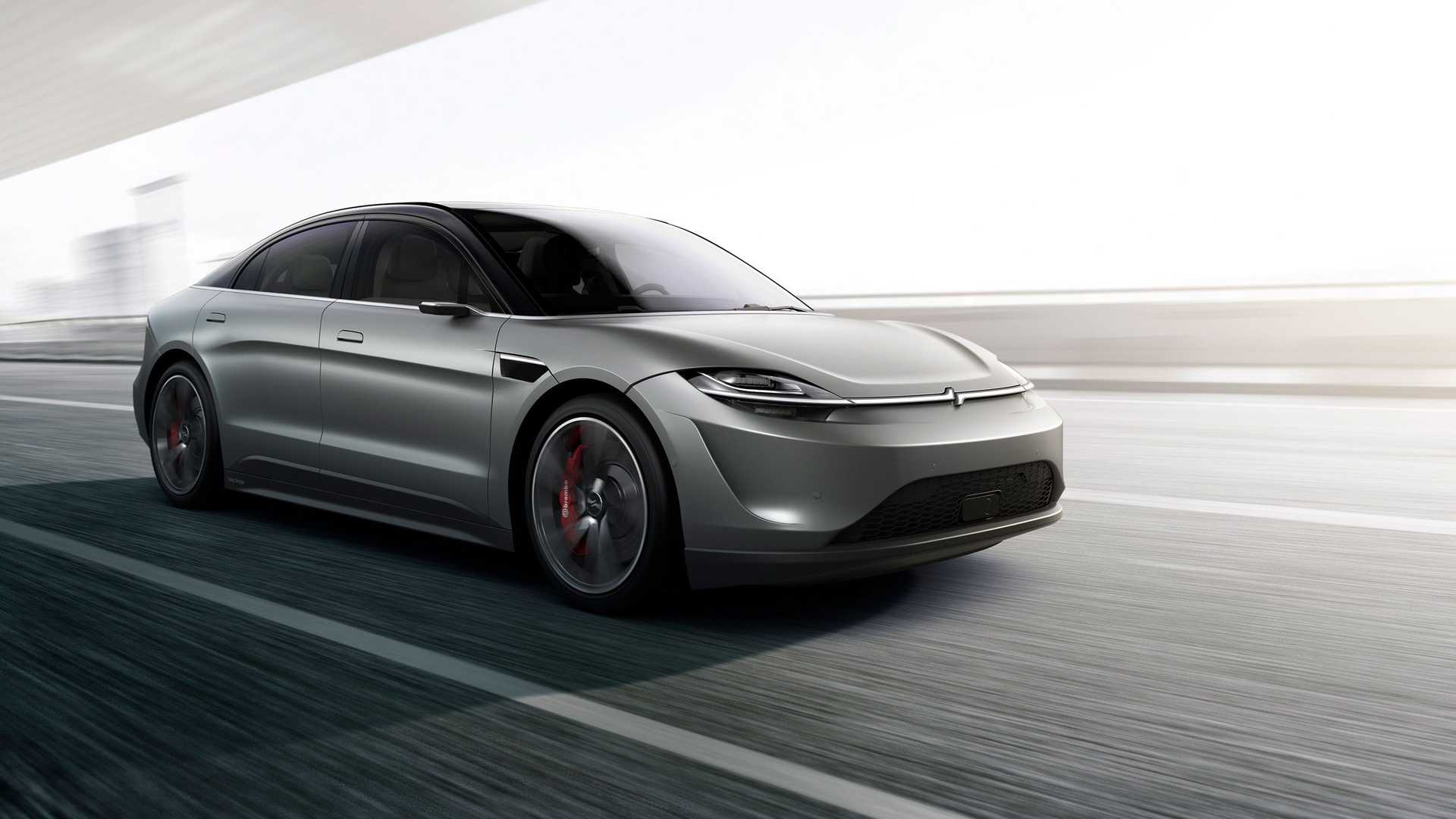
  • Sony Marching Ahead With The Development Of The Vision-S Concept Electric Car

    Sony Marching Ahead With The Development Of The Vision-S Concept Electric Car

    Sony stole the show at CES 2020, alas the last major trade show, before the world was crippled by the pandemic. And the company introduced its show-stopper which was something it is not known for. Cars, an electric one to be precise. Sony’s Vision-S concept stole the show at CES, but at the time, the Japanese company insisted that this wasn’t an overture for a product, but instead just a concept and more about the technology.

    It turns out Sony has more plans for the electric car and now is marching ahead with its development. Magna, the company behind the electric car platform, has now started involving the car in road testing trials in Tokyo, Japan which is also Sony’s home turf. Previously, the car was parked in the Magna Steyr factory in Graz, Austria.

    Just to recap, the Vision-S concept has 33 sensors feeding the driver assistance system coupled with an all-new electric powertrain. The 33 sensors leverage Sony’s leadership in imaging technology with a slew of CMOS and time of flight (ToF) sensors embedded in the system that kind of replicates the job of a LiDAR for autonomous capabilities.

    The car also gets some goodies from Sony’s iconic audio group with technologies like a 360-degree reality audio system that has speakers built-in the seat. Like Tesla, this car even had a panoramic screen for the core user interface of the car. It even features technologies from Bosch and Blackberry which has the QNX automobility platform.

    While Sony hasn’t communicated anything officially that it will be pursuing this venture more seriously, the fact that the car is being tested on roads in Sony’s home, indicates something bigger. It also comes at a time when many big tech companies have started struggling or failing with electric car ventures. Notable examples are Apple and Dyson. While Dyson has pulled the plug on the project, Apple has pivoted towards the development of autonomous car technology which can be integrated with third-party manufacturers rather than making the so-called prophetic “Apple Car”.

  • Audi Dealership Destroyed In The Beirut Explosion

    Audi Dealership Destroyed In The Beirut Explosion

    It’s been over a week since the explosion at the Beirut port in Lebanon, and the damage to the people, economy and the city at large is insurmountable. The extent of the destruction is devastatingly visible in the form of this Audi dealership that’s been reduced to rubble in the aftermath. The image shared by Hildegard Wortmann – Member of the Board of Management of Audi AG for Marketing and Sales, shows the completely destroyed dealership surrounded by towers on either side with shattered glass. She further revealed that while the employees at the dealership are safe, many of them have lost their homes. Not just Audi but most auto dealerships and other businesses in areas close to the port have been destroyed due to the blast.

    In a post on social media, Hildegard Wortmann wrote, “It is with great sorrow that I wish to express my deepest sympathy to our Audi team in Beirut and to everybody there who is suffering from this unbelievable tragedy. I have been in contact with Nabil Kettaneh, who is our Audi importer and partner in Beirut, immediately the morning after and so grateful to hear that everybody is safe while our dealership has been completely destroyed. Many of our team have lost their homes and their families have been impacted. Your grief is the grief of the whole Audi family worldwide. Our thoughts and compassion are with you and the victims’ families. May strength and confidence be with you!”

    In fact, images and videos which emerged on the internet further show massive destruction to homes and cars. A video of what appears to be a dealership parking lot in the city shows damaged Audi vehicles that were ready to be delivered to customers, adding millions to the overall damage. Not just Audi, but other automakers have suffered equal levels of destruction. Carmakers including Mercedes-Benz, Jaguar, Suzuki, Ford, Seat among others took to social media to show support for the city.

    The extent of damages as a result of the explosion has been estimated at about $10 billion so far and the number is only expected to go higher, according to a report by Bloomberg. As of August 11, the blast resulted in over 200 fatalities and 110 people are missing, with over 6000 injured. The explosion has also rendered over 200,000 people homeless or living with homes with shattered windows and doors. Beirut was also home to several refugees in the Middle-East that have once again been rendered homeless amidst the massive crisis.

  • Google To Add Calendar And Other Driver-Focused Apps In Android Auto

    Google To Add Calendar And Other Driver-Focused Apps In Android Auto

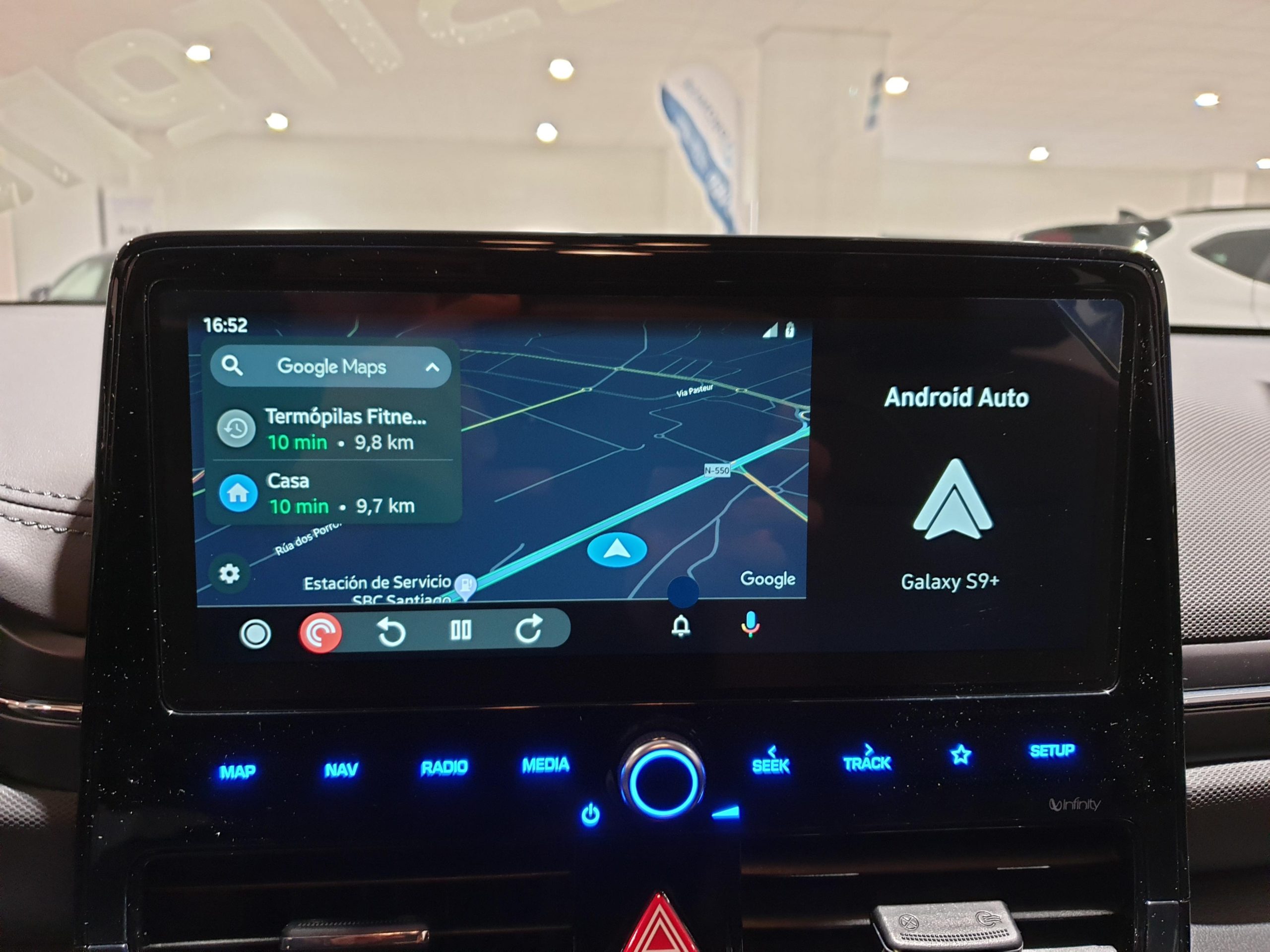
    Google is adding a bunch of driver-focussed apps to its Android Auto, in-car infotainment platform. This also includes its popular calendar application. Google also says that it will add support for third-party apps. As of now, Google states that there are over 3,000 applications in the Play store that are meant for car-infotainment systems running Android Auto. Most of these apps are basic audio playback apps like music streaming services or podcasting apps.

    In the US, Google is working with a number of partners to bring other kinds of apps to the platform. It is working with SpotHero for parking, Chargepoint for charging EVs, and Sygic for navigation. Google is also integrating a user interface for electric vehicle charging points with availability reports as well on its mapping solution preloaded on Android Auto.

    In the case of the calendar interface, instead of the grid on the standard Android app, the Android Auto one will just show the agenda of the day’s events. It is a low distraction approach focusing on glanceable information. Events that have addresses that Google Maps can integrate with or contacts that are saved on the phone will also get shortcuts for turn-by-turn navigation.

    The big addition is that of a dedicated setting button and interface which wasn’t there. All these updates will be coming in at the fag-end of the month to all devices that are on Android 6.0 and above.

  • Yokohama Begins Tyre Production After Phase Two Expansion

    Yokohama Begins Tyre Production After Phase Two Expansion

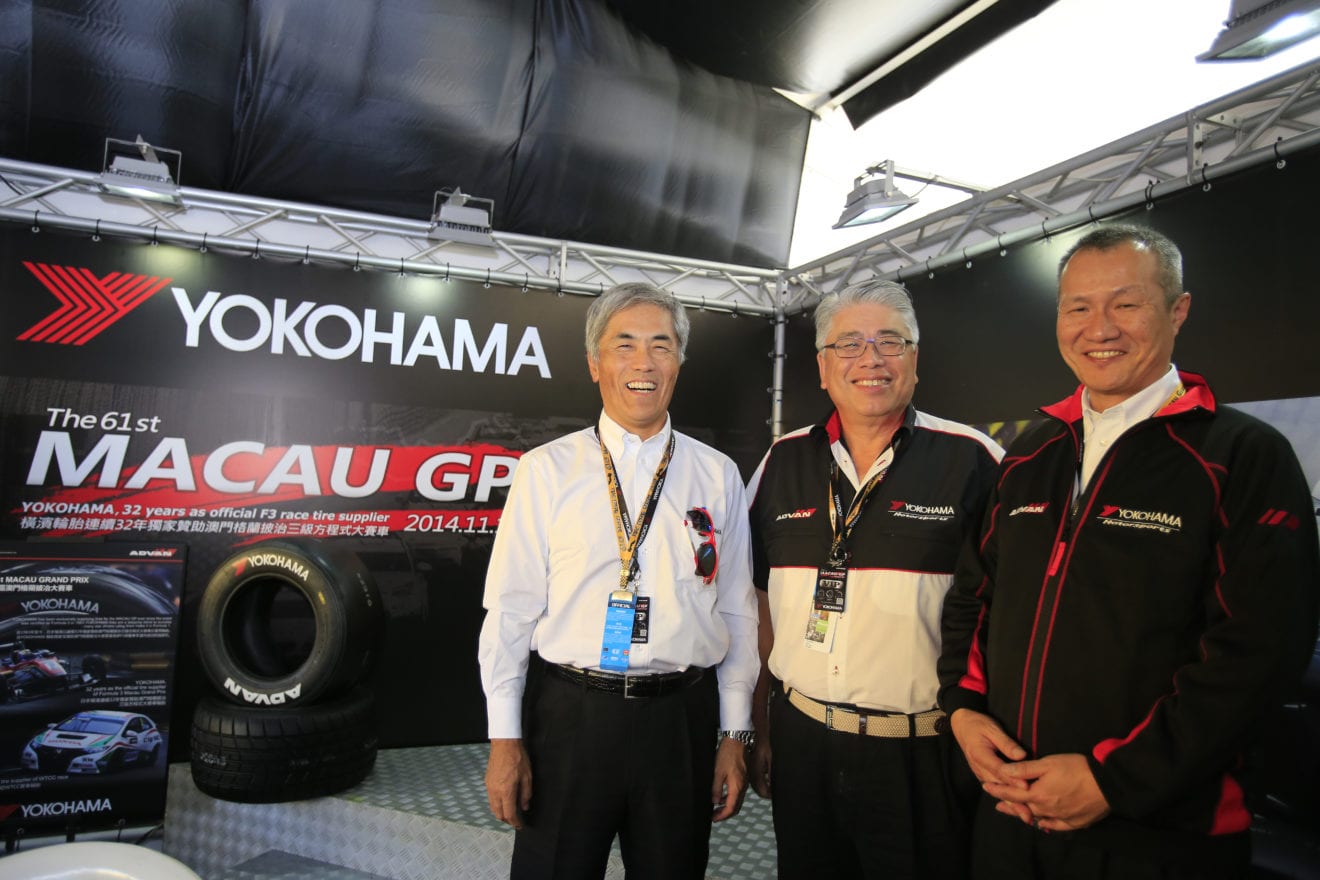
    Yokohama India has begun manufacturing tires after the completion of its second phase of expansion. The company began its manufacturing operations in India in 2014 with an annual capacity of 0.7 million and now it has gone up to 1.6 million tires per year. The company has also strengthened its standard operating practices in a bid to facilitate smooth progress of production lines at the factory. Yokohama entered the Indian market in 2007 and achieved the 1 millionth tire production mark in 2016.

    Anil Gupta, Vice Chairman Yokohama India said, “In response to the increasing demand for Yokohama Tyres in India and keeping in mind the projected market growth, we decided to double our domestic manufacturing capacities. Incidentally, it has happened at an opportune time as restrictions on the import of tires have been announced by the government. This decision is in line with the government’s clarion call for “Atmanirbhar Bharat” – from the drawing board to the dealer shops, the new Phase-2 facility is fully equipped to meet Indian market needs.

    With technological expertise from its parent company in Japan, Yokohama now manufactures its extremely popular Geolandar A/T along with Geolandar SUV tire and the BluEarth-RV02 tire at the new facility. The company says it has several new tire models on the anvil, ready to be launched in the near future.

    The company says that the expansion will also help increase employment opportunities at the Bahadurgarh plant. At present, the plant has 500 employees and with the increase in production, the plant will require an additional 200 people. The Yokohama Club Network or YCN is a specialized sales network that aims to provide a good experience to customers at the point of purchase and India has these dealerships as well. Yokohama is the original equipment supplier to automotive brands like Audi, Mercedes-Benz, Porsche, Nissan, Honda, Suzuki, Toyota, and Mitsubishi as well.

  • Upcoming Kia Sonet Spotted In A New Unlisted Orange Shade

    Upcoming Kia Sonet Spotted In A New Unlisted Orange Shade

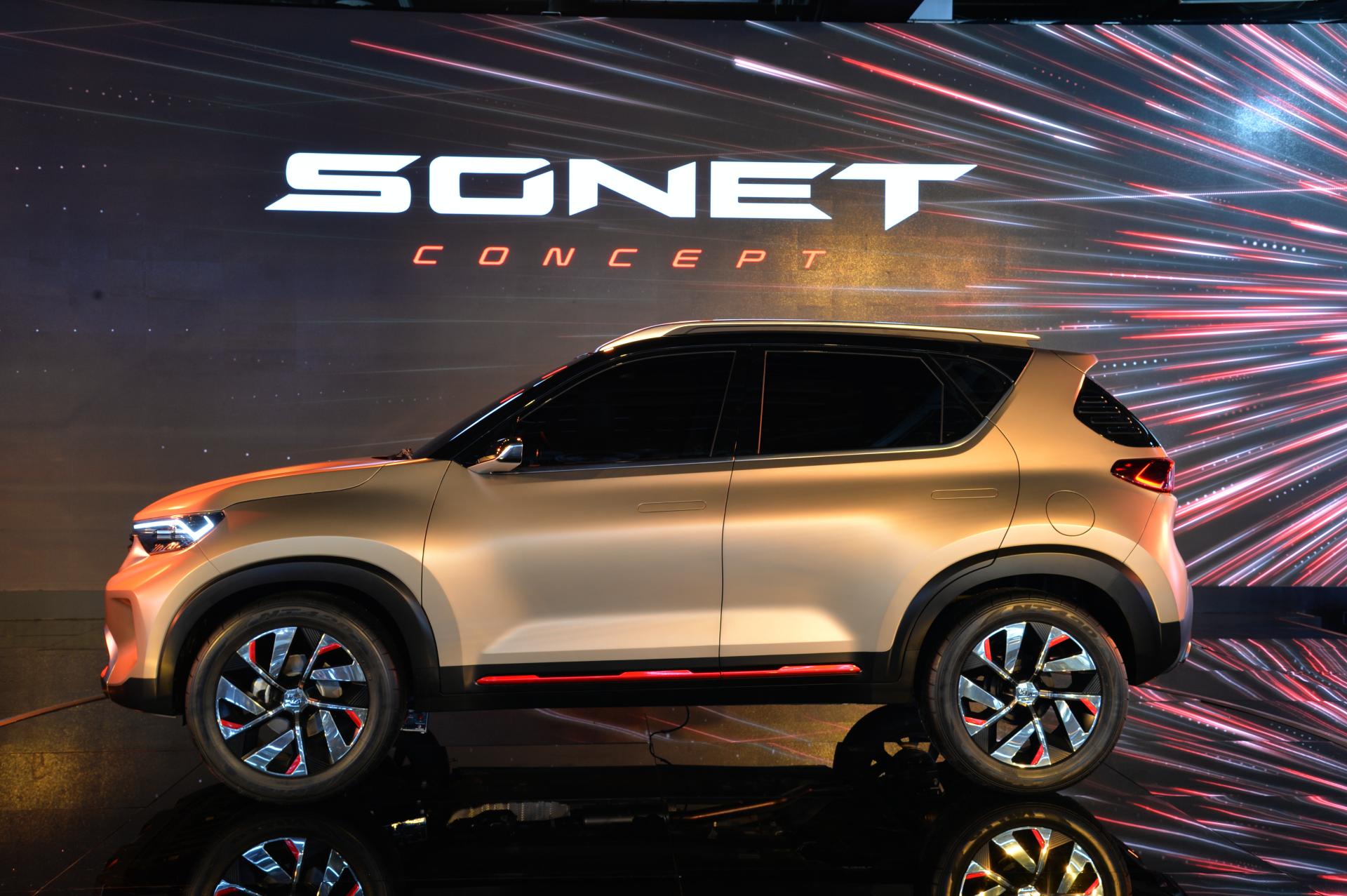
    New spy photos of the Kia Sonet have surfaced online, and while we know that the SUV has already been unveiled, these new ones warrant attention. The Kia Sonet in these photos comes in a special orange exterior color, which is not listed on the company’s website among its official colors. It’s possible this could be a one-off, or a special color will be introduced at the time of the launch or sometime in the near future. As of now, Kia dealers have opened unofficial pre-bookings for the new subcompact SUV, while the official bookings will commence later this month. The launch, of course, is slated for September 2020.

    The new Kia Sonet will be offered in both GT-Line and Tech-Line trims, and the former will come with sportier styling with different bumpers, black exterior details, and red accents. The SUV also comes with Kia’s signature Tiger Nose grille with LED headlights, LED daytime running lamps, sporty 16-inch alloy wheels, LED taillamps, roof trails, and more. The cabin too will come with a premium design, offered in either a dual-tone beige/black treating (Tech-Line) or all-black interior with red accents (GT-Line). The GT-Line trim will also come with a flat-bottom steering wheel.

    On the features front, the upcoming Kia Sonet will come with a segment-first 10.25 inch HD infotainment display with Kia’s UVO connected car tech, premium Bose 7 Speaker sound system with mood lights, segment-first ventilated front seats, air purifier which claims to come with virus protection, wireless phone charger, and an electric sunroof among others. Kia says the Sonet will feature an extensive list of active and passive safety equipment, including up to six airbags – including front, side, and curtain airbags.

    Powertrain wise, the new Kia Sonet will share its engines with the Hyundai Venue, so it will come with a 1.2-liter naturally aspirated petrol engine, a 1.5-liter diesel motor, and a 1.0-liter turbocharged petrol engine. Transmission options will include a 5-speed manual, a 6-speed manual gearbox, a DCT automatic, 6-speed Intelligent Manual Transmission (iMT) unit, and an automatic torque converter unit for the diesel model.

  • Toyota Vietnam recalls 2,700 cars over faulty airbags

    Toyota Vietnam recalls 2,700 cars over faulty airbags

    Toyota Vietnam is recalling over 2,700 Vios and Corolla sedans for airbag faults that can cause severe damage to users in the event of a crash.

    The recall covers 2,568 Toyota Vios cars assembled in Vietnam between September 2007 and December 2008, and 145 imported Toyota Corolla cars produced between January 2004 and April 2005, according to a statement submitted by the automaker to the Vietnam Register.

    The inflator canister in these vehicles can be penetrated by humidity. In some crashes, the activation of the airbag can break the inflator into pieces. These pieces can be pushed through the inflated airbag, causing serious damage to users, Toyota Vietnam said.

    Customers can bring their vehicles for a free replacement of the faulty parts at Toyota dealers. The replacement should take up to 1.5 hours. The recall will run until August 2022.

    In 2018, Toyota Vietnam recalled more than 11,300 cars with similar airbag faults.

  • Fuelled By Volvo, China’s Geely Seeks Launchpad To Enter Auto Giant Orbit

    Fuelled By Volvo, China’s Geely Seeks Launchpad To Enter Auto Giant Orbit

    Chinese carmaker Geely plans to use a platform developed with input from Volvo to build new models in Malaysia for its partly owned Proton brand, a strategy that shows how it aims to accelerate its push to become China’s first global auto giant. The yet-to-be-finalized plans for Proton are just one strand of a Geely project to revamp factories at home and abroad using joint platforms it has been perfecting with Volvo since 2013. Geely bought the Swedish brand 10 years ago for $1.8 billion (1.4 billion pounds) – a deal that raised its international profile and sent shockwaves through the global auto trade.

    Senior Geely officials and engineers told Reuters that a project dubbed Compact Modular Architecture (CMA) will allow them to develop, design, and build different types of compact cars with similar mechanical layout faster than before – and at a lower cost.

    They said CMA, along with a platform for smaller cars known as B-segment Modular Architecture (BMA) that Geely plans to roll out for Proton, allows them to harness the Swedish automaker’s technologies and Geely’s capabilities in cost control, supply chain management, and local production.

    “CMA will be the core of Geely’s future architecture design … We learn technologies and build up talents through developing it,” said Li Li, vice president at Geely Automobile Research Institute, confirming the Proton plan during an interview in Ningbo, south of Shanghai. Li declined to disclose details of the general investment, financial targets, or a timetable for expansion plans.

    From its lowly foundation in 1986 in Taizhou on the east coast as a maker of refrigerator parts, Geely has grown into one of the biggest players in China, the world’s largest auto market accounting for nearly one in every three passenger cars sold around the planet. Geely now sells more than 2 million cars a year across all brands, ranking it not far from the world’s top 10 automakers by unit sales.

    The CMA platform in particular will allow Geely and Volvo to design vehicles more quickly and cost-effectively, Li said, providing a technological springboard towards a higher market share at a time when the auto industry must embrace a future featuring electric and autonomously driven transport.

    Like Geely – an anglicization of the Chinese word for ‘lucky’ – domestic peers Great Wall Motor and GAC have branched out with their own versions of vehicle platforms, harboring greater ambitions for selling cars in major Western markets.

    But grand plans have previously been delayed, or simply canceled, amid a lack of practical preparedness, analysts have said, against a backdrop of years of trade tensions between China and the United States that have roiled the global economy. At the same time, attention has been diverted to deal with stalling sales at home as the pace of China’s growth has slowed.

    Geely Automobile and its sister company Volvo Cars are planning to merge and list in Hong Kong and possibly Stockholm, giving Volvo access to public markets after it dropped a move to list its stock two years ago.

    In its pursuit of global automaker status, Hangzhou-based Geely is now holding talks to merge the Volvo Cars business with its Hong Kong-listed Geely Automobile – worth about $22 billion by market value, bigger then famed industry names like Fiat Chrysler Automobile and Nissan Motor.

    As well as the 49.9% stake it took in Proton three years ago, the broader Geely group – Zhejiang Geely Holding Group, led by Taizhou-born billionaire Li Shufu – now also comprises a 9.7% stake in Germany’s Daimler AG and a majority stake in British sports car brand Lotus.

    And while giants from Toyota Motor Corp to Volkswagen AG and General Motors Co have followed a similar shared platform project for their respective brands, Geely’s strategy is a first for a Chinese company.

    The automaker plans to develop all its future models for the Geely and Lynk & Co brands on CMA or other related product platforms, like BMA. It is also developing a new architecture to accelerate the launch of pure battery electric vehicles with intelligent connectivity functions, said Li, a former Ford engineer.

    In addition, Geely wants to shift the development of next generations of some popular existing models, like Borui and Emgrand sedans, to those architectures, he said. It takes around 18 months for Geely to significantly change a CMA-based car, versus 24-30 months to do so on a non-CMA-based model.

    Using CMA, plant managers can switch production of different models to maintain smooth overall capacity utilization rates at production lines, said Oskar Falk, the Volvo-trained head at Geely and Volvo’s first joint production site in Taizhou.

    The plant already exports Volvo Polestar 2 electric sedans to the United States and Europe, and is preparing to make Volvo’s first battery-powered electric vehicle, Falk said.

    Geely also plans to start exporting China-made Lynk & Co 01 SUVs to Europe this year.

  • JK Tyres Registers Loss Of ₹ 202.15 Crore In Q1 FY2021

    JK Tyres Registers Loss Of ₹ 202.15 Crore In Q1 FY2021

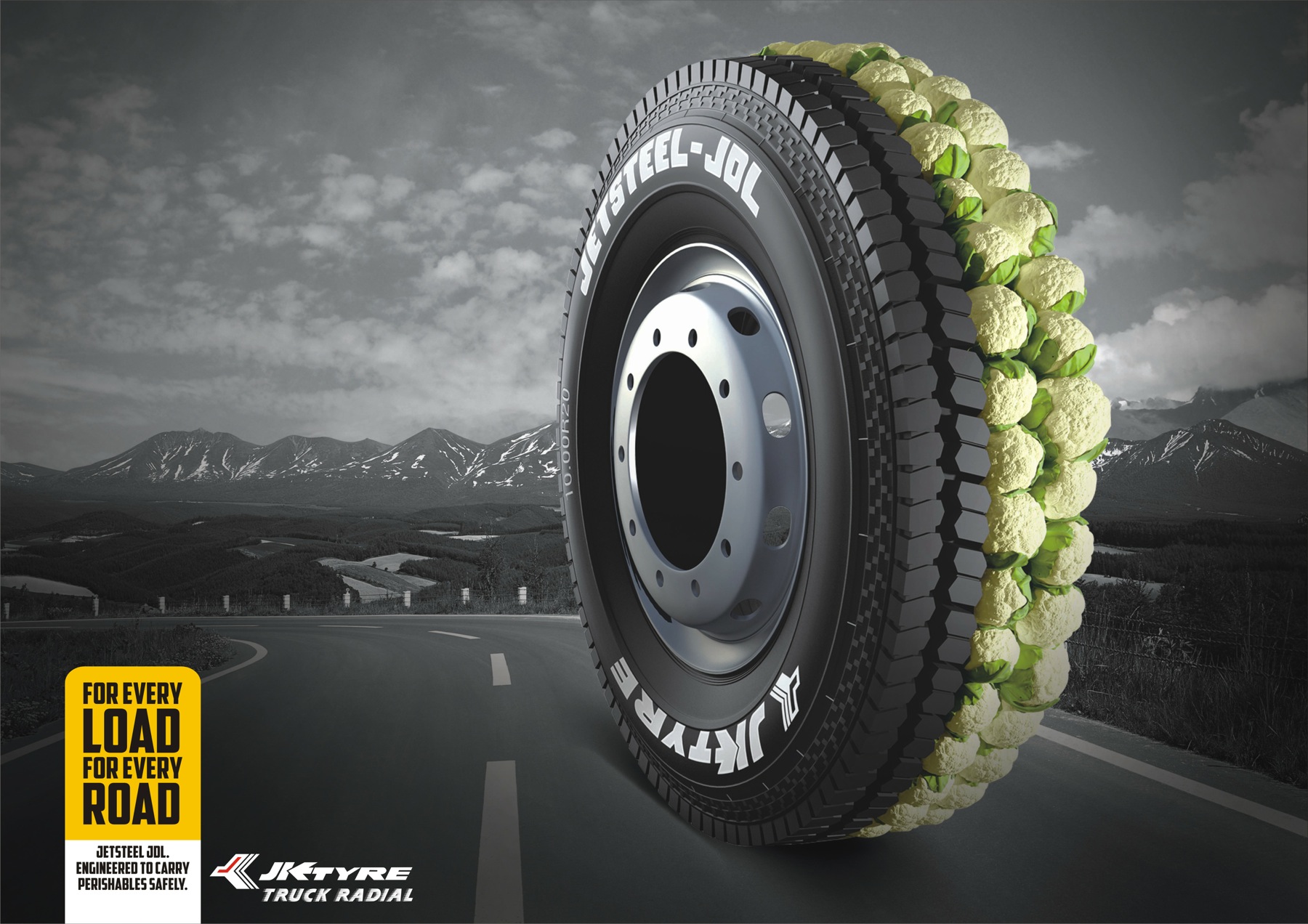
    The Coronavirus crisis has not only disturbed the pace of the auto industry but also of its ancillaries. One of the biggest Tyre manufacturer of India – JK Tyre & Industries has recorded a loss after tax of ₹ 202.15 crore in first of FY2021 as compared to a profit after tax (PAT) of ₹ 15.68 crore in the same quarter last year. The company’s revenue in the same period went down by 55.91 percent at 1,138.14 crore as compared to ₹ 2,581.47 crore in the same period a year ago. JK Tyre’s operating profit in the same quarter took a major hit, witnessing a steep decline of 98.54 percent at ₹ 3.58 crore as compared to ₹ 245.69 crore in the same quarter last year.

    Commenting upon the results, Dr. Raghupati Singhania Chairman and Managing Director – JK Tyres said, “It was indeed one of the toughest Quarters ever. Economic activity, which came to a halt towards the end of the last quarter started slowly in mid-May. Our preparedness to meet replacement demand paid off well. As the lockdown was progressively eased we were able to cater to market demand especially in the commercial segment. In fact, the Company has achieved the highest ever sales in the Replacement market for its India Operations in June 20 which resulted in a growth of approx. 3 percent on YoY basis. OEMs volumes are still reeling from the impact of COVID-19, resulting in sluggish vehicle manufacturing”.

    The company also said in a statement that sales of commercial and two-three wheeler tires did well during the quarter. Plants have started operating from early June, but in terms of sales, the overall demand continues to be subdued.

  • Harley-Davidson Creates Chief Digital Officer Role

    Harley-Davidson Creates Chief Digital Officer Role

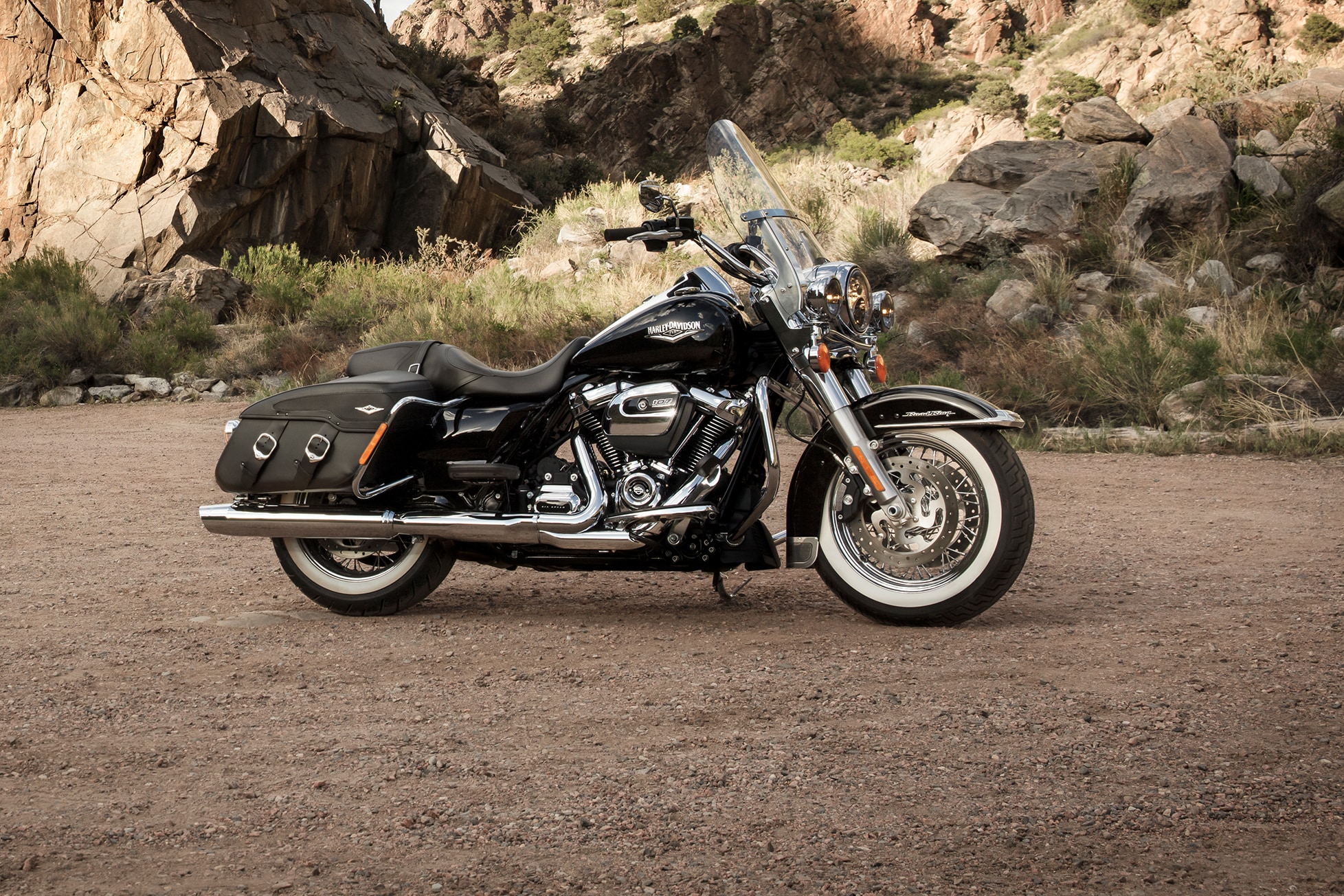
    Harley-Davidson has announced that former Bose executive Jagdish Krishnan will take over the newly created role of Chief Digital Officer. Krishnan will be responsible for the development of a new digital strategy intended to improve the customer retail experience with direct-to-consumer technology for e-commerce and dealer digitization. This includes building seamless digital interfaces with products, services, commerce, and Harley-Davidson’s global dealer network. To enable this strategy, Krishnan will also lead the modernization of the company’s global information systems to make them more customer-centric.

    The creation of the new Chief Digital Officer role is part of The Rewire strategy, unveiled by Harley-Davidson’s new CEO. The Rewire is aimed at overhauling the company’s operating model and provide a better starting point for the future. The Chief Digital Officer is one of several roles and functions created or elevated to report directly to the Chairman, President, and CEO, Jochen Zeitz to build desirability for the Harley-Davidson brand and products.

    “Harley-Davidson is all about experiences, and an enhanced digital experience is absolutely critical for us to make our GIS and digital capabilities more customer-centric. We will take a completely different approach to apply digital technology across the company to fundamentally change how we operate and create value. To deliver on our objectives, we must have an innovative and high-performance IT function,” said Jochen Zeitz, chairman, president, and CEO of Harley-Davidson. “We need to be a high-performing team with cutting edge leadership to move us forward. Jagdish is exactly the right leader and he will ensure we connect with our customers at all touch-points.”

    Krishnan has over two decades of experience leading digital transformation and delivers solutions to position organizations for advanced growth. Prior to joining Harley-Davidson, Krishnan served as Vice President and Chief Digital Officer at Bose Corporation. Before Bose, he was with Deloitte & Touche and Patni Computer Systems, where he had a broad mix of experiences including Profit & Loss responsibility, information security, enterprise software deployment, programming, and IT operations. Krishnan has a Bachelor of Science with Honours in Computer Engineering from Pune University and a Master’s Degree in Data Communication and Distributed Systems from Oxford University.

  • Hyundai Brazil’s New Employee Of The Year Is A Dog That’s Winning Hearts All Over The Internet

    Hyundai Brazil’s New Employee Of The Year Is A Dog That’s Winning Hearts All Over The Internet

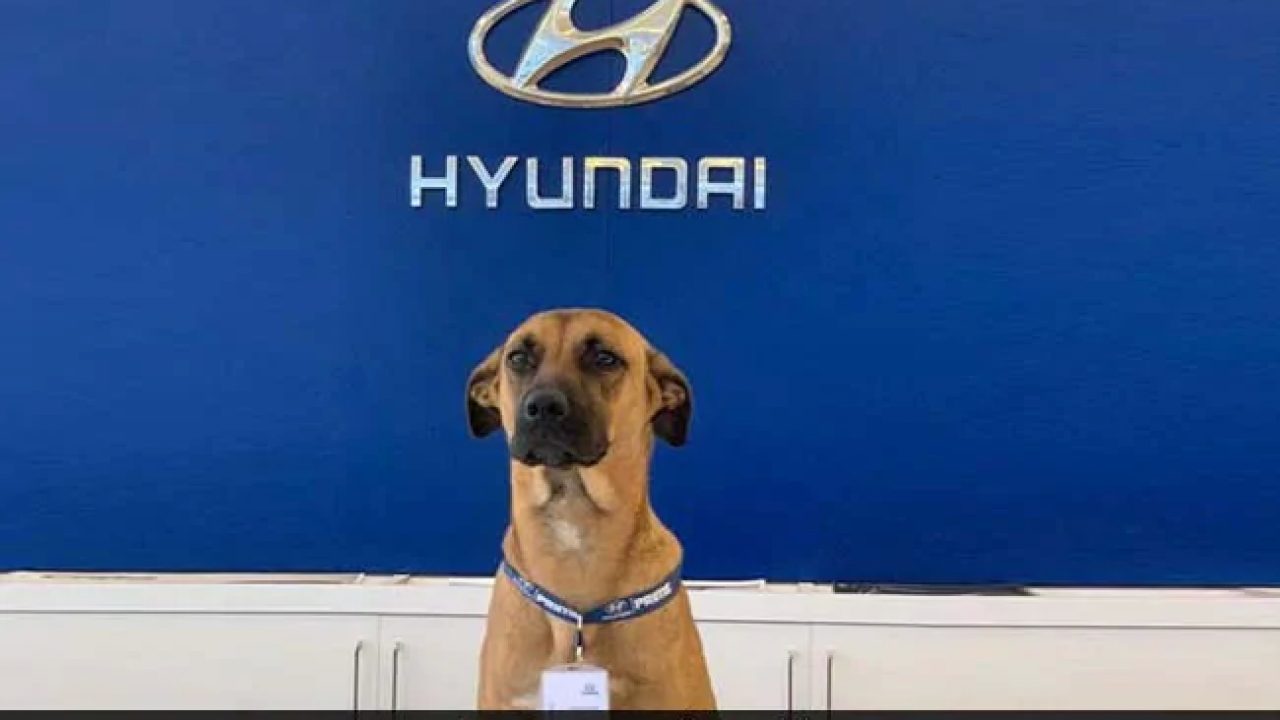
    Hyundai’s new ‘four-legged’ Tucson might be one of the most adorable things you would have seen on the internet at a time when we are mostly getting to read all kinds of negative news. Just imagine walking into a car showroom and being welcomed by a dog! It’s nothing less than a treat for animal lovers. In fact, the dog we are talking about is Hyundai’s employee of the year and works at a Hyundai Showroom in Brazil. Tucson Prime was a street dog that a Hyundai showroom in ES, Brazil adopted and its story is indeed heart-warming.

    Tucson was often found hanging around a Hyundai car showroom in Brazil. No marks for guessing! He soon befriended almost everyone at the showroom and their bond grew so strong that he was soon adopted by the showroom and was made an honorable employee who has his own ID card as well. Just like any other dog, Tucson used to guard the Hyundai showroom and now has been promoted to a salesman by the company. Hyundai took to Instagram to introduce its new employee and said, “The new member is about a year old, was welcomed by the Hyundai family and has already won over co-workers and customers.”

    Hyundai Prime has his own Instagram handle as well with over 28,000 followers already and counting. According to a news report published by World of Buzz, Tuscan Prime was adopted on May 21, this year by Hyundai Serra, ES, Brazil outlet.

  • Japanese Automakers Post Double-Digit Sales Growth In China

    Japanese Automakers Post Double-Digit Sales Growth In China

    Japanese automakers’ China sales grew by more than 10% from a year earlier in July as the world’s biggest auto market sustained its recovery.

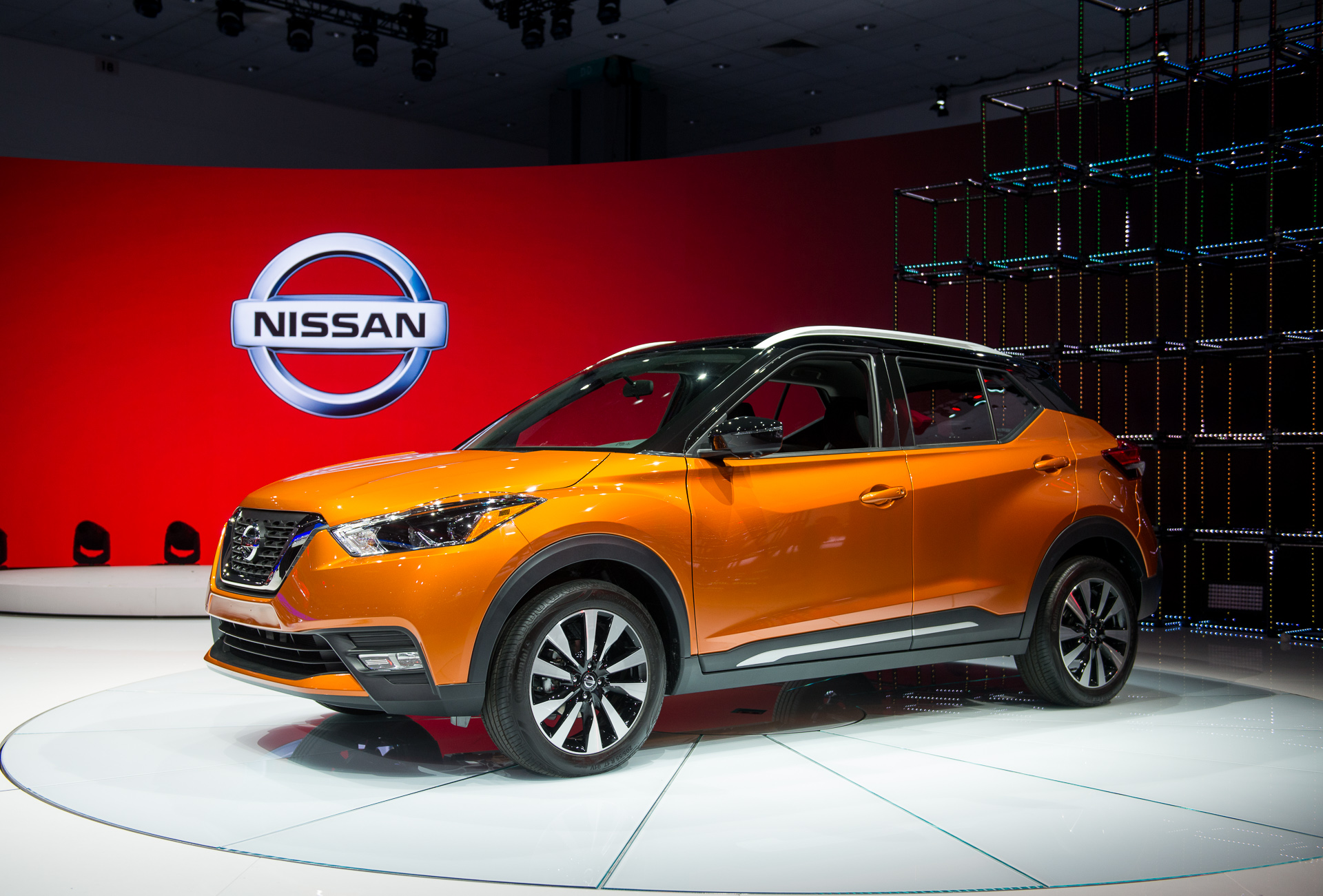
    Nissan Motor said on Wednesday its sales in China rose 11.6% last month from a year earlier to 120,945 vehicles. China is a market that Nissan is focusing on as the embattled carmaker struggles to fix problems from ousted leader Carlos Ghosn’s aggressive expansion drive

    Nissan’s sales in China rose 11.6% last month from a year earlier to 120,945 vehicles.

    Toyota Motor Corp sold around 165,600 cars last month in China, up 19.1% year-on-year. Of the total, 22,300 came from its premium Lexus brand, which showed a 38.6% sales jump compared to a year earlier.

    Honda Motor Co said on Wednesday it sold 136,646 vehicles in China in July, up 17.8%.

  • BMW Loses Millions As Sales Slide During Lockdowns

    BMW Loses Millions As Sales Slide During Lockdowns

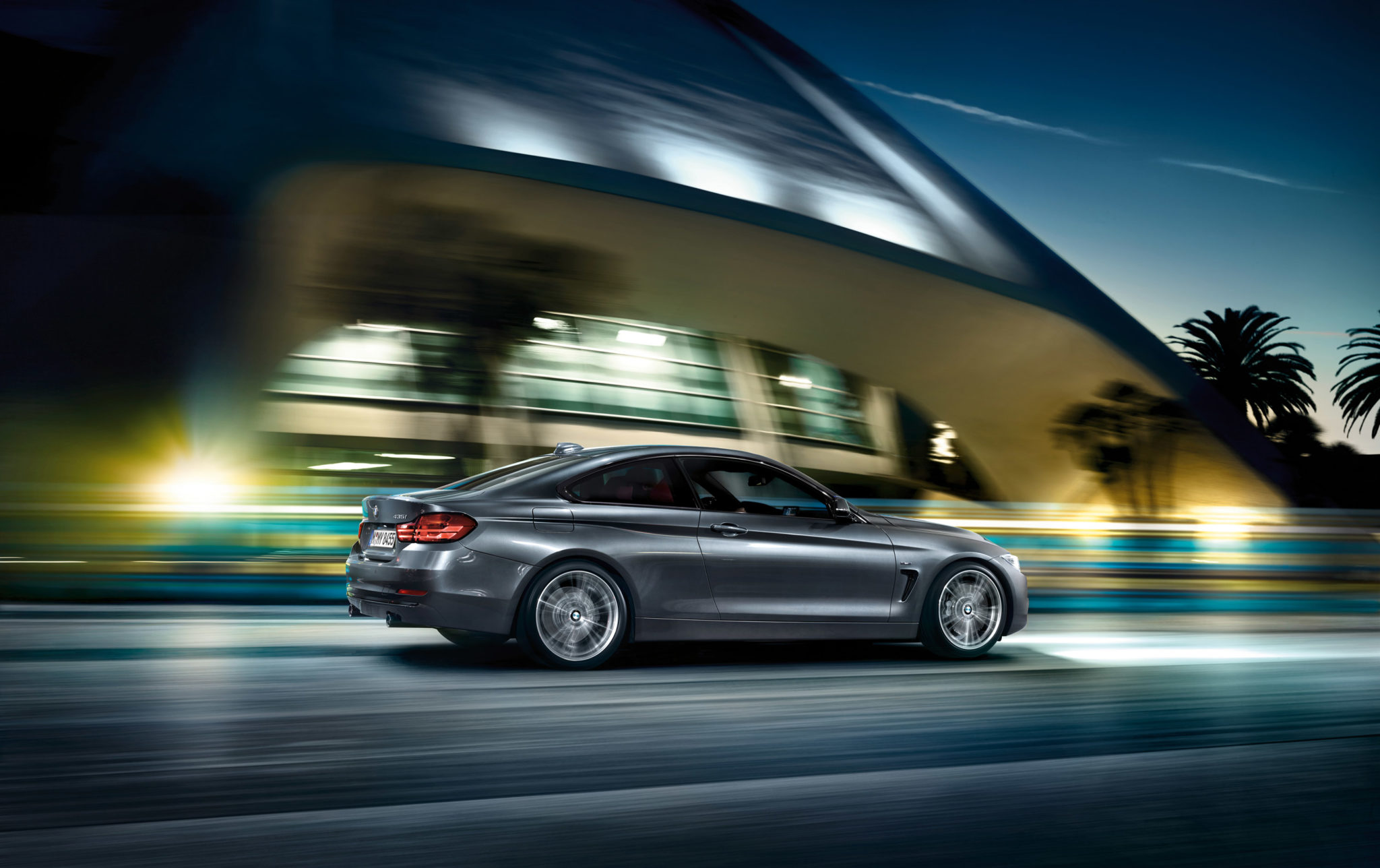
    BMW expects to make a profit this year if demand continues to recover, despite posting a record loss for its car division in the second quarter after sales slumped 25% because of coronavirus lockdowns, it said on Wednesday.

    The German manufacturer of BMWs, Minis, and Rolls-Royces said sales had started to recover during the latest three-month period, including a 17% jump in deliveries in China, but the rebound would not fully make up for sales lost to COVID-19.

    As a result of the sales slide, and higher costs for developing low-emission cars, BMW posted a pretax loss of 498 million euros, its first in over 11 years, and an operating loss of 666 million euros ($790 million) for the quarter.

    Shares in BMW fell 3% following the results, with some analysts saying they had not expected such a big loss in earnings before interest and taxes (EBIT).

    BMW, which makes Minis and Rolls-Royces said sales had started to recover during the latest three-month period, including a 17% jump in deliveries in China.

    “What matters now is how robust this upward trend is and when individual markets will follow suit,” said Chief Executive Oliver Zipse, adding that its overall cars sales in July were higher than last year.

    BMW said, however, that its outlook did not factor in the potential impact of the second wave of COVID-19 infections, nor the prospect of a more sustained or deeper recession than expected in its key markets.

    Zipse said on a call that developments in the United States, which has the highest number of COVID-19 cases and deaths worldwide, were “extremely worrying”.

    Sales in the United States made up 12.6% of deliveries in the first half of 2020, down from 15.2% in 2020. Overall, BMW said it expected global demand for luxury cars to fall by a fifth this year.

    The COVID-19 pandemic has already hit carmakers such as Fiat Chrysler, Ford, and Daimler particularly hard at the time when the auto industry is ramping up spending to clean up their combustion engines as well as developing low-emission technologies to conform with stringent European anti-pollution rules.

  • Honda Sees Drop In Annual Profit As Coronavirus Slams Car Sales

    Honda Sees Drop In Annual Profit As Coronavirus Slams Car Sales

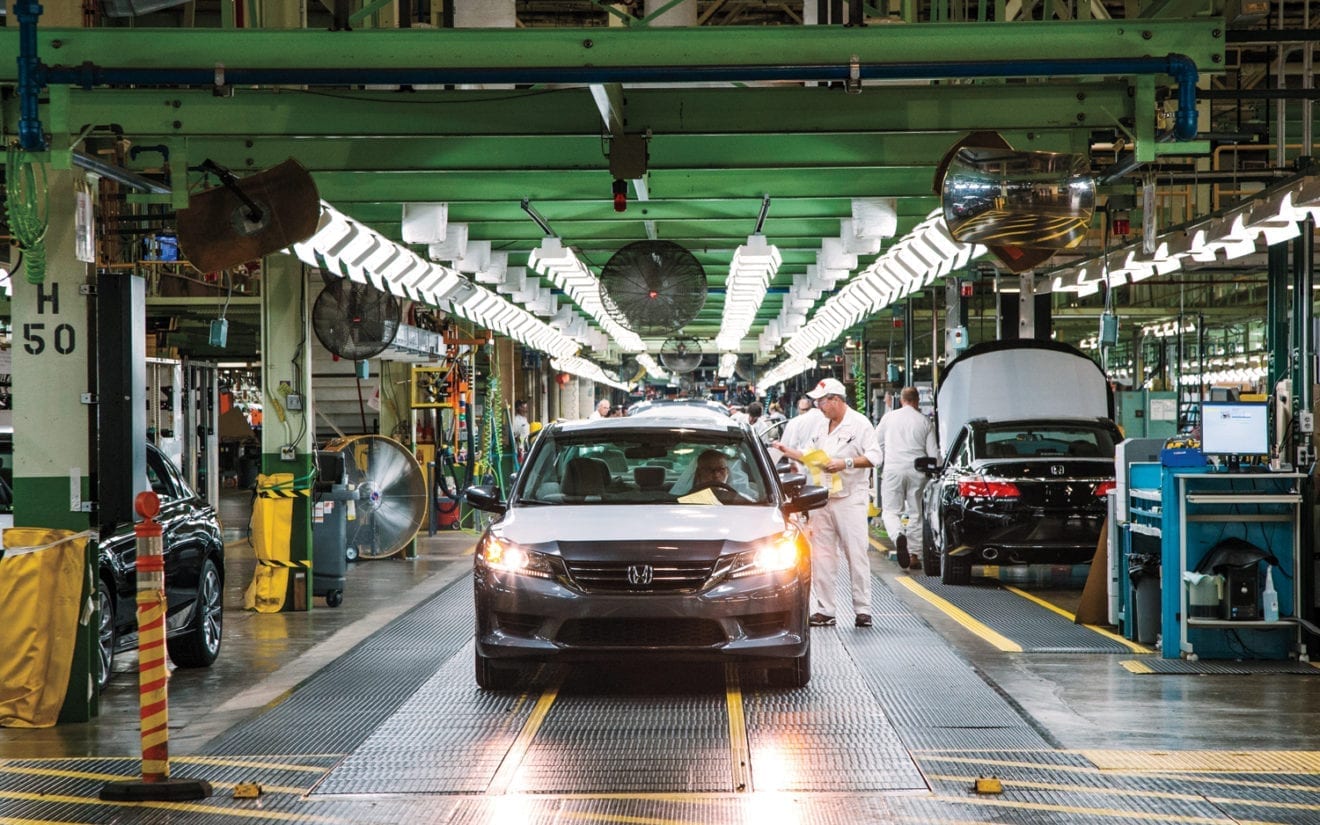
    Japan’s Honda Motor Co on Wednesday forecast a 68 percent decrease in annual operating profit to a 10-year low with global demand for cars expected to slide because of the coronavirus pandemic.

    The country’s No. 3 automaker expects profit to sink to 200 billion yen ($1.89 billion) in the year to end-March 2021, its weakest since the 2010/11 year, and undershooting analyst estimates.

    Honda is bracing for a 6 percent decrease in annual vehicle sales after a 40 percent plunge in the June quarter, which resulted in a 113.7 billion yen operating loss.

    Global automakers are taking a big hit from the coronavirus outbreak, which shuttered vehicle factories this year and has kept customers out of car dealerships.

    The maker of the CR-V SUV crossover and the Fit compact hatchback expects to sell 4.5 million vehicles this year, versus 4.79 million last year. It predicts a 16 percent sales slide in North America, a key market where the United States is struggling to control a surge in virus infections.

    “If the current situation continues as is, we think the situation will not get worse (than we saw earlier this year), but it will take time for demand to recover to pre-pandemic levels,” Executive Vice President Seiji Kuraishi told a live-streamed briefing.

    Despite weaker sales in North America, Honda expects annual sales in Asia to increase by 8 percent.

    China, one of Honda’s biggest markets, has become a rare bright spot for many global automakers, as demand in the world’s biggest car market has been recovering faster than in other countries.

    Honda sank into the red for the second straight quarter and posted its worst operating loss since the March 2009 quarter.

    Despite its dire outlook, Honda is weathering the coronavirus pandemic better than rivals Nissan Motor Co, Mitsubishi Motor Corp and Mazda Motor Corp, which last week forecast record operating losses for the year.