Category: Automotive

Retail News Asia is committed to providing both local and global retailers with the latest Auto and Car news throughout the Asian market. This on a daily base.

  • Toyota recalls cars over loose bolts

    Toyota recalls cars over loose bolts

    Toyota Vietnam has called back 721 vehicles to fix a bolt issue that could stall operation. The recall, starting Monday, involves 183 Innovas and 538 Fortuners, manufactured between January 21 and May 11.

    The affected vehicles were equipped with automatic transmissions, in which the steering wheel is connected to the torque converter by six bolts. Automaker Toyota Vietnam said due to errors in the assembly process, these bolts may not be tightened as usual and might come loose when the vehicle is operating.

    Loose bolts create abnormal noise in the engine compartment when the driver applies the brake pedal, or when shifting gears. In special cases, the vehicle cannot move.

    Car owners can take their vehicles to a Toyota dealership for tightening the bolts which would take between 20-30 minutes.

    Last year, Toyota was the best-selling car brand in Vietnam with 78,795 units sold, followed by TC Motor with 69,916 Hyundai cars.

  • Tata Warns Of Another Loss At JLR As Demand Slow To Pick Up

    Tata Warns Of Another Loss At JLR As Demand Slow To Pick Up

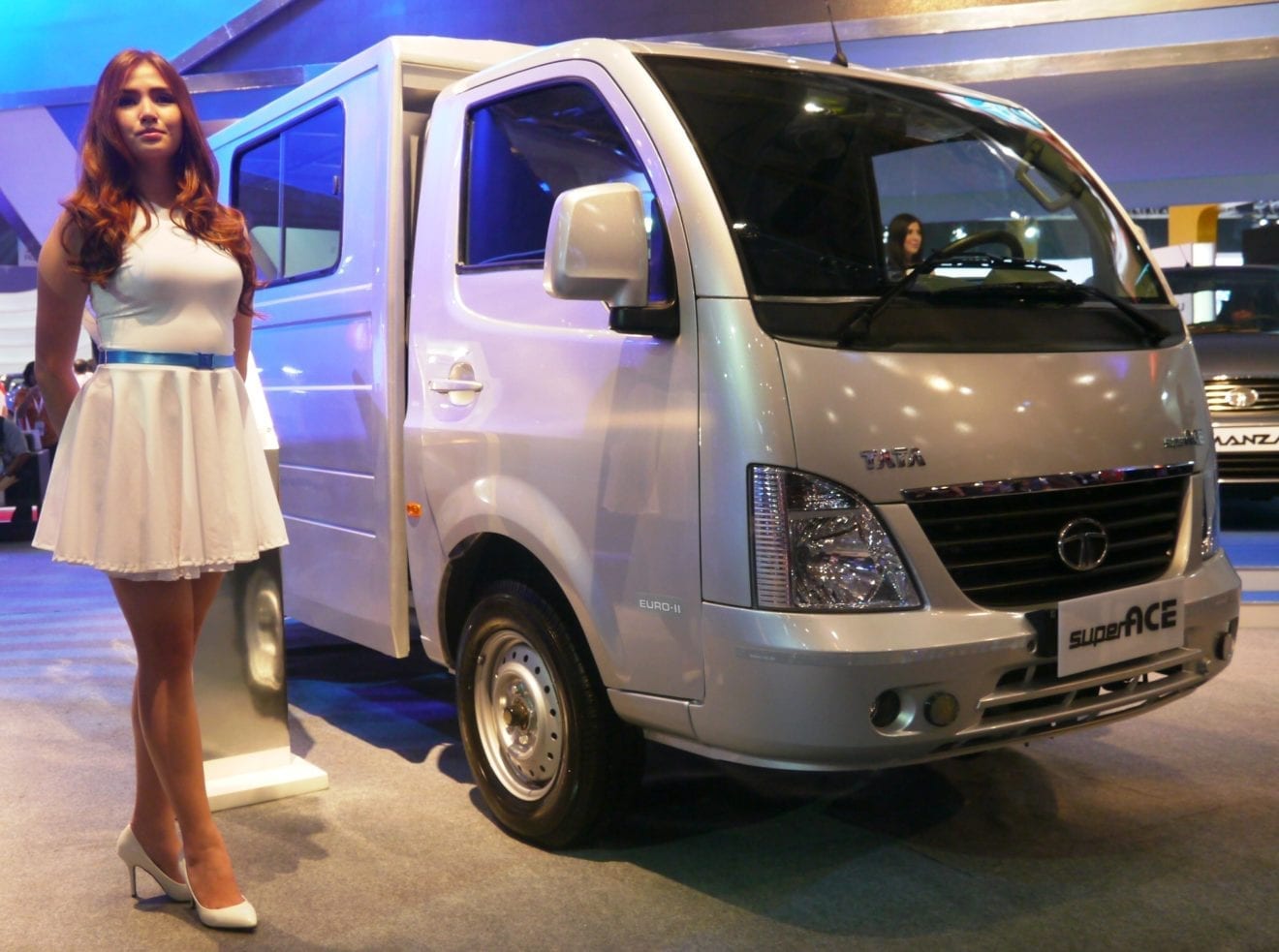
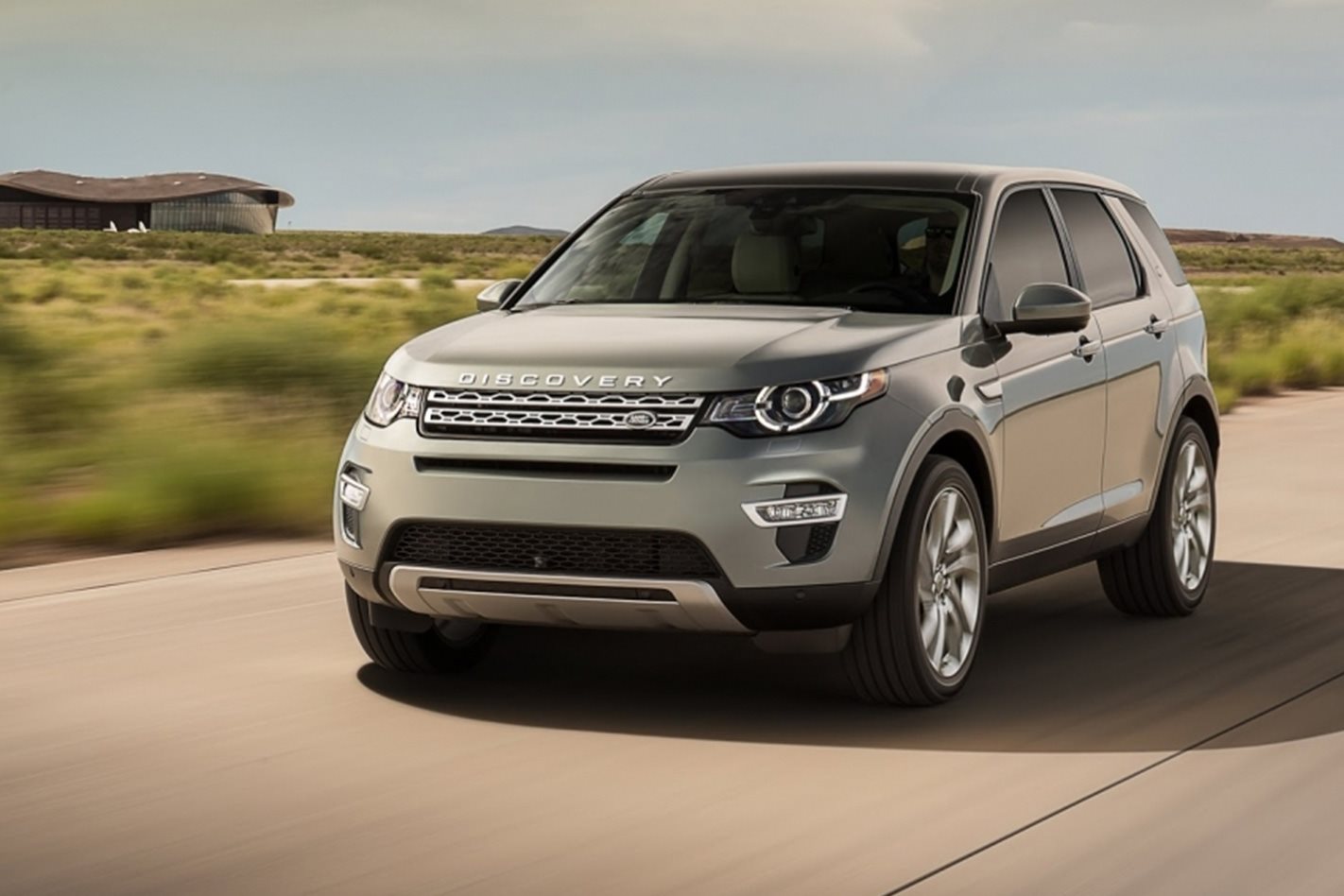
    India’s Tata Motors warned that its luxury car unit, Jaguar Land Rover (JLR), may post another quarterly loss as the coronavirus crisis saps demand and cripples its supply chain. The pandemic has taken a heavy toll on automakers globally and piled pressure on Tata Motors, which has been trying to improve JLR’s cash flows by reining in costs after geopolitical and regulatory challenges hurt the British carmaker’s sales.

    Tata Motors raised its cost-savings target for JLR by 1 billion pounds ($1.31 billion) and now expects to save 6 billion pounds in costs by March 2021, Chief Financial Officer PB Balaji said on Friday, noting that it had already achieved savings of 4.7 billion pounds.

    Unit sales at JLR, which accounts for most of the company’s revenue, fell over 42% during the quarter

    “As much as we take on costs and reduce cash burn, demand is a very important lever for this business,” Balaji said, adding that even though sales were improving demand was not coming back in a hurry.

    Unit sales at JLR, which accounts for most of the company’s revenue, fell over 42% during the quarter, while its EBITDA (earnings before interest, tax, depreciation and amortization) margin was 3.5%.

    Earlier this week, JLR named ousted Renault boss Thierry Bollore as its next chief executive, with a mission to return the carmaker to profit. Balaji said while JLR’s electrification plans are on track, the company may drop or go back to the drawing board on certain projects that are not “great on financial returns”. He did not specify which projects were being re-looked at.

    JLR’s electrification plans are on track, said Chief Financial Officer PB Balaji

    Tata Motors reported a consolidated net loss of 84.38 billion rupees ($1.13 billion) for its first quarter, compared with a loss of 36.98 billion rupees a year earlier. The company said it expects a gradual pickup in demand and an improvement in supply in the second half of fiscal 2020-2021.

  • Rolls-Royce New Game Is Inspired By The Wraith Kryptos Collection

    Rolls-Royce New Game Is Inspired By The Wraith Kryptos Collection

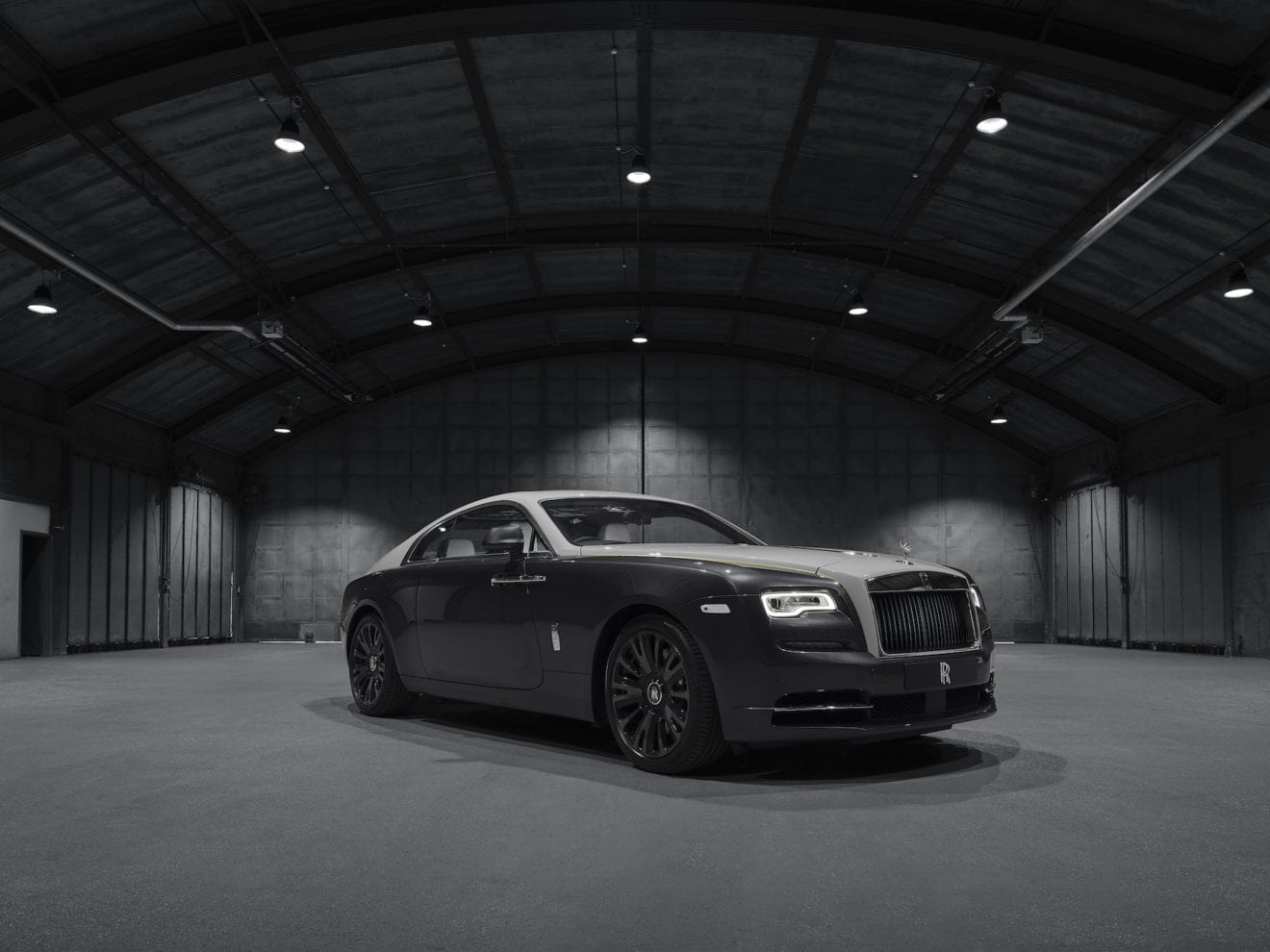
    The Rolls-Royce Wraith Kryptos Collection was unveiled recently and we told you that the folks that buy this limited edition model will be in for a surprise because they get to decode the message that’s in there. But now, Rolls-Royce wants to include others too and that has been made possible thanks to an interactive online game. This will be available on the company’s website for members of the public and enthusiasts around the world to enjoy.

    They can take part in a cryptic challenge, consisting of four levels, each getting progressively harder. The first ten individuals to complete the game will receive their very own personalized Rolls-Royce treadplate.

    An online game has been devised to entertain and amuse Rolls-Royce enthusiasts who will not be lucky enough to attempt to solve and decipher the code of Wraith Kryptos Collection for themselves.

    Consisting of four different levels, players are initially invited to guide an orb through a maze by tilting their mobile device in the direction they wish to travel, in a time-pressured challenge. Next, a series of questions will reveal just how keen the cryptographer player really is.

    The third level will test the observation skills of the participant – only the most cunning will succeed! The final phase consists of cryptographic ciphers, designed to boggle and bewilder. This level is the reserve of the most agile and determined minds alone.

  • Skoda’s First-Half Deliveries Fall

    Skoda’s First-Half Deliveries Fall

    Skoda Auto sees signs of recovery after first-half deliveries crashed 31% amid coronavirus lockdown measures, the Czech carmaker owned by Volkswagen said on Friday.

    The company, a bellwether for the Czech economy which contracted by a record 10.7% year-on-year in the second quarter, said it expected global markets to stabilize gradually as long as the coronavirus pandemic does not worsen significantly.

    Skoda delivered 426,700 cars from January to June while sales revenue fell by a quarter to 7.55 billion euros ($8.95 billion)and operating profit sank 72% to 228 million euros. Skoda plans to roll out the largest model campaign in its history, with 30 new models – including electric vehicles – launching between 2019 and 2022.

    It said that its program to restart operations since June had shown positive effects and said incoming orders had started to exceed last year’s level. Demand at European dealerships had increased, it added.

    “In June we were able to make significant gains compared to the previous months,” said Skoda board member for sales, Alain Favey. “We expect a recovery in the third quarter and anticipate a return to the previous year’s level in the fourth quarter.”

    Skoda, the country’s biggest exporter that delivered 1.24 million vehicles in 2019, said it was continuing to roll out the largest model campaign in its history, with 30 new models – including electric vehicles – launching between 2019 and 2022.

    The company’s Czech factories shut for 39 days after the coronavirus pandemic hit Europe in March, a major blow to an economy that relies heavily on the car industry.

  • Cars made in Vietnam cost more than imports

    Cars made in Vietnam cost more than imports

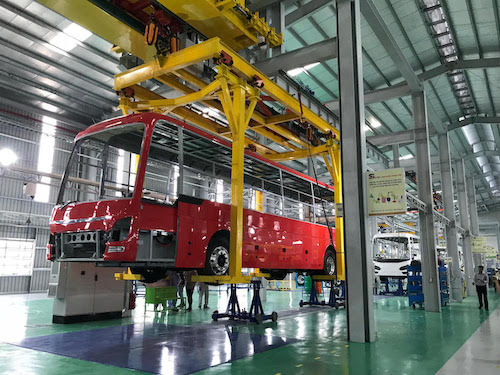
    Cars assembled in Vietnam cost more than imported ones, belying consumers’ expectations, and hampering the growth of the auto industry. Earlier this month, Honda unveiled its compact SUV CR-V assembled in the northern province of Vinh Phuc. The car costs VND1.2 billion ($51,700), VND25 million ($1,080) more than the imported version.

    The assembled-in-Vietnam Toyota Fortuner, another SUV, costs VND7 million ($302) higher than the imported version, while the locally-assembled Mitsubishi Xpander AT, an MPV, has the same price as its imported version from Indonesia.

    Many buyers expect locally assembled cars to cost lower than imported ones, but several factors don’t allow this to happen. This situation could blur the government’s vision for developing the domestic car industry.

    The costs of importing parts to assemble a car in Vietnam is higher than importing a completely-built unit, and this is the main reason why the former costs more, said a spokesperson for a Japanese auto brand who wished to remain anonymous.

    Car parts have an import tax of 7-9 percent, while completely-built units imported from Thailand and Indonesia are tax-free under the ASEAN Trade in Goods Agreement (ATIGA) that took effect in 2018.

    Auto brands have to import parts because local suppliers are not capable of making complicated parts. Vietnam had targeted to reach a 60 percent localization rate for passenger cars in 2010, but until now it remains at 7-10 percent, compared to the ASEAN average of 55-60 percent.

    The inability of suppliers in Vietnam to make parts more complicated than tires, seats, and wires require the domestic industry to import about $2 billion worth of car parts each year, mostly components like the breaking and steering system, from countries like Japan, China, and South Korea, according to a report by the Ministry of Industry and Trade.

    Importing in large numbers can lower the prices of these parts, but Vietnam’s market is too small for auto brands to expand their production scale, industry insiders have said.

    Car sales in Vietnam reached 385,600 units last year, but the size of the Indonesia and Thailand market was 2.6 times bigger and that of Malaysia, 1.6 times.

    “Producing a car in Vietnam costs 15-20 percent more than in other countries,” said the strategic and planning head of another Japanese auto brand who also wished not to be named. For example, the production scale of the same car model in Thailand could be two or three times bigger than in Vietnam, making prices lower, he said.

    For now, locally assembled luxury cars are the only ones that cost lower than their imported peers, because the import tax for this vehicle segment is around 70 percent as they are usually imported from Europe and Japan.

    However, this advantage will not last as the import tax on cars from the E.U. will gradually fall and be cut within the next 10 years under the EU-Vietnam Free Trade Agreement that takes effect next month.

  • Aston Martin Has Posted A Loss Of $293 Million In First-Half Of 2020

    Aston Martin Has Posted A Loss Of $293 Million In First-Half Of 2020

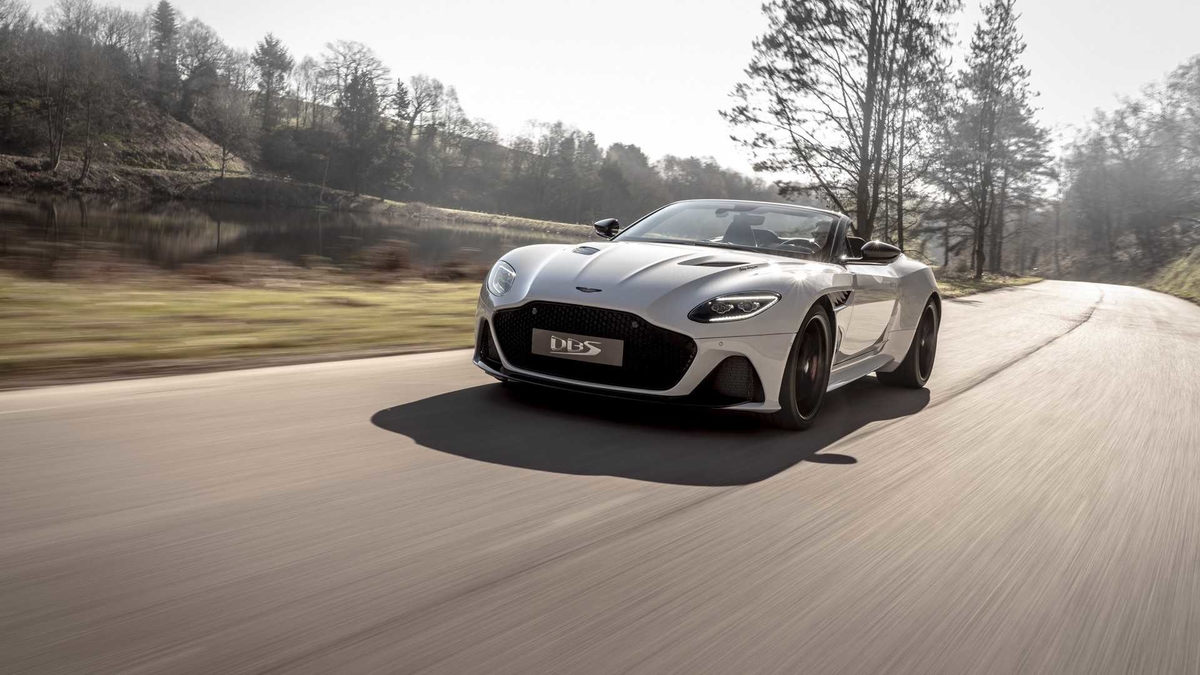
    Carmaker Aston Martin, which has changed its boss and brought in a billionaire investor this year, posted a deeper first-half loss of 227 million pounds ($293 million) on Wednesday amid a slump in sales. Its main factory, which closed during the lockdown, is not due to reopen until the end of August as the firm focused on resuming production at a new site in Wales, where its first sport-utility vehicle, the DBX, rolled off the line this month.

    Renowned as James Bond’s carmaker of choice, the firm has had a difficult time since floating in 2018 as it failed to meet expectations and burnt through cash, prompting it to give a stake to a consortium led by billionaire Lawrence Stroll.

    Aston Martin is now focused on resuming production at a new site in Wales, where its SUV, Aston Martin DBX will be manufactured.

    Since then, it has announced job cuts, reduced inventories, and picked a new chief executive among a series of changes, while it is also responding to the pandemic, which contributed to a 41% drop in sales.

    “It has been a challenging period with our dealers and factories closed due to COVID-19, in addition to aligning our sales with inventory with the associated impact on financial performance as we reposition for future success,” Stroll said.

    The firm’s half-year pre-tax loss of 227 million pounds compares to a loss of 80 million pounds in the same period last year. Revenue fell by nearly two thirds to 146 million pounds.

    The Aston Martin DBX SUV has embarked on a testing program that will see it put to its performance limits while ensuring it functions as an off-roader.

    The company said it had identified an accounting error in its U.S. region, meaning the firm’s loss was slightly more profound in 2019 with a reduction in earnings before interest and tax of 15.3 million pounds.

    Aston’s first 4×4 is central to its turnaround plans as it enters a lucrative segment of the market in a bid to widen its appeal, including to more female buyers.

    “We’re pleased with how it’s developing,” finance chief Ken Gregor said.

  • Jaguar Land Rover Appoints Thierry Bollore As New Chief Executive Officer

    Jaguar Land Rover Appoints Thierry Bollore As New Chief Executive Officer

    British automaker Jaguar Land Rover has appointed Thierry Bollore as its new Chief Executive Officer (CEO), the company has announced. The former Renault executive succeeds Ralf Speth at JLR and will assume office from September 10, 2020. Speth has moved to the position of Non-Executive Vice Chairman at Jaguar Land Rover plc, as previously announced, after serving as the CEO since 2010. Bollore joins the Tata Group company during one of its turbulent times as the British marque is looking at possible solutions to sustain the dynamically changing global automotive landscape.

    Speaking on the appointment, N Chandrasekaran, Chairman, Tata Sons said, “I am delighted to welcome Thierry to Jaguar Land Rover. An established global business leader with a proven track record of implementing complex transformations, Thierry will bring a wealth of experience to one of the most revered positions in the industry.  I want to thank Ralf for a decade of outstanding vision and leadership for Jaguar Land Rover and welcome him to his new Non-Executive position in addition to his existing role on the board of Tata Sons.”

    Commenting on his appointment, Thierry Bollore said, “Jaguar Land Rover is known around the world for its peerless brand heritage, exquisite design and deep engineering integrity. It will be my privilege to lead this fantastic company through what continues to be the most testing time of our generation. Renowned for their passion and spirit, the people of Jaguar Land Rover are the driving force behind its success. I couldn’t be more excited to join the team continuing to shape the future of this iconic company.”

    Thierry Bollore has extensive expertise in the automotive sector and has previously served as the CEO of Groupe Renault, as well as in senior positions at global automotive supplier Faurecia. During his stint with the different firms, Bollore has gained extensive experience in conceptualizing and developing a customer focussed strategy, optimizing operations, improving quality control, and more.

    These experiences will be important as JLR looks for a transformative strategy. The automaker that produces about 500,000 vehicles per year is looking at optimizing operations to improve productivity and profitability. It has also been working on new technologies including electric mobility, autonomous tech, and shared mobility.

  • Elon Musk Hints At The Possibility Of A New Compact Electric Car

    Elon Musk Hints At The Possibility Of A New Compact Electric Car

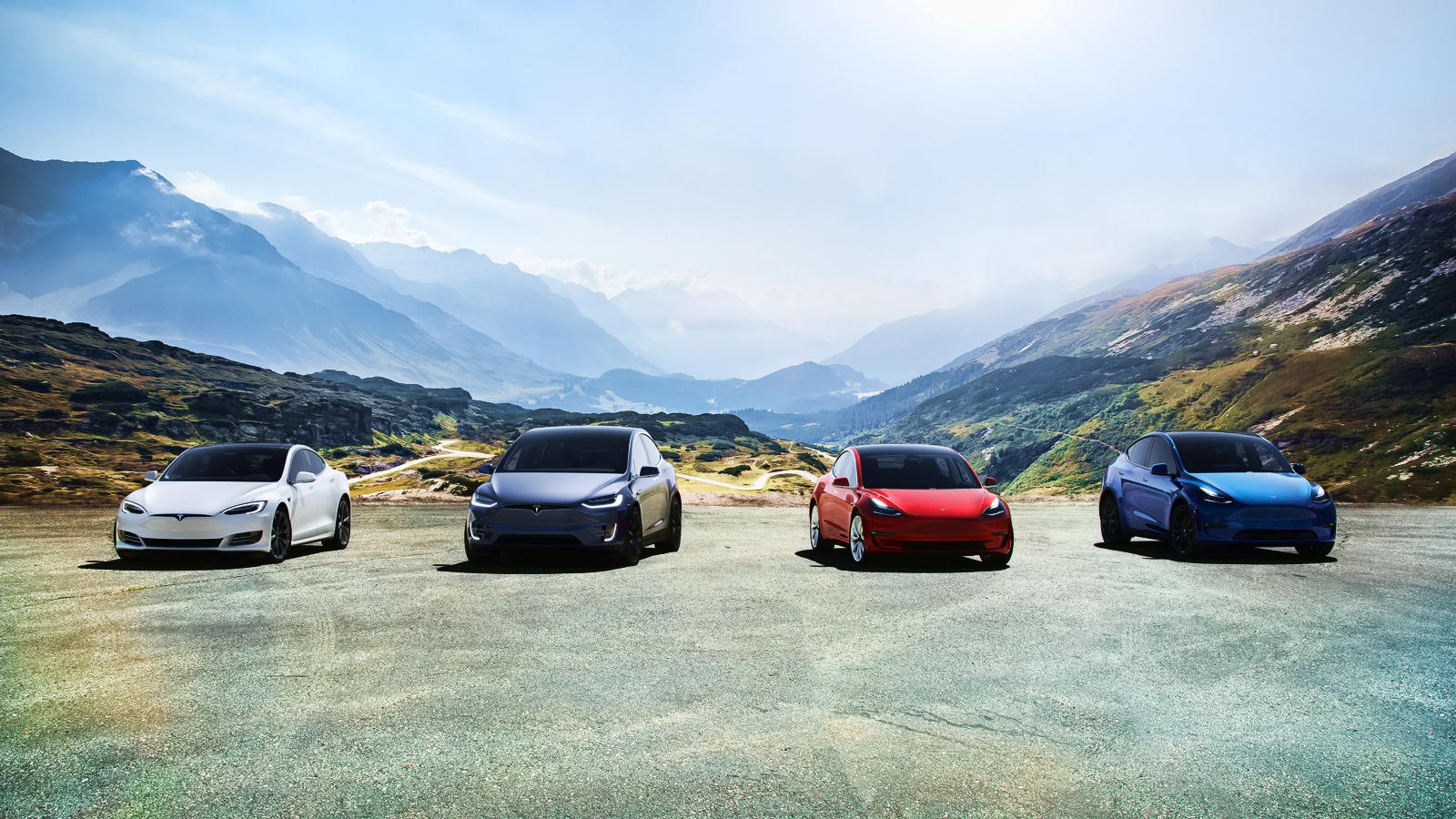
    American electric carmaker Tesla’s CEO, Elon Musk, hinted at the possibility of launching a new compact electric car that will be positioned below the Model 3. According to Business Insider, recently, while speaking to some analysts and investors, Musk expressed his opinion that Tesla cars are too expensive, stating his desire to offer a more affordable electric car. Currently, Tesla sells four electric vehicles, including the Model 3, Model S, Model Y and Model X. In the United States, Tesla’s most affordable offering right now is the Tesla Model 3 that starts at $37,990.

    Talking about making affordable electric cars, Musk said, “I think we will not succeed in our mission if we do not make cars affordable. Like the thing that bugs me the most about where we are right now is that our cars are not affordable enough. We need to fix that.” While he did not go into the specifics of the new compact electric car, he did say, “It would be reasonable to assume that we would make a compact vehicle of some kind and probably a higher capacity vehicle of some kind. These are likely things at some point. But I do think there’s a long way to go with 3 and Y and with Cybertruck and Semi. So, it’s a long way to go with those. I think we’ll do the obvious things.”

    However, it’s very much possible that the new compact electric car will not be made in the US nor in China, but rather in Germany. Earlier this month, replying to a Twitter user’s direct query about Tesla coming up with a European style hatchback, Musk hinted at the possibility of designing and developing such a car in Germany. Currently, the company is building its new vehicle manufacturing plant, better known as the Gigafactory, in Berlin.

    More recently, Tesla has finally zeroed in on the location for its second Gigafactory for the US, which will come up near Arizona, Texas. Tesla is making an investment of $1.1 billion in building the new plant, which is expected to create up to 5000 new jobs in the US state. The new factory will mainly serve the eastern part of the country and will manufacture the upcoming Cybertruck, along with the Model 3 and Model Y. Recently, Elon Musk also hinted at the possibility of coming up with a second Gigafactory for Asia, outside China, sometime in the future.

  • Hyundai Races To Electric As Tesla Takes Off

    Hyundai Races To Electric As Tesla Takes Off

    Hyundai Motor, an early backer of hydrogen cars, has watched the electric rise of Tesla, including on its home turf. Now’s it’s going on the offensive in the battery-powered market led by its U.S. rival. The South Korean company plans to introduce two production lines dedicated to electric vehicles (EVs), one next year and another in 2024, according to an internal union newsletter seen by Reuters.

    Euisun Chung, leader of the Hyundai Motor Group conglomerate that also includes Kia Motors, has also held a series of meetings since May with his counterparts at Samsung, LG, and SK Group, which make batteries and electronic parts.

    The purpose of the talks, which were publicly announced, was for Hyundai to try to secure batteries at a time of tight supply as the race for EVs intensifies, according to several industry sources. Those manufacturers also supply the likes of Tesla, Volkswagen, and GM.

    Hyundai told Reuters it was collaborating with Korean battery suppliers “to scale up” its electric car production efficiently. It declined to comment on any plans to introduce dedicated production lines.

    The moves indicate the carmaker is moving aggressively to expand its electric capacity, days after Chung announced on July 14 that Hyundai Motor Group aimed to sell 1 million battery EVs a year and grab a global market share of over 10% by 2025.

    There’s some way to go; Hyundai Motor Group sold 86,434 battery EVs last year, according to data from industry consultant LMC Automotive. That was above the 73,278 sold by Volkswagen Group but behind the 367,500 delivered by Tesla.

    Hyundai, the world’s No.5 automaker together with Kia Motors, said its agility allowed it to lead the charge into EVs. “We are certain Hyundai is never going to fall behind,” it added.

    A senior Hyundai insider, who declined to be identified because of the sensitivity of the issue, said the company had not been concerned about Tesla when the Silicon Valley company was producing high-end cars.

    But it became more worried when Tesla brought out a cheaper Model 3 in 2017, according to the insider who described it as a “strategic victory”. No traditional automaker has been successful yet in catching up with Tesla, which retains an edge in battery and software technology.

    Hyundai could also face a roadblock from its powerful union, which is worried about job security as EVs require fewer components and workers than gasoline vehicles; at Hyundai, this is partly because the automaker makes a number of key components for conventional cars in-house, while many EV parts are outsourced at present.

    The union is pushing for the company to assemble key EV components, like battery packs and motors, in-house to offset any reduction in the workforce.

    “We are not opposed to EV business. Kodak went bankrupt because it stuck to film even as the industry was shifting to digital photography,” union spokesman Kwon Oh-kook said.

    “We just want to protect the jobs of our members,” he said. Hyundai said automakers and unions needed to accelerate change to remain viable in the long term.

    Back in 2010, Hyundai Motor Co made 230 electric cars for the government, but they ended up being mothballed at a research center outside Seoul due to a lack of charging infrastructure, according to Lee Hyun-soon, R&D chief at the time.

    In a 2014 book Lee, who developed South Korea’s first gasoline engines, said such electric vehicles were “not realistic”, also citing high battery costs, and that hydrogen cars – a rival clean technology – offered a “bright” future.

    Along with Toyota and Nikola, Hyundai was one of a few automakers to have backed hydrogen cars. It launched the industry’s first mass-produced hydrogen car, Tucson Fuel Cell, in 2013 and the NEXO in 2018.

    However the technology has not taken off; 7,707 hydrogen fuel cell cars were sold globally last year, compared with 1.68 million battery EVs, according to LMC Automotive.

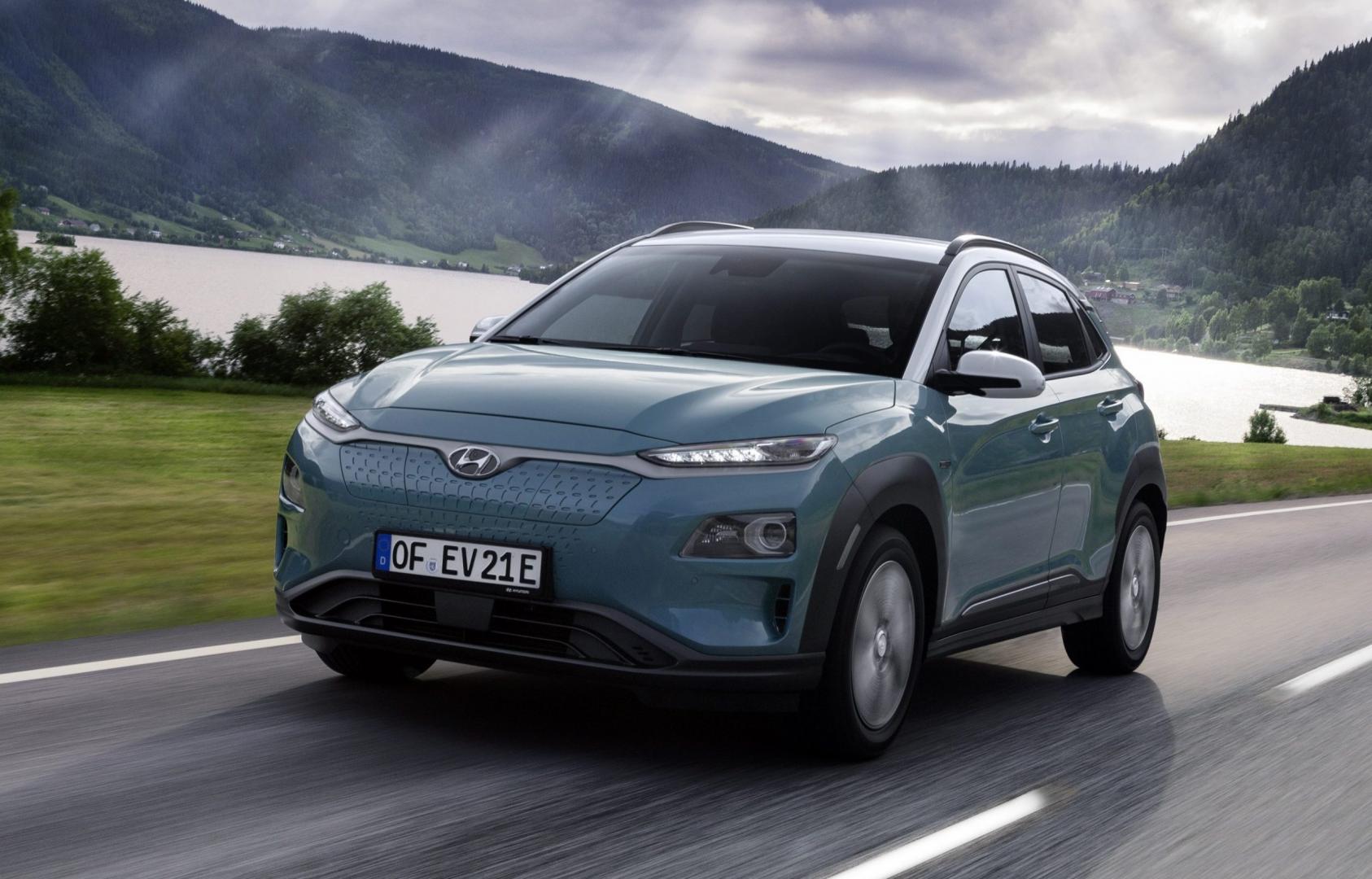
    In Hyundai’s home market, Tesla had its best month in June, with its Model 3 beating Hyundai’s Kona EV, as well as premium models from BMW and Audi.

    “Hyundai did not expect Tesla to dominate the EV market so quickly,” another person familiar with the company’s thinking told Reuters.

    Hyundai Motor has a market capitalization of about 25.3 trillion won ($21.2 billion) – less than a tenth of that of Tesla, now the world’s most valuable automaker.

    While Hyundai promotes its hydrogen cars with K-pop boyband BTS, it only plans to introduce up to two hydrogen models by 2025, and 23 battery-powered models.

    Peter Hasenkamp, vice president at electric startup Lucid, who previously worked at Tesla and Ford, said established carmakers faced historical “inertia” to make the EV transition.

    “Part of the reason we’re based in Silicon Valley is to leverage both software and electrical engineering expertise,” Hasenkamp said.

    “You’ve got a couple of generations for the big car companies to learn really how to do t
  • Tesla Hiring In Shanghai As Production Ramps Up

    Tesla Hiring In Shanghai As Production Ramps Up

    Tesla has launched a hiring spree in Shanghai with plans to bring on designers at its China studio and about 1,000 factory workers, job posts show, as the U.S. electric vehicle maker ramps up production in the world’s biggest auto market.

    The posts on the Tesla human resources department’s official WeChat account mark the first time the California-based automaker has looked to hire designers in China. Tesla said in January it planned to open a design and research centre in China to make “Chinese-style” cars.

    The posts did not reveal how many designers Tesla planned to hire.

    The company also planned to hire 600 workers at stamping, bodywork, painting and assembly workshops in Shanghai, according to a separate job post by the Lingang local government. Another 150 workers were needed for quality checks, 200 for logistics work and 20 for security, it added.

    Two sources familiar with the matter said the recruitment drive was partly for the preparation of Model Y sport-utility vehicles at the Shanghai plant. Tesla is building manufacturing facilities for Model Ys in Shanghai from next year.

    Tesla did not immediately respond to a request for comment.

    The company delivered over 30,000 units in China in the past quarter, most of them locally made Model 3 sedans.

    In March it advertised for solar and energy storage project managers in China, as it moves to expand its energy business into the country.

  • Aston Martin Callum Vanquish 25 Production Model Revealed

    Aston Martin Callum Vanquish 25 Production Model Revealed

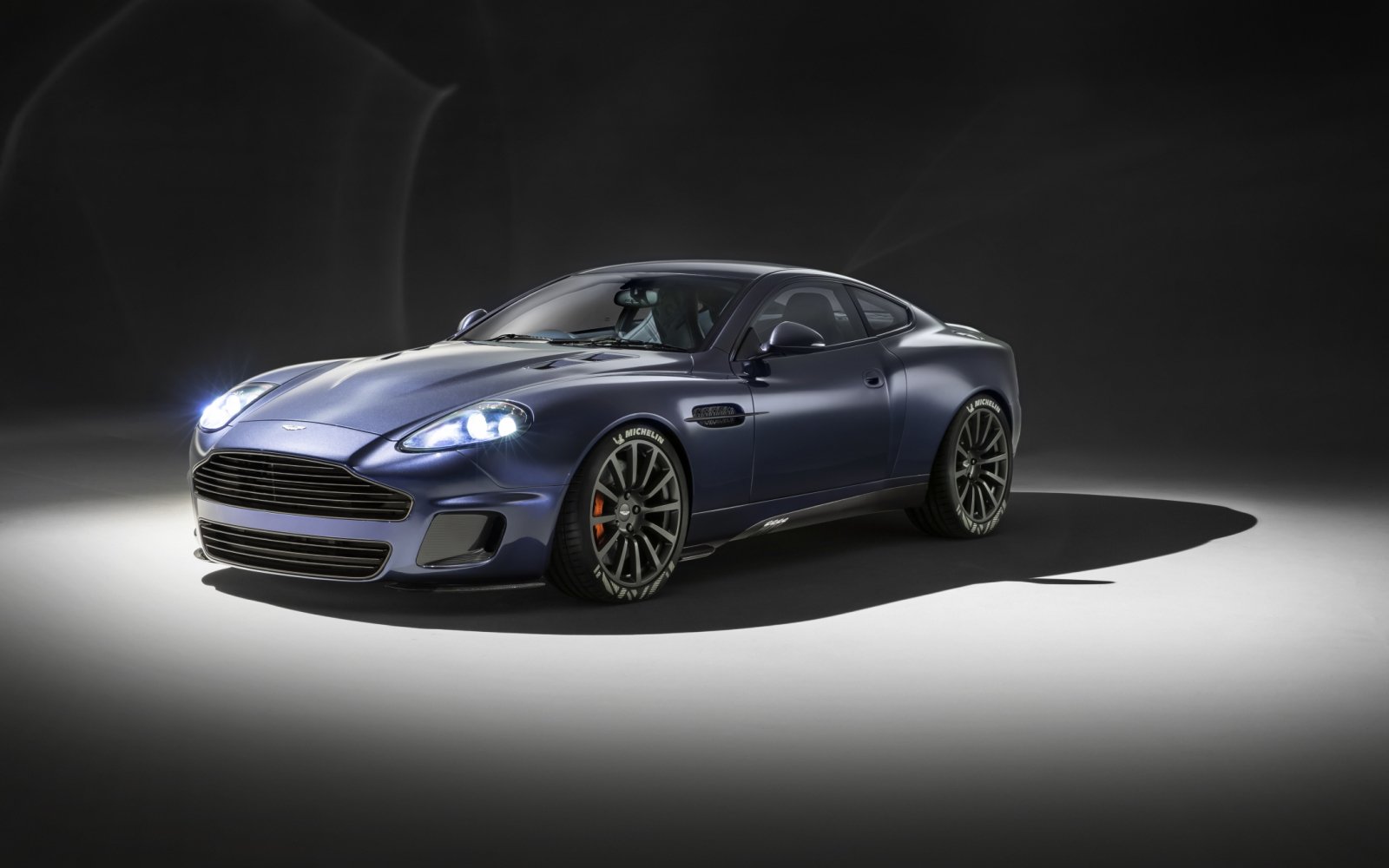
    Just nine months after announcing the project, the production iteration Aston Martin Callum Vanquish 25 by R-Reforged has been revealed alongside confirmation that customer car build will commence in September. Designer Ian Callum has evolved the concept shown in 2019 with a revised interior, more trim options and definitive chassis and powertrain set up. In fact, Callum talked about this venture even in our exclusive episode of Freewheeling With SVP and gave us a hint that the car is on the way.

    The Vanquish 25 now features over 350 engineerings, material, and design changes that transform the much-loved car into a more practical and relevant GT. Having covered over 32,000 kms of rigorous testing on UK’s broad range of road types and qualities, as well as multiple sessions on both the wet and dry tracks at Michelin’s Ladoux proving ground, engineers carefully determined a crisper set up to amplify the driving experience of a classic GT. Highly tuned rebound and compression of the Bilstein dampers provides composure with noticeably more agility and control. Careful bush selection, stiffer anti-roll bars, a 10mm lower ride height, up to 60mm wider track, and specific Michelin Pilot Sport tire compounds assure linearity in roll and composure without resorting to a rock-solid track feel that contemporary GTs often lean towards. Steering feel, aided by the fitting of a more slender wheel rim, lower seating position, and the suspension improvements, is sharper with more feedback to reward the enthusiast driver. The overall result is a more versatile GT eminently suitable for everyday use.

    Ian Callum, Founder, Callum Designs, said, “The designers, engineers, and craftspeople have poured all their energy into breathing new life into the car, pushing the boundaries of every detail: flawless surface finishes, tight shut lines and a crafted interior I believe you’ll enjoy spending time in. I’m particularly impressed with how it drives. From the lower, more sculpted, and cossetting seat, the crisper steering with enhanced feel to just the glorious way it sounds, I think we have created something quite special.”

    The Vanquish 25 by R-Reforged is offered with eight trim colors, three transmission variants – manual, auto and semi-automatic – as well as three bespoke 20-inch wheel choices. The car’s leather trim is provided by Bridge of Weir Leather Company, while Bremont’s removable pocket watch, an industry-first, remains prominent in the interior that now includes brushed or polished dark chrome details, and a walnut veneer option instead of carbon. Mulberry has developed the luggage to fit snugly in the rear of the cabin.

    R-Reforged has now also revealed revisions to the engine and the engineers have detailed the area with carbon and leather dressing alongside the bespoke carbon intake system and tuned equal length stainless steel primary collectors that create a sonorous V12 howl from the 580bhp engine. The car will be built starting September with initial cars destined for Europe and Latin America.

  • Lamborghini Celebrates New Production Milestone With 10,000th Urus SUV

    Lamborghini Celebrates New Production Milestone With 10,000th Urus SUV

    Automobili Lamborghini has recently rolled out the 10,000th Urus SUV from its manufacturing plant in Sant’Agata Bolognese. The milestone car with chassis number 10,000 is destined for Russia and it comes in the new Nero Noctis Matt Black color. This particular Lamborghini Urus also comes with the carbon fiber package and two-tone Ad Personam interiors in black and orange, complemented by more carbon fiber components for the cabin.

    The Lamborghini Urus made its global debut in December 2017 and it has been the top-selling model for the Italian marque, globally, as well as in India. In fact, in 2019, the first full year that the Urus was present in the market, Lamborghini sold 4,962 units worldwide, out of which close to 50 units were sold in India. The same year, driven by Urus’ sales, the company’s total volume increased by a massive 43 percent, to 8,205 units, as against the 5,750 Lamborghini vehicles sold during the 2018 calendar year.

    Interestingly, it appears as though Lamborghini had anticipated the massive demand the Urus will garner and was prepared for it. Before the launch of the SUV, the company has expanded its facility from 80,000 square-meter to 160,000 square-meter, and dedicated an entire assembly line, Manifattura Lamborghini, for the Urus. The assembly line itself is based on the so-called Factory 4.0 model, which integrates new production technologies to support workers throughout the assembly operations.

    As for the car itself, the Lamborghini Urus recently received a new exterior color package called the Urus Pearl Capsule range, which includes new two-tone color options combined with glossy black roof, rear diffuser, spoiler lip, and other details. Customers can choose from three base colors – Verde Mantis (green), Arancio Borealis (orange), and Giallo Inti (yellow). The new range is for MY2021 Urus. The SUV is powered by a 4.0-litre Twin Turbo V8 engine, which is tuned to produce 641 bhp and 850 Nm of peak torque. The SUV can go from 0-100 kmph in 3.6 seconds and reach 200 kmph in 12.8 seconds, before reaching the electronically limited top speed of 306 kmph.

  • Volvo Cars On Recovery Path But Merger With Geely On Hold For Now

    Volvo Cars On Recovery Path But Merger With Geely On Hold For Now

    Volvo Cars said it expects its business to recover in the second half of the year after reporting on Tuesday an operating loss for the first six months as coronavirus lockdowns strained supply chains and forced plant closures.

    The Swedish-based carmaker also said that its planned merger with Geely Automobile Holdings Ltd had been temporarily put on hold due to Geely Auto’s plans to list in China. The companies will resume talks in the autumn.

    “If the market recovers as we expect, we anticipate sales volumes to return to the levels we saw in the second half of 2019 and it is also our ambition to return to similar profit levels and cash flow,” CEO Hakan Samuelsson said in a statement.

    Market recovery has allowed the company to resume production in all factories, except the Charleston plant in Ridgeville, South Carolina, Volvo said.

    Volvo Cars, which was bought by China’s Zhejiang Geely Holding Group Co Ltd from Ford Motor Co in 2010, plans to merge with Geely Automobile and list in Hong Kong and possibly Stockholm – as well as on a stock market in mainland China.

    Luxury EV brand Polestar is gearing up to take on Tesla in China, while Alibaba-backed Xpeng also has its sights set on the U.S. brand.

    Geely Automobile said last month that its board had approved a preliminary proposal to list new renminbi shares on Shanghai’s Nasdaq-like STAR board.

    “In connection with this (the Shanghai listing) Geely Auto cannot discuss a potential combination of the companies,” a Volvo Cars spokeswoman said about the merger. Talks would resume as soon as Geely Auto had “ended its activities related to that”, she said.

    The Gothenburg-based carmaker reported an operating loss of 989 million Swedish crowns ($110 million) for January-June, versus a 5.52 billion profit in the first half of last year, as revenues fell 14% to 111.8 billion crowns.

    Volvo had warned in March that sales, earnings and cash flow in the first half of 2020 would decline from a year ago as the coronavirus pandemic weighed on its business. In April it announced plans to make 1,300 white-collar workers in Sweden redundant.

  • Toyota Sees Further Recovery In Global Car Production In August

    Toyota Sees Further Recovery In Global Car Production In August

    Toyota Motor will make 2% fewer vehicles globally in August than originally planned, the Japanese automaker said on Tuesday, as output recovers gradually from a steep drop because of the coronavirus pandemic.

    The company said it aimed to make 15,000 fewer vehicles than its initial plan, which was around 750,000, according to Reuters’ calculations. August’s reduction is smaller than the cut of 10% seen in July, and June’s 40% reduction.

    As Japan fears a second wave of infections spreading from the capital, one Toyota employee working at its headquarters has tested positive for coronavirus since developing symptoms earlier this month, the company said on Tuesday. Toyota added it disinfected the affected work sites on July 17 and restarted operation shortly afterward.

    Toyota Motor, Japan’s biggest automaker, said on Tuesday it expects its lowest annual operating profit in nine years, down over 4 billion US dollars, or 80%, from the previous year.

    In the midst of the pandemic, the company also plans to skip media briefings for its fiscal first and third quarterly results, but only release filings, a company spokeswoman told Reuters.

    Global automakers are slowly getting vehicle production back on track after the closure this year of many plants to curb the spread of the virus, although many still anticipate that output and sales will be lower than last year.

    The updated production plan represents an output cut of 9% from a year ago.

    Toyota said it would produce 6,000 fewer vehicles at home, and 9,000 less overseas.

  • Royal Enfield To Compete In American Flat Track Series

    Royal Enfield To Compete In American Flat Track Series

    Royal Enfield has announced that the brand will be competing in the American Flat Track (AFT) starting August 2020. Royal Enfield will be fielding specially-prepared versions of their production bikes. For the Production Twins class, meant for motorcycles with twin-cylinder engines, Royal Enfield will be entering a specially-made model called the FT Concept, based on the Royal Enfield Interceptor 650. The FT Concept has been built in collaboration with chassis specialists, Harris Performance, also owned by Royal Enfield’s parent company, Eicher Motors Limited.

    The new machine is going to be based on the bike built as a design exercise between Royal Enfield and Harris Performance. The bike’s frame is a classy looking brazed steel tube, with an adjustable steering head angle to customize the bike’s handling according to individual riders. The frame, 41 mm front forks featuring Ohlins internals, as well as the Ohlins TTX rear shock, as well as the 19-inch wheels machined from forged billet Aluminium, are all made specifically for the bike. Johnny Lewis, Royal Enfield Slide School Instructor in the US, and AFT racer will be piloting the bike on August 28 and August 29.

    “The Royal Enfield FT Concept has already shown promise so far. We’re already seeing great results from the motorcycle. The team at Harris Performance and Royal Enfield have done a great job with the chassis, and we’ve already begun working through small adjustments based on my feedback. With the way the schedule is shaping out with small tracks, we could surprise many people,” said Lewis.

    Royal Enfield already has a FT411 based on the Royal Enfield Himalayan, to be used for Slide School flat track lessons, both in India and in the US. Later in 2020, four lady builders of the ‘Build Train Race’ program will also hit the track along with Lewis with their modified Interceptor 650 motorcycles alongside Lewis. The events for the all-women flat tracker are scheduled for October 2-3 at the Dixie Speedway event and at the Daytona Beach on October 15-16.

    While Royal Enfield has made tremendous progress in product development and engineering, starting with the 650 Twin platform as well as the Royal Enfield Himalayan which has been increasingly gaining acceptance worldwide, the future will surely be focussed on more models, new engines and platforms. We have consistently maintained that Royal Enfield has already entered a new era in technology and product development, and the next few years will only show more evidence of shaking off an image, at least in the domestic market, of having motorcycles with technology which critics consider ancient. With the push to events like the American Flat Track series, Royal Enfield seems to have set its sights on cementing its position in the international market, and also following the old adage – “Race on Sunday, sell on Monday.”