Category: Automotive

Retail News Asia is committed to providing both local and global retailers with the latest Auto and Car news throughout the Asian market. This on a daily base.

  • Tata Motors Group’s Global Wholesales Declined By 3% In December 2019

    Tata Motors Group’s Global Wholesales Declined By 3% In December 2019

    Global wholesales for JaguarLand Rover along stood at 50,001 vehicles, which included the 5,492 vehicles wholesaled by CJLR, the joint venture between JLR and Chery Automobiles. As for the total wholesales from the Jaguar brand alone, for the month, it stood at 12,742 vehicles, while Land Rover’s contribution to the total wholesales for December 2019 was 37,259 vehicles.

    On the other hand, global wholesales of all Tata Motors’ commercial vehicles and Tata Daewoo range in December 2019 were at 34,526 units, lower by 15 percent, as against the 40,619 units wholesaled in December 2018.

    In December 2019, Tata Motors’ domestic sales stood at 44,254 units (PV + CV), a decline of 12 percent in volumes as compared to 50,440 units sold in December 2018. As for year-to-date sales, Tata’s volumes for FY2020 (April-December) stood at 347,796 units, down by 30 percent over 497,972 units sold during the same period the fiscal.

  • Ford’s Vehicle Sales In China Tumble For Third Consecutive Year

    Ford’s Vehicle Sales In China Tumble For Third Consecutive Year

    Ford Motor China vehicle sales fell for a third consecutive year, by 26.1%, as it battles a prolonged overall sales decline in its second-biggest market that has hit demand for its mass-market Ford brand and sports utility vehicles. The U.S. automaker delivered 146,473 vehicles in China in the fourth quarter, down 14.7% year-on-year, Ford said in a statement. In total, it sold 567,854 vehicles over 2019. Ford has been trying to revive sales in China after its business began slumping in late 2017. Sales sank 37% in 2018, after a 6% decline in 2017.

    Anning Chen, president, and chief executive of Ford Greater China, said that while 2019 was a “challenging” year for the automaker, it saw its market share in the high-to-premium segment stabilize and its sales decline in the value segment start to narrow in the second half of the year.

    “The pressure from the external environment and downward trend of the industry volume will continue in 2020, and we will put more efforts into strengthening our product lineup with more customer-centric products and customer experiences to mitigate the external pressure and improve dealers’ profitability.”

    The automaker plans to launch more than 30 new models in China over the next three years of which over a third will be electric vehicles. It has also said it would localize management teams by hiring more Chinese staff and aimed to improve relationships with joint venture partners.

    New models it launched in the fourth quarter include a new Ford Escape version – for which the automaker said orders received so far have been much higher than expected – and the Lincoln Corsair, the first localized Lincoln model in China.

    In China, Ford makes cars through a joint venture with Chongqing Changan Automobile Co Ltd and Jiangling Motors Corp Ltd (JMC). It has also said it would partner Zotye Automobile Co Ltd to sell lower-priced cars.

    Its larger U.S. rival General Motors Co last week said its sales in China fell 15% from a year earlier to 3.09 million vehicles in 2019, its second year of decline.

    China’s auto market is set to contract by 2% in 2020 for the third year of decline, the China Association of Automobile Manufacturers (CAAM) forecast, due to a weaker economy and trade dispute with the United States.

    Over 28 million vehicles were sold in 2018, down 3% from the prior year, while 2019 sales are likely to have declined 8% from the prior year, CAAM said.

  • Car prices fall as supply rises

    Car prices fall as supply rises

    An abundant supply of imports, the introduction of new models and stiffer competition have pulled car prices down, industry insiders say.

    Toyota Innova, among the most popular multi-purpose vehicles (MPVs) in Vietnam, saw its price go down 13 percent year-on-year last month to VND771 million ($33,360).

    Industry insiders said the drop of VND100 million ($4,330) was unprecedented for this model. Innova only reflected a general trend, they added.

    Prices of the Toyota Vios sedan and the hatchback Kia Morning fell 13 percent and 12 percent, respectively. In the high-end segment, the prices of BMW cars fell 18.5 percent.

    Abundant supply is said to be one of the main factors behind the falling prices.

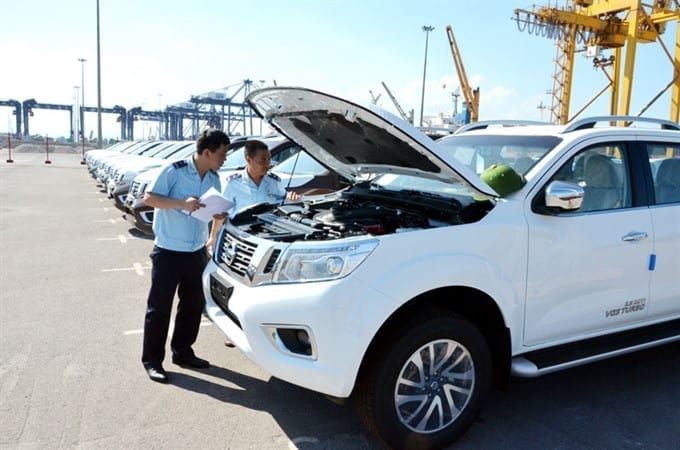
    Car imports in the first 11 months of last year doubled year-on-year to almost 133,700 units, most of them from Thailand and Indonesia. Models with the biggest sales, MPV Mitsubishi Xpander and SUV Toyota Fortuner, were all imported.

    Tightening credit from banks last year had made it more difficult for buyers, leading to an increase in inventory that had to be reduced by lowering prices. The introduction of new models was another factor.

    Vietnam’s newest car manufacturer VinFast also intensified competition in the market with its SUVs, sedans and hatchbacks.

    Auto sales in Vietnam last year rose 11.6 percent from 2018 to 322,322 units, with 58.8 percent of them locally-assembled, according to the Vietnam Automobile Manufacturers Association.

  • BMW Group India Delivers 9641 Vehicles In 2019

    BMW Group India Delivers 9641 Vehicles In 2019

    The locally-made X3, X5 and X1 contributed significantly to the sales of BMW vehicles in 2019

    On the Mini front, the locally the locally-produced Countryman commanded a share of over 70 percent in Mini India sales.

    The momentum for BMW Motorrad India was primarily driven by the BMW G 310 R and the BMW G 310 GS motorcycles which commanded a share of over 85 percent in yearly sales. The BMW R 1250 GS / GSA, the BMW F 750 / 850 GS and the BMW S 1000 RR were also a favorite among motorcycle enthusiasts.

    Rudratej Singh, President and Chief Executive Officer, BMW Group India said, “2019 was not an easy year for the Indian automotive industry as various macroeconomic and structural conditions shook its foundations. Though the industry is still facing difficult times, we are well prepared for 2020. We will always be competitive by remaining focused on our customers.”

  • Half of Vietnamese buyers favor used cars assembled locally

    Half of Vietnamese buyers favor used cars assembled locally

    55 percent of buyers prefer used cars assembled in Vietnam to those imported from South Korea and Japan, a 2019 survey found.

    This figure is several times higher than the 16 percent who favor South Korea and the 11 percent stuck on Japan, according to Cho Tot Xe, a popular car listing website in Vietnam.

    Ho Chi Minh City residents prefer newer, more expensive vehicles compared to those in Hanoi, the website’s data shows.

    HCMC buyers favor used models released in the previous three years at a cost of VND300-700 million ($12,900-30,200). The top three models are Hyundai Grand i10 2016, Mazda CX 5 2017 and Honda City 2016.

    But buyers in Hanoi are more interested in vehicles priced less at VND300-400 million ($12,900-17,200), which date back to 2015, such as the Toyota Vios 2015, Hyundai Grand i10 2015 and Kia Morning 2015.

    The demand for used cars is on the up, listings on Cho Tot Xe rising 22 percent from 2018 to 200,000 last year, with the most popular brands Toyota, Kia and Hyundai.

    Sedans were the most popular used car types in 2019, with Honda City 2016, Toyota Vios 2017 and Mazda 3 2018 the top three.

    Toyota Innova maintained the best used price in 2019 at VND678-740 million ($29,220-31,890), followed by Chevrolet Spark and Ford Ranger.

    Vietnam has been striving to develop its car industry for decades, but experts say the small market size has constrained local producers. The localization rate of passenger cars in Vietnam is at 7-10 percent, compared to 55-60 percent across ASEAN.

    The country imported 133,696 vehicles in the first 11 months last year, up 95.6 percent year-on-year, mostly from Thailand and Indonesia, according to Vietnam Customs.

    289,128 cars were sold throughout Vietnam in the same period, up 14 percent year-on-year, according to Vietnam Automobile Manufacturers Association (VAMA).

  • Uber Stops Upfront Ride Pricing In Response To California Worker Law

    Uber Stops Upfront Ride Pricing In Response To California Worker Law

    Uber Technologies Inc on Wednesday informed its California customers that it would switch to providing estimates as opposed to fixed prices for its rides in response to a new law that makes it harder to qualify its drivers as contractors. In an email sent out to riders and seen by Reuters the company said the final price would now be calculated at the end of a trip, “based on the actual time and distance traveled.”

    “Due to a new state law, we are making some changes to help ensure that Uber remains a dependable source of flexible work for California drivers,” the company said in the email.

    The change applies to all private rides, while upfront prices will continue to be provided for shared, or pooled rides.

    The email included a picture displaying an example of a ride request on the Uber app. It showed a $27 to $36 range for an UberX ride, the company’s most popular private ride option.

    Uber in a blog post on Wednesday said the step was the result of changes to its fare structure, with drivers still getting paid per mile and minute, but the company now taking a fixed 25% cut from drivers. That service fee previously fluctuated. Uber on Wednesday also told customers it discontinued some of its reward benefits for frequent riders. The company hopes the changes will bolster its argument that Uber is merely a technology platform connecting riders with drivers, not a transportation company.

    The California law strikes at the heart of the “gig economy” business model by making it harder for companies to qualify their workers as contractors rather than employees. The measure went into effect on Jan 1. By classifying contractors as employees, technology companies like Uber, Lyft Inc, DoorDash and Postmates Inc would be subject to labor laws that require higher pay and other benefits, such as medical insurance.

    Uber and Postmates, a courier services provider, in a lawsuit in late December asked a U.S. court to block the law. Uber has repeatedly said that its drivers are properly classified as contractors. Nevertheless, the company has made changes to its driver app in recent weeks, with California drivers now being able to see more information ahead of accepting a trip, including the ride’s likely fare, length and destination.

  • Daimler Sued For $1 Billion In German Court Over Diesel Cheating

    Daimler Sued For $1 Billion In German Court Over Diesel Cheating

    Investors have sued Daimler for 896 million euros ($1 billion) in a regional court in Stuttgart, accusing the carmaker of concealing its use of emissions cheating software, German law firm TILP said on Tuesday.

    The suit was filed on behalf of institutional investors who accuse Daimler of failing to inform investors about the risks and costs of using such devices, which amounts to a violation of capital markets law, the law firm said.

    In a statement, attorney Andreas Tilp said: “This means that the plaintiffs bought the Daimler stock at too high a price, and it is our conviction that Daimler is liable to them for compensation of damages.”

    Daimler said it had not yet been formally notified of the lawsuit adding it believed that the lawsuit was without merit.

    “We will defend ourselves against the accusations with all legal means,” a spokeswoman said on Tuesday.

  • Ferrari Joins European Auto Lobby ACEA Four Years After Spin-Off

    Ferrari Joins European Auto Lobby ACEA Four Years After Spin-Off

    Italian luxury carmaker Ferrari has become the latest manufacturer to join the European carmakers’ association (ACEA), the auto lobby said on Tuesday.

    ACEA represents manufacturers of passenger cars, vans, trucks and buses with production sites in the European Union and provides benchmark data on vehicle registrations.

    Ferrari’s membership took effect on Jan. 1, following approval at the end of last year by the association’s board of directors, which is made up of the chief executives of its member companies, ACEA said.

    Ferrari did not comment.

    Mike Manley, the CEO of Ferrari’s former parent company Fiat Chrysler, took over as ACEA’s new president this month.

    Ferrari – which was spun-off from Fiat Chrysler (FCA) in 2016 – became ACEA’s sixteenth member, adding to manufacturers such as luxury carmakers BMW and Jaguar Land Rover, but also mass market producers such as PSA-Peugeot or Ford, as well as truck and commercial vehicle makers such as DAF Trucks.

    Ferrari is controlled by Exor, the holding company of Italy’s Agnelli family, which also controls FCA and industrial vehicle maker CNH Industrial, another ACEA member.

    Last month FCA and PSA agreed a binding $50 billion tie-up to create the world’s fourth-largest carmaker

  • Aston Martin Confirms Limited Edition V12 Speedster

    Aston Martin Confirms Limited Edition V12 Speedster

    Aston Martin has confirmed that a strictly limited number of the new V12 Speedster will make it production. The car will make its global debut later this year, with discerning drivers around the world offered the opportunity to acquire this sports car.

    The V12 Speedster, created by in-house bespoke service Q by Aston Martin, is all about being a driver-oriented sports car and yes it is a two-seater. The new car’s design, while modern and dynamic, also clearly nods to both Aston Martin’s legendary 1959 Le Mans 24 hours- and 1000km of Nurburgring race-winning DBR1 as also the Centenary CC100 Speedster Concept shown in 2013. It’s forward-looking features are shaped from the same advanced materials and expert engineering used throughout Aston Martin’s contemporary sports car range.

    Creating the new V12 Speedster has taken months of meticulous design and planning work by the teams from both Q by Aston Martin, and Aston Martin Design. At the new car’s heart lies a high-performance variant of Aston Martin’s now iconic, 5.2-litre V12 Twin-Turbo engine, capable of generating an output of around 700 horsepower and 700 Nm. The engine is mated to a ZF 8-speed automatic transmission mounted towards the rear of the car. The company says that the engine note and sound quality play an important part in the overall experience.

    Aston Martin Lagonda President and Group CEO, Dr. Andy Palmer said: “The V12 Speedster we’re proud to confirm today once again showcases not only this great British brand’s ambition and ingenuity, but also celebrates our rich and unrivaled heritage. The 88 enthusiast drivers and collectors who secure the keys to these cars can be confident that in doing so, they are also securing an iconic new piece of Aston Martin history.”

    Deliveries of the car will start from the first quarter of 2021.

  • Vietnamese automaker ships buses to Philippines

    Vietnamese automaker ships buses to Philippines

    Vietnam’s leading automaker and assembler Thaco shipped the first 15 buses to the Philippines on Saturday.

    Tran Ba Duong, chairman of Truong Hai Auto (Thaco), said the exported buses were redesigned after seven months of testing in the Philippines. They had a localization rate of 45 percent and complied with Euro 5 emission standards.

    All the buses were assembled in the Chu Lai open economic zone in Quang Nam Province, central Vietnam.

    Duong said a major challenge in exporting vehicles made or assembled in Vietnam was the complicated assessment process in foreign countries. For example, the process takes six months in Thailand, four to five months in the Philippines and a year in the U.S.

    Thaco expected to ship 200 buses to the Philippines in 2020.

    The firm exported 186 automobiles of various types to ASEAN countries and plans to export over 1,020 units next year. Thaco also exported auto parts and accessories worth $14.5 million to South Korea and Japan in 2019, and this is expected to rise to $21 million in 2020.

    Thaco has been researching, manufacturing and assembling buses and continuously promoting investment in the field since 2004. To date, the company has supplied over 17,000 buses to the domestic market, holding a 65 percent market share.

  • After Tesla’s Record Year In Norway, Rivals Gear Up For 2020

    After Tesla’s Record Year In Norway, Rivals Gear Up For 2020

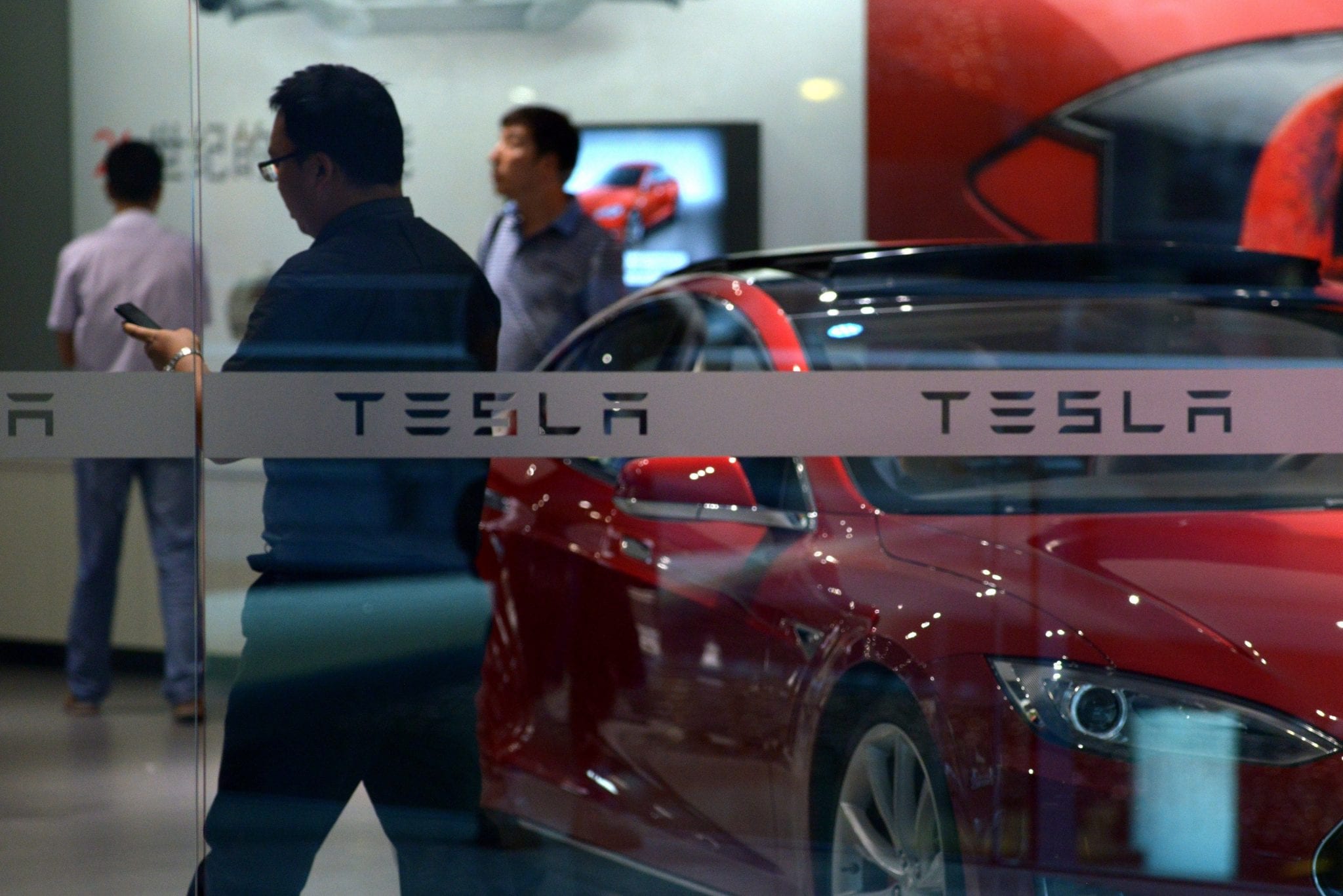
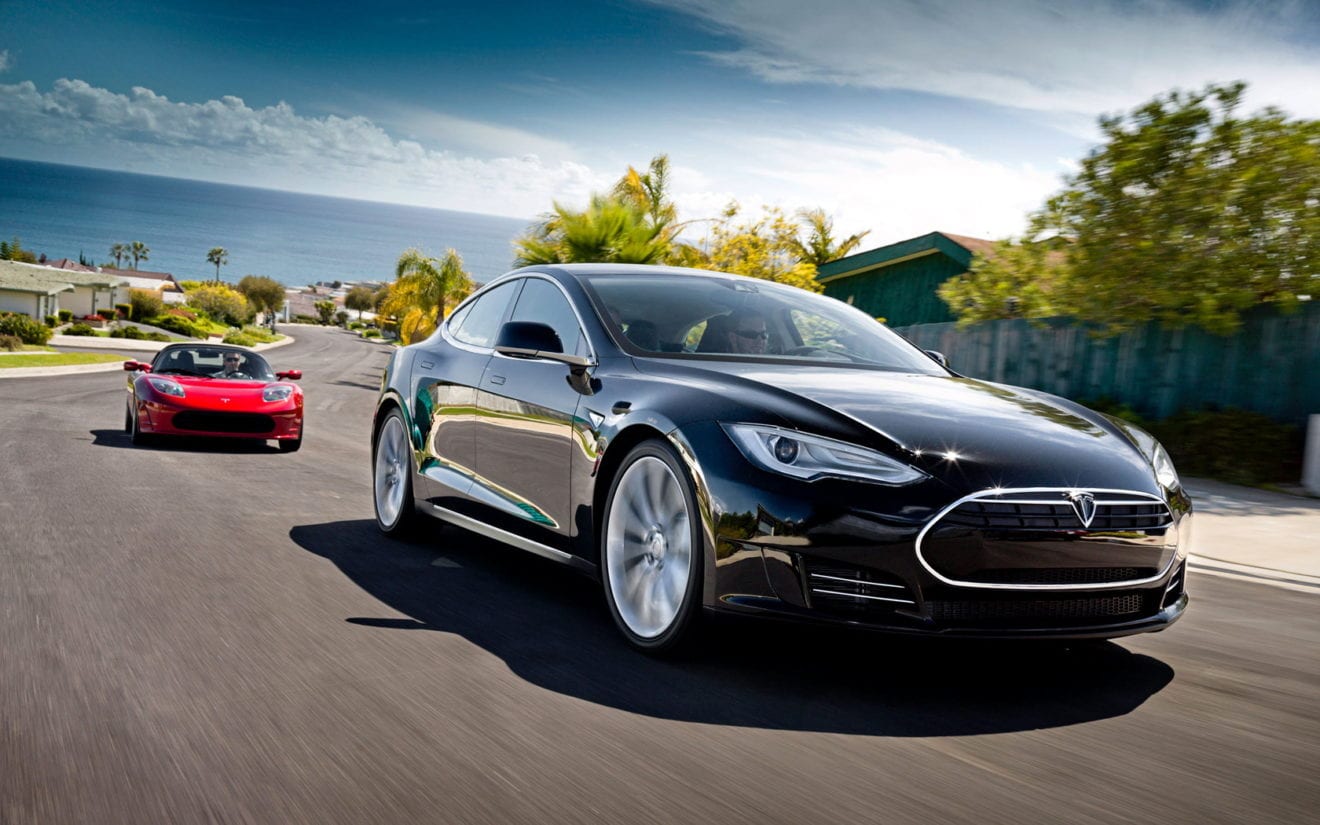
    New electric car sales in Norway rose by a third last year amid soaring demand for Tesla Inc’s vehicles, but the pioneering U.S. company will face a more competitive market in 2020 as rivals prepare to launch new electric models.

    Fully electric cars made up 42.4% of sales in the Nordic country last year, a global record, rising from a 31.2% market share in 2018 and just 5.5% in 2013, the Norwegian Road Federation said on Friday.

    Norway, which is Europe’s biggest oil and gas producer, is seeking to become the first country to end the sale of fossil-fueled cars by 2025. The country has exempted battery-powered vehicles from the taxes imposed on petrol and diesel engines and after just a few years the streets of Oslo have become quieter and have less air pollution.

    Most of Norway’s top-10 cars in 2019 were electric, including Volkswagen’s Golf, Nissan’s Leaf, Audi’s e-tron, BMW’s i3, Jaguar’s I-PACE and several of Hyundai’s models.

    New car sales in the country last year were 142,381, of which 60,316 were fully electric. This year, as many as six in 10 of all new cars sold in the country could be fully electric, said Volkswagen (VW) distributor Harald A. Moeller AS, which is preparing to launch several models in 2020.

    Other importers predicted the market share in 2020 would be in a range of 50-60% of all sales.

    “The electrification of the car market is accelerating … we forecast electric vehicles to hold a 100% market share in 2025,” Volkswagen said of the outlook for Norway.

    The country’s best-selling car in 2019 was Tesla’s mid-sized Model 3 sedan, which retails from 384,900 Norwegian crowns ($43,721.74), racking up an 11% market share in the California-based firm’s first attempt at cracking the mass market.

    Rising global awareness of climate change has encouraged a shift in regulation, technology and consumer preferences, disrupting the auto industry and boosting Tesla’s share price to make it one of the world’s most highly valued car brands.

    This year, the company will start producing a medium-sized sport utility vehicle, the Model Y, but faces competition from a plethora of rivals, including by Daimler AG’s Mercedes-Benz, VW’s Audi and Ford Motor Co.

    “There will be between 20 and 30 new electric models on the market in 2020, many of them launching early in the year,” the Norwegian Electric Vehicle Association said in a statement.

    Ford late last year unveiled the Mustang Mach-E SUV, which it hopes will help turn around its flagging fortunes.

    “It will compete with Tesla’s models 3 and Y. I also think Audi e-tron is a big competitor. The customers have waited for this car for over two years,” said Kjetil Hagestande, chief executive of Ford importer RoehneSelmer.

    “This amazing car with four-wheel drive and long range fits the Norway market perfectly,” Hagestande told Reuters on the sidelines of the Mach-E launch in November.

    Also aiming for a slice of Norway’s market is China’s Geely group, whose Polestar and Volvo brands will begin producing fully electric cars this year.

    In October, Polestar opened its first European showroom in Oslo’s most upmarket shopping district, rubbing shoulders with fashion designers rather than with rival auto makers.

    “I’m here to consider a new car because my wife already has her second electric car, a Hyundai,” said Espen Cook, a retired IT worker, on a recent visit to the Polestar venue.

    “Two months ago I sold my hybrid Lexus so I would like to go full electric,” the 70-year-old told Reuters.

  • Tesla Reports Solid Q4 Auto Deliveries, Boosting Shares

    Tesla Reports Solid Q4 Auto Deliveries, Boosting Shares

    Tesla reported Friday a jump in fourth-quarter auto deliveries, lifting shares as it ramps up output in the United States and China.

    The electric automaker led by Elon Musk delivered 112,000 vehicles in the quarter ending December 31, up about 23 percent from the year-ago period.

    The figures boosted full-year deliveries to 367,500, 50 percent above the 2018 level and in line with company forecasts.

    The solid figures come four days after Tesla delivered its first batch of China-made cars from its new multibillion-dollar Shanghai “Gigafactory”.

    Tesla touted its speedy completion of the China plant, saying Friday it has already produced just under 1,000 “customer salable cars” in China “despite breaking ground at Gigafactory Shanghai less than 12 months ago.”

    After a series of controversies surrounding Musk in 2018, including a quickly-aborted effort to take the company private, Tesla hit key targets in 2019 in the critical ramp-up of the Model 3 vehicle.

    Tesla shares have risen to all-time highs, and fewer investors are betting on a decline.

    Canaccord Genuity analyst Jed Dorsheimer on Thursday lifted his price target for the company in a note that predicted that sales in China “will be an important driver for the company in 2020.”

    Shares of Tesla rose 3.8 percent to $446.51 in mid-morning trading.

  • Daimler Recalls 744,000 Mercedes-Benz Vehicles In The US For Faulty Sunroofs

    Daimler Recalls 744,000 Mercedes-Benz Vehicles In The US For Faulty Sunroofs

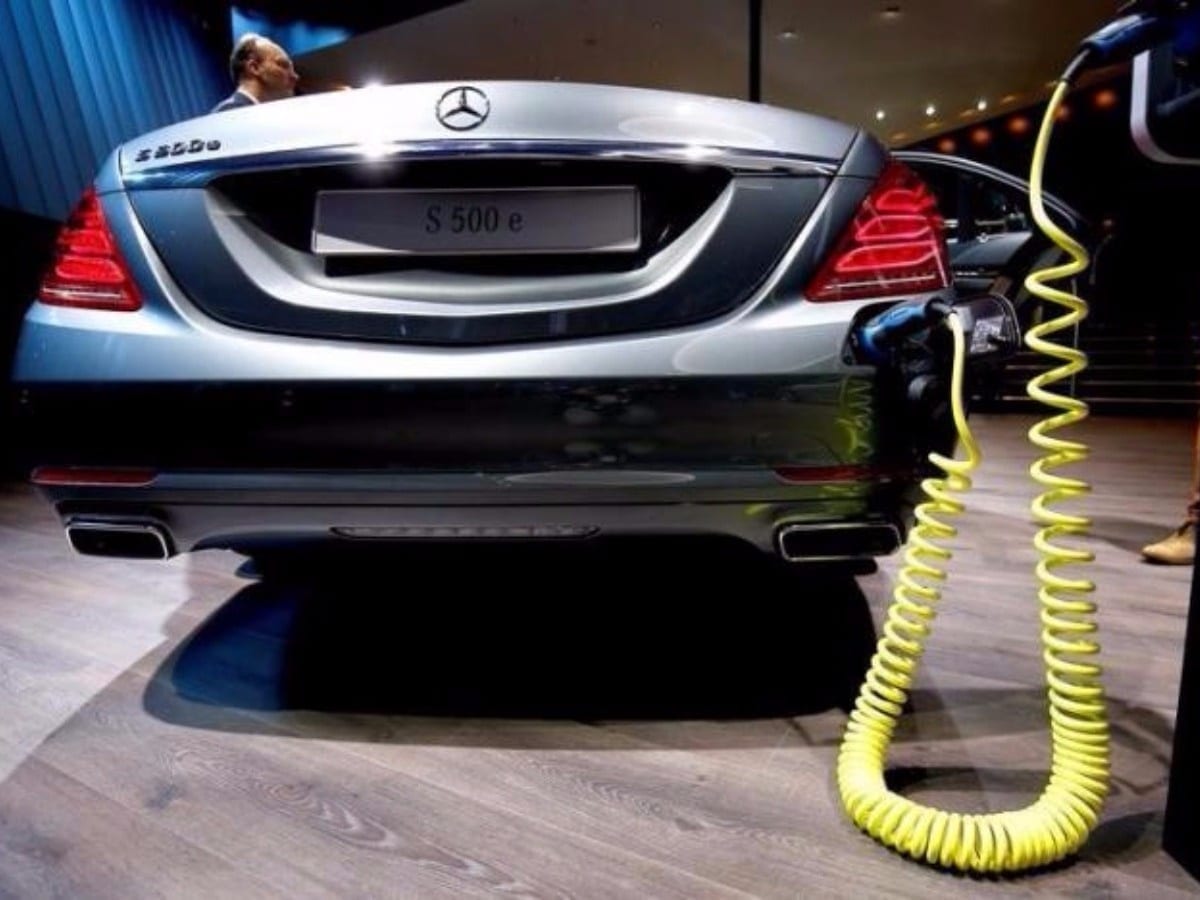
    German automaker Daimler AG said on Saturday it will recall 744,000 Mercedes-Benz vehicles in the United States from the 2001 through 2011 model years because the sunroof glass panel could detach and pose a hazard. The large recall covers more two dozen vehicles from C-Class, CLK-Class, CLS-Class and E-Class model lines. The automaker said the bonding between the glass panel and the sliding room frame might not meet specifications and could lead to sunroofs detaching.

    Owners who paid for repairs for the issue will be able to seek reimbursements from Daimler. A Mercedes-Benz USA spokesman said on Saturday he did not have a worldwide vehicle total for the recall.

    Dealers will inspect the glass panel bonding and replace the sliding roof if necessary, the company said.

    Last month, Mercedes-Benz USA agreed to a $20 million civil penalty over its handling of U.S. vehicle recalls after a year-long U.S. government investigation into 1.4 million recalled vehicles.

    Under the terms of the settlement, the automaker will pay $13 million and faces another $7 million fine if it does not comply with the agreement. The U.S. National Highway Traffic Safety Administration said the company failed to notify owners in a timely fashion in some recalls, did not submit all reports and did not launch at least two recalls in a timely fashion.

  • Volkswagen Starts Settlement Talks With German Consumer Groups Over Diesel Scandal

    Volkswagen Starts Settlement Talks With German Consumer Groups Over Diesel Scandal

    Volkswagen on Thursday said it was in talks to discuss a settlement with German vehicle owners who are suing the carmaker over excessive pollution caused by VW’s diesel cars. In 2015 the carmaker admitted to using manipulated engine management software to mask excessive pollution levels in its diesel cars, sparking a raft of prosecutions and lawsuits that have led to at least 30 billion euros in legal costs and fines.

    “Volkswagen and the Federation of German Consumer Organisations have agreed to enter into discussions regarding a possible settlement,” the carmaker said.

    “The discussions are at a very early stage, and there is no guarantee that they will result in a settlement. Both parties have agreed that the discussions should remain confidential.”

    German consumers have had less success than vehicle owners in the United States in securing compensation from VW because German cars did not lose their road worthiness certification in the wake of the diesel scandal.

    In Germany VW’s diesel vehicles retained their road worthiness certification if customers agreed to an update of vehicle engine management software, leading VW to take a different approach to compensate consumers.

  • 2020 Lamborghini Huracan Evo Rear-Wheel Drive Breaks Cover

    2020 Lamborghini Huracan Evo Rear-Wheel Drive Breaks Cover

    It’s hard to think about how can the Huracan be more engaging for the driver without losing control. Lamborghini seemed to have a similar thought very recently and has introduced an unfiltered, unadulterated version of the supercar with the new Huracan Evo rear-wheel drive. The new Lamborghini Huracan Evo RWD is the newest addition to the Huracan family and keeps that Italian bull only on its hind legs. Admittedly, the Huracan Evo RWD makes less power than the AWD version with the 5.2-litre naturally aspirated V10 belting out 594 bhp, about 29 horses less than the standard Huracan Evo. However, what it promises is a lot of sideways action.

    Essentially, the 2020 Lamborghini Huracan Evo RWD is the no-frills edition of the two-door coupe, which in Italian supercar speak means “more fun.” So, the car misses out on the front axle, the rear steering and gets a power cut. There are some nifty additions though that aim to make the driving experience more seamless and exhilarating. This includes the new P-TCS or Performance Traction Control System that is unique to the 2020 Huracan Evo RWD and lets you slide and skate during acceleration, according to the manufacturer. Lamborghini also says that P-TCS never cuts torque abruptly. Instead, it will feed extra torque before the car gets into a slide and then will back off more gently, in the Sport mode. The system will also allow the car to exit corners more quickly in the Corsa mode, lending more control to the driver.

    Compared to the older Huracan LP580-2, the new Huracan Evo RWD gets about 30 per cent oversteer, as per Lamborghini’s proprietary fun calculator. The car weighs 1389 kg, which is lighter than the AWD version and has a top speed of 3.3 seconds. Visually, the 2020 Lamborghini Huracan Evo RWD is difficult to distinguish from the standard versions but take a hard look and you’ll find a new front splitter and fins in the front intakes while a new diffuser is visible at the rear. The car also wears its own shade of yellow – Giallo Belenus but can be ordered in a plethora of colour and leather options to match your taste.