Category: E-Tailing

Retail News Asia is committed to providing both local and global retailers with the latest E-Commerce & Etail news throughout the Asian market. This on a daily base.

  • New post at Luxasia Group for SingPost’s ex-boss

    New post at Luxasia Group for SingPost’s ex-boss

    Beauty retailer The Luxasia Group has appointed former SingPost CEO Dr Wolfgang Baier as group CEO, while founder/owner Patrick Chong has become chairman.

    “Luxasia is now at an important crossroads,” says Chong. “We intend to grow with our international partners and strengthen our core competencies to become the leading Asia consumer-centric omnichannel go-to-market partner of the beauty industry.”

    Patrick-Chong-Wolfgang-Baier

    He says Baier has proven leadership capabilities, vast knowledge and skills in areas such as CRM and omnichannel retail. “His track record in the logistics sector will also help strengthen Luxasia’s partnerships.”

    “Transformation is relevant in every sector and particularly for retail, where the digital and physical space is converging,” says Baier. “This makes developing an omni-channel ecosystem critical. We want to revolutionise how we serve consumers and brand partners in the beauty industry across Asia.”

    Chong says the search for a CEO took more than a year, as it was important Luxasia found the right leader.

    “Not only does Wolfgang understand our operations and share the same aspirations, in some ways he is even more ambitious for Luxasia with regard to developing new areas.”

    Established in 1986, The Luxasia Group has developed retail and distribution networks across Asia for some of the world’s biggest beauty companies. Based in Singapore, the privately held company has 11 offices and more than 2000 full-time employees in Singapore, China, Hong Kong, India, Indonesia, Malaysia, Myanmar, Taiwan, Thailand, the Philippines and Vietnam.

    It manages a portfolio of more than 120 international fragrance, cosmetics, skincare and
    professional salon brands including Beiersdorf, Burberry, Clarins, Estee Lauder, Ferragamo, Hermes, P&G and Shiseido.

  • Baidu adopts Qlik Sense for self-service analytics

    Baidu adopts Qlik Sense for self-service analytics

    Baidu is Qlik Sense to improve its cloud services platform and provide an enhanced data analytics experience to its customers.

    Qlik Sense will be integrated into Baidu Palo to enable self-service visualization analytics on the Palo OLAP engine, giving Chinese enterprises the ability to achieve greater agility in aggregating data from various sources to make data driven business intelligence decisions.

    By incorporating Qlik into the Palo OLAP engine, Baidu aims to provide start-ups in China, especially those enterprises on Baidu Cloud, with greater support in driving data analytics among cloud or filed sources.

    “We are very excited to implement Qlik Sense into Palo OLAP to provide users in China with innovative self-service visual analytics,” said Yang Liu, General Manager, Baidu Open Cloud.

    “Qlik Sense has an open API and powerful features, and is suitable for enterprise level applications. The close cooperation and technical integration of the two companies has led to more powerful and flexible business intelligence solutions, which will greatly enhance the user experience.”

    “With the popularity of big data, cloud computing in BI, social networks, and mobile applications in China these past few years, integrating a powerful visual analytics solution into China’s largest search engine company will only lead to greater value for businesses,” said Toni Adams, senior vice president Partners and Alliances, Qlik.

    “Businesses of all sizes using Baidu’s Palo OLAP will now have the ability to take their analysis to a deeper level, leading to a better understanding of their business, as well as their customers.

  • China Jo-Jo Drugstores Reports Fiscal 2017 First Quarter Results

    China Jo-Jo Drugstores Reports Fiscal 2017 First Quarter Results

    China Jo-Jo Drugstores, Inc. (CJJD) yesterday announced financial results for its first fiscal quarter ended June 30, 2016.

    FY 2017 First Quarter Highlights:

    • Revenue was $20.9 million compared to $21.3 million a year ago
    • Gross profit increased 2.4% year-over-year to $4.5 million
    • Gross margin increased 90bps year-over-year to 21.4%, retail pharmacy gross margin increased 280 bps to 28.5% from a year ago
    • GAAP net income was $131,153 or $0.01 per diluted share compared to net income of $110,611 or $0.01 per diluted share a year ago
    • Adjusted net income was $754,000 or $0.04 per diluted share compared to adjusted net income of $277,481 or $0.02 per diluted share a year ago

    China Jo-Jo’s Chairman and CEO, Mr. Liu Lei commented, “Our results in the first quarter were temporarily impacted by lower pharmacy traffic due to preparation for the G20 summit in Hangzhou, and the unexpected disruption in the Yikatong referral business. We are proactively seeking referral arrangement with alternative providers of Pharmacy Benefit Management. We remain focused on increasing our gross margin and expanding the online and offline integration of our wellness offerings.”

    Net revenues for the quarter were $20.9 million compared to $21.3 million in the same quarter a year ago, a decrease of $375, 377 or 1.8%. Retail drugstores sales were $12.7 million and increased 4.4% compared to the prior year period. The Company continues to launch in-pharmacy virtual doctor clinics, provide access to mobile payment and implement other operational strategies to promote same store growth. The pharmacy store count increased to 61 as of June 30, 2016, compared to 59 stores a year ago.

    Online pharmacy sales for the quarter were $5.1 million compared to $6.0 million in the same quarter a year ago, a decrease of $894,689 or 15.0%. The decrease was mainly due to the decline in referral transactions from Yikatong on the Company’s own online pharmacy website. Excluding the RMB depreciation, sales via e-commerce platforms increased by 6.0% year over year. The Company is proactively seeking referral arrangements with alternative providers of Pharmacy Benefit Management.

    Net income was $131,153 or $0.01 per diluted share compared to last year’s first quarter net income of $110,611 or $0.01 per diluted share.

    Adjusted net income was $754,000 or $0.04 per diluted share compared to last year’s first quarter adjusted net income of $277,481 million or $0.02 per diluted share.

  • Alibaba revenue grows 59% in June quarter

    Alibaba revenue grows 59% in June quarter

    The Alibaba Group reported a 59% revenue growth (reaching $4.84 billion) for the quarter ended June 30.

    Revenue from its China retail marketplaces ($3.51 million), including Taobao and TMall, also rose 49% from a year earlier.

    It is, however, in the area of mobile that the e-commerce giant had made huge strides.

    Alibaba Group’s Chief Financial Officer Maggie Wu reported that mobile monetization – the commission the group charges for each transaction –  reached 2.80% this quarter, surpassing the non-mobile monetization rate for the first time since the company commenced mobile monetization in the fourth quarter of 2013.

    Mobile monthly active users (MAUs) on the China retail marketplaces also grew to 427 million in the month ended June 30, compared to 410 million in the month ended March 31. This represents a net addition of 17 million MAUs in the quarter and a 39% increase from 307 million a year earlier.

    The company attributes its strong growth in mobile users to the increased adoption of mobile devices by consumers as the primary method of accessing its platforms. Daily and monthly active users ratio of the Taobao App, for example, was 40% in June 2016.

    Joe Tsai, co-founder and vice chairman of Alibaba Group, said during the earnings conference call, that the company overall growth was unprecedented since Alibaba became a public company.

    He noted the tremendous value proposition of the e-commerce platform with 434 million highly engaged customers in China that even its China retail marketplaces have done well against the backdrop of economic headwinds and reduced expectations from the industry.

    He said features that focus on community, sharing,  originality, immediacy, and data-driven customization are capturing the imagination of today’s generation of young consumers. Around 75% of users on the Taobao app, for example, are below 35 years of age.

    “Taobao has fully evolved from a transactional platform to a social commerce platform driven by China millennials,” said Daniel Zhang, Chief Executive Officer of Alibaba Group. “Mobile Taobao enjoyed daily active users (DAU) versus MAU ratio of 40% in June, which points to a high degree of stickiness among our mobile user base.”

  • Kantar Worldpanel partners with Facebook to expand advertising measurement service

    Kantar Worldpanel partners with Facebook to expand advertising measurement service

    Kantar Worldpanel has formed a global partnership with Facebook that brings Facebook mobile ad exposure data into Kantar Worldpanel’s Consumer Mix Model (CMM) service.  In Asia, the service has launched in South Korea, Taiwan, Thailand, Philippines, and Vietnam, and will soon be available in Indonesia and Malaysia as well.

    The enhanced CMM tool combines Facebook’s mobile ad exposure data (in addition to desktop) with Kantar Worldpanel’s continuous consumer packaged goods (CPG) purchase data to provide brands with an accurate assessment of the effectiveness of their cross-media advertising campaigns. 

    The advertising landscape has witnessed rapid change in recent years as brands increasingly turn to digital formats.  In April Facebook announced that its advertising revenue had grown by 57 percent to $5.2 billion in the first quarter of 2016 alone, with advertisers drawn to its increasingly large user base. 

    The tool allows brands and advertisers to understand the real impact of individual advertising campaigns on actual sales and the contribution Facebook and other media have on their return on investment.  This in turn will help them to optimise their media planning and ultimately improve the efficiency of their media investment.

    Josep Montserrat, chief executive of Kantar Worldpanel, commented: “The partnership allows our experts to build a solid understanding of how advertising works and the role that Facebook plays in a wider campaign context.  Working with Facebook will allow us to inspire even better decisions to optimise advertising budgets and maximise advertisers’ return on investment.”

    Marcy Kou, chief executive of Kantar Worldpanel Asia, said: “It brings tremendous potential for advertisers on Facebook as the number of smartphone users continues to grow in Asia Pacific. Retail ecommerce in this region is going stronger than the rest of the world, and is still considered the “it” market. Yet there hasn’t been a reliable method to measure the effectiveness of mobile ads, and with this partnership, we will finally be able to.”

    Patrick Harris, director of Global Agency Development at Facebook, said: “We believe that strong partnerships with our agency partners are key to providing advertisers with the tools they need to measure true business value on Facebook.  We are excited to help inform Kantar Worldpanel’s Consumer Mix Model solution by bringing in our mobile ad exposure data in a privacy-safe way.”

    Kantar Worldpanel’s continuous CPG purchase panels are already widely used by the advertising community worldwide to understand the effect of cross-media advertising.  Its measures take into account in-store promotions and consumer loyalty to determine the full picture behind consumer purchase behaviour. 

    This partnership with Facebook is part of a wider alliance between WPP and Facebook to activate WPP’s data proprietary assets within Facebook, which was announced in April 2015.

  • Alibaba sales soar on international expansion

    Alibaba sales soar on international expansion

    Alibaba sales have soared in the first quarter of its new fiscal year, with overall revenue growth pushing even higher than last quarter’s stellar result.

    Streaming entertainment and cloud computing boosted the business, driving revenue up 59 per cent in the June quarter to 32.15 billion yuan (US$4.8 billion).

    In a contrast to the last reporting period, it is international that has shown the most growth, with revenues rising by 123 per cent. Although this figure is aided by the consolidation of the Lazada business, it is also the result of some good numbers from AliExpress.

    That said, China retail remains the largest part of the group, accounting for just over 73 per cent of revenues. Here performance was strong, with revenues rising by 49 per cent – partly thanks to a combination of the addition of 11 million more active buyers and higher average transaction values over the prior quarter. A sharp increase in marketing spend by those brands and merchants using Alibaba’s various sites also made a significant contribution to the hike in revenues.

    Alibaba’s role as a facilitator for Western brands wanting to sell into China continues to be the company’s main commercial advantage. Its ability to work closely with those merchants to improve performance will benefit the revenue streams of both parties, as well as creating a more attractive and compelling offer for consumers.

    Despite its success at home, Alibaba has struggled to gain traction in already established markets like the US. While this was once a stated ambition, and perhaps remains a long term goal, it is off the agenda for the short term. This is the correct strategy: chasing lower margin, profit eroding international gains for the sake of vanity makes little sense.

    That said, this does not mean that Alibaba’s international ambitions are entirely on hold – as the latest results show. Tactically, Alibaba has decided to focus on high growth markets where commerce is more embryonic. The acquisition of a controlling interest in Lazada, the Southeast Asian eCommerce group, is testament to this.

    While Lazada has grown into a sizeable business, it has a number of challenges including on the delivery, payment and fulfilment front, where it has struggled to optimise the offering. Alibaba, through its expertise and financial muscle, should be able to remedy this. It will also, over the medium term, strengthen the international brands available making the site more compelling and interesting for shoppers.

    The Lazada model represents the approach Alibaba is likely to take to international growth and expansion, and this will yield good long term results.

    With both international and domestic sales forging ahead, and with new areas like cloud computing making a better contribution, Alibaba is firmly on an upward trajectory.

  • China’s Alibaba Q1 revenue leaps 59%, best since IPO

    China’s Alibaba Q1 revenue leaps 59%, best since IPO

    Chinese e-commerce giant Alibaba saw revenues leap 59 percent year-on-year for the quarter ended in June, it said Thursday, its strongest growth since it listed on the New York Stock Exchange in 2014.

    Revenue for the company, seen as a proxy for China’s increasingly crucial consumer sector, reached 32.15 billion yuan ($4.83 billion) in the June quarter, it said in a statement.

    Alibaba is China’s dominant player in online commerce, with its Taobao platform estimated to hold more than 90 percent of the consumer-to-consumer market, and its Tmall platform is believed to have over half of business-to-consumer transactions.

    But according to the company net income plunged 77 percent year-on-year to $1.08 billion in the quarter, the first of its financial year.

    Still, Alibaba’s chief financial officer Maggie Wu described the results as “excellent”.

    “The 59 percent revenue growth for the company overall and the 49 percent revenue growth of our China retail marketplaces represent the highest growth rates we’ve achieved since our IPO,” she said in the statement.

    The company’s gross merchandise volume (GMV) — a measure of value for online sales — rose 24 percent year-on-year to $126 billion in the June quarter, the statement said, matching the growth of the previous three months.

    The company, often compared to eBay or Amazon of the United States, has expanded outside its core e-commerce business, in sectors ranging from sports to entertainment.

    “Our results show the scale and leverage of our ecosystem, as we strengthen our competitive positions in core commerce, cloud computing and digital media and entertainment,” Alibaba chief executive officer Daniel Zhang said in the statement.

  • Facebook moves to circumvent ad blockers

    Facebook moves to circumvent ad blockers

    Facebook is looking to stop playing ball with ad blockers.

    On Tuesday, Facebook tweaked its desktop website in a way that renders traditional ad blocking useless. The company redesigned its ad formats to improve ad performance and expanded its controls so that users get to see those ads that are relevant.

    In addition, Facebook noted that its desktop users using ad blocking software will now be able to see ads nonetheless. It can do this because the ads are housed in the company’s own ecosystem.

    According to the Facebook’s blog, the social media giant has “introduced tools to help people control their experience, improved how we decide which ads to show and created new ad formats that complement, rather than detract from, people’s experience online.”

    Facebook claims that ads can be useful in finding new products and experiences, but that the way ads are being served is the main problem. The company argues that many users are installing ad blockers to avoid disruptive, slow-loading and irrelevant ads.

    Facebook also noted that some ad blocking vendors are accepting money to unblock specific ads. As such, the company feels that it goes against its company ethos of keeping its services free and using ads to support journalism.

    It’s a bold move by Facebook and obviously aimed at protecting its own revenue base – which is largely ad based. It may only be a matter of time for other social media and internet platforms to follow and find other ways around ad blocking software in the name of good user experience.

    So Facebook has made its move; now, it is up to users who are fed up with online ads to react.

  • Topmot Vietnam receives seed funding

    Topmot Vietnam receives seed funding

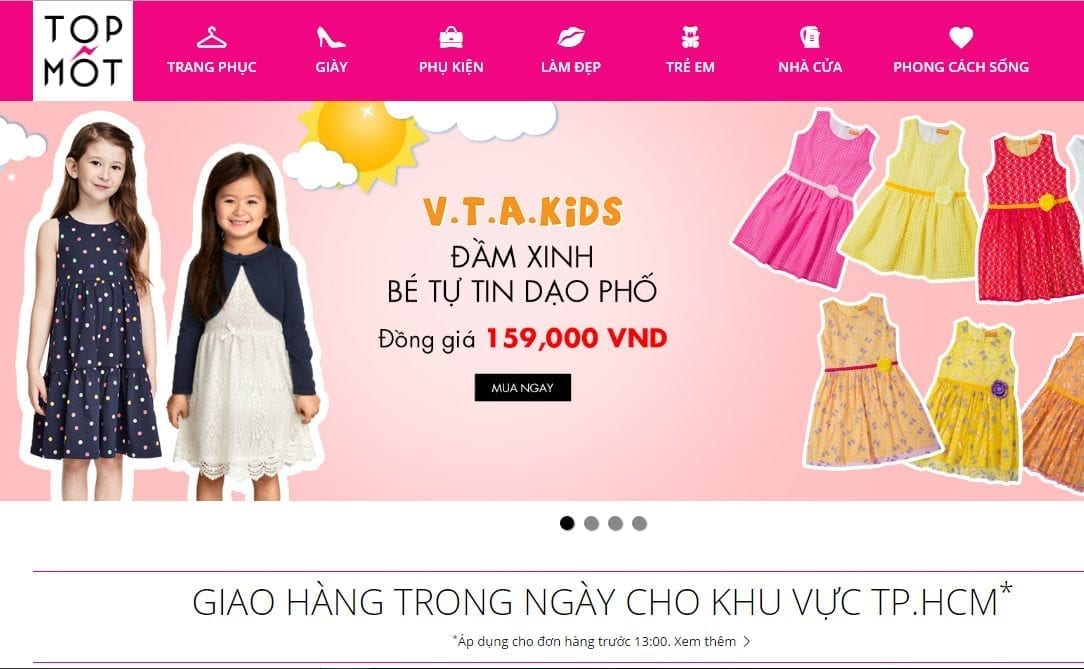
    Right after the closure of its sibling eCommerce model Lingo, Topmot Vietnam has received US$1 million from investors in Asia, Europe and the US.

    The funding proves that despite many online failures in Vietnam to date, there is still interest in eCommerce startups.

    “Ecommerce in Vietnam is indeed not easy, specifically for B2C businesses that require a sizable up-front investment to be able to process and fulfill orders in a professional manner,” CEO Erik Jonsson said.

    Topmot Vietnam has launched an iOS application to help it expand to farther areas besides Hanoi and Ho Chi Minh City. There are still opportunities in Vietnam market where people prefer to pay in cash and the logistics network remains immature.

    “eCommerce in Vietnam is not a sprint, it’s a marathon, and we have to be disciplined and focussed in each step of the way,” Jonsson added.

    Jonsson, a former Zalora CEO, and deputy CEO of VinGroup’s eCommerce, founded Topmot Vietnam in late 2015. Topmot’s model is different to conventional eCommerce sites, focused on flash sales and aiming to help suppliers clear excess and end-of-season inventories.

    The site has built a strong customer network in second-tier cities like Can Tho, Vung Tau, Da Nang and Hai Phong, attracted by high discounts.

    With 40 campaigns a week, starting at 10am everyday and lasting for five days, Topmot usually sells out of its products only a few hours after launch. Fastest-selling products come from international brands such as Shiseido, Converse, Puma and Pedro, as well as local brands such as Gosto, Kujean and Bitis.

    While the defunct Lingo site’s business largely came from shoppers using desktop or laptop computers, Topmot’s traffic from mobile devices has increased 70 per cent since its launch last year.

  • South Korean e-commerce site ‘Ticket Monster’ starts luxury car sales

    South Korean e-commerce site ‘Ticket Monster’ starts luxury car sales

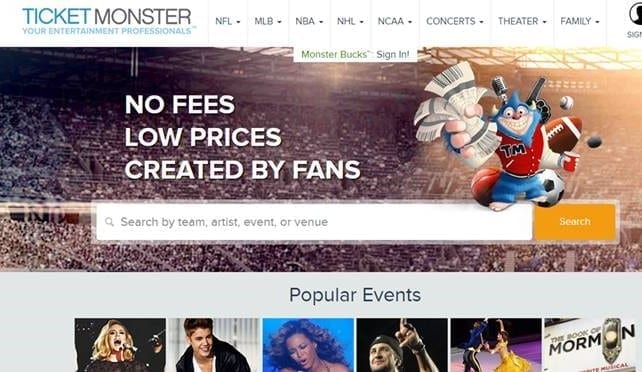
    South Korea’s major e-commerce site, Ticket Monster on Monday said it has started sales of British luxury car brand Jaguar. Ticket Monster put on sales of 20 Jaguar XE Portfolios and R-Sports on Monday morning, marking them down 7 million won (US$6,317) from the regular retail prices to 48.1 million won and 46 million won, respectively. The two models were sold out in three hours, the company said.

    Ticket Monster said it could sell all of the vehicles on the first day because it offered the best available price and even promised a refund if it was not the cheapest.

    “Although new cars have been sold by overseas online shopping malls, it is the first time that a Korean e-commerce site sells new cars online,” a company official said. Consumers made a one-time payment on the website and will take over the vehicles from designated dealers or visit dealer shops, officials said. Ticket Monster said the latest move was aimed at changing customers’ expectations and leading the new trend in the highly competitive market.

    “The sales of imported cars is part of Ticket Monster’s efforts to change the retail paradigm,” Ha Sung-won, the chief operating officer of Ticket Monster, said.

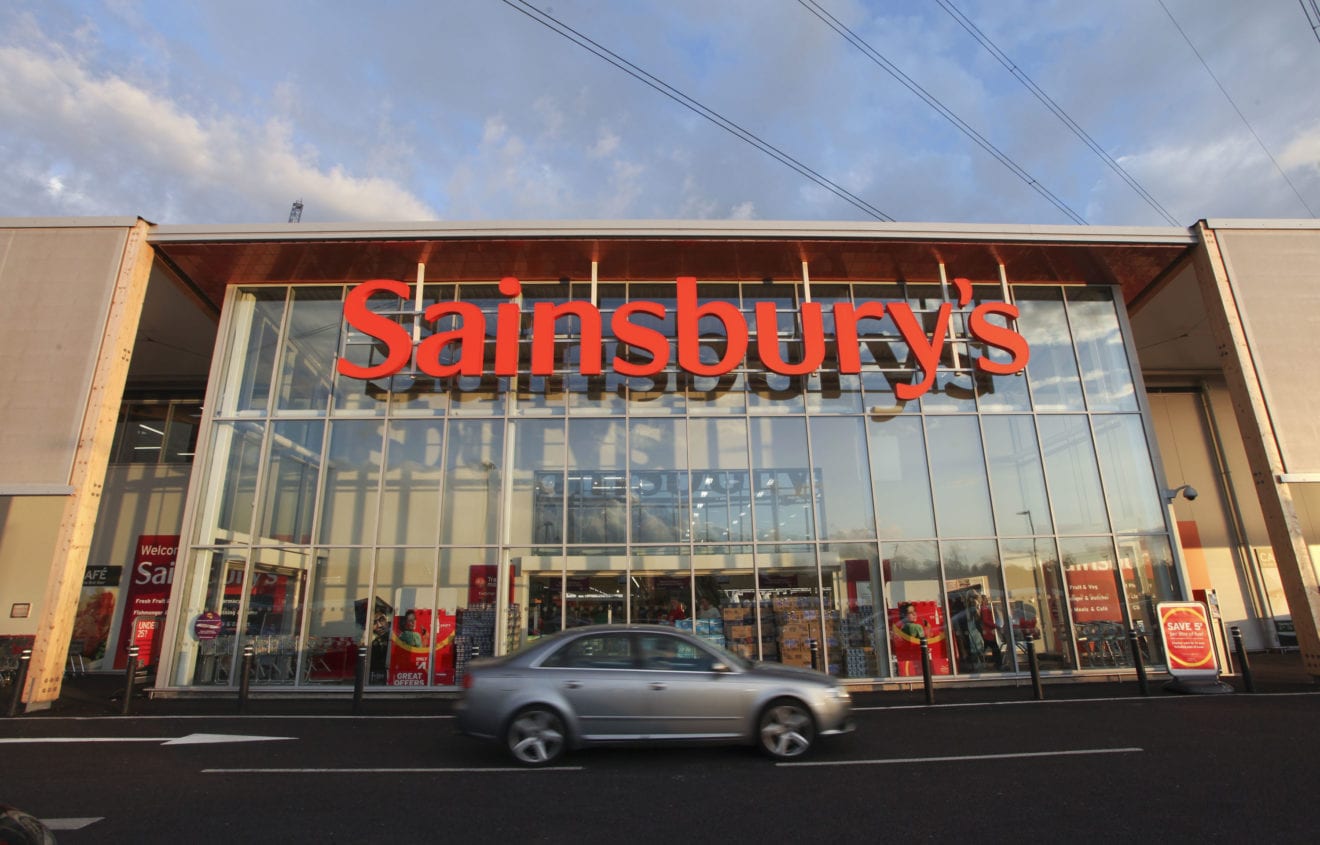
  • Sainsbury’s taps into China’s love of British products through Tmall

    Sainsbury’s taps into China’s love of British products through Tmall

    The move comes after the British retailer trialled the web marketplace for less than a year and claimed the test was a success. It will now sell over 100 own-label products across four categories—British breakfast, drinks, organic and baby—on Tmall, and has plans to add further ranges later this year.

    With online Chinese sales dominated by key promotional sales events, Sainsbury’s was the only international retailer to be given a “Super Brand Day” on Tmall during the annual 8.8 Tmall Global Shopping Festival on August 8.

    “Many customers want to replicate tastes and occasions that they have enjoyed or heard about through international travel. Products to make a British breakfast and English afternoon tea have therefore proved hits,” said John Rogers, chief financial officer of Sainsbury’s,

    Rogers added that granola, tea, shortbread and UHT milk have been among the sales channel’s top-selling lines to date.

    “Our trial with Tmall has enabled us to learn a lot about China’s huge digital market, including the importance of sales events such as Singles’ Day and 8.8,” he added..

    “Alibaba’s expertise in the rapidly growing Chinese digital consumer market will be a huge asset to us as we grow and develop our business in China.”

    Amee Chande, Alibaba’s managing director in Britain and Ireland, said that a famous British brand like Sainsbury’s was “a key addition to our ecosystem” as it built brand awareness, directly engaged a new audience and met the evolving food demands of Chinese consumers.

    “Our collaboration is introducing the large and growing Chinese consumer class to a new range of products to enhance their daily lives,” said Chande.


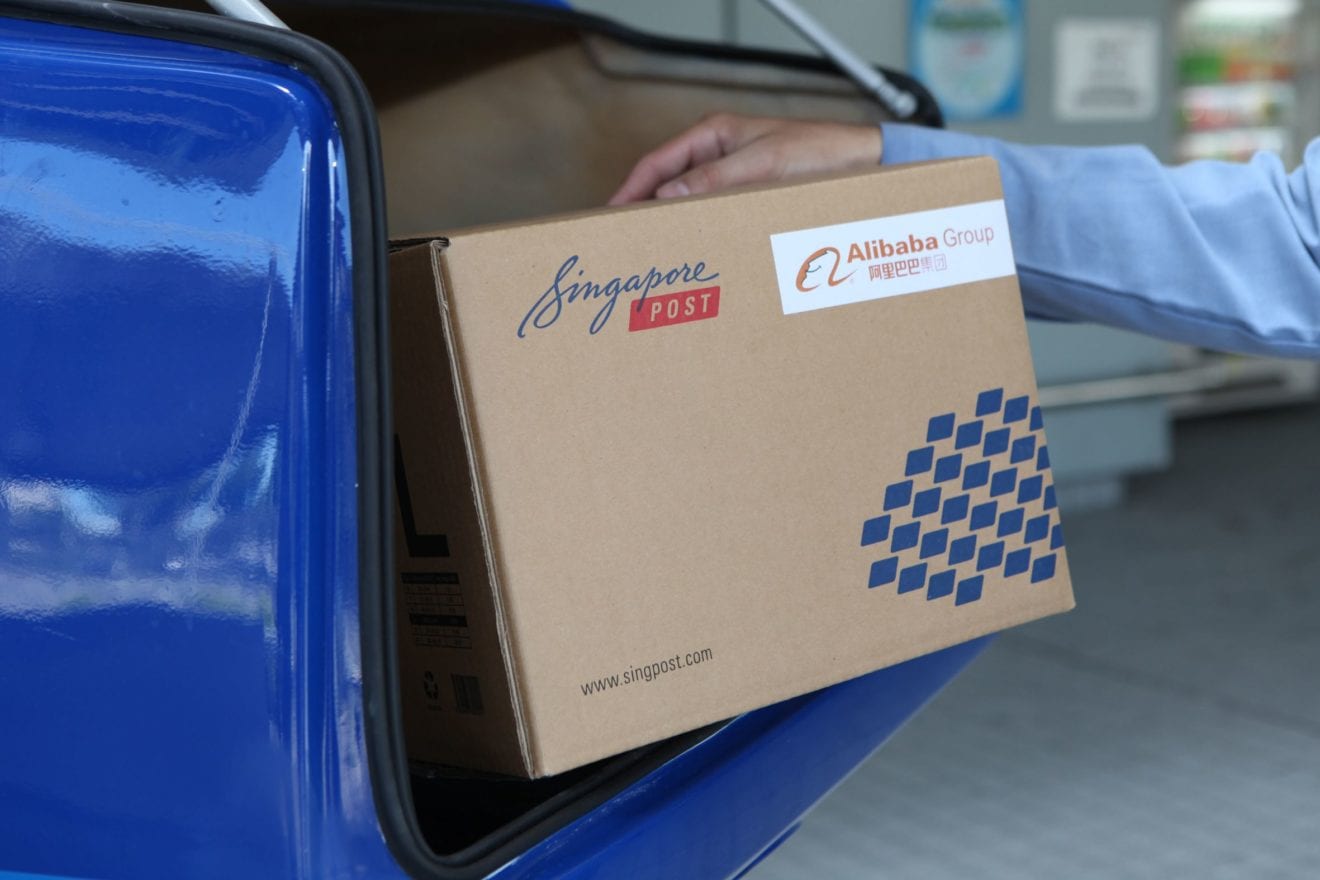
  • SingPost eCommerce growth, investment shape results

    SingPost eCommerce growth, investment shape results

    SingPost eCommerce delivered soaring sales growth – and expenses – in the last quarter.

    Revenue in the three months to June 30 grew a robust 30.9 per cent to S$333.4 million, buoyed by continued expansion of cross-border eCommerce-related activities, and the inclusion of contributions from new subsidiaries.

    But net profit attributable to equity holders declined 23.0 per cent to $35.9 million, due largely to one-off gains from the divestments of Novation Solutions and DataPost HK in the corresponding period last year. Underlying net profit, which excludes one-off items, was down 11.2 per cent, due to investments in business transformation.

    Interim group CEO Mervyn Lim said the company continued to invest in its business transformation and that will take time to contribute materially to earnings.

    “We are focused on executing our strategy to create value from our acquisitions and build an integrated global eCommerce logistics ecosystem. SingPost’s strategy to protect the postal core and grow its eCommerce logistics network remains on track.”

    eCommerce-related revenues from across the postal, logistics and eCommerce segments more than doubled from $73.1 million to $164.1 million and now make up 49.3 per cent of group revenue – up from 28.7 per cent last year.

    “The sharp increase reflects continued expansion in cross-border eCommerce-related activities across the group, as well as the inclusion of new US subsidiaries TradeGlobal and Jagged Peak,” the company reported.

    “Correspondingly, overseas revenues rose to make up 50.2 per cent of group revenue, up from 37.8 per cent last year. Increased cross-border eCommerce-related activities led postal revenues to a 1.5 per cent rise, despite the deconsolidation of subsidiaries divested during the previous financial year.

    International mail revenue was up 30.3 per cent to $65.5 million, while domestic mail revenue declined 4.3 per cent to $64.0 million due to lower volumes.

    Logistics revenue rose 11.9 per cent to $156.7 million, with steady organic growth at Quantium Solutions and CouriersPlease, as well as the inclusion of a new subsidiary under Famous Holdings.

    Revenue growth for the eCommerce segment was due mainly to the consolidation of new US subsidiaries, TradeGlobal from November 2015 and Jagged Peak from March 2016.

    Operating losses from the segment increased from $1.9 million to $3.5 million as contributions from the newly acquired US subsidiaries were offset by continued investments in eCommerce IT and operational capabilities, as well as marketing and sales efforts in the US to build scale. Beyond these direct contributions, the eCommerce segment was an important driver of warehousing, freight, last mile delivery and customer care services for the logistics segment.

    Rental and property-related income decreased 8.6 per cent to $9.7 million due to the loss of retail rental income from the redevelopment of SPC retail mall, which is due for completion by mid-2017.

  • Carousell raises $35m for expansion

    Carousell raises $35m for expansion

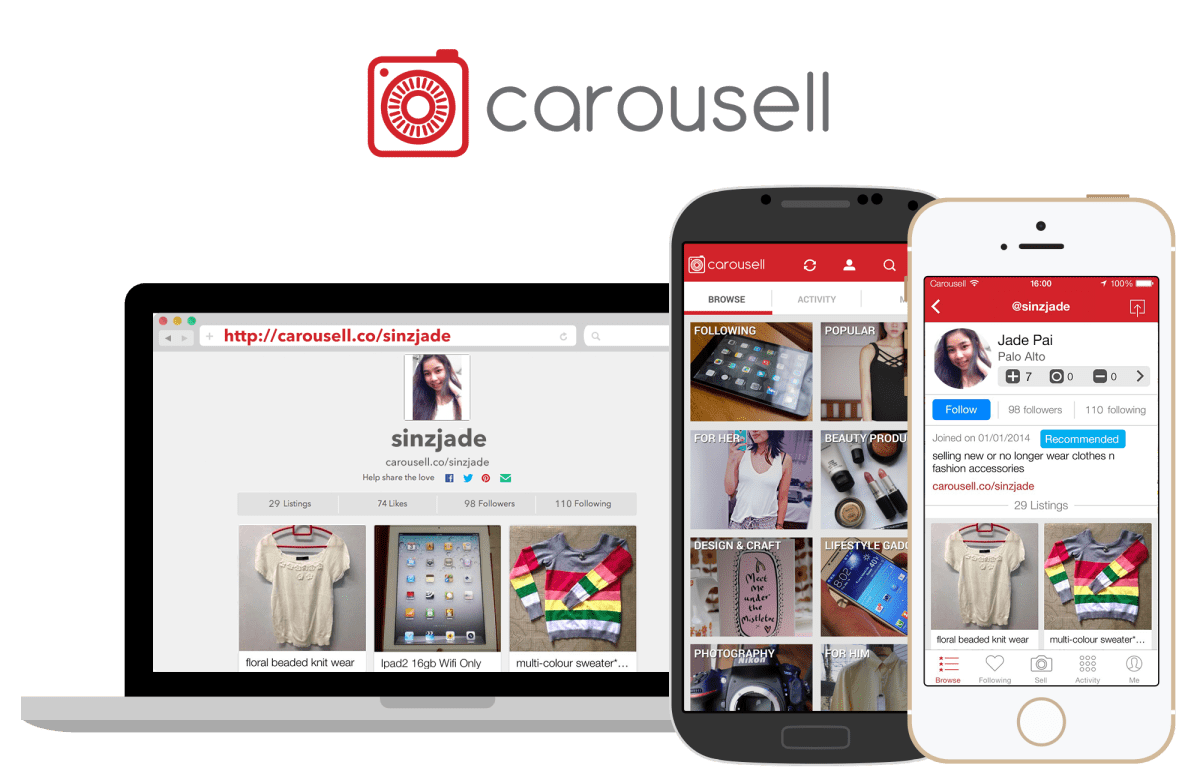
    Singapore-based online marketplace Carousell has raised US$35 million in a funding round led by Rakuten Ventures.

    Other investors in the Series B funding round included Golden Gate Ventures, Sequoia India and 500 Startups.

    Founded in 2012, the Carousell app lets people buy and sell a variety of items including beauty products, fashion, lifestyle gadgets, furniture and home appliances. Sellers upload photos of items they wish to sell while buyers use the chat function to buy.

    Carousell will use the new funds to speed its growth into new markets, strengthen its product and engineering capabilities and build a “world-class” team, says co-founder/CEO Quek Siu Rui. The company has just hired former AirBNB Southeast Asia MD Chai Jia Jih to oversee its international expansion.

    So far Carousell has raised about $41.8 million, and is available in 13 major Asian cities including Jakarta, Kuala Lumpur, Singapore, Taipei and, most recently, Hong Kong.

    Its marketplace had more than 35 million listings globally as of the second quarter this year, with Quek claiming it has gathers 70 listings a minute.

    To stand out from its competition, Carousell puts emphasis on speed. Quek says it takes as little as 30 seconds to post a listing on the marketplace, and users can communicate within the app, eliminating the need for messaging apps or emails.

  • Fortumo brings direct carrier billing to Indonesia

    Fortumo brings direct carrier billing to Indonesia

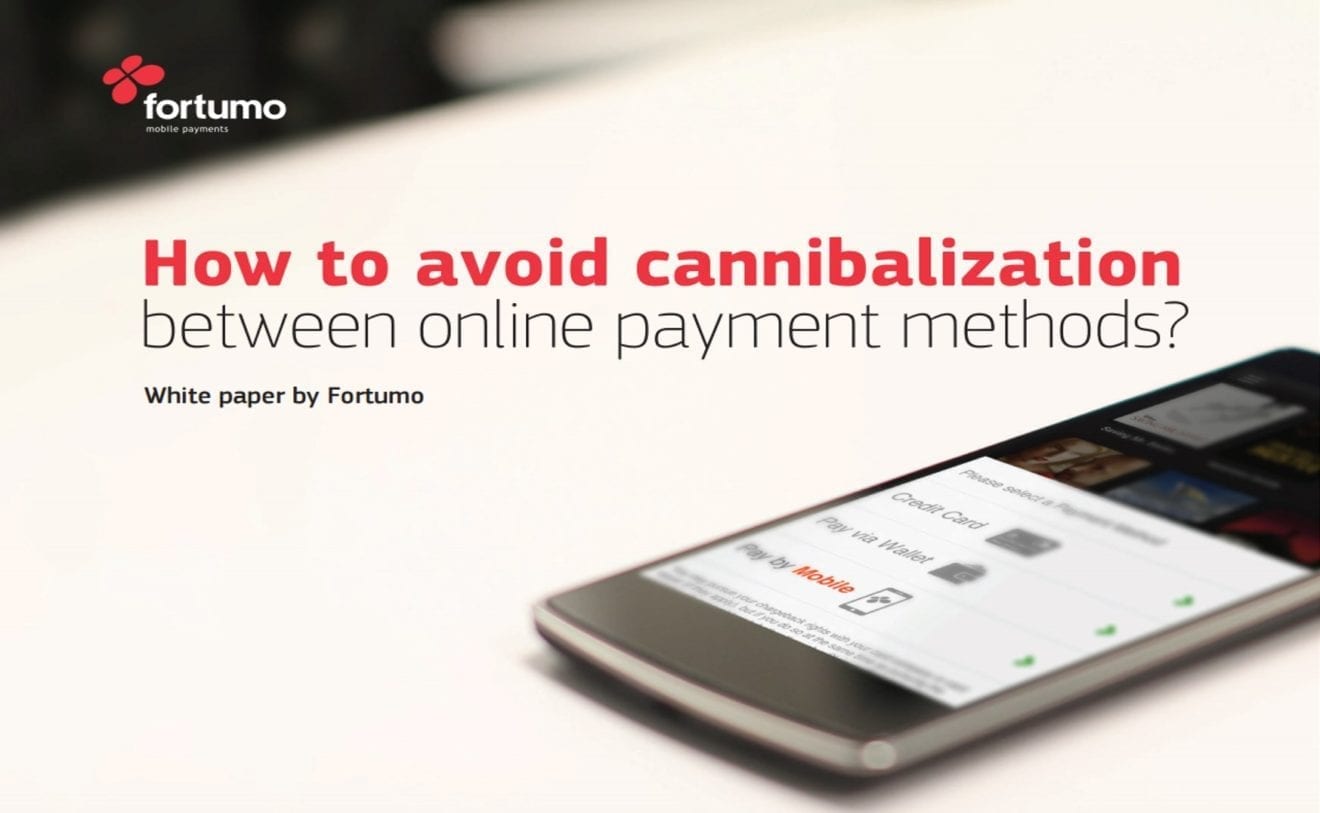
    Fortumo and Indonesia’s leading digital telco, Indosat Ooredoo, today announced the launch of direct carrier billing. The partnership will enable 69.8 million Indosat Ooredoo subscribers to make online payments by charging purchases to their mobile account without the need to use a credit card.

    “We are pleased to build this strategic collaboration with Fortumo, one that will bring more benefits to Indosat Ooredoo customers and allow transactions at a wider network of merchants. We look forward to continuing to provide innovation that brings more value to our customers as part of our goal to become a leading digital telco,” said Prashant Gokarn, chief of new business and innovation at Indosat Ooredoo.

    Fortumo’s direct carrier billing platform is used by leading app stores (Google Play, Windows Phone Store), digital media companies (Sony, HOOQ, Gaana) and gaming companies (EA Mobile, Gameloft, Kinguin, Rovio). To enable global carrier billing for these merchants, Fortumo has partnered with more than 350 mobile operators across the world.

    “Connecting with Fortumo gives mobile operators immediate access to additional revenue from all the segments of the digital industry. We are excited to partner with Indosat Ooredoo on carrier billing and look forward to growing revenue from carrier billing, the payment method with the widest coverage in Indonesia,” said Siddharth Sahi, vice president of business development and carrier relations at Fortumo.

  • Alodokter closes $2.5m round led by Golden Gate Ventures

    Alodokter closes $2.5m round led by Golden Gate Ventures

    All three are returning investors, having participated in its seed round in April 2015. Daniel Stan, former VP of Lazada Indonesia and head of its online marketing department, has been recruited to lead its international expansion.

    Founded by CEO Nathaniel Faibis in April 2014, Alodokter plans to use the proceeds from the investment to expand its business operations across Southeast Asia. Its current business model sees it generate revenue from premium advertising due to its work with health-related brands.

    “We see a strong trend among patients in South-East Asian towards digital health. They are looking more and more for health information online before and after going to the doctor and also for prevention purposes. We firmly believe that providing reliable and easy-to-understand health information helps families take better decisions about their health,” Fabias said.

    Alodokter released a mobile app in March 2016, to complement a news portal discussing healthcare and wellness matters. The mobile app allows users to connect with and discuss their medical issues with a general practitioner (GP), reportedly combining artificial intelligence (AI) with real-time doctor-patient interaction.

    It claims that its news portal has grown from one million to eight million unique monthly visitors since closing its seed investment.

    Elaborating on their competitive edge, Faibis explained the focus on reliable health information being “in the DNA of the company” and a main focus contributing to its brand strength and credibility as a platform.