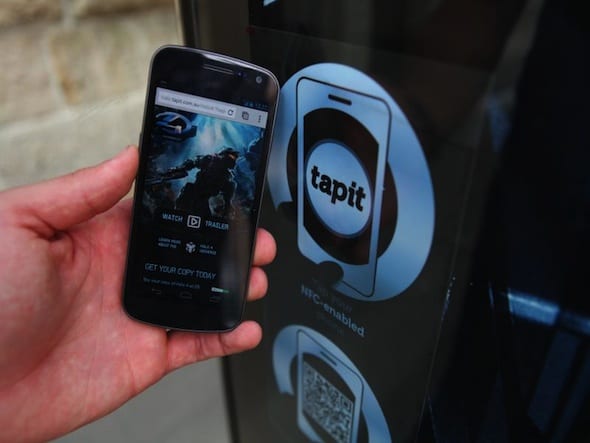
Smartphone shipments to Indonesia will grow 20 percent during 2015 and will give a boost to the country’s ecommerce industry, according to a new forecast from research firm IDC. Some 24.8 million smartphones were shipped in 2014.
Category: E-Tailing
Retail News Asia is committed to providing both local and global retailers with the latest E-Commerce & Etail news throughout the Asian market. This on a daily base.
-

China’s commerce regulator meets Alibaba’s Ma Yun
The head of China’s commerce regulator met with Alibaba’s chairman Ma Yun on Friday to exchange opinions on joint efforts to fight fake products.
During the meeting, Zhang Mao, minister of the State Administration for Industry and Commerce (SAIC), reaffirmed Alibaba’s positive efforts in safeguarding consumer rights, purifying the business environment and promoting self-discipline.
Meanwhile, there are currently some problems haunting online shopping platforms, Zhang said, adding that the SAIC should find new ways of supervision and set up a mechanism for communication and interaction in an effort to promote the healthy growth of internet economy.
-

Renminbi breaks into top 5 world payments currency, says SWIFT
The Chinese yuan (renminbi) overtook the Canadian and Australian dollar as a global payments currency in November 2014, and now takes position behind the Japanese Yen, British pound, Euro and US dollar, data from SWIFT shows.
Brussels, 28 January 2015 – After nearly one year firmly positioned at #7, the Renminbi (“RMB”) has entered the top five of world payment currencies since November 2014, overtaking both the Canadian Dollar and the Australian Dollar by value.
Just two years ago, in January 2013, the renminbi was ranked at position #13 with a share of 0.63 percent. In December 2014, it reached a record high share of 2.17 percent in global payments by value and now trails the Japanese Yen which has a share of 2.69 percent.
“The rise of various offshore renminbi clearing centres around the world, including eight new agreements signed with the People’s Bank of China in 2014, was an important driver fuelling this growth,” said Wim Raymaekers, Head of Banking Markets at SWIFT.
Overall, global renminbi payments increased in value by 20.3 percent in December 2014, while the growth for payments across all currencies was 14.9 percent. It has been showing a consistent three digit growth over the past two years with an increase in value of payments by +321 percent.
Over the last year, renminbi payments grew in value by 102 percent compared to an overall yearly growth for all currencies of 4.4 percent.
SWIFT is a member-owned cooperative that provides the communications platform, products and services to connect more than 10,800 banking organisations, securities institutions and corporate customers in over 200 countries and territories.
-

Google shopping fest debuts in Singapore
Google is expanding its Great Online Shopping Festival from India to Singapore, from today through Wednesday.
The online event, loosely modelled on the famous US Cyber Monday, allows global apparel brands such as adidas and Uniqlo and travel retailers like Agoda, Hotels.com and Airbnb to make the most of Singapore’s high penetration of broadband internet.
Just like Cyber Monday or Singles Day in China, the Google project encourages companies to offer discounts for products and services ahead of the retail-friendly Chinese New Year, later in the month.
Google launched Cyber Monday in India in 2012, teaming up with well known fashion brands. It has grown year by year and the US based company “would love to do this everywhere” according to Singapore country manager Joanna Flint, who denied there are concrete plans for that just yet.
The deals went live today, February 2, although previews of the promotions have been online for several days.
-
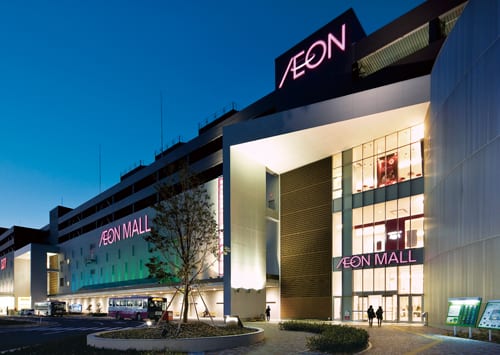
Aeon teams with two Vietnamese major retailers, to have 200 stores across the country
Japanese retail giant Aeon Co. said on Tuesday that it has reached an agreement on a business tie-up with two of Vietnam’s major retailers Fivimart Co. and Citimart Co. in a bid to develop supermarket business in Vietnam.
Fivimart Co. is the largest supermarket company in Hanoi, operating 20 stores in the capital city. Citimart Co. is the largest supermarket operator in southern Vietnam, operating 27 stores mainly in Ho Chi Minh City, the largest city in the region.
Aeon Co. has been promoting a “Shift to Asian Markets” strategy, working together with the group companies in China and countries of the ASEAN region. It’s one of the group’s strategies under its medium-term management plan.
In Vietnam, the company launched Aeon Financial Service Co. in 2008 which made it the first Japanese company to engage in instalment sales in the country. Two years later, Ministop launched its CVS convenience store business in 2011. In January 2014, Aeon opened its first shopping mall in Vietnam, Aeon Mall Tan Phu Celadon, in Ho Chi Minh City, becoming one of the country’s largest shopping mall. This was followed by the second mall, the Aeon Mall Binh Duong Canary, opened in Binh Duong province in November 2014. With the plan to open its third mall in Hanoi this year and other proactive initiatives ahead, Aeon continue to broaden its business in the country.
“Toward the launch of the ASEAN Economic Community planned at the end of 2015, the ASEAN countries began integrating and further economic growth is expected in the area. Vietnam, in particular is making prominent growth in its market, backed by a population in excess of 90 million and a high economic growth rate that has contributed to an expanding middle class,” the company said in a statement on Tuesday.
“In order to achieve rapid growth in Vietnamese market as such, we believe the partnerships with Fivimart Co. and Citimart Co.; the companies with strong business foundations in two of the largest cities in north and south of the country as well as knowledge about the varying regionally oriented customer needs, are of great significance,” it added.
Aeon sees Vietnam as its second most important market in Southeast Asia after Malaysia and plans to have 200 stores across the country eventually and to grow sales to JPY100 billion (USD848 million), according to The Japan Times Online.
-

Singapore online discounter launches
Singapore’s newest eCommerce player SavingMart.sg believes it will complement existing online merchants.
SavingMart.sg will offer value-conscious shoppers access to coupons and deals from the growing list of existing online businesses.
“Whether the goal is to prove savvy fashionistas can surely find their favorite products in Singapore or to shatter the misconception that there aren’t good deals to be found online, SavingMart.sg spans the fashion, beauty and lifestyle sectors with online retailers offering great products and deals, free or cheap shipping and more,” the company said.
SavingMart has already partnered with several high profile e-tailers.
Sunnanz has become a popular online store for fans of cult skincare brand Dermalogica. Operated by a local Singaporean couple, Sunnanz offers prices reportedly the lowest in Singapore and Malaysia. It also stocks discounted SK-II, Etude House, Skin Food and other well-known beauty brands from Korea and Taiwan.
At the other end of the scale is multinational Zalora, which stocks affordable fashion, grooming and hardware products. The site features many recognised brands in addition to stocking local Asian labels.
And Style Tribute, launched in 2013, where shoppers can buy and sell discounted and factory second designer goods. They can also browse clothing, bags and accessories from the likes of Louis Vuitton, Dior, Gucci, Prada and more, all at up to 90 per cent off the original retail price, according to Style Tribute representatives.
“With online fashion stores, there are no limits of time or space with regard to shopping activities,” said a SavingMart.sg spokesperson.
“With the best online fashion stores, shopping is taken to a whole new level where convenience complements product quality perfectly along with buyers’ tastes and the number of fashion collections. To this end, we believe SavingMart.sg will succeed – whether for the ladies looking to turn some heads in a sexy ensemble when they hit the nightclubs, or for the style-centric professional woman seeking that perfect business suit.”
-

Alibaba sales soar 40%
Chinese eCommerce giant Alibabahas reported a 40 per cent increase in sales in the quarter to December.
But its net profit for the period plunged 28 per cent to $US964 million impacted by a one off charge and higher taxes.
Based in Hangzhou, Alibaba owns China’s most popular online trading platform, Taobao.
Alibaba Group’s total sales for the quarter reached $US4.219 billion, and earnings per share rose 13 per cent to 81 US cents.
The company executed the world’s biggest IPO when it listed on the New York Stock Exchange last September.
-

Shanghai Tang flagship launches 360 tour
Two years ago, Richemont-owned luxury fashion brand Shanghai Tang relocated its flagship from the historic Pedder Building into a new location off the usually beaten path of die-hard shoppers.
The decision was purely financial – the building’s owners ramped up the rental so much, the brand could not justify the overhead; apparently Abercrombie & Fitch considered the investment more palatable.
The new flagship is located on 1 Duddell St, not far from Pedder St as the crow flies, but a location arguably so obscure most foreigners, as opposed to locals, struggle to find it.
This week, Shanghai Tang has solved that problem, creating a 360 panoramic online journey through the flagship, accessible online from anywhere in the word.
The high resolution view is hosted by Google. Users can use their mouse or trackpad to zoom in on various displays and turn a full circle on each of the store’s three floors.
“Whether or not you have had the chance to visit us in central Hong Kong, we are proud to introduce our first 360 online virtual tour of our Shanghai Tang Mansion,” the band said in an email to its fan base this week.
-

Alibaba invests in AdChina
Chinese e-commerce giant Alibaba will take a majority stake in AdChina, which calls itself China’s leading digital marketing platform, to develop online and mobile marketing, the internet powerhouse says.
Alibaba had made a strategic investment in AdChina, it said in a statement, without giving the amount.
An Alibaba spokeswoman said financial details were not disclosed.
Alibaba, which listed on the New York Stock Exchange last year, said the deal would allow the company to grow its online and mobile marketing “ecosystem”.
The two companies will also develop online marketing services and data marketing products for businesses, media clients and third party service providers, the statement said.
Alibaba is often described as the Chinese version of eBay, and like the US company has its own payments system.
It has no product stocks itself, instead connecting buyers and sellers.
The company’s consumer to consumer platform, Taobao, is estimated to hold more than 90 per cent of the Chinese market with more than 800 million product listings and around 500 million registered users.
-
Shop Tesco with Google Glasses
Tesco has become the first retailer to launch a Google Glass enabled service with a basic version of its shopping app now available for users of the wearable device.
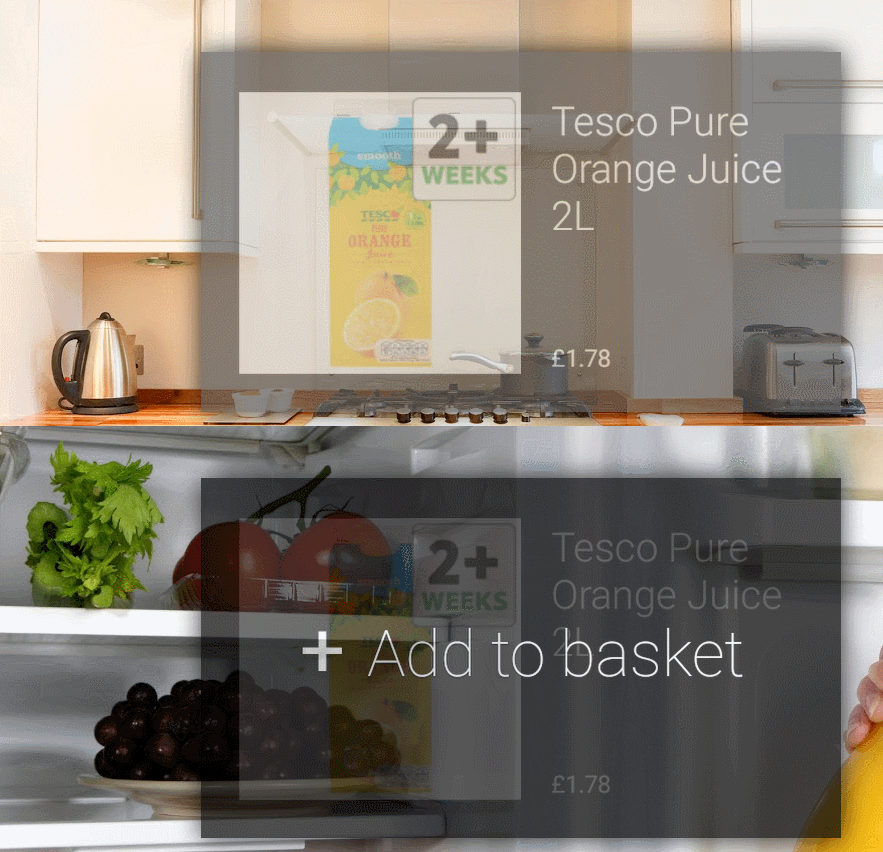
The Glassware has been developed by Tesco Labs, which experiments with disruptive technologies that have the potential to change the way customers shop. The Tesco Grocery Glassware lets customers browse goods, view nutritional information and add items to their shopping basket hands-free.
Initially the service is only available in the UK, but it is likely to be rolled out in Thailand, Malaysia or Korea if there is demand, especially given Tesco’s use of its Asian divisions to test new technology, (for example its virtual stores in South Korea subway stations).
In this, its first foray into providing services for those using wearable technology, Tesco has intentionally kept the functionality of the app simple as it evaluates the consumer response to wearables and the likelihood of increased demand.
Pablo Coberly, innovation engineer at Tesco Labs commented: “At Tesco we want to ensure we have the means in place to allow customers to shop whenever, however they want which is why we’re testing the possibilities of customers topping up their online basket with Glass”
The Tesco Grocery Glassware works alongside customers Tesco.com grocery accounts, automatically adding products to the customer’s online basket for them to then review and order by computer, tablet or mobile.”
Coberly said Tesco does not envisage Glass becoming the new platform for shopping as its functionality is different, and more immediate.
“Instead, it complements other devices and integrates shopping into everyday life because products can be ordered or added as and when customers realise they need replacing.”
He says the future of the Tesco Grocery Glassware will be driven by customer needs and demand.
“We’re keen to see how customers react to shopping with Glassware and welcome feedback or suggestions from customers using Glass.“
Glass users can install Tesco Grocery Glassware through MyGlass on their mobile device or desktop.
-

SSI launches online store in Philippines
An online store recently launched in the Philippines by Stores Specialists will soon become the nation’s online gateway to global brands.
Stores Specialists Inc is a member of the SSI Group, the number one lifestyle specialty retailer in the Philippines, a member of the Rustan’s Group of companies. It manages leading fashion, luxury and lifestyle brands like Gucci, Prada, Anne Klein, Ferragamo, Michael Kors, Hamley’s and Pottery Barn.
The new website, SSI Life offers shoppers the opportunity to purchase a curated array of products from the SSI Group’s roster of brands in a convenient ‘anytime-anywhere’ online platform.
The site carries a curated array of products from 25 international brands now, with more to be added in the following months. The site currently includes a selection from Marks & Spencer, TWG Tea, Oliviers & Co, Payless Shoe Source, Nine West, Aerosoles, Bass, Superga, Steve Madden, MBT, OkaB, A/X Armani Exchange, Replay, High Sierra, Samsonite, Make Room & More and Beauty Bar.
Anton Huang, president of SSI Group, Inc, says the website offers shoppers the opportunity to purchase from SSI’s portfolio of international brands while experiencing the same premium service the company is trusted for at store level, on an online platform.
“We are the only eCommerce participant that is able to implement an Omni-channel approach, where our bricks and mortar stores will complement the online shopping experience of our customers and vice-versa,” he said.
In time the company will take its growing portfolio of international brands – now numbering 106 – in over 600 store locations, to a 24-seven digital retail platform.
“We will deliver our commitment of “Bringing the Best of the World to the Philippines” to a poised and ready growing online lifestyle shopping market,” said Huang.
SSI says it is committed to customer satisfaction not just through its selection of brands, but with a guarantee to deliver a unique digital shopping experience. Through SSI Life, customers are able to tailor their shopping experience with options to browse and purchase online or browse online and purchase offline in stores.
More brands will be added in the months to come following the site’s soft launch last November with an initial 17.
-

Voylla.com to open 25 offline retail stores in offline expansion plan
Voylla.com, a jewellery and accessories shopping website run by Bengaluru-based Voylla Retail Private Limited, is planning to set up exclusive offline stores to consolidate its presence in the Indian fashion imitation jewellery industry, said its founder and chief executive officer Vishwas Shringi.
The two-year-old company, which currently has three offline stores, including one in Bengaluru, is gearing up to launch 25 shop-in-shops across the country in tie-up with retail chains like Future Group’s Central within the next one-and-a-half year.
Voylla.com is the latest to join the league of ecommerce players entering the offline retail business. While Flipkart has opened its first brick-and-mortar store “Fliptomania” in Bengaluru and online jewellery store Bluestone.com launched outlets in Bengaluru, Mumbai and New Delhi in 2014, online fashion retailer Myntra.com is gearing up to roll out offline stores in due course.
-
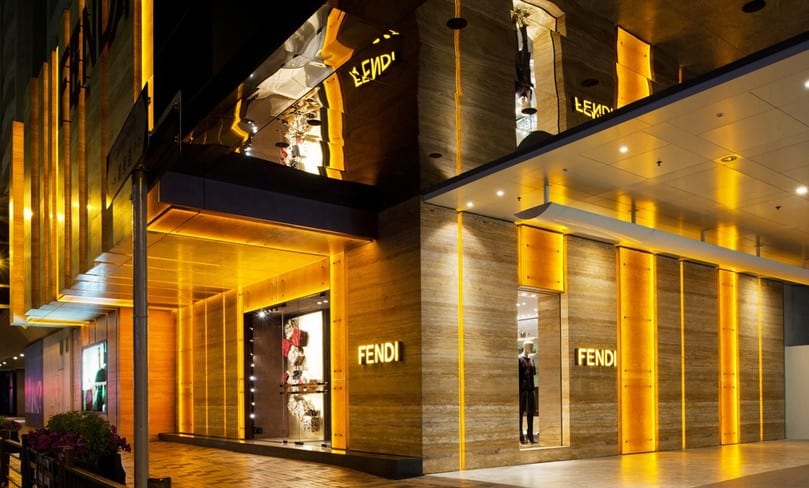
FENDI launches e-commerce globally
FENDI (LVMH Group) announces the launch of its e-commerce in 28 European countries starting with this year. Japan will be followed by the US in 2016. The strategic retail approach towards e-commerce follows many other top luxury fashion brands, with several to follow suit by the end of this year.
-
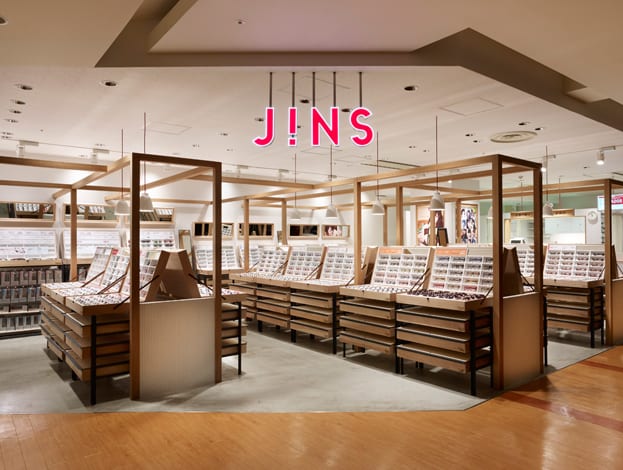
Japanese eyes on California
Japan’s largest eyewear retailer Jins is to launch in the US, opening an inaugural flagship store in San Francisco’s Union Square this spring.
Tokyo-based Jins launched its first store in 2001 and now operates more than 300 retail locations across Japan and China.
The 4900 sqft flagship will be located at 151 Powell St and Jins promises it will stock one of the most expansive collections of eyeglasses in the city.
In tandem with the store, Jins will launch a US eCommerce site in Spring 2015. Customers nationwide will be able to purchase Jins eyewear online with an existing prescription and San Francisco/Bay Area residents will have the opportunity to purchase their glasses online and pick them up in the store on the same day.
Jins promises to “reinvent the in-store eyewear shopping experience” in the US, offering “unprecedented simplicity and speed”. At the new store, customers can browse, purchase and receive their prescription eyewear with custom fitting all in the same visit. Customers no longer have to wait weeks to receive their glasses in the mail because all Jins’ aspheric prescription lenses are assembled in-store using its Kanna lens lab.
The company promises customers can receive their glasses from start to finish in approximately 30 minutes.
The Jins store will house more than 1200 different styles, priced from US$60-120, including premium lenses.
“We chose the Bay Area as our first stop in the US because it perfectly reflects Jins’’ progressive spirit and passion for innovation,” said Shinsuke Tomita, president of Jins Eyewear US.
“With the opening of the San Francisco store, we hope to change the way people think about shopping for glasses in the US. Similar to how we shop for shoes or jewellery, we want our customers to explore countless designs and color options without being limited by the unnecessary complexities and inflated prices that are still the norm in the eyewear industry today.”
Jins describes itself as “an early innovator in creating high-quality, fashion-forward prescription and nonprescription eyewear at affordable prices”.
Jins’ point of difference is quality craftsmanship. “Jins pioneered the concept of affordable, high-quality eyewear in Japan, and has always believed that quality should never be delivered with an added surcharge for consumers. Every pair of Jins glasses is created with the passion and spirit of Japanese craftsmanship, using only the best materials, and metal frame parts sourced exclusively from Japan.”
-
JV ‘revolutionises’ m-commerce
Chinese mobile commerce company 99 Wuxian is bringing NFC technology to China.
99 Wuxian and Australian Near Field Communication (NFC) technology startup Tapit Media have joined to “revolutionise” Chinese m-commerce and offline media by integrating NFC enabled interactive offline marketing campaigns with 99 Wuxian’s platform.
The JV will utilise Tapit’s contactless communication technology which uses a range of contactless standards including NFC and Bluetooth Low Energy (BLE) to deliver content to smartphones from offline physical media assets.
Users with NFC-enabled smartphones have the ability to tap NFC-enabled objects to access content and information such as videos, mobile optimised pages and instant app downloads.
It allows 99 Wuxian to provide a new and unique offering to its business partners in China by allowing smartphone users to interact with NFC-enabled offline media and 99 Wuxian m-commerce platform to complete transactions.
The consumer engagement opportunity is significant and is expected to include using NFC-enabled smartphones to access information, buy movie tickets, receive food and beverage coupons or buy transport tickets.
“It’s a very exciting development for 99 Wuxian and our business partners and merchants that we are bringing market leading Australian technology to China and drive direct B2C growth,” said 99 Wuxian CEO and executive director Amalisia Zhang.