Category: E-Tailing

Retail News Asia is committed to providing both local and global retailers with the latest E-Commerce & Etail news throughout the Asian market. This on a daily base.

  • Iconic US hat brand Stetson reinvents for e-commerce age

    Iconic US hat brand Stetson reinvents for e-commerce age

    American heritage brand Stetson is rolling out a global rebranding effort involving a new modern identity and e-commerce experience.

    The exercise is Stetson’s first visual refresh in more than 20 years, undertaken in collaboration with boutique Dallas-based agency, Tractorbeam. The firms explored the brand’s extensive archive, examining logos, marks and expressions from the 1860’s through to the modern era. Then, the teams developed a brand projection that uses historical assets in keeping with Stetson’s roots.

    The new brand identity will roll out globally across stores and consumer touchpoints over the next year, beginning with a launch this week on the new Stetson.com website.

    “The relaunched Stetson.com combines legendary heritage and modern commerce to deliver a best-in-class experience,” said Stetson’s SVP of marketing and e-commerce Andrea Bozeman.

    “This refresh speaks to Stetson’s timelessness, enduring relevance, and ability to adapt,” said Stetson Worldwide president Xiao Li Tan.

    “The Stetson brand is synonymous with Americana. Our products are iconic in the imagery of the Old West, our dress hats were worn by the jazz legends and we’ve outfitted the National Park Service and US Cavalry soldiers. Stetson’s updated brand identity speaks to our legendary heritage and history, with an eye for appealing to the modern consumer.”
  • JD and Kuaishou to launch live-streaming partnership

    JD and Kuaishou to launch live-streaming partnership

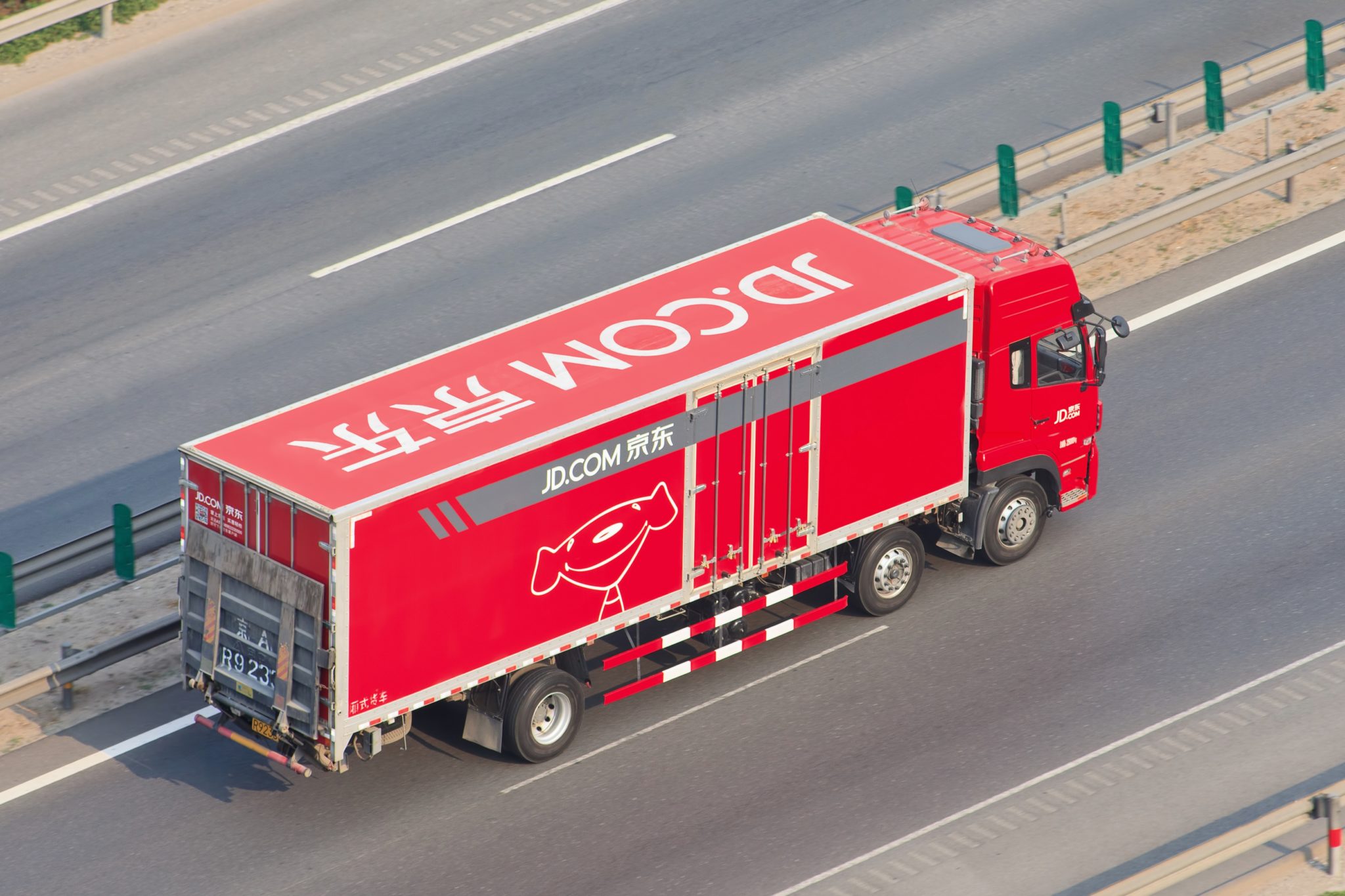
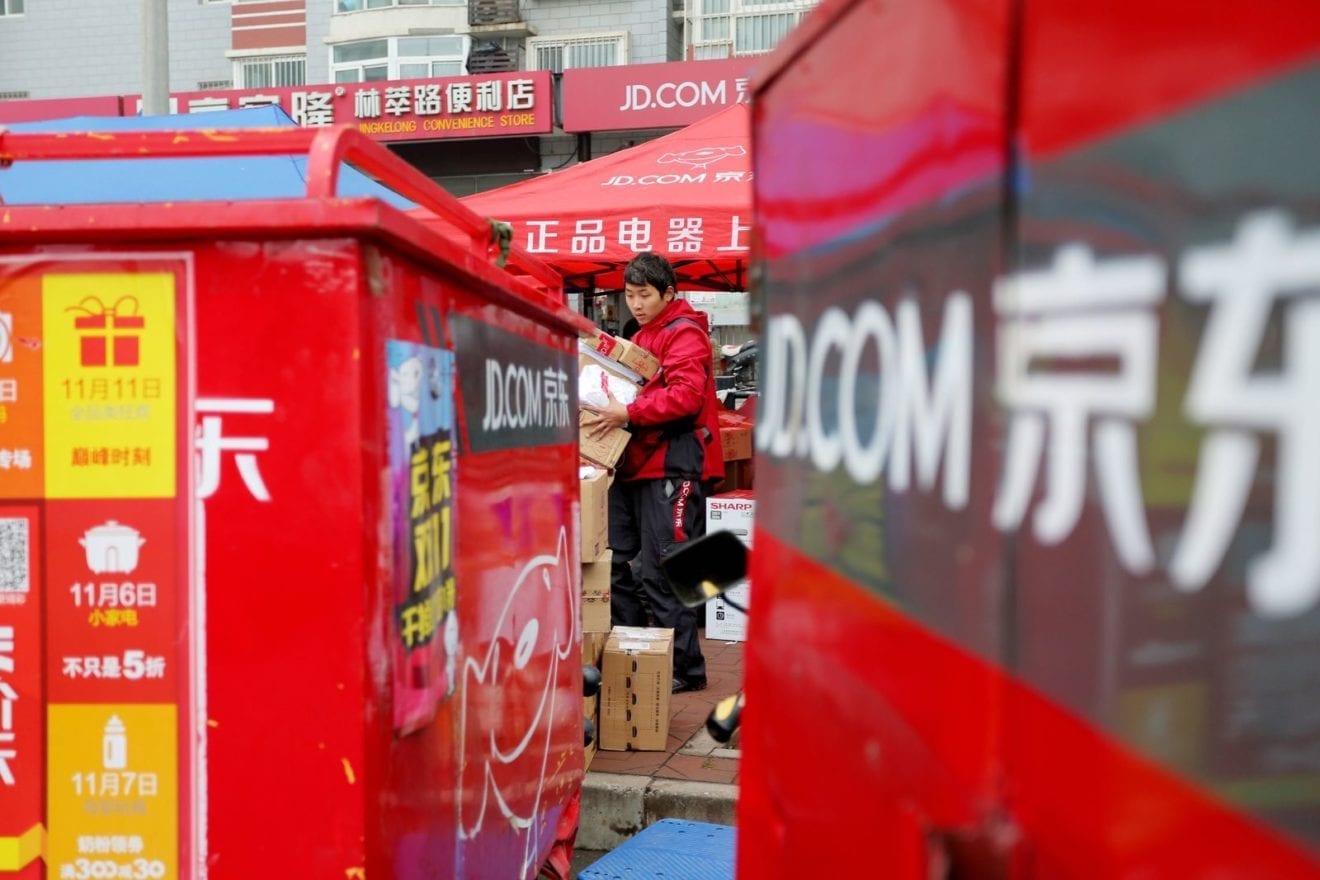
    Chinese e-commerce giant JD has launched a strategic partnership with video sharing and live-streaming platform Kuaishou.

    The partnership, which focuses on the supply chain, will allow Kuaishou users to purchase products provided by JD without leaving the Kuaishou app, and enjoy fast delivery and after-sales service provided by JD.

    The two firms are launching their first large-scale promotional event on Kuaishou’s platform today, as celebrities and more than 100 well-known Kuaishou KOLs conduct promotions via live streams.

    JD is providing substantial discounts on a range of popular items for today’s promotion, including Apple iPhones and iPads; Chinese Moutai liquor; Nintendo Switches, Estee Lauder essence, and Mac lipsticks, among others.

    Apart from celebrities and KOLs, all anchors on Kuaishou are able to sell the products in their live streams and short videos.

  • Online book sales outstrip offline in Covid-19’s wake

    Online book sales outstrip offline in Covid-19’s wake

    With the coronavirus pandemic prompting the growing popularity of ‘untact consumption’, South Korea’s publishing industry is seeing online book sales outstrip offline sales.

    Kyobo Book Center, the No. 1 online and offline bookstore in South Korea, says that its book sales via mobile and web platforms this year comprised 33.4 percent and 22.9 percent, respectively, of total sales.

    Offline sales, in contrast, remained at 43.7 percent. It is the first time that the bookstore’s online sales jumped ahead of offline sales.

    Experts argue that the coronavirus outbreak has prompted consumers to purchase books through mobile or online platforms instead of visiting offline stores.

    The coronavirus has also influenced book sale trends, in which sales of books related to science jumped by 46 percent while sales of publications on politics and society, economy and management jumped by 39.7 percent and 24.4 percent, respectively, compared to last year.

    Most of the books involved how to deal with the coronavirus, and prospects in the post-pandemic world.

    On the other hand, books on tourism plunged by 54.1 percent in sales, followed by magazines (-20.4 percent), cartoons (-10.6 percent), foreign books (-10.1 percent), poems and essays (-6.7 percent), and cookbooks (-5.3 percent).

  • Online marketplace Tiki gets US$130 million funding

    Online marketplace Tiki gets US$130 million funding

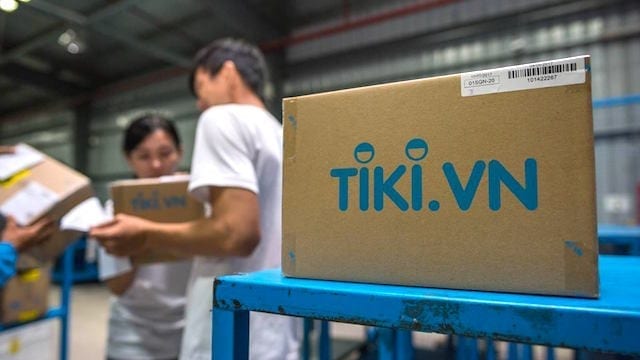
    Vietnamese online marketplace Tiki has successfully raised US$130 million in its latest funding round led by Northstar Group.

    According to Deal Street Asia, the total value of the investment may increase by a further $20 million.

    Founded in 2003, Northstar Group is a Singapore-based private equity firm, currently investing US$3 billion in more than 30 companies across Southeast Asia.

    Recently, online marketplace Tiki and rival platform Sendo informed authorities of a proposed merger scheme amid intense competition in Vietnam’s e-commerce market, with two strong rivals Lazada and Shopee. However, neither company has commented further on the plan.

    Although Tiki has received large investment amounts, the company is locally referred to as a “money-burning machine”. It accumulated a loss of $60.9 million last year.

  • JD plans US$4.05 billion Hong Kong exchange listing

    JD plans US$4.05 billion Hong Kong exchange listing

    Chinese e-commerce giant JD is looking to raise up to US$4.05 billion in a secondary share listing in Hong Kong.

    The new 133 million shares, priced at $30.45 each, most likely will make the listing among the largest in the territory this year.

    US regulations for Chinese firms listed in the US may tighten, with one bill in the US Congress proposing delisting Chinese firms that do not submit to substantial auditing requirements. JD is listed in the US on the Nasdaq.

    The company will start taking investor orders around this Thursday, with the listing set for June 18 to coincide with its annual shopping festival.

    Joint sponsors of JD’s Hong Kong listing include Bank of America, UBS Group and CLSA.

  • JD.com fosters local stalls and small stores in China

    JD.com fosters local stalls and small stores in China

    Chinese e-commerce giant JD is moving to stimulate small and medium enterprises nationally by providing supply chain and service support for the employment of more than 5 million people.

    The firm is accumulating around 50 billion goods as a part of its “Spark” economic support plan designed to benefit SMEs, stall owners, and shopkeepers.

    The plan is focused on three areas: ensuring supply, assisting operations, and promoting employment. The firm will also provide each small shop with US$14,000 in interest-free credit to make purchases.

    “JD has already comprehensively accumulated rich experience in supporting the ‘stall economy’ and the ‘small shop economy’,” said JD Retail CEO Lei Xu. “The impact of the epidemic will accelerate the digital transformation of the real economy, and stalls and small shops are no exception. JD has both the ability and the responsibility to use digitization to support and make the economy of small stalls and shops more dynamic, helping to further invigorate the overall economy and stabilize employment.”

    JD is now set to work with nearly 10,000 brand manufacturers and more than 4000 joint warehouses to provide offline retailers with access to low-cost, high-quality supplies. The firm will also help offline retailers to expand their online operations.

    In poor regions, JD will provide flexible employment, work-from-home, and farm-to-table opportunities including positions such as logistics order collection, warehouse management, inventory management, and packaging. It will also establish start-up projects and provide support in the fields of catering retail, regional logistics agencies, and freight transportation.

    Data collected by the company shows that, right before its 6.18 promotional event this year, the transaction volume of JD New Markets in Beijing, as well as Hubei and Anhui provinces increased more than fivefold. The number of orders placed on the JD Convenience Store Go mini program was more than 10 times the previous daily average.

  • Alibaba and JD launch 6.18 mid-year shopping promo marketing

    Alibaba and JD launch 6.18 mid-year shopping promo marketing

    Alibaba and JD launched their annual 6.18 mid-year shopping festivals, which mark China’s largest online retail promotion since the outbreak of Covid-19.

    Within hours, JD heralded a 400-per-cent year-on-year increase in sales of luxury fashion goods, with sales of Ferragamo, Hugo Boss, Lancel and MiuMiu all up by more than 300 percent.

    Alibaba also reported increased interest from luxury labels, with close to 180 participating, including Cartier, Chanel, Burberry, Balenciaga and Montblanc.

    Within the first 10 hours of the campaign, total gross merchandise volume (GMV) jumped 50 percent over last year at Alibaba. Cosmetics and home appliances proved particularly popular, their GMV doubling over last year.

    Alibaba’s campaign included issuing US$1.96 billion worth of digital coupons in advance of the event to boost purchasing.

    More than 100,000 brands on Alibaba’s Tmall are participating in the 6.18 event – nearly twice the number of last year, including tech giant Apple. Five hours into the campaign, Apple sold more than $70 million worth of products.

    “Online consumption has seen a post-pandemic revival since March, and the sales rebound that we have observed on Taobao and Tmall has been very encouraging,” said Liu Bo, GM of Tmall and Taobao marketing and operations.

    Both Alibaba and JD say sales of luxury products have been increasing steadily since the pandemic.

  • Foodpanda in Singapore starts to deliver Guardian products

    Foodpanda in Singapore starts to deliver Guardian products

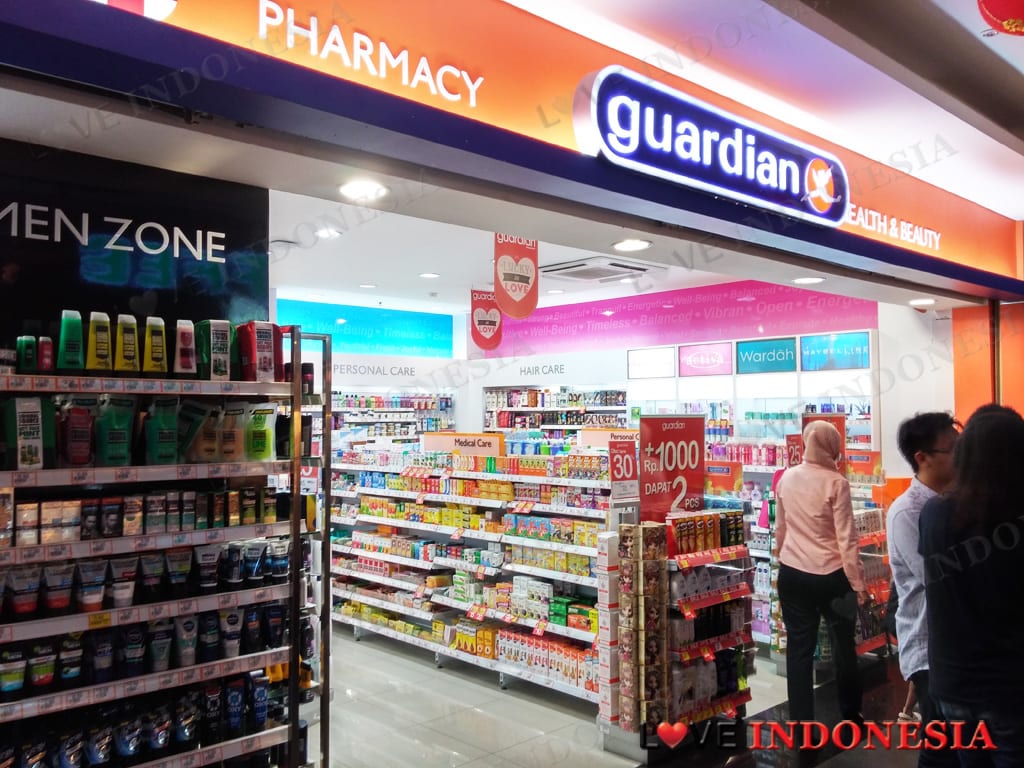
    Delivery platform Foodpanda in Singapore is to start delivering health and beauty products from Guardian stores.

    Guardian is the first major health-and-beauty retailer to be listed on Foodpanda’s Shops, offering more than 280 products and on-demand delivery service.

    “This collaboration with Guardian Singapore is timely as we are now able to deliver a greater variety of products to customers in the comfort and safety of their homes,” said Luc Andreani, MD at Foodpanda in Singapore.

    “Giving our customers the best choice of products delivered within the shortest amount of time will continue to be our priority.”

    Customers can now access products, including health supplements, skincare, and beauty products, with promised delivery times of under an hour.

    “Given the new climate and changing shopping behavior, we want to ensure that our customers still have access to their essentials from a trusted brand like us,” said Soren Lauridsen, CEO at Guardian, Southeast Asia.

  • Amazon will reportedly hold a multi-day sales event in June with steep discounts

    Amazon will reportedly hold a multi-day sales event in June with steep discounts

    A new CNBC report suggests that Amazon will be hosting a summer sale on June 22 that will last seven to ten days. The event, which is apparently being called the “Biggest Sale in the Sky,” is not a Prime Day substitute. The Prime Day will still reportedly take place, but at a later date, sometime in September.

    Amazon has seemingly started contacting sellers regarding a ‘Fashion Summer Sale Event,’ which implies its scope might be limited to fashion, beauty, and home. But then again, if it’s the “Biggest Sale in the Sky,” it should logically include all categories. Participation will presumably be by invitation only.  Amazon was inundated with demand for essentials such as hand sanitizer when the coronavirus crept up. As a result, household items and medical goods became a priority. This caused duress for sellers who dealt in goods outside of those categories.

    With the rumored upcoming sale, sellers will get a chance to clear their inventories. Amazon will likewise get a chance to boost consumer engagement across non-essential categories ahead of the Prime Day.

    Per the report, Amazon wants sellers to submit discounts of at least 30 percent by tomorrow. The company is also supposedly finalizing the landing page.

    It is not clear yet if the sale is only from Prime Day members. However, if Prime Day is still going to happen, it is likely that the summer sale will be open to everyone.

    Amazon’s operations have been slowly returning to normalcy. The summer sale would give the e-commerce company a chance to win back consumers who shifted to other outlets during the pandemic because of longer shipping times and product shortages.

    There is also a threat that if Amazon doesn’t hold an event in lieu of the Prime Day, competitors would scoop up the opportunity to capture an audience that has grown accustomed to Amazon’s summer sale.

    The company is reportedly on the precipice of losing market share. Stats already show that rivals Target and Walmart witnessed a double-digit increase in sales during the last quarter.

    A good old sale is surely what it needs to rev up demand and inform customers that it’s business as usual again.

  • Grocery shopping online in China booms due to virus outbreak

    Grocery shopping online in China booms due to virus outbreak

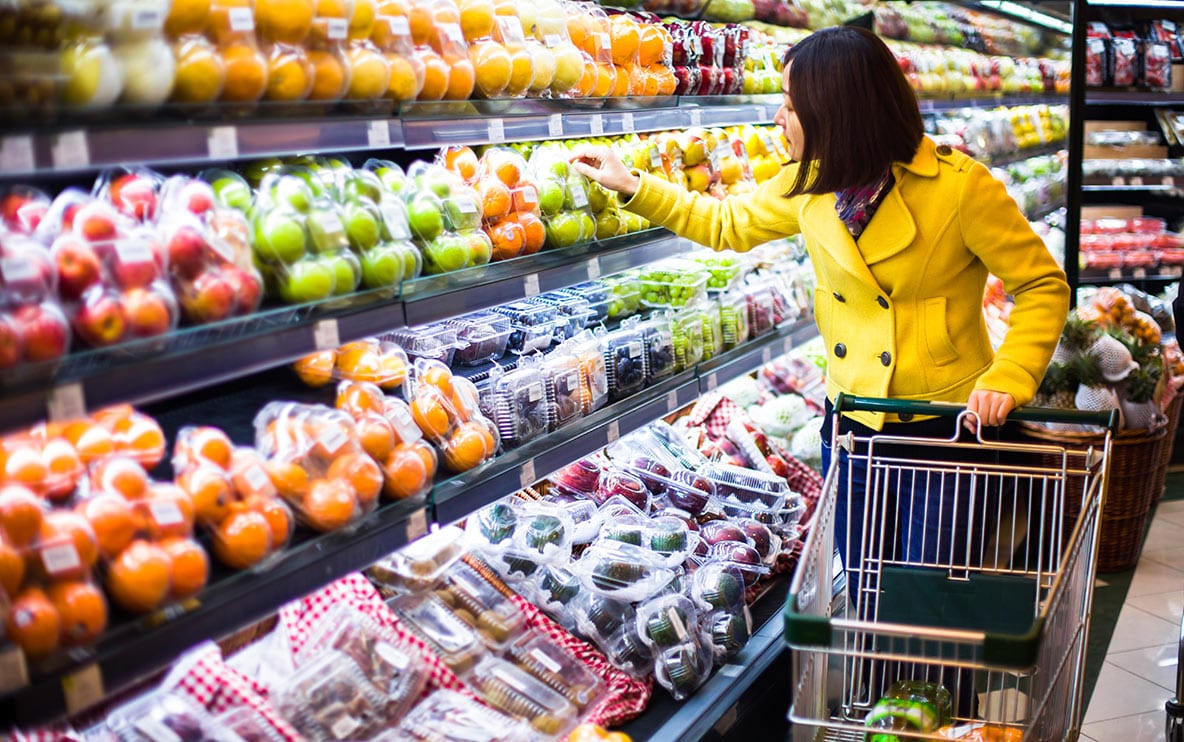
    Grocery shopping online is poised for explosive growth in China, with more than half consumers saying they are buying more online even after stores reopen.

    According to research by GlobalData, consumers in the region got used to purchasing online during the Covid-19 lockdown and the habit has stuck.

    The data shows 56 percent of Chinese consumers are now grocery shopping online more frequently than before the pandemic hit.

    “The impact of Covid-19 will leave a permanent mark on how we shop for groceries,” said Globaldata retail analyst Thomas Brereton, “with demand for home fulfillment soaring around the world as consumers follow the ‘stay at home’ message from many governments.

    “With a population of 1.4 billion, the potential value growth in the Chinese online grocery market is phenomenal.”

    Chinese food delivery service Meituan – founded in 2010 – is an example of the trend, recently hitting a US$100 billion valuation.

  • Flipkart loses bid to sell food online

    Flipkart loses bid to sell food online

    Amazon-owned Flipkart has been blocked from entering the food-retail business by Indian regulators who had deliberated for almost a year on an application.

    Subsidiary Flipkart FarmerMart had applied to sell foodstuffs grown or manufactured in India online via its marketplace and on apps. However the company was told by the Department for Promotion of Industry and Internal Trade (DPIIT) marketplace, it cannot add food to its platform as a foreign-owned retailer.

    Foreign direct investment in retail has long been a controversial issue in India and only in the last several years have multinational retail giants been allowed to enter the market, usually with strict requirements for a proportion of goods they sell to have been manufactured in India.

    The government has recently tried to tighten laws to ensure companies like Amazon only act as third-party marketplaces, allowing local companies to sell on its platforms, rather than develop their own inventories and become retailers in their own right.

    Flipkart had, however, been hoping to form supplier alliances with farmers and growers to create its own brands – rather than import all of the products it would sell.

    Establishing such strong supply agreements would also potentially have helped Flipkart expand into the brick-and-mortar retail market.

  • JD Central launches giant online sale in Thailand

    JD Central launches giant online sale in Thailand

    JD Central launches its giant online sale ‘618 Super Joy Shopping Fest’ in Thailand today. The shopping festival starts with a pre-sale campaign, offering discounted products from more than 6500 brands. The Super Flash Sale offers exclusive products for US$19.40 during the campaign, with items as low as 3 US cents from June 18-20.

    “618 is the largest annual shopping festival of our parent company JD,” said K Rvisra Chirathivat, CMO of JD Central. “We will continue to expand it with the 618 Super Joy campaign in Thailand, which brings to customers 100-per-cent authentic brand products with special prices.”

    According to Chirathivat, the online sales campaign is to help people enjoy shopping after the loosening of the Covid-19 lockdown measures and stimulate domestic economic circulation.

    The JD Central 618 Super Joy Shopping Fest will run until June 20.

  • JD invests US$100 million in Gome Retail

    JD invests US$100 million in Gome Retail

    Chinese e-commerce giant JD has made a strategic investment in Gome Retail, buying US$100 million of convertible bonds.

    Gome Retail is one of China’s largest electronic retailers. The company is in the midst of a major transition and restructure from a brick-and-mortar-dominated format into a multichannel digital business anchored around its online platform. It is also expanding its physical store network into low tier cities and rural locations across China.

    Gome had already opened a flagship store on the JD site and the two companies say the financial tie-up will strengthen the cooperation between them.

    In the next step of their alliance, JD and Gome Retail will look to use their respective online and offline strengths to achieve more synergies, including integrating their supply chains and sharing logistics and installation functions, and other business-related aspects such as financial services.

    During the last year or so, JD has invested in Five Star, D Phone, Lecoo and other businesses in the electronics retail space, creating diversified formats, such as JD E-Space, JD Computer, and Digital Products Stores and JD Home Appliance Experience Stores.

    “The strategic cooperation with Gome not only marks the acceleration of JD’s integration and opening up, but also represents the company’s commitment to promoting an ecosystem approach by relying on its infrastructure, including supply chain, logistics, and technology,” the company said in a statement.

    “It also represents JD’s commitment to work together with partners for more efficient and sustainable development.”

  • Apple to reopen 100 brick and mortar stores in the states this week

    Apple to reopen 100 brick and mortar stores in the states this week

    There seems to be an urgency in the U.S. to get back to those carefree pre-COVID-19 days when the only thing you had to worry about was whether Apple’s new iPhone 12 series would support both sub-6GHz and mmWave 5G signals (they will). While some behavior, such as crowding together on beaches during Memorial Day, will no doubt lead to the second wave of COVID-19 cases, most businesses are reopening slowly while trying to take a safe approach.

    A week ago, we told you about some of the changes that T-Mobile has instituted for its reopened locations. An employee will open the door (regardless if you are coming or going), the capacity of each store will be sharply reduced to keep consumers at safe distances from one another and employees will have to wear a mask (no word on whether it has to be a magenta one). The sanitizer will be applied to the demo devices on the shelves while employees will have to spray and disinfect their own personal phones and tablets.

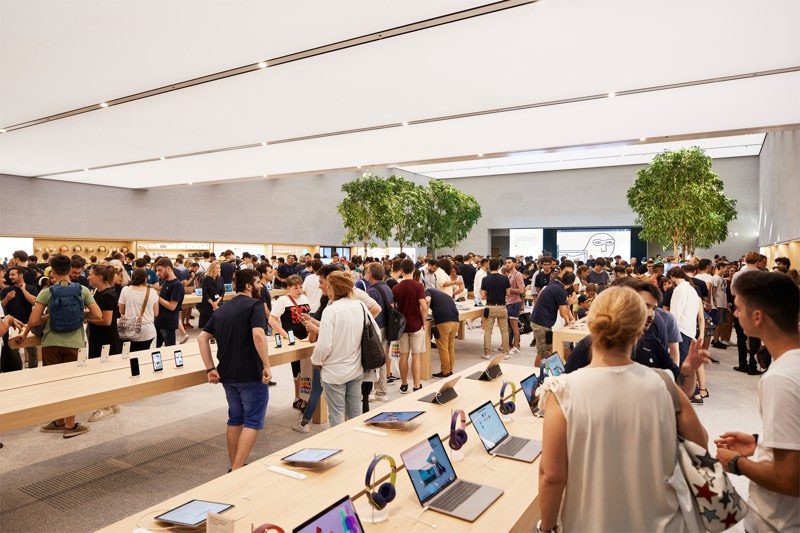
    Today, Apple said that it will reopen more Apple Stores in the U.S. starting tomorrow. Last week 25 locations in the states turned their lights back on along with 12 in Canada and 10 in Italy. The Apple Stores opened last week include those in Arkansas, California, Washington, Florida, Colorado, Hawaii, and Oklahoma. And now we are looking at another 100 U.S. stores that will be reopened this week. Most of these brick and mortar locations will provide curbside or storefront service only. Customers will be able to pick-up devices and accessories ordered online and show up for Genius Bar appointments. Some stores will be open for walk-in customers. Those stores will most likely require that customers wear a mask and have their temperatures taken before they are allowed to walk inside. Despite Apple’s willingness to get back to normal, those locations allowing walk-in customers will limit browsing and Apple will still focus on online sales.
    Apple says, “This week we’ll return to serving customers in many US locations. For customer safety and convenience, most stores will offer curbside or storefront service only, where we provide online order pick-up and Genius Bar appointments. Others will be open for walk-in customers and we encourage everyone to check their local store webpage for more information about hours at their preferred location. Customers can also visit apple.com for support by phone or chat. We are committed to reopening our stores in a very thoughtful manner with the health and safety of our customers and teams as our top priority, and we look forward to seeing our customers again soon.”
    As of today Apple has 510 stores globally with 271 located in the states. 148 stores worldwide are currently open and if Apple goes through with its plans for this week, that number will rise accordingly. Deirdre O’Brien, Apple’s Senior VP of Retail + People said earlier this month, “Our commitment is to only move forward with a reopening once we’re confident we can safely return to serving customers from our stores. We look at every available piece of data — including local cases, near and long‑term trends, and guidance from national and local health officials. These are not decisions we rush into — and a store opening in no way means that we won’t take the preventative step of closing it again should local conditions warrant.”
    Apple has still released new devices even with its stores closed. This includes the new refreshed versions of the iPad Pro (2020) and the second-generation iPhone SE. The company has also had to move its annual WWDC Developers Conference online; Apple will virtually host WWDC starting on June 22nd.
  • Alibaba GMV surpasses US$1 trillion

    Alibaba GMV surpasses US$1 trillion

    Chinese retail behemoth Alibaba Group shrugged off the impact of the Covid-19 crisis to report a 35-per-cent increase in sales in the year to March, and achieving its five-year-old goal of surpassing US$1 trillion in GMV.

    Revenue for the year reached $71.4 billion, as the company expanded its global customer base to 960 million active consumers.

    In the March quarter, when the Covid-19 crisis was at its peak, revenue was up 22 percent, to $16.1 billion, a rate lower than for the rest of the year, but driven by its mainland China online ventures which drew increased custom from people unable to visit physical stores.

    Adjusted earnings before tax grew 29 percent to $22.3 billion.

    Chairman and CEO Daniel Zhang said Covid-19 has “fundamentally altered consumer behavior and enterprise operations, making digital adoption and transformation a necessity”.

    “We are well-positioned and prepared to help large and small businesses across a wide spectrum of industries achieve the digital transformation they need to survive this difficult period and eventually prevail in the new normal. By focusing on the long term and investing in value creation for our consumers and business customers, we believe we will emerge from this crisis stronger and be ready to capture more growth in the future,” he said.

    CFO Maggie Wu added that while the pandemic negatively impacted most of Alibaba’s domestic core-commerce businesses starting in late January, a steady recovery has been evident since March.

    “Based on our current view of Chinese domestic consumption and enterprise digitization, we expect to generate over $91 billion in revenue in fiscal year 2021,” she said.