Category: E-Tailing

Retail News Asia is committed to providing both local and global retailers with the latest E-Commerce & Etail news throughout the Asian market. This on a daily base.

  • Singapore E-commerce Programs break barriers to shop online

    Singapore E-commerce Programs break barriers to shop online

    Enterprise Singapore (ESG) has launched the Singapore E-Commerce Programme to support SME retailers with little or no e-commerce experience to commence online trading.

    The group’s program is set up to cover 90 percent of costs up to SGD9000 (US$6300) for retailers to use e-commerce platforms for domestic and/or overseas markets, as well as providing additional manpower if needed.

    The Singapore E-Commerce Programme has been built in collaboration with e-commerce platforms Amazon, Lazada Singapore, Qoo10 and Shopee, which will provide assistance in curating and listing products for up to six months.

    The move aims to assist retailers in upgrading and diversifying their business model beyond traditional brick-and-mortar, of particular relevance during the coronavirus pandemic.

    “It is more crucial now for retailers to diversify revenue streams by using e-commerce channels,” said ESG deputy CEO Ted Tan. “The Singapore E-Commerce Programme primarily helps retailers with little e-commerce knowledge and capabilities to start using online channels. Our partnership with the established e-commerce platforms both in Singapore and overseas ensures a good-sized market for these retailers to tap on. We want to empower all retailers to develop long-term and sustainable e-commerce strategies that will ensure business resilience beyond Covid-19.”

    Eligible retailers are invited to sign up for the package directly with the respective e-commerce platforms by September 30.

  • JD promises one-hour delivery with Dada Group

    JD promises one-hour delivery with Dada Group

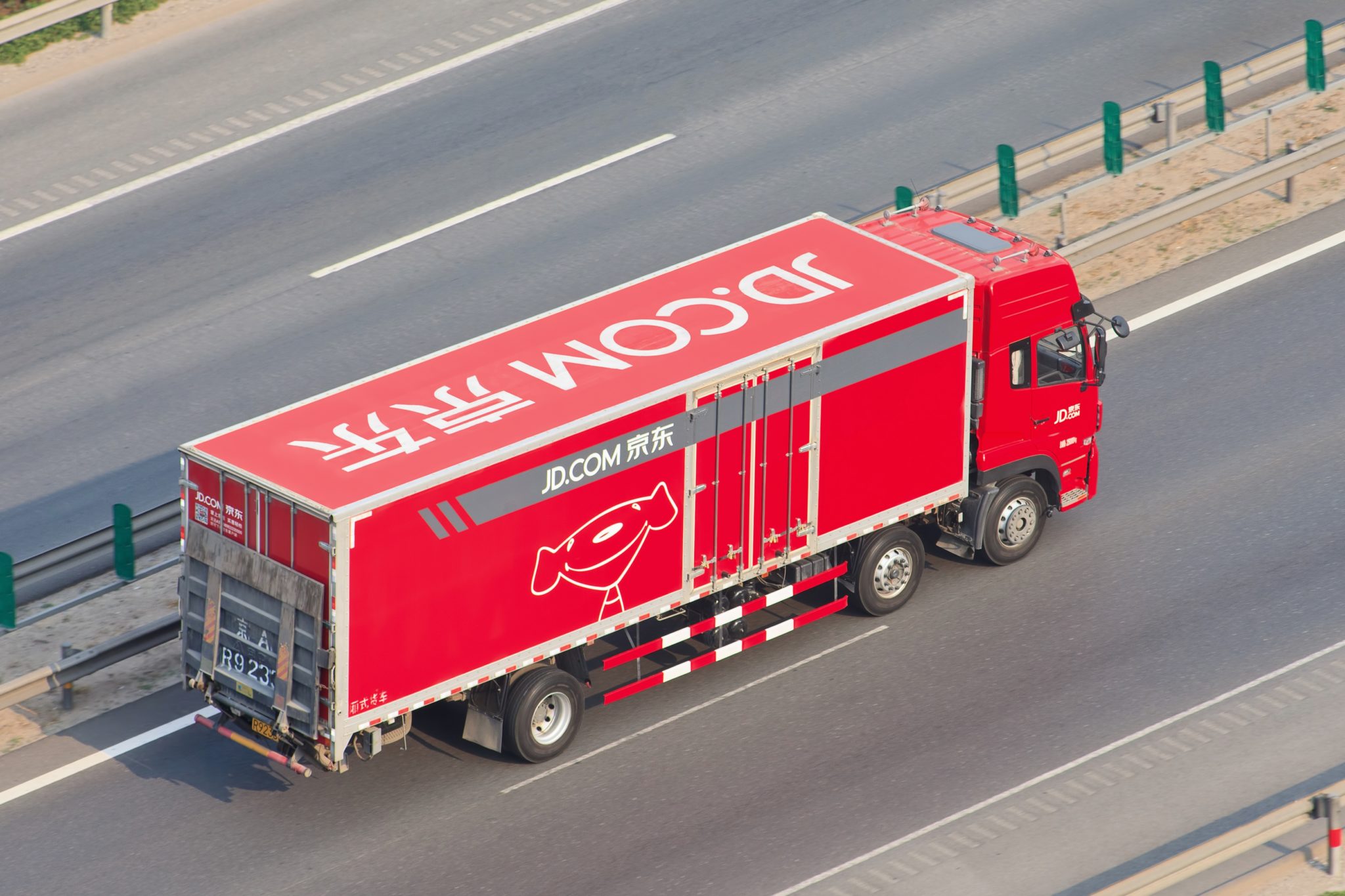
    Chinese e-commerce platform JD has partnered with Dada Group to provide one-hour delivery services of daily necessities to JD customers.

    The move will see the launch of around 100,000 JDDJ-branded online stores on the JD platform, including nearly 100 chain supermarket and store brands such as Walmart. It is an expansion of JD’s Omnichannel Fulfillment supply chain innovation program launched last year to integrate multiple offline channels, enabling them to deliver orders originating from JD directly and improving the efficiency of the supply chain – with delivery times shortened to an average of two hours.

    The new partnership allows JD buyers to purchase and receive more than 3 million products from participating stores within an hour, with some products available for delivery within 15 minutes.

    The Omnichannel Fulfillment program has attracted multiple leading brand partners since launching, including Coca-Cola, Nongfu Spring, P&G, C’est bon and Budweiser amongst others, covering offline stores in 242 cities across China.

  • Shopee Malaysia launching additional support package for Etailers

    Shopee Malaysia launching additional support package for Etailers

    Shopee Malaysia has announced an RM15 million (US$3.5 million) support package for sellers on its network.

    The online retail platform’s package aims to assist around 70,000 SMEs in the territory trading in a range of sectors and is an outcome of engagements between itself, retail associations, business owners and chambers of commerce.

    “These SMEs need assistance or a partner that can provide them a clear instruction set to ensure they succeed with online selling,” said Shopee’s regional MD Ian Ho, who expressed concern that smaller businesses lack knowledge critical to digitalization.

    Benefits in the package include discounts for sellers in promotional programs to help lower operating expenses for business owners.

    “Shopee has allocated RM6 million ($1.4 million) in the form of vouchers and free paid advertising credits,” said Ho. “Sellers stand to benefit from RM100,000 ($23,000) worth of dedicated campaign vouchers every week and receive up to RM400 ($92) each in free paid advertising credits to get more exposure for their products and stores.

    “Shopee wants to drive the digitalization of traditional businesses and bring them online,” he said.

    “The package will support all its sellers by creating sales and growth opportunities, reducing operational costs and facilitating sustainable development through funding, subsidies and education.”

  • What Filipinos are craving for online

    What Filipinos are craving for online

    Meta-search website iPrice Group has released data insights on the online behavior of Filipino consumers during the coronavirus lockdown.

    The firm’s e-commerce aggregator compared impressions of products on its platform between November last year (a month before the outbreak) and this March, when sudden strict restrictions on physical mobility that went into effect on March 12 left Filipinos searching for alternative ways of shopping.

    Impressions on kids’ outdoor pools increased by about 518 percent during the period, as thousands of Filipinos searched for alternative ways to keep their kids active and under the sun during the quarantine.

    While an increase in the consumption of medical face masks is expected and ubiquitous worldwide, the demand for skin care face masks in the territory grew by 236 percent, suggesting Filipinos may be pampering themselves more at home during the lockdown.

    As consumers in the Philippines seek ways to keep active and fit at home, interest in bicycles increased by about 97 percent, and searches for gym dumbbells also increased by 80 percent.

    With internet access critical at this time, searches for ways to make internet connections faster, reachable, and more stable went up as impressions on wifi adapters grew about 597 percent while LAN cables grew about 150 percent in the Philippines market.

    Restrictions on movement have affected in-person shopping, resulting in search hits for alternative ways to purchase essential home goods. Impressions on canned food grew

    by 412 percent, with the most-searched-for brands being Delimondo, Purefoods, 555, and Century Tuna. Impression on biscuits increased by 310 percent as well.

    Many Filipinos conducted searches for disinfecting multipurpose cleaner Domex, with impressions on this product surging by 1097 percent. Impressions on disinfectant spray Lysol grew by 721 percent, while products with bleach, such as Clorox, Ariel, and Tide, grew by 172 percent.

    Searches for Covid-19 essentials such as medical face masks grew from zero to 100 percent during the affected period, during which time the average price rose by nearly 86 percent. Impressions on thermometers grew by 1295 percent, while vitamin searches grew by about 123 percent. Search impressions for hand sanitizers increased by 2207 percent, while those on hand soaps increased by 989 percent.

    Impressions on Corona beer grew immensely by 2084 percent – however, this is likely caused by searches on the coronavirus instead of the beer brand itself.

  • Walmart China to invest US$425 million in Wuhan

    Walmart China to invest US$425 million in Wuhan

    Walmart China is to invest US$425 million over the next five years to expand its presence in Wuhan, the origin of the coronavirus pandemic.

    The US-headquartered retail giant will open at least four Sam’s Club membership stores as well as 15 new malls in the territory within the period. It will also set up additional community stores around the provincial capital, to add to its existing 34 outlets and two distribution centers within Wuhan.

    “The framework marks a new milestone between the two parties and a new beginning for a win-win situation,” said Walmart China CEO Wern-Yuen Tan of the firm’s collaboration with Wuhan’s municipal government.

    Wuhan’s 76-day lockdown period was brought to a close last Wednesday with an official final death toll of around 2500 cases caused by the virus – although international observers have cast doubt on that figure.

    According to data released by the American Chamber of Commerce in China, 40 percent of polled companies planned to maintain current levels of investment in China this year, as opposed to 24 percent who were planning cuts, with the remainder saying it is still too early to judge.

  • Alibaba promises ‘spring thunder’ to support SMEs during the coronavirus crisis

    Alibaba promises ‘spring thunder’ to support SMEs during the coronavirus crisis

    Alibaba group chairman and CEO Daniel Zhang has launched the “2020 Spring Thunder Initiative” to help small and medium businesses ride out the coronavirus pandemic.

    “We will … create new supply chains, stimulate new demand, and promote new trade through a series of aggressive measures,” he promised in a letter to staff.

    Zhang says Alibaba will work to help export-focused SMEs expand into new markets through AliExpress, Lazada and Tmall World, offering some companies resource support, fee reductions and fast-track processing to help them transform and develop their business in China.

    The company will activate manufacturing belts, incubate a group of “Super Producer IP” designations, and foster 10 digitized manufacturing clusters with production output valued at tens of billions in RMB.

    Another goal is to help 1000 factories develop direct-to-consumer sales in excess of RMB 100 million (US$14 million) within three years.

    Alibaba plans to help extend “immediate settlement” services until June 30, helping alleviate financing challenges for SMEs affected by trading challenges during the coronavirus crisis.

    And the e-commerce giant plans to help the agricultural sector grow through digitization along with creating 1000 Alibaba-run digitized agricultural centers across China.

    Alibaba’s online merchant bank Ant Financial is to work with hundreds of traditional banks to provide zero-contact loans to “tens of millions of small and micro businesses” says Zhang.

    His memo to staff, who he calls ‘Alibers’ is reminiscent of founder Jack Ma’s letter to staff 12 years ago during the financial crisis of 2008 when the company rolled out major relief initiatives for SMEs to survive the “economic winter”.

    At that time, three initiatives – “Dark Cloud,” “Wild Winds” and “Spring Thunder” – collectively helped 40 million SMEs to join the Alibaba ecosystem.

    The full text of Zhang’s letter to staff follows:

    Dear Alibers

    We are living through extraordinary times and Covid-19 is a battle being fought on a global scale. Our society, our economy and our everyday lives have been devastated by the pandemic; it has brought about monumental change. We, together with the rest of the world, are facing a future full of uncertainty, and it is more important than ever that we take immediate action.

    Small and medium businesses (SMEs) are the lifeblood of an economy. If SMEs are alive, then the economy will remain alive. If SMEs are thriving, then the economy will thrive. Twelve years ago, during the 2008 financial crisis, we rolled out three major relief initiatives for SMEs to survive the economic winter. The three initiatives – named “Dark Cloud”, “Wild Winds”, and “Spring Thunder” – collectively helped 40 million SMEs to fully absorb the confidence and conviction of our e-commerce platform for rehabilitating their business. Not only did we help to resolve the immediate challenges in their operations management and financing, but we also clearly improved their competitiveness in the long run. We remain incredibly proud of our decisions back then.

    When Alibaba was established 20 years ago, we defined our mission “to make it easy to do business anywhere.” The meteoric growth of the Chinese economy, together with advancements in internet and digital technology, and our unwavering commitment to our mission to serve SMEs have all helped make Alibaba what it is today. Given the massive uncertainties faced by the global economy and society here and now, we must stand arm in arm with SMEs around the world and fight the oncoming headwinds together. We must use the power of the Alibaba Digital Economy platform to take on the toughest challenges, and bring back confidence and inspire hope for everyone. The challenges we will face may be tougher than anything we’ve experienced over the past 20 years. But the bigger the crises, the stronger the connection between Alibaba and SMEs. The tougher the business environment, the more Alibaba needs to step up and fulfill our mission.

    Today, I am formally announcing the launch of the 2020 Spring Thunder Initiative. We will deploy the power of commerce and technology that Alibaba has harnessed over the past 20 years to create new supply chains, stimulate new demand, and promote new trade through a series of aggressive measures. We will continue to build out the new modality of essential infrastructure needed for the digital economy era. We will take every necessary action to help SMEs triumph over this economic winter.

    2020 Spring Thunder Initiative will include, but not limited to, the following measures and actions:

    • Help export-focused SMEs to expand into new markets through AliExpress, Lazada and Tmall World. Simultaneously, help a subset of these SMEs to transform and develop their business in the China market through measures such as resource support, fee reductions and fast-track processing.
    • Activate manufacturing belts, incubate a group of “Super Producer IP” designations, and foster 10 digitised manufacturing clusters with production output valued at tens of billions in RMB. Also, help 1000 factories realise direct-to-consumer sales of over RMB 100 million within three years.
    • Help the agriculture sector to prosper through digitisation, and create 1000 Alibaba digitised agricultural centers across China.
    • Help alleviate financing challenges for more SMEs by extending “immediate settlement” services until June 30th. Ant Financial online merchant bank will work with hundreds of traditional banks to provide zero-contact loans to tens of millions of small and micro businesses.

    The pandemic has exacted tremendous pain to our world, but it cannot stop hope from being born. In the global and China fight against the pandemic, Alibaba has proven to be a bulwark in the battle through our concrete actions. This pandemic will ultimately end, and we will eventually see the beginnings of new life. We must band together with the SMEs that need the most help, and convert Alibaba’s resources into strength for the SMEs. We must turn the “danger” brought about by the pandemic into “opportunity” for SMEs to prepare for the future through digital transformation. Now is the time for Alibaba to give back to our community and to give back to our SMEs!

    Sunshine always arrives after the rain. My fellow teammates, let’s get started!

    Daniel Zhang

    Alibaba Group Chairman and CEO

  • Alibaba urges offline retailers to livestream on Taobao Live

    Alibaba urges offline retailers to livestream on Taobao Live

    Alibaba Group’s live streaming channel Taobao Live wants to attract more than 200,000 businesses to its platform this year.

    The firm hopes brick-and-mortar retailers such as traditional wholesale markets will enhance the shopping experience of customers with the assistance of the platform.

    Against the backdrop of the Covid-19 pandemic, the firm waived service fees for platform onboarding in February, increasing the number of merchants using Taobao Live by 719 percent.

    Recent figures have shown gross merchandise volume (GMV) generated by the platform swelled by 150 percent for the last three years running, with consumers spending more than 350,000 hours per day on the site. The surge had continued during the coronavirus outbreak period.

    “The current healthcare crisis is a wakeup call for retailers,” said Taobao’s senior director of e-commerce content Yu Feng. “It has prompted many to accelerate their digital makeovers so that their businesses become more dynamic and resilient.”

  • Pinduoduo collects US$1.1 billion in private funding

    Pinduoduo collects US$1.1 billion in private funding

    Chinese e-commerce platform Pinduoduo has successfully raised US$1.1 billion in a private funding round.

    The firm will use the new funding, some of which was contributed by long-standing investors, to capture “additional opportunities” during a period when the world’s economy is affected by the coronavirus pandemic. Investors in this funding round were granted 2.8 percent of ordinary shares in the firm.

    The Shanghai-based business, which is a local competitor to Alibaba, saw poor fourth-quarter revenues following the impact of Covid-19, with a loss of US$250 million.

    “Pinduoduo surpassed RMB1 trillion [$140.9 billion] in annual gross merchandise value (GMV) in less than five years,” said Pinduoduo VP of strategy David Liu, “and we are confident that we will see robust growth beyond our current 585 million user base.

    “The extra funding gives us the strategic flexibility to capture opportunities to further benefit our users, as we bring interactive experiences, such as our new live-streaming features, and wider variety of value-for-money products to them.”

  • JD Super boosts tea sales through live streaming

    JD Super boosts tea sales through live streaming

    Chinese online supermarket JD Super has used live streaming to achieve a 100-per-cent increase in tea sales.

    During a recent tea festival, the JD subsidiary invited social influencers and experts to participate in live streams to promote a deeper understanding of Chinese tea among enthusiasts. More than 200 live broadcasts were hosted by intangible cultural heritage tea authorities and tea experts from major brands.

    One popular video stream attracted nearly 70,000 viewers, generating sales of RMB300,000 (US$42,300).

    “JD Super has strict standards for selecting tea and provides tea brands with support in big data, traffic and operations,” said the firm. “These act as the guarantor for Chinese consumers to access high-quality tea products on JD.com.”

    The firm’s logistics arm JD Express has also developed a rapid supply chain solution for spring tea, including tea collection, packaging and delivery to tea gardens.

  • JD offers a helping hand to boost bookstore sales in China

    JD offers a helping hand to boost bookstore sales in China

    E-commerce platform JD has helped boost bookstore sales in China during the coronavirus outbreak.

    Last month, sales of two children’s bookstores – Caldecott Bookstore and Zhongshang Children’s Books – increased by 221.6 percent and 282 percent respectively, year on year.

    According to JD, the increased bookstore sales in China are attributed to consumers staying home during the epidemic and turning to books for inspiration and encouragement.

    JD Logistics continued to deliver products to Chinese consumers as usual during the outbreak while implementing a series of disinfectant measures to ensure consumers received their books safely.

    The coronavirus outbreak has led to the temporary shutdown of offline bookstores, a shortage of employees due to the epidemic, a sharp drop in operating revenues, and a surge in pressure on store rents and staff spending. During the period, JD has been assisting partnering bookstores in putting out live broadcasts to drive traffic and promote brand awareness, thus boosting bookstore sales in China.

    “Supporting offline bookstores to do live broadcast is a good example of how JD.com has been using its resources to help offline bookstores to transform their businesses to better cater to the needs of Chinese consumers,” said JD’s offline book team operations manager Jiao Zhang, “especially when there is limited traffic in offline bookstores during the epidemic period”.

    According to the 2019–2020 China Offline Bookstore Industry Report, there are more than 70,000 bookstores in China. Last year, more than 4000 new bookstores opened in the territory. China currently has 135 book malls that are more than 5000sqm each, of which 35 are more than 10,000sqm in size.

  • JD to launch worldwide new products initiative

    JD to launch worldwide new products initiative

    Chinese e-commerce platform JD plans to help 3000 new products around the world become hot sellers, nurturing more than 1000 new global brands this year.

    The details were announced during the JD Worldwide online conference for merchants, which focused on customer growth, developing third-party business and nurturing merchants in order to support the growth of more international retail in China.

    The group also anticipates helping more than 100 suppliers to achieve RMB100 million in sales this year via monthly promotions designated to push new products.

    Last year an average of more than eight new products were sold on JD Worldwide every minute. Customers displayed a greater consumption-ability during this period, and the platform has more young consumers and consumers from lower-tier cities than in previous years.

    According to the firm, JD Worldwide will focus on building a healthy ecosystem for merchants this year with a more comprehensive after-sale service system and special support for those using JD’s fulfillment services.

    During the coronavirus outbreak, JD’s international supply chain system and continuous logistics service have enabled merchants to supply their products to customers without interruption, with some merchants seeing sales increase by more than 90 percent.

    JD currently has more than 1000 international transportation routes to support overseas merchants.

  • Shanghai Fashion Week goes digital with Alibaba

    Shanghai Fashion Week goes digital with Alibaba

    Shanghai Fashion Week is partnering with Alibaba’s B2C marketplace Tmall to hold its first fully digital event due to restrictions on gatherings caused by the coronavirus outbreak.

    The entire roster of runway shows will be streamed online on Tmall from March 24–30. More than 150 international brands and designers will showcase their latest autumn-winter collections via the Alibaba Group digital platforms.

    Readers can watch the opening show of Shanghai Fashion Week here tonight (March 24) at 6pm Beijing time via Taobao Live from your phone or computer watchers of this year’s Shanghai Fashion Week can immediately purchase the items they see on the runway without having to wait for the collections to hit the shelves.

    “We have integrated some of Alibaba’s most advanced technologies to bring a new and elevated experience to consumers,” said Tmall Fashion and FMCG GM Mike Hu. “This partnership with Shanghai Fashion Week allows us to leverage our experience in digitizing brick-and-mortar retail stores and explore a new format for the brand and product launches, bringing together technologies like live-streaming, short-form videos, DingTalk and Tmall Flagship Store 2.0 in a full-chain solution.”

    Covid-19 has forced the cancellation and rescheduling of many global fashion events, including the Milan Fashion Week originally scheduled for February

    Tmall intends for its “cloud launch” format to broaden out the reach and appeal of traditional product-launch events this year. According to material released by the firm, brands will interact with consumers virtually across an extended timeline and physical locations, from warm-up previews to the live broadcast and post-event interviews.

    The platform plans to team up with global brands to launch 360-degree marketing campaigns that cater to Chinese audiences, said Hu.

  • JD to issue US$212 million in coupons to boost post-coronavirus economy

    JD to issue US$212 million in coupons to boost post-coronavirus economy

    JD is collaborating with various brands to provide RMB1.5 billion (US$212 million) in promotional coupons to stimulate sales across Mainland China.

    Starting Thursday, the Chinese e-commerce company will start sending out the coupons which cover key online retail categories such as electronics and FMCG.

    The coupons are being issued to stimulate flagging demand caused by the Covid-19 epidemic. The program aims to support brands and merchants in working towards recovering their former sales and operations levels and signals a change in tack in the coronavirus recovery period to focus on restoring economic activity.

    Since the outbreak, JD has leveraged its supply chain, logistics and technology strengths partnering with a variety of stakeholders to fight against the epidemic. The firm has also launched a series of initiatives to support brands and merchants.

  • India’s Flipkart applies for food-retailing licence

    India’s Flipkart applies for food-retailing licence

    Indian e-commerce platform Flipkart has filed for approval from regulatory authorities to conduct food retail in the territory.

    According to a Times of India report, The Walmart-owned business has made the application with the Department for Promotion of Industry and Internal Trade with the expectation of a decision within three months.

    The firm registered an online grocery business in October last year under the brand name Flipkart FarmerMart. According to reported figures, the firm will make an investment of ₹2,500 crore (US$338,000) in the venture.

    Initial plans will see the firm delivering customer purchases via local “kirana” stores partnering with the Flipkart business.

    The firm will “focus on deep agri-supply chain investment, especially at the farm gate level and will encourage demand-driven sowing, which will help farmers produce right fruits and vegetables and get paid as per market price”.

    Flipkart competitor Amazon has held a food retail license in India since 2017.

  • Gome launching on JD.com

    Gome launching on JD.com

    A Gome flagship store has launched on JD, giving the Chinese home appliance retailer access to JD’s more than 360 million active annual customers.

    “JD.com is pleased to launch Gome’s third-party flagship store on our platform, making home appliances from Gome’s offline store available to more Chinese consumers online,” said a spokesperson from JD. “JD’s third-party platform welcomes all qualified merchants with high-quality products and services to launch stores on our platform. Gome will also use JD’s supply chain to introduce consumer goods to its online platform gome.com.”

    The cooperative agreement reflects an emerging dynamic in Chinese retail where businesses that would normally tend to compete are instead leveraging each other’s strengths to take advantage of the scale of China’s online reach.

    For the time being, Gome will use its own warehouse and logistics facilities for the third-party store. JD will provide data, technology and customer service-related support to Gome.