Category: E-Tailing

Retail News Asia is committed to providing both local and global retailers with the latest E-Commerce & Etail news throughout the Asian market. This on a daily base.

  • Shiseido and Alibaba Collaborating to Please Chinese Customers

    Shiseido and Alibaba Collaborating to Please Chinese Customers

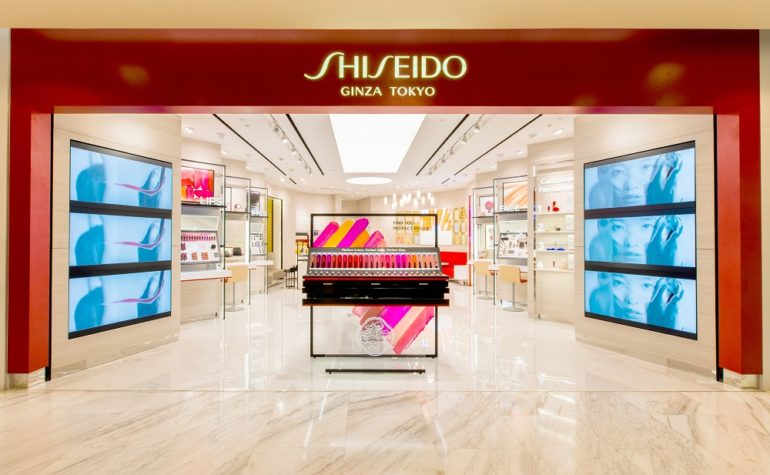
    Japanese cosmetics giant Shiseido on Sunday become the world’s first multinational cosmetic company to open a dedicated office in Hangzhou to work with Alibaba Group and co-create products specifically tailored for Chinese consumers.

    The Shiseido and Alibaba office, within walking distance of the Alibaba Xixi headquarters, will house a team of around 20 Shiseido employees by next year. The purpose is to tighten collaboration with Tmall, Alibaba’s B2C marketplace and better position Shiseido in China, said the makeup company’s China region CEO Kentaro Fujiwara.

    “China is Shiseido’s biggest and most-important market [outside of Japan]. By combining Alibaba’s strengths in digitisation and consumer engagement with Shiseido’s world-class standards in research and development, we can create products that can precisely capture the appetite of the Chinese consumer,” he said. “I hope this unprecedented collaboration will pave the way for further innovations for the entire [Shiseido] group.”

    According to Shiseido, its China business saw the fastest acceleration in 2018 with sales growth of 32.3 per cent year-on-year to RMB 11.6 billion (US$1.73 billion). China accounted for 17.4 per cent of Shiseido’s total net sales last year, making it the profitable country market, following its home market Japan. Shiseido said it expects e-commerce to generate 40 per cent of its China sales by next year.

    “Without a doubt, whether it be e-commerce or digital innovation, Alibaba is the leader. Alibaba is one of the most important strategic partners for Shiseido China as well as for the entire group,” said Fujiwara.

    Mike Hu, president of Tmall’s fast-moving consumer goods division, said Shiseido’s leadership position in the industry and its quick adaptation to digital transformation is a common value shared by Alibaba.

    “Our primary mission is to enable others, and we are always eager to work with the world’s leading companies to help them bring their best products into the China market in the most effective and efficient way. This definitely includes Shiseido, a reputable brand that is synonymous with high standard and high quality,” he added.

    “The opening of the Shiseido and Alibaba office represents an important and historical milestone of our long-term collaboration,” Hu said.

    One of Shiseido’s cosmetics brands, Za, opened a Tmall flagship store in September 2011. Since then, 12 flagship shops and 15 major brands also launched on the platform. Fujiwara said there is a plan to bring Shiseido’s mother-and-baby product brand into China later this year via Tmall.

  • What Makes Dropshipping the Future of E-commerce

    What Makes Dropshipping the Future of E-commerce

    There are plenty of articles floating around on the internet with numbers that reveal how much dropshipping is making. And those who believe that e-commerce is a thing in just North America and Europe are wrong. It is a global phenomenon and will continue to be one of the cornerstones for the future. But what makes drop shipping so popular for both individuals who are looking to make some extra money on the side and massive companies that dominate their area of expertise? The answer is not that simple as there are quite a few reasons why that is. The most attractive aspect of this business model is that the best dropshipping products can be found anywhere: Google, YouTube, AliExpress, etc. You don’t have to look far to find a winner!”

    Product Sourcing

    If you consider how regular e-stores operate, it can become quite problematic for those who get their products from other manufacturers and sell them after. The whole thing becomes even more of a headache if it is in another country. Items are delivered in bulk, so calculating how much you are going to sell beforehand is crucial. And who is capable of doing calculations that are perfect? The more you delve into it, the clearer it becomes how much money, time, and other resources it takes.

    Meanwhile, dropshipping eliminates all these problems and allows you to focus on marketing and profits. Even if you do have to deal with issues that arise with the products, it is no more than a couple of emails every day or so.

    Storage

    While this point has been mentioned above, it would still be worth emphasizing how much of a difficulty it can be to store your products. Take used car parts for instance. There will be another issue besides the lack of space. It is not that great for the environment, so if certain agencies get the hang of what you have, you might end up in trouble. And there are a number of products that would cause this.

    Order Fulfillment

    Packing, going to the post office, etc. is not that big of a problem if you have just a few items to ship every other day. However, as soon as things start to pick up, you will more than likely not have enough time for all of that. And if you are stuck all day dealing with order fulfillment, there will not be enough time to focus on the website and marketing. Once the scaling begins, it will be physically impossible to deal with everything yourself, and hiring others will mean paying them. Again, this is another problem that does not exist in dropshipping. Logistics are not the same.

    Photos and Cataloging

    To shine in the world that is dominated by big companies, a new e-shop owner will have to put as much effort as possible. Products will need to appear as attractive as they can, which means that there will be a need for an expensive camera, and even a professional photographer. It would not be a stretch to say that you will need to get an entire studio for things to work out in your favor. Meanwhile, drop shippers have it easy thanks to the amazing product importing feature app. This app allows for photos to be instantly imported.

    Potential to Scale

    The potential to become a powerhouse in e-commerce by drop shipping is massive. There are plenty of companies that started out as nothing but an individual or a group of people who had the same goal. Since the method requires very little money to invest, a lot of money can be used for expansion. The more time you spend learning about how it works, the easier it will become to make your dream a reality.

    Testing Different Products Without Spending

    It is more than likely that you will not have a lot of success with your first venture. But that is not a bad thing as it will be a good experience for the future. Dropshipping allows you to sell and test without spending money yourself. Finding the perfect product to focus on will take time, but if there is one method that allows you to do so without worrying about financial loss, it is this one.

    All in all, it should become clear why dropshipping is such a great thing and will continue to be one of the cornerstones of e-commerce in the future. What is dropshipping is the question that first-timers might pose, but it is thoroughly explained in the second chapter of the ebook by Oberlo titled “Dropshipping 101: Ecommerce Without Inventory”. So if you are interested in starting something of your own, give this ebook and other sources of information a read.


  • Walmart partners with Google for voice shopping

    Walmart partners with Google for voice shopping

    US retail giant Walmart and tech company Google have collaborated on voice technology to assist customers with grocery shopping.

    Starting this month, Walmart Voice Order will allow consumers to order groceries through Google Assistant by saying, “Hey Google, talk to Walmart”.  Google Assistant will then follow the orders directly and add grocery items to their Walmart Grocery cart.

    “We continue to innovate for the future and look to technology to make great services even better in the future. Introducing: Walmart Voice Order,” said Tom Ward, senior vice president, Digital Operations, Walmart US.

    “With the new voice ordering capabilities we’re building across platforms with partners like Google, we’re helping customers simply say the word to have Walmart help them shop … literally.”

    “Best of all, customers can be extra confident that we can quickly and accurately identify the items they are asking for with the help of information from their prior purchases with us. The more you use it, the better we’ll get,” added Ward.

    When shoppers say “add milk to my cart,” the Google Assistant will add the specific milk brand the customer usually buys, meaning there is no need to continually repeat the brand, volume and whether it’s a low fat or whole milk.

    Shoppers can use Walmart Voice Order on Smart Displays like Google Home Hub, Android phones, iPhones, watches, etc.

    “We know when using voice technology, customers like to add items to their cart one at a time over a few days – not complete their shopping for the week all at once. So, this capability aligns with the way customers shop. We can’t wait to hear what they think about it and how it’s making shopping easier for them,” Ward explained.

    Walmart, Amazon competes in the US grocery sector

    Walmart’s latest move comes in light of Amazon’s plans to slash prices at Whole Foods Market and to give major discounts to Amazon Prime members. Amazon also offers voice-activated shopping using its own Alexa-enabled devices, which dominates the US smart speaker market, with 67 per cent market share in 2018.

    “We still don’t see a lot of people shopping and buying with smart speakers yet, but this may change if more lower-cost models begin to incorporate screens. We’re also likely to see people doing more things with their voice assistants as they find their way into cars and other home-based devices,” said analyst Victoria Petrock.

    There are still a minimum number of shoppers who are using speakers to shop. Voice commerce in 2018 accounted for approximately 0.4 per cent of US e-commerce sales. Analysts expect it to increase in the next few years.

  • South Korean online retail sales show steep climb

    South Korean online retail sales show steep climb

    South Korean online sales posted double-digit growth in February, underpinned by soaring demand for air purifiers.

    The spike in demand was caused by an instance of fine-dust pollution that hit Korea during the month.

    The findings were published in a Ministry of Trade, Industry and Energy report last Thursday that registered a 12 per cent advance in online retail sales compared with the same period last year.

    Home appliances sales, encompassing air purifiers, grew 62.2 per cent over the course of the month.

    The February figures contrasted with a 0.4 per cent dip in revenue by both online and offline major retailers and a 7.1 per cent decline in offline sales. Discount outlet sales also dropped by 13.7 per cent.

  • Alibaba Launches “Fliggy Buy” Shopping Channel with Merchants

    Alibaba Launches “Fliggy Buy” Shopping Channel with Merchants

    New service offers convenience to Chinese travelers, advances “Global Fun” strategy Hangzhou, China, March 26, 2019 – Fliggy, the travel service platform of Alibaba Group, has launched its Fliggy Buy service, which offers overseas merchants a new solution to capture opportunities presented by the growing purchasing power of Chinese outbound travelers.

    The service offers a new shopping channel for Chinese travelers to browse and buy goods on Fliggy before reaching their destination, picking them up in stores after they arrive. It also advances Alibaba’s “Global Fun” strategy, which promotes international travel for Chinese tourists by working with industry players to give the tourists a richer experience while abroad.

    Merchants on Fliggy Buy will include duty-free and tax-free stores, both overseas and within mainland China, internationally renowned brands, specialty local stores and an increasing range of shopping destinations. Furla Hong Kong and Laox of Japan have already joined this channel, and more merchants are expected to join.

    “Fliggy is committed to making it easy to conduct travel business in the digital era. The launch of Fliggy Buy represents our latest move to work with merchants targeting the vast numbers of tourists from China to develop innovative solutions, and offer them targeted customer traffic. Our aim is also to embrace the potential of digital technology and provide a holistic travel experience encompassing food, accommodation, transportation, sightseeing, shopping and entertainment,” said Roman Zhu, Head of Fliggy Buy at Fliggy.

    Through Fliggy Buy, Chinese customers can access detailed information and buyers’ reviews about products, presented in their own language, prior to an overseas trip. This helps them understand features and compare prices across different merchants before committing to a purchase. They can ensure the items they want, especially limited editions, are in stock before the trip and make reservations online, as well as seek online customer service. Buying from duty-free and tax-free stores is an added benefit.
    Chinese travelers using this service can choose from a range of products, including cosmetics, suitcases, bags and alcohol offered by popular merchants. After selecting a pickup store, as well as inputting their personal information and completing payment, consumers can then pick up their goods at their leisure, allowing them more time to explore and experience the destination.

    “Duty-free and tax-free stores are our focus during the first phase of rollout, as they are the most visited shopping and consumption venues amongst Chinese outbound tourists. Our next step is to enrich the product categories on Fliggy Buy and recruit more overseas merchants to include high-end luxury brands, household electronics sellers, as well as pharmacy and cosmetics stores, assisting them to reach more Chinese consumers,” Zhu said.

    With users visiting 192 countries and regions in 2018, outbound travel is an important part of Fliggy’s business. Fliggy’s insights show an upward tendency of Chinese travelers spending overseas, as the average spending of these travelers grew 9% year-on-year in 2018. As a platform operator, Fliggy is dedicated to helping merchants and associations working in the tourist industry worldwide to build direct relationships with Chinese consumers.

    As a key component of the Alibaba Economy, Fliggy is committed to promoting Alibaba Group’s “Global Fun” initiative. Global Fun together with Global Buy, Global Sell, Global Pay and Global Delivery are the five core aspects of Alibaba Group’s globalization strategy to realize its long-term vision of serving two billion consumers around the world and supporting 10 million businesses to operate profitably on its platforms by 2036.

  • Japan’s small retailers gain global e-commerce platform presence

    Japan’s small retailers gain global e-commerce platform presence

    The Japan External Trade Organisation is offering free international e-commerce site access to small-scale domestic retailers to help them sell products in 18 markets abroad.

    The initiative is expected to bolster exports for small and medium-sized businesses, taking advantage of the global popularity of Japanese products as international online trade remains on course to reach US$994 billion next year – up from $530 billion two years ago.

    Twenty four e-commerce sites, including Japan’s Rakuten; China’s Alibaba, Red and JD; and Singapore’s Redmart are signed up to participate in the program, featuring selected Japanese products on their platform without charging listing fees.

    Walmart’s Seiyu and British retailer Ocado will bring Japanese products into markets outside of Asia.

  • Walmart is taking on Amazon with its upcoming tablet

    Walmart is taking on Amazon with its upcoming tablet

    Soon, those searching for a cheap Android tablet won’t have to deal with the lack of Google Play Services found on the low-priced Amazon Fire Tablets. The line, powered by a forked version of Android, does not come with core Google apps including the Play Store. Instead, Amazon’s own app storefront is included. A tweet disseminated by XDA’s Mishall Rahman reveals that discount retailer Walmart is prepping an 8-inch Android slate that has Android 9 Pie pre-installed. The device will offer the usual bevy of Google apps and will feature the Google Play Store. Made in China, the tablet will carry Walmart’s own ONN brand, which it uses on low-priced tech accessories like headphones and cables.

    The new tablet, model number ONA19TB002, is expected to be “kid-friendly” according to a subsequent Bloomberg report. The 8-inch display will carry a resolution of 1200 x 800. Other specs included in Rahman’s tweet mention that the tablet will have a quad-core MediaTek MT8163 chipset under the hood, along with 2GB of memory and 16GB of expandable storage. The slate will have a microUSB port, and carry a 3500mAh battery.

    Walmart’s tablet has already received certification from the FCC, and could be priced under $200. A low priced tablet like this will probably not to do much to reverse the decline in shipments of the device. Strategy Analytics says that tablet shipments declined 6.2% last year. The Apple iPad remains the market share leader followed by Samsung and Amazon.

  • Majority of online shoppers check brands on Amazon

    Majority of online shoppers check brands on Amazon

    Most online shoppers compare a brand or retailer’s site to Amazon before purchasing something, according to a study released by Episerver.

    Episerver’s third annual Global Consumer Study shows that 87 per cent of online shoppers compare what they find on a brand or retailer’s site to Amazon before completing a purchase. Ninety-seven per cent won’t complete a purchase if they see incorrect or incomplete content on a brand’s website and/or mobile app.

    “Product education, personalised content and site search, purchasing ease, promotions on multiple channels, peer reviews and performance of the site itself can all make a difference,” said Ed Kennedy, senior director of Commerce at Episerver.

    According to Episerver, marketplaces like Amazon reign supreme due to their wide variety of price options, product selections and shipping features.

    The study, which surveyed 4500 online shoppers in eight countries, also showed that nearly half of online consumers, 46 per cent, said having too many options online has prevented them from making any purchase at all.

    Almost half of the people surveyed start their online purchase journey at an online marketplace, Amazon included, Kennedy said.

    Sixty per cent of consumer prefer marketplaces for their price options and over half, 58 per cent, for their product selections.

    “Knowing only a small fraction of customers do not use Amazon to compare products can certainly be a cloud over a retail operation seeking engagement and conversions on their digital properties,” Kennedy said.

    “However, knowing consumers’ mindsets that casual swiping can turn into committed shopping, retailers can drive interest and ultimately, sales, by lessening the burden of choice and doubling down on experience-driven commerce.”

  • Deliveroo Presents Hong Kong’s First Rider Restaurants Award

    Deliveroo Presents Hong Kong’s First Rider Restaurants Award

     Celebrating the collaboration between riders and restaurants, the backbone of Hong Kong’s food delivery industry, Deliveroo has launched the new Rider Restaurants Award. This is a first-of-its-kind initiative, promoting the spirit of hospitality and asking riders in every Hong Kong district to vote for their favourite restaurants to work with.

    The unique teamwork between riders and restaurants is fundamental to Deliveroo’s mission to bring a huge variety of delicious food direct to people’s doors. In the first ever Rider Restaurants Award, riders in Hong Kong have voted for their favourite restaurants based on criteria such as the courtesy and friendly attitude of staff, order preparation time, and being offered extra hospitality touches such as a glass of water or access to a phone charger.

    Brian Lo, General Manager of Deliveroo Hong Kong, said, “The Rider Restaurants Award are yet another fantastic way for Deliveroo to support the thriving growth of food delivery in Hong Kong. We’re thrilled to shine the spotlight on the symbiotic relationship between Deliveroo riders and restaurants, recognizing their joint efforts to bring fresh, tasty meals to people in Hong Kong, fast. With Deliveroo, restaurants get more customers, riders get well-paid and flexible work, and everyone can enjoy more access to great dining options.”

    A total of 975 votes were received, representing nearly half of the Deliveroo fleet. Key findings include:

    • Amongst winning restaurants, the average prep time from when an order is received to when it’s ready for delivery is 7.6 minutes
    • 20 out of the 23 winning restaurants offer an order prep time under 10 minutes
    • Cheung Hing Kee Shanghai Pan-fried Buns (Central), Marugame Seimen (Kowloon Bay) and Pak Don (Yau Tong) boast the fastest order prep times, at 4.6, 4.9 and 5.3 minutes, respectively
    • In terms of how long riders must wait once they arrive to a restaurant, on average, 83.8% of riders enjoy 5-minute-or-less waits across all winning restaurants
    • McDonald’s (Wan Chai) wins on snappy service, with more than 96% of riders saying their wait time is under 5 minutes
    • All winning restaurants offer a wait time of under 5 minutes to at least 60% of riders

    Drawing top scores from Deliveroo riders, the winning restaurants in Deliveroo’s first Rider Restaurants Awards received their trophies from Deliveroo this week. They are:

    Hong Kong Central:

    • La Rotisserie
    • McDonald’s
    • Eric Kayser

    Hong Kong Island East

    • The Night Market
    • Ki’s Roasted Goose Restaurant
    • McDonald’s

    Hong Kong Island South

    • Viet’s Choice
    • GCX
    • Tam’s Shop
    • Meen & Rice
    • Shanghai Lao Lao

    Hong Kong Island West

    • Cheung Hing Kee Shanghai Pan-fried Buns
    • BEP Vietnamese Kitchen

    Kowloon Central

    • Dumpling Pro
    • King of Sheng Jian

    Kowloon East

    • Marugame Seimen
    • PakDon Yau Tong
    • Viet’s Choice

    New Territories East

    • California Pizza Kitchen
    • KTS

    New Territories West

    • Crystal Jade Jiang Nan
    • FOODBOX

    Furthering the company’s commitment to support Hong Kong’s burgeoning food delivery industry and bring added value to partners and customers wherever possible, Deliveroo collected a number of learnings during the awards process. These have been collated into a list of insights on which restaurant hospitality practices make the biggest difference to riders. These practices can deliver a higher quality of service and a better experience for riders, restaurants and customers alike. Key points from the winning restaurants include:

    • Treating riders and walkers with the same level of warm, welcoming service as customers
    • Encouraging hospitality training for staff, e.g. courses conducted by the Hong Kong Quality Assurance Agency
    • Double checking orders for delivery to ensure they have been correctly prepared
    • Being ready to give prepared meals to riders as soon as they arrive

    Brian Lo added, “Leading the Riders’ Restaurants Awards has been an amazing opportunity to learn more about how restaurants in Hong Kong can deliver the best hospitality experience, whether interacting with guests in person or working with delivery riders to reach hungry customers at home. In Hong Kong’s highly competitive F&B market, cultivating the right service philosophy can help restaurants stand out from the crowd and win lasting loyalty from guests – whether they’re eating in or ordering takeaway from Deliveroo.”

  • Nearly half of Vietnamese shoppers buy premium products online

    Nearly half of Vietnamese shoppers buy premium products online

    Forty-eight percent of Vietnamese consumers buy premium products online from local retailers, with cosmetics the top category, a report says. Although the majority of survey respondents, 69 percent, said that they still purchase their premium products at local physical stores, the online ratio was higher than the global rate of 45 percent, says a global report by market research firm Nielsen.

    Nielsen’s Changing Consumer Prosperity study also found over a quarter of Vietnamese respondents, 27 percent, were inclined to buy online from overseas e-retailers, and 23 percent even travel overseas for these premium goods.

    Cosmetics are the top premium products that Vietnamese consumers spend their money on, according to 46 percent of respondents, following by clothing/shoes (44 percent), electronics (43 percent), body care (41 percent) and meat or seafood (38 percent).

    What Vietnamese people care most about a premium product is its high quality, according to 65 percent of respondents, and superior performance, 58 percent. Over half the respondents also seek premium products that contain environmentally friendly materials or natural/organic ingredients.

    When it comes to trying new premium products, Vietnamese rated peer recommendations as the most influential factor.Half of the respondents said that recommendations and encouragement by friends and family influenced their decision, followed by product research (46 percent), online advertising (42 percent), television advertising (39 percent) and in-store advertising (39 percent).

    In another survey released recently, Nielsen said that Vietnamese people remain among the most optimistic consumers even as global confidence fell in Q4 2018. Despite considerable increase in savings, Vietnamese consumers are still willing to fork out just as much or possibly even more money on big-ticket items such as new clothes, holidays or out-of-home entertainment, it said.

    Vietnam’s e-commerce sector has been booming in recent years. E-commerce revenue reached $2.26 billion last year, a growth of 30 percent over 2017, according to Germany-based data portal Statista. It estimated that this figure will reach $2.7 billion this year.

  • Vietnam’ E-commerce revenue forecast to hit $15 bn in 2020

    Vietnam’ E-commerce revenue forecast to hit $15 bn in 2020

    With 53 per cent of its population using the internet and nearly 50 million smartphone subscribers, Vietnam’s e-commerce market is expected to beat the previous revenue forecast of $10 billion in 2020 and may reach $15 billion, according to experts. The country’s e-commerce sector records annual average growth of 35 per cent; 2.5 times higher than the figure in Japan, making it one of the countries with the fastest e-commerce growth in the world.

    Mr. Dang Hoang Hai, Director of the E-Commerce and Information Technology Agency under the Ministry of Industry and Trade,  as saying that retail sales from e-commerce earned $8 billion in 2018, much higher than the forecasted figure of $7 billion.

    Therefore, revenue from e-commerce in 2020 could surpass the projected $10 billion, he said.

    A report on online shopping in 2018 conducted by market researchers Q&Me shows that Shopee accounts for the lion’s share of the domestic e-commerce market, at 35 per cent, with over 700 active brands and sellers, according to the news agency.

    It quoted Mr. Le Anh Huy, Deputy General Director of the Sen Do Technology JSC, the operator of the Sendo online commerce platform, as reporting that it recorded a threefold surge in 2018 over the previous year, serving more than 10 million consumers around the country.

    Experts have said, however, that e-commerce in Vietnam still faces various obstacles, including legal issues, skills for e-commerce development, security rights for concerned parties, and infrastructure for the sector.

    Support for e-commerce development in Vietnam’s remote and mountainous regions also remains modest.

    According to experts, Vietnam should consider the establishment of a State management agency to tackle those challenges and bolster the development of logistics in line with the digital economy, or assign such tasks to a ministry.

    Vietnam should also regularly update its legal system as well as develop synchronous infrastructure and a national payment system for e-commerce development, the experts suggested.

  • Lazada strengthens its position as Singapore’s top eCommerce platform with RedMart’s move to the Lazada app

    Lazada strengthens its position as Singapore’s top eCommerce platform with RedMart’s move to the Lazada app

    With RedMart officially completing its move to the Lazada platform on 15 March, customers can now enjoy a one-stop solution for all their shopping needs. Those who buy their groceries online via RedMart now have access to more than 400,000 retailers in Lazada’s ecosystem, all within the same app and at redmart.lazada.sg. The move also makes Lazada the top eCommerce platform in Singapore in terms of traffic and product range.

    RedMart’s move is part of Lazada’s plan to become Southeast Asia’s biggest eCommerce ecosystem and offer customers the best selection of products across all categories. Combined with RedMart, Lazada has more than 165,000 grocery and supermarket offerings, more than any other grocer (retail or otherwise) in Singapore and Southeast Asia.

    James Chang, CEO of Lazada Singapore, said: “Bringing Lazada and RedMart together is an ambitious project aimed at offering Singapore customers a platform to shop for all their needs more easily and conveniently. Customers can compare similar products across all the retailers in our ecosystem, shop for complementary offerings and benefit from having more payment options, such as the Lazada Wallet.”

    “Since making the move, order volume generated via the new RedMart store on Lazada has been encouraging, with customer orders submitted in the first five days after the move (15-19 March) growing at a similar rate as on the previous platform. This shows that we have been successful in bringing together general merchandise and groceries to create a truly one-stop shopping experience. Lazada is now the top eCommerce platform in Singapore, offering more products and attracting more shoppers than any other platform.”

    Lazada will be rolling out a series of app updates over the next few months to further enhance the shopping experience for customers.

    “We are constantly looking at ways to improve the platform. We take our customers’ feedback seriously and want to ensure that we not only offer them the best selection of products, but also the best user experience,” James added.

    Lazada will launch the following RedMart features and functionalities by end-June 2019:

    1. Order Amend – allowing customers to add more items to an existing placed order;
    2. Delivery Slot Incentives – incentivising customers to consolidate deliveries within the same area and timeframe to reduce our carbon footprint;
    3. My List Features – including managing lists and stock up reminders.

    Other improvements in the pipeline include:

    1. Search Functionality – additional sorting by relevance and/or savings;
    2. Delivery Slot Reservation – allowing customers to reserve their delivery slot before they add items to their shopping cart;
    3. Order Rescheduling – allowing customers to change their delivery timing post-checkout.

    Orders made on the new RedMart on Lazada will continue to be fulfilled according to customers’ chosen two-hour delivery slot between 7AM and 10PM, seven days a week including public holidays, while orders with other Lazada sellers will be fulfilled separately. LiveUp Loyalty Programme members will continue to enjoy free shipping on RedMart for orders over $40, and cashback benefits in the form of Lazada credits which can be used for any orders on Lazada, including for RedMart items.

  • Lazada Fires Up Growth Of “Super eBusinesses” In Southeast Asia

    Lazada Fires Up Growth Of “Super eBusinesses” In Southeast Asia

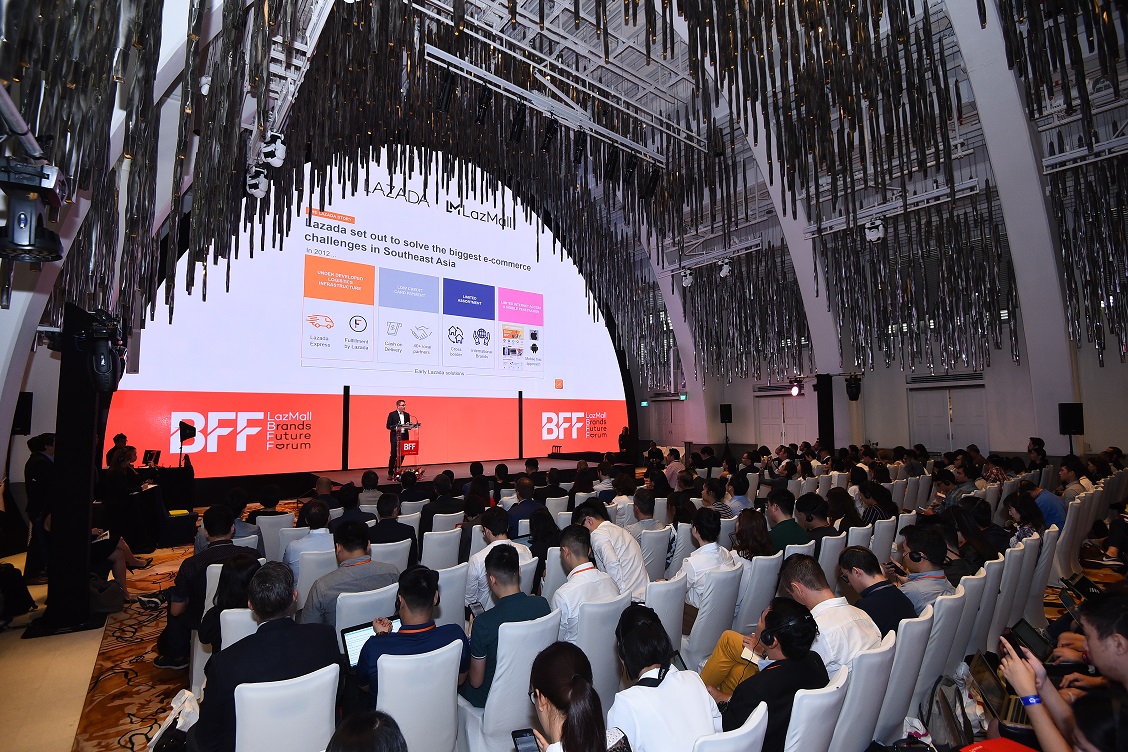
    Southeast Asia eCommerce leader Lazada today announced an allen compassing series of products and services that will fire up the growth of its brands and sellers – big or small – to win market share in the region by transforming them into “Super eBusinesses”.

    The offerings, dubbed super-solutions, are aimed at resolving three pain points that brands and sellers face – branding, marketing and sales. These features, which have been rolled out in conjunction with Lazada’s 7th Birthday celebration, are aimed at brands and sellers, of all sizes, to ensure they are well-positioned to ride the eCommerce boom in Southeast Asia.

    “No seller is too small to aspire, and no brand is too big to be a Super eBusiness. That is why we are thrilled to roll out super-solutions to help our brands and sellers become more nimble in digitising their businesses and better reach customers,” said Pierre Poignant, Lazada Group Chief Executive Officer. The “super-solutions” which were unveiled include: – A series of ‘Super’ campaigns in which LazMall brands and sellers can choose to take part to boost

    their brand image and better engage with customers;

    – A new and improved Marketing Solutions Package and Business Advisor Dashboard that can deliver more traffic to their storefronts, and arm brands and sellers with near real-time information to help them make faster and better decisions to sell more effectively and efficiently;

    – New tech tools like Store Builder for brands and sellers to customise their storefronts to differentiate themselves on Lazada, while in-app live streaming, news feed and in-app consumer games can help win the hearts of consumers with higher consumer engagement. (See factsheet for details)

    At the same time, Lazada also formalised cooperation partnerships with 12 leading global lifestyle, technology and fashion companies that will boost collaboration and strengthen their online retail presence. Called Joint Business Partnerships (JBP), these collaborations will enable brands to tap on Lazada’s industry-leading tech and logistics infrastructure, innovation and e-commerce expertise. Lazada today inked Memorandums of Understanding (MOU) with electronics leaders Realme and Coocaa, while the one with Huawei was signed earlier this month. Other brands that are set to join will include several of the world’s biggest FMCG companies.

    Backed by Alibaba’s technology and logistics infrastructure, Lazada has been able to launch over the past year industry-leading tech innovations like search-image function, consumer engagement games and in app live streaming to become the region’s only “shoppertainment” platform on which people can watch, shop and play, said Poignant at the inaugural LazMall Brands Future Forum (BFF). The annual summit gathers brands and sellers to discuss growth opportunities and technological advancements that will create

    ‘Super eBusinesses’, shaping the future of Southeast Asia’s eCommerce landscape. Accelerating the growth of Lazada brands and sellers The super-solutions will also make it easier for brands and sellers to open up stores on LazMall. Qualified merchants can now take advantage of the new self-sign up feature, a simplified sign-up process that can now be completed in mere minutes. This is in line with the Lazada’s goal of enabling SMEs to become globally competitive.

    “Since the launch of LazMall in 2018, we have seen tremendous growth among our key pioneer brand partners. We want to extend the benefits of LazMall to even more brands and sellers to elevate their eCommerce operations,” said Lazada Group President Jing Yin. “We want to incubate them so they can grow alongside us and become sustainable and successful e-businesses.”

    Across the region, 60 percent of small and medium enterprises (SMEs) are keen to invest in technologies to achieve sustainable growth in today’s digital economy. Business-oriented tools including online commerce solutions, customer relationship management (CRM) and business intelligence, were identified as the top investment priorities1.

    Further promoting excellence in eCommerce, Lazada also handed out awards to top performing brands that have proven to be shining examples of “eBusinesses”. Five awards were presented to outstanding brands and sellers that have been constantly innovating to drive new ways to reach their customers on

    Lazada. Comprising global and Southeast Asian brands, the winners are Unilever (Best Marketing Innovation), Pampers (Best Social Media Activation), Coocaa (Fastest Growing Brand), Philips (Customers’ Choice Award) and Wardah (Best Product Launch).

    Driving ‘Shoppertainment’ in Southeast Asia Pushing boundaries in eCommerce in Southeast Asia, Lazada is driving ‘shoppertainment’ to provide shoppers with a fun, interactive and entertaining experience. As part of its 7th birthday celebrations, Lazada is hosting a first-of-its-kind concert, called “Super Party”, in Jakarta on March 26, 8 pm (Jakarta time).

    The concert, which features a star-studded lineup including British popstar Dua Lipa, culminates with Lazada’s birthday shopping event on March 27. The one-day sale promises a new online shopping experience that includes a new selection of exciting games for redeeming vouchers and attractive deals for consumers in the region.

  • Tmall Global Unveils New Initiatives to Boost China’s Imports

    Tmall Global Unveils New Initiatives to Boost China’s Imports

    Tmall Global today unveiled two key initiatives that further Alibaba’s plans to bring $200 billion worth of international goods into China over the next five years and help businesses of all sizes enter the China market. The initiatives – the Centralized Import Procurement (CIP) and Tmall Overseas Fulfillment (TOF) – are import solutions offered by Tmall Global to help international brands accelerate their entry into China and capitalize on hot demand for high-quality products.

    As the biggest cross-border platform in China, Tmall Global not only helps brand open up flagship stores on the platform, but also offers direct import services that can help bring international goods, from companies of all sizes sell into the Chinese market, benefiting Chinese consumers with an expanded choice of imported products.

    “These new initiatives on Tmall Global, supported by the entire Alibaba ecosystem and benefiting both current and future partners, are needed enhancements as we strive to meet the rising demand of Chinese consumers for high-quality international products,” said Alvin Liu, General Manager of Tmall Import-Export, at the Tmall Global 2019 Global Partners Summit. At the China International Import Expo in November last year, Alibaba pledged to bring $200 billion worth of international goods into China over the next five years through its platforms.

    Alibaba unveiled the CIP program today as a key part of Alibaba’s new retail business. By leveraging the six procurement centers Alibaba has set up across the globe, the program sources imported goods for all the online and offline outlets within the Alibaba ecosystem, including technology-driven grocery chain Freshippo (also known as

    “Hema” in Chinese), Tmall Supermarket and Intime Department Store. The program is a quick and low-risk way for international brands to enter China, allowing them to reach the nearly 700 million active users on Alibaba platforms.

    TOF is a consignment solution that allows brands to place a small batch of products at one of the TOF centers to be sold on the Tmall Global platform. This gives businesses around the world a chance to try out and fine tune their product assortment before making a full entry into China. TOF centers are currently available in Japan, South Korea and the US, with plans to expand into Europe later this year.

    To support these new initiatives, Alibaba’s smart logistics network, Cainiao, will continue to expand its network of bonded warehouses in China, with an aim to triple its total size to three million square meters in three years.

    “Over the years, Tmall Global has added a full suite of innovative and value-added services to help overseas brands succeed in the China market, including plugging them in to the entire Alibaba economy. The consumer insight from our ecosystem provides Tmall Global partners a complete view of their customers’ engagements even if they do not have operations in China. These market entry and in-market expansion programs are our key differentiators and have created unique benefits for international brands,” said Liu.

    Tmall Global data shows China’s demands for imported goods is gaining strong traction across age groups, regions and categories. Those born after 2000, or

    “Generation Z,” is the fastest-growing consumer group on the platform. The platform is attracting more shoppers in less developed regions, and Tmall Global has successfully propelled the growth of three categories: anti-hair loss products, beautyfrom- within products such as collagen drinks and trendy footwear in 2018.

    China’s “Generation Z” is also fueling demand for pet products and beauty devices. In 2018, the number of pet-related brands on Tmall Global doubled from the previous year, and sales of beauty devices on the platform also quadrupled from a year earlier. Recognizing young Chinese consumers’ love for content, Tmall Global will continue to offer brands a raft of content-generating tools to boost brand awareness. By tapping into Alibaba’s own digital-media channels, such as Taobao Livestream, brands can directly speak to Chinese consumer through multiple touchpoints, including livestream services, videos and testimonials by popular influencers and key opinion leaders.

    According to Chinese data-analytics firm Analysys, Tmall Global is the biggest crossborder platform in China. The platform offers Chinese consumers over 20,000 overseas brands and over 4,000 product categories from 77 countries and regions.

  • Lazada and Mastercard Collaborate to Empower Brands and Sellers in eCommerce

    Lazada and Mastercard Collaborate to Empower Brands and Sellers in eCommerce

    Lazada, Southeast Asia’s leading online shopping and selling platform, and Mastercard today announced a five-year partnership to grow the eCommerce ecosystem in Southeast Asia (SEA).

    This comes as Lazada is committed to delivering the best eCommerce offerings that serve the needs of the region’s brands and sellers. This partnership also enables Mastercard to reach new audiences with Lazada’s wide network of users in the SEA region, including those in developing markets. At the same time, merchants will benefit from Mastercard’s solutions.

    Here are some initiatives that Lazada and Mastercard will roll out in this partnership:

    • Develop joint marketing and education campaigns to increase consumer confidence, as well as reward schemes to incentivize the use of digital payments;
    • Lazada will be able to access Mastercard’s regional and global sponsorship platforms to create unique promotions;
    • Mastercard’s data-driven insights will combine offline and online behaviors to help Lazada understand how to drive greater e-commerce growth within the growing base of Internet-savvy and mobile consumers in the region;
    • Lazada will be the anchor merchant for certain new Mastercard solutions in select markets.

    As leaders in their respective fields, Lazada and Mastercard aim to unlock the inherent potential of Southeast Asia’s fast-growing digital ecosystem by creating opportunities on a trusted marketplace platform for brands, sellers and buyers, providing new revenue streams for businesses.

    Mary Zhou, Chief Marketing Officer, Lazada Group, said: “The rapid technological advancements in the region has created new possibilities for businesses and consumers. As we continue to nurture the growth of brands and sellers online, we want to enable them to also future-proof their businesses in the face of an evolving landscape and ultimately help them become more globally competitive. This partnership allows merchants to leverage Mastercard’s data and insights to better reach out to and engage with their consumers.”

    Rama Sridhar, Executive Vice President, Digital & Emerging Partnerships and New Payment Flows, Asia Pacific, Mastercard, said, “The e-commerce boom in Southeast Asia has brought merchants fast-evolving and borderless new opportunities while giving consumers access to a vast world of retail options. Our partnership with Lazada builds open marketplaces and advances digital democratization, bringing more to buyers and sellers in the region. It underscores how imaginative product proposition, advanced analytics and a deep understanding of consumer passion points can converge to deliver game-changing impact across Southeast Asia’s digital economy.”