Category: E-Tailing

Retail News Asia is committed to providing both local and global retailers with the latest E-Commerce & Etail news throughout the Asian market. This on a daily base.

  • JD.com Defies Odds with Rising Q1 Revenue Amidst Chinas Economic Headwinds

    JD.com Defies Odds with Rising Q1 Revenue Amidst Chinas Economic Headwinds

    JD.com, a major player in the Chinese e-commerce sector, has surpassed first-quarter revenue and profit expectations, provoking interest among investors about the role of Beijing’s subsidy program in maintaining this positive trend amidst rising tariffs and consumer demand issues.

    Shares of JD.com, listed in the US, showed a slight increase in early trading. CEO Sandy Xu informed analysts that although revenues from electronics and home appliances had decreased 8.4% year-on-year in the first quarter, there was still an observable sequential improvement.

    Despite facing external challenges in Q2, Xu expressed confidence in the potential for stronger performance in the electronics and home appliances sector in the latter half of the year.

    China, which holds the position of the world’s second-largest economy, continues to grapple with low consumer confidence. This is largely due to a protracted property slump and increased tariffs levied by the US on a variety of Chinese goods. The ongoing conflict between the US and Iran has also resulted in rising fuel prices and living costs, subsequently reducing consumer spending power.

    However, JD.com, the leading retailer of appliances and electronics, may have been able to moderate revenue losses with the help of subsidies from local governments. These subsidies encourage consumers to trade in their old appliances and electronics.

    Financial Implications

    The quarterly revenue for the period ending in March stood at $46.47 billion, outperforming the LSEG consensus estimate of $45.9 billion, which was calculated from the opinions of 15 analysts.

    Yet, increased expenses, including fulfillment costs, research and development, and marketing, led to a decrease in net income. JD.com’s net income attributable to its ordinary shareholders was $750.872, surpassing expectations of $496.164.8, but representing a 53% decline from the previous year.

    The preceding quarter saw a net loss of $398.993, partly attributable to significant investments in food delivery. As a means of generating new revenue sources amidst fierce e-commerce competition, the company ventured into the food delivery sector last year, going up against established competitors like Meituan and Alibaba. This move, however, added to the pressure on profits.

    Xu stated that the food delivery business of JD.com is already demonstrating its strategic value by contributing an additional 3% to advertising revenues in Q1. The company also reported that investment in JD Food Delivery has “significantly narrowed on a sequential basis.”

    Questions & Answers

    What were JD.com’s first-quarter revenue and profit results?
    The company exceeded first-quarter revenue and profit expectations, reporting a quarterly revenue of $46.47 billion.

    What challenges is JD.com facing in generating profits?
    JD.com is struggling with increased expenses in several areas, including fulfillment costs, research and development, and marketing. The company also faced a net loss in the preceding quarter due to heavy investments in food delivery.

    How is JD.com strategizing to combat these challenges and generate new revenue?
    JD.com entered the food delivery market last year to develop new revenue streams. Despite the high costs, the company’s food delivery business is already contributing an additional 3% to advertising revenues.

  • Fast-Fashion Rivals Shein and Temu Ignite Global Legal Showdown Over Massive Copyright Infringement Allegations

    Fast-Fashion Rivals Shein and Temu Ignite Global Legal Showdown Over Massive Copyright Infringement Allegations

    The fast-fashion online market is currently in the spotlight as a significant legal tussle unfolds between two rapidly growing competitors, Shein and Temu. The case, presently in motion at London’s High Court, erupted after Shein accused Temu of large-scale copyright infringement. In response, Temu alleges that Shein is employing litigation tactics to cripple the competition.

    This legal conflict has global implications, potentially affecting e-commerce platform practices, supplier relationships, and the enforcement of intellectual property rights within the industry.

    Allegations and Counterclaims

    Shein asserts that Temu has exploited thousands of their original photographs to promote replicas of Shein’s proprietary clothing line on its platform. Shein’s legal representative, Benet Brandreth, characterized this move as an attempt to illicitly gain an upper hand by taking advantage of an established competitor. Temu, however, refuses to accept the allegations.

    Brandreth informed the court that Temu has retracted its defense against Shein’s copyright claims involving roughly 2300 photographs taken by Shein employees. He likened this to a defendant waiting to see if the witnesses appear in court, only to later confess to the allegations.

    Meanwhile, Temu, a subsidiary of PDD Holdings, has lodged a counterclaim seeking damages. This move came after Shein obtained an injunction, which resulted in Temu having to delist thousands of products. Temu has also accused Shein of violating competition laws by compelling fast-fashion suppliers into exclusive contracts. This portion of the lawsuit is scheduled for trial in the coming year.

    According to Temu’s legal team, Shein’s lawsuit is not a genuine effort to prevent copyright infringement. Instead, they contend that it is a strategic move aimed at securing a competitive edge.

    Impact and Implications

    The London trial is only the latest episode in the ongoing legal feud between Shein and Temu, which has seen lawsuits filed in the United States as well. Amidst escalating regulatory scrutiny, this feud throws light on the intensified competition in the fast-fashion industry.

    Both Shein and Temu have seen rapid expansion in international markets due to their affordable clothing, accessories, and gadgets. However, the growth of both companies could be hindered by policy changes, such as the revocation of a US customs exemption on low-value e-commerce parcels last year, and the European Union’s plan to implement a similar measure in July.

    Questions & Answers

    What are the allegations made by Shein against Temu?
    Shein accused Temu of copyright infringement, alleging that Temu used thousands of Shein’s own-brand clothing photographs to advertise copies on its platform.

    What is Temu’s response to Shein’s allegations?
    Temu denies the allegations and counters by claiming that Shein is using litigation to stifle competition. Temu also accuses Shein of breaking competition law by tying fast-fashion suppliers to exclusive agreements.

    What could be the implications of this legal battle for the fast-fashion industry?
    The legal dispute has potential global implications and could impact platform practices, supplier relationships, and the enforcement of intellectual property rights across the e-commerce industry.

  • Coupang Bounces Back: Q1 Shows Promising Growth Amidst Ongoing Recovery Efforts

    Coupang Bounces Back: Q1 Shows Promising Growth Amidst Ongoing Recovery Efforts

    Coupang, the South Korean e-commerce giant, has made a steady start to Fiscal Year 2026, according to its first quarter results. The data indicates a slow but steady recovery following disruptions experienced towards the end of last year.

    Stronger Financial Performance

    The Q1 results unveiled a noticeable growth in the company’s revenue, which rose to $8.5 billion. This marks an 8 percent year-over-year increase, slightly outpacing analysts’ expectations. Coupang’s financial performance improved during February and March, following a less-than-stellar beginning to the year.

    Management indicated that January was the most challenging month, with a decline in order frequency, membership engagement, and overall customer interactions. However, these metrics consistently improved throughout the quarter, pointing towards a positive trend.

    Despite this promising uptick in performance, executives were quick to point out that the recovery process is not yet fully complete. According to founder Bom Kim, the company is committed to enhancing the customer experience that initially attracted shoppers to Coupang. The focus is not only on product commerce but also on the development of new offerings.

    Challenges and Future Prospects

    While the revenue showed positive growth during the quarter, the company’s profitability took a hit. Lower earnings were reported, driven by a variety of temporary factors and investment-related activities. The company’s management cited multiple pressures that are currently impacting margins, including increased promotional campaigns to re-engage customers during this recovery phase.

    Coupang remains optimistic about its future, reiterating its commitment to expanding new offerings and penetrating international markets, despite the potential impact on profitability. In Taiwan, for example, the company is laying the groundwork for an enhanced customer experience.

    Kim highlighted the company’s last-mile delivery network, which guarantees next-day delivery, saying it now covers the majority of their volume and is continuously expanding. This initiative is still in its early stages in Taiwan, but early feedback from customers has been overwhelmingly positive.

    Looking forward, Coupang is anticipating continued improvement during the second quarter with minimal lingering effects from previous disruptions.

    Questions & Answers

    What challenges did Coupang face in the beginning of Fiscal Year 2026?
    Coupang faced disruptions that resulted in a weak start to the year, particularly in January. Order frequency, membership engagement, and customer interactions declined during this period.

    How is Coupang planning to improve customer experience?
    Coupang’s founder, Bom Kim, stated that the company is focusing on enhancing the shopping experience that initially attracted customers to Coupang. This will involve improvements in product commerce as well as the development of new offerings.

    What are Coupang’s plans for expansion in international markets?
    Coupang has reaffirmed its commitment to scaling newer offerings and expanding into international markets, despite potential impacts on profitability. One such expansion is in Taiwan, where the company is working on enhancing its customer experience and expanding its last-mile delivery network.

  • Grab Defies Fuel Crisis with Double-Digit Growth: Record Earnings and Soaring Demand in Q1

    Grab Defies Fuel Crisis with Double-Digit Growth: Record Earnings and Soaring Demand in Q1

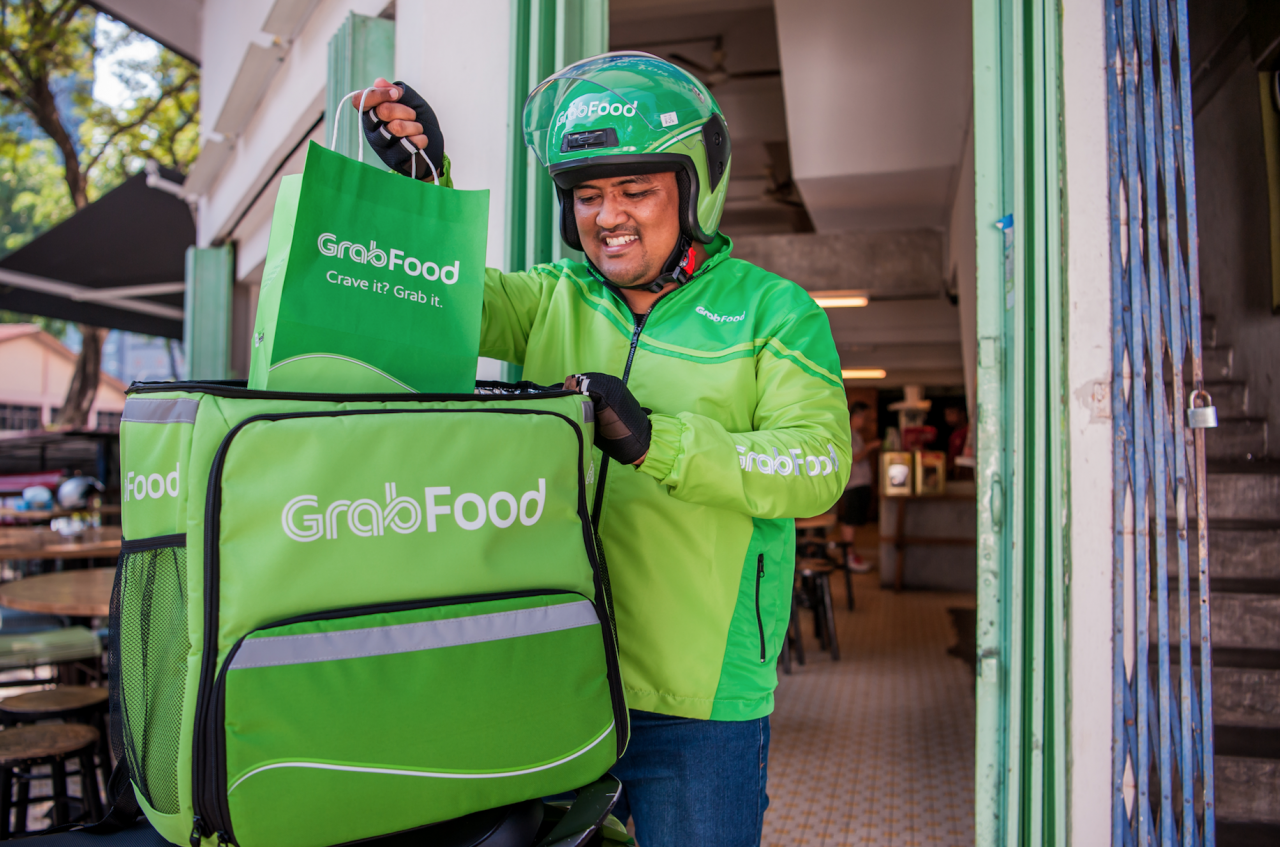
    Singapore-based Grab Holdings kicked off the new financial year on a high note, reporting double-digit growth in its first-quarter revenue and earnings, reflecting the company’s robust resilience in the face of market fluctuations.

    Impressive First-Quarter Results

    Grab’s revenue for the first quarter, ending March 31, climbed by 24%, amounting to US$955 million. This represents a 19% increase when considered on a constant currency basis.

    The gross value of the company’s on-demand merchandise, a key indicator of transactions from Grab’s mobility and delivery branches, also witnessed a significant jump. It surged by 24% according to reported figures and 21% on a constant currency basis.

    The firm recorded a striking 46% increase in its Adjusted EBITDA, reaching a record-setting figure of $154 million. Profits also displayed an upward trend, going from $10 million in the previous year to $120 million.

    Grab’s Group CEO and Co-founder, Anthony Tan, attributed these strong outcomes to the resilience of the company’s platform, particularly in the face of Southeast Asia’s unpredictable macroeconomic climate, which is currently grappling with a fuel crisis.

    Supporting Driver-Partners Amid Rising Fuel Prices

    Grab acknowledged an increase in its on-demand incentives during the quarter. This move was taken to bolster the earnings of driver-partners as fuel costs across the region spiral upwards. It also aimed to cater to the increased demand during the festive season.

    Segment-Wise Performance

    Looking at the performance of different sectors, the delivery revenue witnessed a 23% surge, totaling $510 million. The mobility revenue increased by 19%, amounting to $337 million. The financial services sector also saw a boost in revenue, with a 43% rise that led to $107 million.

    Outlook for the Full Year

    For the upcoming year, Grab maintains its revenue forecast, predicting a figure between $4.04 billion and $4.10 billion, indicating a 20-22% rise. The Adjusted EBITDA is also expected to grow by 40-44%.

    As the company moves forward, it reaffirms its commitment to ensuring durable, profitable growth while standing in solidarity with its communities. According to Tan, the company plans to leverage AI to deliver hyper-personalized experiences for users while creating more sustainable earning opportunities for ecosystem partners.

    Expansion Beyond Southeast Asia

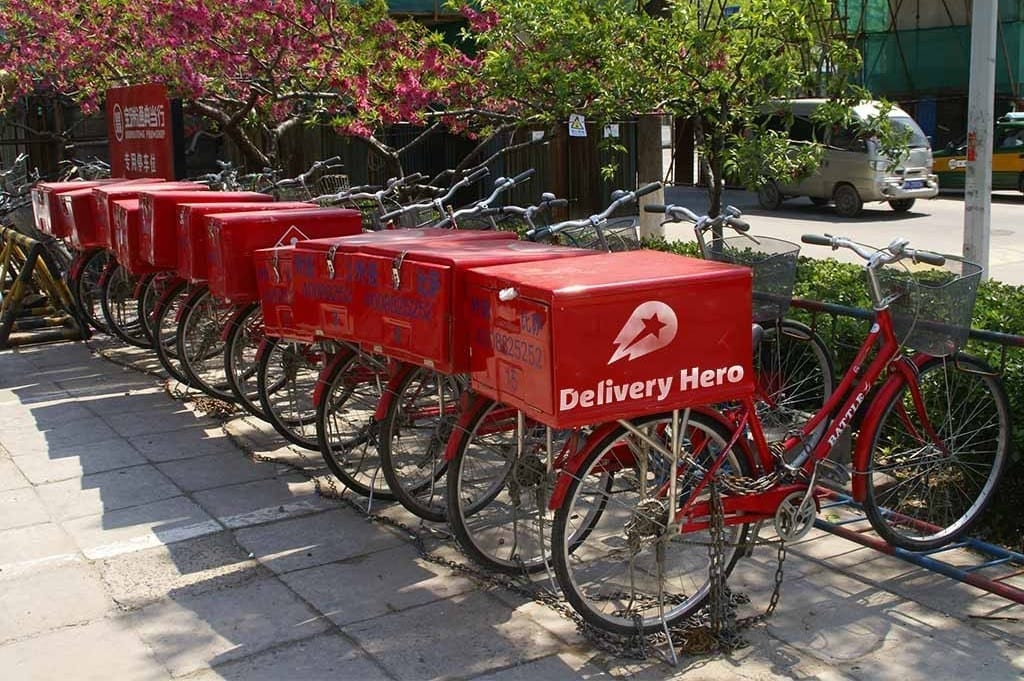
    Earlier this year, Grab made its debut outside Southeast Asia by acquiring Delivery Hero’s Foodpanda business in Taiwan for $600 million.

    Questions & Answers

    What was Grab’s first-quarter revenue?
    Grab’s revenue for the first quarter was US$955 million, representing a 24% increase.

    What steps has Grab taken to support its driver-partners amid the fuel crisis?
    Grab has increased its on-demand incentives to bolster the earnings of driver-partners affected by rising fuel costs.

    What are Grab’s revenue predictions for the upcoming year?
    Grab estimates its revenue to be between $4.04 billion and $4.10 billion, indicating a 20-22% rise.

  • E-Commerce Boom Sparks Exodus from Hanoi’s Prime Retail Spaces Despite Slashed Rents

    E-Commerce Boom Sparks Exodus from Hanoi’s Prime Retail Spaces Despite Slashed Rents

    Despite steep rent discounts offered by landlords, numerous stores in prime retail locations in Hanoi are shutting down, unable to withstand the pressure from the burgeoning e-commerce industry. Last month, Thai Hoang, a 39-year-old retailer, abandoned his spacious 40-square-meter clothing store on Thai Ha Street, a renowned fashion destination in the city. Even when faced with a 6% reduction on the monthly rent of VND35 million (approximately USD1,330), declining sales led Hoang to relocate his business online.

    A Shift in Retail Trends

    Several businesses situated on prominent retail streets such as Thai Ha, Kim Ma, and Hue have followed a similar trajectory in recent months, vacating their premises despite landlords’ desperate attempts at retention through double-digit discounts. On Kim Ma and Nguyen Thai Hoc Streets, well-known for their blend of fashion stores and food and beverage outlets, a significant number of “for lease” and “for sale” signs can be observed.

    Mai Loan, an experienced property broker in Hanoi, identifies the townhouse segment as being in a prolonged slump, with small, narrow properties with limited parking struggling to maintain viability even in prime locations.

    Not Just a Temporary Setback

    Statistics from the online listing platform Batdongsan indicate a 22% drop in private housing interest in Hanoi since the end of last year, with average asking rents for townhouses in certain areas dropping by 13-37% from their 2025 peaks.

    Mai Vo, director of retail services at property consultancy CBRE Vietnam, suggests that this lack of tenants in prime locations is not a temporary downturn but signifies a major market shift. In the past, businesses were willing to pay premium prices for central street locations for branding purposes. However, the rise of e-commerce and integrated shopping malls has drastically altered consumer behavior, diminishing the allure of standalone retail outlets.

    The Market Rebalances

    In response to this shift, landlords are compelled to reduce rents to retain tenants. “Adjusting rents is a sign that the market is rebalancing,” Vo added. Rapidly rising rents in previous years have also reduced the competitiveness of townhouses, with many properties deteriorating and unable to meet branding requirements, thus becoming less appealing.

    Hoang Nguyet Minh, general director of property consultancy Cushman & Wakefield Vietnam, added that the pressure from stringent urban management and sidewalk regulations had also made it difficult for many food businesses to continue operating in small, narrow spaces. However, she believes that this presents an opportune moment to secure prime business locations as the market currently has ample affordable supply.

    Questions & Answers

    Why are retail businesses in Hanoi vacating their premises?
    Many businesses are struggling to survive amid the e-commerce boom, with declining sales forcing them to relocate their businesses online.

    What factors are leading to this trend?
    The rise of e-commerce and integrated shopping malls have significantly affected consumer behavior, reducing the attractiveness of standalone retail outlets, even in prime locations.

    How is the market responding to this shift?
    The market is responding by rebalancing, with landlords reducing rents to retain tenants. Meanwhile, businesses are adapting by shifting their focus to online sales.

  • GoTo Celebrates First-Ever Quarterly Profit, Signaling Turnaround After Gojek-Tokopedia Merger

    GoTo Celebrates First-Ever Quarterly Profit, Signaling Turnaround After Gojek-Tokopedia Merger

    GoTo, a prominent Indonesian ride-hailing firm, recently announced its first-ever quarterly net profit. This is a significant milestone for the company, which has seen strong revenue growth and increased cost control measures begin to pay dividends.

    The Turnaround

    GoTo was established in 2021 as a result of the merger between Gojek and Tokopedia. Despite its combined strengths, the company has faced difficulties in generating profits due to intense market competition and high operating expenses.

    However, the tides have turned for GoTo, with the company recording a net profit of 171 billion rupiah (US$9.94 million) for the quarter ending March 31. This is a stark contrast to the loss of 367 billion rupiah it incurred during the same period the previous year.

    GoTo’s diverse service offering, which includes ride-hailing, food delivery, logistics, and financial services, has contributed to its improved financial performance. The company announced a 26% year-on-year increase in net revenue for the first quarter, bringing it to 5.3 trillion rupiah.

    Outpacing Costs

    GoTo’s Chief Financial Officer, Simon Ho, explains that the company’s revenue growth has significantly overshadowed its rising costs across both fintech and on-demand services. There has also been a decrease in the cost to serve, as the company’s tech and AI strategies begin to take effect.

    Additionally, GoTo reported an attributable profit of 257.94 billion rupiah for the quarter, a considerable improvement from last year’s loss of 283.33 billion rupiah.

    Looking Forward

    Despite the current global macroeconomic uncertainty, GoTo has maintained its full-year adjusted EBITDA forecast of between 3.2 trillion rupiah and 3.4 trillion rupiah. The company, which enjoys support from Japan’s SoftBank Group and Singapore’s sovereign wealth fund GIC, has previously been the subject of merger rumors with Singapore-based competitor Grab, though no agreement has been formalized.

    Questions & Answers

    What was GoTo’s net profit for the quarter ending March 31?

    GoTo’s net profit for the quarter ending on March 31 was 171 billion rupiah (US$9.94 million).

    What services does GoTo offer?

    GoTo offers a variety of services including ride-hailing, food delivery, logistics, and financial services.

    What is GoTo’s full-year adjusted EBITDA forecast?

    Despite the current global macroeconomic uncertainty, GoTo has maintained its full-year adjusted EBITDA forecast of between 3.2 trillion rupiah and 3.4 trillion rupiah.

  • Chinese Regulator Slaps Billion-Dollar Fines on Food Delivery Giants over Safety Violations

    Chinese Regulator Slaps Billion-Dollar Fines on Food Delivery Giants over Safety Violations

    China’s market regulator recently imposed fines and seizures on seven e-commerce platforms, totaling 3.6 billion yuan (US$527.32 million), for failing to adhere to food delivery safety guidelines. The offenders include prominent companies such as Pinduoduo, Meituan, JD, ByteDance’s Douyin, and Alibaba’s Taobao Shangou.

    Violation of Safety Protocols

    Investigations revealed that these companies did not implement necessary measures to protect consumers. They were also found to be negligent in verifying the licenses and qualifications of online food vendors. The regulator has expressed concern over this lax approach towards consumer safety and vendor credibility.

    Pinduoduo responded to the penalties by stating that the company “sincerely accepts and will resolutely comply” with the regulator’s decision. It also pledged to learn from this episode, standardize its business procedures, and make necessary improvements. However, Meituan, ByteDance, and Alibaba did not respond immediately to requests for comments.

    Intense Competition in China’s Food Delivery Market

    In the past year, food delivery in China has witnessed escalating competition, with e-commerce giants like Alibaba and JD actively trying to gain market share. These companies have been offering attractive discounts and coupons on a wide range of products, including ice cream and takeaway coffees.

    This battle to establish dominance in the ‘instant retail’ domain, where goods are delivered within an hour, has affected profits and attracted regulatory attention. Chinese regulators have repeatedly cautioned against the unhealthy “race-to-the-bottom competition” prevalent among food delivery firms.

    Questions & Answers

    What prompted the fines on the e-commerce platforms?
    The companies violated food delivery safety protocols and failed to verify the qualifications and licenses of online food vendors.

    How have the companies reacted to the fines?
    While Pinduoduo has openly accepted and pledged to comply with the regulator’s decision, Meituan, ByteDance, and Alibaba have not responded immediately to the penalties.

    Has the increased competition in food delivery affected the companies?
    Yes, the escalated competition, epitomized by discounts and coupons, has not only squeezed profits but also attracted regulatory scrutiny due to a “race-to-the-bottom competition” mentality.

  • Temu Bolsters Global IP Protection: Joins IACC in Fight Against Counterfeiting and Piracy

    Temu Bolsters Global IP Protection: Joins IACC in Fight Against Counterfeiting and Piracy

    Temu, a global e-commerce platform based in Boston, has recently become a member of the International AntiCounterfeiting Coalition (IACC) in a bid to bolster its intellectual property protection efforts while simultaneously widening its global presence.

    Joining Forces with the IACC

    By partnering with IACC, Temu is joining a robust network of over 250 companies and organizations spanning across more than 40 countries, all diligently working to combat counterfeiting and piracy. This membership is a step forward for Temu in its broader intellectual property enforcement program, a program that has seen significant growth since its inception in 2022.

    According to a representative from Temu, “Safeguarding intellectual property is a critical aspect of creating a marketplace that is trustworthy for both consumers and brands. By becoming a part of the IACC, we are reaffirming our dedication to IP protection. We are eager to engage in productive collaborations with our counterparts in the industry as well as other stakeholders.”

    Collaborative Approach to Counterfeiting

    As part of its role in the IACC, Temu will be actively working in cross-industry groups and forging collaborations with brands, associations, and enforcement agencies. This initiative comes on the back of an earlier partnership between Temu and the IACC, which was formalized last year.

    Bob Barchiesi, the President of the IACC, expressed his views on the issue of counterfeiting by saying, “To tackle counterfeiting effectively, a coordinated effort across industries is essential. The IACC serves to bring all stakeholders to the same table to align their efforts and share best practices. We are excited for Temu’s active involvement in our network as we strive to create a safer and more trusted online ecosystem globally.”

    Comprehensive Enforcement System

    Temu’s enforcement system covers the entire platform lifecycle, including the vetting of sellers, pre-listing screening, and persistent monitoring. The company asserts that over 99.9% of takedown requests are addressed within a span of three business days. In 2024, Temu launched its Brand Guardian Initiative, which now offers support to more than 1500 brands.

    Presently, Temu operates in over 90 markets, bridging the gap between consumers and manufacturers, brands, and sellers worldwide as it continues to expand both its platform and compliance capabilities.

    Questions & Answers

    What is the main reason behind Temu’s membership in the IACC?
    Temu has joined the IACC to strengthen its intellectual property protection efforts and further expand its global presence.

    How will Temu’s membership with the IACC benefit its fight against counterfeiting?
    Joining the IACC allows Temu to collaborate with over 250 companies and organizations across more than 40 countries, sharing best practices and aligning efforts to combat counterfeiting and piracy on a global scale.

    What is Temu’s approach to enforcing intellectual property rights on its platform?
    Temu’s enforcement system spans the entirety of its platform’s lifecycle, including thorough vetting of sellers, pre-listing screening, and continuous monitoring. Additionally, it asserts a quick response time to takedown requests and has introduced the Brand Guardian Initiative to further support brands.

  • Former PropertyGuru Exec Kenneth Soh Spearheads Foodpanda Malaysia as New MD, Aims for Everyday Value Amid Rising Costs

    Former PropertyGuru Exec Kenneth Soh Spearheads Foodpanda Malaysia as New MD, Aims for Everyday Value Amid Rising Costs

    Malaysian food delivery titan, Foodpanda, has recently unveiled Kenneth Soh as its new Managing Director (MD). Prior to assuming his new role at Foodpanda, Soh was the Country Manager for Propertyguru. He is taking over from Tan Ming Luk, who held the role of MD for Foodpanda Malaysia starting from October 2024.

    Mission Statement

    Upon his appointment, Soh expressed his enthusiasm and gratitude for the opportunity. He noted the impressive growth and presence Foodpanda has established in the on-demand food and grocery segments. As he leads the team, his primary aim is to make Foodpanda the most popular application in Malaysia.

    Soh highlighted the company’s commitment to focusing on the aspects most important to Malaysians. This includes providing reliability, diverse selection, and consistent value on food and essential items. He acknowledged the increasing living costs and global uncertainties, reinforcing the company’s commitment to addressing these challenges.

    Previously, Soh also served as the Country Manager at Shopee, a well-known e-commerce platform that was launched in 2015.

    Looking Ahead

    In a statement, Soh emphasized the importance of a thriving ecosystem to the company’s long-term success. He pledged that the company will contribute to this ecosystem to the best of its abilities. Expressing his anticipation for the company’s future growth, he voiced his confidence in the Foodpanda team. He stated that with dedication, humility, and heart, there’s much they can achieve together.

    Questions & Answers

    Who is the new Managing Director of Foodpanda Malaysia?
    Kenneth Soh is the newly appointed Managing Director of Foodpanda Malaysia.

    What is Kenneth Soh’s primary aim for Foodpanda Malaysia?
    His primary aim is to make Foodpanda the most popular application in Malaysia by focusing on providing reliability, diverse selection, and consistent value on food and essential items.

    What previous role did Kenneth Soh hold before joining Foodpanda?
    Before joining Foodpanda, Kenneth Soh was the country manager at Propertyguru and Shopee.

  • Meituan’s Struggles Continue Amidst Food Delivery Frenzy: Can Signs of Easing Price War Restore Profits?

    Meituan’s Struggles Continue Amidst Food Delivery Frenzy: Can Signs of Easing Price War Restore Profits?

    Meituan, the leading food delivery company in China, reported its second consecutive quarterly loss, slightly missing revenue growth forecasts. This comes after a year of aggressive, subsidy-intensive competition in China’s one-hour delivery market.

    Meituan’s revenue growth and profits have been under pressure for several consecutive quarters since the introduction of new ‘instant retail’ platforms by e-commerce heavyweights Taobao, which is owned by Alibaba, and JD.com in early 2025.

    The term ‘instant retail’ or ‘quick commerce’ refers to online orders that typically include food, bubble tea, and everyday items, delivered within an hour.

    However, the early part of 2026 has signaled a potential slowdown in the instant retail pricing battle, which has been condemned as a “race to the bottom” by Chinese regulatory bodies.

    For the quarter ending on December 31, Meituan’s revenue reached 92.1 billion yuan (approximately US$13.3 billion), marking a 4.1% increase from the previous year. This figure is slightly below the 92.2 billion yuan analysts had predicted.

    The company managed to reduce its adjusted net loss to 15.1 billion yuan, down from 16 billion yuan in the third quarter. This is a stark contrast to the same period a year earlier, when Meituan reported a profit of 9.8 billion yuan.

    During a post-earnings call with analysts, Meituan’s CEO, Wang Xing, claimed that the regulatory stance on the instant retail competition is “already quite clear”. Wang stressed that regulatory authorities are vehemently against the escalating ‘neijuan’ competition and are keen on promoting a healthy, orderly market. ‘Neijuan’, or ‘involution’, refers to a situation where individuals or companies are forced into intensifying competition that yields minimal benefits.

    Earlier in the week, Meituan’s shares experienced a surge of 14% following the re-publication of a state media editorial by Chinese regulators. The editorial called for an end to the ongoing food delivery price wars, and its re-publication was perceived by industry experts as an official endorsement.

    Questions & Answers

    What is ‘instant retail’?
    Instant retail, also known as quick commerce, refers to online orders typically comprising food, bubble tea, and daily use items, delivered within an hour.

    What does ‘neijuan’ mean?
    ‘Neijuan’, or ‘involution’, refers to a situation where companies or individuals are pushed into a state of intensifying competition that brings very little benefit.

    What was the response of the market to the call for an end to the food delivery price wars?
    Following the re-publication of a state media editorial that called for an end to the food delivery price wars, Meituan’s shares experienced a 14% increase, suggesting a positive market response.

  • Best AliExpress Extensions: Which Ones Are Actually Worth Using?

    Best AliExpress Extensions: Which Ones Are Actually Worth Using?

    Shopping on AliExpress is not just about finding the cheapest listing anymore. A low price alone does not tell you much. The real question is whether the discount is genuine, whether the seller is trustworthy, whether the same item is available elsewhere for less, and whether you are missing better deals, hidden coupons, or a stronger alternative listing.

    That is why AliExpress browser extensions are still useful. A good extension will not magically make every purchase perfect, but it can help you shop more carefully and avoid some very common mistakes. You can check whether a price was recently increased before a sale, compare similar listings, evaluate the store behind the product, and sometimes uncover discounts you would not have seen otherwise.

    There are plenty of AliExpress extensions available, but they do not all solve the same problem. Some are built around price history. Others focus on coupons, product research, or seller analysis. The best one for most people is usually the tool that combines the most helpful features without becoming overloaded or difficult to use. Below is a practical ranking of five popular AliExpress extensions, starting with the strongest all-around option.

    How these extensions were ranked

    When comparing tools like these, the feature list alone is not enough. What matters more is how useful the extension is in real shopping situations.

    The most important criteria are fairly simple. First, price history matters because it helps you understand whether a discount is real or only looks good on the surface. Second, seller analysis matters because a cheap product is rarely a good deal if the store is unreliable. Third, coupon support can be useful, especially during sales, but it is only one piece of the puzzle. Fourth, similar product comparison can save money because the same item often appears in multiple listings with different prices and shipping conditions. And finally, usability matters. An extension can have many functions, but if it feels cluttered or inconvenient, most people will stop using it.

    With that in mind, here are the best AliExpress extensions worth considering.

    1. AliHelper

    AliHelper takes the top spot because it offers the best balance of features for everyday AliExpress shopping. Instead of focusing on only one part of the buying process, it brings together price tracking, seller checks, reviews, coupons, and parcel tracking in one place. That makes it a strong option for people who want one extension that covers most of the basics well.

    Its biggest advantage is that it feels practical. Many shoppers do not want to install separate tools for price history, seller reliability, delivery tracking, and discounts. They want one assistant that helps them make better decisions before checkout. This free extension for AliExpress fits that role very well.

    One of the most useful features is price history. This matters more than people sometimes realize. On marketplaces like AliExpress, a discount can look impressive while actually being less attractive than it appears. A price chart gives context. It helps you decide whether this is a genuinely good moment to buy or whether it makes more sense to wait.

    Seller checking is another important strength. The same product is often listed by multiple stores, and the cheapest option is not always the smartest one. A slightly higher price from a more established seller with better trust signals can easily be the safer purchase. AliHelper helps make that comparison easier.

    It is also helpful that the extension covers more than just pre-purchase analysis. Reviews, coupons, and parcel tracking all add to the experience, especially for people who order from AliExpress regularly and do not want to keep switching between tools.

    AliHelper may not be the absolute most specialized tool in every narrow category, but as an all-purpose extension, it is the most balanced option in this ranking. For most users, that matters more than having a highly specialized feature they only use occasionally.

    Who it is best for: people who want one reliable, all-in-one AliExpress shopping assistant.

    2. AliTools

    AliTools is one of the most recognizable AliExpress extensions, and it earns second place because it offers a wide range of useful shopping features. It combines price history, promo code discovery, seller ratings, similar product suggestions, image search, and parcel tracking in one extension.

    Its biggest appeal is breadth. AliTools is built for users who want more than the basics. If you enjoy comparing listings, searching for alternatives, and checking for additional discounts before you buy, it gives you plenty to work with.

    The image search feature is especially useful in certain situations. For example, if you find a product on another website, in social media, or in an ad, you may want to see whether a similar item is available on AliExpress for less. That is not something everyone uses every day, but when needed, it can be genuinely valuable.

    AliTools also does a good job for people who shop actively during promotional periods. Promo code discovery and discount support become more helpful when there are several overlapping offers and you do not want to test them manually.

    So why is it not number one? Mainly because AliHelper feels slightly more balanced and straightforward for the average shopper. AliTools is excellent, but it can feel a little more feature-heavy. Some users will love that. Others may prefer something a bit simpler and more streamlined.

    Still, if you like having more tools at your fingertips and want a broader shopping assistant, AliTools is one of the strongest options available.

    Who it is best for: shoppers who want a powerful extension with a wide feature set, including image search and strong comparison tools.

    3. AliRadar

    AliRadar earns third place because it is especially useful for shoppers who care about the fundamentals: price history, seller reliability, price drop alerts, and similar product suggestions. It is less about doing everything and more about helping users make safer, smarter buying decisions.

    That narrower focus is actually one of its strengths. Instead of trying to become an all-in-one platform for every shopping scenario, AliRadar concentrates on the features that matter most when you are deciding whether to trust a listing.

    Its price tracking tools are valuable because timing often matters on AliExpress. If a product has recently become more expensive, or if its current discount is not as impressive as it looks, you want to know that before placing an order. AliRadar helps provide that context.

    It is also strong when it comes to seller checks. This is important because two listings can look almost identical while the stores behind them are very different in reliability and reputation. A good extension should help reduce that uncertainty.

    The price drop alert feature is another reason AliRadar stands out. Not every purchase needs to happen immediately. Sometimes the smartest move is simply to watch a listing and wait for a better moment. For shoppers who are patient and willing to track products over time, this can be especially useful.

    AliRadar ranks below AliHelper and AliTools mostly because it feels a bit narrower overall. It is very good at what it focuses on, but it is not quite as broad as the two higher-ranked options.

    Who it is best for: shoppers who care most about price transparency and seller trustworthiness.

    4. AliExpress Coupon Finder

    AliExpress Coupon Finder is more specialized than the top three tools in this ranking. Its main job is exactly what the name suggests: finding discounts and coupons for the product you are viewing. If your main priority is saving as much as possible at checkout, this kind of extension can be very useful.

    That specialization is both its strength and its limitation.

    The biggest advantage is convenience. AliExpress often has several kinds of discounts active at the same time, including seller coupons, store offers, platform-wide codes, and event-based promotions. Checking them manually can be tedious. A coupon-focused extension helps simplify that final step and can sometimes save you money you would otherwise miss.

    At the same time, coupons are only part of the buying decision. Before worrying about promo codes, most shoppers should first understand whether the listing is reliable, whether the price is fair, and whether a better offer exists elsewhere. That is where broader tools tend to be more useful overall.

    This is why AliExpress Coupon Finder is not ranked higher. It is not a weak extension. It is simply more specialized. For some users, that will be perfect. For others, it will feel incomplete without a separate price or seller analysis tool.

    If you already know how to evaluate products and stores on your own and mostly want help squeezing out extra discounts before checkout, it can be a smart addition.

    Who it is best for: shoppers whose main priority is finding and applying the best available coupons.

    5. AliPrice

    AliPrice rounds out this list as a feature-rich extension with strong tools for price tracking, image search, coupon discovery, and product comparison. It is a capable option, especially for users who like researching listings in more detail before making a decision.

    Its most interesting strength is that it often feels broader than a standard shopping helper. In addition to helping with ordinary purchases, it can appeal to people who like comparing suppliers, researching alternatives, and digging deeper into how listings differ from one another.

    That makes it especially useful for shoppers who do not just want to check one product and buy it. Instead, they want to explore similar listings, compare stores, and search visually for matching products across the platform.

    The reason it ranks fifth is not that it lacks value. It is more that its focus can feel slightly more advanced than what the average AliExpress shopper needs day to day. For users who want something very simple and immediately practical, the higher-ranked tools may feel more intuitive.

    Still, for people who enjoy a more research-oriented approach to shopping, AliPrice can be a very solid choice.

    Who it is best for: users who like in-depth product comparison, image search, and more advanced shopping research.

    Which AliExpress extension should you choose?

    The best choice depends on how you shop.

    If you want one extension that covers nearly everything most people need, AliHelper is the best overall option. It is balanced, practical, and well suited to everyday shopping.

    If you want a broader feature set and like having more tools available, AliTools is a strong alternative.

    If your focus is on price history and seller trust, AliRadar is a very sensible choice.

    If you mainly care about discounts at checkout, AliExpress Coupon Finder is the most targeted solution.

    And if you enjoy deeper product research, AliPrice is worth considering.
  • Meituan Faces Second Quarter Loss Amid Intense Food Delivery Competition in China

    Meituan Faces Second Quarter Loss Amid Intense Food Delivery Competition in China

    In a fiercely competitive market, Chinese food delivery titan Meituan has reported a second consecutive quarterly loss, slightly missing projected revenue growth. Over the past year, the company has weathered intense competition sparked by aggressive subsidy tactics in China’s burgeoning one-hour delivery sector.

    The Rivals and the Battle

    The company’s profit margins and revenue growth have faced significant challenges following the emergence of ‘instant retail’ platforms introduced by e-commerce behemoths Taobao and JD, both subsidiaries of Alibaba, in early 2025. Instant retail, also known as quick commerce, is characterized by online orders—typically food, bubble tea, or daily essentials—delivered to customers within an hour.

    A Glimmer of Hope in 2026

    Despite the tough conditions, the early months of 2026 have shown promising signs that the cutthroat price competition in the instant retail sector may be easing. This phenomenon, which has been disparaged by Chinese regulators as a destructive ‘race to the bottom’, has begun to show signs of abating.

    Meituan’s Financial Status

    Meituan’s revenue for the quarter ending December 31 amounted to 92.1 billion yuan (US$13.3 billion), marking a 4.1% increase over the previous year. This figure fell slightly short of the 92.2 billion yuan forecasted by industry analysts. Meanwhile, the company’s adjusted net loss narrowed to 15.1 billion yuan from 16 billion yuan in the previous quarter. A year earlier, Meituan had reported a profit of 9.8 billion yuan.

    Regulatory Guidance and Market Health

    During a post-earnings call with analysts, Meituan’s CEO, Wang Xing, stated that the regulatory guidance regarding the price war in the instant retail sector is “already quite clear.” He also noted that regulators strongly oppose the relentless ‘neijuan’, or involution, competition and are focused on fostering a healthy, orderly market. The term ‘neijuan’ represents a form of competition where entities are forced to engage in increasingly intense rivalry that yields minimal benefits.

    In the wake of a state media editorial calling for an end to China’s food delivery price wars being republished by Chinese regulators, Meituan’s shares experienced a significant 14% surge. Industry observers viewed this as a sign of official approval.

    Questions & Answers

    What is the instant retail or quick commerce model?
    This refers to online purchases, often consisting of food, bubble tea, and daily necessities, which are delivered to customers within 60 minutes.

    What is meant by ‘neijuan’ competition?
    ‘Neijuan’, or involution, indicates a situation where individuals or companies are compelled into increasingly intense competition that offers little benefits.

    How did the market respond to regulatory intervention in the price war?
    Following a state media editorial urging an end to the food delivery price wars being republished by Chinese regulators, Meituan’s shares saw a significant 14% increase, signaling market approval of regulatory intervention.

  • PDD Holdings Misses Revenue Target Amid China’s Competitive Market and Global Uncertainty

    PDD Holdings Misses Revenue Target Amid China’s Competitive Market and Global Uncertainty

    PDD Holdings, the parent company of Temu, failed to meet its quarterly revenue and profit forecasts this Wednesday. The company highlighted the increasing domestic competition coupled with worldwide uncertainty as factors that will continue to impact operations.

    Despite Temu’s robust international growth, its business model, which centers around delivering inexpensive goods such as clothing, electronics, and homewares directly from China, is grappling with rising regulatory pressures in major markets.

    Regulatory Changes and Challenges

    PDD’s co-CEO, Chen Lei, during a post-earnings call with analysts, acknowledged the ongoing changes in the regulatory landscape. “Trade policies, taxation, data regulations, product compliance requirements, and other regulatory frameworks are undergoing significant shifts across different countries and regions, inevitably leading to more challenges and uncertainty,” stated Lei.

    Commenting on the situation, Liu Jun, PDD Holdings’ VP of Finance, stressed the need for continuous exploration and investment to meet evolving consumer needs.

    The company’s shares listed in the U.S. witnessed a rise of more than 7% after Chinese regulators and state media indicated an end to the price war. Bo Pei, an analyst at Tiger Securities, said this scenario strengthens PDD’s perception as a company undergoing a structural shift rather than merely steering through a cyclical slowdown.

    Pei added that successful execution could bolster long-term monetization and worldwide scalability. However, it would reduce short-term earnings visibility due to uncertainties and the extended timeline associated with reaping returns from these investments.

    Financial Performance and Future Prospects

    PDD’s quarterly net income decreased by approximately 11% to 24.5 billion yuan compared to the previous year. Its adjusted profit of 17.69 yuan per American Depositary Share fell short of the projected 20.76 yuan, influenced by rising operating expenses.

    The company posted a revenue of 123.9 billion yuan (US$17.96 billion) for the fourth quarter, slightly below analysts’ average estimate of 124.4 billion yuan.

    Impacts of Economic Uncertainty

    Growth on the Chinese Pinduoduo platform, which Temu is a part of, has cooled as consumers curbed discretionary spending due to broader economic instability. China’s wavering recovery and fragile household confidence have caused a decline in spending, even on discount-focused platforms.

    Temu’s business model, based on duty waivers on low-value parcels in numerous jurisdictions, has provoked criticism from retailers in countries like Germany and Argentina. They argue that companies like Temu, Shein, and Alibaba’s AliExpress maintain an unfair price benefit.

    Raids and Investigations

    Temu has been subjected to raids and investigations in several countries, encompassing Ireland, Turkey, and Nigeria, in recent months. Despite this, the company has consistently maintained its adherence to the laws and regulations in the markets it operates.

    Significant regulatory changes were introduced last year when the U.S. abolished the duty-free exemption on parcels valued under $800. Similarly, the EU has agreed to end its duty-free allowance on parcels under 150 euros ($176) from July this year.

    Questions & Answers

    What challenges are impacting PDD Holdings’ performance?
    Increasing domestic competition, global uncertainty, and changing regulatory environments pose significant challenges for PDD Holdings.

    What strategic steps is PDD Holdings taking to meet evolving consumer needs?
    PDD Holdings is focusing on continuous exploration and investment to cater to changing consumer demands, aiming to bolster its future monetization and worldwide scalability.

    What changes in international trade policies are affecting PDD Holdings’ business model?
    The abolishment of the duty-free exemption on low-value parcels by the U.S. and the EU’s upcoming termination of its duty-free allowance significantly impact PDD Holdings’ business model, which relies heavily on such waivers.

  • Grab Seals $600M Deal for Foodpanda Taiwan, Marks Historic Expansion Beyond Southeast Asia

    Grab Seals $600M Deal for Foodpanda Taiwan, Marks Historic Expansion Beyond Southeast Asia

    The Singapore-founded super app, Grab, has declared its venture beyond Southeast Asia with a proposed acquisition of Foodpanda’s Taiwan operation, owned by Delivery Hero, for a cash sum of US$600 million. This acquisition is anticipated to conclude in the second half of the current year, pending regulatory approvals, and will be conducted on a cash-free, debt-free basis.

    Integrating Foodpanda

    Following the acquisition, Grab intends to incorporate Foodpanda Taiwan into its extensive delivery ecosystem. The company has plans to introduce its AI-driven logistics, mapping, and personalisation tools to improve service quality for consumers, merchants, and delivery associates. The aim is to deliver these improvements by leveraging its advanced technology and extensive experience in managing complex delivery logistics for densely populated and high-traffic cities.

    An Exciting Expansion

    The acquisition signifies Grab’s initial expansion outside Southeast Asia, making Taiwan the company’s ninth market. Anthony Tan, Group CEO and co-founder of Grab, expressed his enthusiasm for the expansion, stating that their experience in Southeast Asia makes Taiwan a logical next step. He also commented on how their expertise in dealing with complex delivery logistics in bustling cities is perfectly tailored for Taiwan’s thriving urban centres.

    Upon completion of the acquisition, Grab will be operational in 21 cities across Taiwan. It’s worth noting that Foodpanda Taiwan reported approximately US$1.8 billion in Gross Merchandise Value (GMV) last year, and was profitable on an adjusted EBITDA basis, excluding group costs from Delivery Hero.

    Continuity and Transition

    Until the deal is finalised, Delivery Hero will proceed with the regular operation of Foodpanda Taiwan. Grab has outlined plans to shift users, merchant partners, and driver partners over to the Grab app by the start of next year. The strategy aims to ensure a smooth transition while consolidating its position in the Taiwanese delivery market.

    Questions & Answers

    What is Grab’s plan following the acquisition of Foodpanda Taiwan?
    Grab intends to incorporate Foodpanda Taiwan into its delivery ecosystem and introduce its AI-powered logistics, mapping, and personalisation tools to enhance service quality for consumers, merchants, and delivery associates.

    How does Grab view its expansion into Taiwan?
    Anthony Tan, Group CEO and co-founder of Grab, considers the expansion into Taiwan as a logical next step, given their experience in Southeast Asia. He also mentioned that their expertise in managing complex delivery logistics is well-suited for Taiwan’s bustling urban centres.

    What are the plans for Foodpanda Taiwan users and partners after the acquisition?
    Grab plans to migrate users, merchant partners, and driver partners over to the Grab app by the start of next year. The aim is to ensure a smooth transition and strengthen its position in the Taiwanese delivery market.

  • AliExpress Takes Steps to Align with EU Regulations amidst Scrutiny over Sale of Unsafe and Counterfeit Products

    AliExpress Takes Steps to Align with EU Regulations amidst Scrutiny over Sale of Unsafe and Counterfeit Products

    In response to heightened scrutiny by the European Union (EU), Chinese e-commerce platform AliExpress has announced enhanced measures to ensure compliance with the bloc’s regulations. This move comes as the EU intensifies its focus on rapidly expanding online platforms like AliExpress, Temu, and Shein, all of which offer inexpensive products manufactured in China to the EU market duty-free. This is due to a waiver on low-value e-commerce packages, a privilege now under review.

    Scrutiny and Investigations

    AliExpress, which operates under the umbrella of Alibaba and sells products in over 200 countries, has been under the EU Commission’s microscope since March 2024. The company acquiesced to legally binding commitments in June the same year, promising to strengthen its regulatory oversight.

    However, a high-profile incident in November, in which AliExpress was found to be selling inappropriate dolls, led to the platform banning the China-based seller responsible for the products.

    Eric Pelletier, Alibaba’s head of international government affairs, assured European lawmakers that AliExpress is taking significant steps to ensure compliance with the bloc’s regulations. He announced plans to decrease the visibility of adult products by default, and acknowledged that further work was needed in several areas. These include preventing the relisting of illegal products, strengthening penalties, and expediting the removal of non-compliant sellers.

    Responses and Future Plans

    Christel Schaldemose, an EU lawmaker and lead rapporteur on the Digital Services Act, expressed skepticism about the effectiveness of AliExpress’s systems. Schaldemose underscored safety as her main concern, but also highlighted the issue of unfair competition faced by companies adhering to EU regulations.

    The number of low-value e-commerce packages entering the EU saw a 26% increase last year, reaching 5.8 billion. In an attempt to level the playing field with domestic retailers, the bloc plans to introduce fees on these shipments.

    Questions & Answers

    What measures is AliExpress taking to strengthen its regulatory compliance in the EU?
    AliExpress has committed to enhancing its controls, including decreasing the visibility of adult products by default, preventing the relisting of illegal items, strengthening penalties, and expediting the removal of non-compliant sellers.

    Why is the EU increasing its scrutiny of online platforms like AliExpress?
    The EU is concerned about safety issues, the sale of counterfeit items, and unfair competition towards companies that comply with the bloc’s rules.

    What is the EU’s plan regarding low-value e-commerce packages?
    The EU plans to introduce fees on these shipments to promote fair competition with domestic retailers.