Category: Electronics

Retail News Asia is committed to providing both local and global retailers with the latest Electronics news throughout the Asian market. This on a daily base.

  • iPhone 7 debut in South Korea hurts Samsung

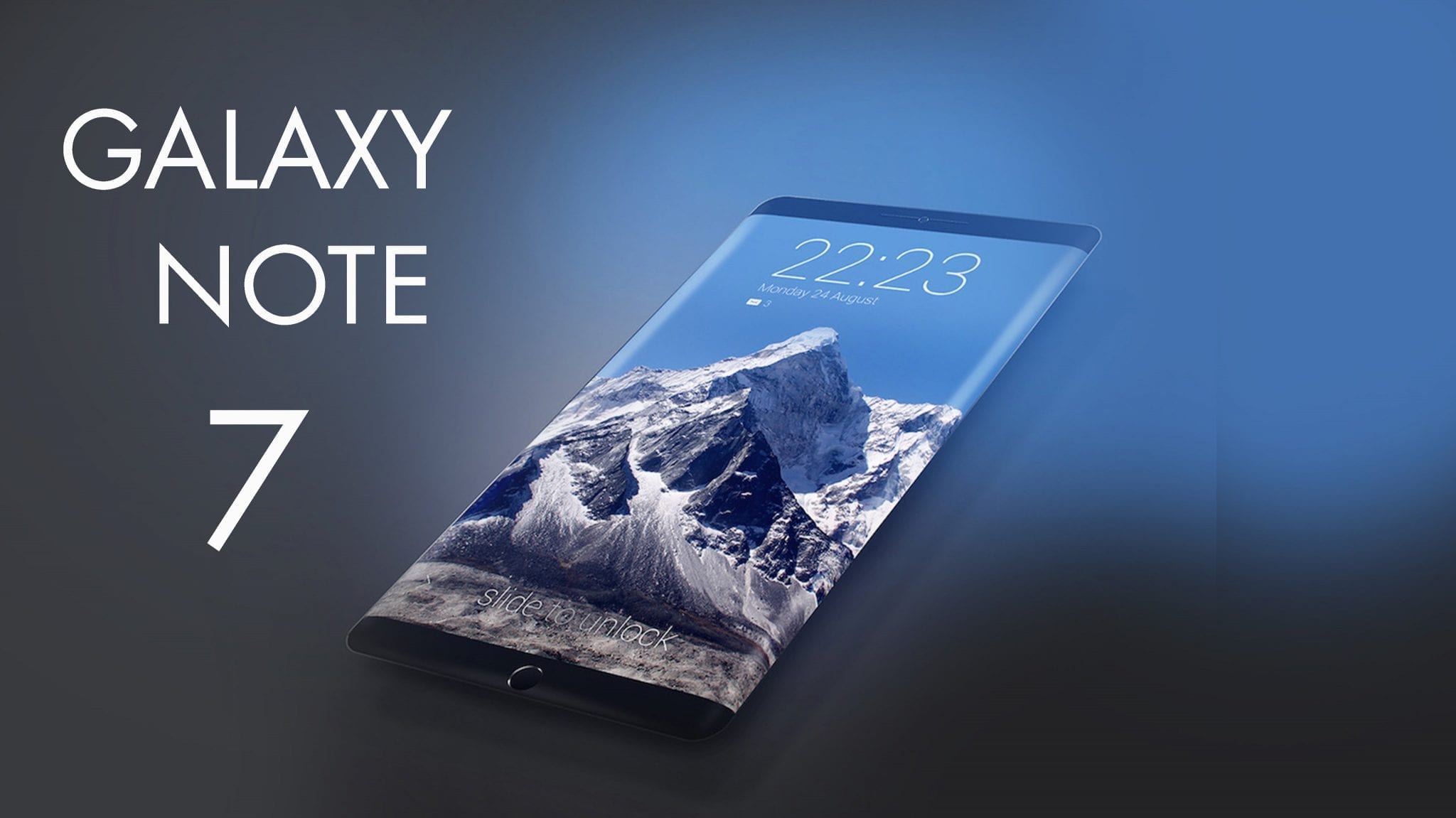
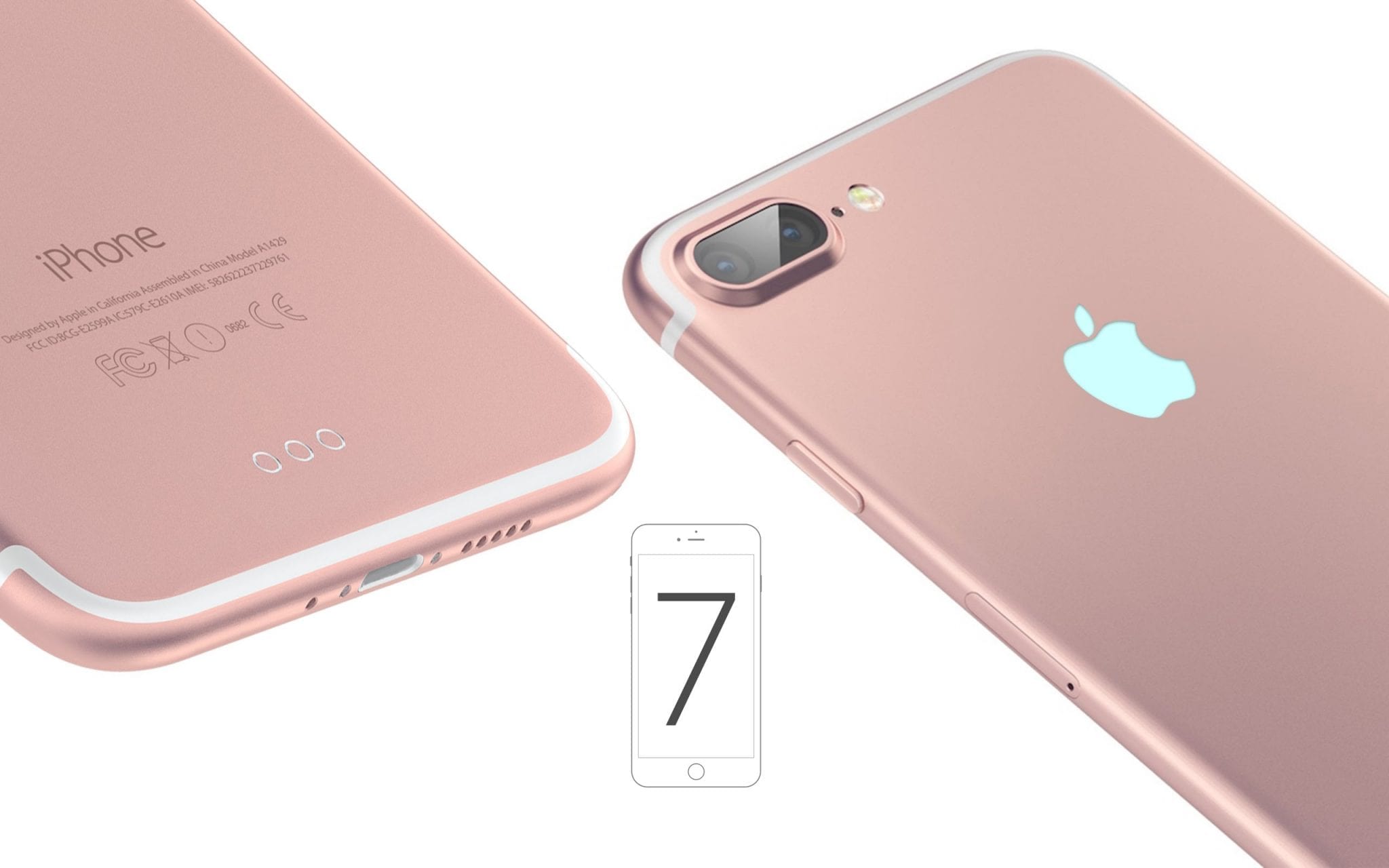
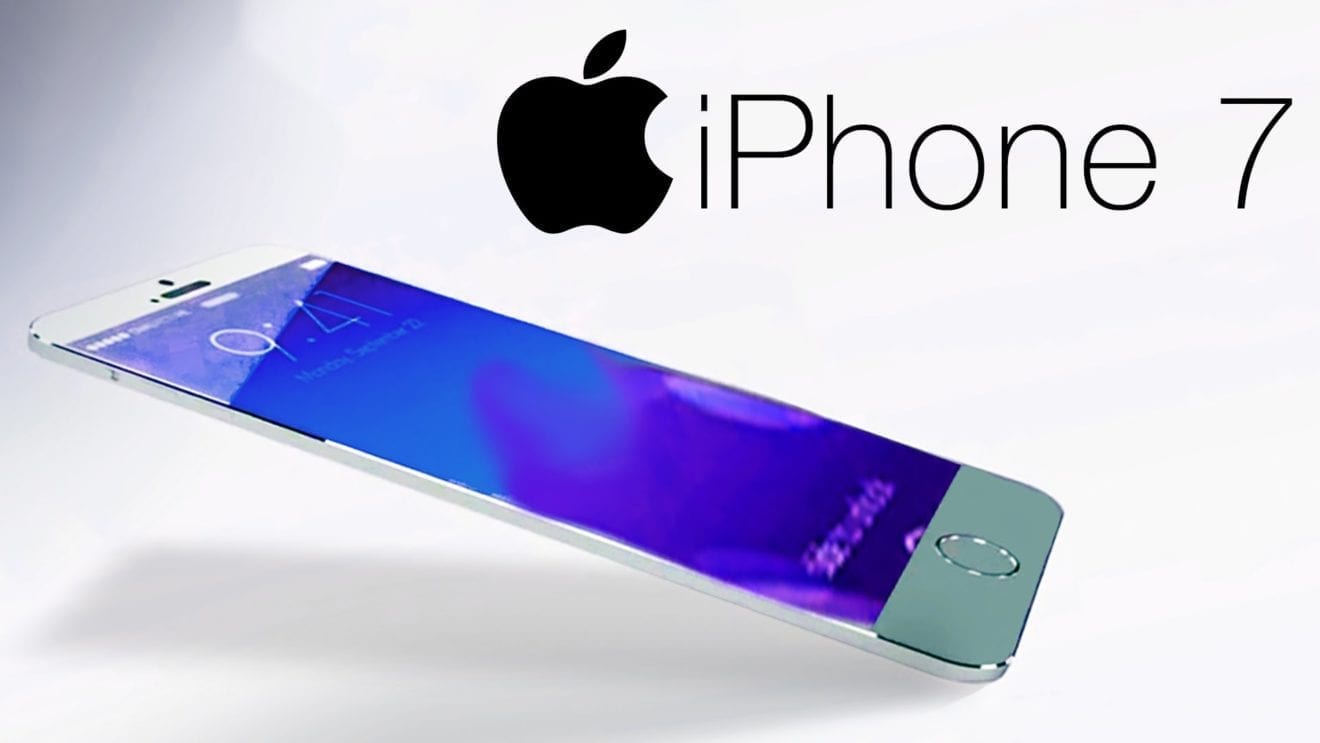
    Apple Inc’s iPhone 7 went on sale in South Korea yesterday, seeking to fill a void left by archrival Samsung Electronics Co on its home turf following a damaging recall fiasco over the Note 7 smartphone.

    The South Korean electronics giant discontinued the Note 7 — one of its key iPhone challengers — on Tuesday last week following reports that replacements for combustible models were also catching fire.

    The decision is set to cost Samsung billions of US dollars in lost profits and there are already signs that Apple is reaping some of the benefits.

    Samsung shares fell nearly 2 percent yesterday as iPhone 7 hit stores across the nation.

    An official at mobile carrier Korea Telecom said the first batch of 50,000 iPhone 7s it put up for preorder a week ago sold out in 15 minutes.

    “I would attribute part of that to the Note 7 effect,” said the official, who declined to be identified because he was not authorized to talk to the media.

    Customer defection is one of Samsung’s biggest concerns, especially as the Note 7 was specifically aimed at taking on the iPhone in the premium handset market.

    In the hope of retaining customer loyalty, Samsung had offered Note 7 users a 70,000 won (US$60) phone bill credit if they swapped their faulty phones for another Samsung handset.

    The half-dozen customers buying the new iPhone at a Korea Telecom store in central Seoul yesterday were all long-time Apple users who had preordered their handsets.

    Office worker Lee Kyung-hee, 34, said she had moved fast when the preorder service opened, fearing a surge of interest from unhappy Note 7 owners.

    “I set an alarm and was very quick,” Lee said.

    In South Korea, retail prices for the iPhone 7 and 7 Plus start from 869,000 won and 1.02 million won respectively for the basic 32GB models.

  • Samsung to compensate suppliers hit by Note 7 crisis

    Samsung to compensate suppliers hit by Note 7 crisis

    Samsung Electronics said Tuesday it would compensate suppliers hit by the decision to scrap its Galaxy Note 7 smartphones because of safety fears with exploding batteries.

    The South Korean electronics giant announced a week ago that it was discontinuing the Note 7 after a chaotic recall that saw replacement phones also catching fire.

    Samsung said the affair would cost the company an estimated $5.3 billion in lost profits over the three quarters beginning July.

    The crisis also hit its numerous suppliers — who produce everything from camera modules to casings — with their losses estimated at up to $1.7 billion.

    “We will offer full compensation for remaining inventories of Note 7 components among our suppliers,” the firm said in a statement.

    “We feel sorry for causing concern among our suppliers due to discontinuation of the Galaxy Note 7…we will complete the compensation quickly to minimise difficulty faced by them,” it said.

    The statement provided no specific figures, but said the payout would be calculated according to the different suppliers’ inventory volumes.

    Given the Samsung Group’s stature within Asia’s fourth-largest economy — it accounts for around 17 percent of GDP — the Note 7 debacle has had a national impact.

    The central Bank of Korea said it had taken the crisis into consideration when it trimmed South Korea’s 2017 growth outlook to 2.8 percent last week from its previous 2.9 percent forecast.

  • Qualcomm unveils 5G modem chipset solution

    Qualcomm unveils 5G modem chipset solution

    US chipset maker Qualcomm has announced what it says is the world’s first commercial 5G modem chipset solution to help accelerate the deployments of 5G networks globally.

    Announced at the Qualcomm 4G/5G Summit in Hong Kong on Tuesday, Qualcomm said the Snapdragon X50 5G modem is designed to support original equipment manufacturers (OEMs) in building 5G smartphones and other devices, as well as aid mobile operators with early 5G trials and deployments.

    The solution, with 800MHz bandwidth support, works in the millimetre-wave (mmWave) spectrum in the 28-GHz band and supports a peak download speed of 5Gpbs. It employs MIMO antenna technology with adaptive beam-forming and beam-tracking technology.

    “The Snapdragon X50 5G modem heralds the arrival of 5G as operators and OEMs reach the cellular network and device testing phase,” said Cristiano Amon, executive vice president at Qualcomm Technologies.

    “Utilizing our long history of LTE and Wi-Fi leadership, we are thrilled to deliver a product that will help play a critical role in bringing 5G devices and networks to reality. This shows that we’re not just talking about 5G, we’re truly committed to it.”

    The Snapdragon X50 5G platform includes the modem, the SDR051 mmWave transceivers, and the supporting PMX50 power management chip.

    The modem can be used for multi-mode 4G/5G mobile broadband, along with fixed-wireless broadband devices, when paired with a Qualcomm Snapdragon processor with an integrated Gigabit LTE modem and interwork cohesively via dual-connectivity.

    Sampling for the Snapdragon X50 5G modem is expected to begin in the second half of 2017, with the first commercial products integrated the modem expected in the first half of 2018.

    The company also introduced three new processors for mobile devices – the Snapdragon 653, Snapdragon 626 and Snapdragon 427 processors.

    The Snapdragon 653, Snapdragon 626 are expected to be available in the market by the end of this year, while the 427 processor will appear in commercial devices by early 2017, Qualcomm said.

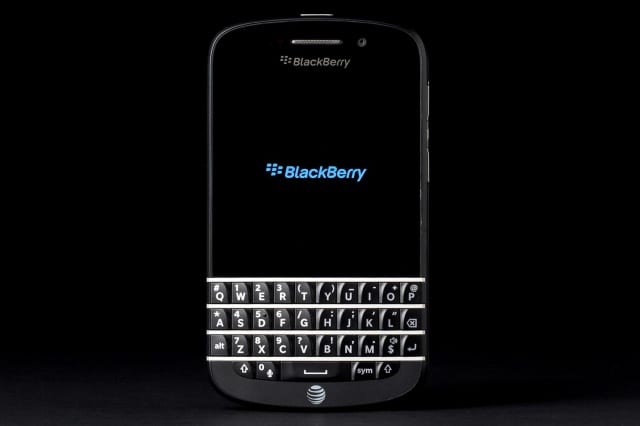
  • BlackBerry responds to ‘made in Indonesia’ regulations

    BlackBerry responds to ‘made in Indonesia’ regulations

    BlackBerry’s decision to license software and outsource handset production globally represents a win for the Canadian company’s biggest market, Indonesia, which is seeking a larger share of the smartphone value chain.

    BlackBerry’s new venture signed last month with an affiliate of PT Telekomunikasi Indonesia, the country’s largest wireless carrier, will see its Indonesian partner produce, promote and distribute all BlackBerry-brand devices in Indonesia.

    The venture comes as international phone vendors gear up to comply with the latest “made in Indonesia” regulations to tap growth in what is poised to become the world’s fourth-largest smartphone market by 2020, with total annual sales of nearly $US1 billion ($1.31bn) by then, according to research firm Euromonitor International.

    Adopted in July, the latest rules give producers more options when it comes to meeting next year’s 30 per cent quota for “local content” — which previously focused on local manufacturing but can now include software or investment — in their 4G-enabled tablets and smartphones sold in Indonesia, up from 20 per cent this year. The requirement will rise to 40 per cent in 2018.

    BlackBerry’s joint venture was “created in support of the Indonesian government’s effort to promote manufacturing of locally sourced products”, said Ralph Pini, general manager of devices at the Waterloo, Ontario-based firm, which said last month it would stop making phones and focus on software.

    Indonesia is a crucial market for BlackBerry. Its BBM messaging service is the top messaging platform in the country of 250 million people with nearly 60 million monthly active users as of June, BlackBerry said. WhatsApp and Facebook Messenger trail with about 50 million active users for each app, according to estimates from Britain-based social media consultancy We Are Social.

    In 2012, Indonesia introduced regulations requiring importers of mobile phones to set up assembly plants in the country by the end of 2015. In September 2014, the government issued regulations requiring all 4G devices sold in Indonesia to include at least 30 per cent locally-sourced components by 2017.

    Analysts say the more-flexible regulations passed in July make it easier for handset makers to meet requirements, given that they allow the quota to be reached via other options in addition to manufacturing.

  • World’s Largest Electronics Marketplace Opens in Hong Kong

    World’s Largest Electronics Marketplace Opens in Hong Kong

    The Hong Kong Electronics Fair (Autumn Edition) and electronicAsia opened today at the Hong Kong Convention and Exhibition Centre (HKCEC) and continue through 16 October. The 36th Electronics Fair (Autumn Edition) is organised by the Hong Kong Trade Development Council (HKTDC), while the 20th electronicAsia is jointly organised by the HKTDC and MMI Asia Pte Ltd.

    “As the world’s largest electronics marketplace, the Electronics Fair and electronicAsia gather around 4,200 exhibitors from 29 countries and regions,” said Benjamin Chau, Acting Executive Director, HKTDC. “The exhibits this year include smart tech, virtual reality, wearable electronics and more, demonstrating the industry’s ability to keep abreast of the technology trends and launch products that match the market’s demand. We hope they will be received well during the fairs.”

    The HKTDC has organised more than 140 buyer missions this year representing more than 12,000 global buyers from over 8,000 companies to the two fairs. These include major international retailers, importers and distributors such as TDL from Canada, Product Group from Australia, Casino from France, Casanova from Spain, Mad Robots from Russia, Mobibox from Brazil, Sound Village from Argentina, LehuMall.com from the Chinese mainland, Croma from India, ICST from Japan, Signeo from Singapore and Matahari Mall.com from Indonesia.

    Debut Virtual Reality and Startup zones showcase innovative technology and ideas

    Adopting smart and high-tech solutions has become a prevailing trend across virtually all sectors. To effectively showcase the latest technologies and products, the HKTDC has introduced a new Tech Hall at the Convention Hall, clustering five thematic zones including the inaugural Virtual Reality and Startup zones, as well as Smart Tech, Robotics & Unmanned Tech and 3D Printing. This assemblage will help buyers source high-tech electronic products with ease while investors can explore investment and partnership opportunities in a range of new technologies developed by startups.

    Startups are a growing force in driving economic diversity. The new Startup zone gathers close to 50 startup companies from Hong Kong, Canada, the Chinese mainland, Taiwan and the US to showcase new technologies. A Canadian exhibitor is presenting an in-vehicle diagnostic and monitoring device that can transform a conventional car into a smart vehicle. Its nine-axis sensor can gather data to reconstruct the car’s motion path if it is involved in an accident. A local startup exhibitor is introducing an electronic smart price tag equipped with a high-definition colour display and Wi-Fi, allowing pricing information to be updated wirelessly in real-time.

    To stand out in the marketplace, startups need suitable opportunities to explain their ideas and showcase their products to potential investors. To this end, the Electronics Fair provides an excellent platform with a series of startup-themed events on the programme. These include the “First Step of Your Startup Project” seminar, which features Ben Bateman, Senior Director of Strategic Programs of the US crowdfunding platform Indiegogo, a pitching session where startups can pitch solutions or product ideas to potential investors on the spot, as well as “Startup, Smart Launch” where newly developed technology and products can be introduced to buyers. Entrepreneurs behind successful startups are also on hand to share their experiences with visitors.

    Virtual Reality zone energises the tech craze

    Many industry players in the technology and online gaming sectors are investing in the development of virtual reality (VR) applications. The new Virtual Reality zone at the Electronics Fair is showcasing a range of VR headsets and related technology as well as VR video cameras. One of the Hong Kong exhibitors is using the fair to parade its 360-degree VR drone, a professional grade system for filming 360-degree panoramic scenes and VR videos. It is compatible with action cameras, enabling all-direction aerial spherical photography. A company from Taiwan has brought its 3D video camera module that enables users to capture 3D videos on a mobile phone with the module and an app.

    Launched last year, the Smart Tech and Robotics & Unmanned Tech zones continue to be popular with fair visitors keen to view the latest creative products and future technologies including robots with IoT technology, luggage tracking bands, drones and electric scooters. Meanwhile, the 3D Printing zone features 3D printers and related materials and technology. A local exhibitor is presenting a 3D printing education kit for use at home or in a professional learning setting. Users can assemble the printer themselves to print directly and, in the process, learn more about 3D printing technology.

    Hall of Fame presents branded products

    The brand of an electronic product is one of the key factors influencing consumer purchasing decisions. The Hall of Fame at the Electronics Fair gathers electronic products from some 550 brands, covering digital entertainment, home tech, wireless and communications, power and accessories. Buyers can choose from a wide variety of respected brands at the fair, including Desay, Goodway, GP Batteries, Haier, Intel, Motorola and VTech.

    electronicAsia offers cutting-edge electronic parts and components

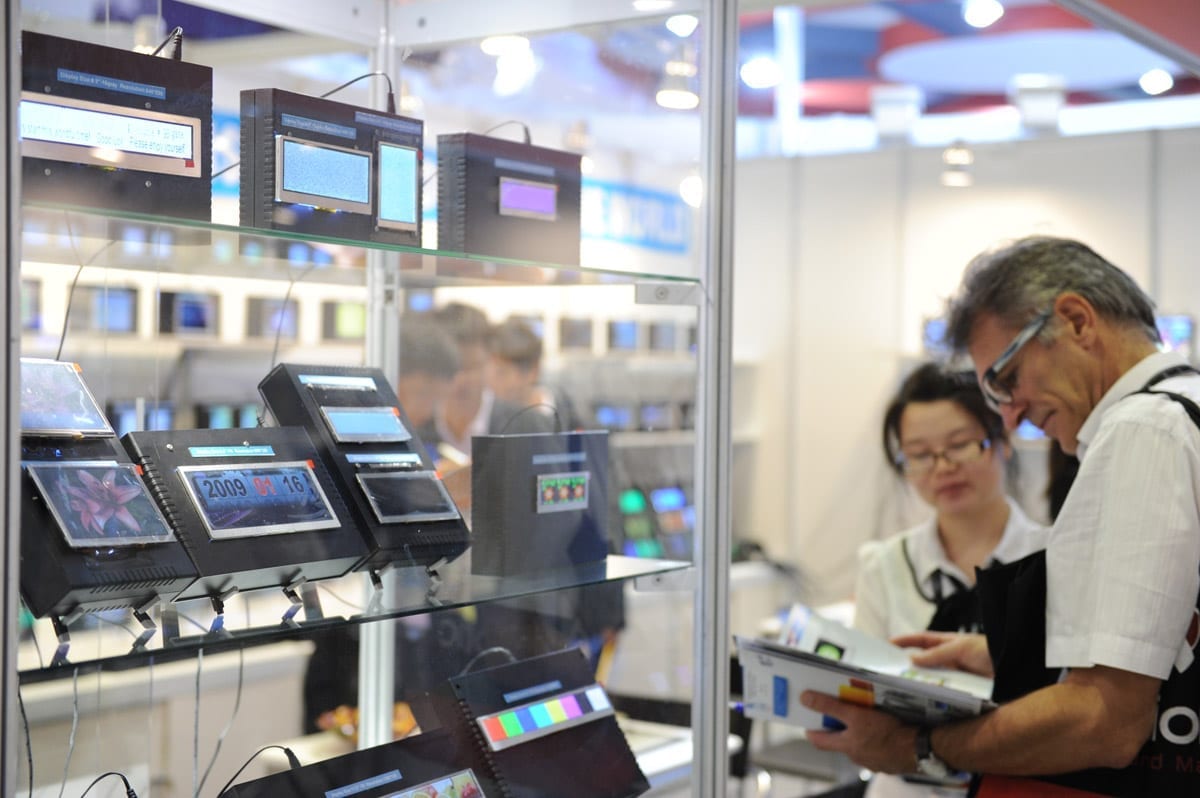
    Held concurrently with the Electronics Fair, electronicAsia is an important sourcing platform for electronic components and production technologies. The fair gathers cutting-edge innovations from the US, Germany, France, Singapore, Taiwan, Japan and Korea, providing the industry with new product design ideas and materials. One of the highlight zones is World of Display Technology, which features products such as a LCD display suitable for outdoor use under direct sunlight. The product features a wide-viewing angle, high-resolution display and can also be used as a touch-screen panel.

    electronicAsia is also showcasing other components such as printed circuit boards, keyboards, switches, integrated circuits as well as parts, modules and technology for solar and photovoltaic energy. Key components for smart devices such as display backlight and smart switch modules are also on show, targeting mobile device manufacturers.

    Symposium on Innovation & Technology discusses IoT and smart devices

    Besides being an annual sourcing event for the industry, the Electronics Fair and electronicAsia also provide insights into market trends and industry intelligence. As smart devices and IoT technology continue to gain attention, the HKTDC is nurturing these trends by jointly organising today’s Symposium on Innovation & Technology with the Hong Kong Electronics & Technologies Association. Representatives from the world’s leading tech companies including Tesla, Amazon Web Services, HP and Qualcomm are among those sharing their expertise on smart tech and IoT trends.

    During the two fairs, a number of buyer forums and seminars are organised to address hot-button issues in the electronics sector such as virtual reality, augmented reality, wearable technology and integrated circuits among other industry developments. Meanwhile, TEDxHong Kong will be held on Saturday (15 October). TED, which stands for “Technology, Entertainment, Design”, is a forum for thought leaders from various sectors to share their views on future technological advancements. The winning products of The Electronic Industries Awards (EIA) 2016, jointly organised by the HKTDC and the Hong Kong Electronic Industries Association (HKEIA), are displayed at the fairground (booth no.: 1CON-00B). This year, there are 21 award winners from 13 product categories. The EIA aims to stimulate creative design and innovation within the electronics industry, as well as recognise and award exhibitors for their outstanding performance.

    Big business through small orders

    In view of the keen demand for small order sourcing, the hktdc.com Small Orders zone returns to the fair, featuring a total of more than 330 counters offering over 2,900 products for buyers looking to source products in minimum quantities of between five and 1,000 pieces. With the increasing popularity of e-commerce, the Small-Order Online Transaction Platform (https://smallorders.hktdc.com) enables global buyers to complete transactions with suppliers online. The platform is displaying more than 120,000 products from over 10,000 suppliers.
  • Samsung permanently halts Note7 production

    Samsung permanently halts Note7 production

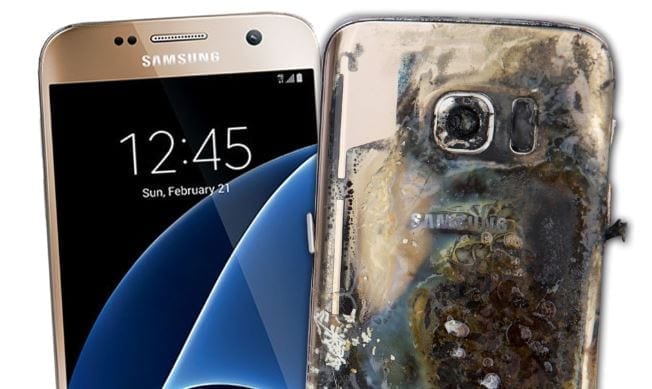
    Samsung has officially halted production of the Galaxy Note7, following multiple reports of batteries overheating and catching fire even in devices replaced during last month’s recall.

    The company confirmed it has permanently discontinued production of its flagship smartphone, leaving the company without a high-end device to compete against the iPhone 7 with during the holiday shopping season.

    During last month’s major product recall, Samsung had blamed a single battery supplier for the overheating problem that caused the fires, and had switched suppliers for production of the replacement models. But with multiple reports that even replaced devices are catching fire, this explanation is in doubt.

    Samsung is offering Note7 buyers either full refunds, or the option to replace their device with an S7 or S7 Edge and receive a refund for the difference in price.

    Analysts are predicting that permanently ending Note7 sales could cost Samsung up to $17 billion in lost sales, and the potential for reputational damage is arguably even greater.

    Curiously, analysis from mobile application technology company Apteligent suggests that the reports of exploding batteries have done little to deter usage of Note7 devices. As of Sunday, the smartphone reached its highest usage rate since in August launch – 10% higher than the date of the recall. The first reports of replacement devices exploding began circulating days earlier.

  • IPhone 7 to officially launch in Thailand on Oct. 21

    IPhone 7 to officially launch in Thailand on Oct. 21

    Three major mobile operators in Thailand including AIS, DTAC and TRUE have announced will begin selling the iPhone 7 and iPhone 7 Plus on Oct. 21.

    While the pre-ordering will start early on Oct. 14 for all three companies, AIS and DTAC have opened a page for interested customers to register and guarantee the chance to pre-order the phones.

    Apple Watch Series 2, a product announced by Apple at the event in San Francisco on the same day as the new iPhone, will also launch in Thailand on Oct. 21.

    Apple has faced controversy by removing the headphone jack in the iPhone 7 in order to offer a waterproof handset. However, the new phone comes with a 12-megapixel camera and optical image stabilization, an impressive upgrade from the camera in iPhone 6s.

    The iPhone 7 comes in Silver, Gold and Rose Gold and the new colors Black and Jet Black.

  • Xiaomi opens its first store outside greater China

    Xiaomi opens its first store outside greater China

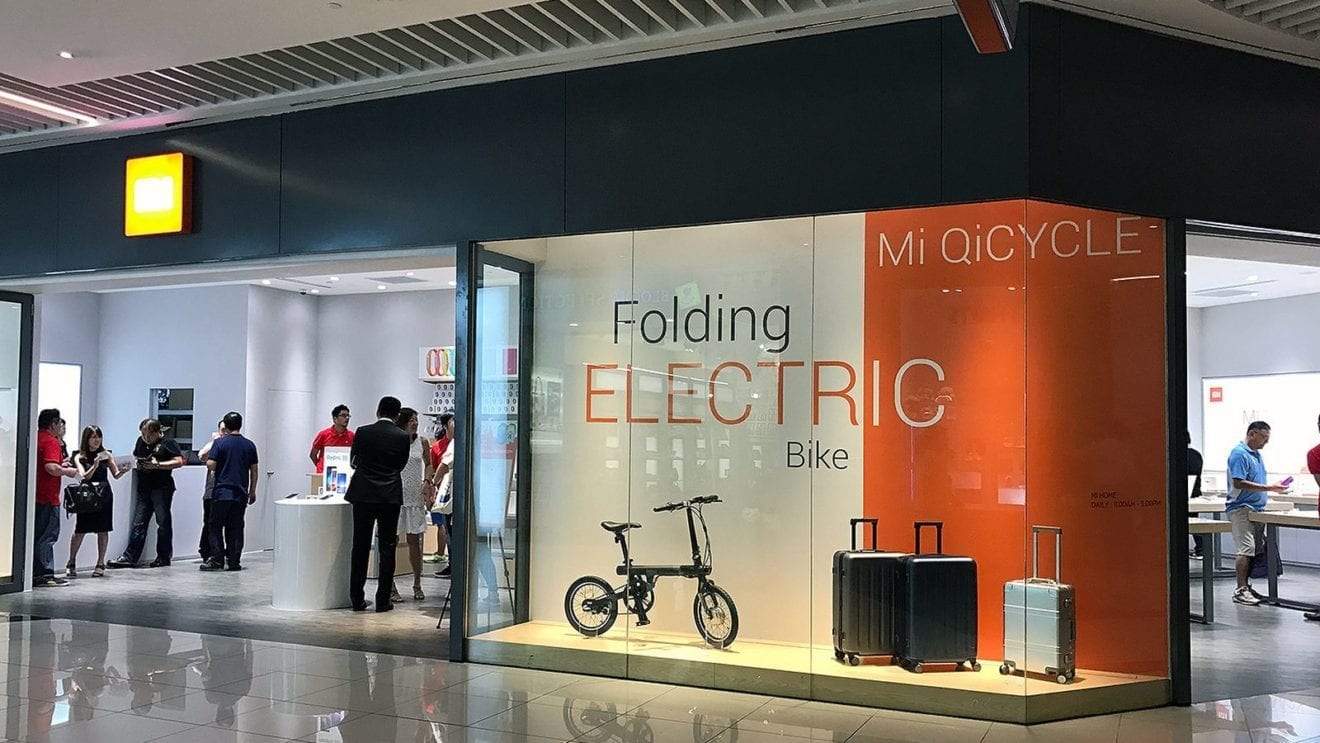
    Xiaomi phones are finally available offline in southeast Asia as the company has opened a shop outside greater China for the first time ever.

    The sunny island state of Singapore hosts the first Mi Home store to open outside of China, Hong Kong and Taiwan. The Singapore Mi Home store, located at popular shopping mall Suntec City, sells Xiaomi’s line of phones and accessories. But unlike other stores, it doesn’t stock the company’s other Mi ecosystem products such as the Mi TV or the Mi Rice Cooker.

    Xiaomi says that it plans to bring in more of its product lineup in time. But for now, customers will have to make do with the Mi Max, Mi 5, Redmi 3S, Redmi Note 3, Mi Band 2 and other accessories such as portable speakers and power banks.

    The Chinese manufacturer is using a local partner to run the store — unlike the ones in China, Hong Kong and Taiwan, which are run by Xiaomi itself.

    The company is also turning to regional online retailer Lazada to manage its online sales, an area it’s managed by itself in Singapore up to now.

    These moves to divest itself of retail responsibilities in Singapore could point towards a shift in Xiaomi’s current strategy. It’s possible the Chinese giant will focus on its home market to make up for ground lost to rivals Huawei, Oppo and Vivo.

    While the company continues to battle it out for India — the second largest smartphone market in the world after China — it’s likely Xiaomi will use the same retail strategy from Singapore across the Southeast Asian region as the company shifts its focus towards India, China and a possible US launch next year.

  • Launch of Indonesia’s First Samsung Galaxy Studio Experience Center

    Launch of Indonesia’s First Samsung Galaxy Studio Experience Center

    The latest Samsung gadgets that can be connected to handsets are available for customers to view and purchase. Not only Galaxy smartphones and tablets are on display, but also the entire Galaxy ecosystem, such as the Gear VR and Gear S2, as well as other Samsung products. Data packages are also available to provide internet access as well as digital content to make it easier for customers to access the digital world.

    The Galaxy Studio Experience Center, located at Indosat Ooredoo’s store at Sarinah in Central Jakarta, has a new design that has never been used by other network operators. It is also more spacious to allow better interaction between customers, who can enjoy experience a digital lifestyle, such as iflix video streaming on a big screen and music streaming on Spotify.

    IM3 Ooredoo subscribers can also purchase data packages such as Freedom Combo, Freedom Postpaid and Super Plan, to watch TV shows and films on iflix for hours without using their main data quota.

    The experience center is a strategic cooperation between the two companies to support retail sales. Indosat Ooredoo and Samsung both have the vision of giving customers an enjoyable and satisfactory experience with the Studio Experience Center.

    Indosat Ooredoo director Joy Wahjudi said the experience center was established to provide a one-stop service for Indonesians.

    The two companies are both committed to establishing experience centers to enable customers to obtain information and try out the latest products and services.

    “We aim to also establish studio experience centers in other Indosat Ooredoo stores,” Joy said.

  • BlackBerry Phones Will Live On for Die-Hard Fans in Indonesia

    BlackBerry Phones Will Live On for Die-Hard Fans in Indonesia

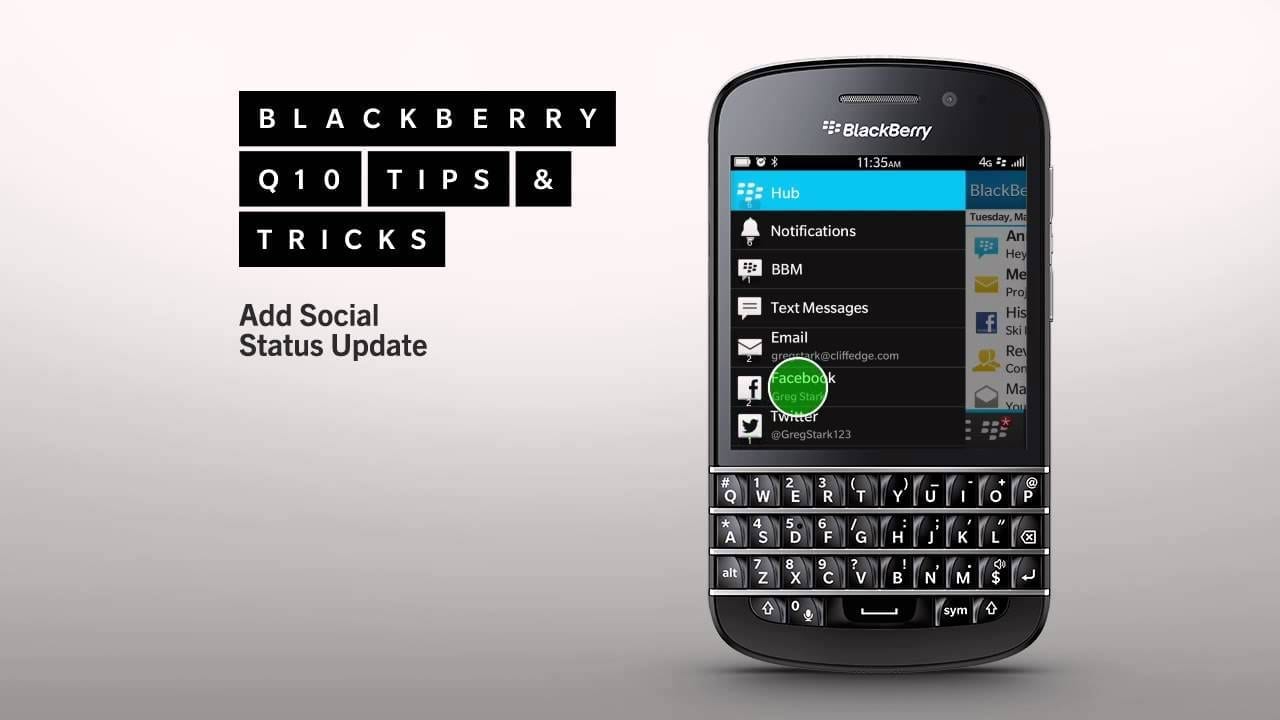
    BlackBerry Ltd. may have decided to stop making its iconic handsets, but that doesn’t mean the gadgets will disappear, especially in places where they’re still popular. Case in point: an Indonesian wireless company is already hatching plans to introduce its own version of the keyboard-equipped smartphone for those who can’t live without the device.

    PT Tiphone Mobile Indonesia Tbk, an affiliate of operator PT Telekomunikasi Indonesia Persero Tbk, has struck the first deal with BlackBerry to form a local joint venture called PT BB Merah Putih to make its devices in Indonesia. While the Canadian company is shifting its focus to software, Indonesia remains one of BlackBerry’s biggest markets. BlackBerry in the past launched dedicated phones and apps for the Indonesian market, home to 240 million people.

    Under the preliminary deal, Blackberry phones will be manufactured at a factory owned by a subsidiary of Tiphone Mobile for domestic sales, said Tan Lie Pin, Tiphone’s chief executive officer. Another local company is in talks to join the venture and details are being negotiated, she said in an interview.

    “More than six million people still use BlackBerry in Indonesia and we believe that BlackBerry can still grow in the Indonesian market,” Tan said. “We are very optimistic and excited.”

    BlackBerry CEO John Chen said this week the company would stop making phones and focus its attention on the more profitable and growing software business. The company plans to negotiate manufacturing agreements with multiple overseas partners. While Tan said Tiphone will manufacture phones for the Indonesian market, discussions on the venture are continuing with BlackBerry.

    BlackBerry’s popularity in Indonesia stems from its hugely popular instant-messaging app, BlackBerry Messenger, known as BBM. Many Indonesians still stick to BBM in order to connect with their curated groups of friends and family, even though some of them no longer use BlackBerry devices.

    BBM for iOS and Android devices ranked No. 1 in terms of downloads among chat apps in Indonesia in August, ahead of rival WhatsApp and Line, according to market researcher App Annie. Emtek Group, one of Indonesia’s biggest media and technology companies, signed a licensing agreement with BlackBerry in June in order to bring video content onto BBM and begin developing new applications and services for the messaging app.

  • BlackBerry still exceedingly popular in Indonesia

    BlackBerry still exceedingly popular in Indonesia

    BlackBerry may have decided to stop designing its iconic handsets in-house, but that doesn’t mean the gadgets will disappear, especially in places where they’re still popular.

    A case in point is the Indonesian wireless company that is already hatching plans to introduce its own version of the keyboard-equipped smartphone for those who can’t live without the device.

    PT Tiphone Mobile Indonesia Tbk, an affiliate of operator PT Telekomunikasi Indonesia Persero Tbk, has struck the first deal with BlackBerry to form a local joint venture called PT BB Merah Putih to make its devices in Indonesia.

    While the BlackBerry is shifting its focus to software, Indonesia remains one of the Waterloo company’s biggest markets. BlackBerry in the past launched dedicated phones and apps for the Indonesian market, home to 240 million people.

    Under the preliminary deal, BlackBerry phones will be manufactured at a factory owned by a subsidiary of Tiphone Mobile for domestic sales, said Tan Lie Pin, Tiphone’s chief executive officer. Another local company is in talks to join the venture and details are being negotiated, she said.

    “More than six million people still use BlackBerry in Indonesia and we believe that BlackBerry can still grow in the Indonesian market,” Tan said. “We are very optimistic and excited.”

    BlackBerry CEO John Chen said Wednesday that the company would stop designing phones and focus its attention on the more profitable and growing software business.

    The company plans to negotiate manufacturing agreements with multiple overseas partners. While Tan said Tiphone will manufacture phones for the Indonesian market, discussions on the venture are continuing with BlackBerry.

    BlackBerry’s popularity in Indonesia stems from its hugely popular instant-messaging app, BlackBerry Messenger, known as BBM. Many Indonesians still stick to BBM in order to connect with their curated groups of friends and family, even though some of them no longer use BlackBerry devices.

    BBM for iOS and Android devices ranked No. 1 in terms of downloads among chat apps in Indonesia in August, ahead of rival WhatsApp and Line, according to market researcher App Annie.

    Emtek Group, one of Indonesia’s biggest media and technology companies, signed a licensing agreement with BlackBerry in June in order to bring video content onto BBM and begin developing new applications and services for the messaging app.

  • Xiaomi announces its first VR headset

    Xiaomi announces its first VR headset

    Xiaomi is broadening its already expansive range of products by venturing into virtual reality for the first time.

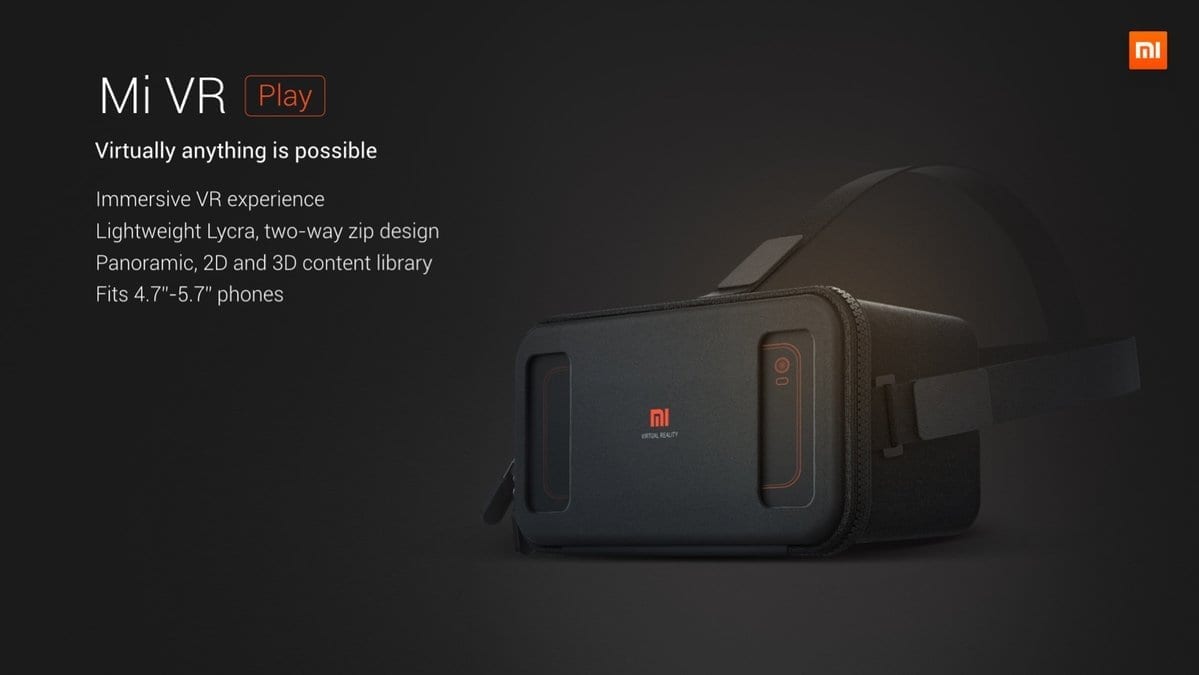
    The company today announced the Mi VR Play, an “entry-level” virtual reality headset that it hopes can open this new exciting medium to new audiences because not everyone has thousands of dollars needed to set up an Oculus Rift or HTC Vive. Democratizing technology is the thesis behind most of Xiaomi’s competitively priced products, including the $550/$750 notebook announced last week that will rival Apple’s Macbook in China.

    This new device recalls Google’s super-cheap and super-simple Cardboard VR headset. It is fairly basic in nature; you pop a smartphone into the lycra-built body then open Xiaomi’s Mi VR app, which contains VR content from selected partners that include Conde Nast Traveler and YouKu, “China’s YouTube.” Xiaomi pledged to invest $1 billion in video content, including VR, last year, so that library is sure to get bigger over time.

    Here’s how Xiaomi describes the headset:

    Mi VR Play has significantly improved upon the design typically used in similar VR products — it is wrapped in lightweight, durable Lycra for long-lasting comfort. In the future, Mi VR Play will also be available in a selection of bold prints and colours for even more stylish options. The unique two-way zipper helps to ensure compatibility, providing a secure grip on a wide range of 4.7- to 5.7-inch smartphones. At the same time, the dual openings on the front allow for slight positioning adjustments and ventilation.

    Here’s the catch — you can’t go and buy one, even if you’re in China.

    Xiaomi is making it available to a limited number of beta test users, who signed up on August 1 when Xiaomi put out a call for volunteers. One million users signed up in just eight hours, the company said, but Xiaomi has selected just a fraction of those — likely “tens of thousands,” a representative told us.

    For those lucky ones accepted into the test program, the Mi VR Play will cost just RMB 1 ($0.15).

    Xiaomi told us that it has plans to make the headset more widely available in the future, but there’s no schedule for that right now. Along those lines, it isn’t clear how much the headset will cost once it is on sale to all. We suspect it won’t be RMB 1, sadly.

  • Price of New iPhone 7 in Indonesia Will Be Among Highest Worldwide

    Price of New iPhone 7 in Indonesia Will Be Among Highest Worldwide

    Indonesia is predicted to be the country in Southeast Asia with the second-highest price for Apple’s new iPhone 7, according to a recent price study by iPrice Indonesia, local arm of online shopping startup the iPrice Group.

    The iPhone is manufactured in China, which neighbors Southeast Asia, but according to the iPrice Indonesia study, the iPhone 7 will be significantly more expensive in the region compared to the United States, due to shipment export costs, import duties and taxes, and other fees imposed by governments.

    According to iPrice, the iPhone in Indonesia will be one of the most expensive worldwide.

    “For countries where the iPhone 7 has not yet been officially launched, such as Thailand, Vietnam, Indonesia, Malaysia and the Philippines, the tech savvy have resorted to going abroad in the hope of being the first to own it,” iPrice said in a statement e-mailed to the Jakarta Globe by Andrew Prasatya, the company’s content marketing executive.

    “Unauthorized retailers are purchasing the iPhone 7 from Singapore and Hong Kong [where the iPhone 7 has already been launched] and selling them in their home countries at higher prices, which can go up to 14 percent in Vietnam and 49 percent in Thailand,” iPrice said in the statement.

    Apple has not yet announced the official release date for the iPhone 7 in Indonesia.

    How Expensive Can It Go?

    The study estimates that an iPhone 7 with 128 gigabytes of internal storage will cost about $1,268 when it arrives in Indonesia, making it nearly $500 more expensive than in the United States, from where it originates.

    As for neighboring countries, buyers in Thailand are expected to pay the most, where a new iPhone may cost up to $1,340.

    The cheapest is in Singapore at $897, where the iPhone 7 has been available since last month.

    The study said middle-income Indonesians, with an average salary of $1.80 (or Rp 23,900) per hour, have to work at least 87 days to afford an iPhone 7, assuming that the whole salary is spent on the phone.

    They may likely think twice before purchasing a 128 GB iPhone since the price is equivalent to the latest automatic scooter by Japanese manufacturer Honda. The price would also be equivalent to three-months’ rent of an apartment located in the heart of Jakarta, or 32 bags of rice at 50-kilograms per bag.

    Highly Anticipated

    Still, the iPhone 7 is eagerly awaited in Indonesia. And despite negative reaction around the replacement of audio jack with Apple AirPods, the latest model is in demand because of innovations such as increased storage, a new home button and water-resistance, according to reports from various local media and online tech-focused news portals.

    IPrice said regardless of its fairly high price, the iPhone generally remains popular in Indonesia.

    It referred to industry data showing that about 61.2 million units of the previous generation iPhone 6 and 6s were sold in the country during the first quarter of 2015.

    “In addition to the innovation of the iPhone 7, the iPhone is a status symbol in Indonesia where the owners are perceived as being rich, successful and living in luxury,” iPrice’s statement said.

  • Amazon launches new Fire TV stick with Alexa remote

    Amazon launches new Fire TV stick with Alexa remote

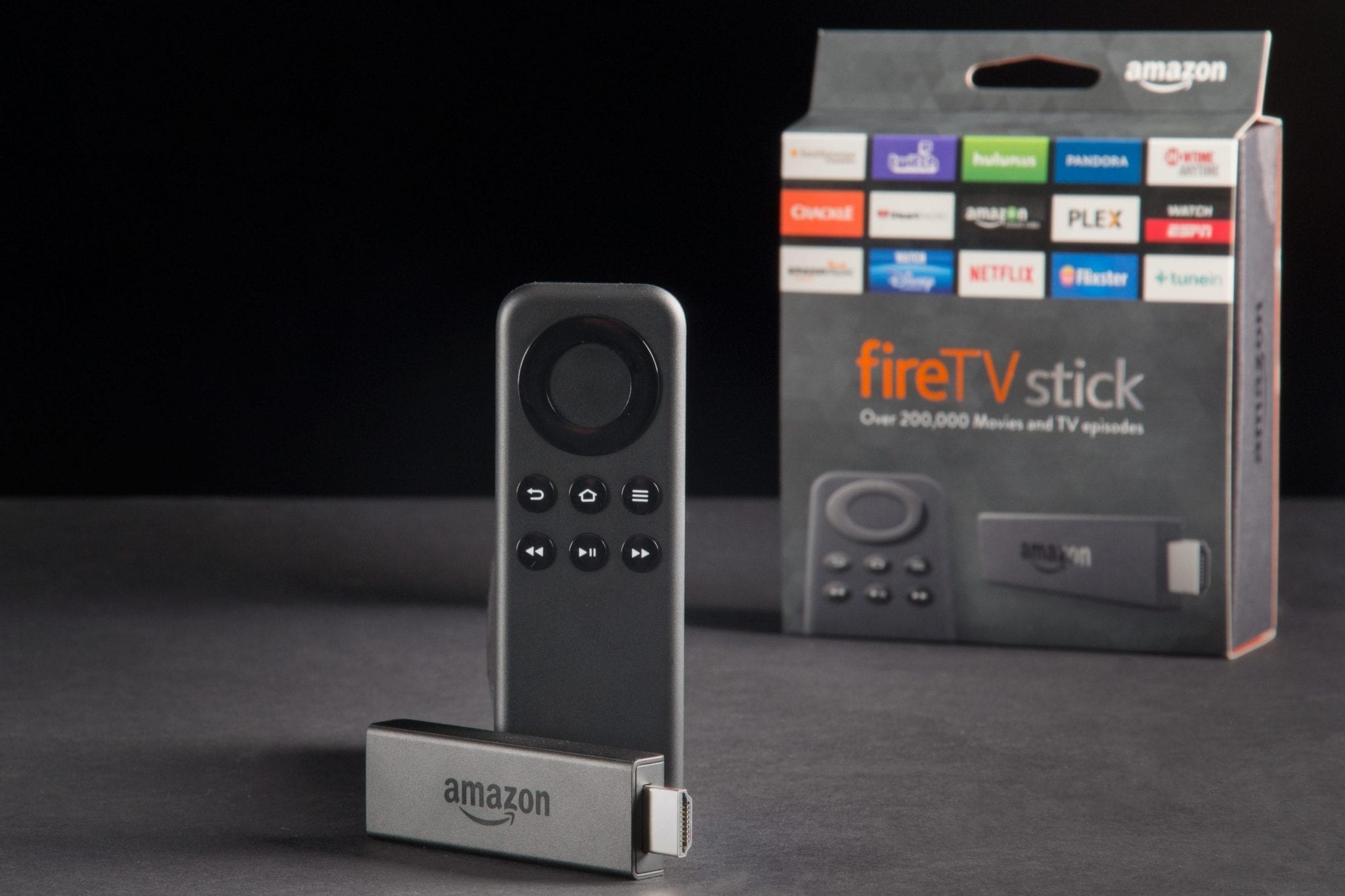
    Amazon has unveiled the all-new Fire TV Stick with Alexa Voice Remote, touted as the most powerful streaming media stick available.

    The company said the next generation Fire TV Stick is up to 30% faster than the original version, and offers access to over 300,000 movies and TV episodes, and includes the Alexa Voice Remote.

    The only streaming media stick with a voice remote, the new Fire TV Stick is available for pre-order and will begin shipping to United States customers on October 20.

    Eligible customers who purchase and activate their device by October 31 will also receive a free content package worth up to$65, including one month of Sling TV, two months of Hulu, and a $10 credit for Amazon Video to rent or purchase new releases or old favorites.

    “With more than 120,000 reviews and a 4.2 star rating, our customers made the Fire TV Stick the most reviewed product ever on Amazon,” said Marc Whitten, VP at Amazon Fire TV.

    “The new Amazon Fire TV Stick has been completely redesigned with incredible performance, powerful voice search and the included Alexa-powered remote to deliver instant access to a vast selection of movies, TV shows, games and Alexa skills,” said Whitten.

  • Xiaomi Products Come to Korean Convenience Stores

    Xiaomi Products Come to Korean Convenience Stores

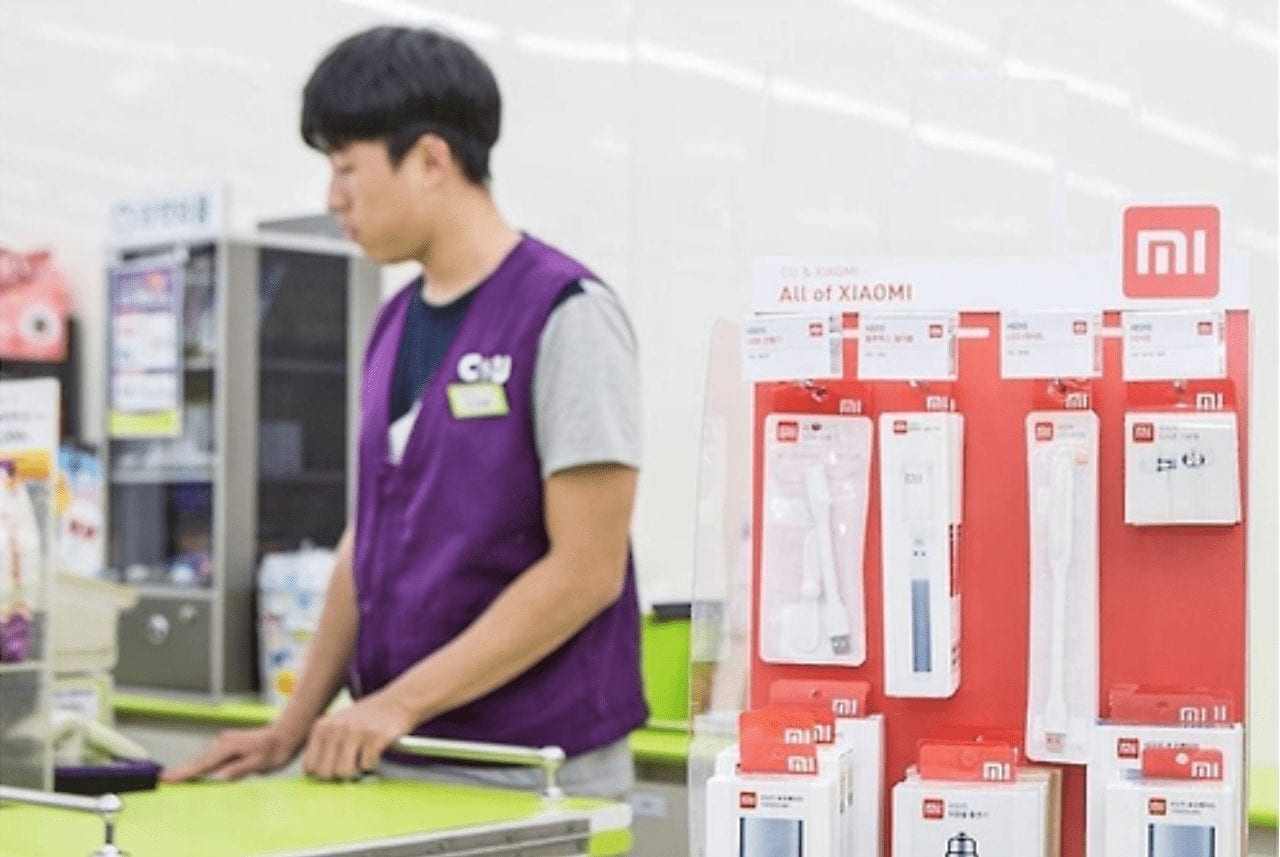
    Ticket Monster (T-Mon), Korea’s leading social commerce platform, announced Thursday that it will be supplying convenience store franchise CU with Xiaomi products for offline distribution.

    CU outlets have already been selling Xiaomi portable battery packs (5000mAh) since the beginning of September, which were also supplied by T-Mon, but they will now have nine other products from the Chinese company on offer, including ear phones, selfie sticks, LED lights, and USB fans. 

    The move is a win-win for both CU and T-Mon. 

    “With the widespread use of smartphones, sales of smartphone-related products such as portable battery packs have increased by 69 percent this year,” said official.

    “We’ll be increasing our Xiaomi inventory at outlets closer to universities, offices, and entertainment districts, while also targeting Chinese tourists at our stores near tourist attractions like Myeongdong and Gwanghwamun.” 

    As for T-Mon, it will be securing an offline distribution channel to further expand its revenue stream. 

    “By allowing offline sales of products that used to be sold exclusively online, we’ll be offering our partners new opportunities to increase their profits,” a T-Mon official said. 

    Xiaomi products have grown increasingly popular on Korea’s ecommerce platforms for their affordability. The company’s 5000 mAh battery pack, in particular, makes up about 80 percent of all portable battery sales on T-Mon. 

    Although the Chinese electronics giant has yet to introduce its smartphones to Korea, the brand has gained widespread recognition with massive popularity on ecommerce platforms like T-Mon and Coupang. 

    Xiaomi made its official entrance here in March through an exclusive deal with local distributor Youmi, and has since been selling a wide range of electronics and consumer goods including the Mi Band (fitness wearable), an air purifier, Bluetooth speakers, a bicycle, and even backpacks.

    The company also opened its first offline store at the Yongsan Electronics Market in June, and is rapidly expanding its outlets across the Seoul Metropolitan Area.