Category: Electronics

Retail News Asia is committed to providing both local and global retailers with the latest Electronics news throughout the Asian market. This on a daily base.

  • Harman partners with TCL to boost retail, product collaboration

    Harman partners with TCL to boost retail, product collaboration

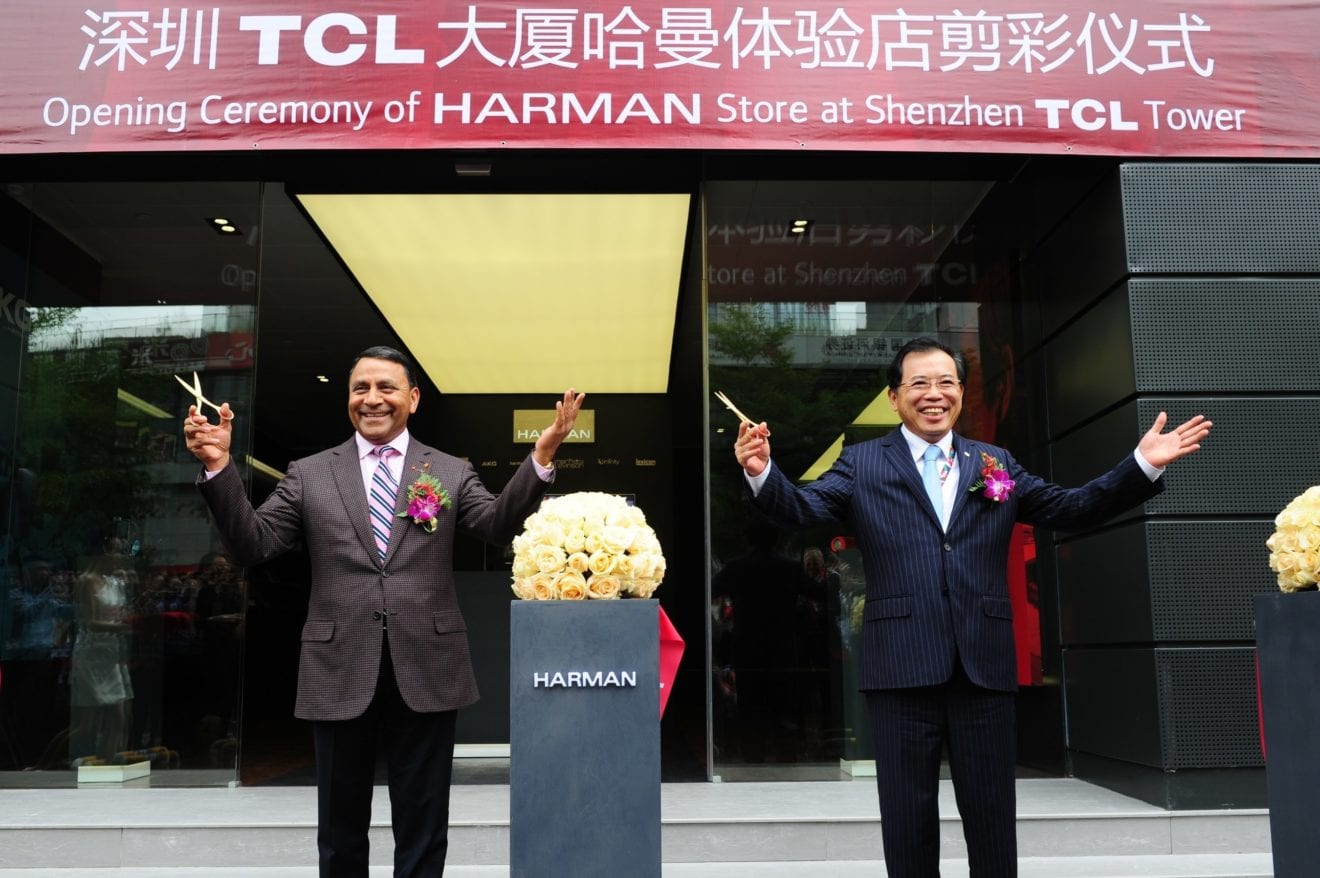
    Chinese audio and infotainment company Harman International opened its flagship store on 23 April at the TCL Tower in High-tech Industrial Park of Shenzhen. Its sister store, the TCL O2O flagship store was also set up the same day. TCL Corporation’s Chairman Li Dongsheng and Harman International’s Chairman Dinesh Paliwal attended the ceremony together, representing the start of a comprehensive partnership between the two corporations.

    Harman develops and produces professional audio electronic products and infotainment systems for various markets, ranging from auto markets, consumer markets, to professional audio markets. Over the past few years, Harman has already established a strong partnership with TCL Corporation, a global manufacturer of smart products and provider of internet application services. With the firm presence in TV and communications industries for years, TCL Corporation was the first TV manufacturer of China to engage in an all-round brand collaboration with Harman Kardon, a noted section of Harman International.

    The comprehensive partnership between TCL and Harman is mainly in the form of retail collaboration and product collaboration. Harman plans to create an online flagship store bearing its name on TCL’s e-commerce platform and identify TCL as its only e-commerce partner. Harman will also provide on-site product supports in 100 high-quality TCL stores. And in terms of product collaboration, Harman will provide diversified product customization services for TCL products.

    According to Li Dongsheng, the two corporations had always maintained a deep collaboration, with substantial progress being made between Harman and TCL’s four business areas including TV, cellphone, Tonly OEM, and O2O
  • Croma to open around a dozen stores in India this year

    Croma to open around a dozen stores in India this year

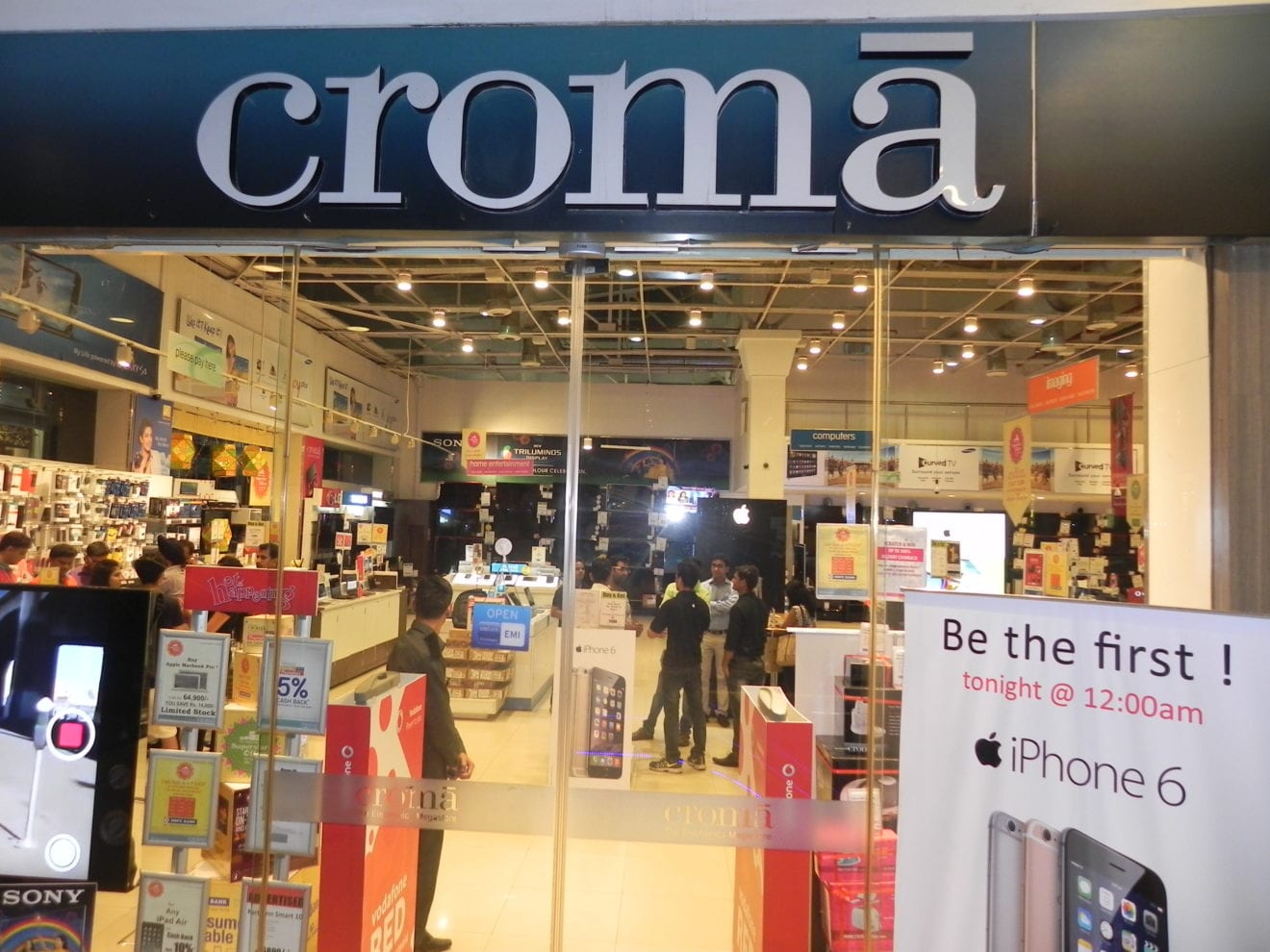
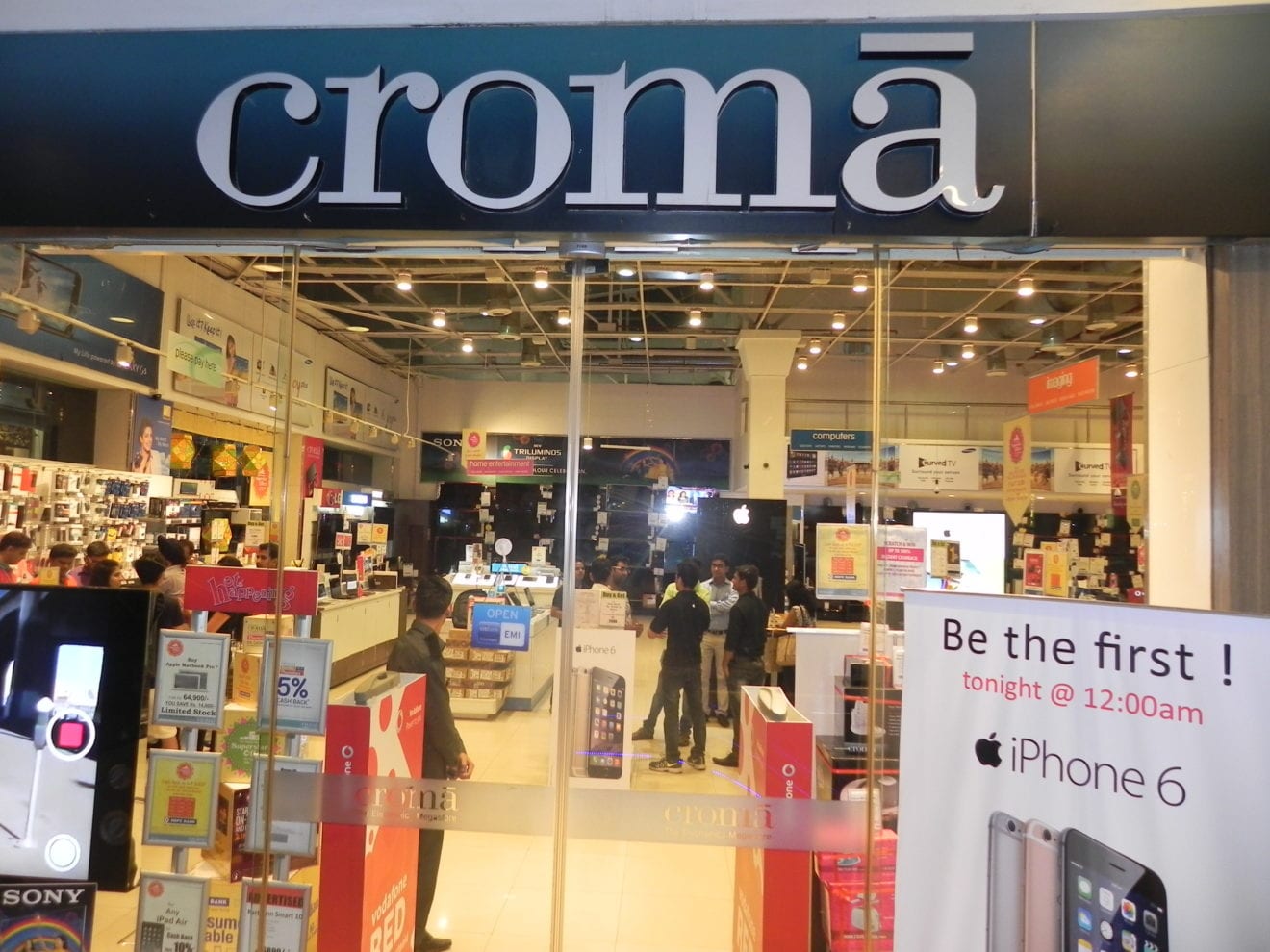
    Croma, consumer durables and electronics chain of the Tata Group, is looking to open a dozen more stores this financial year.

    In April, the first month of 2015-16, it launched three stores. Two more are being readied for launch in a month or so. “We have budgeted for around 10 new stores in FY16 but might exceed that, depending on the quality of location and store layout, if we get the right rental. We continue to focus sharply on calibrated growth in our chosen markets,” said a spokesperson.

    Croma’s first chief executive and managing director, Ajit Joshi, quit the chain recently after eight years at the helm. Its chief financial officer, Avijit Mitra, is interim CE. Croma runs about 100 stores. It is also looking to launch new products in home appliances, the spokesperson said.

    About six per cent of overall revenue comes from its private labels; in home appliances, the share of revenue is 25 per cent.

    Croma’s rival, Reliance Digital, which entered the fray later than the former, has become the biggest durables chain in the country, with about 1,100 stores. Its Digital Mini Express has also become largest mobile phone retailer.

    “Croma continues to lead the consumer durables & information technology (CDIT) organised retail market in store throughput. In the immediate future, Croma will penetrate deeper into the top CDIT markets of India,” the chain had said earlier.

    The chain is yet to break even. Asked to comment, the spokesperson said: “Financial information is internal to the company. We are progressing toward our financial goals as per plan.” Croma entered e-commerce in 2012 and tied up with Snapdeal last year to sell its products.

    “We are already a step ahead in terms of omni-channel retailing and are in the process of rolling out some exciting customer-facing services this financial year, which will be announced once the pilots stabilise,” the spokesperson said.

  • China powers Apple profit surge

    China powers Apple profit surge

    Apple’s China sales revenue soared 71 per cent to US$16.8 billion in the first three months of this year, putting Greater China ahead of Europe as the tech giant’s second largest market.

    It was the main driver of a sharp 33 per cent increase year-on-year in quarterly Apple profit – to a massive US$13.6 billion.

    In product terms, much of the growth came from the iPhone of which the company sold 61 million during the quarter – or roughly 678,000 phones every day. iPhone sales rose 40 per cent year-on-year.

    Apple’s total sales revenue increased 27 per cent to US$58.01 billion.

    CEO Tim Cook says the company was thrilled by the continued strength of the iPhone, Mac and App store especially.

    “We’re seeing a higher rate of people switching to iPhone than we’ve experienced in previous cycles, and we’re off to an exciting start to the June quarter with the launch of Apple Watch.”

    The massive profit has boosted Apple’s cash reserves to more than US$193 billion, prompting a ramping up of the share buy-back program and a 50 cent per share dividend to shareholders.

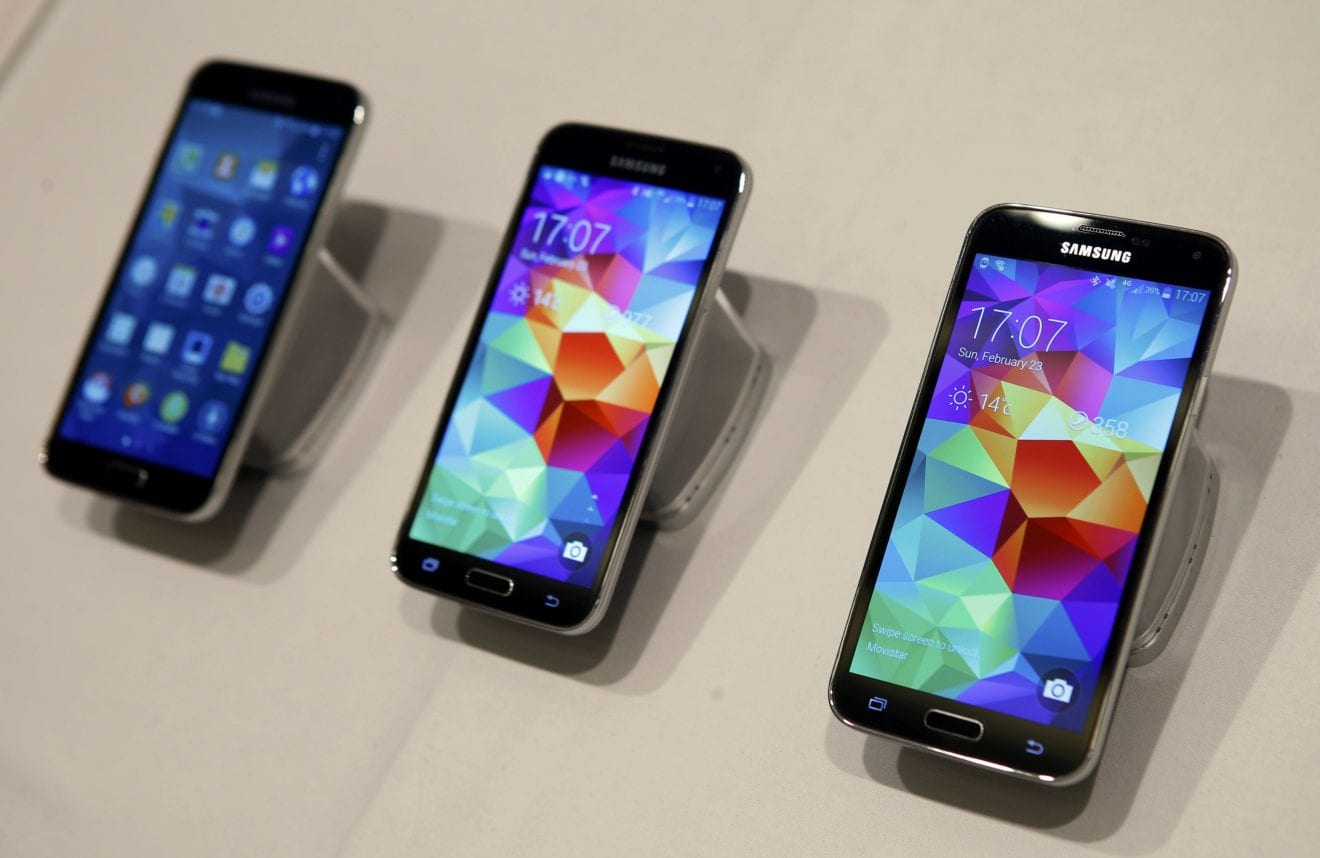
    The key to Apple’s improvement was the launch of the larger screen model which has helped lure sales back from Samsung and other brands.

    The only blemish, if you could call it one, was a 23 per cent drop in sales of the iPad to 12.6 million units, with revenues down 29 per cent.

  • Mobile-Phone Retailer Erajaya Acquires Laptop Maker Axioo

    Mobile-Phone Retailer Erajaya Acquires Laptop Maker Axioo

    Erajaya Swasembada, a listed Indonesian mobile-phone retailer, has bought a majority stake in local laptop manufacturer Axioo International Indonesia, as part of the company’s expansion.

    Erajaya signed an agreement on Wednesday to buy 51 percent of Axioo’s shares from Exa Nusa Persada for Rp 5.1 billion ($394,000), the company said in a statement to Indonesia Stock Exchange on Wednesday.

    The move follows Erajaya’s acquisition of CG Computers, a Malaysian distributor of Apple products, for Rp 52 billion last year.

    Erajaya’s net income fell 6.3 percent to Rp 75 billion in the January-March period from the same quarter las year, despite sales rising 30 percent to Rp 3.9 trillion.

  • Huawei plans 40,000 new stores in two years

    Huawei plans 40,000 new stores in two years

    Chinese phone maker Huawei plans to more than double its global store network from 30,000 to 70,000 by 2017.

    Huawei sees building its retail network is the key to selling more mid-range and high-end smartphones, taking on Apple and Samsung headon.

    More than half its current retail outlets are in China, which means the brand so far has only a modest presence and brand awareness internationally.

    By definition, Huawei’s stores will range from stand alone outlets to concessions and “display zones” where its phones were demonstrated for sale.

    Glory Zhang, chief marketing officer for Huawei’s consumer business group, says the company plans to launch more ‘high-end’ smartphones in international markets by the end of this year.

    Huawei is in the midst of a rapid growth phase. In 2013 it shipped 52 million smartphones, a figure dwarfed last year by 75 million, which made it the world’s third largest phone manufacturer. It is on track to ship well over 100,000 handsets in 2015.

    Within its own product range, high end units comprised just five per cent of its sales last year, but in the first quarter of 2015, they accounted for 34 per cent of sales.

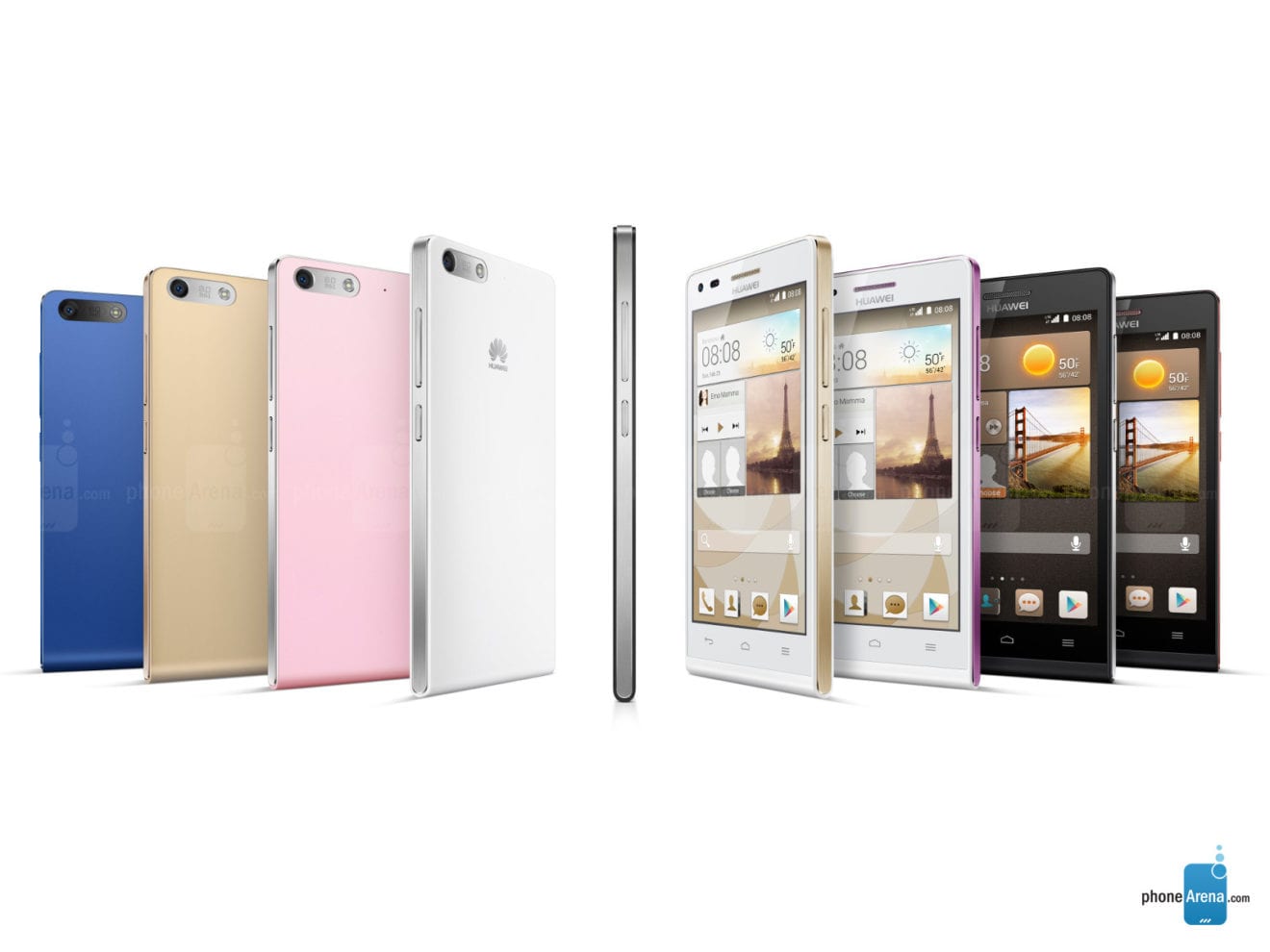
    Its newest showcase model is the P8, with a sleek metal body, (pictured above).

    Besides its retail network ambitions, Huawei has also revealed it plans to create a global service center network with urban customers no more than five kilometres from a repair shop.

    Zhang is confident about the brand’s international ambitions.

    “We’ve done this for a long time. We feel deeply that it’s easy to make a phone, but hard to make a good one.”

  • Internux Sues Shop for Unlocking Bolt! Modems

    Internux Sues Shop for Unlocking Bolt! Modems

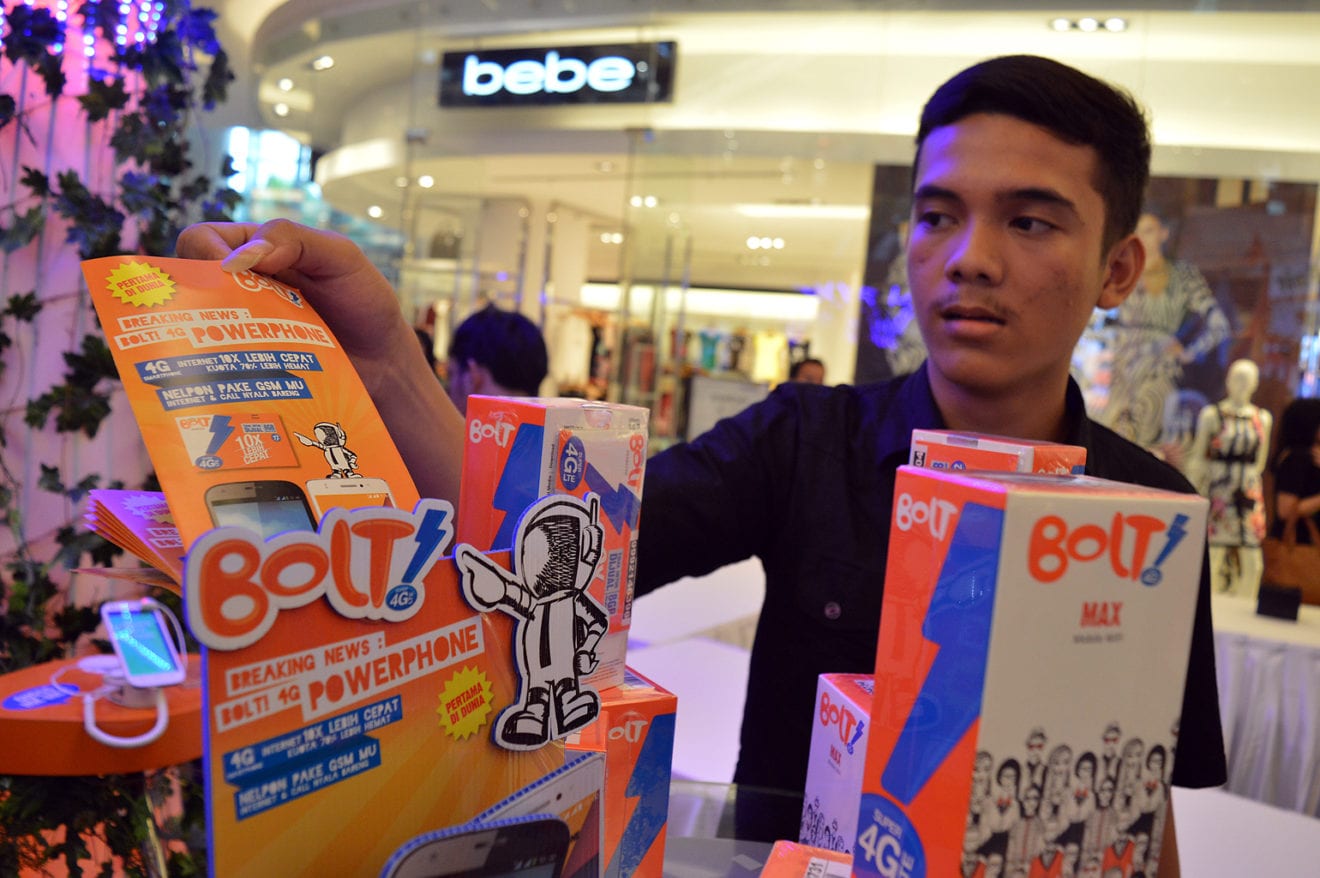
    Internux, the company behind Bolt! 4G mobile broadband service, is suing Cumi Laut Software Development, a local shop, for allegedly providing unlocking services for the company’s modem devices.

    Bolt!, which is the first 4G mobile broadband provider in Indonesia, has been offering its broadband service with modem and smartphones since its introduction last year — attracting more than 1 million customers.

    The company, however, found out that several parties including Cumi Laut, has been unlocking the modem to make it compatible with other operators’ broadband services.

    “[This] is an illegal practice that breaches patents and costs our clients,” said Ignatius Supriyadi, Internux’s lawyer in a statement on Wednesday.

    Dicky Moechtar, Bolt!’s chief executive, said that the company would also take legal actions against other parties besides Cumi Laut.

  • Croma to open more shops in India

    Croma to open more shops in India

    Croma, consumer durables and electronics chain of the Tata Group, is looking to open a dozen more stores in India this financial year.

    In April, the first month of 2015-16, it launched three stores. Two more are being readied for launch in a month or so. “We have budgeted for around 10 new stores in FY16 but might exceed that, depending on the quality of location and store layout, if we get the right rental. We continue to focus sharply on calibrated growth in our chosen markets,” said a spokesperson.

    Croma’s first chief executive and managing director, Ajit Joshi, quit the chain recently after eight years at the helm. Its chief financial officer, Avijit Mitra, is interim CE. Croma runs about 100 stores. It is also looking to launch new products in home appliances, the spokesperson said.

  • Microsoft to open flagship Pitt Street Mall store in Sydney

    Microsoft to open flagship Pitt Street Mall store in Sydney

    Pitt Street Mall in Sydney has morphed into the playground of the rich and famous, with Microsoft, founded by Bill Gates, said to be the latest international name to have signed up a flagship store along the strip.

    In the most recent Main Streets Around the World survey by Cushman & Wakefield, Pitt Street Mall was named the fifth most expensive strip in terms of rent, and only sits behind New York’s Upper Fifth Avenue, London’s Bond Street and Hong Kong’s Causeway Bay. The average rent is about AUD10,000 (USD7787) per square metre, per annum.

    It is said the computer giant’s first major site in the country will be where the Guess was and could even spill over to the next-door space which was, until recently, leased by Cue. If the two stores are leased the site will total about 650 square metres over two levels.

  • Reliance Industries retail chain now largest in India

    Reliance Industries retail chain now largest in India

    Reliance Retail is not just the largest retailer in India in terms of revenues, but is also the biggest in most of the categories it operates in. With 1,000 stores, Reliance Digital has become the largest consumer durables and electronics retail chain in the country. Tata-owned Croma runs 97 stores while Videocon’s durables chain, Next, owns about 800 stores. Reliance Industries gave out its retail figures in the financial results for the quarter ended March 2015 on Friday.

    Reliance Digital Xpress Mini at more than 800 stores is now the largest mobile phone retail chain in the country. Essar-owned The Mobile Store runs over 800 stores in the country.

    Reliance Retail has a clear lead when it comes to cash and carry stores. Started four years ago, Reliance operates 43 such outlets called Reliance Market stores. Set up seven years ago, US-based Walmart runs 20 stores and Germany’s Metro, which had started more than 10 years ago, operates 17 outlets.

  • Korean c-store swaps old for new

    Korean c-store swaps old for new

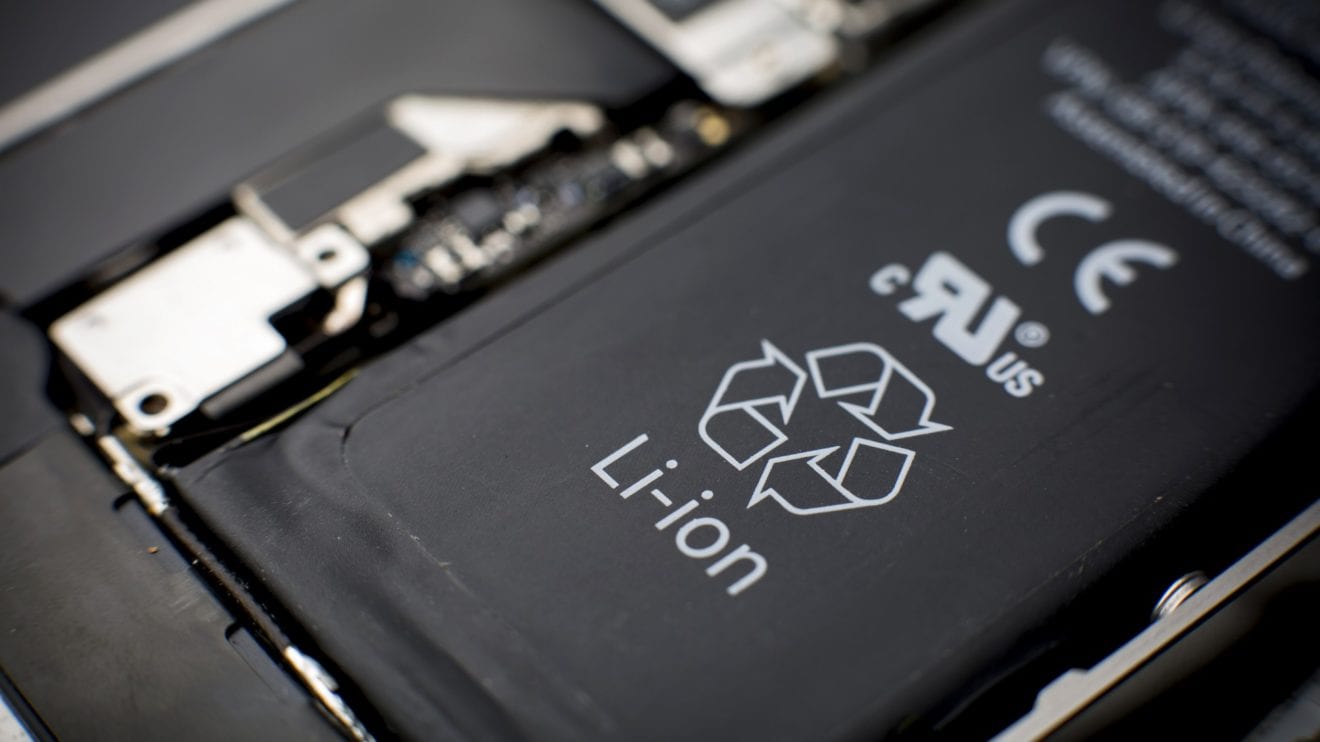
    A convenience store chain in Korea plans to offer affordable smartphone battery replacements instead of time-consuming charging services.

    BGF Retail, the company behind the CU convenience store chain, announced on April 14 that it would begin the battery replacement service in May. The service offers fully charged smartphone batteries to smartphone users in exchange for their discharged ones, after verifying their authenticity.

    Korean c-stores including CU currently offer battery-charging services, which can take up to 40 minutes. By introducing the replacement service, customers can save time while paying the same 3000 won (US$2.74) fee.

    The service will be available for all battery-replaceable smartphone models, and CU will continually add batteries for new models.

    However, the service is not available at all CU convenience stores, only shops that have chosen to participate in the program. CU stores offering the service can be found using the new “Full-charge” smartphone application.

    CU explained that the service was devised to solve the issue of rapidly depleted smartphone batteries, leveraging the accessibility of convenience stores.

    An official at BGF Retail said that as more people use smartphones, there is much anxiety about battery life. “By offering the service, we are presenting a convenient option to customers as they can replace the worn-out smartphone batteries like they are purchasing drinks in our stores.”

    Meanwhile, CU convenience stores are now transforming from simple stores selling items such as snacks, drinks and other daily necessities to “space” providers with lockers, meeting rooms and even concert halls.

    CU’s Itaewon Freedom offers a private locker service that was launched in December of last year, and some stores in university areas have started to offer meeting rooms equipped with tables, whiteboards, and HD TVs for those who seek spaces suitable for small-sized meetings.

    In Daehangno, where many performers and audiences gather together, the CU Marronnier Park store is equipped with a small-sized stage for amateur musicians, and even supplies sound and lighting equipment. It was developed to offer customers the pleasure of enjoying cultural performances highlighting the regional characteristics of the area.

  • Indian stores to sell Xiaomi phones

    Indian stores to sell Xiaomi phones

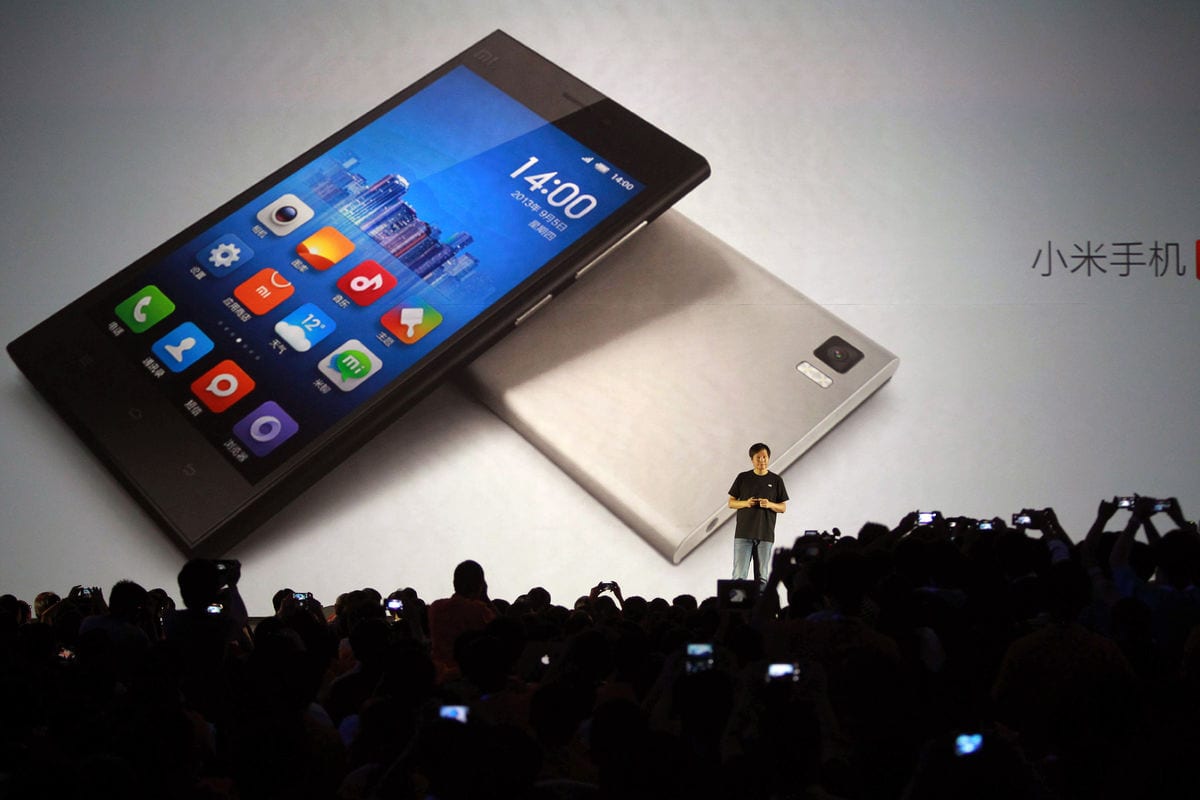
    Chinese smartphone maker Xiaomi Inc has decided to sell devices through a leading electronics retail chain in India, part of its effort to move away from online-only sales and boost growth in the world’s third-largest smartphone market.

    Xiaomi launched its India operations with online marketplace Flipkart.com in July, selling its phones through flash sales where availability is limited to short timeframes.

    The company this year decided to sell its Redmi Note 4G handsets through shops of carrier Bharti Airtel Ltd, but that would still need an online registration.

  • Indonesia plays hardball with smartphone manufacturers

    Indonesia plays hardball with smartphone manufacturers

    When Polytron became the first Indonesian company to produce 4G-capable smartphones last year, it changed the “Manufactured in China” inscription on its handsets to “Made in Kudus”, a town in Central Java.

    Polytron relocated production from China to comply with “local-content” rules introduced in 2012. The regulations have raised concerns about higher manufacturing costs and hung question marks over an industry championed by the Indonesian government.

    The United States has pressed Indonesia to relax the rules, which it says will hamper efforts of tech giants such as Apple to expand into one of the world’s last big markets where use of smartphones has yet to truly take off.

  • Lenovo creates new post for Lanci

    Lenovo creates new post for Lanci

    Lenovo Group Ltd has appointed Gianfranco Lanci as its corporate president, a newly created position, as part of the company’s organizational structure change for global market and business growth, the world’s No. 1 personal computer maker said on Tuesday.

    Lanci, a 30-year veteran of PC industry, will take up the new position from 1 April. The new post is seen as the number two executive behind Lenovo’s Chairman and Chief Executive Yang Yuanqing.

    Lanci, who will retain his current position as chief operating officer and head of the PC business, will head Lenovo’s PC sales and marketing efforts worldwide.

  • Connected gadget sales soar in Singapore

    Connected gadget sales soar in Singapore

    Singaporeans’ thirst to be online has seen sales of connected gadgets more than double in just five years.

    While the connected devices sector in Singapore was valued at only USD 950 million five years ago, it has expanded to more than US$1.8 billion in 2014, according to research house GfK.

    ‘Connected devices’ comprise of 20 wireless and connected electronic/digital products tracked by GfK in Singapore, including computers, internet TVs, smart cameras, PC accessories, headphones, headsets, routers and also the latest gadgets – smart watches and health fitness trackers.

    The growth is being powered by Singapore’s affluent and well-developed internet infrastructure, says Gerard Tan, account director for Digital World at GfK.

    “In line with the country’s high internet usage and technology adoption rate, wireless devices with internet connectivity have been growing every year from 2010 to 2013, registering an additional 3.1 million devices sold within this four year span.

    “On the other hand, our sophisticated society is less interested in non-connected devices, with steep falling demand year after year since 2012.”

    Sales reached a peak in 2013 with consumers splurging more than USD 2.1 billion on over 5.2 million connected devices, following which market saturation led to a slowdown in the 2014. By comparison, non-connected, wired devices within the same product categories witnessed an even steeper decline of 29 per cent in value, considerably higher compared to the 15 per cent fall registered in the connected segment.

    In spite of overall decrease in consumer demand, some connected gadgets continued to register growth in 2014, including smart watches, health fitness trackers, phablets, wireless printing devices, smart cameras, and loudspeaker soundbars. The top three fastest growing connected devices in Singapore last year were docking/mini-speakers, phablets and loudspeakers/soundbars at 162, 60 and 55 per cent increased sales respectively over 2014. Despite the easing in sales, manufacturers are launching more new models of connected devices. According to GfK findings, the number of market offerings across all products rose by 15 per cent to hit 4920 – a strong indication of the positive market sentiment going forward.

    “The soaring popularity of this market means we can anticipate more of such products being launched, and the introduction of more new and exciting features, for instance, the function of easy syncing across different products,” said Tan.

    “With today’s heavy reliance on the internet, it becomes even more essential for modern technology to be equipped with the connectivity feature,” he concluded.

  • Panasonic, Lenovo’s retail bets in India

    Panasonic, Lenovo’s retail bets in India

    Two brands trying to get a bigger foothold in India’s smartphone market recently announced plans to expand their retail presence, strongly leaning on exclusive stores and e-commerce.

    The Japanese Panasonic and Chinese Lenovo are both in the process of bolstering their retail strategies. While the new stores would help their wide-ranging product portfolio, their smartphone fortunes would be paramount.

    Lenovo India is planning to triple its retail footprint. Run by franchisees, Lenovo has 400 stores which are branded as Lenovo stores, besides 3,500 outlets where its products are available. In the next three years, Lenovo will add to its branded stores – Lenovo Exclusive Stores (LES) and Lenovo Exclusive Store Lite (a smaller version for lower tier towns). While 30 percent would be LES, the rest would be the LES Lite model.