Category: Electronics

Retail News Asia is committed to providing both local and global retailers with the latest Electronics news throughout the Asian market. This on a daily base.

  • Erafone set to grow Malaysian presence

    Erafone set to grow Malaysian presence

    Erafone, one of the largest multi-brand mobile device retailers in Indonesia, is set to make its debut in Malaysia this year in partnership with CG Computers Sdn Bhd. The company will be selling mobile devices and accessories aimed at the wider market. PT Erafone Artha Retailindo vice-president director Jeremy Sim said Penang and Kuala Lumpur will be the first venues where the Erafone and Urban Republic stores are set to open. “We hope to have 10 outlets by year-end and at least 100 Erafone outlets in Malaysia in the next three years,” Sim said at an event organised by CG Computers in Penang, recently.

    In June last year, the Indonesian group Erafone Artha Retailindo, a part of Indonesia’s Erajaya Group, signed an agreement to acquire a 60% stake in CG Computers, which currently operates 26 retail outlets throughout Malaysia under the Switch trade name. Sim said that Erafone will be developed alongside the Switch brand and Urban Republic. “There will be a parallel growth for the three trading names.

    “We have earmarked a RM8.5mil budget for a total of 15 outlets — 10 Erafone/Urban Republic and five Switch. “We are aiming to have eight mobile phone brands available at the Erafone/Urban Republic outlets set to open in the country,” he said. Meanwhile, CG Computers general manager Winson Wong said Switch’s additional five outlets in Kuala Lumpur, Malacca, Kota Kinabalu, Kedah (Alor Setar — Aman Central) and Kuching, would see Switch having a total 30 stores by end of the year. Investing in expansion: Sim says RM8.5mil has been allocated to set up 15 new outlets under the Erafone, Urban Republic and Switch brands and that the growth is expected to create 120 new jobs in the company.

    He added that CG computers has a current head count of 320 employees, and the Erafone partnershipwill create an additional 150 jobs. At the same event, CG Computers announced the Switch Epic Giveawa’ contest that ends on Oct 31 in conjunction with Switch’s 20th anniversary. Customers are entitled to a participation ticket for every RM100 spent in any Switch outlet. Prizes consisting of Apple products worth more than RM20,000 will be given to winners.
  • Apple re-crowned world’s prime model—however watch Alibaba, Fb

    Apple re-crowned world’s prime model—however watch Alibaba, Fb

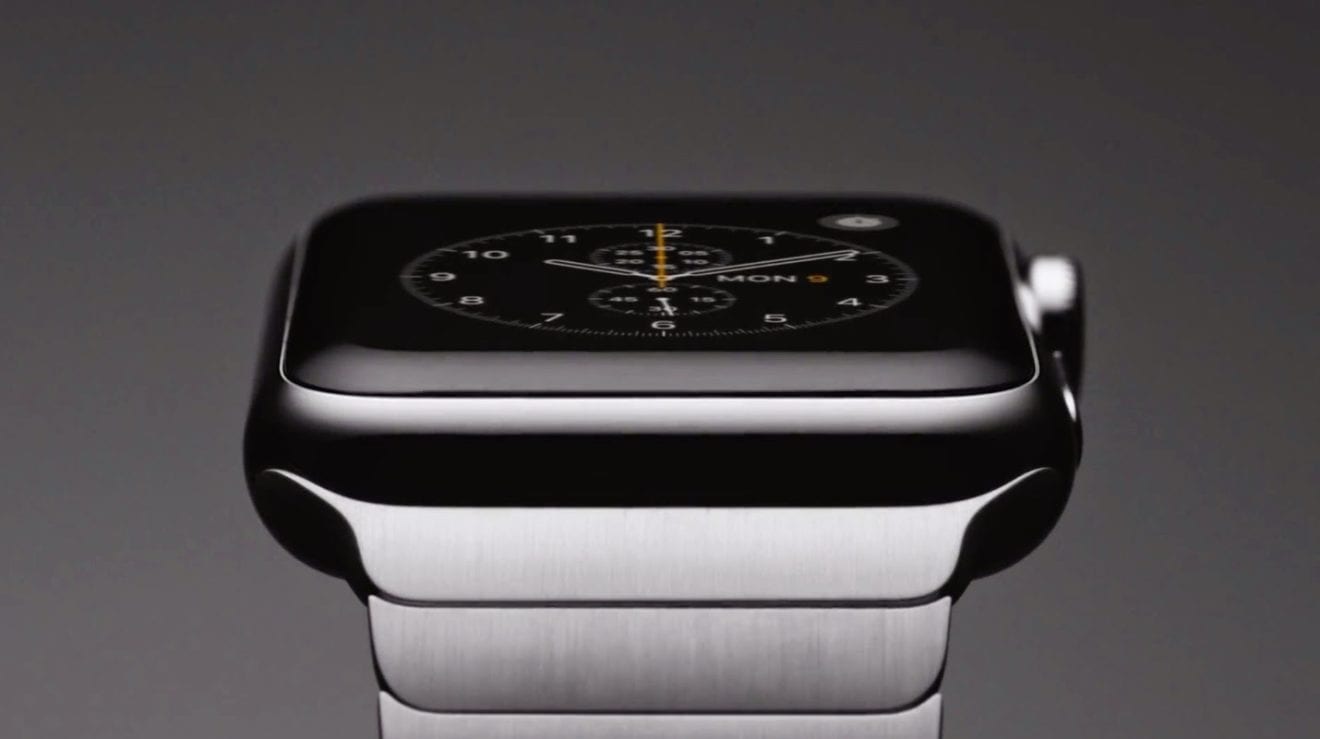
    Apple has reclaimed its crown because the world’s most dear model, value a staggering $247 billion, in line with WPP and Millward Brown.

    The tech behemoth triumphed within the promoting businesses’ annual prime 100 most respected international manufacturers report, revealed on Wednesday. The report ranked model worth by taking a look at views of potential and present consumers of a model, plus monetary knowledge.

    “Apple is obvious on what it stands for, and by no means stops refreshing its message to maintain the distinction that makes it so fascinating,” stated Doreen Wang, Millward Brown’s international head of BrandZ, within the report.

    Regardless of the recognition of the Apple Watch, Wang and colleagues stated that the iPhone 6 was the primary driver of Apple’s 67 % year-on-year bounce in model worth.

    “Apple continues to ‘personal’ its class by innovating and main the curve in a method that generates actual advantages for shoppers,” stated Wang.

    Apple’s success pushed Google again into second place, with its model worth rising 9 % over the yr to $174 billion.

    Fb was the fastest-growing model, attaining 99 % progress on account of its success in buying and integrating different platforms corresponding to Instagram and WhatsApp.

    West to East shif

    Chinese language e-commerce chief Alibaba made its first look within the BrandZ rankings, with its model value $66 billion. This put it aboveAmazon, the subsequent most useful retail model, and Walmart.

    Apparently, the world’s two most respected retail manufacturers each lack bodily shops.

    “Europe’s model powerhouses stagnate as Chinese language manufacturers develop and U.S. manufacturers make a comeback,” stated the BrandZ report.

    Learn ExtraThe Shopper Electronics Present heads to Shanghai

    This yr, 14 Chinese language manufacturers ranked within the prime 100, up from only one in 2006. A lot of the manufacturers that have been pushed out the rankings have been from Europe, stated the BrandZ report, with simply 24 European manufacturers remaining.

  • Apple China circumstances not so dangerous, exec says

    Apple China circumstances not so dangerous, exec says

    Apple’s working circumstances in China are enhancing, and have been by no means as dangerous as media studies instructed, in line with senior government Jeff Williams.

    “I could not be prouder of the work the group is doing ensuring individuals who work there are handled pretty,” Williams, a senior vice chairman, stated Wednesday in an on-stage interview on the Code Convention in Rancho Palos Verdes, California. “Individuals are constantly getting paid extra. Yearly gross sales are growing. We pay greater than common charges within the space.”

    Williams stated that Apple’s investigation of suicides through the years at amenities run by Foxconn, its outdoors producer, indicated that they weren’t associated to working circumstances.

    Moreover, he stated there weren’t that many on a relative foundation. When suicide charges have been at their highest, they have been decrease than at any level within the U.S.

    “By that definition, it might be the happiest place on earth,” he stated.

    Apple has for years been underneath hearth for the remedy of manufacturing unit staff in China.

    A string of suicides from 2010 to 2012 caught the eye of mainstream media retailers, and led to tales highlighting the extraordinarily lengthy hours, low pay, tough circumstances and younger age of many guide labourers serving to assemble iPhones and different units.

    Apple co-founder Steve Jobs addressed the difficulty 5 years in the past on the D: All Issues Digital convention, the predecessor to Code.

    As for different merchandise that the world’s most dear firm has within the works, Williams was as cagey as some other Apple when discussing the longer term. Particularly, Williams was requested how the corporate will spend a number of the mountains of money on its stability sheet.

    He provided one trace: “The automotive is the last word cellular gadget.”

    Apple has been rumoured to be within the auto recreation for some time, however the firm hasn’t confirmed that it is engaged on something past the related automotive software CarPlay.

  • BlackBerry lays off employees to be worthwhile

    BlackBerry lays off employees to be worthwhile

    BLACKBERRY is shedding an unspecified variety of staff around the globe because the struggling smartphone vendor tries to make its gadget enterprise worthwhile.

    The Canadian firm, based mostly in Waterloo, Ontario, stated the cuts will impression these engaged on the software program, hardware and purposes aspect of the enterprise.

    “As the corporate strikes into its subsequent stage of the turnaround, our intention is to reallocate assets in methods that may greatest allow us to capitalize on progress alternatives whereas driving towards sustainable profitability throughout all sides of our enterprise,” BlackBerry stated in a press release on Saturday.

    A spokeswoman declined to offer further details about the cuts.

    BlackBerry employs 7,000 individuals globally.

    BlackBerry, which solely a decade in the past was a titan within the smartphone enterprise, has been pressured into a serious reorganization focusing extra on software program and providers since being overtaken out there for cellular units.

    An IDC survey confirmed BlackBerry took simply zero.four % of worldwide smartphone gross sales in 2014.

    “Certainly one of our priorities is making our system enterprise worthwhile,” BlackBerry stated. “On the similar time, we should develop software program and licensing revenues.

  • Toshiba leaving Singapore end of May 2015 due to stiff competition

    Toshiba leaving Singapore end of May 2015 due to stiff competition

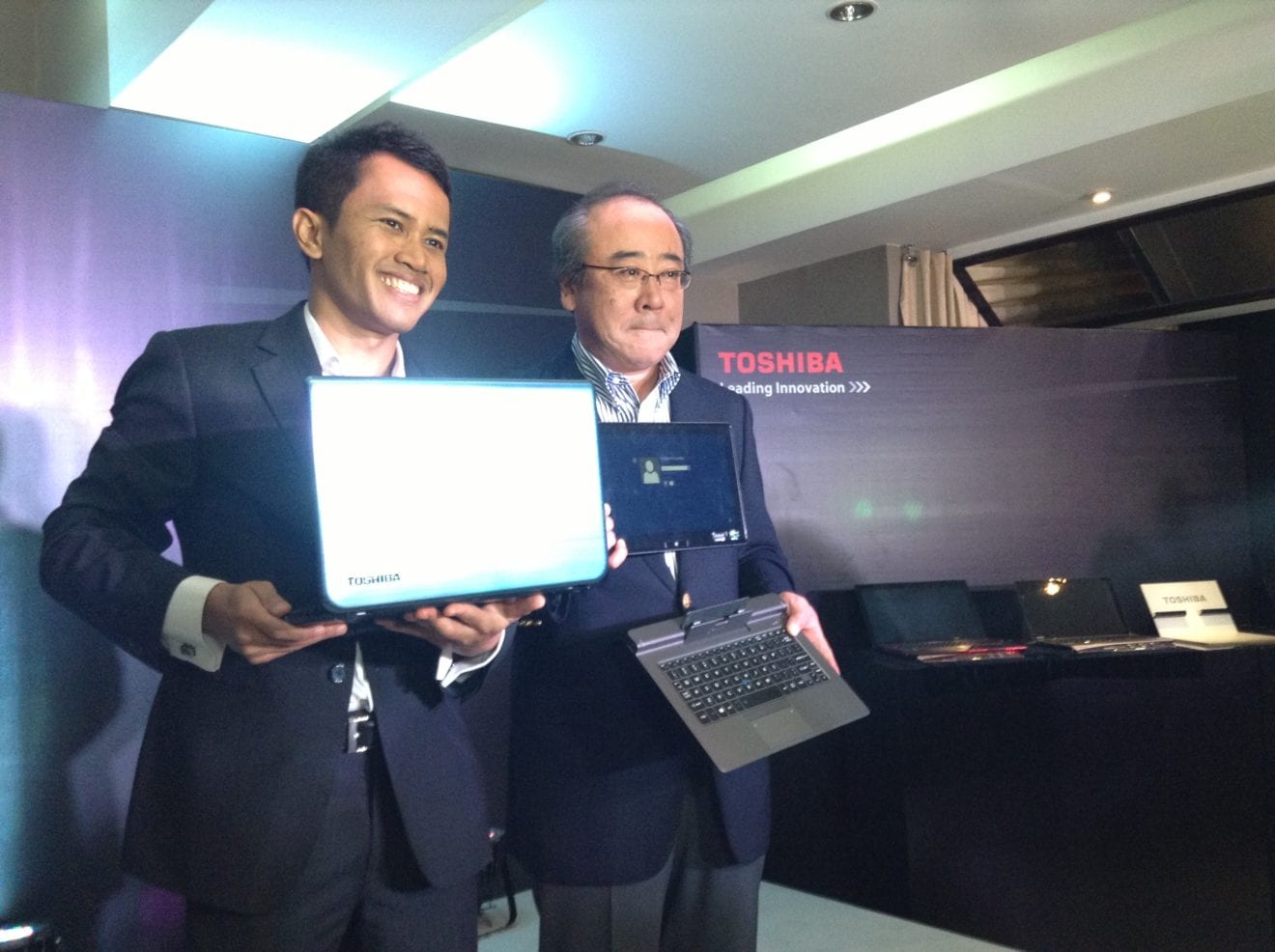
    Chinese evening newspaper Shin Min Daily News reported on Thursday that Toshiba Singapore had recently sent a notice to its retailers, announcing that some products will be withdrawn from the local market.

    Reporters from the Chinese daily checked with several retailers and they understand that the retailers received the notice via e-mails and letters a few weeks ago.

    Toshiba said that due to a highly competitive environment in Singapore, they had to make an “extremely difficult” decision to withdraw from the local television and appliance market.

    In a statement, Toshiba said after-sales customer service will continue until further notice.

    Small retailers have expressed concerns over Toshiba’s exit.

    A retail shopowner said about half of her electrical products are from Toshiba and several of her regular customers are fans of the Japanese brand.

    She also said small retailers are not doing well now and Toshiba’s withdrawal will add to the problem.

    One industry insider said that regardless of technical specifications, South Korean products are slightly better in comparison.

    Shin Min reported that a Toshiba spokesman was unable to provide further information about their withdrawal.

  • Xiaomi in US, Europe check

    Xiaomi in US, Europe check

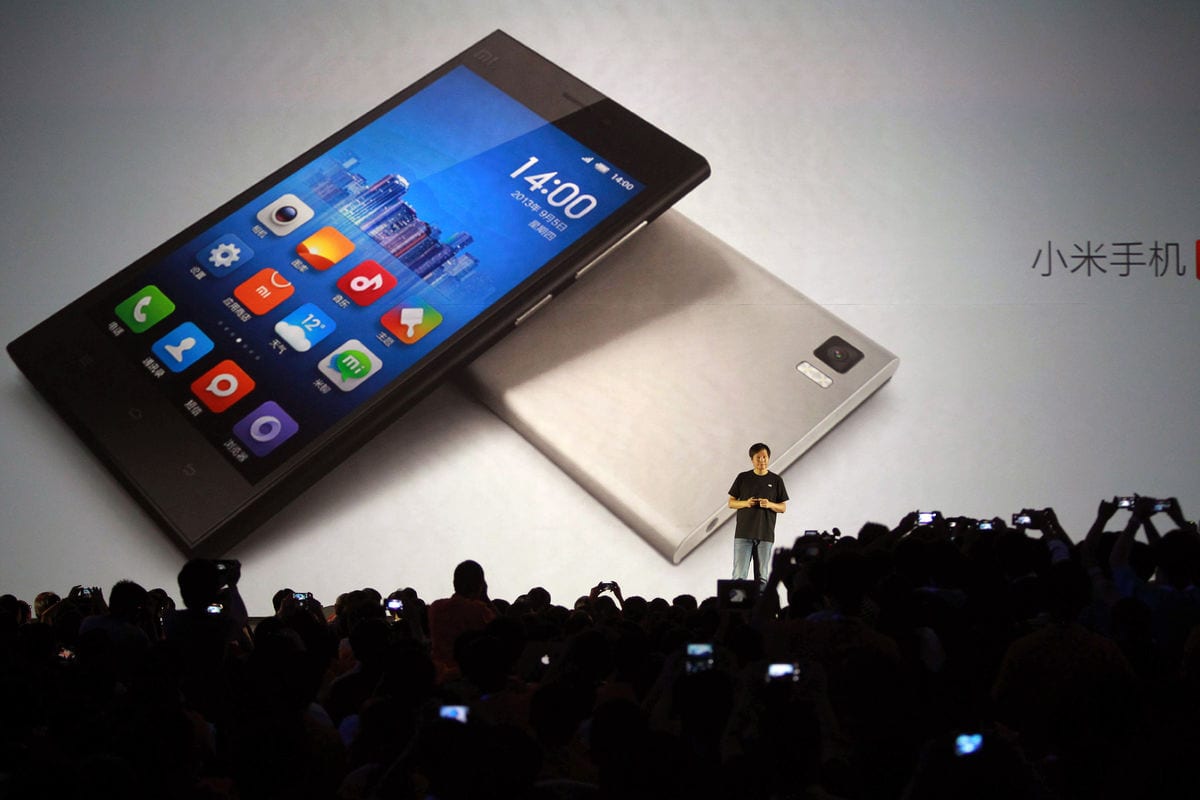
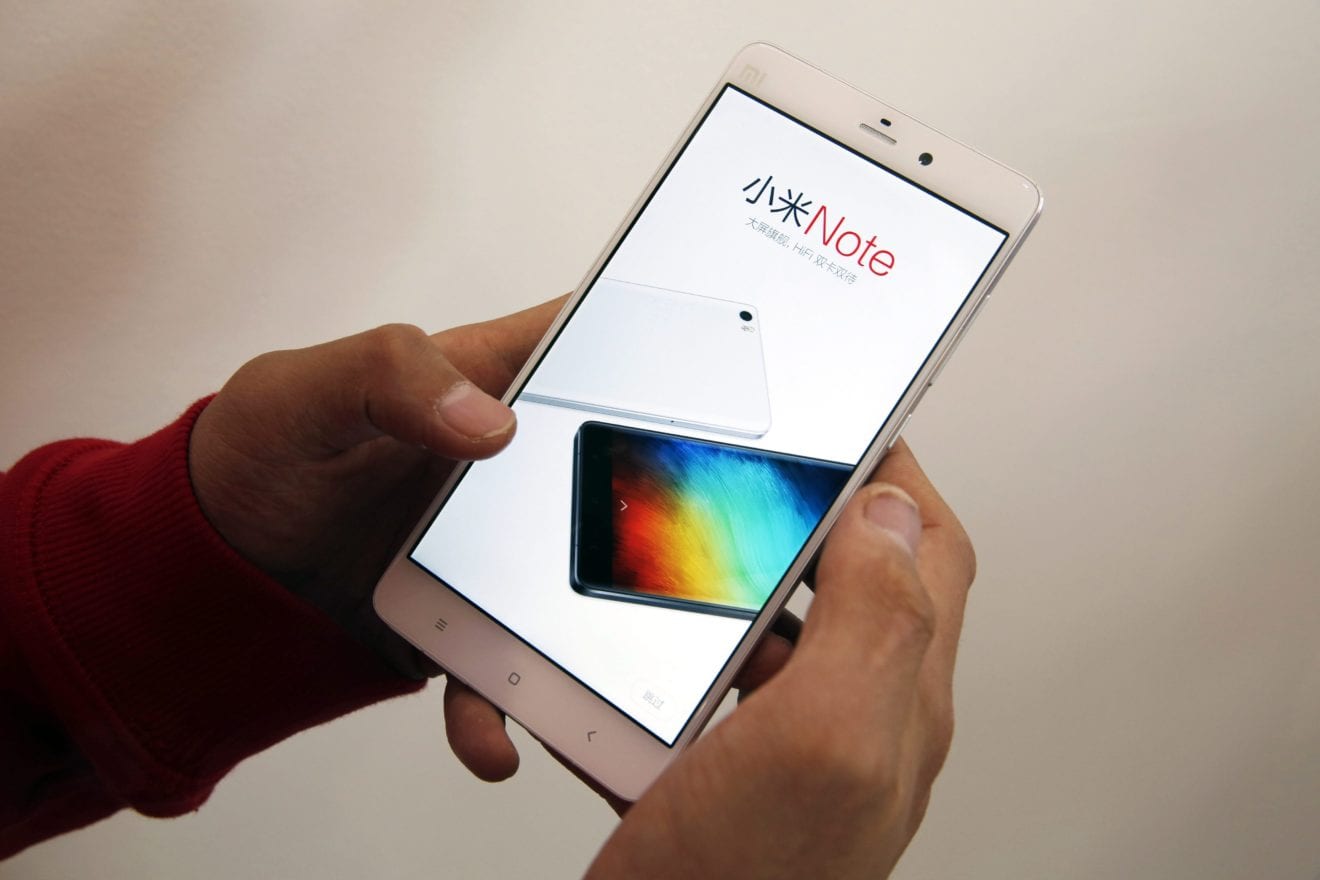
    China’s market main smartphone firm Xiaomi is making what’s being interpreted as a tentative step into the US and Europe.

    The fast-growing younger firm, which sells extra telephones in China than another handset maker has but to open its first retailer outdoors Higher China – however final Friday, it quietly switched on an internet site promoting equipment and electronics – however not telephones – to People and Europeans.

    In line with a report on The Verge https://www.theverge.com stories, Xiaomi opened a website promoting restricted quantaties of simply 4 merchandise in a “beta check sale” to residents of the US, UK, Germany and France.

    This launch line-up of merchandise features a US$14.99 health tracker, a pair of US$79.99 headphones, and two sizes of USB energy packs: a $9.99 5,000mAh mannequin able to two full iPhone expenses and a bigger, 10,400mAh model that bought for $13.99.

    The corporate inspired guests to create their accounts on the location, clearly a way to start out constructing a database of potential clients in every market.

    Xiaomi, an organization now value US$46 billion, is scheduled to open its first retail retailer – dubbed a Mi Retailer – outdoors mainland China, in Hong Kong this week.

    In response to The Verge, Xiaomi’s VP Hugo Barra introduced a transfer into the US and Europe earlier this yr, however wouldn’t say when its low-cost, however feature-packed smartphones may go on sale.

    “On the time, Barra cited causes reminiscent of hardware certification, software program testing, and different logistical challenges as obstacles to entry for smartphones and tablets in US market,” The Verge reported.

    “Nevertheless, the corporate has but to shake the notion that it has additionally copied American corporations’ designs — a criticism that’s troublesome to disregard when taking a look at side-by-side comparisons of Apple’s and Xiaomi’s merchandise. Nonetheless, if the corporate can discover an viewers for its equipment, then its smartphone certainly gained’t be too far behind.”

  • BlackBerry QNX hops on Singapore public buses

    BlackBerry QNX hops on Singapore public buses

    BlackBerry’s QNX Software Systems says its platform has been deployed in Singapore’s public buses and also will be expanded to Thailand and the Philippines.

    According to the BlackBerry subsidiary, which develops OSes and embedded software tools, its QNX Neutrino OS is supporting a fare collection system that includes automatic gates, ticketing machines, and on-board bus equipment,

    Originally created by systems integrator MSI Global, the software system had been deployed in more than 4,800 public buses in Singapore. MSI specializes in land transport software development, with customers in regional and global markets, and is a subsidiary of Singapore’s Land Transport Authority (LTA).

    It implemented QNX Neutrino OS for better performance and security, as well as to support new fare products, BlackBerry said. It added that the platform supported multitasking of multiple subsystems and web technologies that provided advanced graphic capabilities, such as HTML5, allowing MSI to create a more intuitive user interface.

    Silvester Prakasam, MSI’s fare system business unit head, said in a statement Thursday: “MSI’s experience with QNX Neutrino has been very favorable and we will continue to leverage the same secure OS for our future projects… With QNX Neutrino, we were able to create a design that is fast and reliable, yet affordable to customers in cost-sensitive regions.”

    “Embedded systems today need a comprehensive OS platform that encompasses everything from Web technologies and advanced graphics to security, connectivity, and high reliability,” said QNX COO John Wall.

    BlackBerry Leap launches in Singapore

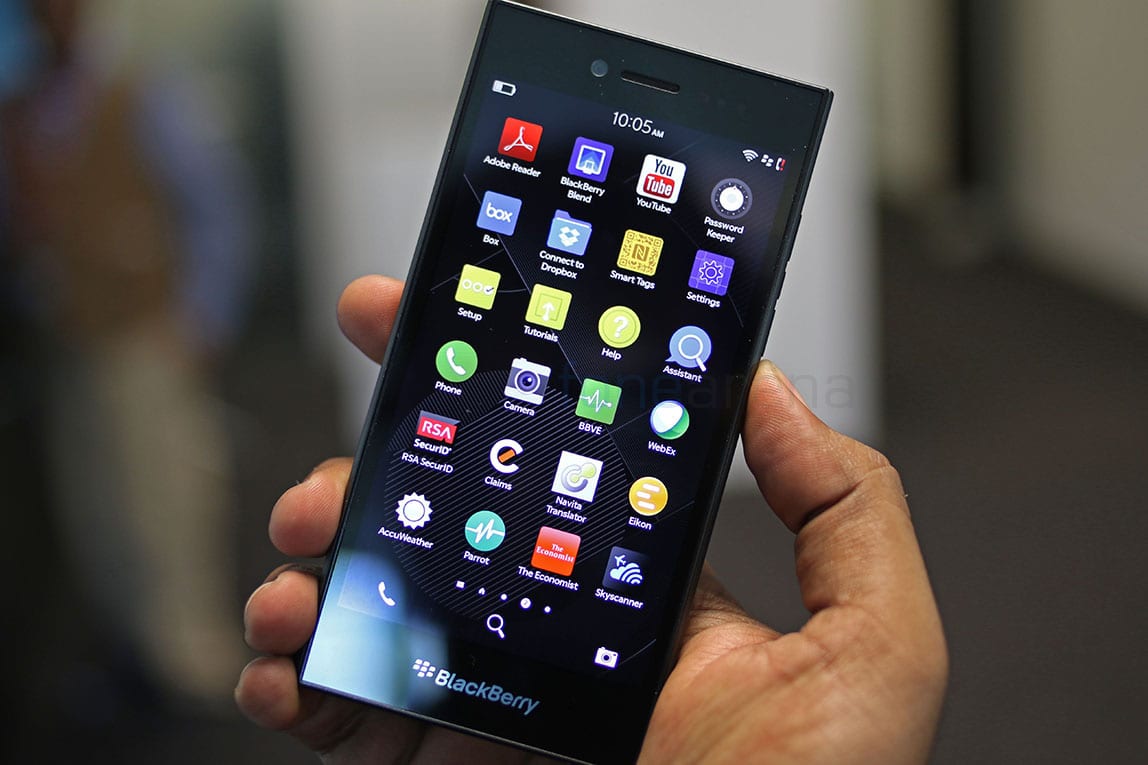
    In a separate statement Thursday, BlackBerry said its BlackBerry Leap handset would be available in Singapore from May 23. The device is the company’s first full touchscreen offering and targeted at the mass market of “young power professionals”.

    BlackBerry’s managing director of Singapore, Cameron Vernest, said: “With an all-touch screen, the BlackBerry Leap rounds out our portfolio of BlackBerry 10 devices, offering an affordable choice to mobile professionals who require a smartphone that safeguards sensitive communications and keeps them productive.”

    The handset runs the latest BlackBerry 10.3.1 OS and features a 5-inch HD display. It will be available via the enterprise sales teams for Singapore’s three mobile operators–M1, StarHub, and Singtel–as well as M1 retail shops, BlackBerry said.

  • Flatscreen TV sales slide in SE Asia

    Flatscreen TV sales slide in SE Asia

    The total sales volume of flat panel TV continues to slow in six key Southeast Asian markets monitored by research house GfK.

    But consumer demand for ultra-high definition (UHD) models has spiked exponentially in the past year to help fuel the strong growth of this segment as well as the overall value growth of the TV market.

    According to GfK’s point of sales tracking in Singapore, Malaysia, Thailand, Vietnam, Indonesia and the Philippines, the 11.8 million TV sets sold in April 2014 to March 2015 marks a 2.9 per cent drop compared with the same period a year ago. However, robust sales of the higher value UHD models managed to drive up dollar value generated by the entire TV market by 2.9 per cent.

    “With the near completion of switchover trend in developing Southeast Asian countries, consumers are now focusing on upgrading to the latest screen technology,” said Gerard Tan, account director for Digital World in GfK.

    “Manufacturers and retailers have been aggressively launching attractive promotions to stimulate take up rates.”

    The six individual countries reported surges in sales value of their respective UHD TV markets in the range of 20 to 77 per cent, with Singapore (77 per cent), Indonesia (67 per cent) and Vietnam (47 per cent) registering the fastest growth. In unit terms, sales volume from a year ago climbed  in the range of nine to 37 per cent – led by Singapore and Indonesia (37 per cent) and followed by Vietnam (23 per cent).

    According to GfK findings, the UHD segment contributed nearly eight per cent of the region’s TV sales dollars; accounting for US$354 million – an increment of 280 per cent over the same period the year before. Penetration is highest in the most developed market of Singapore, where more than one in every 10 (13 per cent) of sets sold UHD.

    The rising share of UHD in the TV market has also resulted in the average price of a UHD TV falling around 61 per cent, from US$5500 to $2160.

    Meanwhile, the most commonly purchased screen size for this segment is 41”-50”, making up 35 per cent in share of the UHD sales volume.

    “TV technology is constantly evolving, and with each new launch, we see the progression of consumers moving from small to big screens, with affordability increasing over time,” said Tan.

    “Moving forward into the rest of 2015, we can expect to see rising excitement in the UHD TV market as manufacturers battle for the consumer dollar with more offerings at more attractive prices; and at the end of the day, consumer s are the ones who get to enjoy the good deals resulting from the fierce competition,” he concluded.

  • Huawei plans main retail rollout

    Huawei plans main retail rollout

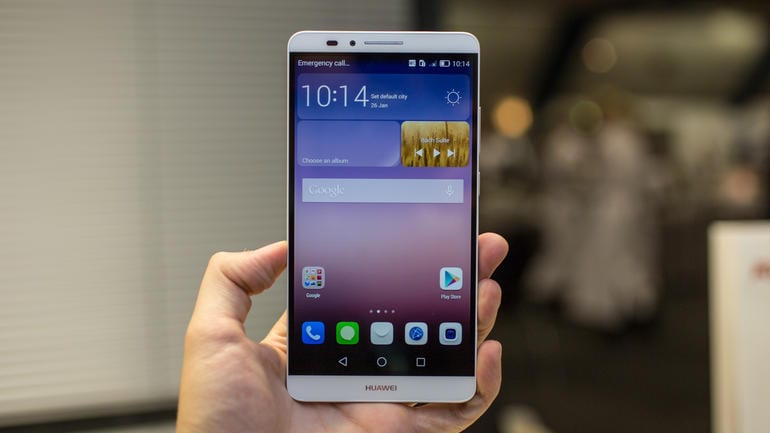
    Chinese language cell phone model Huawei is planning a serious Asian regional retail rollout.

    “Our model constructing finances might be doubled for the Southeast Asian markets since there’s a robust risk of progress in market share,” says Huawei Shopper Enterprise Group CEO Richard Yu.

    Huawei will add about 1500 customer support facilities worldwide – and greater than 100 of these will probably be in Thailand, which is Huawei’s regional hub for the Southeast Asian area.

    Yu stated Huawei recognises Southeast Asia as a high-potential market, and the corporate is planning to beef up its funding in model constructing actions on this area.

    “Our merchandise have good high quality, so we’ve little question that we’ll attain our goals,” he stated.

    For instance, Huawei’s market share in Myanmar is 50 per cent “as a result of the merchandise meet the calls for of the shoppers, and the gross sales improve by phrase of mouth”.

    Yu stated Thailand would be the focus of Huawei’s funding within the area. The corporate has chosen Bangkok because the venue for a regional press launch for its new Huawei P8 handset and its wearable units subsequent week, (Might 28).

    “Our income is excellent in Myanmar, India, the Philippines, and Malaysia. Thailand can also be an enormous market with plenty of potential, so we at the moment are specializing in it,” stated Yu. “Thailand is admittedly a sophisticated market, but in addition a gorgeous one, so Huawei is prepared to enter this market. Though it takes time, we’re decided to succeed right here. We’re prepared to take a position all yr spherical.”

    In accordance with an IPSOS International Analysis report masking 32 nations, Huawei’s model consciousness rose from 52 per cent in 2013 to 65 per cent in 2014, representing a year-on yr improve of 25 per cent.

    As an Asian model, Huawei’s model consciousness within the international market simply rivals different Western manufacturers. In Western Europe, Huawei recorded model consciousness of 61 per cent within the Netherlands, 60 per cent in Spain, 57 per cent in Germany and 54 per cent in Italy.

    Huawei has turn out to be the primary Chinese language firm to efficiently enter Interbrand’s Prime 100 International Manufacturers of 2014 record, taking 94th place.

    Huawei began out so small virtually 30 years in the past, and has grown right into a multinational telecommunication big at present. Based in 1987, the China-based firm is now generally known as the world’s third largest smartphone vendor, following Apple and Samsung. However in its China house market it’s already lagging behind quick rising current entrant Xiaomi which is the highest promoting model presently, forward of Apple and Samsung.

  • 4G, Asia lead smartphone sales rise

    4G, Asia lead smartphone sales rise

    Global smartphone sales rose by eight per cent in value terms in the first quarter of this year.

    Sales of larger screen devices (5″ and higher) continued to drive year-on-year growth according to data from GfK.

    But while handset demand increased seven per cent to 310 million units, a slowdown in demand in China and developed Asian nations dragged down growth, from 19 per cent year-on-year in the fourth quarter of 2014.

    GfK says 4G compatible phones are rapidly gaining share – surpassing 50 per cent of the global handset market for the first time. It predicts a 4G ramp-up in China in the second half of 2015 to drive incremental demand.

    Kevin Walsh, director of trends and forecasting at GfK, said the weakness in China was caused by a significant slowdown in 3G demand, which was not offset by 4G growth.

    “We forecast China to return to growth in the second half of the year, driven by a continued 4G ramp-up. In Developed Asia, the year-on-year decline was caused by tough comparisons with Q1 2014, when demand was pulled forward in Japan due to an upcoming VAT increase in April. We forecast unit demand in Developed Asia to grow by three per cent year-on-year in 2015, driven by Japan and South Korea, which are expected to return to growth in 2Q15.”
    Smartphone growth in India and Indonesia is also expected to be helped by an expanding 4G network. In Q1 2015, 4G share in both countries was well below the global average, at four per cent and seven per cent, respectively. GfK forecasts 4G unit share within smartphones to reach seven per cent in India and 10 per cent in Indonesia in 2015.

    Q1 2015 saw a continued shift towards larger screen sizes, with sales of 166 million units equating to 47 per cent of the global smartphone market, up from 32 per cent in Q1 2014. In China, where the 4G trend is particularly pronounced, the growth in share to 57 per cent – from 32 per cent in Q1 2014 – was driven by cheaper large screen models flooding into the market.

    GfK forecasts this screen size migration to continue in 2015, with global demand for large screen devices increasing by 30 per cent year-on-year to account for 69 per cent of total smartphone unit demand this year.

    Low-end smartphones – those priced in the region of $0-250 – increased share to 56 per cent, up from 52 per cent in Q4 2014, at the expense of the high-end models ($500+), whilst mid-range ($250-500) share remained stable.

    GfK forecasts low-end smartphones to gain further share in 2015, helped by continued price erosion in emerging markets.

    Walsh added: “GfK forecasts global smartphone unit demand to grow 10 per cent year-on-year in 2015, a slowdown from the 23 per cent growth experienced last year. Emerging Asia is forecast to be the fastest growing region, driven by India and Indonesia, where low smartphone penetration leaves plenty of room for growth.”

  • Indonesia offers virtual tour at World Expo Milano

    Indonesia offers virtual tour at World Expo Milano

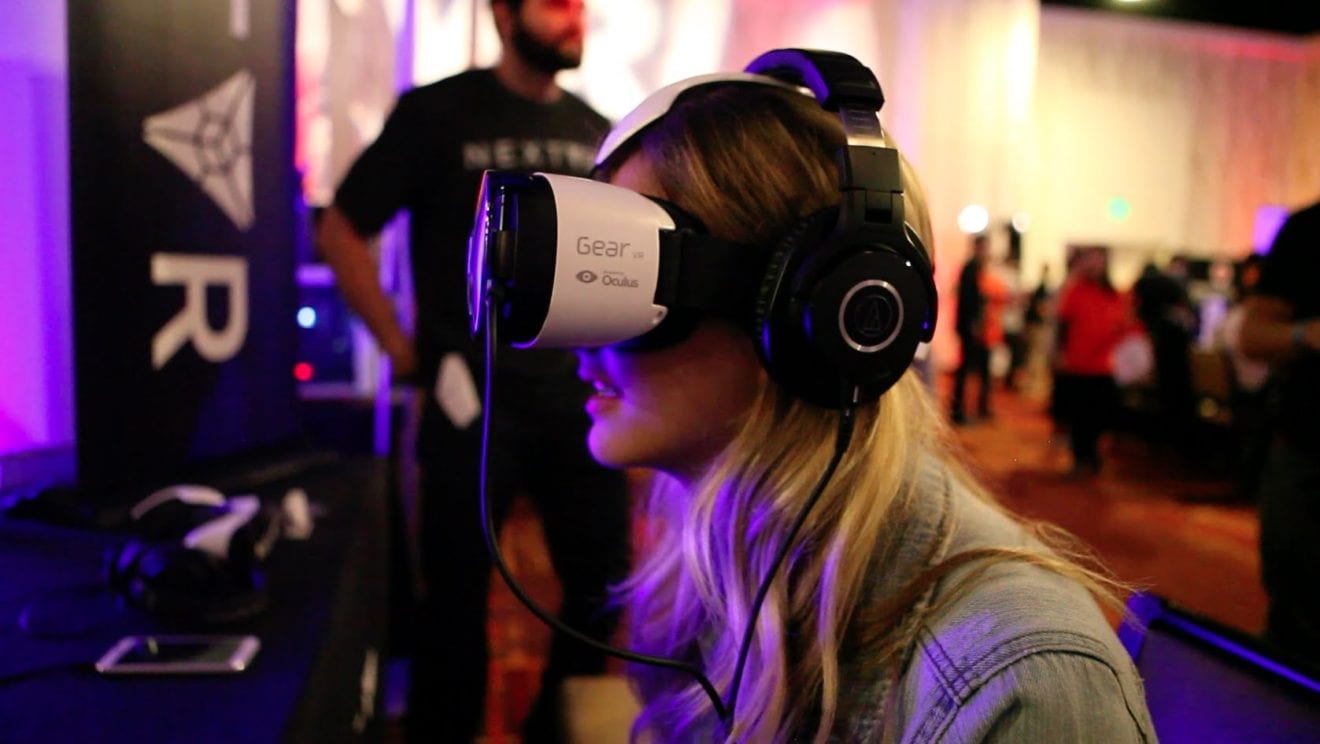
    Visitors at the World Expo Milano (WEM) 2015 in Milan, Italy, can enjoy a virtual tour of Indonesia through an Oculus media show “Virtual Journey of Indonesia” at the Indonesian pavilion, a senior official stated.

    Director General for National Export Development of the Ministry of Trade Nus Nuzulia Ishak recently noted that the Oculus media show will provide visitors to the WEM at the Indonesian pavilion a feel of Indonesia through the Virtual Journey of Indonesia program.

    They can experience Indonesias tourism attractions such as hearing the whisper of sand at Mount Bromo or being present amid the car-free day in Jakarta.

    “Visitors at the WEM 2015 can virtually witness and feel Indonesias tourism attractions through the Oculus media show as though they were traveling in Indonesia,” Ishak remarked during the Virtual Journey of Indonesia premiere at the Indonesian Pavilion in Milan.

    Oculus is a virtual media platform that replicates a true-to-life experience of having visited a place. The latest technology medium, which was discovered by Palmer Lucky, is equipped with a special four-dimensional spectacle and a supporting screen to produce the desired effects.

    The users of the technology can also experience real-life effects such as dew and water, among others.

    The Indonesian pavilion, which aims to showcase Indonesias present and future, is therefore using the oculus media to let the visitors experience Indonesia.

    Visitors will feel as though they were actually visiting Indonesia through a virtual medium. The use of the medium through the Virtual Journey of Indonesia is expected to attract more visitors to the Indonesian pavilion.

    Moreover, the show is located near the “Bogor Cafe Desa Restaurant,” so that the visitors can enjoy Indonesian culinary specialties such as “sate ayam” (chicken satay), “nasi goring” (fried rice), and various others Indonesian delicacies.

    “So, if visitors want to enjoy unforgettable Indonesian tourism attractions and culinary specialties in a single day, they can just visit the Indonesian pavilion at the WEM, Milan,” added Ishak.

  • Microsoft Malaysia builds phone store network

    Microsoft Malaysia builds phone store network

    Microsoft Malaysia will convert 39 Nokia retail stores into a network of Microsoft authorised reseller smartphone shops.

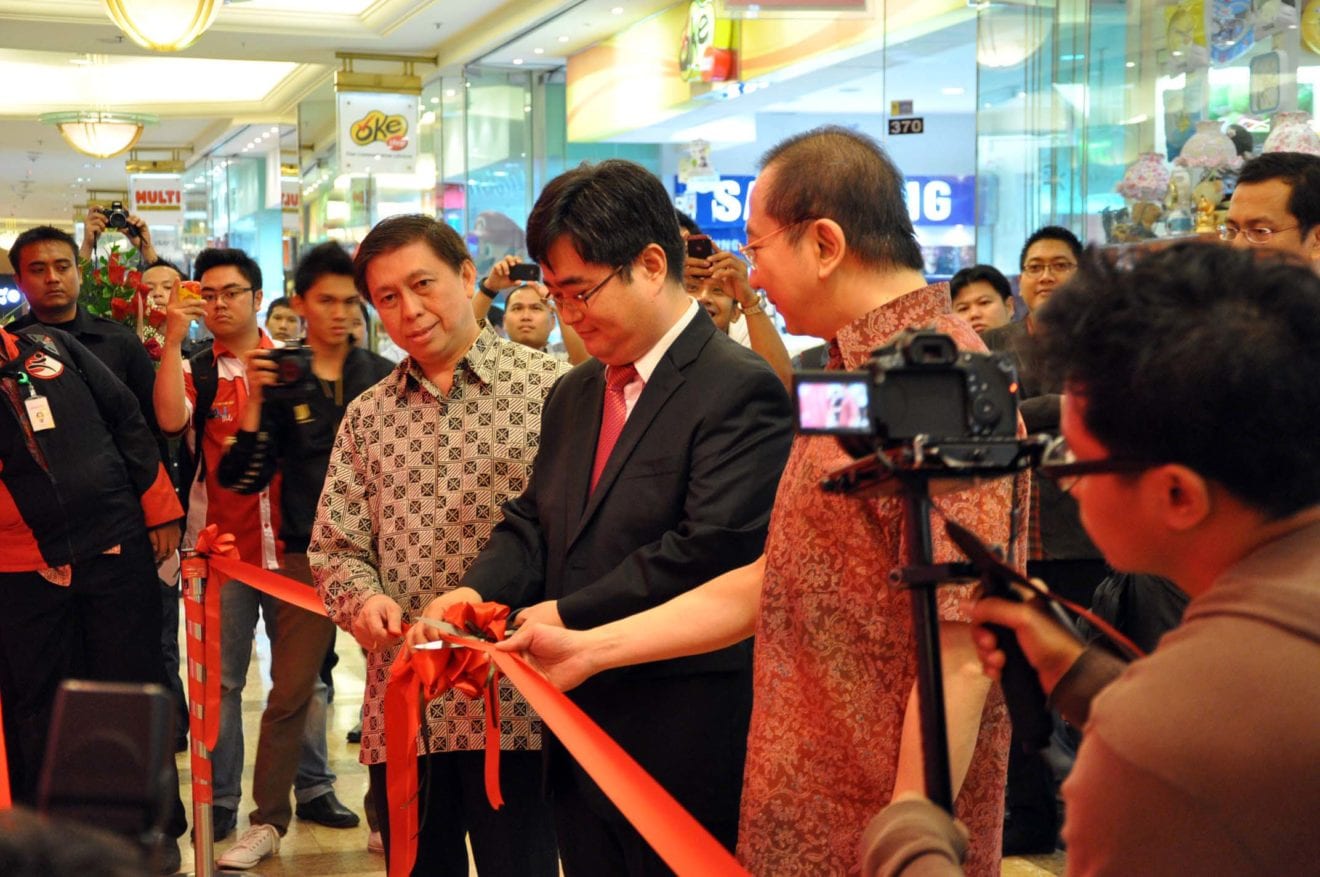
    The company’s GM of mobile devices sales for Malaysia, Singapore and Brunei, Bruce Howe, revealed the plan during the opening ceremony of the first Microsoft Malaysia store at the Suria KLCC shopping centre in downtown Kuala Lumpur.

    Malaysia is the first country in the Asia-Pacific region to see the new telco store format and the conversions are scheduled to be complete by the end of the year.

    “This transition is a big leap for our brand besides giving opportunity in terms of scaling up the retail footprint and widen the Microsoft range in Malaysia,” he said at the launch..

    Microsoft Malaysia chief marketing and operation officer Rukmani Subramaniam described the launch as a “significant development” for the brand.

    “We get feedback from Microsoft customers that its hard to find Microsoft stores in Malaysia, so we ran this transition to give more chances for them visit and learn how to make the most of Microsoft technology,” she said.

    Microsoft, the world’s largest computer software company, acquired the Finnish Nokia telecommunications technology company’s devices and services division business in April 2014, forming a wholly owned Finland-based subsidiary Microsoft Mobile Oy. That company has the rights to use Nokia branding on some phones, but not on the popular Lumia range, which is now sold as a Microsoft handset.

  • Erajaya to Start Making Smartphones in August

    Erajaya to Start Making Smartphones in August

    Erajaya Swasembada, a listed handset device distributor, is set to launch operations on its assembly plant in East Jakarta by August as part of the company’s plan to start producing mobile phones in a bid to reduce costs from imports amid a projection of slowing sales.

    “We will begin doing assembly, starting from our own brand, Venera. We’re currently also talking to other local brands for assembly,” said Hasan Aula, chief executive officer of Erajaya Group, to reporters in Jakarta on Thursday.

    Still, he declined to provide more details, such as the name of the other brands and the plant’s investment cost.

    The plant, which is expected to assemble 100,000 units per month, is operated by Erajaya’s newly acquired subsidiary, Axioo International Indonesia.

    The handset distributor acquired a 51 percent stake in Axioo International Indonesia from Exa Nusa Persada for Rp 5.1 billion ($392,000) last month.

    Exa Nusa Persada still holds the remaining 49 percent stake in Axioo International Indonesia.

    Jeremy Sim, a director at Erajaya Swasembada, said that the company’s plan is in line with the government’s initiative for smartphone importers to boost their investment in the country.

    “This supply chain is important. On top of complying with the government, this is an opportunity for the group to launch an end-to-end business strategy,” he added.

    Erajaya Swasembada launched last year its first plant in Batam under one of its subsidiaries — Teletama Artha Mandiri — which assembles approximately 30,000 units of its Venera brand per month.

    The handset distributor aims to boost net income by 4 percent to about Rp 363 billion this year — compared to 38 percent growth between 2013 and 2014 — while sales are targeted to grow by 6 percent to Rp 15.4 trillion, according to Jeremy.

    “We’re more conservative this year. That’s why we’ve set the sales target at 6 percent. This is mainly due to the economy, currency and government regulations,” he said.

    Indonesia’s economy grew by 4.7 percent in the January-March period, booking its slowest growth in five years.

    At the same time, the local currency has been trading at its lowest level since 1998 for over two months. The rupiah weakened to 13,065 against the US dollar on Thursday from 13,040 the day before, declining by 5 percent since the beginning of the year, data from Bank Indonesia showed.

    Erajaya Swasembada booked Rp 75 billion in net income in the first quarter, down 6.3 percent from the same period last year, amid rising costs. Sales climbed 30 percent to Rp 3.9 trillion.

  • Nintendo Delays Rising Market Console in Favor of Smartphones

    Nintendo Delays Rising Market Console in Favor of Smartphones

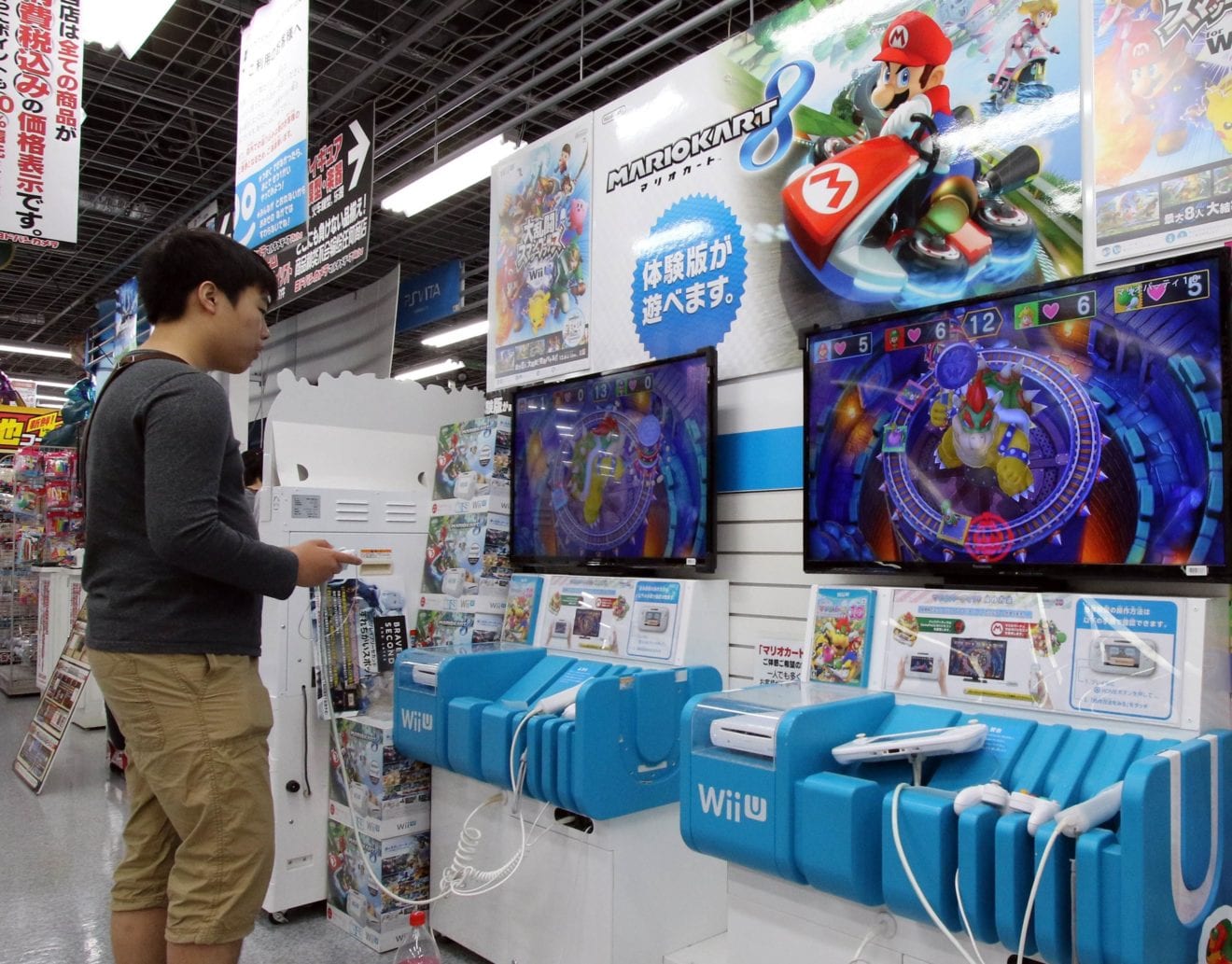
    Nintendo will delay the introduction of a brand new recreation participant designed for rising markets, preferring as an alternative to check the waters with smartphone choices.

    President Satoru Iwata stated on Thursday that increasing the smartphone video games enterprise will improve its possibilities for fulfillment in rising markets. Titles for cellular units could also be launched as quickly as this yr.

    A yr in the past, Iwata stated the Kyoto-based firm would develop utterly new hardware in 2015 for rising markets moderately than promote cheaper variations of present units such because the Wii U console. Since then, the corporate introduced plans to make use of its iconic characters in smartphone video games, giving it a less expensive method to discover new markets.

    “Launching a brand new console in an rising market and risking failure just isn’t one thing buyers would welcome now,” stated Yasuaki Kogure, chief funding officer at SBI Asset Administration in Tokyo. “Cellular not solely gives an present platform in creating counties, but in addition a low-cost means of testing the market.”

    Nintendo’s shares surged probably the most in seven weeks on Friday after the corporate stated its transfer into cellular gaming will assist double revenue this fiscal yr. The inventory rose as a lot as 9.5 % as of 11:25 a.m. in Tokyo.

    China final yr ended its 14-year ban on online game consoles, spurring Microsoft and Sony to launch their Xbox One and PlayStation four out there. Nintendo has but to announce plans for entry into the world’s largest market.

    “Sensible units have lowered the barrier for individuals all over the world to get to know our video games and characters like Mario,” Iwata stated Thursday. The corporate will say extra about its rising markets plans at a enterprise technique briefing later this yr, he stated.

  • ZTE faucets Japan to assist promote 60m handsets globally

    ZTE faucets Japan to assist promote 60m handsets globally

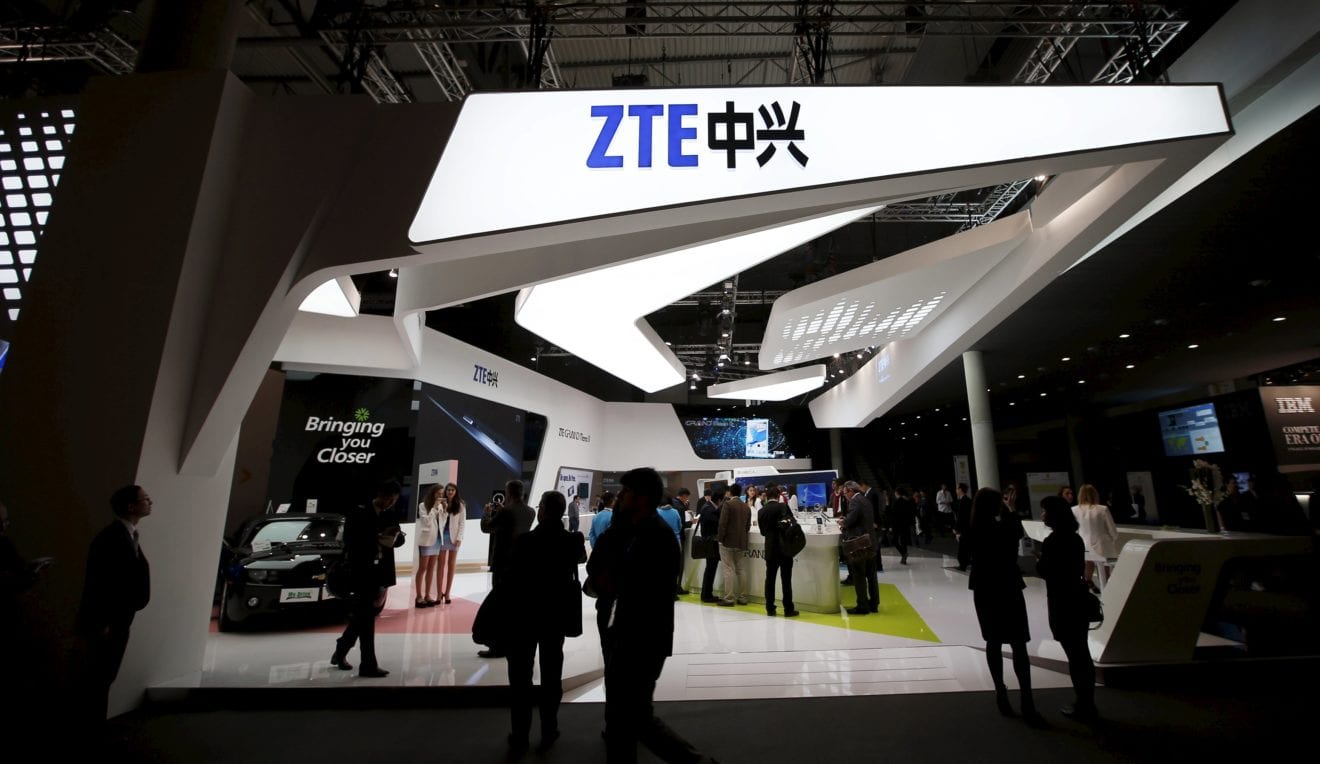
    ZTE Corp goals to increase gross sales in markets within the Asia-Pacific, particularly in Japan, to satisfy its international goal of promoting 60 million smartphones in 2015, China’s largest listed telecommunications gear maker stated yesterday.

    The worldwide gross sales determine for this yr marks a 25 % rise from final yr. Within the Asia-Pacific, it plans to promote 10 million models primarily by rising within the Japanese market.

    “Japan will grow to be our subsequent gross sales progress engine after China and the USA,” stated Zeng Xuezhong, chief government of ZTE’s cellular enterprise.

    In Japan, ZTE companions NTT Resonant to promote handsets. ZTE spends US$500 million on annual procurement in Japan from companies like Sony and Sharp.

    The Shenzhen-listed agency launched a mid-end smartphone referred to as Blade in Japan priced from US$200 to US$300. The system options 5-inch show, 13-megapixel digital camera and ZTE-developed gesture management options.

    In 2014, ZTE’s internet revenue surged 94 % yr on yr because of rising demand for 4G community gear and excessive revenue margins from rising gross sales of smartphones abroad.

    The abroad smartphone markets present ZTE with greater revenue margins, in response to analysts.