Category: Electronics

Retail News Asia is committed to providing both local and global retailers with the latest Electronics news throughout the Asian market. This on a daily base.

  • Apple plans China iPhone trade-in program with Foxconn

    Apple plans China iPhone trade-in program with Foxconn

    Apple Inc plans to introduce a trade-in program for iPhones in China in association with the Foxconn Technology Group, Bloomberg reported, citing people familiar with the effort.

    Under the program, consumers will be able to exchange older iPhones at Apple stores in China for credit against the company’s products starting 31 March, Bloomberg reported.

    Chinese demand for larger-screen iPhones helped fuel Apple’s record profit of USD18 billion in the final quarter last year.

  • Xiaomi to open new store in Taiwan this year

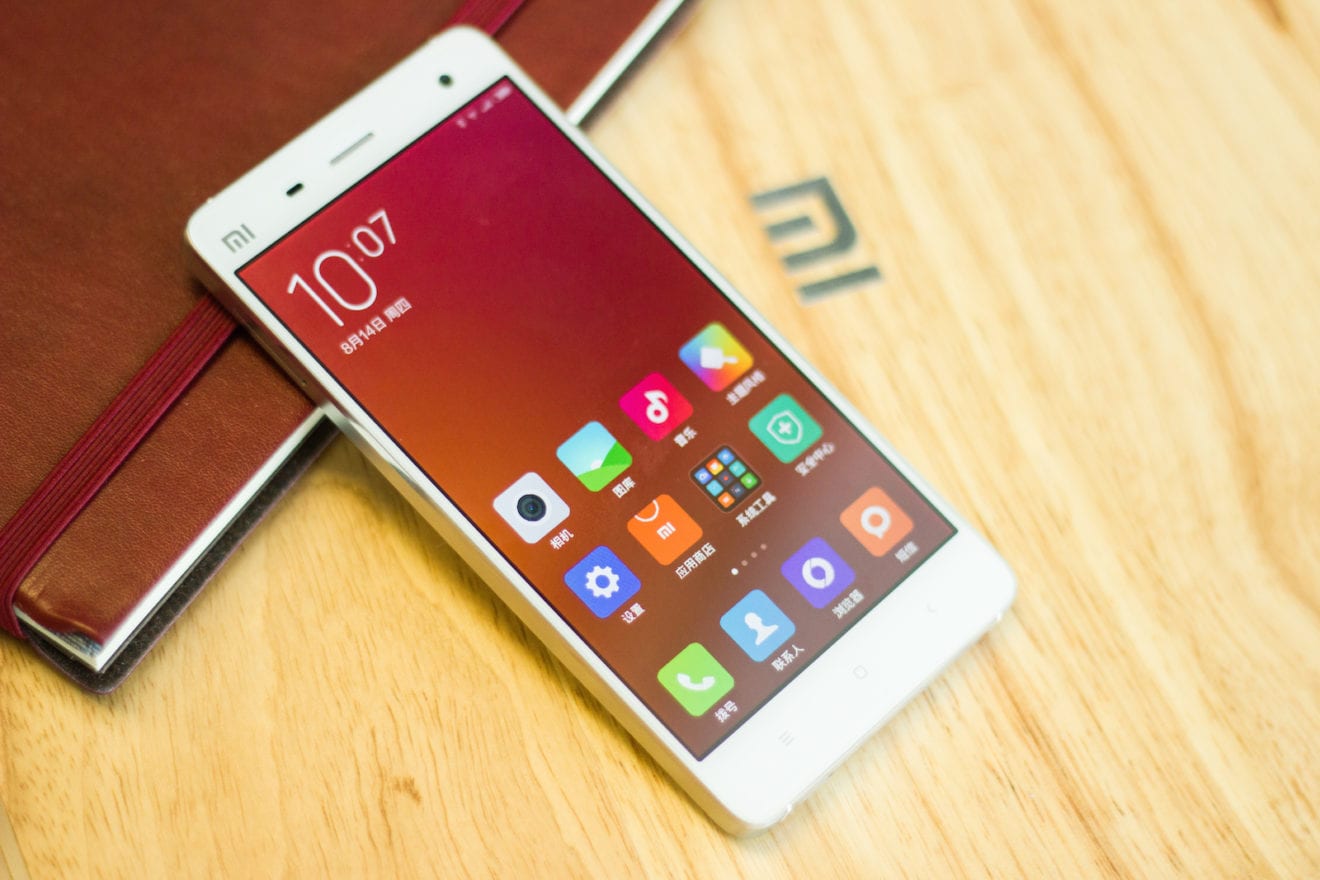
    Xiaomi to open new store in Taiwan this year

    Chinese smartphone maker Xiaomi Inc. said that it will open a facility in Taiwan in the next few months to showcase its products and provide better after-care service. Xiaomi, whose low-cost, feature-rich phones are sold largely online, previously planned to set up a store in Taiwan by the end of 2014, but the timetable was postponed because the company needed more time to find an appropriate location, said Bin Lin, Xiaomi’s co-founder and president.

  • Sharp to cut 6,000 jobs, spend over USD1.7b to restructure

    Sharp to cut 6,000 jobs, spend over USD1.7b to restructure

    Japan’s loss-making electronics firm Sharp plans to cut around 6,000 jobs, over 10 percent of its workforce, in a global restructuring that will cost over 200 billion yen ($1.7 billion), a person familiar with the plan said on Thursday.

    The job cuts will include around 3,000 in Japan through early retirement and 3,000 overseas, according to the person, who was briefed on the matter but asked not to be named. The company had around 50,000 employees at the end of 2014.

    The display maker expects to post its third annual net loss in four years after weak sales of smartphone screens in China, aggravated by an unexpected comeback by rival Japan Display, derailed its recovery efforts. Last month it forecast a net loss of around 30 billion yen for the fiscal year ending in March, compared with the 30 billion net profit it previously estimated.

    Sharp Chief Executive Kozo Takahashi has been in negotiations with the firm’s main lenders, Mizuho Financial Group, Mizuho Bank and Bank of Tokyo-Mitsubishi UFJ, part of Mitsubishi UFJ Financial Group, for the company’s second major bailout since 2012, people familiar with the matter have said.

    The firm’s banks agreed in September 2012 to provide Sharp with loans and credit lines worth 360 billion yen, or $3 billion at today’s exchange rates, in exchange for promises to return to profit by this year. So far, it has exited the European TV market and closed solar-panel businesses in Europe and the United States.

    One person familiar with the matter previously said Sharp has also asked Japan Industrial Solutions, a corporate turnaround fund, to invest up to $250 million in capital.

    The Nikkei reported earlier on Thursday that Sharp could also shed its North American television business and lower the pay scale for workers in Japan. The Yomiuri newspaper reported Sharp was considering closing its TV factory in Mexico and cutting the size of its North American sales division.

    The company, which is expected to include the restructuring plan in a medium-term business strategy due to be announced in May, said it was considering various options to restructure its business but no decisions had been made.

  • Dick Smith to axe 80 jobs as part of more cost-cutting

    Dick Smith to axe 80 jobs as part of more cost-cutting

    Less than 18 months after its $350 million float, consumer electronics retailer Dick Smith has embarked on another round of cost cutting, unveiling plans to trim 80 jobs in head office, supply chain and IT.

    Dick Smith chief executive Nick Abboud said the restructure would save $8 million to $12 million a year and was in line with plans to reduce the company’s cash cost of doing business to between 17.5 per cent and 18 per cent of sales by 2017.

    Mr Abboud reiterated Dick Smith’s guidance for 10 per cent sales growth, 7 to 9 per cent underlying earnings growth and 3 to 5 per cent net profit growth this year. However, he said the restructure would trigger one-off cash costs between $6.9 million and $7.9 million, or $4.8 million to $5.5 million after tax.

    The job cuts followed a weaker than expected December-half result. Dick Smith’s net profit rose just 0.8 per cent  to $25.2 million even though same-store sales rose 2 per cent and total sales rose 8.9 per cent to $693.8 million.

    Gross margins fell 51 basis points to 24.7 per cent as the retailer cut prices amid widespread industry discounting.

    Mr Abboud said the restructuring would not only cut costs but make it easier for suppliers to do business with Dick Smith and improve efficiencies through the supply chain.

    The retailer has signed a long-term logistics contract with Australian and international providers, creating an end-to-end approach to supply chain management.

    “Our commitment and ability to serve our customers with the product they want, when they want it, from our 388 physical locations and seven online platforms is unabated and remains at the core of everything we do,” Mr Abboud

  • Apple Watch knock-offs hit China stores

    Apple Watch knock-offs hit China stores

    Apple’s new Watch range won’t be on sale until late next month.

    But Chinese consumers whose appetite for the wrist-mounted communications technology has been whetted by the high profile Apple Watch launch last week can already buy similar products at a fraction of the price.

    Apple Watch real and copy 315One is real, the other is a copy. Can you tell which is which? Answer at the end of the story.

    Knock-offs, copies, imitations, fakes – it’s hard to categorise the new breed of rival products hitting retail store shelves. For sure, some are blatant copies of the Apple Watch and their makers are likely to find themselves on the receiving end of litigation from Cupertino. But others fit into a large grey field of the retail landscape: conceptually they may be similar, they may even look alike (a watch is a watch, right?) but some operate on Google’s Android operating system making it extremely difficult to dub them fakes.

    The official Apple Watch goes on sale in three styles, ranging in price from US$350 to $17,000.

    But already Alibaba’s Taobao is selling a watch called the AW08 for $59 which can be connected to devices running Google Android and delivered within 24 hours. Other similar products cost as little as $39.

    According to tech news website Geekwire.com, other “knock-offs” branded D-Watch, Airwatch A8 and Ai Watch are also available on Taobao at prices substantially below the Apple Watch and “designed to look just like the Apple Watch”.

    Some commentators question whether the knock-off phase will damage Apple, in a nation where image and status is of growing importance, or if all the hoopla will actually help Apple’s brand and product awareness, driving sales of the ‘real McCoy’.

    “Most people who buy them will do so knowing they are not Apple’s real Watch,” Matthew Forney, president of the business consultancy Fathom China, told the BBC.

    “Apple products are very popular in China, and it’s possible that Chinese consumers will want to be seen to be the first person on their block to wear its Watch. However, I think most of those consumers are aware that there has been an issue with fakes and copycats on Taobao and would be highly suspicious of the devices.”

    Others are worried about the damage such businesses do to brands in general.

    “These guys are specialists,” Laurent Le Pan, founder and CEO of the Omate smartwatch maker told CNN Money.

    “The speed at which they can bring copies on the market is amazing. The hardware is not the big challenge – the hard part is on the software and the application side. In the end, you sometimes need to be an expert to tell the difference between real and fake.”

    For now, Apple might own the Watch space with the perception it is the first to market – other brands have already released smart watches of their own, but to date few if any connect to smartphones, their features largely limited to exercise measuring and physical fitness monitoring. But that won’t hold for too long, with Apple’s second wave of competition coming from established genuine brands rather than the armada of copycats.

    Swatch, the world’s largest watchmaker, plans to launch a smart watch to undercut Apple and other legitimate rivals featuring Near Field Communication (NFC) chips later this year, which will allow payments by watch, among other features.

    Rival manufacturers will have to be compatible with iOs or Android, so most will focus on Android given the likely barriers Apple will place on sanctioning direct competitors on its own OS.

  • Alibaba: Microsoft, Amazon are friends – not rivals

    Alibaba: Microsoft, Amazon are friends – not rivals

    Amazon and Microsoft are “friends” not rivals of Alibaba in the cloud computing space, a top exec at the Chinese e-commerce giant told CNBC.

    The comments come just a few days after Alibaba opened a data centre in Silicon Valley – its first on US turf in a cloud market dominated by Amazon, Google and Microsoft.

    But Ethan Yu, the international head of Alibaba’s cloud division, Aliyun, told CNBC that the company was not in competition with its US counterparts.

  • Samsung Pay launch imminent

    Samsung Pay launch imminent

    Samsung Electronics, the world’s largest smartphone maker, says its new mobile payment platform, Samsung Pay, will be available for use by the second half of this year.

    The South Korean tech giant said it is moving to clinch ties with six local credit card firms by the summer and is aiming to open the service to the public during the second half of 2015.

    It has already joined forces with at least 10 US financial big names, including Visa and MasterCard, as well as US Bank, American Express, Bank of America and Citibank.

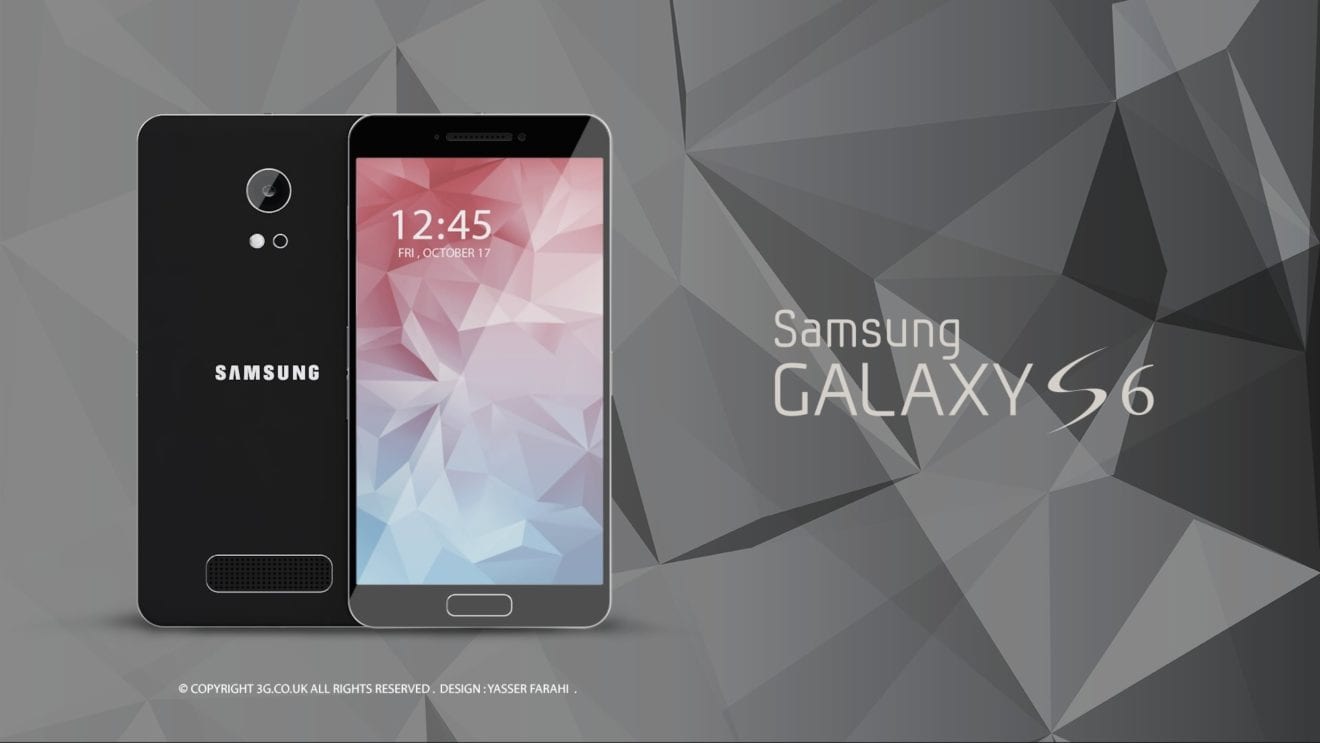
    Earlier this week, Samsung said its latest high-end smartphone, the Galaxy S6, which is expected to hit the market in April, will feature its own mobile wallet solution.

    Industry watchers said Samsung Pay stands out from other competitors, such as Apple Pay, as the service supports virtually all forms of payment — Near Field Communication (NFC), Magnetic Secure Transmission (MST) and barcode technologies — which reaches far more registers than that of its rivals.

    The breakthrough was made possible after Samsung decided to buy US mobile technology firm LoopPay, which has patent rights related to MST, a payments solution that works with existing magnetic stripe readers, they said.

    While only 10 per cent of US-based shops and one per cent in South Korea have NFC-based services, more than 90 per cent of shops in both countries support the MST platform, implying Samsung Pay will be able to grab a strong market presence once launched, industry watchers added.

    Samsung, however, has not yet clarified how to generate profits from the new payment platform.

    “In the long run, Samsung Pay will issue gift cards or seek advertisement opportunities,” a Samsung official said. “For now, we plan to focus on the South Korean and US markets rather than the global market.”

    It has not yet come up with a plan to compete against Google’s “Google Wallet,” one of its key rivals. Last month, Google extracted an agreement from three US-based wireless carriers to pre-load Google Wallet on their Android smartphones.

  • China, Japan first to get Apple Watch

    China, Japan first to get Apple Watch

    The much anticipated Apple Watch has been unveiled – and China, Hong Kong and Japan will be among the first 10 markets globally in which it will go on sale.

    From April 10, the Apple Watch range will be available for preview, fitting and ordering in Australia, Canada, China, France, Germany, Hong Kong, Japan, the UK and the US and on the Apple Online Store. On April 24, Apple Watch will be available to purchase online or by reservation in Apple’s retail stores and in China and Japan through selected Apple authorised resellers. Customers who purchase online or in-store from Apple will be offered Personal Setup to customise and pair Apple Watch with their iPhone.

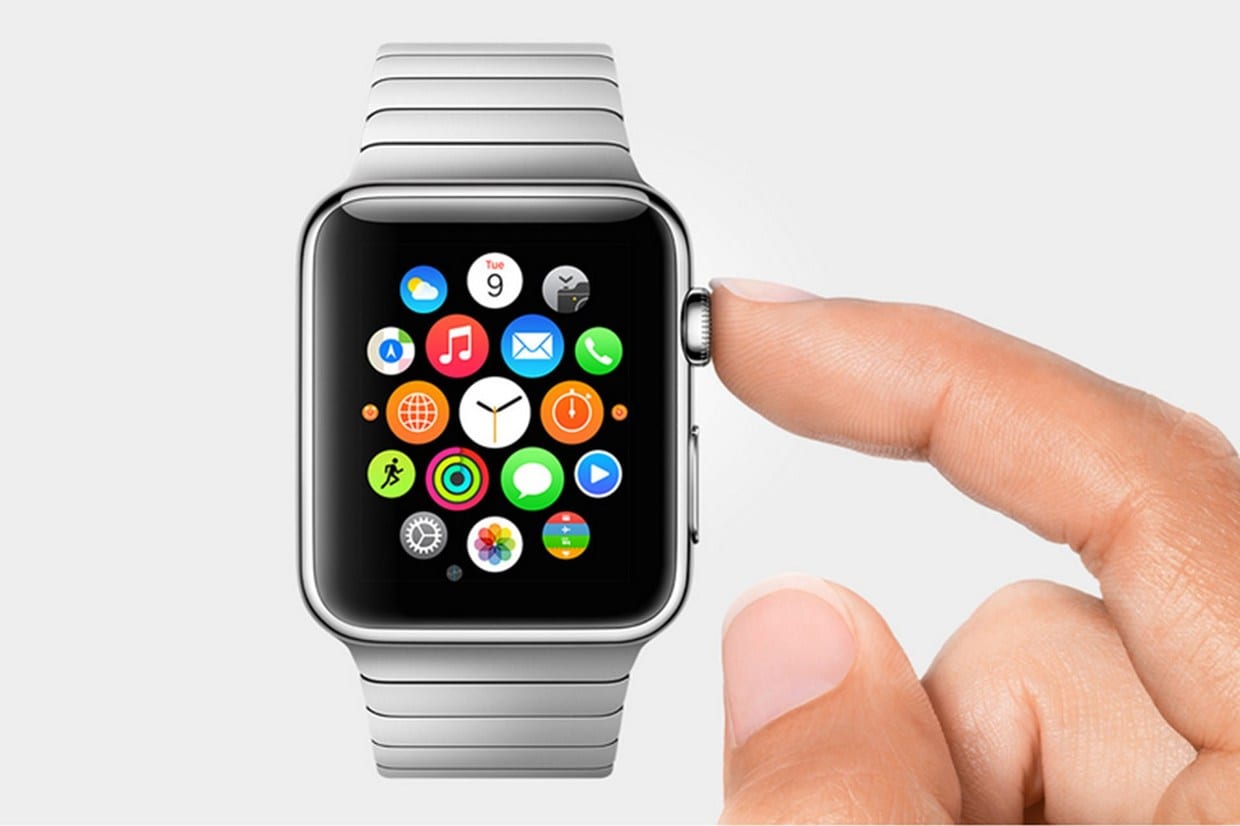
    Apple describes the Apple Watch as its “most personal device yet” – an “incredibly accurate timepiece, an intimate and immediate communication device and a groundbreaking health and fitness companion”.

    “Highly customisable for personal expression, Apple Watch also brings an entirely new way to receive information at a glance and interact with the world through third-party app experiences designed specifically for the wrist.”

    Apple says the watch will keep time to within 50 milliseconds of UTC, the universal time standard. Its face can be customised by the user, with a traditional analog look, an “information-rich Modular face” or animated butterflies and jellyfish.

    “Apple Watch begins a new chapter in the way we relate to technology and we think our customers are going to love it,” said Tim Cook, Apple’s CEO. “We can’t wait for people to start wearing Apple Watch to easily access information that matters, to interact with the world, and to live a better day by being more aware of their daily activity than ever before.”

    Apple Watch 3 models

    Its touch screen can differentiate between touch, tap and swipe and the watch ‘taps’ the wearer’s wrist if new information is received.

    Features include email, the ability to answer phone calls from your wrist (the device must be wirelessly connected to an iPhone 5 or later running on iOs 8.2, downloadable from today), Apple Pay (where markets and retailers accept this payment mechanism), communication through social media apps and monitoring your health and fitness.

    Apple Watch is available in two different sizes, 38 mm and 42 mm, and in three distinct collections –  Apple Watch Sport, Apple Watch and Apple Watch Edition. Apple Watch Sport features a lightweight anodized aluminum case in silver and space gray with a Retina display protected by strengthened Ion-X glass and matching high-performance fluoroelastomer Sport Band in five colors.

    The Apple Watch collection features highly polished stainless steel and space black stainless steel cases with a Retina display protected by sapphire crystal. The Apple Watch collection comes with a choice of three different leather straps, a stainless steel link bracelet and Milanese loop, and a black or white Sport Band.

    Apple Watch Edition features cases specially crafted from custom rose or yellow 18-karat gold alloys developed to be twice as hard as standard gold, a Retina display protected by polished sapphire crystal and a choice of uniquely designed straps and bands with 18-karat gold clasps, buckles or pins.

    Apple Watch Sport is priced at US$349 and $399 and Apple Watch, from $549 to $1099. The Apple Watch Edition, crafted from custom rose or yellow 18-karat gold alloys, starts at US$10,000.

    In line with its luxury brand positioning, Apple will also put the Apple Watch on show at selected department stores around the world.

    Apple Watch will also be available to preview or try on at Galeries Lafayette in Paris, Isetan in Tokyo and Selfridges in London on April 10 and for sale on April 24. It will also be sold from boutiques in major cities, including Colette in Paris, Dover Street Market in London and Tokyo, Maxfield in Los Angeles and The Corner in Berlin.
  • Vietnam’s Vingroup announces new retail venture in electronics

    Vietnam’s Vingroup announces new retail venture in electronics

    A Vingroup official announced the establishment of the firm’s new technology and electronics retail brand on Wednesday called VinPro.

    A group representative said opening the chain was part of the group’s strategy to become a leading retail brand in Vietnam, adding that it will open four VinPro stores in Hanoi and HCM City on 21 March.

  • Sony US exits direct retail

    Sony US exits direct retail

    Sony US is to close down its direct retail business, closing the 10 remaining stores this year.

    The decision follows the failure of a new Sony store concept which superseded its Sony Style format about four years ago. It has run its own retail stores for more than a decade in the US, but never achieved the sales or awareness of Apple which set a global standard in electronics retailing.

    Instead, the Japanese electronics giant will focus on partnering with specialist retail chains to boost sales in the US market, where it has struggled to achieve profitability for years, against tough competition from Korean and Chinese rivals.

    Sony Electronics, now renamed Sony North America and managing sales, marketing, distribution and customer service throughout the US, Canada and Puerto Rico, will maintain a brand-building flagship in New York and another showcase near its motion picture studio in California.

    Mike Fasulo, president of Sony North America, confirmed this week that 20 stores were closed last year and the remaining 10 will be closed as leases expire or are renegotiated.

    It would now focus on stores-within-multi-brand-stores like Best Buy, a strategy which has worked well for Samsung.

    Most of the Sony US stores were in shopping centres with high rents and were not selling sufficient volume to justify their continued trading.

    Mike Fasulo, president of Sony North America, said Sony US now has concessions in about 400 Best Buys across the US and aims to boost that to 500 this year in that and other chains.

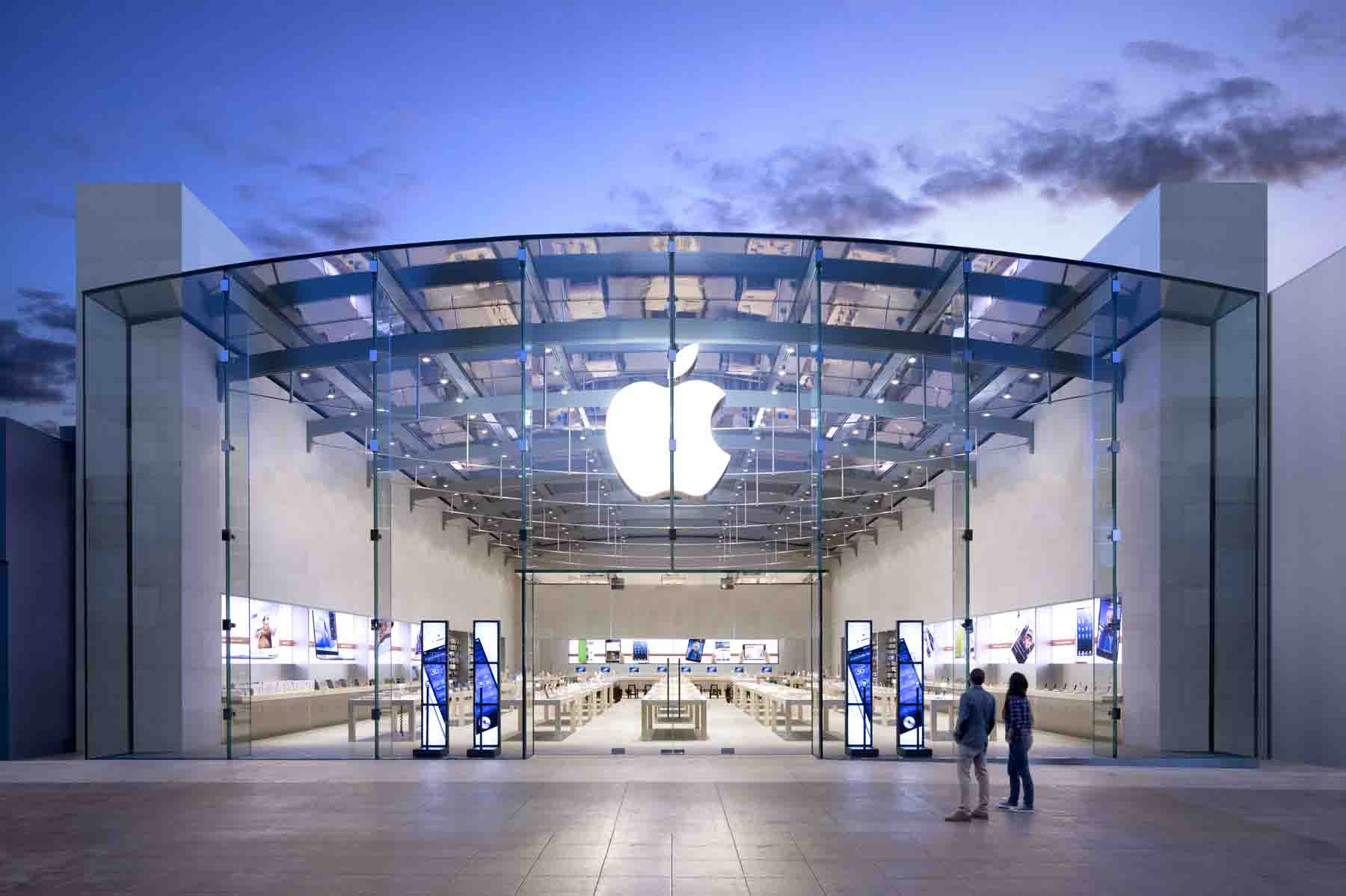
  • Apple to revamp its stores

    Apple to revamp its stores

    Apple is in the process of redesigning its stores, drawing on the design expertise of Jony Ive.

    Ive, Apple’s head designer, revealed he’s working with retail boss Angela Ahrendts on a revamp of its stores in a lengthy profile with the New Yorker magazine.

    As Apple’s senior vice-president of design, Ive has emerged as the company’s creative soul, continuing an aesthetic tradition set by co-founder Steve Jobs. Ive was responsible for the build and the finish of the iMac, the MacBook, the iPod, the iPhone, the iPad, and the forthcoming Apple Watch.

  • Electronics firms face stiff competition in Vietnam

    Electronics firms face stiff competition in Vietnam

    The recent closure of a number of Topcare stores following a series of big-name shutdowns, was evidence of the fierce competition in the electronics retail market in Vietnam.

    Before Topcare, the electronics market witnessed the withdrawal of Wonder Buy in 2011, Best Caring in 2012, HomeOne in 2013, and Viet Long in 2014.

    “A lot of enterprises are forced to shut up shop due to economic difficulties these days. However, the electronics market poses more risks with very fierce competition,” said chairman of Ha Noi Supermarket Association, Vu Vinh Phu.

  • Vietnam’s Tran Anh to close electronics stores

    Vietnam’s Tran Anh to close electronics stores

    Vietnamese electronics retailer Tran Anh Digital World JSC said it will close its electronics supermarkets in Vincom’s Times City and Royal City on February 24.

    The closure was announced after Vingroup, the owner of the two retail and entertainment complexes, said it plans to occupy the rented space.

    Tran Anh Digital made the announcement regarding the closures on February 12, saying it is committed to ensuring warranty and other services for customers purchasing products at the two supermarkets.

  • Samsung introduces extensive lineup of new products at 2015 Samsung Forum in HK

    Samsung introduces extensive lineup of new products at 2015 Samsung Forum in HK

    South Korean electrical appliance giant Samsung Electronics introduced an extensive lineup of new products which included SUHD TVs, curved monitor, smartphone, notebook and printer at its 2015 Samsung Forum in Hong Kong last week.

    For business customers, Samsung introduced MultiXpress 4 Series – the first Android OS-equipped multi-function printers (MFPs). The new printer features a 10.1-inch full touchscreen panel that enables users to search and print from web browsers, emails, maps, images and other types of content – without the need to connect to a PC. The touchscreen also offers the ability to preview documents, as well as editing and annotating capabilities.

    “Businesses seek smart printing solutions that can be managed easily whilst still delivering powerful performance at reduced costs. Our new printing technology not only delivers all of these things but also ensures that super smart is also super simple,” said Ellen Fu, Head of Enterprise Business Team, Samsung Electronics Hong Kong Co., Ltd.

    When Samsung introduced the curved form-factor in 2013, it dramatically enhanced the home entertainment experience for consumers. Utilising Samsung’s proprietary, eco-friendly nano-crystal technology and intelligent SUHD re-mastering picture quality engine, Samsung SUHD TVs demonstrate advances in contrast, brightness, colour reproduction and detail – delivering a superior picture quality experience.

    Samsung will offer three new series of SUHD TVs – JS9900, JS9800 and JS8000 – in four screen sizes from 55″ to 88″, so that consumers have the flexibility to purchase the perfect TV that fits their style and taste.

    As its first 34-inch ultra-wide 21:9 curved monitor, SE790C delivers an enhanced immersive and comfortable viewing experience for multi-media entertainment and multi-tasking.

    The innovative 3000R (curvature radius of 3,000mm) design of the SE790C provides a noticeably different viewing experience from traditional flat screen monitors and other curved monitors in the market. Unlike flat screen monitors where the viewing distance differs from the centre of the screen to the edges, the screen edges of the SE790C match the natural curve of the viewer’s eyes. As a result, the SE790C creates a distortion-free viewing experience with less eye strain and enhanced comfort. The company hasn’t released the retail price of the monitor but said it will available next month.

    To expand the popular services provided by smartphone GALAXY A5 and A3, Samsung introduced GALAXY A7, equipped with a 5MP front-facing camera, 13MP rear-facing camera with auto-focus and LED flash to make it easier for users to take selfies.

    Face Detecting Selfie Alarm enables users to take a photograph with the rear-facing camera. The auto-editing functions which support an automatic detection of faces and a real time retouch of images let users capture the best selfies.

    The new ATIV Book 9 notebook unveiled at the 2015 Samsung Forum comes wrapped in an ultra-slim and light design – making it easy to travel on the go. Weighing merely at 950g with a thickness of 11.8mm, the notebook’s overall volume is 23 percent more compact than its previous generation, fitting perfectly into the smallest size of bags.

    ATIV Book 9 adds freedom to work and roam without worry thanks to the extended 12.5 hours of battery life. The Ultra Power Saving Mode squeezes an additional hour with 10 percent of battery remaining. Without compromising mobility, this ensures efficient power management when users need battery most.

  • Sony to launch training headset for runners

    Sony to launch training headset for runners

    Sony Corp. said on Thursday it plans to launch a training headset for runners called Smart B-Trainer that uses music to help runners adjust their pace.

    The 43-gram device monitors heart rate, calorie consumption and running pace, and even selects songs for adjusting the pace, from a databank that can store up to 3,900 songs.

    The device is expected to sell for around JPY30,000 (USD250) when it hits store shelves on 7 March.