Category: Electronics

Retail News Asia is committed to providing both local and global retailers with the latest Electronics news throughout the Asian market. This on a daily base.

  • LG unveils “luxury” smartwatch in Apple challenge

    LG unveils “luxury” smartwatch in Apple challenge

    South Korea’s LG has unveiled an “all-metal luxury smartwatch” in an attempt to broaden the appeal of its wearable devices as a fashion item and steal a lead on the hotly-anticipated Apple Watch.

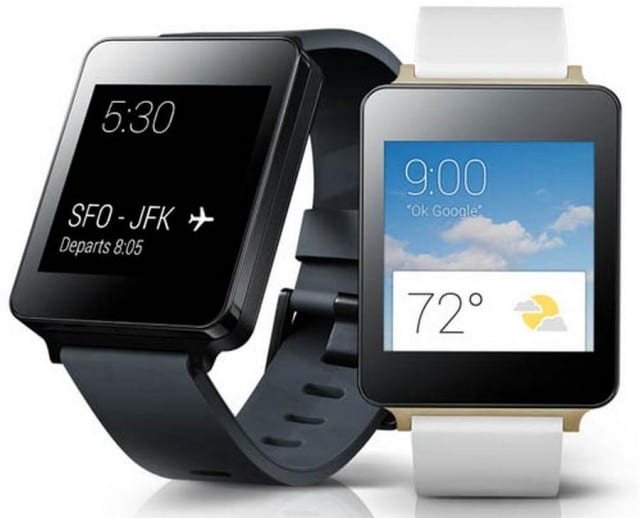
    The LG Watch Urbane has a 1.3 inch plastic touchscreen display and runs on Google’s Android Wear operating system. The stainless steel body comes in gold and silver with a leather strap.

    The South Korean electronics giant has billed the device as a “luxury timepiece” and the “perfect fashion accessory” for men and women.

  • Dick Smith to have 450 stores by 2017

    Dick Smith to have 450 stores by 2017

    Dick Smith says Australian retail is starting a sunny period, as seven years of deflation in consumer electronics is replaced by price rises.

    Price increases to reflect higher import prices will start to flow through now, said Dick Smith managing director and chief executive, Nick Abboud.

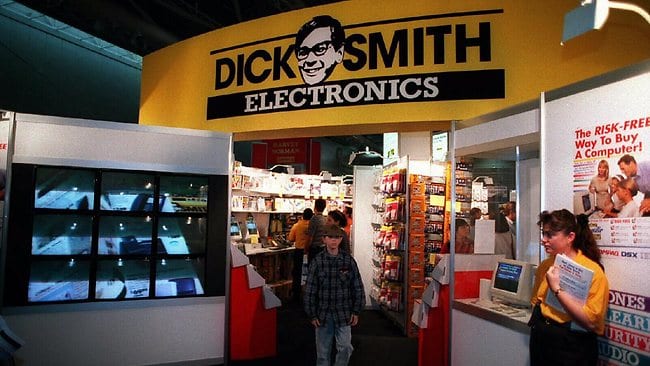
    The company aims to have 400 stores open in Australia and New Zealand by the end of June, and 450 stores by 2017. It is also focused on increasing private-label and online sales, and ramming home that its prices are competitive.

  • Apple standout winner in China’s luxury slowdown

    Apple standout winner in China’s luxury slowdown

    Chinese corporates and wealthy consumers are taking gift-giving down a notch this Lunar New Year, opting for iPhones instead of Birkin bags or Louis Vuitton wallets.

    The annual holiday, which falls on February 19-20 this year, is a time of gift exchange between family, colleagues and business contacts.

    “The iPhone 6 has replaced luxury items as a key gift this Chinese New Year,” Shaun Rein, founder and managing director of the China Market Research Group told CNBC. “Corporates, for example, used to buy luxury products to give their high performing employees, now they are giving iPhones because they more reasonably priced and still considered premium enough,” he said.

  • Lowe’s opens India innovation centre

    Lowe’s opens India innovation centre

    Lowe’s Services India, a subsidiary of Lowe’s Companies US, has opened a Global Innovation Center in Bangalore, India.

    Lowes, the world’s second largest home improvement retailer, says the centre will focus on “the next-generation customer experience”, by emphasising technology and analytics to provide customers with a more personalised shopping experience.

    “This centre will work towards building a strong team to support Lowe’s efforts to become an omni-channel home improvement company,” the company said in a statement.

    The new GIC is led by Narayan Ram, MD of Lowe’s India and will provide Lowe’s with a strategic footprint to leverage Bangalore’s potential for technology-led innovation, in addition to engaging India’s growing talent pool. The facility, spread over 110,000 sqft, expects to employ approximately 500 people by the end of 2015.

    Robert Niblock, chairman, president & CEO of Lowe’s Companies, said,the centre will bring to fruition a valuable part of the company’s analytics and technology potential.

    “We feel confident that with this strengthening of our presence in India, we will be able to provide more personalised experiences to customers, helping us continue our pace of strategic growth.”

    Ram said the centre will employ the concept of ‘one team, multiple locations,’ as the company works across its global organisation to apply the power of analytics and technology to the Lowe’s business, “so customers can engage with us whenever and however they need support”.

    “We are planning to invest even more in our local teams and innovate omni-channel retail, which underlines our commitment to delivering a consistent experience to the customer, however they choose to shop with Lowe’s.”

    Lowe’s serves some 15 million customers a week in the US, Canada and Mexico at more than 1835 home improvement and hardware stores and online at lowes.com, lowes.ca and lowes.com.mx.

  • Samsung loses pole position in India smartphone market to Micromax

    Samsung loses pole position in India smartphone market to Micromax

    Indian budget smartphone maker Micromax leapfrogged South Korea’s Samsung Electronics Co Ltd to become the leading supplier in India’s booming smartphone market for the first time in the fourth quarter, research firm Canalys said.

    In a report issued on Tuesday, Canalys said Micromax, based near New Delhi, accounted for 22 percent of smartphone sales in India in the October-December quarter, ahead of Samsung’s 20 percent. In total, 21.6 million smartphones were sold in India in the period, a 90 percent surge from a year earlier.

    India, which has the world’s second highest number of mobile phone accounts after China, is the third-biggest market by number of smartphones sold. Low-priced smartphones are the top sellers in a country where many buyers are upgrading from feature phones.

  • JB Hi-Fi expects flat year as first-half profit dips

    JB Hi-Fi expects flat year as first-half profit dips

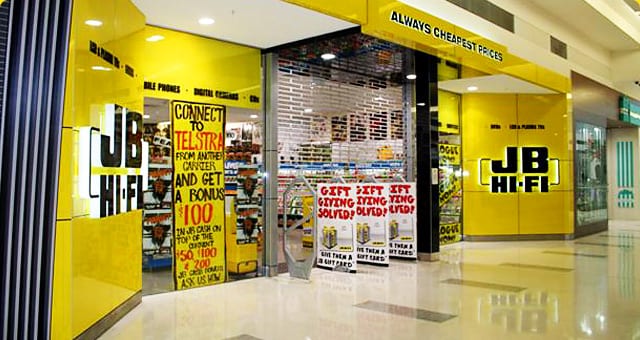
    Shares in JB Hi-Fi have risen more than 3 percent after the Australian consumer electronics retailer reported a 1.9 percent fall in first-half net profit to AUD88.5 million (USD68.8m) and confirmed flat earnings for the full year.

    Chief executive Richard Murray reaffirmed guidance for full-year sales of AUD3.6 billion after the retailer posted stronger sales growth in the December quarter and a surge in sales in January.

    Murray said net profit for the 12 months ending June was expected to come in between AUD127 million and AUD131 million, compared with AUD128 million in financial 2014.

  • TGI Fridays partners with Microsoft on tablets to streamline orders

    TGI Fridays partners with Microsoft on tablets to streamline orders

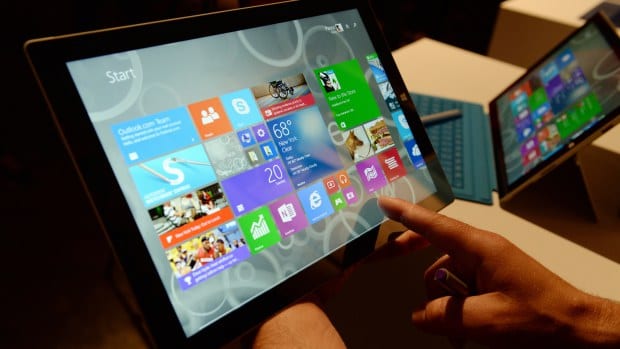
    TGI Fridays Inc. is equipping servers with 8-inch tablets so they can quickly and accurately process orders and payments while at the table.

    The devices use Windows 8.1, running Oracle’s MICROS Restaurant Enterprise Solution (RES) 5.4 on Oracle’s MICROS mTablet E-Series mobile point of sale devices.

    Servers can carry these tablets from table to table to take orders and respond promptly to guest requests. It improves table wait and helps regulate the pace of orders sent to the kitchen.

    “TGI Fridays is rethinking how technology can lead to restaurant innovation,” said Tracy Issel, general manager of Worldwide Retail, Consumer Goods, Hospitality and Travel for Microsoft. “We are helping it change the way food orders are processed and wait staff and managers do their jobs, reinventing the customer experience, one restaurant at a time.

    Many restaurant technology solutions rely on proprietary hardware or custom ruggedized devices, built to withstand the abuse of a kitchen environment. Such solutions can be expensive and take a long time to develop and deploy.

    Oracle’s MICROS RES 5.4 allows TGI Fridays to manage the various aspects of running a restaurant, from tableside ordering to traffic and queue management, all from one solution and in a much more cost-effective way.

    “Windows 8 gave us a platform that allowed us to develop a new user interface, which gives our servers even better tools to delight our guests and make their experience even more enjoyable,” said TGI Fridays Vice President and CIO Tripp Sessions.

  • Apple ranks No. 1 in luxury gift giving in China on hot streak

    Apple ranks No. 1 in luxury gift giving in China on hot streak

    Apple Inc has taken the number one luxury gifting spot in China from designer goods maker Hermes International SCA, according to a Hurun luxury report on Thursday, reflecting the iPhone maker’s recent hot streak in the country.

    The US tech firm’s focus on glitzy stores and high prices helped it post a 70 percent rise in sales in China in the last three months of 2014 and powered the company to the largest profit in corporate history.

    Spending on gift giving overall fell 5 percent in 2014, after a 25 percent drop the year before, according to the Hurun Chinese Luxury Consumer Survey. Beijing has been cracking down on corruption and luxury spending among public officials, weighing down sales of premium liquor to handbags.

  • Counterfeit appliance business exposed

    Counterfeit appliance business exposed

    Vietnamese authorities have cracked a counterfeit appliance retailing business passing off cheap Chinese appliances as branded European goods.

    Thanh Nien News reports that a company called Romal Vietnam was selling gas ranges, electric stovetops, ovens and blow dryers inside supermarkets, online and at shopping centres in many provinces and cities across the nation.

    A nationwide crackdown has now been launched by teams of inspectors from the National Steering Committee for Combating Smuggling, Commercial Fraud and Counterfeit Goods (also known as Committee 389).

    A Romal Vietnam shop in Hanoi was raided on January 22 and 185 Chinese products bearing Italian and German brand names on labels were seized.

    Another 85 products were seized in the central seaside town of Danang and Ho Chi Minh City police sealed a Romal store after “the manager locked its doors and fled” according to Thanh Nien News.

    The company’s director, Nguyen Thi Ninh, and her husband Nguyen Huy Tho have been summoned by police for questioning. A police source told the newspaper that Ninh, Tho and their employees admitted importing Chinese products from Zhongshan Company in Guangdong since 2008.

    Labelling the goods as European allowed the shop to import the products for between $150 and $200 and sell them for as much as $750 to $800. The fraud had netted the business several hundred thousand dollars annually.

  • Kodak makes comeback

    Kodak makes comeback

    Kodak – the famous photography brand almost killed off by the digital revolution – has made a comeback.

    In a digital form, of course.

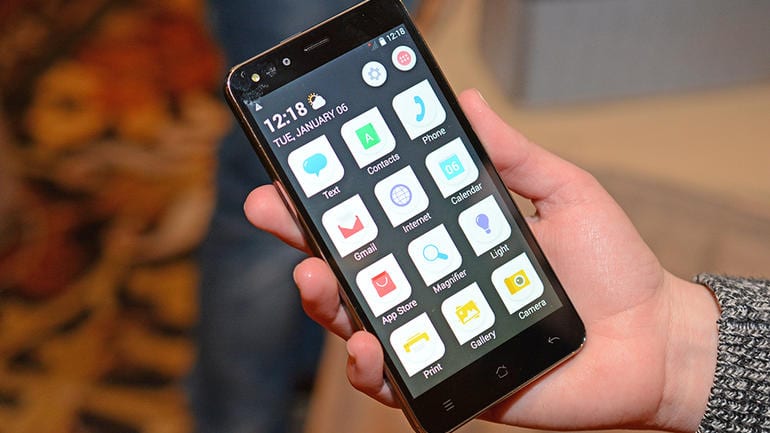
    Kodak has unveiled a new smartphone at this week’s CES consumer electronics show in Las Vegas, the product of a joint venture with specialist mobile device maker Bullitt Group.

    Called the Kodak IM5 smartphone it’s a 5″ high definition Android-based smartphone its makers describe as being “as easy to use as it is smart”.

    Not surprisingly, photography is what the phone is touted as doing best, with a 13megapixal auto-focus main camera with unique image management software which lets users quickly edit photographs and either display them on the device, share them on social media or print them using a customised app compatible with home printers as well as future printing and sharing services.

    “This is a phone for consumers who appreciate the value and heritage of the Kodak brand,” said Oliver Schulte, CEO of Bullitt Mobile. “It looks great, is easy to use and offers real value for money.”

    Rochester, New York, based Kodak once dominated the photographic industry, but from the late 1990s – as digital technology took over, it began to struggle, despite having invented some of the core technology behind digital cameras.

    It filed for Chapter 11 bankruptcy protection in 2012 and the following year announced it would cease making digital cameras, pocket video cameras and digital picture frames and focus on the corporate digital imaging market. It emerged from bankruptcy in the latter half of 2013 after selling many of its patents to a group of companies including Facebook, Amazon, Apple, Microsoft, Google and Adobe for some $525 million, paying down debts and liabilities. In November 2014 it announced a $19 million quarterly profit.

    The new IM5 phone is largely the product of a brand licensing initiative by which Kodak receives royalties for products bearing its name. And Kodak is certainly a brand with street cred despite its recent misfortunes. But Kodak does appear to have had an active role in the camera and photographic processing technology inside.

    Eileen Murphy, VP brand licensing at Kodak said in a statement: “Too many memories stay stuck on mobile phones, often because the process for sharing them is too complicated for users; that’s why we’ve partnered on the IM5, the first device in a range of mobile products that takes our heritage and experience in photographic technology and combines it with Bullitt’s expertise in designing high-quality devices for a specific target consumer.”

    For the technically minded, the Kodak IM5 has an octa-core 1.7Ghz processor, 8GB standard ROM and 1GB of RAM, expandable to 32GB via a Micro SD card. It also comes with a dedicated app store (called simply “Apps”) that allows users to access a hand-picked selection of applications suited to their interests as well as full access to Google Play.

    Aimed at consumers who want a smartphone that is easier to use than what they are currently using (or being offered), Kodak and Bullitt believe the IM5 serves a market segment that – to date – has been poorly served by handset manufacturers.
  • Taiwan electronics chain stores roll out CNY deals

    Taiwan electronics chain stores roll out CNY deals

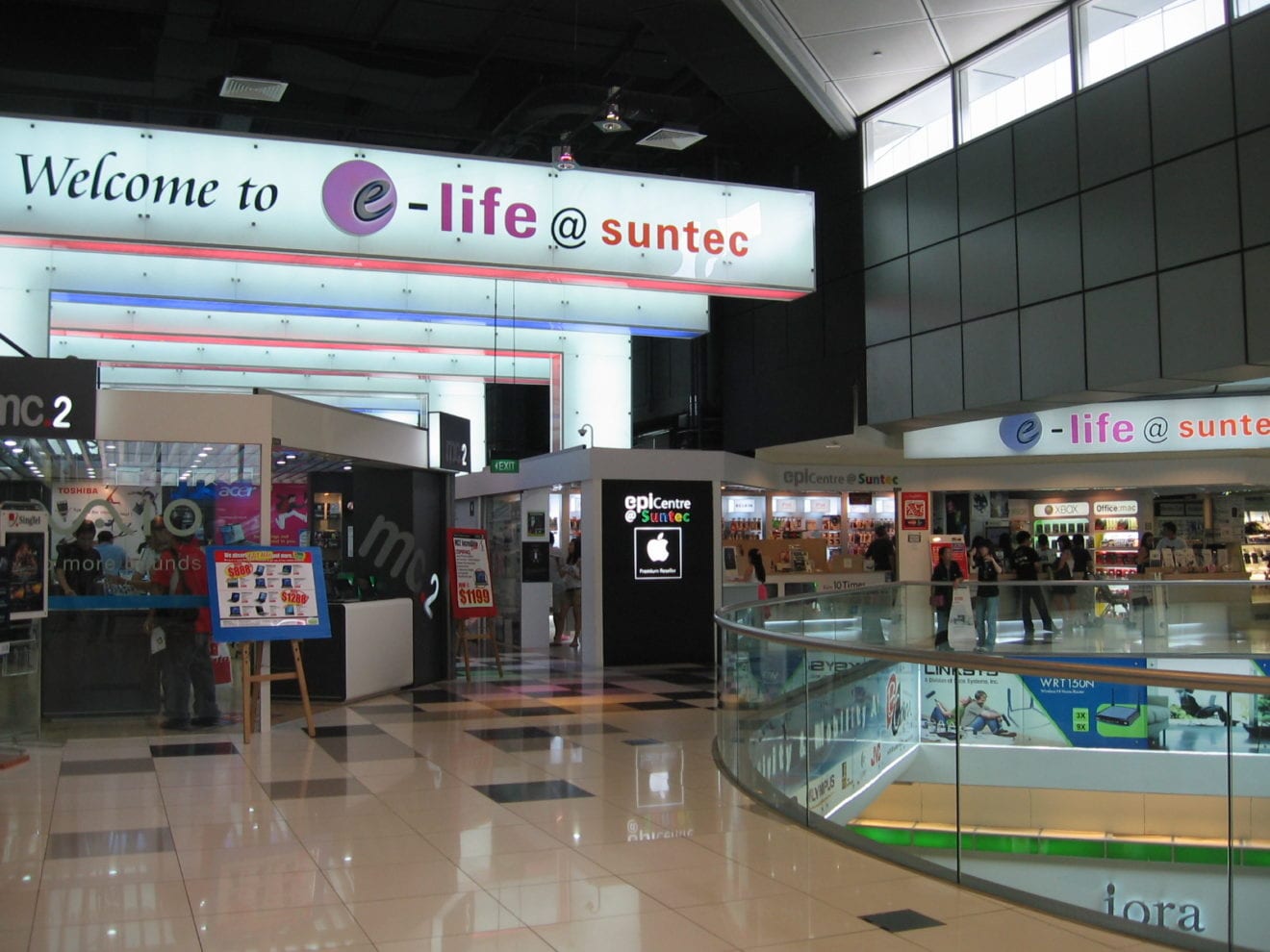
    The nation’s two major electronics retailers E-Life Mall and Tsann Kuen have kick-started special sales to prepare for the upcoming shopping season for Chinese New Year. Up to 25-percent discounts are offered for their large-size televisions, and the sales are expected to generate high revenues for the two electronics stores in January.

  • HTC wants to boost retail network

    HTC wants to boost retail network

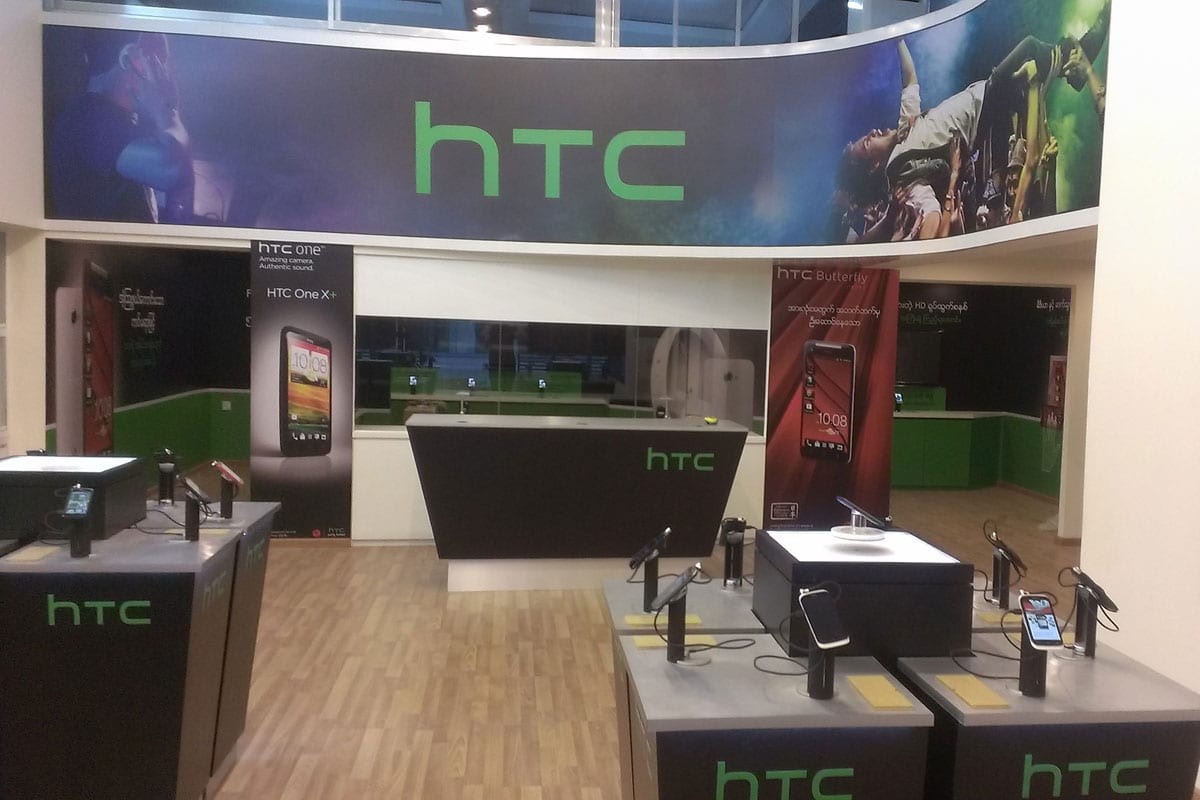
    HTC will boost its retail store network in its home market of Taiwan this year as it expands its handset range.

    The Taiwanese brand has achieved solid success with its topline smartphone models, but is still trading in the red as its product range is skewed towards the top end and is not perceived as meeting the mass market.

    HTC says it will changes that with North Asia president jack Tong promising a full range of products in 2015: from entry-level, mid-level and top end.

    To support its broader brand positioning the company will boost its solo-brand store network from 72 to more than 100 by Christmas.

    HTC has 19 distribution partners selling only its brand and accessories to match. Tong expects retail sales in Taiwan to double this year due to the expanded range and increased store network.

    Retail stores accounted for just 20 per cent of Taiwan’s mobile phone sales last year, but analysts expect that share to double in 2015 due to shorter product replacement cycles and falling smartphone prices. Consumers in Asia are increasingly preferring to buy their phones from independent retailers rather than phone networks, due to broader choice, sometimes sharper pricing and no commitment to contracts.

    “Our new brand vision is to expand HTC’s reach to everywhere,” Tong told a press conference at an HTC flagship store in Taichung this week.

  • Apple will open 5 new stores in China before Chinese New Year

    Apple will open 5 new stores in China before Chinese New Year

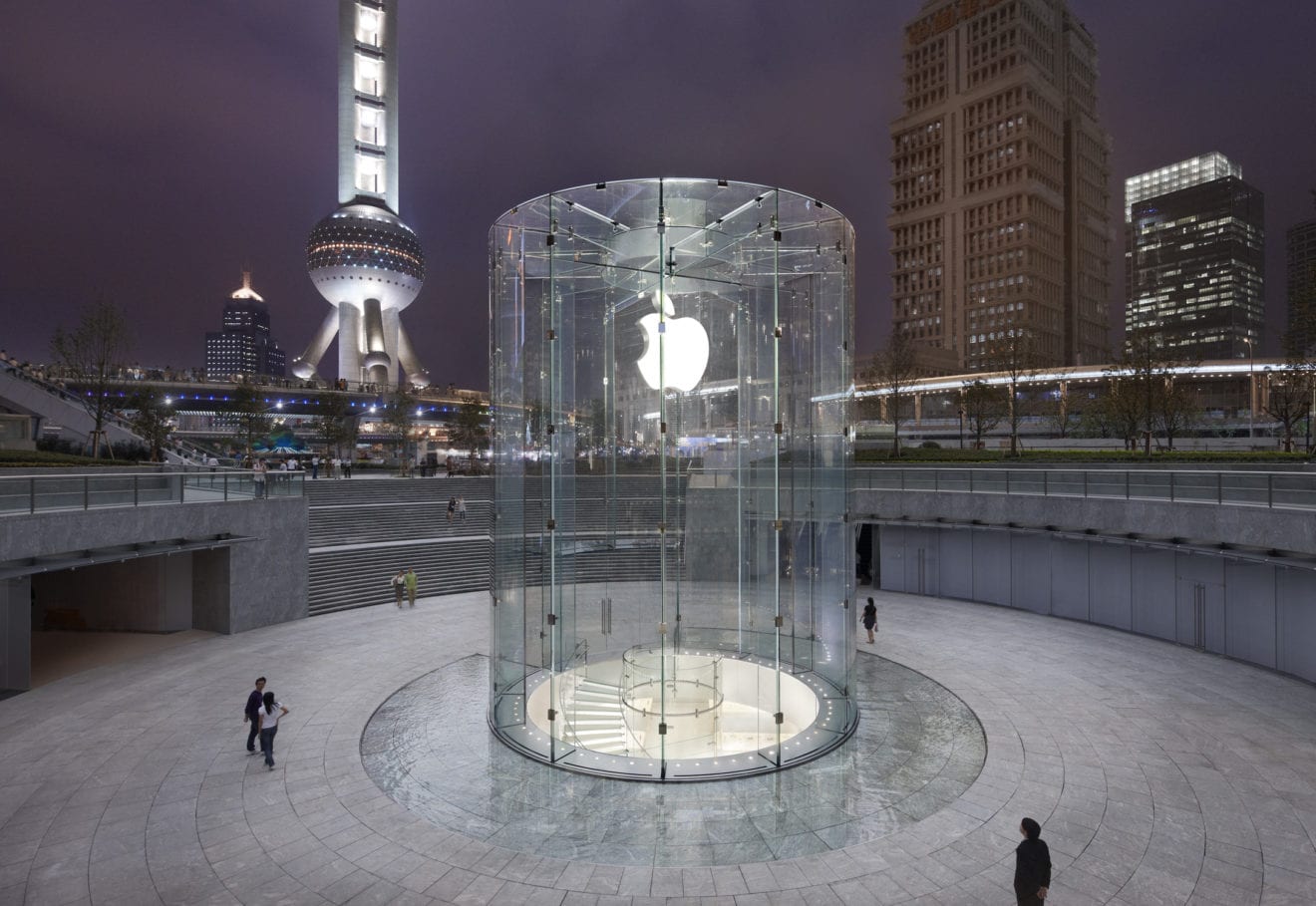
    Apple is continuing its aggressive retail expansion into the Middle Kingdom, with plans to open 5 new Apple stores in China in the early days of 2015. Prior to Spring Festival, the company has reportedly said it will open 5 new retail shops, including the new store in Zhengzhou that opened earlier this month. The next one on the list will be in Hangzhou, where doors will open at Apple’s new West Lake store on 24 January.

  • Former Gucci Group boss joins North Sails

    Former Gucci Group boss joins North Sails

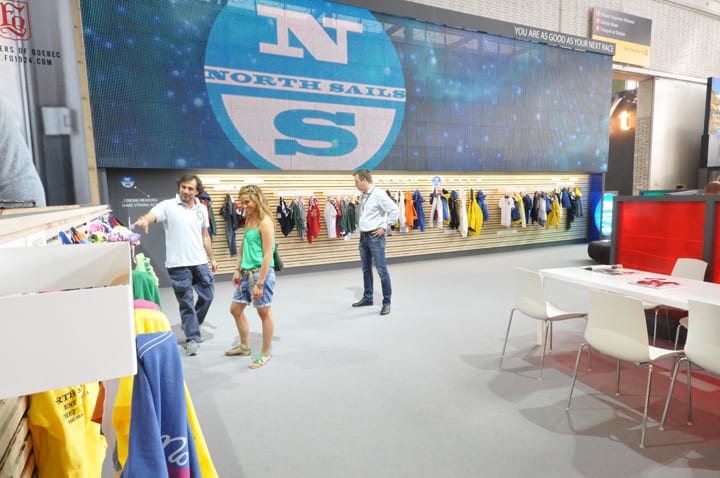
    International sailmaker and sportswear brand North Sails has appointed former Gucci Group president and chief executive officer Robert Polet as a partner of its apparel division, effective immediately.

  • Cyber attacks on US retailers drop, but records stolen remain high

    Cyber attacks on US retailers drop, but records stolen remain high

    Cyber attacks agains US retailers declined by as much as 50 percent since 2012, but the number of records stolen from them remains at near record highs, a new IBM study shows.

    IBM Security researchers recently reported that during the year cyber attackers still managed to steal more than 61 million records from retailers despite the decline in attacks, demonstrating cyber criminal’s increasing sophistication and efficiency.

    According to the research, cyber attackers are using new techniques to obtain massive amounts of confidential records with increased efficiency. This is why despite the decline in the number of attacks, the perpetrators were able to impact a far greater number of victims with each incident.

    “The threat from organized cyber crime rings remains the largest security challenge for retailers,” said Kris Lovejoy, General Manager, IBM Security Services. “It is imperative that security leaders and CISOs in particular, use their growing influence to ensure they have the right people, processes and technology in place to take on these growing threats.”

    Surprisingly, majority of cyber attackers scaled back their hacking efforts around Black Friday and Cyber Monday, the two biggest shopping days of the year.

    IBM’s Digital Analytics Benchmark, the number of daily cyber attacks during the two week period (24 November – 5 December) was 3,043, nearly one third less than the 4,200 average over this period in 2013.

    In a year’s time, the number of breaches also dropped by more than 50 percent for Black Friday and Cyber Monday. In 2013, there were more than 20 breaches disclosed including several large breaches that caused the number of records compromised to rise drastically, reaching close to 4 million. Over the same period in 2014, 10 breaches were disclosed which resulted in just over 72,000 records getting compromised

    Despite this “cyber threat slow down,” the retail and wholesale industries emerged as the top industry target for attackers in 2014, a potential result of the wave of high profile incidents impacting name brand retailers.

    IBM need that while there has been a rise in the number of Point of Sale (POS) malware attacks, the vast majority of incidents targeting the retail sector involved Command Injection or SQL injection. The complexity of SQL deployments and the lack of data validation performed by security administrators made retail databases a primary target.