Category: Electronics

Retail News Asia is committed to providing both local and global retailers with the latest Electronics news throughout the Asian market. This on a daily base.

  • To match Apple and Google, retailers ready mobile-pay system

    To match Apple and Google, retailers ready mobile-pay system

    After almost three years in development, the retail industry’s answer to Apple Pay is finally getting off the ground.

    A mobile payment app developed by Merchant Customer Exchange – a company founded in Aug. 2012 with funding from Wal-Mart Stores Inc., Target Corp. and Best Buy Co. – has been tested by employees of the retailers and will get a limited trial run next month in stores, according to three people familiar with the situation.

    That means shoppers will soon be able to use the technology, called CurrentC, to pay for items with their phones.

    The challenge for CurrentC now is playing catch-up against established apps from Apple Inc., Google Inc. and others, and explaining to customers why they should use it. When Apple Pay rolled out last year, CurrentC was derided by critics as a lower-tech alternative that retailers supported because it would give them tighter control over shoppers’ transactions.

    Customers also will need assurances that the technology is safe, given the high-profile data breaches at retailers over the past few years, said Julie Conroy, a payments security analyst at Aite Group.

    CurrentC itself was hacked last year during an early test.

    “Trust is going to be a huge issue for them,” Conroy said.

    Merchant Customer Exchange (MCX), expects to formally introduce CurrentC some time in the third quarter, a spokeswoman for Lowe’s, part of the consortium, said in an e-mail.

    But Lowe’s will not be part of the initial rollout.

    Scott Rankin, MCX’s chief operating officer, confirmed in an e-mail that CurrentC will begin public tests this year, without being more specific. He also said MCX was “making good progress” on bringing the app to the market.

    “We expect there to be more than one successful player in mobile payments, and we expect to be one of them,” said Rankin, a former executive at Staples Inc.

    At stake is a fight over money and customer data. Retailers have long loathed paying fees for credit card use in their stores. That has led to battles on multiple fronts, including multibillion-dollar lawsuits and a successful lobbying effort that cut fees in the 2010 Dodd-Frank financial reform.

  • Apple’s India test: how to gain volume and meet aspiration

    Apple’s India test: how to gain volume and meet aspiration

    With only a tiny share of the world’s fastest-growing major smartphone market, Apple Inc is stepping up its push into India, with a first targeted TV advertising campaign, expanded retail network and promotional financing schemes.

    For years, India has been a low priority for Apple as spending power is weaker than in China, where the company’s iPhones swiftly became must-have devices after their 2007 launch.

    But Apple is now looking to build on a 93 percent increase in its iPhone sales in India in April-June, which for the first time outpaced growth in China, of 87 percent – albeit from a low base. Apple has just a 2 percent share of India’s smartphone market, while South Korean rival Samsung Electronics accounts for around one third of volume sales with its range of Android phones.

    The India push coincides with Apple missing elevated expectations when it reported earnings earlier this week, prompting some investors to question how long double-digit growth can continue.

    “Apple is consciously expanding its distribution in India and pushing its products aggressively. The marketing spend too is a part of that,” said Jaideep Mehta, managing director for India and South Asia at tech research firm IDC.

    Executives at several electronics retail chains and Apple distributors said the Cupertino-based firm was chasing shelf space to make its gadgets more visible, and has more than doubled the number of distributors to five.

    Apple has also brought in a new senior executive to take charge solely of the Indian market, industry sources said, and has placed advertisements for a policy adviser to help it work with New Delhi’s bureaucracy.

    The company declined to comment on its India strategy.

    “Apple’s single-minded focus for India is on volume,” said a senior executive at an electronics chain store, who declined to be named. “They have increased distributors and want to reach out to smaller cities.”

    BALANCING VOLUME, ASPIRATION

    Analysts say much of the high growth in iPhone sales in India has come from earlier models such as the 4S, 5S and 5C, which are sold more cheaply.

    “Apple is an aspirational brand. They will (have to) balance their volume push with that to get growth,” said IDC’s Mehta.

    That could be tough in a market where you can buy around eight basic-level smartphones for the upwards-of-50,000 rupee (US$785) price of a new iPhone.

    Taking to Indian TV screens for the first time, Apple plays up the aspirational appeal of its phones, showing a glamorous Indian bride using Facetime, Apple’s video calling feature, to send coy flashes to her groom of a henna-ed hand or skirt hem before their wedding.

    In addition, Apple offers financing schemes where buyers of its latest iPhone 6 can pay in monthly instalments, and has launched Apple Music, a cloud-based music streaming service, for just 120 rupees (US$1.88) a month in India – a fifth of the price in the United States.

    The company has offered easy financing schemes in India before, but retailers say the focus on operations and marketing show Apple is now more seriously targeting the market.

    And there’s plenty of market for it to aim at.

    “The premium smartphone market will be close to 8 million units in 2015,” said Neil Shah, analyst at Counterpoint. “Apple has a lot of room to grow and capture a significant share of that,” he added, noting Apple sold just over a million iPhones in India in the year to April.

  • After Toshiba scandal, foreign investors want tougher Japan governance steps

    After Toshiba scandal, foreign investors want tougher Japan governance steps

    Japan needs bolder measures such as harsher criminal sanctions for fraud and whistleblower protections to improve corporate transparency and prevent a repeat of the accounting scandal seen at Toshiba Corp, foreign investors and governance experts said.

    Toshiba’s chief executive Hisao Tanaka and a string of other senior officials resigned on Tuesday after an independent inquiry found he had been aware the company had inflated its profits by $1.2 billion over several years.

    The scandal is a major setback for the government of Prime Minister Shinzo Abe, who has made improving corporate governance a central theme in his bid to reinvigorate Japan’s economy and entice more foreign capital.

    “This is a negative headline in what’s been 18 months of positive momentum in Japan,” said Singapore-based David Smith, head of corporate governance at Aberdeen Asset Management, which owns Japan stocks. An Aberdeen affiliate had a very small equity holding in Toshiba as of end-May, Reuters data shows.

    “This is a black mark for corporate Japan in the face of positive news and strong markets. The government may want to act tough,” said Smith, who helps manage about $115 billion in Asia.

    Japan’s listed companies have long-had tense relations with their foreign shareholders, who have frequently blamed long-term insiders’ dominance of corporate boards for low returns and weak oversight.

    In response to this criticism, the Abe government last month introduced new rules requiring listed company boards to appoint at least two outside independent directors, but investors said this did not go far enough – Toshiba already had four independent directors as part of its 16-person board.

    “The Toshiba scandal further underlines the need for board training as well as a robust whistleblower protection system,” said Seth Fischer, chief investment officer at Hong Kong-based hedge fund Oasis Management and a corporate governance activist who successfully pushed for reforms at Nintendo Co Ltd.

    “Whistleblowers are ultimately performing a service to the company, its executives and the company’s overall mission – which is integrity of financial statements. They need to be rewarded as such,” he said.

    This week’s revelations come four years after a similar scandal in which camera-maker Olympus Corp concealed nearly $1.7 billion in losses from shareholders.

    Both scandals also raise questions about the quality of Japan company audits, which rate poorly compared with developed market peers, according to data compiled by Hong Kong-based GMT Research.

    “One of the problems is that audit fees are very low in Japan. It’s nonsense that auditors, on these fees, are doing any proper work,” said Robert Medd, a partner at GMT.

  • Reliance in 1000-store telco deal

    Reliance in 1000-store telco deal

    India’s Reliance Industries is to build a network of 1000 stores, the consumer face of a new 4G mobile phone network.

    The new mobile phone network will be launched in December with 1000 stores branded ‘Jio Centers’. The network itself will be called Jio.

    The store network will sell Jio-branded mobile phones and be backed up by 500,000 licenced connectivity outlets and one million recharge outlets. These customer contact points will be operational by December, when the network – undergoing beta testing from next month – will boast 80 per cent coverage of India.

    The stores will also sell Samsung, Apple, Huawei and Xiaomi phones for connection to its network.

    “Reliance Digital would be a catalyst by making available entry level to ultra premium 4G LTE smartphones… in driving the device ecosystem in India for Jio,” the company said in a statement.

    Reliance Industries operates in a number of sectors, although its base is in energy and retailing. It is headed by Mukesh Ambani, India’s richest individual.

  • Osim mulls ‘challenging’ quarter

    Osim mulls ‘challenging’ quarter

    Singapore based lifestyle products retailer Osim says trade across all its core markets were soft in the last three months.

    “This has been another challenging quarter,” the company said, declaring sales of SG$159 million and a profit of $29 million.

    “Despite these challenges, our dominant brand has enabled us to maintain a stable gross margin and cash generative business. We are continuing to invest for growth supported by a strong balance sheet.”

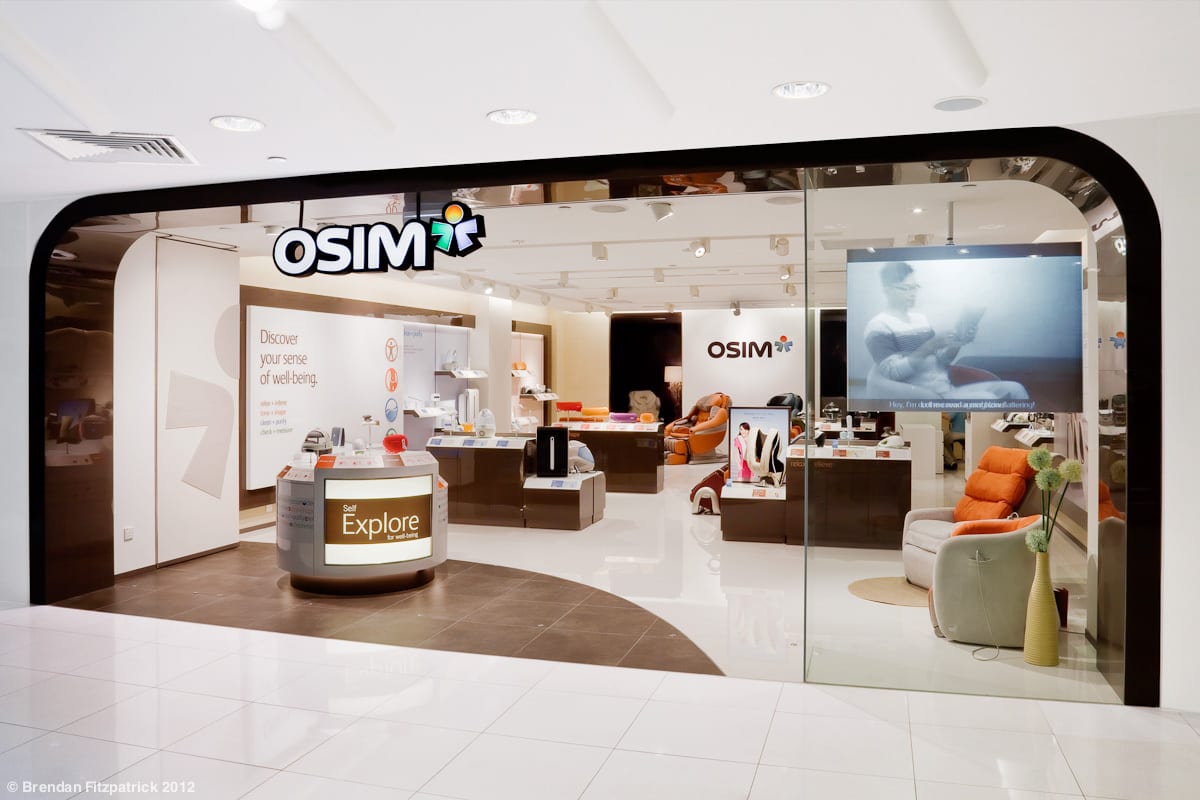
    Osim has 560 retail stores in 23 countries, with China maintaining its place as its largest market, where it has 251 stores in 45 cities.

    New products including uMagic, uInfinity Luxe, uDiva, uHip, uSqueez Air, uTrek and uShape Music helped sustain Osim’s dominant position in the category.

    “Our GNC outlets are doing well. We have a total of 220 GNC/RichLife outlets in ONI Global

    and we are growing our sales through new product launches,” the company said.

    Osim also operates 47 TWG Tea outlets, having opened four new ones in the quarter and with plans to open a further 11 in the second half of the year.

    “We remain optimistic on the prospects for the remainder of the year following launch of uMagic in key markets and upcoming planned product launches,” the company said in its stock exchange filing.

  • Electronic City invests online

    Electronic City invests online

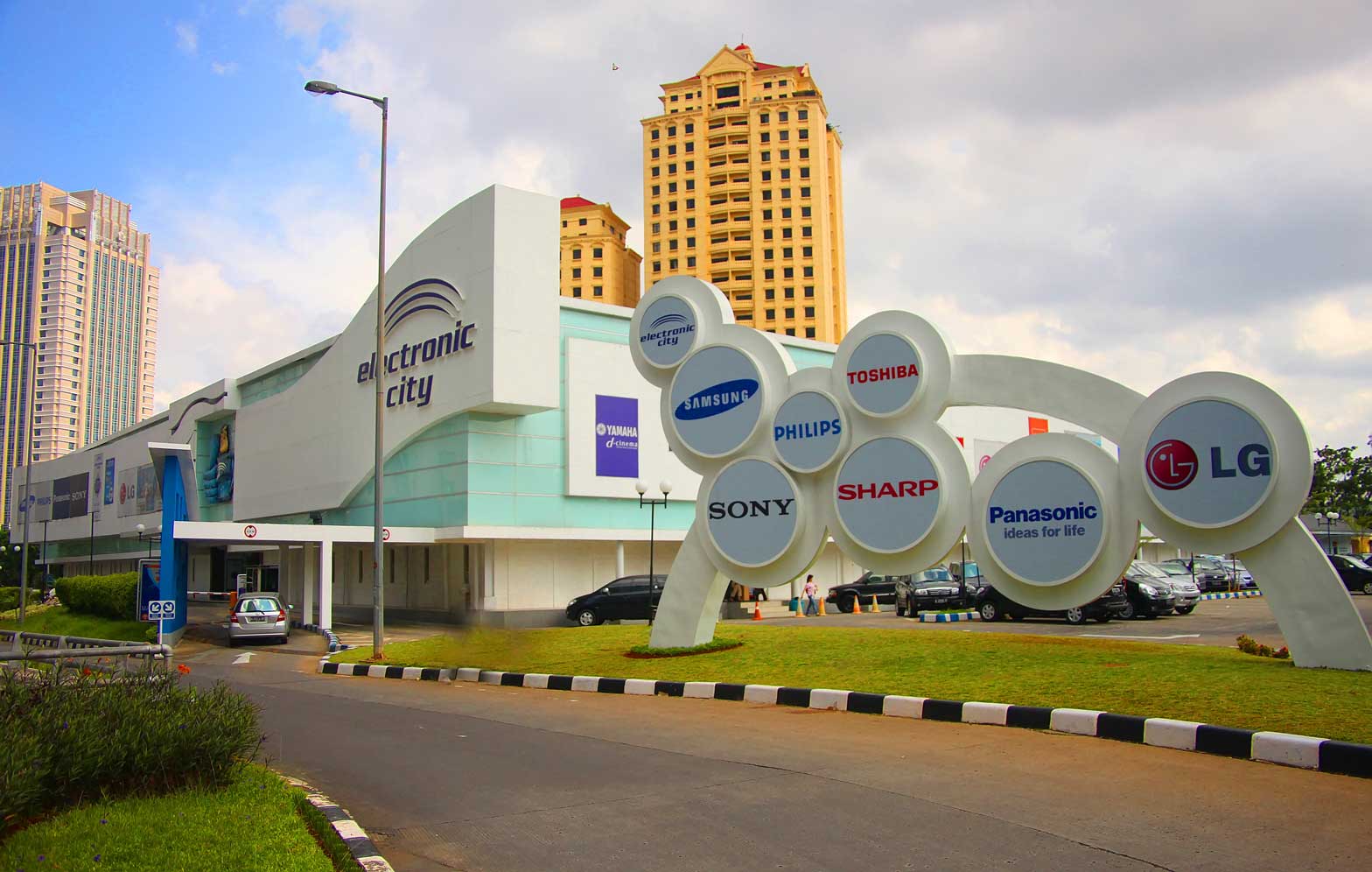
    Indonesian appliance retailer PT Electronic City is to invest US$15 million on strengthening its online shopping site and to develop its back end IT infrastructure.

    It will also open another seven stores this financial year and renovate some of its existing outlets.

    Electronic City has 70 stores across Indonesia, operating in 22 cities in 15 provinces.

    The 14 year old company, which listed two years ago, has reported a stunning 600 per cent year on year increase in sales through its eCommerce site during the month-long Ramadan fasting season.

    The overall business is budgeting for 10 per cent revenue growth this year, its stores selling IT and office equipment, mobile devices, home appliances and audiovisual equipment. It holds a share of about 41 per cent of the Indonesian appliances market.

  • Apple China sales double

    Apple China sales double

    Apple China sales doubled in the three months to June 27 – but that wasn’t enough to pacify analysts whose reactions drove the tech giant’s stocks downwards.

    Apple says its quarterly profit leapt 38 per cent to US$10.7 billion on surging iPhone sales as turnover jumped 33 per cent to US$49.6 billion. It now has a massive $203 billion in cash reserves.

    But those figures weren’t enough to please analysts. The company’s stock price fell six per cent after the figures were released. Doomsayers fear Apple’s iPhone sales will come under pressure in Mainland China as consumers there reel in their spending – this despite the almost undentable local passion for Apple as a brand.

    “We had an amazing quarter,” Apple CEO, Tim Cook, insisted, noting that iPhone revenue was up 59 per cent from the same period a year earlier.

    But analysts expected higher sales – and some latched on to rumours the Apple Watch sales have tanked after launch and the fact iPad sales fell for the sixth straight quarter, this time by 18 per cent to 10.9 million. Mac sales increased 9.5 per cent to 4.8 million.

    Apple sold 47.5 million iPhones in the quarter, with sales up 85 per cent in Greater China – Mainland, Taiwan, Hong Kong and Macau – where the company’s overall revenue more than doubled to US$13 billion, according to Apple CFO Luca Maestri.

    But further analysis shows Apple’s Greater China revenue fell 21 per cent quarter on quarter, to US$13.2 billion, down from US$16.8 billion.

    Apple did not detail specifics on sales of its newly-launched smartwatch, instead folding the figure into an “other” category that rose 49 per cent to US$2.64 billion.

    Cook said during an earnings call that sales of iPhone, iPad, Apple Watch and Macintosh computers “topped internal expectations”.

    Nearly three months after the launch of Apple’s fashionably smart wrist wear, some analysts say it’s not a mainstream hit. But others see promise in its popularity with internet-savvy younger people.

    A recent study by research firm Slice Intelligence suggested that, based on a large sampling of email receipts in the US, orders for Apple Watch have plunged 90 per cent since the week that the wearable computing gadget made its debut.

  • Apple Is Building A New Store In Hong Kong

    Apple Is Building A New Store In Hong Kong

    As part of a huge push to own the Chinese market, Apple is opening up a new store in Hong Kong.

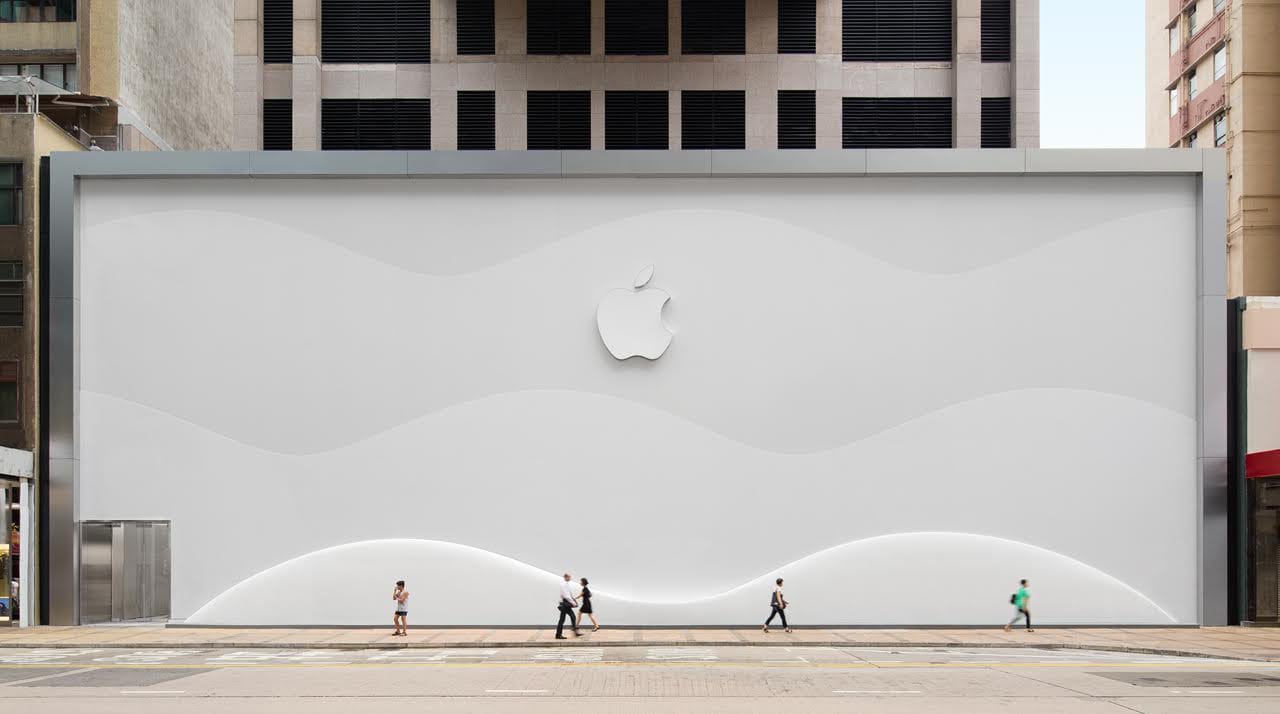
    It will be located on Canton Road, which is known for shopping, on the Kowloon side of Hong Kong. The company has yet to announce an opening date, but work is already underway behind the barricade pictured above.

    Apple currently has 19 stores in China, and the Hong Kong location will be its 20th in the country, and the fourth in that region. Shanghai, Beijing, Tianjin, Chengdu, Wuxi, Hangzhou, Shenyang, Shenzhen, Zhengzhou, and Chongqing already have at least one Apple store.

    Hong Kong is one of the more shopping-focused markets in China, and Apple currently has three stores in the area. Canton Road, however, is one of the more highly trafficked shopping streets in China and the world, and the new store should prove to be one of the biggest on the island.

    Apple has been heavily focused on building out its presence in China.

    First quarter earnings in 2015 showed that China represented sales of $16.144 billion, which is an increase of 157 percent from the quarter before and 70 percent from the previous year. Retail is a huge part of that push, and a store in Hong Kong only makes sense.

    Apple has no word on when the store will open, but you can likely expect to see more and more of a retail push in China as Apple continues to climb the charts in that market.

  • Apple iPhone’s Implodes in China Stock Crash

    Apple iPhone’s Implodes in China Stock Crash

    Apple iPhone sales appear to be in big  trouble, despite iPhone being on track to post a 40 percent year-over-year unit sales gain through the second quarter.

    Having lost the top position in U.S. smartphones sales to Samsung in May, virtually all of Apple’s positive sales momentum has been coming from the China. But after losing $3 trillion in the markets, and with their wealth frozen, a hundred million Chinese no longer need an iPhone.

    Apple is reported to be growing about five times faster than Samsung, despite excellent reviews of Samsung’s new Galaxy S6/Edge. Analysts’ positive opinion of Apple was reaffirmed when Samsung reported in May that it only achieved a 15 percent rise in profit to $6.1 billion on a 2 percent quarter-to-quarter revenue growth, to $43 billion.

    A close look at Apple’s numbers show that first quarter revenue from “Greater China” grew by 71 percent year-over-year, to $16.8 billion. The iPhone sales growth in China accounted for over 56 percent of Apple’s total revenue growth for the quarter.

    Analysts expect Apple to post another extraordinary sales report for the second quarter ending June, with over 50 million iPhone unit sales and revenue of $48 billion.

    Kantar Worldpanel Com Tel’s Carolina Milanesi published a comment last week that after losing U.S. market leadership to Apple in the three-month period through April 2015, the latest data shows that Samsung was again number one in U.S. vendor rankings in the first full month of Galaxy S6 availability.

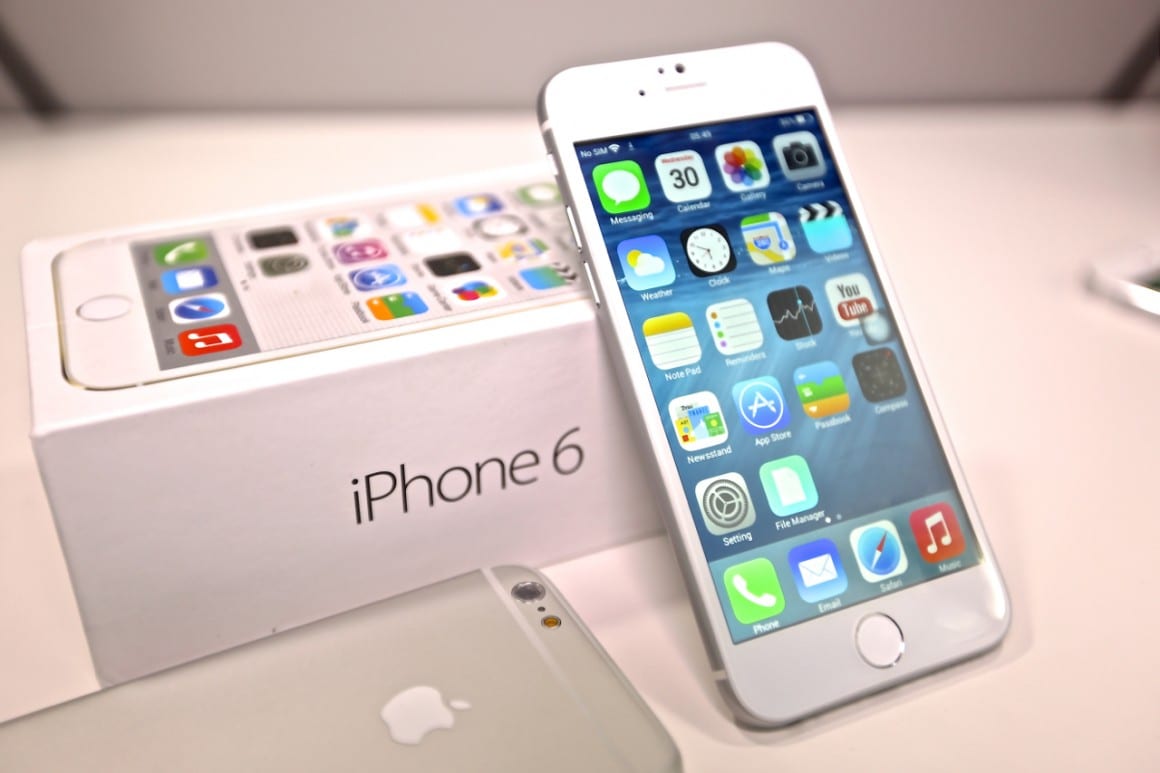
    The iPhone 6 remained the best-selling smartphone in the U.S., and the iPhone 6 Plus was the fifth-most-popular for the period ending May 30. But Samsung’s Galaxy S5 held the second spot, and the Galaxy S6 held third place. As a result, for the three months ending May, Apple’s U.S. iPhone sales U.S. actually declined by 5 percent from the previous year.

    Kantar also exposes Apple’s Iphone poor performance in India and the three big Latin America markets of Mexico, Brazil and Argentina. Apple’s best penetration of these rapidly growing markets is Mexico, with only a 6.4 percent market share.

    Such a shocking turnabout would be a disaster.

    For the three months ending in May, China unit sales were up by 46.26 percent.The Apple’s growing dominance in the “Red Dragon” has been due to a concerted effort by Apple’s management to make iOS and Mac OS X easier for Chinese language users. Many of the upgrades at this year’s Apple Worldwide Developers Conference 2015 were optimized specifically to target Chinese users, including new tools for developers to respond to the unique challenges associated with Chinese language.

    Apple has also won praise for the effectiveness of its retail stores and “Genius Bar” help desks in China. Apple’s’ head of retail stores, Angela Ahrendts, recently announced that the company opened 5 additional stores in February and is scheduled to expand from 15 to 40 stores over the next two years. Located in premium retail space, Apple’s retail stores in China are meant to distinguish the brand as aspirational.

    But all this good news for Apple was through the month of May, when the Chinese stock market was up over 150 percent for the year. Patriotically following China President Xi Jinping’s late 2013 call for “Silk Road” domestic reforms aimed at expanding consumption by taking public hundreds of state-owned-enterprises, the number of Chinese stock brokerage accounts for small individual investors exploded from 20 million to about 100 million. The ultimate sign of status became watching live stock prices on the iPhone 6.

    But after the Chinese stock markets lost $3 trillion in just 16 days of trading, the communist government on Thursday stepped in and suspended over half of the 2800 stocks in China for up to 6 months. Large holders are not allowed to sell stock and company insiders have been told to buy immediately.

    China’s stock market boom had been a wealth machine until it shockingly bankrupted tens of millions of Chinese in just a few weeks. With their capital frozen, demand for more iPhones to check suspended stocks seems ready to plummet.

  • Toshiba Expands Retail Manufacturing in Singapore

    Toshiba Expands Retail Manufacturing in Singapore

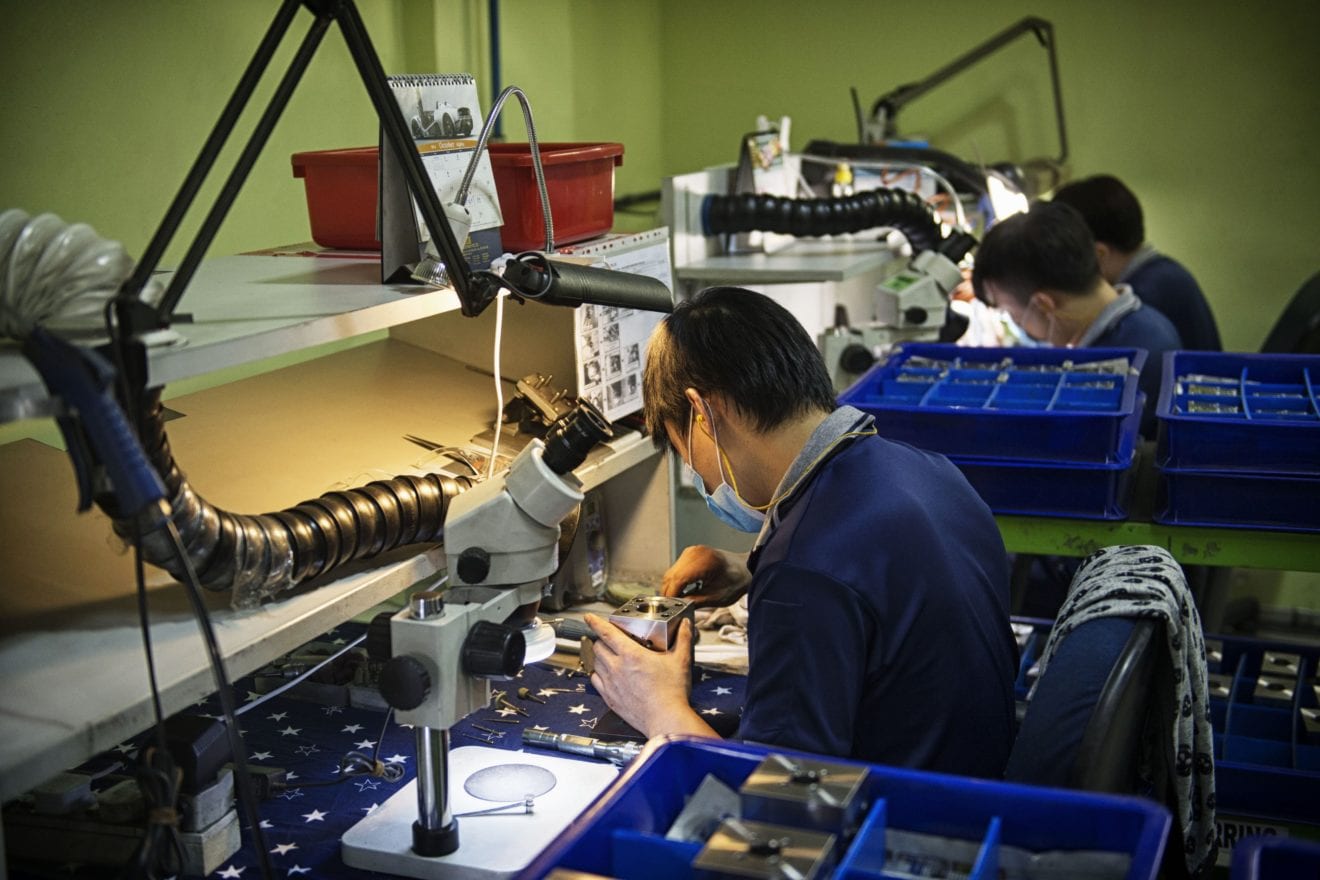
    Toshiba Global Commerce Solutions today announced its continued commitment to Singapore with an expanded manufacturing presence to include the SurePOS 700 series of POS systems. Known for delivering state of the art ODM/OEM products for Fortune 500 companies worldwide and for being a key player in the retail sector, Toshiba TEC Singapore Pte Ltd (TSE) was selected to build the new SurePOS 700 systems, in addition to SurePOS 500 systems and 4610 SureMark printers.

    Toshiba’s total spend in Singapore includes nearly $200M U.S. annually, with approximately 140 combined employees from Toshiba Global Commerce Solutions and TSE based in Singapore, dedicated to retail development, engineering, manufacturing, procurement, sales and services.

    “With our #1 market leadership worldwide and heritage of over 40 years’ experience in POS systems, retailers rely on Toshiba to keep their stores relevant by providing powerful, efficient and adaptable checkout solutions,” said Thomas Buchholz, Vice President, Growth Markets Sales and Professional Services, Toshiba Global Commerce Solutions. “Our Singapore customers can take pride in the fact that we are expanding our manufacturing to include local sourcing of our newest and most powerful retail POS.”

    “As a Together Commerce Alliance partner, we distribute Toshiba’s point of sale solutions to Singapore’s leading retailers, which include gaming, specialty stores, malls, restaurants and grocers,” said Frankie Chong, Director, E-Tech IT Solution PTE Ltd. “Toshiba is committed to growing its footprint in the Singapore market through its technology innovation, working closely with us to ensure a comprehensive eco-system of solutions and services to satisfy the changing demands of today’s shoppers.”

    Toshiba Global Commerce solutions available in Singapore include SurePOS 300, 500 and 700 series, TCxWave, TCxFlight, POS printers, displays, VisualStore, 4690 Operating System, POS applications and barcode printers. To learn how Toshiba’s solutions can improve your store’s operations, request a meeting with our local Singapore team by emailing Toshiba_Comms@toshibagcs.com.

    About Toshiba Global Commerce Solutions

    Toshiba Global Commerce Solutions is retail’s first choice for integrated in-store solutions and is a global market share leader in retail store technology. With a global team of dedicated business partners, we deliver innovative commerce solutions that transform checkout, provide seamless consumer interactions and optimize retail operations that are changing the retail landscape. To learn more, visit toshibacommerce.com or engage on Twitter @toshibagcs

    Toshiba and related logos are trademarks of Toshiba Corporation or its affiliated companies in Japan, the United States and/or other countries, registered in many jurisdictions worldwide. Copyright (C) 2015 Toshiba TEC Corporation or its affiliated companies.

    The information in this document represents current goals and objectives and is subject to change or withdrawal without notice.

  • Samsung tests mobile payment service

    Samsung tests mobile payment service

    Samsung has launched a short, live beta test of its new mobile payment service.

    Samsung Pay, developed by Samsung Electronics, will soon be launched in its home market soon as a beta service for a 36 day trial period.

    Samsung Card says it will recruit beta testers for Samsung Pay until July 10. The testers will experience the Samsung Pay service at various major offline member stores of Samsung Card from July 15 to August 20.

    The card company will provide 10,000 points to those beta testers who spent more than 50,000 won through the payment solution. In addition, the company will hold a special event offering up to 50,000 points to active beta testers who use the service often.

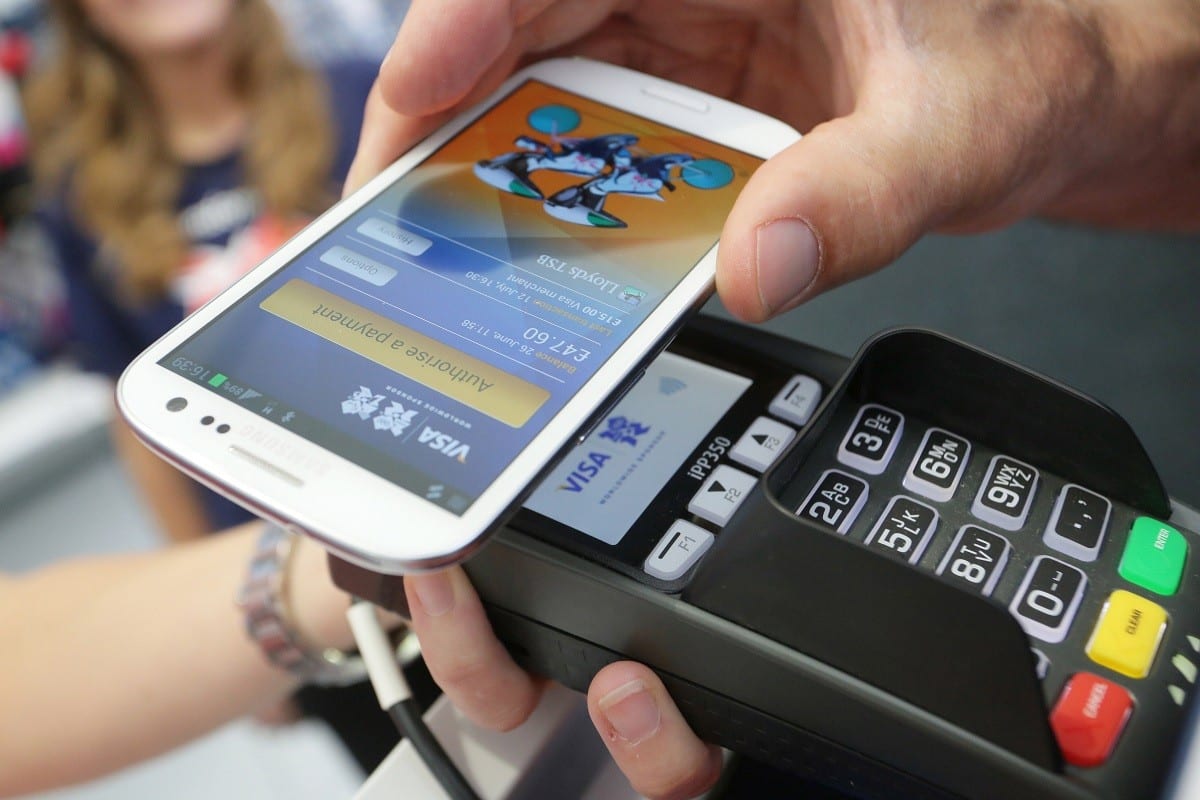
    Samsung Pay, which is to be available in September, stands out from other competitors as the service supports virtually all forms of payment – near field communication (NFC), magnetic secure transmission (MST) and barcode technologies – which reaches far more point-of-sale devices than those of its rivals.

    Currently, other mobile payment services are used mainly online as they lack offline affiliates.

    Meanwhile, Samsung is planning to introduce the payment platform in the US later this year to compete with overseas mobile payment services like Apple Pay and Alipay.

  • Vietnam tablet market soars

    Vietnam tablet market soars

    The rapid growth of the Vietnam tablet market is boosting the potential of eCommerce in the fast-maturing Southeast Asian nation.

    New figures from GfK this week show the growing number of lower priced entry level tablets has seen a double digit growth in sales in first five months of this year – or 149,000 extra units – to reach 582,000.

    GfK projects the media tablet market will achieve even higher sales in the third quarter of the year with the anticipated back to school promotions, with annual sales estimated to hit 1.9 million for the year.

    Yet the total amount spent on tablets has fallen by about five per cent, due to the greater contribution of those lower value media tablet models.

    “Over three in every four (76 per cent) media tablets sold so far in 2015 cost less than US$300, as compared to just one in two (50 per cent) in 2014; signifying a strong shift in market trends towards the low-end segment,” observed Tran Khoa Van, MD of GfK in Vietnam.

    “The result of more media tablets being sold at lower prices brought about a shrinkage in the total market value in spite of strong consumer demand for the gadget.”

    On the other hand, high-end media tablets priced above US$500 which accounted for 29 per cent of the total market’s sales volume had reduced by half to make up only 14 per cent share in the first five months of this year. A similar trend is seen in the US$300-500 segment, where its 22 per cent share last year was reduced to 11 per cent in 2015.

    According to GfK findings, the average price of media tablets declined by 30 per cent from US$367 last year to US$259 this year. Although the number of brands catering to the Vietnamese market reduced from 56 to 49, the remaining players have introduced 20 more new models – from 278 to 298.

    Another emerging trend is the rising popularity of smaller screen sized media tablets, specifically the 7.9” and below segment. Over seven in 10 (71 per cent) of media tablets purchased this year were of this size, up from its 62 per cent market share last year.

    On the other hand, it was the 9-10” segment which reported a dwindled market share by half – from 26 to 13 per cent.

    “Price erosion is a natural progression of a tech product’s lifecycle and the average price of media tablets will definitely be drifting down further from the low of US$250 reported in the latest tracked month of May,” said Van.

  • GE’s Intelligent LEDs: How Light Makes the Future “Bright”

    GE’s Intelligent LEDs: How Light Makes the Future “Bright”

    No longer is lighting reserved for illumination alone. GE is connecting energy-saving LEDs with state-of-the-art software, unleashing a whole new potential for how we light and think about our world. The company recently announced several collaborations to enable intelligent cities, buildings and homes.

    “We’re in a whole new era where lighting harnesses the power of big data to create additional value streams for our customers,” said Henry Eng, President & CEO, GE Lighting Asia. “We’re giving lighting the ability to listen, learn and see, delivering innovative LED solutions customized to our customers’ unique needs.”

    Among GE Lighting’s latest intelligent innovations:

    Intelligent Buildings

    GE recently announced a collaboration with Qualcomm Atheros to bring indoor positioning technology — a form of Visible Light Communication (VLC ) — to major retailers. This collaboration allows LED bulbs and fixtures to “talk” to shoppers’ smartphones and tablets though unique lighting pulse patterns, delivering indoor navigation/mapping, product information and special offers or coupons for nearby products.

    “Today’s consumers want a customized experience — from the news they read, to the games they play, to the products they buy, they expect technology-driven personalization,” said Jeff Bisberg, Global General Manager, Indoor Location, GE Lighting. “Working with Qualcomm Atheros, GE is harnessing the power of our commercial LED lighting to give retailers the opportunity to create an enhanced experience for shoppers securely, while respecting their privacy.”

    Beyond the retail industry, lighting-based indoor positioning systems also could see application in airports, hotels, hospitals and many other environments where it is beneficial to know one’s exact location.

    Intelligent Cities

    From high street lighting costs to traffic congestion, parking allotments and emergency response, cities across the world juggle a variety of challenges. By repurposing street lights with LEDs containing sensors, controls, wireless transmitters and microprocessors, cities will be able to create new opportunities for reducing cost, optimizing their operations and creating value-added services for residents, making their cities even more livable and workable.

    Cities on both U.S. coasts — San Diego, Calif. and Jacksonville, Fla. — are the first to pilot GE’s Intelligent Environments for Cities solution, which uses LED street lighting installations to connect, collect and analyze data being generated, helping cities run more efficiently and providing new services and conveniences for residents and visitors.

    The potential opportunities for this solution are truly endless. For instance, parking downtown may be a pain, but not in the intelligent city of the future. Networked LED street lights will have the ability to direct drivers to available spaces with the help of built-in sensors and wireless transceivers. The same streetlight could serve as a sensor and give warnings in the event of a hurricane or other event through a public-address speaker concealed within the light post. In another scenario, microprocessors and other sensors could work together to give emergency responders real-time views of an area as they are responding to an emergency call before they even arrive on scene.

    These features are examples of what could be driven through this solution in the future.
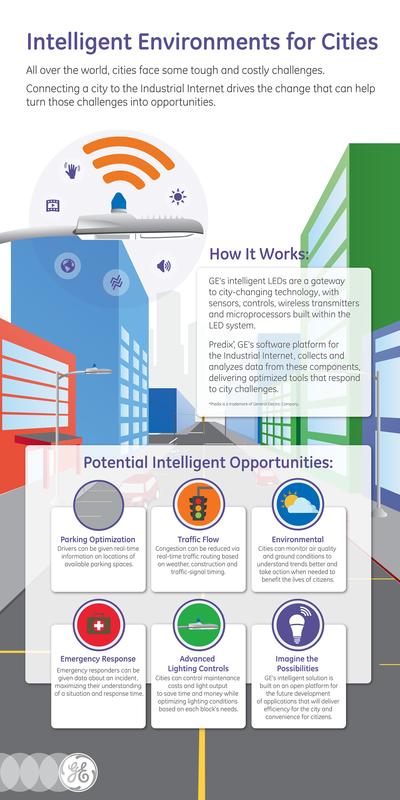
    GE Intelligent Cities solution
    Intelligent Homes

    Affordable, connected solutions are even making it possible for people to manage the lighting in their homes from anywhere in the world, allowing dimming and scheduling, such as automating lights to turn on when you wake up, turn off when you leave or dim when bedtime approaches.

    In time, bulbs could even be “taught” to respond to an individual’s presence or a change in light level thanks to learning algorithms that record and recall personal preferences. The fact is lighting is just one aspect of the future connected home, where appliances such as washers, dryers, ranges and refrigerators all function from a single, unified hub.
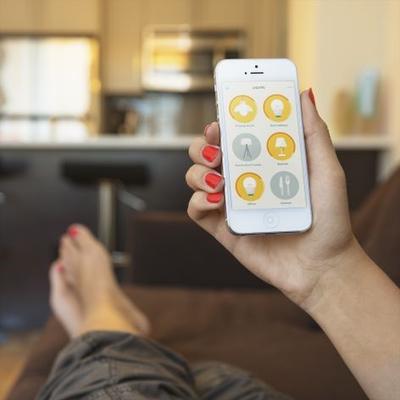
    Wash the dishes, start the dryer and dim the lights all from the comfort of your couch? Well, why not!
    The power of the Industrial Internet is fast evolving the lighting industry. Thanks to smaller sensors, smarter processors — and big imaginations — the years ahead promise an unprecedented shift in the role lighting plays in our lives. We won’t know it at first, but when parking’s a cinch and shopping’s done in a snap, and we return to our lit homes, then we’ll feel light’s touch all around us, connecting us all in new ways.

    GE Lighting

    GE Lighting is changing the way people light and think about their world in commercial, industrial, municipal and residential settings. Light brightens our path to a better way of being. Today, light is intelligent. Light listens, learns and sees. GE. Where Light Is Bright. www.gelighting.com.
  • Gome snaps up rival

    Gome snaps up rival

    China’s largest electrical equipment retailer Gome has purchased rival Beijing Dahong House Home equipment.

    Gome paid three.83 billion yuan US$617 million for the chain, which it has successfully managed for the final eight years since pumping mortgage finance into the enterprise.

    The seller was Beijing Zhansheng Funding Co, with the cost a mix of money and debt forgiveness of a three.6 billion yuan mortgage.

    Gome stated in a press release filed with the Hong Kong inventory trade that phrases of the mortgage included an choice to purchase the enterprise sooner or later. It had now determined to train that curiosity.

    It isn’t but clear if Gome will rebrand the shops it has acquired underneath its personal branding or function a twin model technique.

  • Singapore greets Apple Watch with a shrug

    Singapore greets Apple Watch with a shrug

    In tech-savvy Singapore, new Apple products typically trigger snaking lines spanning multiple blocks, but the Apple Watch got short shrift.

    When stores on the city’s Orchard shopping district opened their doors at 9am, a group of around 40 had gathered at the iconic ION mall. Across the street, around 15 people were milling outside Paragon’s iStudio store while a crowd of around 25 lined up outside luxury watch store The Hour Glass.

    Because Singapore doesn’t have an Apple retail store, only select authorized re-sellers are allowed to carry the Cupertino giant’s products.

    “I was expecting a much longer queue, so this is good news for me,” exclaimed Mario Dinata, a mobile engineer waiting in line at iStudio.

    Indeed, the turnout pales in comparison to previous Apple launches in the wealthy Southeast Asian city-state. Last September, hundreds of fans queued for the iPhone 6 days before the official launch after slots for online pre-orders vanished in mere minutes.

    The smartwatch only becomes available on Apple Singapore’s online store on Friday afternoon and phone inquiries have been minimal in the past week, according to employees at the iStudio store.

    As an app developer, Dinata says he’s often first in line for the newest Apple toys so he can test it out before his competitors. “This is definitely much smaller than previous lines,” he said, smiling.

    None of the stores were able to provide a sales update by mid-morning, but judging by a brief survey of people in line, the Apple Watch Sport was by far the most in demand out of the three models.

    The 38mm Sport retails for $349, versus $549 for the Apple Watch. Local pricing of the third option, the luxury Apple Watch Edition crafted from 18-karat gold, remained unconfirmed by Friday morning.

    “If I had the money, I would buy the Edition model any day over a luxury Swiss watch,” remarked 56-year old Mrs. Li, who declined to give her first name. “I’m buying the Sport today since it’s the cheapest one available. I’m an Apple fan, so I have to get the Watch. I have all their other products.”

    The device has already hit the market elsewhere in the region following an April launch in Japan, China and Hong Kong. Aside from Singapore, the watch also goes in sale in six other countries Friday, including South Korea and Taiwan.

    Rob Enderle, president and principal analyst at technology advisory Enderle Group, doesn’t expect much hype going forward.

    “The Watch has one problem the iPhone didn’t have. Kids have stopped using watches some time ago, so Apple has to undo this perception that watches are for old folks and out of date,” he told CNBC. “This will likely go through three versions before reaching its stride, if it ever does.”

    Apple CEO Tim Cook has remained silent on global sales thus far, but 2.8 million units may have been sold since its April debut, Slice Intelligence told Reuters earlier this month.