Category: Electronics

Retail News Asia is committed to providing both local and global retailers with the latest Electronics news throughout the Asian market. This on a daily base.

  • Vietnam retailer plans 8000 c-stores

    Vietnam retailer plans 8000 c-stores

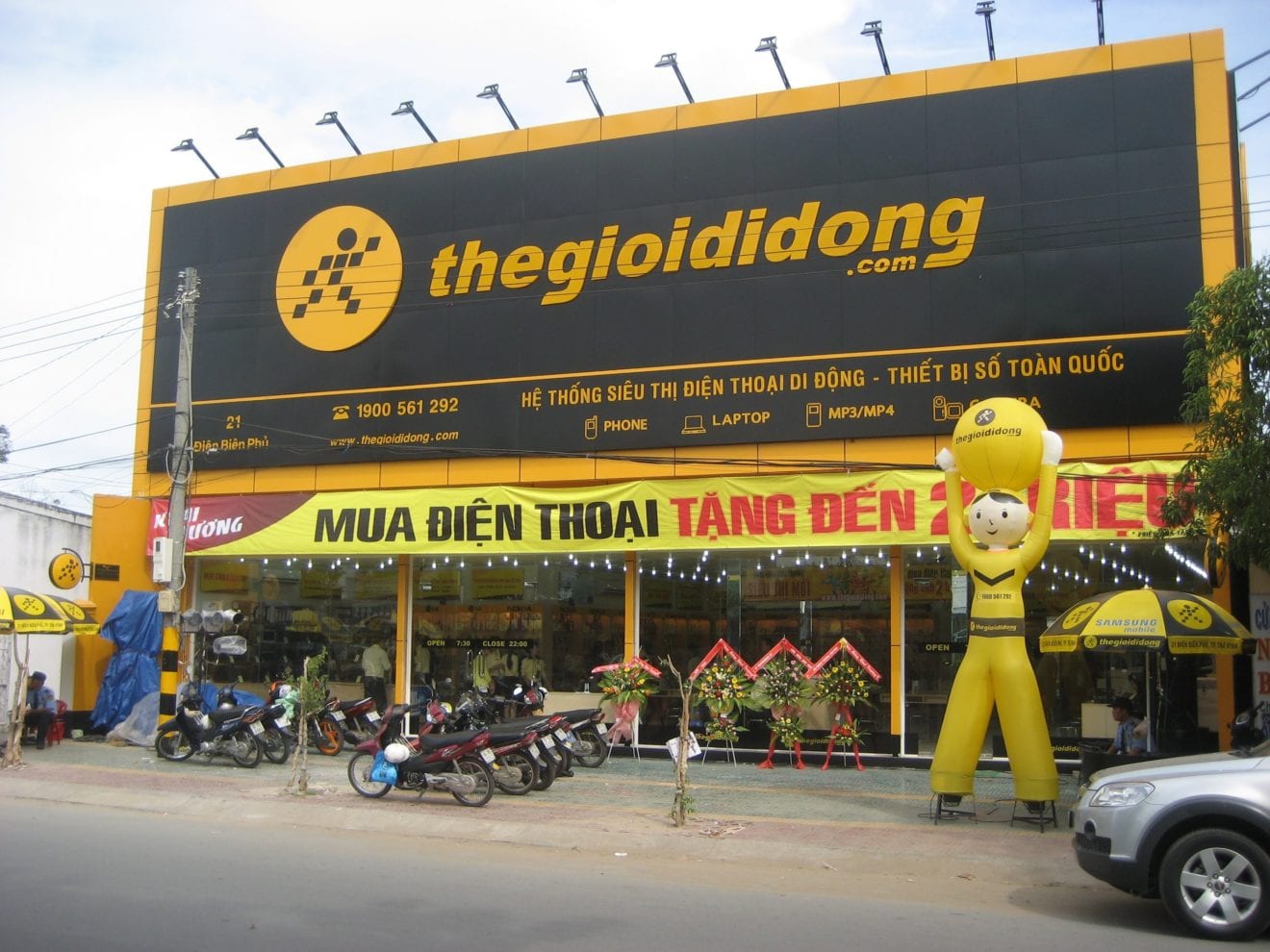
    The Gioi Di Dong, a Vietnam retailer known for its 450-strong chain of bright yellow phone retail stores says it will launch a new convenience store format in October.

    Dang Thanh Phong, a spokesman for the company which is also known as Mobile World Investment Corporation, said the company plans to open between 6000 and 8000 convenience stores by 2020, and take up to15 per cent of convenience food and grocery market.

    Mobile World also currently operates 37 electronic stores known as Dien May Xanh.

    Vietnam’s convenience store sector remains in its infancy despite relatively recent forays by Circle K and FamilyMart. 7-Eleven, the world’s largest c-store operator, recently signed a Vietnam partner in IFB Vietnam, which owns the local Pizza Hut franchise. But 7-Eleven is planning just 1000 stores over the next decade, a fact that tests the credibility of Mobile World’s ambitions.

    The first five new The Gioi Di Dong convenience stores will open in October, with as many as 50 trading by the end of this year according to information obtained by the Saigon Times Online.

    In an initial year-long trial phase, the company will invest up to VND50 billion (US$2.24 million) refining the concept.

    The Gioi Di Dong says its stores will have a footprint of between 150 and 400 sqm depending on their location and will trade from 6am to 9pm – shorter hours than the c-stores of established international brands, some of which trade around the clock.

    A month out from the first opening the chain’s brand name has yet to be chosen.

    CEO Tran Kinh Doanh was quoted on news website Zing.vn says the new store network will target customers of traditional markets and grocery stores.

    While it may lack experience in convenience or food retailing, The Gioi Di Dong has a strong pedigree in retailing: In the first seven months of this year it reported sales of VND12.92 trillion, or US$566.26 million – a year on year increase of 158 per cent.
  • Samsung Electronics unveils ‘future of shopping’

    Samsung Electronics unveils ‘future of shopping’

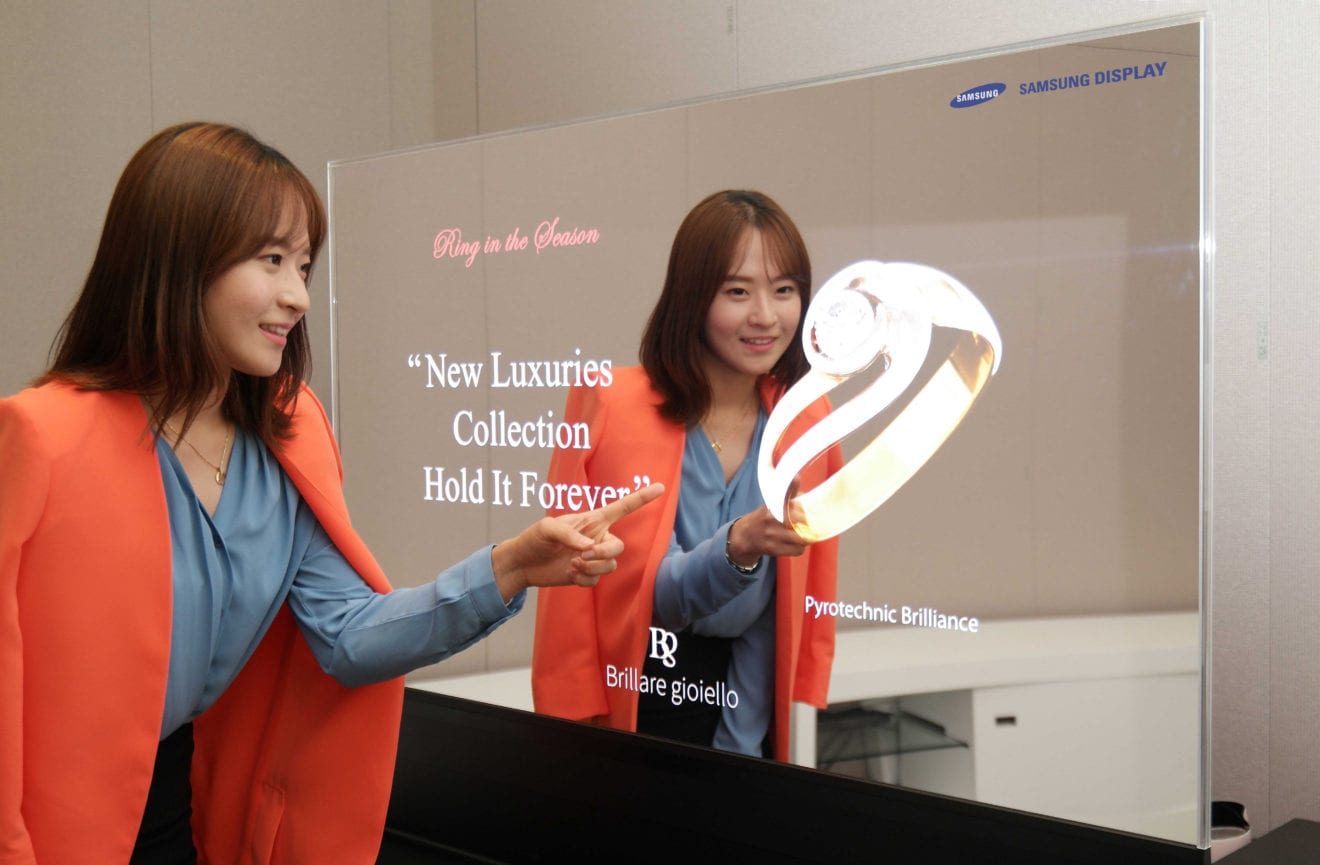
    The future is here. Pause to window shop and read information about the products displayed on the other side of a transparent OLED “window”.

    Try on outfits through virtual reality, and see how they look from all directions.

    Samsung Electronics will reveal new products using smart signage that will realize futuristic smart shopping at the IFA (Internationale Funkausstellung) 2015, in Berlin in a special space set up so visitors can experience ‘smart shopping’ through smart signage solutions such as transparent OLED and smart LED signage.

    Samsung’s transparent OLED will be revealed for the first time at the IFA. It boasts a penetration ratio of 45 per cent, which is the highest in the world, and full HD resolution.Through smart signage embedded with touch functions, virtual fitting solutions that can be used at apparel stores will also be exhibited. Customers can make a model in the screen try on the clothes instead, and see what they would look like through virtual reality. Information related to accessories that match the outfit can be provided for convenience.

    A mirror display that suggests beauty tips and information on makeup according to the user’s schedule, skin type and weather will also be revealed. The most unique part of the mirror display is that it reflects the user just like a mirror through the use of hi-tech reflecting panels.

    In addition, a smart LED signage solution with higher definition will be exhibited. The product has a high resolution with a pixel pitch (that’s the space between pixels) of 1.5mm and 2.5mm. It can be set up indoors, making it possible to be used in the lobbies of shopping malls or large scale displays.

    Samsung is also planning to show various LED signage products. “

    We are planning to suggest ideas of various usages of our signage products at the IFA. By introducing Europe to LED smart signage, we are determined to push into the global digital signage market,” said a spokesman.

  • Pay by watch in Singapore NFC trial

    Pay by watch in Singapore NFC trial

    Sony, Singtel and the Land Transport Authority have teamed up in a Singapore NFC technology trial allowing commuters to ‘pay by watch’ on public transport.

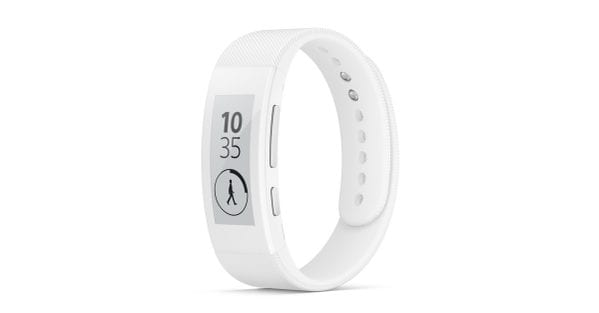
    Commuters wearing Sony SG50 SmartBands with Near Field Communication (NFC) technology will be able to make mobile payments on public transport in the future if the trial goes to plan.

    The trial involves EZ-Link, NETS and TransitLink – and the LTA says it’s part of an on-going effort to leverage technology to bring greater convenience to commuters through new, innovative and convenient ways to pay for travel.

    In addition to public transit, some 200 commuters in the trial will be able to use their SG50 SmartBand at a myriad of retail and merchant outlets including food and beverage outlets and libraries. They can also track their daily activities and sleep quality, and synchronise the measurements into their smartphones via Bluetooth for visual tracking and display.

    LTA CEO Chew Men Leong said the combination of wearable technology that enables faster, easier and more convenient transit transactions, with mobile retail payment services and lifestyle/wellness tracking, is an exciting development for commuters.

    “Insights provided by the trial will help LTA assess the performance of fare transactions using the smart band and gather feedback in assessing the potential use of wearable technology in public transit.”

    Some 200 commuters will participate in the trial which ends on February 29 next year. During the trial, participants will wear the Sony SG50 SmartBand encoded with a digital CEPAS card designed for fast, convenient and reliable contactless payments on public transit.

    The participants will only need to hold up their wrists to the fare card reader on buses and at MRT/LRT stations to pay for their journeys, making the travel experience faster and more convenient. To top-up the stored value in the band, participants simply need to place the band on the card reader of a top-up device, just as they would a transit card. For greater convenience, they can also opt to register for automatic top-up services.

    For greater mobility, participants can establish a Bluetooth connection with the Singtel mWallet app to check their band’s stored value balance and transactions while on the move. In future, the wearable may also be topped up through the app, at a later stage.

  • Apple Vietnam retailers appointed

    Apple Vietnam retailers appointed

    Official Apple Vietnam retail stores have been appointed to receive stock directly from the California-based tech giant.

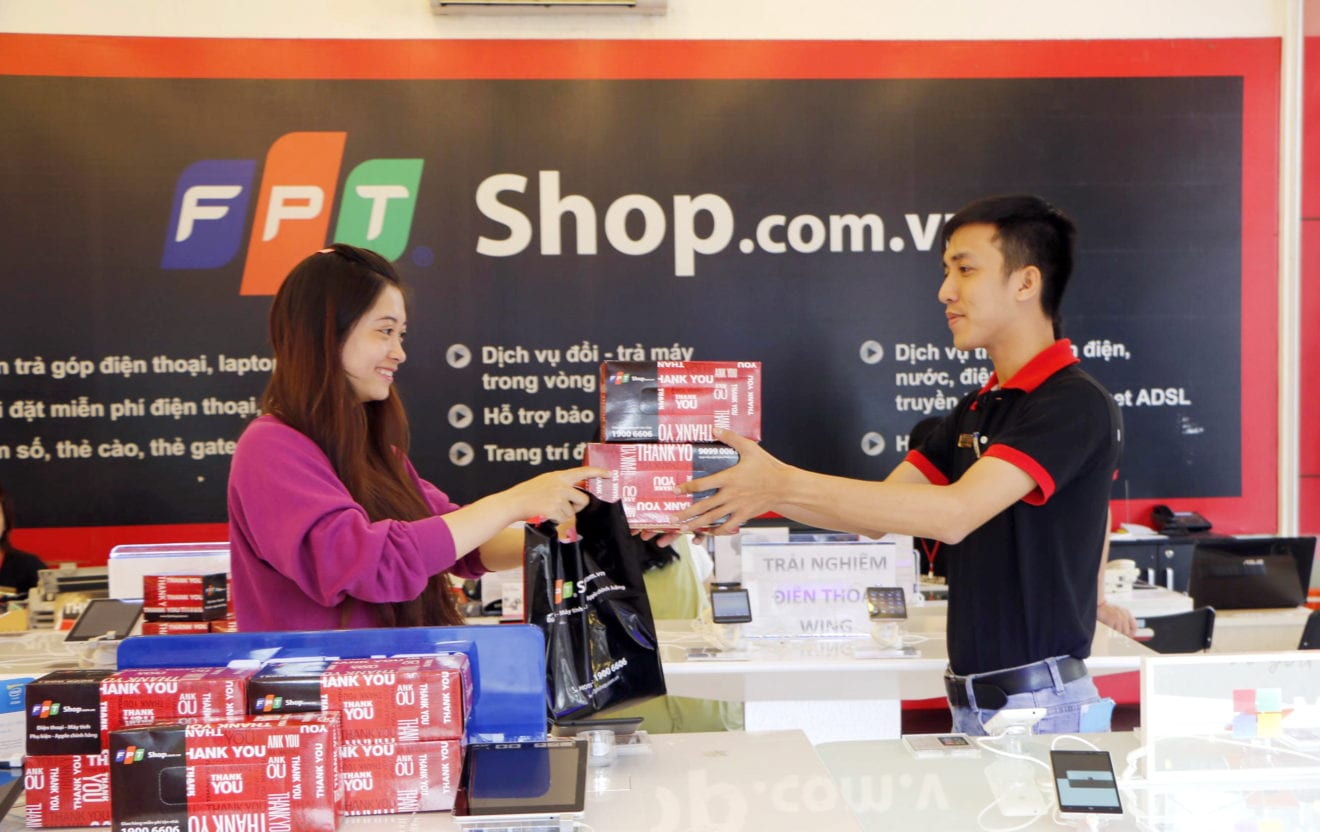
    One official retailer is FPT Shop, which currently operates retail stores in Vietnam selling Apple products imported from other Asian countries and reselling them for as much as 50 per cent more than they can be bought in Thailand, Malaysia or Singapore. FPT has 220 stores in Vietnam.

    The director general of FPT Shop, Le Bach Diep, announced at a press conference in Hanoi last week that her company would important iPhones and iPads directly from Apple. Apple Vietnam would receive new models at the same time as other ‘third ranked’ markets – assigned a lower priority than the US, Japan and China in the first group and Hong Kong, Australia and Singapore in the second.

    She says that means new model Apple products will go on sale in Vietnam sooner after overseas release than before. In return, Apple gets a specialised after sales service network.

    Meanwhile, rival chain The Gioi di Dong announced it would be sourcing Apple products direct from Apple from September – instead of having to import them through FPT Trading.

    Neither company will be allowed to supply other dealers on a wholesale basis.

  • Apple iPhone 6S to be revealed next week

    Apple iPhone 6S to be revealed next week

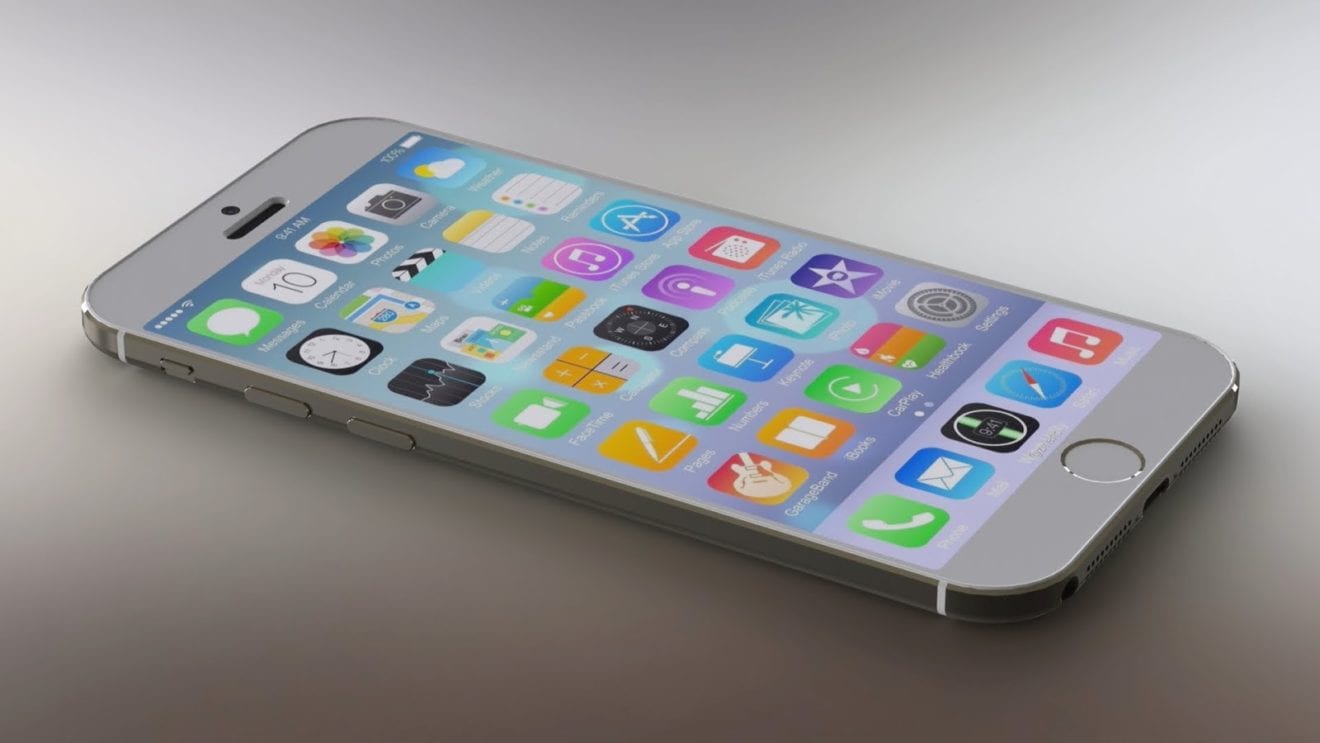
    It seems like just yesterday Apple unveiled the iPhone 6 and 6 Plus. Now, the industry has shifted focus from the iPhone 6 models to the inevitable sequels. If history is any indication, the consumers will soon follow. We expect the masses to clamor for the latest from Cupertino.

    According to Dutch site Techtastic, the iPhone 6S and 6S Plus pricing will be about the same as last year’s iPhones. Based on the site’s sources, it seems that Apple will continue to sell iPhones with 16, 64, and 128GB of storage.

    Seeing as these European prices match last year’s prices, it seems likely that the American price will not change, either. Techtastic also estimates that the new iPhones will go on sale on September 25. Of course, since Apple staggers release dates around the world, it’s possible the U.S. sale date could be the previous Friday, September 18. These are just rumors, so we’ll keep you posted on the final prices once Apple announces them.

    Seeing as these European prices match last year’s prices, it seems likely that the American price will not change, either. Techtastic also estimates that the new iPhones will go on sale on September 25. Of course, since Apple staggers release dates around the world, it’s possible the U.S. sale date could be the previous Friday, September 18. These are just rumors.

    On August 27, Apple confirmed that it will hold an event on September 9 at 10 a.m. PST in San Francisco’s Bill Graham Civic Auditorium. Obviously, it’s widely expected that the iPhone 6S and 6S Plus will launch at the event, though Apple could introduce some other products as well. The only teaser on the invite is the tagline, “Hey Siri, give us a hint!” The Siri reference could be referring to iOS 9’s new Proactive predictive feature, HomeKit controls, or both.

    Previous rumors mostly agreed that a September 9 launch date was planned. Multiple sources referred to a September 9 event, and now 9to5Mac has found some evidence that supports the launch date and hints at a possible in-store sale date for the iPhone 6S and 6S Plus. The publication’s sources state that BestBuy and Apple have agreed to sell Apple Care warranties at the retail store on September 14.

  • Xiaomi Mi 4C Retail Box Surfaces, Confirms Snapdragon 808

    Xiaomi Mi 4C Retail Box Surfaces, Confirms Snapdragon 808

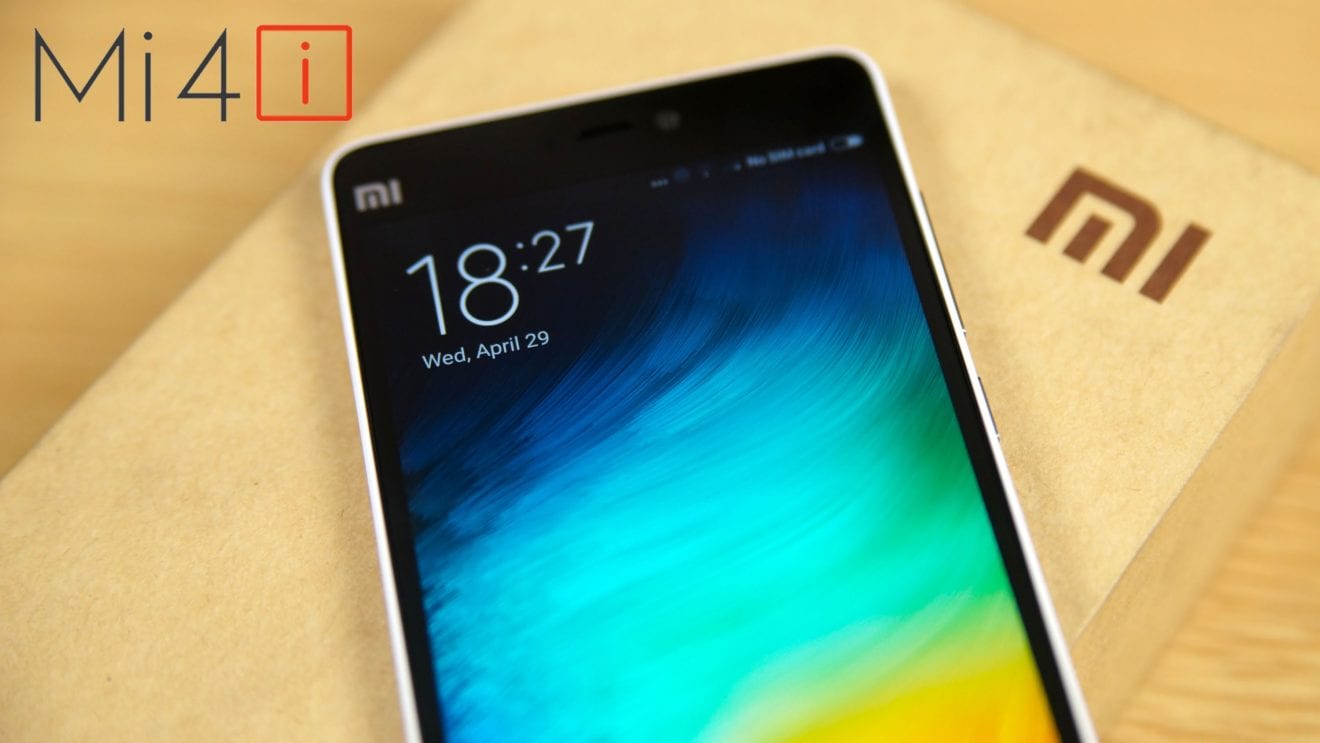
    Xiaomi was incredibly successful last year. The company managed to become China’s number one smartphone OEM and ship 61 million smartphones. Xiaomi is looking to improve upon that next year, and they’ve released a number of really compelling handsets thus far. The company has unveiled their flagship Mi Note phablets, along with a slew of other devices, like the Mi 4i for example. This is the first Xiaomi handset to make it to India before anywhere else, and it’s more than a decent mid-ranger, not to mention it’s quite affordable.

    Well, we’ve spotted another variant of Mi 4i in China recently, dubbed Mi 4C. The reports have been claiming that the ‘C’ stands for China, and the device has also surfaced on TENAA (China’s equivalent to the FCC) quite recently. The device was said to sport Qualcomm’s Snapdragon 808 64-bit hexa-core SoC, and a newly-leaked retail box of the device actually confirms that fact. If you take a look at the provided images, you’ll notice that not only the Snapdragon 808 is listed here, but some other details about the device as well. The box says that the Snapdragon 808 will be clocked at 1.8GHz, and that the device will ship with 3,000mAh battery. 4G LTE support will be on board as well, and the device will also sport the Type-C USB 3.0 port that we’ve seen on the OnePlus 2 (and a couple of other smartphones) recently.

    According to the previously-leaked AnTuTu listing of this device, this thing will be identical to its predecessor (aside from SoC, of course). The phone will sport a 5-inch 1080p (1920 x 1080) display, 2GB of RAM and 16GB of internal storage. The 13-megapixel shooter will be available on its back, and a 5-megapixel snapper will be located up front. Android 5.1.1 Lollipop will come pre-installed on this smartphone, and Xiaomi’s MIUI OS will be placed on top of it. We still don’t know which variant of MIUI will be installed though, MIUI did unveil MIUI 7 recently, but it’s still unknown if this phone will come with that version pre-installed. Either way, Xiaomi is expected to announce this handset soon, so stay tuned.

  • Vietnam leads SE Asian smartphone rush

    Vietnam leads SE Asian smartphone rush

    Vietnam is the fastest growing smartphone market in South East Asia, where sales topped $8bn in the first half of the year according to new figures.

    Data from market researcher GfK indicated that, overall, some 39.8m smartphones were sold in the region, up from 36.6m in the corresponding period of 2104.

    Sales volumes in Vietnam rose 27% in the first half of 2015 compared to the same period a year earlier to reach to total of 6m, making it the third largest smartphone market in the region, Inside Retail Asia reported.

    Thailand was the second-fastest growing market, up 13% to a total of 6.6m, a figure which also put in second place in terms of market size. The Philippines was the third fastest-growing market, up 10%.

    Indonesia, however, remains the largest market in terms of volume, with 14.9m units shifted in six months.

    Sales growth was sluggish in the mature markets of Singapore and in Malaysia, where consumers have cut back on their spending since the introduction of a general sales tax.

    GfK has also started tracking the mobile handset market in Myanmar and reported that 3m units had been sold in the first half, with most of these being smartphones (89%).

    “The availability of a wide range of lower price options nowadays have made it possible and much more affordable for price-sensitive consumers in these developing markets to switch over and own their first smartphone,” said Gerard Tan, GfK account director for technology.

    He pointed out that in the first half of 2013 just 15% of smartphones sold in the region had cost under $100, a proportion that has now climbed to 35%.

    Indonesia, he added, was the country with the most number of entry level smartphone brands and consumers in the region.

    This transformation is being almost entirely driven by Chinese brands, which now account for around 25% of the region’s market compared to 4% in 2013.

    “The perception of Chinese brands has been elevated considerably as a result of their heightened marketing campaigns and the opening up of dedicated showrooms and retail counters,” Tan said.

  • Foxconn cancels investment plan in Indonesia

    Foxconn cancels investment plan in Indonesia

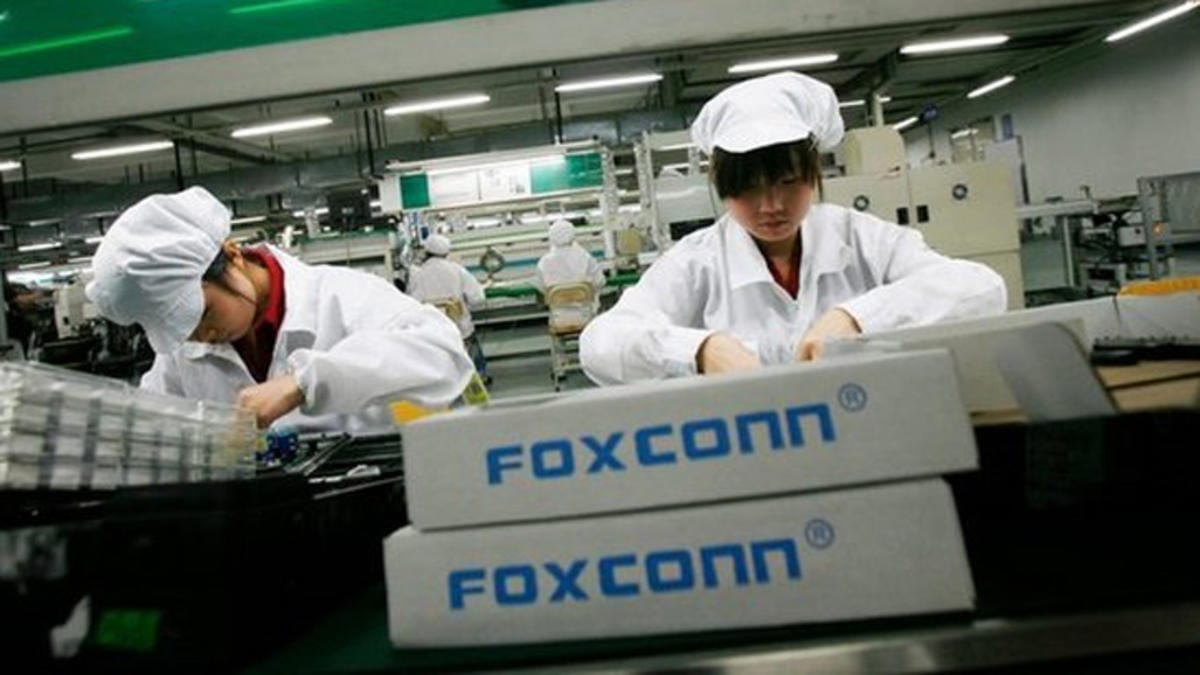
    Taiwan’s Foxconn Technology Group, the world’s biggest electronic components maker, has cancelled plans to invest in a factory in Indonesia, Kontan daily reported on Tuesday, citing the head of an Indonesian business chamber.

    Foxconn, whose flagship listed unit is Hon Hai Precision Industry Co Ltd, said last year it may invest $1 billion in Southeast Asia’s biggest economy.

    But the Apple Inc supplier had decided not to go ahead because of land issues, Indonesian Chamber of Commerce and Industry Chairman Suryo Bambang Sulisto was quoted as telling the business daily, casting doubt on the company’s broader expansion plan in Indonesia.

    Sulisto did not respond to phone calls requesting comment, while Foxconn was not immediately available to respond.

    Foxconn, which assembles products for global phone makers, is one of the companies likely to be affected by a new law due to take effect in 2017 requiring firms that sell smartphones and tablets in Indonesia to produce 40 percent of their content locally.

    Critics say the rule – part of a push by President Joko Widodo to transform Indonesia from an economy that consumes products into one that produces them – could increase costs and restrict access to technology.

    Foxconn had previously planned to invest in hardware such as phones, tablets and televisions, as well as telecommunication services in Indonesia, its spokesman told Reuters last year.

    The company had hoped to tap the domestic market of about 250 million people and use it as a base to export to the rest of Southeast Asia. But talks with authorities had stalled partly because the government was reluctant to accept Foxconn’s request for free land, sources previously said.

    Last month, Foxconn partnered with China’s Xiaomi to assemble phones in India.

  • Challenger Singapore shrugs off retail gloom

    Challenger Singapore shrugs off retail gloom

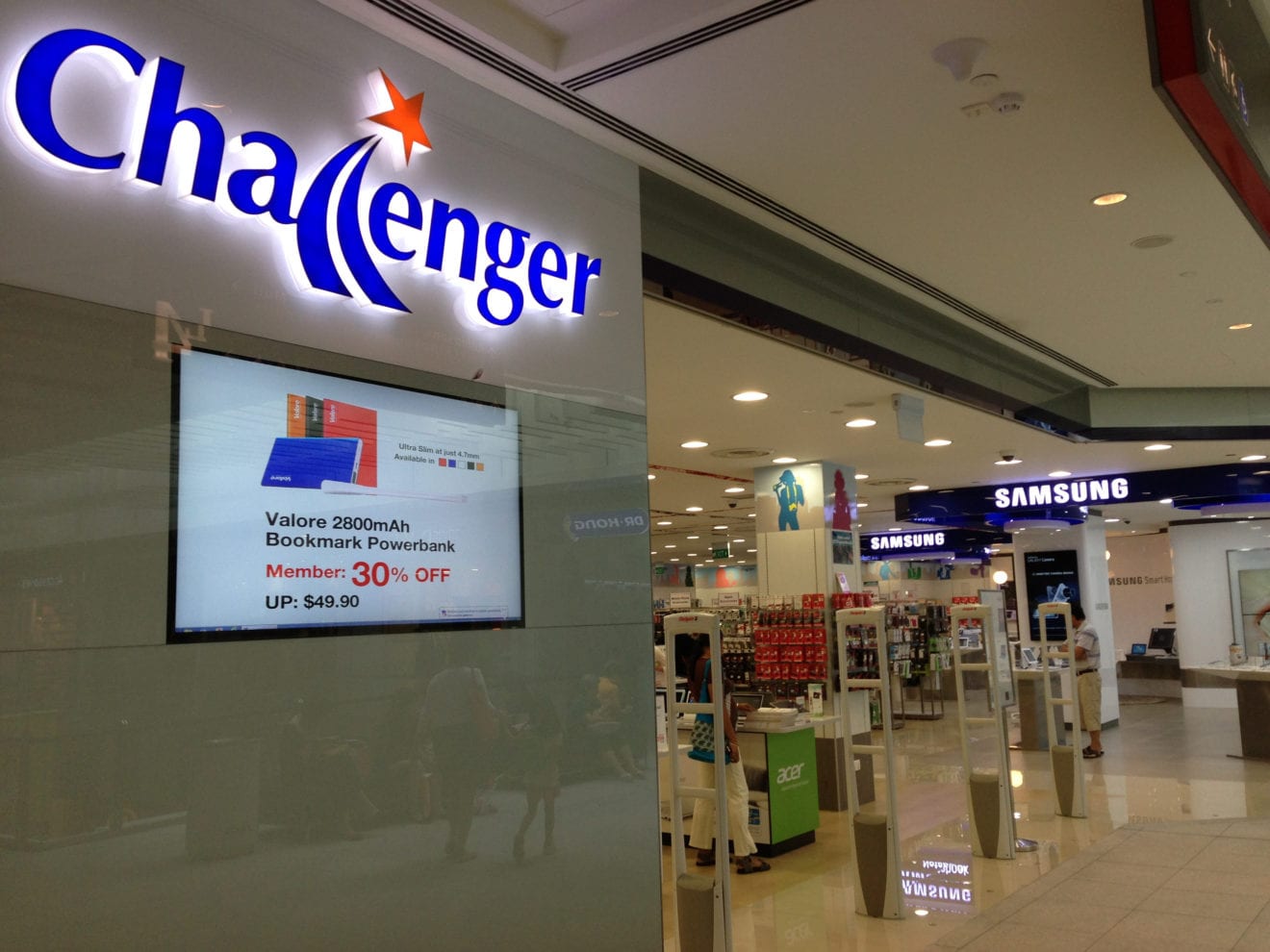
    Listed IT chain Challenger Singapore plans to open new stores this year as sales increase despite the city’s retail malaise.

    Challenger currently operates 45 stores in Singapore, a flagship megastore, 22 superstores and 22 small format stores. The company says it will continue to expand its retail footprint with three new stores planned for the second half of this year. Some stores which are not performing up to expectation will be downsized or closed when their current leases expire.

    Challenger Technologies, Singapore’s largest retailer of IT products and services, has reported a three per cent increased in second quarter sales to $84.7 million.

    It says sales were buoyed mainly by an increase in trade show activities as well as full-year operations for retail stores opened since the second half of 2014.

    These were partially offset by loss of revenue that resulting from its exit from Malaysia in the first half of last year.

    Net profit jumped 21 per cent to $3.5 million, boosted by reduced rental and operating expenses that resulted from the Malaysia exit.

    CEO Loo Leong Thye said although the company had improved its net profit, the IT retail business in Singapore continues to be challenging due to weak consumer spending power.

    “We also face higher operational costs and difficulty in hiring more staff to serve our customers to an expected level of satisfaction.”

  • LG Electronics opens Middle East stores

    LG Electronics opens Middle East stores

    South Korea’s LG Electronics is making a strong push into the Middle East, opening premium brand shops in the area.

    The company is deliberately positioning its brand at the higher end of the market to differentiate it from lower cost brands.

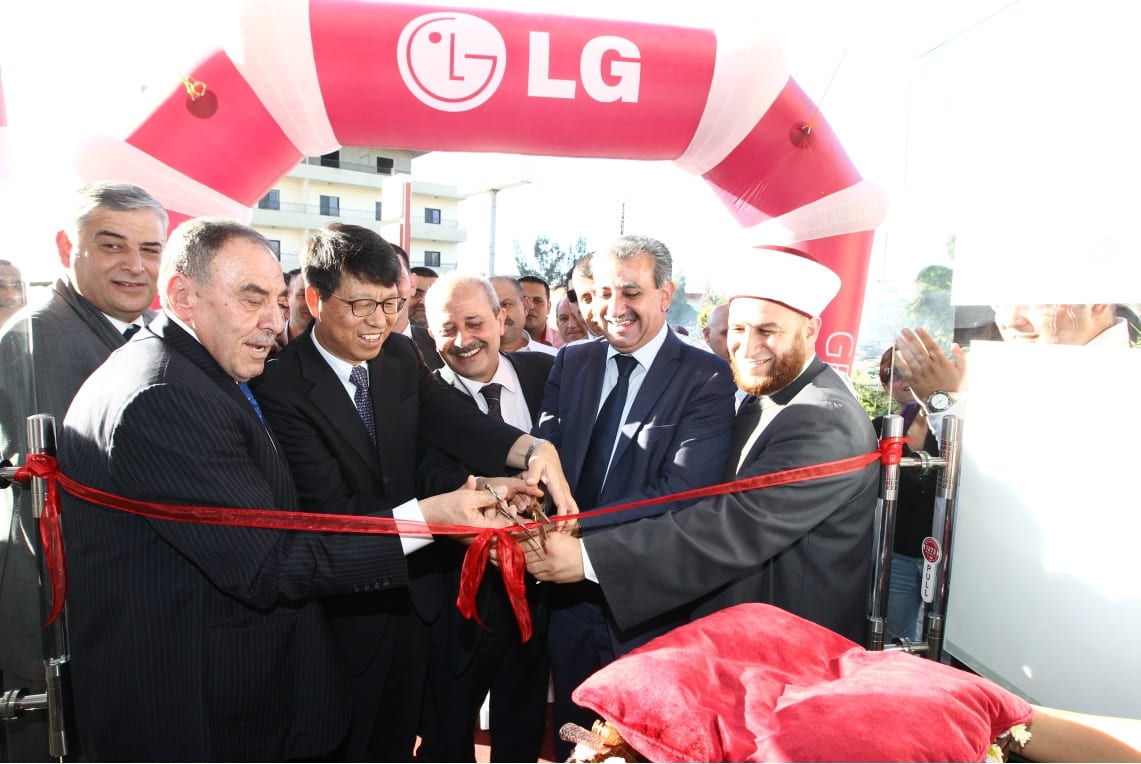
    LG says it has opened a premium brand shop in Jordan on Mecca Street, the premium home electronics business district. The shop is the third premium brand outlet to open in the region this year after Tehran in Iran and Beirut in Lebanon.

    The Jordan store is the largest of the brand’s shops in the area. The exterior of the store is made of glass, allowing potential customers to look inside. A video pillar that shows a moving image on an LED screen is set on the outside of the building.

    The latest premium products from LG electronics, such as a 65-inch ultra all-red TV, 105-inch curved surface ultra HD TV, double magic space refrigerator, and premium smartphones are exhibited. Consumers can actually use the devices and learn about their features in the convenience room.

    LG Electronics is planning to expand its premium brand shops to other major countries in Africa and the Middle East.

    “We will strengthen our leadership in the premium market through the premium brand shops that maximise convenience in living,” a company spokesman said.

  • Alibaba spends $4.6-billion on Chinese electronics retailer Suning

    Alibaba spends $4.6-billion on Chinese electronics retailer Suning

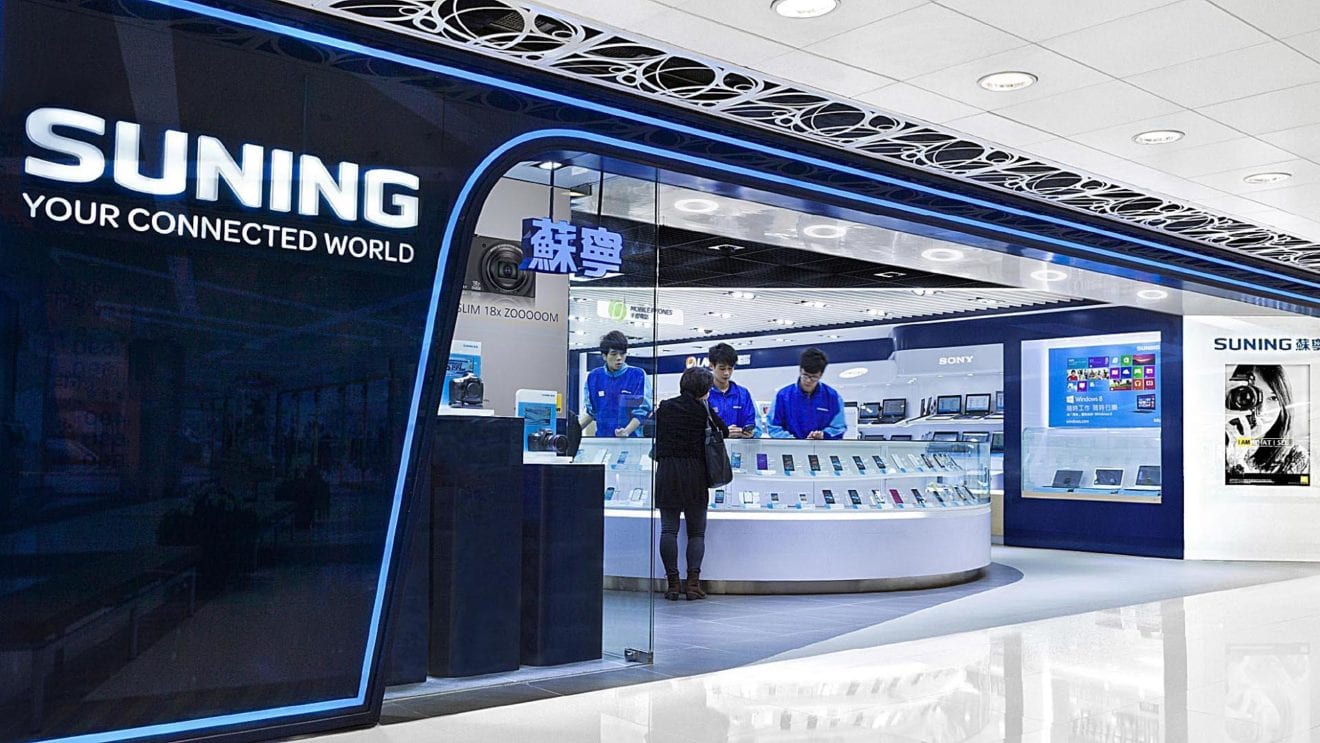
    Alibaba Group Holding Ltd. will spend 28.3 billion yuan ($4.6-billion) for a stake in Suning Commerce Group Ltd. as China’s biggest e-commerce operator adds a network of electronics stores in its biggest deal ever.

    Alibaba will buy a 19.99 per cent stake in Suning, which in turn will spend as much as 14 billion yuan for shares in the e– commerce company, according to a Business Wire statement on Monday. The companies will partner in logistics and online sales to target deliveries as fast as two hours.

    Alibaba Chairman Jack Ma is beefing up his retail presence after a 24 per cent drop in the company’s market value this year, bolstering the appeal of e-commerce operations facing slowing growth in China. Adding Suning to a partnership with department store operator Intime Retail Group Co. helps Alibaba compete with JD.com Inc., which specializes in selling electronics and has surged in New York trading this year.

    “Suning has one of the largest physical networks for selling appliances and that would help Alibaba’s location-based services,” said John Choi, an analyst at Daiwa Securities Group Inc. in Hong Kong. “Alibaba is becoming much more involved in offline retail through investments.”

    Alibaba’s American depositary receipts gained about 1 per cent to $79.62 at 9:45 a.m. in New York on Monday. The stock has declined about 23 per cent this year.

    Suning has more than 1,600 outlets in about 290 cities in China selling appliances, books and baby products. Alibaba will become the second-largest investor in the Nanjing-based retailer, trailing only Chairman Zhang Jindong.

    Logistics Partnership

    Alibaba is paying 15.23 yuan a share for the stake, which is about 10 per cent more than Suning’s closing price on July 31, its last day of trading before being halted. Shares are up 53 per cent this year.

    “We’re going to be able to leverage on Suning’s physical infrastructure,” Alibaba Vice Chairman Joseph Tsai said during a conference call.

    The companies will link their customer databases so they can tailor services such as in-store mobile payments, Chief Executive Officer Daniel Zhang said.

    The acquisition is Alibaba’s biggest-ever, excluding a $7.1-billion share buyback in 2012 from Yahoo! Inc.

    Alibaba has quickened the pace of its deals this year as its share price plummets in New York trading. Since January, Alibaba has announced 22 deals at a total value of $9.1-billion, compared with 25 deals all of last year at a value of $5.9-billion.

    The Suning partnership will help Alibaba expand in an electronics and appliance retail market forecast to grow 23 per cent to 1.1 trillion yuan by 2018, according to researcher Euromonitor.

    Ground Teams

    Suning will partner with Alibaba’s Cainiao logistics affiliate, enabling the companies to cover almost all of the 2,800 counties and districts in China.

    “Retail e-commerce also needs the ground teams to serve its customers, especially for the electronics appliances,” said Ray Zhao, an analyst at Guotai Junan Securities Co. “It’s difficult for e-commerce players to acquire more good logistics land.”

    Suning’s No. 1 rival, Gome Electrical Appliances Holding Ltd., has taken a different direction in its strategy. Two weeks ago, the Beijing-based company signed a deal to buy a company owned by jailed founder Huang Guangyu for HK$11.3-billion ($1.5-billion). That would help it increase the number of outlets by 50 per cent to 1,714 in 436 cities, exceeding those owned by Suning.

    Alibaba is scheduled to report fiscal first-quarter earnings on Wednesday.

  • Apple, Inc.’s Retail Push Into India Is Under Way

    Apple, Inc.’s Retail Push Into India Is Under Way

    Much of the attention surrounding Apple‘s iPhone is focused on the company’s two most important markets: the U.S. and China. And rightly so — Apple brings in the most revenue from its U.S. sales, while China is the company’s largest smartphone market.

    But mobile device makers are focusing their attention on India’s fast-growing mobile market as well. And if new information about Apple proves true, the iPhone maker is in the midst of establishing a bigger retail presence there as India moves toward becoming the second-largest smartphone market in the world.

    What Apple’s doing
    According to information from NDTV Gadgets, Apple has selected about 100 new reseller retail locations in India, with the goal of adding 500.

    The stores aren’t owned by Apple, but they will sell the company’s mobile devices — part of a larger Authorized Mobility Resellers (AMR) program Apple has set up in the country. So far, 12 cities have reportedly been selected for the AMR program, and individual resellers are still being selected based on their past Apple product sales numbers.

    Why expand further into India?
    It’s no secret that India is quickly becoming a major market for smartphone makers, and Apple is likely trying to position itself to benefit from the country’s trends.

    According to Strategy Analytics, India will become the second largest smartphone market in the world in the next two years. China will continue leading the way, while the U.S. will be pushed down to the No. 3 spot.

    Earlier this month, Strategy Analytics’ Linda Sui said that China’s smartphone growth is slowing a bit and India is “fast becoming the next major growth wave.” That growth is fueled by the country’s low smartphone penetration and a burgeoning middle class. According to research by McKinsey, India’s middle class will expand from about 50 million people right now to 583 million by 2025, which will encompass 41% of the population.

    Apple’s big hurdle
    With its new reseller locations, Apple will be poised to capitalize on India’s projected smartphone growth. But there’s one thing the company has to look out for: local vendors and low selling prices.

    Indian device makers, particularly Micromax, are producing smartphones with good specifications for much lower prices than Apple. The NDTV Gadgets article notes that Apple may allow the reseller stores to sell devices below the official retail prices. We’ll have to wait and see if Apple actually goes through with that, or how deep the discounts are.

    Just as it did in China, Apple will have to balance its premium brand persona with the fact that many smartphone users won’t be able to afford an iPhone for a while. The average selling price of an iPhone is $660, while Micromax sells phones ranging from $50 to $300. And other non-Indian device makers, like China-based Xiaomi, sell devices in the country for about $100.

    Moving forward
    Even if these 500 resellers pan out, it’ll likely take a while (think a few years, rather than months) for Apple to be a major smartphone player in India. Right now, the company has just 2% market share in the country.

    Apple is playing the long game in India, just as it has in China. The company faced some of the same hurdles in China that it will confront in India, yet China has become Apple’s most important smartphone market, and is quickly becoming one of its largest revenue markets as well. If things play out similarly in India, Apple’s small moves right now could pay off in big ways in a few years.

    The next billion-dollar Apple secret
    Apple forgot to show you something at its recent event, but a few Wall Street analysts and the Fool didn’t miss a beat: There’s a small company that’s powering Apple’s brand-new gadgets and the coming revolution in technology. And its stock price has nearly unlimited room to run for early-in-the-know investors!

  • Samsung Galaxy Tab S2 to Hit Hong Kong Next Week

    Samsung Galaxy Tab S2 to Hit Hong Kong Next Week

    Last week, Samsung introduced its latest Galaxy Tab S tablets line up which is already up for pre-orders in some regions across the globe.

    If you’re based in Hong Kong waiting for the new tablet, you be glad to find out it will hit retail in the region next week.

    The Samsung Galaxy Tab S2 will be available in both WiFi and LTE configurations. The 9.7-inch WiFi variant is priced at HKD3,888 ($500), while the 8-inch model carries a slightly lower HKD3,088 ($400). The tablets will be available in both white and black color options, and will hit retail shelves in Hong Kong on August 4th. A gold color option for both tablets will also hit retail in mid-August.

    Users looking for LTE connectivity will have to shell out even more money as the 9.7-inch LTE Galaxy Tab S2 costs HKD4,888 ($630). On the other hand, the smaller 8-inch LTE model comes with a HKD4,088 ($527) price tag. Both LTE variants will hit retail in mid-August with the gold color option hitting retail sometime at the end of August.

    The tablets also comes with a number of goodies, including two-year free 100GB OneDrive storage, a coupon code from Expedia, free download of 1 book per month from Kindle and a little more.


  • Cellphone makers switch to budget handsets after law change

    Cellphone makers switch to budget handsets after law change

    South Korea’s mobile phone makers are breaking away from their premium-oriented smartphone lineups to churn out cheaper phones as consumers are more price-conscious due to tougher subsidy rules, industry watchers said Wednesday.

    Samsung Electronics Co. recently rolled out its latest mid-end phone, the Galaxy A8, at an about 20 percent discounted price compared with the flagship Galaxy S6, and the budget phone Galaxy J5 for less than 300,000 won (US$259).

    It also started selling the Galaxy Folder, with a price tag similar to the J5 model, which is designed to woo older generations, who need fewer features.

    Samsung’s move came after the Galaxy Grand Max, a low-end model that was released in January, became a smash hit in Korea, with 700,000 units sold so far, watchers said.

    LG Electronics Inc., Samsung’s smaller rival, has also been bolstering its budget phone lineup, unveiling five new models this year, including the LG Volt, the G style and the LG Bello II.

    Industry watchers said such a shift in their lineup strategy is attributable to the enactment of a new law in October last year, which caps the phone subsidies that mobile carriers can provide to retail stores at 330,000 won.

    Although the law was revised to restrict excessive incentives that had led to cutthroat competition, it has prompted consumers to look for cheaper phones because of the reduced subsidies.

    As part of a bid to diversify portfolios, SK Telecom Co., the top mobile carrier in the country, is apparently mulling launching a cellphone rental service in a joint project with its information technology service unit.

    If the rental business kicks off in Korea in fall as widely forecast, it will bring a significant change in the market landscape as it will be an unprecedented move and affect other rivals, market watchers said.

    Skeptics, however, played down its growth potential because the device has more personal elements like banking details and photos compared with other common rental products.

  • Fake iPhone maker shut down

    Fake iPhone maker shut down

    A Chinese manufacturer of fake iPhones has been shut down after authorities learned it had produced a stunning 41,000 handsets.

    Nine people have been arrested including the husband and wife couple behind the venture,

    reportedly aged in their early 40s.

    The factory was raided after a tipoff from US officials which had seized some of the fake iPhones after they had been landed in America.

    So sophisticated was the operation that many of the workers at the plant genuinely believed they were making the real thing.

    The factory, located on the northern edge of Beijing, was actually discovered and raided back in May, but the event was only revealed by Chinese authorities over the weekend.

    According to the BBC, “hundreds” of staff were employed in the ruse, which included repackaging used smartphone parts in new iPhone cases.

    It took just four months for the company to make 41,000 phones, all of which were exported, with sales topping US$19 million. By our calculations, that values each fake iPhone at US$463.

    All of which rather makes Hong Kong Customs’ weekend seizure of 88 smartphones being smuggled across the border into the Mainland pale into insignificance. Photos suggest those phones were iPhones, although likely to be gray imports.