Category: Electronics

Retail News Asia is committed to providing both local and global retailers with the latest Electronics news throughout the Asian market. This on a daily base.

  • Apple IPhone 6s, IPhone 6s Plus To Be Available At Retail Stores From Friday

    Apple IPhone 6s, IPhone 6s Plus To Be Available At Retail Stores From Friday

    Apple Inc. said Monday that its latest smartphones, the iPhone 6s and iPhone 6s Plus, will be available at the technology giant’s retail stores at 8 a.m. local time on Friday, September 25.

    The company also noted that more than 50 percent of existing devices have upgraded to iOS 9, its newest mobile operating software that was rolled out last week, marking the fastest iOS adoption ever.

    Apple said its retail stores will have the new iPhones available for walk-in customers, who should arrive at a store early. Both models will also be available on Friday from AT&T Inc. ( T ), Sprint Corp. ( S ), T-Mobile US Inc. ( TMUS ), Verizon Wireless, additional carriers and select Apple authorized resellers.

    Philip Schiller, Apple’s senior vice president of Worldwide Marketing said, “Customer response to the iPhone 6s and iPhone 6s Plus has been incredibly positive, we can’t wait to get our most advanced iPhones ever into customers’ hands starting this Friday. iOS 9 is also off to an amazing start, on pace to be downloaded by more users than any other software release in Apple’s history.”

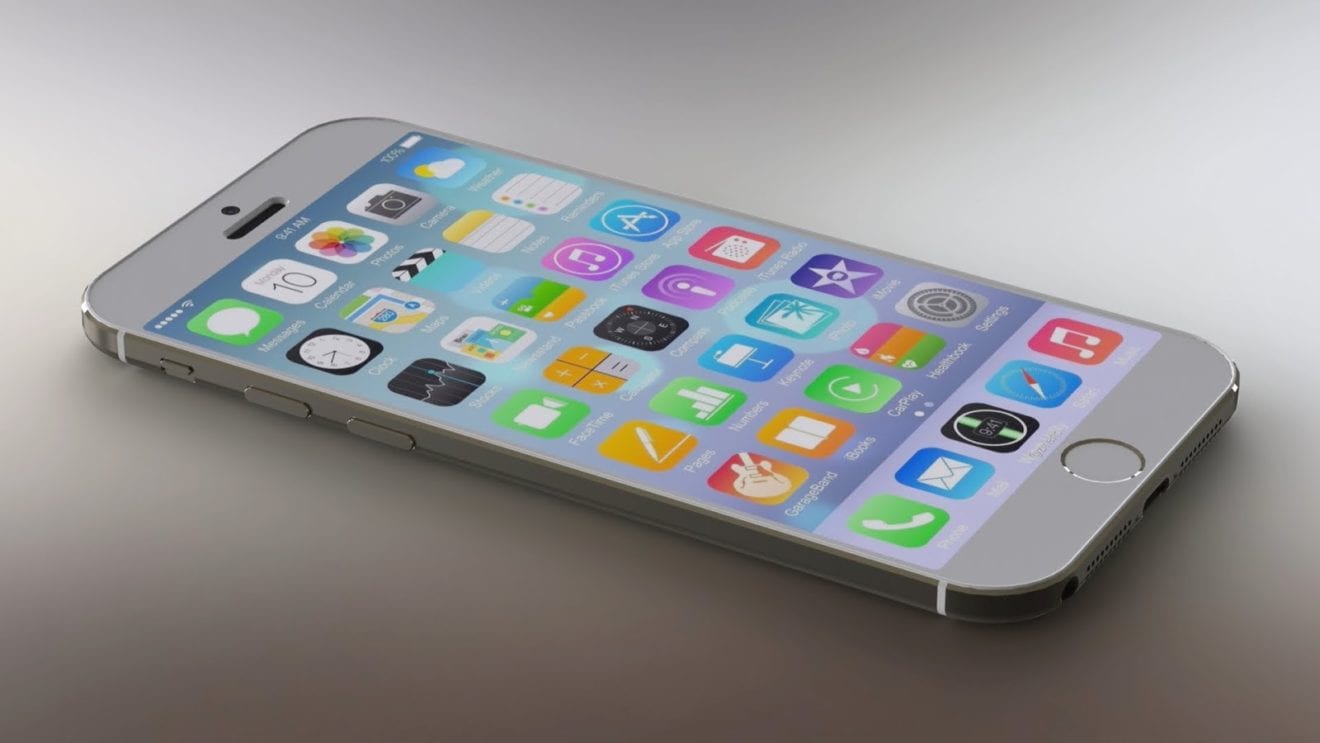
    In early September, Apple unveiled its iPhone 6s and iPhone 6s Plus smartphones with a faster processor, new 3D Touch capabilities and an improved camera, seeking to woo customers ahead of the holiday season and to assuage investors that its flagship device still has the mojo to sustain growth.

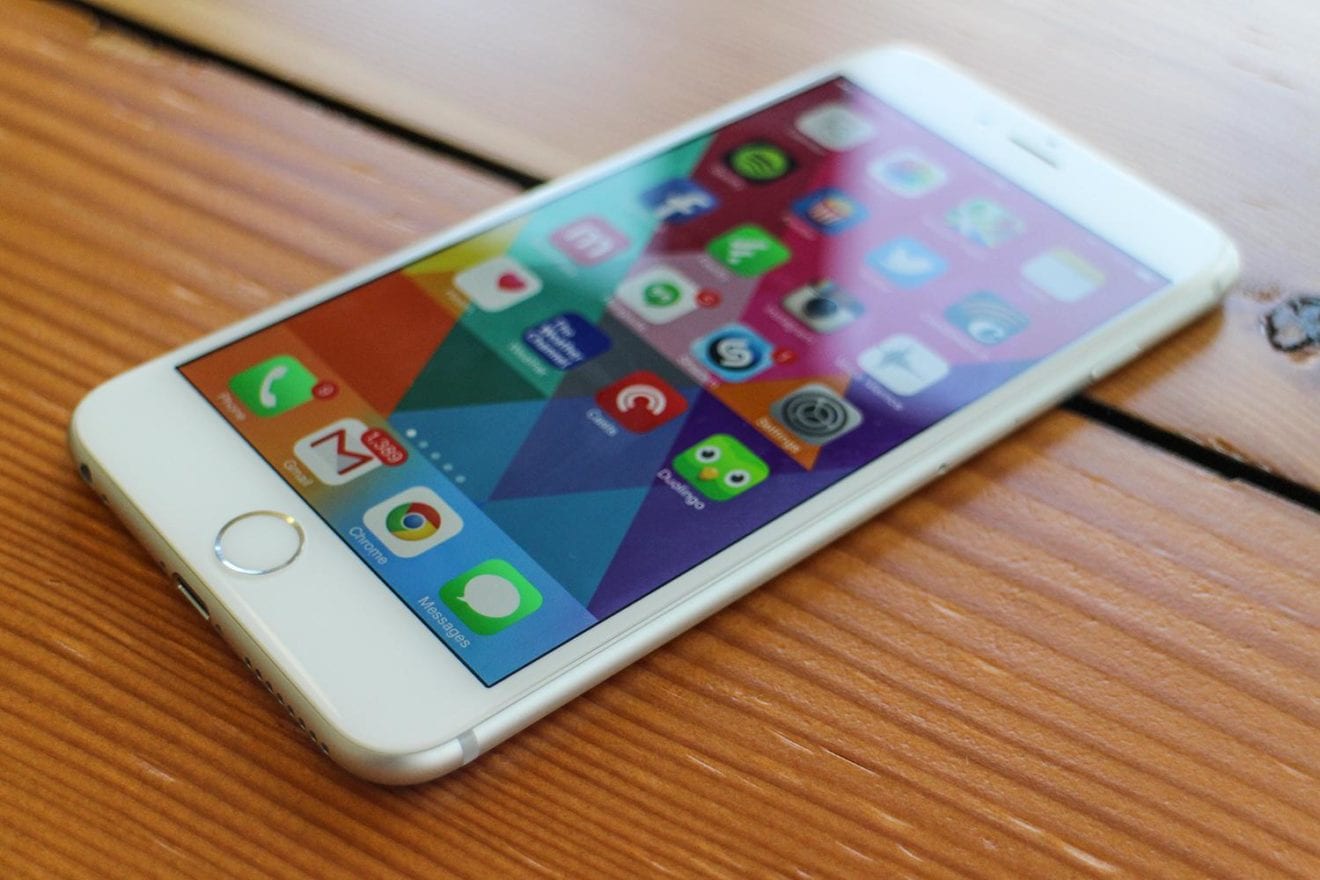
    The phones, which look like their predecessors, are powered by A9 chip, have a new feature called 3D Touch that lets users make commands as well as avail shortcuts and menus by pressing down on the screen.

    Last Monday, Apple said it is on track to beat last year’s record for first weekend sales of iPhone 6 and 6 Plus, when sales breached the 10 million mark within just three days of its sales launch on September 19, 2014.

    The iPhone 6s and iPhone 6s Plus will be available in gold, silver, space gray and the new rose gold metallic finishes for $0 down, with 24 monthly installment payments that start at $27 and $31 respectively, from Apple’s retail stores in the U.S., Apple.com, select carriers and Apple authorized resellers.

    Both the smartphone models will also be available from Friday in Australia, Canada, China, France, Germany, Hong Kong, Japan, New Zealand, Puerto Rico, Singapore, the UK and the U.S. The iPhone will be available by reservation only in China, Hong Kong, Japan and U.S. stores in tax-free states.

    Starting this Saturday, September 26, customers will be able to visit Apple.com to reserve their iPhone for pick-up at their local Apple Store, based on availability. Apple noted that most Apple stores will also have iPhone available for walk-in customers each day.

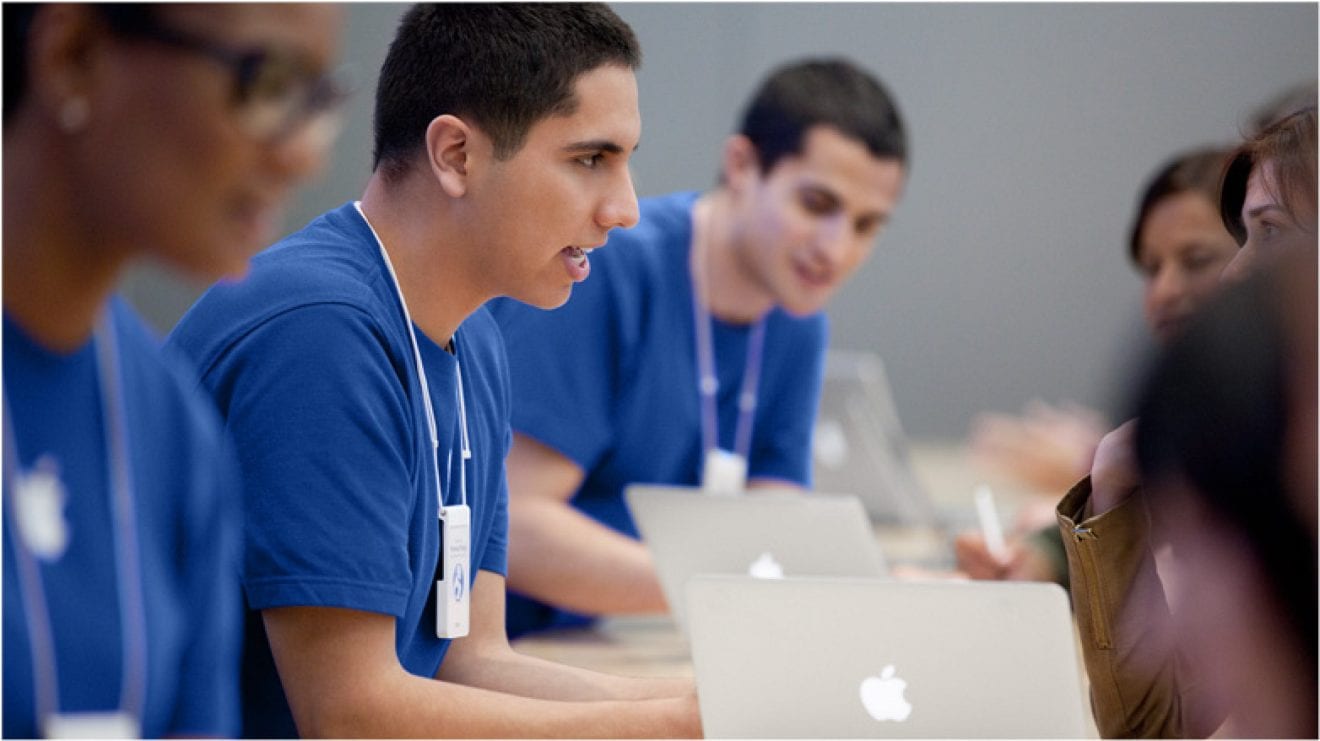
    Every customer who buys an iPhone 6s or iPhone 6s Plus at an Apple retail store will be offered free Personal Setup to help them customize their iPhone by setting up email and show them new apps from the App Store.

    Apple-designed accessories, such as leather and silicone cases in different colors and Lightning Docks in color-matched metallic finishes, will also be available.

    While unveiling the iPhone 6s and iPhone 6s Plus earlier in September, Apple had said that the devices will come with iOS 9, which would be available as a free software update.

    iOS 9 brings more features to iPhone with a Proactive assistant that is similar to Android’s Google Now service, powerful search and improved Siri features, along with an improved security feature.

    Built-in apps on iOS 9 feature redesigned Notes app, detailed transit information in Maps, and a new News app that displays news from several sources.

    AAPL is trading at $114.33, up $0.88 or 0.78 on a volume of 4.44 million shares.


  • Nojima commences Vietnam rollout

    Nojima commences Vietnam rollout

    Japanese consumer electronics retailer Nojima is about to commence its store rollout program in Vietnam, following its acquisition of an additional  21 per cent of local chain Tran Anh Digital Worldlast June.

    The first of the new stores will carry both retailer’s brands when it opens in October inside the new Aeon shopping centre, currently under completion on the outskirts of the capital city Hanoi.

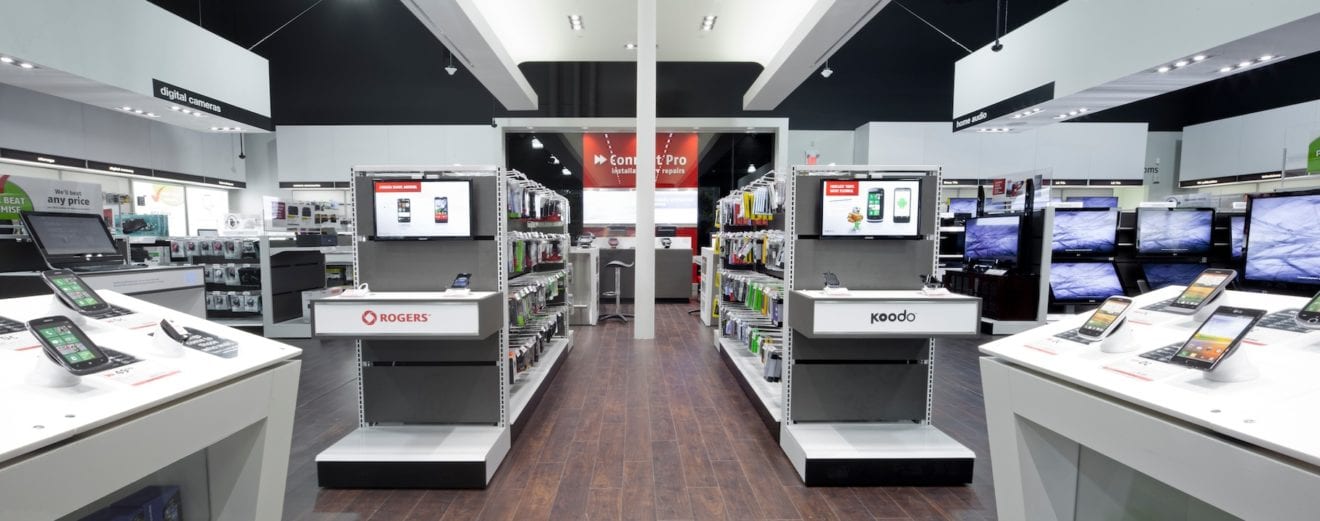
    Like the Nojima stores in Japan, the Hanoi shop will feature wide aisles and LED lighting, and stock a range of Japanese brand appliances. It will also stock Nojima’s house brand Elsonic.

    Tran Anh is based in Hanoi and has 15 stores in the northern regions of Vietnam. It is on track to open as many as nine more stores this year.

    Research house GfK reports home electronics sales in Vietnam exceeded US$5.5 billion last year, the second year in a row growth in the category has exceeded 20 per cent year on year.

    Nojima had held 10 per cent of the shares in Tran Anh before June and now owns about 31 per cent of the business.

  • Apple retailer iBox to focus on regional markets

    Apple retailer iBox to focus on regional markets

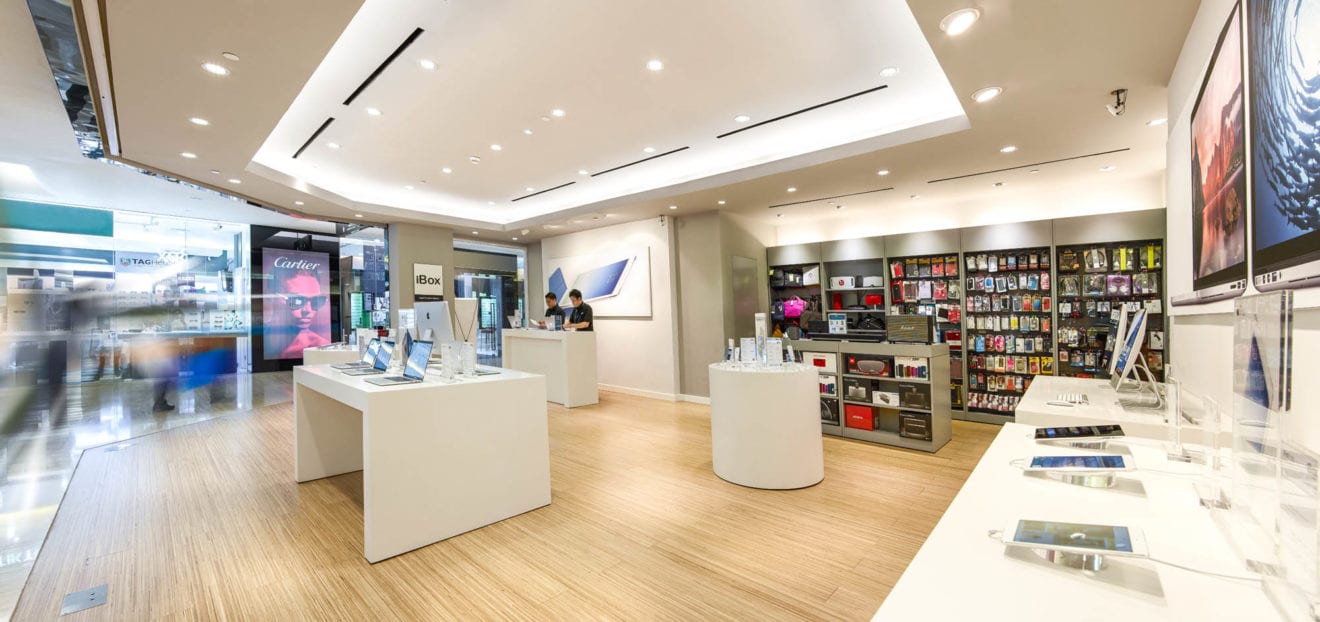
    iBox, one of Indonesia’s largest resellers of Apple products, plans to open six more retail stores by the end of 2015, mostly focusing on regional areas that are potential markets for Apple products.

    Cities on the retailer’s sights include Yogyakarta, Balikpapan and Manado, showing its effort to try and capture markets outside of major cities, particularly in Java.

    Herman Wong, director of iBox in Indonesia, elaborated that the retailer would increase the number of its nationwide retail stores to 48, from the current number of 42 to extend its reach within regional markets.

    He described the relative market for Apple products in Indonesia as still very segmented within the upper middle- to high-income bracket demographic, adding that a lack of proper awareness on the usage and capabilities of Apple’s hardware and software is what kept the giant US brand from settling in that segment.

    “For upper middle-income people in regional cities, their purchasing power would be slightly better than those of larger cities due to the lower costs of living and of goods in general,” he told on Tuesday.

    Herman also said that because Apple’s principal products, such as the iPhone and the iPad, were majorly based on data and Internet usage, and with many parts of Indonesia lacking adequate data infrastructure, Apple’ s national penetration remained very minimal.

    “Many Apple users in Indonesia are still concentrated within Java, particularly in major cities, where data infrastructure is more developed than in other areas. One way to expand awareness about Apple products is to also open training centers and provide training sessions on how to use the software and hardware,” he added.

    iBox distributes up to 40 to 45 percent of all Apple products in Indonesia. PT Data Citra Mandiri, a subsidiary of publicly listed cellphone distributor PT Erajaya Swasembada, is responsible for operating and supplying iBox stores.

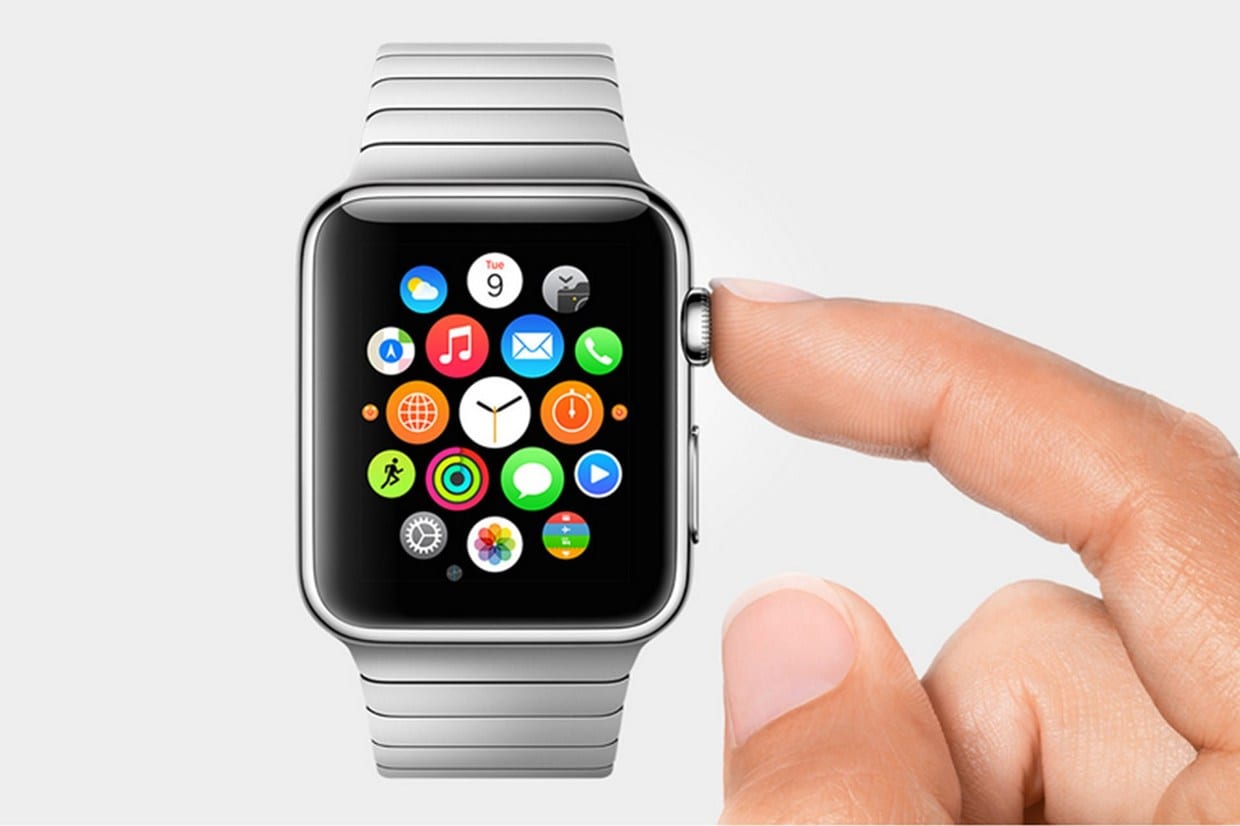
    Regarding the availability of newer Apple products in Indonesia, Herman mentioned that the Apple Watch smartwatch, which was released in April, may be available in iBox stores by December. However, he could not confirm the release dates for the recently announced iPad Pro or iPhone 6S.

    Erajaya Swasembada marketing and communications manager Djatmiko Wardoyo said the strong US dollar and weak domestic economic conditions had not significantly impacted sales owing to the fact that the market for Apple products remained segmented into the upper middle- to higher-income bracket buying for the “brand” value.

  • Apple Begins Hiring for Flagship Chinese Retail Store in Macau

    Apple Begins Hiring for Flagship Chinese Retail Store in Macau

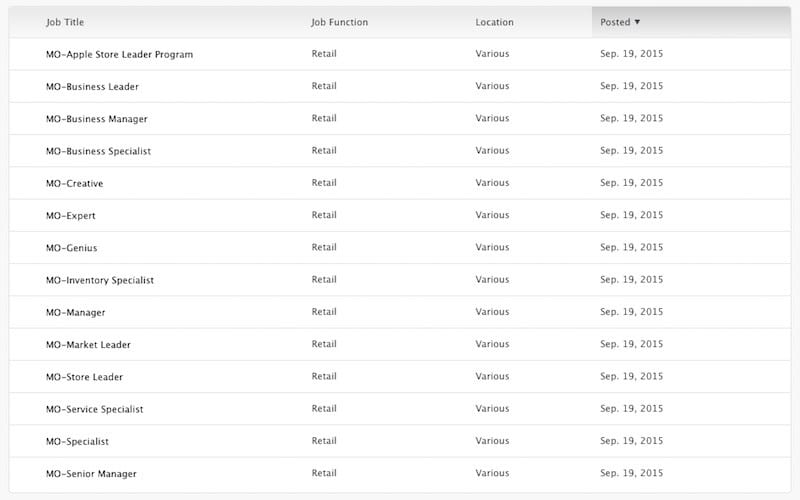
    Apple has posted several job listings for an upcoming retail store in Macau, a Special Administrative Region of China. The store is looking to fill Specialist, Creative, Genius, Store Leader and Manager positions, in addition to hiring for the Apple Store Leader Program and multiple business-related positions.

    Chinese-language newspaper Macao Daily reported in June that Apple is planning to open a flagship store in Macau, which is located across from Hong Kong, but the news went largely uncovered by mainstream media. At the time, the report claimed that Apple had not finalized a location for the upcoming store.

    Apple-Store-Macau
    Apple celebrated the grand opening of its Apple Store in Brussels today, while two new Apple Stores also open in Nanjing, China and Florence, Italy today and September 26 respectively. Apple now operates over 460 retail stores worldwide.

  • Fortress Hong Kong flagship opens

    Fortress Hong Kong flagship opens

    Electronics chain Fortress has opened a 10,000 sqft flagship at Times Square.

    The AS Watson Group subsidiary, sells mobile phones and consumer electronics across Hong Kong and Macau. Its new Times Square store is spread over two floors – eight and nine – and split into themed areas.

    Fortress Times Square Hong Kong2

    A dedicated home theatre and TV zone is dominant and there is an area dedicated to demonstrating 3D printing technologies.

    There is also a dedicated Apple space.

    Fortress Times Square Hong Kong1

    Another unique feature of this Fortress Hong Kong store is a cafe serving fresh coffee and offering free WiFi.

    The store was opened by Hong Kong actor and singer Andy Hui.

    It’s been likened to “a digital theme park”.

  • Apple underwhelms with ‘catch-up’ iPhone 6

    Apple underwhelms with ‘catch-up’ iPhone 6

    Apple CEO Tim Cook said the new iPhone 6 models unveiled overnight might look the same, but the difference is under the cover.

    He’ll be hoping Apple fans take the hint – because on the face of it, the new model released is underwhelming. There was none of the groundbreaking innovation of previous model launches, such as the introduction of Siri, the virtual assistant you can talk to, or anything especially visual, such as new look screens or shape design.

    The new model – as widely predicted – includes a multi-touch interface which senses the pressure with which it is being touched to create different responses.

    The phones feature Retina displays covered in the “strongest glass on any smartphone” and a new generation aluminium case using “the same alloy used in the aerospace industry” and in different colours, which now include rose gold.

    The camera has been “upgraded” to 12 megapixels, which is still a specification considerably less than handsets from rival manufacturers which sell for a fraction of the cost of an iPhone.

    Inside the case is a new “Apple-designed A9 chip described as “the most advanced chip ever in a smartphone, delivering faster performance and great battery life”.

    “The only thing that has changed with iPhone 6s and iPhone 6s Plus is everything — 3D Touch lets users interact with iPhone in entirely new and fun ways, and the innovative Live Photos brings your pictures to life,” said Philip Schiller, Apple’s senior VP of worldwide marketing. “These are the most advanced iPhones ever, with 7000 series aluminum, ion-strengthened glass, the new 64-bit A9 chip, 12-megapixel iSight and 5-megapixel FaceTime HD cameras, faster Touch ID, LTE and Wi-Fi. Customers are going to love them.”

    We’ll await the verdicts from reviewers in coming weeks. In the meantime, the superficial statistics, such as camera and processor, appear very much to be catching up to rival handsets like the latest Samsung Galaxy and HTC One models – rather than a leapfrog in technology or performance.

    In Asia-Pacific, the new models will be available in Australia, China, Hong Kong, Japan, New Zealand and Singapore from September 25.

  • Future fashion: Clothes which think

    Future fashion: Clothes which think

    Clothes which change shape; change temperature – and even colour. Welcome to future fashion.

    To celebrate the launch of its new smartwatch, Huawei Consumer Business Group has teamed up with ‘fashion futurologist’ and professor of fashion and technology, Dr Sabine Seymour, to reveal how the integration of technology will transform our wardrobe in the coming decades.

    According Seymour, the transformation in garments will start with our underwear, which will have in-built sensors to track personal data, such as heart rate and body temperature.

    The changes won’t end there, with personalisation in every aspect of our wardrobes. In years to come, we will be able to change the pattern, colour and even the shape and style of our garments.

    “The next development for wearables is going to see technology integrated seamlessly into clothing,” Seymour predicts.

    Her vision of the future of fashion with technology aligns perfectly with Huawei’s point of view on wearables: The Huawei watch embodies this vision, combining classic design with smart technology.

    In the future, we may find there is much more space in our wardrobes, as garments will be able to alter in form, extending and contracting in length, and changing shape and design as required. Therefore, there may only be a need for one dress or shirt and the wearer will be able to download the latest designs.

    Getting hot on public transport or carrying a spare sweater in case of colder weather could also become a thing of the past, as garments will be able to adjust to your body temperature.

    With the rise of 3D printing techniques and on-demand manufacturing, we will see the introduction of the digital cobbler, who can create shoes that fit your feet perfectly, and for the rest of your life.

    Garments will become gesture and touch-sensitive, just like phones, tablets or gaming systems are today, but with a sense of style and a true design aesthetic, explains Seymour.

    Fashion_embracing_technology__-_all_features

    “By connecting your garments to other elements of your life, we will see a move from networked devices to networked people and networked spaces. In future, it will be possible for smart garments to connect to your car, which will adjust your seat according to personal preferences.”

    A major barrier to the networked self is the current limitation of battery life. Using alternative energy sources, such as capturing the kinetic energy of a person as they walk, we will be able to create a new form of sustainable fashion.

  • Apple To Launch Retail Stores In China, Italy And Belgium By September End

    Apple To Launch Retail Stores In China, Italy And Belgium By September End

    Apple Inc.  announced that by September end, it will open two new stores in Italy and China. The announcement was made on September 9, at its long-awaited annual event in San Francisco, where it also launched a range of its new products.

    According to the company, the Chinese outlet in Nanjing will launch on September 19, while the Florence outlet will debut on September 26; both stores will open at 10 AM. Moreover, Apple unofficially confirmed its plans to launch a new store in Brussels on September 19, which would the company’s first-ever retail store in Belgium.

    The Brussels branch will be located at Avenue de la Toison d’O, the Florence outlet at Republic Square, and Nanjing outlet at Rainbow Joy Shopping Mall. Currently, the Belgium branch sports a board that states: “Creativity, to be continued,” with paintings surrounding the barricade.

    It is evident that Apple’s plan to open three new stores in different countries will help the company expand its product line to a wider customer base. With the event’s worldwide coverage, Apple’s efforts to attract a larger audience may prove successful.

    With the debut of iPhone 6s, iPad Pro, an upgraded Apple TV, and the Watch leather bands, Apple has successfully launched a diverse category of products that will help the company attract clients globally. Customers may be inclined to check the new Apple Stores after the immense hype about the new products.

    With the gradual product shipments, the company has smartly kept its users hooked for updates. Furthermore, with the three new stores scheduled to open in September, Apple has made a conscious effort to place them in central locations, which will help attract larger crowds.

    The new Apple Stores will create new job opportunities for local people, and help recruit potential employees in the respective regions. Through this expansion plan, the tech giant will not only help expand its services to other countries, but also establish improved and reliable relations for future ventures.

    The launch of the new stores, along with subtle hints for a potential store in Antwerp later, may push excited customers get a head start to plan their preorders.

  • Dell To Drop $125 Billion In Cold Hard Cash On China To Expands Research And Development

    Dell To Drop $125 Billion In Cold Hard Cash On China To Expands Research And Development

    Michael Dell is no longer beholden to shareholders after taking the computer company he founded private two years ago. As such, he’s free to invest more than $125 billion in China over the next five years as part of his “In China, For China” 4.0 strategy announced today without having to worry about how it might affect the company’s stock price.

    The massive investment will continue to expand and enhance Dell’s research and development team in China, Dell’s second largest market for PC sales. It will also contribute some $175 million to imports and exports, which in turn will sustain more than 1 million jobs in the country.

    “China and the United States are among the countries where the information industry is developing the fastest, resulting in the most vibrant enterprises,” said Mr. Dell. “The Internet is the new engine for China’s future economic growth and has unlimited potential. Being an innovative and efficient technology company, Dell will embrace the principle of ‘In China, for China’ and closely integrate Dell China strategies with national policies in order to support Chinese technological innovation, economic development and industrial transformation.”

    Dell currently employs nearly 2,000 senior engineers in China. In addition to expanding its R&D team in the country, the investment will help to further develop a R&D center for end-to-end solutions specifically intended to serve the Chinese market.

    The PC maker has a major retail presence in China with almost 11,700 stores cover 97 percent of the market. That includes over 100 retail stores for Alienware, the gaming brand that was once a standalone boutique builder.

  • New iPhone ‘will boost Hong Kong’s retail sales’ with mainland China demand a plus

    New iPhone ‘will boost Hong Kong’s retail sales’ with mainland China demand a plus

    Previous iPhone launches have seen long queues in the city, as traders snap up the latest model weeks or months before it is sold across the border. The iPhone 6S will be offered in both markets on September 25, but prices are likely to be 15 per cent lower here, and with limited supply and strong demand, resellers still hope to cash in.

    ANZ senior economist Raymond Yeung said sales of the phone “will give an obvious short-term boost to retail sales and help top-line retail sales in September and October”.

    Lo Lau, owner of a Mong Kok smartphone shop, expected the new phone – with official prices starting at HK$6,388 – to fetch HK$11,000 to HK$20,000 at resale. A street trader said he planned to charge a minimum of HK$12,000 for a 16GB iPhone 6S Plus, the cheapest of the new Apple range.

    Demand for the iPhone has driven record profits for Apple in the past. Speaking at the unveiling of the new model, chief executive Tim Cook said the iPhone market in China had grown 75 per cent year-on-year, compared with 35 per cent globally.

    China is Apple’s second-largest market after the Americas, bringing in US$13.2 billion in the latest quarter, up 112 per cent on the same period last year.

    While ANZ’s Yeung thought the iPhone would have a positive effect on Hong Kong’s retail sector, he warned the overall outlook remained weak. A reduction in tourism and domestic consumption has dragged down sales, while a strong Hong Kong dollar, pegged to the US dollar, has reduced the spending power of overseas visitors, ANZ says.

    At the Apple store in Causeway Bay yesterday, some shoppers who still formed long lines to buy the current generation of iPhones expressed excitement about the new model.

    “I was using the [iPhone] 5, so I need to upgrade to the new one. At least my phone has some resell value, so I can go ahead and trade,” said Joseph Tsang Ka-ho, 40, who was visiting the store to learn more about the 6S.

    But 26-year-old Terry Lam King-wai was less impressed.

    “There’s not much difference between the old and the new iPhone 6S. The appearance is the same, but with a new colour,” he said. “I’ll probably wait for the next generation.”


  • Chinese couples spend big in Korea

    Chinese couples spend big in Korea

    Korea is becoming a major destination for young Chinese couples looking to splurge on expensive items for their upcoming marriages.

    Chen Yi, 34, and Chai Xuefang, 30, who recently visited Seoul from Shandong province, China, are typical of the growing number of couples who are sparing no expense to make their big day special.

    The two bought two Vacheron Constantin wristwatches worth 100 million won ($84,350) each at the Hyundai Department Store in Apgujeong, southern Seoul. They also bought a two-carat diamond ring for 60 million won.

    “A lots of Koreans are preparing for their weddings at Cheongdam-dong [near Apgujeong in the posh Gangnam District],” said soon-to-be-wed Chai. “We plan to get wedding consulting [here in Seoul] exclusively for Chinese people.”

    Another Chinese couple, Yang Xiaoliang, 30, and his fiance Xu Jingjing, 27, last month bought a 10 million won Thom Browne suit for men and two Rolex wristwatches for the couple worth 150 million won each at the same Hyundai Department Store in Apgujeong. They purchased the items ahead of a wedding photo shoot at a studio in Cheongdam-dong.

    The Korean retail and hotel industry is taking notice of the growing number of Chinese couples who are spending big in Seoul to prepare for their weddings.

    They have become major customers who are spending large on high-end wedding gifts, including jewelry, wristwatches and designer suits and dresses. Majors stores are already catering to the growing demand.

    Hyundai Department Store’s Apgujeong branch plans to provide a wedding consulting program exclusively for Chinese couples, and have already enhanced other services for young Chinese customers. Since last month, they have provided a free delivery service where electronic appliances and furniture purchased by Chinese couples can be dropped off at their front door in China. The service has a limit of 30 kilograms (66 pounds) per person.

    Lotte Duty Free recently started a service where items purchased at its shops can be delivered from the Chinese airport to their homes.

    “We get a lot of inquires from Chinese tourists who come to Gangnam [District] to get wedding consulting,” said Lee Hyun-sook, a foreigner-exclusive concierge at Hyundai Department Store. “They shop after asking every detail, such as which brand Koreans most prefer for their own wedding gifts.”

    China Union Pay credit card purchases made by Chinese on imported brands such as Tiffany’s and Cartier soared 91.3 percent in the first eight months of this year compared to the same period last year at Hyundai Department Store. Purchases on furniture, electronic appliances and household goods saw a huge growth of 134.1
    percent.

    Shinsegae Group is widening its marketing strategy to attract soon-to-wed Chinese couples in its department stores and other major affiliates, including its discount store E-Mart and its hotel business Westin Chosun.

    Shinsegae Group invited two couples from Shenyang and Tianjin to Seoul, where they will get a wedding photo taken at the Cheongnam-dong studio that took wedding pictures for famous Korean actresses Jun Ji-hyun. They will also get the chance to experience a traditional Korean wedding ceremony at the Westin Chosun Hotel and shopping at E-Mart and the retail group’s other outlets. The cost is 15 million won per person.

    “We plan to secure the lead in grabbing Chinese couples visiting Korea to get wedding services during the most popular wedding seasons for the Chinese, which starts this month and leads up to the end of the year,” said Shinsegae CEO Jang Jae-young.

    Wedding gifts, including high-end wristwatches, jewelry and designer bags, accounted for 60 percent of all sales made by Chinese tourists at Shinsegae Department Store during China’s May Day, from April 25 to May 3.

    Hotels are also recognizing the growing trend.

    Plaza Hotel last month introduced a wedding package where a hopeful groom can make a proposal at the hotel’s restaurant.

    The package includes a studio wedding photo shoot that comes with makeup from a company that many Korean female celebrities like Han Ye-seul and Han Hyo-joo frequently use. The price tag on the three-day package is 7 million won including flight tickets.

    Lotte Hotel is offering a package targeted at Chinese customers that includes not only the wedding photo and makeup but also a proposal ceremony and spa. The cost for the three-day program is 11.8 million won.


  • Intel announces availability of 6th Gen Intel Core processor in Singapore

    Intel announces availability of 6th Gen Intel Core processor in Singapore

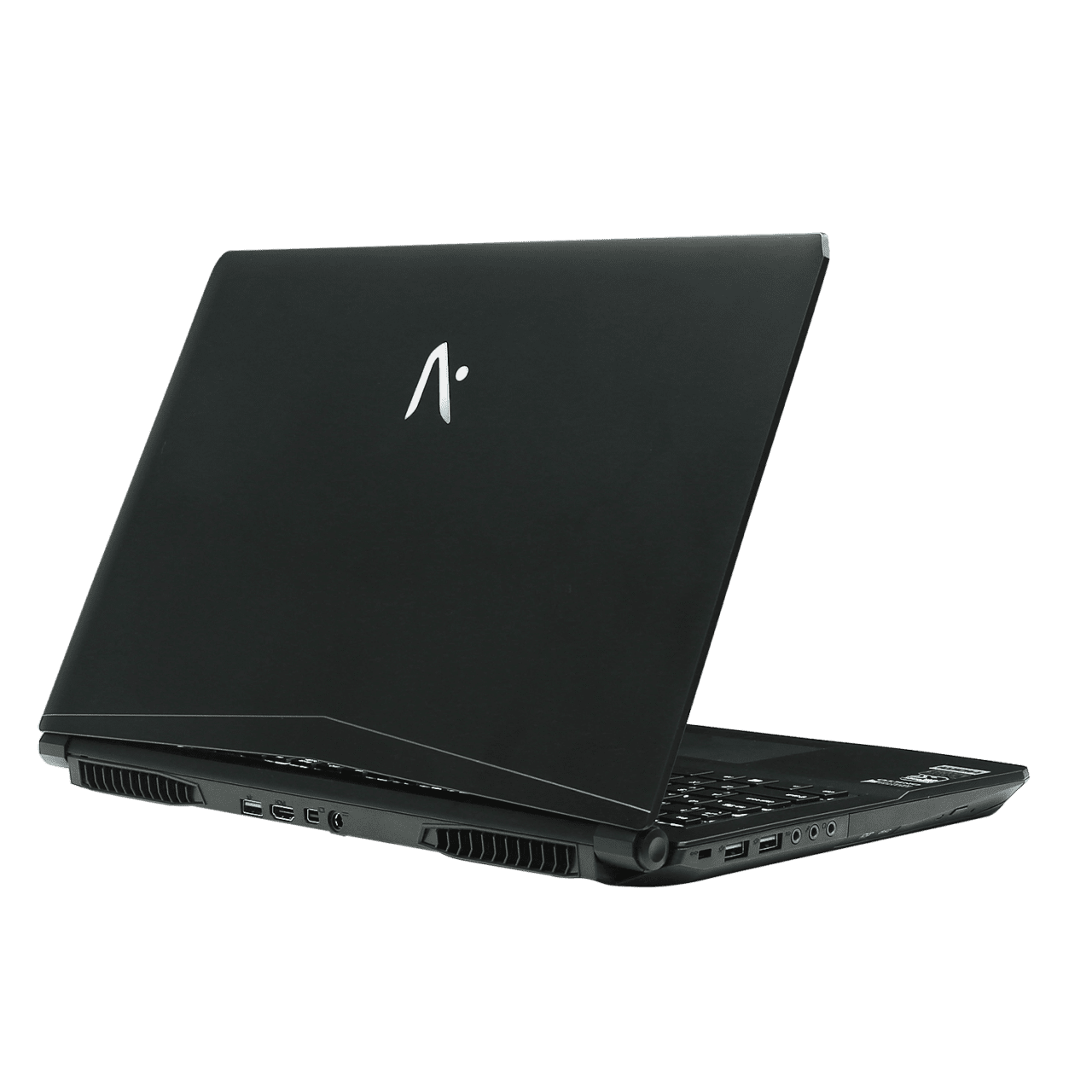
    Intel Singapore has announced the local retail availability of its new 6th Gen Intel Core processor brought to market in partnership with PC manufacturers, including Singapore-based Aftershock PC.

    Co-founded in 2012 by two Singaporean brothers, Aftershock PC is one of the fastest growing gaming PC makers in Asia, and will be introducing new devices powered by the 6th generation Intel Core processors. Customers will immediately be able to experience and purchase Aftershock PC’s latest line-up of desktop and laptop gaming PCs at the IT fair COMEX this weekend, taking place between September 3 and September 6, 2015.

    In gaming, even a split second of lag may mean the difference between winning and losing a match. The 6th Gen Intel Core processor feature capabilities that smoothen gameplay and help gamers sharpen their competitive edge.

    Compared to a 5 year old PC1, the 6th generation Intel Core processor offers up to 2.5x faster performance; up to 30x graphics improvement; up to 3x longer battery life; and is optimized for Windows 10.

    The new Aftershock PC range of gaming powerhouses kicks the gears up a notch by combining the unbridled power of the 6th generation Intel Core processors with other high-end components, including NVIDIA’s latest discrete graphics cards with support for G-SYNC display technology, speedy solid state drives (SSDs), premium full HD displays, and blazing fast Intel Dual Band Wireless-AC 7265.

    “The new 6th generation Intel Core CPUs will enable our machines to not only run fast and cool, but with great battery performance. We are very excited to see the consumer response to our new line-up,” said Marcus Wee, Managing Director, Aftershock PC.

    Sumner Lemon, Country Manager, Intel Malaysia and Singapore, said, “Intel’s collaborations and deep engagement with local PC makers, such as Aftershock PC, help us to bring exciting products to market. We look forward to working more closely with Aftershock PC to empower them for further growth and success with our best-in-class processors.”

  • China is buying about one-fifth of the world’s Apple Watches

    China is buying about one-fifth of the world’s Apple Watches

    Demand from China has helped drive the massive success of the iPhones 6, but will it do the same for the Apple Watch? The early numbers look a bit muted, though still promising.

    Since the device’s release in May, research firm RedTech Advisors/TalkingData estimates that over 1 million of the watches have been sold in China. Sales for the three-month period ending in June topped out at over 626,000, which the company calculates to equal 22% of estimated global sales of 2.8 million devices.

    That’s lower than China’s overall contribution to Apple’s revenues. While the company doesn’t disclose disclose iPhone sales by region, last quarter Apple generated 26% of its revenues from China, driven by sales of its smartphone.

    Growth of the Apple Watch is slowing in China, and sales aren’t expected to increase until November, when China’s e-commerce companies launch their Cyber Monday-esque Single’s Day deals, and then later through Chinese New Year in February.

    RedTech said the uptake for the Apple Watch in China has been slower than other Apple products, but attributes this to a lack of supply rather than demand. The company estimates that 30% of activated Apple watches in China came from “grey market” third-party vendors during the product’s release, but as supply increased, grey-market sales plummeted to 13%. Right now, the firm calculates that 40% of Apple Watch sales are coming from official Apple Stores, another 28% come from its official Chinese online store, and the remainder from third-party vendors, gifts, and overseas vendors.

    Apple is aggressively expanding its retail presence in China, and plans to double its number of retail outlets in China by 2016 to 40.

    It may be difficult determine whether the Apple Watch has been a success for some time, either in China or globally. Smart wristbands, unlike phones, are a relatively new type of hardware. IDC estimates that Apple globally has 19% of wearable market share, a remarkable feat given that Apple’s watch has only been available for just over a three month period.

    But one Apple supplier from Taiwan complained that orders for watch components were lower than anticipated, which suggests Apple had even higher expectations.

  • BlackBerry Passport Silver Edition Now Available in Hong Kong

    BlackBerry Passport Silver Edition Now Available in Hong Kong

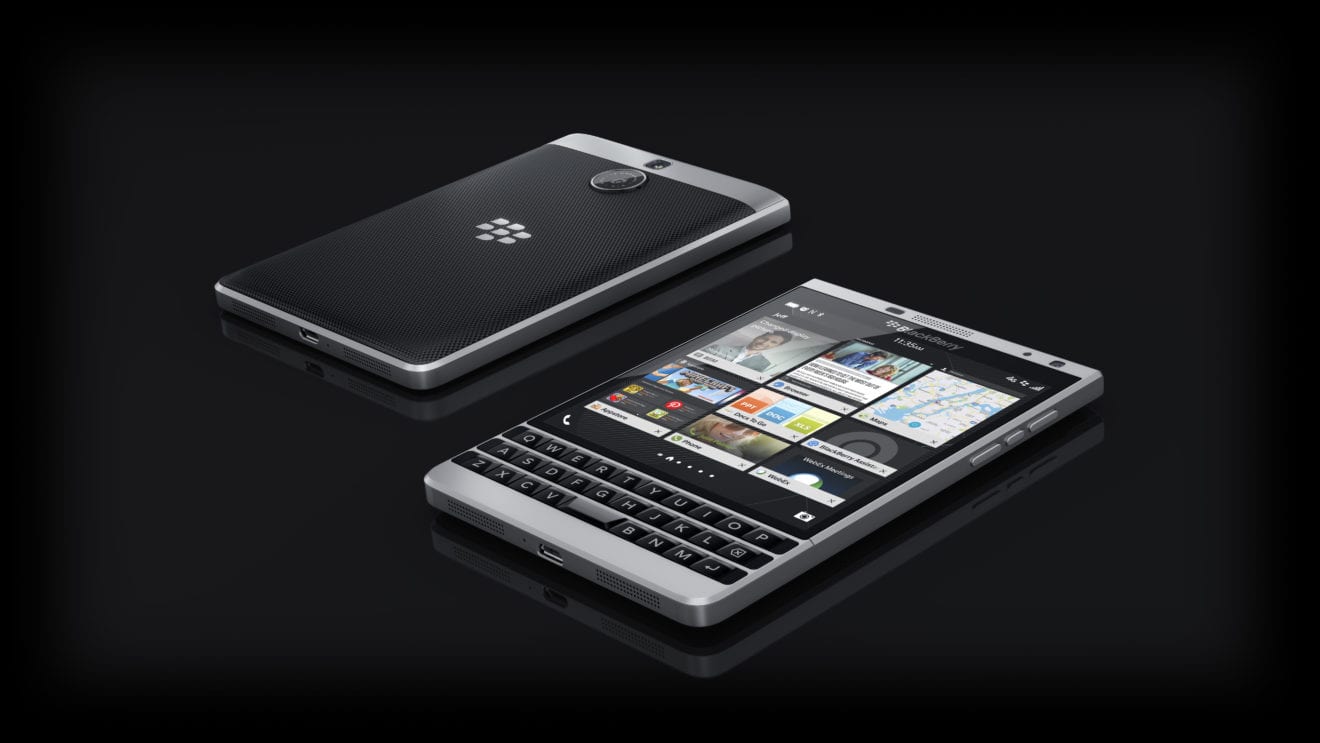
    BlackBerry Limited on September 2 announced the beginning of sales of the BlackBerry Passport Silver Edition in Hong Kong. From last week (September 2nd, 2015), customers in Hong Kong are able to purchase the new BlackBerry Passport Silver Edition, a premium device built for business professionals who want a smartphone with the mobile tools they need to get things done – without sacrificing style or portability.

    The BlackBerry Passport Silver Edition is in a class all its own, featuring a stunning silver finish with refined, curved corners, large square touch screen display and reinforced stainless steel frame for extra strength and durability. An essential business tool, the device delivers the same productivity enjoyed by other BlackBerry Passport products, as well as an updated QWERTY touch-enabled keyboard, battery power that lasts more than a full day of mixed use, and BlackBerry 10 OS 10.3.2, according to BlackBerry.

    “The new BlackBerry Passport Silver Edition combines cutting-edge technology with purposeful, globally recognized design,” said Gallant Leon, Managing Director, North Asia at BlackBerry. “It brings together BlackBerry’s latest OS platform, enhanced productivity features, and a refined industrial design based on customer and user feedback to deliver an unmatched experience for professionals who value precision and focus.”

    Inspired by actual passports, the universal symbol of mobility, the size and form factor of BlackBerry Passport Silver Edition is portable enough to easily tuck into pockets and use wherever you go. Key features of the device include:

    Large High-Resolution Square Screen –The BlackBerry Passport includes a 4.5” square screen, 1440×1440 pixel (453 dpi) HD display and Corning Gorilla Glass 3 for added strength.

    Innovative BlackBerry Keyboard – The BlackBerry Passport’s revolutionary keyboard brings innovation to input with a responsive touch surface like a trackpad that lets you perform many touch functions directly on the keyboard. Scroll web pages, flick to type or slide along the keys to move the cursor, leaving the full screen space for viewing.

    BlackBerry 10 OS 10.3.2 – The BlackBerry Passport comes preloaded with the new BlackBerry 10.3.2 operating system, including features such as BlackBerry Assistant and Amazon Appstore.

    Best-in-Class Battery Life – The 3450 mAh battery is the largest among the top selling smartphones and phablets and, when tested against a very active user, provides up to 30 hours of mixed use – BlackBerry’s  best battery power to date.

    Dual app storefronts preloaded for access to a huge selection of apps for work and play:

    BlackBerry World – BlackBerry World offers essential business and productivity apps for professionals looking to drive efficient communications and collaboration including Box, Evernote, Cisco WebEx Meetings and Documents to Go.

    Amazon Appstore – Discover and download popular Android apps and games through the Amazon Appstore including Candy Crush Saga, Pinterest, SoundCloud, Kindle and Amazon Shopping.

    BlackBerry Assistant – The BlackBerry Assistant is BlackBerry’s first digital assistant and can be used with voice and text commands to help users manage work and personal email, contacts, calendar and other native BlackBerry 10 applications. BlackBerry Assistant intelligently determines how to respond based on how the user interacts with it – if you type, it responds silently, if you speak, it speaks back and if you activate over Bluetooth, it speaks back with additional context because it assumes you might not have access to the screen.

    BlackBerry Blend – BlackBerry Blend 1.2 brings a new refreshed UI and additional functionality and is now available for all BlackBerry 10 smartphones. BlackBerry Blend brings messaging and content on your BlackBerry smartphone to your computer or tablet. Get instant message notifications, read and respond to your work and personal email, BBM and text messages, and access your documents, calendar, contacts and media in real time on whatever device you are on, powered by your BlackBerry.  BlackBerry Blend works across multiple operating systems including Mac, Windows, iOS and Android.

    Premium Components – The device is built for the most demanding user with durable materials mixed with top-of-the-line technology, including a Quad Core 2.2 GHZ Processor, 3 GB RAM, 13 MP OIS rear camera and 32 GB memory expandable with a Micro SD card up to 128 GB.

    BlackBerry Natural Sound – BlackBerry Passport comes with powerful speakers and a quad microphone system that delivers a high-quality listening experience. BlackBerry Natural Sound Technology is built in to adapt Wi-Fi and cellular call sound depending upon phone position and background noise, automatically adjusting volume so you don’t have to.

    The BlackBerry Passport Silver Edition is available from September 2nd 2015, through Broadway Photo Supply Ltd, Fortress, Hong Kong Suning, Chung Yuen Electrical Co., Ltd and other authorized retailers; and through operator partners 3 Hong Kong and SmarTone Mobile Communications Limited, at a recommended retail price of HK$5,388.

  • Robinsons Retail takes control of Saver’s

    Robinsons Retail takes control of Saver’s

    Robinsons Retail Holdings, the Philippines-based department store operator, has taken a 90 per cent stake in home appliance chain Saver’s Appliance Depot.

    Saver’s operates 24 stores in Central Luzon and eight in Cagayan Valley

    Robinsons Retail president and COO Robina Gokongwei-Pe says partnering with Saver’s will strengthen and expand its exposure in the consumer electronics and appliance market.

    “As the economy expands, discretionary spending is seen to surge ahead and this format should be a strong beneficiary,” said Gokongwei-Pe. “Also, the increasing scale of the group is expected to strengthen our market position in the industry.”

    The settlement date of the deal and the purchase price has not yet been revealed.

    MD Jaime Uy will continue in his role after the purchase.

    “We are happy to become part of the Robinsons Retail Family. The group has proven track record in growing and retaining the equity value of the companies of businesses that they acquired,” Uy said.