Category: Electronics

Retail News Asia is committed to providing both local and global retailers with the latest Electronics news throughout the Asian market. This on a daily base.

  • Solar-powered Apple Store to debut in Singapore

    Apple is poised to become the first company to open a fully solar-powered store in Singapore as part of its ongoing efforts to go green with renewable energy source.

    The Cupertino-based tech giant has signed a partnership deal with solar energy developer Sunseap Group for acquiring 100% renewable electricity, once the project goes live.

    Reuters reports that Apple plans to create 200 megawatt solar energy projects in China and work with the local suppliers to obtain more renewable energy. In addition, the company is committed to purchase more power from a California solar farm for its new Silicon Valley campus, which will use rooftops to harness power from the sun.

    Apple’s new retail store and neighbouring public-owned buildings in Singapore will use rooftop solar panels on 800 buildings to generate 50 megawatts (MW) of total renewable energy that can power up to 9,000 homes. The company’s new facility will burn around 33MW of the project’s capacity.

    There is still no word on the actual location and the launch date for the upcoming retail Apple Store in Singapore. However, Sunseap managing director Frank Phuan has sounded positive about globalising sustainable energy practices as more and more companies start embracing the new technology.


  • Apple to open its first retail store in Singapore in 2016

    Apple is expanding its retail store globally pretty rapidly, as the company has now announced opening of its first retail store in Singapore. Apple’s this store is reportedly going to open sometime in 2016. We first got this news last month, when it was reported that the Cupertino based company is opening its first retail store in Singapore.

    Today, Apple has listed out several job vacancies like Specialists, Business Specialists, Creative, and some other Apple positions for its Singapore Retail Store. This store is going to open at Knightsbridge at a four storage luxury shopping center.

    As of Now, Apple doesn’t have any official retail store in this region. So people, who are interested in buying Apple product have to buy their devices from third party retailers or online store. But if anyone wants to buy product from Apple’s official retail store, then they have to go to company’s retail store in Hong Kong or Australia.

    As of now, we don’t have any specific date of opening of Apple retail store in Singapore, but it is going to open sometime next year.

  • New Apple Store Opens in Chengdu on November 21

    New Apple Store Opens in Chengdu on November 21

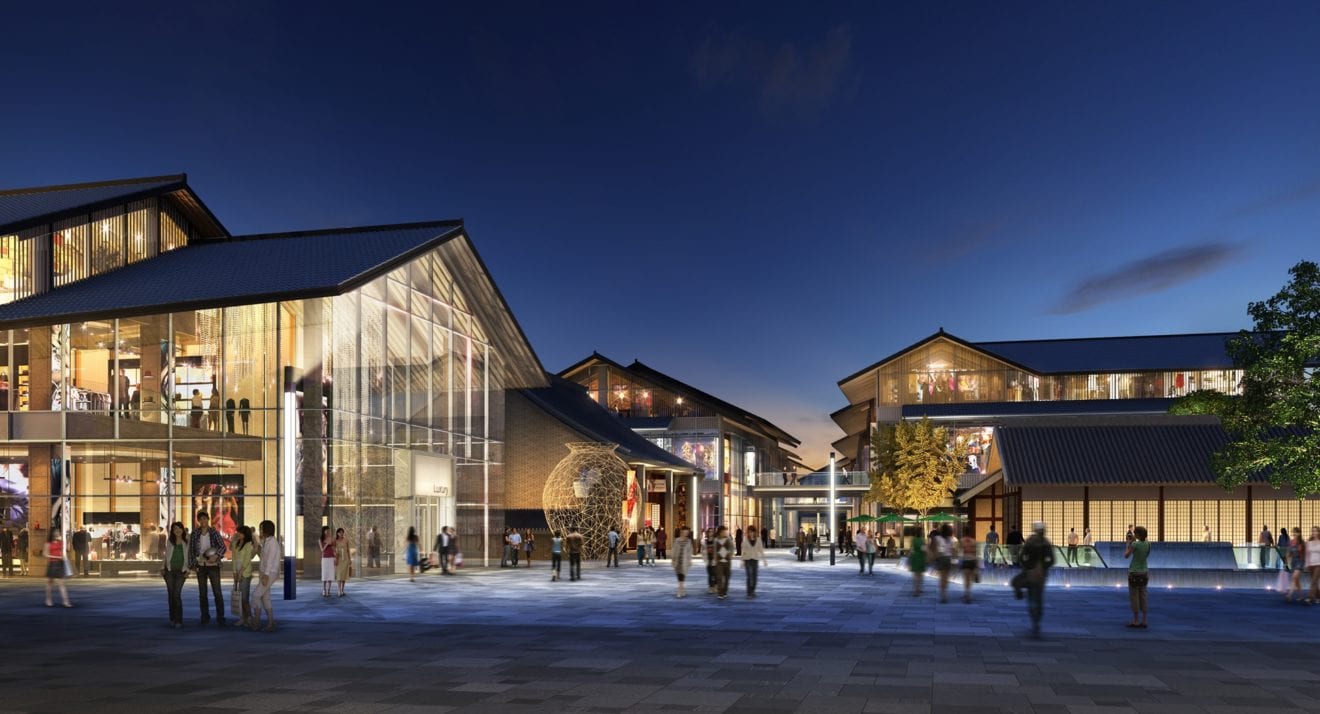
    Apple, continuing its aggressive retail expansion in China, has announced that it will be opening its 22nd retail store in the country in Chengdu, a major city in Sichuan Province, on Saturday, November 21 at 10:00 AM local time. The new store is slated to open less than a month after the grand opening of the 21st Apple Store in China in the major port city of Dalian on October 24.The new Chengdu store will be located in the upscale Taikoo Li shopping plaza at 8 Middle Shamao Street in the Jinjiang District, where several high-end retailers such as Gucci, Omega and Zara are located. The store will be open 10 AM-10 PM local time everyday and offer traditional Apple Store services, including the Genius Bar, Workshops, JointVenture, events and seminars.

    Apple has also posted new job listings for its first retail store in Singapore, which is rumored to open in late 2016 at the Knightsbridge four-story luxury shopping center. The company is looking for Specialists, Geniuses, Creatives, Business Specialists and other traditional Apple Store positions.

    Apple does not currently have an official retail presence in Singapore, a large city-state and country south of Malaysia in Southeast Asia, but the Apple Online Store and dozens of Apple Authorized Resellers operate in the region. The closest physical Apple Stores are located several hours away by plane in Australia and Hong Kong.

  • BlackBerry’s Priv Arrives in Hong Kong

    BlackBerry’s Priv Arrives in Hong Kong

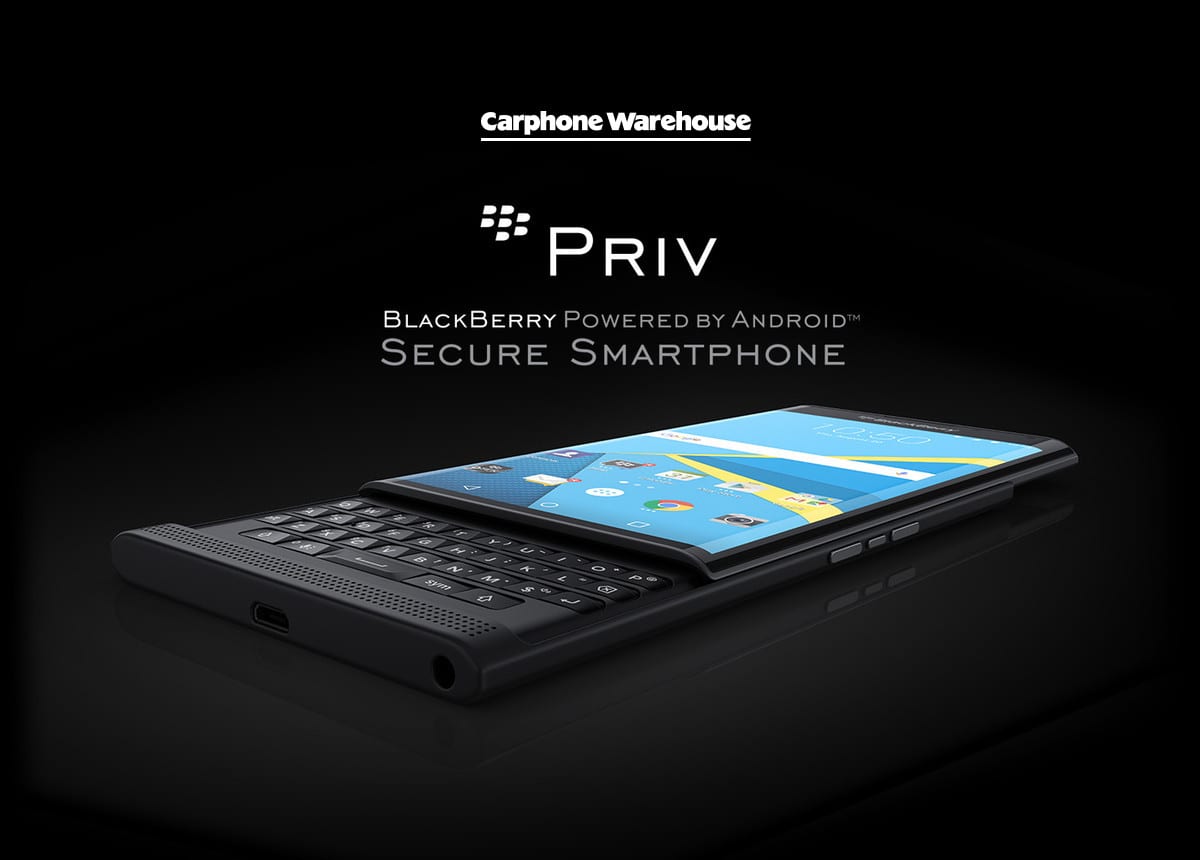
     BlackBerry Ltd’s first Android-based smartphone, Priv, is coming to Hong Kong, according to a company release. Priv is expected to be formally available in retail stores in Hong Kong starting mid this month. In Hong Kong, Priv will be available at a price starting from HK$6,488. The device costs $700 in the U.S.

    BlackBerry Ltd’s Priv is set to officially launch in Hong Kong in the coming days. Powered by Alphabet Inc’s Android, BlackBerry presents Priv as a productivity tool that also doesn’t compromise on security or privacy. BlackBerry will sell Priv at HK$6,488 in Hong Kong as it targets to reclaim lost share of the smartphone market in Asia. The device is sold in the U.S. at $700 and is initially supported by AT&T Inc.

    Priv is a dramatic departure from BlackBerry’s hardware tradition. The smartphone not only runs a foreign operating system (Android), but also features dual keyboard whereby one is virtual and the other is a traditional physical keyboard. According to BlackBerry, the physical keyboard is perfect for fast and accurate typing, which is why power professionals would love the device.

    As a productivity tool, Priv gives users access to more than a million apps on Alphabet’s Google Play.

    Hardware built encryption

    Physical keyboard for productivity is only one of the key distinguishing features of Priv. BlackBerry has also improved security in the device by building encryption into the hardware. Most mobile security features are software-based. However, with heightened risks of hacking, building security into the device chips is expected to become popular. Speculations recently swirled that Alphabet was considering making custom chips for Android phones and it is believed the strategy is aimed at bringing device security to the chip level.

    In the case of Priv, BlackBerry has not only build encryption keys into the hardware, but also guarantees secure boot to ensure that nothing catches you unawares.

    Specs
    BlackBerry Ltd’s Priv spots 5.4-inch AMOLED display that renders resolution of 2560×1440 pixels. The device is powered by Qualcomm, Inc.’s Snapdragon 808 processor. Priv ships with 32GB of internal storage that is expandable up to 2TB through microSD card. The smartphone comes with 18MP camera at the back.

    The productivity nature of BlackBerry’s Priv is reinforced by a 3410 mAh battery capable of delivery 22.5 hours of usage.

  • Drone maker DJI plans retail outlet in Shenzhen

    Drone maker DJI plans retail outlet in Shenzhen

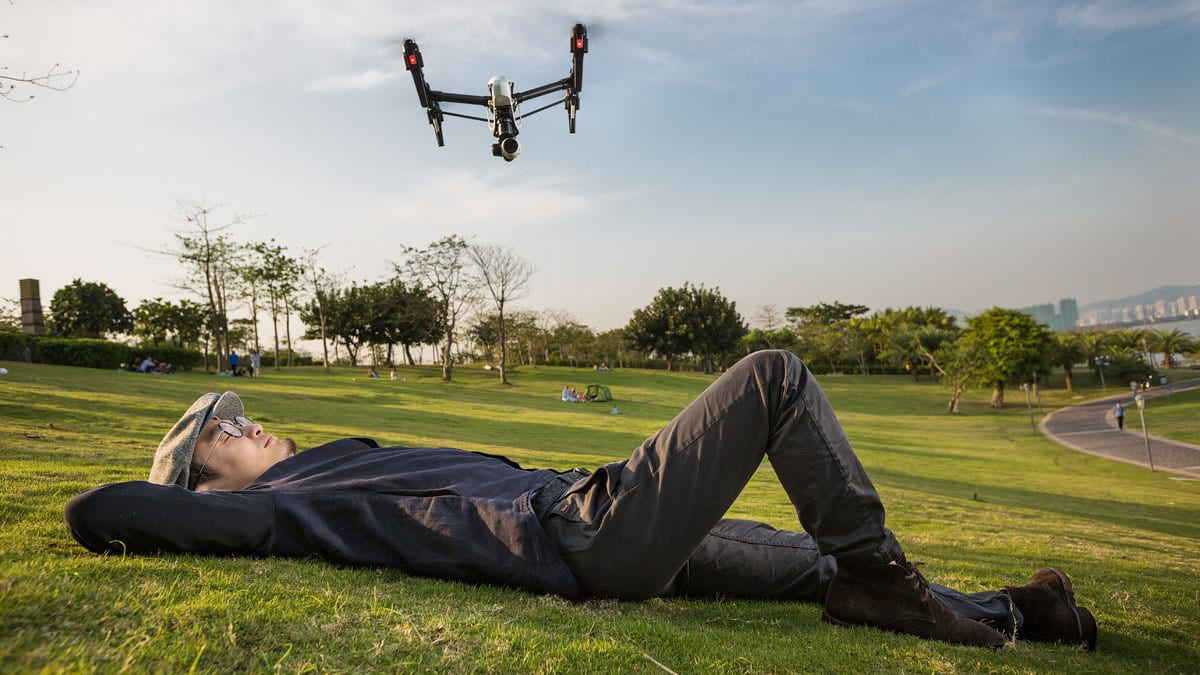
    Chinese drone maker DJI Technology Co is opening its largest retail store in Shenzhen, Guangdong province, later next month.

    The 800-square-meter store will give DJI, which claims to control about 70 percent of the global drone market, a boost in the retail sector and help ward off competition from overseas players.

    DJI said in a statement that the store has floor space larger than the passenger cabin of an A380 aircraft. It will be located in a busy shopping district named OCT Harbor, and will open for business later next month.

    She Shuanglin, a researcher who tracks the drone market at research firm Analysys International, expects the new store to spark demand for drones.

    “DJI plans to open similar stores in other cities like Beijing and Shanghai so that customers can see and experience their entire range of products,” She said. “But it will need big stores to display the entire range of products.”

    Drone maker DJI plans retail outlet in Shenzhen

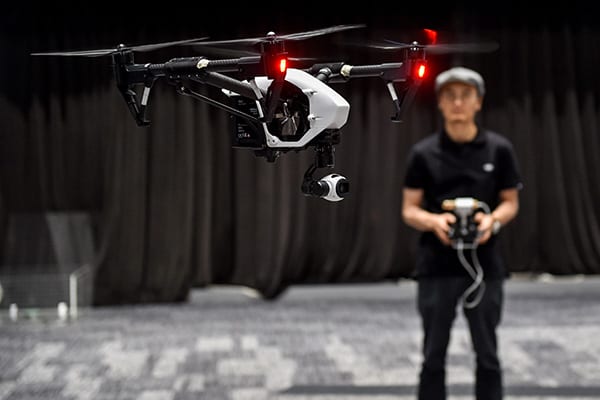
    Wang Tao, founder and CEO of DJI Innovation Technology Co, operates a drone in Shenzhen, Guangdong province. The turnover of China’s civil-use drone market is on track to soar to 2.3 billion yuan this year, according to an Analysys International estimate.

    Retail prices for the company’s drones start at around 4,000 yuan ($630), with high-end products priced above 20,000 yuan.

    The company has indicated it will not go in for a sizable expansion and will stick to just one or two outlets in each city, She said.

    DJI already has several authorized and small-sized stores in major cities.

    Turnover of the civil-use drone market in the country is set to reach 2.3 billion yuan this year, a 55 percent jump from a year earlier, according to an Analysys International estimate. Demand for drones in the country is likely to exceed 11 billion yuan by 2018, it said.

    Overseas drone makers are also eyeing the rapidly growing market in China.

    Nicolas Halftermeyer, chief marketing officer of France-based Parrot SA, told China Daily in an earlier interview that the company sees China as a key market for its inexpensive drones designed as kids’ toys.

    Parrot’s drone business generated 44.4 million euros ($47 million) in revenue in the third quarter of this year, a 60 percent surge over a year earlier.

    DJI, however, is planning a slew of measures, like ramping up hiring, to counter competition.

    It is also building a development center in Silicon Valley in the United States and has hired top engineers from companies like Apple Inc and Tesla Motors Inc.

    Darren Liccardo, former head of Tesla’s autopilot project, joined DJI in August to head its engineering, systems and application development.

    Rob Schlub, a former antenna expert from Apple, joined DJI’s research facility in Palo Alto, California, to oversee the entire development team.

    She from Analysys International said the cash-rich DJI is making aggressive investments in overseas recruitment to maintain a technology edge over its challengers.

    “DJI will remain focused on unmanned aviation and high-performance camera development in the coming years,” said She.

    DJI said it has a 1,500-member R&D team in Shenzhen. Its US facility will be responsible for advanced technology development.

  • Best Denki Singapore plans two more stores

    Best Denki Singapore plans two more stores

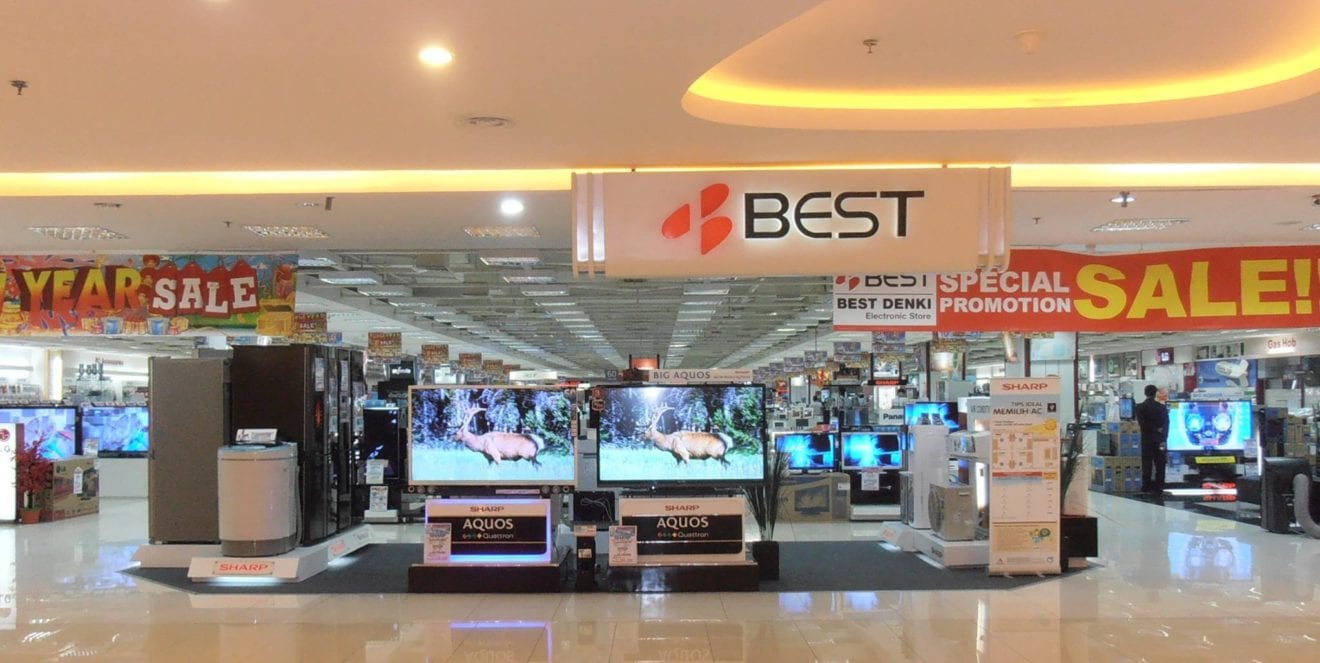
    Best Denki Singapore, the Japanese electronics retailer, plans to open two more stores in the city next year.

    Hanasaki Kenji, president and head of Asean region with Best Denki, told the Straits Times newspaper he is unfazed by the downturn in the local consumer electronics market.

    “I am not so worried. The downward trend does not hamper our business from growing,” he said.

    Best Denki entered Singapore in 1985 inside the Yaohan department store at Plaza Singapura. When that store closed in 1997 the concession was renamed Best Denki and since then the chain has grown to 11 stores.

    The company says its annual sales have grown nearly 20 per cent over the last 10 years, reaching S$293 million last year.

    Kenji attributes the brand’s success to its strategy of locating stores in shopping centres and sharp negotiating with suppliers.

  • Osim struggles in ‘soft market’

    Osim struggles in ‘soft market’

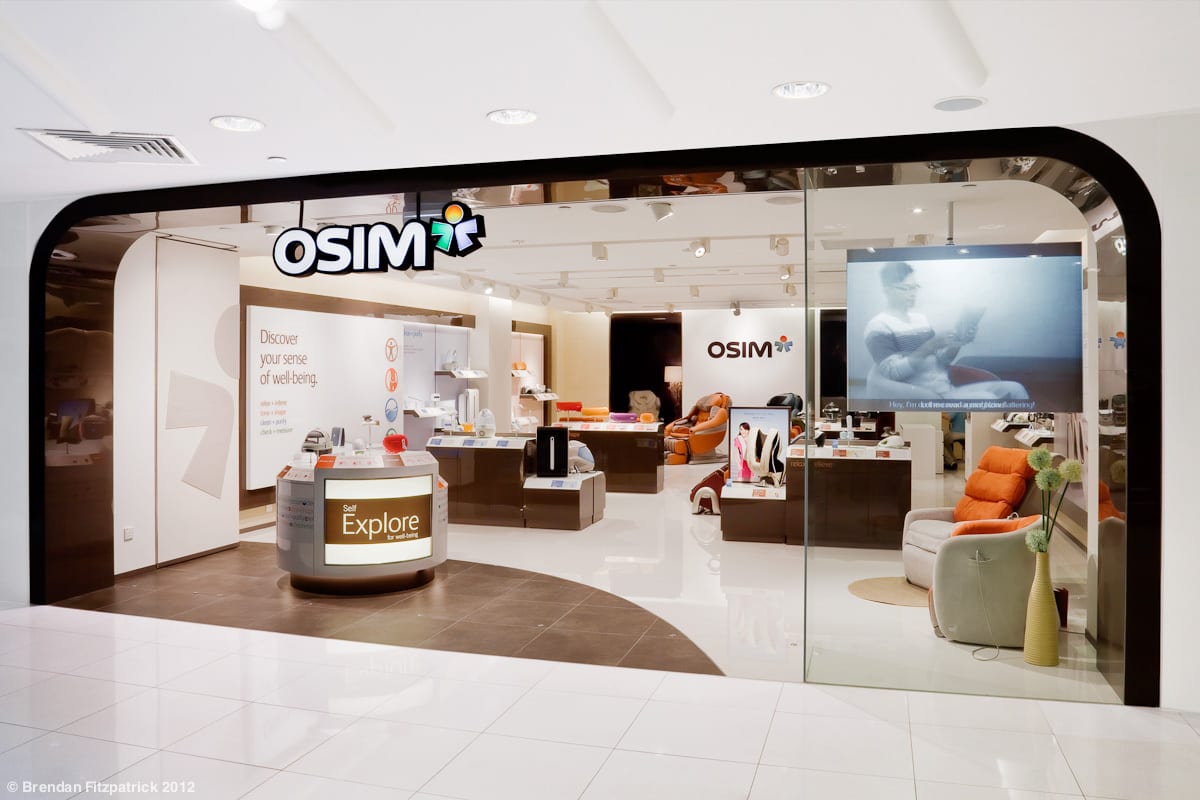
    Health appliance retailer Osim says its core business is helping it maintain stable gross margins in a retail market it described as “soft” throughout the region.

    Osim’s core is its 546-strong chain of Osim branded stores in 23 countries, which sell therapeutic devices including massage aids. Nearly half of those stores are in Mainland China.

    The company also operates 214 GNC/RichLife stores and 49 TWG Tea cafes with three more planned to open by the year’s end.

    Osim said last week its third quarter sales were S$142 million and profit before tax $10 million. But during the last nine months it has incurred legal fees of $7 million relating to its TWG Tea operation.

    “This has been another challenging quarter where retail sales across the core countries have been soft. This quarter has seen further challenges from gyrating markets and currency turmoil in the region,” the company said in last week’s filing.

    “Despite these challenges, our dominant brand has enabled us to maintain a stable gross margin and cash generative business with cash and cash equivalents growing again in the quarter. We are using our strong balance sheet to invest in new products and continuing our marketing activities.”

    The company expects trading conditions to remain challenging in the short term but says it is cautiously optimistic about its prospects for the remainder of the financial year following the launch of uMagic in key markets and other upcoming planned product launches.

  • Why Apple Is Rumored To Launch First Store In Singapore

    Why Apple Is Rumored To Launch First Store In Singapore

    Recent online speculation suggests that Apple Inc. is all set to open its first-ever retail outlet in Singapore by 2016, leading to the shutdown of the Pure Fitness Knightsbridge branch by end of this year. The tech giant currently operates in Singapore through its online store and third-party retailers.

    The company’s next store is the reason why Pure Fitness has to evacuate from its location on Orchard Road. The fitness chain notified its customers and tenants about its decision in an email to “make way” for Apple’s new store opening. The Pure Fitness Knightsbridge is scheduled to shut on December 15, 2015.

    Apple has still not confirmed Pure Fitness’ statement; however, there is a great chance that the tech giant may be considering investing in its outlet on Orchard road, the shopping hub of Singapore, to further expand its customer-base and make use of its ideal store location.

    Since the tech giant’s products and services are accessible in Singapore through its online store and third-party outlets, Apple has already secure a position in competitive markets even before its first store opening. The company’s apparent decision to launch an Apple Store in the specific location will also help trigger increased activity for surrounding brands and businesses through its dedicated client-base.

    While Apple remains vague about its plans for Singapore, it has been busy launching new Apple Stores in various countries, with the latest opening in Dalian, China. The company is also set to launch its largest Apple Store in Dubai before the end of October, marking it as one of the many Apple outlets that the company launched solely this month. With Apple’s vast campaign to expand its platform to numerous countries in 2015, it will not come as a surprise if the tech giant launches a retail outlet for its Singaporean client-base to further promote its variants.

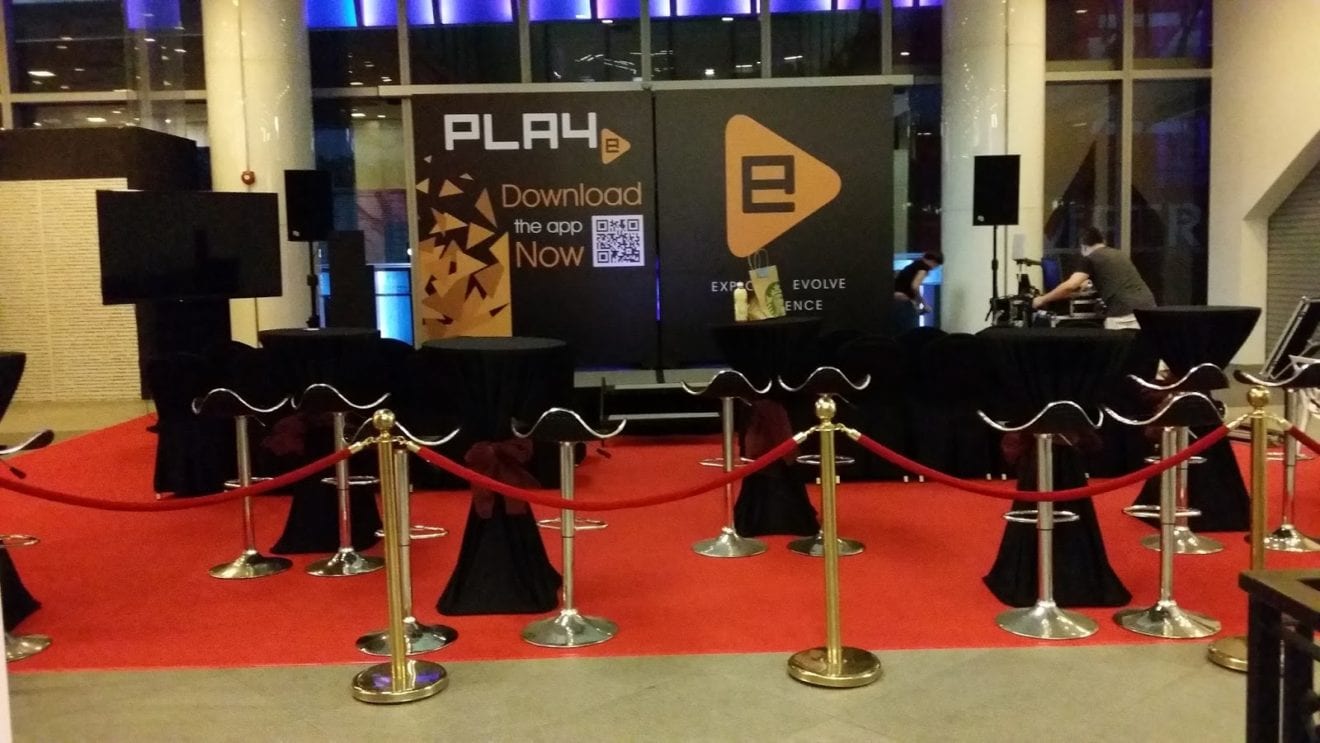
  • DeClout to buy 75% stake in Play-E for for $19m

    DeClout to buy 75% stake in Play-E for for $19m

    DeClout to buy 75% stake in Play-E for $19m

    Singapore-listed technology service provider DeClout Limited, along with its subsidiary Corous360 Pte Ltd, have reached a deal to buy Play-E Pte. Ltd for up to for up to S$18.9 million.

    In a regulatory filing Tuesday, DeClout said its 94.8 per cent subsidiary, Corous360 Pte Ltd had entered into a sale and purchase agreement with Jupiter-Soft Pte. Ltd. and Sng Kim Guan for the deal. The transaction involves Corous360 acquiring 150,750 ordinary shares in the capital of Play-E, equivalent to 75 per cent equity in the company.

    “Through Play-E’s retail alliance partnership, C360 will benefit from (Play-E’s) multiple potential revenue streams including sale of products through mobile applications and physical stores of the Play-E’s retail partners;  platform fees from (Play-E’s) retail partners; advertising fees from content providers; and membership fees from consumers,” the company’s regulatory filing added, justifying the rationale behind the deal.

    C360 group of companies has master distributorship rights to leading products in the region.

    “By combining such master distributorship rights with the retail alliance partnership of Play-E, C360 has the opportunity to control both the upstream and downstream of the vertical market by leveraging on its master distributorship status to secure leading products through a platform comprising a mobile application and a network of retail outlet partners in Singapore, Hong Kong, and Taiwan  which will attract premium users to join the Platform. The increase in the number of premium users in the Platform will in turn put C360 in a better position to secure distributorship rights to even more leading products for its businesses,” the regulatory filing added.

    Neo Group buys 90% in CT Vegetables & Fruits for S$5.4m

    Singapore-based food catering firm, Neo Group Limited, has bought 90 per cent-stake in CT Vegetables & Fruits Pte Ltd for S$5.4 million, as part of its vertical integration strategy to provide turnkey food and catering solutions, the company announced Tuesday.

    CT Vegetables trades more than 300 varieties of fruits and vegetables to its customer base consisting of local hospitals, foreign cruise ships and ship chandlers. The deal will include two entities set up primarily for the purpose of importing fruits and vegetables.

    Neo Group will pay S$4.8 million in cash, funded by bank borrowings, while the remaining S$0.6 million will be through the issuance of new ordinary shares at a 10 per cent discount to the volume-weighted average price of the Group’s shares on the completion date.

    The remaining 10 per cent-stake in CT Vegetables will be retained by its original owner who will be the acting chief executive and chairman of CT Group.

    The deal comes close to the heels of Neo Group’s first major acquisition, where it had bought bought Thong Siek Group, and also a 55 per cent stake in the parent company and manufacturer of  “DoDo” brand of fishballs for S$7.35 million in June 2015.

    That deal had allowed had allowed Neo Group to venture into food manufacturing that directly supplies surimi products to its food catering and food retail businesses.

    Founder, chairman and chief executive of Neo Group, Neo Kah Kiat said: “We are pleased to have further strengthened our integrated value chain further with the addition of CT Group, a strong market leader in its industry. Apart from the acquisition being immediately earnings accretive, we recognise synergies that can be reaped from this acquisition to grow our food and catering Supplies business that will allow us to lower food supply costs whilst ensuring quality and timeliness of delivery.”

    “At the same time, this strategic upstream move will reduce our reliance on third party suppliers, enhancing our self-sufficiency in our catering and manufacturing businesses and enable us to pursue business opportunities from external parties, thereby creating new income streams,” he added.

    Under its food catering business, the Neo operates four brands – Neo Garden, Orange Clove, Deli Hub and Best Catering.

  • Less energy-efficient air-cons to be phased out

    Less energy-efficient air-cons to be phased out

    In a bid to cut Singapore’s energy consumption, the National Environment Agency (NEA) will phase out less energy-efficient air-conditioners by September next year.

    Currently, air-conditioning models sold here must have at least one tick on the energy label, which is used to help consumers gauge how energy-efficient a particular electrical appliance is.

    From September next year, however, the Minimum Energy Performance Standards (MEPS) will be raised and all models here will be required to have at least two ticks.

    The electrical appliance will be the first to have the minimum requirement of two ticks, meaning it uses less energy.

    The switch will help a household save $100 annually in energy costs, the agency said, adding that it is giving importers, manufacturers and retailers enough time to clear their existing stocks.

    Products that are on the market or imported before Sept 1 next year will be exempted from regulations for a year, meaning that they can be on sale until September 2017.

    The NEA added that it will review the MEPS from time to time and assess whether standards for household appliances should be raised.

    Introduced in 2008, the Mandatory Energy Labelling Scheme also covers refrigerators and clothes dryers. Under it, the more ticks awarded, the more energy-efficient the product is.

    According to a 2012 NEA study on household energy consumption, air-conditioning accounted for about 37 per cent of total household electricity consumption – the highest among all home appliances.

    The labelling scheme is part of the Government’s bid to reduce its energy consumption and ecological footprint.

    Singapore has pledged to reduce the amount of greenhouse gases emitted for each dollar of gross domestic product by 36 per cent from 2005 levels by 2030.

    Retailers The Straits Times spoke to yesterday said that they generally had no issues about phasing out the less efficient air-conditioners.

    Retailer Gain City, for instance, said that only 3 per cent of its air-conditioners are one tick.

    Furniture and electronics retail giant Courts Singapore said it stopped selling one tick air-conditioners last year.

    While retailers say air-conditioners that are more energy-efficient are likely to cost more, it will not deter some, like housewife Wendy Choo, from buying them.

    “I’ll pay more for energy savings,” said the 57-year-old. “In the long term, you can save a lot in terms of usage cost.”

  • Asus ZenWatch 2 priced in Singapore, aims for mass market

    Asus ZenWatch 2 priced in Singapore, aims for mass market

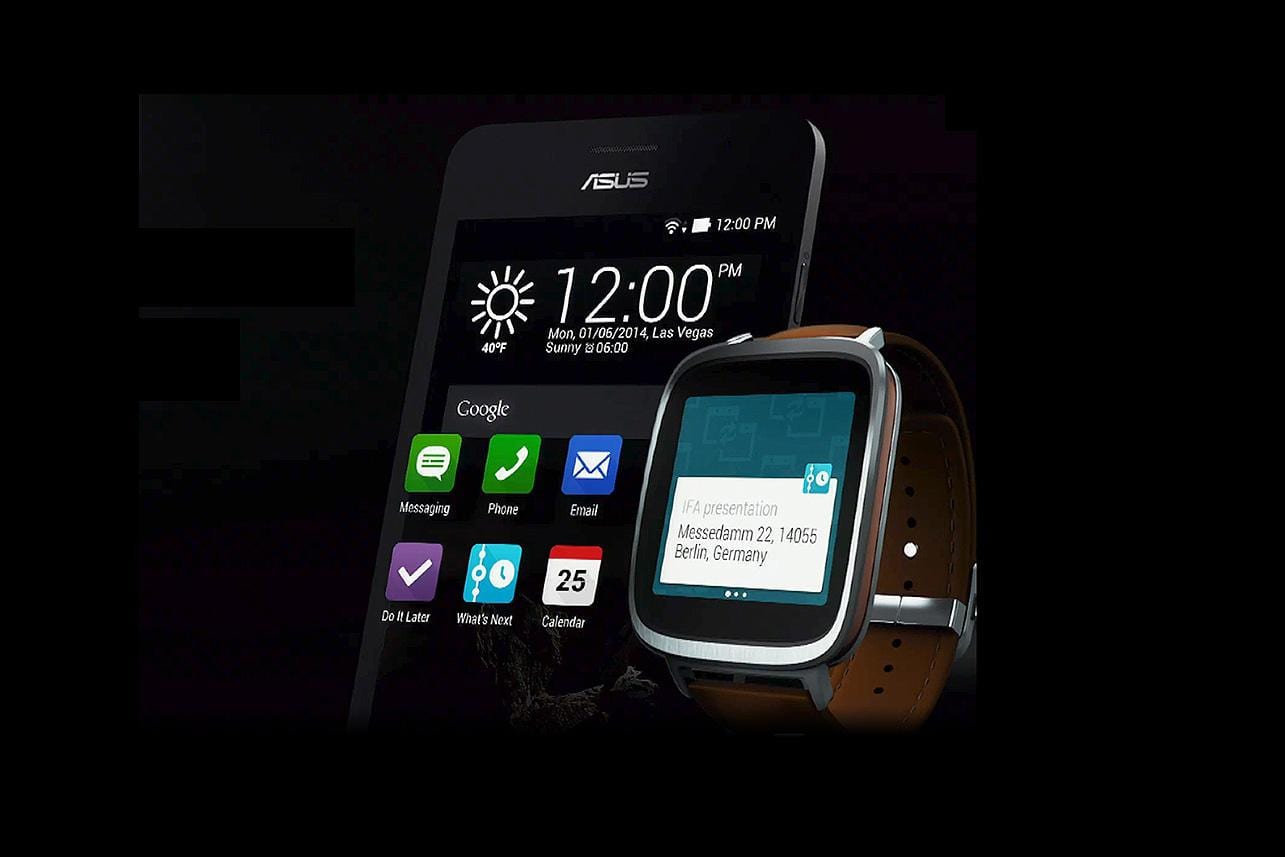
    Taiwanese PC giant Asustek Computer Inc is taking the price of smartwatches, specifically those running on Google’s Android Wear platform, to a new low.

    Launching the Asus ZenWatch 2 smartwatch in Singapore on Oct 29, the company announced the wearable will begin shipping in Singapore from Nov 14 and retail for S$229 (US$165).

    As the name implies, this product is the follow-up to the original ZenWatch launched back in 2014.  That wearable wasn’t officially sold in Singapore, but was (belatedly) made available in Malaysia.

    Asus’ country manager for Singapore, Leo Tseng, told Digital News Asia (DNA) at the sidelines of the launch event, the decision not to introduce the original ZenWatch to Singapore was due to timing.

    “At that time [early 2015], the price was high and consumers weren’t educated about smartwatches, so if we brought that product in, there would be trouble for us.

    “Now, Apple has since launched their smartwatch, so consumers have a better idea and feelings towards this type of product,” he said, alluding to improved consumer awareness about  smartwatches thanks to the buzz generated by the Apple Watch.

    Tseng also noted that there was a clear directive from Asustek’s chief executive officer Jerry Shen to the product team to improve on the wearable and make it more affordable for consumers without sacrificing on quality.

    Compared to the recently launched Huawei Watch which starts at S$549, or even the Tizen-powered Samsung Gear S2 which retails for S$448, the Asus ZenWatch 2 looks like a sweet deal.

    And unlike its rivals, Asus is sticking to one price for its watch, even though it comes in two different sizes “to cater to both female and male users”, according to its press materials.  When asked for the reason behind offering just a single price point, Tseng said it was to reduce consumer confusion.

    The 1.63 inch ‘Sparrow’ model is similar in size to the previous ZenWatch, while the 1.45-inch ‘Wren’ version will suit smaller wrists.  Those measurements refer to the size of the display.

    To provide some design variety, Asus is also making available a number of interchangeable straps for the watches, priced at S$39 (US$28) each.  The bands will come in both rubber and plastic options, and will be available at the end of November.

    The original model was critically well-received, partly due to its sleek design and leather band.  In this regard, Asus hasn’t strayed too far from that design philosophy.

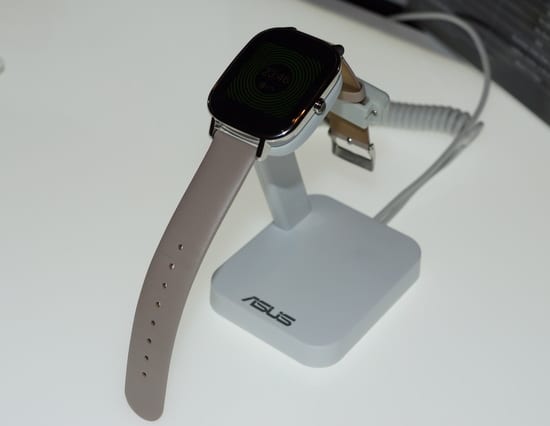
    Rather than going for a circular face, the company is continuing with a rectangular-shaped stainless steel watch case design with rounded edges, leather bands and metal buckles.

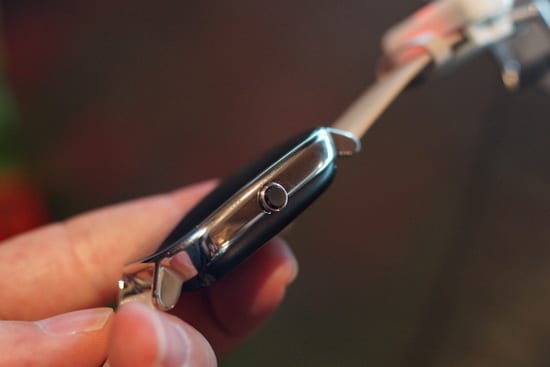
    A metal crown button is fitted on the right, similar to wristwatches and provides a way to access apps and turn the screen on or off.

    The watch display has a slightly curved surface which Asus claims improved usability and is protected against scratches with Corning’s Gorilla Glass 3.

    One marked change over its predecessor is the design of the watch clasp. The original model utilised a large metal clasp that joined both sides of the band together. The new ZenWatch opts for a more traditional buckle and is less conspicuous and looks more refined by comparison.

    One area which Asus didn’t iterate on however, is the internal hardware specifications. This smartwatch continues to rely on the same Qualcomm Snapdragon 400 processor, with 512MB of memory and 4GB  of storage.

    The display resolution on the ‘Sparrow’ model is also similar at 320 x 320 resolution, while the smaller ‘Wren’ model comes with a lower 280 x 280 resolution.  Asus is also utilising the same high-contrast AMOLED screen found in the original watch.

    In terms of battery life, the company claims the new watch is fitted with an enhanced battery (400mAh for Sparrow, 300mAh for Wren) which will provide up to two days of use on a single charge.

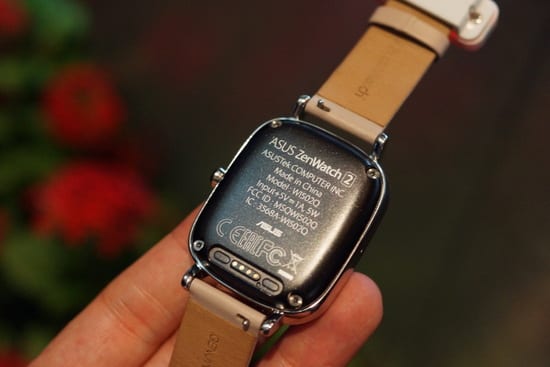
    It said it made some improvements to the charging mechanism, utilising a magnetic charger which takes slightly more than half an hour to charge the unit from zero to 50 percent capacity.

    Like most smartwatches today, the ZenWatch 2 comes with a number of different sensors to track your activities and how long you’ve stayed sedentary, but unfortunately it dropped the heart-rate sensor from this model.

    Tseng said few people used the heart-rate sensor found on the original ZenWatch, so it decided to focus on other areas, like being able to track a larger variety of activities, including push-ups and sit-ups, aside from the usual walking and running motions, as part of its updated ‘Wellness Manager’ software.

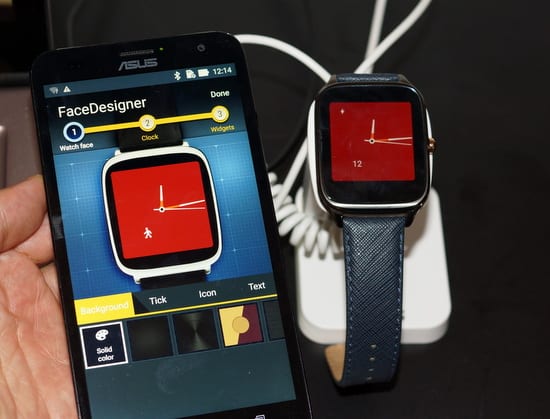
    Compatible with Android smartphones and iOS devices, this wearable also includes new apps like  ‘FaceDesigner’ (pic above)  which lets you create your own watch face from your smartphone, and ‘Business Helper’ which helps users keep track of their agendas, manage their emails and viewing call logs, without having to check their smartphone.

    Speaking with several of the trade partners and members of the media who were present at the launch, DNA found the reaction to be generally positive, especially when it came to the price of the watch.

    Some believed this would help to encourage users to try on the watch for size, and since the ZenWatch 2 is available in two sizes, it would hopefully meet the needs of the fashion conscious as well.
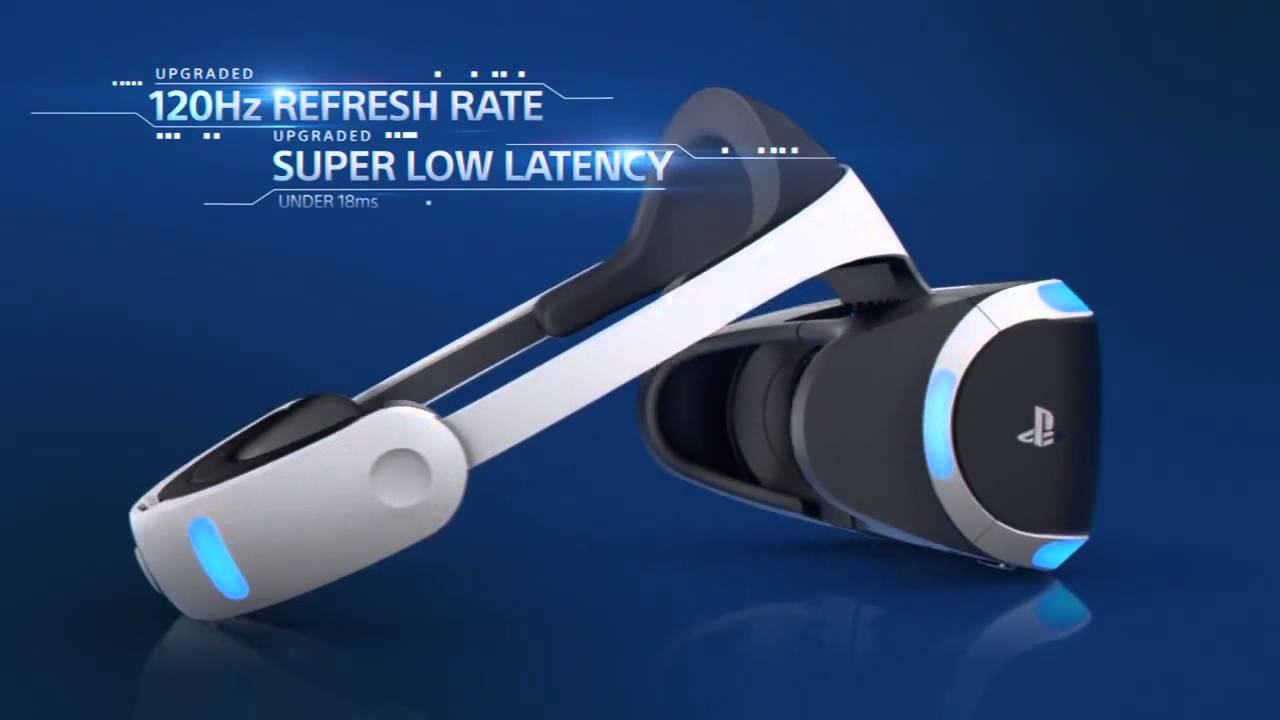
  • Playstation VR Price News: Retail Store Now Getting Preorders

    Playstation VR Price News: Retail Store Now Getting Preorders

    A game console and gadget retailer in Singapore has put up a listing for Sony fans to put up pre-orders for Playstation VR. With this now going on in Singapore, Sony still remains silent until today about the launch date of their virtual reality game console.

    Multiplayer, a game shop, is now accepting pre-orders for the PlayStation VR with a $499.90 price tag attached. Attack of the Fan Boy also adds that the Singapore store is offering free shipping to pre-buyers.

    The published price is not one hundred percent confirmed however. It may go lower, or it may go higher as Playstation has also remained fairly silent about this matter as well.

    They add to the disclaimer: “LOWEST PRICE GUARANTEE! HOW DOES IT WORK: Please note! Price and sale date are not confirmed then: If it will cost more, the price of your booking will not change if it will cost less, we’ll refund the difference!”

    The bold move is unconfirmed to be a legitimate one, or whether it is a marketing move to get gamers to notice specific brands as early as now in preparation for the release of the much awaited virtual reality package by Sony. It is however confirmed that moves like this one is not coordinated with Sony.

    However, one area that Sony has been noisy about is the confirmation of more and more games that Playstation VR will run. The most recent, according to Gamerant, is the announcement of Gran Truism 7 for Playstation, which Sony PlayStation president Shuhei Yoshida had something personal to reveal: ” We have been conducting ‘many trial tests’ of different genres that work with PlayStation VR and driving is one of the genres that works ‘fine’.”

    In another game announcement in Playstation’s official US blog, Mike Bithell connotes that the console launch will not be happening until next year. He says: “When the PlayStation VR platform launches next year (Nope, they won’t tell me when either)…”

    Other gamers blogs have also indicated that Sony is bringing Playstation VR to various events, the most recent being the 2015 Armageddon Expo in Auckland, where attendees were each given five minutes to try out the product.

  • Wearable power supplies: the next new retail category

    Wearable power supplies: the next new retail category

    What’s the next new retail category in electronics? Wearable power supplies, judging by product innovations just revealed in Korea.

    Samsung SDI Co and LG Chem Co, South Korea’s two major battery makers, are expanding their product portfolios into flexible cells for wearable devices, a move seen to meet increasing global demand for bendable gadgets such as smartwatches.

    The two battery-making units of Samsung Group and LG Group showcased their latest flexible battery lineups at an exhibition in Seoul.

    Samsung SDI unveiled two types of flexible batteries – a stripe and band-type — that are designed to be applied for use in various wearable devices as necklaces and hair bands, the company said.

    The ultra-slim, 0.3mm-thin stripe battery, showcased for the first time, is a next-generation battery made with fibre which enables far greater flexibility than existing bendable cells, the company said.

    The band-type battery is designed to be used in smartwatches and is proven to resist over 50,000 bendings and enhance a gadget’s capacity by up to 50 per cent, it added.

    The Samsung unit supplies the bulk of its batteries to its bigger affiliate Samsung Electronics Co, the world’s top smartphone maker. Recently there have been market speculations that Samsung’s next flagship smartphone, the Galaxy S7, will come in a bendable form. The smartphone is forecast to be released early next year.

    LG Chem also put on display a wristband-type battery called “wire battery” that can be folded into half. The company developed a wire-type battery in 2013 for the first time in the world, before it came up with the world’s first hexagonal-shape battery in June.

    LG Chem said the band-type and hexagonal batteries will likely double the battery capacity for smartwatches.

    According to global market tracker Gartner, smartwatches are forecast to account for 40 per cent of wrist-wearing devices in the world by 2016, with its global shipments to surpass 100 million in 2020.

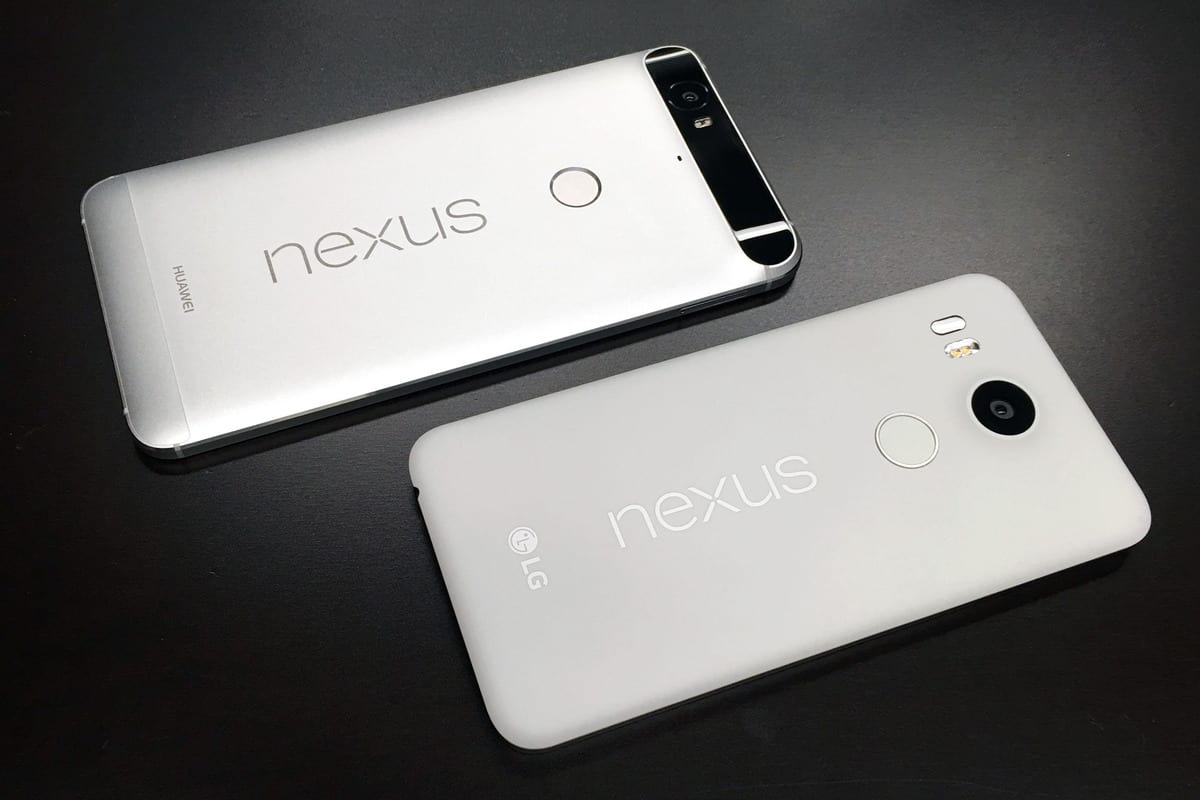
  • Google Nexus 6P pre-order in Singapore starts Nov 2

    Google Nexus 6P pre-order in Singapore starts Nov 2

    Fans of Google Nexus smartphones in Singapore will soon be able to get their hands on the search giant’s latest large-screen flagship, the Nexus 6P.

    In a joint statement, Huawei Consumer Business Group (which manufactures the Nexus 6P and distributes the device in markets where Google’s official online stores aren’t available) and online retailer Lazada announced the smartphone will be available for pre-order exclusively on Lazada.sg from Nov 2-11.

    This is the first time a Google Nexus smartphone is being sold in Singapore through official channels.

    The last time a Nexus device made it to Southeast Asian shores was in 2013 when Taiwan’s Asus offered the Nexus 7 tablets through its retail outlets.  Last year’s Motorola-made Nexus 6 smartphone by comparison, was only sold through third-party importers.

    Huawei’s head of Consumer Device Singapore, Low Han Thong, said in the statement, “Huawei is excited to collaborate with Lazada to offer consumers in Singapore, for the first time, an alternative channel to own the premium Nexus experience.”

    The device will be available in silver and black colour options at a pre-order price of S$899 for the 64GB storage version and S$999 for the 128GB model.  After the pre-order period, the pricing will revert to S$949 (64GB) and S$1049 (128GB).

    At the Oct 28 media briefing organised by Huawei Singapore, a company spokesman said Huawei is planning to sell the highly-rated smartphone through traditional retail and carrier channels as well, although there’s no confirmation on which operator will carry the product eventually.

    Additionally, the company expects inventory for the 128GB model to be highly limited, due to a global supply shortage.

    The 5.7-inch Nexus 6P is designed with a full metal unibody and sports a high-resolution QHD AMOLED display with 518 ppi (pixels per inch).  That screen is flanked by two front-facing speakers that help improve the experience when watching videos or taking a conference call.

    The phone is powered by Qualcomm’s 2.1 version of its flagship Snapdragon 810 processor, has a fingerprint sensor and fitted with a reversible USB Type-C port with support for fast charging.  The device features 3GB of RAM and storage options of 64GB or 128GB.

    On the downside, there is no expandable storage support and the battery is non-removable, but at 3450mAh, it seems beefy enough that you won’t really need a second battery.

    The highlight of the device though, is that it runs on a pure, stock version of Google’s brand new Android 6.0 Marshmallow operating system, without the typical skins or bloatware offered by phone manufacturers.  For many, this is the primary reason to purchase a Nexus branded smartphone or tablet, as these devices are the first to receive the latest Android software upgrades from Google.

    The Nexus 6P is one of the two smartphones Google introduced during its recent Nexus event, the other being the smaller (but hardly small) 5.2-inch Nexus 5X, which is manufactured by South Korean giant LG Electronics.

    During the hands-on session at the media event, the Nexus 6P still felt a little large but did exude a premium feel. The Marshmallow interface isn’t that different from Lollipop (Android 5.0) but there are some changes under the hood, including better support for the biometric sensors like the fingerprint reader.  Autofocus on the camera was fast and the pictures turned out sharp and well-exposed.

    Overall, this smartphone looks like a credible contender against Apple’s iPhone 6S Plus and Samsung’s new Galaxy Note 5 in terms of large screen devices, although there is no shortage of impressive Android flagships this year, including Huawei’s very own Mate S.

  • Western Digital unveils New My Book Pro

    Western Digital unveils New My Book Pro

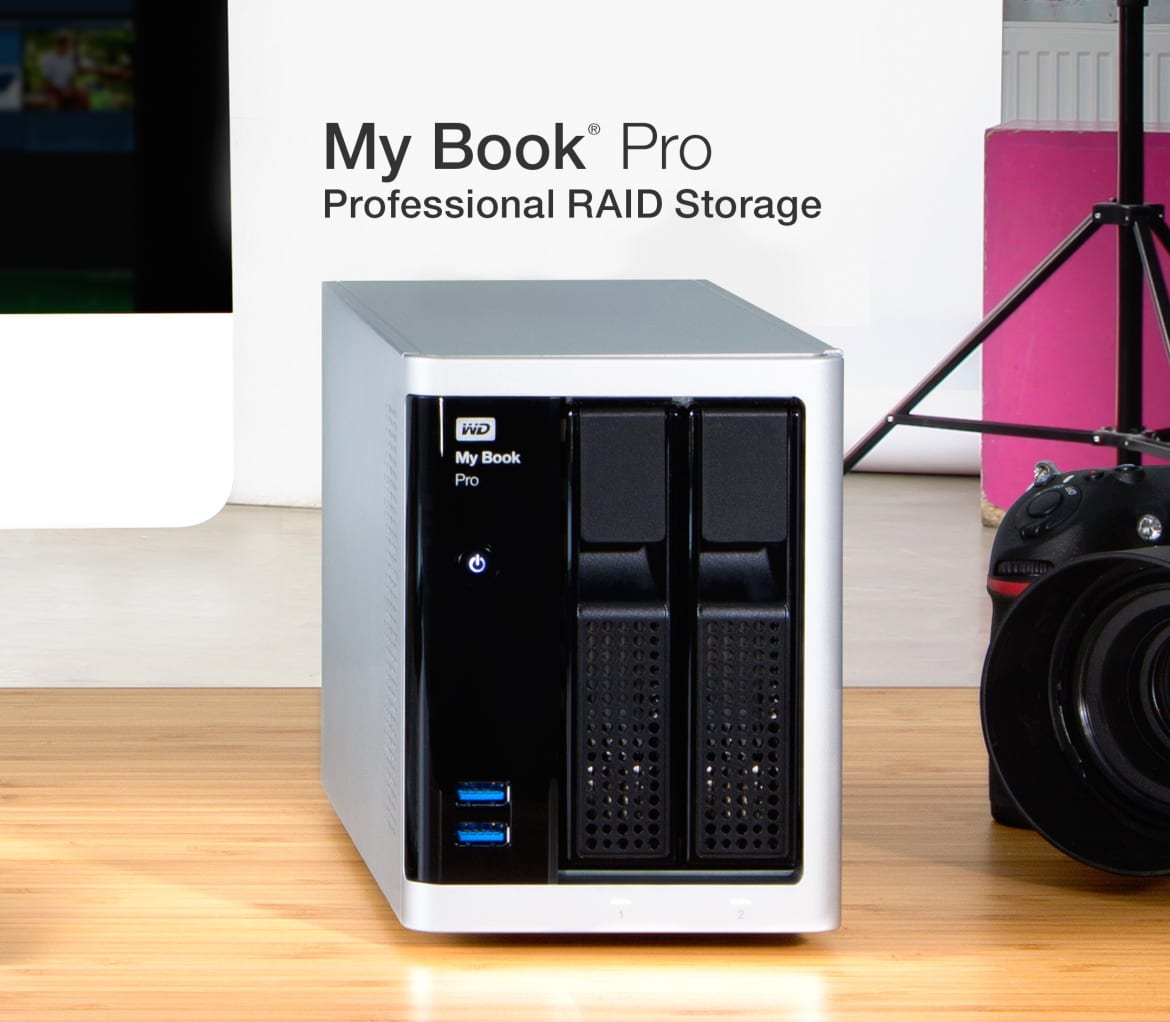
    Designed for professional content creators who need performance and capacity, My Book Pro storage combines the power of dual 20 Gb/s Thunderbolt 2 ports, USB 3.0 compatibility, the peace-of-mind of hardware RAID and the speed of two 7200 RPM WD drives to accelerate creative workflows. With the convenience of two front-access USB ports and the ability to daisy chain up to six Thunderbolt devices, users are able to charge and sync smartphones, tablets or cameras while simultaneously connecting 4K monitors or additional storage devices.

    At any point in time, one’s data could be at risk if not protected. Whether it’s a lost notebook or destructive virus, it’s critical to keep data safe and maintain a backup of important documents and valued content. With three customizable configuration options [RAID 0 (default), RAID 1 and JBOD] offered by the My Book Pro device for keeping content protected, data bottlenecks are reduced and throughput is improved with no impact to your computer’s CPU performance.

    The My Book Pro storage device is protected by a 3-year limited warranty and is available at select retailers and distributed by EA Global Supply Chains Solutions Inc. and Iontech Inc. in the Philippines. Manufacturer’s suggested retail price is P31,490 for the 6TB; P40,490 for the 8TB; P47,990 for the 10TB; and P53,990 for the 12TB variant.