Retail News CRM

Category: Electronics

Retail News Asia is committed to providing both local and global retailers with the latest Electronics news throughout the Asian market. This on a daily base.

  • Asus ZenWatch 2 priced in Singapore, aims for mass market

    Asus ZenWatch 2 priced in Singapore, aims for mass market

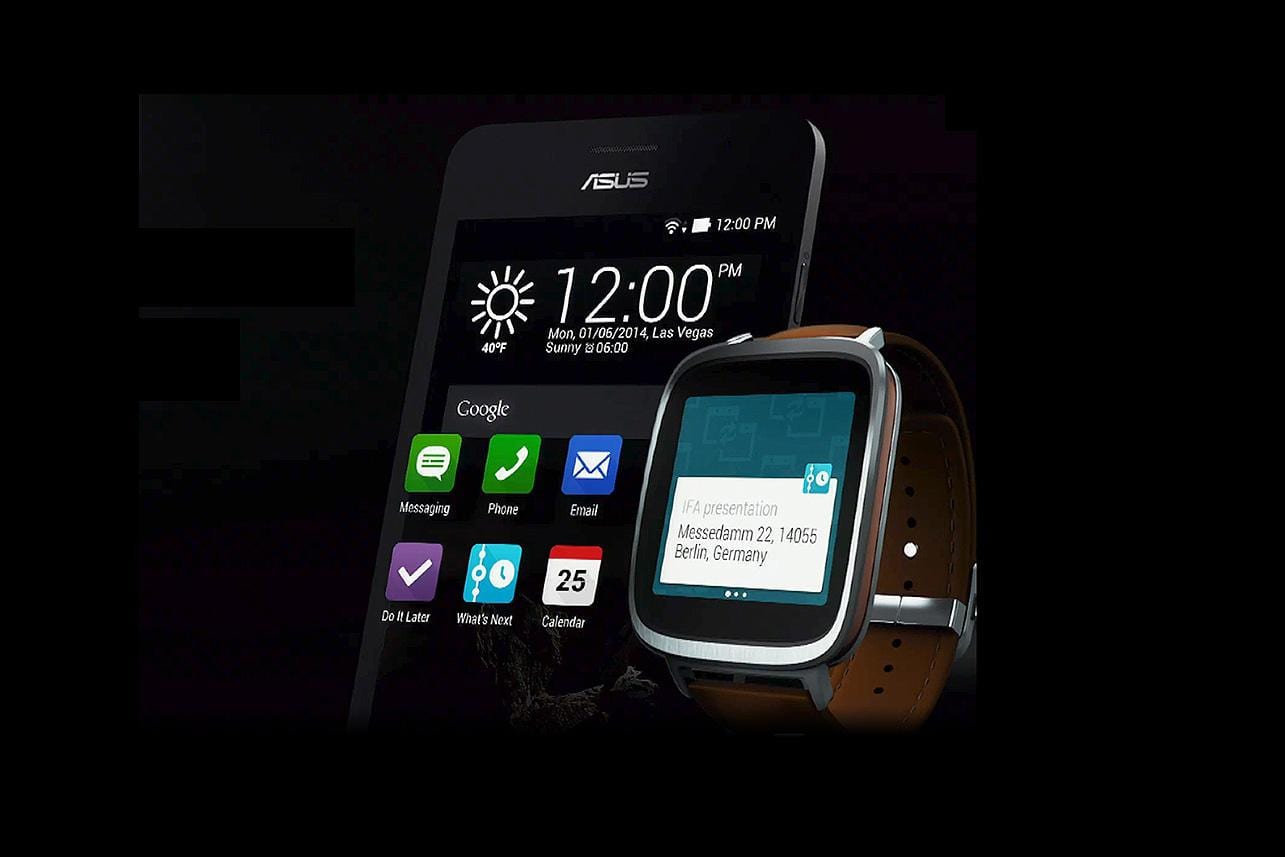
    Taiwanese PC giant Asustek Computer Inc is taking the price of smartwatches, specifically those running on Google’s Android Wear platform, to a new low.

    Launching the Asus ZenWatch 2 smartwatch in Singapore on Oct 29, the company announced the wearable will begin shipping in Singapore from Nov 14 and retail for S$229 (US$165).

    As the name implies, this product is the follow-up to the original ZenWatch launched back in 2014.  That wearable wasn’t officially sold in Singapore, but was (belatedly) made available in Malaysia.

    Asus’ country manager for Singapore, Leo Tseng, told Digital News Asia (DNA) at the sidelines of the launch event, the decision not to introduce the original ZenWatch to Singapore was due to timing.
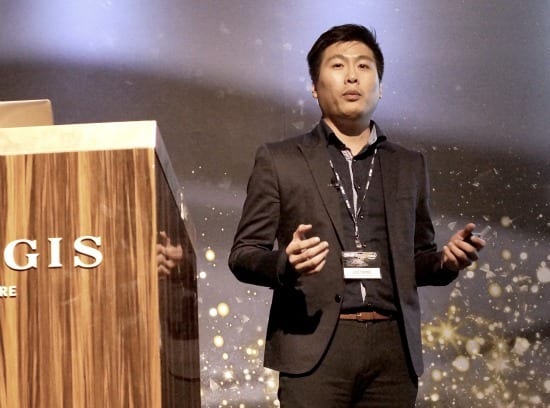
    “At that time [early 2015], the price was high and consumers weren’t educated about smartwatches, so if we brought that product in, there would be trouble for us.

    “Now, Apple has since launched their smartwatch, so consumers have a better idea and feelings towards this type of product,” he said, alluding to improved consumer awareness about  smartwatches thanks to the buzz generated by the Apple Watch.

    Tseng also noted that there was a clear directive from Asustek’s chief executive officer Jerry Shen to the product team to improve on the wearable and make it more affordable for consumers without sacrificing on quality.

    Compared to the recently launched Huawei Watch which starts at S$549, or even the Tizen-powered Samsung Gear S2 which retails for S$448, the Asus ZenWatch 2 looks like a sweet deal.

    And unlike its rivals, Asus is sticking to one price for its watch, even though it comes in two different sizes “to cater to both female and male users”, according to its press materials.  When asked for the reason behind offering just a single price point, Tseng said it was to reduce consumer confusion.
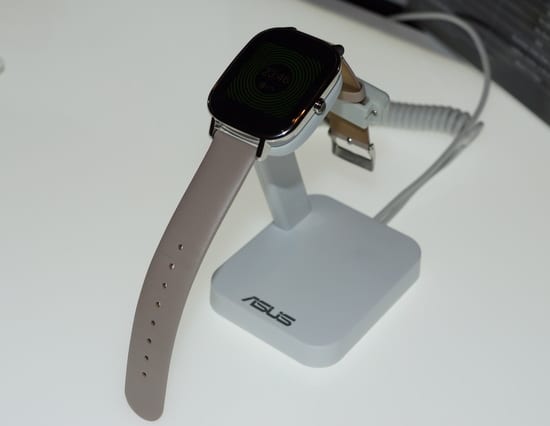
    The 1.63 inch ‘Sparrow’ model is similar in size to the previous ZenWatch, while the 1.45-inch ‘Wren’ version will suit smaller wrists.  Those measurements refer to the size of the display.
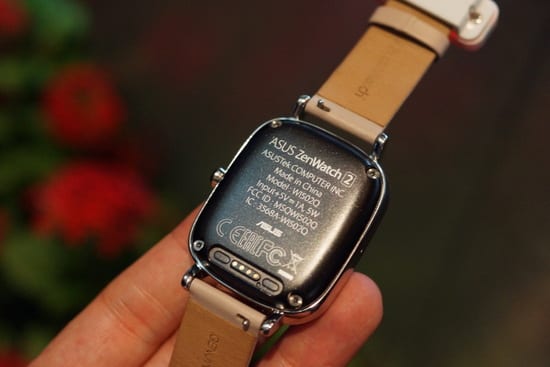
    To provide some design variety, Asus is also making available a number of interchangeable straps for the watches, priced at S$39 (US$28) each.  The bands will come in both rubber and plastic options, and will be available at the end of November.

    The original model was critically well-received, partly due to its sleek design and leather band.  In this regard, Asus hasn’t strayed too far from that design philosophy.

    Rather than going for a circular face, the company is continuing with a rectangular-shaped stainless steel watch case design with rounded edges, leather bands and metal buckles.

    A metal crown button is fitted on the right, similar to wristwatches and provides a way to access apps and turn the screen on or off.
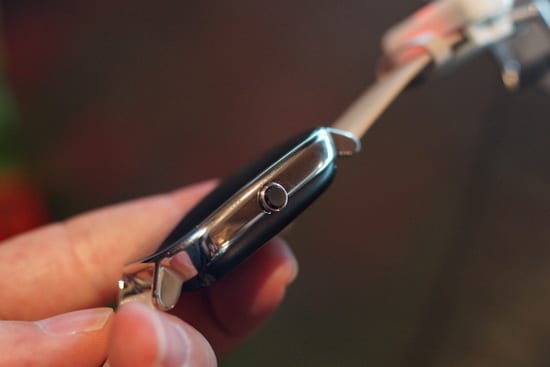
    The watch display has a slightly curved surface which Asus claims improved usability and is protected against scratches with Corning’s Gorilla Glass 3.

    One marked change over its predecessor is the design of the watch clasp. The original model utilised a large metal clasp that joined both sides of the band together. The new ZenWatch opts for a more traditional buckle and is less conspicuous and looks more refined by comparison.

    One area which Asus didn’t iterate on however, is the internal hardware specifications. This smartwatch continues to rely on the same Qualcomm Snapdragon 400 processor, with 512MB of memory and 4GB  of storage.

    The display resolution on the ‘Sparrow’ model is also similar at 320 x 320 resolution, while the smaller ‘Wren’ model comes with a lower 280 x 280 resolution.  Asus is also utilising the same high-contrast AMOLED screen found in the original watch.

    In terms of battery life, the company claims the new watch is fitted with an enhanced battery (400mAh for Sparrow, 300mAh for Wren) which will provide up to two days of use on a single charge.

    It said it made some improvements to the charging mechanism, utilising a magnetic charger which takes slightly more than half an hour to charge the unit from zero to 50 percent capacity.

    Like most smartwatches today, the ZenWatch 2 comes with a number of different sensors to track your activities and how long you’ve stayed sedentary, but unfortunately it dropped the heart-rate sensor from this model.

    Tseng said few people used the heart-rate sensor found on the original ZenWatch, so it decided to focus on other areas, like being able to track a larger variety of activities, including push-ups and sit-ups, aside from the usual walking and running motions, as part of its updated ‘Wellness Manager’ software.
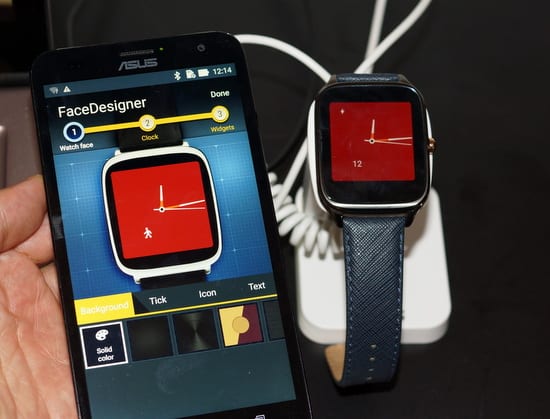
    Compatible with Android smartphones and iOS devices, this wearable also includes new apps like  ‘FaceDesigner’ (pic above)  which lets you create your own watch face from your smartphone, and ‘Business Helper’ which helps users keep track of their agendas, manage their emails and viewing call logs, without having to check their smartphone.
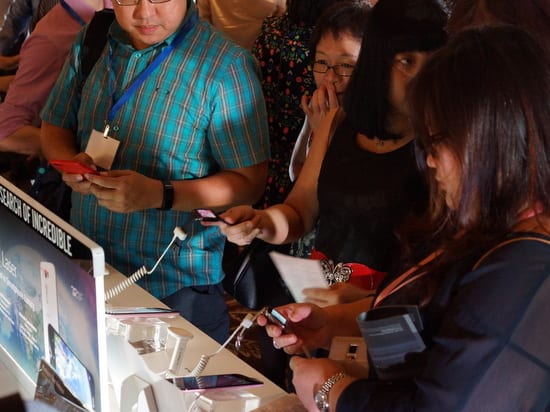
    Speaking with several of the trade partners and members of the media who were present at the launch, DNA found the reaction to be generally positive, especially when it came to the price of the watch.

    Some believed this would help to encourage users to try on the watch for size, and since the ZenWatch 2 is available in two sizes, it would hopefully meet the needs of the fashion conscious as well.
  • Playstation VR Price News: Retail Store Now Getting Preorders

    Playstation VR Price News: Retail Store Now Getting Preorders

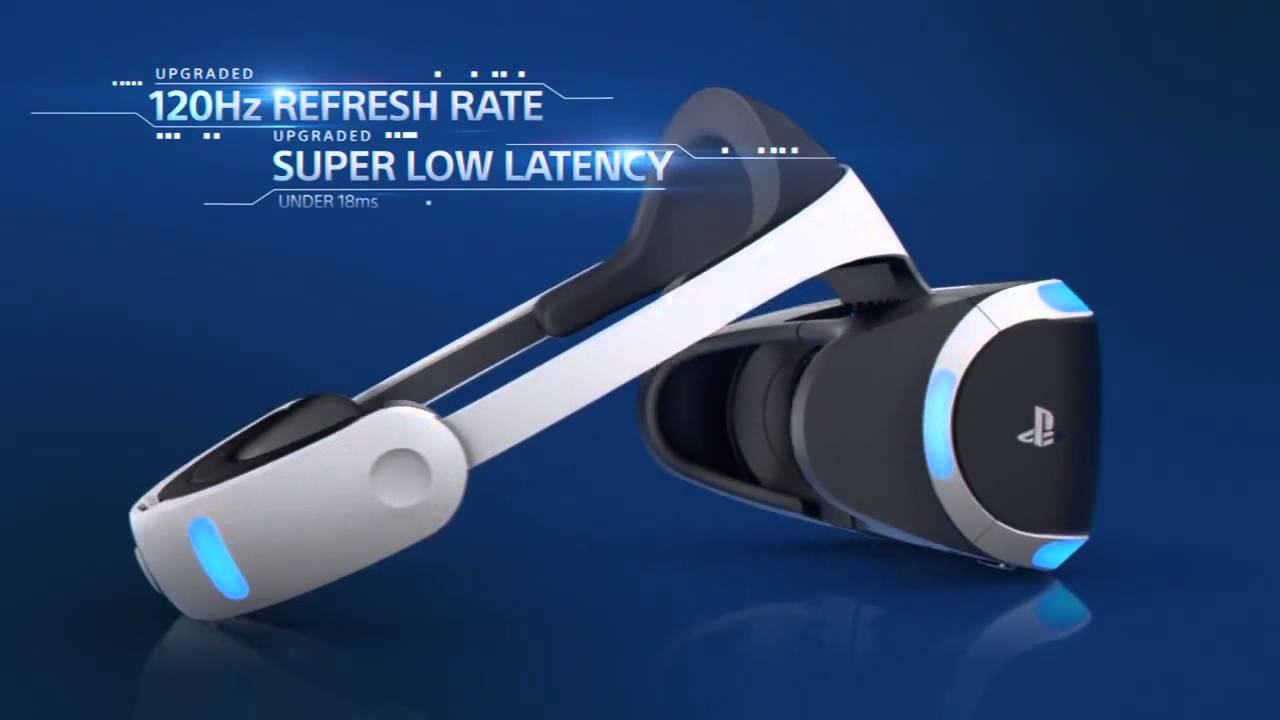
    A game console and gadget retailer in Singapore has put up a listing for Sony fans to put up pre-orders for Playstation VR. With this now going on in Singapore, Sony still remains silent until today about the launch date of their virtual reality game console.

    Multiplayer, a game shop, is now accepting pre-orders for the PlayStation VR with a $499.90 price tag attached. Attack of the Fan Boy also adds that the Singapore store is offering free shipping to pre-buyers.

    The published price is not one hundred percent confirmed however. It may go lower, or it may go higher as Playstation has also remained fairly silent about this matter as well.

    They add to the disclaimer: “LOWEST PRICE GUARANTEE! HOW DOES IT WORK: Please note! Price and sale date are not confirmed then: If it will cost more, the price of your booking will not change if it will cost less, we’ll refund the difference!”

    The bold move is unconfirmed to be a legitimate one, or whether it is a marketing move to get gamers to notice specific brands as early as now in preparation for the release of the much awaited virtual reality package by Sony. It is however confirmed that moves like this one is not coordinated with Sony.

    However, one area that Sony has been noisy about is the confirmation of more and more games that Playstation VR will run. The most recent, according to Gamerant, is the announcement of Gran Truism 7 for Playstation, which Sony PlayStation president Shuhei Yoshida had something personal to reveal: ” We have been conducting ‘many trial tests’ of different genres that work with PlayStation VR and driving is one of the genres that works ‘fine’.”

    In another game announcement in Playstation’s official US blog, Mike Bithell connotes that the console launch will not be happening until next year. He says: “When the PlayStation VR platform launches next year (Nope, they won’t tell me when either)…”

    Other gamers blogs have also indicated that Sony is bringing Playstation VR to various events, the most recent being the 2015 Armageddon Expo in Auckland, where attendees were each given five minutes to try out the product.

  • Wearable power supplies: the next new retail category

    Wearable power supplies: the next new retail category

    What’s the next new retail category in electronics? Wearable power supplies, judging by product innovations just revealed in Korea.

    Samsung SDI Co and LG Chem Co, South Korea’s two major battery makers, are expanding their product portfolios into flexible cells for wearable devices, a move seen to meet increasing global demand for bendable gadgets such as smartwatches.

    The two battery-making units of Samsung Group and LG Group showcased their latest flexible battery lineups at an exhibition in Seoul.

    Samsung SDI unveiled two types of flexible batteries – a stripe and band-type — that are designed to be applied for use in various wearable devices as necklaces and hair bands, the company said.

    The ultra-slim, 0.3mm-thin stripe battery, showcased for the first time, is a next-generation battery made with fibre which enables far greater flexibility than existing bendable cells, the company said.

    The band-type battery is designed to be used in smartwatches and is proven to resist over 50,000 bendings and enhance a gadget’s capacity by up to 50 per cent, it added.

    The Samsung unit supplies the bulk of its batteries to its bigger affiliate Samsung Electronics Co, the world’s top smartphone maker. Recently there have been market speculations that Samsung’s next flagship smartphone, the Galaxy S7, will come in a bendable form. The smartphone is forecast to be released early next year.

    LG Chem also put on display a wristband-type battery called “wire battery” that can be folded into half. The company developed a wire-type battery in 2013 for the first time in the world, before it came up with the world’s first hexagonal-shape battery in June.

    LG Chem said the band-type and hexagonal batteries will likely double the battery capacity for smartwatches.

    According to global market tracker Gartner, smartwatches are forecast to account for 40 per cent of wrist-wearing devices in the world by 2016, with its global shipments to surpass 100 million in 2020.

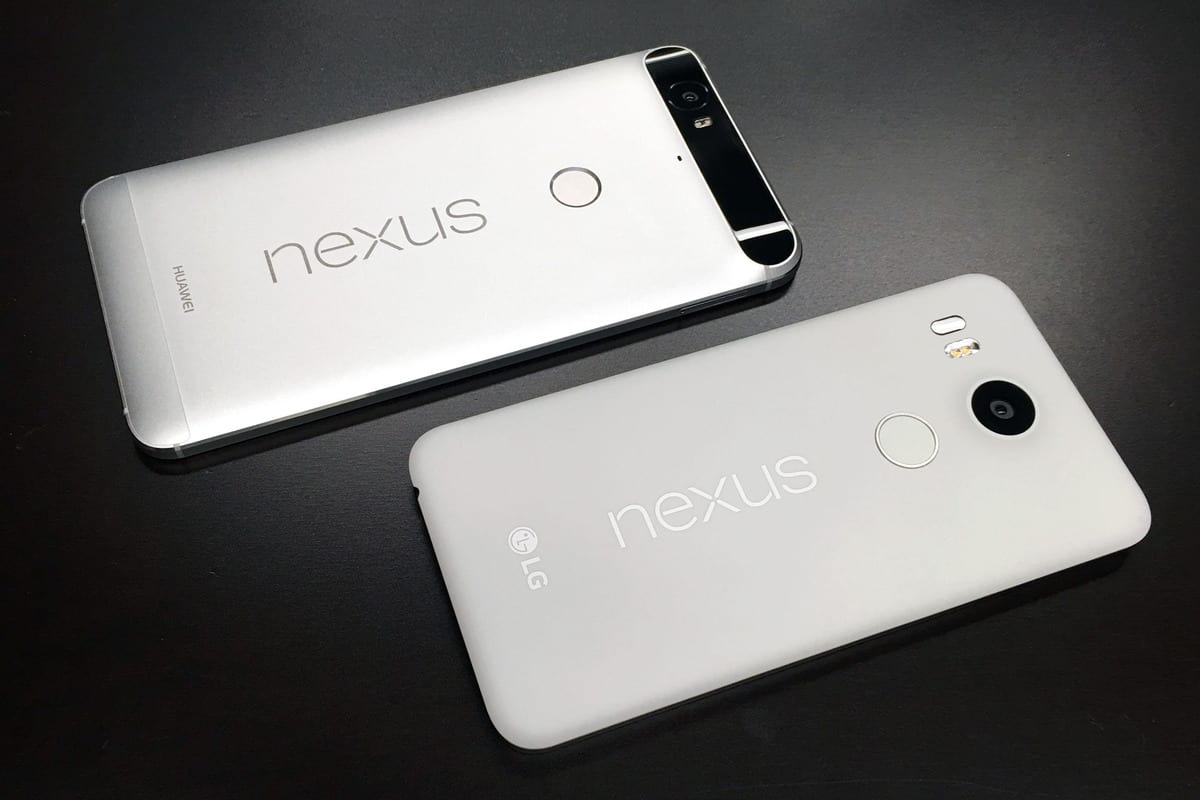
  • Google Nexus 6P pre-order in Singapore starts Nov 2

    Google Nexus 6P pre-order in Singapore starts Nov 2

    Fans of Google Nexus smartphones in Singapore will soon be able to get their hands on the search giant’s latest large-screen flagship, the Nexus 6P.

    In a joint statement, Huawei Consumer Business Group (which manufactures the Nexus 6P and distributes the device in markets where Google’s official online stores aren’t available) and online retailer Lazada announced the smartphone will be available for pre-order exclusively on Lazada.sg from Nov 2-11.

    This is the first time a Google Nexus smartphone is being sold in Singapore through official channels.

    The last time a Nexus device made it to Southeast Asian shores was in 2013 when Taiwan’s Asus offered the Nexus 7 tablets through its retail outlets.  Last year’s Motorola-made Nexus 6 smartphone by comparison, was only sold through third-party importers.

    Huawei’s head of Consumer Device Singapore, Low Han Thong, said in the statement, “Huawei is excited to collaborate with Lazada to offer consumers in Singapore, for the first time, an alternative channel to own the premium Nexus experience.”

    The device will be available in silver and black colour options at a pre-order price of S$899 for the 64GB storage version and S$999 for the 128GB model.  After the pre-order period, the pricing will revert to S$949 (64GB) and S$1049 (128GB).

    At the Oct 28 media briefing organised by Huawei Singapore, a company spokesman said Huawei is planning to sell the highly-rated smartphone through traditional retail and carrier channels as well, although there’s no confirmation on which operator will carry the product eventually.

    Additionally, the company expects inventory for the 128GB model to be highly limited, due to a global supply shortage.

    The 5.7-inch Nexus 6P is designed with a full metal unibody and sports a high-resolution QHD AMOLED display with 518 ppi (pixels per inch).  That screen is flanked by two front-facing speakers that help improve the experience when watching videos or taking a conference call.

    The phone is powered by Qualcomm’s 2.1 version of its flagship Snapdragon 810 processor, has a fingerprint sensor and fitted with a reversible USB Type-C port with support for fast charging.  The device features 3GB of RAM and storage options of 64GB or 128GB.

    On the downside, there is no expandable storage support and the battery is non-removable, but at 3450mAh, it seems beefy enough that you won’t really need a second battery.

    The highlight of the device though, is that it runs on a pure, stock version of Google’s brand new Android 6.0 Marshmallow operating system, without the typical skins or bloatware offered by phone manufacturers.  For many, this is the primary reason to purchase a Nexus branded smartphone or tablet, as these devices are the first to receive the latest Android software upgrades from Google.

    The Nexus 6P is one of the two smartphones Google introduced during its recent Nexus event, the other being the smaller (but hardly small) 5.2-inch Nexus 5X, which is manufactured by South Korean giant LG Electronics.

    During the hands-on session at the media event, the Nexus 6P still felt a little large but did exude a premium feel. The Marshmallow interface isn’t that different from Lollipop (Android 5.0) but there are some changes under the hood, including better support for the biometric sensors like the fingerprint reader.  Autofocus on the camera was fast and the pictures turned out sharp and well-exposed.

    Overall, this smartphone looks like a credible contender against Apple’s iPhone 6S Plus and Samsung’s new Galaxy Note 5 in terms of large screen devices, although there is no shortage of impressive Android flagships this year, including Huawei’s very own Mate S.

  • Western Digital unveils New My Book Pro

    Western Digital unveils New My Book Pro

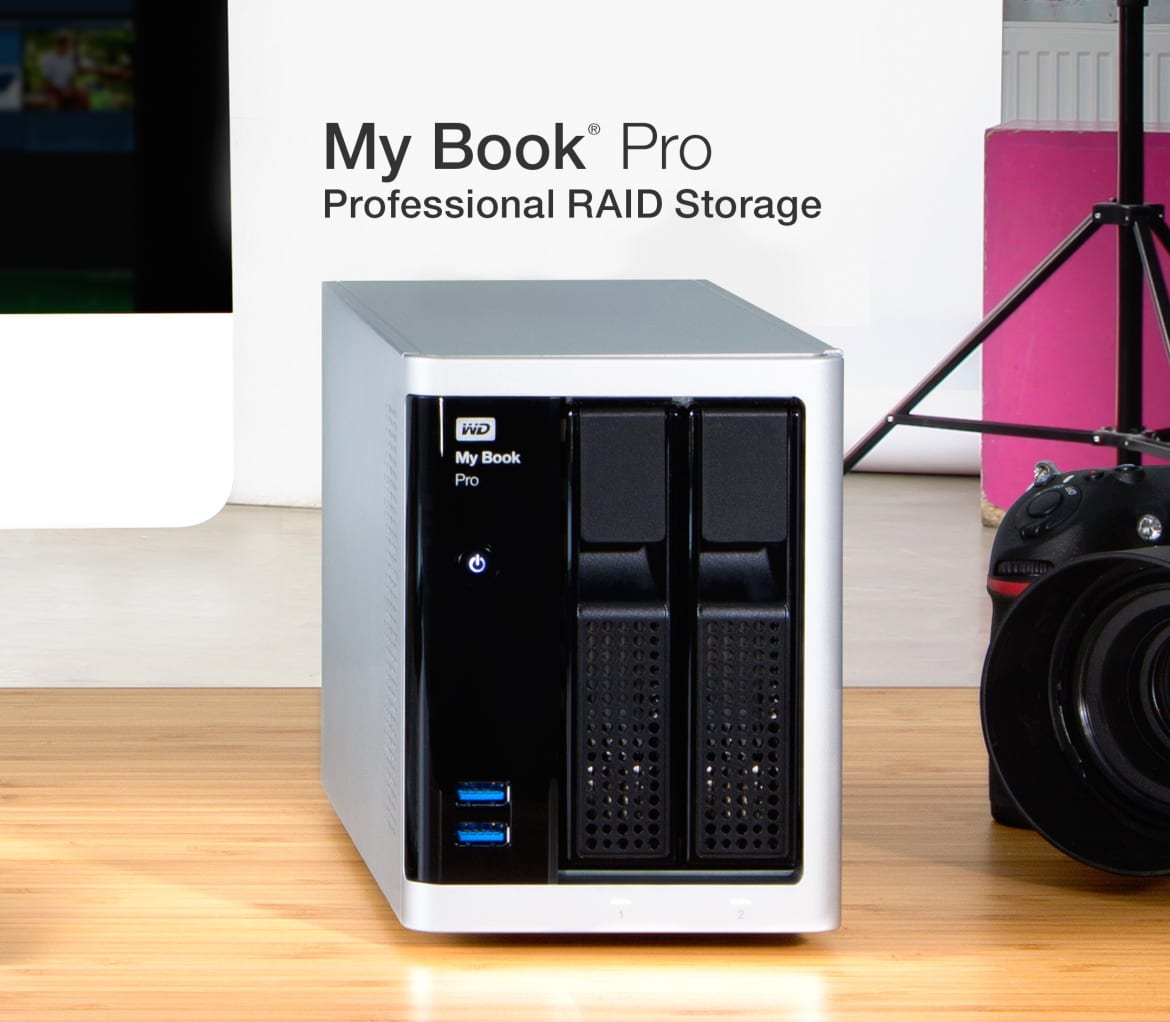
    Designed for professional content creators who need performance and capacity, My Book Pro storage combines the power of dual 20 Gb/s Thunderbolt 2 ports, USB 3.0 compatibility, the peace-of-mind of hardware RAID and the speed of two 7200 RPM WD drives to accelerate creative workflows. With the convenience of two front-access USB ports and the ability to daisy chain up to six Thunderbolt devices, users are able to charge and sync smartphones, tablets or cameras while simultaneously connecting 4K monitors or additional storage devices.

    At any point in time, one’s data could be at risk if not protected. Whether it’s a lost notebook or destructive virus, it’s critical to keep data safe and maintain a backup of important documents and valued content. With three customizable configuration options [RAID 0 (default), RAID 1 and JBOD] offered by the My Book Pro device for keeping content protected, data bottlenecks are reduced and throughput is improved with no impact to your computer’s CPU performance.

    The My Book Pro storage device is protected by a 3-year limited warranty and is available at select retailers and distributed by EA Global Supply Chains Solutions Inc. and Iontech Inc. in the Philippines. Manufacturer’s suggested retail price is P31,490 for the 6TB; P40,490 for the 8TB; P47,990 for the 10TB; and P53,990 for the 12TB variant.

  • Story-i launches into Vietnam

    Story-i launches into Vietnam

    Apple reseller Story-i has launched in Vietnam hoping to replicate its Indonesian market success.

    The Singapore-headquartered electronic authorised reseller has opened its first Apple Premium Reseller (APR) store in the new SC VivoCity Mall in Ho Chi Minh City in Vietnam.

    The opening of the first store in Vietnam marks Story-i’s 17th outlet. The company owns and operates 16 stores throughout Indonesia, selling Apple, Samsung and Lenovo products.

    Story-i chose Vietnam as its next new market because of its “similar demographic and lifestyle consumer trajectory to Indonesia”.

    Management has identified Vietnam with 92 million population as the next high growth market and aims to open eight more outlets during the next three years.

    Said executive director Michael Chan: “This new store in Vietnam marks the beginning of our growth strategy to penetrate the expanding middle class of Southeast Asia’s population of 600 million. As we have done in Indonesia, we will anchor growth from prominent store locations and drive market penetration with our eCommerce offering.”

    He said the team was focused on rolling out a unique mix of electronic lifestyle products such as Apple and Lenovo as well as its enterprise solution and education services into Vietnam.

    “Our first Vietnam store continues to exceed our expectations for visitation and sales. This bodes well for extending the network through the smaller cities up to the northern capital, Hanoi.”

  • How big is Apple’s green initiative in China?

    How big is Apple’s green initiative in China?

    It’s not easy to convey the scale of the two initiatives Apple announced today to reduce its carbon footprint in China—Building 200 megawatts of solar projects in the provinces on its own and partnering with its Asian suppliers to install another 2 gigawatts of new clean energy.

    Apple’s press release offered some helpful analogies.

    —The 40 megawatts of solar projects already completed in the Sichuan Province produce more than the total amount of electricity used by all of Apple’s offices and retail stores in China.

    —The 200 megawatts of solar projects planned for the northern, eastern and southern regions of China will produce enough energy to power 265,000 Chinese homes in a year

    The combined programs will avoid over 20 million metric tons of greenhouse gas pollution in China between now and 2020, the equivalent of taking nearly 4 million passenger vehicles off the road for a year.

    “Climate change is one of the great challenges of our time, and the time for action is now,” said Tim Cook, Apple’s CEO. “The transition to a new green economy requires innovation, ambition and purpose.”

    It also takes a lot of money. Apple achieved 100% carbon neutrality in its U.S. operations in part by generating its own clean energy and in part by buying credits from other clean energy providers. Now it’s doing the same in China.

    Not every company can afford that. Still, Apple is getting plaudits for leading by example.

    “We need governments and companies to transition us to renewable energy as rapidly as possible,” said Gary Cook of Greenpeace, an organization that played Apple’s scold not that many years ago. “Apple’s announcement today is a major step forward in building a renewably powered supply chain for its products.”

  • iPhone 6s hits store shelves in South Korea

    iPhone 6s hits store shelves in South Korea

    By Kim Seung-yeon

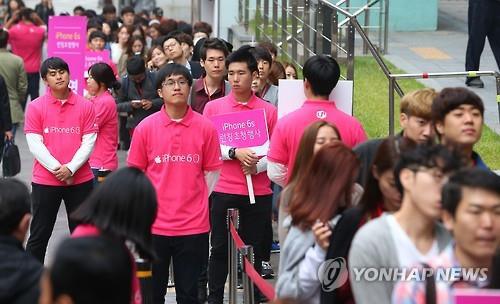
    SEOUL, Oct. 23 (Yonhap) — Apple Inc.’s two latest smartphones went on sale in South Korea on Friday, with the industry poised to keep close tabs on the market for possible overheating on the retail front.

    The country’s three major mobile carriers — SK Telecom Co., KT Corp. and LG Uplus Inc. — released the iPhone 6s and iPhone 6s Plus for sale via their respective retail stores nationwide.

    The iPhone 6s is available for 720,000 won (US$635) for the 16GB model and 1.14 million won for the 128GB, given the subsidy of about 130,000 won, according to the telecom companies.

    The price of the iPhone 6s Plus starts from 999,000 won and runs to 1.26 million won depending on the phone’s storage capacity.

    The mobile carriers each held a launching event for the new iPhone series earlier in the day, offering various promotions and free gifts to woo consumers.

    The release of a new iPhone series usually draws heated interest here among consumers, including Apple loyalists, and the entire industry.

    Huge demand for the new iPhones has been a trigger for the mobile carriers to risk giving large sums of rebates that passed the legal limit in order to steal customers away from rivals.

    In October last year, the government came up with a new handset subsidy law to curb the excessive paybacks. Yet it proved to be less than effective when the iPhone 6 series went on sales later in that month and retail vendors began to splurge subsidies.

    Industry watchers are paying close attention again this time as to how the market will response to the two upgraded iPhones, although many bet that there won’t be as much of a fuss as the previous releases due to tougher market conditions.

    The online presales of the iPhone 6s series, which ran through this week, ended in early closures as they sold out in the first few minutes of the start.

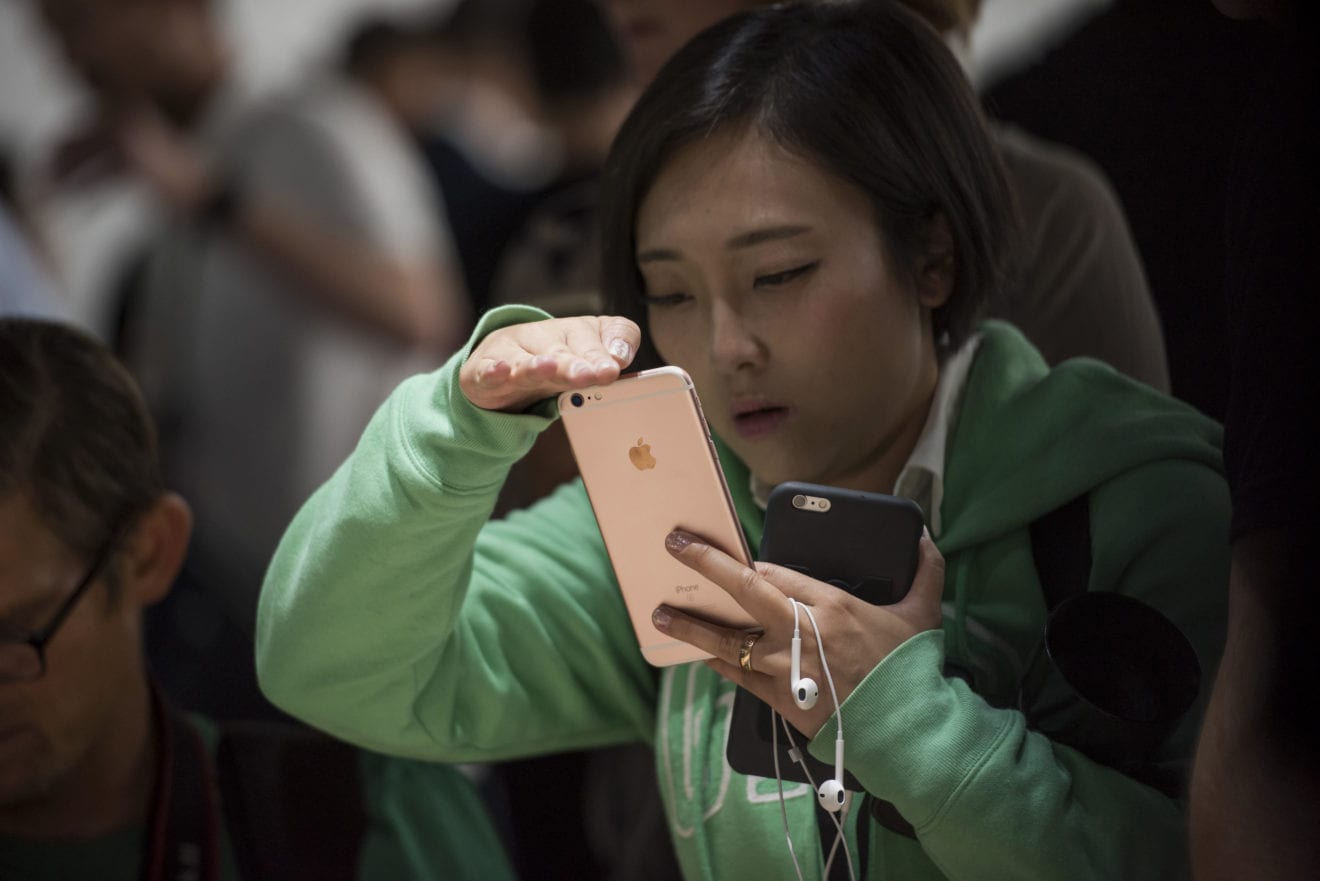
    Of the early purchases, 30.4 percent booked the new rose gold model, while preorders for the silver iPhone 6s Plus came in at mere 0.1 percent, according to one of the mobile carriers.

    Customers form a long queue to buy the new iPhone S6 series on the first day of its release in front of a direct retail store run by South Korean mobile carrier LG Uplus Inc. in Seoul, on Oct. 23, 2015. (Yonhap)

    Customers form a long queue to buy the new iPhone S6 series on the first day of its release in front of a direct retail store run by South Korean mobile carrier LG Uplus Inc. in Seoul, on Oct. 23, 2015.

  • Sim Lim Square scammers jailed

    Sim Lim Square scammers jailed

    Crooked retailers have been served a warning after a judge jailed four Sim Lim Square scammers.

    The freelance salesmen worked for the collapsed Mobile Air mobile phone shop for notorious conman Jover Chew Chiew Loon have been sent to jail for between four and 14 months for their part in duping customers of a proven $16,147 between April and October last year.

    Chew goes to trial next week.

    According to a Straits Times court report, the four convicted are Koh Guan Seng, 38, (14 months); Kam Kok Keong, 31, (11 months); Lim Hong Ching, 34, (six months); and Kelvin Lim Zhi Wei, 32 (four months).

    The newspaper reports they would lure unsuspecting customers with attractive pricing for new phones, then add hidden charges to extort additional cash from the customers. Such charges included bogus extended warranties

    Mobile Air is the store featured in footage which went viral on social media last November showing a Vietnamese tourist who used his life savings to buy his girlfriend a new phone begging for a refund after he could not pay an extra $1000 demanded for a ‘warranty’ before he could take the phone away.

    District Judge Toh Yung Cheong said that while they had been trained in how to dupe customers, the four convicted had made conscious decisions to offend.

    “In committing the offences, they behaved like thugs rather than sales assistants and they must bear personal responsibility for their conduct,” he said.

    Prosecutors said the victims were mostly foreigners on low wages and with limited English skills – thus easy targets for the conmen.

    The judge noted their actions had caused wider harm by damaging the reputation of Singapore as a tourist and shopping destination, apart from the impact on Singapore’s retail industry.

  • Apple Inc. To Open The Largest Store In China Tomorrow

    Apple Inc. To Open The Largest Store In China Tomorrow

    Apple Inc. confirmed the upcoming launch of its 21st Apple Store in China, scheduled to open in Dalian on October 24, 2015. The latest retail outlet is situated in Parkland Shopping Mall on 19 Jiefang Road. Earlier in 2012, the iPhone maker claimed that the store in Dalian may potentially be the Apple’s “largest” retail outlet ever.

    The company’s new outlet is located in Dalian’s Zhongshan District, a populated area usually flooded with tourists from Japan, Korea and China. And it also serves as a popular port and financial center. Apple confirmed that the store was set to open its doors on Saturday at 9:30 AM.

    As Apple pursues its aim to open the “largest flagship store” in Parkland Mall, the company may also decide to transfer that title to its other upcoming retail outlet for Dubai, scheduled to open on October 29. The tech giant’s store in the Mall of Emirates also marks it as its first expansion plan in the Middle East.

    Apple is aware of its strong influence in Chine, and has been working on the Dalian project for past three years. Through this, it is clear that the tech giant takes China as one of its main consumer markets for Apple products. Even though Apple might not make its Dalian outlet the “largest” one, its former plans do so indicate that it may have other exclusive plans for its store in China.

    The company has also invited US locals to apply for potential jobs at the upcoming store, with recruitment beginning earlier this year. By introducing a new store in China, Apple may help create increasing job opportunities for local citizens as well. By providing customers with basic Apple Store services such as a Genius Bar, workshops, tutorials and more at the upcoming Apple Store, it is evident Apple is attempting to integrate its standard store elements into the upcoming branch to ensure it can authentically deliver according to its original standards and help boost its reputation even further in Chinese markets.

    By launching an Apple outlet in one of the most visited locations in Dalian, Apple’s plan may help it increase its user base even further. The company’s efforts to attract a larger target market is expected to be successful due to its easy access to numerous strangers and tourists who visit Parkland for shopping. The tech giant will be able to benefit from its store location and may attract foreigners to its variants, further promoting its services to a larger audience through its China retail outlet.

    Moreover, it is highly possible that Apple’s new store will help boost business for surrounding retailers as well, enabling the company to secure a relationship with Dalian businesses for future ventures. As far as its store in Dubai is concerned, the iPhone maker is deliberately choosing shopping plazas and malls to introduce its outlets, so that it can target wider audiences.

    It isn’t confirmed that the tech giant still plans to make its Dalian branch the “largest” outlet. However, the store’s launch this Saturday is expected to attract many customers from China, Korea and Japan.

  • Artway sales surge

    Chinese electrical retail giant Gome says sales by its takeover target Artway during the first half year rose 7.85 per cent year on year, to RMB10.858 billion.

    Same store sales rose 3.66 per cent overall, while in second tier cities same store sales rose 5.93 per cent, demonstrating the success of Artway’s focus on smaller centres.

    Gross profit margin rose by 0.85 percentage points to 20.28 per cent.

    Profit for the period was RMB256 million, up 75.34 per cent compared to the same period last year.

    Gome Electrical Appliances, the Hong Kong-listed Chinese electrical appliances retailer – is planning to spend US$11.268 billion acquiring rival Artway, allow it to expand its presence from 269 cities to 436 cities across Mainland China.

    As at June 30, Artway operated 590 stores, including eight self-owned stores, covering 17 provinces in China (including Jiangsu, Zhejiang, Shanghai, Fujian, Jiangxi, Hunan, Hebei, Henan, Liaoning, Jilin, Heilongjiang, Inner Mongolia, Shanxi, Guizhou, Guangxi, Shaanxi and Xinjiang). It opened 56 stores and closed 22 in the six month period, representing a net increase of 34 stores.

  • Apple to set up research centre in Indonesia

    Apple to set up research centre in Indonesia

    US-based technology firm, Apple Inc., plans to establish a research and development (R&D) centre in Indonesia, a minister said here on Friday.The company’s management officers came into Indonesia and held talks with the government over the plan, Xinhua quoted Indonesian Information and Communication Minister Rudiantara as saying.The minister said Apple Inc. has successfully developed such a plan in Brazil and wants to do so in Indonesia.

    “Apple officers proposed the investment model in Brazil to be implemented in Indonesia. They plan to build R & D centre in Indonesia,” he said at Graha XL building.Rudiantara said further discussion with Apple will be conducted over the local content requirement.Indonesian President Joko Widdo has scrambled to invite more foreign investors into the country by easing rules and improving investment climate.

    Indonesia is home to over 250 million populations with growing middle class and emerging wealth, making it one of the world’s biggest markets.

  • Pepsi smartphone planned for China

    Pepsi smartphone planned for China

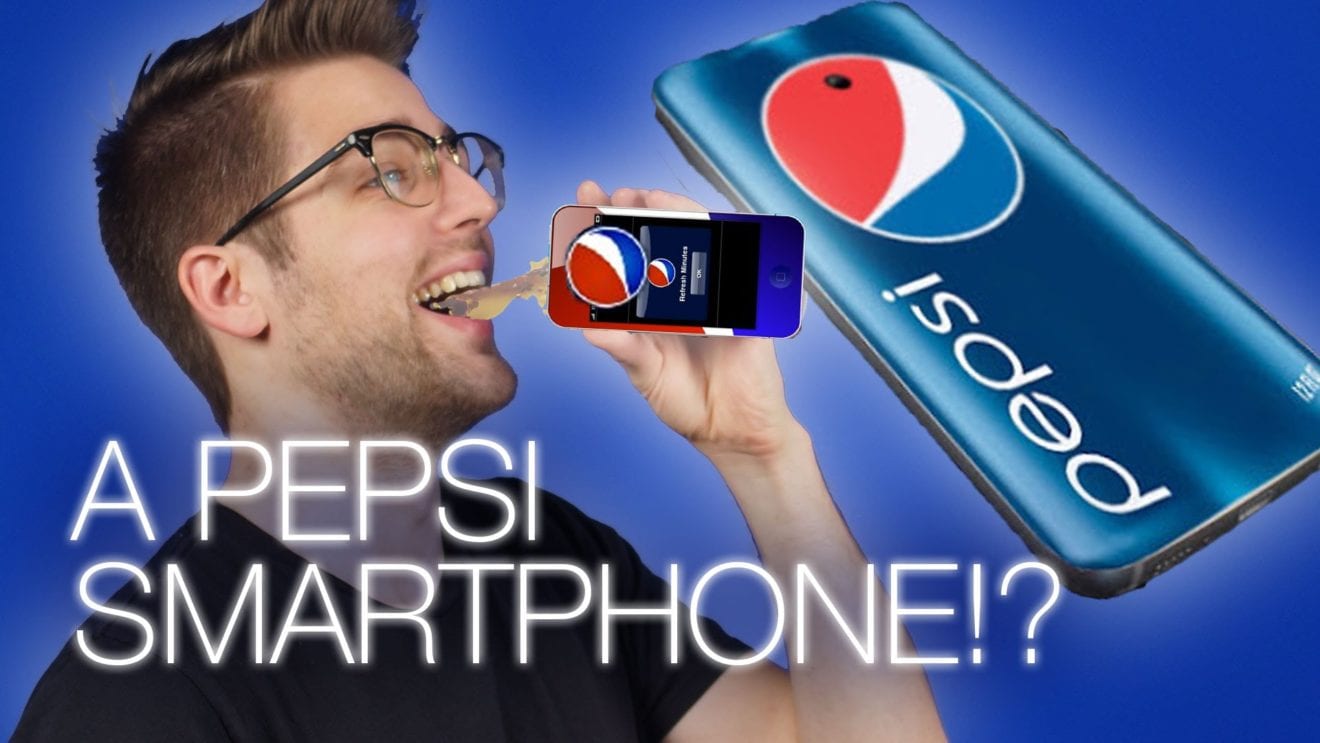
    PepsiCo will market a range of mobile phones and accessories in China later this year.

    The US beverage giant will licence its brand to a manufacturing partner with the Pepsi smartphone just one of a range of planned licensed products which will also include apparel.

    “Available in China only, this effort is similar to recent globally licensed Pepsi products which include apparel and accessories,” a Pepsi spokeswoman told Reuters by email.

    No further details were released about the phone’s specifications – or the manufacturing partner.

    It won’t be the first technology product born of a partnership between Pepsi and an electronics brand. Last year it teamed up with Danish avant garde audiovisual manufacturer Bang & Olufsen to create Pepsi-branded products to support the soft drink brand’s soccer campaign.

  • Apple iPhone 6s Sales in China Below Expectations, Says Boutique Researcher J.L. Warren

    Apple iPhone 6s Sales in China Below Expectations, Says Boutique Researcher J.L. Warren

    Junheng Li with boutique research shop J.L. Warren Capital this morning opines that Apple‘s (AAPL) rollout of its iPhone 6s is failing to meet expectations, citing as the main reason a failure of the Chinese market to deliver.
    “According to information and/or data readily available from AAPL suppliers, we consider that the iPhone 6s initial launch in the 12 markets globally, is not meeting market expectations,” writes Li.

    Oddly enough, although Apple announced on September 28th that its first-weekend sales of the 6s beat last year’s 10 million for the iPhone 6, selling more than 13 million units, Li argues the result was underwhelming.

    “During the first week (including weekend) or 3 days post launch, we estimate ~13million units were sold. This number is lower than original expectations, largely due to an overestimated demand from mainland China.”

    Li cites some China market data from something called Gray Market Marker, which apparently collects the price of iPhones trading on the black market:

    AAPL launched the iPhone 6s simultaneously in Hong Kong and mainland China which cannibalized sales in HK. According to the largest grey market make [sic] a consumer electronics trading platform, the current spot prices for many models even on the launch data (9/30/2015) were below the official retail prices, unprecedented in the iPhone launch history. In total, we estimate that ~2.5-3 million of units of the 6s were sold in the mainland and ~1.5 units sold in HK. In comparison with previous years iPhone launches, when the mainland was not included in the initial launch, only 30% of the 6s purchases were from mainland, vs. 50% in previous years.

    (One point not addressed by Li is whether the premium can be expected to be lower, or even absent, precisely because the iPhone 6 was only available on the black market last year, having been left out of rhr first round of retail sales.)

    Li offers one explanation for why she thinks sales to China are below plan: “Since ZTE and Huawei already launched smart phones with 3D force touch, the new screen is not novel to Chinese consumers.”

    Li also offers some other tidbits, such as that the iPhone that comes in rose gold finish was the best seller, making 45% of sales.

    As for the outlook, she opines,

    We believe that China is the biggest moving piece for AAPL’s global sales in 2015, given it is about 20+% of the company’s global market and the demand for the iPhone is growing at ~20% according to our research. We currently project 200 million units of sell-in for iPhone 6/6+ and iPhone 6s/6s+ combined in 2015, which is 10million sell-through units lower than, the current street consensus.

    Apple shares today are down 81 cents, or 0.7%, at $110.50.

  • Apple launches new iPhone 6s and 6s Plus, available in Singapore on Sept 25

    Apple launches new iPhone 6s and 6s Plus, available in Singapore on Sept 25

    Apple unveiled two new iPhones – iPhone 6s and iPhone 6s Plus – during a special event held at the Bill Graham Civic Auditorium.

    As with any iPhone with a “S” moniker, the new iPhones are incremental upgrades to its predecessors.

    The biggest feature being highlighted during the event is the 3D Touch, which is similar to Force Touch found on Apple Watch’s display.

    Users can press lightly on an app icon to bring up options that previously unavailable. For example, users can check in in Facebook without starting the app using 3D Touch.

    Both iPhones feature the new A9 processor and an improved 12-megapixel rear camera (up from 8-megapixel previously) that is able to shoot 4K (3,840 x 2,160 pixels) videos and Live Photos.

    Live Photos will display moving images of moments before and after the picture was taken.

    The front-facing camera gets an upgrade too with a better 5-megapixel camera that comes with Retina Flash (flash from display) for selfie lovers.

    In addition, it is now able to shoot panoramic pictures as well as slow-motion videos.

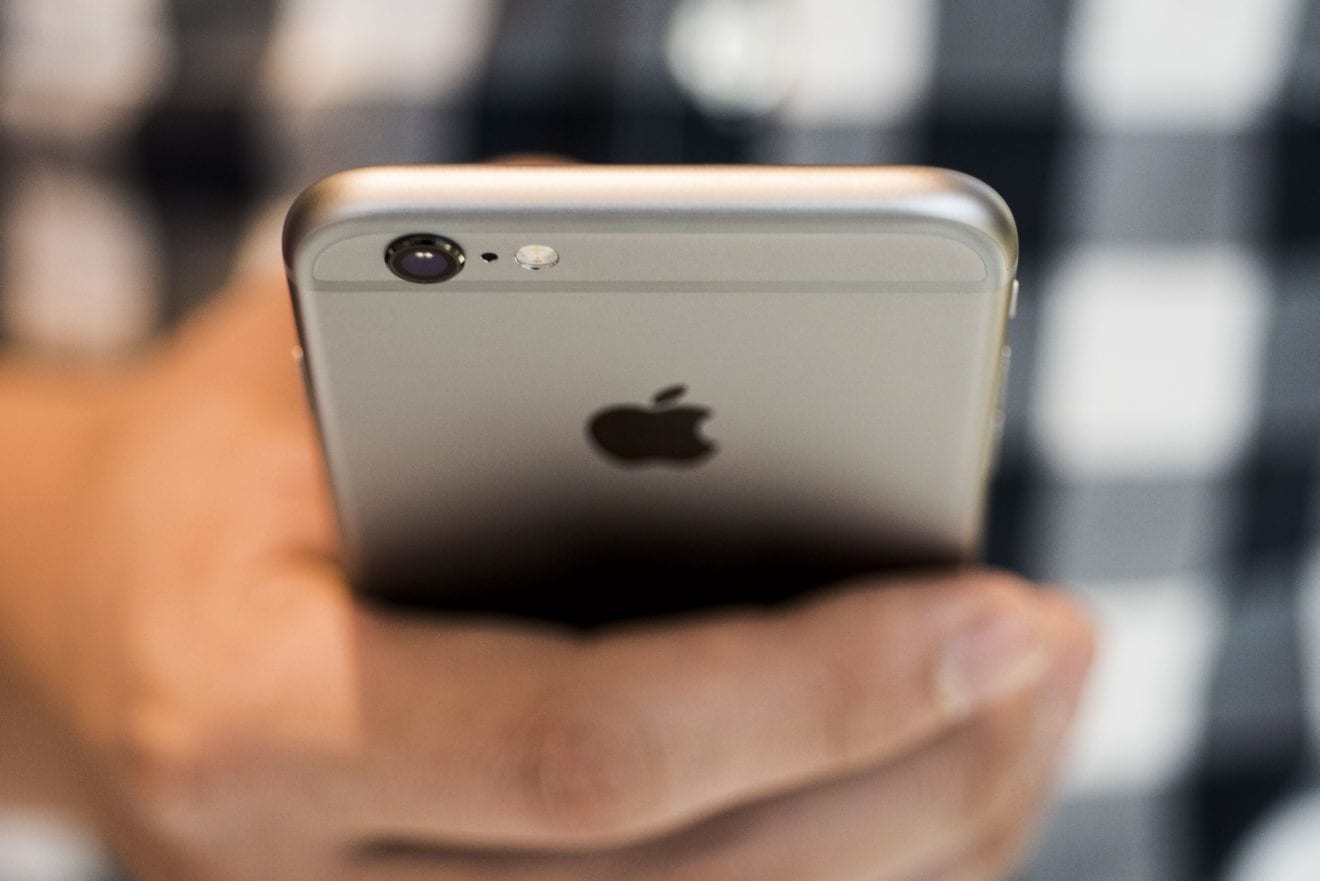
    Appearance wise, the new iPhones look exactly like its predecessors. The iPhone 6s still sports a 4.7-inch with a screen resolution of 1,334 × 750 pixels while the iPhone 6 Plus’ 5.5-inch display has a screen resolution of 1,920 x 1,080 pixels.

    However, both iPhones are slightly 0.2mm thicker than its predecessors with with the iPhone 6s measuring at 7.1mm and iPhone 6s Plus at 7.3mm. But they are now built with less-bendable 7000 Series aluminium shell to prevent the “Endgate” fiasco last year from happening again.

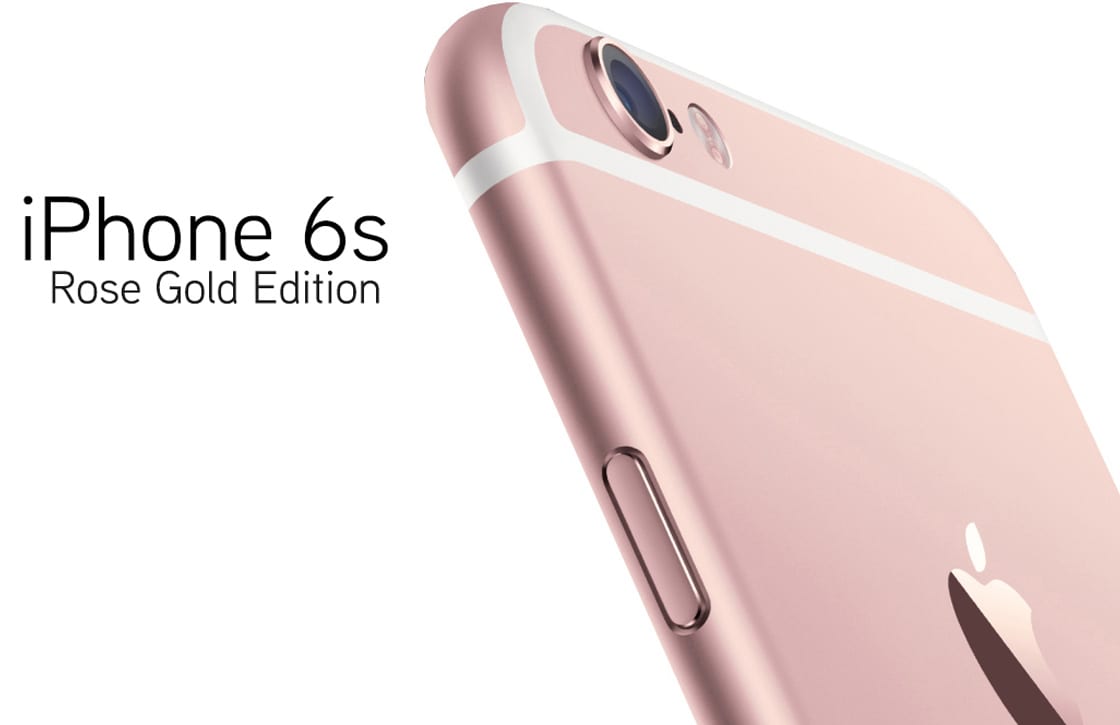
    Both iPhones now come in a new rose-gold colour to add to the existing gold, silver and space grey options. There is still no 32GB version for its new phones and the new iPhones will come in 16GB, 64GB and 128GB versions.

    The iPhone 6s will retail in Singapore starting from $1,048 (16GB) and the iPhone 6s Plus will start at $1,218 (16GB).

    Pre-ordering starts Sept 12.

    The new iPhones will hit Singapore’s shores on Sept 25.