Retail News CRM

Category: Electronics

Retail News Asia is committed to providing both local and global retailers with the latest Electronics news throughout the Asian market. This on a daily base.

  • Singapore’s Challenger loses flagship store

    Singapore-listed Challenger Technologies, the state’s largest IT products and services provider says it will boost its push towards a digital retail ecosystem and advanced software development initiatives for continued growth.

    Its statement followed news revealed yesterday on Inside Retail Singapore that CapitaLand Mall Trust plans to demolish Funan DigitaLife Mall to build a new integrated development which will open three years later. The mall is home to Challenger’s 53,000 sqft (4924 sqm) flagship megastore.

    “The group is well-positioned to continue bringing value and relevance to its half a million members and established base of corporate customers,” Challenger said in a statement intended to reassure shareholders the store’s closure will not measurably impact on its trading.

    CEO Loo Leong Thye said that Funan’s redevelopment was first mooted by CMTL more than seven years ago. Challenger’s planning had also began then.

    “We relocated our entire back office operations from Funan to our Ubi Link corporate building in 2009,” he said. This was followed by rapid retail expansion, with a total store count at 47 as of 12 December 2015 and three new leases confirmed for the first half of 2016.

    Apart from restarting its retail eCommerce engine in 2014 with a mobile-first revamp coming in early 2016, the group also announced its foray into a digital lifestyle ecosystem by establishing Challenge Ventures earlier this year to invest in digital businesses and services.

    One such service is the group’s existing end-to-end integrated marketing solutions provider, inCall System, which has been injected into CVPL. Another business is eCommerce marketplace Andios, which provides customers a platform to buy or sell their smartphones online.

    “To create the next wave of business growth, CVPL will continue to invest in relevant businesses from outside of the group,” said Challenger.

    To cater for the rapid growth from its digital businesses, the group has plans to establish a logistics hub in Singapore for eCommerce warehousing and fulfilment.

    The group believes the impact from the closure of its megastore is significantly reduced due to the extensive planning efforts over the last seven years.

    “When we first listed on SGX in 2004, our Funan store contributed to 60 per cent of our total group revenue. As of the third quarter of 2015, this number is only about 20 per cent of our total group revenue,” Loo noted.

    “Over the last seven years, many of our members and even tourists have also begun shopping at our heartland mall stores because of proximity convenience. With our mobile-first revamp coming in early 2016, more Challenger customers will switch to shopping with us online. They will enjoy online-only member deals, always-on rebates credited to their eWallets and even same-day express delivery.”

    Loo says the concept of a destination specialist shopping mall is not as relevant as being able to provide a wider range of products for customers to browse on-the-go.

    “We can stock 10 times more products online than at our megastore, creating a mega mall effect for customers to browse and transact on their mobile devices. We need to go where the customers are,” he said.

    “Our physical retail stores will evolve to become more experiential, with our brand partners having better concepts to showcase their products’ capabilities. They will complement our online store, which will serve customers at their own time – not dictated by a mall’s operating hours.”

    The group will keep its physical store expansion options open.

    “Our retail strategy has always been and will continue to see us expanding at suitable locations with reasonable rentals,” Loo said. “We will continue to rationalise our retail store locations, including opening, closing and right-sizing our stores to improve operating performance.

    “I have a big sales target of $1 billion to be achieved in five years’ time,” Loo said. “This is entirely possible because we have scalable business plans to roll out progressively to regional markets.”

     

  • DJI Opens Flagship Retail Store in Shenzhen

    DJI Opens Flagship Retail Store in Shenzhen

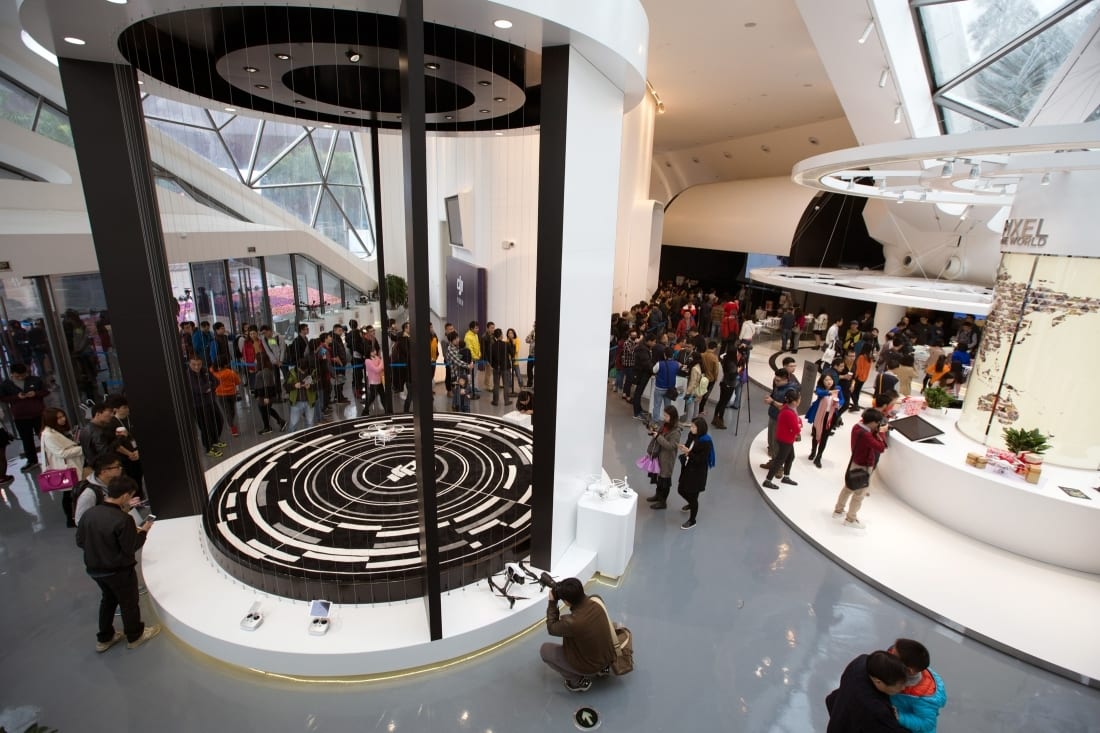
    DJI, the world leader in unmanned aerial vehicle technology opened its first flagship store today at OCT Harbour in Shenzhen. The 800-square-meter store will feature a full range of DJI’s consumer products and aims to let consumers see, touch and learn firsthand about the company’s innovative and creative platforms.

    “The DJI flagship experience is an important touchpoint to connect people with our cutting-edge technology and get a sneak peek into the future,” said Frank Wang, DJI Founder and CEO. “Whether you are curious to learn how to fly or a professional looking for the latest aerial imaging technology to create your next big idea, the flagship store will provide you with the opportunity to really experience the DJI brand up close and in person. More importantly, it will allow us to engage our customers in a deeper and more meaningful way.”

    On display and for sale will be DJI’s Phantom 3 series, the Inspire 1 and Spreading Wings series, Matrice 100, Guidance, the Ronin handheld three-axis camera gimbal line, as well as the company’s latest integrated stabilized 4K handheld camera, the Osmo.

    The flagship’s interior architecture is based on the concept of yuan, the Chinese word for “circular.” It is symbolic of DJI’s drone propellers, which form a circular shape when in motion. This concept can be seen in various places around the store, including the “SkyPixel Around the World” interactive installation, which is featured on a cylinder-shaped map in the shop’s center. The flagship store also features a theater, flight area, lounge area and repair counter.

    The OCT Harbour store features a stunning waterfront view and is surrounded by a vibrant culture of tourism, ecology and commerce.

    Highlights of the flagship store include:

    The DJI flagship store is located at the Shenzhen Tourist Information Center, OCT Harbour, East No.8, Baishi Road, Nanshan District, Shenzhen, China. Openings hours are Sun-Thu 10:00 – 22:00 and Fri-Sat 10:00 – 22:30.

  • Apple Korea faces antitrust probe

    Apple Korea faces antitrust probe

    Apple Korea has found itself under the spotlight in South Korea over its repair contracts.

    South Korea’s antitrust watchdog Fair Trade Commission (FTC) said today it is checking possible unfair provisions in contracts signed between Apple Korea and local electronic repair companies.

    The FTC did not elaborate on details but said it confirmed there were unfair clauses that favored the electronics giant.

    “The probe was launched by the commission based on suspicions, with investigators processing all the information gathered,” FTC chief Jeong Jae-chan said.

    He predicted that results of the review will be made public soon. He said because many consumers used iPhones in the country, the investigation should generate considerable interest.

    The latest examination follows the corporate regulator’s recent order that eight local repair companies and mobile operators must change their customer service rules that unfairly restrict the rights of consumers.

    Repair firms, such as UBase Inc., Peach Valley and Beyond Tech Co, along with mobile operators SK Telecom and KT, were ordered to make changes earlier in the year.

    An FTC official said that while the ruling against repair firms involved businesses and consumers, the latest ongoing actions target business-to-business arrangements.

    Besides Apple, the FTC said it plans to release repair information by all mobile phone manufacturers within the year, so consumers can personally check how companies fix gadgets.

    Information will be provided by the Korea Consumer Agency on Samsung Electronics, LG Electronics and Apple, with data to go into such matters as costs, how repairs are made, the time it takes to fix broken devices and related procedures that must be followed, it added.

  • Apple executive seeks a touch of chic at retail stores

    Apple executive seeks a touch of chic at retail stores

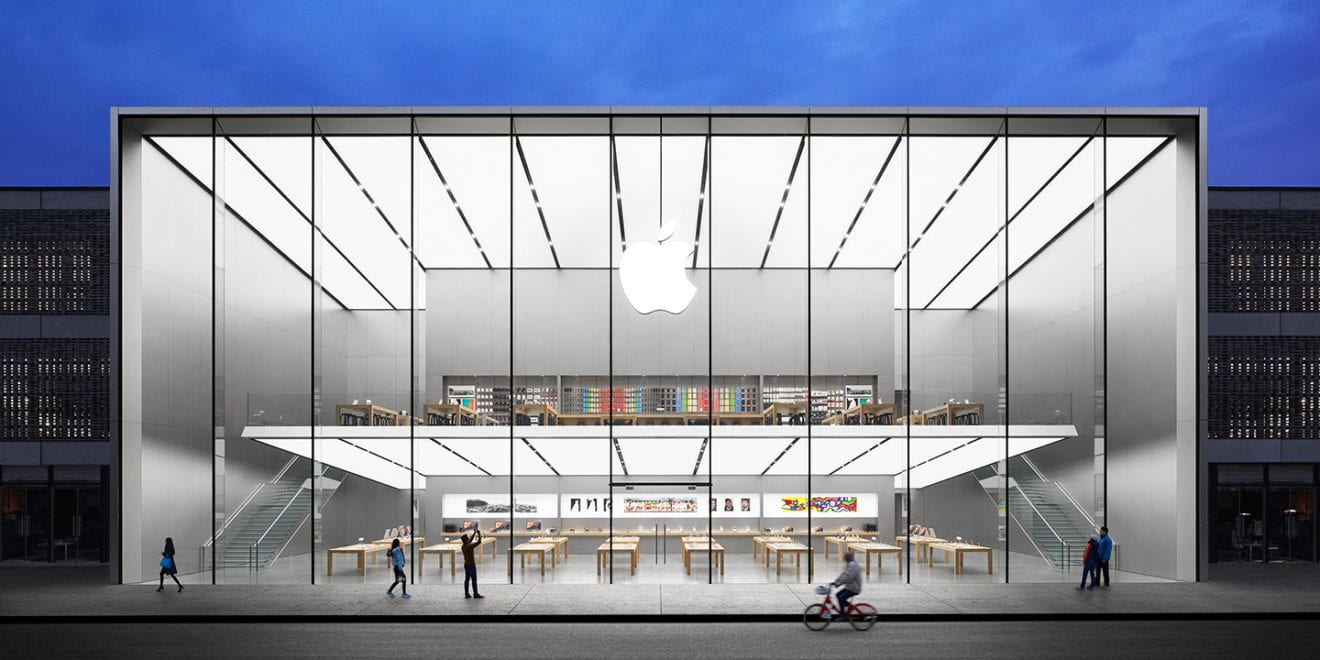
    Apple’s stores typically spotlight the company’s devices, with the most expensive audio accessories topping out in the hundreds of dollars. The Phantom is the first high-end non-Apple gadget that Ms. Ahrendts, the former chief executive of the fashion house Burberry, has brought in since she took the job. It buttresses some of her other recent moves to create more of a luxury Apple retail experience, including initiating private try-on appointments for the most expensive Apple watches, reducing the numbers and types of accessories that are sold, and pushing manufacturers to make special packaging for gadgets carried in Apple’s stores.

    Ms. Ahrendts “is shaving off some rough edges and completing our sense that the Apple Store is a premium experience,” said Jan Dawson, an analyst at Jackdaw Research.

    Her role in bringing in the Phantom also gives a glimpse into how Ms. Ahrendts has been operating within the world’s biggest company. Since joining Apple, the 55-year-old executive has been relatively quiet publicly. But she moved swiftly and nearly unilaterally on the Phantom, showing how she can push for the products that will shape the store experience.

    The products that Apple stores carry are important because they make up the only customer experience that Apple can fully control, Mr. Dawson said. “The stores are the best physical manifestation of the brand,” he said. “Angela is bringing her sensibility to that experience.”

    Apple declined to comment and declined to make Ms. Ahrendts available for an interview. In a public appearance last month at the Fast Company Innovation Festival, Ms. Ahrendts said she had been working toward Apple’s stores becoming “sleeker and smarter,” as well as unifying Apple’s in-store and online shopping experiences.

    Apple has traditionally sold the most expensive accessories online only, like the $2,700 B&O BeoPlay A9 MKII speaker. “I asked Tim a very simple question: Why do we do it this way?” she said of her boss, Timothy D. Cook, Apple’s chief executive. Mr. Cook told her he didn’t know, she said.

    Ms. Ahrendts’s push will have implications for Apple’s growth. As of September, the company had 463 retail stores worldwide and was focused on expanding in China. The stores account for about 12 percent of Apple’s annual $234 billion in sales, Mr. Dawson estimated. Store revenue rose about 39 percent over the last 12 months, according to eMarketer, with Apple stores generating $5,775 a square foot, or more than any other retailer in the world, beating out Tiffany & Company, Coach and Movado.

    Ms. Ahrendts was known at Burberry for revitalizing the brand, pushing the fashion house into online retail ahead of other luxury apparel companies and forging alliances with tech companies like Apple, through which she outfitted Burberry’s corporate staff with iPads. Mr. Cook hired her in 2013 to make sure that Apple’s stores would evolve and expand.

    At the time, morale had fallen at Apple’s stores, the company’s executives have said. Ron Johnson, a former Target executive who became the first head of Apple’s retail stores, had departed the company in 2011. After a search, he was replaced by John Browett, who had run the British electronics retailer Dixons. Mr. Browett slashed hours and benefits for Apple Store employees.

    Since coming aboard, Ms. Ahrendts has asked for Apple’s 60,000 retail employees to air their grievances and send suggestions, and she sends them weekly three-minute video updates to improve communication. She has started a program so employees can move to other stores worldwide. Ms. Ahrendts has also overseen the opening of new Apple stores, including 14 in China and Hong Kong. For customers, she reduced Apple’s long lines by creating an online reservation system.

    By bringing the Phantom to Apple, Ms. Ahrendts is giving the technology crowd something to love as well. Phantom’s parent company, Devialet, is a brand used by tech executives including Tony Fadell, the chief executive of Nest; Andy Rubin, the co-founder of Android; and Marc Benioff, chief executive of Salesforce.com, said Mr. Sannié. He said Mr. Benioff recently introduced Ms. Ahrendts to him and encouraged her to hear the Phantom.

    For Devialet, moving the Phantom into Apple’s stores is significant. The Paris-based company is known for making amplifiers that can cost as much as $30,000. Until the Apple deal came along, its devices were carried in only a handful of exclusive retailers, including Colette in Paris, Harrods in London and the MoMA store in New York City.

    Since the initial meeting with Ms. Ahrendts, the process of getting the Phantom into Apple’s stores has been smooth, Mr. Sannié said. He and his team have visited almost all of the 14 stores where the speaker will initially be sold to look at display possibilities.

    “We don’t have other global distribution other than the Apple store,” Mr. Sannié said. “We don’t want to be in another chain because millions go to the Apple store looking for excellence, the very best products. This is the best exposure we could want.”

  • Apple Hong Kong IFC Store Adds Third Floor

    Apple Hong Kong IFC Store Adds Third Floor

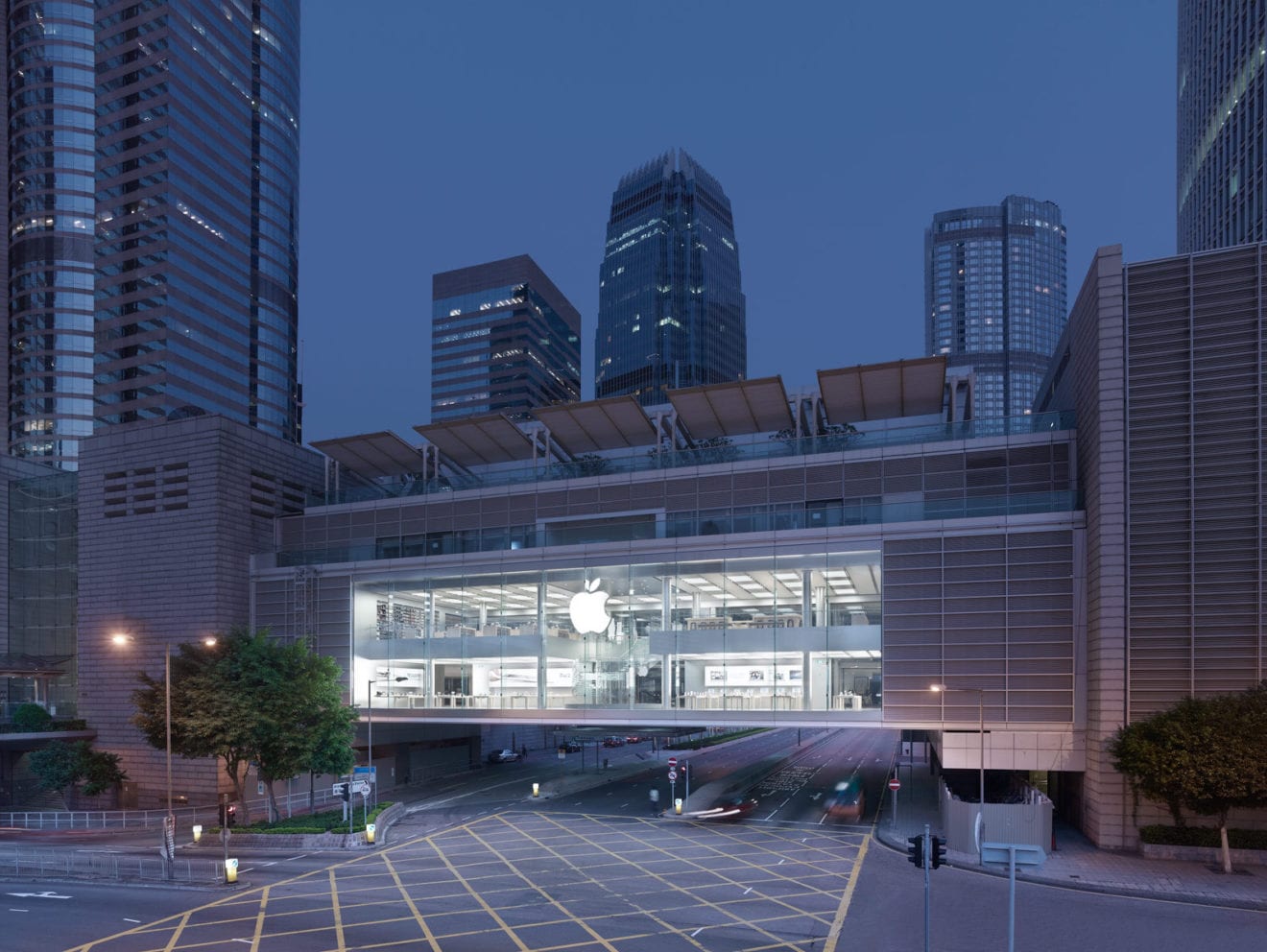
    Apple Insider reveals that the iPhone maker is working to develop a third floor for its first Apple store in Hong Kong, which originally opened in 2011. Located at the International Finance Center (IFC), the tech giant’s signboard outside the new floor claims that it will be opening “soon,” even though no official dates have been disclosed as yet.

    Apple Inc.’s ongoing attempts to expand its retail stores all around China have been increasingly evident after it rolled out new stores in Dalian, Beijing, Chengdu, and most recently, Nanning on December 12. It seems that this expansion plan is part of the tech giant’s agenda to launch at least 40 Apple Stores in China by 2016.

    Even though the tech giant has launched a number of other stores in Hong Kong following its IFC-based outlet, it seems that Apple is interested in renovating its first store in the area. The company is working to create a separate staircase entry to the floor rather than extending the existing one, further creating a grander feel to the present outlet.

    We believe that the company’s recent attempts to integrate its retail branches with genius bars and workshops is part of its on-going renovations to recreate a new style of store interior under the leadership of Apple’s Chief Designer, Jony Ive and Apple’s Retail and Online Stores’ senior VP, Angela Ahrendts. This may help the iPhone maker create a theme of architectural consistency between all outlets and operate distinctively against its competitors.

    Since this Apple Store outlet is located in the city’s Central District and hangs over one of its busiest roads, we believe that the store expansion will help Apple lure in more customers. It also seems that the renovation will soon end, as speculation states that lights have already been switched on inside the space, possibly hinting at its upcoming opening. Judging by the company’s popularity in Asia, which has led to its drastic expansion plan; providing customers with three floors full of Apple products will surely work as a great marketing push for the tech giant in Hong Kong.

  • Apple’s Next Chinese Retail Store Opens in Nanning on December 12

    Apple’s Next Chinese Retail Store Opens in Nanning on December 12

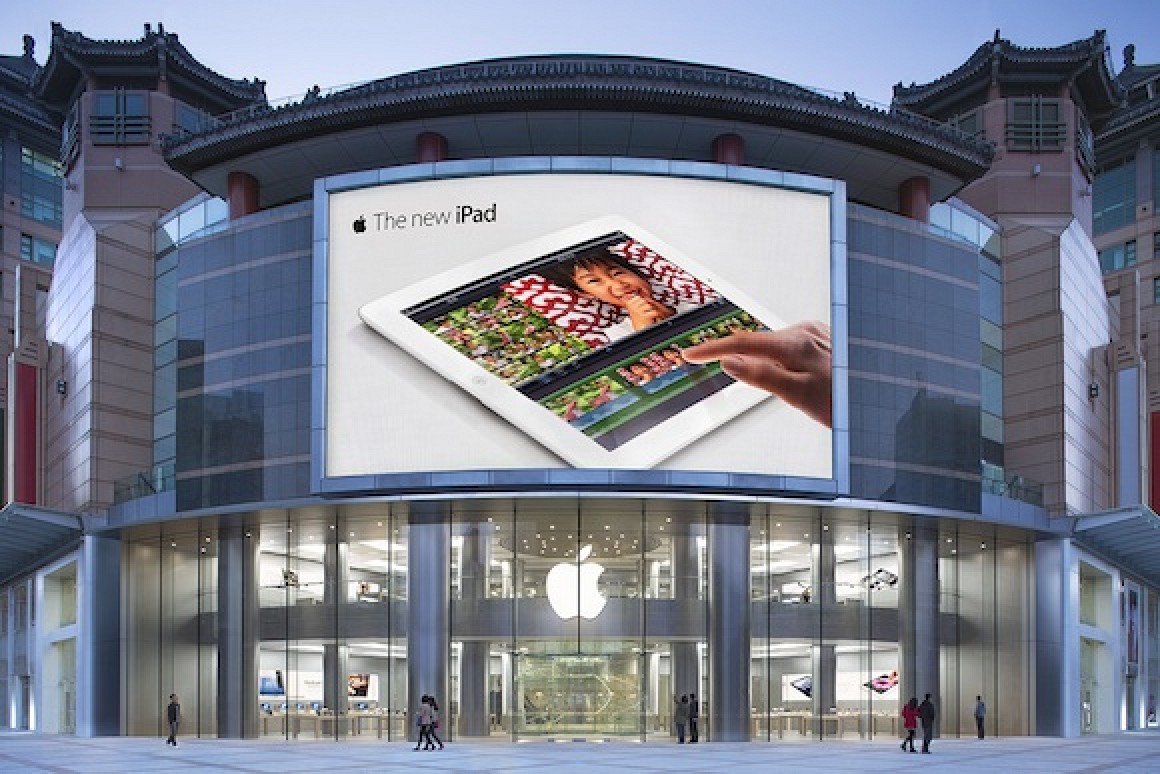
    Apple has announced that its 28th retail store in China opens Saturday, December 12 at 2:00 p.m. local time. The store will be located in the MixC shopping mall at 136 Minzu Avenue in Nanning’s Qingxiu District.
    The new store will be open between 10 a.m. and 10 p.m. local time on Monday-Thursday and Sunday, with extended hours on Friday and Saturday, and offer traditional Apple Store services, including the Genius Bar, Workshops and JointVenture.Apple has aggressively expanded its retail footprint in China under the leadership of Angela Ahrendts, having opened new stores in Beijing on November 28, Chengdu on November 21 and Dalian on October 24. Apple has also opened retail stores in Chongqing, Hangzhou, Hong Kong, Nanjing and Tianjin over the past year.

  • Lenovo launches Moto 360 (2nd Generation)

    Lenovo launches Moto 360 (2nd Generation)

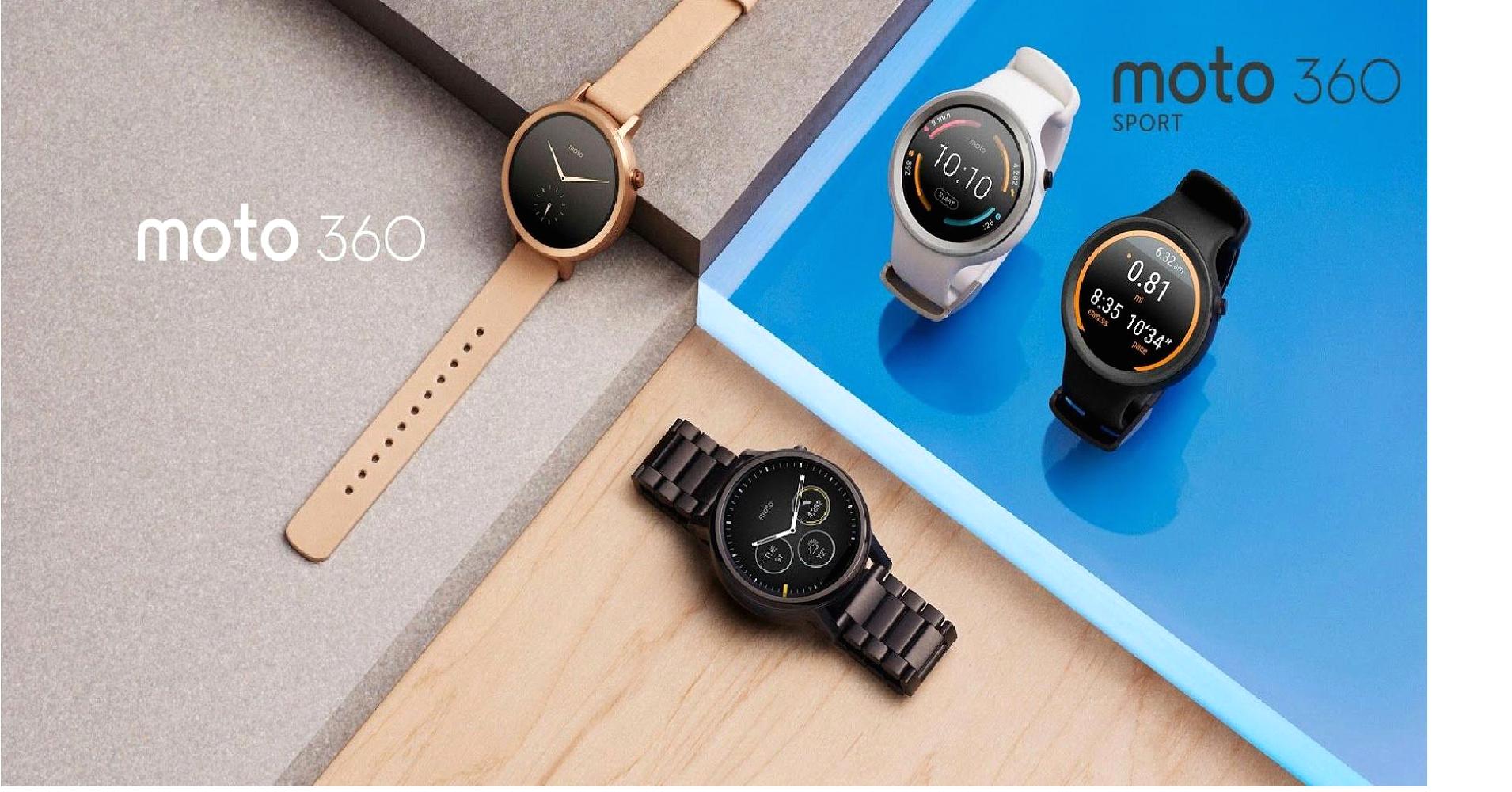
    Lenovo is bringing the new Motorola Moto 360 smartwatch to the local market, making it the first time that the Chinese company is launching a Motorola product in Singapore.

    The second generation Moto 360, which was announced at IFA 2015 in September, is available in two sizes and will go on sale from Dec 15 at retail stores Newstead and Challenger, and from online retailer Lazada.

    The 46mm silver and cognac leather version will retail at $549. The 42mm rose gold and blush leather model is retailing at $499, while the 42mm black and black leather model is priced at $479.

    The circular device is one of the latest smartwatches to run Android Wear. It comes with 4GB of storage, and the larger version houses a 400 mAh battery, while the smaller one has a 300 mAh battery.

    Lenovo, which bought Motorola Mobility in 2014, had previously focused on launching its own devices for the local market.

  • Huawei Mate 8 goes on sale; sold out in China on first day

    Huawei Mate 8 goes on sale; sold out in China on first day

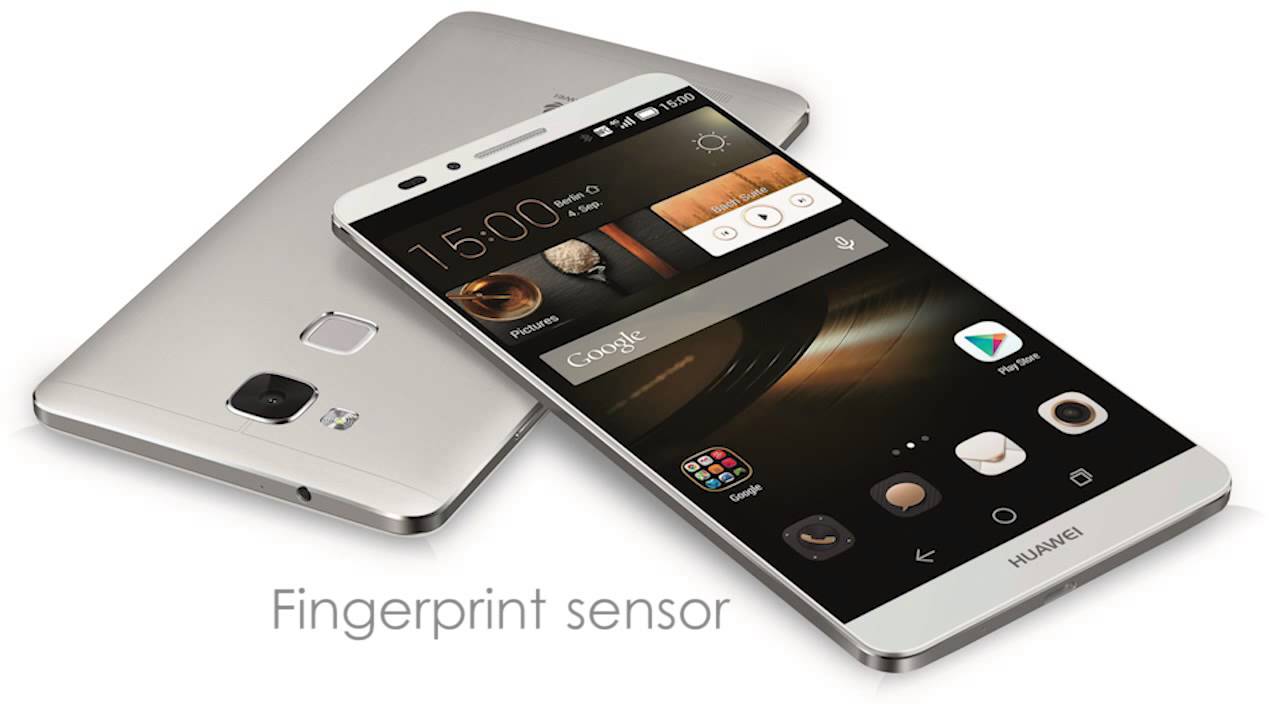
    The Huawei Mate 8 finally went on sale in China on Dec. 9 after its unveil on Nov. 26 and seems to have sold out at many Chinese retailers on its very first day. The flagship phone will be unveiled to the international market at the Consumer Electronics Show (CES) at Las Vegas, Nevada in January 2016.

    The Huawei Mate 8 carries a 6-inch LCD display and is available in RAM configurations of 3 GB and 4 GB. In China, the 3 GB/32 GB model of the Mate 8 costs CNY 2,999 (AU$644 or US$470) while the 4 GB/64 GB model comes in at CNY 3,699 (AU$795 or US$580).

    There is also a 4 GB variant with 128 GB internal storage capacity. This model costs CNY 4,399 (AU$ 946 or US$690). And finally, the premium and exclusive champagne edition comes with hefty price tag of CNY 6,888 (AU$ 1,473 or US$1,075), reports GSM Arena.

    The smartphone is available at over 2000 retail outlets across China. Users can also visit Huawei’s official online store, Vmall Mall, JD.com, Suning Tesco, Gome and Amazon, among other online retailers. International availability and pricing details are expected to be announced at CES 2016.

    Huawei is believed to be manufacturing one million units of the Huawei Mate 8 per month, according to earlier reports. The company is hopeful its latest flagship will surpass the previous records set by Mate 7, which sold seven million units in one year.

    The all-metal Huawei Mate 8 sports the latest Kirin 950 octa-core processor with a Mali T880 GPU; a 4000 mAh battery and a 16 MP rear camera with LED flash. The device runs on the latest Android 6.0 Marshmallow OS.

  • Microsoft Lumia 950 and 950 XL makes its way to Philippines

    Microsoft Lumia 950 and 950 XL makes its way to Philippines

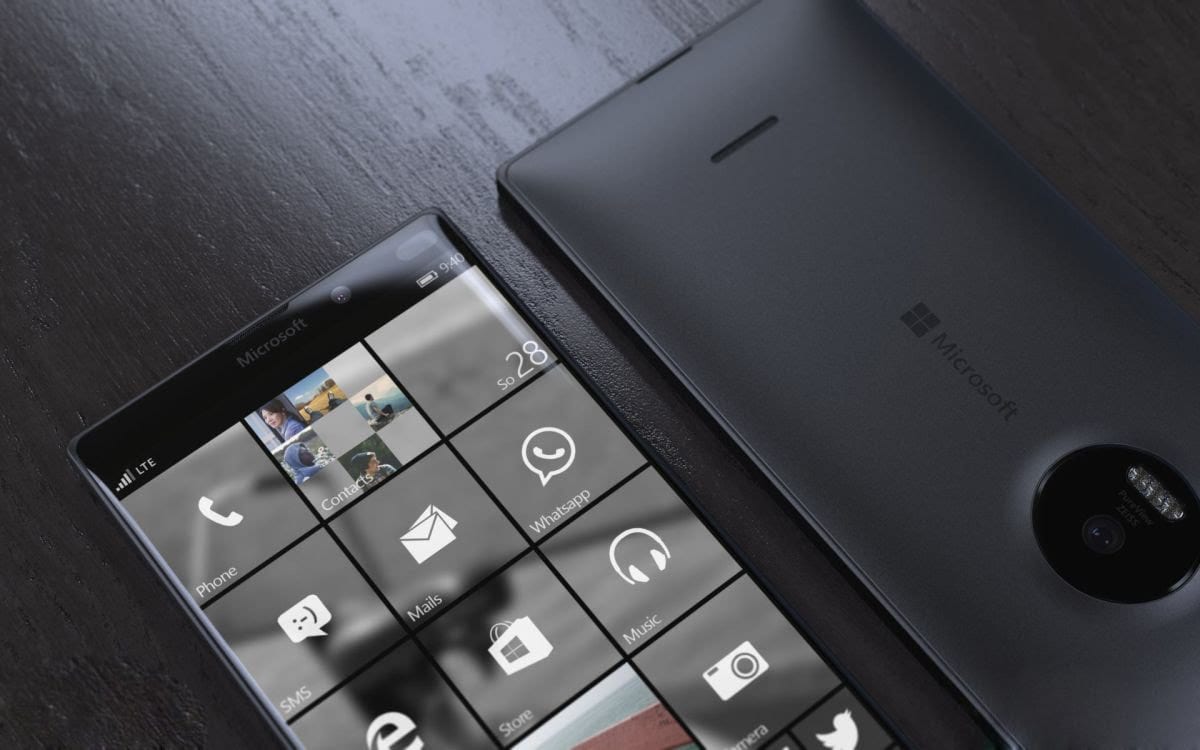
    After India, the next market to get Microsoft’s latest offerings, the Lumia 950 and the Lumia 950 XL, is the Philippines. Both handsets are set to hit retail in the region starting December 14th (via Windows Central). The Lumia 950 carries a ₱28,990 (about $615 US) price tag, while it’s bigger sibling costs slightly higher, that is, ₱32,990 ($699). The Display Dock is available as well, but it’s not bundled with the device. Customers interested in the Display Dock can pay ₱3,390 ($72).

    The Lumia 950 comes with a 5.2-inch QHD display with the processing handled by the Snapdragon 808 processor and a 3000 mAh battery. On the other hand, the bigger Lumia 950 XL features a 5.7-inch QHD display with Snapdragon 810 under the hood and a massive 3,340 mAh battery.

    Both devices feature 3GB of RAM, 32GB of internal storage, a microSD card slot for expansion, a 20MP camera for photos and videos, a 5MP front-facing camera and ships with Windows 10 Mobile as its operating system.

    If you’re confused, check out our first impressions with the Lumia 950 and  the Lumia 950 XL to help you make up your mind.

  • Bitcoin debit card makes cryptocurrency more accessible

    Bitcoin debit card makes cryptocurrency more accessible

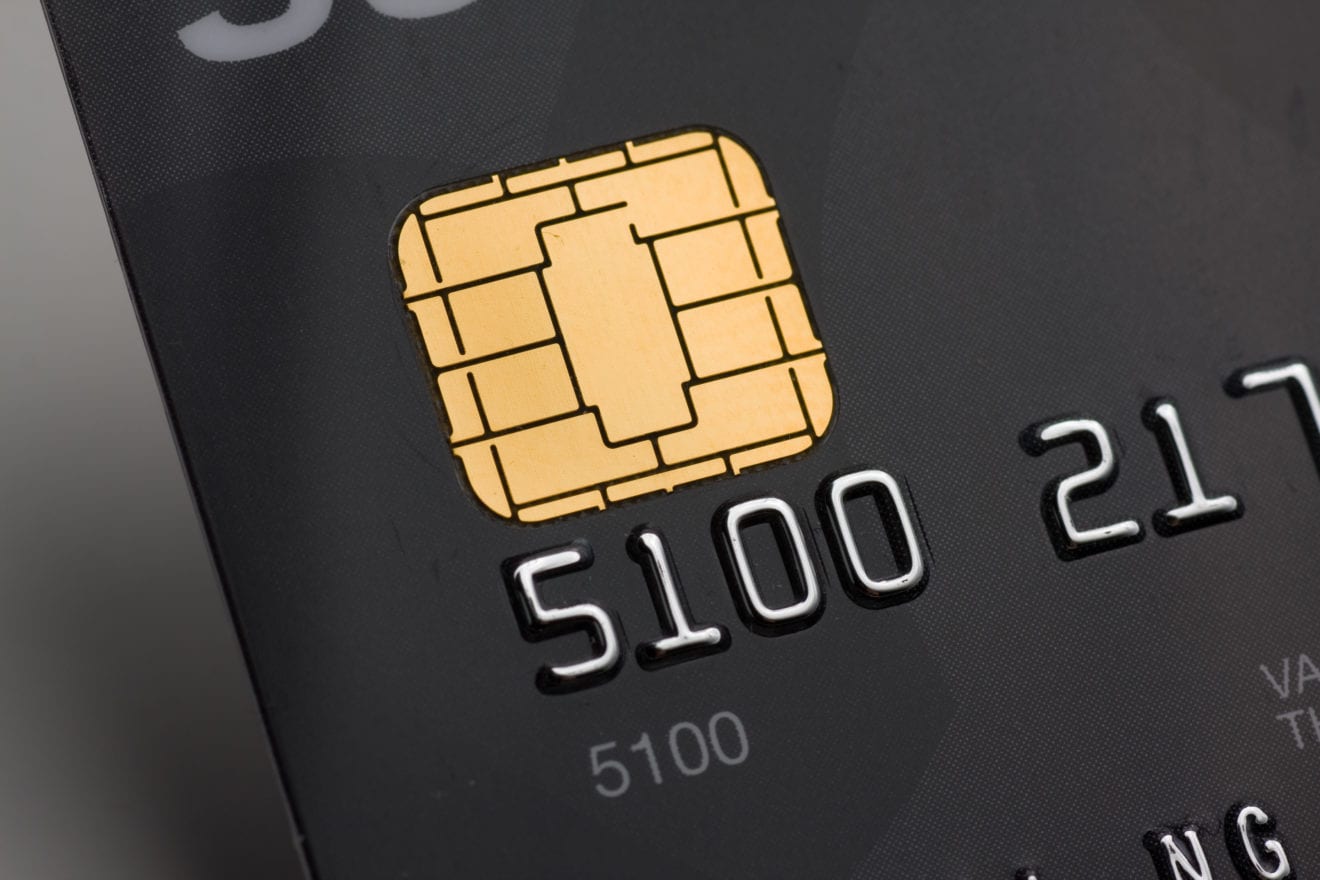
    Coinbase has launched a debit card that enables US users to spend bitcoins anywhere Visa is accepted.

    The launch of a debit card – and the recognition of the currency by the Visa card system is further evidence that the new generation cryptocurrency is building momentum globally.

    The card is a result of a partnership between Shift Payments and Coinbase. The former aims to integrate multiple currencies into a single card, while the latter provides digital ‘wallets’ where 2.8 million users across the world go to for their bitcoin transactions. With a Shift Card, users can link their Coinbase account to a physical Visa debit card, which they can use to pay at participating stores in real life or online, wherever Visa is accepted (the team is also working on incorporating airline miles and other loyalty points.)

    For now, apart from the US$10 card issuance charge, there are small fees – domestic transactions fees from BTC to USD are charged at zero per cent, and ATM withdrawals are US$2.50.

    The Shift Card could make bitcoin more accessible, and counter its lack of usage, which is caused largely by the misconception among consumers that not many businesses accept it. (They’re wrong: 38 million merchants worldwide do).

    Unlike conventional currencies, cryptocurrency is an open network not controlled by any bank or government, but managed by its users. It is hoped that the system will provide a more democratic, transparent, and cheaper way to trade, upgrading the status quo, which some argue were not designed for the digital era.

  • Amazon Fire tablet hits China

    Amazon Fire tablet hits China

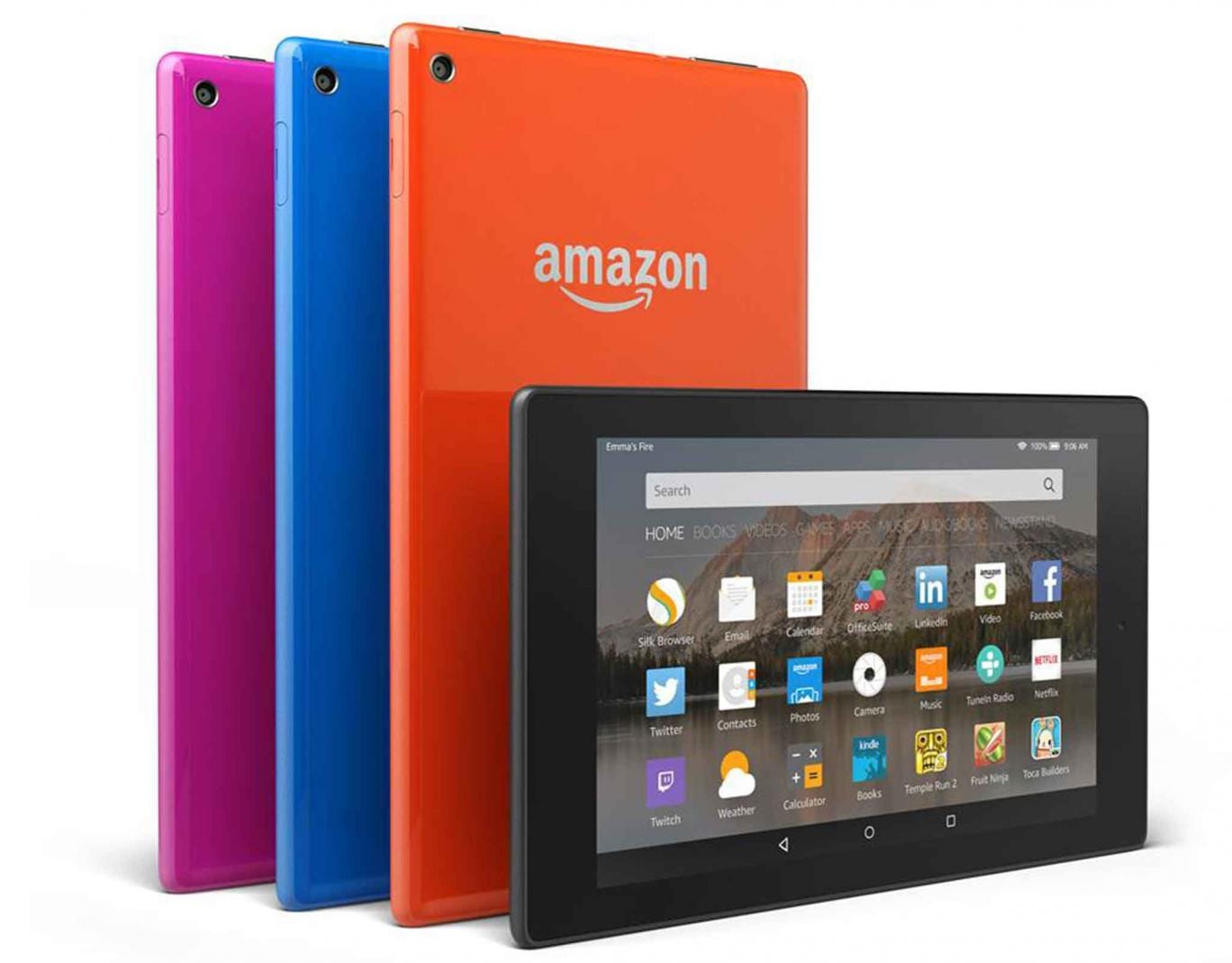
    Amazon has launched its first ever tablet in the Chinese market. The online retail giant has made the Amazon Fire tablet available in China. It initially launched in the West back in September with an eye-catching £50 price tag.

    With a price of 499 RMB, the Amazon Fire is pretty much identically priced in this new market.

    Amazon has had to find a new search engine partner for the China launch. Google is unable to operate in the country, so Amazon is partnering with top Chinese search engine Baidu to help power its tablet.

    Baidu will also provide apps through its 91Wireless Android app store, as well as online video through iQiyi – China’s second biggest online video service.

    Amazon doesn’t enjoy anything like the same market position as it enjoys in the US and UK over in China. It’s online retail business is well behind such local giants as Alibaba and JD.com.

    It will be interesting, then, to see how the Amazon Fire tablet fares in China – especially as its low price is nothing special in a market filled with affordable, decent-quality Android tablets.

    Still, the extensive backing of China’s top search engine should at least start the Amazon Fire tablet off on something like a level playing field.


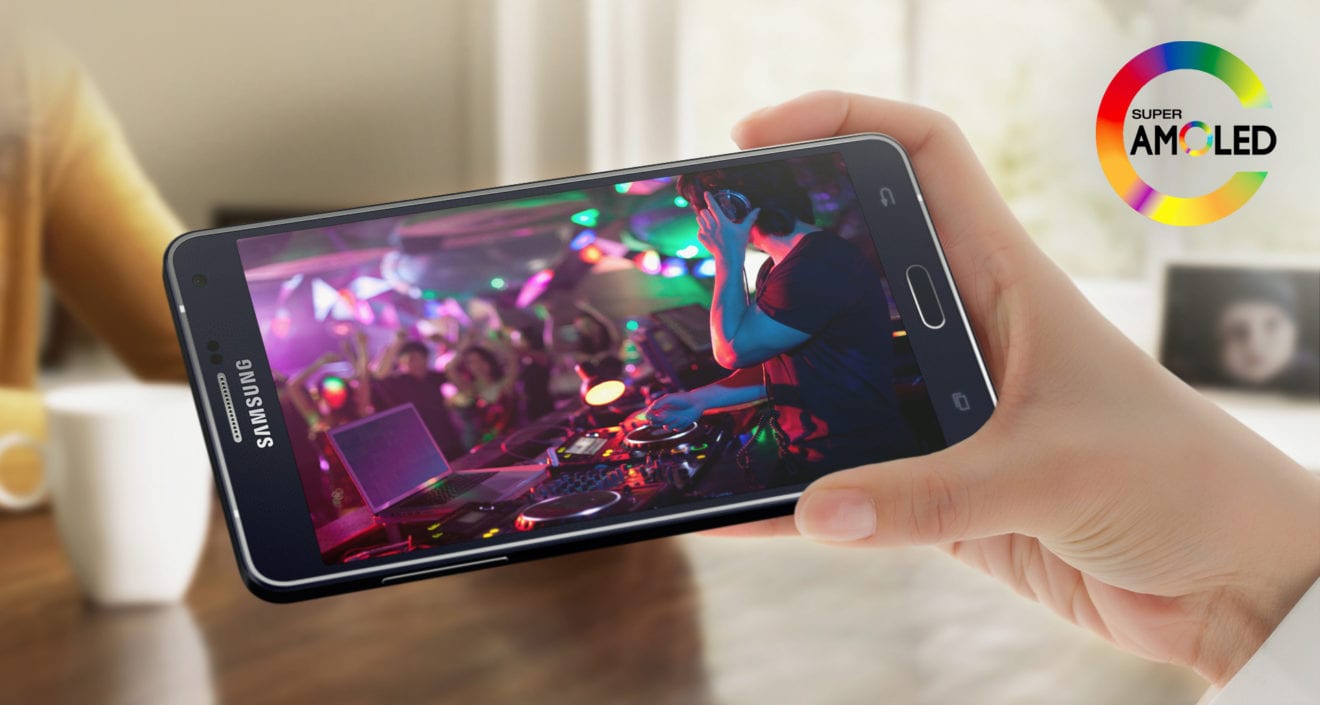
  • Samsung’s Galaxy phone most valuable brand in South Korea

    Samsung’s Galaxy phone most valuable brand in South Korea

    South Korean tech giant Samsung Electronics’ Galaxy smartphone was selected as the most valuable brand in South Korea for the fifth consecutive year, a survey showed Sunday.

    The Samsung Galaxy phone ranked first in the brand survey by Seoul-based market researcher Brandstock, followed by E-Mart, a discount store chain by retail giant Shinsegae Co.

    Incheon International Airport, South Korea’s gateway airport, climbed up one notch to take third place.

    Kakao Talk, South Korea’s biggest mobile messenger with 47 million users, and Naver, the nation’s No. 1 Internet portal, came next, the researcher said.

    The brand value of German automakers suffered after Volkswagen admitted that millions of its diesel cars worldwide were equipped with software that was used to cheat on emissions tests.

    BMW’s rank tumbled from 12th to 31st, and Volkswagen, which ranked 71st last year, dropped out of the top 100, following the emissions cheating scandal, it said.

  • Xiaomi Redmi Note 3, Mi Pad 2 unveiled in China

    Xiaomi Redmi Note 3, Mi Pad 2 unveiled in China

    Xiaomi has this week launched two new devices to its ever growing lineup, namely the Xiaomi Redmi Note 3 phablet and the Xiaomi Mi Pad 2 tablet.

    While these two devices probably won’t be heading across the Pacific (or Indian Ocean, for that matter) any time yet, it’s worth noting just how impressive these two devices are.

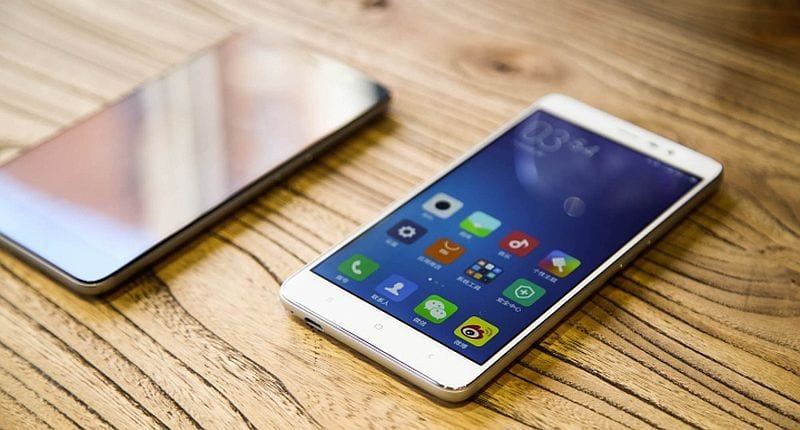
    The Redmi Note 3 for one features a 5.5-inch 1080p display, up to 3GB of RAM, a MediaTek Helio X10 processor with eight cores, and up to 32GB of internal storage. There’s also a huge 4000mAh battery in its wholly metal boody, a fingerprint sensor at the rear, and will ship with Android Lollipop.

    xiaomi redmi note 3 1

    The cameras are also impressive, sporting a 13MP rear and 5MP front camera combo, with the rear sporting a two tone flash setup.

    The most impressive thing though? It’s price. At launch, the device will retail for RMB 899 in China, or around US$140 in the States. That’s ludicrous value.

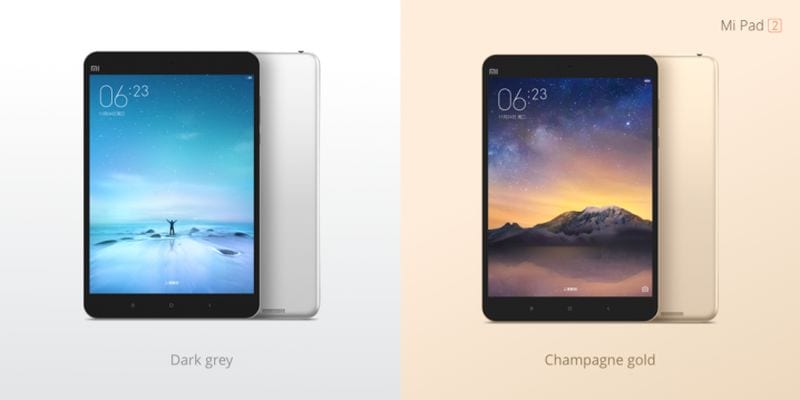
    But not stopping there, the company also outed an iPad mini 4 competition in the Mi Pad 2.

    And yes, it looks just like the iPad. That’s somehow not such a terrible thing though, especially since the Mi Pad 2 now features a 7.9-screen with a 2046×1536 display, an Intel Atom heart, and a depth of only 7mm.

    xiaomi mi pad 2

    Arguably, the Mi Pad 2 won’t keep up with the iPad mini 2 or Microsoft Surface Pro 3 in a straight line, but it’s going to retail for around US$200 in China — or about three times less than the cheapest last generation Microsoft Surface.

    Other specs include a huge 6190mAh battery, an 8MP rear 5MP front camera combo, 2GB of RAM and up to 64GB of internal storage. The company has also bolted a USB Type-C port on it for charging and data transmission. And lastly, there’s a Windows 10 option, which should appease some doubters if this device ever does make it west.

    Unfortunately, the company didn’t launch the Xiaomi Mi 5 at the event, but these two devices at least hint at Xiaomi’s targets for 2016.

  • Samsung’s Galaxy Phone Most Valuable Brand in S. Korea

    Samsung’s Galaxy Phone Most Valuable Brand in S. Korea

    South Korean tech giant Samsung Electronics’ Galaxy smartphone was selected as the most valuable brand in South Korea for the fifth consecutive year, a survey showed Sunday. 

    The Samsung Galaxy phone ranked first in the brand survey by Seoul-based market researcher Brandstock, followed by E-Mart, a discount store chain by retail giant Shinsegae Co.

    Incheon International Airport, South Korea’s gateway airport, climbed up one notch to take third place.

    Kakao Talk, South Korea’s biggest mobile messenger with 47 million users, and Naver, the nation’s No. 1 Internet portal, came next, the researcher said.

    The brand value of German automakers suffered after Volkswagen admitted that millions of its diesel cars worldwide were equipped with software that was used to cheat on emissions tests.

    BMW’s rank tumbled from 12th to 31st, and Volkswagen, which ranked 71st last year, dropped out of the top 100, following the emissions cheating scandal, it said.

  • BlackBerry Priv available in the Philippines

    BlackBerry Priv available in the Philippines

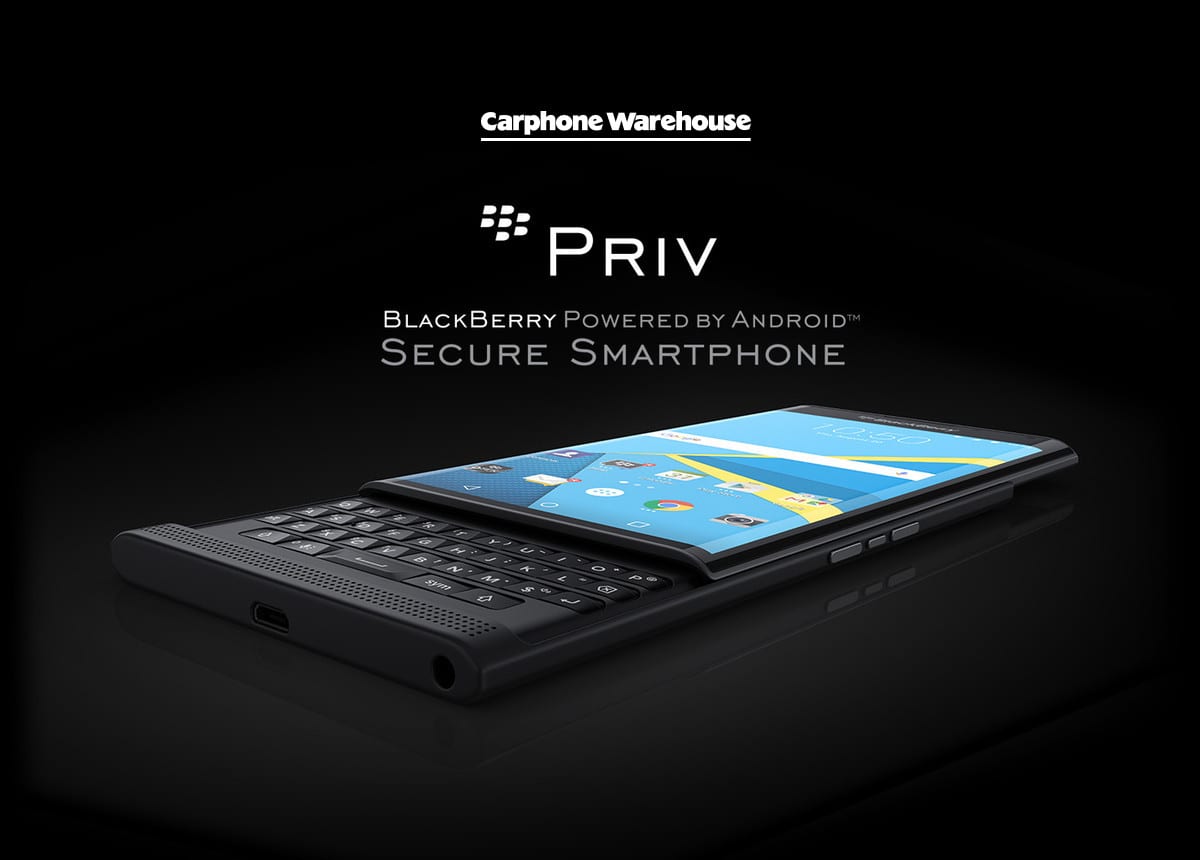
    BlackBerry announced the availability and full features of Priv by BlackBerry, the first-ever BlackBerry smartphone powered by Android in the Philippines. Priv is available at a suggested retail price of PHP 45,000 inclusive of local taxes. It will be available from mid-December through BlackBerry’s exclusive partner in the Philippines, MemoXpress.