Category: Electronics

Retail News Asia is committed to providing both local and global retailers with the latest Electronics news throughout the Asian market. This on a daily base.

  • Apple and Samsung continued to lose smartphone market share in China during Q2

    Apple and Samsung continued to lose smartphone market share in China during Q2

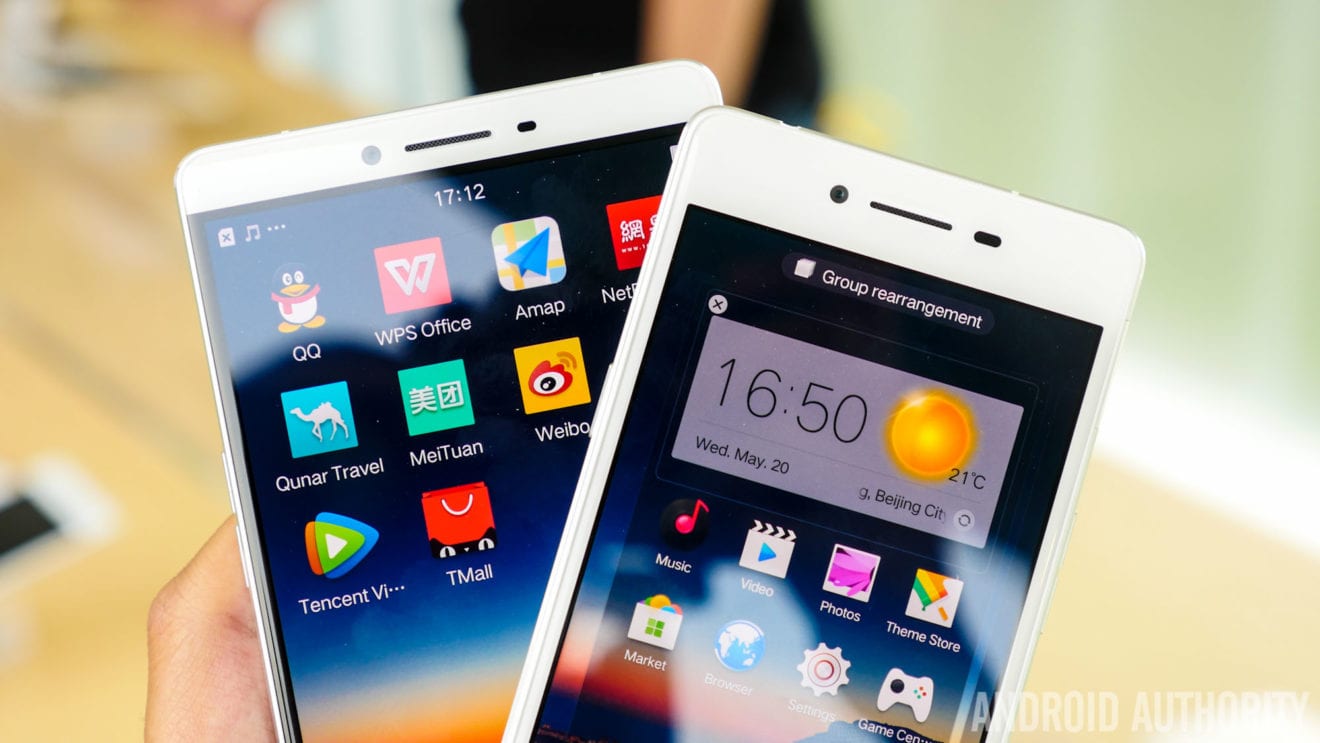
    Smartphone shipments in China during the second quarter rose 14.9% on a year-over-year basis to 149 million units. Sequentially, shipments rose 2.7%. This growth is not coming from high-end manufacturers like Samsung and Apple. Instead, entry-level handsets and mid-range 4G models are capturing attention from subscribers to the nation’s three major carriers. China Mobile, China Unicom and China Telecom are each offering subsidies on these less expensive models.

    This has resulted in a build up of inventory in the country’s retail channels. During the first two quarters of the year, manufacturers shipped more phones than the number that consumers were buying. As a result, analysts expect an “inventory correction” during the fourth quarter. This should result in manufacturers slowing down shipments of smartphones to retail channels in order to keep inventories lean.

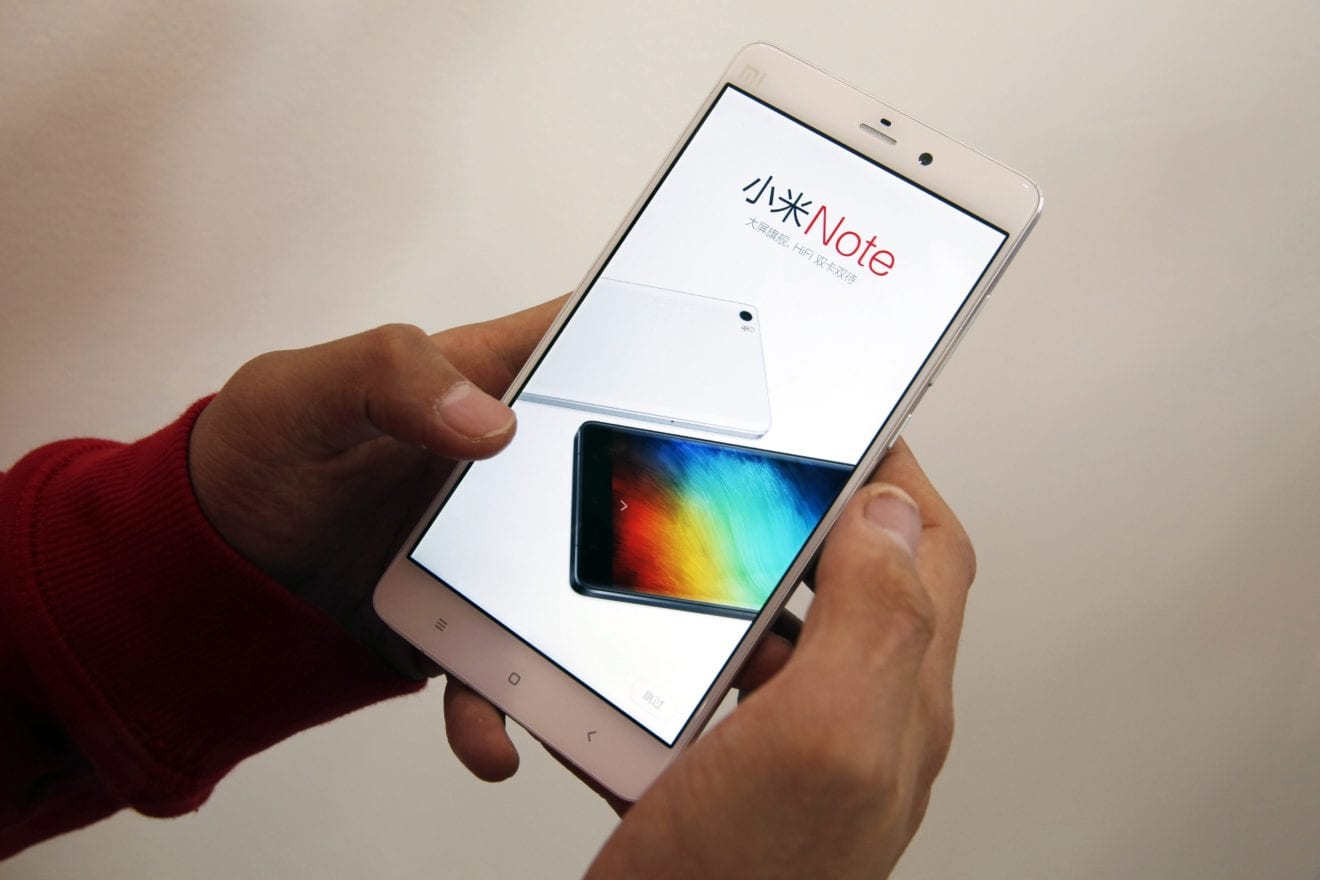
    Digitimes own research has Huawei listed as the top smartphone producer in China with a 14% market share from April through June. The 12.7% share earned by Oppo during the same time period was next, followed by Vivo and Xiaomi with 11.2% and 10.4% of the market, respectively. Apple was fifth with a single digit slice of the pie.

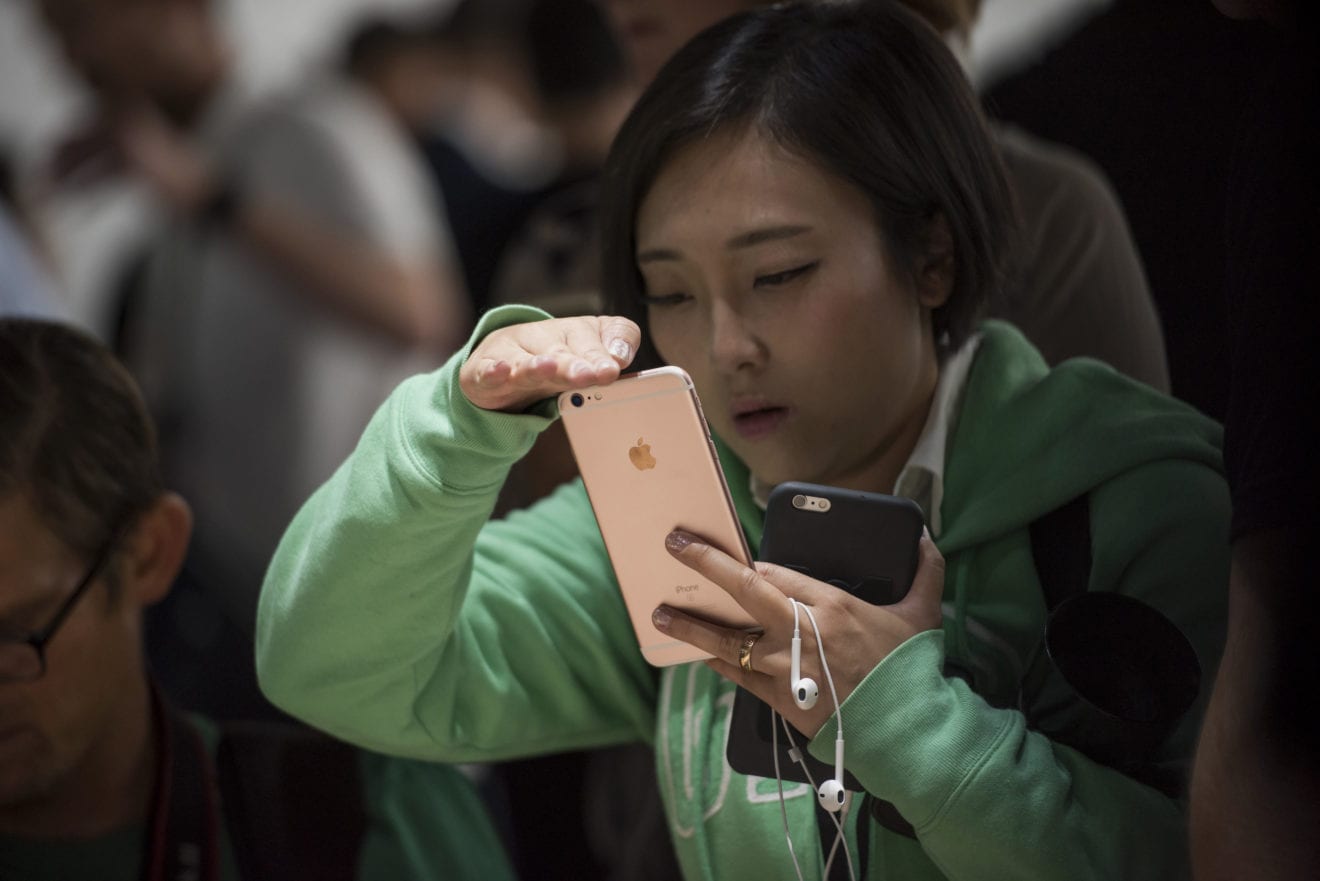
    In an earlier report, Apple was said to have claimed 10.8% of the Chinese smartphone market during the first quarter of this year. That was a decline from the 12% share Apple controlled in the first quarter of 2015. Now in single digit territory, the company is looking at India to provide future growth in iPhone shipments.

    source: Digitimes

  • Apple India smartphone share tumbles

    Apple India smartphone share tumbles

    While Apple India has big plans, a new report from Strategy Analytics says the US tech giant shipped 800,000 smartphones in India in the second quarter of this year – down from 1.2 million units in the same period last year.

    “Apple IOS fell 35 per cent” year-on-year, says Strategy Analytics director Woody Oh, “while its smartphone market share has halved from 4 to just 2 per cent in India during the past year.”

    He says Apple should work on iPhone’s pricing in India as cheaper devices will help boost sales. Apple also needs to enlarge its retail presence through Apple stores or online channels if it wants to regrow significantly, says Oh.

    But Apple CEO Tim Cook says that for the first nine months of its current fiscal year, Apple’s iPhone sales in India were up 51 per cent year-on-year. “We are looking forward to opening retail stores in India down the road… we see huge potential for that vibrant country.”

    Cook says Apple has launched a centre to support Indian developers creating applications for its IOS operating system, and has opened an office in Hyderabad to accelerate map development.

  • Opera ramps up video multitasking for computers

    Opera ramps up video multitasking for computers

    Opera has updated its software for computers, revamping the video pop out feature to enable users to continue watching while working, playing or doing research — in the browser or any other program.

    The “picture in picture” feature now lets users pop out video from even more websites, including Vimeo, and play/pause with a single click. There is also an option to disable the feature, for those who do not need it.

    Users can simply go to a favorite video page, such as YouTube, and run a video. They will see an icon in the middle of the top border of the video. By clicking on it, they can pop out the video and continue watching it even while using other programs on their computer.

    Opera took a deeper look into how people multitask while watching with the video pop out feature in different geographies. The results of this research show the geography of online video preferences around the globe.

    Results are based on aggregated data coming from users of Opera 38 for computers. Data on the individual level or about video content is not collected.

    The top-10 countries for video pop out usage span four different continents, clearly showing that the online video boom is a global phenomenon. It’s also interesting to see that people in some countries – such as Italy, UK and Germany – multitask with video more on weekends, while others, such as China, spend more time watching pop out videos during working days.

    videopopout-infographic-630

  • BlackBerry launches BlackBerry Hub+ for Android

    BlackBerry launches BlackBerry Hub+ for Android

    BlackBerry has launched a software licensing program for its Mobility Solutions business. The vendor has introduced the BlackBerry Hub+ for Android 6.0 Marshmallow smartphones.

    The company’s Mobility Solutions unit manages the BlackBerry smartphone business and development of device software offerings that includes making BlackBerry 10 software features accessible on other platforms.

    BlackBerry Hub+ for Android is a suite of applications that includes the BlackBerry Hub, calendar, contacts, notes, tasks, device search, launcher and password keeper applications for Android smartphones.

    Key features include a unified inbox (Hub), calendar, Password Keeper, Contacts, Tasks, Device Search, Notes, and Launcher.

    The vendor is offering the hub as a free trial on any Android device running 6.0 Marshmallow, and will subsequrently offer the applications for free under an ad-supported model or ad-free for 99 cents per month with the addition of new features.

    “An important initiative of the Mobility Solutions unit is a software strategy that combines BlackBerry’s strength in security, engineering savvy and device experience. The result – the ability to extend the best of BlackBerry’s secure communications and productivity features to any Android M consumer, enterprise or government customer,” said Ralph Pini, Chief Operating Officer and General Manager, Mobility Solutions, BlackBerry.

    “Our customers have always raved about the unique experience of our proprietary productivity apps such as the BlackBerry Hub, calendar and contacts, amongst others. I’m excited that we’re now able to offer these amazing features to all Android users that demand the most out of their smartphones.”

  • China’s LeEco acquires US-based Vizio for $2b

    China’s LeEco acquires US-based Vizio for $2b

    LeEco entered into a definitive agreement to acquire Vizio for $2 billion, with the latter’s hardware and software businesses to be operated as a wholly owned subsidiary.

    Meanwhile, Vizio’s data business, Inscape, will spin out and operate as a separate, privately owned company.

    “LeEco believes in breakthrough technologies, a complete ecosystem and disruptive pricing,” said Yueting Jia, chairman and CEO of LeEco. “Acquiring Vizio is an important step in our globalization strategy and building our North American presence.”

    The acquisition benefits both companies with Vizio offering LeEco a steady install base of users and a brand that is distributed throughout major North American retail channels.

    Commenting on the transaction, which is expected to close during the fourth quarter of 2016, research firm IHS Technology said the biggest challenge for LeEco will be convincing Vizio’s US retail customers that it will be business as usual during the integration, with no loss of product quality/supply, account service or supply chain discipline.

    IHS said the acquisition will help LeEco and Vizio to optimize their supply chain resources. While TV supply chain relationship for both LeEco and Vizio will likely stay unchanged for the next few years, TV manufacturers that supply products exclusively to Vizio or LeEco may have more opportunities as long as they are cost competitive.

    Also, the acquisition is also likely to impact their competitors, should LeEco decide to apply its current business model in China to North America and other markets.

    The Chinese company focuses on the growth of the paid content subscription, while it sells TV hardware at below manufacturing cost or even provides it for free during promotional periods.

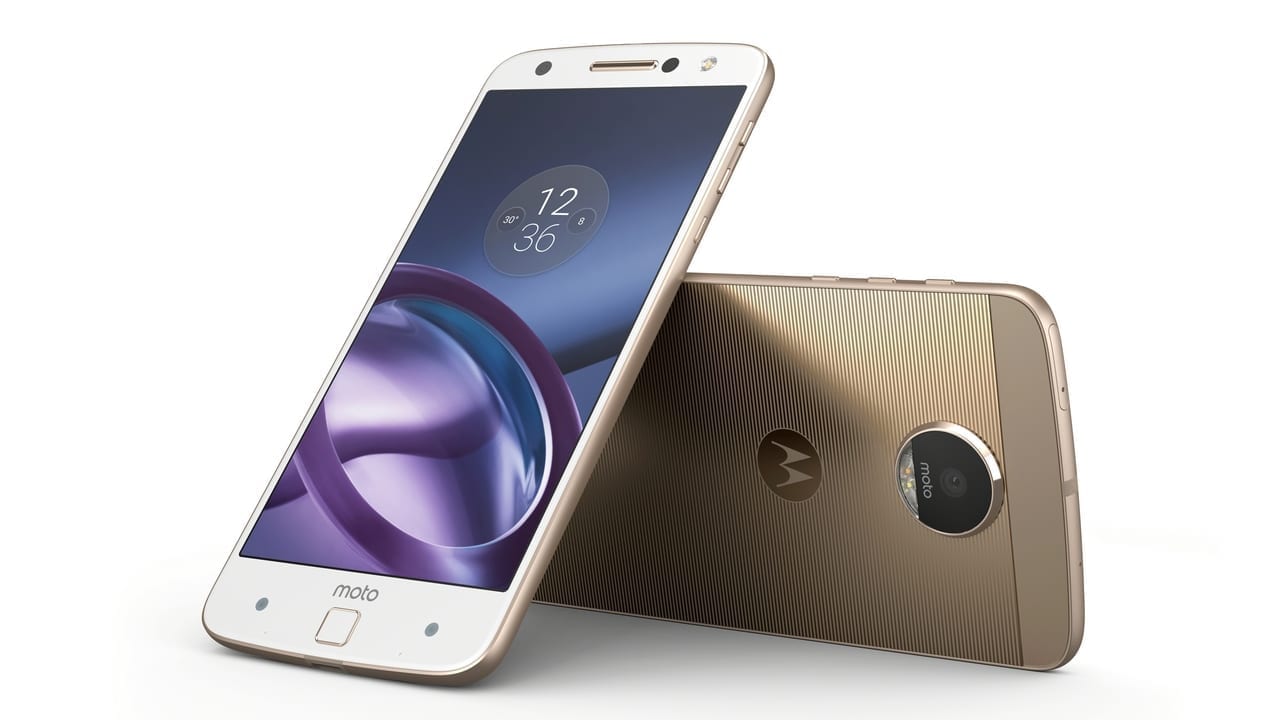
  • Lenovo-­Motorola India seeks to open showrooms

    Lenovo-­Motorola India seeks to open showrooms

    The Lenovo-­Motorola India combine has applied for single-­brand retail licence to open company­- owned showrooms.

    This comes on the heels of the Chinese company’s mobile sales in India crossing the US$1 ­billion mark.
    Lenovo India’s director Sudhin Mathur says the turnover from mobile-phone sales in the year ended March 31 stood at $1.3 billion, nearly double the $700 ­million of the previous year.

    “Sales have been growing at a healthy pace and we expect to maintain a strong momentum.”

    According to industry tracker IDC, the Lenovo­-Motorola combine sold about 10 million units last year, accounting for a nearly 10 per cent share of the market.

    Mathur says smartphone industry sales in India are expected to grow by 30 per cent this
    year.

    The company’s units for India are being contract ­manufactured by Flextronics at Sriperumbudur. Lenovo is also looking at having its own phone plant in India.

    Mathur says eight or ­nine new models will be introduced in India over the coming months as the company beefs up its portfolio ahead of the festive season.

    Other companies to have applied for the single-­brand retail licence include Apple and Chinese company LeEco.

  • Apple makes significant progress on its first retail store in Singapore

    Apple makes significant progress on its first retail store in Singapore

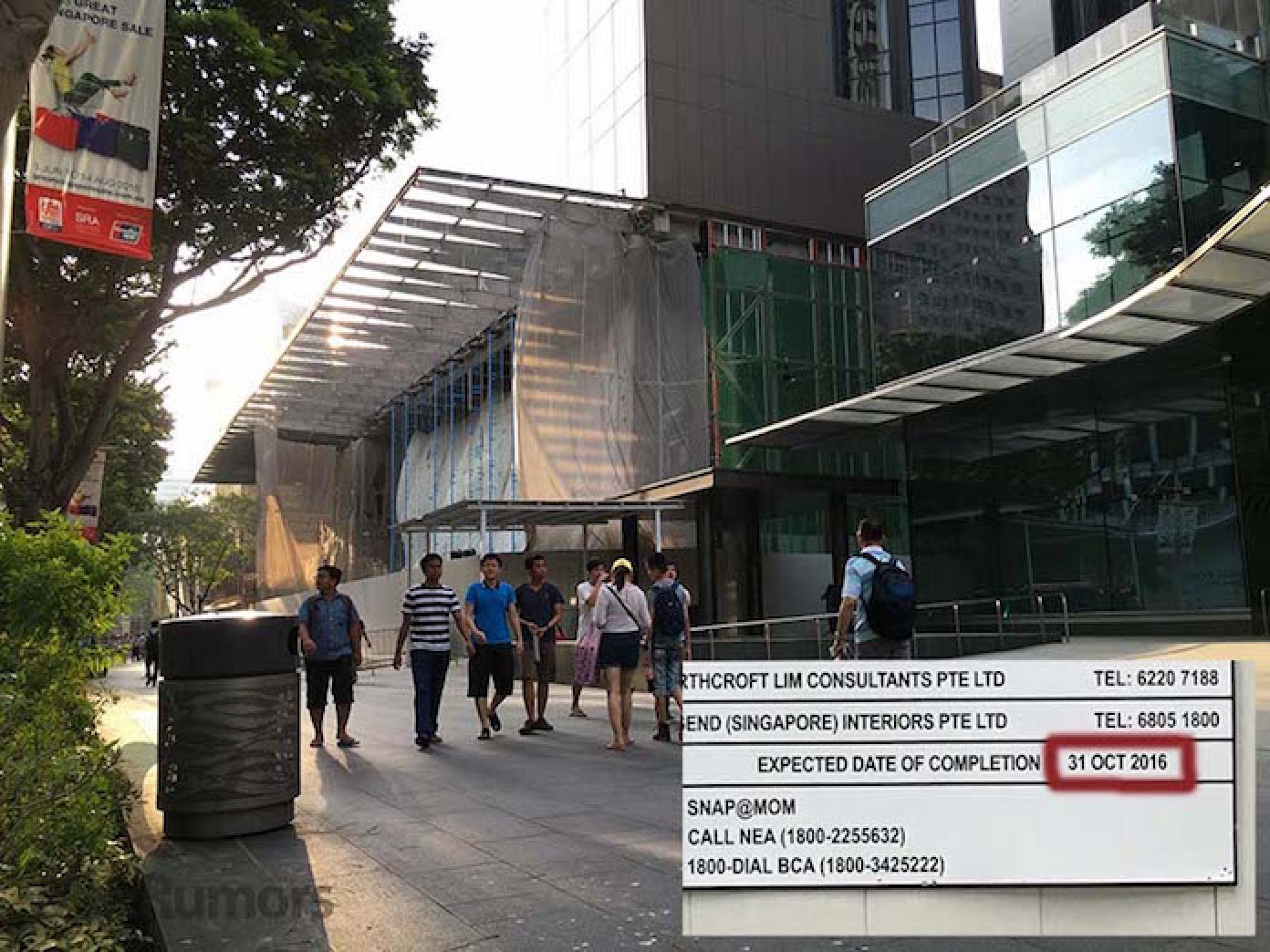
    Apple’s first retail store in Singapore appears to be progressing nicely, with new photos obtained by MacRumors proving that the construction of the store’s glass facade and canopy is now well underway. Apple confirmed in November 2015 that its first-ever store in the Southeast Asia city-state will be powered by hundred percent renewable energy, but did not provide a timeframe for the opening.

    The store location has been under renovation since earlier this year.

    Apple Store coming to Singapore

    The outlet is located in Singapore’s four-story Knightsbridge luxury shopping center.

    Fitness chain Pure Fitness and four other stores inside the Knightsbridge center are set to close next month to make way for an Apple store. In November 2015, Apple posted job listings seeking various positions for the Singaporean store as the company’s retail boss Angela Ahrendts told TechCrunch the following:

    We have more than 900 incredible employees working in our Singapore contact center and are thrilled to begin hiring the team that will open our first Apple Store in Singapore—an incredible international city and shopping destination. We can’t wait to deliver the service, education and entertainment that is loved by Apple customers around the world.

    “The project allegedly has an expected completion date of October 31, 2016, suggesting that the store could open as early as November,” notes the article.

    Apple store Singapore construction

    As per Reuters in November 2015, solar energy developer Sunseap Group will provide Apple with 100 percent renewable electricity from its solar energy systems built atop more than 800 buildings in Singapore, made possible through financing from Apple.

    “The deal will make Apple the first company in Singapore to run exclusively on renewable energy and marks a significant step in its bid to power 100 percent of its facilities and operations worldwide with clean fuel,” as per Reuters.

    Apple’s retail push in Latin America

    As reported, Apple’s retail push in Latin America has just begun with its first store in Mexico City’s Via Santa Fe now being constructed and additional outlets being planned in Guadalajara and Monterrey.

    Apple Stores may be also coming to Chile, Peru and Argentina, as per sources.

    Source: MacRumors

  • Is Apple Inc Losing Ground in China?

    Is Apple Inc Losing Ground in China?

    Apple Inc reported its third quarter of fiscal year 2016 (2QFY16) results after the closing bell on Wednesday. The company managed to beat both earning per share (EPS) and revenue consensus estimates. However, things aren’t as bright as it may seem since the tech giant witnessed declining iPhone sales for the second consecutive quarter.

    The company reported revenue of $42.4 billion, down 14.5% on a year-over-year (YoY) basis. Moreover, EPS came in at $1.42, surpassing the consensus estimate of $1.38.

    However, Tim Cook, Apple’s CEO seemed quite pleased with the results and said: “We are pleased to report third quarter results that reflect stronger customer demand and business performance than we anticipated at the start of the quarter.” Mr. Cook also added that the company was able to reduce its channel inventory by almost $3.6 billion, well above its own guidance of $2 billion inventory reduction.

    Net income for the quarter came in at $7.8 billion, down 27% compared to the same quarter last year. In 2015, Apple’s net income stood at $10.7 billion.

    Mr. Cook highlighted that sales of iPhone accounted for a major portion of channel inventory reduction. Similarly, he also stated that iPhone SE, Apple’s newly launched smartphone, also performed better-than-expected.TheSE contributed for almost 23% of the total iPhone sales made in the quarter.

    During the earnings conference call, the CEO commented: “At its launch, we said that the addition of the iPhone SE to the iPhone lineup placed us in a better position to meet the needs of customers who love a four-inch phone and to attract even more customers into our ecosystem.”

    Overall, the company’s top management seemed satisfied with the earnings results. It generated about 63% of its total sales from international markets. However, the result from its Asia Pacific region, especially from greater China, paints a completely different picture.

    Apple Greater China Performance

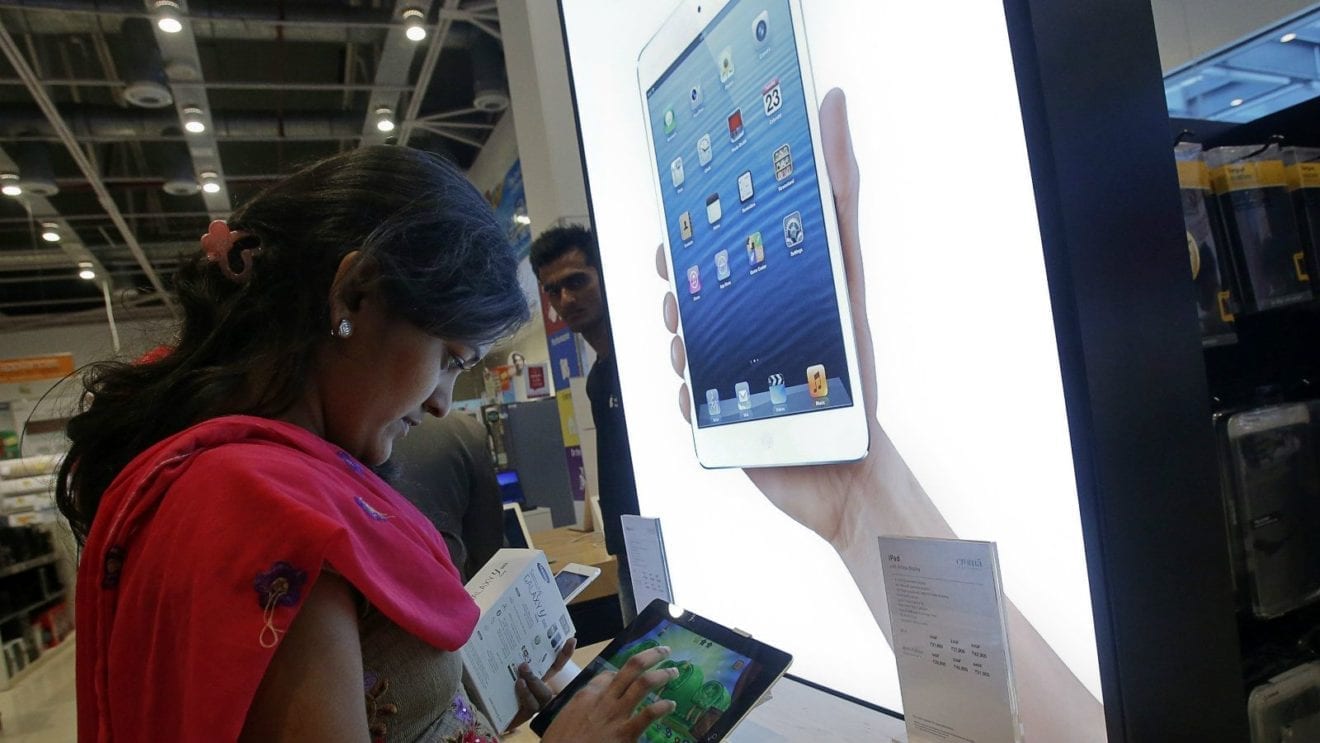
    Greater China sales for the quarter stood at $8.8 billion, down 33% YoY. In the same period last year, the company generated about $13.23 billion in sales from the greater China market. Similarly, on a sequential basis, sales in the region dropped by about 29%. Greater China, which was considered the company’s second largest market after the US, has been becoming a major concern amid stiff competition from domestic smartphones makers and a consistent economic slowdown. Moreover, Apple’s sales dropped more than 20% to $2.37 billion from $2.95 billion reported in 3QFY15 in other Asian countries.

    The company has faced quite a lot of problems in one of its strongest market in the past few years, ranging from regulatory issues and domestic competition to an economic slump. Apple, which used to generate more than 50% of its revenue from the mainland territory, has now lost a significant portion of its market share to home grown smartphone makers including Huawei Technologies and Xiaomi Technologies.

    Earlier this week, Huawei released its financial results for the first six months of 2016. The Chinese smartphone giant reported $36.67 billion (245.5 billion yuan) in revenue, well above the consensus estimate. In 2015, it reported about 175.9 billion yuan in revenue for the first six months. In addition, the company also said that it aiming to achieve the target of 140 million smartphones shipments by the year-end and looks set to achieve that milestone based on the first half results. In the first half, Huawei sold about 60 million smartphones, representing a 25% increase compared to first-half results of 2015.

    However, Mr. Cook seemed quite pleased with company’s progress in the emerging markets, especially in China. During the earnings conference he said: “We remain very optimistic about the long-term opportunities in Greater China and we continue to invest there. We opened our 41st Greater China retail store during the quarter, and we also made a $1 billion investment in Didi Chuxing.” Didi Chuxing is China’s largest ride hailing start-up backed by the Chinese e-commerce giant Alibaba Group Holding Ltd and Tencent Holding Ltd.

    He also highlighted that company’s installed base of iPhones in the Greater China region has surged 34% YoY. In addition, according to the data released by China Mobile, iPhone users on its network ranked the highest both in terms of data usage and loyalty.

    In addition, Luca Maestri, Apple CFO and Senior Vice President also highlighted that the company’s performance in the quarter was affected by some serious challenges in the Greater China region, including an economic slowdown and regulatory concerns.

    Apple China Challenges

    China has always been a key strategic hub for the iPhone maker, however, recent performances clearly indicates that the tech giant is losing ground in its second largest market in terms of revenue. Even in the second quarter, the company’s revenue from greater China fell 26% year-over-year (YoY).

    Beside a decline in iPhone sales, the regulatory issues are also haunting the Silicon Valley based smartphone maker. Earlier this year, Apple’s iTunes Movies and iBooks Store services were banned by the Chinese regulatory authorities, after only being available in the country for six months.

    Recently, Shenzhen Baili, a little known Chinese startup, won a surprise lawsuit against Apple. Shenzhen Baili accused the tech giant of violating a design patent. The Chinese court granted Baili a sales sanction against the tech giant. Apple was prohibited from selling its flagship iPhone 6 and 6 Plus in some Chinese cities where Baili operated. However, the sales sanction was lifted.

    In addition, Apple ranked third in terms of market share in China last year with about 13.4% of the market, according to the data released by International Data Corporation (IDC). Xiaomi ruled the Chinese market with about 15% share, closely followed by Huawei Technologies with 14.5% market share.Huawei is expected to surpass both Apple and Xiaomi this year to lead the smartphone market both locally and internationally.

    Tim Cook’s Optimism about China:

    Though the company’s overall financial results didn’t live up to its reputation, however, the company’s CEO is still optimistic about its long term growth prospects both locally and in the Greater China territory.

    With respect to the ban on Apple’s i iTunes Movies and iBooks Store, Mr. Cook indicated that those stores weren’t even making $1 million so the band is not a major problem. However, he also added: “we’re working very closely with the appropriate government agencies, and we hope to make books and movies available again to our customers there. And so we’ll see how that goes, but we’re optimistic there.” The company’s CEO says that China is a long-term investment and Apple is doing its best to give the Chinese customers the best product.

    Apple’s Alliance with Native To Fight Back in China:

    Back in May, Apple announced a strategic partnership with China’s biggest ride-hailing app, Didi Chuxing, as it invested $1 billion in the company. Analysts believe that the venture could boost Apple Pay in China by offering payment services to Didi’s 14 million drivers. In addition, the iPhone maker could also use Didi’s vast road data for its upcoming autonomous car project. Mr. Cook said about the partnership: “We are extremely impressed by the business they’ve built and their excellent leadership team, and we look forward to supporting them as they grow.”

    The partnership could assist Apple in growing its other services in the mainland territory; however, declining iPhone sales in the country is still a cause of concern.

    Future Outlook:

    Apple expects its fourth quarter revenue to come in between $45.5 billion and $47.5 billion. The increase in revenue guidance reflects the company’s aim to grow and give its investors solid returns. In 3QFY16, Mr. Maestri said: “We returned over $13 billion to investors through share repurchases and dividends.”

    We believe Mr. Cook’s optimism coupled with the company’s long term plans to expand in the Greater China region is yet to face a complete discontentment. However, if things move forward in the same trend, Apple’s long term hold over the Chinese market will come to a complete end. It is vital for the company to implement new strategies, build healthy relations with the regulatory authorities and give the Chinese customers something new and innovative.
  • Huawei retail plans 15,000 new stores

    Huawei retail plans 15,000 new stores

    Smartphone maker Huawei plans to open 15,000 retail stores internationally this year in a bid for a record-high shipment of smartphones and greater sales of premium-priced models.

    “We are optimistic and confident about reaching our target shipment of 140 million smartphones this year,” says its business group CEO Richard Yu Chengdong. That would mark a 30 per cent increase in smartphone shipments from 108 million units last year.

    Yu says the Huawei retail store expansion would help drive sales of its high-end smartphones in the US$500 to US$600 range.

    Huawei’s retail arm had 35,000 of its own stores around the world at the end of May, up 116 per cent year on year. It has 11,000 stores in mainland China, 6500 stores across the rest of Asia, 6200 in Europe and 1500 in South America. This compares with Apple’s 484 retail outlets in fewer than 20 countries.

    Huawai  is represented in more than 170 countries and territories, supported by a growing number of third-party shops. These include outlets in shopping malls and stores owned by mobile network operators like China Mobile.

    Its smartphone shipments grew 25 per cent year on year to 60.56 million units in the first six months of this year. Sales generated by the company’s consumer business group in the first half jumped 41 per cent to 77.4 billion yuan (US$11.6 billion), with more than half from overseas markets.

    Data from market research firm GFK shows that Huawei’s share of the global smartphone market reached 11.4 per cent at the end of May. Its share of the premium smartphone market was 25.7 per cent, up from 15.2 per cent at the end of March.

    The Shenzhen-based firm, which also sells network equipment to telecommunications service providers and other enterprises, reported this week that its total revenue in the first half of this year jumped 40 per cent to 245.5 billion yuan, up from 175.9 billion yuan for the same period last year.

  • China smartphone demand grows 17pc

    China smartphone demand grows 17pc

    China smartphone demand grew 17 per cent last month, according to technology research company Counterpoint’s monthly Market Pulse.

    It was the best-ever June in terms of sell-through for smartphones, despite the overall market having modest growth for the second quarter ending June 31.

    “The competitive environment in the world’s leading smartphone market has taken an interesting turn as domestic brands have significantly ramped up their positions in the smartphone market,” says research director James Yan.

    Oppo became the top-selling brand in China for the first time ever in June, surpassing Huawei, Apple and Xiaomi with a 23 per cent market share and sales volumes leapfrogging 337 per cent.

    Also owned by the BBK group, Vivo also had a strong performance with the launch of a new model. Together, the sister brands captured a third of the Chinese smartphone market, up from a combined 13 per cent in the same month last year.
    Meanwhile, Apple’s market share slipped to 2014 levels.

    Counterpoint research director Neil Shah says Oppo adopted a simple but effective strategy – going after the offline market, which still contributes more than 70 per cent of total sales in China.

    “Aggressive marketing, promotions and sponsorships, greater offline retail penetration beyond tier-two and tier-three cities, better retail margins, dealer support and, above all, innovative smartphone designs have helped Oppo drive its sales in the past 18 months.”

    The brand had also focussed on design and key features such as camera, battery technology and materials.

  • Apple China’s quarter sales slump

    Apple China’s quarter sales slump

    Apple China’s sales fell 30 per cent in what one retail analyst described as “another fairly rotten quarter” for the tech giant globally.

    Apple’s international decline has accelerated with total sales revenue sliding by 14.6 per cent and operating income by 28.2 per cent.

    “That the numbers are down come as no real surprise given that Apple has launched very few significant products or initiatives since the last reporting period. However, that they are sequentially worse than last quarter is a cause for some concern, especially so as all geographies, bar Japan, are now in strong decline,” observed Neil Saunders, CEO of Conlumino.

    But Apple’s current problems are a lot more worrying for the company than a couple of bad sets of  quarterly figures, even though the company remains highly profitable and cash-rich. At the core of Apple’s challenge is the long period of sustained innovation and ingenuity seems to have dried up.

    The same day as Apple announced its latest results, one of the most reliable Apple leak sources, Evan Blass, revealed the next iPhone scheduled for release on September 16 will now be called the iPhone 6SE, because there are insufficient upgrades to warrant a new generation 7 model number. The iPhone – once the mainstay of Apple’s stellar rise – used to be the most-coveted smartphone handset on the market. But Samsung’s Galaxy Edge has well and truly evolved into the most beautiful handset on the market, and a raft of brands around Asia are producing phones with features and specifications equal to or better than the iPhone 6, usually at prices substantially lower.

    That partly explains why iPhone sales fell 23 per cent in revenue terms in the latest quarter: it’s just not as sexy as it once was; customers have a wider choice now, and owning an Edge has as much street cred as owning an Apple in many parts of the world.

    Laptop sales are weak globally as more and more consumers who do not need computers for work purposes find Phablets and tablets are more portable and just as convenient for social networking, email and watching videos. Mac sales fell 13 per cent last quarter – and again Apple has offered little reason to upgrade in recent years, save the high-resolution retina screens. New models are slated for later this year, but expect this to be another round of higher spec for a reduced price as Apple tries to hold its own against the likes of Samsung and arguably the biggest innovator in Windows-platform computers, Lenovo.

    Sales of other Apple physical products fell by 16 per cent.

    The only ‘innovation’ from Apple in the last two years is the Apple Watch, which, as Saunders observes, was supposed to be “the next best thing”.

    “However, its performance has been disappointing [because] it doesn’t really do very much.

    “In most cases it simply replicates what can be done on a phone, albeit less effectively. As such, other than as a status symbol, most consumers do not see the value in spending hundreds of dollars simply to remove the effort of having to lift up their phones. This is a great example of Apple’s genius in producing what remains a technically impressive and aesthetically pleasing device, while missing the bigger picture of how that device fits into people’s lives.”

    Ouch. But he is right: The Apple Watch is a solution searching for a problem. It is not a ‘must-have’, life-changing product, merely a gimmick; an expensive, flashy replacement for a pedometer which, wait, you can download onto your iPhone for free on iTunes…

    “All of this is characteristic of a company that, while still highly successful, has simply lost the edge that once persuaded consumers to continually upgrade and buy into more expensive pieces of kit.  Apple has become too obsessed with the technical minutiae of products rather than developing radically new devices which capture the imagination, and cash, of consumers,” says Saunders.

    Services a bright spot

    Saunders says the one bright spot in an otherwise gloomy set of Apple figures comes from the services segment. Here revenue grew by 19 per cent, thanks to more Apple Music subscribers and the strong performance of the App Store. “However, the ground gained here is nowhere near enough to make up for the decline in product revenue, which is where Apple takes the bulk of its sales and makes most of its profit.”

    Just what Apple is working on behind the scenes as it seeks its next life-changing product is uncertain. There have been long-running reports it is developing a motor vehicle, for example, a huge investment which the company certainly has the cash reserves to fund. But reinventing the motor vehicle is a hard concept to conceive. Elsewhere it seems to be searching for acquisitions which could aid its growth – among the recent rumours is a bid for Formula 1, one of the world’s most-watched televised sports which could bring access to technical innovation, and most importantly content for a planned TV concept and its existing devices. Neither F1 or Apple has denied those rumours.

    Saunders argues that if the company is to return to its once stellar growth, it needs either a radical step change in its existing product line-up or needs to come up with a completely new device that creates a whole new market.

    “This is easier said than done, but there are emerging areas of technology – like virtual reality – where Apple should be at the forefront of developments.”

    Saunders also praises Apple’s latest incarnation of its retail store.

    “Apple’s latest store format is impressive and provides just the type of experience that modern consumers enjoy and will engage with. However, without great products this new format will not deliver very much. As such, Apple needs to put the same sort of forward thinking into its kit as it has done its new shops.”

    He concludes: “As much as this may all sound harsh and critical, it is simply because Apple set such a high benchmark to begin with. It remains a very impressive business and retailer, but it is one that is in desperate need of that magical ‘one last thing’ to transform its trend of declining sales.”

  • Staff sought for Taiwan Apple Store

    Staff sought for Taiwan Apple Store

    US technology giant Apple has started advertising for staff for a Taiwan Apple Store.

    This follows the US technology giant raising US$1.38 billion in a bond offering last month on the island that is home to many companies in its supply chain.

    While Apple has confirmed plans to open its first store in Taiwan, the California-based company is tight-lipped on details. However, job postings on its website show it is seeking “a leader for personnel training plans for the Taiwan Apple Store” as well as other retail positions.

    Apple’s greater China revenue, which includes Hong Kong and Taiwan, slumped 26 per cent in its second fiscal quarter, with executives pointing the finger at Hong Kong for slipping sales. This year, its iPhones had their first-ever sales decline in the face of intense competition in the smartphone market.

  • Epicentre Asia raises cash for expansion

    Epicentre Asia raises cash for expansion

    Apple products retailer Epicentre Asia plans to raise S$11.45 million (US$8.44 million) by issuing 45.8 million private shares to new buyers.

    KGI Fraser Securities is the placement agent for the issue, with the price being not be less than 25 cents per new share. These placement shares represent 49.1 per cent of the current
    share capital of Epicentre.

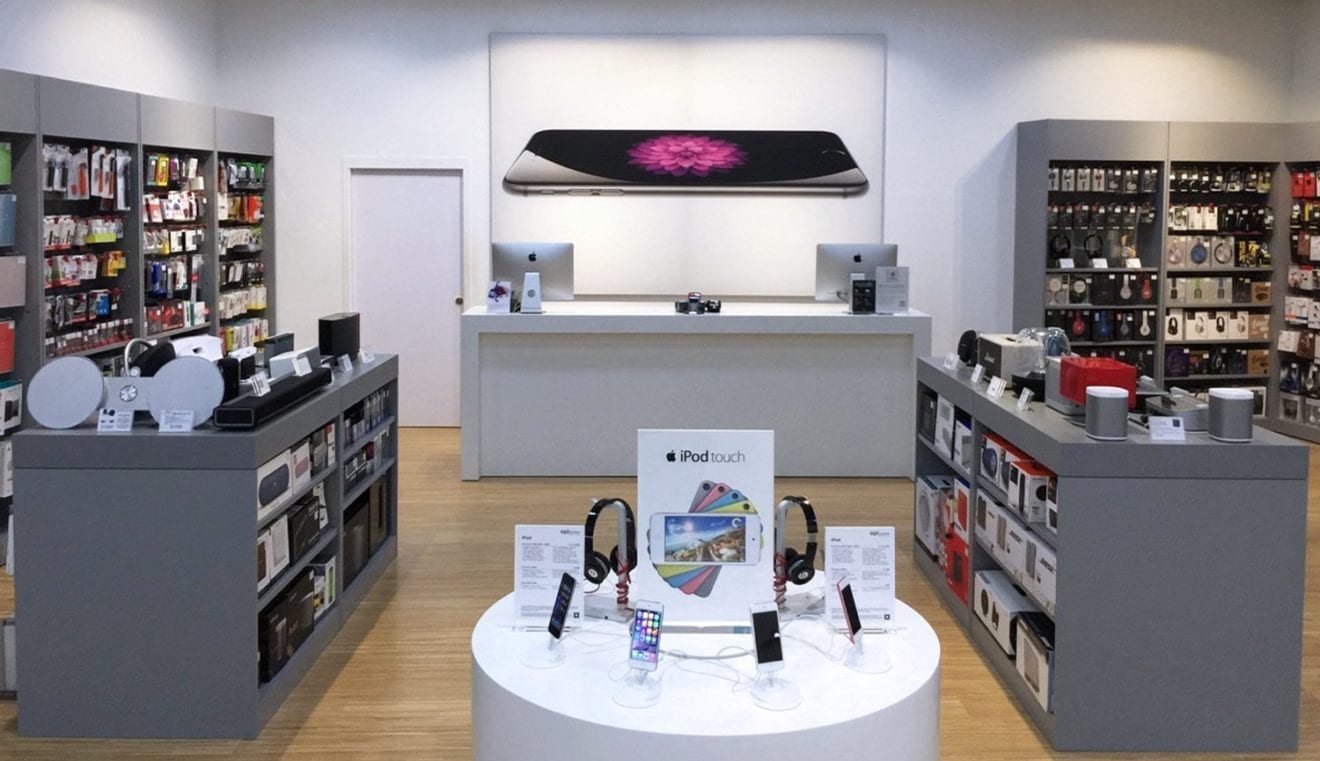
    Epicentre has five stores in Singapore, including two on Orchard Rd which could be expected to take a big hit in turnover terms when Singapore’s first Apple Store opens later this year. It has six stores in Malaysia and also sells online.

    Half of the net proceeds raised by the share issue will be used to support business development and provide liquidity for expansion. The rest will be deployed for general working capital purposes, the company says.

    Earlier this year, Epicentre raised $1 million on debt crowd-finance platform MoolahSense, and the company says this debt will be repaid through the sale of merchandise.

  • SoftBank arranges to buy ARM for $31b

    SoftBank arranges to buy ARM for $31b

    SoftBank has entered a deal to buy chipmaker ARM for a whopping $31 billion to help cement the company’s future in the burgeoning IoT sector.

    The boards of both SoftBank and ARM have unanimously recommended the proposed deal to buy out 100% of ARM and turn the company into a wholly-owned SoftBank subsidiary.

    The proposed buyout of UK-based ARM is the third largest proposed corporate merger of the year, and the first major deal in the UK since the Brexit vote, which has pushed down the value of the British pound to make the prospect more enticing for SoftBank.

    ARM’s core business of designing chips for mobile devices alone does not justify the high purchase price, which is more than 70 times the company’s net earnings for 2015. The company generated a mere $1.5 billion in revenue last year.

    But to counter slowing smartphone sales, ARM has been seeking to diversify into other sectors by designing chips for IoT devices, and this is where SoftBank’s interest in the company lies.

    Speaking at a press conference announcing the proposed merger, SoftBank CEO Masayoshi Son said the IoT is expected to be the “biggest paradigm shift in human history,” and that the investment marks a move to enter at the ground floor of this shift.

    Presentation materials prepared for the deal indicate that 14.8 billion ARM-powered SoCs shipped in 2015. The company is particularly targeting the consumer electronics, enterprise infrastructure, automotive and embedded intelligence segments.

    The deal still requires approval from ARM shareholders and English courts, but subject to these approvals is expected to close in the current calendar quarter.

  • NEC sets up open-source software center

    NEC sets up open-source software center

    NEC in Japan and NEC Technologies India have established the “OSS Technology Center,” an organization specializing in technical support related to the use of open source software (OSS).

    The new organization began operations July 1, with approximately 50 staff based out of NTI, consisting of experienced OSS engineers who are well-versed in OSS solution architecture, as well as essential software development and support capabilities.

    The OSS Technology Center aims to strengthen the organizational structure for supporting global enterprises in building systems based on OSS, to reinforce collaboration with international OSS vendors and to provide rapid technical support to users who construct systems operated globally using OSS.

    Moreover, the new organization will actively carry out development of new network functions related to Software-Defined Networking (SDN), Network Functions Virtualization (NFV) and application platform functions, such as container and Platform as a Service (PaaS).

    All of these are part of the OSS Technology Centre’s OpenStack-based development activities, in addition to its contributions to making source codes openly available by providing them to the OSS community.

    In recent years, the need for enterprises to capitalize on OSS, particularly OpenStack, in cloud computing, big data computing and SDN/NFV, has become increasingly pronounced.

    Also, in terms of next-generation ICT technologies, there are heightened expectations towards OSS applications in areas related to Systems of Engagement (SoE) and Internet of Things (IoT).