Category: Electronics

Retail News Asia is committed to providing both local and global retailers with the latest Electronics news throughout the Asian market. This on a daily base.

  • Xiaomi Mi Robot Vacuum for home cleaning launched in China

    Xiaomi Mi Robot Vacuum for home cleaning launched in China

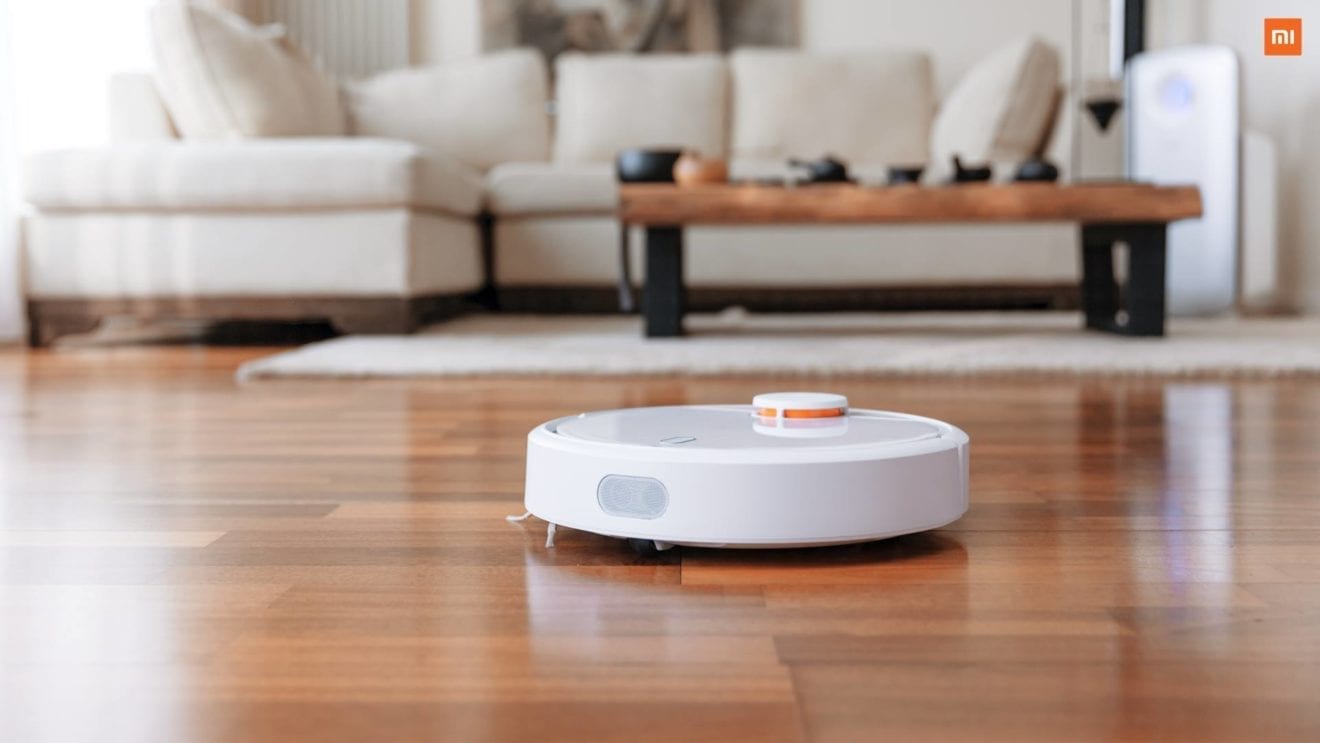
    Xiaomi has announced Mi Robot Vacuum, its latest Mi Ecosystem product. The device has been developed by Mi Ecosystem company Rockrobo. Mi Robot Vacuum is an intelligent robot with Laser Distance Sensor (LDS). The LDS feature allows Mi Robot Vacuum to scan its surroundings 360 degrees, 1,800 times per second. There’s also Simultaneous Localization and Mapping (SLAM) algorithm, which enables the device to map out how the house is laid out and calculate the best cleaning path. Xiaomi’s Mi Robot Vacuum is equipped with 12 sensors.

    Xiaomi Mi Robot Vacuum integrates with the Mi Home app and allows users to control Mi Robot Vacuum remotely. The main brush in Mi Robot Vacuum automatically adjusts height to create tight seal with floor for dirt pick-up on uneven surfaces. It maintains 1cm distance from walls for the side brush to effectively clean near walls. There’s a 5,200 mAh battery, which the company claims will provide 2.5 hours of cleaning. Mi Robot Vacuum will be available in China starting September 6. It will retail for 1699 yuan ( Rs 17,000 approx) on Mi.com and at Mi Home stores in China.

    Xiaomi introduced its Mi Ecosystem sub-brand in March with the launch of Mi induction heating pressure rice cooker. The Mi Ecosystem covers a range of products manufactured by Xiaomi’s ecosystem partners. These include smartphones, smart TVs and smart routers. Xiaomi has invested in 55 companies for designing and manufacturing products for this ecosystem. Mi induction heating pressure rice cooker is WiFi-enabled and can be controlled via the Mi Home app. It sells for 999 Yuan (approx Rs 10,000).

  • DJI Hong Kong opening flagship in Causeway Bay

    DJI Hong Kong opening flagship in Causeway Bay

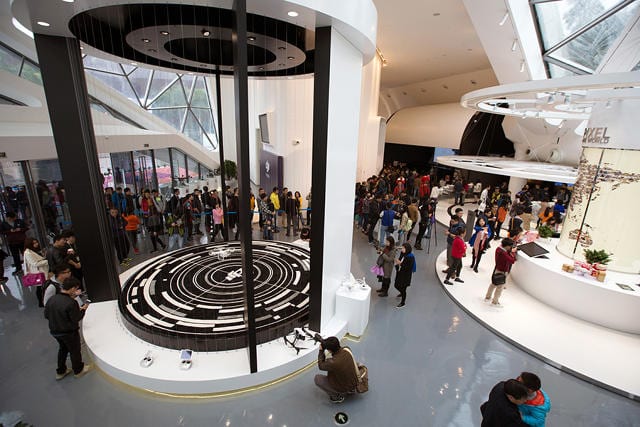
    Unmanned aerial vehicle (UAV) technology company DJI Hong Kong is about to open a flagship store featuring flight cages, experience zones, an aerial photo gallery, technical support centre and its full range of consumer and professional products.

    In Causeway Bay, the three-storey store, covering more than 10,000 sqft (930 sqm) will open at the end of next month. It will display animated DJI and drone silhouettes to add to the Victoria Harbour evening backdrop.

    Its ground floor will feature the company’s full range of aerial and handheld products, while the SkyPixel Gallery on the first floor will showcase UAV photography from around the world. The technical support centre is on the second floor along with a space for workshops, seminars and special events.

    DJI HKFS 1st Floor

    “Discovery is an important part of the learning process, and when people understand how easy it is to use the technology they will find ways to incorporate it into their lives or for their businesses,” says DJI founder/CEO Frank Wang.

    DJI HKFS

    This will be the company’s third foray into retail following the December opening of its first flagship store in in Shenzhen, followed by a Seoul flagship in March.

    DJI’s global network spans the Americas, Europe and Asia, with customers in more than 100 countries using its products for such purposes as filmmaking, construction, emergency response, agriculture and conservation.

    DJI HKFS 1st Floor

  • Apple slugged with $19 billion tax bill

    Apple slugged with $19 billion tax bill

    The European Commission is ordering Apple Inc to pay Ireland unpaid taxes of up to €13 billion euros (A$19.15 billion), after ruling the firm had received illegal state aid.

    Apple and Dublin said on Tuesday the US company’s tax treatment was in line with Irish and European Union law and they would appeal the ruling, which is part of a drive against what the EU says are sweetheart tax deals that usually smaller states in the bloc offer multinational companies to lure jobs and investment.

    The US feels its firms are being targeted by the EU and a US Treasury spokesperson warned the move threatens to undermine US investment in Europe and “the important spirit of economic partnership between the US and the EU”.

    Starbucks Corp has been ordered to pay up to €30 million to the Dutch state, while Amazon.com Inc and McDonald’s Corp are also under investigation by the Commission, the EU’s executive arm.

    EU Competition Commissioner Margrethe Vestager questioned how anyone might think an arrangement that allowed Apple to pay a tax rate of 0.005 per cent, as Apple’s main Irish unit did in 2014, was fair.

    “Tax rulings granted by Ireland have artificially reduced Apple’s tax burden for over two decades, in breach of the EU state aid rules. Apple now has to repay the benefits,” Vestager told a news conference.

    Analysts said the size of the claim underlined the Commission’s aggressive stance, but since each case involves different circumstances and tax rules, lawyers said it was hard to see if further big claims were any more or less likely.

    Apple, which had more than US$200 billion (A$266 billion) in cash and readily marketable securities at the end of June, is likely to see the case drag out for years in EU and possibly Irish courts.

    The EU’s ruling challenges the way that Ireland agreed to tax the profits of Irish registered Apple subsidiaries, through which most of its non-US profits flowed.

    Apple Inc licences the rights to technology designed in the United States to Irish subsidiaries.

    These then hire contract manufacturers to make devices which they sell to Apple retail subsidiaries around Europe and Asia.

    Since the manufacturing cost is a small portion of device sales prices and retail subsidiaries are allocated a small operating margin, Apple Ireland is very profitable.

    In 2011, it earned US$22 billion after paying US$2 billion to its US parent in relation to the rights to Apple intellectual property.

    However, the Irish tax authority agreed only €50 million of this was taxable in Ireland, the European Commission said.

    Under the terms of Apple’s tax deal, first agreed in 1991 and renewed in 2007, Apple could allocate most of the profits earned by its Irish operating units to a “head office” that did not have any employees or own any premises.

    The Commission said this agreement had no basis in tax law and was not available to others, and so represented state aid.

    Irish Finance Minister Michael Noonan said he profoundly disagreed with the decision and in order to preserve Ireland’s attractiveness for investment he would appeal.

    Ireland’s low corporate tax rate has been a cornerstone of the country’s economic policy for decades, drawing investors from multinational companies whose staff account for almost one in 10 of the country’s workers.

    For many technology firms like Google and Facebook, a key attraction is that Ireland allows companies to adopt tax structures which see them pay much less than the 12.5 per cent headline rate. The companies say they follow all tax rules.

    Apple said it was confident of winning an appeal.
  • Apple said to plan iPhone for Japan that supports FeliCa

    Apple said to plan iPhone for Japan that supports FeliCa

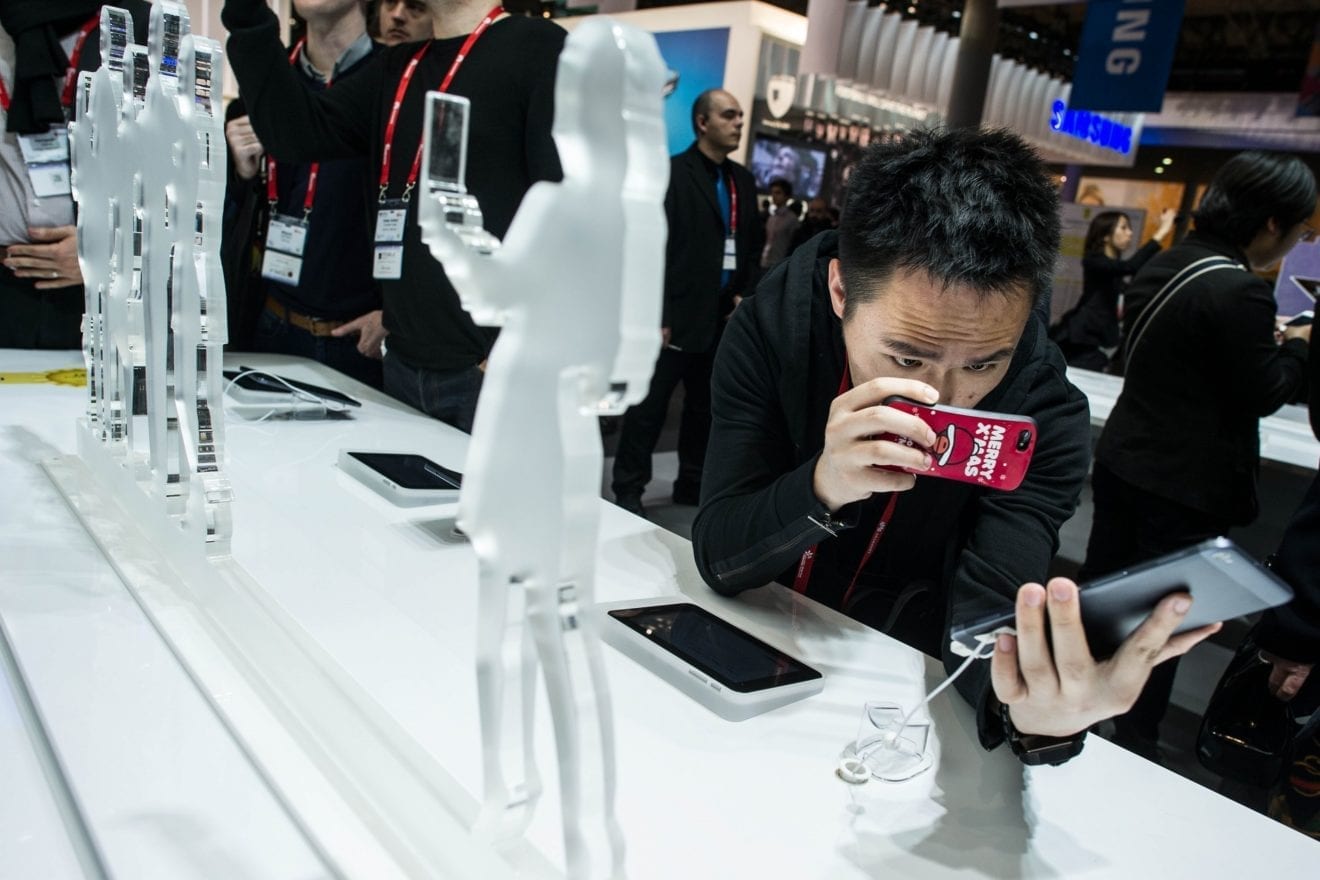
    Apple is reportedly planning to launch an iPhone in Japan that supports FeliCa, the contactless mobile payment standard widely used in the market.

    Sources told that a future iPhone designed for the market will include a FeliCa chip to support payments using the Sony-developed standard.

    FeliCa is used in multiple public bus and train pass payment systems across Japan. The standard dominates in Japan over the NFC standard used in Apple Pay – there are an estimated 1.9 million FeliCa payment terminals in the country handling around $46 billion worth of transactions per year.

    According to the report, Apple plans to work with multiple transit card providers on the launch, and is currently planning to store virtual representations of transit passes within the iPhone’s wallet app.

    Apple is said to currently plan to introduce the FeliCa functionality into the next iPhone models bound for the market, although the introduction could be held back to next year if talks with Japanese payment networks stall.

    One hurdle that could complicate the plan is the fact that FeliCa chips are designed to process transactions in a tenth of a second to accommodate Japan’s very busy transit system, whereas transactions using Apple Pay currently go through servers and require bank approval.

  • DJI To Open Flagship Store In Hong Kong

    DJI To Open Flagship Store In Hong Kong

    DJI, the world leader in unmanned aerial vehicle technology, said Monday it will soon open a flagship store in Hong Kong featuring flight cages, experience zones, an aerial photo gallery, technical support center and DJI’s full range of consumer and professional products.

    Located at the center of Hong Kong’s busiest shopping district in Causeway Bay, the three-story, 10,000+ square-feet store will open at the end of September 2016. In keeping with the scintillating Hong Kong skyline, the building will display animated DJI logos and drone silhouettes to add to the Victoria Harbor evening backdrop.

    More than just a retail outlet, the Hong Kong flagship store will provide a location where the worldwide community can connect to share their experience of flight and explore the latest UAV products and aerial cameras. The ground floor will have on display DJI’s full range of aerial and handheld products, while the SkyPixel Gallery on the first floor will showcase breathtaking examples of aerial photography from around the world. The second floor will house the technical support center and a dedicated space for workshops, seminars and special events.

    “As interest around our aerial technologies continues to grow, the expansion of our flagship business will provide a  place for people to see, touch and learn about our products first hand,” said Frank Wang, DJI Founder and CEO. “Discovery is an important part of the learning process and when people understand how easy it is to use the technology, they will find ways to incorporate it into their lives or for their businesses.”

    The Hong Kong flagship store is DJI’s third foray into retail after the December 2015 opening of its first flagship store in in Shenzhen, China, followed by the Seoul, Korea flagship in March 2016.

    “Hong Kong is an important market for DJI here in Asia and remains a tourist hot spot for people from around the world,” said DJI Hong Kong Regional Manager Sarah Chuang. “The store will provide an opportunity for us to engage consumers from all walks of life, from local photographers to aerial enthusiasts across Asia to travelers visiting Hong Kong looking for the coolest and latest technologies. We want to provide a truly unique DJI experience for anyone who walks into our store.”

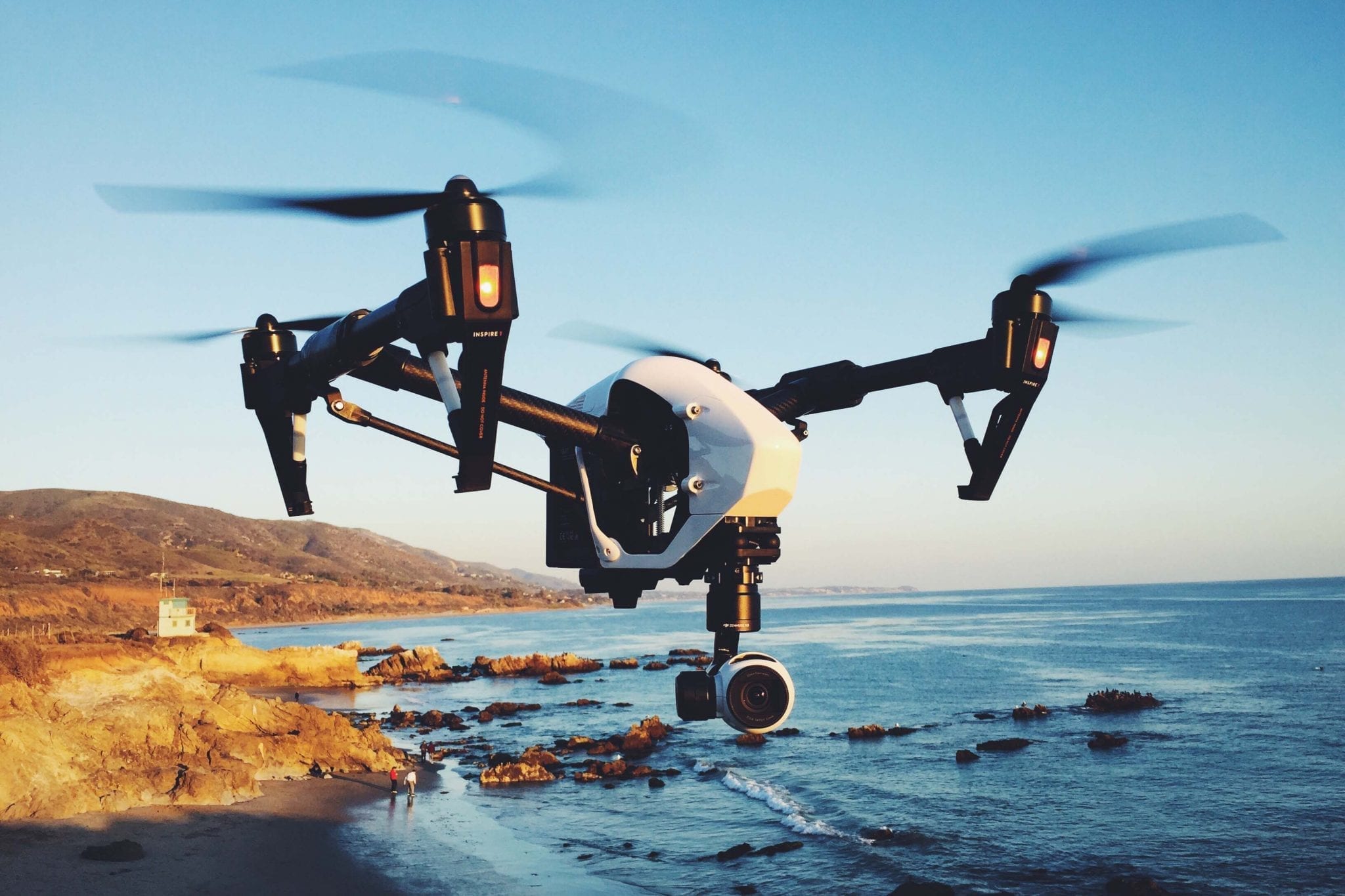
    On display and for sale will be DJI’s consumer products, such the Phantom series of drones and the Osmo stabilized 4K handheld camera, as well as professional products, including the Inspire 1 and Matrice series, the Zenmuse Z3, X5R, and XT cameras, and the Ronin handheld three-axis camera gimbal line.

    The Hong Kong Flagship store is located at TOWER 535, Shop G07, 535 Jaffe Road, Causeway Bay, Hong Kong. More details will be announced closer to the grand opening day in late September.

  • IBM opens 9th APAC cloud center in Korea

    IBM opens 9th APAC cloud center in Korea

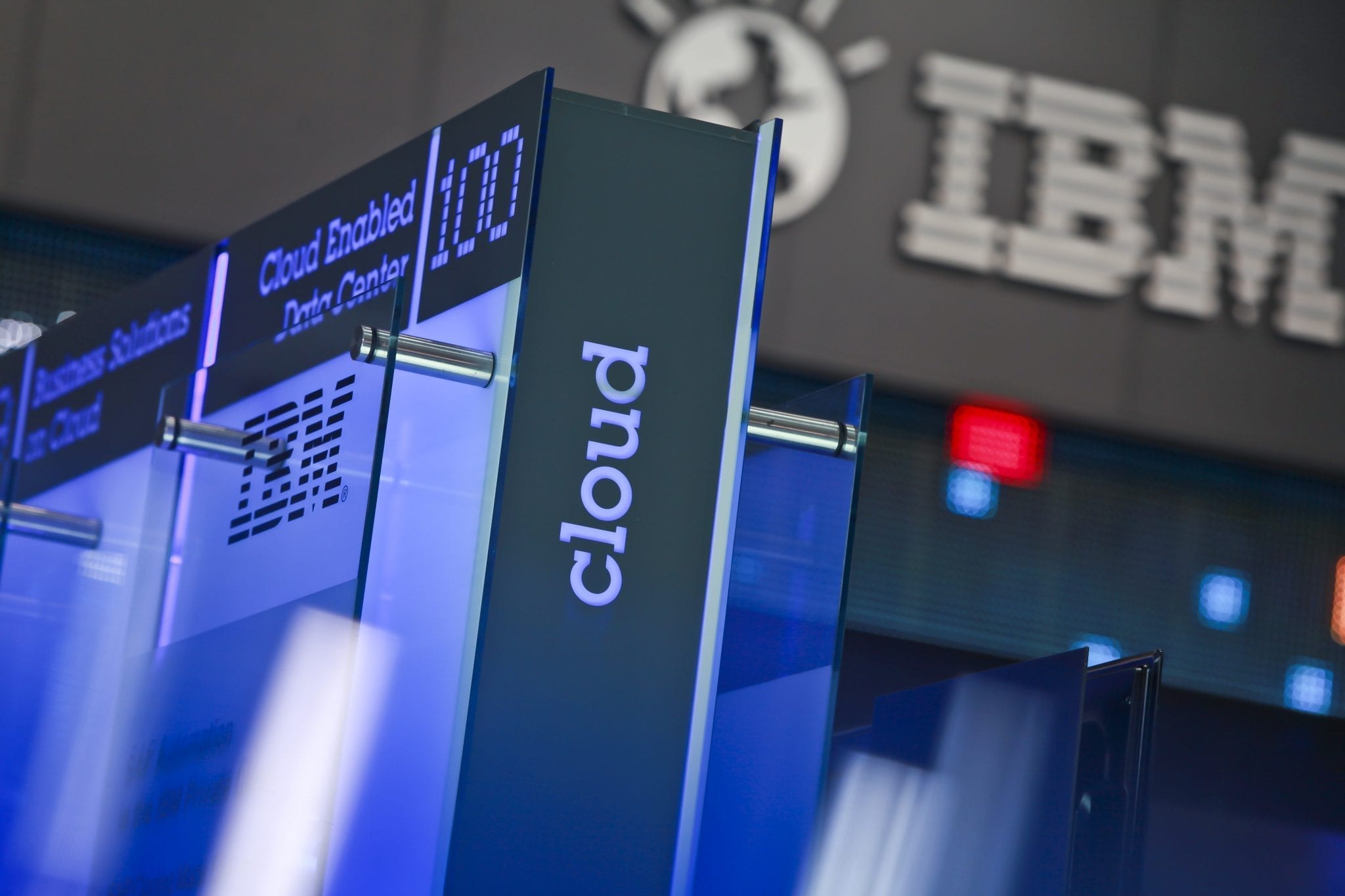
    IBM has launched its first cloud data center in Korea together with SK Holdings, a Korean IT services company IBM partnered with last year.

    The company’s ninth cloud data center in Asia Pacific, it is the latest step in IBM’s ongoing expansion of the physical infrastructure that supports its cloud services. The facility in Pangyo, outside of Seoul, is the 47th site in this global cloud data center network.

    IBM is going after the Korean public cloud services market, which IDC expects to grow from $445 million last year to $1 billion in 2019. Target customers are both Korean enterprises and start-ups, according to IBM’s announcement.

    The cloud data center will have the capacity to support “thousands of servers,” IBM said.

    Its services include public, cloud, and hybrid environments, as well as IBM’s extensive Platform-as-a-Service portfolio, collectively branded Bluemix. Among them are APIs for the company’s “cognitive computing” capabilities called Watson, which developers can use to build those capabilities into applications they design.

  • Xiaomi eyes offline expansion

    Xiaomi eyes offline expansion

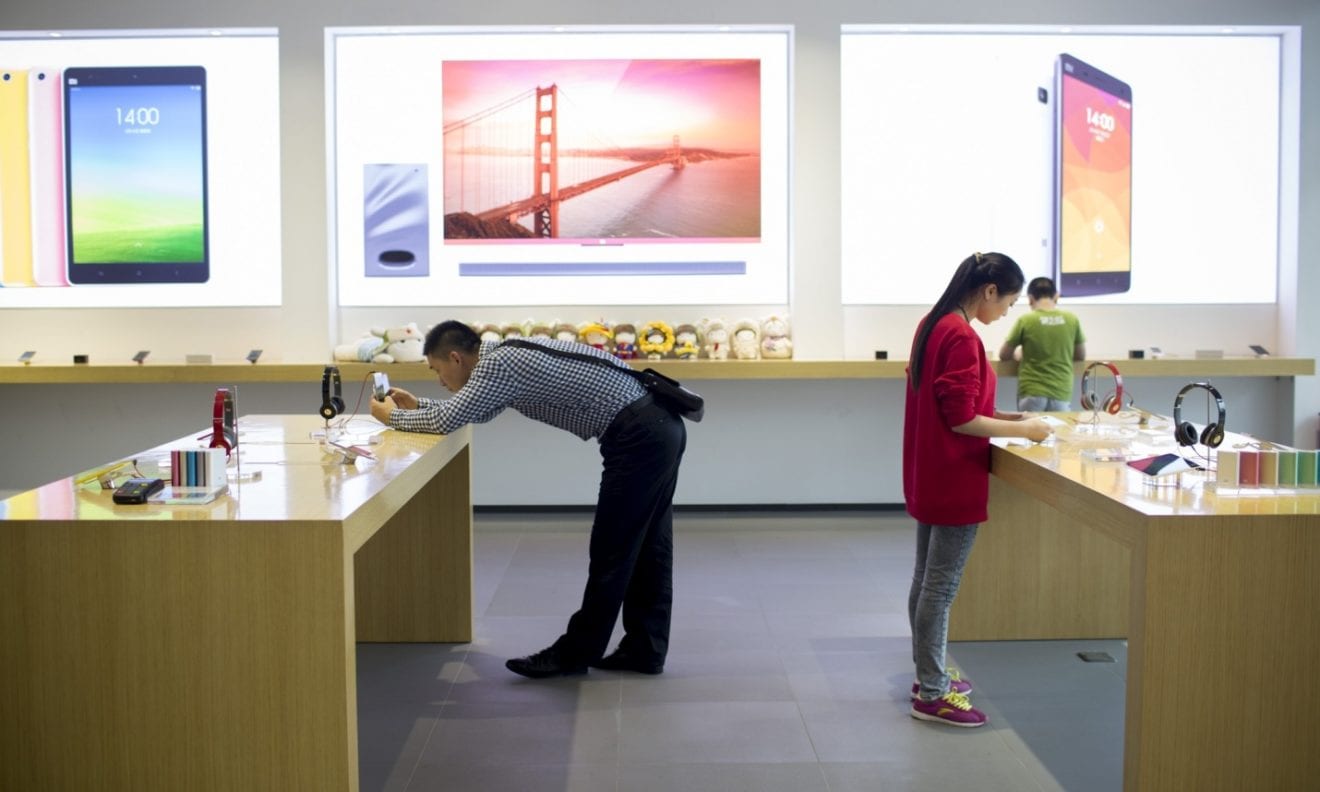
    Chinese smartphone vendor Xiaomi Corp unveiled a new smartphone with China Mobile Communications Corp on Thursday, as the company steps up efforts to expand offline retailing channels.

    China Mobile, the country’s largest telecom mobile carrier by subscribers, said it hopes to sell 30 million Xiaomi handsets this year, signaling a boost for Xiaomi, which is wrestling with declining shipments and mounting competition from rivals such as Huawei Technologies Co Ltd.

    Priced from 899 yuan ($136), the new phone, the Redmi Note 4, will be on sale at China Mobile’s 20,000 offline stores and more than 100,000 bricks-and-mortar retailing partners’ stores.

    Lei Jun, CEO of Xiaomi, said the company has sold more than 110 million smartphones under Redmi, a brand known for its cost-effectiveness. “The new phone is our latest effort to offer a quality smartphone that everyone can buy.”

    The move came as China’s online smartphone sales hit a ceiling, and market players are banking on bricks-and-mortar retail partners for growth.

    James Yan, research director at Counterpoint Technology Market Research, said it is highly possible to achieve the sales target, given China Mobile’s sprawling offline presence.

    “Telecom operators’ retail channels account for 30 percent of China’s total smartphone sales, and more than half of that are handled by China Mobile,” Yan said.

    The new phone’s good design and sophisticated body, better than most of Xiaomi’s previous phones, will also help boost sales. And the Beijing-based firm’s supply chain partner Wingtech Group is able to ensure an abundant supply of the new phone, he added.

    In 2015, China Mobile and Xiaomi jointly unveiled a smartphone called Redmi Note, whose total sales volume hit 27.5 million units, but that happened when Xiaomi was growing rapidly.

    The partnership between Xiaomi and China Mobile will also be expanded to Southeast Asia, as China’s smartphone market is reaching saturation point and local players are eyeing overseas markets for opportunities.

    Li Huidi, vice-president of China Mobile, said the company is making investments in India and Southeast Asian counties where Xiaomi has established a presence.

    “We will partner with hardware vendors such as Xiaomi to bring more domestic devices to overseas markets,” Li added.

    He did not disclose details, but analysts said it is likely for China Mobile to leverage its overseas investments or foreign partners to build retail channels for Chinese handsets.

  • Samsung promises to employ more local talent

    Samsung promises to employ more local talent

    Korean technology giant Samsung has promised to develop and nurture local talent in Indonesia through its Samsung Research and Development Institute (SRIN), a platform for innovation.

    The SRIN is currently carrying out a roadshow at several academic institutions in Indonesia to help young developers put their ideas into practice where previously it “would be hard for them to do so”, as the company claims. The platform could become a gateway for Indonesian talent to contribute to the development of new technologies for Samsung or other companies.

    Aside from developing its devices, Samsung’s other goal is to drive innovation in the internet of things (IoT) segment, which the company says is starting to take off in Indonesia.

    Samsung Indonesia’s marketing director for IT and mobile technology, Vebbyna Kaunang, said the use of Samsung’s IoT technologies in Indonesia was currently limited to business-to-business application, such as equipping offices with smartphone-controlled lights and other utilities. It is still unclear when these features will be made available to the general public.

    Because the company is pushing this segment further in the hope of preparing it for the Indonesian market, the development of local talent seems more important than ever, as qualified Indonesians could contribute to future Samsung technologies.

    Earlier this year, the company laid out plans to seek more Indonesian developers to help create local content for its burgeoning virtual reality (VR) service.

    “What we plan to do is to get our digital ecosystem in gear and hopefully fulfill all device segments with the latest technology every time. Through programs held by the SRIN, we are able to do that using unnurtured talent,” she said at the launch of Samsung’s new Galaxy Note 7 on Tuesday.

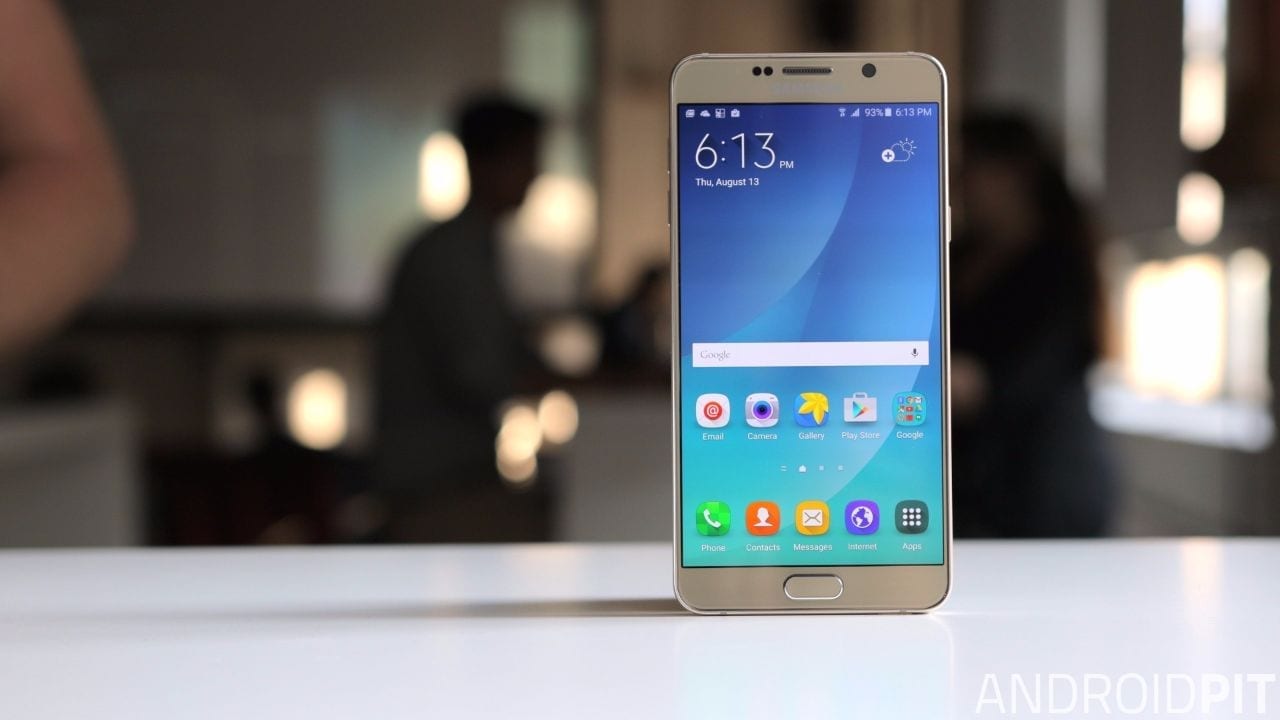
    The Galaxy Note 7 is described by Samsung as its pinnacle of innovation. Assembled in the company’s factory in Cikarang, West Java, the smartphone is equipped with features such as an iris scanner for more secure access, an improved stylus called the S Pen, and the ability to function for 30 minutes under water at a depth of 1.5 meters.

    The device itself is not yet available in retail stores in Indonesia, but pre-orders for the country sold out within three days earlier this month at a price of Rp 10.7 million (US$813).

    Vebby added that the components of the Galaxy Note 7 were 100 percent compliant with the upcoming regulation, which requires all 4G smartphones sold in the country to be made of at least 30 percent local components.

    At present, the government applies a mandatory rule of having 20 percent local content in 4G smartphones sold in the country, but the rule applies mostly to hardware, while the upcoming regulation will also encapsulate software requirements.

    The regulation is slated to be implemented at the beginning of next year.

    Samsung released its Galaxy S7 smartphone in March.

  • China still strong for Lenovo Group

    China still strong for Lenovo Group

    While sales fell 9.8 per cent in China for technology giant Lenovo Group for its first quarter ending June 30, the country accounted for 28.4 per cent of the company’s worldwide sales.

    Consolidated sales reached US$2.9 billion, and pre-tax profit margins were flat at 4.8 per cent amid softening PC demand.

    Lenovo says its mobile business is moving the portfolio to higher price bands and improving user experiences in China. Data-centre revenues grew 14 per cent year-over-year, a premium for the market, supported by growth from hyperscale and contributions from new partnerships.

    Sales in the Asia Pacific region reached US$1.7 billion, 16.7 per cent of the worldwide figure, while pre-tax profit margins were down 1.2 points to 1 per cent, mainly because of a weaker PC market in Japan and the impact of currency fluctuation.

    PC market share again edged up, by 0.4 points to reach 16.4 per cent. The mobile business outgrew the market in key countries, including India and Indonesia, while the data centre group continues to work on improving profitability.

    Overall revenue for Lenovo was US$10.1 billion, down 6 per cent, with a net income of US$173 million, up 64 per cent.

    During the quarter Lenovo’s core markets saw either slow growth or year-over-year industry declines: PCs were down 4.1 per cent and tablet shipments fell 11.1 per cent, while server industry shipments were flat and smartphone markets grew 0.7 per cent.

    “Going forward, in PCs we will focus on high-growth segments and leverage industry consolidation,” says chairman/CEO Yuanqing Yang. “In smartphones, we will leverage innovative, differentiated products and continue to shift to higher price bands to drive growth and turn around this business.”

    Lenovo’s Data Center Business Group (DCG), which covers servers, storage, software and services sold under both the Lenovo ThinkServer and the System X brands, continues to face stiff challenges in mature markets, it strengthened its lead in the market in China, increasing revenue 14 per cent.

  • Segway China launches flagship store

    Segway China launches flagship store

    ‘Short-distance transport’ brand Segway China has launched a flagship store in Beijing.

    Segway COO Zhao Zhongwei and VP for Asia Pacific sales Huang Chen has issued licences to eight dealers from across greater China.

    segway store

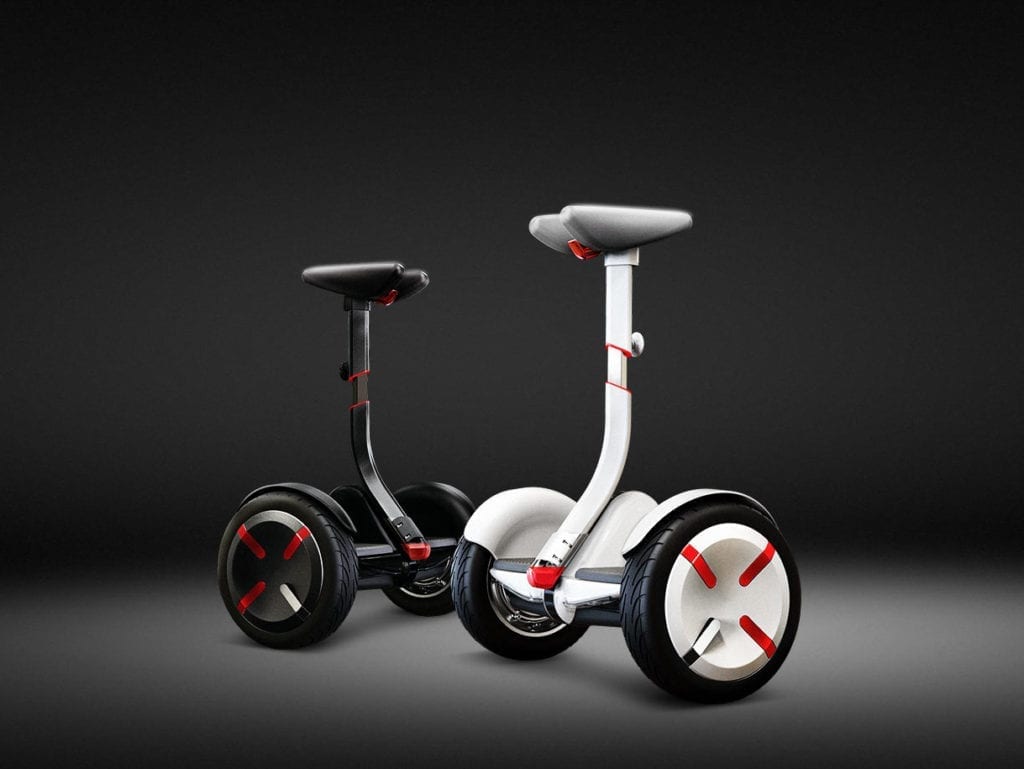
    With a minimalist interior design, the Beijing store’s dominant tone is set by the black-and-white Segway VI. Cambered elements and intelligent lighting systems create different colours and a futuristic atmosphere.

    Covering 629 sqm, the store has five zones – demonstration, test drive, after-sale services, VIP reception and an office. The demonstration zone features Segway and Ninebot‘s latest offerings as well as and futuristic products like the Segway Robot and Puma.

    The Segway flagship is at the Beichen Century Center.

    Segway China launches

    Attending the opening ceremony were Segway Group investor Yu Quan and global sales agents. Speakers included Segway CEO Gao Lufeng and investor representatives Hu Haiquan and Chen Yufan.

  • Sharp innovation gap seen between advanced, emerging Asia

    Sharp innovation gap seen between advanced, emerging Asia

    Pay-TV providers in advanced economies in Asia are focused on improving existing product suites, while investment in emerging economies is being used to create new solutions to boost subscriber growth, according to NAGRA and MTM.

    Across advanced economies in the region, 97% of pay-TV providers offer IP connected set-top boxes, compared to only 42% in emerging markets.

    The latest paper from the Pay-TV Innovation Forum research program shows that there are also noticeable differences in operator provisioning of other features. 4K availability within the region varies, with 50% of providers in advanced economies offering this service, versus only 6% in emerging ones.

    There is also significant variation in the availability of TV Everywhere services, with 53% of emerging providers offering it compared with 80% in the advanced economies.

    These differences underscore that providers are focusing on varying and diverse innovation initiatives over the next five years which will be directly linked to their economic circumstances.

    In emerging markets, service providers are expected to concentrate their efforts on delivering core valued-added propositions, including HD video and a transition to hybrid STBs.

    Operators in advanced markets that already offer these services are expected to focus on developing seamless video experiences across devices, based on IP, cloud and data technologies to make content discovery as easy as possible.

  • Galaxy Note 7 most costly in Europe, cheapest in Korea

    Galaxy Note 7 most costly in Europe, cheapest in Korea

    Samsung Electronics’ Galaxy Note 7, which was launched Friday globally, is the most expensive in Europe and cheapest in South Korea, according to the tech firms’ online stores Friday.

    The new phablet costs around 1.06 million won ($948) in Germany, 1.07 million won in France and Spain and 1.09 million won in the UK, according to Samsung’s online stores, reports the Korea Herald.  The prices set for European consumers are around 70,000 won to 100,000 won higher than the price set for Korean consumers. The Galaxy Note 7 is being sold for 988,900 won here, along with freebies such as the Gear Fit 2.

    “Prices in Europe are normally set higher than in other regions, considering higher consumer prices in the region,” Samsung’s official said, adding, “The prices are not entirely set by Samsung but with local mobile carriers.”

  • Pokemon Go game changer in Malaysian retail scene?

    Pokemon Go game changer in Malaysian retail scene?

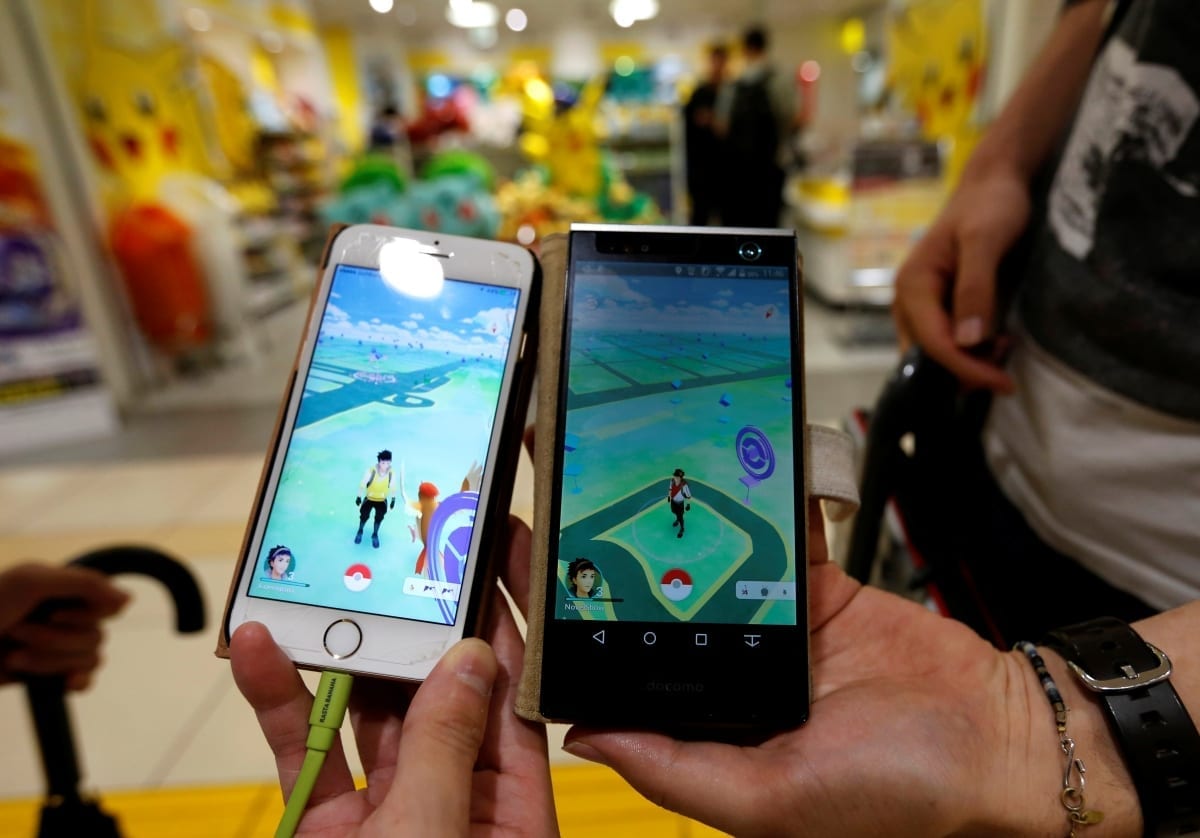
    The runaway success of augmented reality game Pokemon Go can be a potential game changer in the local retail scene.

    UOBKayHian said in a report that the game could also be seen as a revenue booster for retail real estate investment trusts (REITs) and modestly positive for food and beverage (F&B)/convenience store retailers and cellular companies.

    “Pokemon Go creates higher footfall in malls. Although turnover revenue accounts for less than 10% of retail REITs’ revenue, sustained higher footfall leads to better rental reversion.

    The research house said Sunway REIT has reportedly experienced a double-digit hike in average footfall at its malls.

    “Car count has increased by 10%. Similarly, Suria KLCC and Pavilion have also garnered attraction from Pokemon Go ‘hunters’.

    UOBKayHian said F&B retailers like Starbucks, OldTown and other F&B retail chains surveyed saw minimal impact with sales being consistent before and after Pokemon Go’s launch.

    “Nevertheless the higher footfall in the malls and shoplots could eventually translate into higher sales for the F&B retailers.”

    As for convenience stores, the research house said KK Supermart, which operates a chain of 223 convenience stores in shoplots, had reportedly seen a surge in footfall, with the sales of some store shooting up by up to 20%.

    “Approximately one-third of both 7-Eleven and Bison’s stores are located in the malls. The higher footfall in the malls may translate into higher sales for these convenience stores.

    “However, we note from these companies that at this juncture, impact on earnings is minimal.”

    UOBKayHian said it was “potentially marginally positive” on the telecommunications sector on higher data usage and pre-paid reloads.

    It pointed out that Pokemon Go had hastened the adoption of smart phones, currently accounting for around 30% of global mobile phones.

    “The game could hasten global conversion to smart phones, which benefits Malaysian electrical and electronics component suppliers like Inari. Among the potential beneficiaries, our top pick is Sunway REIT.”

    The research house noted that public response to Pokemon Go, which was released on Aug 6, has been overwhelming in Malaysia.

    Pokemon Go, which is by far the highest revenue grossing game in history, can provide at least a short-term lift to various Malaysian companies.

    “Although widely seen as a fad, this game’s shelf life could well exceed common expectations; 90% of players who downloaded the app continue to play after its launch,” according to a media report.

  • Apple To Build Its First R&D Center in China

    Apple To Build Its First R&D Center in China

    Apple plans to open its first research and development centre in China this year, the latest in a series of steps to bolster its presence in a vital region as sales slow down.

    Tim Cook, Apple’s chief executive, revealed the plans to increase investment in local R&D during a meeting this week with Zhang Gaoli, China’s vice premier.

    The move comes after Apple reported that revenues fell one-third in the latest quarter in Greater China, where Apple faces growing competition from local smartphone makers such as Huawei and Oppo as well as tougher economic conditions.

    The new R&D centre will be made up of both new and existing staff. Apple already has 9,000 staff in China, roughly half of whom work in its 42 retail stores. In the past four years, Apple has doubled the number of corporate offices in China to 45.

    “We look forward to expanding our operations in China with a new research and development centre as we continue to grow our talented team here,” Apple said, without specifying the scale of staffing or financial investment in the effort.

    “The centre will open later this year, bringing together our engineering and operations teams in China as we develop advanced technologies and services for our products, both for our customers in China and around the world,” Apple added.

    Even as revenues slide, Apple is increasing its investment in future products and international expansion. Last month, the US tech group revealed a 26 per cent increase in its quarterly R&D spending to $2.6bn, a record 6 per cent of revenues. Its annual R&D spending is now approaching $10bn.

    In May, Apple invested $1bn in Didi Chuxing, a Chinese car-hailing service — an unusual move for a company that has typically favoured much smaller deals. As well as providing a strategic partnership as a secretive Apple team works on developing its own car, the investment was widely seen as an attempt to build goodwill with the Chinese government after a series of setbacks in the region.

    Earlier this year, Apple’s iTunes films and iBooks services were blocked in China as part of a wider crackdown on foreign content. Apple also lost a patent case in Beijing that threatened to block sales of the iPhone 6.

    “The new centre is also aimed at strengthening relationships with local partners and universities as we work to support talent development across the country,” Apple said.

    China has also become a growing focus for Apple’s environmental efforts as it pushes its supply chain partners to use more renewable energy. On Wednesday it said that Lens Technology, a glass manufacturer, would obtain 100 per cent of its electricity from wind power by the end of 2018 — the first Apple supplier to make such a commitment.

    In last month’s earnings call Mr Cook stressed the “long-term opportunity” in China, where sales grew 55 per cent to $40bn during the first three quarters of Apple’s fiscal year. Revenues from its books and movies stores in China were “less than $1m” before they were blocked, he added.

  • Huawei tests Samsung-Shinsegae ties

    Huawei tests Samsung-Shinsegae ties

    Huawei, China’s top-tier handset and networking infrastructure business operator, is basking in the limelight for its partnership with Shinsegae, a former Samsung Group affiliate and the nation’s second-largest retailer.

    The partnership is also eye-catching as Huawei has icy relations with its rival Samsung Electronics following a series of lawsuits between the two.

    Shinsegae, which separated from Samsung Group in 1991, had been a decades-long retail services operator of Samsung. Shinsegae Group Chairman Lee Myung-hee is the younger sister of Samsung Group Chairman Lee Kun-hee.

    The partnership was announced last week when Huawei officially named Shinsegae I&C, the IT-based platform service affiliated with the retail giant, as its sole distributor in Korea, to speed up penetration into the market here.

    Given that Samsung and Huawei are engaging in legal battles, critics said the partnership is quite “unexpected.”

    In May, Huawei filed a patent lawsuit against Samsung Electronics in the U.S. District Court for the Northern District of California, claiming that the Korean electronics firm infringed on Huawei’s wireless patents without licensing.

    In response, Samsung Electronics countersued Huawei and a department store in Beijing last month, claiming some $24.14 million in damages.

    Amid the chilly relationship, Huawei held a press conference last week to launch the sales of its two-in-one portable PC, MateBook, in Korea. The company also announced its partnership with Shinsegae I&C whose retail clients include renowned global information and communication technology (ICT) companies such as Google, Hewlett-Packard and JBL.

    “Huawei joined hands with Shinsegae I&C, as the Chinese company appreciates our capability in managing global ICT firms,” said a Shinsegae manager. “We have nothing to comment on why Huawei chose the former Samsung affiliate despite its current estranged relationship with Samsung Electronics.”

    He said the partnership came as Shinsegae has a nationwide foothold to distribute devices by using its e-mart discount chains.

    Huawei established its Korean branch in 2007, but has so far failed to attract huge attention with its consumer electronics products — including smartphones and laptops. Expectations are that the Chinese handset giant aimed to stop the decade-long weak profile here by signing a partnership with the strong retail giant, regardless of its relationship with Samsung.

    There are only a few “hit” Huawei products here — including its budget handset Y6 introduced earlier this year. But the phone failed to gain wider interest, as the country’s smallest mobile carrier LG Uplus was the exclusive distributor for the smartphone.

    Huawei Korea officials were unavailable for comment over the specific reasons for the partnership.