Category: Electronics

Retail News Asia is committed to providing both local and global retailers with the latest Electronics news throughout the Asian market. This on a daily base.

  • Apple Ups China Game with $1 Million Donation for Flood Relief

    Apple Ups China Game with $1 Million Donation for Flood Relief

    Apple donated ¥7 million ($1 million) this week to the China Foundation for Poverty Alleviation(CFPA), a non-governmental relief agency. The money is intended to help relief efforts in south China, which has been racked with flooding on the Yangtze.

    Apple didn’t announce the donation, but the CFPA did, as reported. Apple CEO Tim Cook posted a statement of support on Weibo, saying, “Our thoughts are with all those devastated by the flooding along the Yangtze River.”

    The newspaper also noted that Apple donated some $8 million dollars for victims of the 2008 Wenchuan Earthquake in China’s Sichuan region.

    Apple has stepped up its philanthropic efforts under CEO Tim Cook, but most of what we hear about are efforts here in the U.S. Apple’s active involvement in China is part of a broader effort for the company to integrate itself with the insular country. It’s also the first donation from a U.S. company reported by the CFPA.

    Other recent activity by Apple in China includes a $1 billion investment in Didi, a Chinese ride-sharing firm. Apple has also opened numerous Apple Store retail locations in China. In May, Apple launched Chinese loops and instruments for Logic Pro X and GarageBand.

    Chinese Headwinds

    These moves come while China conducts an on-again, off-again campaign against Apple in state-owned media. The Chinese government also shut down iBooks and movie sales in iTunes in China, while new regulations could require Apple (and every other company) to become part of the Chinese surveillance machine. In Chinese courts, Apple has endured trademark and patent losses covering its iconic iPhone.

    But Apple clearly isn’t giving up on this market. Tim Cook has said on multiple occasions that China is important to Apple. Earning its place in the Chinese economy will require continued investment, significant lobbying, and substantial marketing efforts.

    This donation to the CFPA is not only the right thing for Apple to do, it’s smart business. And I don’t mean that cynically at all. I suspect Tim Cook would have authorized the donation whether or not it was smart business. To that end, I was unaware of the 2008 donation to earthquake victims, and it’s not like Apple advertised its gift to the CFPA.

    But it does remain smart business. The key to knocking down Apple’s barriers in China is to become more and more of a Chinese company. This donation is another small step in doing so.
  • Troubles may mount for Indian smartphone vendors and you can blame China

    Troubles may mount for Indian smartphone vendors and you can blame China

    It’s going to be a lot tougher to buy smartphones in India around the festive season beginning October, a time when Indians buy the maximum, fancy gadgets included.

    The reason is really very simple, plain economics-a demand-supply mismatch. There is, as of now a glaring shortage of mobile components in China, the country which sells the maximum number of smartphones in India, through companies like Xiaomi, LeEco, Huawei, Oppo, etc.

    Many Chinese manufacturing units in China have shut shops due to new technology, which requires more investment and hiring labour at higher rates.

    The display panel shortage comes as some of the panel makers, especially for the LCD displays which are largely used in the low-end smartphones and make up for majority of the smartphones sold in India, have shut shop recently, while others have not had significant increase in capacity.

    This is further aggravated by the fact that consumers are moving towards larger screens, 5″+ and especially at 5.5″, so there are fewer glass panels are coming out from the same capacity.

    Even though top Chinese handset and component makers mulled over investing around $3 billion in India, the country is still dependent on the Dragon nation.

    Some of the key components such as screen displays, 3G SOCs and flash memory will be short in supply, hitting the production plans of many vendors in the Indian market.

    “This is likely to impact local Indian vendors, the small ones as well as the heavy weights, more than it will impact the global vendors such as Samsung or Apple, who have a more secure supply chain, and Chinese vendors such as OPPO, vivo, Lenovo, Xiaomi and Huawei, who are able to secure better deals due to the large volumes they can commit,” said Kiranjeet Kaur, Research Manager Mobile Phones IDC Asia/Pacific.

    “The local country vendors have a disadvantage in this case. This shortage could also possibly lead to longer time to market and increased costs, and some of the costs may eventually get passed on to the consumers,” she added.

    It is noteworthy that Chinese companies such as Techno, Gionee, Coolpad, Holitech, Wingtech, Camera King, Galaxy Core, Poxiao, Vivo and Sprocomm, which took part in ‘China-India Mobile Phone & Component Manufacturing Summit’, explored avenues to tap the existing and emerging opportunities.

    “Going by the encouraging response of Chinese companies and definitive joint collaboration talks between the Indian and Chinese mobile and handset manufacturers, Chinese investment of $2-$3 billion (roughly Rs. 13,360 crores – Rs. 20,040 crores) over the next two years looks like a real possibility along with employment for one-two lakh people” Pankaj Mohindroo, national president, Indian Cellular Association (ICA), had said.

    However, IDC expects the Indian smartphone market to still pick up in Q2 of this year, with further gains coming in Q3.

    Jaipal Singh, Market Analyst Mobile Phones IDC India, said, “China-based vendors have extended their retail presence in the larger part of India and getting the shelf space along with the Indian vendors. Even as some of the eTailers are focusing more on profitability, which could mean lesser discounts this season, we believe the China-based vendors with presence in retail and push from the eTailers will drive the market this year.”

    The China-based vendors had 24% share in the Indian smartphone market in 2016 Q1, up from 12% a year ago. Almost two-thirds of their sales takes place through the online channels.

  • HTC 10 will launch in Malaysia on 14 July with RM 2799 price tag

    HTC 10 will launch in Malaysia on 14 July with RM 2799 price tag

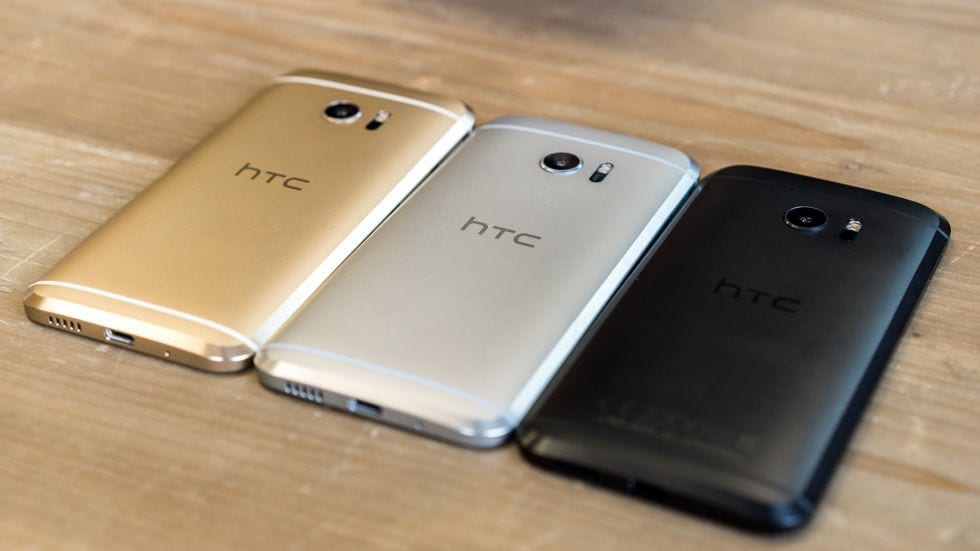
    HTC Malaysia has announced that HTC 10 will be launched in Malaysia on 14 July 2016. The HTC 10 will be sold with the retail price RM 2,799 for the 32GB version.

    HTC 10 had been spotted at the SIRIM database in June featuring specifications such as 5.2 inch QHD screen, powered by Snapdragon 820 and equipped with 4GB of RAM and 32GB of storage.

    htc-10-rear

    HTC 10 has 12MP UltraPixel 2” f/1.8 rear camera with optical image stabilization and laser autofocus support and the front camera is using a 5MP Ultrapixel image sensor.

    The HTC 10 adopts a 3,000 mAh capacity battery that support Quick Charge 3.0 and it also features USB Type-C. The fingerprint sensor is at the front panel and it is running Android 6.0 Marshmallow with HTC Sense UI.

    In 11street , the HTC 10 is available for pre order now with the retail price of RM 2,799 for the 32GB model.


  • Xiaomi continues quest for quality

    Xiaomi continues quest for quality

    Smartphone giant Xiaomi continues to distance itself from the lower end of the market, as Chinese buyers shift their attention mainly to device upgrades.

    Xiaomi international VP Hugo Barra says the company continues to direct its efforts at becoming a premium brand, reports the South China Morning Post.

    “Our customers are demanding premium products from us, so we are delivering higher quality with more premium components.”

    Research company IDC has forecast just 2 per cent growth this year for smartphone sales as more users chose to upgrade their handsets.

    Meanwhile, Xiaomi may expand its Mi Home experience centre across Hong Kong. Opened a year ago so customers can try out different products, it has been a successful retail experiment, says Barra.

    “Part of the strategy here is to think about how we can reinvent the retail experience to make it much more experience-focused … which helps the online business as well.”

    Xiaomi has just launched its latest 6.44in. Mi Max phablet and the Mi Air Purifier 2. The phablet, which will cost from HK$1799 (US$230), is considered one of the largest smartphones on the market.

    IDC estimates 20 per cent of smartphone sales last year were phablets, and by 2020 they are expected to account for 32 per cent of the market.

  • BlackBerry finds partner in Indonesia’s Emtek

    BlackBerry finds partner in Indonesia’s Emtek

    An Indonesian media conglomerate on Monday announced a partnership with BlackBerry in which it will help the Canadian company bring more functionality to its BBM messaging app.

    Elang Mahkota Teknologi, known as the Emtek Group, owns two national TV stations, online news portals and production houses. It also has invested in numerous startups. The partnership will enable Emtek to bring these properties’ content to BBM users, as well as develop new BBM applications and services through a licensing agreement. The content maker will pay BlackBerry an estimated $207 million in licensing fees over six years through a Singapore subsidiary.

    “We wanted to continue to offer our users even more with the most content-rich media and new services such as e-commerce, video, music and games,” said John Chen, BlackBerry’s executive chairman and CEO.

    The deal follows a trend in which messaging apps are morphing into platforms that offer a range of services. BBM has 60 million monthly active users in Indonesia, more than anywhere else in the world. Currently, the app has about 90 million monthly active users around the world.

    KMK Online, an Emtek digital content maker, will set up an office in Toronto so it can work closely with BlackBerry.

    Emtek has been stepping up efforts to generate revenue from its content via online platforms. In 2015, the company consolidated its production and distribution divisions. Earlier this year, it invested in Malaysia-based online video streaming service iFlix, which later launched services in Indonesia.

    “We see significant opportunity to grow the consumer BBM business globally and are excited to invest in research and development to further advance BBM,” Emtek CEO Alvin Sariaatmadja said in a press release.

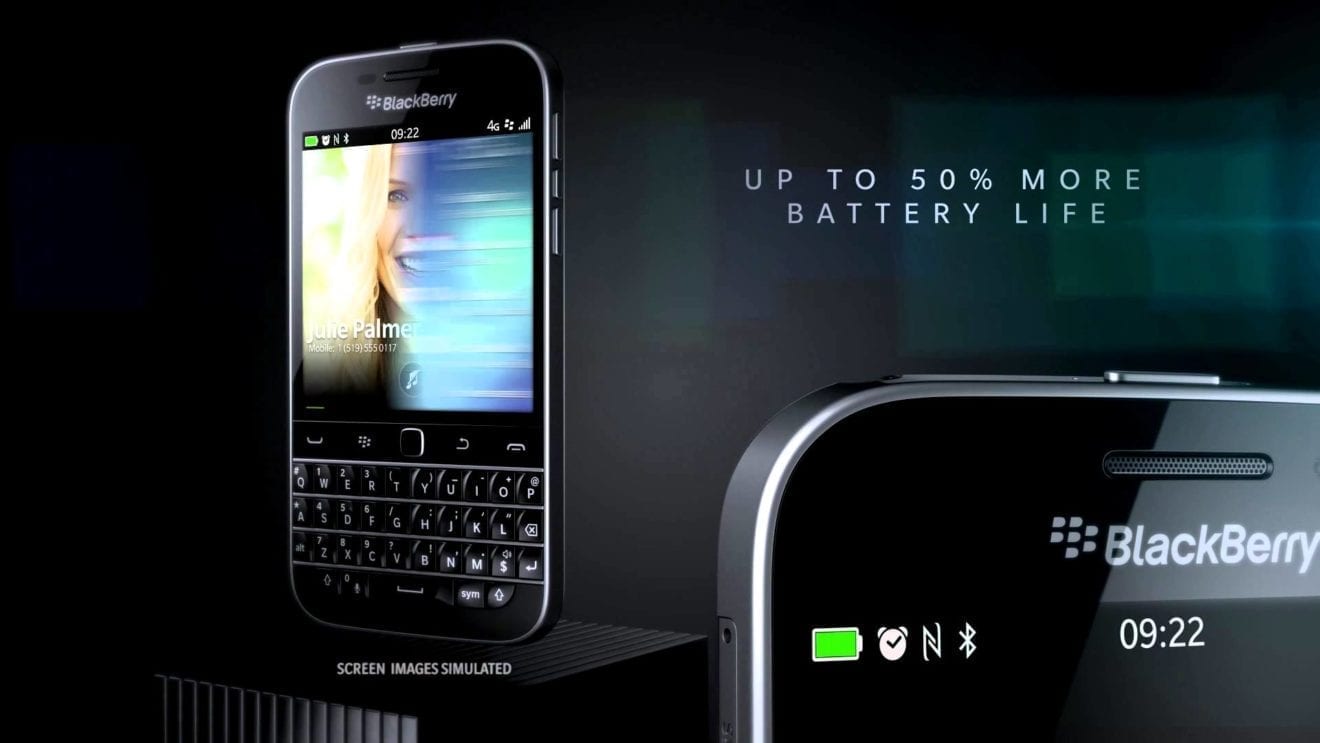
    BlackBerry’s handset business has found itself left behind in the smartphone age and is now trying to focus on software.

  • Xiaomi to open 1000 experience stores and emerge as ‘Muji in tech sector’

    Xiaomi to open 1000 experience stores and emerge as ‘Muji in tech sector’

    Smartphone vendor Xiaomi Corp said on Monday it plans to open 1,000 offline experience stores over the next three to four years and continue to expand its product portfolio.

    The move toward experience stores comes in the wake of online smartphone sales hitting the ceiling.

    Xiaomi has been grappling with declining phone shipments and mounting competition from rivals such as Huawei Technologies Co Ltd.

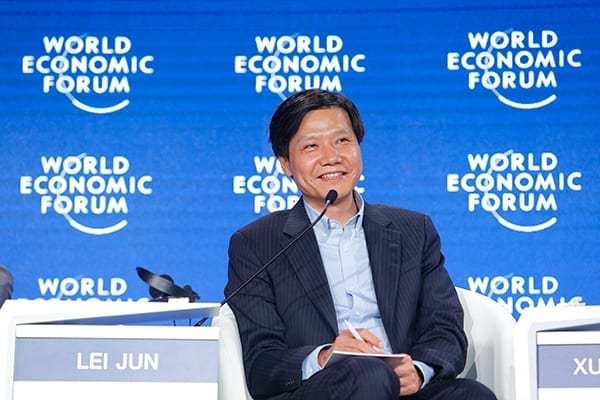
    Lei Jun, founder and CEO of Xiaomi, said the Beijing-based company wants to be the Muji in China’s tech sector. Muji is a Japanese retail company that sells a wide variety of household and consumer goods.

    “Xiaomi was never meant to be just a smartphone vendor. Instead, we are aiming to offer consumers a wide range of products at affordable prices,” Lei said at the Summer Davos in Tianjin.

    “We need about 40 kinds of electronic products to attract consumers to our online shopping platform and offline retail stores,” he said, adding the company has invested in 55 smart hardware manufacturers in recent years.

    Xiaomi has expanded its offerings from smartphones to drones, air purifiers, patch panels to rice cookers.

    “When I founded Xiaomi in 2010, I knew clearly that it would take 15 years for Xiaomi to go public, because the company’s business model is too complicated and consumers need time to cultivate belief in our products,” Lei said.

    Di Jin, research manager at IDC China, said Muji’s business model works quite well for fast-moving consumer products such as shampoo. But for electronic products, the key to success still lies in hefty investments in research and development.


  • Alco Electronics’ David Leung on Making Gadgets in China

    Alco Electronics’ David Leung on Making Gadgets in China

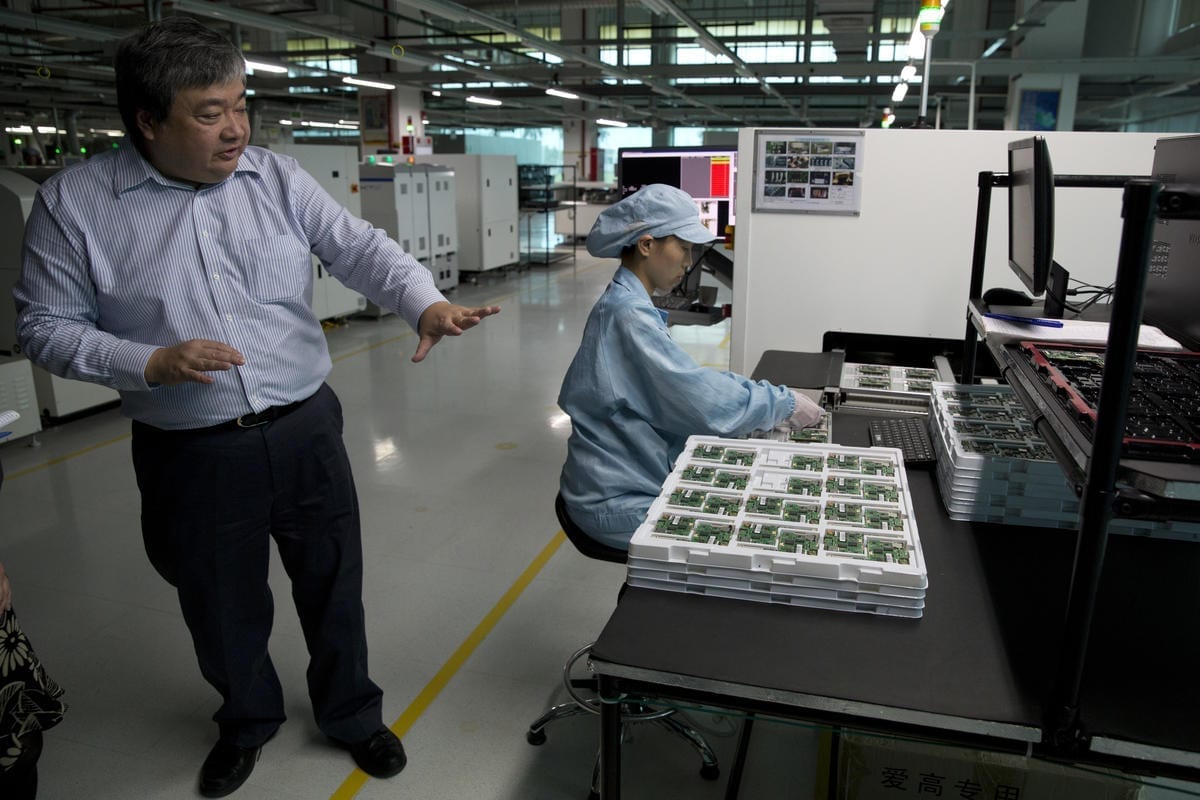
    A look inside Alco Electronics Ltd.’s factory in China shows what it takes to succeed as a maker of gadgets for the rest of the world — human precision in tiny tasks and increasingly automated manufacturing, but also flexible thinking and perks to keep the best employees.

    Chinese workers in blue coats and caps worked on a production line making tablets during The Associated Press’ recent visit to the 2.5 million-square-foot plant. Their tasks can be tedious, such as soldering a connecter onto a circuit board. Machines do things like inspect incoming circuit boards and tighten screws on tablets — automation that lowers costs and improves quality. A droning noise signals where tablets are undergoing testing for all functions for eight hours before they’re packaged. That’s critical to help reduce returns.

    Sunroofs keep the production floor lit and reduce energy use

    The company, which counts Wal-Mart Stores Inc. as one of its top five retail customers, gets about 60 percent of its sales from tablets and other computer products. Nearly 70 percent of its annual sales of about $330 million came from North America. It ships its products under the RCA and Venturer brands.

    Alco, founded in 1968 to make AM/FM radios to export primarily to North America, has shifted with market demands. In 1980, it moved production from Hong Kong to China in search of cheaper labor. Due in part to automation and the changing labor market, it has about one-tenth of the employees it had at its peak of nearly 20,000 workers.

    The company is now juggling customer demand for affordable but high-quality electronics as it wrestles with escalating labor pressures and other costs in China. David Leung, head of sales for North America, recently spoke with about what’s selling, the differences in the Chinese and U.S. markets, and what Alco needs to do to attract workers.

    Q. So the tablet is hot.

    A. In the U.S., Wi-Fi is everywhere. So any device with the Wi-Fi capability is very popular. Content owners are putting the apps onto the tablet so they can sell directly to the consumer. We work directly with Wal-Mart on Vudu (which distributes movies over the internet to TVs.) The tablet is like a vending machine for your home. In peak times, we can do 40,000 (tablets) a day that is if all 200 components arrive on the same day.

    Q. What kind of worker are you hiring?

    A. It is not a shoe factory or a garment factory. In general, we don’t need a skilled worker. We need a disciplined worker, a worker willing to learn.

    Q. How are you trying to attract workers given the labor shortage?

    A. Wages alone is not the biggest incentive. It’s wages plus perks. We provide classes for them to learn in their free time. Many workers like to learn Cantonese and English as well. We also have karate classes, cooking classes. We have hired table tennis, basketball and yoga teachers to better their skills. We also host tournaments for volleyball, basketball, table tennis and badminton in our Sport Centre. Since we are now making electric bicycles for Europe, we also have a cycling team.

    Whatever the worker likes to do, we will try to find a teacher.

    Q. Where do you sell your products other than the U.S. market?

    A. Canada, Mexico. We ship to South America, Central America. And lately we’re making shipments to India.

    Q. What about China?

    A. At the moment, we do not do a lot of business in China. Our product is more geared for the overseas market. We are starting to do some China business. We (started) selling Window tablets in the China market using portals like JD.com. In China, the physical store is not a big thing. They all rely on the internet. So we need to do our product with different packaging that is more suitable for the internet. Many of the streaming portals are not available in China. Even YouTube is not available. Also, Google is not available in China so we have to redo all our software.

    China is a very big country. We need to learn about the distribution channel in China. We’ve been doing export market selling to the United States for the past 30 years. So although our factory is in China, selling in China is a brand-new market for us.

    Q. How is marketing products in China different from North America?

    A. Online is No. 1 in China. China skipped all the shopping mall phenomenon and they jumped right into internet selling. So in order to sell to China, you have to find the right website. You have to really get into the social network to promote your product. It’s not the advertisements on TV that is the most important. It’s the advertisement through social networking that is key in the selling of your products.


  • A look into the history of NEC Philippines

    A look into the history of NEC Philippines

    NEC Corporation is a Japanese multinational provider of information and communication technology products and services with headquarters in Tokyo.

    The 117-year-old firm started operations in the Philippines some 20 years ago when the local subsidiary NEC Philippines was incorporated in January 11, 1996. Gervacio points out that the global firm has been in the country as far back as the 1960s through a Manila Representative Office. In July, it will be celebrating its 20th anniversary with a conference and exhibition in Manila.

    A technology giant recognized for its cutting-edge innovation, NEC delivers IT and network solutions to business enterprises, government and individual customers in the form of software, hardware and related services. Through a combination of its advanced technologies in ICT, it is providing safety for the public and thereby helping to establish safer cities.

    Under the strategy of “Solutions for Society,” NEC offers product solutions for biometric such as facial and fingerprint recognition technology. The use of it for security and authentication purposes has become increasingly common due to its accuracy and efficiency. An example of use is the e-passport system where it has been implemented in many countries around the world, including Southeast Asia.

    The system incorporates NEC’s world-class biometric technology in facial and fingerprint recognition for secured identity protection and eradicates duplication. Ranked world No.1 by United States’ NIST (National Institute of Standards and Technology), NEC offers facial recognition and fingerprint technologies deployed in solutions such as NeoFace® Watch and NeoFace® Smart ID.

    With terrorism and security threats being a growing concern in public areas and international borders, these solutions have helped law enforcement agencies and security organizations all over the world identify individuals and tighten security measures.

    With cyber attacks on a rising trend in a borderless world, NEC’s powerful advanced cyber security solutions can protect organization’s IT and security systems from various cyber threats even before it occurs.

    It recently opened its Cyber Security Factory in Singapore which complements NEC’s Security Operations Centers located in strategic parts of the world including Japan and Australia, with an aim to provide an inter-connected network to share intelligence on cyber threats and deliver 24/7 security to customers.

    NEC is known mainly to electronic experts, but its platforms and solutions are everywhere from the sky above, on land, and deep in the bottom of the ocean waters.

    Up in the sky, NEC satellites are orbiting the earth and their cloud solutions are a boon to computer and phone interface and exchange. The NEC radio systems are responsible to bounce signals to our cell phones.

    On land, the Private Automatic Branch Exchange (PABX) allows connection to a local number, while the Key Telephone System (KTS) enables multiple users control over multiple telephone lines without the requirement for an operator, system attendant or receptionist.NEC Point of Sales(POS) Solution can also be found at major retail stores nationwide.

    NEC’s presence can also be found in the bottom of the seas because the company’s thousands of kilometer long cables are lying in the ocean depths, which are responsible for transporting through fiber optic the data and communication exchanges from one country to another.


  • ‘Energy drink’ for your mobile phone

    ‘Energy drink’ for your mobile phone

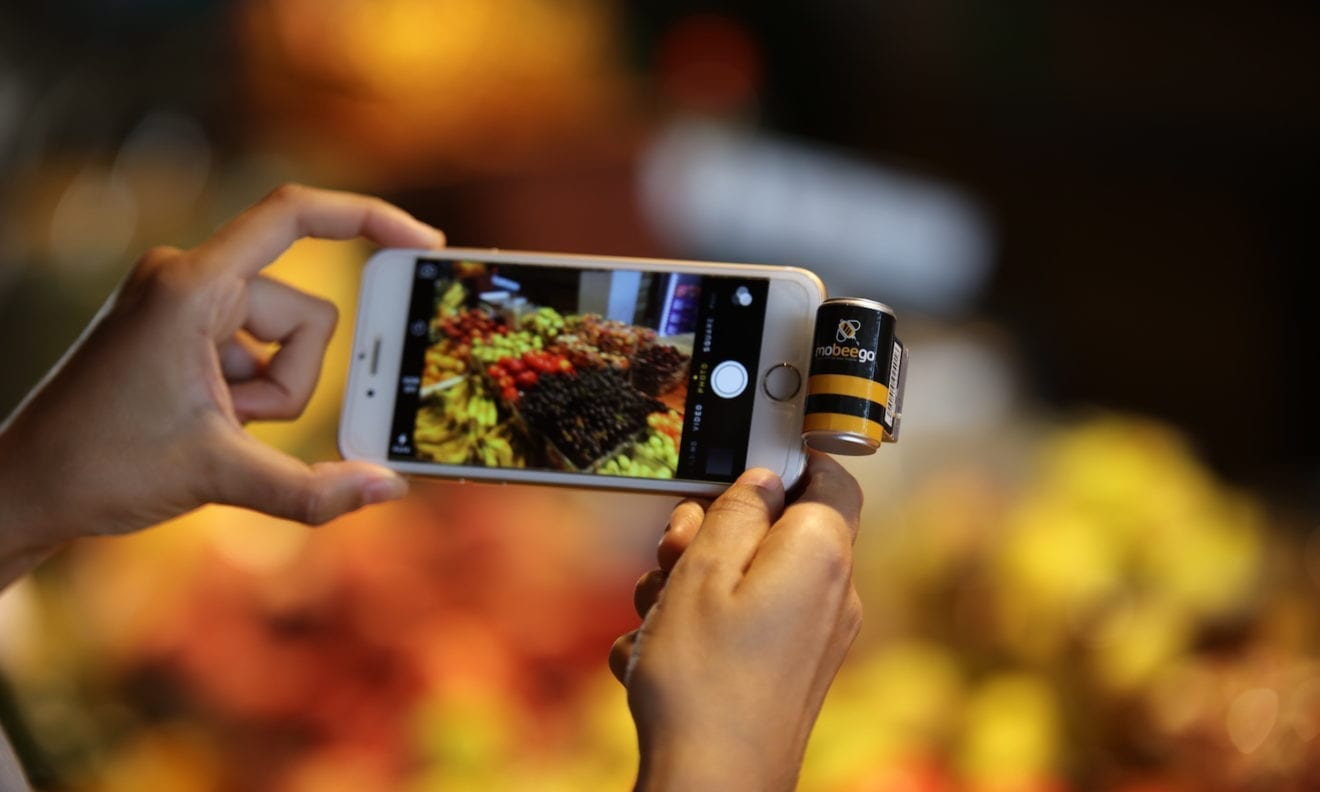
    EVER get that sinking feeling when the last of the battery drains from your mobile phone while in the middle of something? What makes it worse is that you haven’t got your power bank with you, and there’s not a plug point in sight! Now, a cute-looking product called MoBeeGo – a one-time mobile phone charger may just be the answer you have been waiting for.

    The cute black and yellow miniature barrels are able to juice up your dying mobile phones for another four hours maximum. Produced by NASDAQ-listed Life Clips Inc, MoBeeGo is an innovative one-time charger that does not require any pre-charging nor the use of cumbersome cords. Brought in to Malaysia by Kelvin Hun and Edric Foong, the founders of Veloster Technology, a local company that specialises in cutting-edge devices and technological gadgets, MoBeeGo is designed with two elements.

    One is a re-usable ultra-compact adapter – there are separate ones available for Google Android and Apple iOs smartphones – that connects to the phone’s charging outlet. The second element is the battery can (shaped to look like a can of an energy drink) or charging unit, which is mounted onto the adapter that attaches to the phone. The charger is tiny and can be easily stored in pockets, purses, and bags. The battery has a 10-year shelf life, enabling consumers to keep them on hand for prolonged periods.

    According to Hun, the battery is hardy enough to withstand extreme temperatures of up to minus 12 and still be able to function well. That’s certainly good news for those planning to travel to cold places this winter. He also added that MoBeeGo is intended to offer convenience and safety, and to be an immediate solution to complement the busy lifestyle of today’s mobile consumers who often carry multiple devices at a time. “With today’s busy lifestyle, we rely heavily on our mobile devices to keep us connected to the world around us.

    Whether we are searching for places to eat on our mobile or playing games during our commute, today’s mobile apps consume lot of power from your devices. The problem lies in trying to squeeze a full day’s worth of power into such mobile devices. Hence, MoBeeGo is designed with ease of use in mind and lets you charge instantly when you need it – anytime and anywhere,” said Hun. The charger and battery is easily available from local stores from next week onwards.

    In the meantime, Veloster Technology is planning to further expand the network of stores where MoBeeGo can be made available. “We are thrilled to have myNEWS as the first convenience retail chain for our award-winning charger. We look forward to expanding our distribution network to even more stores and new markets such as check-out counters in pharmacies, grocery stores, cafes, magazine kiosks, shopping malls, airports and other places where people shop in the near future. So the next time you are running low on battery, just grab a can from the stores, plug it in and go!” said Hun.

    MoBeeGo batteries are recyclable. MoBeeGo is currently sold in 14 countries including Canada, United Kingdom, Malaysia, France and Russia. It recently received an Honourable Mention on the Red Dot Design Award: Product Design this year. The Red Dot Design Award is an international product design and communication design prize awarded by the Design Zentrum Nordrhein Westfalen in Essen, Germany.

  • Macau’s first apple retail store launched

    Macau’s first apple retail store launched

    APPLE Inc. launched its first retail store in Macau on Saturday, expanding the brand’s presence in Greater China to 41 stores.

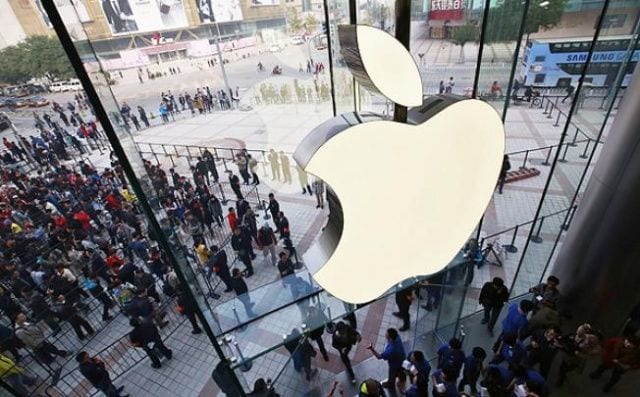
    Hundreds of Apple fans queued at the new store at Galaxy complex in Cotai district before the store opened at 10 a.m.

    Macau is an incredibly important region for Apple, Denny Tuza, senior director for Apple Retail Asia Pacific told Xinhua, noting that”Macau is a rich commercial and industrialized city with 600,000 residents and 32 million tourists annually. The city has a unique hybrid urban culture, representing a peculiar blend of Oriental and Western influences.”

    This new two-layer outlet includes sales space where over 150 Apple latest designs are displayed for customers to experience hands-on, and a gathering place for workshops.

    According to Tuza, Macau store has 149 employees who are mainly hired locally, speaking nine languages including Mandarin, Cantonese and English and Portuguese.

    Apple also brought two free camp designed to help spark the imagination of kids ages 8 to 12, teaching them to make movies and create interactive books complete with their own illustrations and sound effects.

  • Xiaomi taps China Unicom to boost offline sales

    Xiaomi taps China Unicom to boost offline sales

    Chinese smartphone maker Xiaomi has teamed up with the country’s second largest mobile carrier, China Unicom, to expand its sales through offline retailing channels.

    The partnership with Unicom signals a move to a more conventional sales operation for Xiaomi, whose sales have been heavily relied on internet channels.

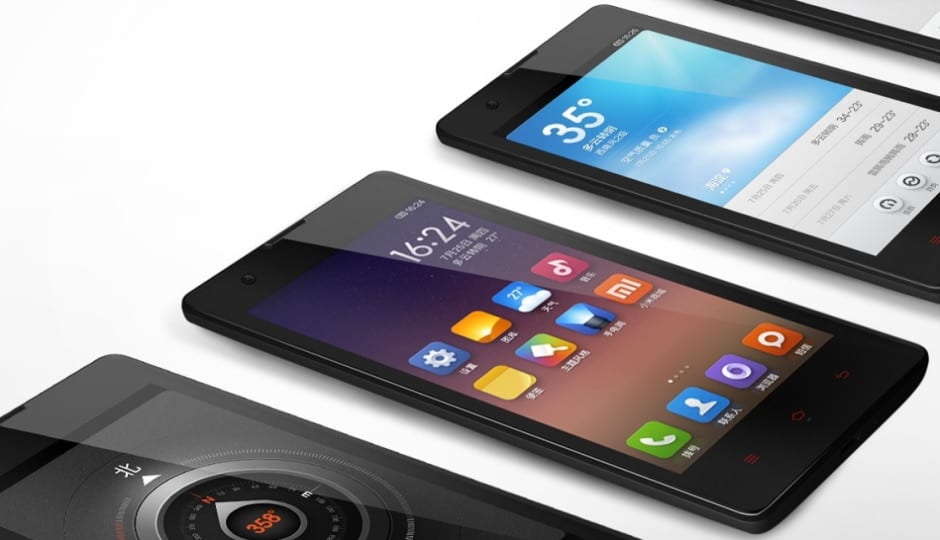
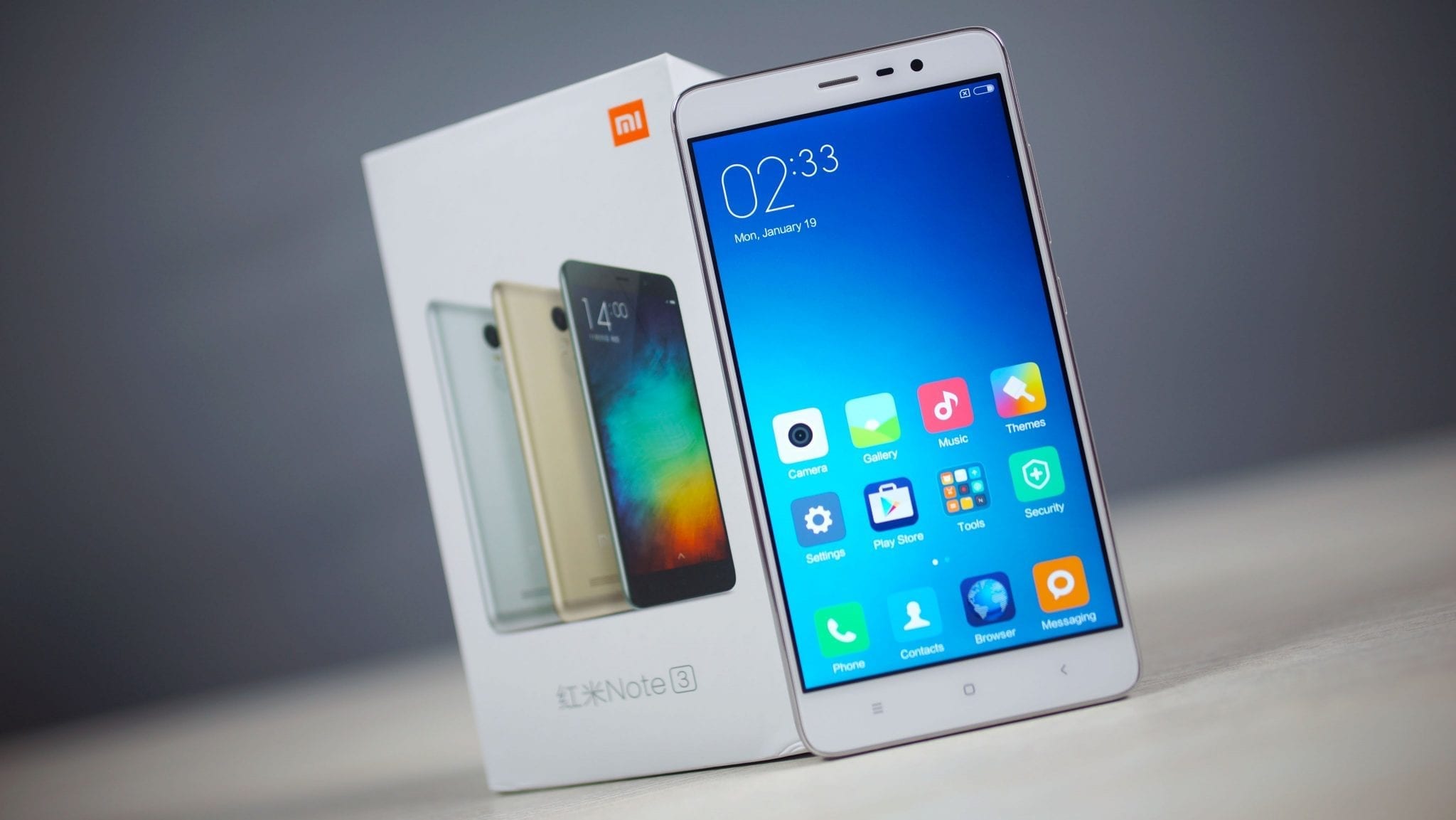
    Xiaomi launched a new customized 4G smartphone Redmi 3X for Unicom, as part of a strategic alliance the pair announced last Wednesday.

    The Redmi 3X smartphone, powered by 1.1GHz octa-core Qualcomm Snapdragon 430 processor and a 4100mAh non removable battery, will go on sale for 899 yuan ($136) through Unicom’s 30,000 own retail stores and more than 230,000 retailing partners.

    Xiaomi CEO and founder Lei Jun said so far more than two-thirds of the company’s smartphones have been sold through e-commerce platforms and the company’s official website.

    “The proportion of online sales is too big,” Lei said. “To maintain the rapid growth we have seen in the past four years, expanding offline retailing channels becomes the key.”

    Xiaomi said earlier this year it will open 200 to 300 of its own retail stores to bolster sales.

    Xiaomi and Unicom will also expand their cooperation beyond handsets to a wide range of products, such as Xiaomi TV, routers, wearable devices and air purifiers.

    China Unicom deputy general manager Xiong Yu said all of these Xiaomi products will be available at the operator’s offline retail stores across the country.

    The move fits into the operator’s broad efforts to transform its abundant bricks-and-mortar assets into a big retailing platform of various electronic products, Xiong added.

  • New Indian ruling appears to finally give Apple go-ahead to open retail stores

    New Indian ruling appears to finally give Apple go-ahead to open retail stores

    Amended foreign investment rules clear the way for Apple India stores, and the possibility for the US technology giant to start manufacturing there.

    Under the new rules, foreign retailers are exempted for three years from a requirement to locally source 30 per cent of the goods sold in company-owned stores.

    This means Apple, which now sells its hardware through resellers and first applied for store licences in January, can set up its own shops in India, the world’s fastest-growing major smartphone market with sales expected to rise more than 25 per cent this year.

    Apple, which has a less than 2 per cent share in India’s smartphone market, can resubmit its application for store licences.

    India has been lobbying Apple and its partner Foxconn to start manufacturing in India as part of Prime Minister Narendra Modi’s agenda to bring in foreign manufacturers to create millions of jobs. The rule-change announcement comes a month after Apple boss Tim Cook met Modi to discuss the company’s plans for retail and manufacturing in India.

    Meanwhile, India’s new look at retail rules may also help with expansion for Swedish furniture-retailer Ikea, which is setting up stores in Hyderabad and Mumbai.

  • Philippines is Southeast Asia’s fastest-growing smartphone market in Q1

    Philippines is Southeast Asia’s fastest-growing smartphone market in Q1

    IDC reported that the country saw a 20 per cent year-on-year increase, or 3.5 million smartphones shipped to retail stores in 2016.

    Indonesia’s growth was only 3 per cent during the quarter, while Malaysia was down 20 per cent, Thailand flat, Singapore down 13 per cent, and Myanmar down 1 per cent.

    Dominguez attributes the Philippines’ growth to “stronger support from telco operators” in the form of higher subsidies.

    “For instance, MyPhone’s partnership with Smart Communications paved the way for an affordable (US$19) prepaid smartphone kit that comes with mobile data allocation. Apple’s shipments also grew partly due to lower cash-out requirement and more attractive data and app bundles for iPhones offered by telcos,” IDC market analyst Jerome Dominguez said in an interview with Tech In Asia

    Read more about the interview here.

  • Beijing tells Apple China to withdraw phone

    Beijing tells Apple China to withdraw phone

    A Chinese tribunal has ordered Apple China to stop selling its iPhone 6 in Beijing, claiming the design is too similar to a Chinese-made smartphone.

    Apple has appealed, and is continuing to sell its iPhone 6 while awaiting the decision.

    The Beijing regulator found that the iPhone 6 and iPhone 6 Plus look too much like the 100C smartphone made by Shenzhen Beili, a small Chinese brand.

    If its appeal fails, Apple will lose ground to such Chinese competitors as Huawei and Xiaomi. China accounted for more than a quarter of Apple’s revenue last year, making it the second-biggest source of income for the company.

    This dispute follows a series of problems for Apple in China. A Chinese court last month decided a company can use the iPhone trademark on its bags, wallets and other leather products, and in April, Apple had to suspend iBooks and iTunes Movies after the Chinese government said the services were breaking the rules for foreign publishers.

    Apple has also been pushing against fake Apple stores in China.

  • Apple Closer to India Stores After Government Eases Retail Curbs

    Apple Closer to India Stores After Government Eases Retail Curbs

    Apple Inc. may be closer to opening stores in India after the government eased onerous local sourcing requirements on retailers.

    The world’s second-most populous country on Monday announced the easing as part of a raft of measures intended to boost foreign direct investment and expand the leeway afforded multinational corporations. It loosened policies that require retailers to source at least 30 percent of their components locally before they can set up shop.

     Apple is pushing to increase its share of the world’s fastest-growing major smartphone market as device sales slow elsewhere. Chief Executive Officer Tim Cook visited the country for the first time in May and met with Prime Minister Narendra Modi to outline his ambitions for the burgeoning arena.

    Under the new regime unveiled Monday, single-brand retailers have a three-year grace period in which they can operate stores, before they have to comply with the local sourcing requirement. Companies that can show they are selling state of the art or cutting edge technology can benefit from a relaxed local sourcing regime for “another five years.”

    The government hasn’t ruled on whether Apple meets the cutting edge criteria. Apple didn’t respond to an e-mail seeking comment on the government’s decision.

    Apple will now have to apply anew for permission to open its first stores in India, Commerce Minister Nirmala Sitharaman told reporters Monday. The Cupertino, California-based company has used flagship stores in New York, Tokyo and Shanghai to promote its products and boost sales, but in India it sells through partners such as Redington India Ltd. as well as the retail units of Indian conglomerates Tata Group and Reliance Industries Ltd.

     “The relaxed rules give Apple a window to build up a credible brand and gives the company a chance to build up internal capability and familiarity with the supply base,” said Devangshu Dutta, chief executive officer of Third Eyesight. “For branding, a certain consistency is critical and this can be done by having retail control.”

    India is a challenging market because of the iPhone’s premium pricing. It now has less than 2 percent of an Indian market in which four-fifths of phones cost less than $150. The iPhone maker had sought permission to become the first company allowed to import and sell cheaper refurbished phones into the country, but was said to have been rejected.

    Still, Apple’s sales there jumped 56 percent in the March quarter, indicating that demand for the brand is growing. Cook called out the country’s “incredibly exciting” prospects during his last earnings conference and said his company will devote more energy to that market. Apple’s stores have always played a key-role in attempts a convey a unique image and feel for its products.

    “It gives Apple more branding and positioning strength. Having a direct presence will help it gain more mindshare,” said Vishal Tripathi, an analyst at research firm Gartner. “It can help create a well-fashioned brand in the Indian market.”