Category: Electronics

Retail News Asia is committed to providing both local and global retailers with the latest Electronics news throughout the Asian market. This on a daily base.

  • BlackBerry Phones Will Live On for Die-Hard Fans in Indonesia

    BlackBerry Phones Will Live On for Die-Hard Fans in Indonesia

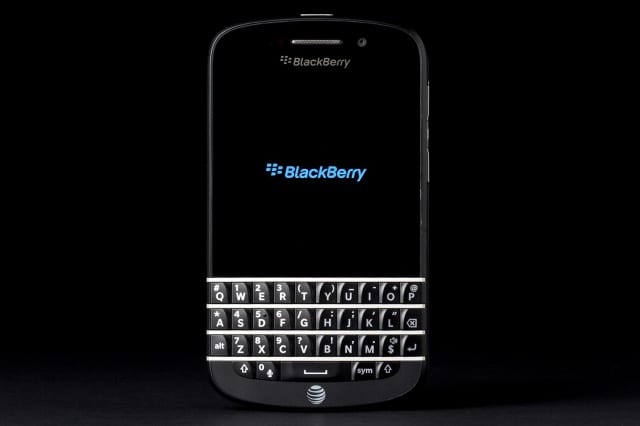
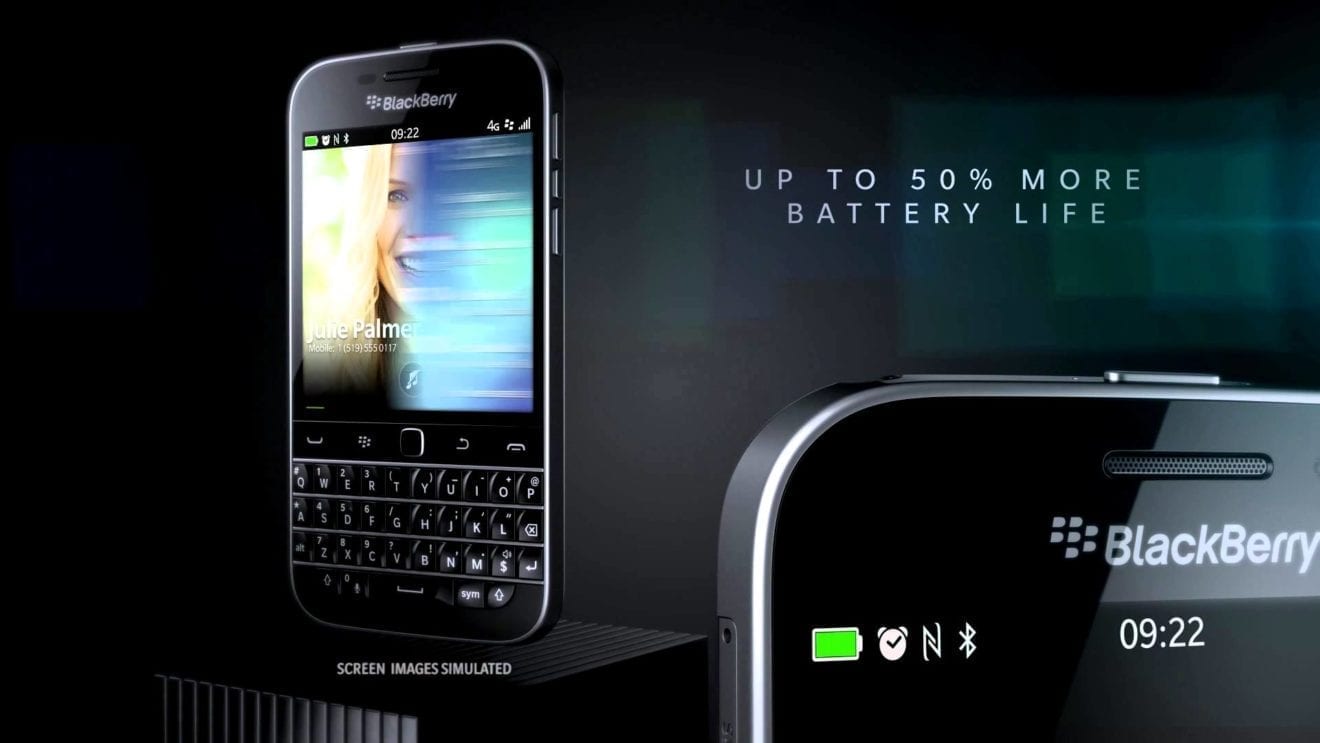
    BlackBerry Ltd. may have decided to stop making its iconic handsets, but that doesn’t mean the gadgets will disappear, especially in places where they’re still popular. Case in point: an Indonesian wireless company is already hatching plans to introduce its own version of the keyboard-equipped smartphone for those who can’t live without the device.

    PT Tiphone Mobile Indonesia Tbk, an affiliate of operator PT Telekomunikasi Indonesia Persero Tbk, has struck the first deal with BlackBerry to form a local joint venture called PT BB Merah Putih to make its devices in Indonesia. While the Canadian company is shifting its focus to software, Indonesia remains one of BlackBerry’s biggest markets. BlackBerry in the past launched dedicated phones and apps for the Indonesian market, home to 240 million people.

    Under the preliminary deal, Blackberry phones will be manufactured at a factory owned by a subsidiary of Tiphone Mobile for domestic sales, said Tan Lie Pin, Tiphone’s chief executive officer. Another local company is in talks to join the venture and details are being negotiated, she said in an interview.

    “More than six million people still use BlackBerry in Indonesia and we believe that BlackBerry can still grow in the Indonesian market,” Tan said. “We are very optimistic and excited.”

    BlackBerry CEO John Chen said this week the company would stop making phones and focus its attention on the more profitable and growing software business. The company plans to negotiate manufacturing agreements with multiple overseas partners. While Tan said Tiphone will manufacture phones for the Indonesian market, discussions on the venture are continuing with BlackBerry.

    BlackBerry’s popularity in Indonesia stems from its hugely popular instant-messaging app, BlackBerry Messenger, known as BBM. Many Indonesians still stick to BBM in order to connect with their curated groups of friends and family, even though some of them no longer use BlackBerry devices.

    BBM for iOS and Android devices ranked No. 1 in terms of downloads among chat apps in Indonesia in August, ahead of rival WhatsApp and Line, according to market researcher App Annie. Emtek Group, one of Indonesia’s biggest media and technology companies, signed a licensing agreement with BlackBerry in June in order to bring video content onto BBM and begin developing new applications and services for the messaging app.

  • BlackBerry still exceedingly popular in Indonesia

    BlackBerry still exceedingly popular in Indonesia

    BlackBerry may have decided to stop designing its iconic handsets in-house, but that doesn’t mean the gadgets will disappear, especially in places where they’re still popular.

    A case in point is the Indonesian wireless company that is already hatching plans to introduce its own version of the keyboard-equipped smartphone for those who can’t live without the device.

    PT Tiphone Mobile Indonesia Tbk, an affiliate of operator PT Telekomunikasi Indonesia Persero Tbk, has struck the first deal with BlackBerry to form a local joint venture called PT BB Merah Putih to make its devices in Indonesia.

    While the BlackBerry is shifting its focus to software, Indonesia remains one of the Waterloo company’s biggest markets. BlackBerry in the past launched dedicated phones and apps for the Indonesian market, home to 240 million people.

    Under the preliminary deal, BlackBerry phones will be manufactured at a factory owned by a subsidiary of Tiphone Mobile for domestic sales, said Tan Lie Pin, Tiphone’s chief executive officer. Another local company is in talks to join the venture and details are being negotiated, she said.

    “More than six million people still use BlackBerry in Indonesia and we believe that BlackBerry can still grow in the Indonesian market,” Tan said. “We are very optimistic and excited.”

    BlackBerry CEO John Chen said Wednesday that the company would stop designing phones and focus its attention on the more profitable and growing software business.

    The company plans to negotiate manufacturing agreements with multiple overseas partners. While Tan said Tiphone will manufacture phones for the Indonesian market, discussions on the venture are continuing with BlackBerry.

    BlackBerry’s popularity in Indonesia stems from its hugely popular instant-messaging app, BlackBerry Messenger, known as BBM. Many Indonesians still stick to BBM in order to connect with their curated groups of friends and family, even though some of them no longer use BlackBerry devices.

    BBM for iOS and Android devices ranked No. 1 in terms of downloads among chat apps in Indonesia in August, ahead of rival WhatsApp and Line, according to market researcher App Annie.

    Emtek Group, one of Indonesia’s biggest media and technology companies, signed a licensing agreement with BlackBerry in June in order to bring video content onto BBM and begin developing new applications and services for the messaging app.

  • Xiaomi announces its first VR headset

    Xiaomi announces its first VR headset

    Xiaomi is broadening its already expansive range of products by venturing into virtual reality for the first time.

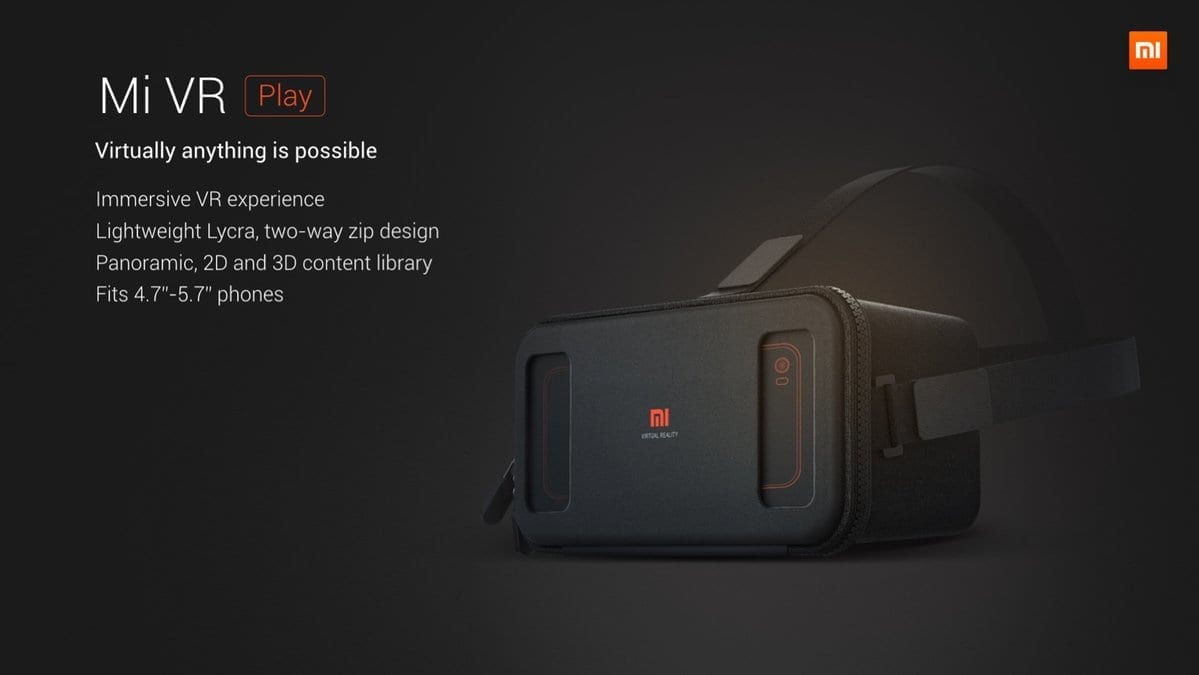
    The company today announced the Mi VR Play, an “entry-level” virtual reality headset that it hopes can open this new exciting medium to new audiences because not everyone has thousands of dollars needed to set up an Oculus Rift or HTC Vive. Democratizing technology is the thesis behind most of Xiaomi’s competitively priced products, including the $550/$750 notebook announced last week that will rival Apple’s Macbook in China.

    This new device recalls Google’s super-cheap and super-simple Cardboard VR headset. It is fairly basic in nature; you pop a smartphone into the lycra-built body then open Xiaomi’s Mi VR app, which contains VR content from selected partners that include Conde Nast Traveler and YouKu, “China’s YouTube.” Xiaomi pledged to invest $1 billion in video content, including VR, last year, so that library is sure to get bigger over time.

    Here’s how Xiaomi describes the headset:

    Mi VR Play has significantly improved upon the design typically used in similar VR products — it is wrapped in lightweight, durable Lycra for long-lasting comfort. In the future, Mi VR Play will also be available in a selection of bold prints and colours for even more stylish options. The unique two-way zipper helps to ensure compatibility, providing a secure grip on a wide range of 4.7- to 5.7-inch smartphones. At the same time, the dual openings on the front allow for slight positioning adjustments and ventilation.

    Here’s the catch — you can’t go and buy one, even if you’re in China.

    Xiaomi is making it available to a limited number of beta test users, who signed up on August 1 when Xiaomi put out a call for volunteers. One million users signed up in just eight hours, the company said, but Xiaomi has selected just a fraction of those — likely “tens of thousands,” a representative told us.

    For those lucky ones accepted into the test program, the Mi VR Play will cost just RMB 1 ($0.15).

    Xiaomi told us that it has plans to make the headset more widely available in the future, but there’s no schedule for that right now. Along those lines, it isn’t clear how much the headset will cost once it is on sale to all. We suspect it won’t be RMB 1, sadly.

  • Price of New iPhone 7 in Indonesia Will Be Among Highest Worldwide

    Price of New iPhone 7 in Indonesia Will Be Among Highest Worldwide

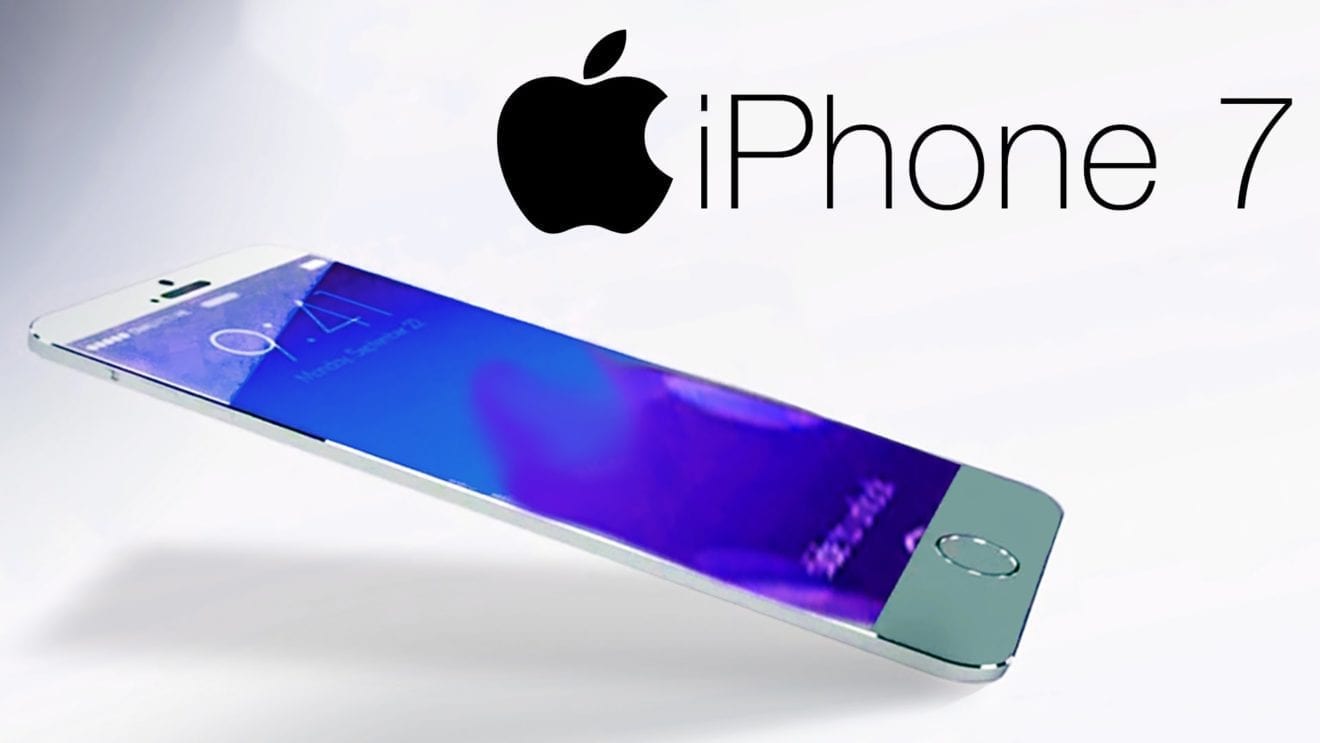
    Indonesia is predicted to be the country in Southeast Asia with the second-highest price for Apple’s new iPhone 7, according to a recent price study by iPrice Indonesia, local arm of online shopping startup the iPrice Group.

    The iPhone is manufactured in China, which neighbors Southeast Asia, but according to the iPrice Indonesia study, the iPhone 7 will be significantly more expensive in the region compared to the United States, due to shipment export costs, import duties and taxes, and other fees imposed by governments.

    According to iPrice, the iPhone in Indonesia will be one of the most expensive worldwide.

    “For countries where the iPhone 7 has not yet been officially launched, such as Thailand, Vietnam, Indonesia, Malaysia and the Philippines, the tech savvy have resorted to going abroad in the hope of being the first to own it,” iPrice said in a statement e-mailed to the Jakarta Globe by Andrew Prasatya, the company’s content marketing executive.

    “Unauthorized retailers are purchasing the iPhone 7 from Singapore and Hong Kong [where the iPhone 7 has already been launched] and selling them in their home countries at higher prices, which can go up to 14 percent in Vietnam and 49 percent in Thailand,” iPrice said in the statement.

    Apple has not yet announced the official release date for the iPhone 7 in Indonesia.

    How Expensive Can It Go?

    The study estimates that an iPhone 7 with 128 gigabytes of internal storage will cost about $1,268 when it arrives in Indonesia, making it nearly $500 more expensive than in the United States, from where it originates.

    As for neighboring countries, buyers in Thailand are expected to pay the most, where a new iPhone may cost up to $1,340.

    The cheapest is in Singapore at $897, where the iPhone 7 has been available since last month.

    The study said middle-income Indonesians, with an average salary of $1.80 (or Rp 23,900) per hour, have to work at least 87 days to afford an iPhone 7, assuming that the whole salary is spent on the phone.

    They may likely think twice before purchasing a 128 GB iPhone since the price is equivalent to the latest automatic scooter by Japanese manufacturer Honda. The price would also be equivalent to three-months’ rent of an apartment located in the heart of Jakarta, or 32 bags of rice at 50-kilograms per bag.

    Highly Anticipated

    Still, the iPhone 7 is eagerly awaited in Indonesia. And despite negative reaction around the replacement of audio jack with Apple AirPods, the latest model is in demand because of innovations such as increased storage, a new home button and water-resistance, according to reports from various local media and online tech-focused news portals.

    IPrice said regardless of its fairly high price, the iPhone generally remains popular in Indonesia.

    It referred to industry data showing that about 61.2 million units of the previous generation iPhone 6 and 6s were sold in the country during the first quarter of 2015.

    “In addition to the innovation of the iPhone 7, the iPhone is a status symbol in Indonesia where the owners are perceived as being rich, successful and living in luxury,” iPrice’s statement said.

  • Amazon launches new Fire TV stick with Alexa remote

    Amazon launches new Fire TV stick with Alexa remote

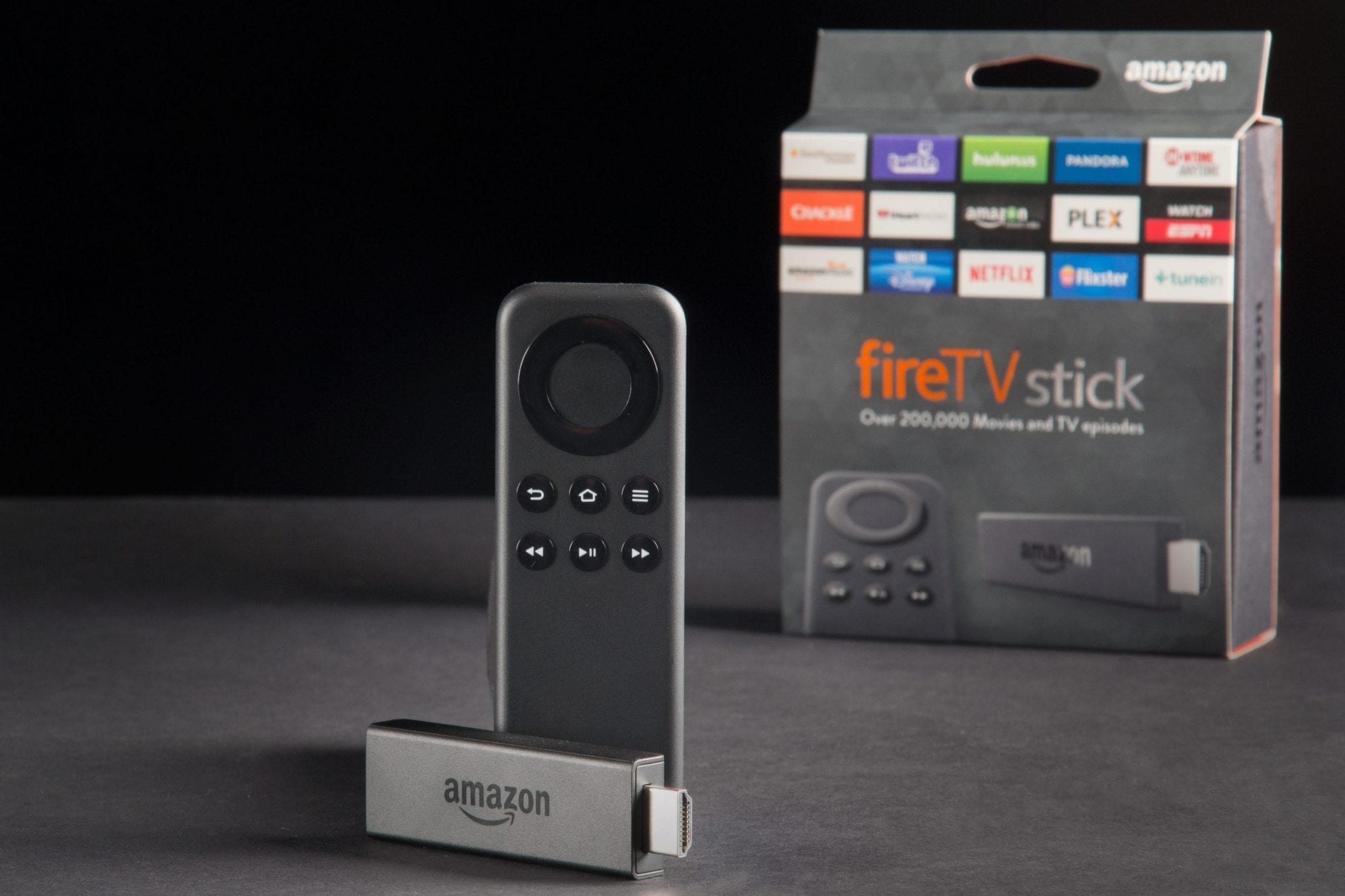
    Amazon has unveiled the all-new Fire TV Stick with Alexa Voice Remote, touted as the most powerful streaming media stick available.

    The company said the next generation Fire TV Stick is up to 30% faster than the original version, and offers access to over 300,000 movies and TV episodes, and includes the Alexa Voice Remote.

    The only streaming media stick with a voice remote, the new Fire TV Stick is available for pre-order and will begin shipping to United States customers on October 20.

    Eligible customers who purchase and activate their device by October 31 will also receive a free content package worth up to$65, including one month of Sling TV, two months of Hulu, and a $10 credit for Amazon Video to rent or purchase new releases or old favorites.

    “With more than 120,000 reviews and a 4.2 star rating, our customers made the Fire TV Stick the most reviewed product ever on Amazon,” said Marc Whitten, VP at Amazon Fire TV.

    “The new Amazon Fire TV Stick has been completely redesigned with incredible performance, powerful voice search and the included Alexa-powered remote to deliver instant access to a vast selection of movies, TV shows, games and Alexa skills,” said Whitten.

  • Xiaomi Products Come to Korean Convenience Stores

    Xiaomi Products Come to Korean Convenience Stores

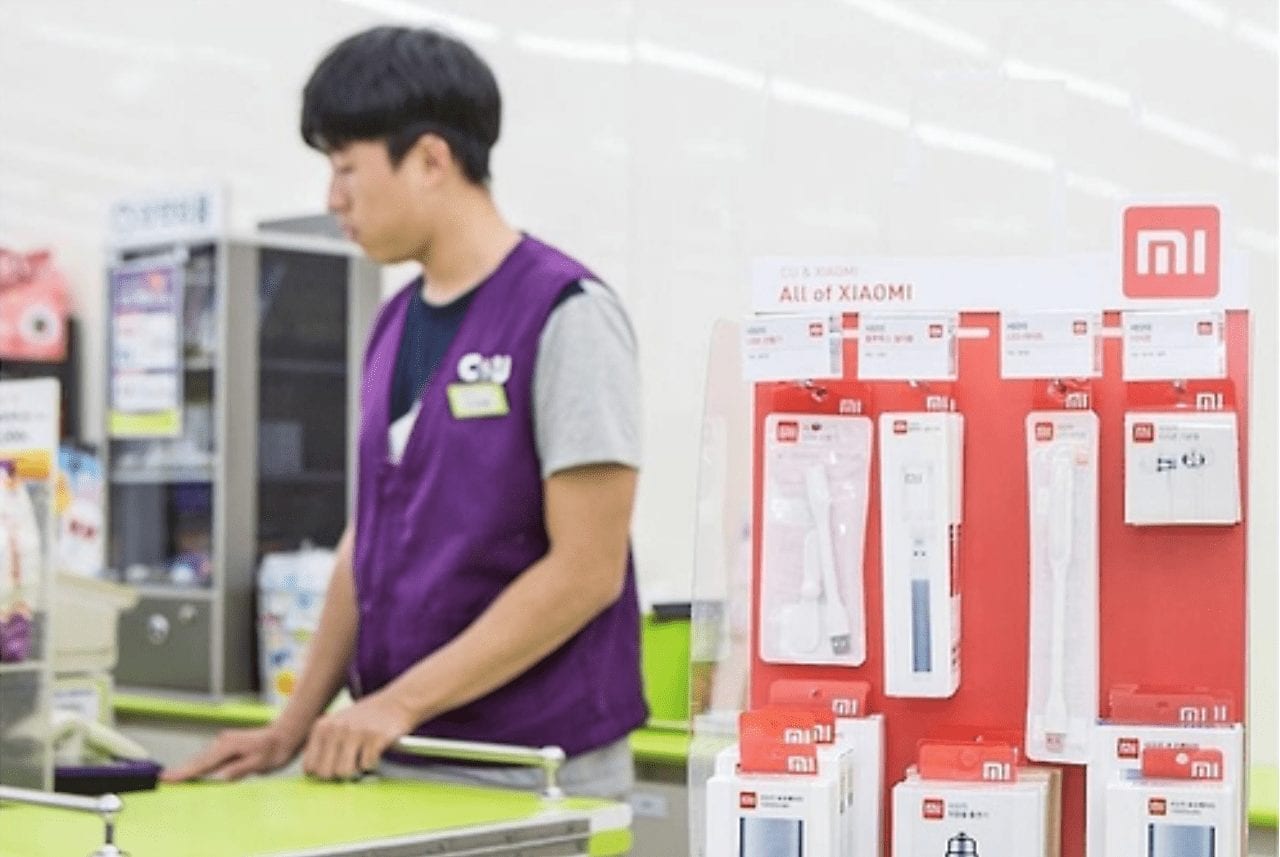
    Ticket Monster (T-Mon), Korea’s leading social commerce platform, announced Thursday that it will be supplying convenience store franchise CU with Xiaomi products for offline distribution.

    CU outlets have already been selling Xiaomi portable battery packs (5000mAh) since the beginning of September, which were also supplied by T-Mon, but they will now have nine other products from the Chinese company on offer, including ear phones, selfie sticks, LED lights, and USB fans. 

    The move is a win-win for both CU and T-Mon. 

    “With the widespread use of smartphones, sales of smartphone-related products such as portable battery packs have increased by 69 percent this year,” said official.

    “We’ll be increasing our Xiaomi inventory at outlets closer to universities, offices, and entertainment districts, while also targeting Chinese tourists at our stores near tourist attractions like Myeongdong and Gwanghwamun.” 

    As for T-Mon, it will be securing an offline distribution channel to further expand its revenue stream. 

    “By allowing offline sales of products that used to be sold exclusively online, we’ll be offering our partners new opportunities to increase their profits,” a T-Mon official said. 

    Xiaomi products have grown increasingly popular on Korea’s ecommerce platforms for their affordability. The company’s 5000 mAh battery pack, in particular, makes up about 80 percent of all portable battery sales on T-Mon. 

    Although the Chinese electronics giant has yet to introduce its smartphones to Korea, the brand has gained widespread recognition with massive popularity on ecommerce platforms like T-Mon and Coupang. 

    Xiaomi made its official entrance here in March through an exclusive deal with local distributor Youmi, and has since been selling a wide range of electronics and consumer goods including the Mi Band (fitness wearable), an air purifier, Bluetooth speakers, a bicycle, and even backpacks.

    The company also opened its first offline store at the Yongsan Electronics Market in June, and is rapidly expanding its outlets across the Seoul Metropolitan Area.


  • Xiaomi hopes to open 1000 stores by 2020

    Xiaomi hopes to open 1000 stores by 2020

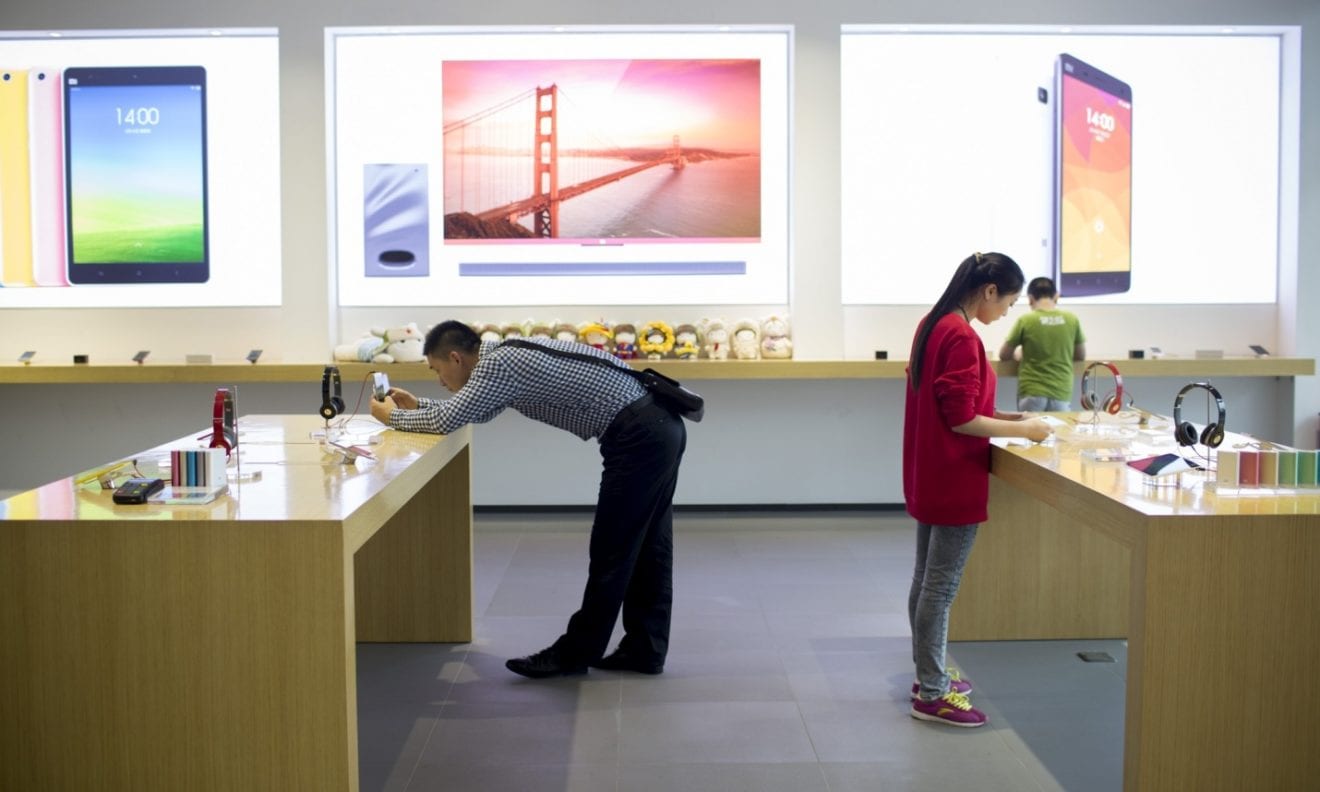
    To date, Xiaomi has focused overwhelmingly on internet sales of its smartphones and media devices in order to keep costs down. Even its tiny retail footprint has largely been limited to service centers and “experiences.” However, that’s all going to change in the next few years. Xiaomi has revealed that it plans to open 1,000 honest-to-goodness retail stores by 2020. It’ll make sure that customers can “touch and test” Xiaomi’s technology, CEO Lei Jun says. He hasn’t said where those stores will be, but it’s reasonable to expect most or all of them to be located in greater China.

    A spokesperson said that the retail plan is an acknowledgement that Xiaomi has “become a household name” in China, and that you’ll see its presence grow relatively quickly. The firm is converting its existing Mi Home outlets into full-on stores, and expects 60 Mi Home locations to be up and running by the end of 2016.

    The dive into retail is bound to be expensive for Xiaomi, and a gamble when the company is almost legendary for its razor-thin profit margins on hardware. It might not have much choice, mind you. While it’s true that Xiaomi is well-established, its smartphone shipments plunged this year — in no small part due to rivals like Huawei, which has a whopping 11,000 stores across China. Physical stores could both snap up more impulsive buyers and remind customers that Xiaomi is still a force to be reckoned with. There’s no guarantee that it’ll work, but Apple’s recovery in the 2000s was partly credited to launching stores that both increased availability and presented its products in the best light. Xiaomi is no doubt hoping for a similar effect.

  • BlackBerry exits hardware business

    BlackBerry exits hardware business

    BlackBerry has announced it will no longer design its own smartphones in house, concentrating on software while outsourcing hardware development to partners.

    After 14 years as a smartphone manufacture, BlackBerry has implicitly raised the white flag against rivals including Apple and Samsung.

    The company aims to drive efficiency by concentrating on its enterprise software. The decision follows a year-long review of the potential profitability of the company’s hardware business by CEO John Chen.

    BlackBerry sold just 400,000 smartphones in the second quarter. The vendor’s plan to turn around its hardware operations involved designing an Android phone with the distinctive BlackBerry physical keyboard, but this plan failed due to a high price tag limiting the device’s mass-market appeal.

    BlackBerry has also announced its first deal under its new software licensing model, covering the Indonesian market, where BlackBerry smartphones are disproportionately popular.

    The company has entered an agreement with newly-formed joint venture PT BB Merah Putih to license BlackBerry software and services for the production of BlackBerry-branded handsets for the Indonesian market.

    The devices will use BlackBerry’s Android software and applications. The joint venture is being led by a subsidiary of Indonesia’s largest mobile operator PT Telkom.

    “BlackBerry is no longer just about the smartphone, but the smart in the phone. Working with trusted partners to extend the reach and availability of our secure mobility software remains a key focus for the Mobility Solutions unit and this joint venture is just one of our next steps in making our software licensing strategy successful,” Chen said.

    “BB Merah Putih is comprised of companies with extensive background in providing innovative mobile services to their customers, making the newly formed joint venture the perfect partner to offer trusted BlackBerry secure mobile software that is available exclusively to Indonesian customers.”

  • Samsung Recovers More Than 60 Percent Of Galaxy Note 7 Smartphones In US And South Korea

    Samsung Recovers More Than 60 Percent Of Galaxy Note 7 Smartphones In US And South Korea

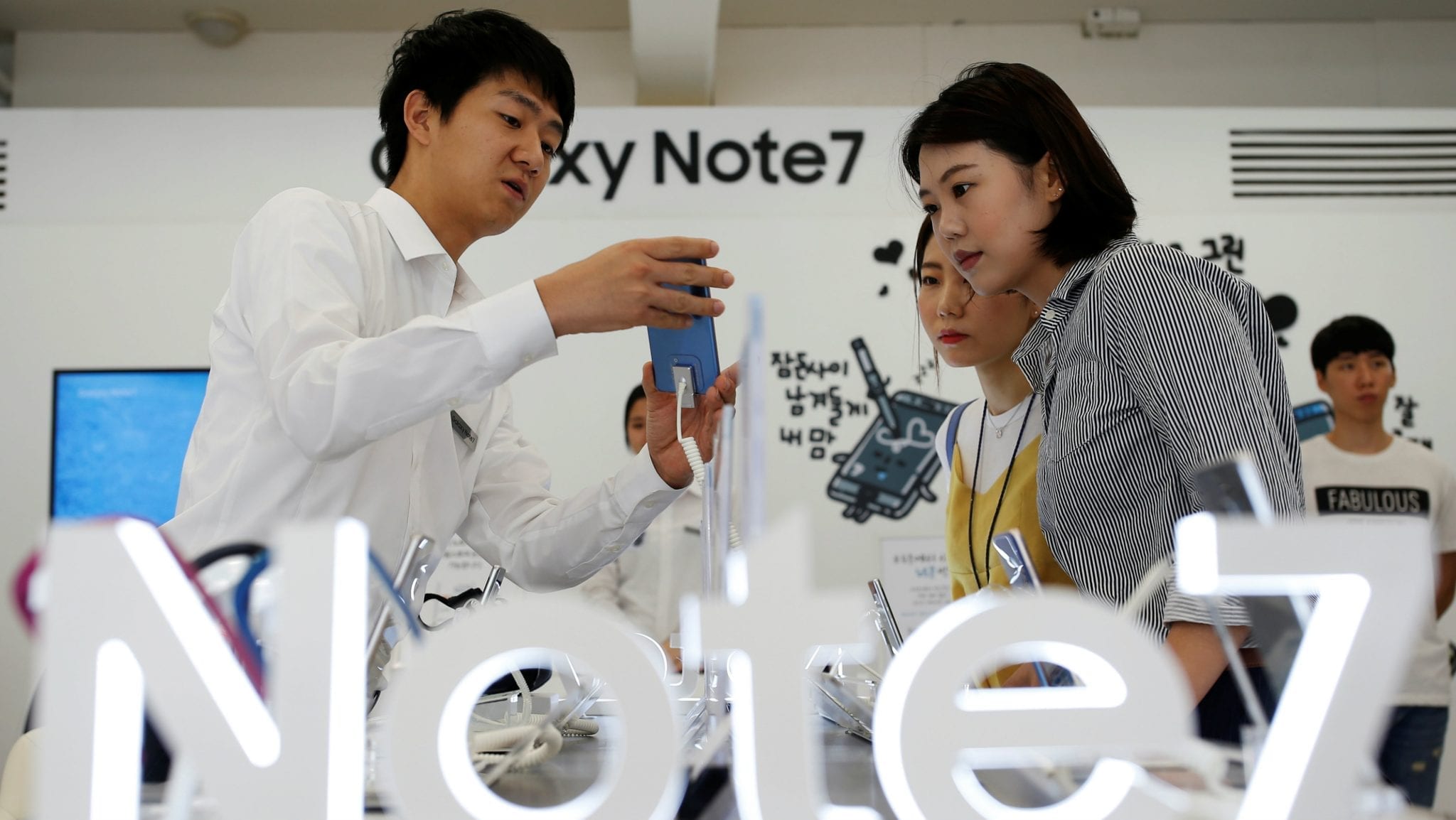
    Galaxy Note 7 smartphones caused headaches and occasional burns to their owners, but only 60 percent of the defective devices sold in South Korea and the U.S. have so far been exchanged with new models, Samsung says.

    This means that 40 percent of the potentially explosive handsets are still in consumer hands, despite the fact that Samsung issued a worldwide recall on the smartphone almost a month ago.

    The percentage shows that the successful exchanges in the U.S. are slowing down.

    At the middle of last week, Samsung reported that 50 percent of the potentially hazardous smartphones were replaced with new models in the U.S. It would seem that the number of returns increased by 10 percent in five days, but keep in mind that the total figure takes into account South Korean returns as well.

    Last week, reports from South Korea indicated that the return percentage in the country is north of 50 percent.

    Samsung tried its best to motivate South Korean retail stores to accelerate the replacement of faulty Note 7 phones, and it even put financial incentives on the table. The Korea Times reports that vendors can earn 20,000 won (about $18) per exchanged phone. Stores can get an additional $18 per phone should they top an 80 percent exchange rate of the Note 7 handsets prior to the end of September.

    Even with the financial motivators in line, mobile customers in South Korea seem rather reluctant to let go of their Galaxy Note 7s. In the OEM’s home country, it took five days to see half of the Note 7 stock exchanged, whereas in the U.S. and Singapore the switch only took two days for 50 percent of devices.

    Singapore customers wasted no time and swiftly returned the fiery Note 7 models. Samsung’s recall program was open for 10 days in the country and it already ranked an 80 percent exchange of the Note 7.

    The recent battery scandal dented Samsung’s reputation as a reliable electronics manufacturer as well as its share value. However, 90 percent of Note 7 customers choose to replace their phones with a safe version of the same device. Of South Korean clients, only 4 percent chose a refund over an updated Note 7.

    As a reminder, the biggest smartphone builder announced on Sept. 2 that at least 2.5 million Note 7 smartphones are being recalled due to faulty batteries that can overheat while charging, causing some phones to burst into flames.

    According to the OEM, the replacement devices that are in stores are sporting safe batteries.


  • Apple Korea to launch first official store

    Apple Korea to launch first official store

    Apple Korea is to open the brand’s first official store in Seoul, but no date has been revealed.

    A lease has been signed for a property in Garosu-gil Road, an upmarket, tree-lined street, with Apple Korea paying a 1.6 billion won (US$1.44 million) deposit for the lease, which runs to February 29, 2036.

    Without an Apple Store in Korea, consumers have had to turn to third-party suppliers, leading to complaints about delays and poor service, reports the Korea Times.

    In response, the Korea Fair Trade Commission told Apple in December to rectify its policy.
    Apple has started recruiting staff for the Seoul store, advertising positions covering marketing, store crew and customer service.

  • LeEco India ready to roll out 1000 stores

    LeEco India ready to roll out 1000 stores

    Chinese tech firm LeEco India plans to open 1000 outlets across the subcontinent by the end of this year.

    Expecting half of its revenue in India to come from physical stores, LeEco filed an application five months ago with the Foreign Investment Promotion Board (FIPB) to open single-brand retail stores.

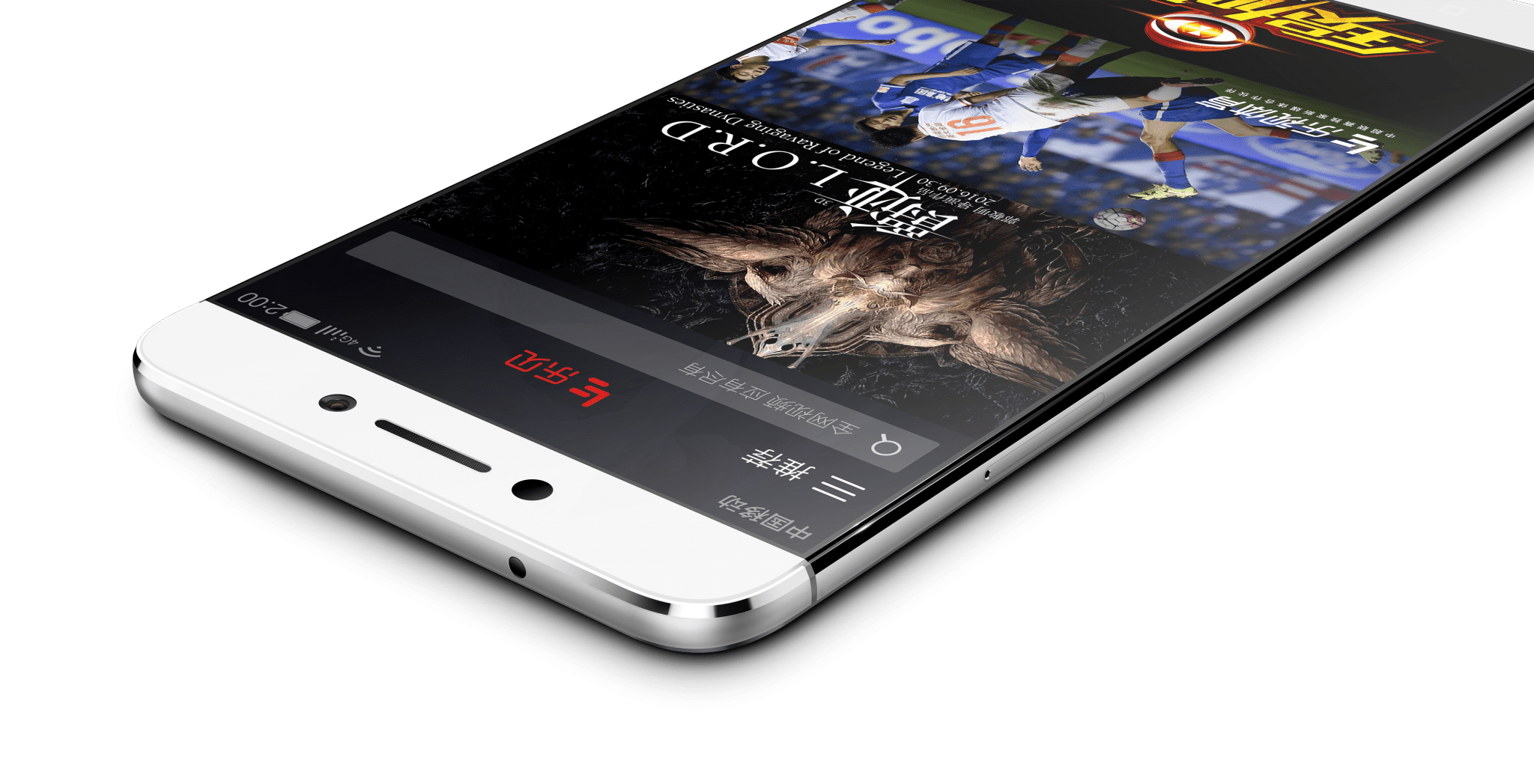
    These will be a mix of company-owned stores as well as franchise outlets, says LeEco India COO for smart electronics business Atul Jain. “This is in line with our aim to be among top three brands in the country by 2018.”

    LeEco, which also has an offline presence in China, has not revealed the cost of setting up the stores. However, it will be spending nearly US$10 million on marketing in the three months starting October.

    Already the company has tied up with multiple distributors across organised and unorganised channels in India and is already available in about 3000 outlets in cities including Bengaluru, Chennai, Delhi, Mumbai, Pune and Varanasi. It expects to reach 65 cities and have a presence in 6000 to 8000 outlets by December.

    No longer exclusive

    Launched exclusively on Flipkart, LeEco’s products will now be available on other eCommerce marketplaces such as Amazon India and Snapdeal. Flipkart has contributed nearly 75 per cent of LeEco’s sales in India.

    LeEco has invested Rs.50 crore (US$500 million) in setting up a smartphone assembly plant in the Greater Noida area, in partnership with Compal Electronics. The factory has an initial capacity of 60,000 units a month but this will be ramped up to 200,000 by the end of December.

    By the second half of next year, the company plans to start exporting products to Hong Kong, Indonesia, Malaysia, Russia and Singapore, says Jain. LeEco sold more than 70,000 phones and 2000 televisions last month alone.

    Other plans include a partnership with Hungama to offer music services from next month.
    Founded by billionaire Jia Yueting in 2004, LeEco positions itself as the Apple, Netflix and Tesla of China. Apart from smartphones and online content, the company sells TVs, electric vehicles and virtual-reality headsets.

  • Terry O’Connor courting omni-channel future for Courts

    Terry O’Connor courting omni-channel future for Courts

    Cashing In on the demand for Apple’s latest product, the iPhone7, retail giant Courts Asia recently announced that it would offer a competitive one-year service package that covers accidental damage and data recovery and a guaranteed 50 per cent trade-in value, if customers buy the phone from its shops.

    This is one example of efforts being made by the furniture-to-electronics departmental store to differentiate itself and be the “store of choice” for Singaporeans. It also fits into its long-term objective of transforming itself into an omni-channel retailer.

    Mainboard-listed Courts has a long relationship with Singapore, particularly in the heartlands. With roots as a furniture retailer in the UK, Courts was established here in 1974. It opened its first store in Malaysia in 1987 and recently started operations in Indonesia in 2014. In the three countries, Courts operates more than 80 stores in multiple store formats spanning over 1.6 million sq ft of retail space.

    In the first quarter which ended on June 30, 47.8 per cent of its revenue came from electrical products, which included major white goods, audio and small appliances. IT products, including computers, smartphones and cameras, made up 27.7 per cent of its sales while furniture accounted for 17.9 per cent. Services, such as warranty sales and telecommunication subscription plans, accounted for the remaining 6.6 per cent of its revenue, which was S$196.3 million for the quarter. The company’s last reported full year revenue was S$770.4 million, with two-thirds (S$505 million) of that coming from Singapore.

    Speaking to The Business Times, Terry O’Connor, Courts Asia’s executive director and group chief executive officer, says the departmental store looks to provide low prices, large ranges, full service and financial options “in terms of any way to pay from every credit card in the market to cash; to our own payment plans and an extensive loyalty programme which is being boosted with the NTUC link points partnership”.

    Giving an example of how Courts is trying to differentiate itself, Mr O’Connor cites the iPhone. He notes that buyers can choose to buy online or go to a exclusive Apple retailer if they are sure that’s the phone they want.

    At other times, buyers may not be sure whether the choice is the iPhone or a phone made by some other manufacturer, Mr O’Connor says. Maybe they want to compare the iPhone with Samsung’s offerings but at the same time they want a full customer experience in which an agent will show them how to use both phones and discuss the merits of both, he says.

    “An Apple store can do that for only Apple products but they don’t do that for Samsung products or the other brands in the market. We want to be that player in the market which can do that for all major brands,” Mr O’Connor says.

    He acknowledges the fact that many technology savvy Singaporean shoppers are shopping online and Courts needs to have a strong online presence as well.

    Courts Singapore relaunched its online store in 2012 with 7,000 product offerings, which has grown to more than 14,000 today. Both the online and physical stores are at the centre of Courts’ omni-channel retail offerings, which also include the deployment of tablets and digital kiosks on the shop floor, use of QR codes and “click and collect” counters in-store.

    Despite this, Mr O’Connor is sure that physical stores will still remain an important component of the shopping experience. “The overall shopping experience will have to be an omni-channel experience.”

    Noting that the mass middle income market is the core customer group for Courts, Mr O’Connor observes that shoppers feel “we are local and, therefore, there is a deeper relationship, maybe because of our history in the heartlands. We have been serving multi-generation of families and we reinvented ourselves just as Singapore has done so over the years.”

    This has ensured that Courts is more connected to customers than many of the international players, he adds. “We ourselves have been thought to be an international player but now headquarters is effectively here and we are listed here.”

    Mr O’Connor adds that the megastore’s approach is to “outrange” and “outprice” its competition. “I think that’s what kept us ahead of the pack. When I look back, I’ve been here for 23 years and virtually none of the competitors I started with exist anymore.

    “Many of them have changed hands, many have been subsumed in other organisations and others have gone out of business.

    “The point is retailers always have had to deal with disruption, generally it’s disruption from other retailers. Now pure plays are just another form of retail.” Pure play stores are those which only have an online presence with no physical brick and mortar outlets.

    Mr O’Connor adds that Courts will “move with the speed and agility” of a pure play online store. “At the same time, we want to develop our physical stores as experience centres.

    Mr O’Connor says that market factors are helping Courts’ push to reinvent itself.

    “We didn’t ask for the Funan Centre to close but it did. We didn’t ask the Sim Lim centre to get the reputation it did, but it got it. And so we think there is an opening in the market and we are pushing hard into services and the store experience.

    Mr O’Connor notes that many international retailers are seeing increased business online. “John Lewis (departmental store) in UK is doing 25 per cent of their business online but in Singapore it’s only 3-5 per cent. When you talk about shopping online it somehow conjures up an image of somebody sitting at home with a laptop on the coffee table. But fundamentally it’s not that. It’s increasingly people on their mobile devices. This is the first year mobile has overtaken computers as the online shopping platform of choice,” he notes.

    He is confident that the share of online sales in Singapore will go up significantly and Courts would be ready to cash in on that.

    Mr O’Connor notes that the Singapore online purchasing market is skewed by international purchase of apparel and products that are not sold in Singapore. “If you actually look at the goods that are bought online and shipped within Singapore, we are a market leader among regular stores. Citing a Bain report, he says that the top 10 online stores in Singapore by number of visits were all pure plays but Courts was number 11 on the list. This makes Courts the top omni-channel player in the Republic.

    Courts is also looking at upgrading its stores with digital features that help shoppers go online and make it easy to shop. “At the moment we have digital kiosks but I wouldn’t say they are popular; they have become a bigger phenomenon in other markets. I think in the future they will become more popular in the same way that people initially didn’t like to use digital checking counters at airports, but eventually got used to it.”

    He adds that one could envisage a situation where 100 per cent of the business is online. “Maybe 50 per cent was physically transacted in the store. I think what’s key is making sure that stores are still relevant. And I think that there are lots of changes coming in terms of disruption in the real estate sector. I think the real estate will be more disrupted than the retail sector.

    “So fundamentally in the future do we say I have a 20,000 sq ft store? Or do I go for 10,000 sq ft for my store, where I pay a retail rent and the other 10,000 sq ft is a fulfilment centre where I pay warehouse rent?”

    He adds that such shifts are already happening in the UK. “That’s going to happen here and that has implications for Reits; it has implications for how malls set themselves up. Do they have two-thirds of the mall as retail space and the rest as a combination of fulfilment centres? And POP (pick your own parcel) stations for the entire mall?

    “We have to be fluid and agile in our thinking and be led by the consumer.”
  • Pervasive Displays collaborates with Energia IDE to add ultra-low power e-paper

    Pervasive Displays collaborates with Energia IDE to add ultra-low power e-paper

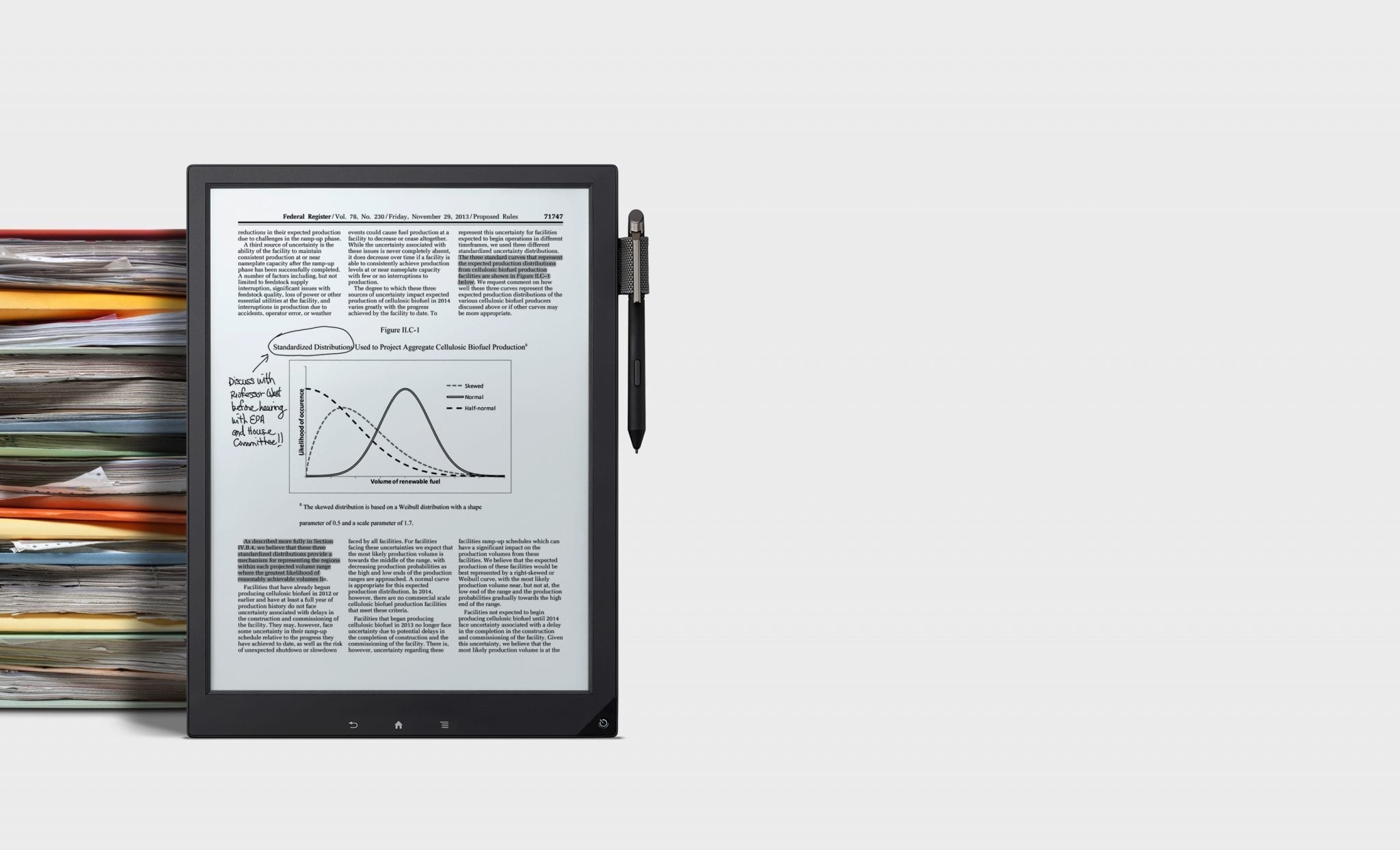
    Pervasive Displays (PDi), a world leader in e-paper displays today announced the results of its collaboration with community-driven and open source electronics prototyping platform provider Energia. The Energia integrated development environment (IDE) provides similar support for the Texas Instruments (TI) family of LaunchPad development platforms as the Arduino and Wiring IDE.

    Designed to bring the same Arduino-style application development simplicity to the LaunchPad ecosystem, the Energia IDE provides support across the range of MSP430™ microcontroller(MCU)-, MSP432™ MCU, SimpleLink™ Wi-Fi® CC3200 wireless MCU- and TM4C microcontroller boards.

    Within Energia IDE’s Library Manager all the necessary driver libraries for the range of Pervasive Displays 1.44 to 4.2 inch e-paper displays are built in. In addition, support for future three-color displays is accommodated. Full support is also provisioned for the recently announced EPD Extension Kit Gen (EXT2) extension board that is constructed in a TI LaunchPad kit and BoosterPack™ plug-in module-compliant format.

    By incorporating native IDE driver support, both Pervasive Displays and Energia are easing the development of designs that use e-paper displays. E-paper displays are ideal where power budget restrictions mean that driving an LCD display is not possible. E‑paper only requires energy to change the information displayed. Once changed, the power source can be removed and the information last displayed remains. This approach yields exceptionally long battery life; a single coin cell will power some applications for many years.

    Adrian Fernandez, microcontroller customer experience manager at TI commented, “Integrating ease of access to e-paper displays by providing full library support through our LaunchPad kit ecosystem and the Energia IDE gives developers every opportunity to trial their capabilities and incorporate them into their next design. Energia support for the e-paper BoosterPack module will enable the maker community in their various endeavours.”

    Robert Wessels, Founder of Energia said, “The LaunchPad kit is an ideal development environment ecosystem from which to prototype a wide range of applications and these advancements will enable rapid future prototyping. The addition of native Energia IDE support for Pervasive Displays’ range of e-paper displays further broadens the possible range of applications and expands into a number of sectors where extremely low power consumption and/or energy harvesting techniques are essential. The fact that the display continues to show an image after the power has been disconnected facilitates display-based developments not previously possible and we are getting very positive reviews on the second generation of the Pervasive Displays e‑paper extension kit with support for new screens and new LaunchPad kits.”

  • DJI Opens Its Third Flagship Store In Hong Kong

    DJI Opens Its Third Flagship Store In Hong Kong

    DJI, the world leader in unmanned aerial vehicle technology, will open the doors of its Hong Kong flagship store to the public this coming Saturday, September 24, making it the third DJI flagship store in the world.

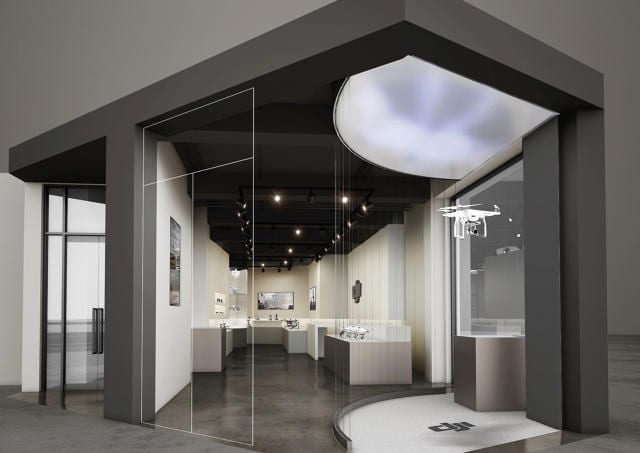
    Located at the center of Hong Kong’s busiest shopping district in Causeway Bay, the three-story, 10,000+ square-feet flagship store will display DJI’s full range of aerial and handheld products. The flight cage on the ground floor will allow visitors to see DJI drones in action even from outside the store. The SkyPixel Gallery on the first floor will showcase breathtaking examples of aerial photography from around the world. The second floor will house the technical support center* and a dedicated space for workshops, seminars and special events. Adding to Hong Kong’s iconic skyline is an animated display on the facade of the building, illuminating the instantly recognizable shapes of the DJI drones themselves.

    In celebration of the opening, there will be a series of activities and programs throughout the day including:

    • Life-size DJI Phantom and Osmo mascots will kickstart the day’s celebration with a street parade around the Causeway Bay area.
    • An outdoor flight cage and Virtual Reality experience zone will be set up just outside the World Trade Center for people who want to experience the thrill of being in the pilot’s seat.
    • For those who want to play the role of movie director, they can pick up an Osmo (a stabilized 4K handheld camera) to capture all the excitement and happenings in and around the neighborhood.
    • Workshops by aerial photographers, dance and music performances by local bands leading into the early evening.
    • Those who wish to tune in to the opening day activities remotely can watch the live stream at https://live.dji.com/hkstore/or join the Official DJI Hong Kong Facebook Page at https://www.facebook.com/DJIHKOfficial/.

    The DJI Hong Kong flagship store will open its doors to customers at 12 noon and the first 200 customers can enjoy a discount of up to 30% on selected DJI products purchased at the flagship store on opening day.

    “Whether you are a professional interested in the latest aerial-imaging equipment or just looking for your first drone, we welcome everyone to come and learn, discover the joys of flying and share your experience to inspire others,” said Frank Wang, DJI Founder & CEO. “We want to provide a truly unique experience for anyone who walks into our store and leave with a sense of curiosity, excitement or inspiration. We hope our technology can provide a new perspective and allow us to see the world differently.”

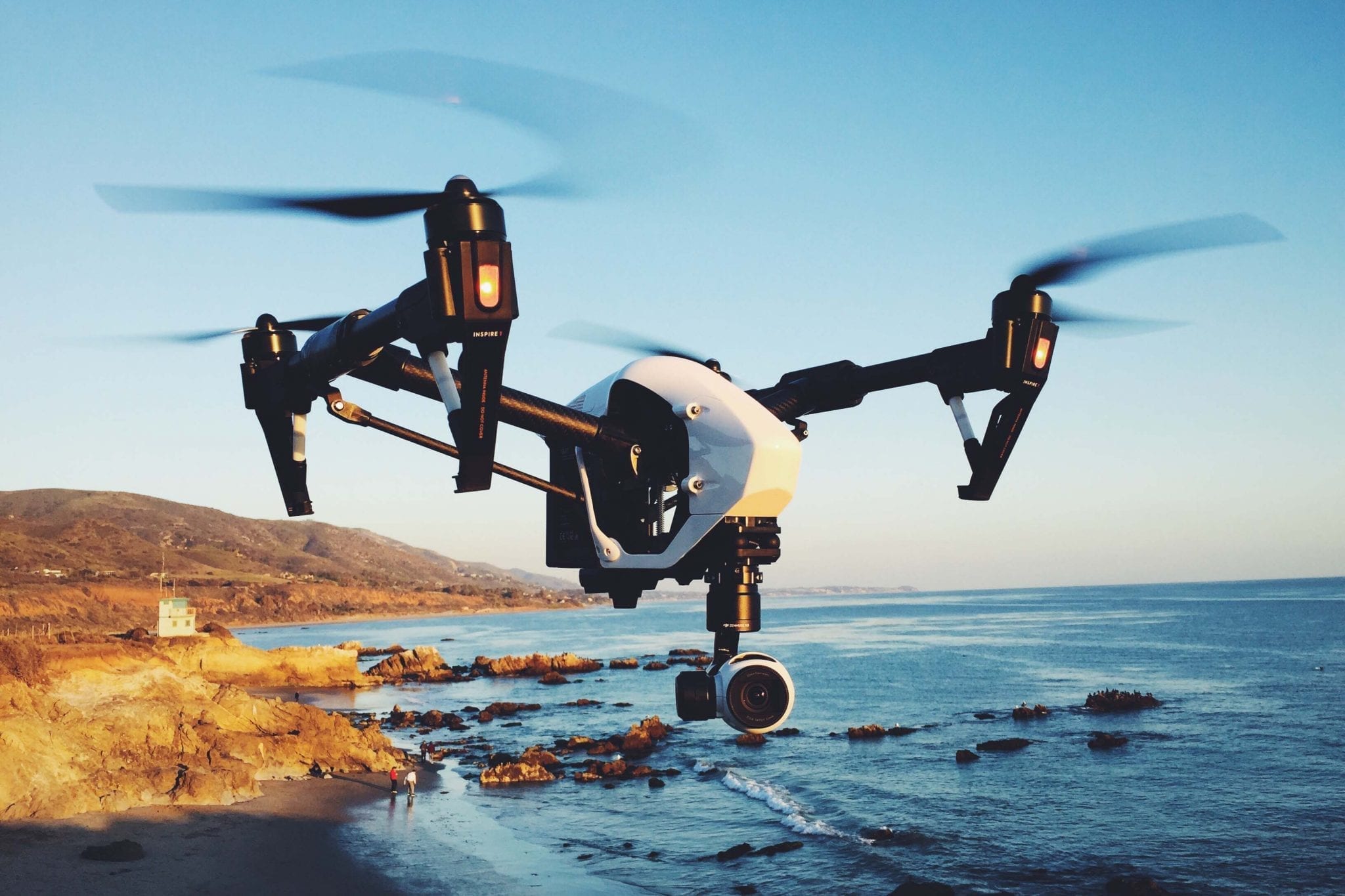
    On display and for sale will be DJI’s consumer products, including the latest Phantom 4 drone and Osmo Mobile stabilized handheld gimbal, as well as professional products, including the Inspire 1 and Matrice drone series, the Zenmuse Z3, X5R, and XT cameras, and the Ronin handheld three-axis camera gimbal line.

    The Hong Kong flagship store is DJI’s third foray into retail after the December 2015 opening of its first flagship store inShenzhen, China, followed by the Seoul, Korea flagship in March 2016. More than just a retail outlet, the Hong Kong flagship store will provide a location where the worldwide community can connect to share their experience of flight and discover the latest UAV products and aerial cameras.

    The Hong Kong flagship store is located at TOWER 535, Shop G07, 535 Jaffe Road, Causeway Bay, Hong Kong. Opening hours of the store are Mon – Sun, 10:00 – 22:00 and for after-sales service, Mon – Sun, 10:00 – 19:00.

    *The Hong Kong flagship store technical support center and online booking system will official open after the grand opening weekend on September 26, 2016 at 10:00. To make an appointment for repair or technical consultation, customers can visit https://www.dji.com/zh-tw/service/repair/reserve. For general after-sales inquiry, customers can call +852 3189 8979 to speak with one of our customer service representatives.

  • Drone maker DJI’s new Hong Kong store offer customers to fly

    Drone maker DJI’s new Hong Kong store offer customers to fly

    DJI, the world’s biggest maker of remote controlled drones, opens its first retail store in Hong Kong this weekend in the heart of Causeway Bay to give up-and-coming drone pilots hands-on experience of flying the machines.

    The 10,000 square foot site – over three storeys in the newly opened 535 Mall on Jaffe Road – marks a return to its roots by Da-Jiang Innovations Science & Technology Co, the formal name of DJI.

    Its founder Frank Wang, an alumnus of Hong Kong University of Science & Technology, established the company in Shenzhen a decade ago.

    It’s the company’s third Asia store, after opening outlets in Shenzhen, and Seoul over the past 10 months.

    Unlike customers in Europe and the US, the largest markets for DJI, Asian pilots haven’t had the opportunity yet to actually get their hands on flying one of its drone before buying it.

    “There’s a lot of growth potential in Asia and having a larger retail footprint will help expand that,” said Michael Perry, DJI’s director of strategic partnerships.

    The company’s top-of-the-line drone is the Phantom 4, which retails for HK$9,299.

    “Phantom 4 may not be an impulse buy, but what we’ve found is that a lot of people are very interested, they spend a lot of time researching but the key turning point in their decision is seeing their technology themselves,” Perry said.

    Research firm Teal Group predicts global sales of civilian drones will soar to US$10.9 billion by 2025, up from US$2.6 billion for this year.

    The ground floor of the new DJI shop displays the firm’s range starting from the hand held Osmo gimbals, which start at HK$2,299, right up to up to the Phantom 4 and Inspire drone models, as well as a large cage for trying out the aerial vehicles.

    DJI’s industrial series of drones and gimbals, including the Matrice 600, designed for professional aerial photography or applications such as surveying, are housed on the first floor alongside a gallery of images taken by DJI users. On the third floor are offices, technical support and space for workshops or seminars.

    Perry said there is huge global potential for the use of drones, adding that its community of users are constantly coming up with new ideas on how the devices can be improved, the latest example being a new sensor for use in warehouses to check inventory.

    “Anywhere that data collection or delivery is too time intensive, too costly, too dangerous, that’s where a drone can play a pretty critical role,” he said.

    DJI launched its first drone for the agriculture market last year. The DJI Agras MG-1 has eight rotors and can carry more than 10 kilograms of liquid for crop spraying, with the ability to spray up to four hectares an hour.

    Perry said the company’s technological strength and control systems such as one that prevents collision gives it an edge over competitors, including Xiaomi’s Mi Drone, and GoPro’s Karma.

    GoPro, which makes action cameras, this week launched the Karma, a foldable model, for HK$6,300. Xiaomi’s Mi Drones sell for less than HK$3,550, and are aimed at competing with DJI’s Phantom 3 model.