Retail News CRM

Category: Electronics

Retail News Asia is committed to providing both local and global retailers with the latest Electronics news throughout the Asian market. This on a daily base.

  • Robinsons Retail acquires Savers Electronic World

    Robinsons Retail acquires Savers Electronic World

    Robinsons Retail Holdings Inc., the retail arm of the Gokongwei family, has acquired 90 percent of Savers Electronic World, an electronics and appliance store chain that operates 24 stores around the country.

    In a disclosure to the Philippine Stock Exchange (PSE), Robinsons Retail said its wholly owned subsidiary Robinsons Inc. has entered into a partnership with Saver’s Appliance Depot, which is owned and operated by Savers Electronic World.

    The Saver’s Alliance Depot has 13 stores in Central Luzon, eight stores in Cagayan Valley and three in Metro Manila with a combined gross floor area of 25,900 square meters.

    “Robinsons Retail will own 90 percent of Savers Electronic World,” the company said.

    Robina Gokongwei-Pe, president and COO of Robinsons Retail, said the partnership would expand Robinsons Retail’s footprint in the consumer electronics and appliance business.

    “We are excited to partner with Saver’s Appliance Depot in growing the consumer electronics and appliance business of the group. As the economy expands, discretionary spending is seen to surge ahead and this format should be a strong beneficiary. Also, the increasing scale of the group is expected to strengthen our market position in the industry,” Gokongwei-Pe said.

    Specifically, she said the partnership with Saver’s Appliance Depot would strengthen and expand Robinsons Retail’s coverage in the consumer electronics and appliance business, particularly in Central Luzon and in Cagayan Valley.

    After the purchase, Saver’s will continue to be managed by Jaime Uy as the managing director of Saver’s Appliance Depot.

    Saver’s Appliance Depot opened its first appliance store in 1986 and has been in operation for 29 years now.

    It was recognized and awarded as the 2014 Best Regional Retail Player by the Philippine Retailers Association.

    Saver’s Appliance is also considered one of the top 10 consumer electronics and appliance players in the country.

    “We are happy to become part of the Robinsons Retail family. The group has proven track record in growing and retaining the equity value of the companies or businesses that they acquired. We have strong presence in Northern Luzon which should add to the group’s growing presence in this region,” Uy said.

    Robinsons Retail continues to be on the lookout for new businesses to acquire to further boost growth.

    In the first half of the year, the retailer grew its net income to P1.86 billion, up by 36.2 percent from P1.37 billion in the same period last year.

    Growth came from a double-digit growth in sales on new store openings as well as the newly acquired businesses A.M. Builders’ Depot and Chavez Pharmacy.

  • Gome Electrical opens 117 stores in six months

    Gome Electrical opens 117 stores in six months

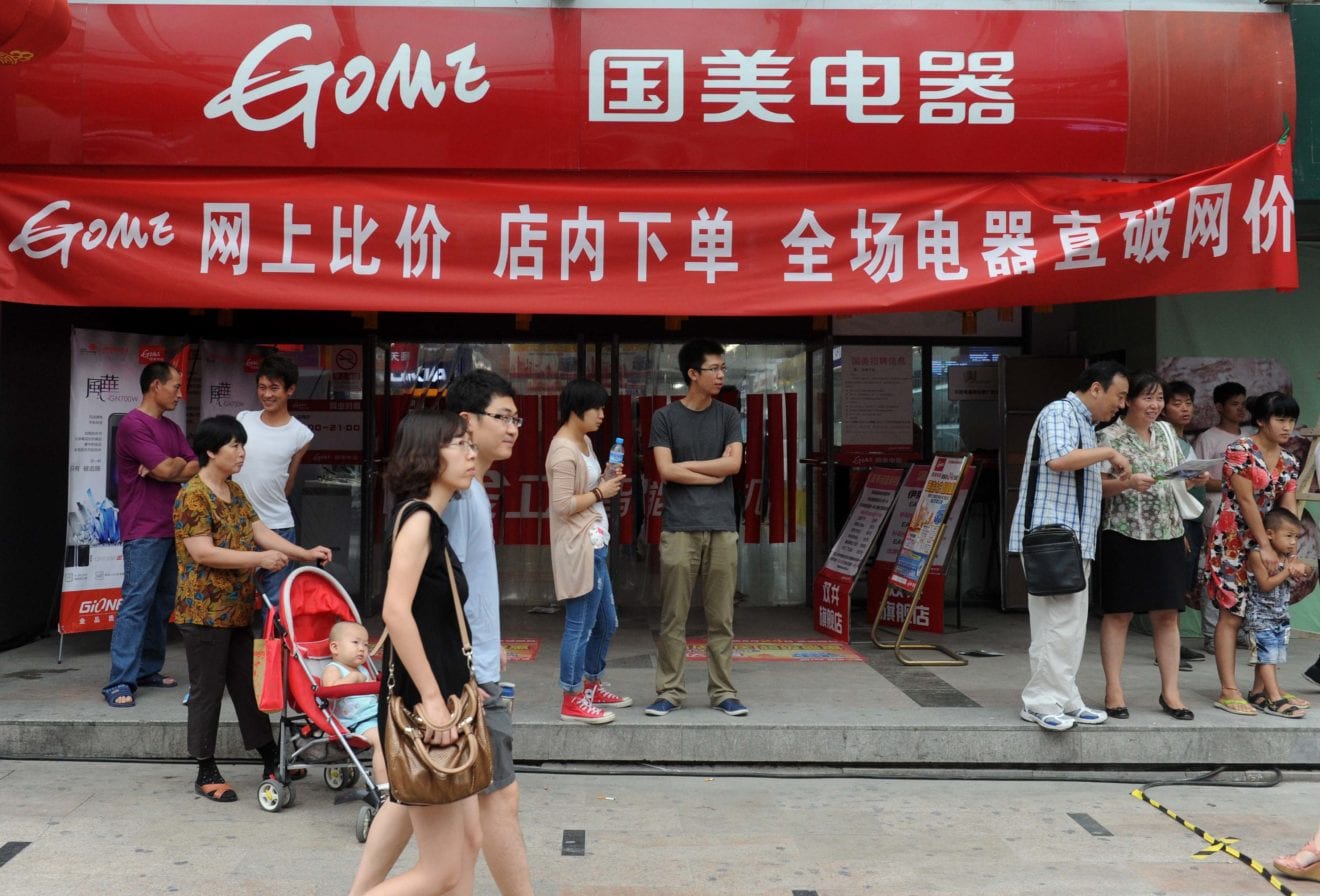
    Gome Electrical has opened 117 stores in six months on its way to an 8.8 per cent increase in sales for the half year.

    Total sales revenue was RMB 31.69 billion and its consolidated gross profit margin was 17.7 per cent.

    The store network expansion program is part of a push into tier two cities in China’s mainland where 84 of the new shops opened. Overall same store sales rose 2.3 per cent in a six month period when retail spending in China was subdued, but in tier two cities, same store sales rose 5.3 per cent.

    Gome now has stores in 41 Chinese cities where it did not have a presence just six months ago.

    Online sales were another growth powerhouse, rising 151.3 per cent in gross merchandise volume. More growth clearly lies ahead with 181 per cent year on year online growth in the last three months of the half year.

    In the remaining half of this year, Gome says it will accelerate even further its move into tier two cities, leading into ‘channel penetration’ in third and fourth-tier cities as well, largely based on eCommerce initiatives.

    “By seamlessly engaging customers across online and offline channels, the group is destined to achieve fuller integration of all channels and grow its ‘total retail ecosystem’,” the company said in its results filing.

    “This will allow customers to enjoy a total retail experience and comprehensive services at any time, any place.”

  • The Apple-IBM MobileFirst Program Set to Launch in China

    The Apple-IBM MobileFirst Program Set to Launch in China

    In July 2014 the Apple and IBM global partnership was formed to transform enterprise mobility via the iPhone and iPad. The alliance formed MobileFirst. By mid-November the MobileFirst website was launched and began promoting the new apps that were being custom designed for key segments of business including Banking/Finance, Travel/Transportation, Retail, Telco, Insurance and Government. It has since expanded to Healthcare, Industrial Products, Law Enforcement, Energy/Utilities and Social Programs.

    It’s being reported today by Guanzhou’s 21st Century Business Herald that the Apple-IBM MobileFirst Enterprise program will be officially coming to China in the coming weeks. The program will reportedly begin with 10 apps aimed at the retail, insurance, financial, telecom and aviation sectors, as well as the government, and events will be held in Beijing and Shanghai to showcase the new products.

    The goal of the Apple-IBM MobileFirst was to have 100 apps finished by the end of this year. Thus far 32 of them are completed with more on the way. Guo Jijun, president for strategy at IBM Greater China, who is also in charge of MobileFirst in the country, noted that “IBM has also formed partnerships with companies, including Twitter, Tencent, SAP, Facebook and China Telecom, so the MobileFirst platform can integrate the strength of these businesses.

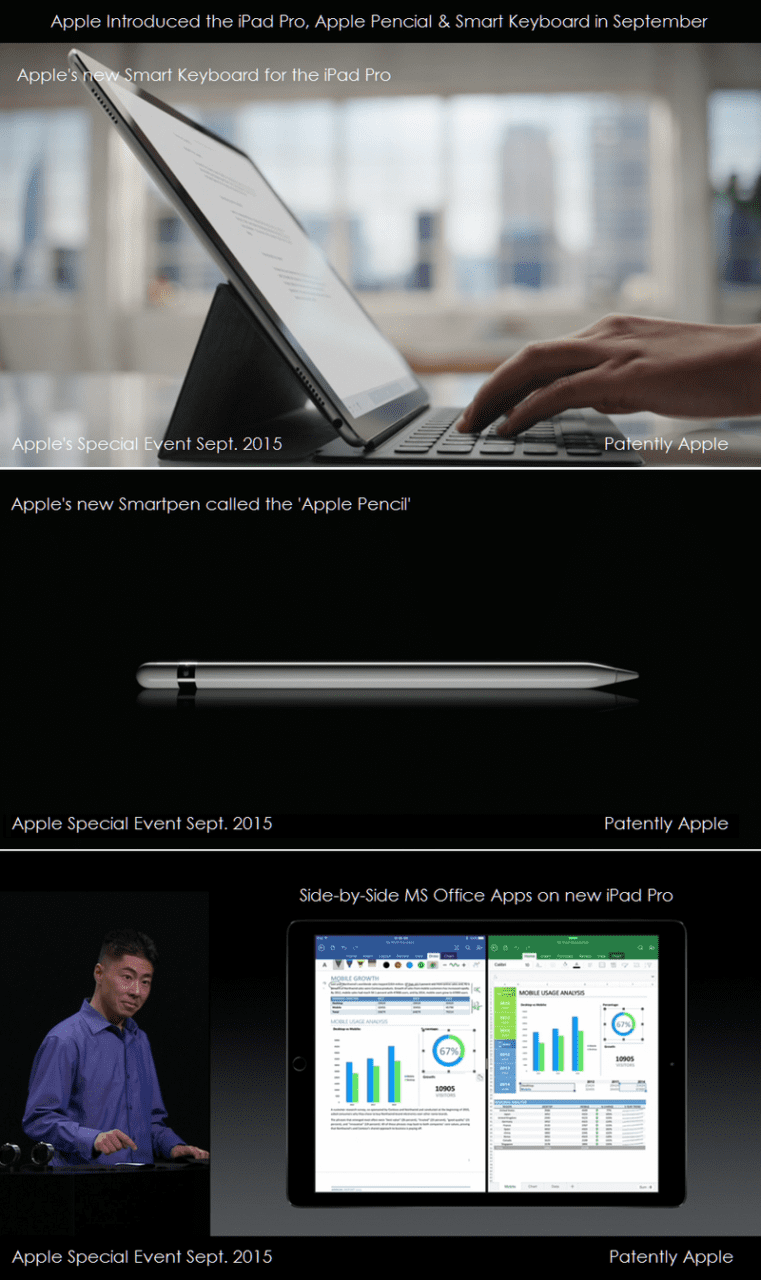
    Apple introduced the new iPad Pro on September 9 that now adds the ability to work with a new Smart Keyboard and a digital smartpen called the Apple Pencil to support  professional markets.

    2AF 55 APPLE IPAD PRO, APPLE PENCIL, SMART KEYBOARD

  • China’s fake Apple Stores alive and well, look to profit on iPhone 6s launch

    China’s fake Apple Stores alive and well, look to profit on iPhone 6s launch

     Thanks to lax copyright enforcement policies, growing demand for all things Apple and a lack of official retail channels, China’s fake Apple Stores are experiencing a resurgence on the back of iPhone 6s preorders.

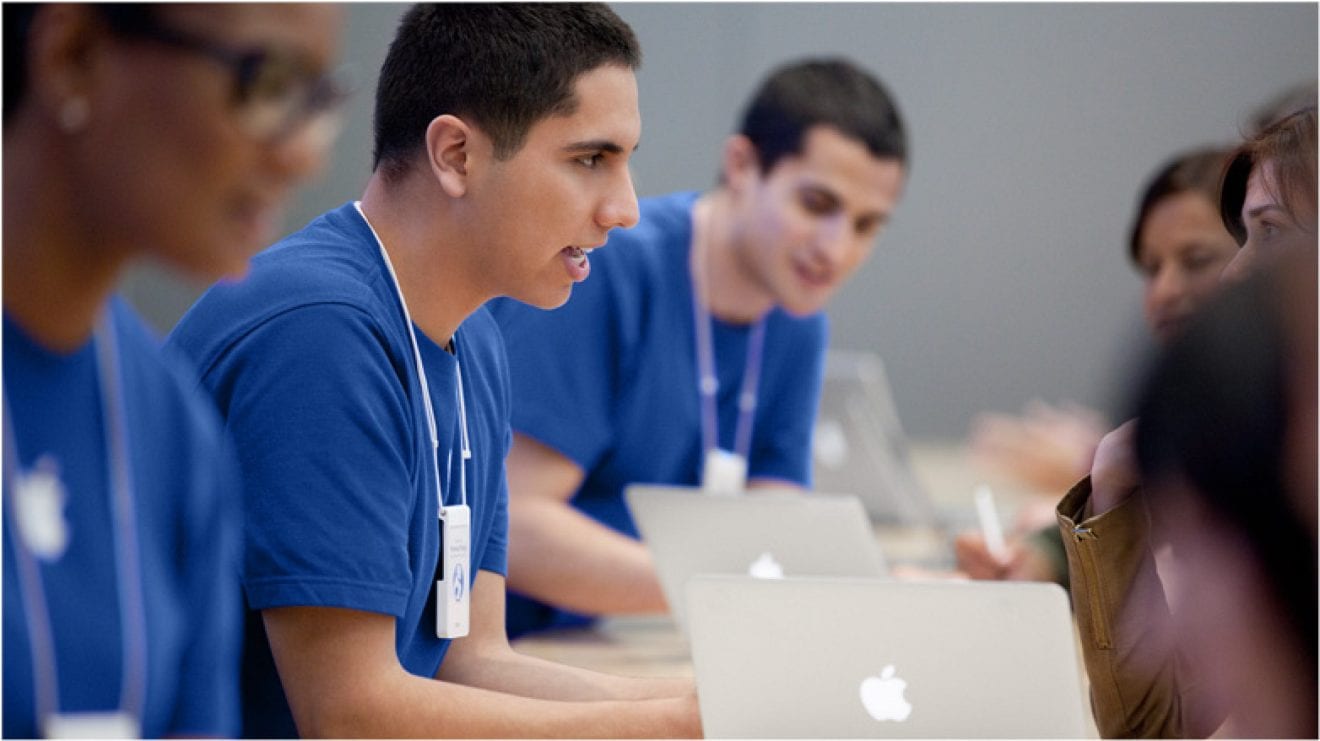
    In electronics manufacturing mecca Shenzhen, a major cog in Foxconn’s iPhone and iPad production machine, a multitude of counterfeit Apple stores are popping up to take advantage of Friday’s iPhone 6s release, reports Reuters. According to publication estimates, more than 30 storefronts bear Apple’s iconic logo, with some unauthorized outlets kitting out personnel with Apple Store-style blue t-shirts and lanyard name tags.

    As they have in the past, these counterfeit stores are taking advantage of China’s seemingly insatiable iPhone demand. Just hours after iPhone 6s preorders went live last week, Apple’s allotment for the Chinese market sold out, pushing buyers loathe to wait an extra two to three weeks toward unauthorized stores that buy stock from official resellers and flip them for a hefty profit.

    With iPhone viewed as a status symbol in China, many consumers are willing to pay more than double retail prices to get their hands on one the day it comes out. For some buyers the high costs are apparently worth the added cachet that comes with nabbing a copy on day one. Consumers in other markets are also keen to get their hands on Apple’s latest smartphone, but Chinese customers are especially zealous.

    The benefits are more concrete for resellers, who risk minimal retail overhead and an upfront investment by smuggling iPhones in from Hong Kong, the U.S. and other far-flung markets. If successful, however, they stand to haul in huge returns.

    Apple has for years dealt with counterfeit stores, an issue that gained media attention in 2011. While Chinese officials ultimately ordered a handful of operators to shut down, the unauthorized resale industry was never completely wiped out. Now with iPhone 6s, resellers are back in business.

    Part of the problem stems from an inadequate official retail presence in the region. Apple only had 22 stores serving all of China as of June. By comparison, there are 53 Apple Stores in California alone. The disparity is stands in contrast to China’s market potential, which is widely viewed as vital to Apple’s growth and sales sustainability. The company has plans to expand its retail footprint to 40 stores by 2016, however, the most recent being a second Hangzhou location in April.

  • Hard Passage to India for China’s Phone Makers

    Hard Passage to India for China’s Phone Makers

    For Chinese smartphone and mobile phone manufacturers, the crowded Karol Bagh market district in Delhi, India, is a key outpost for an exciting business frontier. Vendors in cramped shops peddle handheld devices from India and around the world. Most shops feature budget phones, although in recent years expensive smartphones have been added in increasing numbers to store shelves.

    Chinese smartphone makers such as Xiaomi Inc. and Huawei Technologies Co. Ltd. are working hard to unlock what they see as enormous sales potential at Karol Bagh and similar markets around India. Analysts think Indian sales of Chinese-made phones could explode very soon.

    Contributing to these expectations are figures from researchers such as Gartner Inc., which found only 115 million of India’s 1.2 billion people owned a smartphone at the end of 2014. It also found the country is home to about 610 million mobile phone users.

    Anshul Gupta, a researcher at Gartner, said he expects the Indian smartphone market to expand by 40 percent annually over the next two years.

    Kiranjeet Kaur, Asia-Pacific division director for the market research firm International Data Corp. (IDC), said Chinese phone makers have accelerated efforts to expand in India in order to offset a sales slowdown at home tied to the cooling economy.

    Officials at Chinese smartphone manufacturers echo those sentiments.

    “Today’s mobile phone market in India is just like China’s four or five years ago, with golden opportunities everywhere,” said a source at a mobile phone maker who asked not to be named.

    Chinese brands account for about one-quarter of mobile phone sales in India, said Gupta. But the Chinese market share is rapidly increasing, according to an IDC report. Brands including Lenovo, Xiaomi, Gionee and Huawei cornered a combined 12 percent of the market in the second quarter of this year, the report said, up from 6 percent during the same period last year.

    Although store sales are important in India, the role played by Internet shopping is growing. According to IDC, online sales accounted for 27 percent of all smartphone sales in India in the second quarter, rising from 10 percent in the same period 2014.

    Survival Tactics

    Chinese companies that are now growing their sales in India survived an assault that began a few years ago when competitors flooded the market with cheap knock-off brands. That attack dented business and the reputations of legitimate phone makers, including the first Chinese players in India, Gionee and Coolpad. Today, some Chinese phone brands are still plagued by a negative image.

    Chinese companies bounced back by investing in brand-building ads and retail sales networks. Another tactic, used by companies such as the relatively young phone maker Xiaomi, involved building Internet sales channels and social media promotions aimed at India’s diverse market.

    Another Internet-savvy smartphone manufacturer is Meizu Technology Co. Ltd., which in August became the latest Indian market player by premiering its MX5 model at a press conference in New Delhi. Meizu is selling devices online through Amazon and the Indian e-commerce website Snapdeal, foregoing the costly task of building on-the-ground sales networks.

    “Chinese companies want to take advantage of the opportunities presented by India’s market boom,” said the manufacturing source. “But building sales networks takes time and resources in the face of challenges from domestic brands in India. So using e-commerce channels is much safer for Chinese phone makers.”

    Xiaomi is relying on the Internet for sales and has opened an Indian operations headquarters in Bangalore, an e-commerce hub in India.

    Xiaomi’s strategy in India mimics its successful strategy China: “flash sales” through which consumers are offered a limited number of products during a single marketing event. Most flash sales are promoted through social media.

    Xiaomi’s first online sales event targeting Indian shoppers came in 2014 through a partnership with India’s largest e-commerce site, Flipkart.

    Manu Jain, the chief executive of Xiaomi’s India division, said 10,000 Xiaomi phones were sold through the Flipkart website in just two seconds in July last year. By early December, he said, Xiaomi has sold 1 million phones in India, making it India’s fifth-largest phone supplier.

    Xiaomi has hit some bumps on its fast road to success. The company’s sales surge in India caught the attention of its Swedish competitor Ericsson, which in December filed a complaint in the Delhi High Court claiming Xiaomi broke the law by using Ericsson-patented parts in its phones without paying royalties.

    The court agreed with Ericcson and barred Xiaomi from selling phones in India that are equipped with chips made by its parts supplier MediaTek. Devices equipped with Qualcomm-made parts were not covered by the ban.

    Indian courts are still considering the case, Jain said. And Xiaomi is still expanding in India through partnerships with retailers and e-commerce firms.

    Some Chinese phone makers have paid an even higher price in India. Shenzhen-based Coolpad has been in India since 2007, but has had a hard time competing against the Samsung, Nokia and Blackberry brands. The company is hoping its recently launched partnership with Amazon will, after years of lukewarm sales through Indian telecom tie-ups, boost online sales.

    Brand Building

    Coolpad’s plan for enhancing its image in India is to launch a new model every month and then sell the phones through e-commerce websites.

    “Unless we start building up the brand now, there will be no future opportunities” said Syed Taj, head of the company’s India division. “Coolpad has to catch up.”

    Not every smartphone manufacturer has switched to e-commerce sales. Some companies, such as Shenzhen-based Gionee, continue to rely on brick-and-mortar retailing for most sales in India.

    Arvind Vohra, head of Gionee’s India operations, said the online sales strategy pursued by many Chinese companies has quick effects but lacks long-term brand-building efforts. “It’s hard to say how it will go,” he said.

    Gionee has taken the old-fashioned route by building up a retail sales network in India. According to Vohra, the company has maintained contracts with 10 dealers operating 35,000 shops across the country since 2007.

    And Gionee’s retail effort has paid off. The company sold about 4 million devices last year in India, or about half of all Chinese-made devices in that country, pocketing US$ 300 million in revenues. And since the Indian smartphone market is only about three years old, Vohr said, there’s plenty of room for growth.

    Still, building a retail sales network in India from scratch means competing against established players such as Samsung, one of several international brands that dominate the market. It also requires navigating a retail environment characterized by a large number of phone dealers and retailers spread over a wide area.

    It’s easier to switch to an online sales strategy from a retail environment than the other way around, Vohra said, because consumers in stores are more brand-focused while those shopping online pay more attention to price.

    Samsung shipped more phones to India – 6 million – than any competitor in the second quarter of 2014, according to IDC, giving the South Korean company 22.6 percent of the market. Indian mobile phone manufacturers Micromax, Intex and Lava were the second, third and fourth largest, underscoring the fact that Chinese firms face an uphill climb.

    Chinese phone makers Vivo Electronics Corp. and Oppo Electronics Corp. have each spent hundreds of millions of yuan in India on retail marketing campaigns since the beginning of the year, an industry source who asked not to be named said. Yet “the effects of this huge investment have been limited.”

    Lenovo is also trying to break into the Indian market through store sales. The company’s devices are sold by more than 7,000 retailers across India, a number that Ye Zhuliang, vice president of Lenovo Group Ltd., expects will rise to 15,000.

    “Sales networks are quite complicated in India, which has more cities and greater regional differences” than China, said Ye.

    Yet brand-building may be the most important task for Chinese device-makers in India. And different companies are taking on that task in different ways.

    To get people talking about its phones, Gionee sponsors Bollywood movies and cricket matches. According to Vohra, the company also buys newspaper and TV ads that say its high-tech products are built for high-end consumers. These ads often stress that a Gionee phone costs about 20 percent more than Indian-made brands.

    To give the Chinese device maker even more support, Vohra said, Gionee plans to step up newspaper and TV ad spending, and look into expanding online sales.

    Xiaomi is trying a different approach, targeting young consumers through online marketing campaigns. It’s using an online forum and social media to connect with younger Indians, mirroring the company’s online marketing efforts in China. The firm also modified its phone operating system and added user functions designed for Indian users.

    It’s also common for Xiaomi to pitch its phones by mentioning the price tag can be half of what other brands charge, said Jain.

    Chinese phone makers also see the Indian frontier as a future production base.

    Gionee plans to invest US$ 15 million over the next three years to build phone production facilities, Vohra said. Xiaomi, through a partnership with electronics supplier Foxconn Technology Group, has started assembling smartphones in India. And Coolpad hopes to open a research and development office in India within two years.

     

  • Apple IPhone 6s, IPhone 6s Plus To Be Available At Retail Stores From Friday

    Apple IPhone 6s, IPhone 6s Plus To Be Available At Retail Stores From Friday

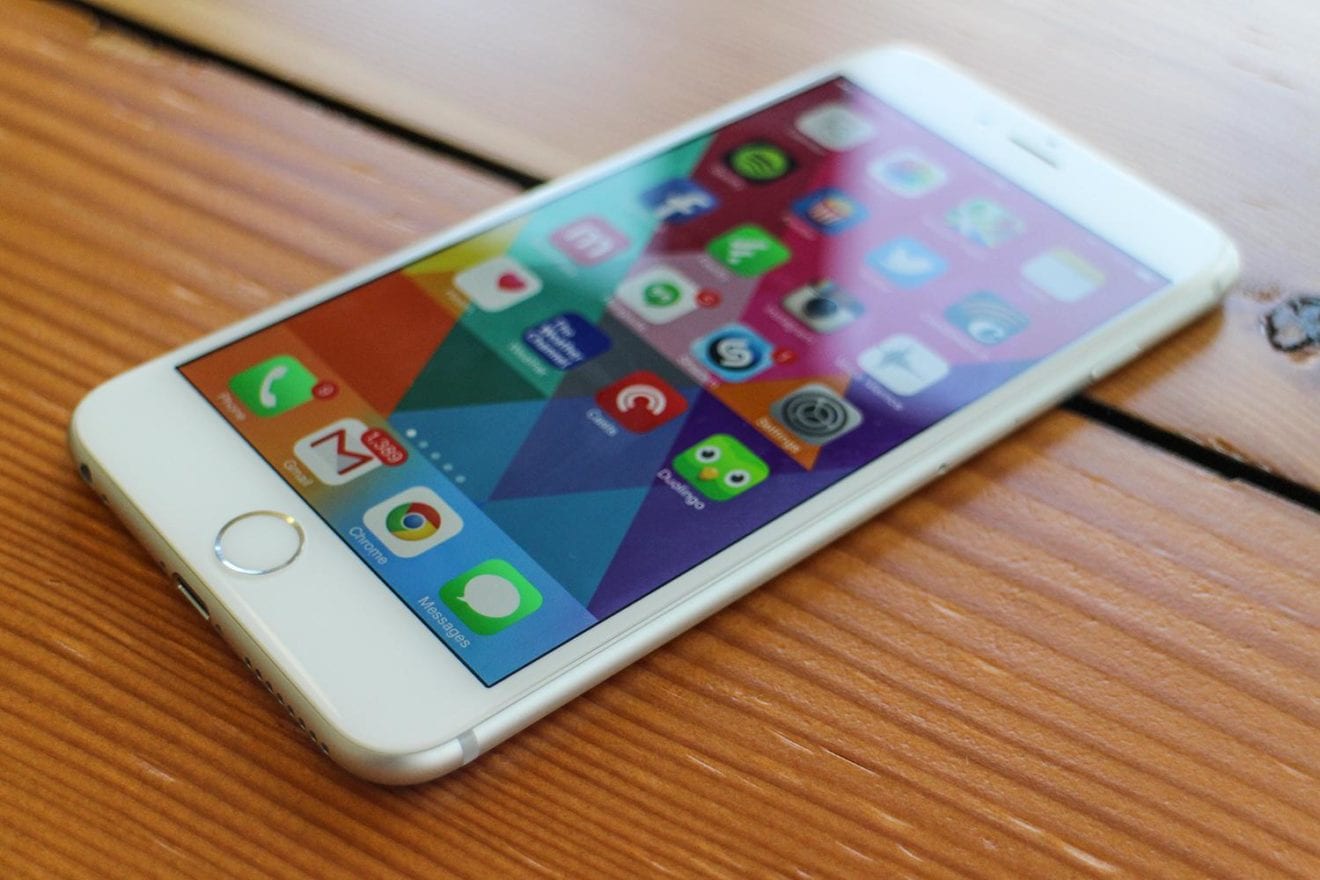
    Apple Inc. said Monday that its latest smartphones, the iPhone 6s and iPhone 6s Plus, will be available at the technology giant’s retail stores at 8 a.m. local time on Friday, September 25.

    The company also noted that more than 50 percent of existing devices have upgraded to iOS 9, its newest mobile operating software that was rolled out last week, marking the fastest iOS adoption ever.

    Apple said its retail stores will have the new iPhones available for walk-in customers, who should arrive at a store early. Both models will also be available on Friday from AT&T Inc. ( T ), Sprint Corp. ( S ), T-Mobile US Inc. ( TMUS ), Verizon Wireless, additional carriers and select Apple authorized resellers.

    Philip Schiller, Apple’s senior vice president of Worldwide Marketing said, “Customer response to the iPhone 6s and iPhone 6s Plus has been incredibly positive, we can’t wait to get our most advanced iPhones ever into customers’ hands starting this Friday. iOS 9 is also off to an amazing start, on pace to be downloaded by more users than any other software release in Apple’s history.”

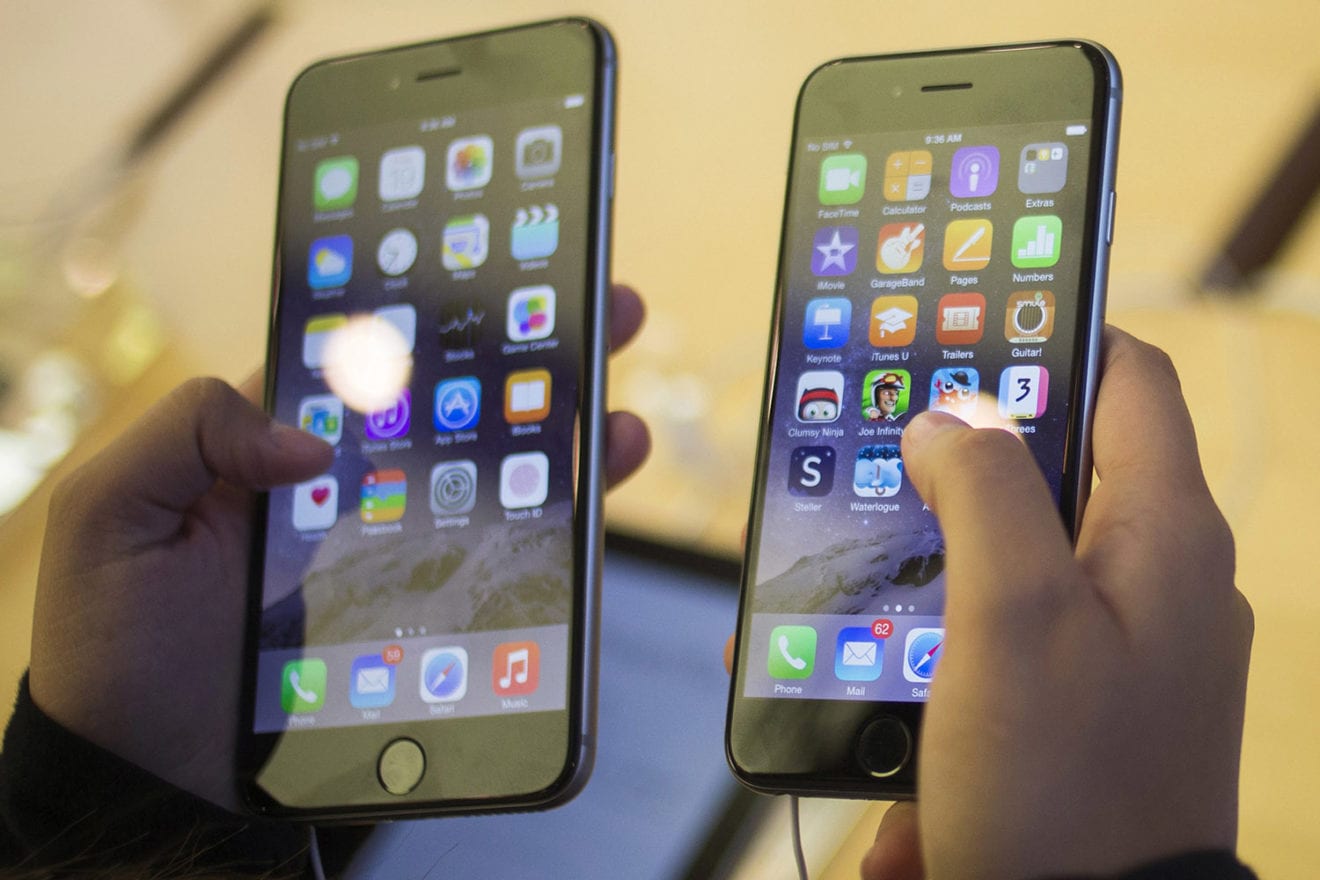
    In early September, Apple unveiled its iPhone 6s and iPhone 6s Plus smartphones with a faster processor, new 3D Touch capabilities and an improved camera, seeking to woo customers ahead of the holiday season and to assuage investors that its flagship device still has the mojo to sustain growth.

    The phones, which look like their predecessors, are powered by A9 chip, have a new feature called 3D Touch that lets users make commands as well as avail shortcuts and menus by pressing down on the screen.

    Last Monday, Apple said it is on track to beat last year’s record for first weekend sales of iPhone 6 and 6 Plus, when sales breached the 10 million mark within just three days of its sales launch on September 19, 2014.

    The iPhone 6s and iPhone 6s Plus will be available in gold, silver, space gray and the new rose gold metallic finishes for $0 down, with 24 monthly installment payments that start at $27 and $31 respectively, from Apple’s retail stores in the U.S., Apple.com, select carriers and Apple authorized resellers.

    Both the smartphone models will also be available from Friday in Australia, Canada, China, France, Germany, Hong Kong, Japan, New Zealand, Puerto Rico, Singapore, the UK and the U.S. The iPhone will be available by reservation only in China, Hong Kong, Japan and U.S. stores in tax-free states.

    Starting this Saturday, September 26, customers will be able to visit Apple.com to reserve their iPhone for pick-up at their local Apple Store, based on availability. Apple noted that most Apple stores will also have iPhone available for walk-in customers each day.

    Every customer who buys an iPhone 6s or iPhone 6s Plus at an Apple retail store will be offered free Personal Setup to help them customize their iPhone by setting up email and show them new apps from the App Store.

    Apple-designed accessories, such as leather and silicone cases in different colors and Lightning Docks in color-matched metallic finishes, will also be available.

    While unveiling the iPhone 6s and iPhone 6s Plus earlier in September, Apple had said that the devices will come with iOS 9, which would be available as a free software update.

    iOS 9 brings more features to iPhone with a Proactive assistant that is similar to Android’s Google Now service, powerful search and improved Siri features, along with an improved security feature.

    Built-in apps on iOS 9 feature redesigned Notes app, detailed transit information in Maps, and a new News app that displays news from several sources.

    AAPL is trading at $114.33, up $0.88 or 0.78 on a volume of 4.44 million shares.


  • Nojima commences Vietnam rollout

    Nojima commences Vietnam rollout

    Japanese consumer electronics retailer Nojima is about to commence its store rollout program in Vietnam, following its acquisition of an additional  21 per cent of local chain Tran Anh Digital Worldlast June.

    The first of the new stores will carry both retailer’s brands when it opens in October inside the new Aeon shopping centre, currently under completion on the outskirts of the capital city Hanoi.

    Like the Nojima stores in Japan, the Hanoi shop will feature wide aisles and LED lighting, and stock a range of Japanese brand appliances. It will also stock Nojima’s house brand Elsonic.

    Tran Anh is based in Hanoi and has 15 stores in the northern regions of Vietnam. It is on track to open as many as nine more stores this year.

    Research house GfK reports home electronics sales in Vietnam exceeded US$5.5 billion last year, the second year in a row growth in the category has exceeded 20 per cent year on year.

    Nojima had held 10 per cent of the shares in Tran Anh before June and now owns about 31 per cent of the business.

  • Apple retailer iBox to focus on regional markets

    Apple retailer iBox to focus on regional markets

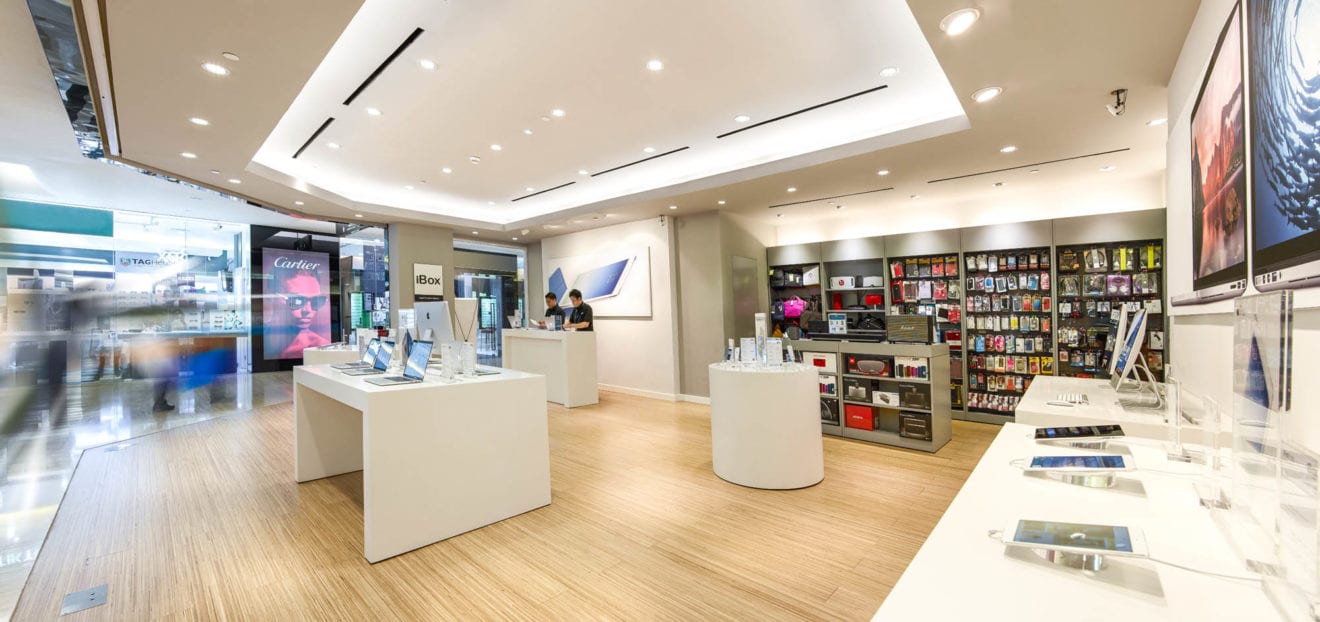
    iBox, one of Indonesia’s largest resellers of Apple products, plans to open six more retail stores by the end of 2015, mostly focusing on regional areas that are potential markets for Apple products.

    Cities on the retailer’s sights include Yogyakarta, Balikpapan and Manado, showing its effort to try and capture markets outside of major cities, particularly in Java.

    Herman Wong, director of iBox in Indonesia, elaborated that the retailer would increase the number of its nationwide retail stores to 48, from the current number of 42 to extend its reach within regional markets.

    He described the relative market for Apple products in Indonesia as still very segmented within the upper middle- to high-income bracket demographic, adding that a lack of proper awareness on the usage and capabilities of Apple’s hardware and software is what kept the giant US brand from settling in that segment.

    “For upper middle-income people in regional cities, their purchasing power would be slightly better than those of larger cities due to the lower costs of living and of goods in general,” he told on Tuesday.

    Herman also said that because Apple’s principal products, such as the iPhone and the iPad, were majorly based on data and Internet usage, and with many parts of Indonesia lacking adequate data infrastructure, Apple’ s national penetration remained very minimal.

    “Many Apple users in Indonesia are still concentrated within Java, particularly in major cities, where data infrastructure is more developed than in other areas. One way to expand awareness about Apple products is to also open training centers and provide training sessions on how to use the software and hardware,” he added.

    iBox distributes up to 40 to 45 percent of all Apple products in Indonesia. PT Data Citra Mandiri, a subsidiary of publicly listed cellphone distributor PT Erajaya Swasembada, is responsible for operating and supplying iBox stores.

    Regarding the availability of newer Apple products in Indonesia, Herman mentioned that the Apple Watch smartwatch, which was released in April, may be available in iBox stores by December. However, he could not confirm the release dates for the recently announced iPad Pro or iPhone 6S.

    Erajaya Swasembada marketing and communications manager Djatmiko Wardoyo said the strong US dollar and weak domestic economic conditions had not significantly impacted sales owing to the fact that the market for Apple products remained segmented into the upper middle- to higher-income bracket buying for the “brand” value.

  • Apple Begins Hiring for Flagship Chinese Retail Store in Macau

    Apple Begins Hiring for Flagship Chinese Retail Store in Macau

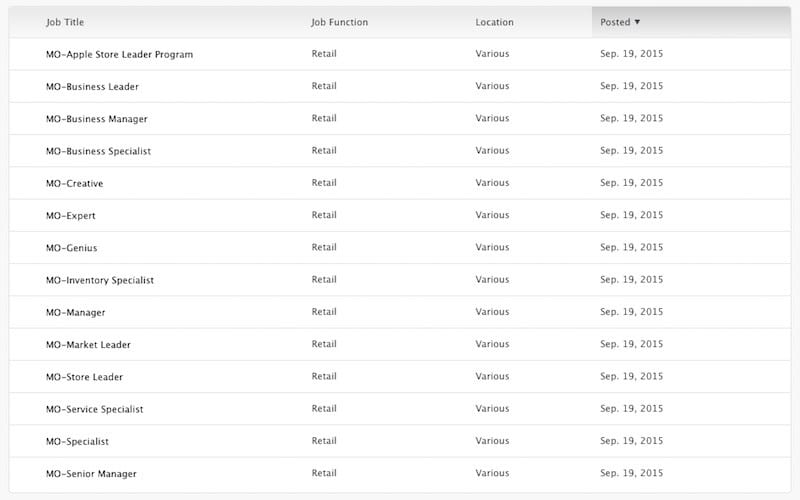
    Apple has posted several job listings for an upcoming retail store in Macau, a Special Administrative Region of China. The store is looking to fill Specialist, Creative, Genius, Store Leader and Manager positions, in addition to hiring for the Apple Store Leader Program and multiple business-related positions.

    Chinese-language newspaper Macao Daily reported in June that Apple is planning to open a flagship store in Macau, which is located across from Hong Kong, but the news went largely uncovered by mainstream media. At the time, the report claimed that Apple had not finalized a location for the upcoming store.

    Apple-Store-Macau
    Apple celebrated the grand opening of its Apple Store in Brussels today, while two new Apple Stores also open in Nanjing, China and Florence, Italy today and September 26 respectively. Apple now operates over 460 retail stores worldwide.

  • Fortress Hong Kong flagship opens

    Fortress Hong Kong flagship opens

    Electronics chain Fortress has opened a 10,000 sqft flagship at Times Square.

    The AS Watson Group subsidiary, sells mobile phones and consumer electronics across Hong Kong and Macau. Its new Times Square store is spread over two floors – eight and nine – and split into themed areas.

    Fortress Times Square Hong Kong2

    A dedicated home theatre and TV zone is dominant and there is an area dedicated to demonstrating 3D printing technologies.

    There is also a dedicated Apple space.

    Fortress Times Square Hong Kong1

    Another unique feature of this Fortress Hong Kong store is a cafe serving fresh coffee and offering free WiFi.

    The store was opened by Hong Kong actor and singer Andy Hui.

    It’s been likened to “a digital theme park”.

  • Apple underwhelms with ‘catch-up’ iPhone 6

    Apple underwhelms with ‘catch-up’ iPhone 6

    Apple CEO Tim Cook said the new iPhone 6 models unveiled overnight might look the same, but the difference is under the cover.

    He’ll be hoping Apple fans take the hint – because on the face of it, the new model released is underwhelming. There was none of the groundbreaking innovation of previous model launches, such as the introduction of Siri, the virtual assistant you can talk to, or anything especially visual, such as new look screens or shape design.

    The new model – as widely predicted – includes a multi-touch interface which senses the pressure with which it is being touched to create different responses.

    The phones feature Retina displays covered in the “strongest glass on any smartphone” and a new generation aluminium case using “the same alloy used in the aerospace industry” and in different colours, which now include rose gold.

    The camera has been “upgraded” to 12 megapixels, which is still a specification considerably less than handsets from rival manufacturers which sell for a fraction of the cost of an iPhone.

    Inside the case is a new “Apple-designed A9 chip described as “the most advanced chip ever in a smartphone, delivering faster performance and great battery life”.

    “The only thing that has changed with iPhone 6s and iPhone 6s Plus is everything — 3D Touch lets users interact with iPhone in entirely new and fun ways, and the innovative Live Photos brings your pictures to life,” said Philip Schiller, Apple’s senior VP of worldwide marketing. “These are the most advanced iPhones ever, with 7000 series aluminum, ion-strengthened glass, the new 64-bit A9 chip, 12-megapixel iSight and 5-megapixel FaceTime HD cameras, faster Touch ID, LTE and Wi-Fi. Customers are going to love them.”

    We’ll await the verdicts from reviewers in coming weeks. In the meantime, the superficial statistics, such as camera and processor, appear very much to be catching up to rival handsets like the latest Samsung Galaxy and HTC One models – rather than a leapfrog in technology or performance.

    In Asia-Pacific, the new models will be available in Australia, China, Hong Kong, Japan, New Zealand and Singapore from September 25.

  • Future fashion: Clothes which think

    Future fashion: Clothes which think

    Clothes which change shape; change temperature – and even colour. Welcome to future fashion.

    To celebrate the launch of its new smartwatch, Huawei Consumer Business Group has teamed up with ‘fashion futurologist’ and professor of fashion and technology, Dr Sabine Seymour, to reveal how the integration of technology will transform our wardrobe in the coming decades.

    According Seymour, the transformation in garments will start with our underwear, which will have in-built sensors to track personal data, such as heart rate and body temperature.

    The changes won’t end there, with personalisation in every aspect of our wardrobes. In years to come, we will be able to change the pattern, colour and even the shape and style of our garments.

    “The next development for wearables is going to see technology integrated seamlessly into clothing,” Seymour predicts.

    Her vision of the future of fashion with technology aligns perfectly with Huawei’s point of view on wearables: The Huawei watch embodies this vision, combining classic design with smart technology.

    In the future, we may find there is much more space in our wardrobes, as garments will be able to alter in form, extending and contracting in length, and changing shape and design as required. Therefore, there may only be a need for one dress or shirt and the wearer will be able to download the latest designs.

    Getting hot on public transport or carrying a spare sweater in case of colder weather could also become a thing of the past, as garments will be able to adjust to your body temperature.

    With the rise of 3D printing techniques and on-demand manufacturing, we will see the introduction of the digital cobbler, who can create shoes that fit your feet perfectly, and for the rest of your life.

    Garments will become gesture and touch-sensitive, just like phones, tablets or gaming systems are today, but with a sense of style and a true design aesthetic, explains Seymour.

    Fashion_embracing_technology__-_all_features

    “By connecting your garments to other elements of your life, we will see a move from networked devices to networked people and networked spaces. In future, it will be possible for smart garments to connect to your car, which will adjust your seat according to personal preferences.”

    A major barrier to the networked self is the current limitation of battery life. Using alternative energy sources, such as capturing the kinetic energy of a person as they walk, we will be able to create a new form of sustainable fashion.

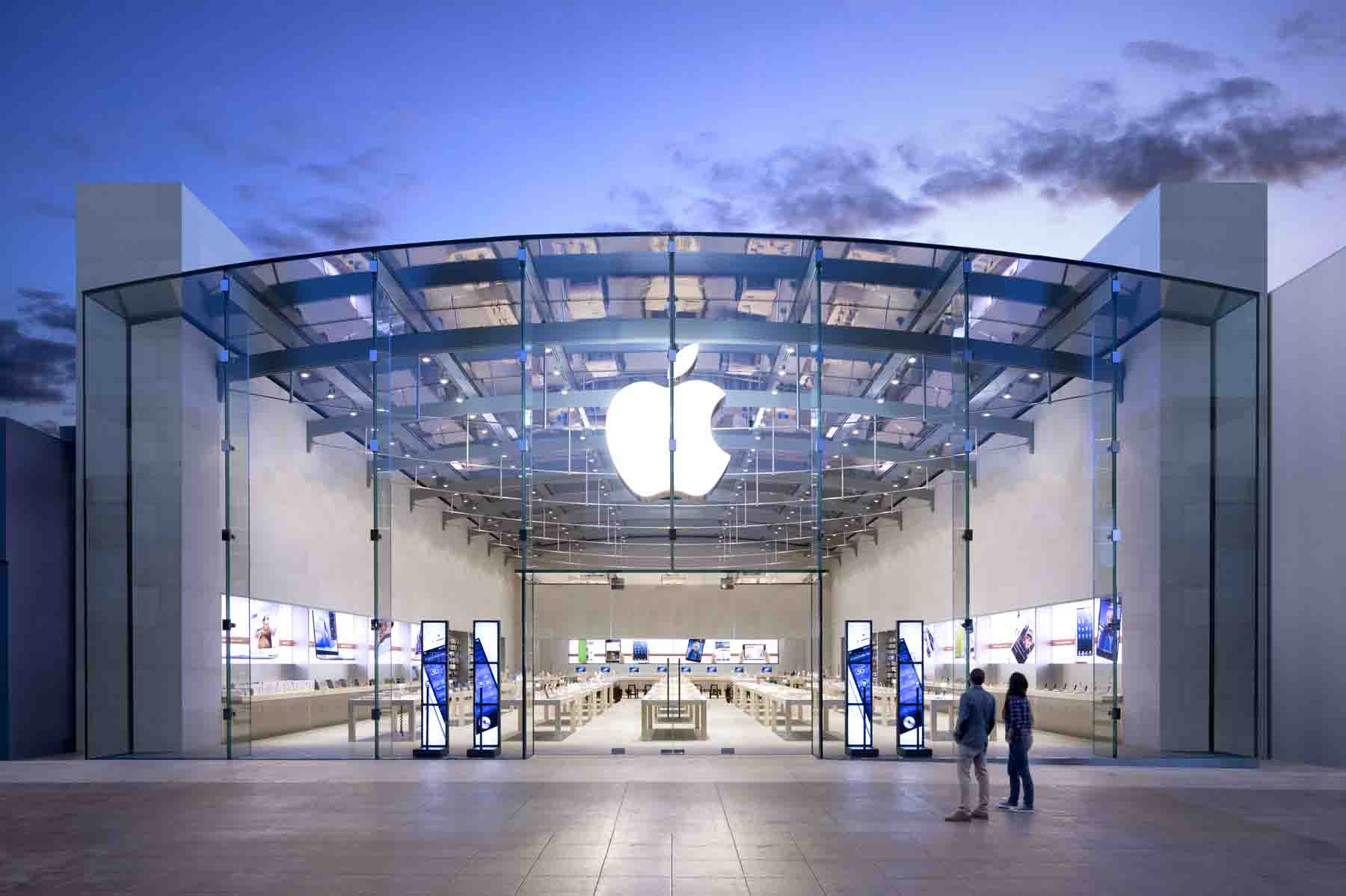
  • Apple To Launch Retail Stores In China, Italy And Belgium By September End

    Apple To Launch Retail Stores In China, Italy And Belgium By September End

    Apple Inc.  announced that by September end, it will open two new stores in Italy and China. The announcement was made on September 9, at its long-awaited annual event in San Francisco, where it also launched a range of its new products.

    According to the company, the Chinese outlet in Nanjing will launch on September 19, while the Florence outlet will debut on September 26; both stores will open at 10 AM. Moreover, Apple unofficially confirmed its plans to launch a new store in Brussels on September 19, which would the company’s first-ever retail store in Belgium.

    The Brussels branch will be located at Avenue de la Toison d’O, the Florence outlet at Republic Square, and Nanjing outlet at Rainbow Joy Shopping Mall. Currently, the Belgium branch sports a board that states: “Creativity, to be continued,” with paintings surrounding the barricade.

    It is evident that Apple’s plan to open three new stores in different countries will help the company expand its product line to a wider customer base. With the event’s worldwide coverage, Apple’s efforts to attract a larger audience may prove successful.

    With the debut of iPhone 6s, iPad Pro, an upgraded Apple TV, and the Watch leather bands, Apple has successfully launched a diverse category of products that will help the company attract clients globally. Customers may be inclined to check the new Apple Stores after the immense hype about the new products.

    With the gradual product shipments, the company has smartly kept its users hooked for updates. Furthermore, with the three new stores scheduled to open in September, Apple has made a conscious effort to place them in central locations, which will help attract larger crowds.

    The new Apple Stores will create new job opportunities for local people, and help recruit potential employees in the respective regions. Through this expansion plan, the tech giant will not only help expand its services to other countries, but also establish improved and reliable relations for future ventures.

    The launch of the new stores, along with subtle hints for a potential store in Antwerp later, may push excited customers get a head start to plan their preorders.

  • Dell To Drop $125 Billion In Cold Hard Cash On China To Expands Research And Development

    Dell To Drop $125 Billion In Cold Hard Cash On China To Expands Research And Development

    Michael Dell is no longer beholden to shareholders after taking the computer company he founded private two years ago. As such, he’s free to invest more than $125 billion in China over the next five years as part of his “In China, For China” 4.0 strategy announced today without having to worry about how it might affect the company’s stock price.

    The massive investment will continue to expand and enhance Dell’s research and development team in China, Dell’s second largest market for PC sales. It will also contribute some $175 million to imports and exports, which in turn will sustain more than 1 million jobs in the country.

    “China and the United States are among the countries where the information industry is developing the fastest, resulting in the most vibrant enterprises,” said Mr. Dell. “The Internet is the new engine for China’s future economic growth and has unlimited potential. Being an innovative and efficient technology company, Dell will embrace the principle of ‘In China, for China’ and closely integrate Dell China strategies with national policies in order to support Chinese technological innovation, economic development and industrial transformation.”

    Dell currently employs nearly 2,000 senior engineers in China. In addition to expanding its R&D team in the country, the investment will help to further develop a R&D center for end-to-end solutions specifically intended to serve the Chinese market.

    The PC maker has a major retail presence in China with almost 11,700 stores cover 97 percent of the market. That includes over 100 retail stores for Alienware, the gaming brand that was once a standalone boutique builder.

  • New iPhone ‘will boost Hong Kong’s retail sales’ with mainland China demand a plus

    New iPhone ‘will boost Hong Kong’s retail sales’ with mainland China demand a plus

    Previous iPhone launches have seen long queues in the city, as traders snap up the latest model weeks or months before it is sold across the border. The iPhone 6S will be offered in both markets on September 25, but prices are likely to be 15 per cent lower here, and with limited supply and strong demand, resellers still hope to cash in.

    ANZ senior economist Raymond Yeung said sales of the phone “will give an obvious short-term boost to retail sales and help top-line retail sales in September and October”.

    Lo Lau, owner of a Mong Kok smartphone shop, expected the new phone – with official prices starting at HK$6,388 – to fetch HK$11,000 to HK$20,000 at resale. A street trader said he planned to charge a minimum of HK$12,000 for a 16GB iPhone 6S Plus, the cheapest of the new Apple range.

    Demand for the iPhone has driven record profits for Apple in the past. Speaking at the unveiling of the new model, chief executive Tim Cook said the iPhone market in China had grown 75 per cent year-on-year, compared with 35 per cent globally.

    China is Apple’s second-largest market after the Americas, bringing in US$13.2 billion in the latest quarter, up 112 per cent on the same period last year.

    While ANZ’s Yeung thought the iPhone would have a positive effect on Hong Kong’s retail sector, he warned the overall outlook remained weak. A reduction in tourism and domestic consumption has dragged down sales, while a strong Hong Kong dollar, pegged to the US dollar, has reduced the spending power of overseas visitors, ANZ says.

    At the Apple store in Causeway Bay yesterday, some shoppers who still formed long lines to buy the current generation of iPhones expressed excitement about the new model.

    “I was using the [iPhone] 5, so I need to upgrade to the new one. At least my phone has some resell value, so I can go ahead and trade,” said Joseph Tsang Ka-ho, 40, who was visiting the store to learn more about the 6S.

    But 26-year-old Terry Lam King-wai was less impressed.

    “There’s not much difference between the old and the new iPhone 6S. The appearance is the same, but with a new colour,” he said. “I’ll probably wait for the next generation.”