Category: Electronics

Retail News Asia is committed to providing both local and global retailers with the latest Electronics news throughout the Asian market. This on a daily base.

  • LifeProof Announces FRE for iPhone 7, iPhone 7 Plus Available Now

    LifeProof Announces FRE for iPhone 7, iPhone 7 Plus Available Now

    Adventure calls, and for iPhone fans, LifeProof FRĒ has been there to answer, year after year. Take iPhone 7 and iPhone 7 Plus wherever the action leads in absolute confidence and bring back the living proof with incredible photos shot on iPhone’s best cameras yet. FRĒ for iPhone 7 and iPhone 7 Plus select color are available at LifeProof.asia now.

    LifeProof FRĒ for iPhone 7 and iPhone 7 Plus

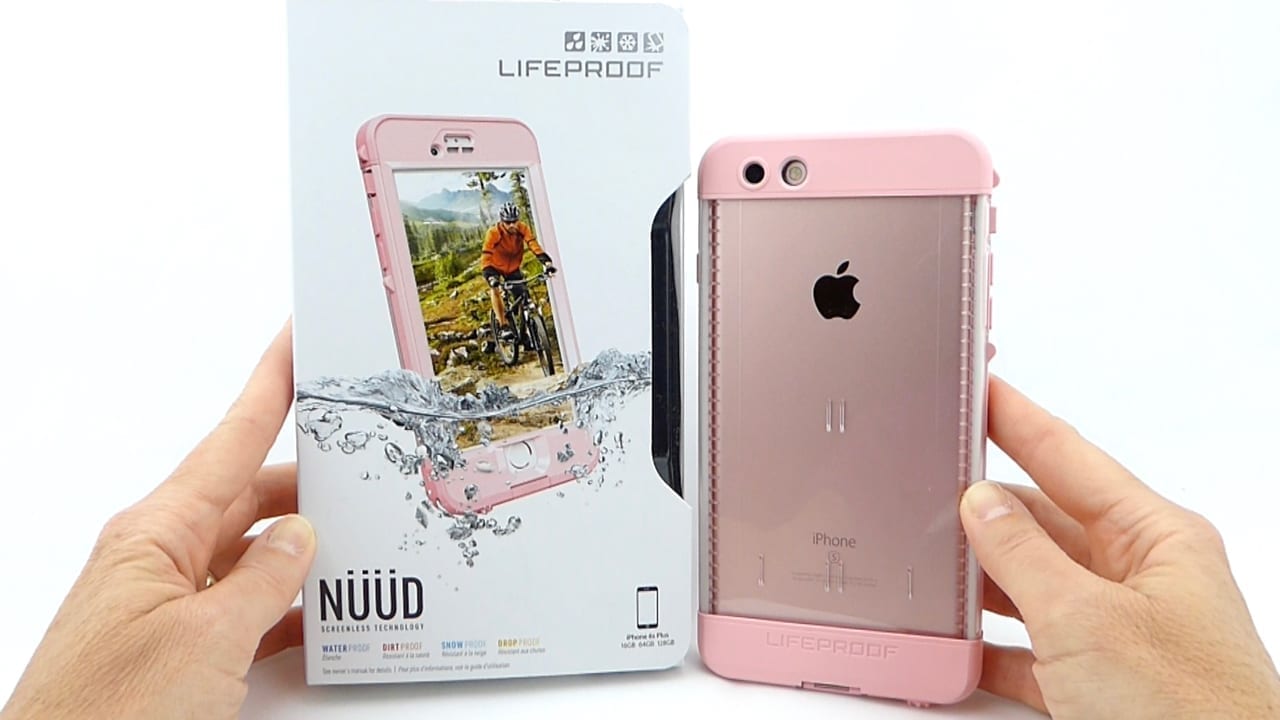
    For those looking for the best in screenless waterproof technology, NÜÜD for iPhone 7 and iPhone 7 Plus are also coming soon.  

    “LifeProof helps you get the most out of your iPhone and our latest designs incorporate some exciting changes that make the user experience the best we’ve ever delivered,” said LifeProof CEO Jim Parke. “Apple has set the bar high with these iPhones, and we’re helping bring it to places you’ve never before thought possible.”

    LifeProof allows smartphone users to dive head-first into the action at a moment’s notice. The super slim designs are waterproof to 6.6 feet, drop proof to 6.6 feet, dirt proof and snow proof. FRĒ features a built-in screen protector, while NÜÜD leaves the screen uncovered for the truest touchscreen experience. Every device feature remains accessible and fully functional, making LifeProof cases a necessity when intentionally taking on water, drops, dirt or snow.

    Price listings as follow —


    LifeProof FRĒ

    LifeProof NÜÜD

    iPhone 7

    RM 329 (include GST)

    RM 359 (include GST)

    iPhone 7 Plus

    RM 359 (include GST)

    RM 399 (include GST)


    LifeProof FRĒ for iPhone 7 and iPhone 7 Plus in Black are available at selected retail, while NÜÜD for iPhone 7 and iPhone 7 Plus are coming soon. For more information and product availability, please visit www.lifeproof.asia

  • Dyson plans to enter India

    Dyson plans to enter India

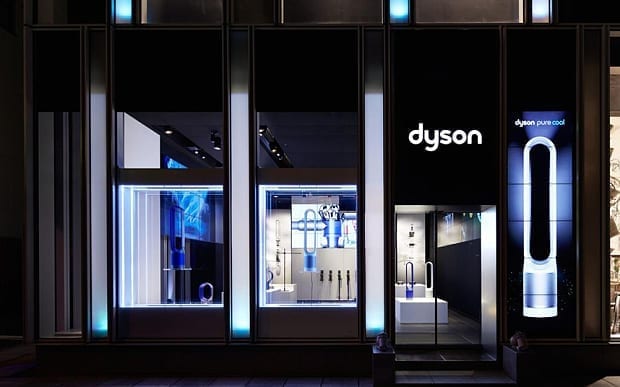
    UK company Dyson, known for its innovative vacuum cleaners and air purifiers, plans to open its own retail stores in India by the middle of next year.

    It has already sought permission from the Department of Industrial Policy and Promotion (DIPP) to import and sell products in India.

    “If we get the permit, we’ll set up middle of next year,” says founder James Dyson, in New Delhi for the India-UK Tech Summit.

    “Over the first five years, we’ll invest about £154 million [US$190.8 million] in India. Our investment will be in building infrastructure (retail), taxes (to the government), marketing and promotions.”

    India will be the 76th market for Dyson, which in its last overseas foray entered China three years ago.

    “India is an interesting market, but it may take time to develop – unlike China, which has emerged as the third-largest market for Dyson after the US and Japan,” says Dyson.

    Online portals

    The company’s plan is to set up a retail store in each of the top 20 cities in India, as well as selling through other retailers and online shopping portals.

    “Online helps our business,” Dyson says. “We sell through Amazon in some countries and may sell through Amazon in India as well.”

    The company will import products from Malaysia, Singapore and Philippines for the Indian market. Depending on volume, Dyson may look at making products in India after a few years.
    As well as vacuum cleaners, the company will also look at the beauty and hygiene market with hair dryers and hand dryers, as well as LED lighting products.

    Dyson is a family-owned technology company that employs more than 7000 people globally—a third of whom are engineers and scientists.

    “India produces 1.3 million engineers every year – that’s very exciting. We’ll look at working with Indian universities soon,” Dyson says. The company spends £5 million a week in research, design and development, and has more than 200 live technology projects and 50 active research programs with 40 universities around the world.

    Dyson’s revenue rose 26 per cent to £1.7 billion last year while profit increased 19 per cent to £448 million.

  • Samsung offices in South Korea raided over corruption scandal

    Samsung offices in South Korea raided over corruption scandal

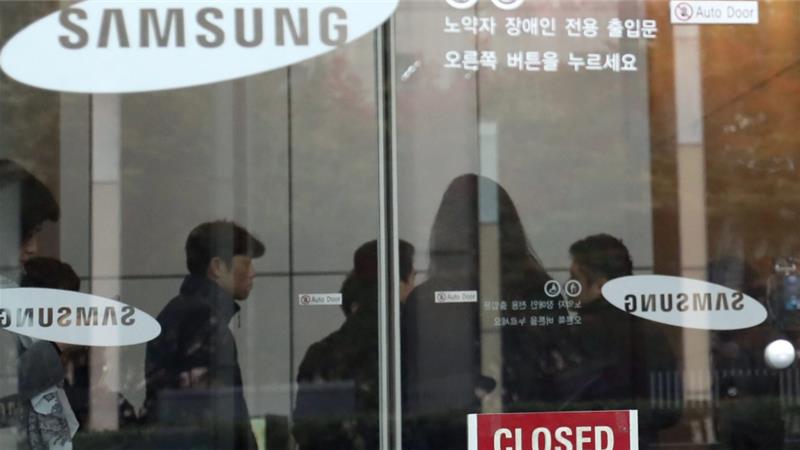
    South Korean prosecutors investigating a confidante of President Park Geun-hye for corruption have searched the offices of Samsung, according to local media.

    Samsung, the world’s largest manufacturer of smartphones, televisions and memory chips, is suspected of having secretly funded the sporting activities of the daughter of Choi Soon-sil, Park’s friend, it was reported on Tuesday.

    Samsung, which is already reeling from the disaster surrounding its Galaxy Note 7 smartphone, confirmed that its offices had been raided but gave no further details.

    The company is suspected of having transferred $3.1m to a company owned by Choi in Germany.

    The money was allegedly used to pay for daughter’s training as a dressage rider.

    Growing scandal

    Tuesday’s raid also came just as Park agreed to cede some control of state affairs as the result of the damaging corruption scandal that has engulfed her administration.

    In what is being considered a major political concession, Park told the speaker of the National Assembly that she would accept a prime minister chosen by the opposition-controlled legislature “and let him control the cabinet”.

    The prime minister is normally a largely symbolic post in South Korea, where power is firmly concentrated in the executive.

    It was a double surrender by Park – effectively jettisoning her own nominee for prime minister and relinquishing some of her extensive powers to whoever parliament chooses.

    It was reported from Seoul, said that Park’s concession “doesn’t go perhaps as far as some opposition members were demanding – that all affairs should be handled by the prime minister and that the president should simply step back altogether – but it does allow some ground for work to start on some agreement”.

    Park is facing a growing scandal over Choi’s alleged influence on state affairs despite her having no official position in the government, with tens of thousands of protesters in Seoul demanding Park’s resignation over the weekend.

    Choi has been arrested on charges of fraud and abuse of power.

    The charges relate to allegations that Choi used her personal relationship with Park to coerce donations from large companies like Samsung to non-profit foundations she set up and used for personal gain.

    She is also accused of interfering with government affairs, including the nomination of senior officials.

    Unhealthy influence

    Reports of the unhealthy influence Choi wielded over Park have sent the president’s approval ratings plunging to record lows and led to mass street protests calling on her to resign.

    In a bid to restore public trust, Park reshuffled her advisers and senior cabinet members, and nominated a liberal candidate for prime minister from outside her conservative Saenuri Party.

    But opposition parties had pledged to block her nominee on the grounds that they were not properly consulted.

    During their meeting, Chung Sye-kyun, the parliamentary speaker, told Park that her biggest priority should be to alleviate widespread public concern and anxiety.

  • Apple’s AirPods set to launch by year-end, sources say

    Apple’s AirPods set to launch by year-end, sources say

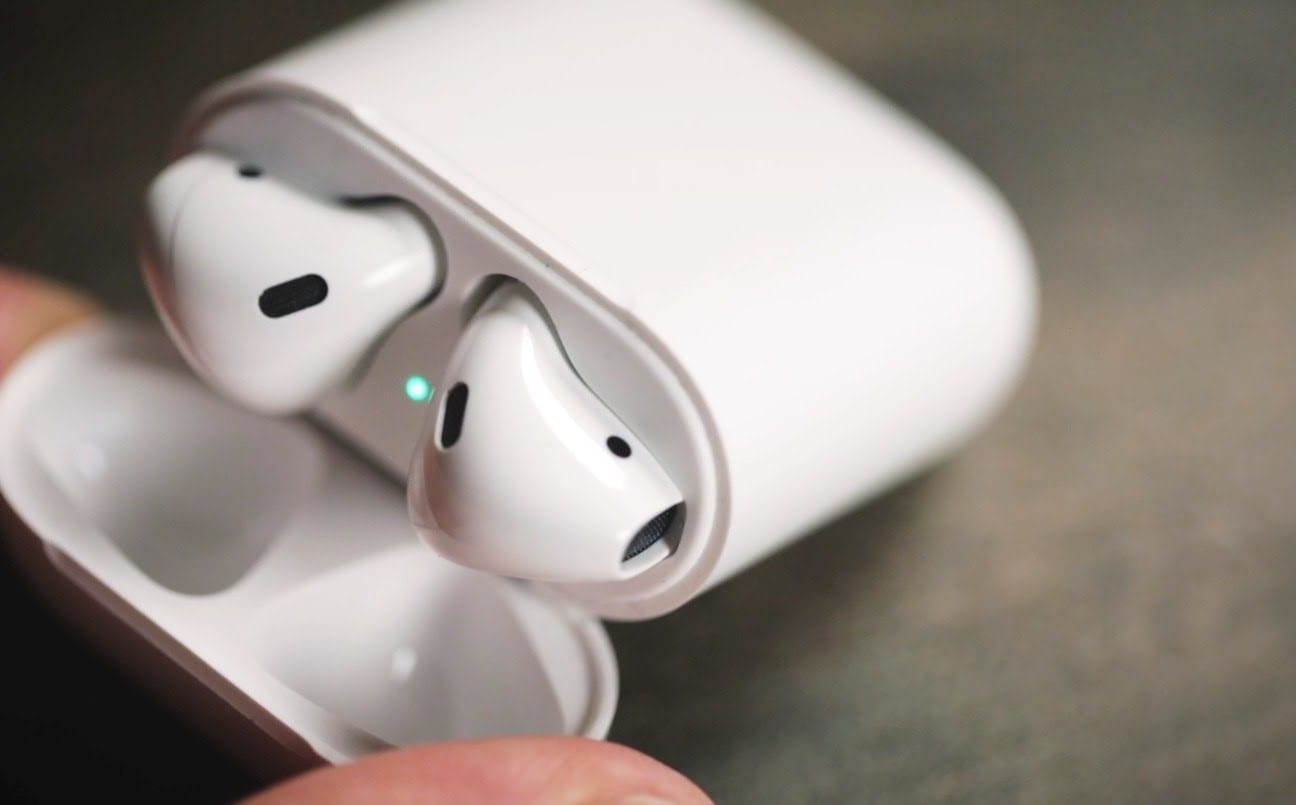
    Apple‘s AirPods will ship before the end of this year, AppleInsider’s sources have confirmed, dismissing a bogus supply chain report that surfaced early Tuesday, November 1.

    Supply chain monitor Economic Daily News reported on Tuesday that manufacturer Inventec would see quarterly profits jump in the quarter starting in January 2017 because of a shifted launch date. At the same time, the publication said that the fourth quarter 2016 profits would not be changed from the third quarter.

    When asked about the report, Apple told AppleInsider that it doesn’t comment on “rumors or speculation.”

    However, sources familiar with the company’s plans indicated that internally, there is no official delay until January for shipment of the wireless earbuds, AppleInsider says.

    One person briefed on the matter said plainly that there was “no way that these are getting pushed to January.”

    In addition, contacts at Apple retail noted that AirPods demonstration units are already available in some stores. Out of 10 stores polled by AppleInsider, six of them had demo units.

    Where demo units are available, staff have already received training on the product. At those locations, employees are just awaiting notification from management to start showing the AirPods to shoppers.

    “We’re ready to go any time,” one retail source said. “We’ve got a few pairs for customer demonstration that we’re just waiting on the word to start with.”

    Several venues have also received hardware for review. Those arrived prior to the quiet reveal that the AirPods wouldn’t ship in time to meet an original “late October” ship date.

  • Challenger Technologies takes revenue hit

    Challenger Technologies takes revenue hit

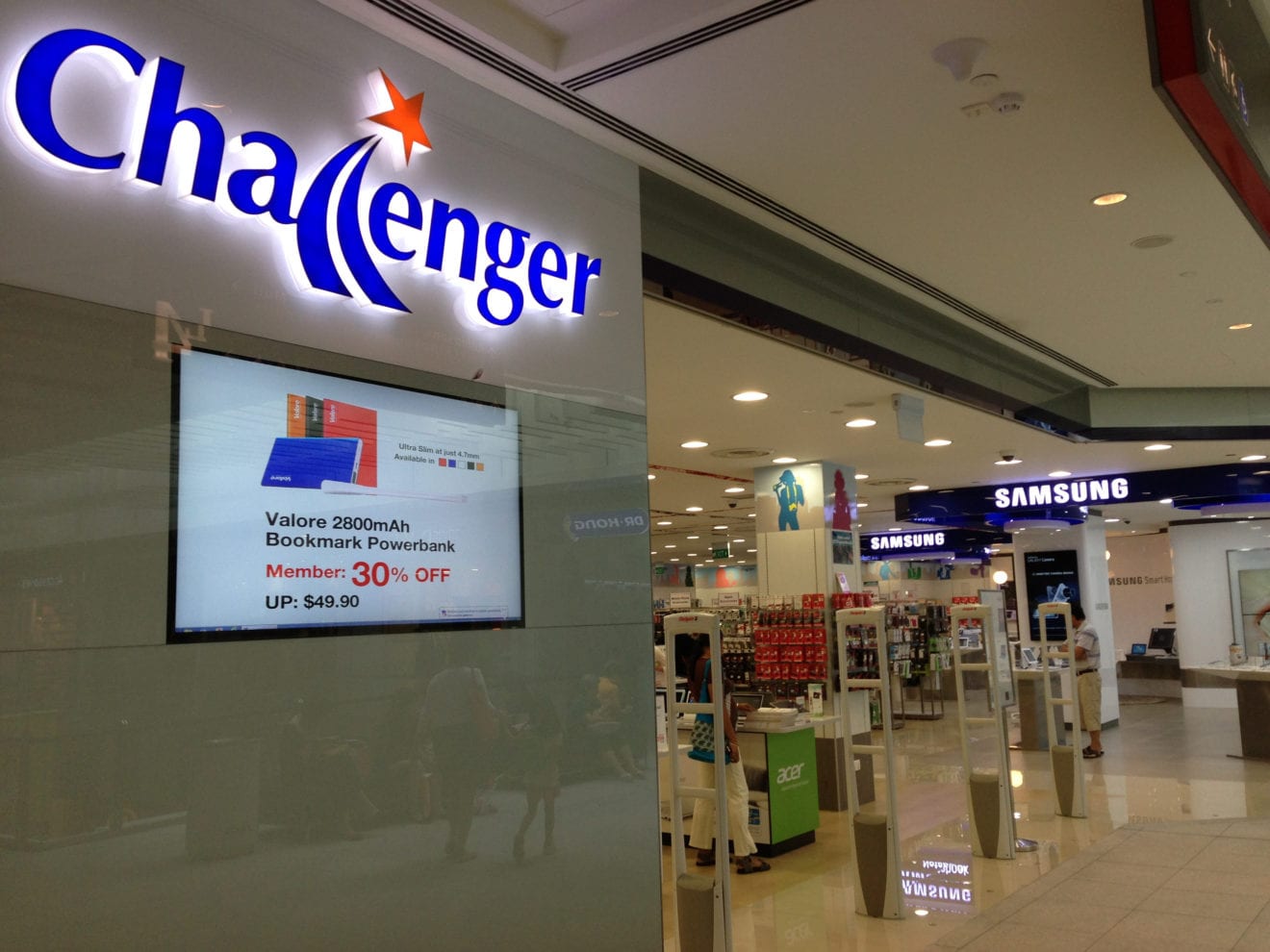
    Challenger Technologies has experienced a significant slump in retail sales.

    While group revenue for the Singapore IT products and services provider remained flat at S$256 million (US$184 million) for the nine months to September 30, its third-quarter dropped 16 per cent to $74.4 million.

    This was mainly because of a decrease of $7.5 million in retail sales brought on by the weakened market, as well as a $5.6 million fall in corporate sales.

    CEO Loo Leong Thye says the company will continue to enhance its omnichannel offerings so it can reach offline and online customers faster.

    Net profit fell by about 16 per cent to $9.1 million for the nine months, and for the third quarter took a 49 per cent dive to $1.8 million. The company says this was caused by an impairment provision of about $1.2 million for investments in a last-mile delivery provider, which has since scaled down. Without this, net profit for the nine months and third quarter would have decreased by 6 and 17 per cent respectively.

    The rest of the decrease was because of lower gross profit from lower revenue, despite a marginal increase in gross profit margin.

    To date, the group has 44 stores in Singapore, comprising 25 Challenger superstores and 19 small-format stores.

  • IT industry still ripe for growth on Indonesians’ love for gadgets

    IT industry still ripe for growth on Indonesians’ love for gadgets

    The government is intensifying efforts to support the country’s longstagnant pharmaceutical industry after opening up the sector to foreign investment in its latest revision to the negative investment list (DNI).

    The efforts were evident at a dialog on “Expediting the Development of Indonesia’s Pharmaceutical Industry” organized by the Investment Coordinating Board (BKPM) on Thursday that gathered together players in the pharmaceutical industry and its related sectors.

    “Most of the existing companies make medicines, whereas the raw material businesses is small. Roughly 90 percent of raw material for the pharmaceutical industry is imported from India or China. We have to change this,” BKPM investment monitoring and implementation deputy chairman Azhar Lubis said during the event.

    In a bid to encourage the raw material industry, the government has revised the DNI, which lists the sectors restricted to foreign investment. Following the revision, the government now allows 100 percent foreign ownership in pharmaceutical companies, from 85 percent previously.

    Following the issuance of the regulation, no fresh interests on raw material sector have been expressed by foreign investors, Azhar said. However, there have been 18 new licenses for investments in the pharmaceutical industry issued by BKPM from January to September worth Rp 2.1 trillion.

    Apart from campaigning for investment in pharmaceutical factories, the BKPM will also push research and development (R&D) in the sector to encourage new innovations in new medicines that are locally made, Azhar added, citing R&D centers in Singapore and Europe.

    However, industry players said the problem with investment in the pharmaceutical sector lay in the fact that there was a relatively small number of hospitals and doctors for whom the medicines would be distributed.

    “Boosting the industry does not only mean pushing for medicine production and factories. What’s also needed is hospitals, doctors and clinics as the infrastructure to feed the pharmaceutical industry,” said International Pharmaceutical Manufacturers Group (IPMG) executive director Parulian Simanjuntak.

    Investments in the pharmaceutical sector have stagnated in recent years, reaching just Rp 8.9 trillion from January 2011 to September 2016, BKPM data shows. Also, there are only 214 pharmaceutical companies in Indonesia, most of which make medicines. Just a few of them manufacture raw material for pharmaceuticals.

    “If production [of raw material] were to start in Indonesia, it would take around three years to really get going and it would definitely cost more than importing from other countries,” said Arustiyono, the director of supervision and therapeutic product distribution at the Food and Drug Monitoring Agency (BPOM).

    “The research and development phase for the chemical reactions would itself take a year,” he added.

    The pharmaceutical industry is 70 percent dominated by local players, including privately-owned Kalbe Farma and state-owned Kimia Farma, among others.

    “The stimulus package for raw material factory investments will bring about a positive impact for the pharmaceutical industry because the source for materials will shift to local sources. This will inoculate the industry from the rupiah’s fluctuations,” Kalbe Farma corporate secretary Vidjongtius said. “In this way, medicine production costs can be more controlled. This, however, is a medium to long-term project.”

  • Broadcom to acquire Brocade for $5.9b

    Broadcom to acquire Brocade for $5.9b

    Chipmaker Broadcom has announced a $5.9 billion deal to acquire network equipment manufacturer Brocade to enhance its position in the storage networking business.

    The acquisition, which involves $5.5 billion in cash and the assumption of $400,000 in debt, includes the assets of Ruckus Wireless, which Brocade purchased for $1.2 billion earlier this year.

    But Broadcom has announced that it intends to divest Brocade’s IP networking business, which includes wireless and campus networking, data center switching and routing, as well as SDN. This represents a substantial part of the Ruckus Wireless assets.

    Broadcom anticipates that Brocade’s remaining fiber channel storage area network (FC SAN) business will contribute around $900 million to the company’s ebitda for its 2018 fiscal year.

    “This strategic acquisition enhances Broadcom’s position as one of the leading providers of enterprise storage connectivity solutions to OEM customers,” Broadcom president and CEO Hock Tan said.

    “With deep expertise in mission-critical storage networking, Brocade increases our ability to address the evolving needs of our OEM customers. In addition, we are confident that we will find a great home for Brocade’s valuable IP networking business that will best position that business for its next phase of growth.”

  • Moto Z, Z Play on preorder soon in Malaysia

    Moto Z, Z Play on preorder soon in Malaysia

    Mix and match

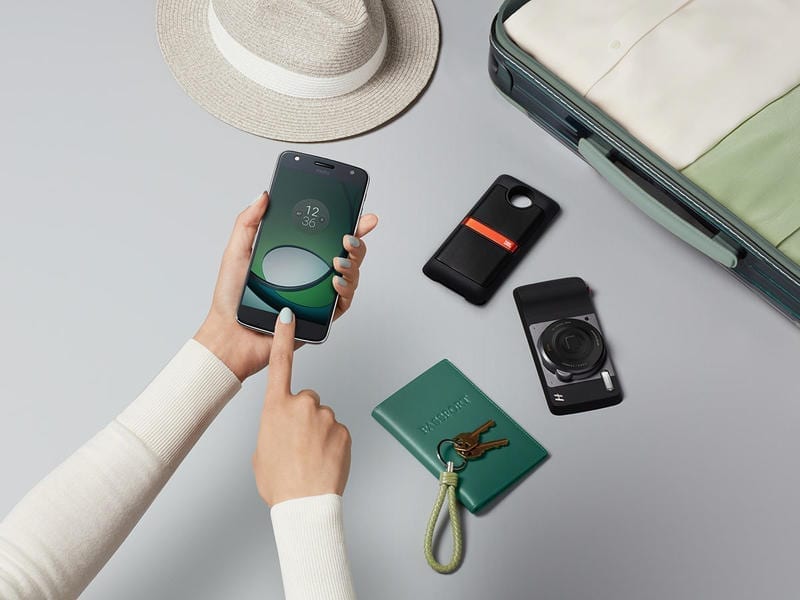
    It wouldn’t be that big a deal if the new Moto phones were all that arrived. This time, the Moto Mods will also be available: snap-on modules that expand the capabilities of the phones.

    Not only will the JBL SoundBoost speaker be available, so will the Hasselblad True Zoom camera, the Insta-Share projector as well as the Incipio offGrid Power Pack that adds both more battery as well as wireless charging capability.

    Motorola also brought in Style Shells to customise Moto phones: the Black Leather, Charcoal Ash, Silver Oak, Washed Oak and Crimson Ballistic Nylon and Black Herring will be available.

    They’re not available at retail as yet but will be on preorder on 11street and Lazada from November 4. The first 50 customers will also get a JBL speaker mod for free with purchases of either the Moto Z or the Z Play.

    Pricing-wise, the Moto Z is retailing at RM2699 and the Z Play at RM1799. The speaker mod will cost RM599, the Hassleblad camera mod is RM1299, the Insta-Share projector is RM1399 while the Power Pack is RM499.

    For the style shells, the Black Leather, Charcoal Ash, Silver Oak and Washed Oak are retailing at RM79 while the Crimson Ballistic Nylon and the Black Herring will cost RM59.


  • Lenovo may release more Motorola smartphones in Indonesia

    Lenovo may release more Motorola smartphones in Indonesia

    Lenovo started marketing on Thursday the latest Motorola-branded phone in Indonesia that targets the middle- and high-end market.

    The Moto E3 Power will be marketed under the Lenovo brand as Motorola is now a subsidiary of the Beijing-based tech company following an acquisition in 2014.

    Lenovo Indonesia mobile business group country lead Adrie R. Suhadi told last Wednesday that the two brands would have different segmentation, with Lenovo targeting  the middle and affordable market.

    Despite the higher target market, Moto E3 Power is priced at Rp 1,899,000 (US$146). Among its highlighted features is a 5-inch display, dual SIM, Android OS v6.0 Marshmallow, quad-core 1.0 GHz Cortex-A53 CPU, 16 GB and 2GB RAM internal memory, 8MP front camera and removable Li-ion 3500 mAh battery.

    Regarding the possibility of other Motorola-branded phones entering the country, Lenovo Indonesia mobile business group 4P manager Anvid Erdian said the company might launch the more premium Moto Z.

  • This is how much the new MacBook Pro will cost in Singapore

    This is how much the new MacBook Pro will cost in Singapore

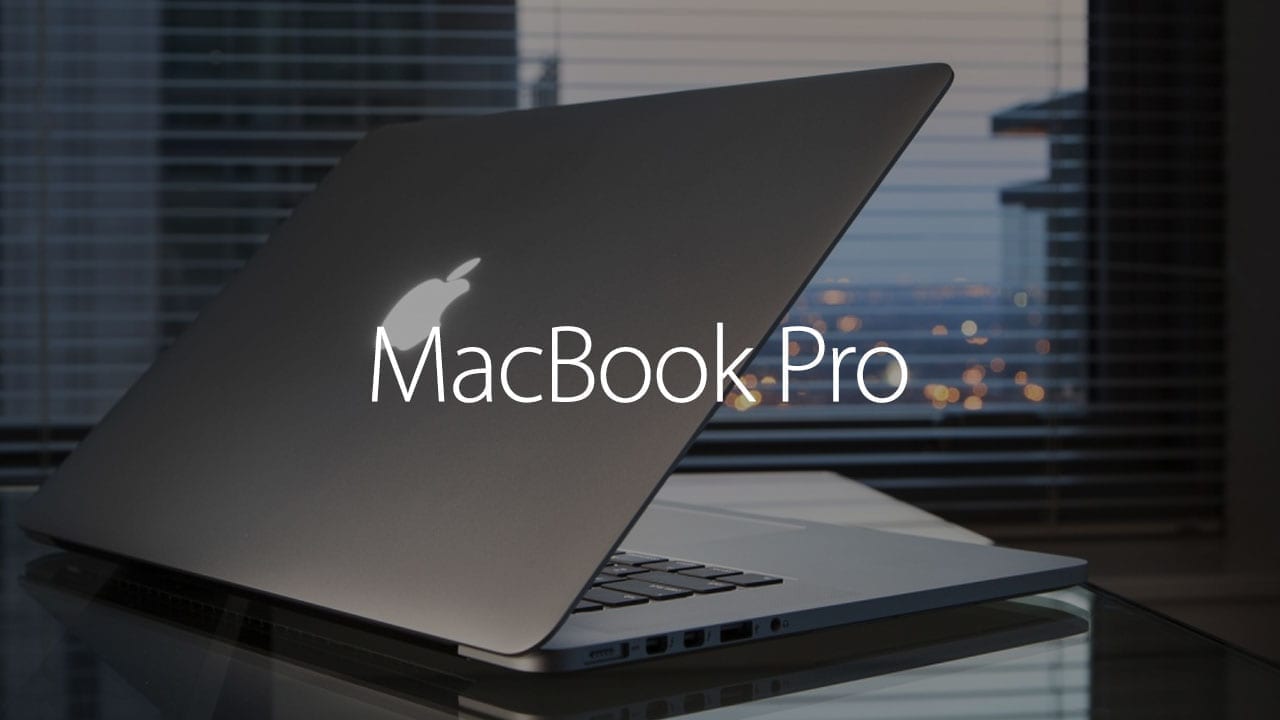
    The hotly-anticipated Touch Bar Mac machines are here and they are packed with shiny upgrades. Apple has launched two new models that are thinner and lighter than ever – a 13-inch MacBook Pro (14.9mm) and a 15-inch MacBook Pro (15.5mm).

    The key features on the refreshed MacBook Pros include a context-sensitive, customisable Touch Bar that replaces the physical function key strip, giving fast access to popular commands, quick actions and your commonly-used apps and programs

    Touch ID makes its debut on the laptop, allowing you to authorise payments, switch accounts and say goodbye to typing in long passwords.

    Apple has also pumped up the battery life to 10 hours and simplified the machine’s exterior, trimming down various ports on the chassis, relying primarily on four Thunderbolt 3 ports for connectivity and power. But do not worry, the headphone jack is still there.

    The laptops are scheduled to ship in 2-3 weeks and you can order them now at the Apple Store.

    The 13-inch, 2.9GHz dual-core Intel Core i5 MacBook Pro with Touch Bar and Touch ID costs S$2,588, while the 15-inch, 2.7GHz quad-core Intel Core i7 MacBook Pro costs S$3,948. Both machines are available in Space Grey and Silver.

  • Samsung kills the Galaxy Note 7 for good

    Samsung kills the Galaxy Note 7 for good

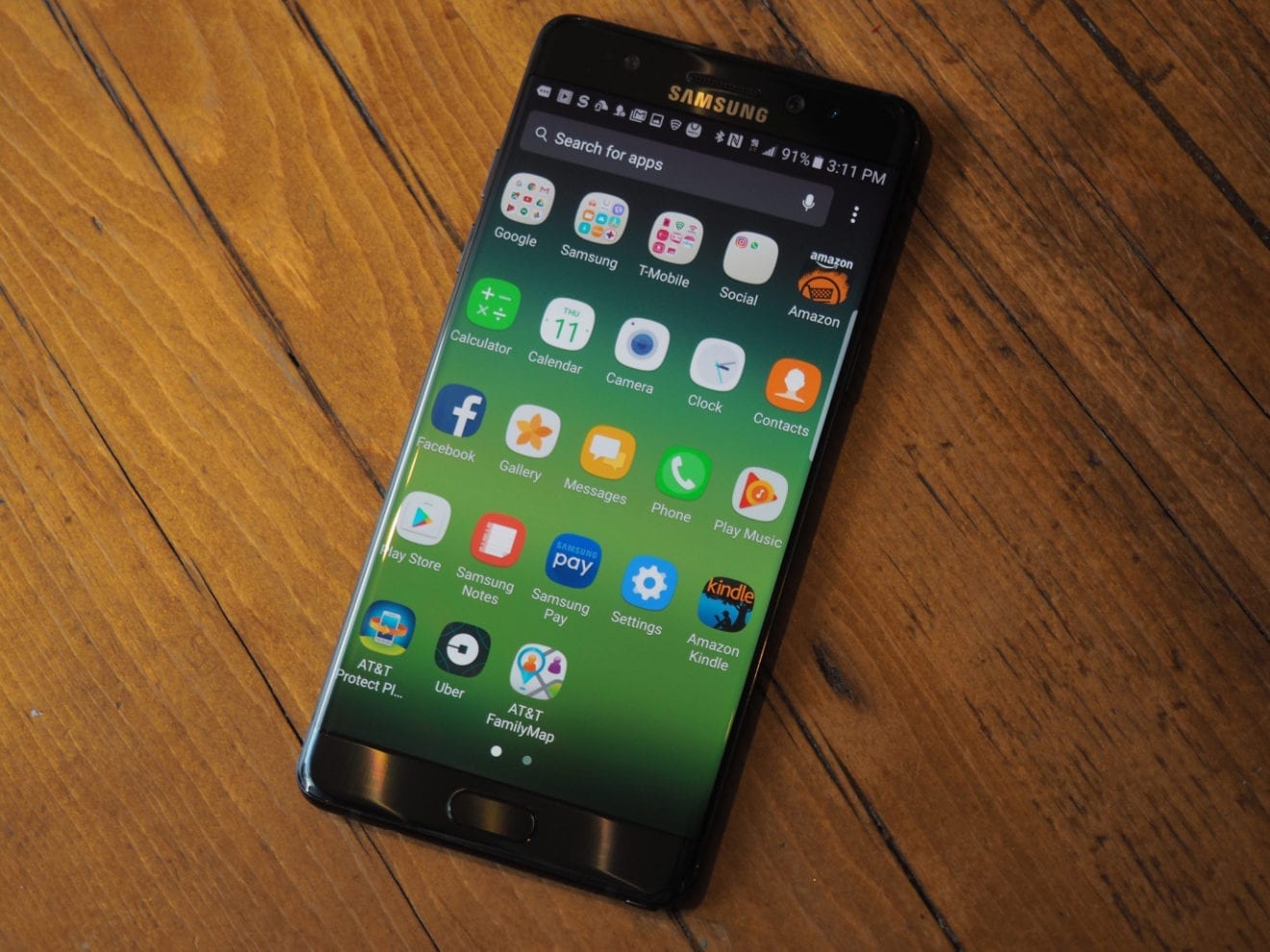
    Samsung is permanently discontinuing production and sales of the Galaxy Note 7 smartphone, owing to safety fears over defective batteries — including in replacement handsets the company had subsequently sent to customers following a recall of original devices.

    The news was reported earlier by the WSJ, and a spokeswomen for Samsung confirmed it is ending production of the device, telling: “We can confirm the report that Samsung has permanently discontinued the production of Galaxy Note7.”

    The company did not provide any additional statement explaining its decision but in a filing about ending production with South Korean regulators it cites ‘customer safety’ as the reason.

    Yesterday Samsung had asked carriers and resellers to halt sales and exchanges of Note 7 devices, as reports of problems with replacement handsets mounted. Note 7 owners were offered a full refund or a refund for a different Samsung smartphone, along with a $25 gift certificate or other add-on to sweeten the hassle of dealing with two rounds of recalls.

    The initial recall of the circa 2.5 million Note 7s in circulation was announced in early September.

    The company had also previously said it was adjusting production of the Note 7 to, in its words, “take further steps to ensure quality and safety matters”.

    However, in the event, and given the mounting PR nightmare of even replacement Note 7s having a demonstrable risk of an exploding battery — coupled with the model being namechecked as a safety hazard at airports and on flights all over the world — it’s hardly a surprise Samsung has decided to pull the plug and put the Note 7 out of its misery.

    Aside from the damage to Samsung’s Galaxy brand of being associated with exploding batteries, the cost of withdrawing the Note 7 will not come cheap. Reuters cites analysts estimating that a permanent end to Note 7 sales could cost the company up to $17 billion.

    Meanwhile, the company’s stock price has also taken a substantial hit on the news of the Note 7’s nixing: falling by 8 per cent today, its biggest percentage decline since October 2008, as investors wiped some $19 billion off the value of the company.

  • Why Apple China is struggling

    Why Apple China is struggling

    Apple’s sales decline is slowing – but there are several reasons why it is doing so badly in China…

    While the iPhone 7 has not been out long enough to have had a full impact on this quarter’s numbers, it has helped Apple to moderate the pace of revenue decline.

    Even so, global revenues are still down by 9 per cent over last year indicating that Apple is a long way off the steep growth trajectory it once enjoyed. With more investment going into stores, and with those store selling fewer products than they once did, it is not surprising that net income is on the slide. Indeed, Apple will be particularly disappointed with its rare full-year profit decline.

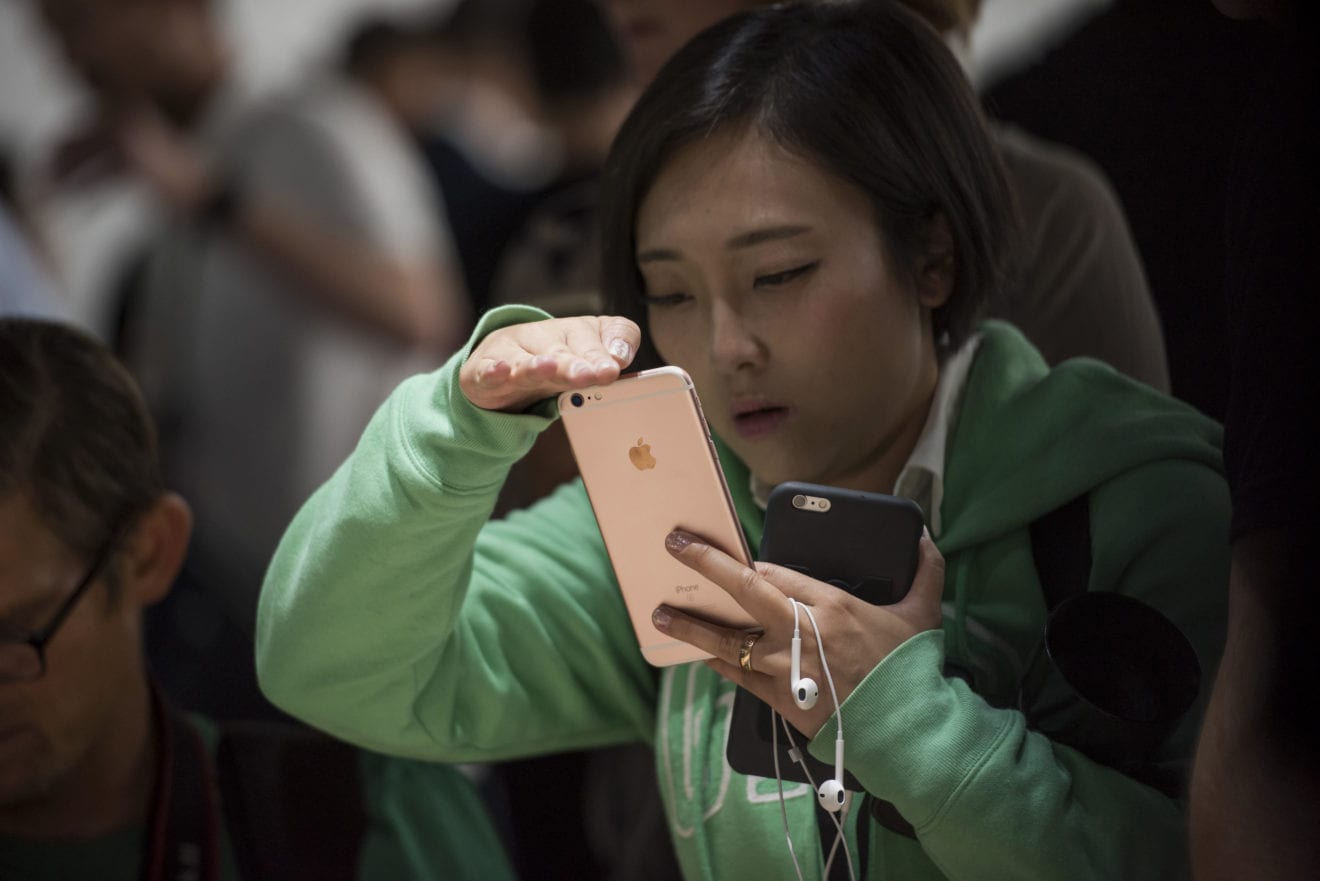
    China is an interesting, and worrying, example of some of these points. Across this quarter Apple saw revenues fall by 30 per cent in Greater China. In part this is down to the fact the market is more mature and ownership of iPhones is higher than it once was. But it is not the whole story: domestic brands like Huawei and Vivo have gained share thanks to the fact that they have, in design and technical terms, caught up with Apple and are now seen more favorably by consumers. In essence, in China and elsewhere, while Apple’s products are still seen favorably, the distance between Apple and its competitors is nowhere near as great as it once was.

    “No longer firing on all cylinders”

    Globally, the change in Apple’s fortunes is partly down to the fact that it is no longer firing on all cylinders. Previously, Apple was able to rely on strong sales of phones, tablets and computers to drive up revenue and profit across all geographies. This is no longer the case. Tablet sales are in decline. Growth from computers, which are long overdue a refresh, is weak. And consumers in some markets are saturated with product which makes growth much more difficult to attain. The latter is exacerbated by the fact that new releases, such as the iPhone 7, have been iterative rather than innovative.

    Unfortunately, Apple’s attempts to add new strings to its fiddle have not counteracted some of the strings that are now playing out of tune. In particular the Apple Watch, while a triumph of engineering, has simply not become a mass market product in the way that the iPhone, iPad, or iPod did. The one bright spot comes from service revenue, which includes streams of sales from Apple Pay, Apple Music and other services, and is up 24 per cent year-on-year. Over the longer term, this is a very lucrative part of Apple’s business and growth story, but it is not yet at the point where it is offsetting revenue declines in other areas.

    Despite this relatively gloomy view, it is important to note that Apple is being judged by its own incredibly high standards. Even with the dips in growth it remains a phenomenally successful business that is far from running out of steam.

    Complexity over simplicity

    That said, there is a complexity creeping into the firm that runs counter to Apple’s underlying philosophy of simplicity. The recent launch of the iPhone 7 in the US is a case in point: the buying process has been dreadful. The cumbersome system of placing orders via the website, where users have had to enter carrier information, has frustrated many customers. Meanwhile the vast array of different models, color options and payment and upgrade methods has contributed to a shortage of the right stock in the right place and has inevitably slowed sales.

    For a brand like Apple these things matter. As the company has always maintained, the experience of purchasing is almost as important as the product itself. While there is no doubt Apple continues to be committed to this mantra – especially with the store upgrades it is now rolling out – it needs to look more carefully at issues of stock availability and to make the purchase process simpler and easier.

    Looking ahead, Apple’s prospects give cause for optimism. In the next fiscal year the company will come up against softer comparatives which will flatter performance. However, the unveiling, later this week, of new computers will help to ease up Mac sales. And as the iPhone 7 becomes more widely available, Apple will receive a nice growth spurt over the holiday quarter.

    Longer term, the company will be helped by the natural replacement cycle of older iPhones as these break, are damaged, or become less attractive to their users. Furthermore, Apple will, at some point, come up with a new phone – or maybe another device – that represents a significant leap forward and puts it on a better growth footing.

    As such, this current period is a hiatus rather than representing a material change in Apple’s long term prospects.


    -Neil Saunders
  • Samsung to roll out Blue Coral Galaxy S7 edge 4G+ in Singapore, US

    Samsung to roll out Blue Coral Galaxy S7 edge 4G+ in Singapore, US

    We’re taking a break from the Note 7 fiasco. Samsung seems to be refocusing its energies in other products and services because really, the damage has been done already. We know the company is already doing a lot of security and extra measures like considering maybe tapping LG for the next flagship’s battery, offering cash discounts, and launching only one flagship annually.

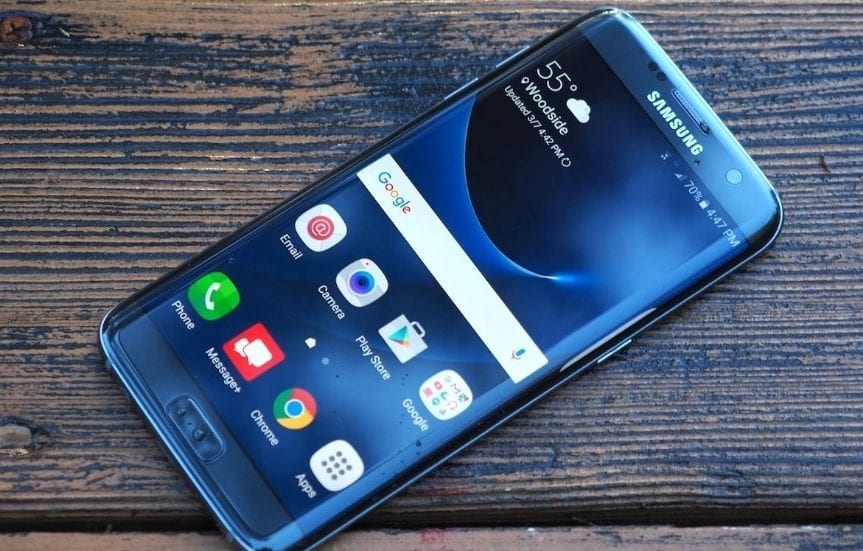
    This time, Samsung has just announced that it’s releasing a Blue Coral version of the Galaxy S7 edge 4G+. The phone will be available soon in a new color variant, giving people another alternative to the problematic Note 7. You see, the S7 edge has always been another option within the premium flagship category even before the Note 7 was launched. The smartphone was introduced in four color options namely Pink Gold, Silver Titanium, Gold Platinum, and Black Onyx and now, it’s getting the stunning Blue Coral.

    The Blue Coral Samsung Galaxy S7 edge 4G+ will roll out starting November 5 with 32GB onboard storage. Don’t be surprised but the listed retail price is a staggering $1,098.

    Samsung announced this color option together with the 2016 version of the Galaxy Tab A 10.1 with S Pen 4G. The two should be available from most retailers and mobile carriers in Singapore initially and then in the United States very soon.

  • Can’t do without your mobile device? You’re not alone

    Can’t do without your mobile device? You’re not alone


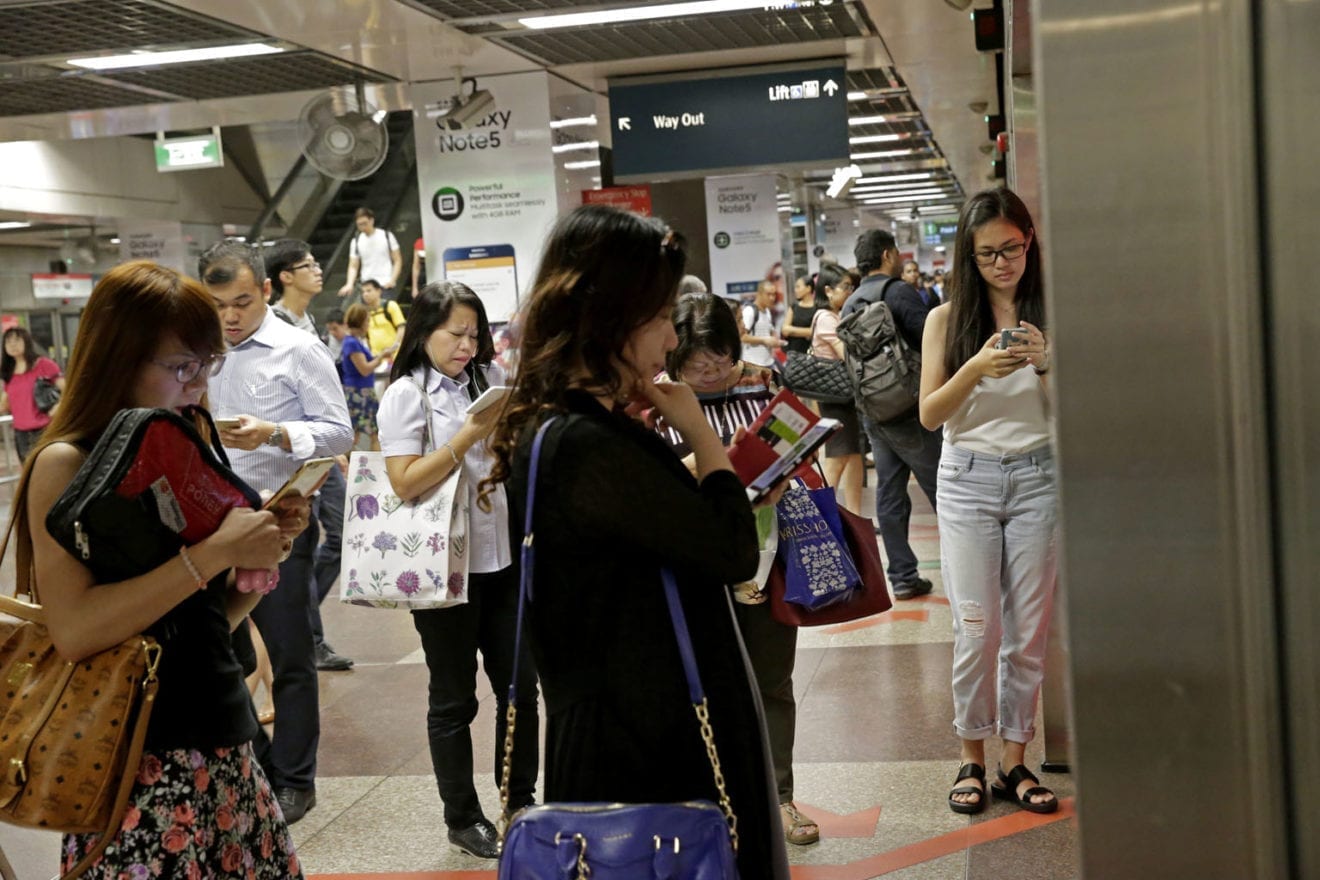
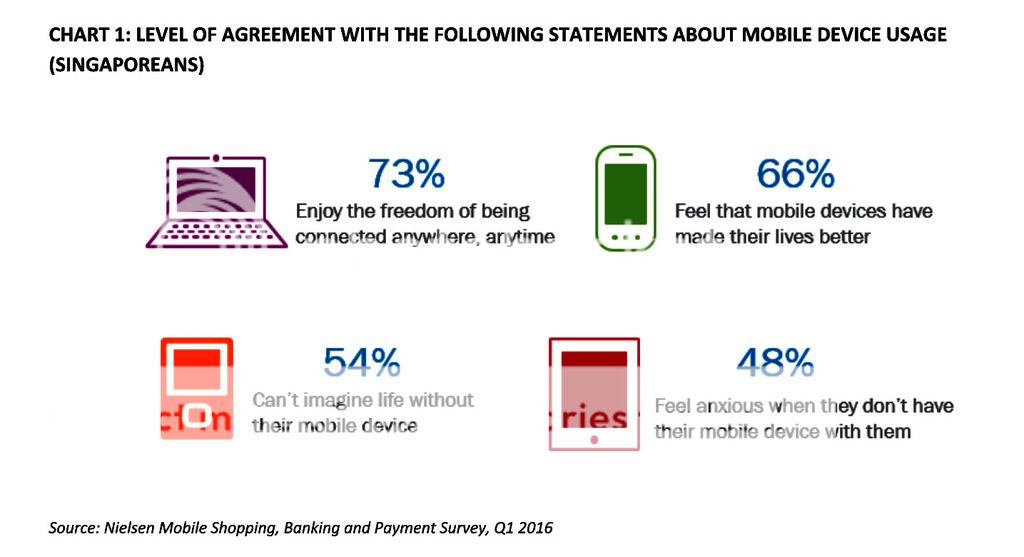
    Market research agency Nielsen on Monday says that some 54% of Singaporeans cannot imagine life without their mobile devices and 48% feel anxious without them.

    In addition, Nielsen found that 73% of Singaporeans enjoyed the freedom of being connected anywhere, anytime, while 66% strongly or somewhat agreed that their mobile device had bettered their lives.

    The findings were from a poll of more than 30,000 online respondents in 63 countries, in Nielsen’s latest Mobile Shopping, Banking and Payment Survey. This included 493 respondents from Singapore.

    Nielsen says the proliferation of technology and need for connectivity in their lives has revolutionised the world of retail, and changed the way consumers shop and buy online, as well as perform banking transactions.

    “Mobile devices… are shaping and defining the consumer’s approach to retail and banking, empowering them to demand a more custom tailored experience according to their taste and preferences,” says Joan Koh, managing director, Nielsen Singapore and Malaysia.

    “The need for connectivity and value of convenience has never been greater among Singaporeans,” she adds.

    Some 62% of Singaporeans have used their mobile devices to look up product information when shopping and 54% have used their mobile devices to compare prices.

    Close to half, or 49% of consumers, have used their mobile device to research on a product or service within the last six months.

    In addition, some 32% have used their mobile devices to purchase a product or service, and 31% have booked movie tickets, flight tickets or hotel stays through them.

    “The adoption of mobile devices has disrupted the path to purchase of traditional retail channels,” says Koh. “Businesses need to continue to leverage on digital and social media platforms to supplement traditional formats such as television and print media to drive consumer engagement.”

    Growth in access to cashless payments is estimated to lead to US$10 trillion in additional consumer spending over the next decade, according to estimates from The Demand Institute, which is jointly operated by Nielsen and The Conference Board.

    Nielsen says consumers are also adopting digital tools to monitor their spending and manage their finances.

    “We are seeing an uptrend in the adoption of mobile-banking activities,” says Anil Antony, executive director of consumer insights at Nielsen Singapore. “This is further girded by the fact that retail banks are increasingly going digital with their processes and driving automation.”

    Some 41% of Singaporeans say they had checked a bank account balance or a recent transaction in the past six months, while 37% have paid a bill using their mobile device.

    In addition, 36% of respondents have transferred money between bank accounts, and 26% have transferred money using their mobile device directly to another person.

  • Xiaomi launches smartphone with ultrasound sensor

    Xiaomi launches smartphone with ultrasound sensor

    Chinese handset maker Xiaomi has launched a new smartphone that uses technology allowing the vendor to push the screen all the way to the top edge of the device.

    The MIX smartphone uses a technology from Elliptic Labs to replace the standard hardware proximity sensor with ultrasound software.

    The technology, named INNER BEAUTY, uses ultrasound instead of infrared to detect when a device is being held up to a user’s face and disable the screen’s touch functionality. It also allows the speaker to be completely invisible, clearing up the top area of the phone.

    According to Xiaomi, the MIX display uses 91.3% of the surface area of the front of the phone, compared to just 67.7% for the iPhone 7 Plus.

    Besides allowing for a larger screen, Elliptic Labs’ BEAUTY ultrasound proximity software has the potential to address common issues with hardware proximity sensors, such as unreliability in extreme weather conditions or in response to dark hair or skin colors.

    Eliptic Labs said OEMs will also be able to reduce costs by removing the hardware sensor in favor of a more cost-effective software solution.

    “We are thrilled to have our ultrasound proximity software featured in the new smartphone from world leader Xiaomi. Elliptic Labs is the only ultrasound proximity feature vendor designed into a tier-1 mobile handset,” Eliptic Labs CEO Laila Danielsen said.

    “This is a significant validation of our Elliptic Labs’ value proposition and we are confident this will pave the way for additional design wins for our innovative ultrasound proximity product in the coming quarters.”